
If you think Earth’s weather is wild, wait until you meet the rest of our solar system. Out there, rain can be molten glass, winds can outrun fighter jets, and a single day can stretch longer than an entire year. The planets we share this cosmic neighborhood with are anything but ordinary, and the more astronomers learn, the stranger things get.
What makes these worlds so gripping is how they push every limit we’re used to on Earth. They rewrite what we think is possible for temperature, gravity, storms, and even the idea of night and day. Let’s dive into some of the most extreme records in our solar system and see just how weird “normal” can be when you step off our little blue planet.
Mercury: The Planet Of Brutal Temperature Whiplash
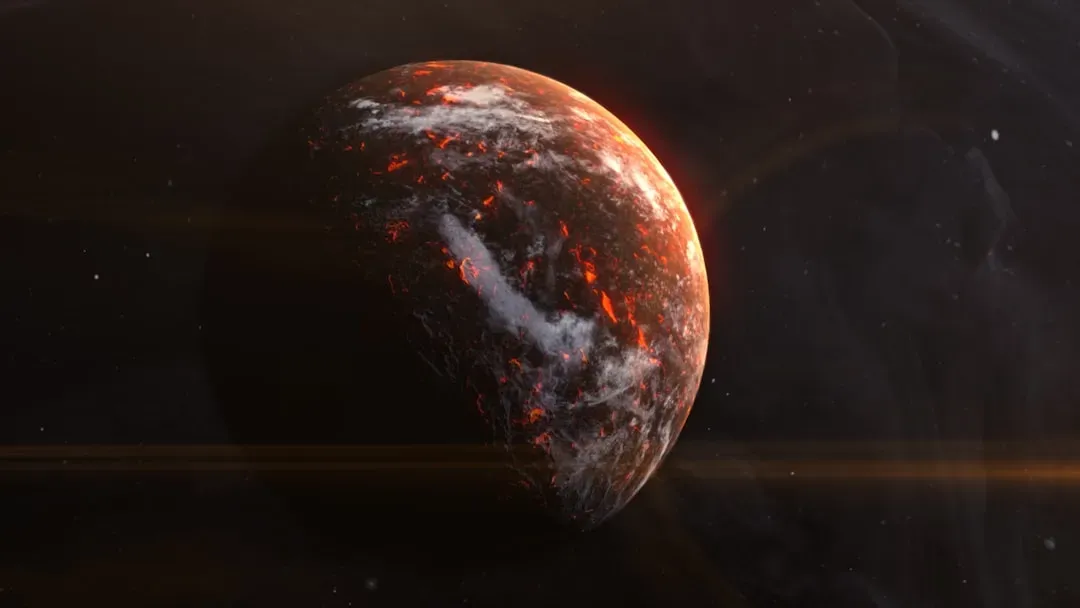
Imagine standing in a place where the daytime heat could melt lead, but the nighttime cold would freeze almost anything solid. That’s Mercury. During the day, temperatures can climb to around seven hundred degrees Celsius, hotter than the inside of most pizza ovens. Yet without a real atmosphere to hold warmth, the nights can plunge to roughly minus one hundred seventy degrees Celsius.
This wild swing happens because Mercury has practically no air blanket to spread heat around the planet. One side bakes directly under the Sun, while the other cools off into deep darkness like a desert at night on fast-forward. It’s a reminder that distance from the Sun isn’t the only thing that controls climate; the real game-changer is whether a world can keep and share its heat.
Venus: The True Hottest World, Hotter Than An Oven On Self-Clean
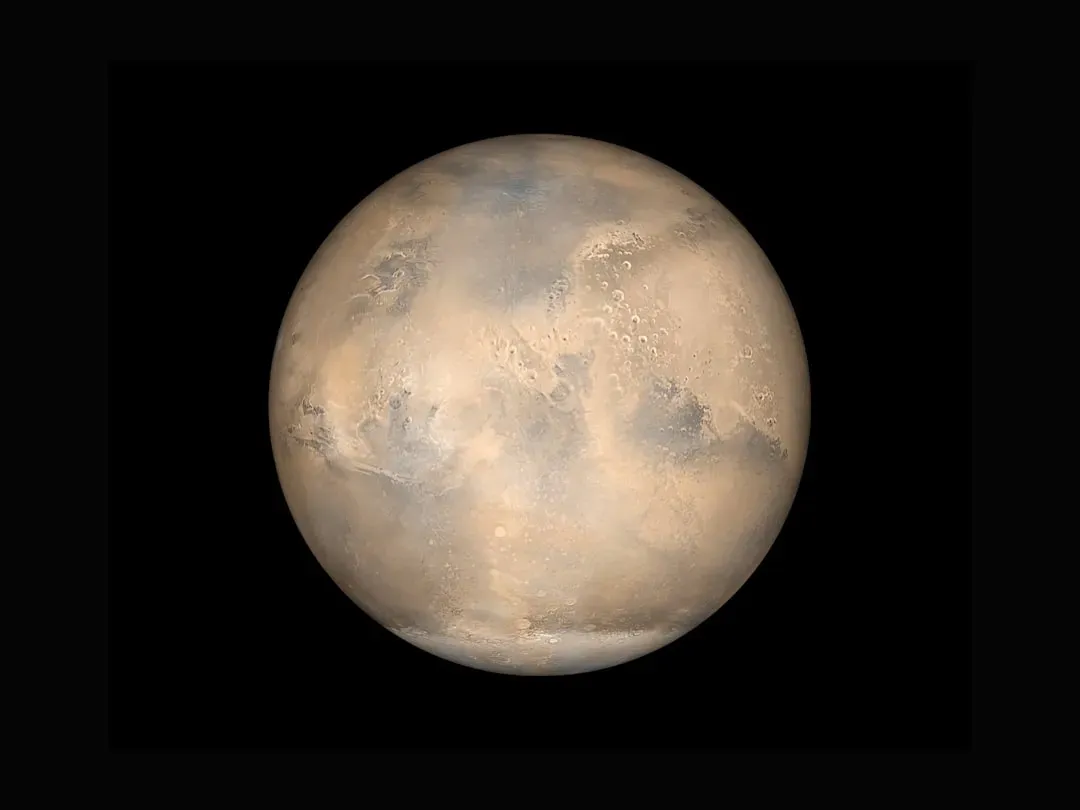
Venus often gets described as Earth’s “sister,” but that’s like calling a blast furnace the cousin of your kitchen. Despite being farther from the Sun than Mercury, Venus holds the title for the hottest planet. Its surface can reach around four hundred seventy degrees Celsius, which is hotter than most commercial pizza ovens and about what you’d expect inside a working kiln.
The reason is its crushing, heat-trapping atmosphere. Venus is wrapped in thick clouds and air loaded with carbon dioxide, acting like an extreme version of the greenhouse effect. Sunlight gets in, heat can’t get out, and the planet basically cooks itself nonstop. If you ever need a real-world warning of what runaway climate change can look like, Venus is the loudest, scariest example in our cosmic backyard.
Jupiter: Home To A Storm Bigger Than Earth That Won’t Quit
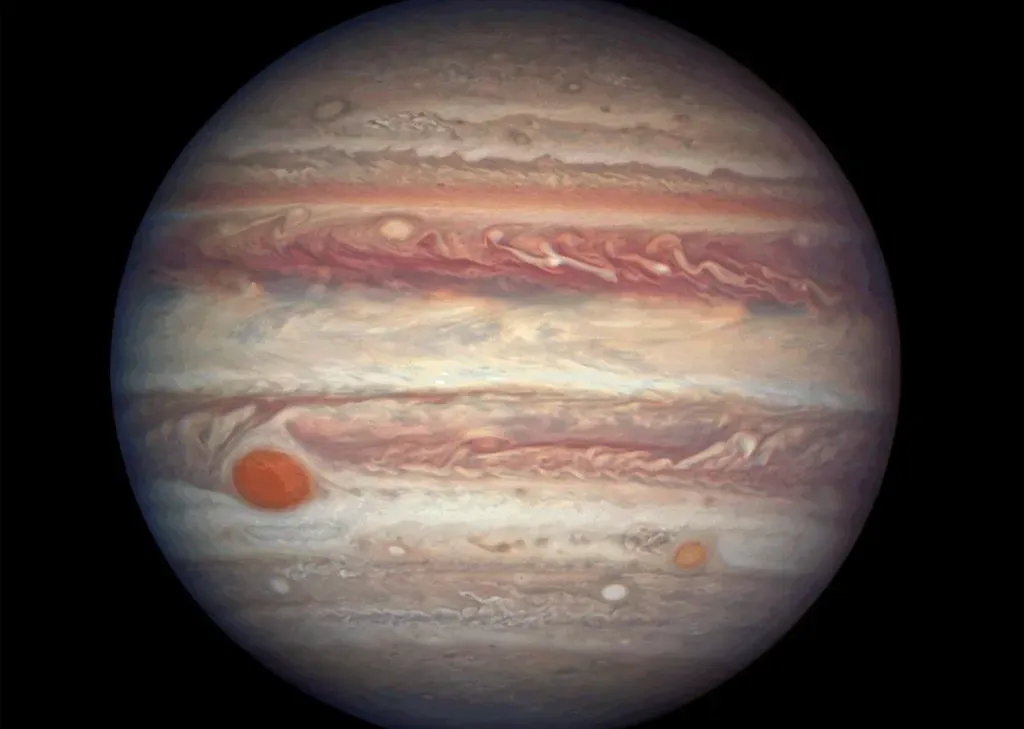
Jupiter’s Great Red Spot is the solar system’s drama queen of storms. It’s an enormous spinning storm system so big that Earth could fit inside it, with room to spare. Humans first saw it through telescopes more than three centuries ago, and it’s still going, making it one of the longest-lasting storms we’ve ever observed anywhere.
Over time, the storm has been slowly shrinking and changing color, but it remains a huge swirling wound in Jupiter’s cloud tops. Wind speeds inside can reach hundreds of kilometers per hour, faster than most hurricanes on Earth. When you look at pictures of Jupiter, that red oval isn’t just a pretty detail; it’s a sign that weather on gas giants can operate on scales we can barely wrap our heads around.
Saturn: The Lightest Planet That Could Almost Float In A Giant Bathtub
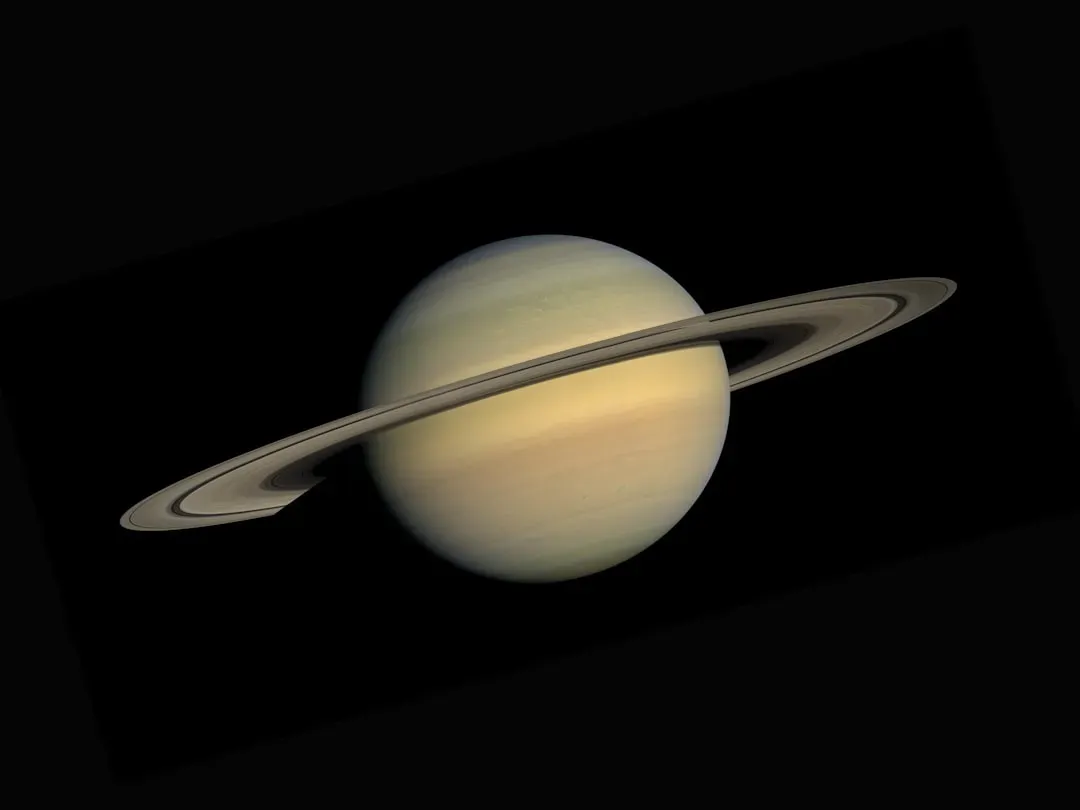
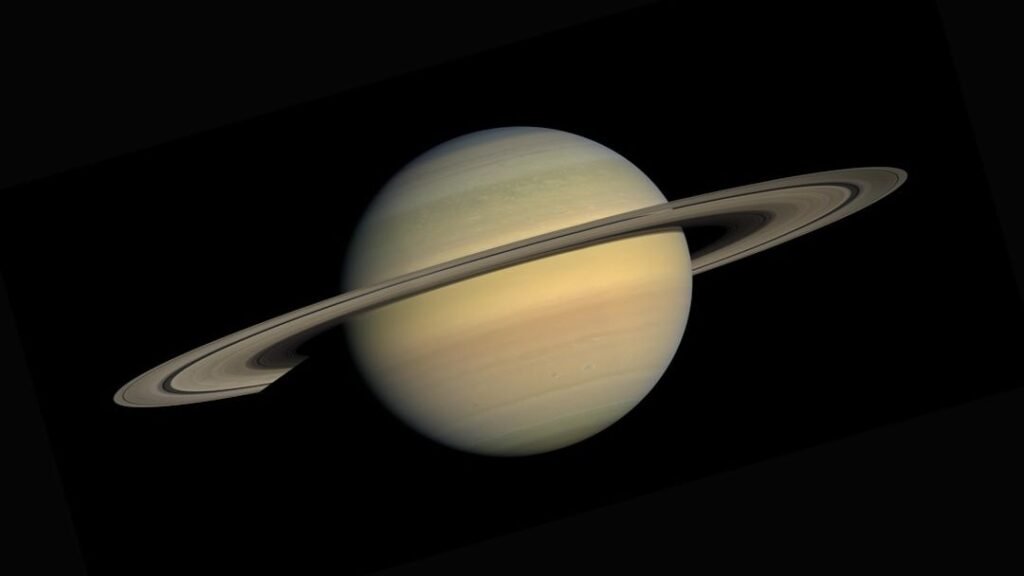
Saturn looks massive, but in terms of density, it’s surprisingly delicate. If you could somehow build an ocean big enough, Saturn would actually float in it because it’s less dense than water. That’s not just a cute science-fair line; it tells us how much of Saturn is made of light gases like hydrogen and helium instead of heavy rock and metal.
This low density also means Saturn’s interior and atmosphere behave very differently from Earth’s. Deep inside, pressures become intense enough to squeeze hydrogen into strange forms, but from the outside, we see layers of soft-looking clouds and those famous rings. Saturn is like a huge, fluffy-looking balloon with a heavy secret core, proof that “biggest” and “heaviest” aren’t always the same thing in space.
Uranus: The Planet That Rolls Around The Sun On Its Side
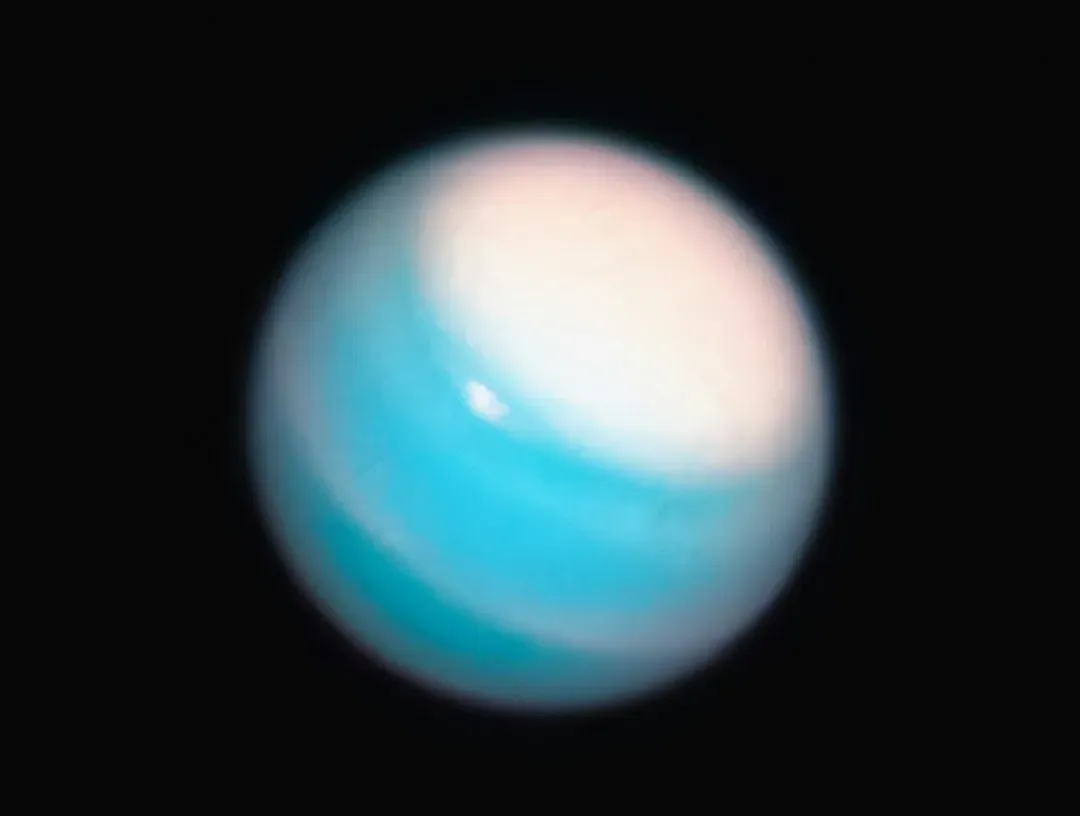
Most planets spin like tops, tilted a bit, but generally upright compared to their orbits. Uranus, though, is more like a knocked-over bowling ball. Its axis is tilted by about ninety degrees, which means it effectively rolls around the Sun on its side. Astronomers think a giant impact long ago might have slammed into Uranus and sent it tumbling into this bizarre orientation.
This tilt causes seasons that are almost impossible to imagine from an Earth perspective. For long stretches, one pole can face the Sun continuously while the other sits in darkness, and then the situation slowly flips. Whole regions can spend decades in either sunlight or night, turning the idea of a “year” into something that feels more like a cosmic endurance test.
Neptune: The King Of Supersonic Winds
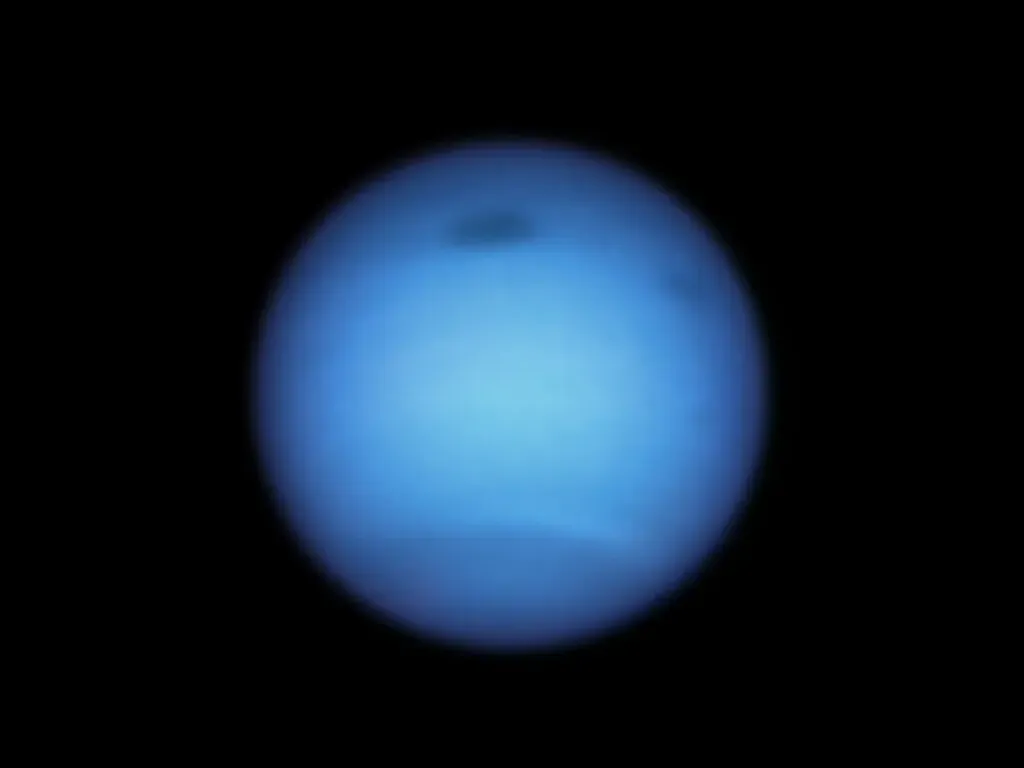
Neptune may be far from the Sun and deeply cold, but its atmosphere is anything but calm. It hosts some of the fastest winds in the solar system, with speeds that can exceed the speed of sound in Earth air. Imagine skyscraper-tall storms and dark spots whipping around the planet at hundreds of kilometers per hour in a world where sunlight is weak and dim.
What makes this so fascinating is that Neptune doesn’t get much energy from the Sun, yet it still manages to drive violent weather. Scientists think the planet radiates more internal heat than it receives, stirring the atmosphere from within like boiling water in a covered pot. It’s a reminder that not all storms are powered by sunshine; sometimes the energy comes from deep inside a planet itself.
Mars: The World Of Giant Global Dust Storms
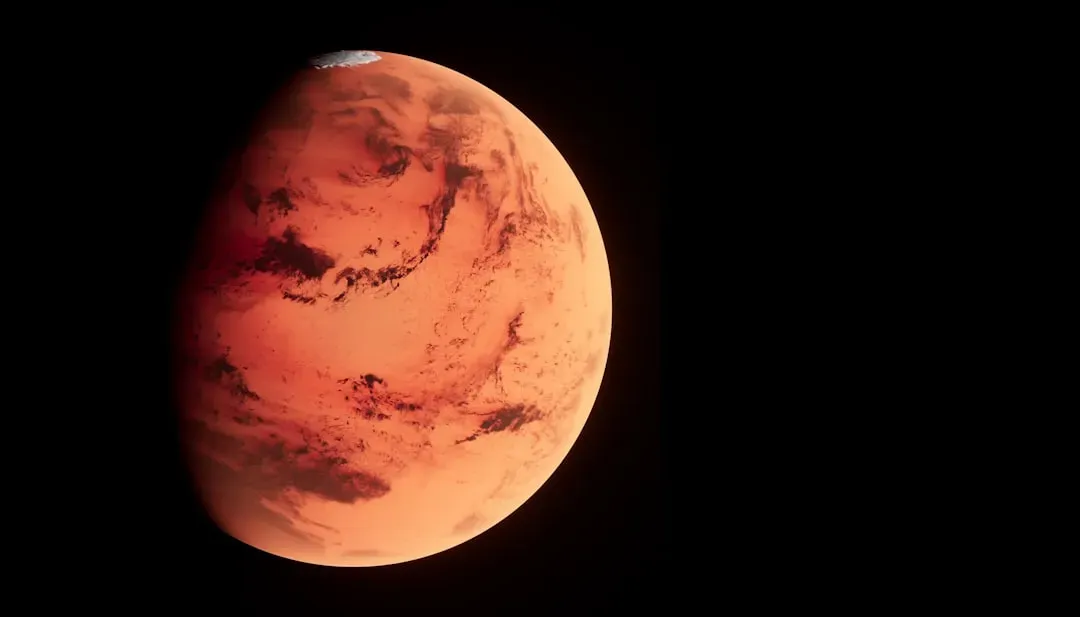
Mars might look quiet in photos, but it can whip itself into a planet-wide frenzy. The Red Planet experiences dust storms so huge they can cover almost the entire globe, hiding surface features for weeks at a time. These storms can grow from small local swirls into continent-spanning brown hazes that block sunlight and dramatically change the sky.
For spacecraft and future astronauts, these storms are not just a visual spectacle, they’re a real challenge. Reduced sunlight can starve solar panels, and fine dust can creep into mechanical parts. It’s a bit like living in a place where, every so often, the entire world decides to kick up a sandstorm that lasts for half a season and changes the way everything looks and works.
Pluto: Tiny, Frosty, And Shockingly Complex
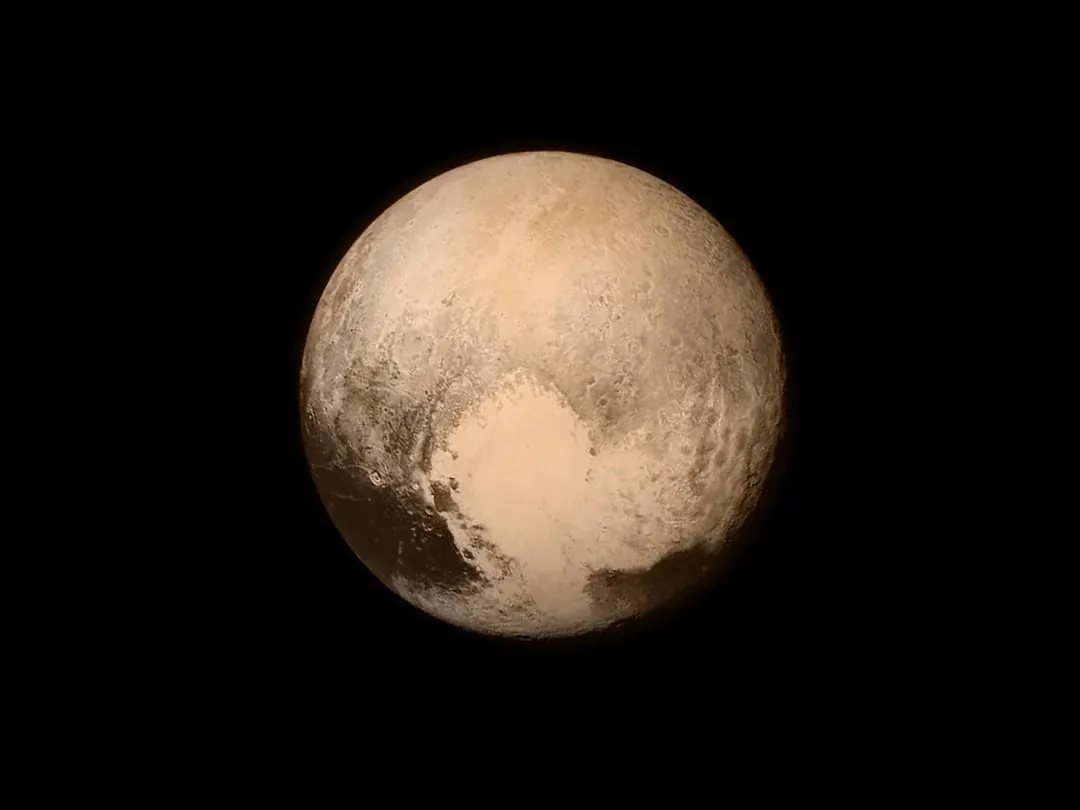
Even though Pluto is now classified as a dwarf planet, it’s still one of the most extreme and intriguing objects in our solar system. Temperatures on Pluto can fall to around minus two hundred degrees Celsius, cold enough to freeze nitrogen into solid ice. At that point, things we think of as gases on Earth behave more like rocks and glaciers there.
When a spacecraft finally visited Pluto in 2015, scientists found a world far more complex than anyone expected. There are towering ice mountains, smooth plains, and hints of possible slow-moving glaciers made of frozen nitrogen. For such a small and distant world, Pluto packs in an impressive variety of landscapes, proving that size and status don’t always predict how interesting a planet can be.
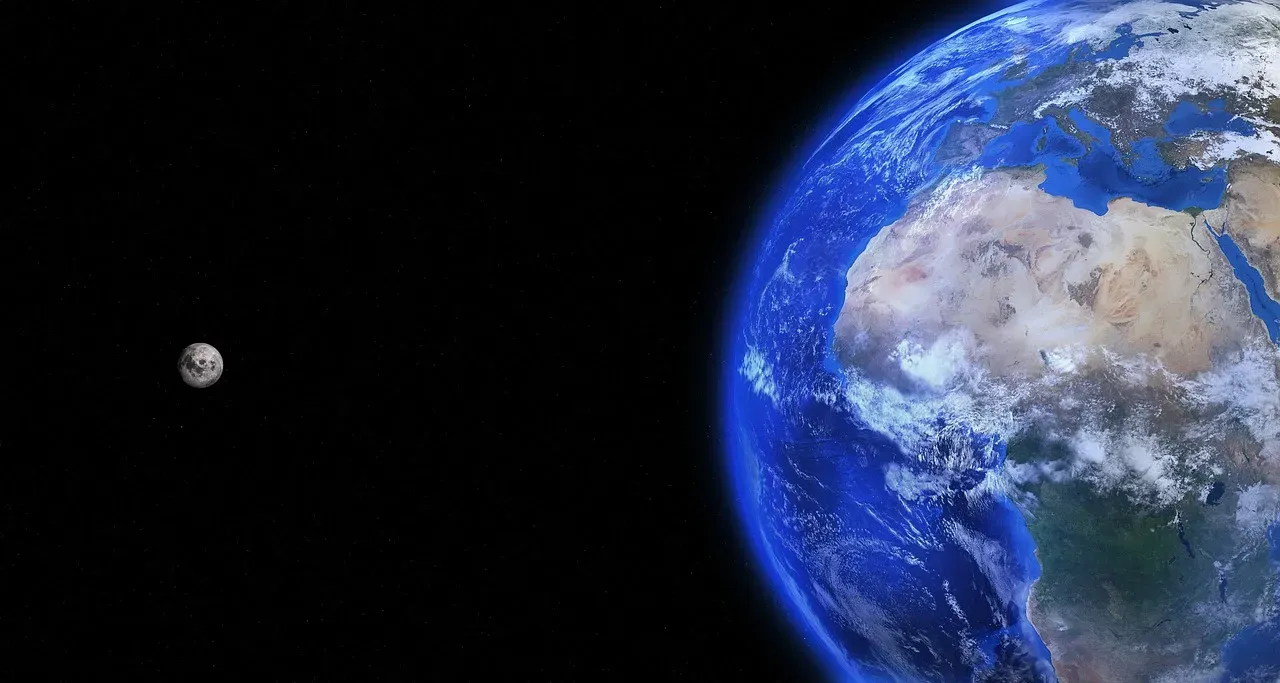
Earth: The Only Known Planet Where Extremes Still Allow Life
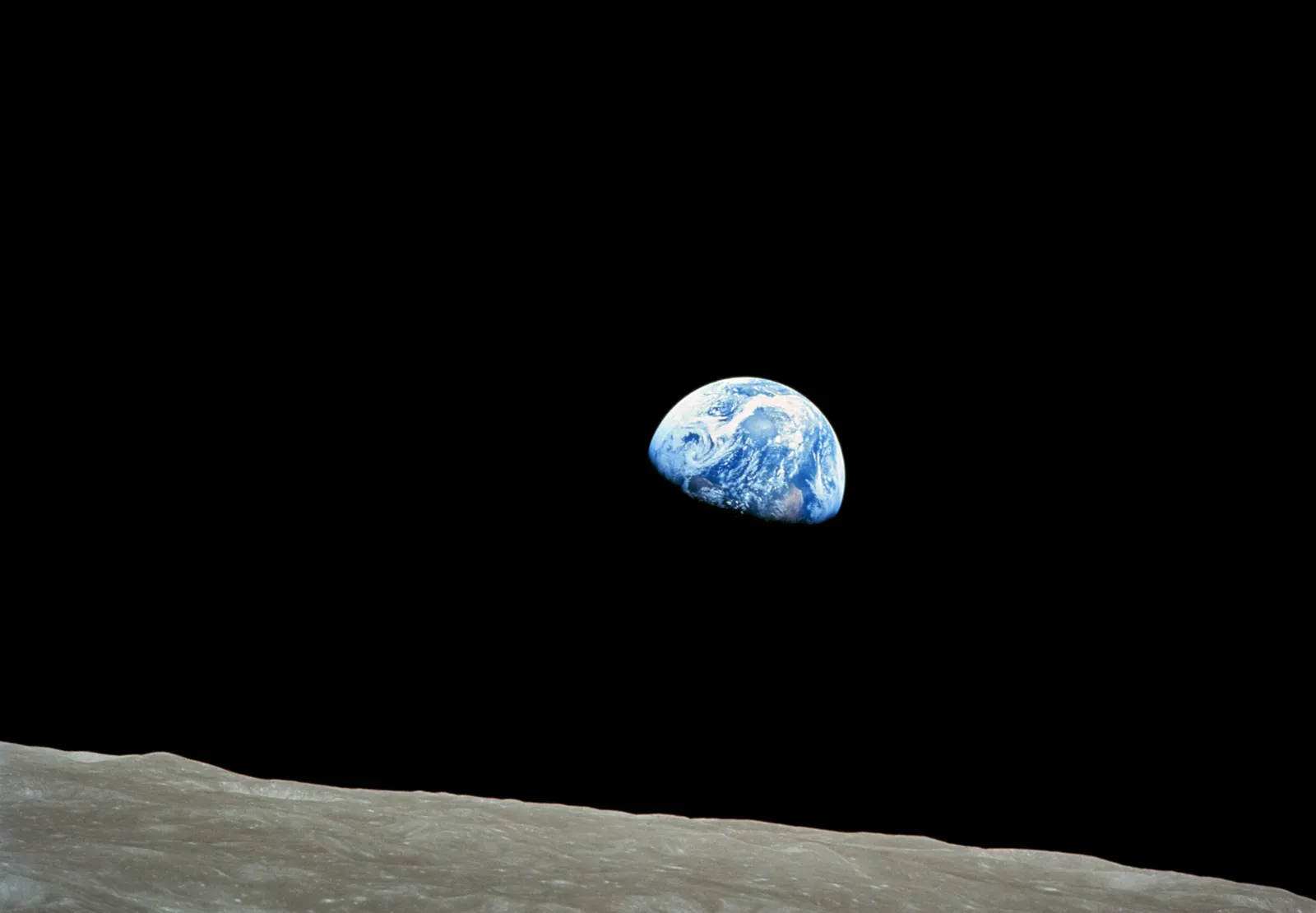
In the middle of all these wild worlds, Earth seems almost modest at first glance. But when you compare it to Venus’s crushing heat or Mercury’s brutal temperature swings, Earth looks like an incredibly delicate balancing act. We have liquid water on the surface, an atmosphere thick enough to protect us but not so dense that it cooks us, and a magnetic field that shields us from much of the Sun’s harshest radiation.
What makes Earth truly extreme is that, as far as we currently know, it’s the only planet where all these factors come together to support life. From boiling hot vents on the ocean floor to icy polar deserts, life has learned to survive in almost every crack and corner. In a solar system full of storms, poison skies, and searing or freezing surfaces, our planet is the rare place where “extreme” still leaves room for oceans, forests, and people wondering what else is out there.
A Solar System Full Of Wild Possibilities
From Mercury’s extreme temperature flip-flops to Neptune’s roaring supersonic winds, our solar system is a collection of worlds that stretch every rule we’re used to on Earth. Some cook under greenhouse blankets, others roll on their sides, and a few freeze gases into solid, frozen landscapes that feel more like scenes from science fiction than real places. Each planet carries its own version of “normal,” and none of them look anything like ours.
What ties all these extremes together is the way they challenge our assumptions about how planets work, and what might be possible around distant stars. If our single solar system can host such wildly different worlds, it’s hard not to imagine even stranger planets orbiting other suns. When you look up at the night sky now, it’s worth asking yourself: which kind of extreme world do you think is out there waiting to be found next?