You probably think of the deep ocean as a dark, empty, and almost lifeless place. In reality, it is one of the most extreme yet vibrant frontiers on Earth, packed with bizarre survivors that make your everyday problems look easy. Down there, the weight of the water could crush a submarine, sunlight never reaches, and food is scarce, but somehow life has not only hung on, it has gotten creative.
As you explore these deep-sea creatures, you start to see a pattern: when the environment gets harsher, life gets weirder, tougher, and strangely beautiful. Each animal you are about to meet shows you a different way evolution solves impossible problems, from growing natural headlights to turning pressure into power. By the end, you may never look at the ocean – or at the idea of “harsh conditions” – the same way again.
1. Giant Squid: The Elusive Phantom of the Abyss
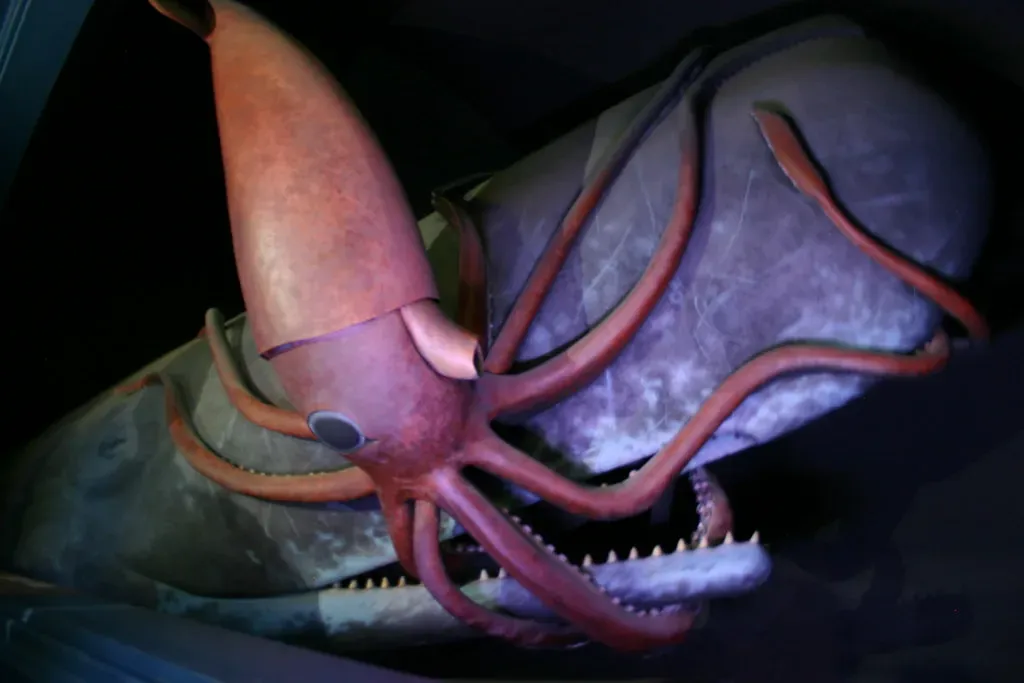
If you ever wanted proof that reality can outdo myth, the giant squid is it. You are looking at an animal that can grow longer than a bus, with eyes the size of dinner plates, yet it spends its life hidden thousands of feet below the surface. Down there, in the cold, inky darkness, its enormous eyes help it catch the faintest hint of movement, like the silhouette of a sperm whale cruising in for an attack. You rarely see giant squids alive because they live in zones too deep for most human technology to reach for long.
What makes the giant squid such a powerful symbol of life in harsh environments is how specialized it is for a place that seems utterly hostile. You have a creature that uses long, sucker-lined tentacles as living harpoons, grabbing prey in water so dark that sight barely helps. Instead of relying on speed alone, it senses vibrations and changes in pressure, turning the deep ocean’s challenges into advantages. Every time one washes ashore or shows up on a deep camera, you are reminded how much is still hiding out there, thriving where almost nothing else could.
2. Anglerfish: The Living Lantern of the Midnight Zone
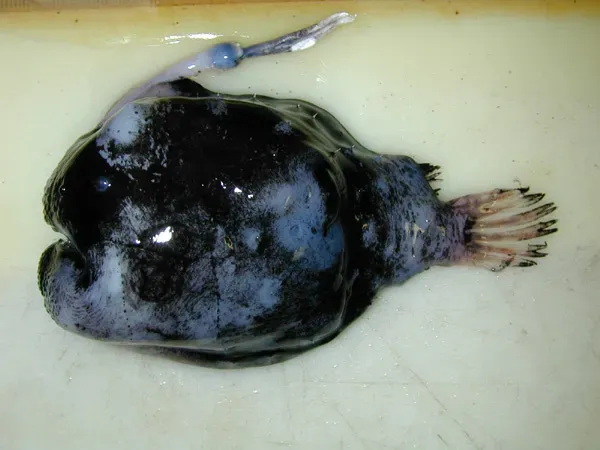
Imagine being dropped into a world so black that you cannot see your own hand, and then having to hunt for food and find a mate. That is where the anglerfish lives, in the so-called midnight zone, where sunlight never reaches. To survive there, you see it carrying its own built-in lantern: a glowing lure that dangles from its head like a tiny, sinister fishing rod. The light is made by bacteria living inside the lure, turning chemistry into a survival tool.
When you watch how the anglerfish uses that light, it starts to feel almost unfair to its prey. In the darkness, any spark of light looks like a chance at food, so small fish swim in close – and that is when the anglerfish’s huge jaws snap shut. Some deep-sea anglerfish species take things even further, with tiny males that permanently attach themselves to females, fusing into living tissue. It may sound extreme, but in a world where you almost never run into another of your kind, you adapt however you must, and the anglerfish shows you what that desperation looks like when it works.
3. Vampire Squid: Master of Low-Oxygen Survival
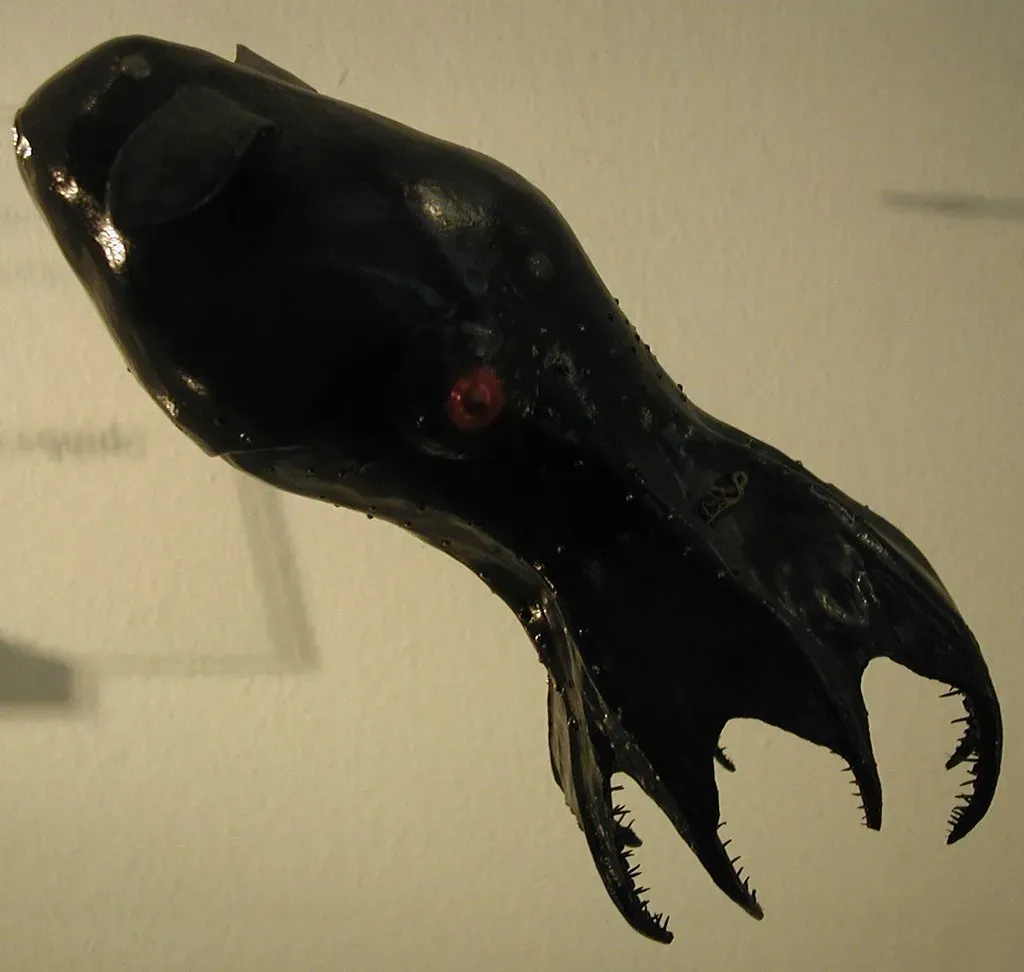
The vampire squid looks like a creature designed for a science fiction movie, but you find it calmly drifting in some of the toughest waters on Earth. It lives in oxygen minimum zones, places so poor in oxygen that most animals cannot function there at all. Yet the vampire squid’s blood and metabolism are tuned for this exact challenge, allowing it to make a slow, low-energy life where others would simply suffocate. You are looking at an animal that has turned “doing more with less” into a lifestyle.
Instead of chasing prey aggressively, the vampire squid collects falling organic debris – little bits of dead plankton and waste drifting down from the surface, often called marine snow. It uses sticky filaments like invisible fishing lines to reel in food that other animals ignore. When threatened, it wraps its webbed arms over its body, turning itself into a spiky, inside-out umbrella that looks far bigger and more menacing. In an environment that offers little oxygen, little food, and no light, the vampire squid proves you can survive by slowing down, conserving energy, and using every scrap you can find.
4. Deep-Sea Angler (Black Seadevil): Extreme Adaptation in a Tiny Package
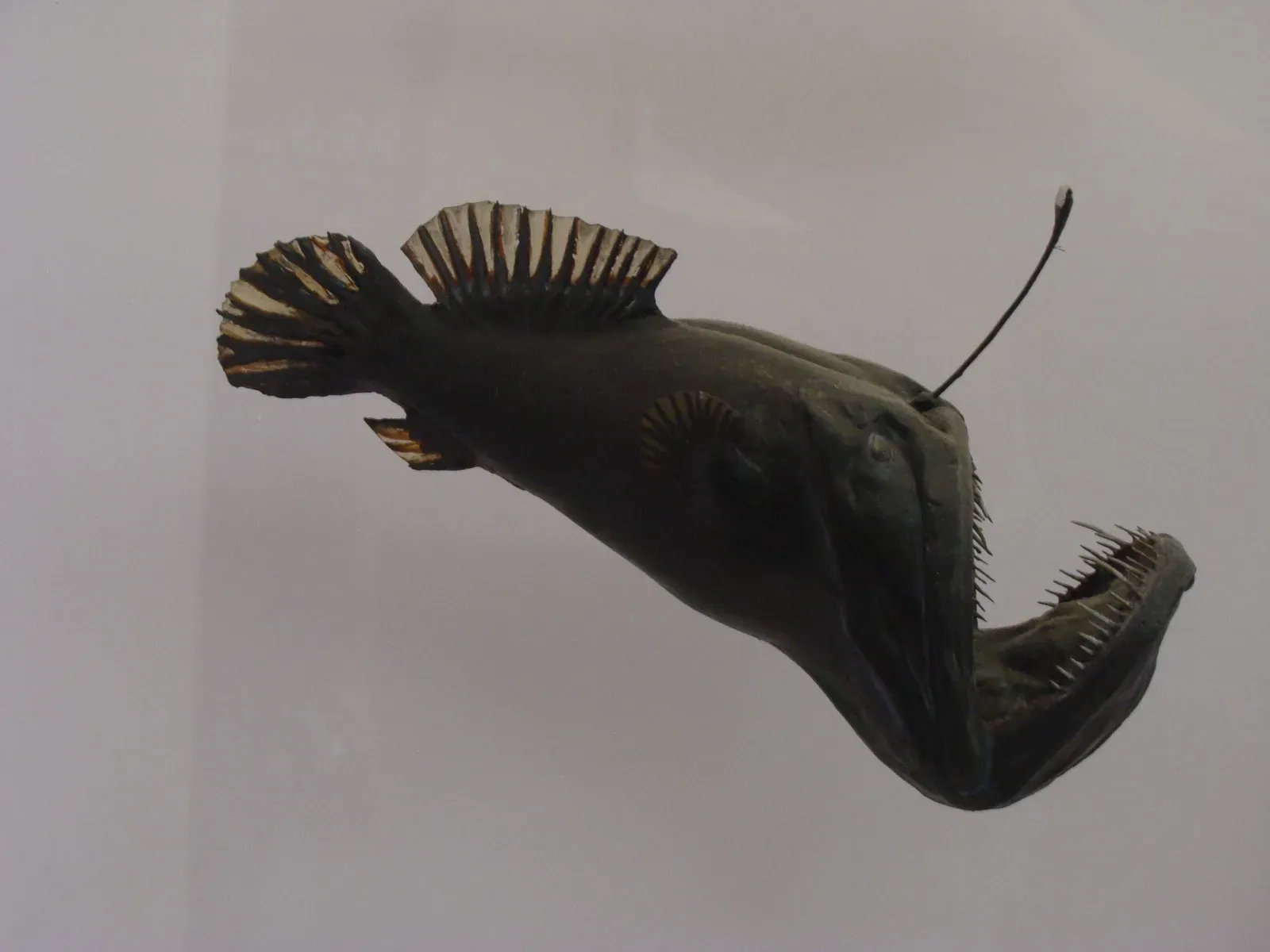
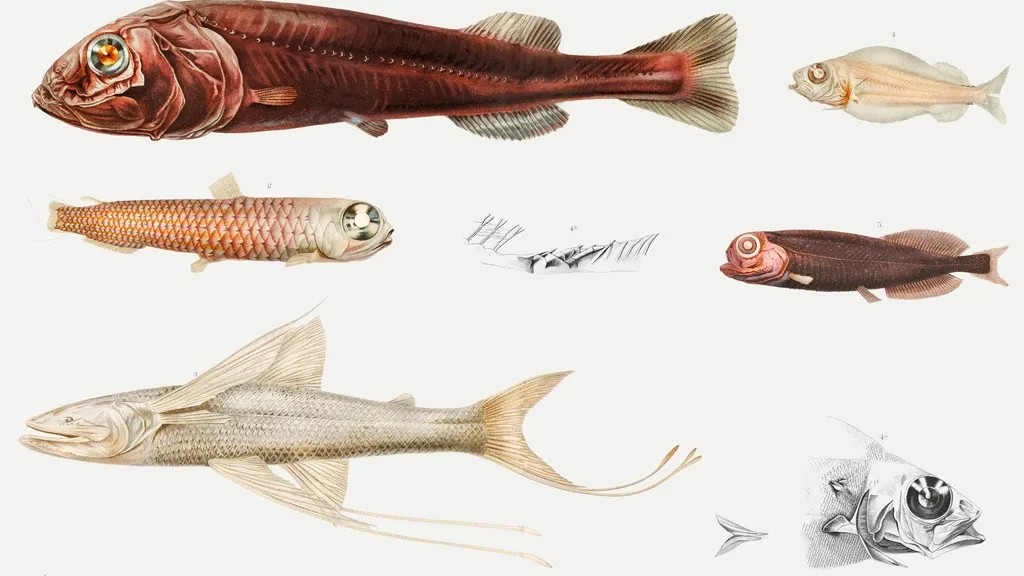
When you first see a black seadevil, you might think it looks broken, like nature made a mistake. It has a huge head, oversized teeth, and a body that almost seems too small to support that terrifying mouth. But if you picture yourself trying to eat in a place where meals are rare and unpredictable, those teeth suddenly make sense. The black seadevil can swallow prey almost its own size, which means when you finally do find food in the deep, you do not let it escape.
What stands out most about this fish is how everything about it is optimized for scarcity. You notice its lure, a bioluminescent bulb that draws prey straight into the danger zone. You see its black, light-absorbing body, perfect for disappearing in the darkness and ambushing anything that gets too close. Even its reproductive strategy is built for the harshness of the deep, with tiny males sometimes attaching to females in some species so they never lose track of each other. To you, it might look monstrous, but to the black seadevil, that extreme design is what makes survival possible.
5. Dumbo Octopus: Delicate Survivor of the Ocean’s Great Depths
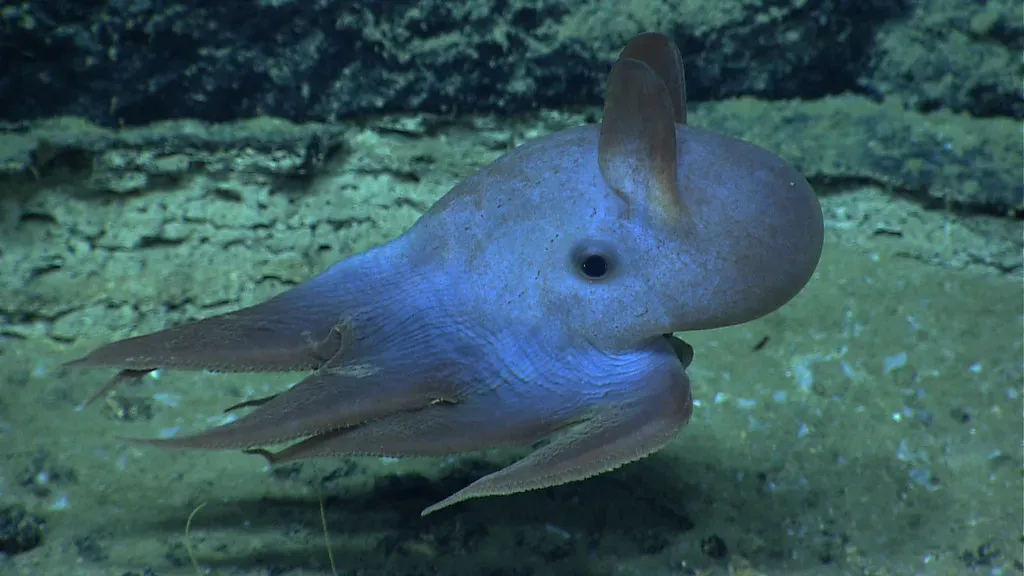
The dumbo octopus might be the most unexpectedly adorable animal you will ever find in a place this deadly. It lives at depths where the pressure could crush metal, yet it floats around with ear-like fins that make it look strangely gentle. You are used to thinking of deep-sea life as sharp, spiky, and monstrous, but the dumbo octopus reminds you that resilience does not always need armor. Its soft body and slow, graceful movements let it glide along the seafloor like a ghost, expending as little energy as possible.
Instead of chasing fast-moving prey, the dumbo octopus eats small animals from the seafloor, swallowing them whole without much struggle. You can think of it as the quiet neighbor of the deep ocean, avoiding drama, staying out of fights, and just getting on with the business of surviving. Its ability to live at incredible depths, sometimes deeper than many other octopus species, shows you how evolution can favor gentleness and efficiency over brute strength. In a world built on crushing pressure and endless darkness, the dumbo octopus thrives by staying small, soft, and surprisingly calm.
6. Yeti Crab: Farming Bacteria in Toxic Waters
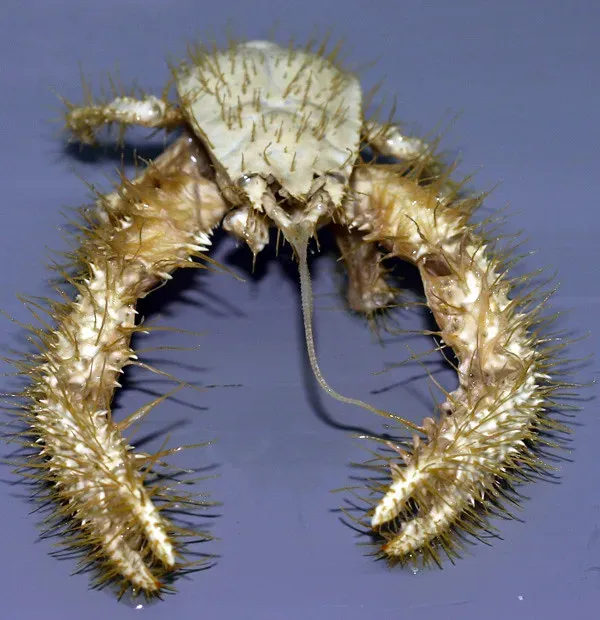
If you ever doubted that life can turn even poison into opportunity, the yeti crab will change your mind. You find this pale, fuzzy-looking crab living near hydrothermal vents, where water superheated by the Earth’s interior gushes out, loaded with chemicals that would kill most animals. Instead of avoiding these toxic plumes, the yeti crab uses its hairy claws as tiny farms. Bacteria grow on those hairs, feeding on the chemicals in the vent water, and the crab gently waves its arms to help them thrive.
When you see the yeti crab, you are basically watching a farmer that carries its crops around on its own body. Those bacteria become food, letting the crab survive in a place where normal sources of energy, like sunlight and plants, do not exist. This partnership between crab and microbe shows you how life can build an entire food chain from chemistry alone, without any connection to the surface world. In an environment of scalding water, strange gases, and total darkness, the yeti crab proves that cooperation and creativity can turn even the most alien habitat into a home.
7. Gulper Eel: Turning Scarcity into an Oversized Mouth
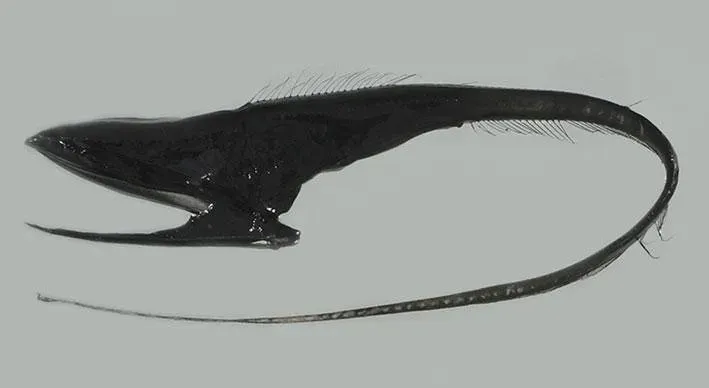
The gulper eel looks like someone took a normal fish and stretched its jaw out beyond all reason. Its head is enormous compared with its body, and its mouth opens wide like an empty sack. When you live in deep water where food is rare and unpredictable, this design makes a lot of sense. The gulper eel can gulp down large prey – or big mouthfuls of smaller creatures – whenever the chance appears, even if the meal seems too big at first glance.
What makes the gulper eel so fascinating is how it shows you that sometimes the best strategy is to be ready for anything. Instead of specializing in one kind of prey or hunting method, it builds a body that can adapt on the fly, using its huge mouth like a net in the darkness. Some species also carry a glowing tail tip that may help draw in curious animals, like a tiny flashlight used as bait. In the crushing depths, where long stretches of famine are broken by rare feasts, the gulper eel’s weird proportions are not a flaw – they are a solution.
8. Tripod Fish: Standing Still in a World of Darkness
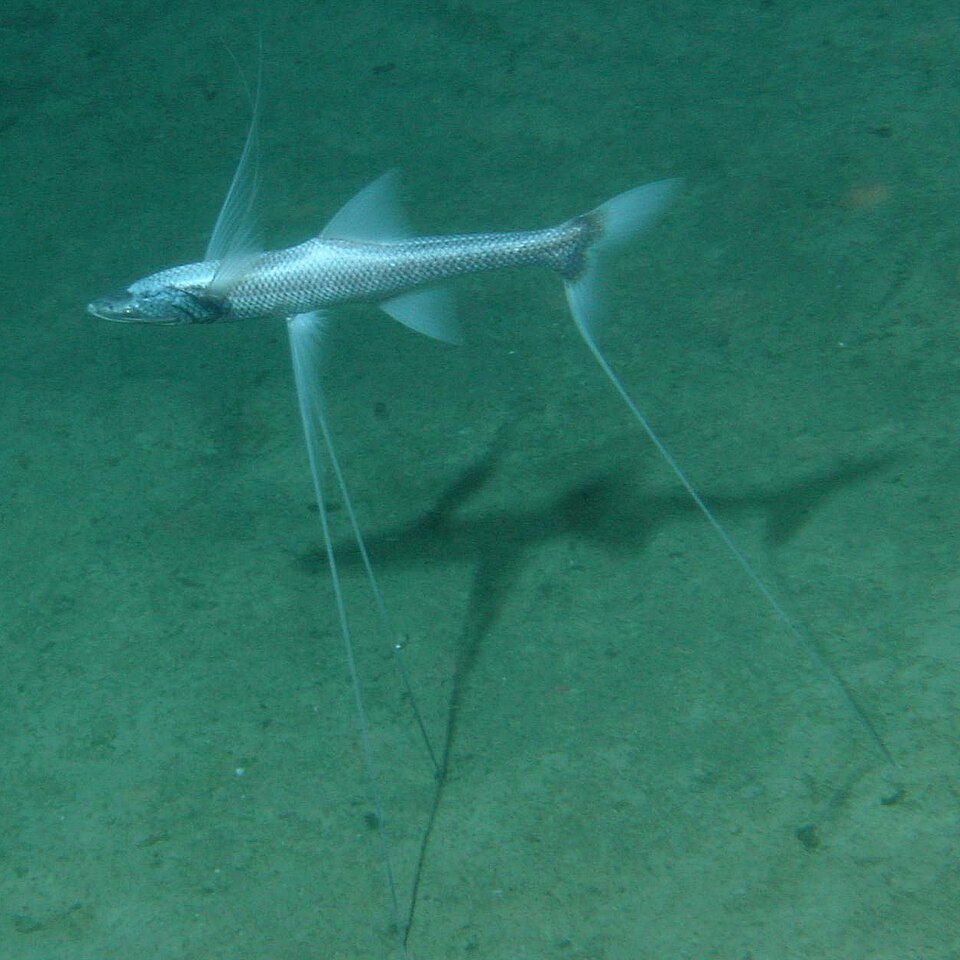
The tripod fish might be one of the strangest things you will ever picture on the seafloor. It literally stands on three long, stiff fins like a camera on a tripod, perching above the sediment in the deep ocean. In a place where energy is precious and food drifts by slowly, the tripod fish’s strategy is to stay put and let the ocean bring dinner to it. You can imagine it planted there, facing into the deep current, waiting for small prey to brush against its fins.
Its fins are not just for standing; they are also sensitive detectors that let the fish feel movement in the water like a radar system. Instead of seeing or chasing prey, it relies on touch, grabbing small animals that wander too close. For you, this might feel like the ultimate patience game, but for the tripod fish, it is energy-efficient survival. In a world with no landmarks, no light, and no easy meals, it turns stillness into a weapon, proving that sometimes doing almost nothing is the smartest thing you can do.
9. Sea Cucumber (Deep-Sea Species): Recycling the Ocean’s Leftovers
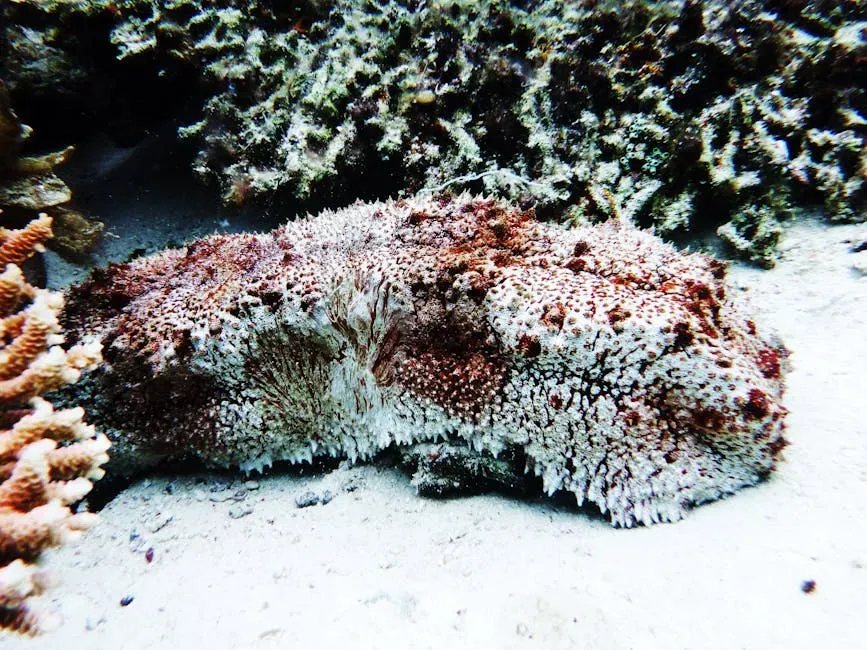
At first glance, a deep-sea sea cucumber does not look impressive. You might even mistake it for a lump of mud on the seafloor. But if you pay attention, you notice it quietly crawling along, swallowing sediment and filtering out every edible particle it can find. In the deep ocean, where fresh food is scarce, this kind of recycling becomes a superpower. The sea cucumber turns the ocean’s leftovers – fallen organic matter and waste – into energy and life.
Some deep-sea species even float or swim above the bottom, using strange, transparent bodies to drift through the water and gather food from different layers. You are seeing an animal that survives not by hunting or ambushing, but by cleaning up what everyone else leaves behind. This role is essential for deep-sea ecosystems, helping nutrients cycle through an environment that would otherwise starve. In the harshest parts of the ocean, the sea cucumber quietly proves that there is value in what others overlook, and that steady, unglamorous work can keep an entire world running.
Conclusion: What These Creatures Really Tell You About Survival
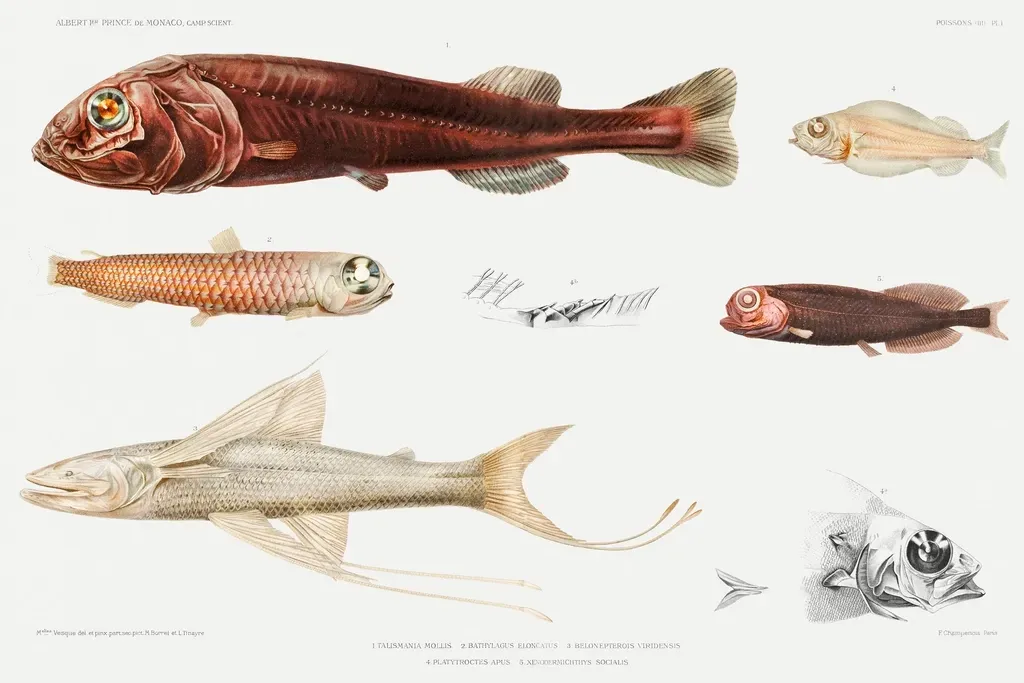
When you step back and look at these nine deep-sea creatures together, a clear message starts to form: you do not need comfort to thrive, you need adaptation. Each animal you met has turned a brutal challenge – crushing pressure, toxic water, total darkness, scarce food – into a niche it can own. Some grew lights, others farmed bacteria, others built huge mouths or lived life in slow motion, but they all point in the same direction. Life does not just endure harsh conditions; given enough time, it learns to use them.
If you let that idea sink in, it becomes hard not to see your own struggles a little differently. The deep sea shows you that survival is rarely about being the biggest or the fiercest; it is about being flexible, patient, and willing to change. You may never grow a bioluminescent lure or stand on three fins in the dark, but you face your own versions of pressure, scarcity, and uncertainty every day. The next time you feel overwhelmed, you might remember these strange, shining survivors of the abyss and ask yourself: if life can flourish there, what might you be capable of here?