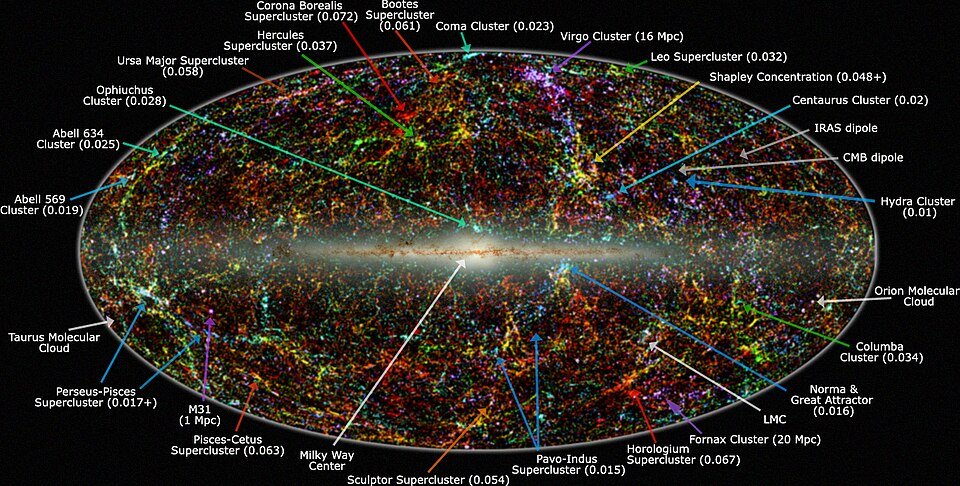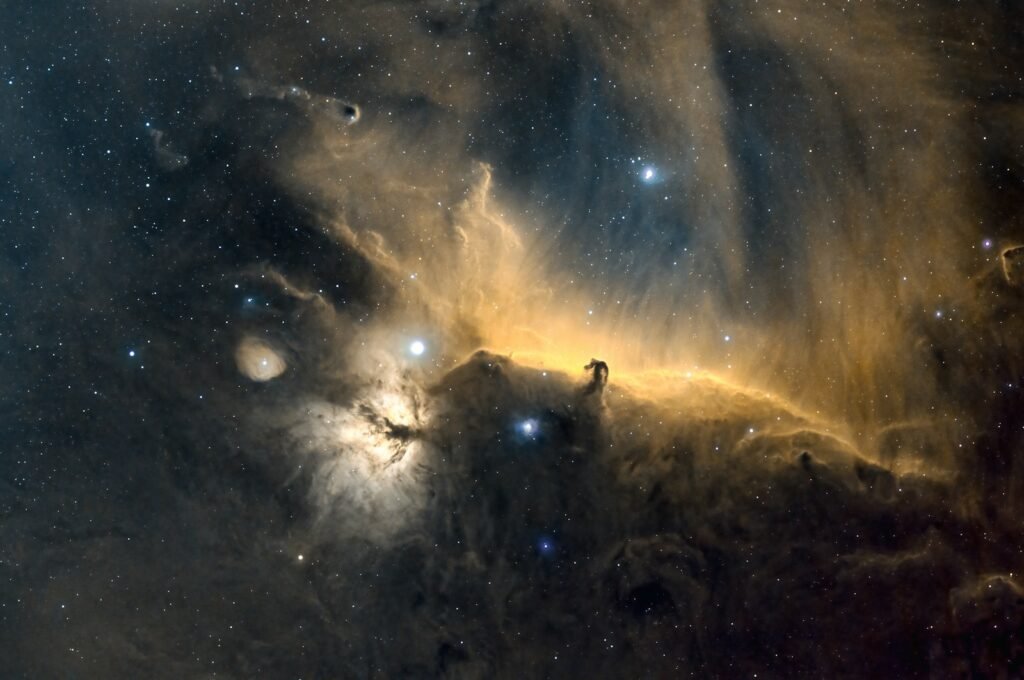

Every time we point a better telescope at the sky, the universe seems to quietly rewrite the rules we thought were settled. Over the past few years, a string of deep space discoveries has exposed cracks in our neat cosmic story, from how galaxies form to what, exactly, dark matter might be. Some of these findings are subtle statistical oddities; others are full-on cosmic plot twists that keep theorists up at night. Together, they’re forcing astronomers to ask a question that was once almost heretical: what if our standard picture of the universe is only an approximation, and a messy one at that?
The Hidden Clues: Galaxies That Are Too Big, Too Soon
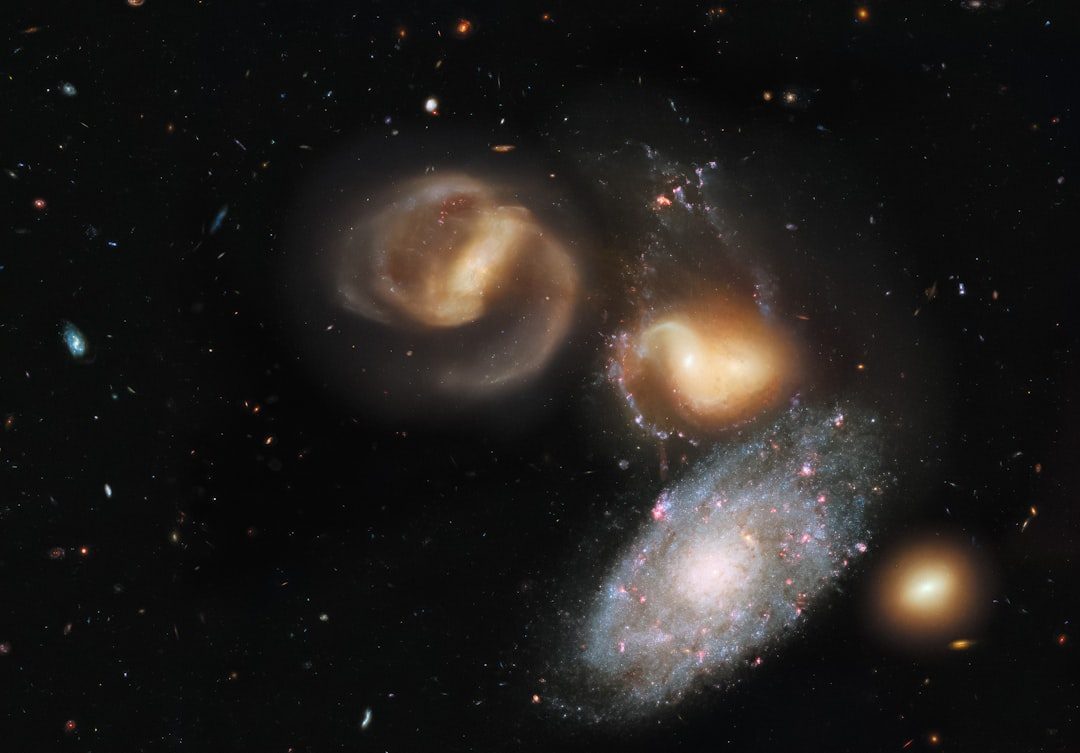
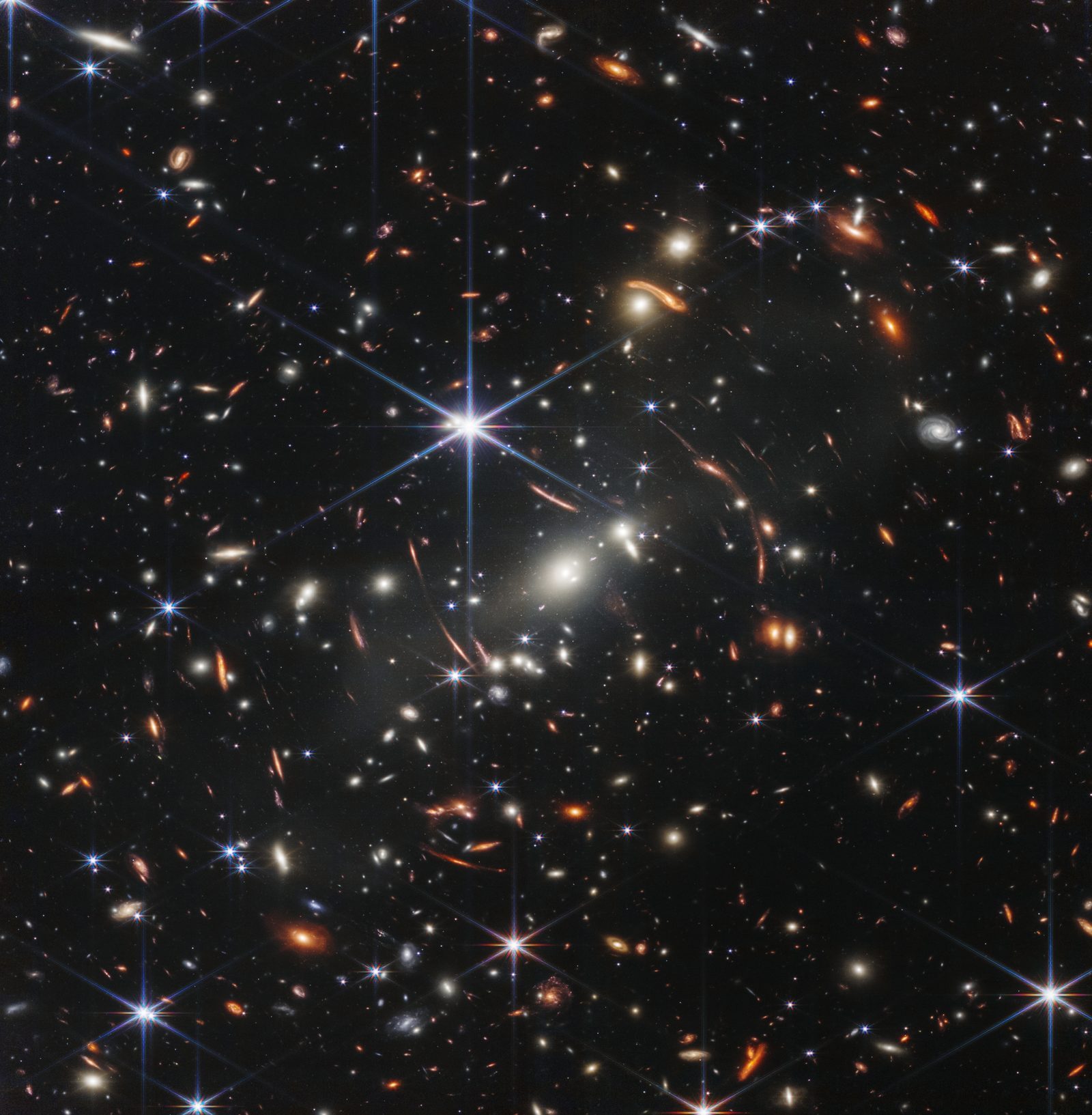
When the James Webb Space Telescope (JWST) sent back its first deep images, astronomers expected beauty, not trouble. Instead, buried in those early observations were galaxies so massive and so evolved that they seemed to exist impossibly early in cosmic history, within the first few hundred million years after the Big Bang. Traditional models say that building large, orderly galaxies should take far longer, like assembling a skyscraper brick by brick over ages. Yet JWST turned up what look like cosmic skyscrapers in a universe that should still be clearing the construction site.
Follow-up studies suggest that some of these objects might be slightly less extreme once uncertainties are accounted for, but many remain uncomfortably hefty for their age. That tension has fueled fierce debate: are we misreading the data, or is something genuinely off in our understanding of how quickly stars and galaxies can grow? Some researchers argue that star formation may be far more efficient in the early universe than expected, while others wonder if our models of dark matter and cosmic expansion need a tune-up. Either way, those faint smudges of light are whispering that the early universe was anything but simple.
From Ancient Tools to Modern Science: Black Holes That Should Not Exist
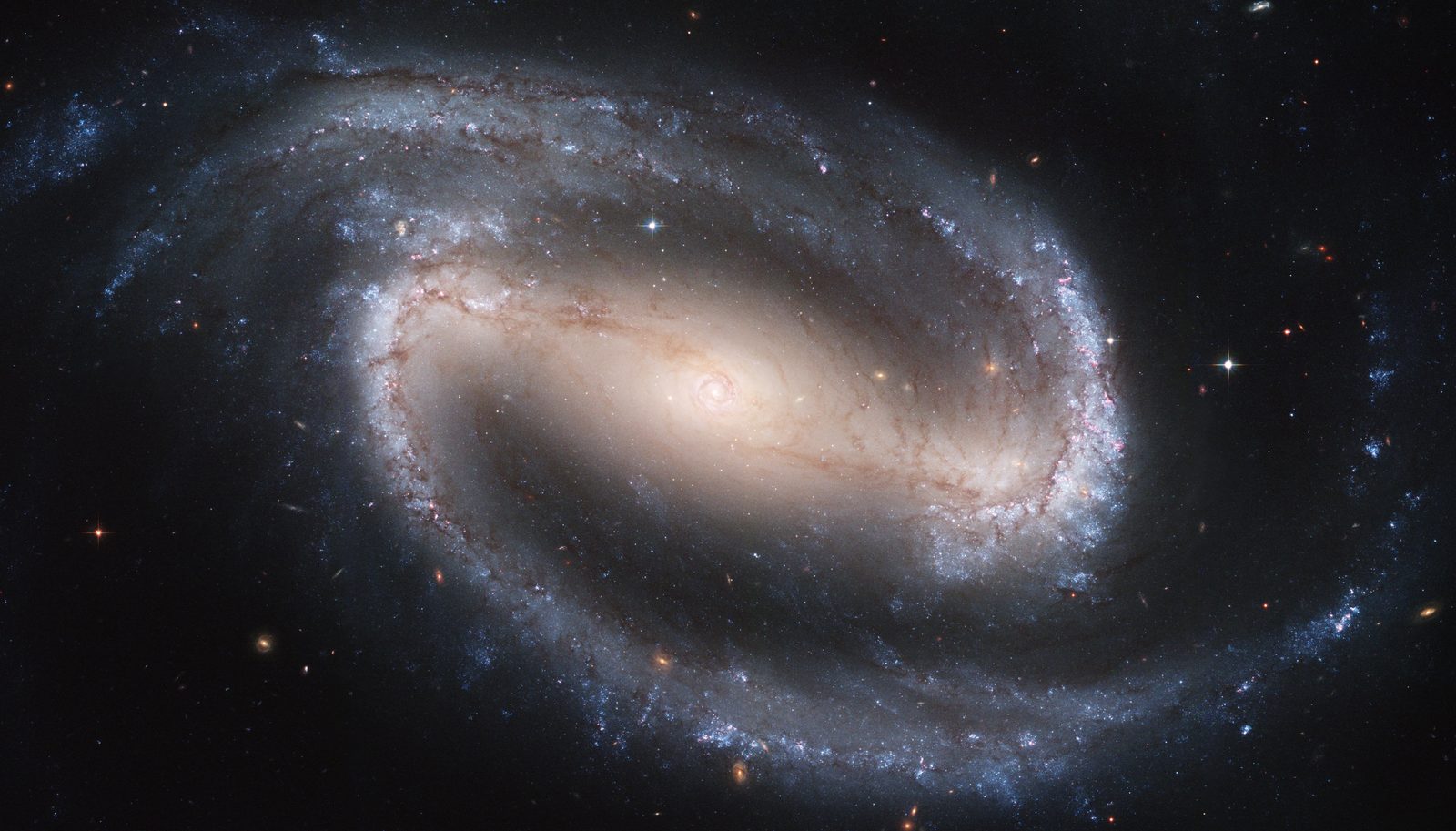
For decades, textbooks have treated black holes as the logical end state of massive stars and the anchors of big galaxies, but recent discoveries have complicated that tidy narrative. Astronomers have found supermassive black holes, with masses millions or billions of times that of the Sun, lurking in galaxies seen less than a billion years after the Big Bang. According to standard growth models, there simply is not enough time for black holes to eat their way to that size from ordinary stellar remnants. It is as if you checked a kindergarten class and found several students already running multinational companies.
Gravitational-wave observatories like LIGO and Virgo have added another twist by detecting mergers of black holes with unexpected masses, sitting in a range where traditional stellar evolution struggles to place them. Together, these findings hint that black holes might have multiple, still poorly understood origin stories, including possible “primordial” black holes formed from density fluctuations in the infant universe. If that idea holds even partially true, black holes might trace back not just to dying stars, but to physics operating a heartbeat after the Big Bang. That would turn these objects from the universe’s graveyards into some of its oldest fossils.
Cosmic Oddities: Galaxies With Almost No Dark Matter
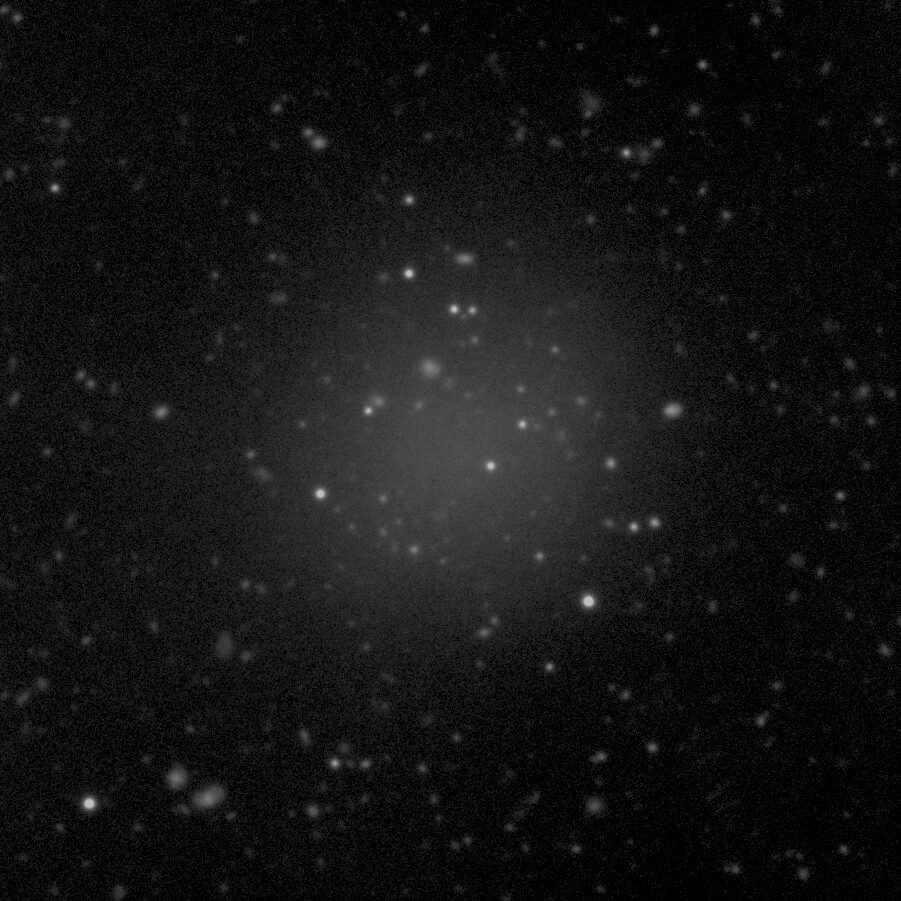
Dark matter has long been the unseen scaffolding of the cosmos, the invisible mass that keeps galaxies from flying apart. That story, however, has been shaken by the discovery of a few galaxies that appear to have remarkably little dark matter at all. One such system, a ghostly-looking galaxy imaged in exquisite detail, seems to rotate and hold itself together using almost only its visible stars and gas. In our best simulations, this is like finding a suspension bridge that stays up without any cables.
Astronomers have proposed several explanations, from past gravitational encounters that might have stripped dark matter away, to measurement errors, to the possibility that we do not fully understand how to translate light into mass on galactic scales. Yet these “missing dark matter” galaxies are hard to ignore because they slice right into the core assumption that dark matter is everywhere, shaping everything. At the same time, other galaxies show abnormally strong dark matter signatures, suggesting a patchier, more complex cosmic landscape than the simple models imply. Instead of a smooth dark-matter web, the universe may be full of local exceptions that keep theorists humble.
Silent Signals: Fast Radio Bursts From the Deep Unknown
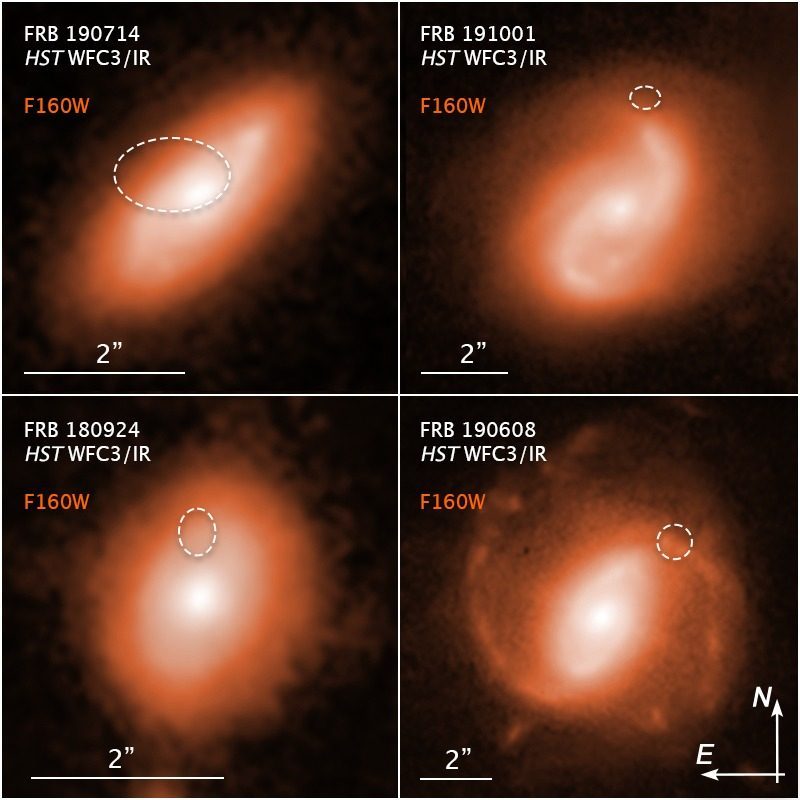
About seventeen years ago, astronomers stumbled on a millisecond-long flash of radio waves from outside our galaxy, and no one knew what to make of it. Today, hundreds of these fast radio bursts, or FRBs, have been cataloged, coming from all over the sky and from billions of light-years away. Some repeat, some do not, and their brightness can be staggeringly high for such brief events. The engines behind them remain one of the most tantalizing unsolved puzzles in modern astrophysics.
The leading suspects include magnetars – neutron stars with magnetic fields so strong they defy intuitive imagination – along with more exotic possibilities involving black holes or plasma structures we have not fully theorized yet. What makes FRBs especially intriguing is how they double as tools: their signals pick up subtle delays as they pass through cosmic gas and plasma, giving clues about the “missing” ordinary matter spread between galaxies. In other words, these mysterious blips may help solve one cosmic mystery even as their own origin stays maddeningly obscure. The universe, it seems, is perfectly comfortable sending us data without an instruction manual.
Why It Matters: Cracks in the Cosmic Standard Model
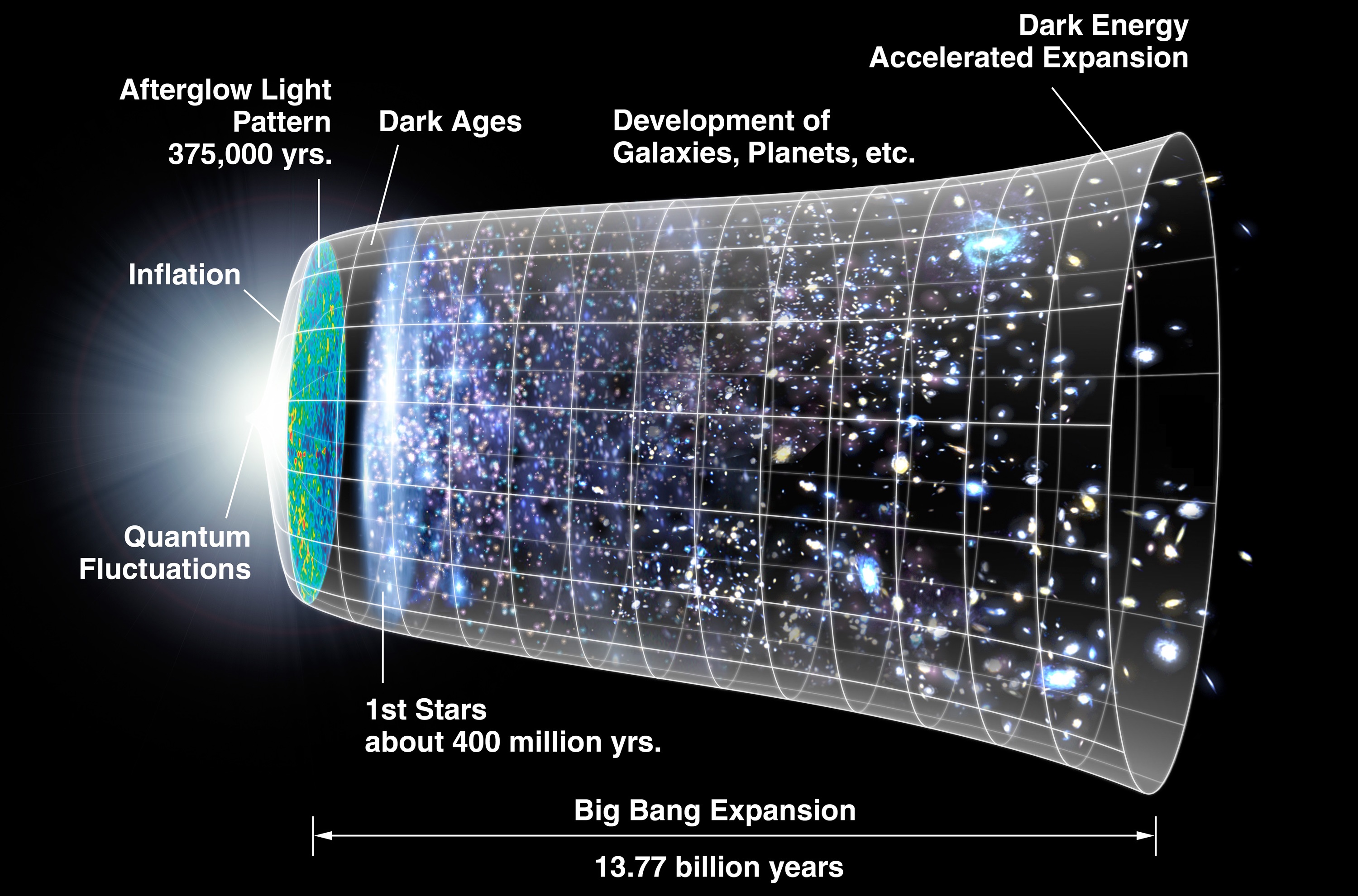
Many of these disparate discoveries point toward a shared problem: the standard cosmological model, often called Lambda-CDM, may be incomplete. This model has been wildly successful at predicting the large-scale structure of the universe, the afterglow of the Big Bang, and the broad distribution of galaxies. But tensions are piling up, from mismatched measurements of the universe’s expansion rate to the early, massive galaxies and puzzling dark-matter outliers. Each anomaly on its own might be explained away; taken together, they look more like a pattern demanding attention.
This matters far beyond academic pride. The standard model encodes our assumptions about what the universe is made of, how it evolved, and where it is going, in much the same way that early maps guided explorers across uncharted oceans. If those maps are skewed, then our long-range predictions – about the ultimate fate of the cosmos, the growth of structure, even the prospects for life elsewhere – might be subtly off. Refining or even revising the model could reveal new particles, new forces, or new physics that bridge cosmology and the quantum world. In a very real sense, answering these deep-space riddles is about understanding where we fit into a universe that may be stranger than we dared imagine.
Global Perspectives: A Sky-Wide Effort to Decode the Unknown
None of these baffling discoveries comes from a single telescope, country, or agency. They are the product of a sprawling, global network of observatories on the ground and in orbit, from mountaintop radio arrays to cryogenically cooled infrared cameras riding thousands of kilometers above Earth. Teams spanning continents compare data, argue over interpretations, and build simulations that try to reconcile theory and observation. It is collaborative chaos, but out of that friction comes sharper understanding.
What stands out is how democratized cutting-edge astronomy has become. Public data releases let researchers from smaller institutions, and even advanced amateurs, comb through archives for overlooked patterns. International collaborations pool funding and expertise, ensuring that no one country monopolizes the most transformative discoveries. As someone who has sat in on late-night telecons where a new anomaly throws everyone off script, I can say the mood oscillates between exhilaration and exasperation. Yet that mix of emotions is exactly what you would expect when humanity is collectively trying to read an ancient, shifting story written in starlight.
The Future Landscape: Next-Generation Eyes on the Cosmos
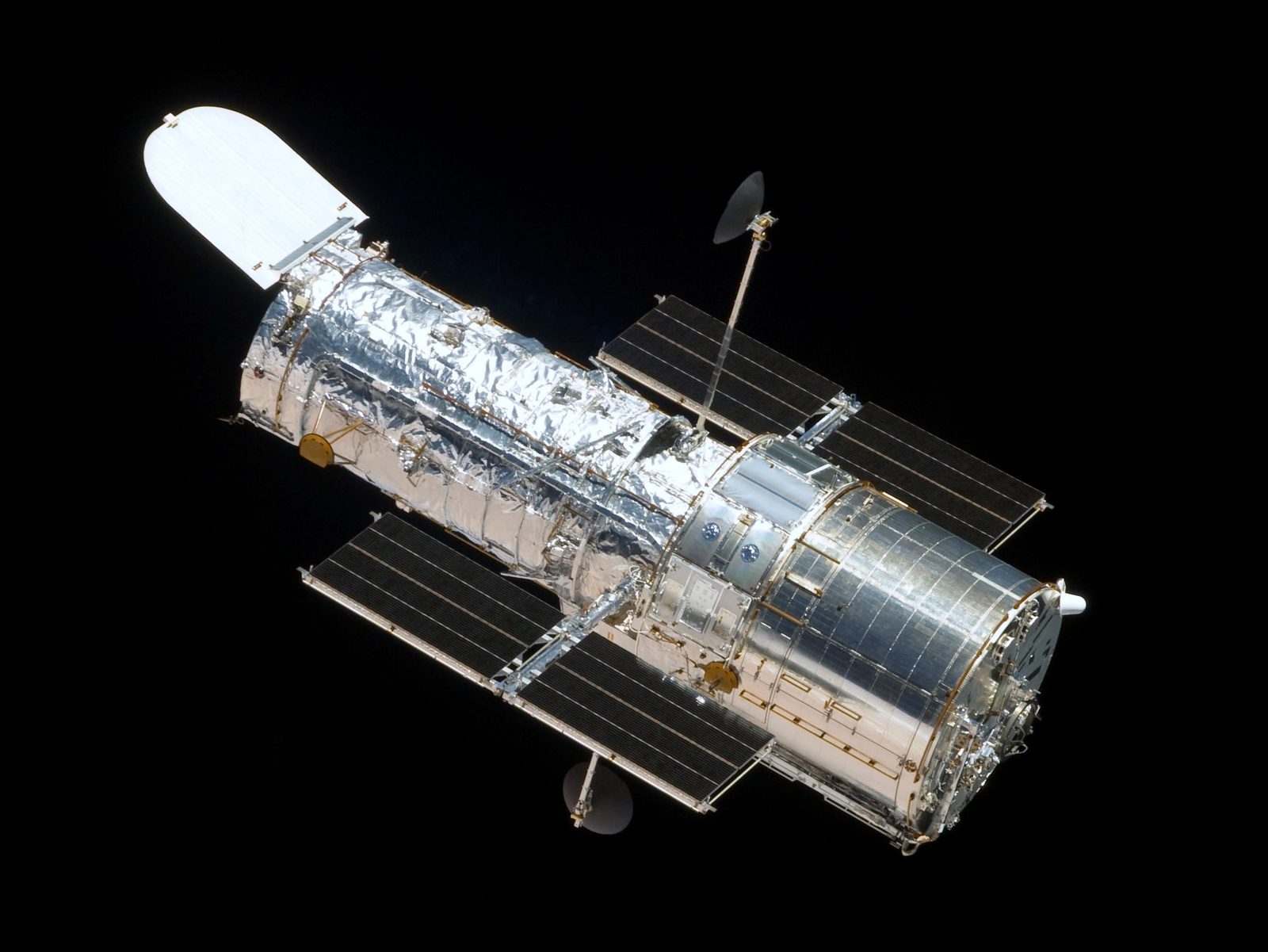
The puzzles on the cosmic table are not going to stay unsolved by accident; an entire fleet of new instruments is being designed to pry them open. Next-generation observatories plan to map the universe’s large-scale structure with unprecedented precision, tracking how galaxies and dark matter clump and stretch over billions of years. Upcoming X-ray and gamma-ray missions aim to catch black holes and neutron stars in the act, tying violent high-energy events to the quieter patterns seen in radio and infrared. Each new facility is like adding another sense to our exploration – suddenly we are not just seeing the universe, but feeling its vibrations and listening to its faintest whispers.
Of course, better tools often create as many questions as they answer. More sensitive detectors might reveal whole new classes of transients, or sharpen existing tensions, forcing theorists to abandon cherished assumptions. There are also practical challenges: budgets are finite, launch schedules slip, and global politics can affect scientific partnerships. But the trajectory is clear. Over the next decade, we are likely to move from vague hints of new physics to sharper, testable ideas about what is really driving these baffling deep-space phenomena, with implications that could ripple into particle physics, gravity, and even our understanding of time.
Human Impact: How Deep Space Changes Our Inner Worlds
It is easy to treat deep-space discoveries as remote curiosities, like museum pieces we admire and then forget, but they quietly shape how we think about ourselves. Learning that galaxies were already mature when the universe was still a cosmic toddler, or that invisible matter sculpts the paths of stars, rewires our sense of scale and possibility. Students who see these results flash across their screens are not just absorbing facts; they are watching the frontier of human ignorance being pushed back in real time. That experience can be electrifying, especially if you grew up thinking science was mostly about memorizing settled answers.
On a more personal note, the first time I saw an early JWST deep-field image, I found myself zooming in and out the way you might on an old family photo, hunting for familiar faces. Except here the “faces” were galaxies, each a city of hundreds of billions of suns, many already old when our planet was forming. Knowing that our best theories are still scrambling to keep up with what those galaxies are telling us does not make me feel small; it makes the whole project of science feel deliciously unfinished. In a world that often pretends to have everything figured out, deep space is a rare, honest reminder that mystery is not a bug in our understanding – it is the engine that keeps us searching.
Conclusion: Becoming Part of the Cosmic Conversation
You do not need a PhD or a mountaintop observatory to be part of this unfolding story. Many of the telescopes responsible for these discoveries release images and data to the public, and citizen-science platforms invite volunteers to classify galaxies, flag weird signals, or help sift through simulations. Supporting space science can be as simple as following mission updates, sharing trustworthy explainers, or encouraging curiosity in kids who keep asking why the sky looks the way it does. These small actions help build a culture that values long-term exploration over short-term distraction.
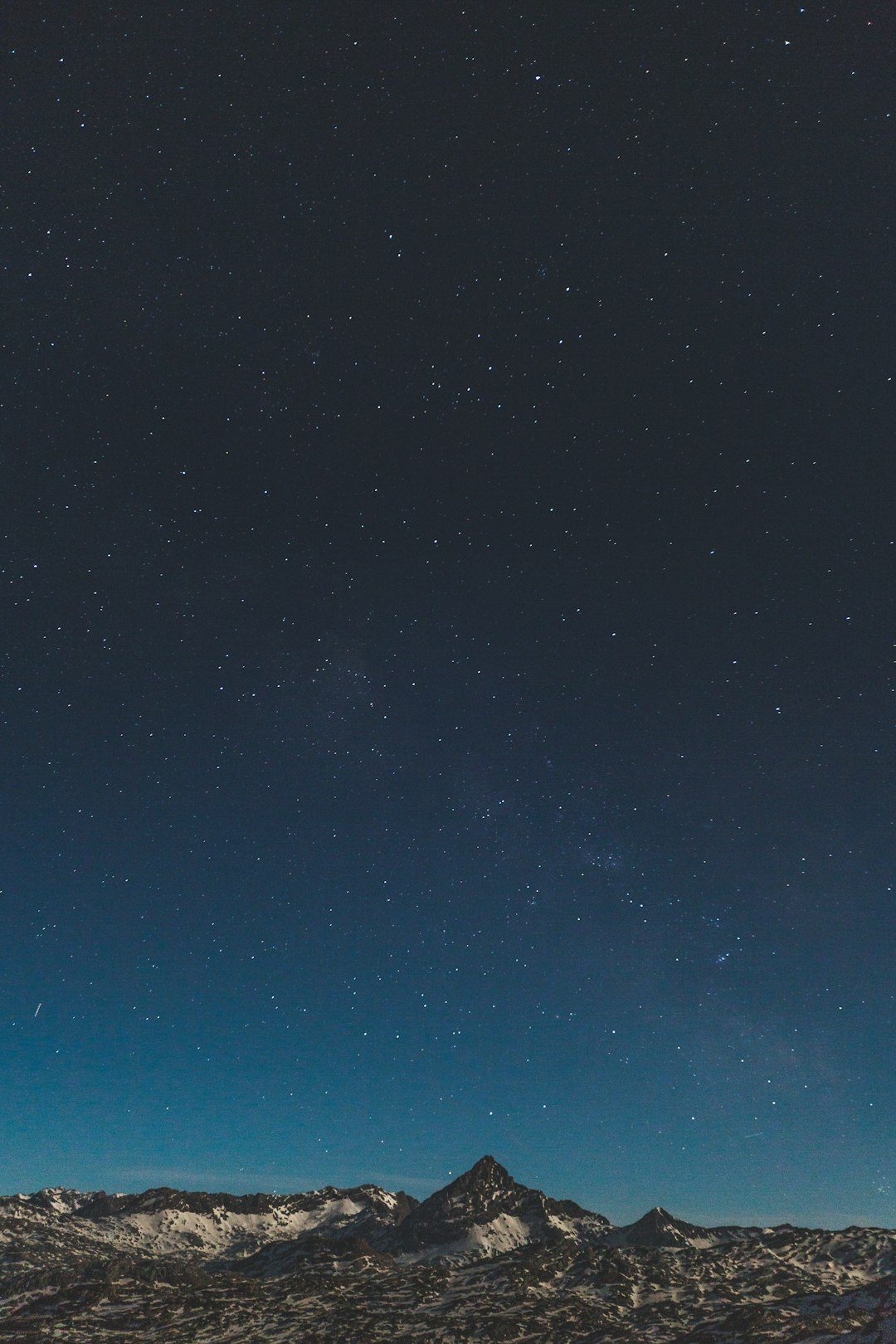
If you want to go a step further, you can back organizations that fund basic research, advocate for science-based policy, or protect dark skies from light pollution so ground-based observatories can keep pushing their limits. Even choosing to pause, on a clear night, and actually look up – really look, with the awareness of those early, impossible galaxies and rogue black holes – changes the texture of that familiar view. The universe is already sending us baffling messages from billions of light-years away. The real question is whether we are willing to listen, and to let those messages challenge what we thought we knew.
Suhail Ahmed is a passionate digital professional and nature enthusiast with over 8 years of experience in content strategy, SEO, web development, and digital operations. Alongside his freelance journey, Suhail actively contributes to nature and wildlife platforms like Discover Wildlife, where he channels his curiosity for the planet into engaging, educational storytelling.
With a strong background in managing digital ecosystems — from ecommerce stores and WordPress websites to social media and automation — Suhail merges technical precision with creative insight. His content reflects a rare balance: SEO-friendly yet deeply human, data-informed yet emotionally resonant.
Driven by a love for discovery and storytelling, Suhail believes in using digital platforms to amplify causes that matter — especially those protecting Earth’s biodiversity and inspiring sustainable living. Whether he’s managing online projects or crafting wildlife content, his goal remains the same: to inform, inspire, and leave a positive digital footprint.