
Long before telescopes and space probes, people stared up at the night sky and tried to make sense of the glittering chaos above them. Their explanations took the form of myths: gods hurled into the heavens, animals frozen in light, serpents swallowing the Sun. For a long time, science treated these stories as superstition to be swept aside. But in the last few decades, archaeologists, historians of science, and astronomers have been quietly revealing a very different picture. Hidden inside many of these tales are careful sky-watching records, pattern recognition, and even early attempts at predictive models – primitive, yes, but recognizably scientific all the same.
The Hidden Clues in Star Myths
One of the most surprising twists in modern astronomy research is the growing recognition that some of humanity’s oldest myths doubled as data storage. When you do not have writing, paper, or hard drives, you put crucial information where it will not be forgotten: in powerful stories, songs, and rituals. Star myths were ideal for this, because the sky itself is predictable over human lifetimes, but complicated enough to need memory aids. An animal chasing another across the heavens might encode the rising order of constellations at different times of year. A heroic journey could mirror the path of a bright planet wandering through the zodiac.
Researchers working in archaeoastronomy – the study of how past cultures understood the sky – have shown that many myths function almost like mnemonic diagrams. The narrative hook sticks in your mind; the embedded observation comes along for the ride. In some Indigenous traditions, for example, specific star patterns are linked to food seasons, travel decisions, or dangerous weather shifts. The story is what you tell your children, but the subtext is an instruction manual for survival. Once you start looking at myths this way, the line between poetry and proto-science becomes much thinner than most of us were taught in school.
Orion the Hunter and the Global “Sky Calendar”
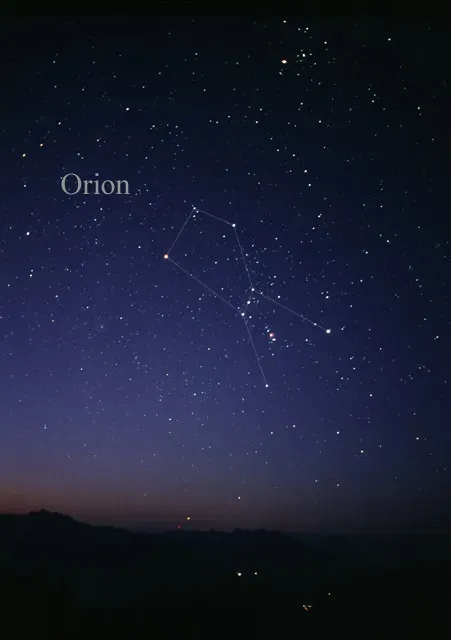
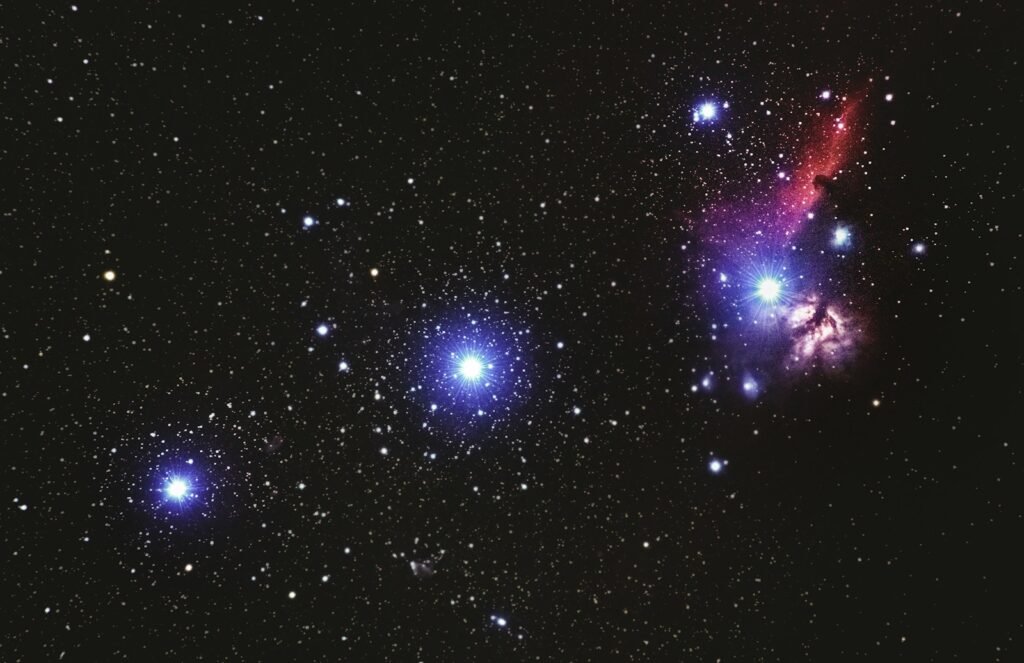
Take Orion, probably the most instantly recognizable constellation in the winter sky, with its three-star belt like a perfectly arranged punctuation mark. In Greek mythology, Orion is a mighty hunter, but variations of a hunter, warrior, or male figure tied to this same star pattern appear in cultures from the Mediterranean to Africa to the Pacific. That alone is striking, but the scientific punchline lies in how Orion behaves seasonally. In many regions, the first pre-dawn rising of Orion’s bright shoulder star, Betelgeuse, roughly coincides with the coming of a new agricultural or weather cycle.
To farmers and seafarers without mechanical clocks, Orion became a sky calendar that could not be misplaced. The myth of a proud hunter striding back into the heavens each year is also a memory hook for when to plant, sail, or prepare for storms. Scholars have documented traditions where Orion’s appearance signals the coming of rains, the start of migrating animal herds, or the shifting of fish stocks. So while the heroic stories sound like pure imagination, the underlying pattern recognition is startlingly systematic. In a sense, Orion is an ancient seasonal forecast tool, draped in the clothes of legend so that people never forgot to use it.
The Pleiades: Seven Sisters, Stellar Distance Marker
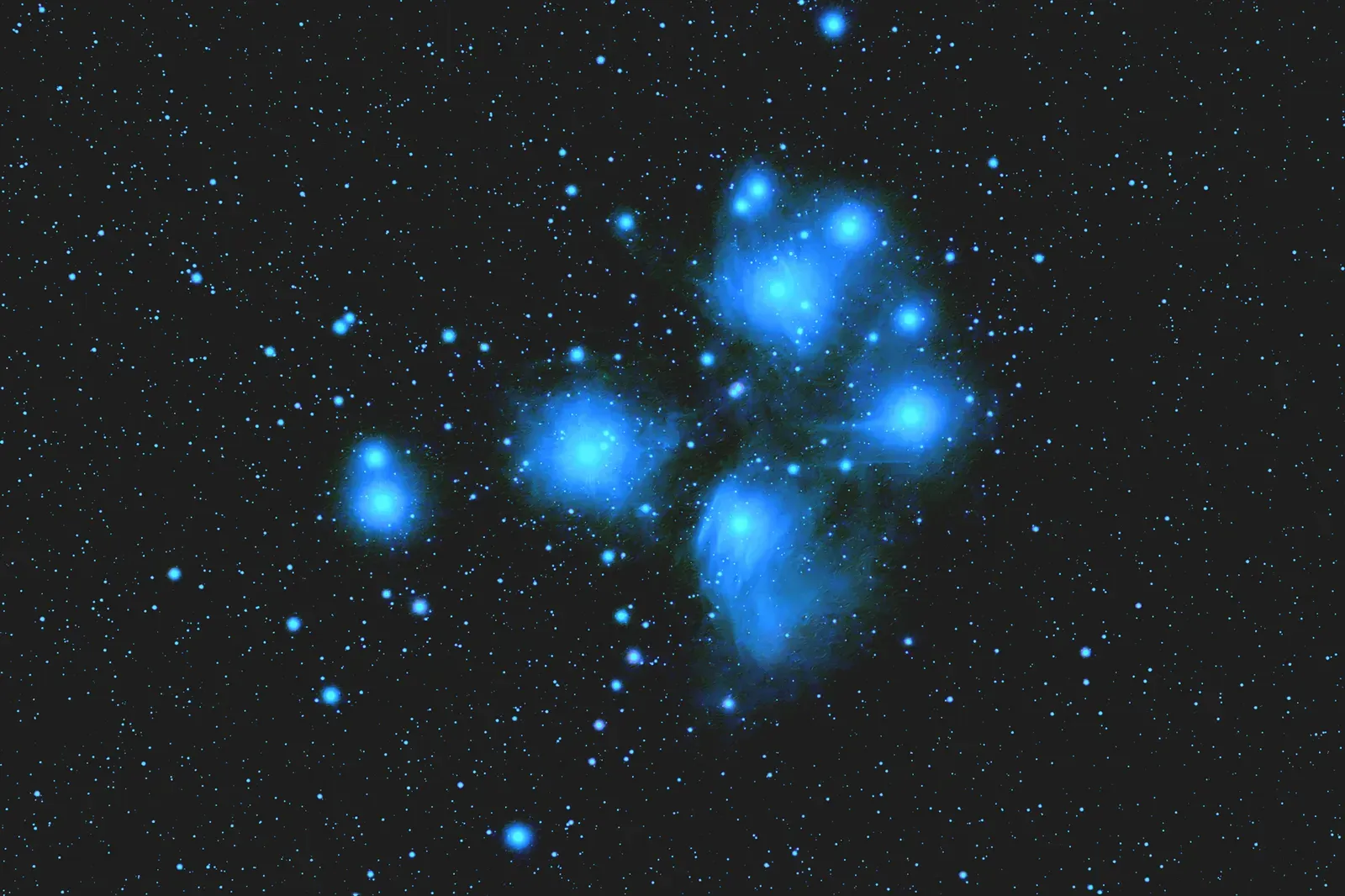
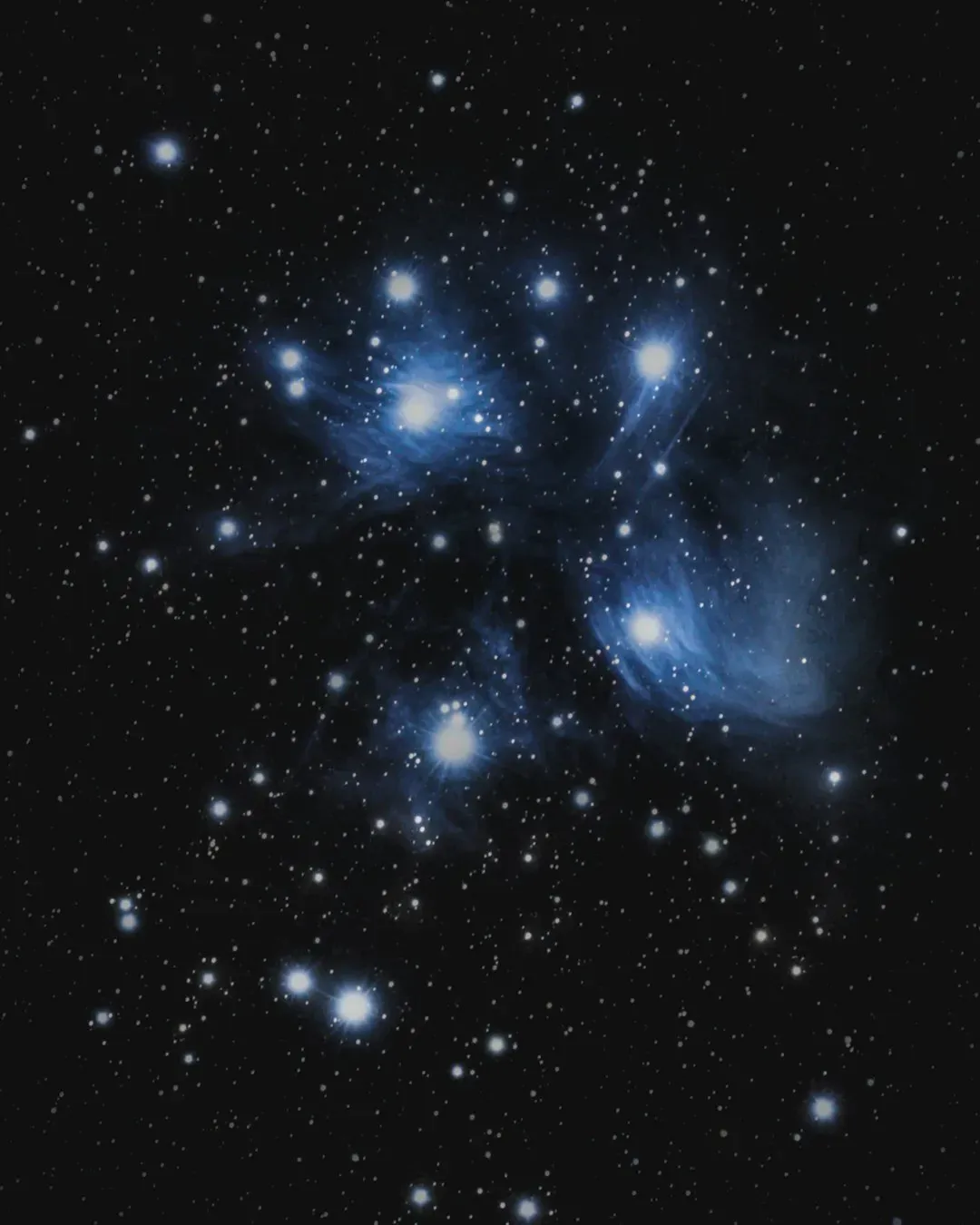
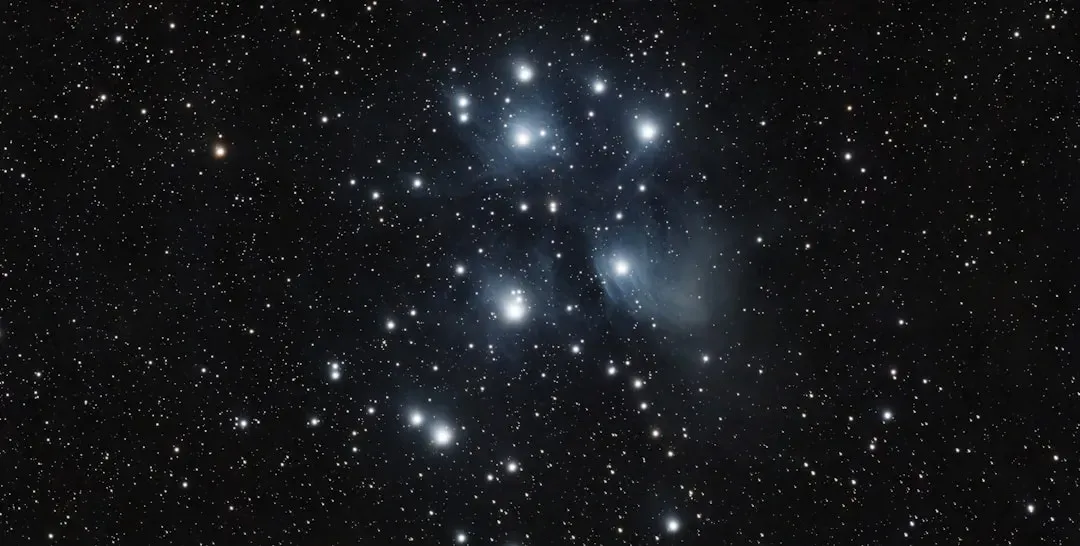
The Pleiades star cluster, often called the Seven Sisters, may be the closest thing humanity has to a universal constellation myth. From ancient Greece to Japan, the Andes, and Australia, cultures separated by oceans still told stories of a small group of tightly clustered stars, often described as a family of sisters or youths. The scientific curiosity here is not just the shared storytelling, but the fact that the Pleiades are a relatively nearby open cluster, physically related stars bound together in space. Without any physics theory, ancient sky watchers still picked them out as a special group, distinct from the backdrop of unrelated stars.
Modern measurements show the Pleiades are at a distance that makes them bright enough and concentrated enough to be obvious to the naked eye, yet just sparse enough that in dark skies, some people see six stars, while others claim seven or more. That ambiguity is mirrored in the myths, where one sister is often said to be lost, hiding, or ashamed, a poetic echo of the cluster’s borderline visibility. For many agricultural societies, the first yearly appearance of the Pleiades before dawn served as a planting signal or navigation marker. In that light, the Seven Sisters myth looks less like whimsy and more like a clever way to remember a complex combination of brightness, timing, and position that pointed to practical decisions on the ground.
Lunar Eclipses, Sky Serpents, and Early Predictive Science
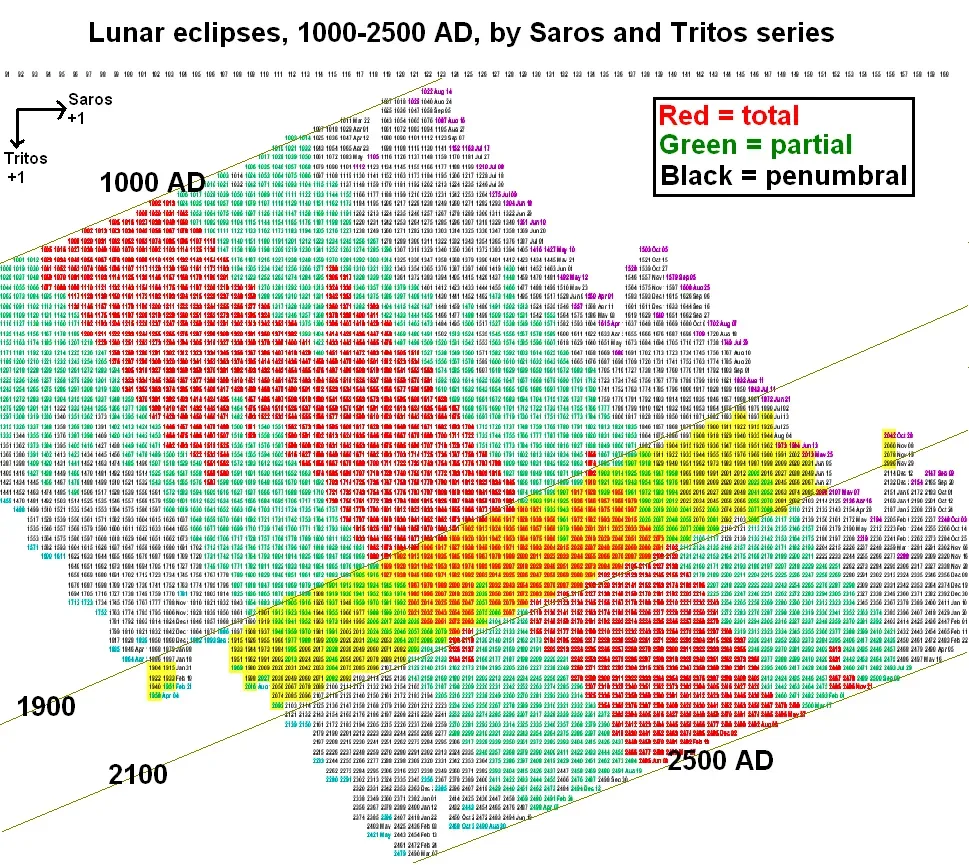
Few celestial events would have seemed as terrifying in the ancient world as a lunar eclipse: the full Moon slowly darkening, sometimes turning a deep red, as if bruised. Many cultures described this as a celestial monster or serpent devouring the Moon, and at first glance that sounds like peak superstition. But behind those stories were very careful observations of a repeating pattern. Babylonian records from more than two and a half millennia ago show that scribes had noticed that lunar eclipses recur in a cycle of a little over eighteen years, now known as the Saros cycle.
They did not know about orbital mechanics, but they certainly knew that eclipses were not random acts of gods. Instead, they became events you could anticipate and wrap in ritual, sometimes with elaborate ceremonies meant to “protect” a king from harm. The mythic language of dragons or demons cloaked a proto-scientific realization: the cosmos followed rules. That understanding is not so different from what modern eclipse chasers rely on when they book flights years in advance. The math is better now, but the impulse to tame celestial terror with prediction is very old.
Comets as Omens – and Long-Term Sky Archiving
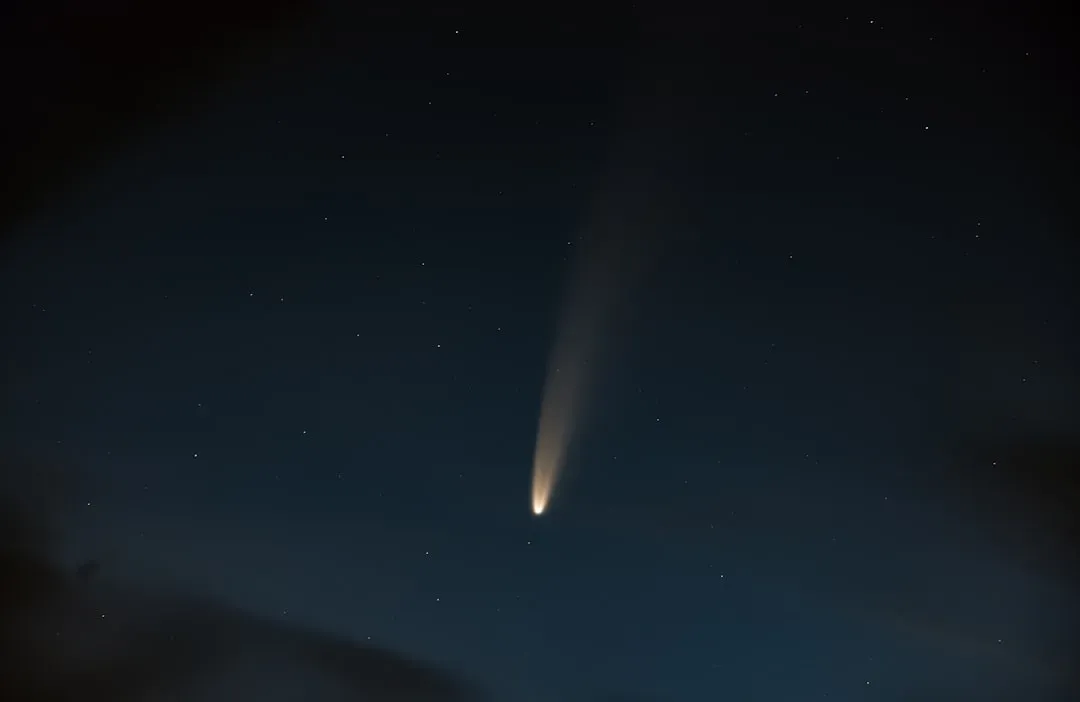
Comets streaking across the night sky have long been branded as bad news: harbingers of war, plague, or the fall of rulers. Ancient Chinese, Babylonian, and European sources all describe comets as omens, and for a long time that label made it easy to dismiss those records as emotional overreaction. Yet, when astronomers in the last few centuries started compiling all those scattered historical mentions, something quietly remarkable emerged. Those omen lists turned out to be one of the best long-term databases of comet appearances we have, especially for bright periodic comets like the one now named after Edmond Halley.
By lining up dates of recorded comets across cultures, researchers could show that the “different” comets disrupting royal astrologers were often the same object returning over and over on a regular orbit. In modern terms, the myths acted like redundant backups, copied in multiple languages across continents. Some of the most dramatic sky stories – kings trembling, cities panicking – are attached to specific comets now traced in detail with spacecraft. Far from being useless noise, superstition ended up preserving centuries of orbital snapshots that current models still use to understand how comets evolve over time.
Star Alignments in Temples and Cities
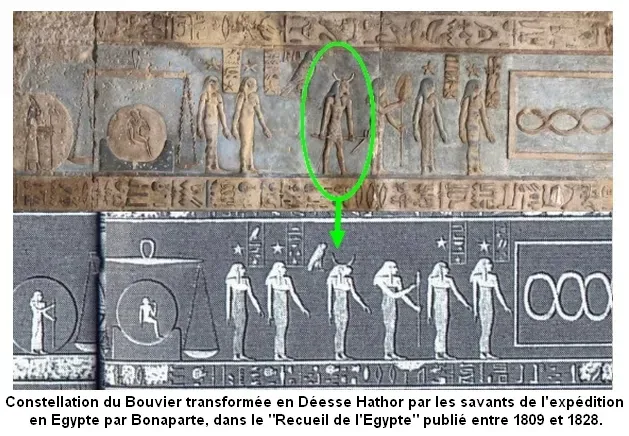
Walk into some of the world’s most ancient monuments – Egyptian temples, Mesoamerican pyramids, Neolithic stone circles – and you may feel like you are inside a religious structure. You are, but in many cases you are also standing inside a gigantic astronomical instrument. Archaeologists have shown that numerous sites around the world are built with precise alignments to solstices, equinoxes, or the rising of particular stars. When the Sun or a star passes a certain point in the sky, a shaft of light travels through a narrow corridor, a shadow lines up with carved markers, or a hidden chamber briefly glows.
To ancient observers, these were moments of intense ritual power, but they were also robust timekeeping tests baked into stone. If the light did not fall where it should, something was off – either the calendar, the ritual date, or in rare cases, evidence of slow changes in Earth’s tilt or rotation accumulated over generations. It is hard not to see the engineering behind some of these alignments as an early form of experimental verification. The myths told people why the alignment was sacred; the architecture enforced that it was also repeatable, measurable, and subject to correction when the heavens and human schedules drifted out of sync.
Why These Myths Still Matter to Science
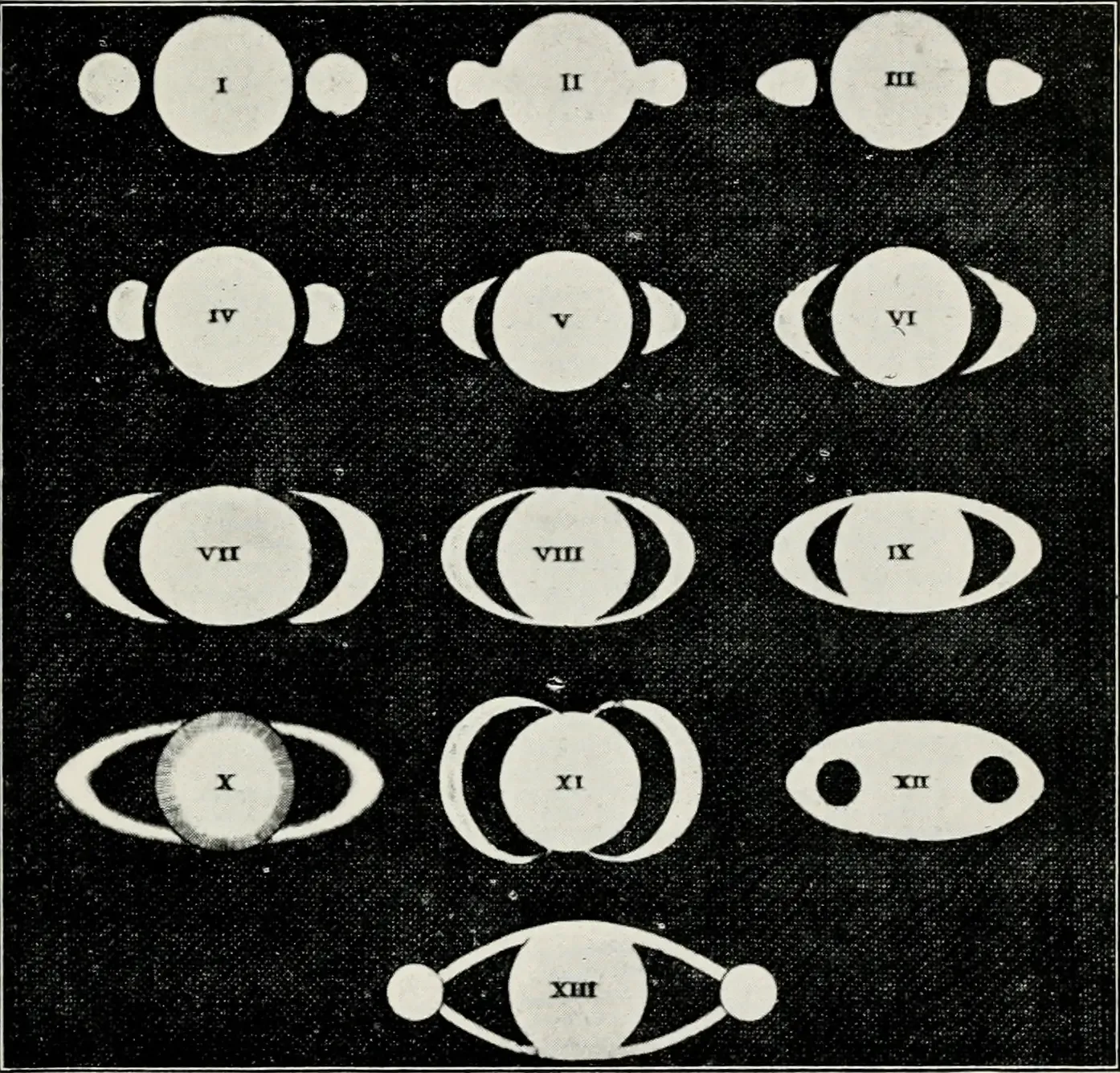
It is tempting to draw a hard line between myth and science, as if one belongs to emotion and belief while the other belongs to logic and measurement. But the more researchers dig into ancient sky stories, the more that boundary looks fuzzy and historically unfair. These myths show us that for most of human history, curiosity about the cosmos was never separate from daily survival, moral codes, or artistic expression. People were trying to do three things at once: make sense of what they saw, remember it accurately, and give it meaning big enough that their descendants would care about it.
From a modern perspective, this matters for a few reasons. First, ancient myths often point researchers toward overlooked datasets: eclipse timings, star positions, or unusual atmospheric events that can feed directly into current climate and orbital models. Second, they remind us that scientific thinking can grow out of storytelling, not just formal equations in textbooks. And third, they challenge the idea that progress only comes from wiping out older ways of knowing. Instead, we can see a continuum where careful observers encoded their best understanding in the tools they had – voices, stone, ritual, and narrative – laying stepping stones that modern astronomy still walks on.
The Future Landscape: Decoding the Sky’s Oldest Archive
Right now, there is a quiet boom in what you might call forensic sky history. Astronomers, linguists, anthropologists, and data scientists are teaming up to mine ancient texts, rock art, oral histories, and even folklore recorded in the nineteenth and twentieth centuries. With digital archives and machine translation tools, researchers can scan massive corpora for recurring descriptions of eclipses, comets, meteor storms, or color changes in the Sun and Moon that might match known physical events. The hope is that, by cross-checking stories from different cultures and regions, they can reconstruct a more detailed picture of the sky as seen over thousands of years.
This push has real scientific stakes. Better timelines for past solar storms, volcanic eruptions, or shifts in Earth’s rotation rate feed directly into models that forecast future risks and refine navigation systems. There is also a cultural challenge: doing this work ethically means collaborating with living communities whose traditions are still very much alive, not just treating myths as raw data to be stripped for numbers. As new satellites and telescopes generate staggering amounts of modern sky data, the oldest observational record we have – human memory wrapped in myth – could become a crucial bridge, extending our timeline far beyond the age of instruments.
How Readers Can Engage With the Sky’s Ancient Stories
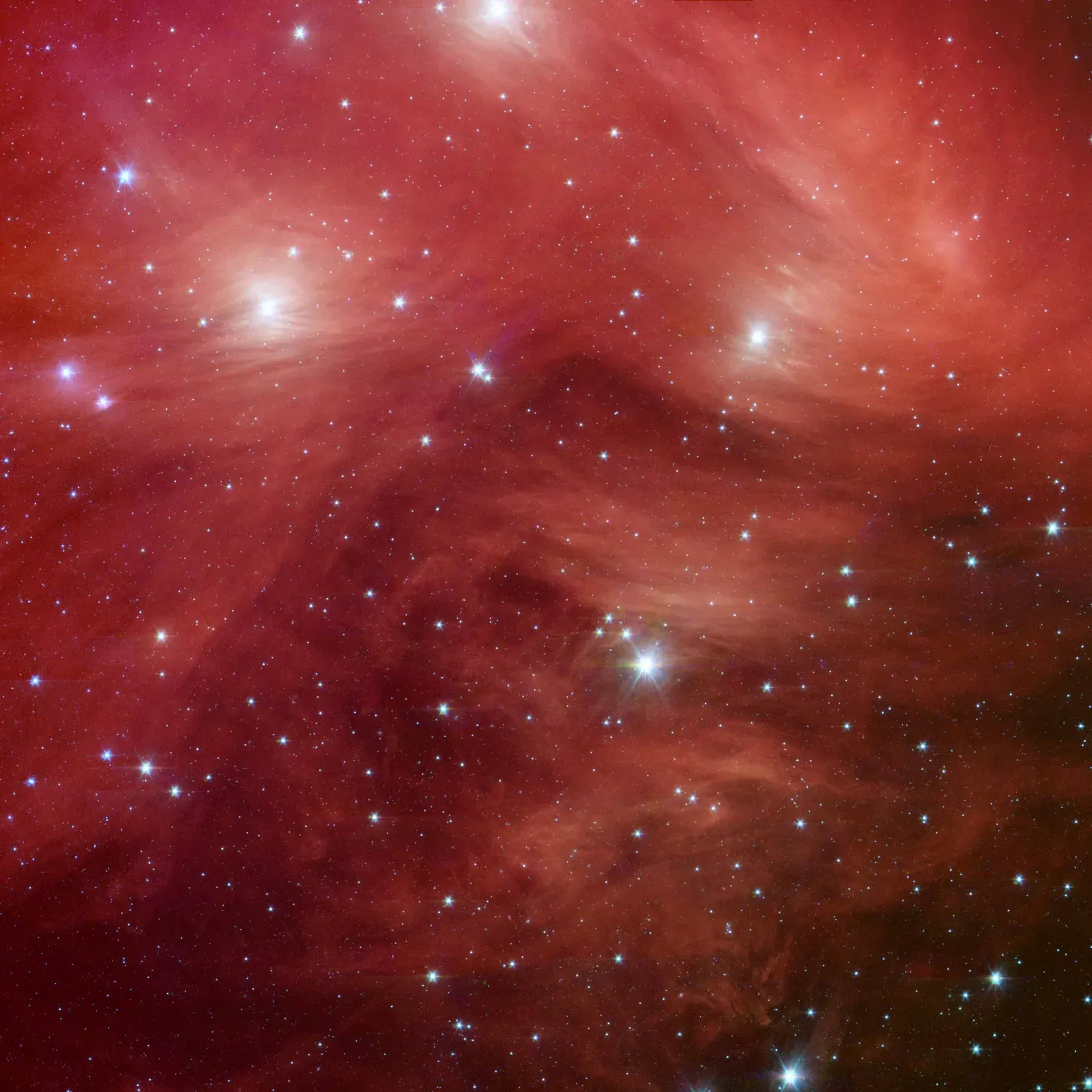
Engaging with these ancient myths is not just a job for scholars; it can start with the next clear night. You can step outside, find Orion’s belt or the fuzzy glow of the Pleiades, and then look up how different cultures have described those same lights. Treat it like a layered map: the modern star names and distances are one layer, but the older stories about hunters, sisters, birds, or canoes are another. Paying attention to both does something quietly radical – it reconnects scientific facts to the long human struggle to understand and live with the sky.
There are practical ways to push this further. You can support dark-sky initiatives that protect the ability to see the stars at all, since light pollution is rapidly erasing the naked-eye sky that shaped these myths in the first place. You can back museums, planetariums, and community science programs that highlight Indigenous and historical sky knowledge alongside modern astrophysics. You can even keep a simple observation journal of your own, noting when certain stars rise or when the Moon looks different, building a personal archive that echoes what our ancestors did on a grander, mythic scale. In the end, the stories we tell about the stars will shape what we notice, what we measure, and what we choose to remember next.
Suhail Ahmed is a passionate digital professional and nature enthusiast with over 8 years of experience in content strategy, SEO, web development, and digital operations. Alongside his freelance journey, Suhail actively contributes to nature and wildlife platforms like Discover Wildlife, where he channels his curiosity for the planet into engaging, educational storytelling.
With a strong background in managing digital ecosystems — from ecommerce stores and WordPress websites to social media and automation — Suhail merges technical precision with creative insight. His content reflects a rare balance: SEO-friendly yet deeply human, data-informed yet emotionally resonant.
Driven by a love for discovery and storytelling, Suhail believes in using digital platforms to amplify causes that matter — especially those protecting Earth’s biodiversity and inspiring sustainable living. Whether he’s managing online projects or crafting wildlife content, his goal remains the same: to inform, inspire, and leave a positive digital footprint.