You probably grew up with the idea that history is a straight line: people in the distant past were primitive, then life slowly got smarter and more comfortable over time. When you actually look closely at the archaeological record, that story falls apart fast. Again and again, you run into civilizations that feel strangely modern in how they planned their cities, tracked the stars, stored data, or organized society. It can be a little unsettling to realize how much sophisticated knowledge has been gained, forgotten, and then painfully reinvented.
As you walk through these nine civilizations, you’ll see things that don’t fit the usual stereotypes about the “ancients.” You’ll meet people who built underground plumbing five thousand years ago, who may have mapped the sky with shocking precision, or who managed huge cities without kings, palaces, or obvious armies. You’ll also see how easy it is to slip into myths and wild speculation when something looks “too advanced.” The real story is actually more interesting: humans like you have been clever, curious, and inventive for a very long time.
The Indus Valley Civilization: Quiet Masters of Urban Planning
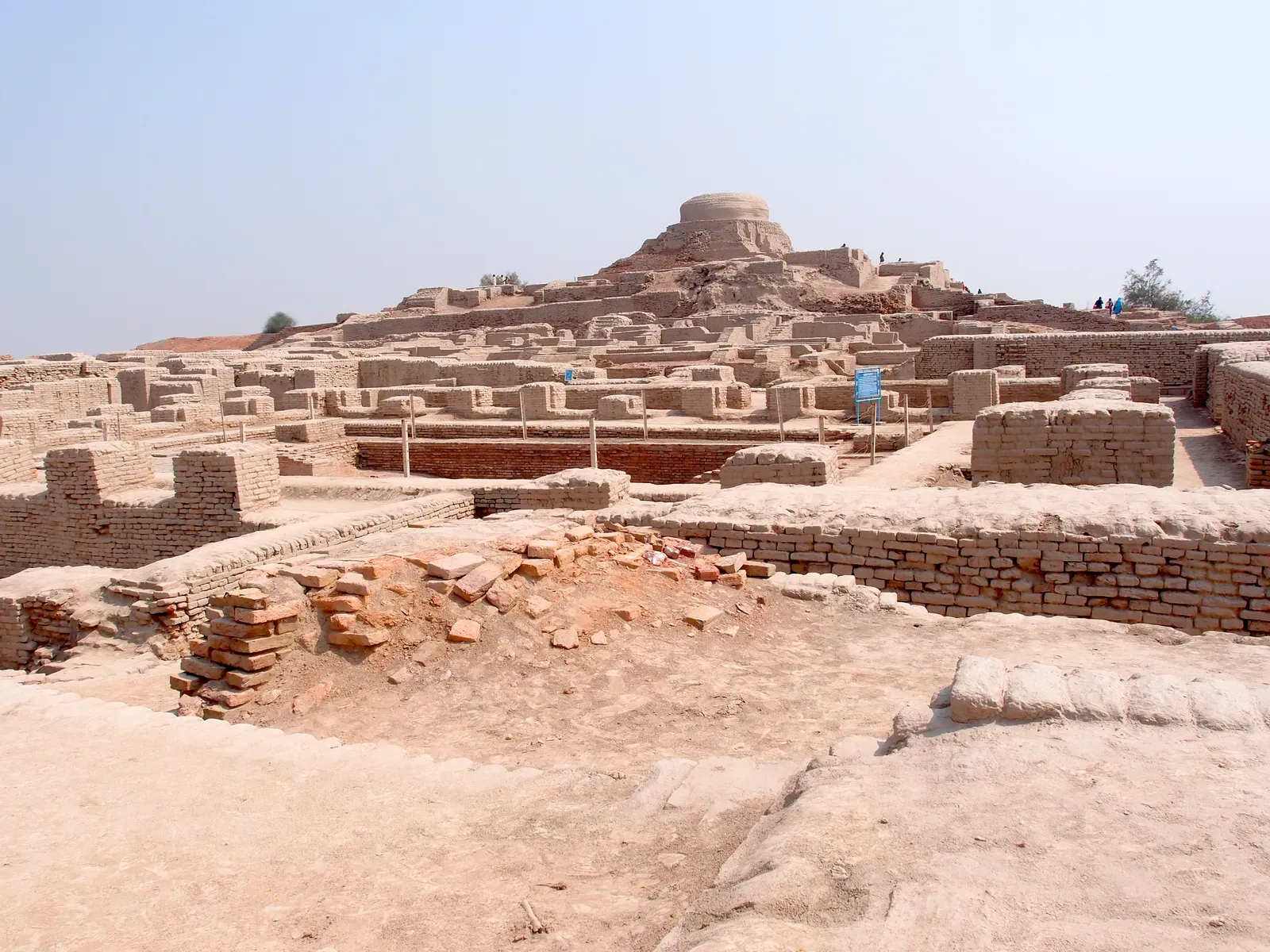
If you were dropped into the ancient city of Mohenjo-daro around four and a half thousand years ago, you’d probably be less surprised by the mud-brick houses than by the infrastructure. You’d be walking on carefully laid-out streets that intersect at right angles, more like a planned modern neighborhood than a chaotic ancient town. Homes often had standardized bricks and built-in drainage, and entire districts seem to have been arranged according to a broader city plan rather than just growing randomly. You are looking at one of the earliest known examples of large-scale, deliberate urban design, not just a “big village.”
What really messes with your idea of progress is their sanitation. Houses were often equipped with bathing areas and private latrines, connected to covered drains running beneath the streets that carried wastewater out of the city. You’re essentially staring at a proto-sewer system at a time when many later societies were still tossing waste out the window. On top of that, you see standardized weights and measures across a huge region, suggesting tight control over trade and production. Yet you don’t see the showy monuments, obvious kings, or massive palaces you might expect. It’s as if you’re visiting a civilization that invested its genius in everyday life instead of in giant statues of rulers.
Ancient Mesopotamia: Where Writing, Law, and Complex Tech Begin
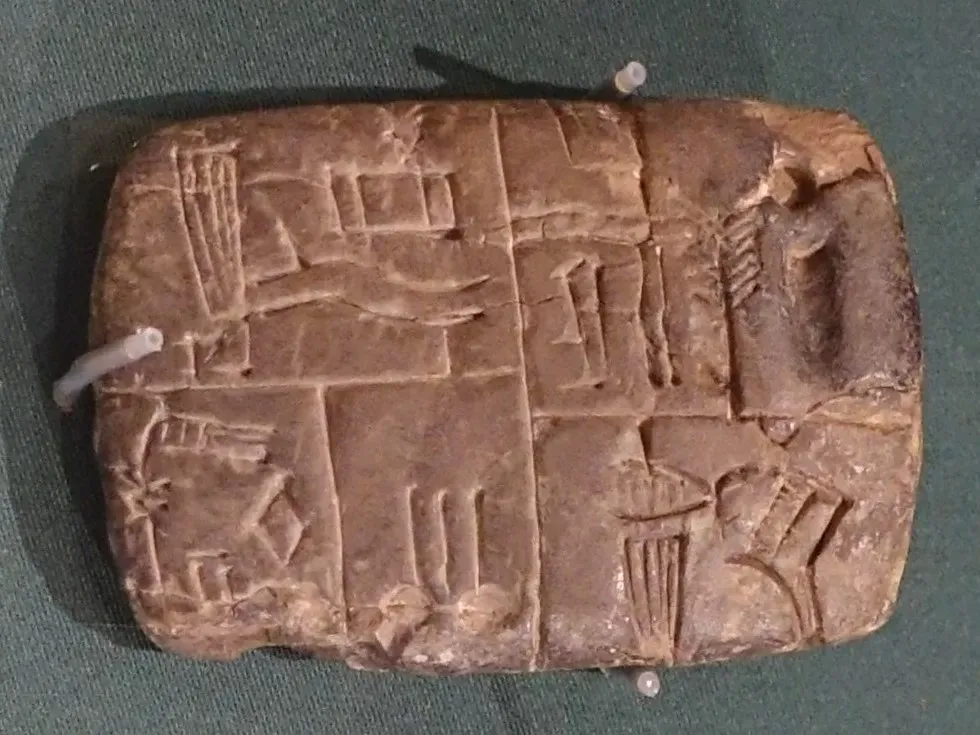
When you picture a world “ahead of its time,” you might think of smartphones and satellites, but you probably owe more to ancient Mesopotamia than you realize. In the cities of Sumer, you would have watched scribes pressing wedge-shaped marks into clay tablets to keep track of goods, contracts, and stories. This early writing system, cuneiform, let people record laws, debts, myths, and astronomical observations. In a world without computers, those clay tablets functioned like your hard drives and legal databases, making large, complex societies actually manageable.
On top of that, Mesopotamian scholars tracked the motions of planets and the moon with long-term observations, then used that information for calendars and predictions. Their engineering feels surprisingly modern too: they built large-scale irrigation networks, canals, and levees to control the flow of the Tigris and Euphrates rivers. You sometimes hear about the so‑called “Baghdad Battery,” a small jar with a metal core discovered near Baghdad that some people claim was an ancient electrical device. The evidence for it actually being a battery is extremely weak, and serious archaeologists are skeptical, but just the fact that people find that idea plausible tells you how technical Mesopotamia already seems. You’re looking at a region where writing, law codes, advanced math, and large-scale water engineering were all taking shape thousands of years before your modern legal and scientific systems.
Old Kingdom Egypt and the Hidden Precision of Stone
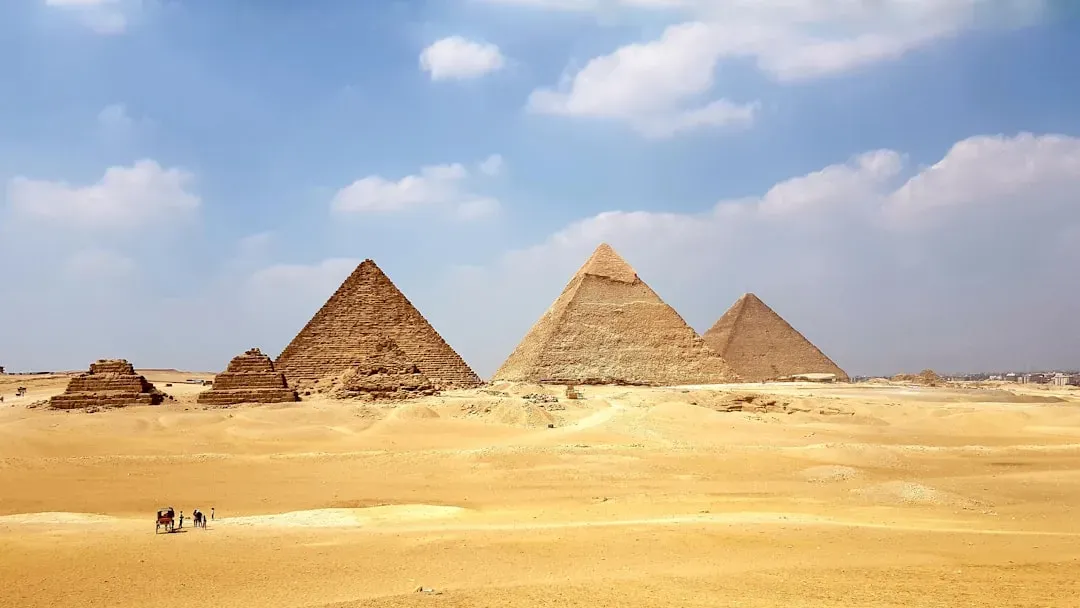
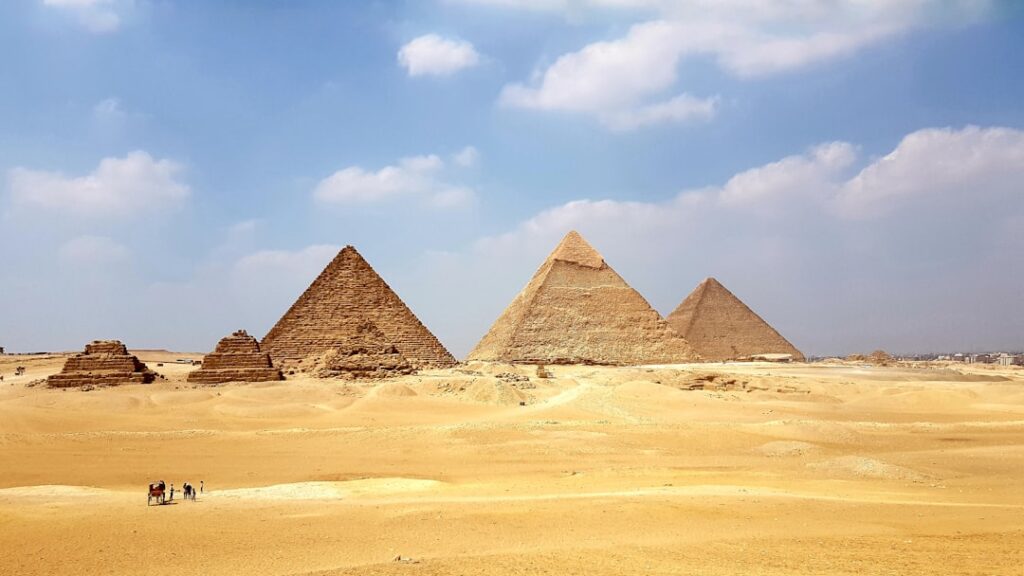
If you stand in front of the Great Pyramid of Giza, it’s easy to slip into sci‑fi fantasies, but you don’t need aliens to be impressed. You’re looking at millions of stone blocks aligned so precisely that the base is remarkably level and the sides line up closely with the cardinal directions. When you realize this was done without steel cranes, GPS, or laser levels, it forces you to respect the level of organization, surveying skill, and sheer project management involved. You’re seeing a culture that could mobilize tens of thousands of workers, feed and house them, and coordinate years of quarrying and construction with stunning accuracy.
What’s easy to overlook is how deeply Egyptian builders and priests paid attention to the sky. By the time of the Old Kingdom, they were already tracking the movement of certain stars and using them to orient temples and monuments. You can think of the pyramid complexes as massive, stone-encoded expressions of a cosmic order: aligning tombs, causeways, and temples with the sun’s path or specific stars. To you, the engineering feels futuristic; to them, it was all about harmonizing the realm of the dead with a precisely observed universe. The tools were simple, but the thinking behind them was anything but.
Nabta Playa: Desert Herders Watching the Stars
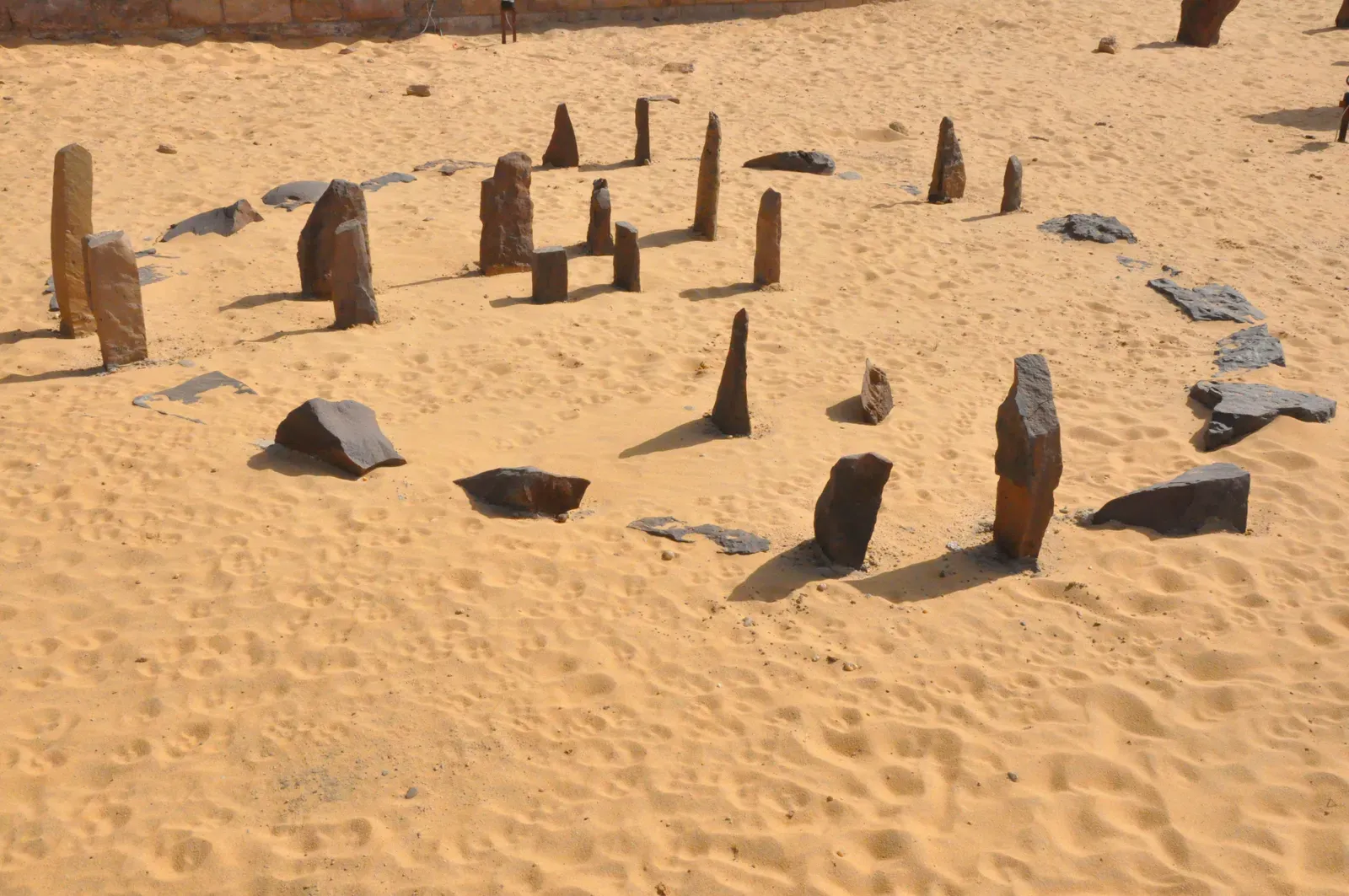
Now imagine you’re in the Sahara thousands of years before the Egyptian pyramids, standing on the dry bed of an ancient lake at a place called Nabta Playa. Here, people who were probably pastoral herders set up a small stone circle that many researchers believe aligns with the sun at the summer solstice. That matters because the solstice marked the start of seasonal rains that were crucial for survival. You’re seeing the early roots of astronomy used in the most practical way possible: predicting when life‑giving water would return to a harsh landscape.
At first glance, Nabta Playa looks humble compared to the huge stone monuments you might know from Europe, but it may be older than famous sites like Stonehenge. Some researchers have suggested very complex alignments with distant stars, and not all of those ideas hold up under scrutiny, but the mainstream view still points to deliberate astronomical design. If you stand there and picture herders gathering to watch the sunrise line up with those stones, you realize they were compressing the sky into something they could read like a clock. You’re watching an early experiment in turning the heavens into a scientific tool, not just a spiritual backdrop.
The Minoans of Crete: Sophisticated Islanders Without Obvious Armies
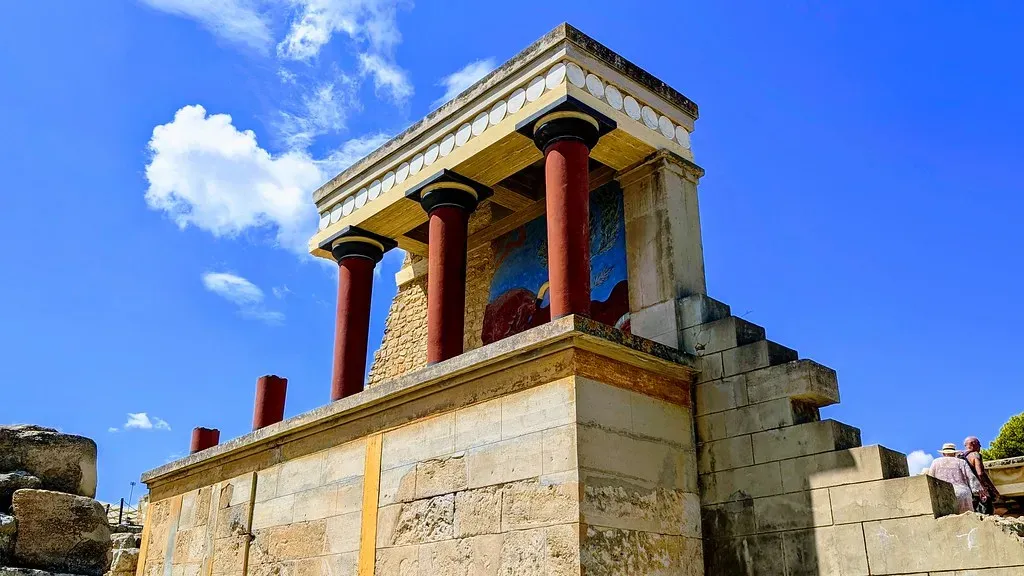
If you could wander through the Bronze Age palace complex at Knossos on Crete, you’d be struck by how strangely modern it feels in places. You’d notice multi‑story buildings, light wells, colorful wall paintings, and what appear to be drainage and plumbing systems snaking under floors and courtyards. In some areas, you’d even see what look like early forms of flushing toilets and complex water management, centuries before similar ideas spread across much of Europe. You’re dealing with a seafaring island culture that invested heavily in comfort, design, and aesthetic detail, not just brute defense.
What makes the Minoans feel ahead of their time is also what you don’t find. There’s less clear evidence of massive fortifications and obvious military monuments compared to many of their contemporaries. Instead, you see art that loves marine life, processions, and graceful human figures. Their undeciphered script, known as Linear A, hints at advanced administration and record‑keeping, but you can’t fully read what they were tracking. It’s like stumbling onto a high‑functioning, trade‑driven society with strong central complexes, advanced architecture, and vibrant art, then losing the password to its entire written memory.
Ancient China’s Early Dynasties: Bronze, Bureaucracy, and the Mandate of Heaven
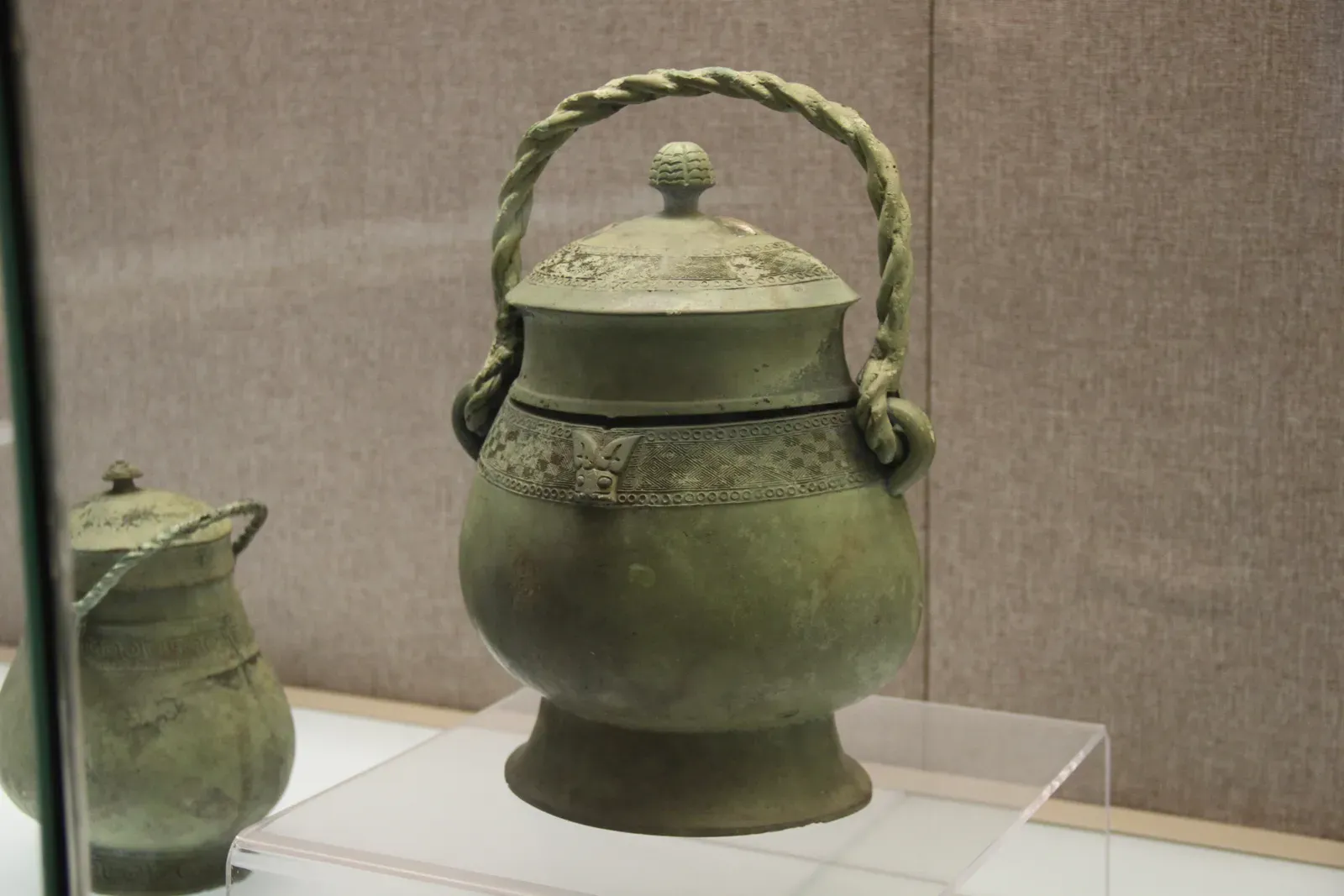
When you look at the Shang and early Zhou periods in ancient China, you’re stepping into a world that was already thinking in terms of long‑term statecraft. As early as the second millennium BCE, bronze casting reached a level of technical mastery that still astonishes metallurgists today. Massive ritual vessels with intricate designs were produced using piece‑mold techniques that required careful planning, complex molds, and high‑temperature control. You’re watching a culture that treated metalworking almost like precision engineering, not just brute-force smithing.
At the same time, the political and philosophical ideas being forged feel strangely familiar. By the early first millennium BCE, you see concepts like the Mandate of Heaven emerging, which linked the legitimacy of rulers to moral behavior and cosmic order. You also see early forms of bureaucracy, with officials, record‑keeping, and systems to manage land, labor, and tribute. Oracle bone inscriptions show you an elite already comfortable with writing, divination, and long-term planning. When you put it all together, you’re looking at a civilization that was simultaneously advancing in technology, administration, and political theory in ways that still echo through your modern ideas of state and society.
Ancient Greece: Science, Democracy, and Conceptual Leaps
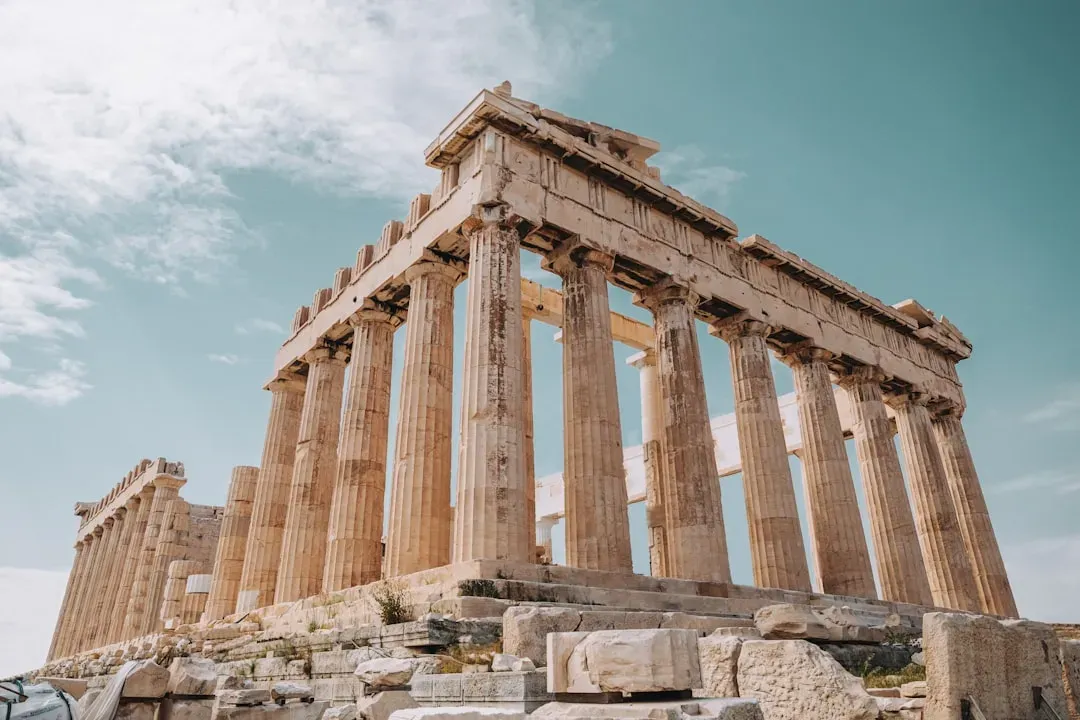
Because you hear about ancient Greece so often, you might forget how radical some of its ideas were in context. In a few scattered city‑states, people experimented with forms of popular assembly that, while limited to certain groups, planted the seed of citizenship and shared governance. You’re looking at a world where ordinary male citizens in places like Athens could debate, vote, and hold office in a structured political system, instead of simply obeying a king. It wasn’t modern democracy, but it was a wild departure from the norm of hereditary power.
Greek thinkers also pushed something you now take for granted: the idea that the universe is governed by knowable, consistent laws that you can understand using reason and observation. Philosophers and early scientists worked on geometry, optics, mechanics, and astronomy with arguments that look a lot like the foundations of modern science. Devices such as complex geared mechanisms, like the famous shipwreck find that modeled astronomical cycles, show you that some Greek craftsmen were building machines far more intricate than you’d expect for the ancient world. When you see a culture producing both theoretical mathematics and precision instruments, you can feel the moment when curiosity about the world becomes a disciplined attempt to model it.
The Maya: Astronomers of the Jungle
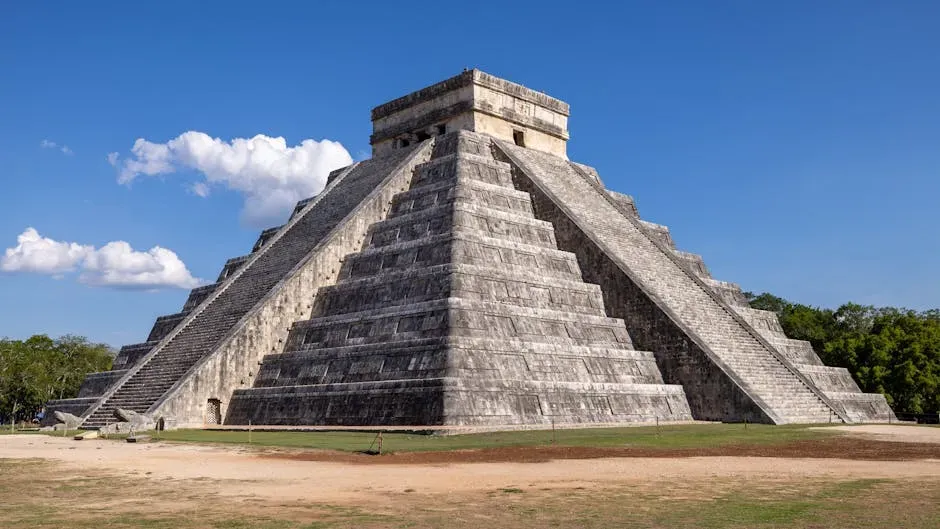
If you were dropped into a Maya city centuries ago, the first thing you might notice is the step pyramids and ornate carvings, but the real magic is in the numbers and alignments behind them. Maya scribes developed one of the most advanced calendrical systems in the ancient world, complete with a concept of zero and multiple interlocking cycles of time. They tracked solar and lunar movements, as well as planetary cycles, with an accuracy that rivals what some early modern astronomers in Europe were doing much later. You’re watching a civilization that turned the sky into a finely tuned schedule for rituals, politics, and agriculture.
At the same time, the Maya built dense urban centers in challenging tropical environments, managing water and resources in ways that are still being studied. Hieroglyphic inscriptions on stelae and buildings record dynasties, wars, alliances, and rituals tied to precise dates. You can read their history as a fusion of political drama and cosmic choreography, where kings staged events to align with celestial cycles. It’s easy to romanticize this as mystical, but underneath the monuments you can see a data‑driven culture that used long-term observation and mathematical skill to shape everything from farming to royal power.
Caral and the Norte Chico: A Civilization Without Obvious War or Kings
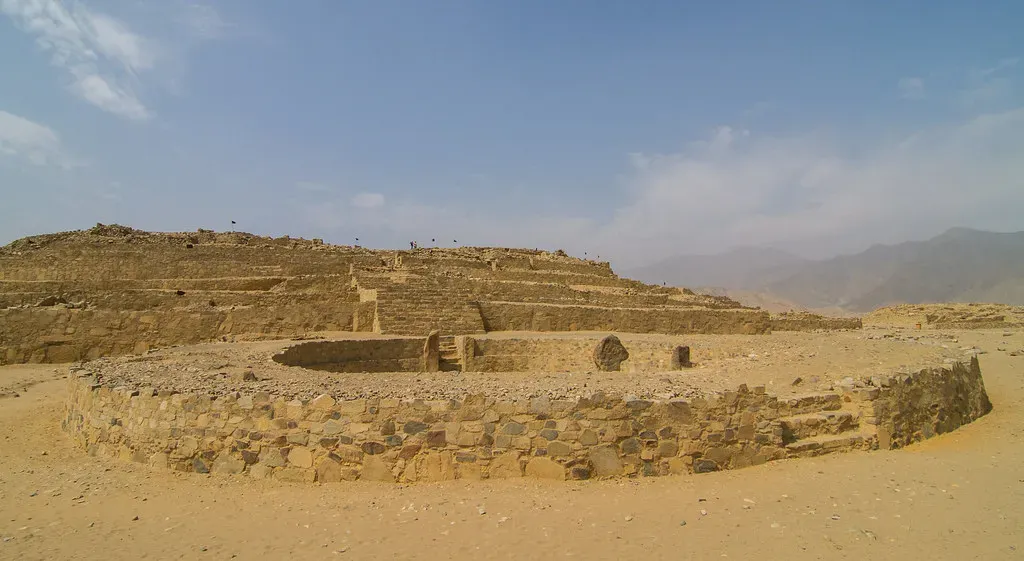
When you think of the earliest cities in the Americas, your mind might jump to the Maya or the Inca, but on the Peruvian coast at Caral and other sites in the Norte Chico region, you’re looking at something older and, in some ways, stranger. Here, around five thousand years ago, people were already living in planned settlements with monumental platform mounds, sunken circular plazas, and carefully arranged public spaces. You can walk through what looks like the blueprint of later Andean cities, with architecture and urban planning that influenced centuries of development that followed.
What throws you off is what you do not see much of: obvious fortifications, weapon-heavy art, or grand tombs of kings bursting with loot. Instead, you find evidence of organized labor, large communal gatherings, and what seems like a strong focus on ritual and trade, including exchange with coastal and inland regions. Archaeologists have even found an early example of a knotted textile, likely a forerunner of the quipu recording system later used by the Inca, hinting that people here were already experimenting with abstract data storage. You’re confronted with a civilization that built big, lasted long, shaped later cultures, and did it all without leaving the kind of warrior‑king narrative you’ve been trained to expect from early states.
Conclusion: Rethinking What It Means to Be “Advanced”
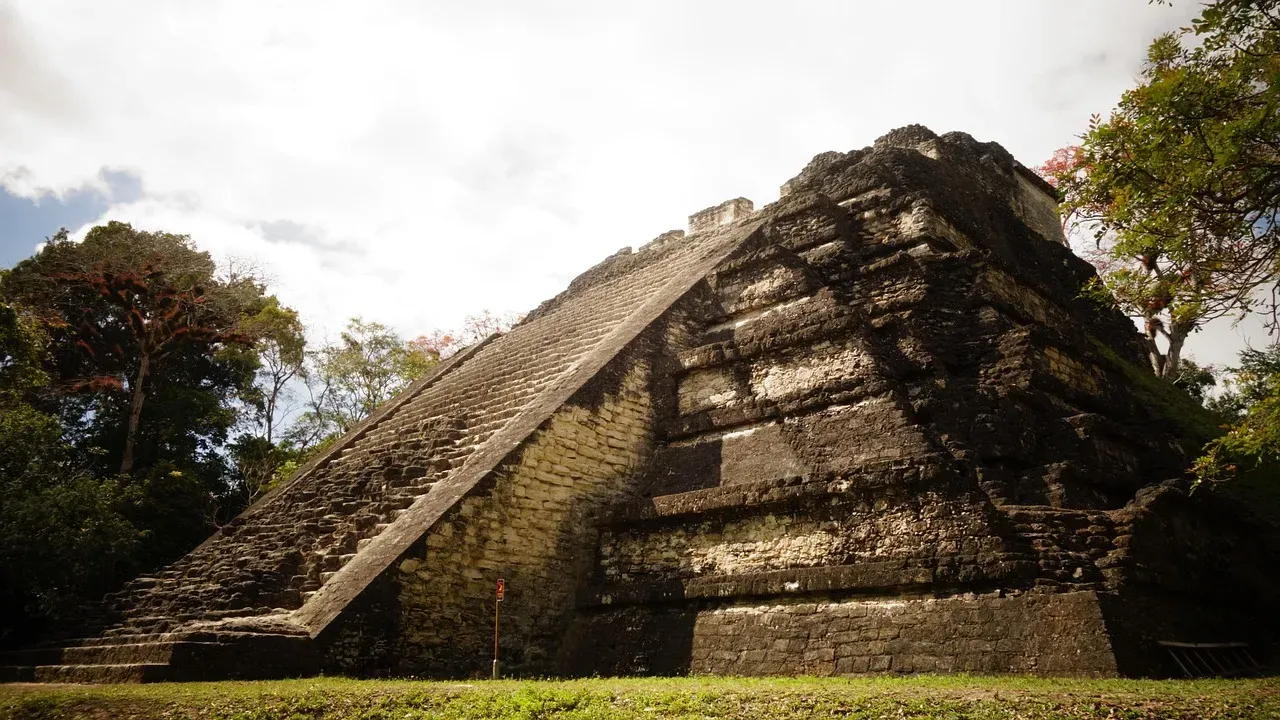
When you stack these nine civilizations side by side, your neat ladder of progress starts to look more like a tangled forest. You see people building sewer systems when much of the world still tolerated open filth, aligning stones to the solstice long before anyone coined the word astronomy, and running complex cities without ostentatious kings or endless war monuments. You start to realize that being “ahead of their time” is often just your way of admitting that you underestimated how clever, observant, and organized humans have been for a very long time. The past stops being a gray blur and becomes a series of sharp, surprising experiments in how to live together.
If there’s a lesson for you in all this, it’s that sophistication doesn’t always look like skyscrapers and microchips. Sometimes it looks like a carefully dug drain, a stone lined up with sunrise, a piece of knotted string that quietly holds vital information, or a political idea that says power should answer to something higher than itself. As you look around your own world, full of dazzling tech but also very old problems, it’s worth asking yourself: are you really as far ahead as you think, or are you just another branch on a very ancient, very inventive human tree?