
Space science loves a good mystery, but some cosmic riddles have proved stubbornly resistant to explanation even in 2025. Powerful telescopes, gravitational-wave detectors, and AI-driven surveys have turned the night sky into a data firehose, and yet the universe keeps serving up signals that do not fit our neat theoretical boxes. From invisible matter that outweighs everything we can see to sudden cosmic explosions that vanish in a blink, astronomers are constantly caught between exhilaration and exasperation. These unexplained phenomena are not just curiosities; they are clues that our understanding of physics might be missing key chapters. The more we stare into the dark, the clearer one thing becomes: the universe is stranger than we were prepared to admit.
Dark Matter: The Invisible Weight of the Universe
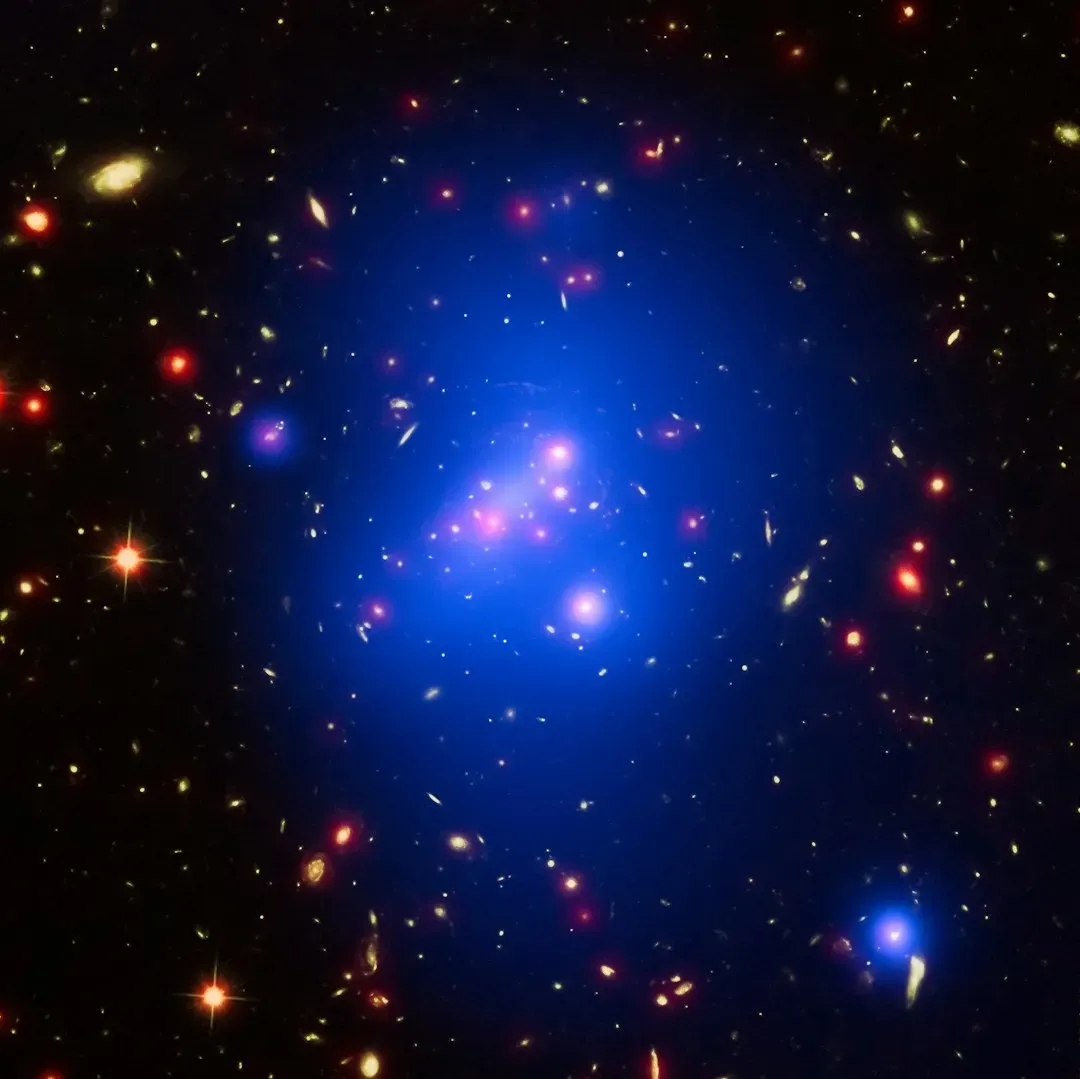
Imagine trying to understand how a merry-go-round spins while being unable to see most of the people on it – that is roughly what dark matter is doing to our understanding of galaxies. When astronomers measured how fast stars orbit within galaxies, they found those stars moving far too quickly to be held in place by visible matter alone. Something unseen, exerting gravity but not emitting light, appears to make up the bulk of the mass, like a hidden scaffolding on which galaxies are built. Observations of galaxy clusters, gravitational lensing, and the cosmic microwave background all point to this invisible component shaping the large-scale structure of the universe. Yet every time particle physicists fire up accelerators or build ultra-sensitive underground detectors, they come up empty-handed.
For decades, researchers have proposed hypothetical particles – such as WIMPs or axions – that could account for dark matter, but so far none has been convincingly detected. Alternatives, like tweaking the laws of gravity themselves, offer bold but controversial solutions that struggle to explain the full range of cosmological evidence. The situation leaves astronomers in a strange place: nearly all current models of the universe rely on dark matter, yet no one knows what it actually is. That tension makes dark matter one of the most unsettling and exciting scientific gaps we have, a quiet reminder that even our most basic assumptions about matter might be incomplete.
Dark Energy: The Force Behind a Runaway Cosmos
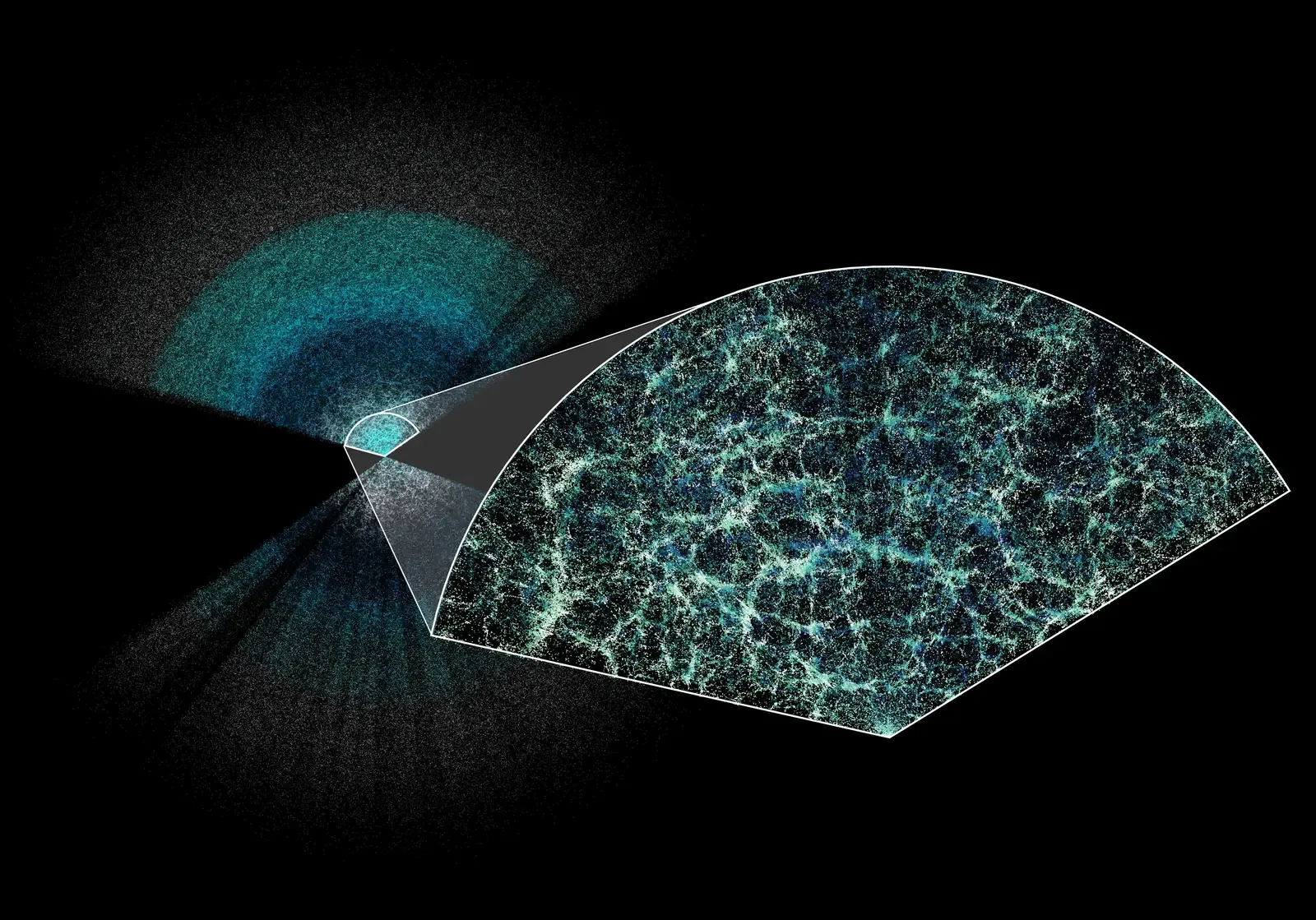
Just when scientists were getting used to the idea of dark matter, the cosmos delivered an even more shocking twist: the universe is not just expanding, it is accelerating. In the late 1990s, two independent teams studying distant supernovae discovered that these exploding stars were dimmer than expected, implying they were farther away than predicted. The best explanation was that some mysterious form of energy was pushing space itself apart, counteracting gravity on the largest scales. Today, this so-called dark energy is thought to make up the majority of the universe’s total energy budget, yet it remains almost entirely undefined. It behaves nothing like any known substance and does not clump like matter, acting instead as a smooth pressure built into the fabric of spacetime.
The leading idea tries to link dark energy to the energy of the vacuum, an effect predicted by quantum field theory, but the numbers do not line up: theory overshoots observations by an absurd margin. Other models invoke evolving fields or modifications to general relativity, each with its own predictions that current telescopes are only beginning to test. Massive sky surveys, including projects mapping out millions of galaxies and cosmic voids, are hunting for subtle fingerprints of dark energy in how structures grow over time. For now, though, dark energy is essentially a label we slap on our ignorance – a placeholder for a phenomenon that could upend our ideas about gravity, quantum physics, or both at once.
Fast Radio Bursts: Millisecond Messages from the Deep Sky
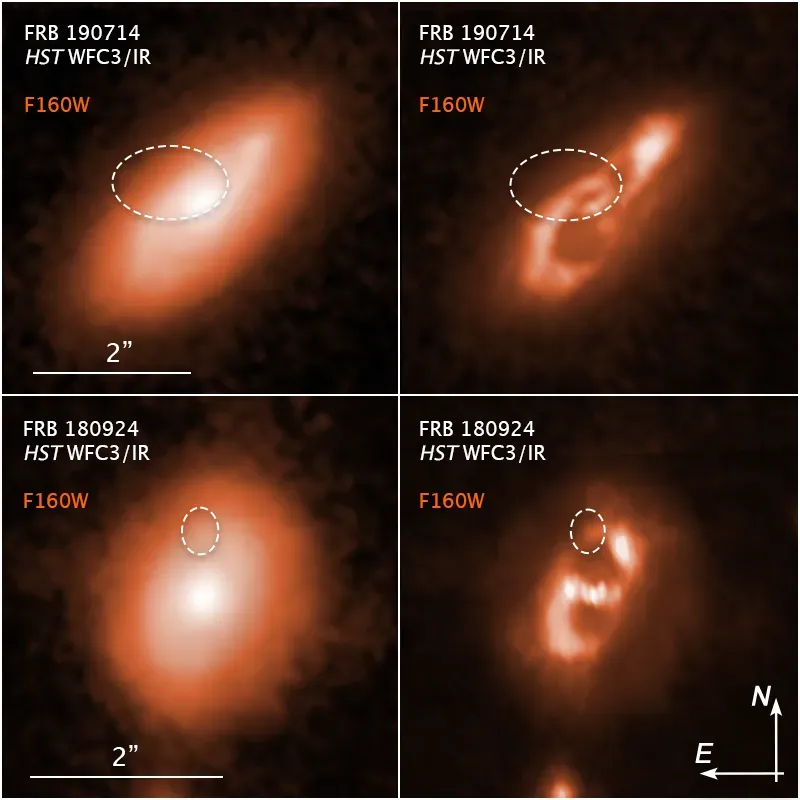
In 2007, astronomers combing through old telescope data stumbled on a strange radio pulse that lasted only a few thousandths of a second but contained as much energy as the Sun emits in days. These signals, now known as fast radio bursts, or FRBs, seemed to originate from far outside our galaxy, meaning whatever produced them was incredibly powerful. For years, each FRB detection was a one-off, a ghostly blip that flared and vanished before instruments could react. That changed when a handful of repeaters were discovered, sources that fired off multiple bursts from the same location, suggesting some kind of persistent but exotic engine. Even then, the diversity of their behavior has resisted a single neat explanation.
Leading theories range from highly magnetized neutron stars to collisions involving compact objects, with some bursts possibly linked to magnetar flares. However, many FRBs show patterns and structures in their signals that are difficult to unify under one model. Large radio arrays now detect FRBs almost daily, turning a strange singular curiosity into a full-blown population that astronomers are racing to catalog. Some are so bright they can be seen across billions of light-years, allowing researchers to use them as probes of the thin gas between galaxies. Yet, despite this practical value, the core mystery remains: what astrophysical processes can compact so much energy into such fleeting flashes, and why do they behave so differently from one another?
Tabby’s Star and the Puzzle of Flickering Suns
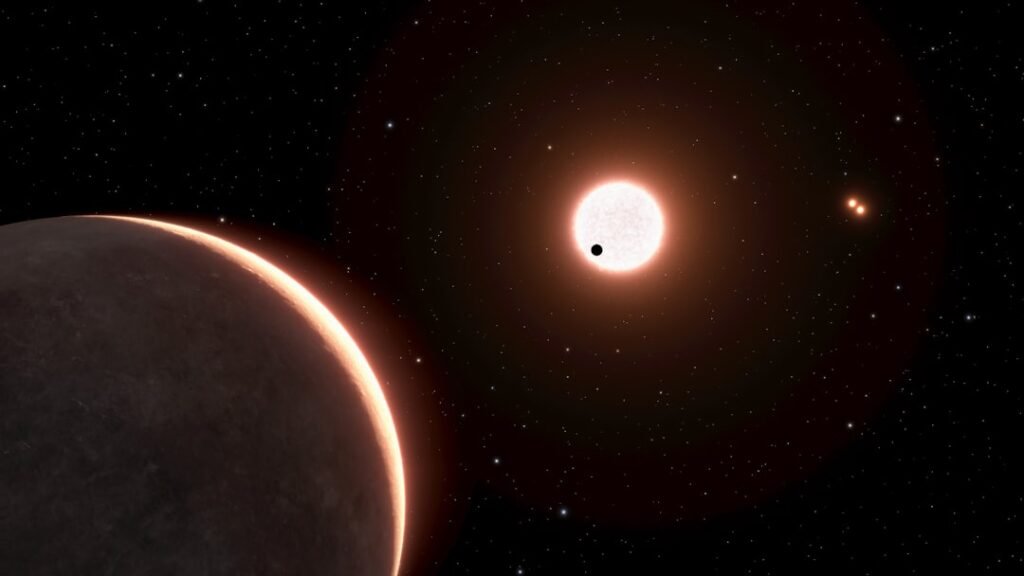
Every so often, a single star manages to ignite the collective imagination of both astronomers and the public, and in the last decade, Tabby’s Star became that star. Located in the constellation Cygnus, it showed bizarre, aperiodic dimming events – sometimes dropping in brightness by more than a tenth – far larger than typical planetary transits or stellar spots could explain. For a time, speculative ideas ranging from swarms of comets to massive dust clouds were pushed to their limits, and more sensational interpretations briefly grabbed headlines. While follow-up observations have largely favored dust-related explanations, the exact mechanisms behind the star’s irregular behavior are still debated. It sits as a cautionary example of how little we truly grasp about the full variety of stellar systems.
The case of Tabby’s Star also highlights how modern astronomy sometimes works backward: massive streams of data reveal anomalies first, and theory scrambles to keep up. Similar, though not identical, weird light curves are now being found in data from planet-hunting missions, suggesting that Tabby’s Star may not be unique. Each oddball target becomes a laboratory for studying circumstellar dust, debris disks, or yet-unknown processes shaping star systems. For researchers, these stars are more than curiosities; they are stress tests for our models of stellar evolution and planetary formation. The unsettling possibility is that our current theories might only describe the most well-behaved systems, leaving a zoo of strange stars waiting to be properly understood.
Ultra-High-Energy Cosmic Rays: Particles That Should Not Exist
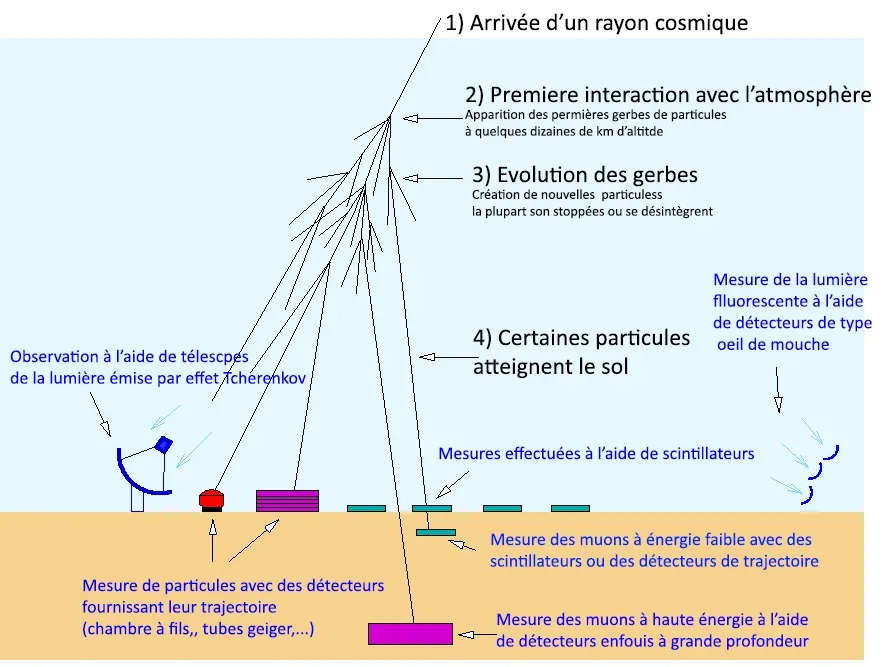
Now and then, Earth is struck by a subatomic bullet so energetic it makes human-built particle accelerators look like toys. These ultra-high-energy cosmic rays carry energies millions of times higher than anything produced at the Large Hadron Collider, and their very existence is a problem. Theoretically, such particles should lose energy as they traverse the cosmic microwave background over long distances, a limit known as the Greisen–Zatsepin–Kuzmin cutoff. Yet detectors on Earth still see events flirting with or exceeding that threshold, implying either unexpected nearby sources or physics beyond our standard assumptions. Pinpointing their origins has proved notoriously difficult because cosmic rays are charged and their paths are twisted by magnetic fields.
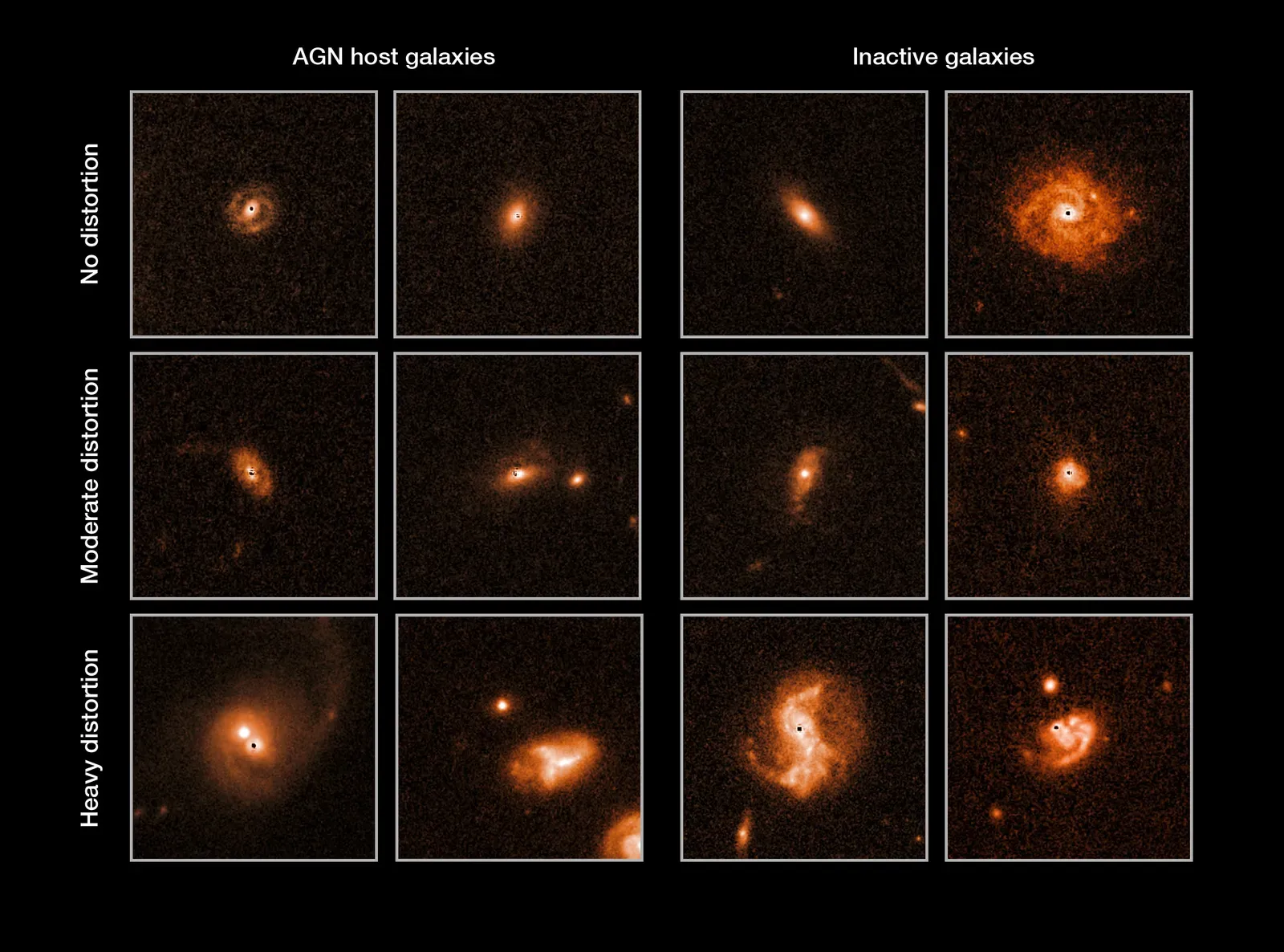
Large observatories spread across the ground, such as those in Argentina and elsewhere, are trying to triangulate where these particles come from by tracking the atmospheric showers they trigger. Some appear to be linked loosely with active galaxies or other extreme environments, but patterns remain fuzzy and often statistically weak. The riddle is not only where they are born, but how any cosmic accelerator can push particles to such staggering energies without tearing itself apart. Exploring these questions could shed light on extreme astrophysical objects and potentially reveal cracks in current particle physics. For now, each detection feels like an illegal move by the universe, a sign that there are rules we do not yet know we are breaking.
The Hubble Tension: Conflicting Clocks of the Cosmos
Measuring how fast the universe is expanding sounds straightforward in principle, but in practice it has led to one of the most heated debates in cosmology. When astronomers use the cosmic microwave background – the relic radiation from shortly after the Big Bang – they get one value for the Hubble constant, the rate of cosmic expansion. When they measure distances using supernovae and variable stars in the more recent universe, they get a noticeably higher value. Both methods are independently precise, and both agree internally, which makes the discrepancy extremely hard to dismiss as simple error. This so-called Hubble tension hints that something is off in our cosmological model.
Proposed solutions run the gamut from unknown systematic biases in observations to entirely new physics, such as additional species of light particles in the early universe or changes in dark energy over time. Alternative distance indicators, like gravitational-wave events or different classes of variable stars, are being actively developed to cross-check existing methods. If the tension persists as more data arrive, it could signify that our picture of the universe’s history is missing a crucial piece. In that sense, the argument over a single number is really a struggle over the deeper narrative of how everything evolved from the Big Bang to today. The stakes are high, because resolving the tension might either reinforce our current framework or force a rewrite of cosmology textbooks.
Why These Cosmic Mysteries Matter Far Beyond Astronomy
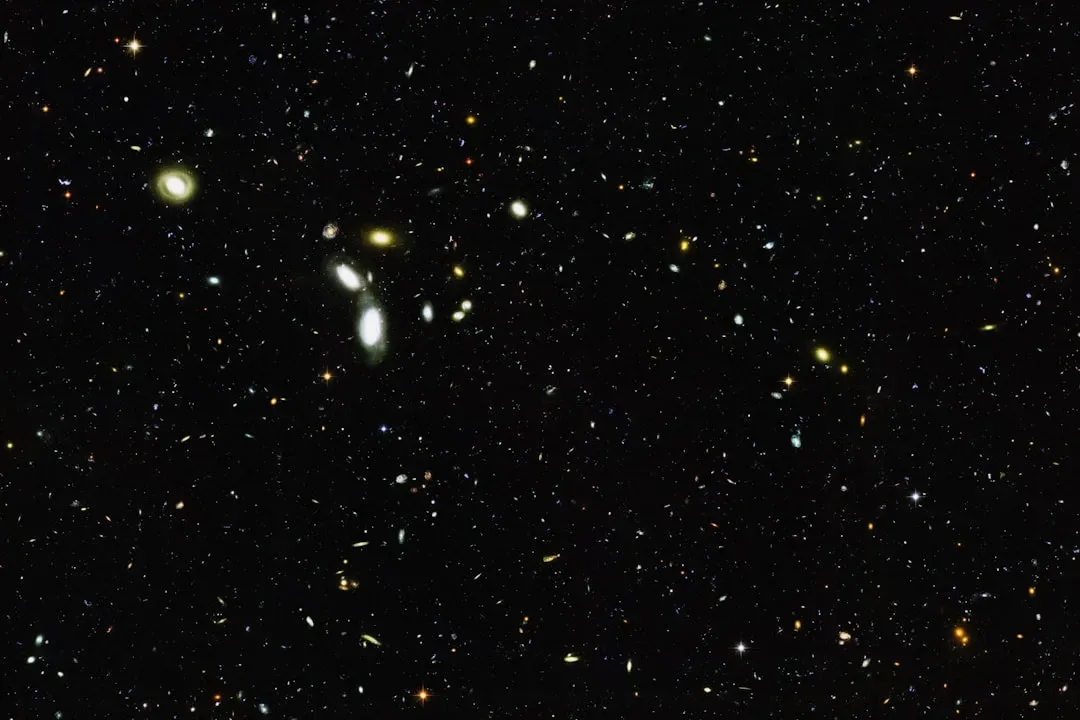
It can be tempting to treat dark matter, strange stars, and high-energy particles as distant curiosities, but they are not just exotic trivia for space enthusiasts. These phenomena test the foundations of physics in ways no laboratory on Earth can match, pushing theories of gravity, quantum mechanics, and particle interactions into regimes we cannot otherwise reach. The invisible matter binding galaxies together affects how structures formed after the Big Bang, which in turn influences the conditions that allowed stars, planets, and eventually life to emerge. Dark energy shapes the ultimate fate of the cosmos, determining whether it drifts into a cold, empty future or something even stranger. Even fast radio bursts and cosmic rays become tools for probing otherwise inaccessible regions of intergalactic space.
There is also a practical angle that often gets overlooked: technologies spun off from astronomy, from advanced sensors to data-processing algorithms, routinely flow back into everyday life. Solving thorny astrophysical puzzles demands clever instrumentation, novel materials, and sophisticated machine learning techniques that then find uses in medicine, communications, and climate science. Historically, every time we have peeled back a layer of cosmic mystery, it has changed our philosophical outlook as well, altering how humanity sees its place in the universe. Understanding these unexplained phenomena is not just about satisfying curiosity; it is about refining the story we tell ourselves about reality itself. In that sense, the stakes are emotional and cultural as much as they are scientific.
The Future: Next-Generation Telescopes, AI, and a Flood of Data
Over the coming decade, a wave of new observatories is poised to transform how we hunt for answers to these space enigmas. Giant ground-based telescopes with mirrors spanning tens of meters will let astronomers resolve fainter galaxies, measure smaller motions, and dissect the light from distant objects with unprecedented precision. Space-based missions will map billions of galaxies and track subtle distortions in their shapes, trying to pin down the fingerprints of dark matter and dark energy with far tighter constraints. At the same time, gravitational-wave detectors are growing more sensitive, opening fresh windows onto collisions of black holes and neutron stars that could shed light on the origins of heavy elements and perhaps even some fast radio bursts. All of this will generate a staggering volume of data that no human team can sift through alone.
That is where AI and advanced statistics come in, not as replacements for astronomers but as pattern-hunting partners. Machine learning systems are already flagging anomalies in sky surveys, surfacing oddities that would otherwise be buried in noise. Future upgrades and new instruments are designed with this synergy in mind, pairing powerful optics with real-time analysis pipelines that can trigger rapid follow-up when something strange appears. The hope is that with better instruments and smarter data handling, the fog around these mysteries will finally begin to thin. Yet there is an equally real possibility that the universe will present entirely new puzzles faster than we can solve the old ones, keeping the frontier of ignorance always a step ahead.
What You Can Do: Staying Curious in a Mysterious Universe
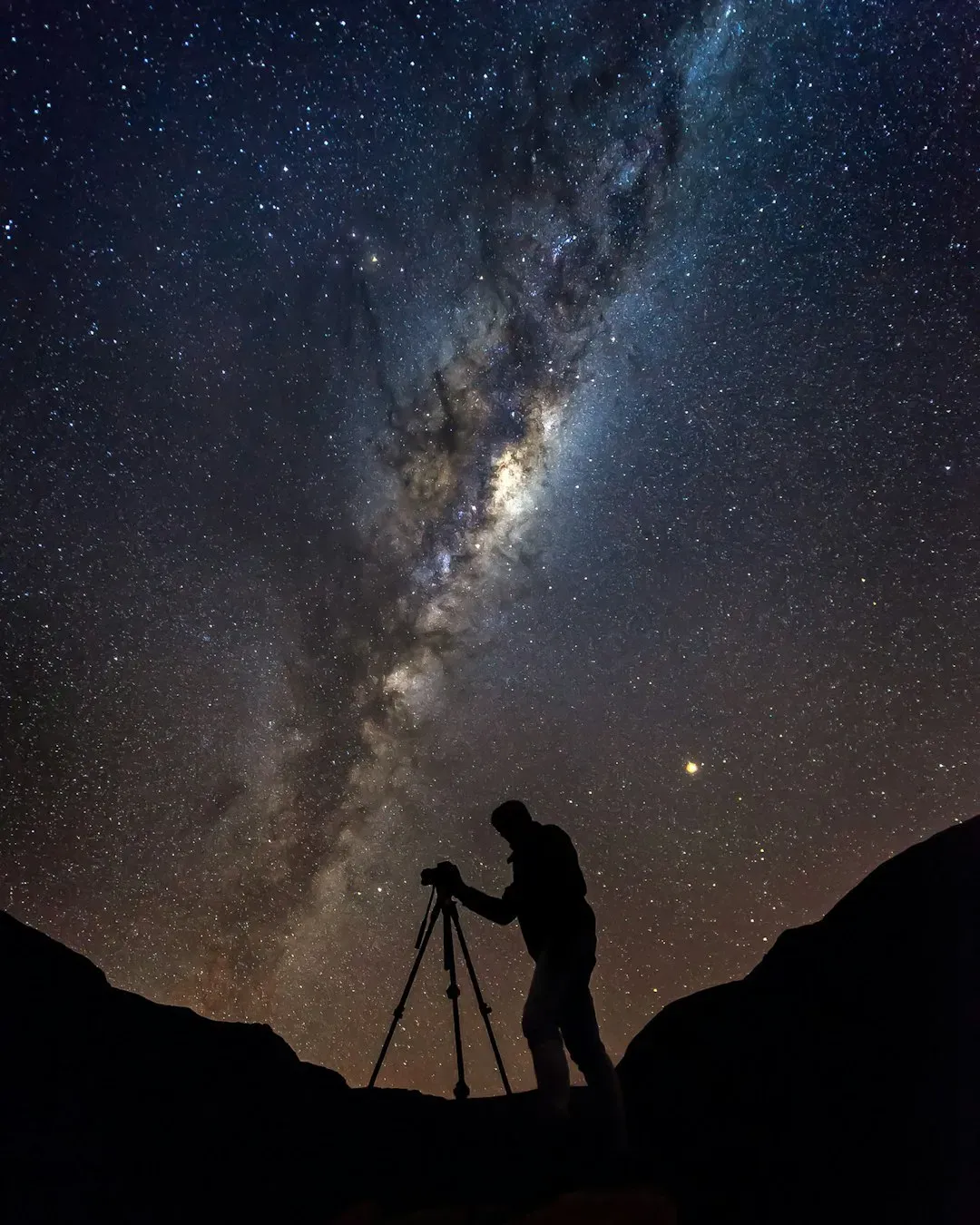
Most of us will never build a space telescope or design a particle detector, but that does not mean we are locked out of the adventure. Simply staying informed – following mission updates, reading about new discoveries, and supporting quality science journalism – helps create a culture that values curiosity and evidence. Many observatories and space missions now release data to the public, and citizen science platforms invite volunteers to help classify galaxies, hunt for exoplanets, or flag unusual light curves. Small actions like sharing accurate science stories, questioning sensational claims, and encouraging kids to ask big, unapologetically weird questions about the universe all add up. In a world saturated with distractions, choosing to look up and think deeply about these cosmic riddles is a quiet but powerful statement.
If you want to take another step, you can support organizations that fund basic research, from national science foundations to private nonprofits focused on astronomy education and outreach. Local astronomy clubs often host free public observing nights where you can experience the sky through real telescopes and talk with people who follow these mysteries closely. Even something as simple as learning the names of a few constellations can turn the night sky from a backdrop into a living map of questions waiting to be asked. The universe is not obligated to make sense to us, but we are also not obligated to stop trying. The next great breakthrough might begin with someone, somewhere, refusing to accept that the unexplained must stay that way.
Suhail Ahmed is a passionate digital professional and nature enthusiast with over 8 years of experience in content strategy, SEO, web development, and digital operations. Alongside his freelance journey, Suhail actively contributes to nature and wildlife platforms like Discover Wildlife, where he channels his curiosity for the planet into engaging, educational storytelling.
With a strong background in managing digital ecosystems — from ecommerce stores and WordPress websites to social media and automation — Suhail merges technical precision with creative insight. His content reflects a rare balance: SEO-friendly yet deeply human, data-informed yet emotionally resonant.
Driven by a love for discovery and storytelling, Suhail believes in using digital platforms to amplify causes that matter — especially those protecting Earth’s biodiversity and inspiring sustainable living. Whether he’s managing online projects or crafting wildlife content, his goal remains the same: to inform, inspire, and leave a positive digital footprint.