
The beeping of laboratory equipment mingles with the distant calls of endangered birds, creating an unlikely symphony of hope. In sterile research facilities across America, scientists are wielding cutting-edge biotechnology like modern-day conservation heroes, racing against extinction clocks that seem to tick louder each day. What happens when DNA sequencing meets desperate wildlife populations hanging by biological threads? The results are nothing short of miraculous.
The California Condor’s Genetic Resurrection

When the California condor population plummeted to just 27 birds in 1987, scientists knew traditional conservation wouldn’t be enough. They turned to genetic fingerprinting and artificial insemination techniques that revolutionized wildlife breeding programs. Every single condor alive today can trace its lineage through sophisticated genetic databases that help researchers avoid inbreeding.
The San Diego Zoo’s Frozen Zoo played a crucial role, storing genetic material from deceased condors to maintain genetic diversity. Scientists use sperm cryopreservation and artificial insemination to ensure the healthiest possible offspring. Today, over 500 condors soar across western skies, each one a testament to biotechnology’s power to resurrect species from near-extinction.
Black-Footed Ferret Cloning Breakthrough

Elizabeth Ann made history in 2020 as the first cloned black-footed ferret, born from genetic material frozen for over 30 years. The U.S. Fish and Wildlife Service partnered with biotech companies to create this genetic clone from Willa, a ferret who died in 1988 but whose cells held the key to species survival. This wasn’t science fiction anymore – it was conservation reality.
The cloning process involved nuclear transfer technology, where scientists implanted Willa’s genetic material into a domestic ferret’s egg. Elizabeth Ann’s birth represented a genetic lifeline for a species reduced to just 18 individuals in the 1980s. Her existence proves that frozen genetic material can bridge decades to save endangered species.
Hawaiian Monk Seal Genetic Health Monitoring

Hawaiian monk seals face extinction with fewer than 1,400 individuals remaining, but biotechnology is helping scientists understand their genetic bottlenecks. Researchers collect tissue samples from seals to analyze their DNA, identifying genetic diversity patterns that inform breeding recommendations. This genetic surveillance helps prevent the catastrophic inbreeding that could doom the species.
Marine biologists use genetic markers to track individual seals across different islands, understanding population dynamics like never before. The genetic data reveals which seals should breed to maximize offspring survival rates. Without this biotechnological intervention, the Hawaiian monk seal might have already vanished beneath Pacific waves.
Florida Panther Genetic Rescue Program
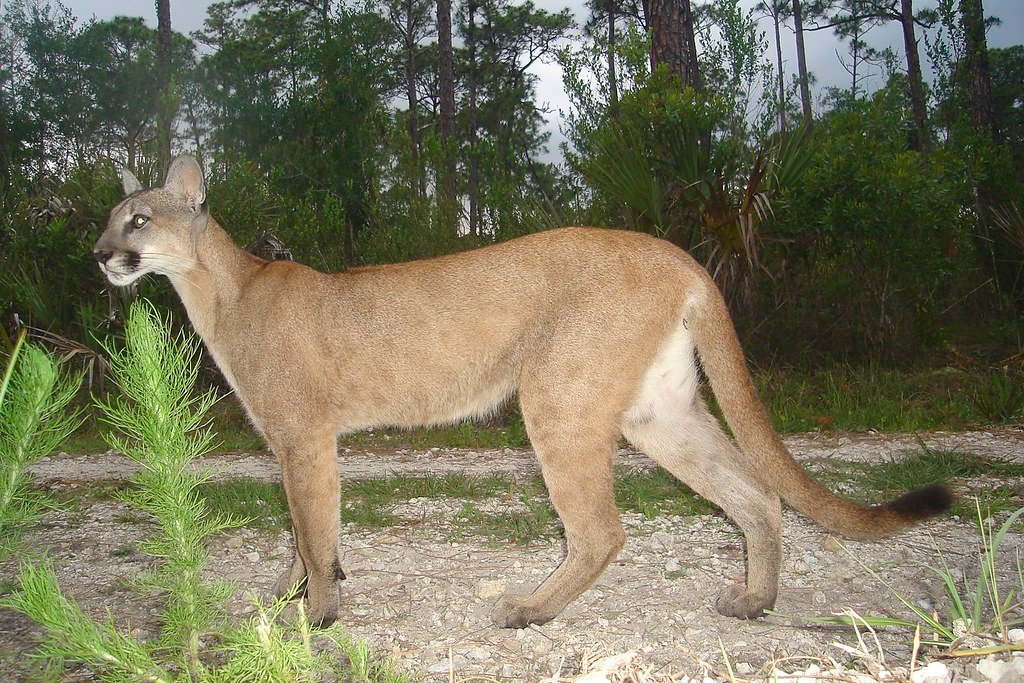
Florida panthers were dying from genetic defects caused by severe inbreeding when scientists implemented an unprecedented genetic rescue program in 1995. They introduced Texas cougar genes into the Florida population through carefully managed breeding programs. This genetic infusion was like giving the panthers a biological blood transfusion.
Scientists used genetic analysis to select the most genetically diverse Texas cougars for the program. The results were dramatic – panther numbers increased from 30 to over 200 individuals within two decades. Genetic testing continues to monitor the population’s health, ensuring this conservation success story endures.
Whooping Crane Artificial Insemination Success

Whooping cranes were down to 15 birds in 1941, making every reproduction attempt critical for species survival. Scientists developed specialized artificial insemination techniques specifically for these massive birds, overcoming natural breeding challenges that threatened the species. The process requires incredible precision, as whooping cranes are notoriously difficult to breed in captivity.
Researchers perfected semen collection and storage methods that maintain sperm viability for extended periods. They also developed hormone treatments to synchronize female crane reproductive cycles with insemination procedures. These biotechnological advances helped boost whooping crane numbers to over 500 birds, transforming a near-extinct species into a conservation success story.
American Chestnut Genetic Engineering Project

The American chestnut once dominated eastern forests until a devastating fungal blight wiped out billions of trees in the early 1900s. Scientists are now using genetic engineering to develop blight-resistant chestnut trees by inserting genes from wheat plants. These genetically modified trees can survive the fungal infections that killed their ancestors.
Researchers at SUNY College of Environmental Science and Forestry created transgenic chestnuts containing the oxalate oxidase gene, which neutralizes the blight fungus’s toxic effects. Field trials show these engineered trees surviving where traditional chestnuts would perish. This genetic rescue could restore American chestnuts to their rightful place in eastern forests.
Desert Tortoise Disease Detection Technology

Desert tortoises face multiple threats, including upper respiratory tract disease that can devastate wild populations. Scientists developed PCR-based diagnostic tests that can detect pathogens in tortoise blood samples with incredible accuracy. Early disease detection allows researchers to remove infected animals before they spread illness to healthy populations.
Biotechnology also helps scientists understand which tortoise populations have natural disease resistance through genetic analysis. This information guides translocation programs, ensuring that disease-resistant tortoises are moved to areas where they can establish healthier populations. Without these diagnostic tools, disease outbreaks could silently eliminate entire tortoise communities.
Red Wolf Genetic Purity Assessment

Red wolves nearly went extinct, and hybridization with coyotes threatens the remaining population’s genetic integrity. Scientists use advanced genetic sequencing to identify pure red wolves versus hybrids, ensuring breeding programs maintain species authenticity. This genetic detective work is crucial for preventing the red wolf from disappearing into a sea of hybrid genetics.
DNA analysis helps researchers track red wolf lineages and make informed decisions about which animals should breed. They can identify coyote genes infiltrating red wolf populations and take corrective action. This genetic monitoring ensures that future generations will know true red wolves, not genetic shadows of the original species.
Sage-Grouse Population Genetics Research

Greater sage-grouse populations have declined dramatically across the western United States, prompting intensive genetic research to understand population connectivity. Scientists analyze sage-grouse DNA to identify distinct populations and migration patterns that inform habitat conservation strategies. This genetic mapping reveals which sage-grouse communities are isolated and need genetic rescue.
Researchers use microsatellite markers to track gene flow between different sage-grouse populations across vast landscapes. The genetic data helps land managers understand how habitat fragmentation affects sage-grouse survival and reproduction. Without this biotechnological insight, conservation efforts might protect the wrong areas or miss critical wildlife corridors.
Polar Bear Climate Adaptation Studies

As Arctic ice disappears, scientists are using genetic analysis to understand how polar bears might adapt to changing conditions. They study polar bear DNA to identify genes associated with metabolism, coat color, and other traits that could help bears survive in warming environments. This genetic research provides crucial insights into polar bear evolutionary potential.
Scientists compare polar bear genetics with brown bear DNA to understand hybridization patterns and adaptive advantages. Some genetic variants might help polar bears survive on land-based diets as sea ice becomes scarce. This biotechnological approach to conservation planning helps scientists predict which polar bear populations might survive climate change.
Manatee Health Monitoring Through Biotechnology

Florida manatees face constant threats from boat strikes, habitat loss, and disease outbreaks that could devastate their slow-reproducing populations. Scientists developed non-invasive genetic sampling techniques using manatee feces and skin cells to monitor population health without stressing these gentle giants. Blood samples from rescued manatees provide detailed genetic and health information.
Biotechnology helps researchers track individual manatees throughout their lives, understanding survival rates and reproductive success. Genetic analysis reveals manatee family relationships and population structure across Florida’s waterways. This information guides habitat protection efforts and helps researchers understand which areas are most critical for manatee survival.
Bighorn Sheep Disease Resistance Research

Bighorn sheep populations face devastating pneumonia outbreaks that can kill 90% of a herd within months. Scientists are using genetic analysis to identify bighorn sheep with natural disease resistance, hoping to breed more resilient populations. They study MHC genes that control immune system function, looking for genetic variants associated with pneumonia survival.
Researchers compare DNA from sheep that survived disease outbreaks with those that died, identifying genetic markers linked to disease resistance. This information could guide breeding programs that produce more disease-resistant bighorn sheep herds. Without this genetic approach, pneumonia could continue eliminating bighorn sheep populations across North America.
Bald Eagle Contaminant Exposure Assessment

Although bald eagles have recovered from DDT-induced population crashes, they still face threats from environmental contaminants that scientists monitor using biotechnology. Researchers analyze eagle blood, feathers, and eggs for toxic substances, using advanced chemical detection methods to identify emerging threats. This biomonitoring helps scientists understand which contaminants pose the greatest risks to eagle populations.
Genetic analysis helps researchers understand how individual eagles metabolize different toxins, revealing which birds might be more vulnerable to contamination. Scientists can track contaminant levels across eagle populations, identifying pollution hotspots that need cleanup. This biotechnological surveillance ensures that America’s national bird remains healthy in an increasingly polluted world.
American Burying Beetle Conservation Genetics

The American burying beetle has disappeared from most of its historical range, surviving in only a few scattered populations. Scientists use genetic analysis to understand population structure and guide conservation breeding programs for this endangered insect. They study beetle DNA to determine which populations are most genetically diverse and therefore most important for species survival.
Researchers analyze genetic differences between surviving beetle populations to understand their evolutionary history and adaptive potential. This information helps scientists decide which populations should contribute to captive breeding programs. Genetic monitoring ensures that reintroduced beetle populations maintain the genetic diversity necessary for long-term survival.
Freshwater Mussel Genetic Diversity Studies

North American freshwater mussels are among the most endangered animals on the continent, with many species facing extinction from habitat destruction and water pollution. Scientists use genetic sequencing to identify cryptic mussel species that look identical but are genetically distinct, ensuring that conservation efforts protect true biodiversity. This genetic detective work reveals hidden diversity within mussel communities.
Researchers study mussel genetics to understand which populations are most important for maintaining species survival. They analyze gene flow between mussel beds, identifying populations that need genetic rescue through translocation programs. Without this biotechnological approach, numerous mussel species might disappear before scientists even knew they existed.
Conclusion: Biotechnology’s Wildlife Conservation Legacy

These eight remarkable cases demonstrate how biotechnology has become an indispensable tool in American wildlife conservation, turning desperate situations into success stories. From cloning black-footed ferrets to genetically engineering chestnut trees, science has provided hope where traditional methods fell short. Each genetic sequence analyzed, each artificial insemination performed, and each disease diagnosed represents a small victory against extinction.
The fusion of cutting-edge technology with conservation passion has created possibilities that previous generations of wildlife biologists could never have imagined. Today’s scientists wield DNA like conservationists once wielded binoculars, peering into the genetic souls of species to understand their needs and ensure their survival. As biotechnology continues advancing, even more wildlife rescue stories await discovery.
What would our ancestors think if they knew we could bring species back from the brink using frozen cells and genetic engineering?