
Every so often, science doesn’t just move forward – it jolts the world onto a completely new track. A strange experiment in a dim laboratory, a quiet equation scribbled in a notebook, a risky trial on a single patient: these moments can end up reshaping economies, politics, and how we think about being human. Some breakthroughs solved problems humanity had wrestled with for centuries; others created fresh dilemmas we’re still grappling with today. Looking back, the story of modern civilization is, in many ways, the story of eight radical ideas that rewrote the rules. The real question now is not just how they , but what they are still changing in us.
The Power of Invisible Life: Germ Theory and Modern Medicine
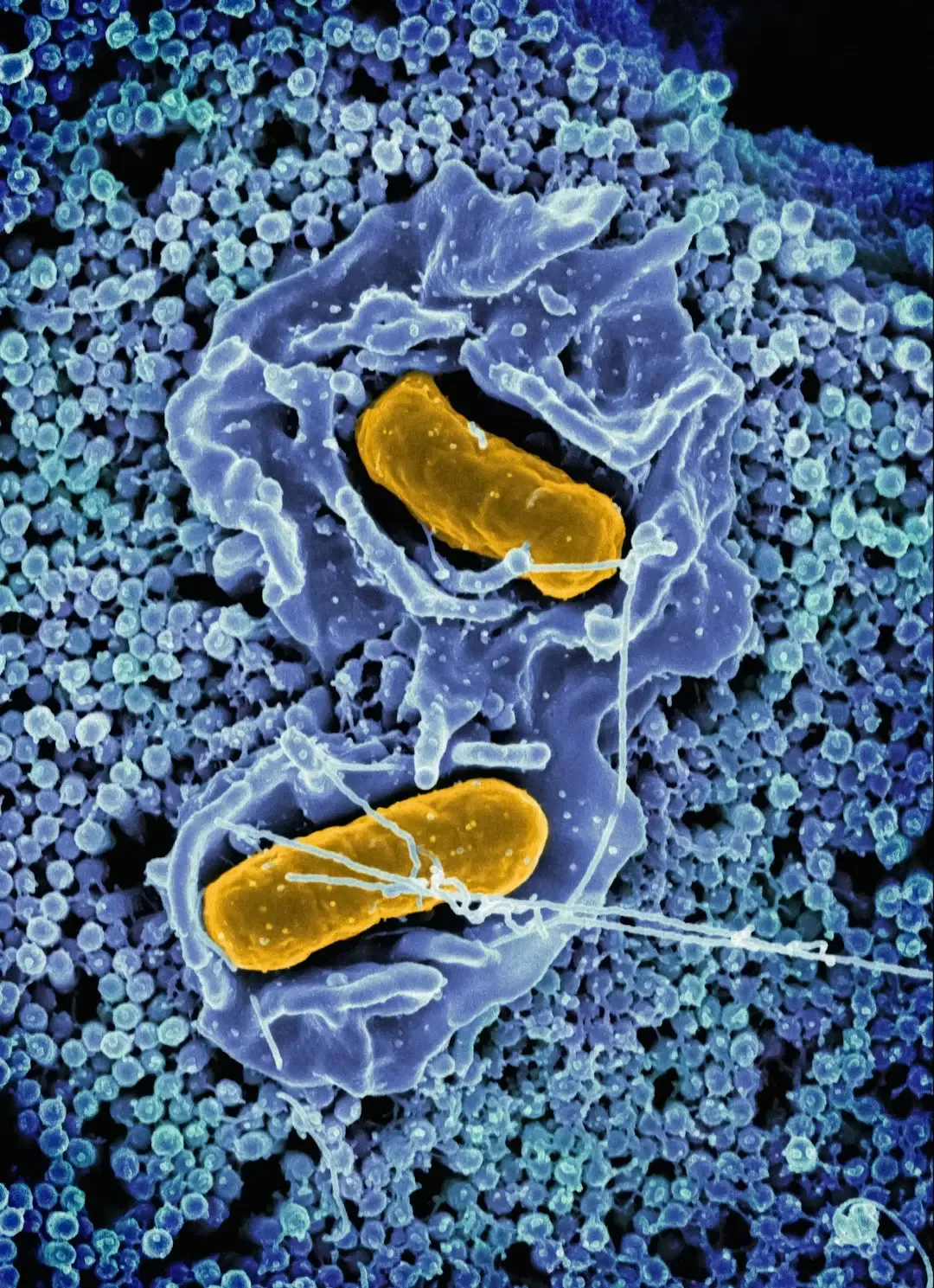
It is hard to imagine, but there was a time when doctors walked from autopsies straight into childbirth without washing their hands, and no one questioned it. Disease was blamed on bad air, curses, or sheer misfortune, while infections silently tore through crowded cities. The breakthrough came when scientists like Louis Pasteur and Robert Koch showed that specific microorganisms cause specific diseases, turning vague superstition into precise biology. Suddenly, ideas like sterilizing instruments, boiling water, and isolating patients were not just good habits but life-or-death necessities. Hospitals, once dreaded as places you went to die, slowly became centers of healing grounded in evidence instead of ritual.
Germ theory did more than save lives in operating rooms; it rewired public life. Clean water systems, sewage infrastructure, and vaccination campaigns emerged not as moral virtues but as scientifically justified defenses against microscopic enemies. Everyday actions – washing hands, covering coughs, cooking food properly – became part of a global playbook for survival. You can draw a straight line from those early microbial discoveries to the way the world responded to COVID-19, with masks, testing, and vaccine drives echoing the same principles. The invisible world of microbes, once ignored, became one of the most powerful forces shaping human destiny.
Harnessing Fire in Wires: Electricity and the Birth of a Connected World
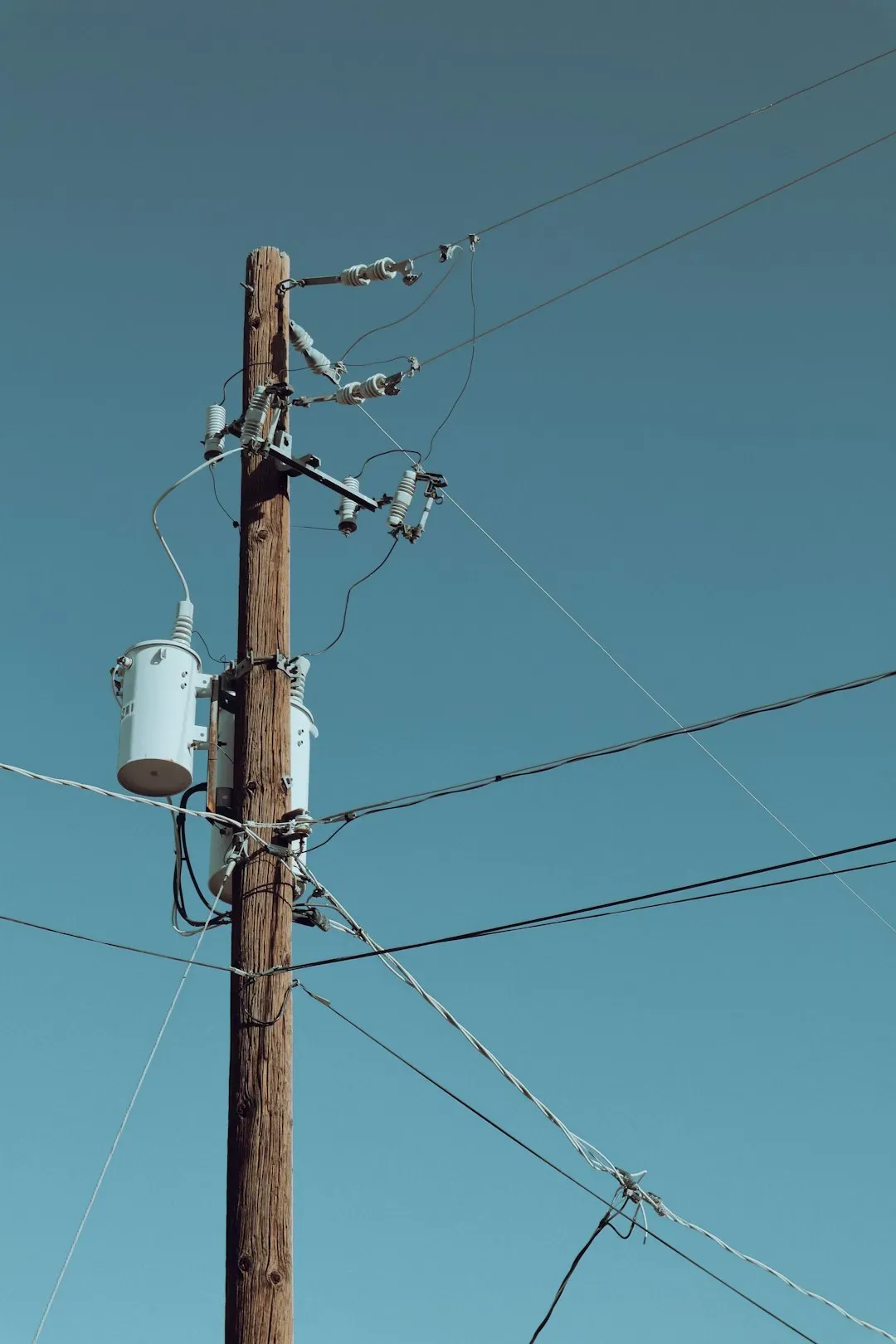
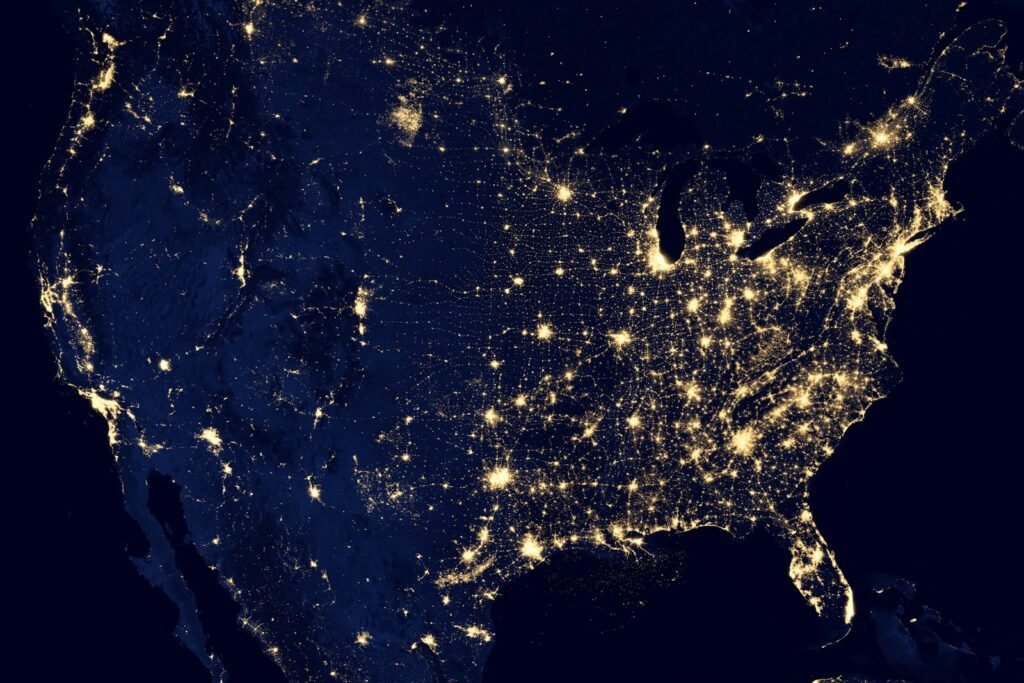
Flip a switch, and a room fills with light; press a button, and a message crosses continents in an instant. For most of human history, this would have looked like magic. The nineteenth-century taming of electricity – through the work of figures like Michael Faraday, Nikola Tesla, and many others – transformed energy from something you burned into something you could transmit and control. Electric power plants, generators, and motors rewrote the rules of work and home, shrinking the gap between day and night and between city and countryside. Factories could run longer, homes grew safer and brighter, and cities started to pulse with neon, wires, and movement.
Electricity did more than light bulbs and trams; it gave birth to entirely new ways of being together. Telegraph lines and later telephones collapsed distance so abruptly that news could spread faster than ships or horses could ever move. That same infrastructure eventually laid the groundwork for radio, television, and digital networks, all built on the movement of electrons through copper and silicon. Today, when a power outage brings an entire neighborhood to a standstill, it is a stark reminder that the electric age is not just about convenience, but about the hidden skeleton holding up modern life. We did not just invent electricity’s uses; we rebuilt society around them.
Rewriting the Blueprint of Life: DNA, Genes, and the Genomic Revolution
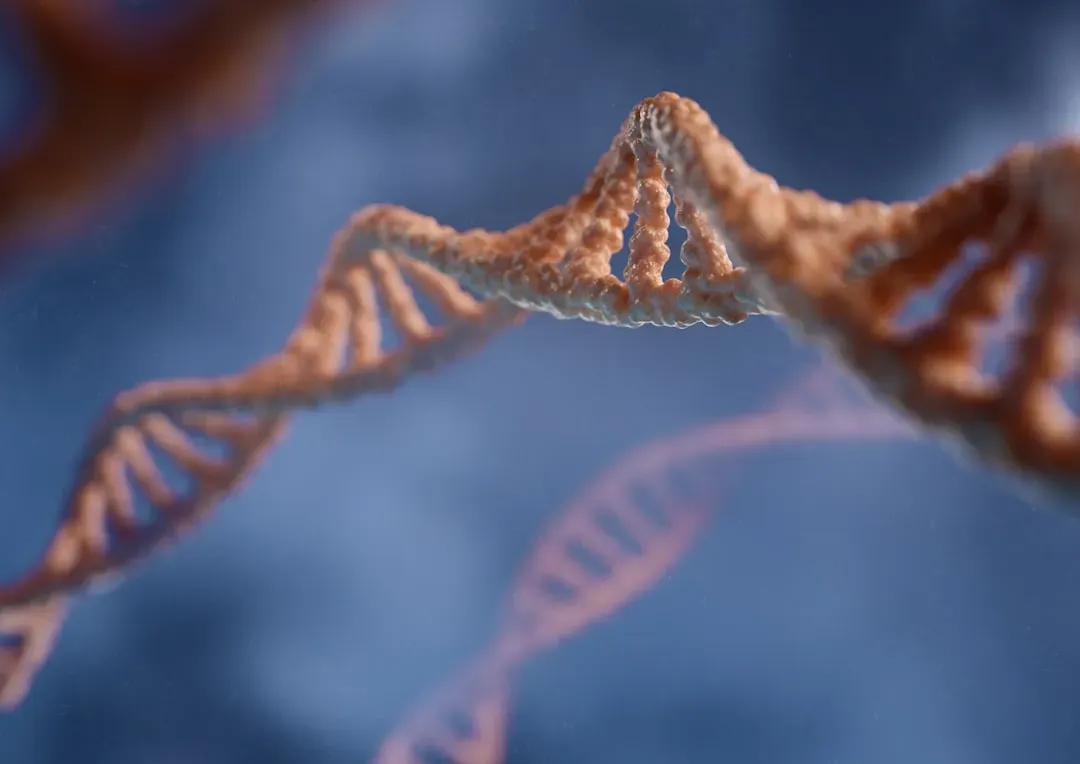
The discovery that a twisting ladder of molecules carries the instructions for building every living thing may be the most intimate revelation science has ever delivered. When researchers unraveled the double-helix structure of DNA in the mid-twentieth century, they showed that heredity was not some mystical inheritance but a coded script made of four chemical letters. Over the following decades, scientists learned to read and edit that script, from early gene sequencing to the completion of the Human Genome Project in the early 2000s. For the first time, humanity held a rough map of its own biological instructions.
That map opened doors that once belonged only in speculative fiction. Doctors can now diagnose many genetic disorders early in life and, in some cases, tailor treatments to a person’s unique molecular profile. Agriculture has been reshaped by genetically engineered crops designed to resist pests or tolerate drought, while forensic science uses DNA to solve crimes and overturn wrongful convictions. More recently, powerful tools like CRISPR have turned gene editing from a delicate art into something closer to cut-and-paste biology. The ethical stakes are enormous: altering a single gene in an embryo, for instance, could ripple through generations. In other words, the ability to read life’s code has forced us to confront whether we should rewrite it.
Splitting the Atom: Nuclear Power, Fear, and the Shadow of the Bomb

Few breakthroughs have carried such a mix of awe and dread as splitting the atom. When physicists in the early twentieth century realized that colossal energy was locked inside atomic nuclei, it sounded almost mythic – like discovering a miniature sun hidden in matter. The chain reactions that followed, however, quickly moved from blackboards to battlefields. The development and use of nuclear weapons in the 1940s introduced a terrifying new reality: humans now possessed technology capable of ending civilization in a single afternoon. The Cold War that followed turned nuclear physics into a permanent backdrop of anxiety.
Yet the same physics holds a very different promise. Nuclear power plants can generate vast amounts of electricity without emitting greenhouse gases during operation, making them a controversial but potent tool in the fight against climate change. Some nations rely on nuclear energy for a significant slice of their electricity mix, while others remain wary after accidents at plants like Chernobyl and Fukushima. The debate encapsulates a broader tension in science: the same discovery that can devastate can also sustain. Living with nuclear technology means living with that duality, balancing risk and reward in a way no previous generation had to face.
From Vacuum Tubes to Pocket Supercomputers: The Digital and Internet Revolutions
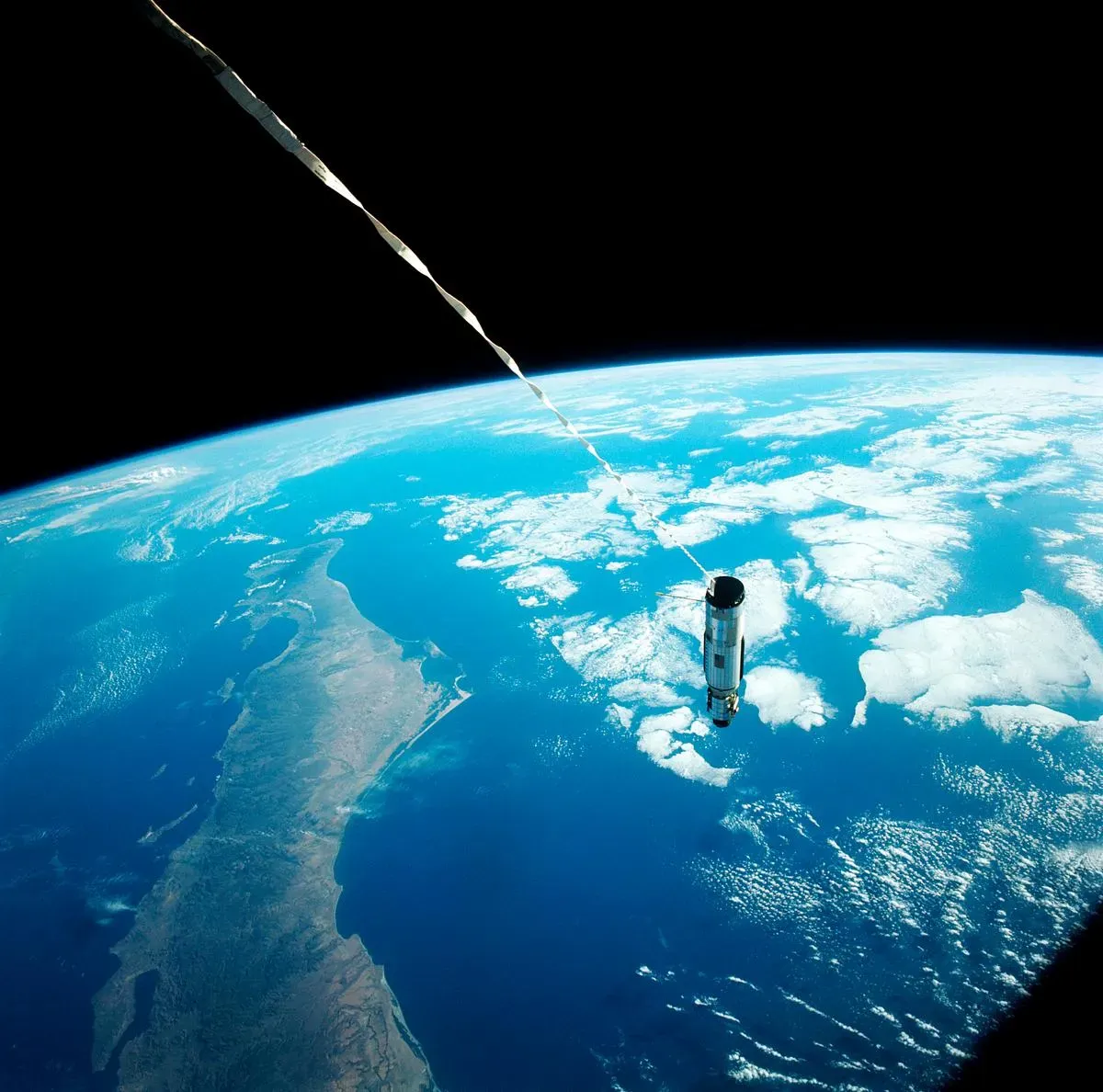
The first digital computers were room-sized beasts, humming away on military calculations and scientific simulations. Nobody looking at those early machines could have predicted that, within a few generations, people would carry more processing power in their pockets than entire countries once possessed. The invention of the transistor, then the microchip, turned computing from a specialized, elite tool into an everyday utility. As personal computers arrived on desks and then laptops slipped into bags, the line between human and machine thinking grew fuzzier – and a lot more collaborative.
The real earthquake, though, came when those machines started talking to each other. The internet stitched together universities, government labs, businesses, and eventually billions of individuals into a global nervous system. Email, web browsers, social media, and streaming services did more than change how we get information; they altered how we form identities, organize protests, fall in love, and work across time zones. Economic models shifted as entire industries went digital, while misinformation and cybercrime emerged as new threats. In a sense, the digital revolution did not just change history; it created a parallel, constantly evolving digital layer of reality that we now inhabit alongside the physical world.
Conquering the Microbial World: Vaccines, Antibiotics, and the New Age of Health

For most of history, infectious diseases were the great equalizer, sweeping through rich and poor alike with brutal indifference. Breakthroughs in vaccines and antibiotics gave humanity, for the first time, reliable tools to fight back. Vaccines trained the immune system to recognize and neutralize invaders before they could wreak havoc, dramatically cutting deaths from illnesses like smallpox, polio, and measles. Antibiotics, discovered in the mid-twentieth century, turned once-deadly bacterial infections into treatable conditions, transforming surgical risks and hospital survival rates. Life expectancy soared as preventable deaths plummeted.
But victory has never been absolute. The same widespread use of antibiotics that saved countless lives has also driven the rise of resistant “superbugs,” forcing doctors and researchers into an ongoing arms race. Vaccine hesitancy and global inequities in access mean that preventable diseases still flare up, especially in regions with fragile health systems. The COVID-19 pandemic, and the unprecedented speed of mRNA vaccine development in response, highlighted both the power and the fragility of modern medicine. These tools by tipping the balance in our favor, but they also remind us that microbes evolve as relentlessly as we innovate.
Seeing the Cosmos Anew: Relativity, Quantum Theory, and the New Physics
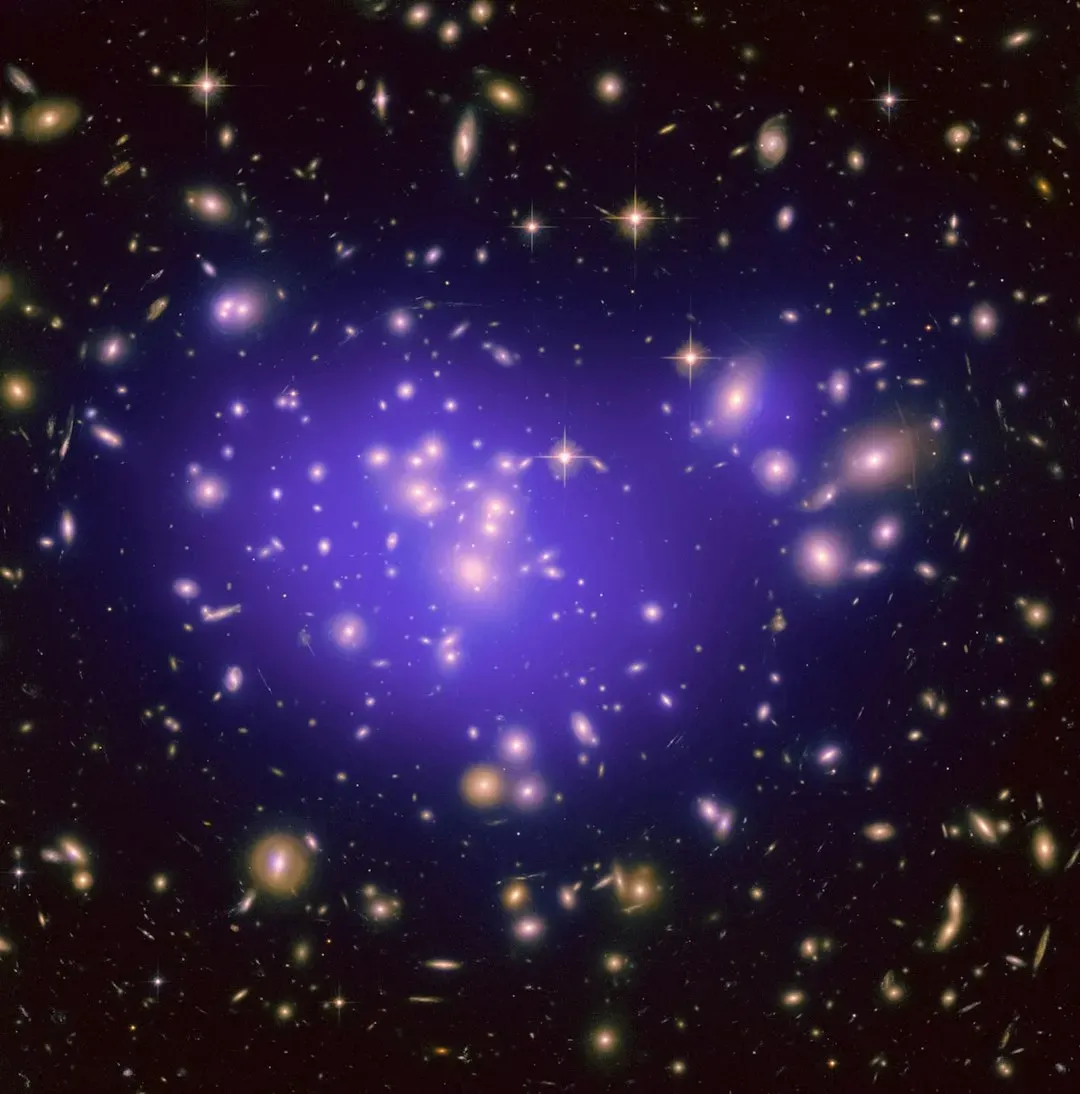
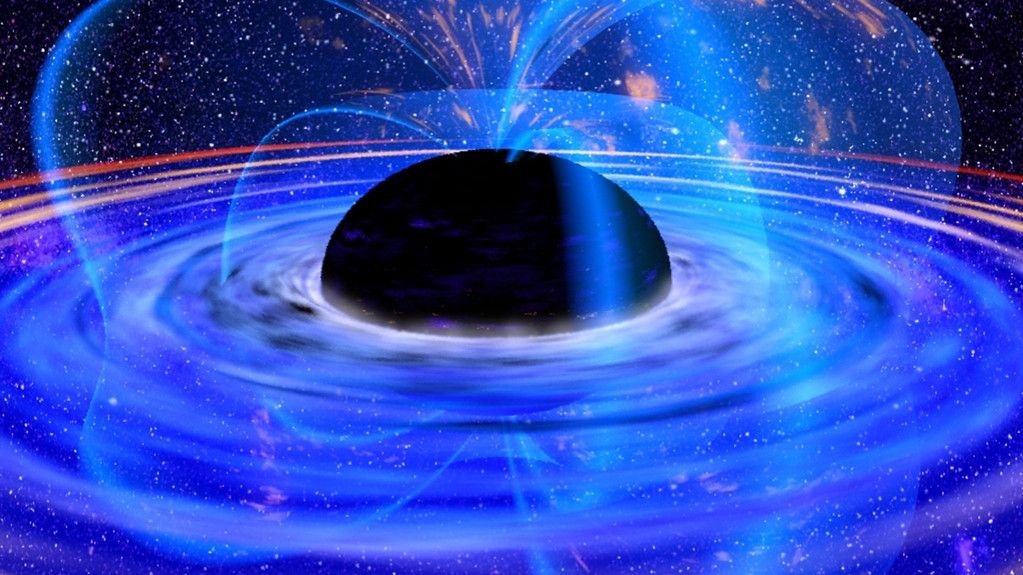
Sometimes a breakthrough changes history not by altering daily life directly, but by shattering our sense of what is even possible. The twentieth century’s twin pillars of modern physics – relativity and quantum theory – did exactly that. Relativity recast space and time as flexible, interconnected dimensions that warp around massive objects, turning gravity from a simple pull into a geometric dance. Quantum theory, meanwhile, revealed a microscopic world where particles behave like waves, exist in multiple states at once, and seem to defy common-sense logic. Together, these theories dismantled the comforting clockwork universe of classical physics.
Their impact, though, is not confined to chalkboards and thought experiments. Relativity underpins technologies like GPS, which must account for time running slightly differently for satellites than for receivers on Earth’s surface. Quantum mechanics lies behind semiconductors, lasers, and much of modern electronics, anchoring the devices we use daily to communicate, diagnose illness, and process information. At a deeper level, these breakthroughs taught us to be wary of intuition and to trust carefully tested mathematics and experiments, even when the results seem absurd. That shift in mindset – accepting that the universe is stranger than it appears – has rippled into philosophy, art, and our collective imagination.
Why These Breakthroughs Matter: The Architecture of Progress and Risk

Looking across these eight breakthroughs, a pattern emerges that is both exhilarating and unsettling. None of them simply “fixed” a problem; each one rewired how humans relate to nature, to each other, and to themselves. Germ theory and vaccines turned health from fate into something closer to a negotiable risk, while digital networks turned information from a scarce resource into an overwhelming flood. Nuclear physics and gene editing, in particular, force us to confront just how much power we now hold over life and death, and over the planet itself. Unlike ancient tools that mainly amplified muscle power, these discoveries amplify decision-making and intention.
Compared with traditional ways of living – where knowledge stayed local, communication was slow, and diseases were mysterious – our current world runs on a kind of turbocharged feedback loop. A new discovery can spread globally in hours, alter markets in days, and reshape policy in months. That speed is a gift when we face urgent crises, but it also means mistakes can scale frighteningly fast. The importance of these breakthroughs is not just in the technologies they produced, but in the social systems, regulations, and ethical debates they forced us to build around them. In short, they matter because they show that scientific progress is never just about what we can do; it is about who we choose to become while doing it.
The Future Landscape: Emerging Frontiers and the Next Historical Shocks
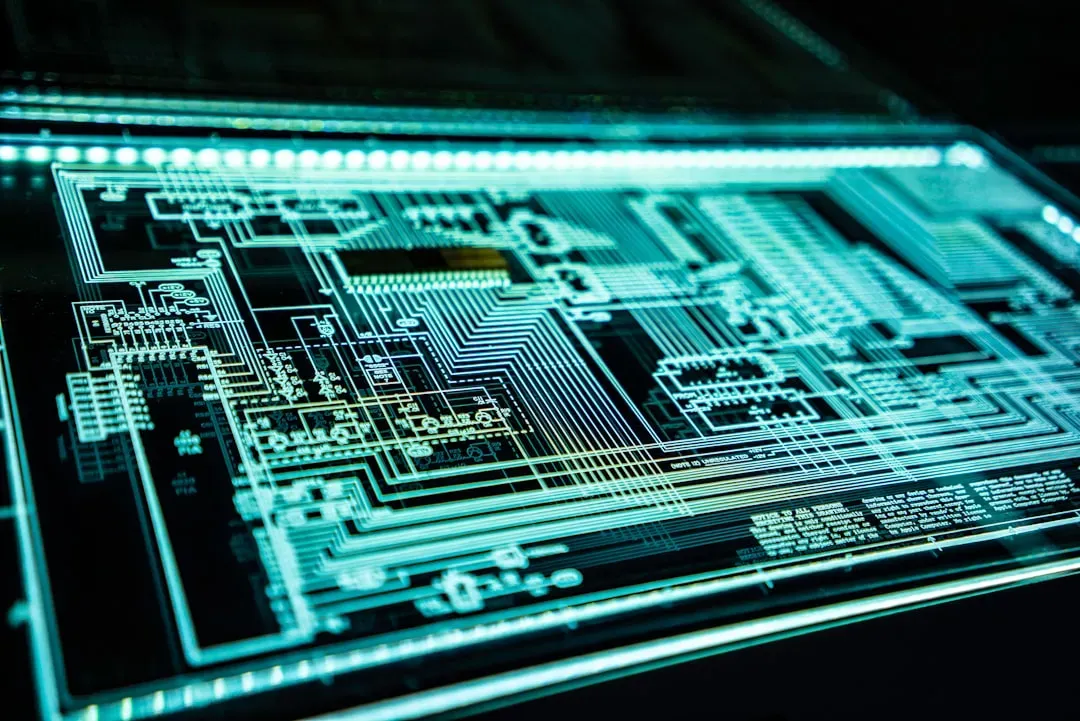
If history is any guide, the most transformative breakthroughs of the twenty-first century may already be quietly unfolding in labs you have never heard of. Artificial intelligence is rapidly shifting from a niche research field into a pervasive tool that shapes medicine, finance, education, and even creativity. Experimental nuclear fusion reactors are chasing the dream of star-like power on Earth, while quantum computers aim to tackle problems that would stump even today’s fastest supercomputers. At the same time, advances in synthetic biology and gene therapies could make it possible to redesign organisms from the ground up, including ourselves.
These emerging technologies carry enormous promise and equally significant risks. They could help stabilize the climate, cure stubborn diseases, and reduce global poverty – or deepen inequality, empower surveillance states, and unleash new forms of conflict. What makes the current moment distinctive is that the stakes are truly planetary, and the timeline is tight. We are, in effect, deciding whether the next chapter of scientific history will be dominated by repair, protection, or escalation. That choice will depend not only on researchers and policymakers, but on how engaged the broader public is in understanding what is at stake.
How You Can Engage: From Passive Spectator to Active Participant

It is easy to read about world-changing breakthroughs and feel like they belong to some distant realm of white coats and particle accelerators. But history shows that public attitudes, pressure, and participation shape how science is used just as much as the discoveries themselves. You do not need a PhD to ask good questions about a new technology, to support evidence-based policies, or to push back against misinformation in your own circles. Even simple habits – like critically evaluating health claims on social media or staying curious about how everyday tools work – create a culture that values understanding over fear.
If you want to go a step further, you can look for citizen science projects, science museums, local lectures, or outreach programs to support with your time or donations. Schools, libraries, and community groups often host events where researchers explain their work in plain language, offering a rare chance to have a real conversation about the future. Voting with your wallet and ballot for initiatives that prioritize research, sustainability, and equity might seem small, but collectively those choices steer which breakthroughs get funded and how they are governed. The past shows that scientific revolutions will come whether we are ready or not; the question is whether we meet them as passive bystanders or informed participants.
Suhail Ahmed is a passionate digital professional and nature enthusiast with over 8 years of experience in content strategy, SEO, web development, and digital operations. Alongside his freelance journey, Suhail actively contributes to nature and wildlife platforms like Discover Wildlife, where he channels his curiosity for the planet into engaging, educational storytelling.
With a strong background in managing digital ecosystems — from ecommerce stores and WordPress websites to social media and automation — Suhail merges technical precision with creative insight. His content reflects a rare balance: SEO-friendly yet deeply human, data-informed yet emotionally resonant.
Driven by a love for discovery and storytelling, Suhail believes in using digital platforms to amplify causes that matter — especially those protecting Earth’s biodiversity and inspiring sustainable living. Whether he’s managing online projects or crafting wildlife content, his goal remains the same: to inform, inspire, and leave a positive digital footprint.