Human DNA, the blueprint of life, is intricately woven into every cell of our bodies, dictating our biological makeup and offering insights into our health, ancestry, and development. It holds mysteries that continue to fascinate scientists and the general public alike. Here, we explore some astonishing facts about human DNA that might surprise you.
The Striking Length of DNA
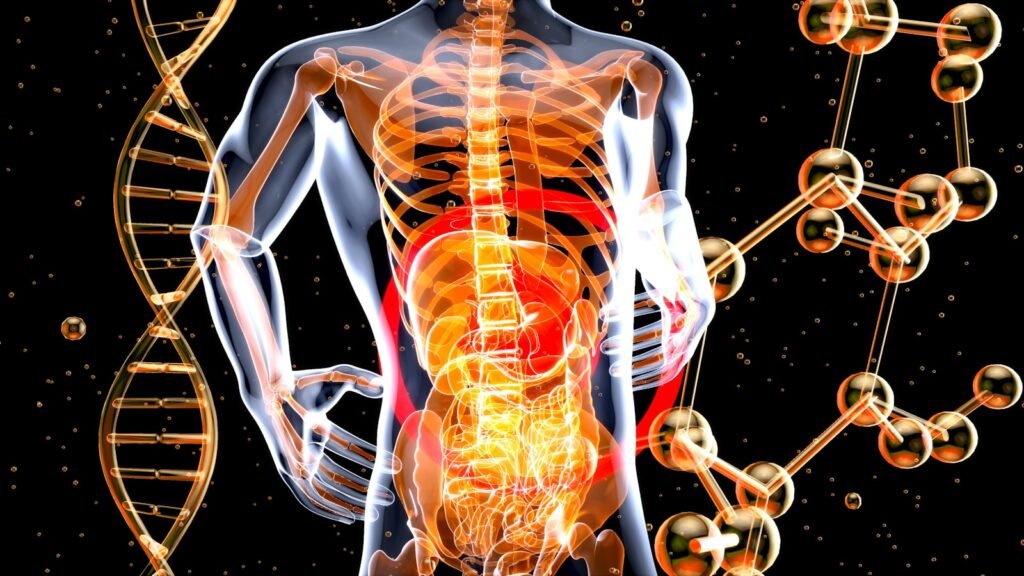
If you were to uncoil the DNA in just one of your cells, it would extend to about six feet in length. Now, consider that your body comprises approximately 37 trillion cells, and you begin to comprehend the staggering scale of DNA packed within you. Amazingly, if all your DNA were placed end-to-end, it could stretch to the sun and back multiple times!
A Shared Ancestry with Bananas

It may be surprising to learn that humans share about 50% of their DNA with bananas. This genetic connection underscores the unity of life and highlights our shared evolutionary ancestry with even the most diverse life forms on Earth.
The Mystery of “Junk” DNA

A significant portion of human DNA, roughly 98%, is considered non-coding and was once dismissed as “junk” DNA. However, recent research suggests that these regions have crucial roles in regulating gene expression and maintaining overall genomic architecture. This once-overlooked segment of DNA may hold keys to many biological mysteries.
The Unique Human Mutation Rate

Each human is born with approximately 60 new mutations that neither parent possesses. While most mutations are harmless, some can lead to genetic disorders or hereditary conditions. Understanding mutation rates helps scientists track evolutionary changes and unravel the genetic basis of diseases.
Mitochondrial DNA: A Maternal Legacy

Mitochondrial DNA (mtDNA) is inherited exclusively from the mother, providing a direct genetic line that can be traced back through generations. This has enabled researchers to reconstruct maternal ancestries and study human evolutionary history with remarkable accuracy.
The Reduction in Genome Size

Despite the complexity of the human brain and body, humans have fewer genes than some simpler organisms like rice and water fleas. This paradox suggests that the complexity of an organism is not solely dependent on the number of genes, but also on how these genes are regulated and expressed.
The Importance of Epigenetics

Beyond the static sequence of DNA, epigenetics refers to modifications that influence gene activity without altering the DNA sequence itself. These changes, often influenced by environmental factors and lifestyle, can have profound effects on development and health, indicating that our genetic destiny is not so rigidly predetermined.
DNA Repair: The Silent Guardian
Every day, DNA in our cells is damaged by environmental factors and normal cellular processes. Thankfully, our cells are equipped with intricate repair mechanisms that identify and fix DNA errors. Without these repair systems, the accumulation of genetic damage would lead to severe health consequences, including cancer.
In conclusion, human DNA is a marvel of nature, intricately complex and endlessly fascinating. Its capabilities and functions go beyond merely encoding proteins—DNA reflects our biological connections, regulates our development, and can tell stories of our past. As research continues to unfold its mysteries, DNA holds the promise of unlocking new insights into human health and evolution.