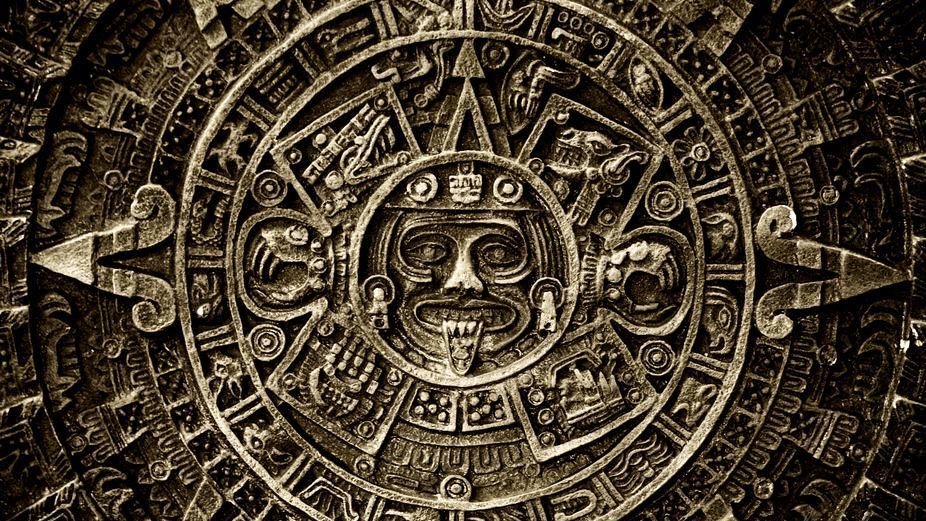
On the east bank of the Nile, where the morning sun spills over a forest of stone columns and weathered sphinxes, Luxor looks less like a city and more like a paradox frozen in time. Tour boats and satellite dishes sit within sight of tomb shafts that have slept for more than three thousand years. Archaeologists call it an open-air museum, but that phrase barely scratches the surface of what is unfolding here right now. New technology is peeling back layers of sand, soot, and story, reshaping what we thought we knew about ancient Egypt’s most dazzling ritual landscape. Luxor is not just a relic of the past; it is an active laboratory where science, tourism, and local life collide in ways that are as inspiring as they are complicated.
The City Built on a Necropolis
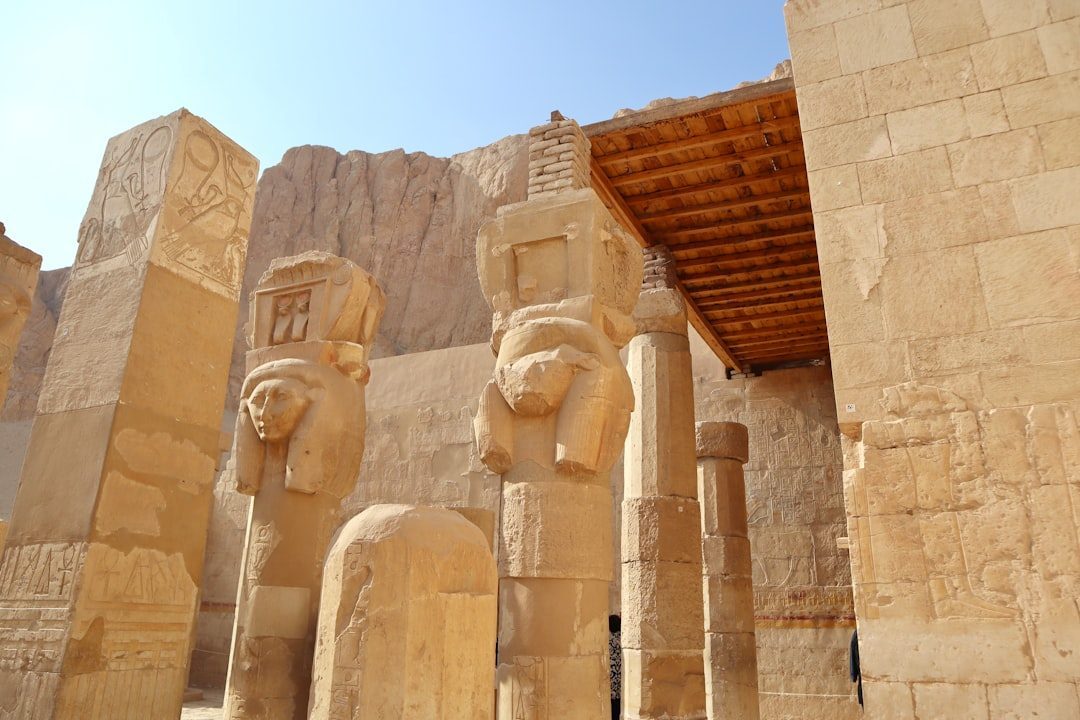
It is hard to grasp, standing in modern traffic outside a hotel, that much of Luxor is literally built on top of the world’s most famous necropolis. On the west bank, the Valley of the Kings and the Valley of the Queens form only part of a much wider funerary landscape that stretches across desert hills pocked with tomb entrances. Beneath the dust and concrete of modern villages, archaeologists continue to find tomb chapels, storage pits, and workmen’s huts, revealing that the entire area functioned like a massive, coordinated machine for feeding the afterlife. The living and the dead shared this landscape, with farmers and craftsmen commuting between riverbank homes and sacred cliffs in a daily rhythm that echoed the sun’s passage. Today, that overlap of worlds continues, as excavation teams negotiate with families whose homes sit just above unexplored burial chambers.
I remember walking through one of those west-bank villages and watching a child kick a ball across a patch of bare ground that, to an archaeologist’s eye, looked suspiciously like a collapsed tomb. That is Luxor in a single snapshot: a place where everyday life unfolds on top of ancient infrastructure designed to last for eternity. This close entanglement has forced archaeologists to rethink the city not as separate zones of temple and tomb, but as a single integrated ecosystem of labor, ritual, and memory. It also raises thorny questions about which history takes priority – living communities or buried kings – questions that are unlikely to vanish any time soon.
Karnak and Luxor Temples: A Ritual Highway Revealed
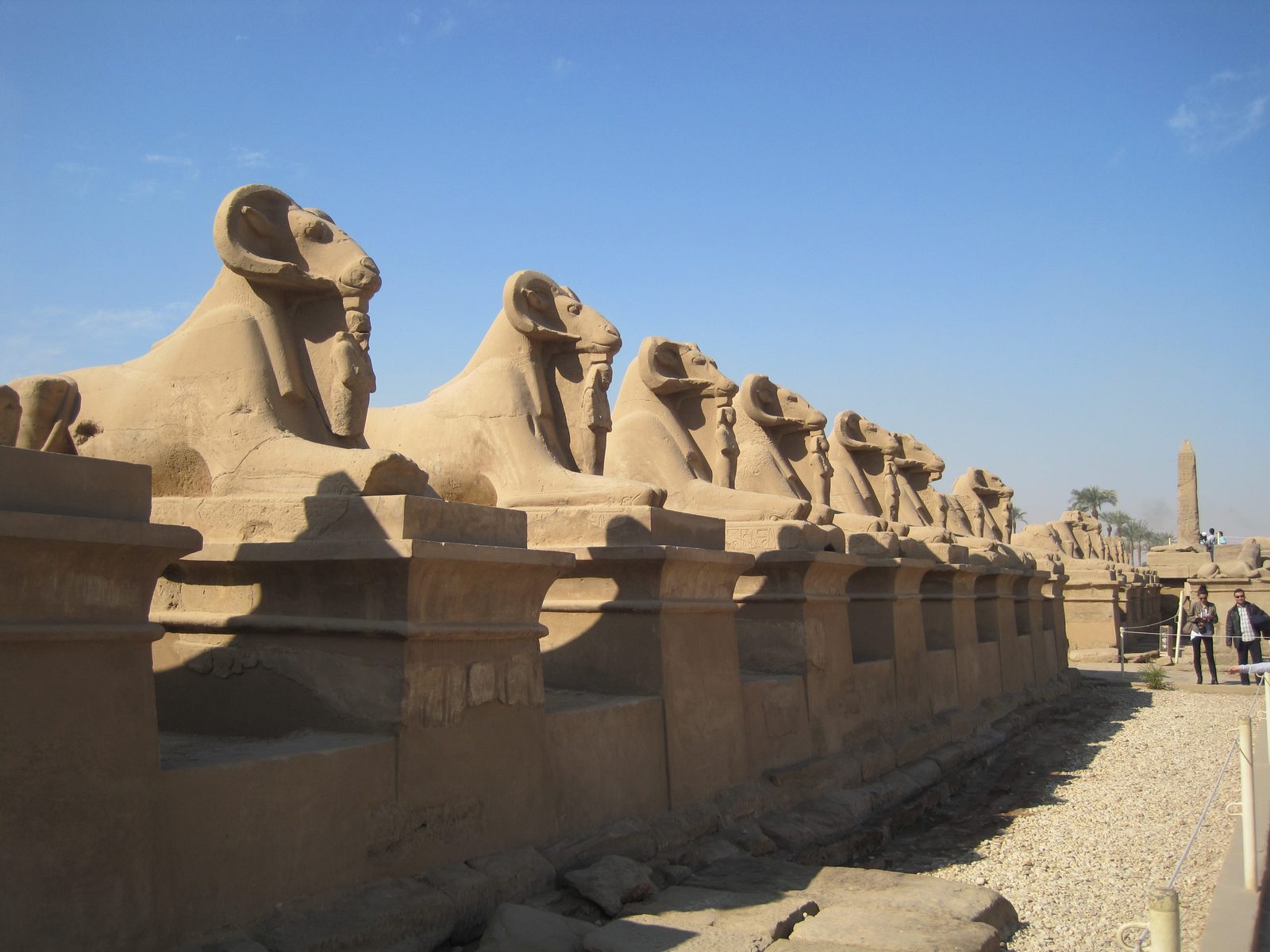
Most visitors see Karnak and Luxor as two enormous but separate temple complexes; the ancient Egyptians did not. They linked them along a nearly two-mile processional avenue – lined with hundreds of ram-headed and human-headed sphinxes – used during the Opet Festival, when the statue of Amun traveled from Karnak to Luxor. Over the last two decades, archaeologists and conservation teams have painstakingly unearthed, reconstructed, and partially restored this avenue, revealing that it was more than just a ceremonial road. Inscriptions and architectural clues suggest a carefully choreographed performance of power, fertility, and cosmic renewal played out here every year, with the king’s role reaffirmed before both gods and people. The city, in effect, turned itself into a moving stage.
What makes this story especially compelling today is the blend of historical detective work and urban planning. Recovering the avenue meant relocating houses, rerouting traffic, and integrating an ancient festival route into a very modern city grid. For archaeologists, each newly exposed sphinx came with a rush of information about carving styles, stone quarries, and phases of royal expansion. For residents, it meant balancing heritage with the realities of commuting, schooling, and earning a living. The restored avenue now hosts carefully staged night-time events, and whether you find those magical or overproduced, there’s no denying the eerie thrill of walking in almost exactly the footsteps of priests, musicians, and pharaohs from more than three thousand years ago.
The Hidden Clues in Pigments, Plaster, and Tool Marks
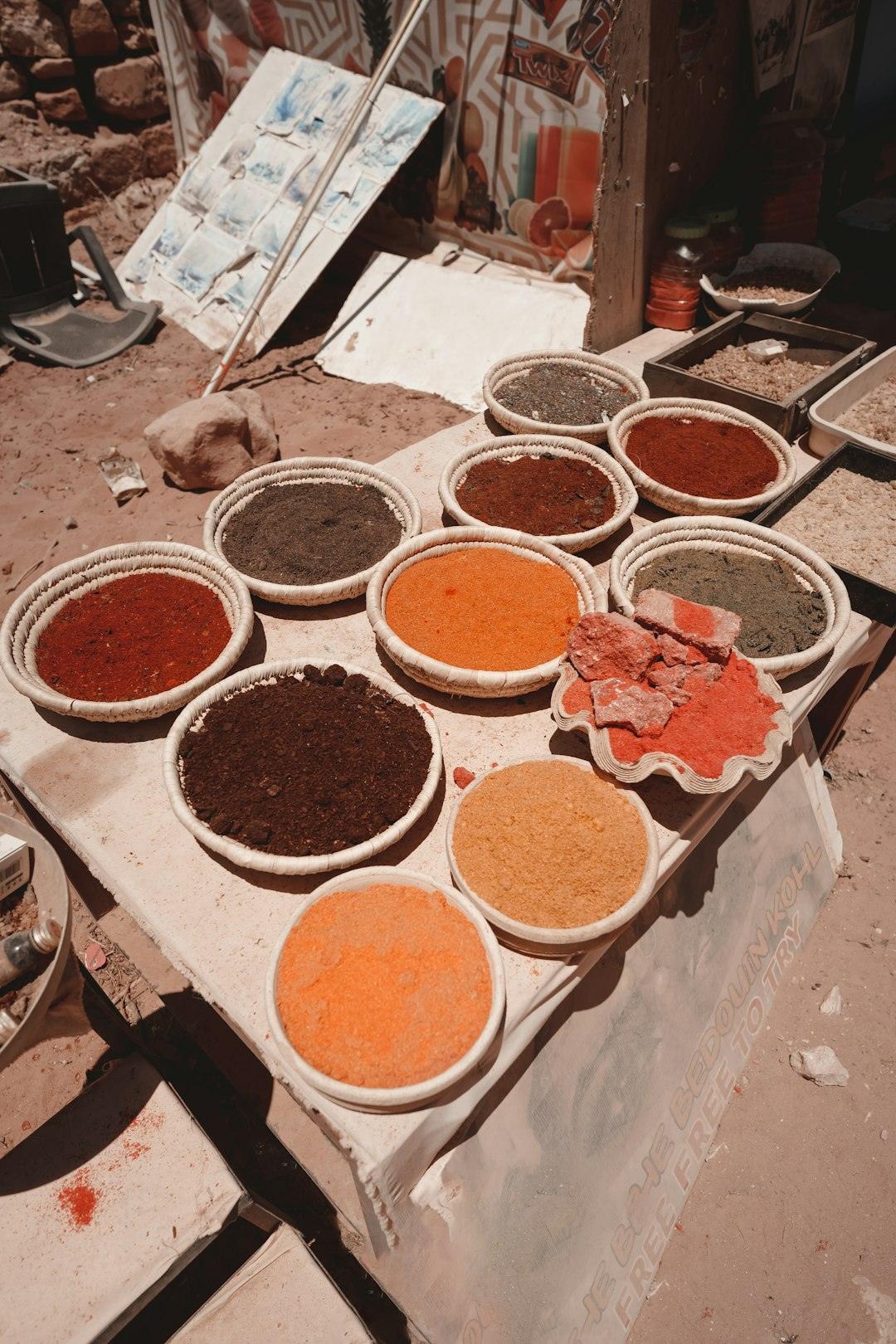
To the naked eye, Luxor’s temples and tombs often look like noble, bare stone, their colors faded or gone. Under microscopes and multispectral cameras, though, a completely different picture emerges: fragments of brilliant blues, deep reds, and subtle greens, clinging to reliefs and statues like ghosted memories. Conservation scientists now analyze these pigments grain by grain, identifying minerals such as Egyptian blue and red ochre and tracking trade networks that supplied them. In some sanctuaries, infrared imaging has exposed underdrawings and corrections, proving that master carvers revised compositions instead of following a single fixed plan. Tool marks, once dismissed as background noise, are being cataloged to reconstruct the workflows and specializations of the craftsmen who built this ritual city.
Those tiny details change the tone of Luxor’s story in surprising ways. Instead of an anonymous monument to royal ego, the temples and tombs start to look more like massive collaborative projects, with teams of artists solving design problems in real time. In one hypostyle hall, for instance, pigment residues suggest some columns were repainted repeatedly, perhaps to refresh their symbolic power for festival crowds. For me, that level of reworking feels almost like a theatre crew rushing to repaint scenery ahead of opening night. It reminds us that even in this seemingly eternal stone environment, change, correction, and improvisation were part of the process from the very beginning.
From Ancient Tools to Modern Science
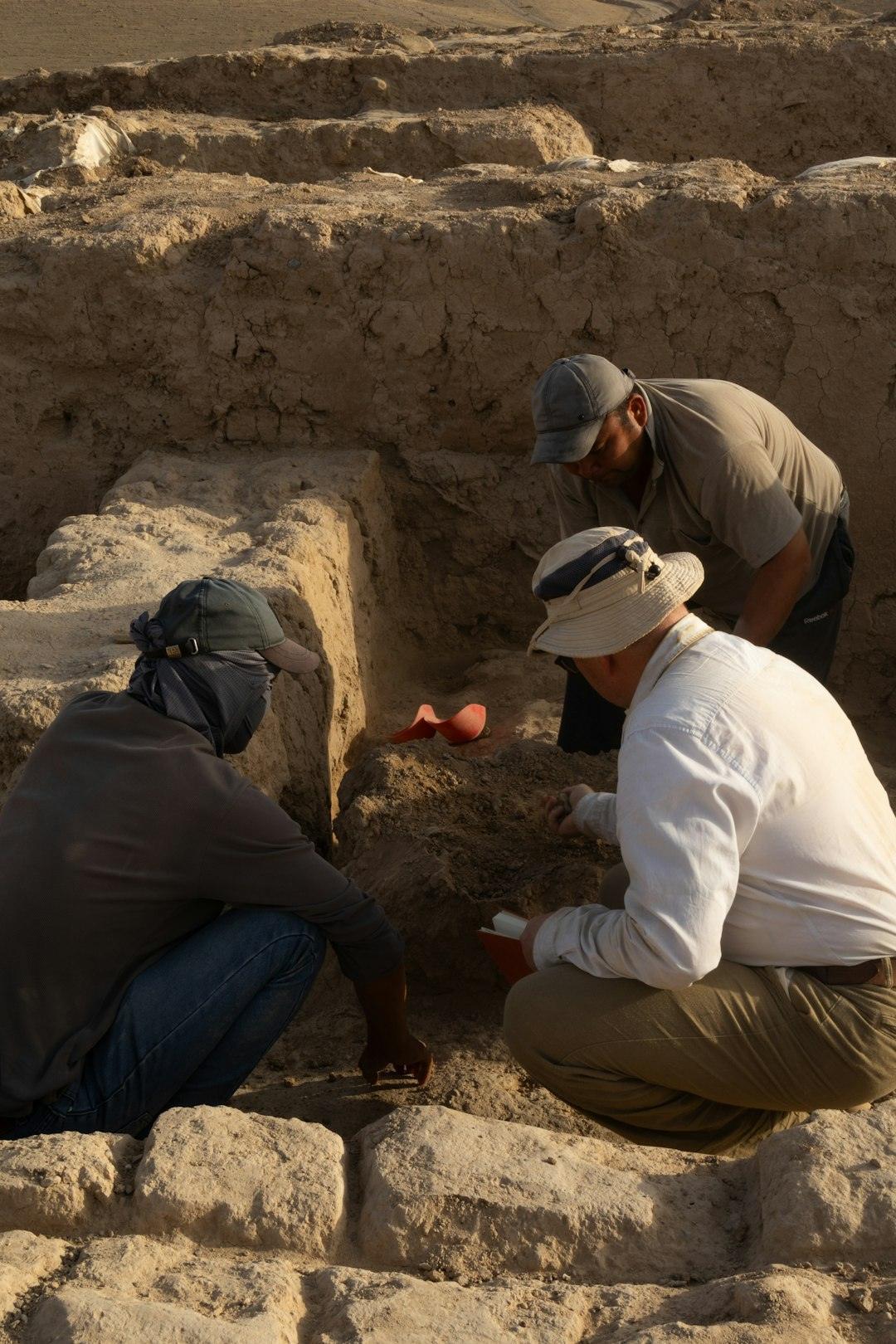
Luxor’s original builders relied on copper and bronze chisels, stone pounders, and wooden sledges, yet the precision they achieved still challenges engineers today. Modern teams bring an entirely different toolkit to the same landscape: ground‑penetrating radar, laser scanning, drone photogrammetry, and portable X‑ray fluorescence devices that fit in a backpack. High‑resolution 3D models of temple walls now allow epigraphers to study faint inscriptions in exquisite detail without needing constant on-site access. Ground‑based radar surveys have mapped buried structures beneath fields and roads, highlighting new excavation targets while helping planners avoid accidental damage during construction. Some projects have even experimented with muon tomography – using particles from cosmic rays – to peer inside large stone structures without lifting a single block.
The contrast between these methods and traditional excavation is stark. Classic archaeology in Luxor involved wide trenches and massive earthmoving; today, the emphasis is on minimally invasive investigation guided by data. That shift is not just philosophical – it directly affects how much of the ancient city survives for future generations. Instead of guessing where to dig, teams can prioritize areas that show clear anomalies, leaving more of the unseen layers intact. It feels a bit like switching from exploratory surgery to advanced medical imaging: you still need the scalpel sometimes, but you reach for it less often, and with better information. As scientific tools continue to evolve, Luxor becomes both better understood and, paradoxically, less physically disturbed.
Luxor as a Living Laboratory for Climate and Conservation
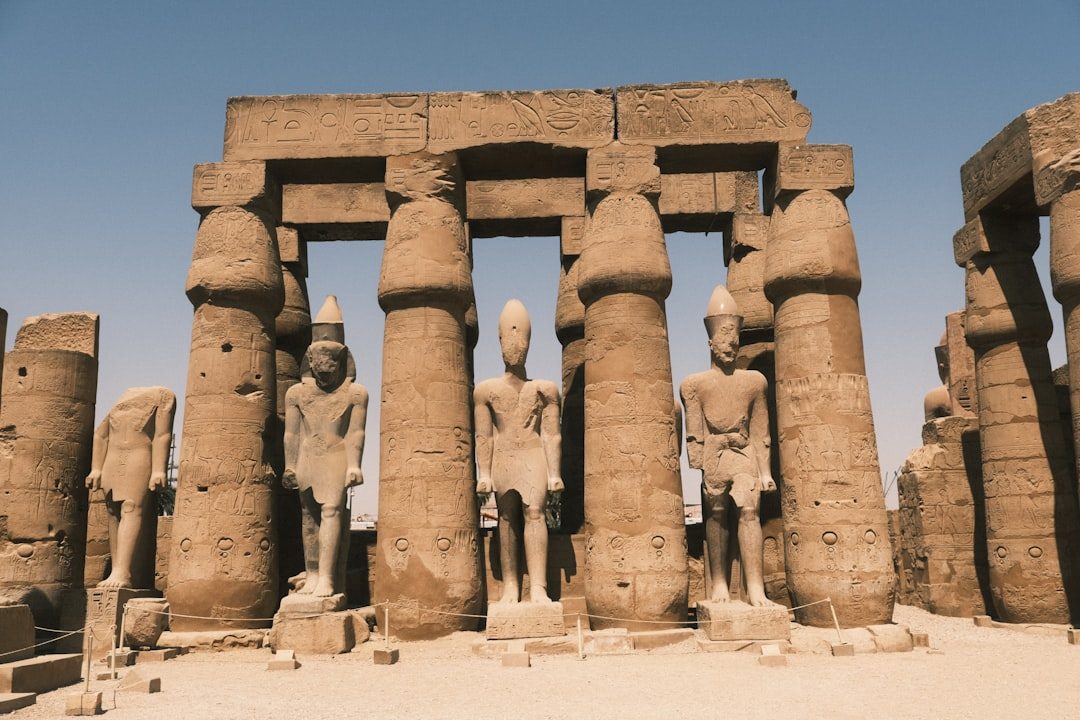
For all its aura of permanence, Luxor is fragile. Shifts in the Nile’s management, changes in groundwater levels, and the warming, drying conditions associated with climate change are quietly attacking stone surfaces and wall paintings. Salt crystals bloom within porous limestone, expanding and flaking off decorated layers in a slow-motion disaster that is almost impossible to stop once it starts. In response, conservation scientists are testing desalination treatments, breathable mortars, and microclimate controls inside tombs and chapels. Some high‑traffic tombs now limit daily visitors, not just for crowd control but to reduce humidity spikes from human breath and body heat. In a sense, the city has become a test case for how to keep ancient heritage standing in a rapidly changing environment.
What makes Luxor particularly valuable is the diversity of its problems. You have sandstone exposed to wind erosion, limestone buried under fields, and painted plaster inside cramped, humid shafts – all within a relatively small area. That allows conservation teams to trial different techniques and compare results over years, building a kind of open‑air database of what works and what fails. The lessons learned here feed into global strategies for other threatened sites, from rock‑cut temples in Sudan to painted caves in southern Europe. When I walk through a tomb and see tiny sensors tucked into corners, logging temperature and moisture every minute, it feels oddly like visiting a high‑tech lab disguised as an ancient underworld. These instruments are quiet, but they may be the reason future visitors still have something to marvel at.
Why This Ancient City Still Matters
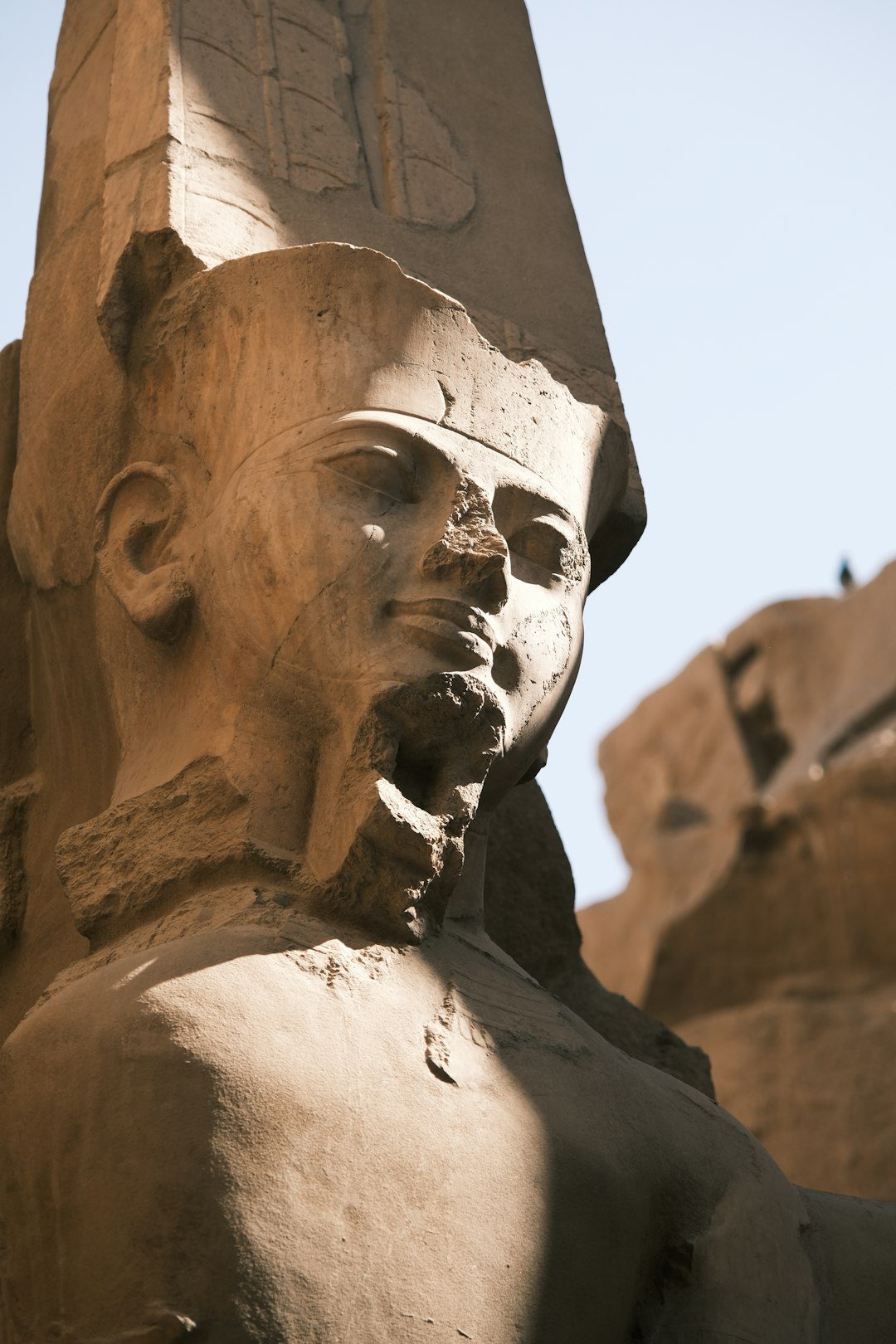
It is tempting to see Luxor as a finished story, a place whose main plot unfolded millennia ago and now survives as tourism and nostalgia. In reality, what happens here reshapes how we understand power, religion, and urban life in complex societies. Luxor’s temples recorded annual floods, royal jubilees, and even labor strikes, offering a deep-time archive of how a state managed resources, dissent, and prestige. When historians compare those inscriptions with environmental data from Nile sediments and pollen cores, they begin to trace how climate fluctuations might have influenced political instability and religious change. In a world grappling with droughts, displaced populations, and arguments over water rights, that long view carries an uncomfortable relevance.
Luxor also serves as a mirror for how we treat heritage and inequality. Tourist revenue flows into hotels, cruise boats, and ticketed sites, yet many of the people living closest to the monuments still wrestle with limited services and economic insecurity. Decisions about which tombs to open, which areas to excavate, and which neighborhoods to relocate are never purely scientific; they involve power, profit, and competing visions of the future. Studying Luxor means studying that politics as much as hieroglyphs and stonework. To me, that complexity is precisely why the city matters: it forces us to admit that science does not float above society but is entangled with it at every step, from research funding to the path a tour bus takes.
A Global City of the Dead with a Worldwide Reach
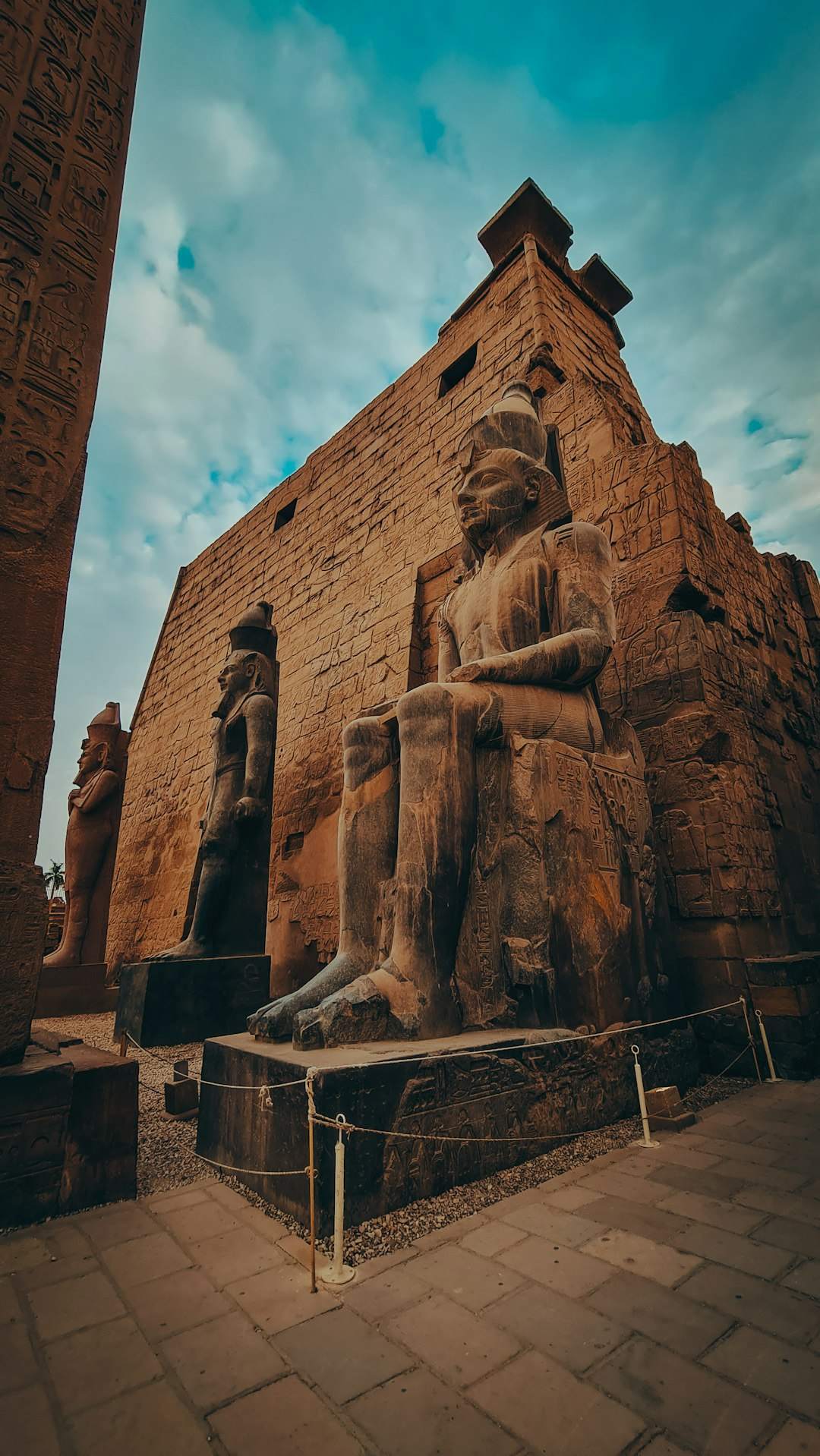
In museums from New York to Berlin, objects from Luxor – statues, relief fragments, mummy cases, household goods – anchor blockbuster exhibitions and children’s first encounters with ancient history. Many of these pieces left Egypt during the late nineteenth and early twentieth centuries, when excavation rules and ethical standards looked very different. Today, Luxor sits at the center of heated debates about repatriation, shared stewardship, and who gets to tell the story of ancient Egypt. Some recent projects have taken a more collaborative approach, creating joint research programs and digital archives accessible to scholars and the public worldwide. Those efforts edge toward a model where Luxor’s heritage is treated less as trophies and more as a shared responsibility.
The city’s influence spreads in quieter ways too. Tourism campaigns shape how people imagine the entire African continent, often through a narrow lens of pyramids, pharaohs, and golden treasure. When guides and exhibits in Luxor emphasize ordinary workers, women’s roles, or connections with neighboring cultures, they gently push back against that flattening, expanding what visitors carry home in their heads and conversations. In classrooms far away, students learning about urban planning, religious processions, or art history encounter Luxor as a case study, not just a backdrop for adventure movies. In that sense, this so‑called city of the dead moves through the living world constantly, influencing assumptions about culture, power, and identity more than most of us realize.
The Future Landscape: Tech, Tourism, and Tough Choices
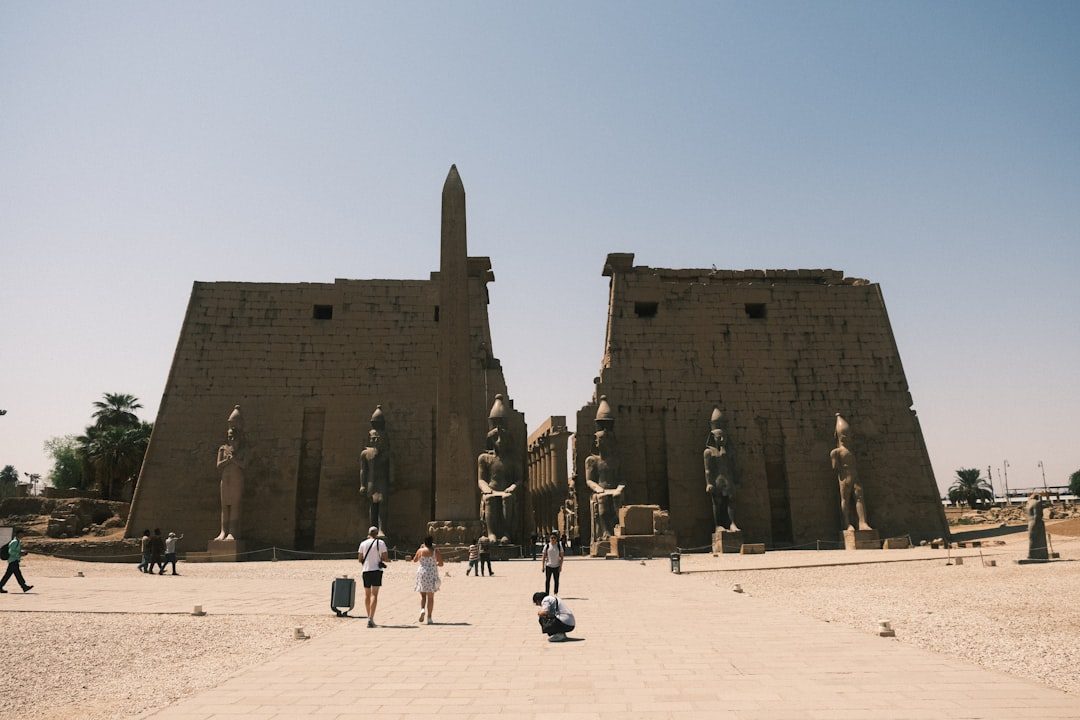
Looking ahead, Luxor’s greatest challenge may be the same force that keeps its economy afloat: tourism. Visitor numbers are expected to rise in the coming decade, driven by new infrastructure, regional geopolitics, and a growing appetite for “bucket list” experiences. To cope, planners are experimenting with smart ticketing systems, staggered entry times, and expanded visitor centers to distribute crowds more evenly. Digital twins – detailed 3D replicas of tombs and temples – are being developed so that some of the most fragile spaces can be experienced virtually, with on‑site access reserved for limited research and highly controlled visits. At the same time, augmented‑reality apps promise to overlay reconstructed colors and festival scenes on the ruins, turning the site into a kind of open‑air time machine.
All of this sounds exciting, but it comes with serious ethical questions. Who controls the data from these digital models, and who profits when virtual Luxor is streamed into living rooms worldwide? How do you ensure technology does not turn the site into a theme park, where spectacle overwhelms context and nuance? Local communities are increasingly vocal about wanting a say in these decisions, from job opportunities to the design of new visitor routes that cut through or around their neighborhoods. Archaeologists, meanwhile, are arguing for research time and quiet zones amid the pressure to monetize every square meter. The future here will not be decided by technology alone; it will be the product of negotiation, compromise, and, hopefully, a willingness to let some parts of the ancient city remain in shadow a little longer.
How You Can Engage With Luxor’s Past and Future
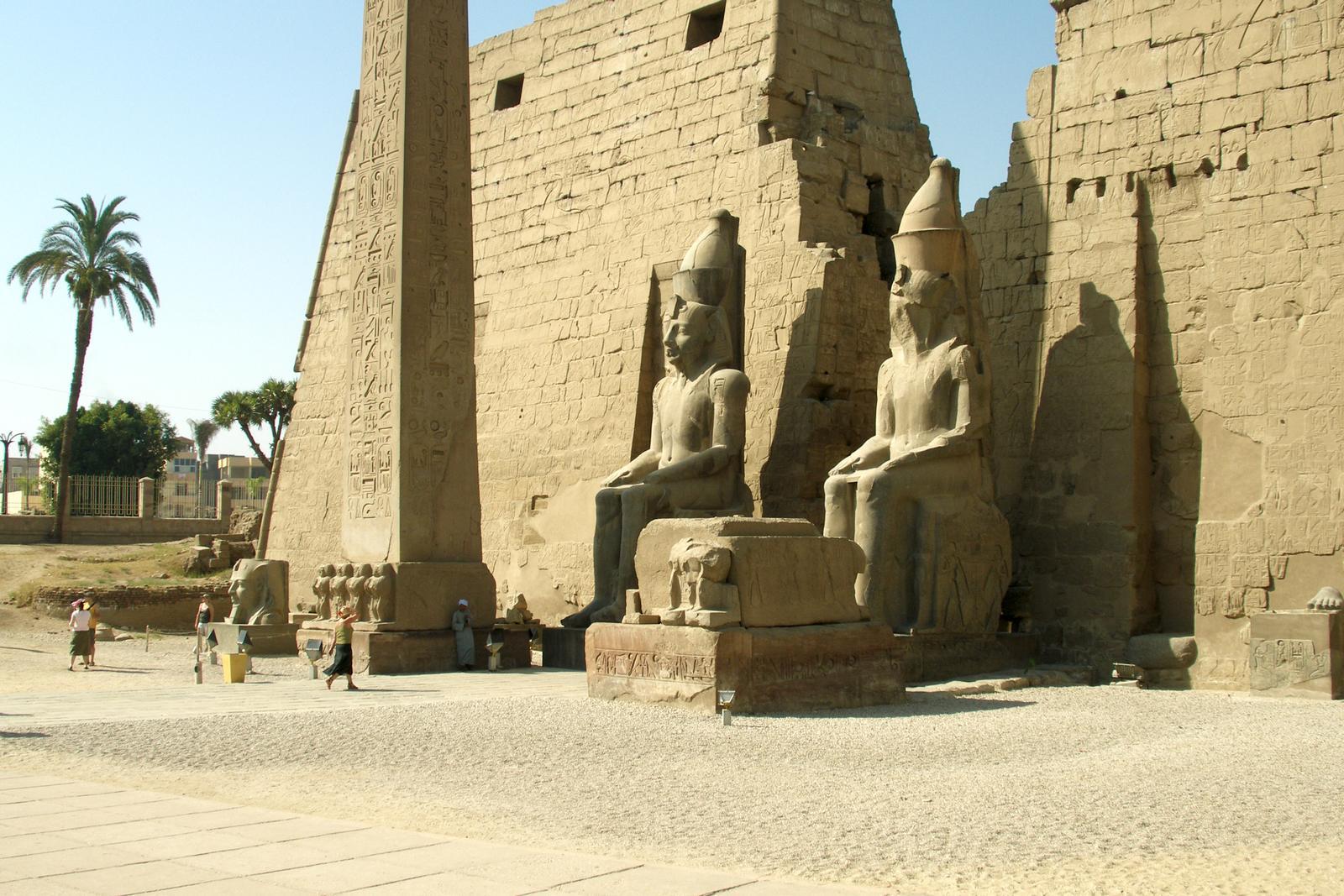
Not everyone will make it to Luxor in person, but there are still meaningful ways to connect with what is unfolding there. If you do visit, simple choices matter: support licensed local guides, choose hotels and operators that invest in the community, and respect site rules designed to protect fragile paintings and reliefs. Even small acts – like skipping the flash on your camera or not touching decorated walls – translate directly into less cumulative damage over years of heavy visitation. For those following from afar, many excavation projects now share field updates, digital reconstructions, and open-access reports online, offering a window into current discoveries beyond the usual headlines.
You can also pay attention to how news outlets and museums frame Luxor and ancient Egypt more broadly. Ask whose voices are included, which stories are centered, and whether local Egyptian scholars and communities are part of the conversation. When you donate to a museum, cultural heritage charity, or educational program, look for organizations that collaborate with Egyptian partners and prioritize capacity building on the ground. In classrooms and family discussions, resist the temptation to reduce Luxor to glittering treasure and lost curses; talk instead about workers, climate, politics, and the science that keeps rewriting the story. In the end, Luxor’s survival and meaning depend not just on experts with specialized tools, but on the curiosity and choices of people who may never set foot on its sun‑blasted stones.
Suhail Ahmed is a passionate digital professional and nature enthusiast with over 8 years of experience in content strategy, SEO, web development, and digital operations. Alongside his freelance journey, Suhail actively contributes to nature and wildlife platforms like Discover Wildlife, where he channels his curiosity for the planet into engaging, educational storytelling.
With a strong background in managing digital ecosystems — from ecommerce stores and WordPress websites to social media and automation — Suhail merges technical precision with creative insight. His content reflects a rare balance: SEO-friendly yet deeply human, data-informed yet emotionally resonant.
Driven by a love for discovery and storytelling, Suhail believes in using digital platforms to amplify causes that matter — especially those protecting Earth’s biodiversity and inspiring sustainable living. Whether he’s managing online projects or crafting wildlife content, his goal remains the same: to inform, inspire, and leave a positive digital footprint.