
If you’ve ever watched a small cut disappear from your skin in just a few days, you’ve already seen a quiet miracle. Your body is running a round-the-clock repair shop, patching, replacing, and recalibrating parts of you that you never even think about. Most of it happens silently in the background, while you complain about being tired or crave a snack, completely unaware that your cells are basically pulling an all-nighter for you.
What surprised me most when I dug into this topic is how much healing happens even when we feel like we’re falling apart. Stress, lack of sleep, bad days, they don’t completely shut down your repair systems; they just make them work harder. Once you know what your body is actually doing to protect you, it becomes a lot harder to treat it like a disposable machine. Let’s pull back the curtain on some of the most incredible, science-backed ways your body heals itself, often without you lifting a finger.
Your Skin’s Hidden Construction Crew
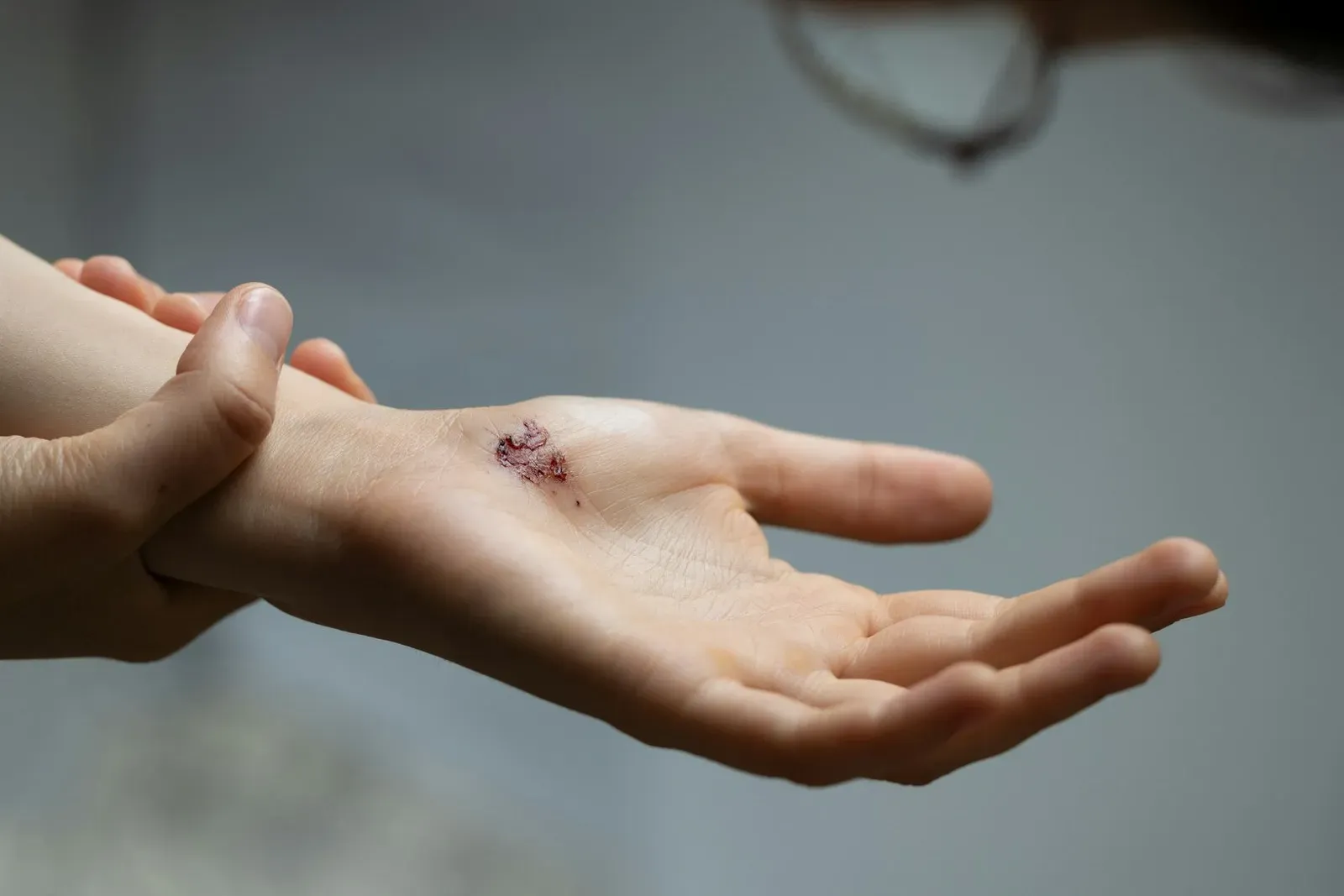
Think about the last time you scraped your knee and watched it go from bloody mess to barely-there mark. Under the surface, your skin kicked off a carefully timed repair sequence: first clotting to stop the bleeding, then calling in immune cells to clean up debris, then laying down new collagen like scaffolding for fresh tissue. Blood vessels grow back, pigment returns, and over time the area remodels itself so well that you often can’t remember exactly where the injury was.
This process is so reliable that surgeons plan operations around your body’s ability to finish the job. But it’s not perfect, which is why scars can form, especially when damage goes deep into the dermis. Still, the fact that a simple paper cut doesn’t stay open forever is an everyday medical miracle. Hydration, adequate protein, and not constantly picking at wounds all give that invisible construction crew a better chance to leave a cleaner finish.
Your Liver’s Astonishing Regeneration Trick
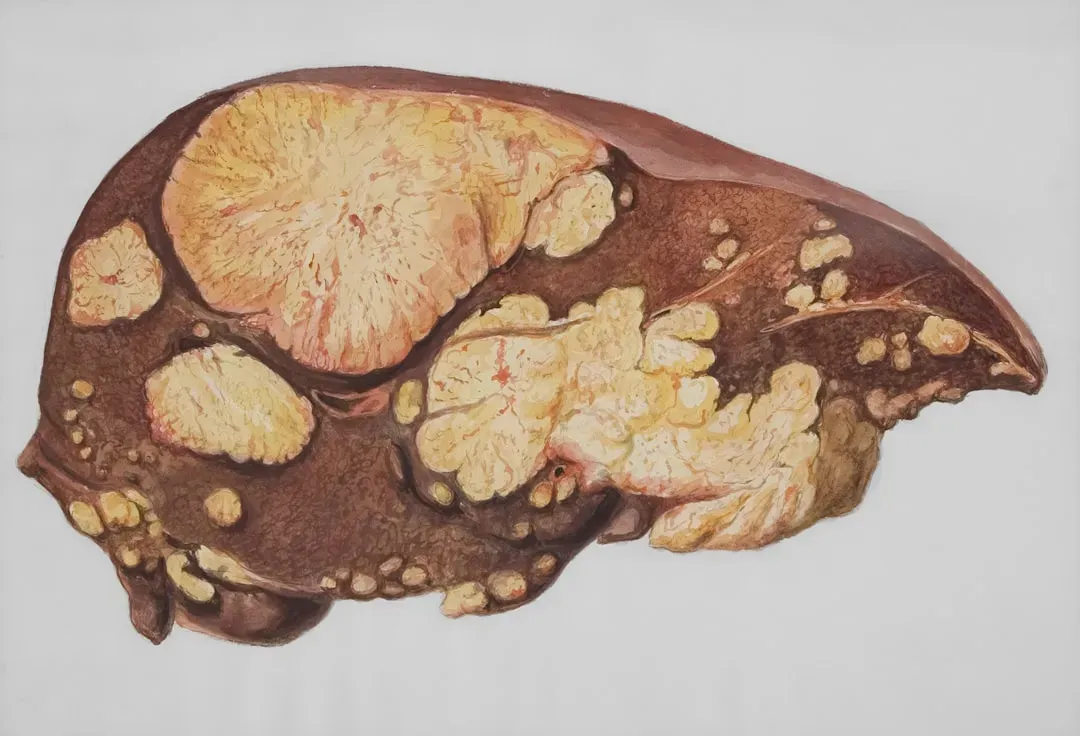
The liver is the quiet overachiever of your body’s healing world. It filters toxins, manages nutrients, and helps digest fat, all while keeping a secret superpower: it can regenerate lost tissue better than almost any other solid organ you have. If part of the liver is damaged or even surgically removed, the remaining cells can grow and divide to restore function, often within weeks, as long as the remaining tissue is healthy enough.
This doesn’t mean the liver is invincible, and years of heavy drinking, viral infections, or severe metabolic conditions can overwhelm that repair system and lead to scarring known as cirrhosis. But the fact that the liver has such a wide safety margin is one reason why people can donate a portion of theirs and still live normal lives. Supporting this hidden regeneration engine with moderate alcohol intake, balanced nutrition, and regular medical checkups is less about being perfect and more about not constantly sabotaging its second chances.
Your Brain’s Ability to Rewire After Damage
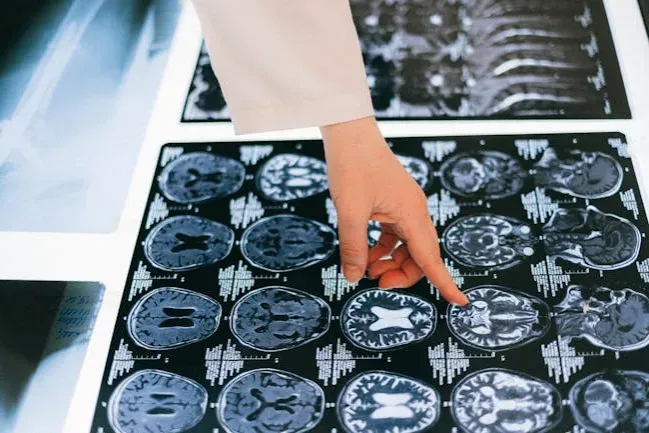
For a long time, people believed the brain was fixed like concrete after childhood, and any damage was permanent and unchangeable. Modern neuroscience has blown that idea apart, showing that the adult brain can reorganize itself through a process called neuroplasticity. When one pathway is injured, other networks can sometimes strengthen, reroute, or take over functions, especially when nudged along by rehabilitation, practice, and consistent mental activity.
This is why stroke survivors can relearn to walk, talk, or write, sometimes in ways that surprise even their doctors. It doesn’t mean the brain magically returns to its exact previous state, and recovery can be slow, uneven, and incomplete. But the very fact that the brain is capable of adjusting its own wiring like a city gradually rerouting traffic after a bridge collapse is wildly hopeful. Sleep, learning new skills, physical activity, and therapy all feed into this subtle self-repair, even when the changes are too small to feel day by day.
Your DNA Repair Teams Working Around the Clock
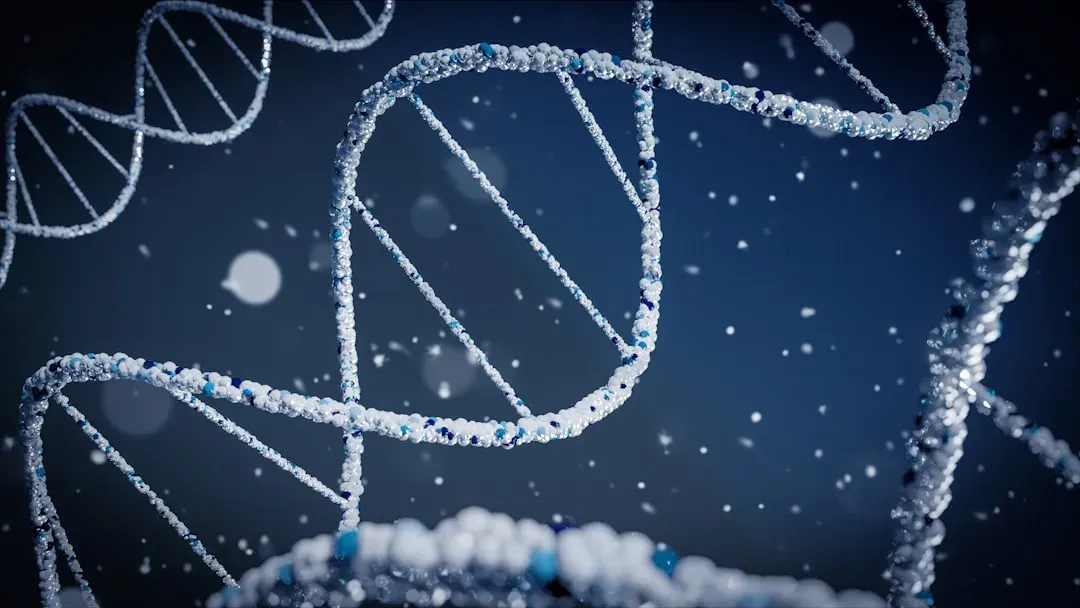
These repair processes are not perfect, but they are incredibly efficient, correcting the vast majority of problems before they cause trouble. Aging, smoking, chronic inflammation, and some environmental exposures can overwhelm or disrupt these repair pathways, which is one reason cancer risk rises over time. But as long as those systems are working, they act like highly skilled editors, catching countless typos in your biological manual before they ever get published. Everyday choices like not smoking, protecting your skin from excessive ultraviolet light, and managing chronic inflammation are ways of giving that internal editing staff fewer disasters to fix.
Your Immune System’s Smart Surveillance Network
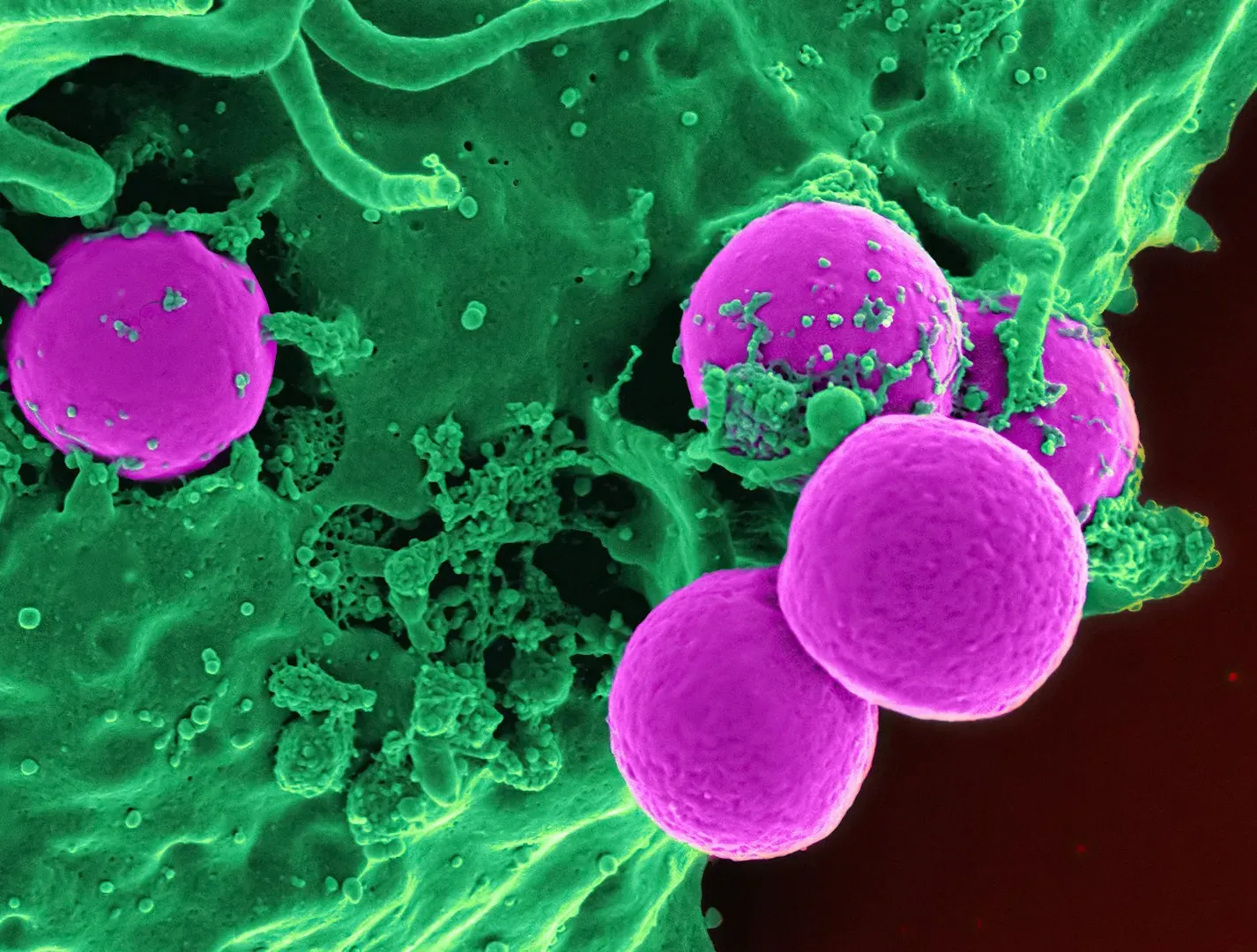
Your immune system isn’t just a blunt weapon that attacks every invader the same way; it’s more like a smart surveillance network that learns, remembers, and refines its strategy over time. When you’re exposed to a virus or a bacterium, immune cells study it, respond to it, and then keep a memory of the encounter so they can react faster and more precisely the next time. This is the basis of why many infections are milder the second time around and why vaccines work, training your defenses without the danger of full-blown disease.
Even when you feel fine, immune cells wander through your tissues, looking for early signs of trouble, including cells that start to look abnormal or potentially cancerous. The system is not perfect, and sometimes mistakes slip through, but without this constant quiet surveillance you wouldn’t last very long. Sleep, stress management, movement, and a varied, nutrient-dense diet all help keep that network responsive instead of exhausted. The wild part is that most of the immune battles you “win” are ones you never even know happened.
Your Gut Lining Rebuilding Itself Daily
The lining of your gut is one of the fastest-renewing surfaces in your entire body. Cells along your intestines are constantly exposed to stomach acid, digestive enzymes, and a dense cloud of bacteria, so they wear out quickly. To keep up, your body replaces many of these cells in a matter of days, shedding old ones and growing new ones from stem cells tucked into tiny folds known as crypts.
This break-it-and-rebuild-it rhythm is part of why the gut can recover from short-term irritation or infections relatively quickly. But if inflammation becomes chronic, or if the balance of your gut microbes gets badly disrupted, the repair process can fall behind, leading to ongoing discomfort, poor nutrient absorption, or more serious diseases. A balanced diet with enough fiber, cautious use of medications that affect the gut, and attention to how foods make you feel are practical ways of supporting this quiet renovation project. It’s a bit like constantly repainting and retiling a busy hallway so the wear and tear never gets completely out of control.
Your Bones Quietly Remodeling Themselves
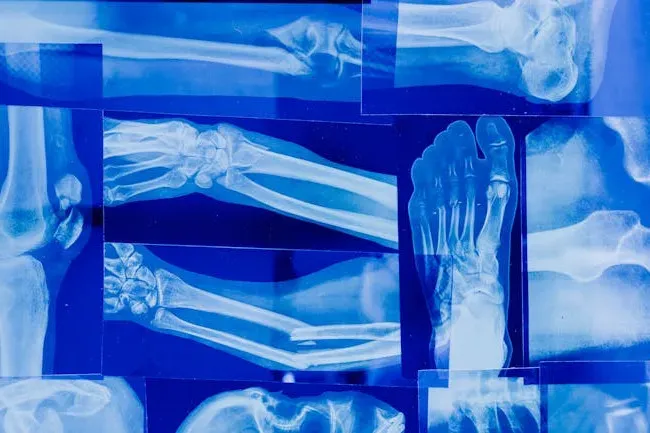
Bones look solid and unchanging from the outside, but inside they are living tissue that never really stops remodeling. Specialized cells called osteoclasts break down old or micro-damaged bone, while osteoblasts build new bone in its place, reshaping and reinforcing your skeleton in response to the stresses you put on it. When you walk, lift, or jump, you’re essentially giving your body instructions on where to strengthen its internal scaffolding.
This ongoing tear-down-and-rebuild cycle is one reason broken bones can heal and why regular weight-bearing exercise can help maintain bone density as you age. Hormones, vitamin D, calcium, and overall health status all influence how well this system functions. When things go wrong, bones can become fragile, a condition many people don’t notice until a fracture happens. But as long as the system is working, your skeleton is not a static frame; it’s a dynamic structure constantly adapted to how you actually live, not how you think you live.
Your Sleep-Driven Nightly Cleanup Crew

Sleep feels passive from the inside, but under the hood your body is running some of its most important repair routines. During deep sleep, tissues repair microscopic damage, hormones involved in growth and metabolism are regulated, and your brain flushes out metabolic waste products through a system often compared to a nighttime rinse cycle. Memory consolidation also happens, helping your brain file away experiences and clear space for the next day’s input.
When you repeatedly cut sleep short, you’re not just tired; you’re interrupting these essential housekeeping tasks. Over time, that disruption is linked to higher risks of cardiovascular disease, mood disorders, impaired immune function, and metabolic problems. The good news is that improving sleep habits, even modestly, can boost your body’s ability to catch up on repair work. Treating sleep like a non-negotiable maintenance window instead of optional downtime can change how you feel now and how resilient your body is years from now.
Conclusion: Your Body Is Trying To Help You, Not Fight You

Once you see how many built-in repair systems are working for you, it becomes harder to think of your body as something that has “failed” the moment something goes wrong. In reality, most symptoms and changes are your body trying to adapt, repair, or protect itself in less-than-ideal circumstances. Cuts close, livers regenerate, bones remodel, and brains rewire, usually without any conscious effort on your part. Even when perfection isn’t possible, meaningful healing often is.
What you choose to eat, how much you move, how you manage stress, and whether you prioritize sleep are less about chasing some impossible ideal and more about making life a little easier for these invisible systems. You don’t have to live flawlessly for your body to keep showing up for you; you just have to stop making its job harder than it already is. Maybe the most powerful mindset shift is seeing your body as a partner that’s always trying to get you back to balance. Knowing all this, what’s one small way you might help your body help you today?