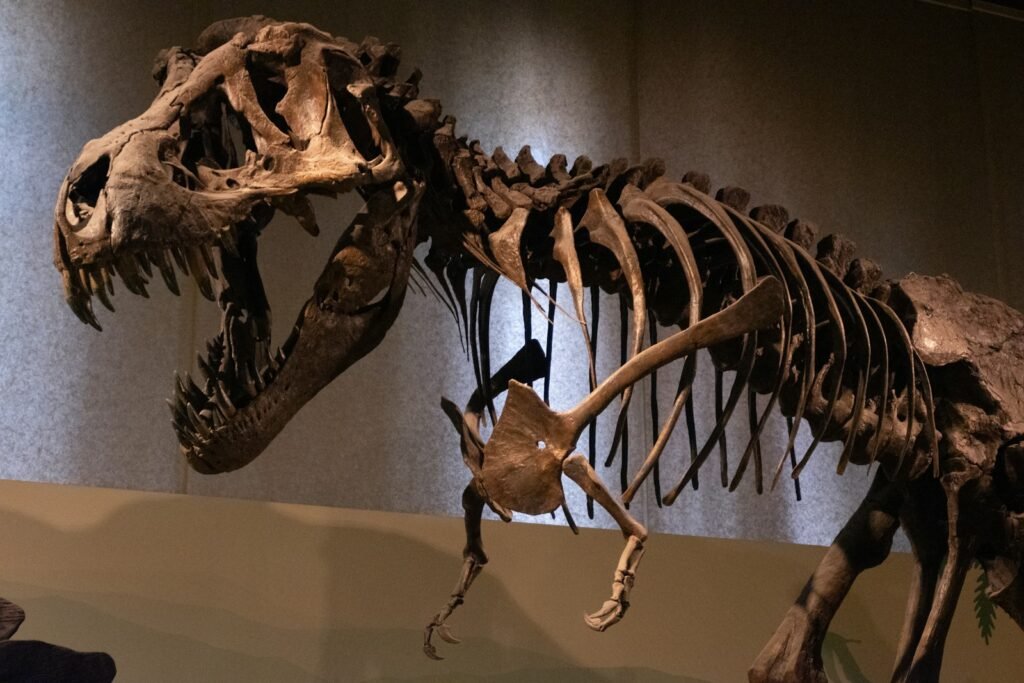

For more than a century, dinosaurs were cast in our imagination as slow, swamp-dwelling monsters or lumbering movie villains, frozen in dusty museum halls. Over the last few decades, though – and especially in the past ten to fifteen years – that picture has been quietly, and sometimes explosively, rewritten. New fossils, new technologies, and new ways of asking questions have turned dinosaurs from prehistoric clichés into complex, dynamic animals living in intricate ecosystems. Each discovery is like switching on another bank of lights in a once-dark museum gallery: suddenly, old bones look startlingly alive. These eight breakthroughs have not only changed how paleontologists work; they’ve changed the story the rest of us tell about life on Earth.
The Hidden Clues: Fossils Are No Longer Just Bones
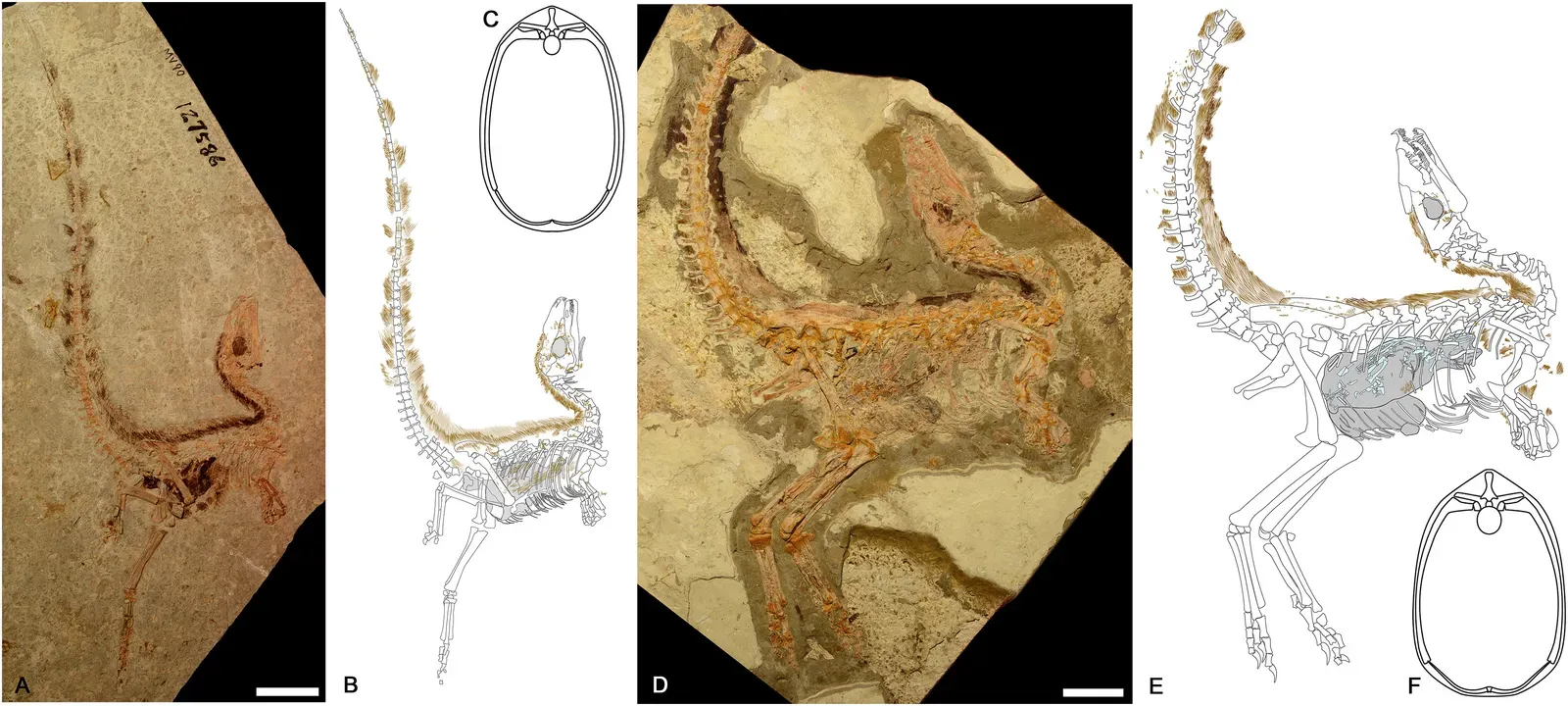
It is almost shocking, when you think about it, that for most of the twentieth century we treated dinosaur skeletons as if they were little more than stone mannequins. Today, some of the most important information is found not in the bones themselves, but in what clings to and surrounds them: microscopic tissues, chemical traces, skin impressions, even gut contents. Under powerful microscopes and advanced imaging, researchers have identified structures that behave like fossilized blood vessels, proteins, and pigment-bearing organelles. These are not movie props; they are physical data points that reveal color patterns, growth rates, and aspects of dinosaur physiology that once seemed permanently out of reach.
New techniques like synchrotron scanning and high-resolution CT imaging let scientists peer into fossils without shattering them, teasing out tiny details that would have been invisible a generation ago. A single well-preserved specimen can now tell a layered story: how fast the animal grew, how it healed from injuries, what it might have eaten, and even the environment it died in. Instead of static relics, fossils have become time capsules – dense with biological and geological information waiting to be decoded. This shift in mindset, from bones as endpoints to fossils as data-rich systems, is one of the quiet revolutions driving every other discovery on this list.
Feathered Giants: Why Dinosaurs Look Nothing Like Our Childhood Posters
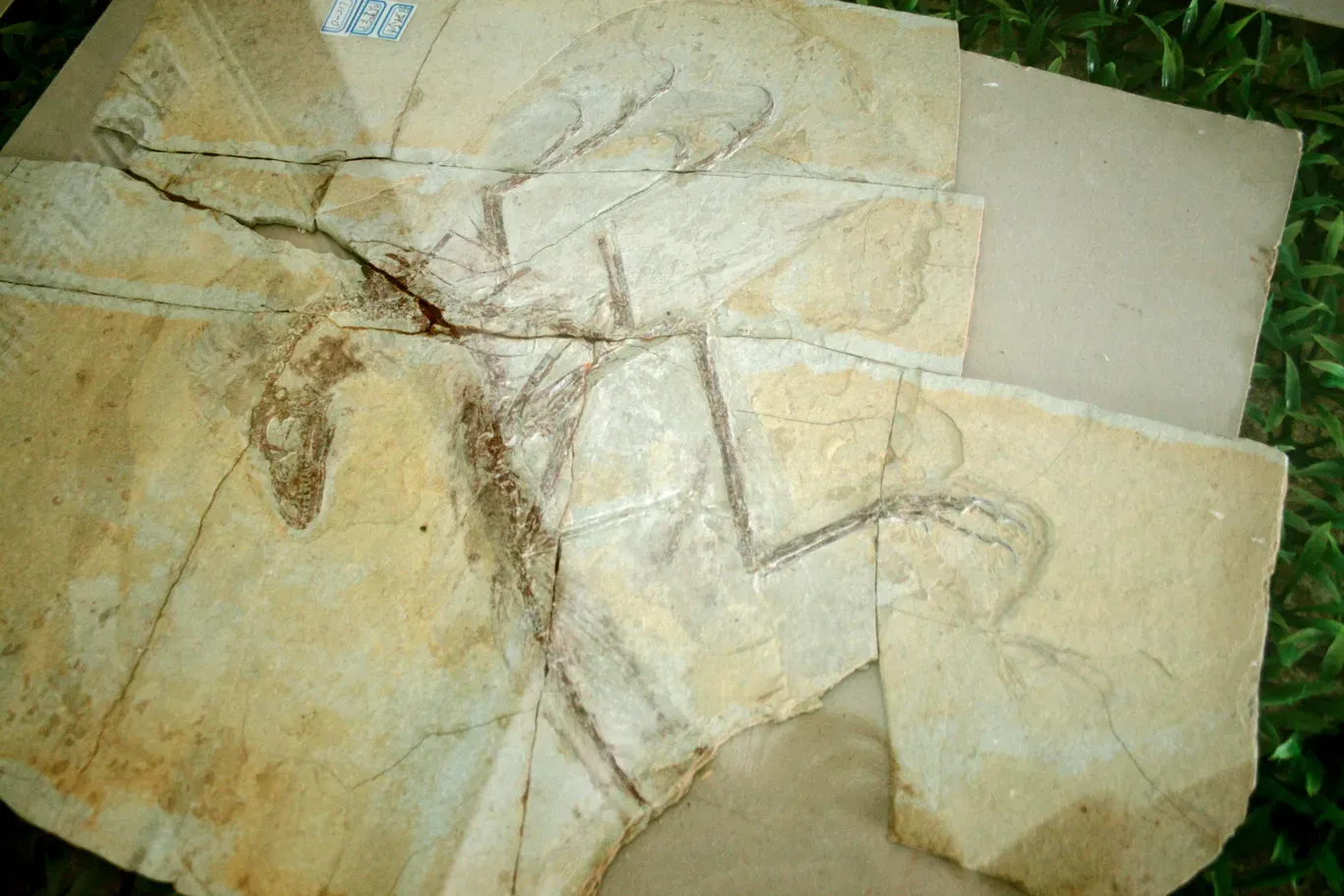
If there is one discovery that has permanently scrambled the public image of dinosaurs, it is the realization that many of them were covered, at least partly, in feathers. Starting with small, bird-like dinosaurs in China in the 1990s and accelerating through the 2000s and 2010s, exquisitely preserved fossils revealed everything from fuzz-like filamentous coverings to complex, branching feathers. These were not vague impressions; in some slabs of fine volcanic ash, you can trace the outline of a wing or a fan-shaped tail plume almost like a pressed fern leaf. Feathers turned out not to be a rare, quirky add-on but a widespread feature among theropods, the group that includes Tyrannosaurus and modern birds.
Even more surprising, chemical analyses of tiny pigment structures in these feathers have allowed researchers to infer actual colors and patterns. Some small dinosaur species seem to have been banded, speckled, or countershaded in browns, blacks, and rusty reds, and at least a few likely sported iridescent sheens. The old image of dinosaurs as drab, mud-colored reptiles has given way to a far more vivid palette. It is possible that large predators still leaned toward more subdued tones, but the very idea of color-based signaling, camouflage, and display in dinosaurs opens up questions about behavior that once belonged only to living animals. Next to these discoveries, the posters many of us grew up with now look more like rough drafts than final illustrations.
Warm-Blooded… Or Something Stranger? Rethinking Dinosaur Metabolism
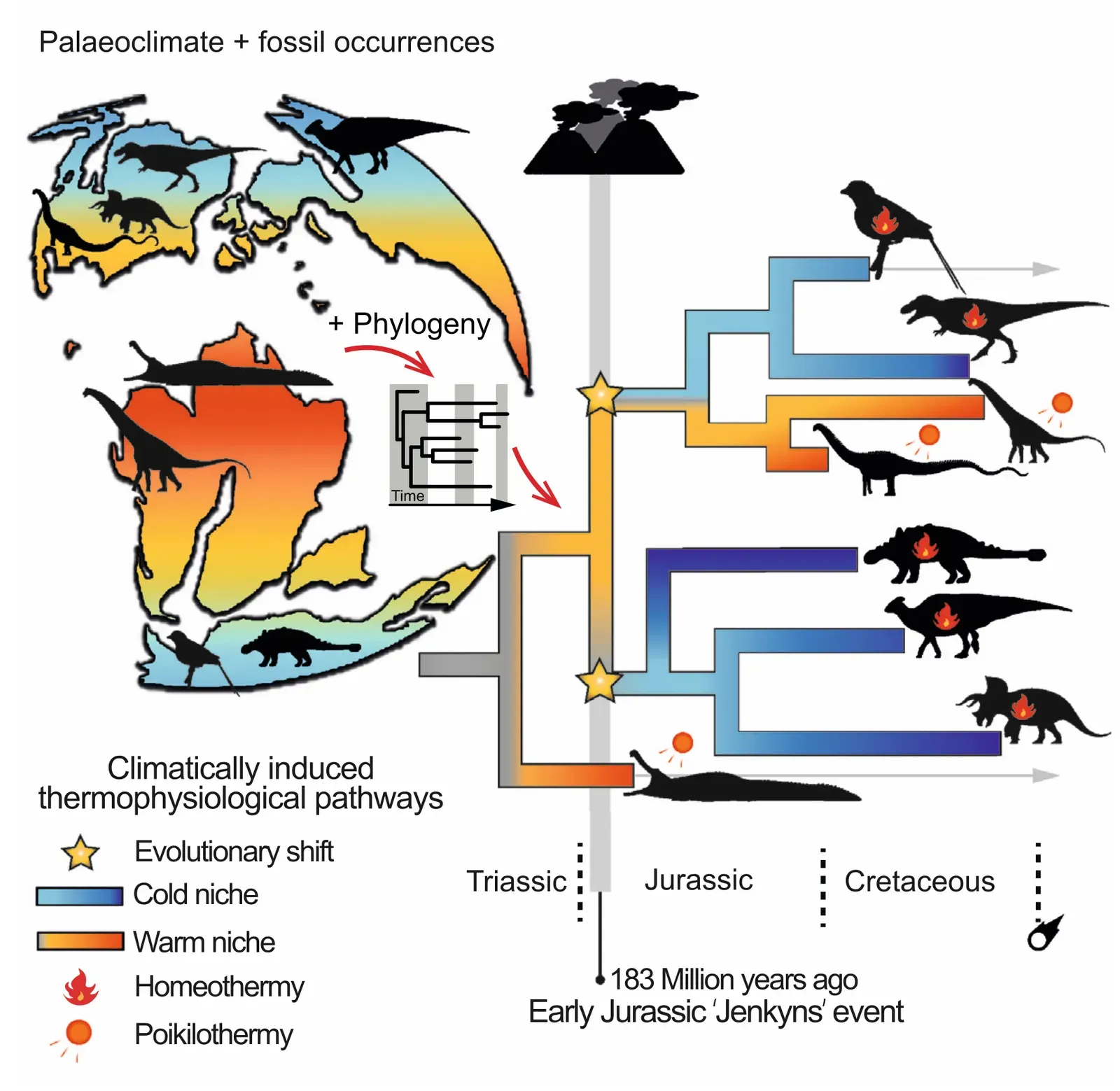
For decades, the simplest question – were dinosaurs warm-blooded or cold-blooded? – sparked some of the most heated arguments in paleontology. Recent research is finally nudging that debate toward a more nuanced answer, and it is not the clean split many of us learned in school. By analyzing growth rings in bones, the chemistry of fossilized tissues, and the oxygen isotopes locked in mineralized remains, multiple teams have found evidence that many dinosaurs maintained relatively high, stable body temperatures. They do not line up neatly with modern reptiles; in several cases, the metabolic signals look closer to birds and mammals.
At the same time, it seems unlikely that all dinosaurs shared exactly the same metabolic setup. Large, long-necked sauropods may have relied partly on sheer size to hold heat, functioning almost like walking thermal batteries, while smaller, active predators likely burned energy at a much higher clip. Some researchers now favor the idea of a metabolic middle ground – sometimes called mesothermy – where dinosaurs generated more internal heat than crocodiles but less than a hummingbird or mouse. This blended picture matters because metabolism underpins everything from growth speed to parental care to how fast an animal could chase prey. Instead of a tidy label, dinosaurs offer a spectrum, reminding us that evolution is better at improvising than obeying simple categories.
Beyond Monsters: Complex Behaviors and Dinosaur Social Lives
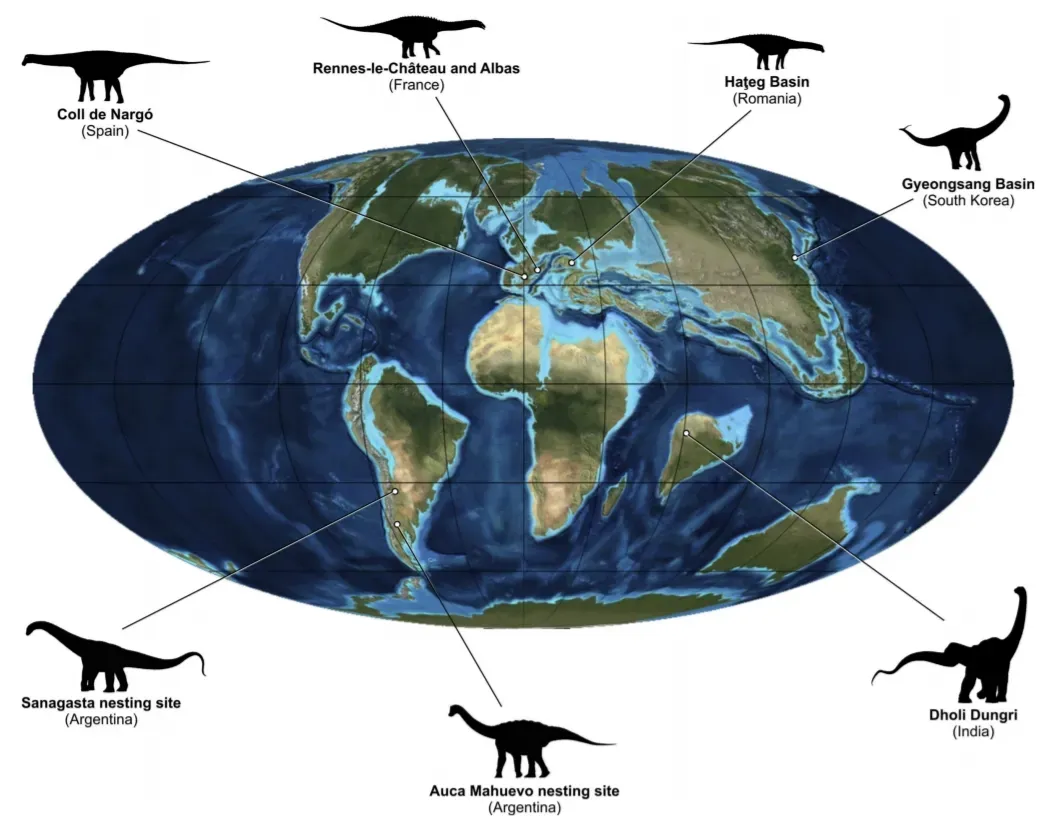
One of the most quietly radical shifts in dinosaur science is the emerging picture of their behavior. Evidence for nesting and parental care, once considered speculative, is now supported by nests preserved with eggs, brooding adults, and sometimes multiple generations of growth stages in the same bone bed. Some small theropods were fossilized in postures nearly identical to modern birds sitting on nests, suggesting that careful incubation is a behavior with deep evolutionary roots. Trackways – those long chains of footprints locked in stone – have revealed groups moving together, with smaller individuals pacing alongside larger ones in ways that look very much like mixed-age herds.
There are also hints of complex social structures and cooperation, especially in herbivores that lived in large groups. Mass death assemblages of horned dinosaurs and duck-billed species suggest herding behavior, potentially with coordinated migrations or seasonal gatherings. Skull ornamentation, from crests to frills to elaborate horns, may have served not just for defense, but also for visual signaling within and between species. While it is crucial not to project mammal-style emotions onto these animals, the accumulating evidence undermines the old stereotype of dinosaurs as solitary, brainless brutes. They navigated social worlds, communicated, and likely made decisions in groups – behaviors that tie them more closely to the living animals we observe today.
Titanic Revisions: How Big Some Dinosaurs Really Were
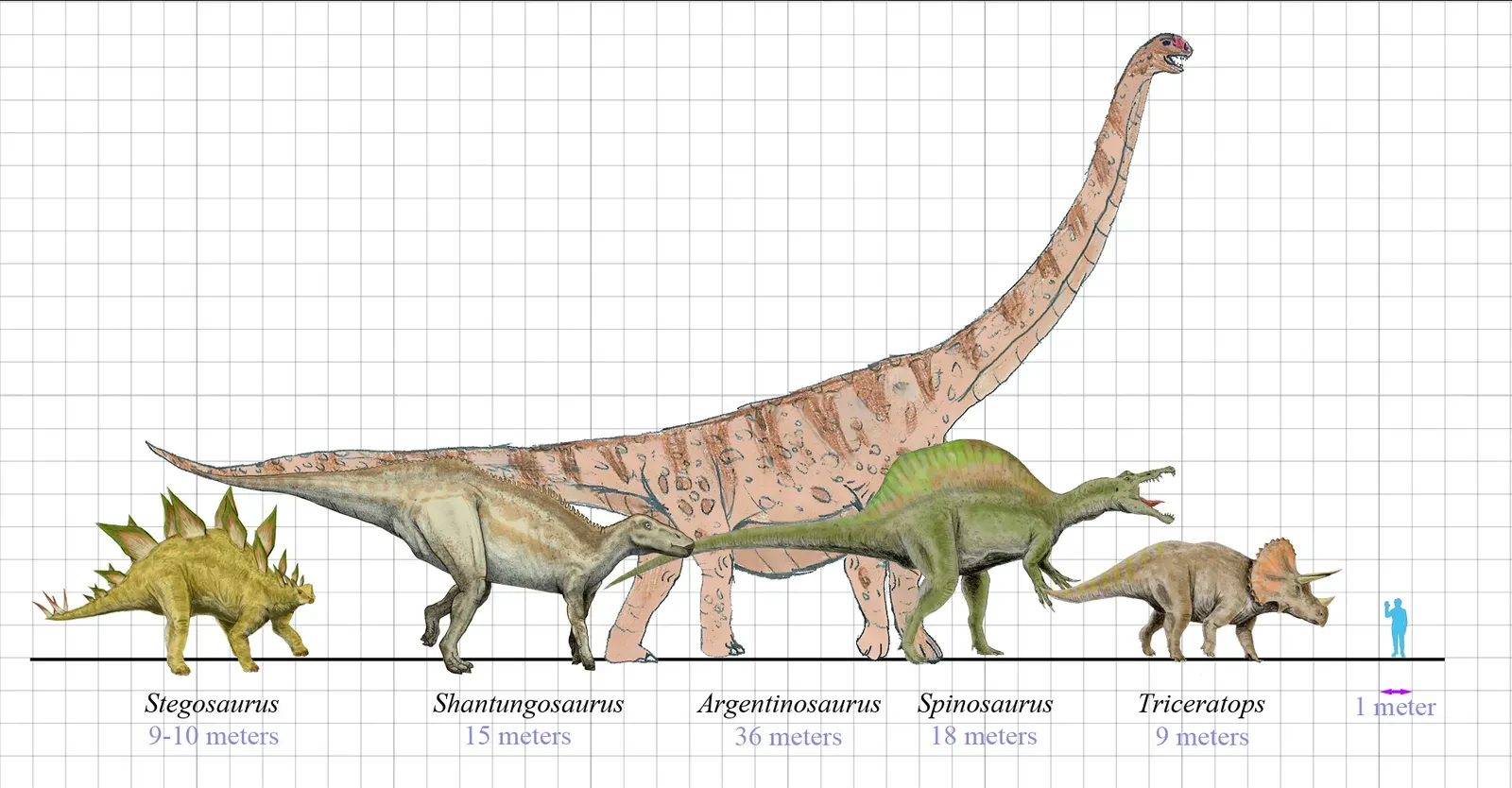
Every few years, a new study lands that forces us to adjust our sense of scale, and nowhere is that more dramatic than in estimates of dinosaur size. Techniques for reconstructing body mass from bones have become much more sophisticated, combining 3D digital modeling, comparisons with living animals, and biomechanical simulations. The result has been a series of revisions – sometimes upward, sometimes downward – in the estimated size of marquee species like Tyrannosaurus rex and various long-necked sauropods. In some cases, new, more complete specimens have shown that earlier finds were unusually small or unusually large, skewing our sense of the average animal.
Perhaps more intriguing than headline-grabbing records is what these studies reveal about the limits of terrestrial life. The largest sauropods pressed close to the structural and physiological boundaries of what a land animal’s skeleton and cardiovascular system can support. Meanwhile, discoveries of gigantic yet surprisingly lightweight predatory dinosaurs suggest that air-filled bones and birdlike respiratory systems were key innovations. When we learn that a T. rex may have been bulkier or more powerfully built than we thought, it is not just a matter of bragging rights for the king of the dinosaurs. It forces scientists to re-examine how these animals hunted, how fast they could move, and how entire ecosystems organized themselves around such enormous bodies.
Why It Matters: Dinosaurs as a Blueprint for Life and Extinction
All of this might sound like niche trivia – feathers here, a bit of extra mass there – but underneath is a far larger story about how life responds to change. Dinosaurs dominated Earth’s land ecosystems for well over one hundred and fifty million years, through shifting continents, wild climate swings, and pulses of volcanic activity. Understanding how they diversified, thrived, and ultimately failed to survive a mass extinction gives us a long-term, planetary-scale case study. When paleontologists uncover evidence of rapid warming, ocean disruption, or ecosystem collapse in the rocks, they are effectively reading an earlier chapter of a book we are still writing today.
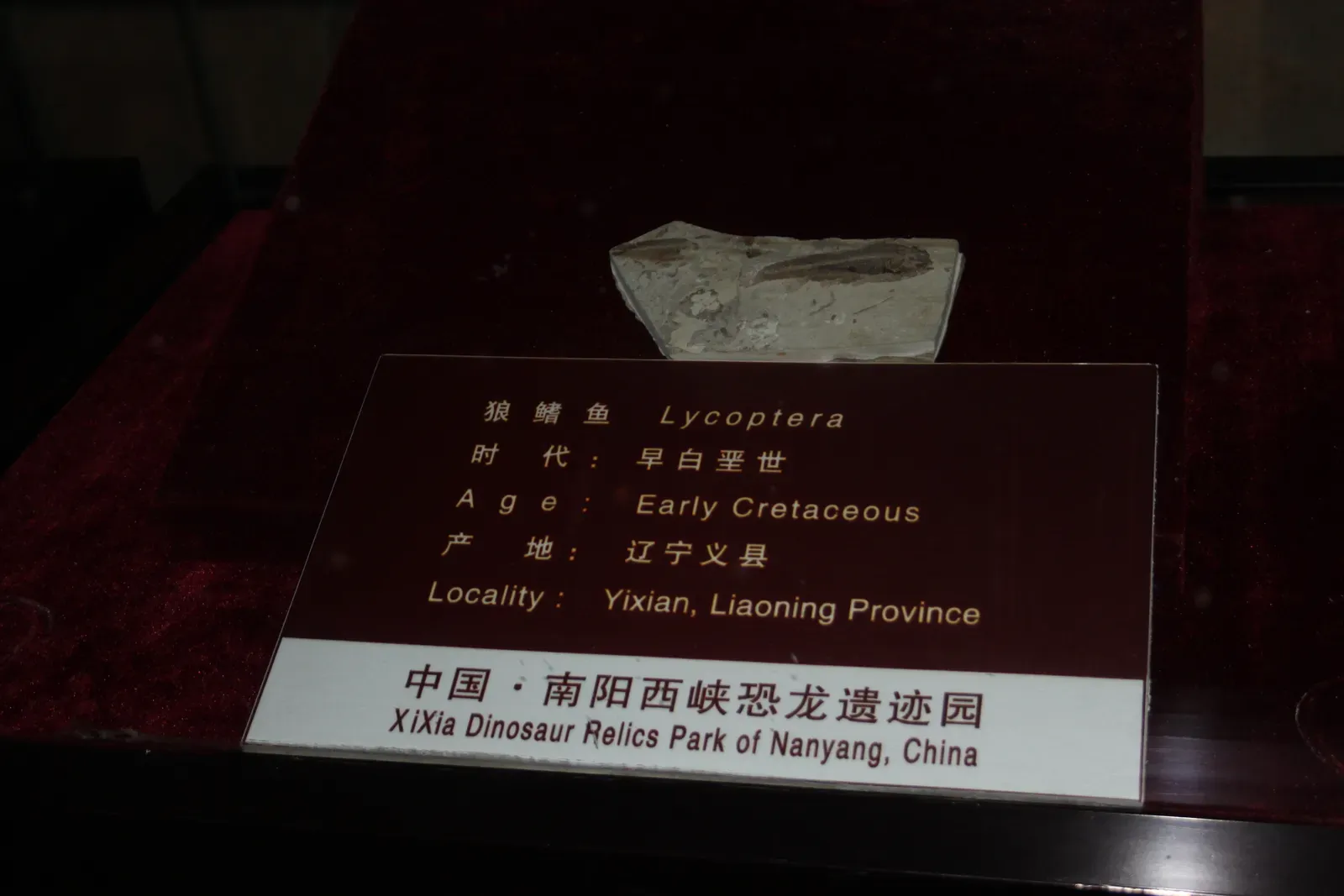
There is also a more immediate payoff: techniques pioneered on dinosaur fossils are now being applied to everything from early mammals to prehistoric fish and even archaeological remains. Analyses of bone chemistry that reveal dinosaur body temperatures can also track the diets and movements of ancient humans. High-resolution imaging used to study microscopic structures in a T. rex femur can help diagnose bone diseases in modern patients. In that sense, dinosaurs are much more than childhood obsessions or blockbuster movie fodder. They are a testing ground for methods and ideas that ripple outward into ecology, climate science, and medicine, shaping how we understand both the deep past and the unstable present.
From Ancient Bones to Cutting-Edge Tech: The Future Landscape of Dinosaur Research
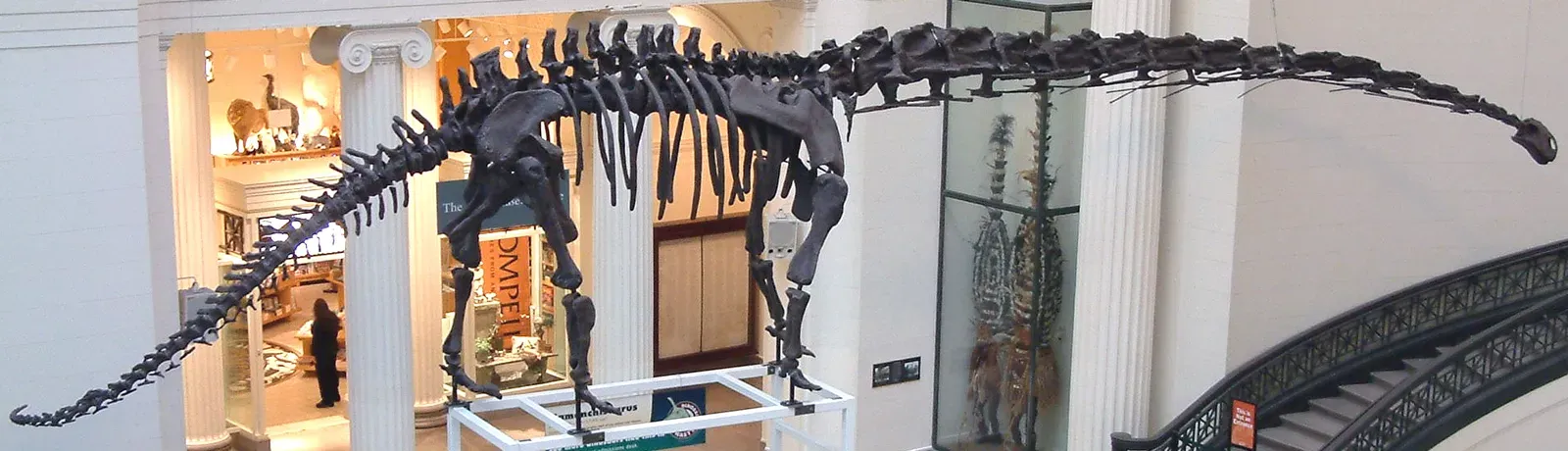
For all the spectacular discoveries of the last few decades, many paleontologists will tell you that we are still in the early stages of truly understanding dinosaurs. New technologies are turning old collections into fresh fields of study; drawers of fossils collected in the mid-twentieth century are being re-examined with tools the original dig teams could not have imagined. Machine learning is beginning to sift patterns in vast datasets of measurements, images, and chemical signatures, flagging subtle correlations that might otherwise be missed. At the same time, non-destructive techniques make it possible to probe the insides of priceless specimens without risking damage, unlocking secrets that used to stay hidden behind glass.
The next wave will likely come from places that have so far been underexplored or underfunded, such as parts of Africa, South America, and Southeast Asia. As political and logistical barriers shift, more local scientists are leading digs and research projects, widening both the fossil record and the perspectives brought to it. Climate change is unexpectedly exposing new sites as ice retreats and erosion accelerates, though often at a distressing pace. There is a real sense of urgency: fossils that are weathering out of cliffs and hillsides now may be destroyed within a few seasons if no one reaches them. The future of dinosaur science will depend not just on clever tools, but on global cooperation, training, and sustained support for basic, boots-on-the-ground fieldwork.
How You Can Join the Hunt: Small Actions, Big Discoveries
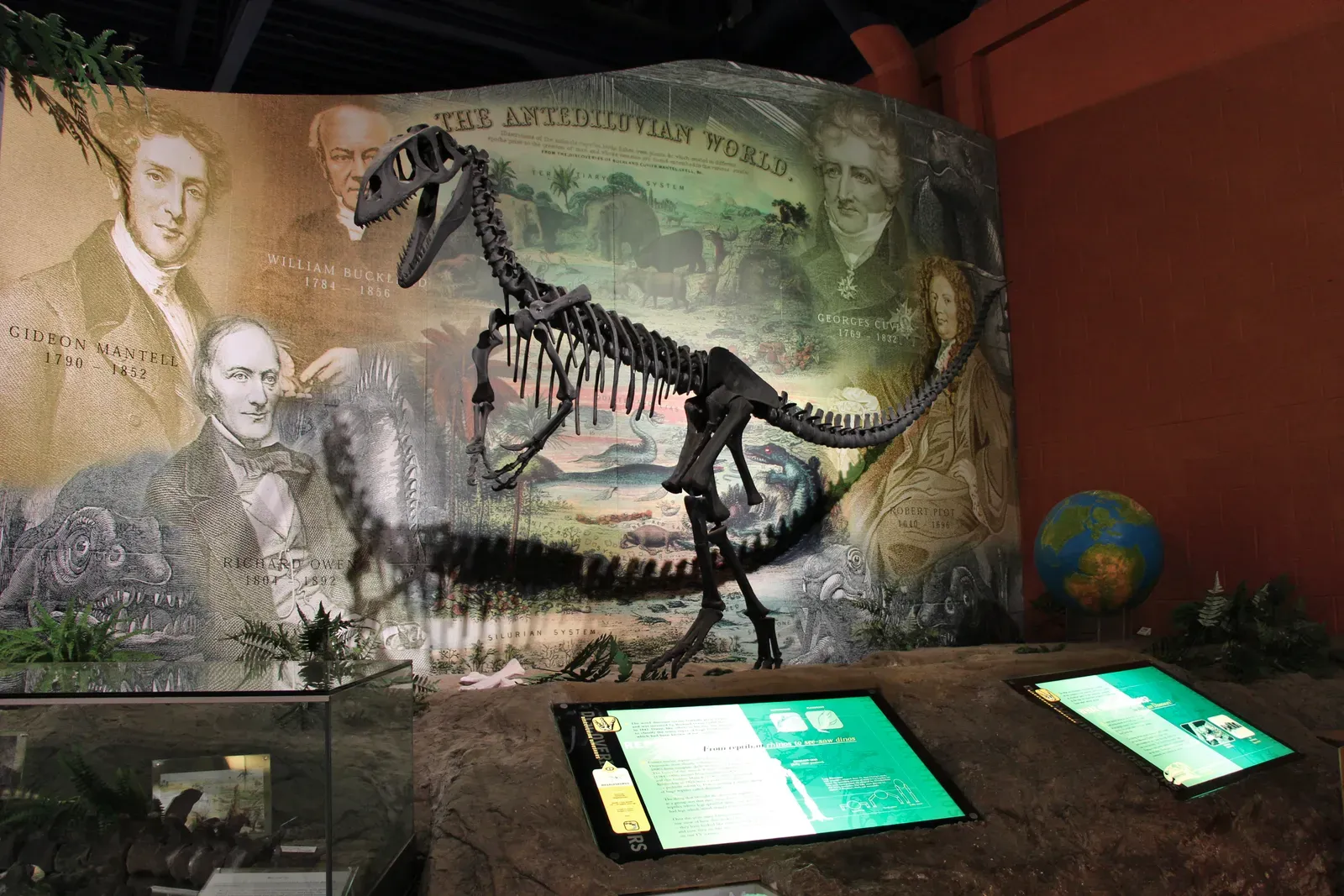
It is easy to think of dinosaur discoveries as the domain of specialists in distant deserts, but the truth is that ordinary people play a quiet, ongoing role in this work. Many important finds begin with a hiker noticing an odd texture on a rock face, a child puzzling over a strange imprint in a creek bed, or a volunteer carefully brushing sediment in a field school. If you live near natural history museums or universities, public lectures and open days are a good way to plug into what researchers are actually doing right now, rather than relying on outdated myths. Even following reputable science outlets and sharing accurate stories helps push the public conversation away from caricatures and toward the richer, more interesting reality.
There are also practical ways to support the science behind those spectacular headlines. Memberships and donations to museums and research institutions help fund expeditions, lab work, and student training that rarely make it into movie credits. Some projects invite volunteers to help catalog digital collections online, identifying bones in photographs or labeling data that algorithms struggle with. And if you find something in the wild that looks like a fossil, the most helpful thing you can do is document it carefully – photos, location details – and report it to local authorities rather than trying to pry it out yourself. In a very real sense, the story of dinosaurs is still being written, and there is room in the acknowledgments section for anyone willing to pay attention and care.
Suhail Ahmed is a passionate digital professional and nature enthusiast with over 8 years of experience in content strategy, SEO, web development, and digital operations. Alongside his freelance journey, Suhail actively contributes to nature and wildlife platforms like Discover Wildlife, where he channels his curiosity for the planet into engaging, educational storytelling.
With a strong background in managing digital ecosystems — from ecommerce stores and WordPress websites to social media and automation — Suhail merges technical precision with creative insight. His content reflects a rare balance: SEO-friendly yet deeply human, data-informed yet emotionally resonant.
Driven by a love for discovery and storytelling, Suhail believes in using digital platforms to amplify causes that matter — especially those protecting Earth’s biodiversity and inspiring sustainable living. Whether he’s managing online projects or crafting wildlife content, his goal remains the same: to inform, inspire, and leave a positive digital footprint.