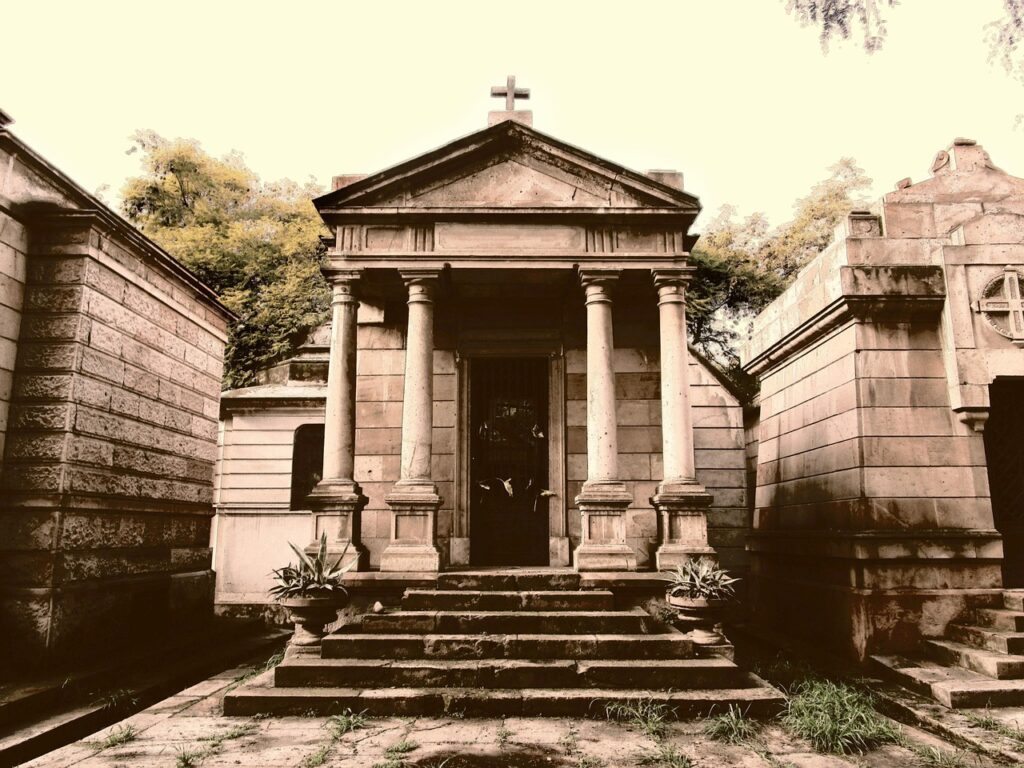

There’s something unnerving about a grave that refuses to lie quietly. Some tombs are not just resting places; they are magnets for superstition, science, conspiracy theories, and the kind of whispered stories people tell with the lights off. We like to tell ourselves that death is the end of the story, but the truth is, for some people, the real drama only begins once they’re buried.
In this tour of eight famous tombs, we’ll move from pharaohs and emperors to poets and modern political leaders, blending hard evidence with the legends that grew up around them. Some of these tales have been debunked, others are still being argued over, and a few are so eerie that even the skeptics admit they feel a little strange standing there in the dark. By the end, you might find yourself looking at graveyards very differently.
1. Tutankhamun’s Tomb: The Birth of the “Mummy’s Curse”
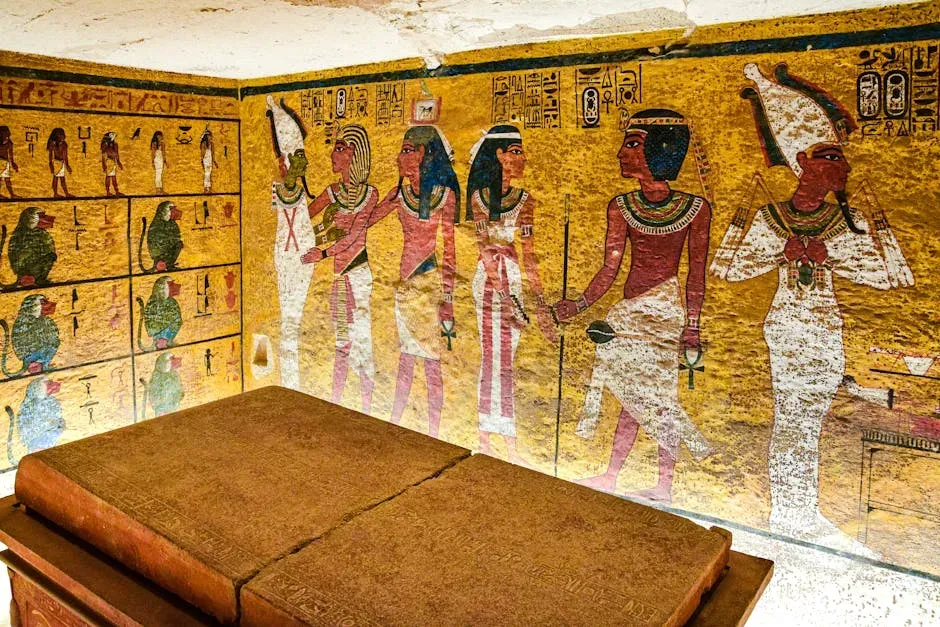
When the young pharaoh Tutankhamun’s tomb was opened in 1922, it looked like something straight out of an adventure film: sealed doors, golden treasures, and an almost perfectly preserved royal burial untouched for more than three thousand years. It did not take long for rumors to spread that disturbing such a tomb came with a price. Within months, newspapers were breathlessly linking a series of deaths and misfortunes among people connected to the excavation to an ancient Egyptian curse carved on the walls, even though no such ominous inscription was actually found in the burial chamber itself.
Modern historians and medical researchers have gone back and looked at the evidence and found that, on average, people present at the opening of the tomb lived about as long as their contemporaries. The supposed “curse” was mostly a creature of sensationalist reporting, popular fiction, and the human tendency to see patterns where none exist. Still, stand in front of Tutankhamun’s famous golden mask today and it’s hard not to feel a shiver. The boy king was buried with games, furniture, weapons, and lavish jewelry to carry him into the next world; the truly chilling part may be how easily we turned his burial into a mirror for our own fears about death and punishment.
2. Qin Shi Huang’s Mausoleum: Rivers of Mercury and Deadly Traps
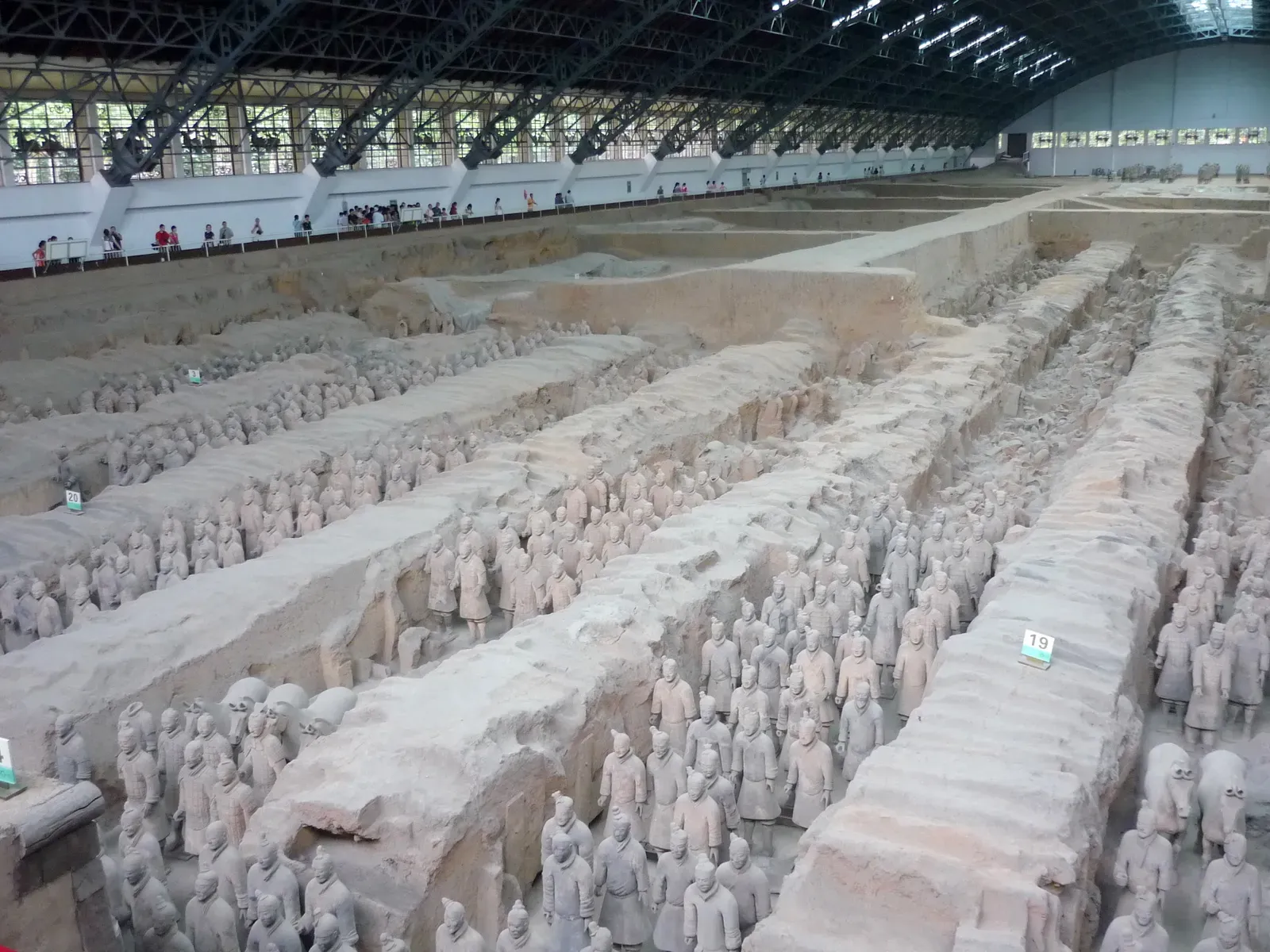
The first emperor of a unified China, Qin Shi Huang, wanted to rule forever, and he tried to build an underground universe to do it. His massive mausoleum complex near modern Xi’an is guarded by the famous Terracotta Army: thousands of life-size clay soldiers, horses, and chariots lined up in battle formations, each with distinct facial features. Ancient historian Sima Qian wrote that deep beneath the main burial mound lay a palace of the dead with a map of China on the floor and flowing rivers made of liquid mercury, with crossbows rigged to fire automatically at intruders.
What makes this story more than legend is that soil tests around the central mound have found unusually high concentrations of mercury, which fits uncannily with that two‑thousand‑year‑old description. Archaeologists have deliberately not opened the main burial chamber yet, partly for conservation reasons and partly because they simply do not know what they will find or how stable it will be. The result is a tomb that feels like a sealed time bomb: we have an army, an emperor, scientific hints of toxic rivers, and possible booby traps, all locked beneath a hill that we can see but not yet safely enter. It is one of the rare cases where the reality might actually be stranger than the legend.
3. The Taj Mahal’s Tomb: A Love Story Drenched in Dark Myths
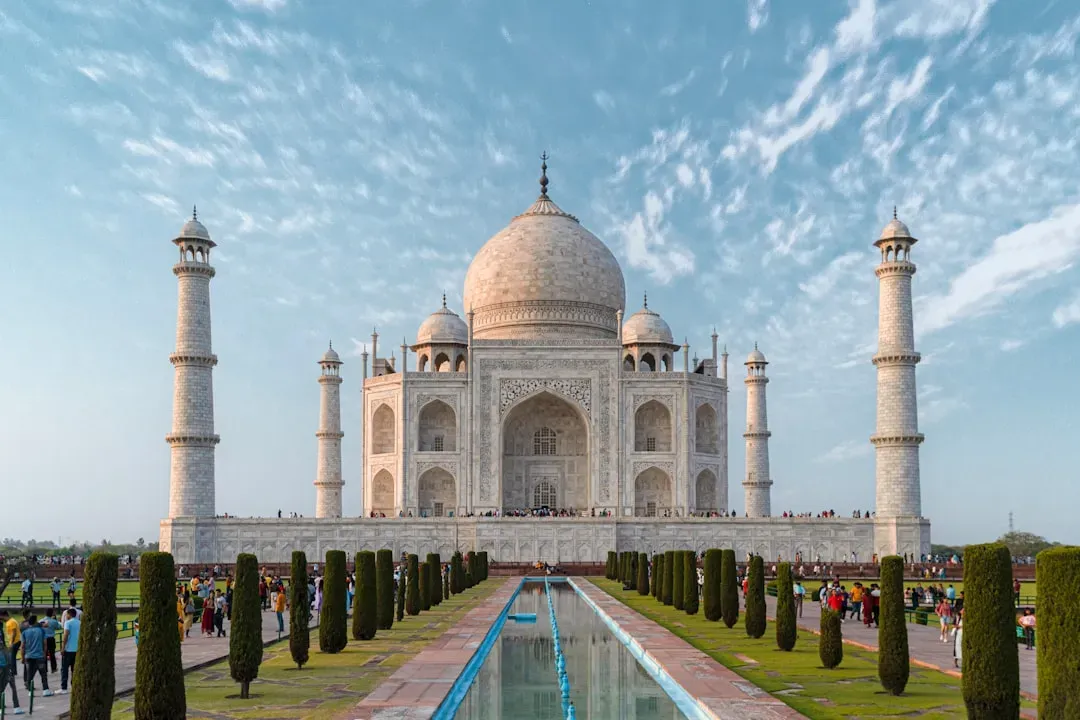
The Taj Mahal in Agra is probably the most famous monument to love on the planet, built in the seventeenth century by the Mughal emperor Shah Jahan as the tomb of his favorite wife, Mumtaz Mahal. Visitors file past the cenotaphs in the great marble chamber, hearing stories of a grief‑stricken ruler who poured his fortune and his heart into this building. That emotional story is powerful enough on its own, but it has been wrapped in extra layers of horror that say more about our appetite for drama than about actual history.
One of the most persistent tales is that Shah Jahan ordered the hands of his craftsmen cut off so they could never build anything so beautiful again. Historians have never found solid evidence for this, and Mughal records suggest master artisans went on to work elsewhere. Another modern rumor claims there is a secret, black marble “twin Taj” or darkened hidden chambers under the complex, feeding conspiracy theories and ghost stories. What we do know is that under the central dome, in a closed subterranean room, lie the real, plain stone tombs of Shah Jahan and Mumtaz, aligned off‑center to keep her at the symbolic heart. The contrast between the serene, symmetrical beauty above and the simple graves below may be the most quietly chilling detail of all.
4. Newgrange Passage Tomb: A Stone Age Chamber That Wakes With the Sun
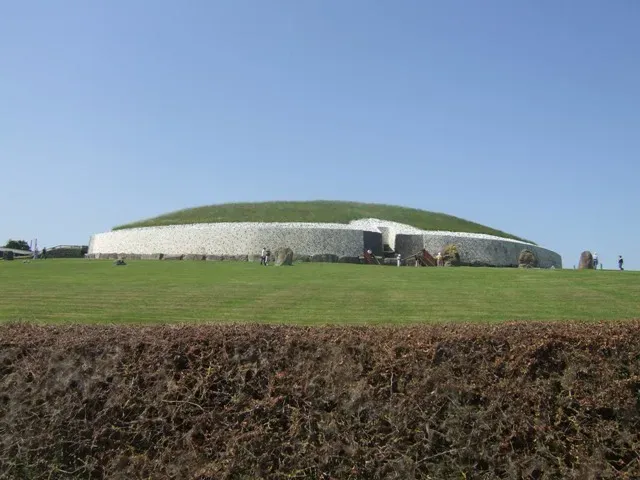
Long before the pyramids, people in what’s now Ireland built Newgrange, a huge earth and stone mound with a narrow passage leading to a central burial chamber. The structure is around five millennia old, but what truly unsettles visitors is what happens on a few mornings around the winter solstice. At sunrise, if the sky is clear and you are one of the tiny number of people allowed inside, a beam of light slides in through a special opening above the doorway and crawls down the long, dark passage until it reaches the innermost chamber, flooding the ancient stone carvings with golden light.
This alignment is so precise that it can only be deliberate, and it turns a grave into a kind of machine for resurrecting the sun at the darkest time of the year. Archaeologists see it as powerful evidence of early astronomical observation and ritual, while folklore has tied Newgrange to otherworldly beings and gods. Standing in that tight, cool chamber, with stones pressing in around you and a shaft of light suddenly piercing the dark, it is easy to imagine how Stone Age mourners might have felt that the dead were not just remembered but somehow briefly reawakened. There is nothing gory about Newgrange’s story, yet it invokes a quieter, almost cosmic kind of chill.
5. Vladimir Lenin’s Mausoleum: A Body That Refuses to Decay
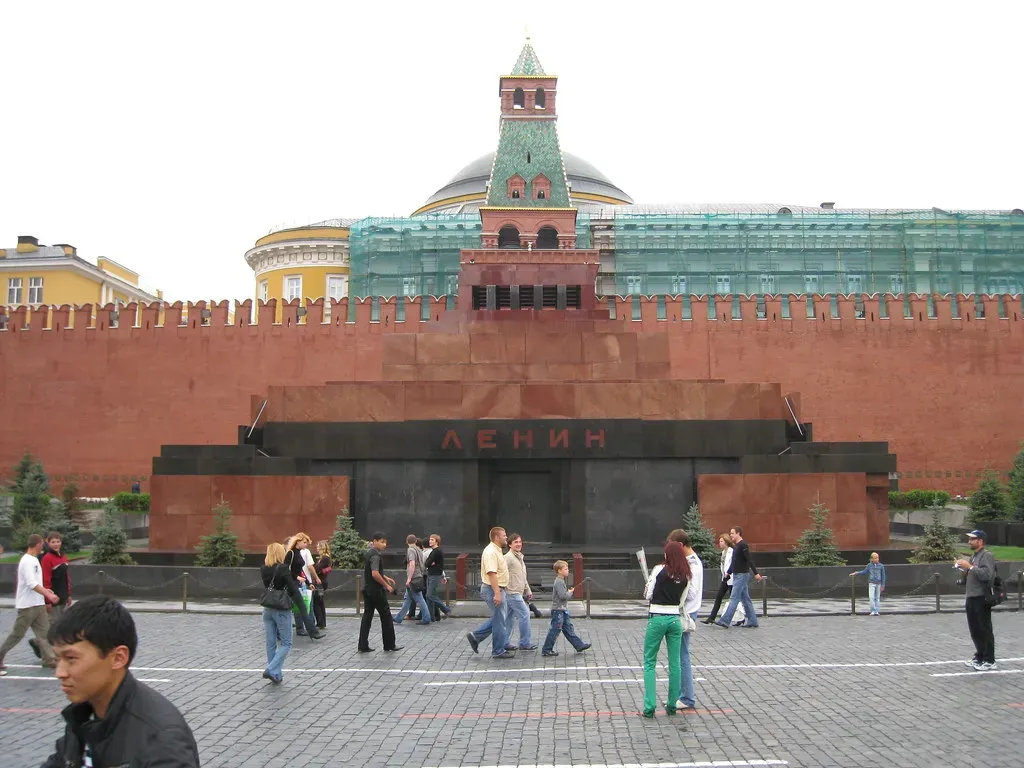
Right in the heart of Moscow’s Red Square lies one of the strangest modern tombs: the mausoleum of Vladimir Lenin, leader of the Bolshevik Revolution and founder of the Soviet state. Instead of being buried underground, Lenin’s body has been displayed in a glass sarcophagus since the 1920s, maintained by teams of specialists who periodically re‑embalm, clean, and even subtly repair him to preserve the illusion of a peacefully sleeping leader. For many decades, visiting the mausoleum was almost a political ritual, a mix of pilgrimage and propaganda.
There is something deeply unsettling about seeing a human body kept in this suspended state for nearly a century. Reports have described how scientists developed experimental preservation techniques, including chemically treating skin and periodically replacing or reinforcing some tissues, so what looks like a natural corpse is, in reality, part body and part meticulous restoration. Some find the whole thing almost sacred, others see it as morbid or even grotesque, a sort of secular relic that refuses to let the dead go. Standing in that dim, cool hall, walking slowly along a set route while guards watch, you feel how politics can reach beyond the grave and turn an individual into a permanent object.
6. The Tomb of the Unknown Soldier: Anonymous Bones, Heavy Symbolism
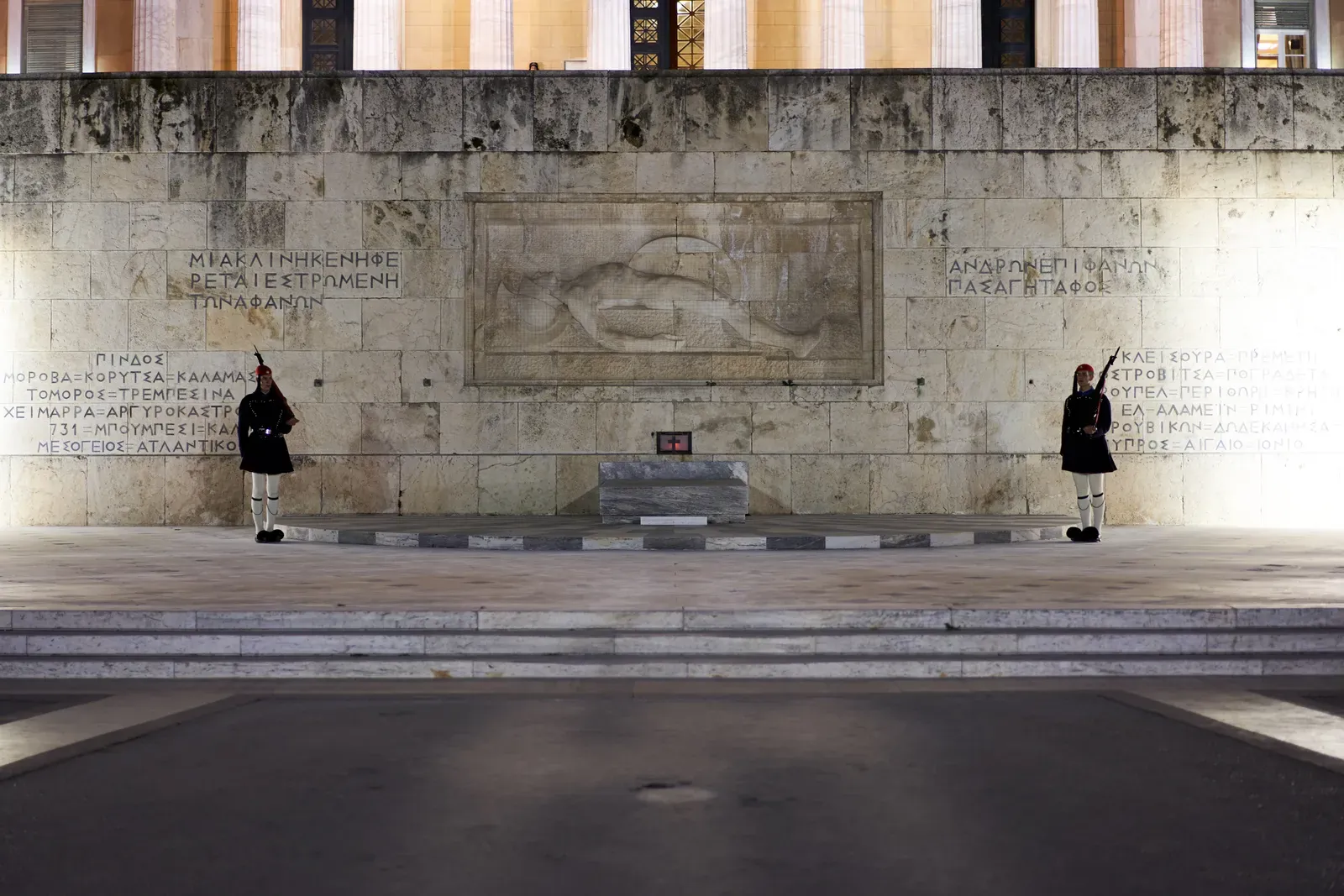
Not all chilling tombs are famous because of curses or traps; some disturb us because of what we do not know. The Tomb of the Unknown Soldier in Arlington National Cemetery in the United States, like similar tombs in other countries, holds the remains of unidentified service members. A specially selected unknown soldier from the First World War was interred there in the 1920s, and the tomb has since become a powerful national symbol of sacrifice and collective mourning. An honor guard keeps watch continuously, performing carefully choreographed rituals day and night.
The eerie power of this tomb comes from anonymity. The person buried there could have been anyone: a son, a brother, a husband, a friend who never came home. In the late twentieth century, one of the unknowns from the Vietnam War was later identified through DNA testing and returned to his family, which sparked debates about whether technology should strip away that anonymity or leave the symbol intact. When you stand in front of the marble sarcophagus and watch the guard’s slow, precise steps, the quiet is heavy. It’s a reminder that sometimes the most haunting stories are not about specific horrors, but about all the stories we will never fully know.
7. Eva Perón’s Tomb: Theft, Wandering Remains, and Obsession
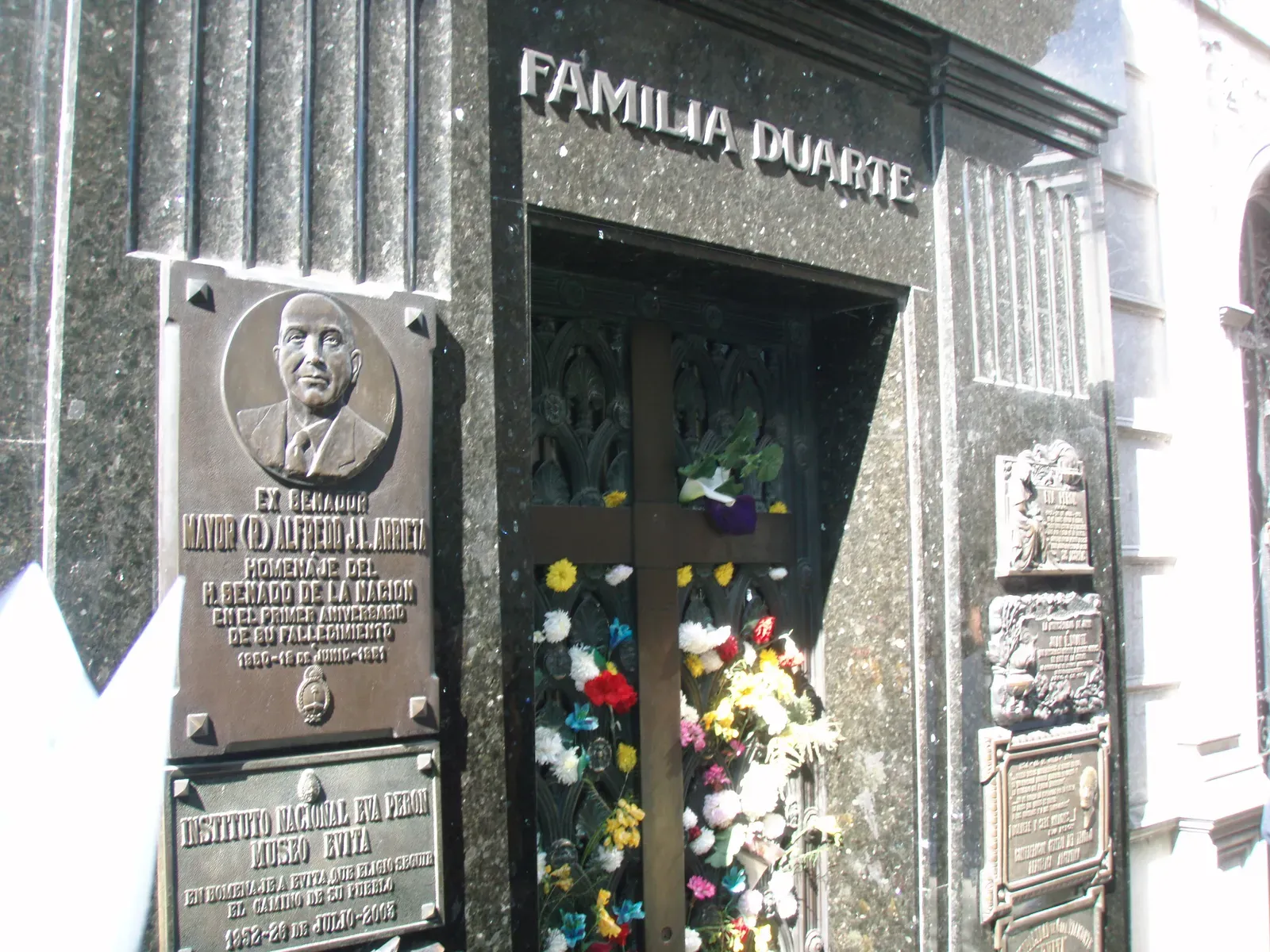
Eva Perón, often called Evita, became a near‑mythic figure in Argentina: actress, political force, style icon, and the emotional face of the working poor. When she died young in the early 1950s, her embalmed body became an object of intense devotion and fear. After a military coup overthrew her husband, the new regime saw her remains as dangerously symbolic. In a bizarre sequence of events, her body was moved, hidden, and allegedly even damaged, including a secret burial under a false name in Italy, before finally being returned to Argentina decades later.
Today, her tomb in Buenos Aires’s Recoleta Cemetery looks surprisingly modest compared to the towering monuments around it, but the path her body took to get there is what chills people. Stories of soldiers tasked with guarding or moving the corpse spoke of uncanny experiences and psychological strain, and there are persistent rumors of mistreatment that historians still argue about. Her coffin is now buried several meters deep, reportedly in reinforced vaults, in part to prevent any future theft or desecration. Standing there, squeezed between elaborate mausoleums, you feel how a single body can become a battlefield for competing memories, political fears, and almost religious devotion.
8. Poe’s Resting Place: Ravens, Mysterious Visitors, and Shifting Graves
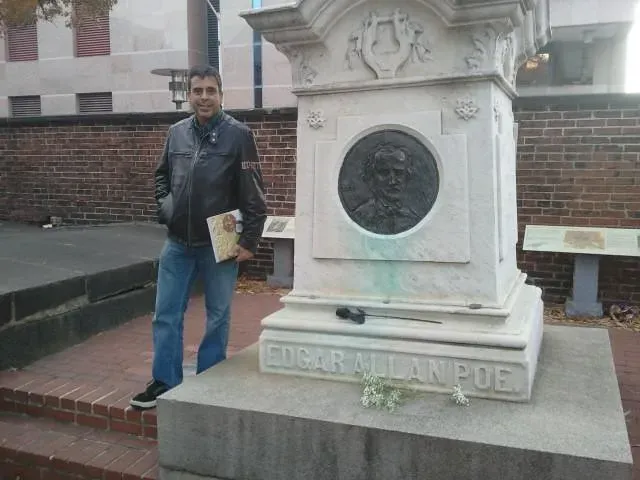
Edgar Allan Poe, the master of morbid tales and psychological horror, could hardly have hoped for a quiet afterlife. He was initially buried in an unmarked grave in Baltimore in 1849, and for years, hardly anyone could point to the exact spot. Only later was a more suitable monument erected, and his remains were moved, adding an unsettling twist: even the final resting place of a writer obsessed with premature burial and the uncanny was, for a while, uncertain and confused.
From the late nineteenth century into the twenty‑first, local legend told of a mysterious visitor who would appear at the grave on Poe’s birthday, leaving roses and a bottle of cognac in the night. Nobody could conclusively prove who it was, or whether more than one person carried on the ritual over time, and then, just as quietly, the tradition stopped. Whether you see that as a fan’s eccentric devotion or a sort of private haunting, it fits Poe perfectly. His stories blurred the line between reason and madness, and his wandering grave and anonymous mourner make his tomb feel less like a full stop and more like one last unfinished tale.
Conclusion: Why These Tombs Still Get Under Our Skin
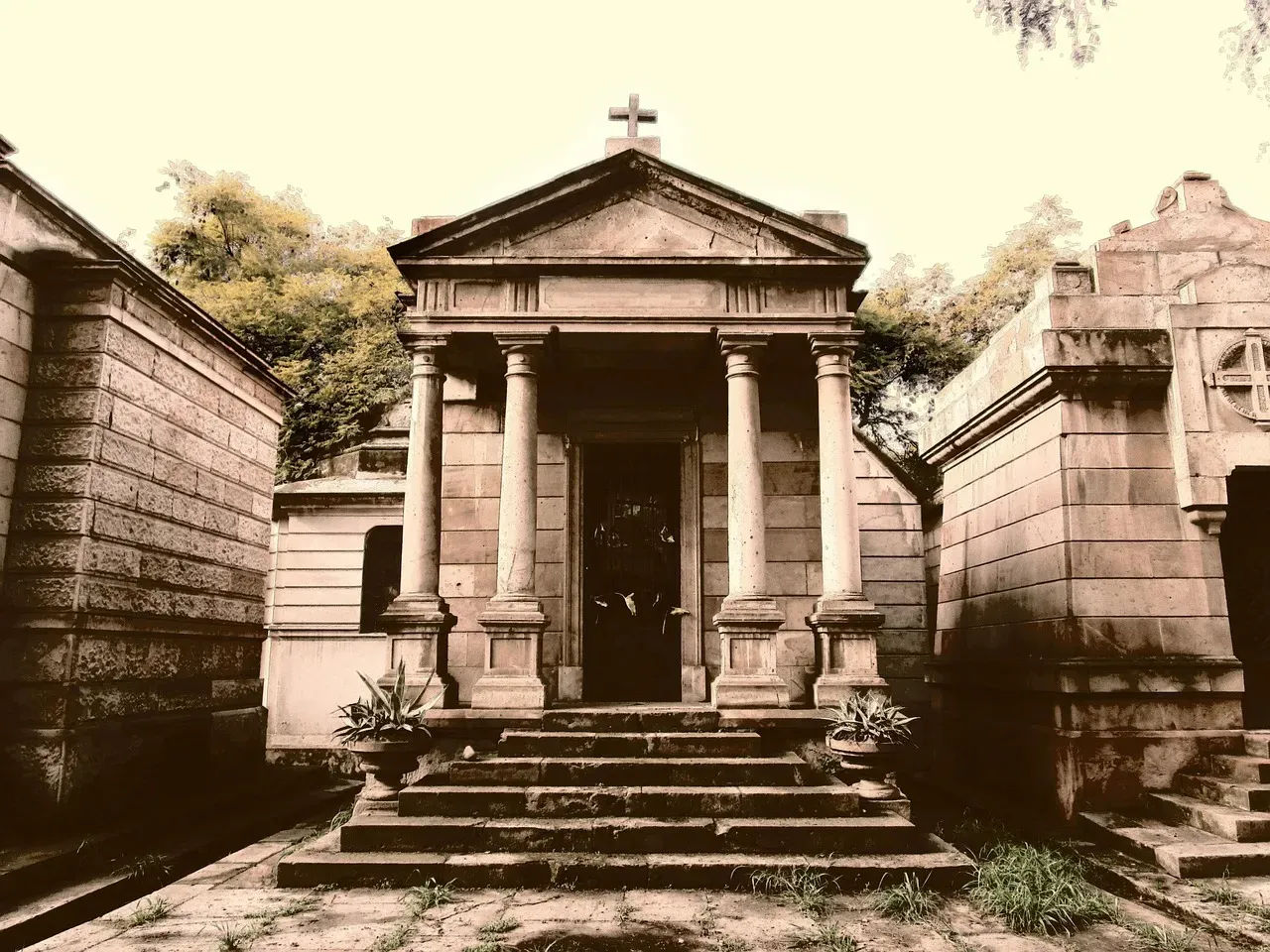
What ties these tombs together is not just death, but the sense that the story refuses to close. A pharaoh’s burial becomes a global morality tale about curses. An emperor’s underground palace is sealed with possible rivers of poison. A marble love monument spawns myths of mutilated workers and hidden chambers, while a Stone Age mound turns out to be a precise solar device that still works every winter. Even in the modern era, we keep bodies on display, bury unknown soldiers as symbols, and argue bitterly over where political icons should lie and how they should be remembered.
Personally, I think the real chill comes from recognizing how hard we fight the finality of death. We pickle bodies, build massive structures, invent curses, and spin legends, all to avoid admitting that one day the world just moves on without us. These famous tombs are like pressure points where our fear, love, politics, and curiosity all collide. Next time you walk through a cemetery or pass an old mausoleum gate, it might be worth asking yourself: which is more unsettling, the possibility of ghosts, or the idea that one day there might be no one left to tell your story at all?