
Imagine stumbling across something so out of place, so wildly inconsistent with everything you were taught, that it forces the entire scientific community to go back to the drawing board. That is exactly what archaeology keeps doing to us. Over and over again, dirt, stone, and bone have conspired to make historians swallow their assumptions whole.
The story of human civilization is never as settled as textbooks make it seem. Just when the academic world nods collectively in agreement, someone with a shovel, a drone, or a sponge-diving suit pulls something up that leaves everyone speechless. Get ready, because what follows will genuinely shake your sense of what you know about the ancient world.
Göbekli Tepe: The Temple That Should Not Exist
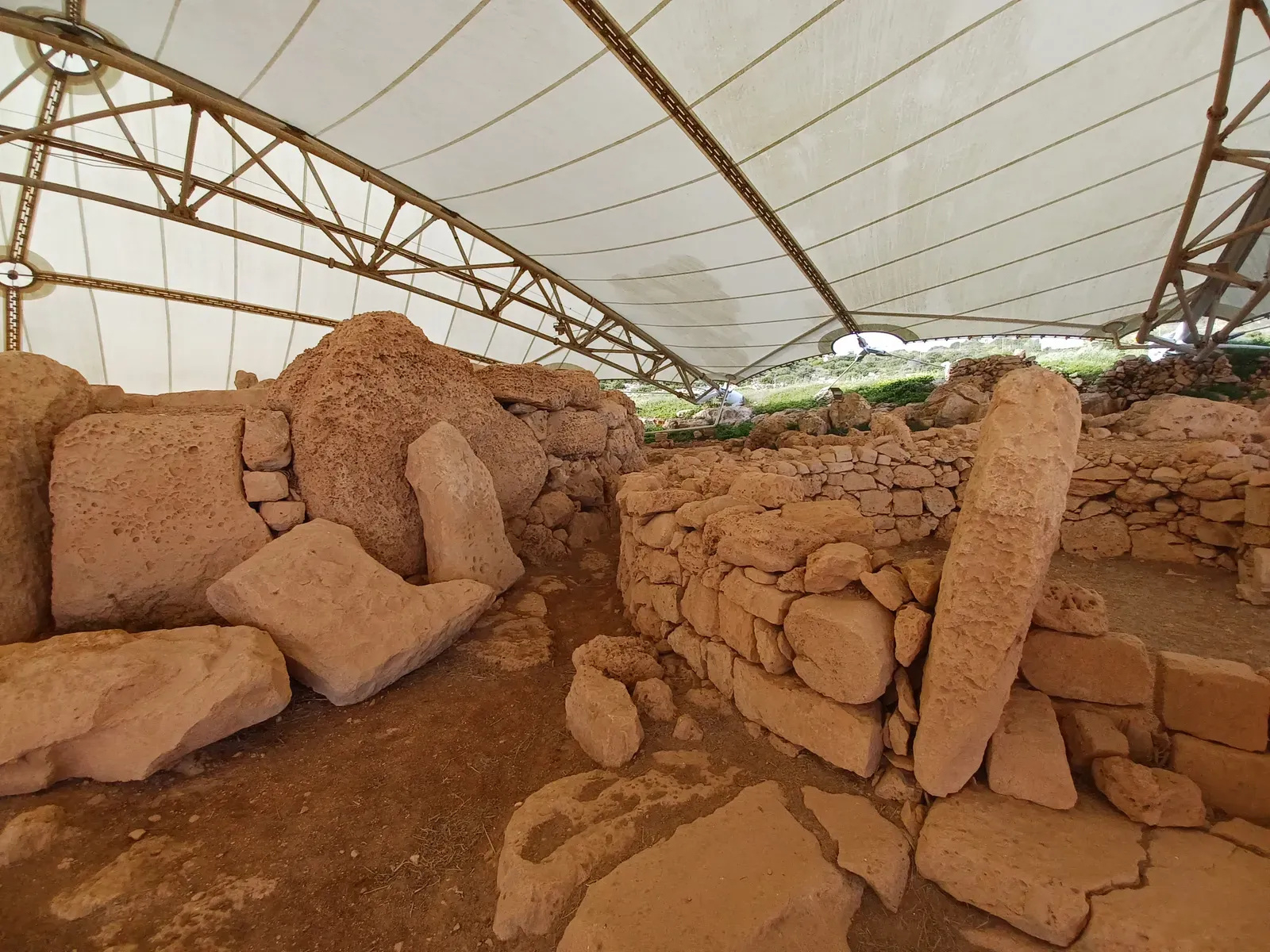
Here is a question worth sitting with for a moment. What if the way you understand the rise of civilization is completely backward? The discovery of Göbekli Tepe in southeastern Turkey has fundamentally altered our understanding of early human history, dating back to approximately 9600 to 8000 BCE, predating Stonehenge by over 6,000 years and the advent of agriculture by several millennia. Let that sink in. A massive stone complex built before farming even existed.
The site contains a series of massive stone pillars arranged in circular formations, intricately carved with depictions of animals, abstract symbols, and humanoid figures, and these structures were clearly not domestic dwellings but rather monumental constructions with a ritual or religious purpose. The site consists of multiple enclosures, each centered around two large T-shaped limestone pillars, some reaching heights of 20 feet and weighing several tons. Hunter-gatherers built this. Without metal tools, without wheels, without any of the things we assume are prerequisites for complex construction.
Prior to the archaeological discoveries at Göbekli Tepe, academic circles believed that humans began to build temples after adopting a sedentary life and leaving their hunter-gatherer practices. Göbekli Tepe, which was built by hunter-gatherer communities before they even began to practice agriculture, completely changed this entire school of thought. Honestly, it is one of those facts that you read twice just to make sure you understood it correctly. The temple came first. Then farming followed.
The potentially world-changing discovery of Göbekli Tepe actually first occurred back in the 1960s, but nobody recognized its significance at the time. In fact, it was wrongly assessed as being a “medieval cemetery,” and was subsequently ignored for half a century due to its apparent lack of potential. It was only when the site was “rediscovered” in 1994 that its true significance and most impressive traits, like its age, size, and construction quality, would be fully appreciated. Missed by an entire generation of archaeologists. A medieval cemetery. Incredible.
The Antikythera Mechanism: An Ancient Computer from the Deep
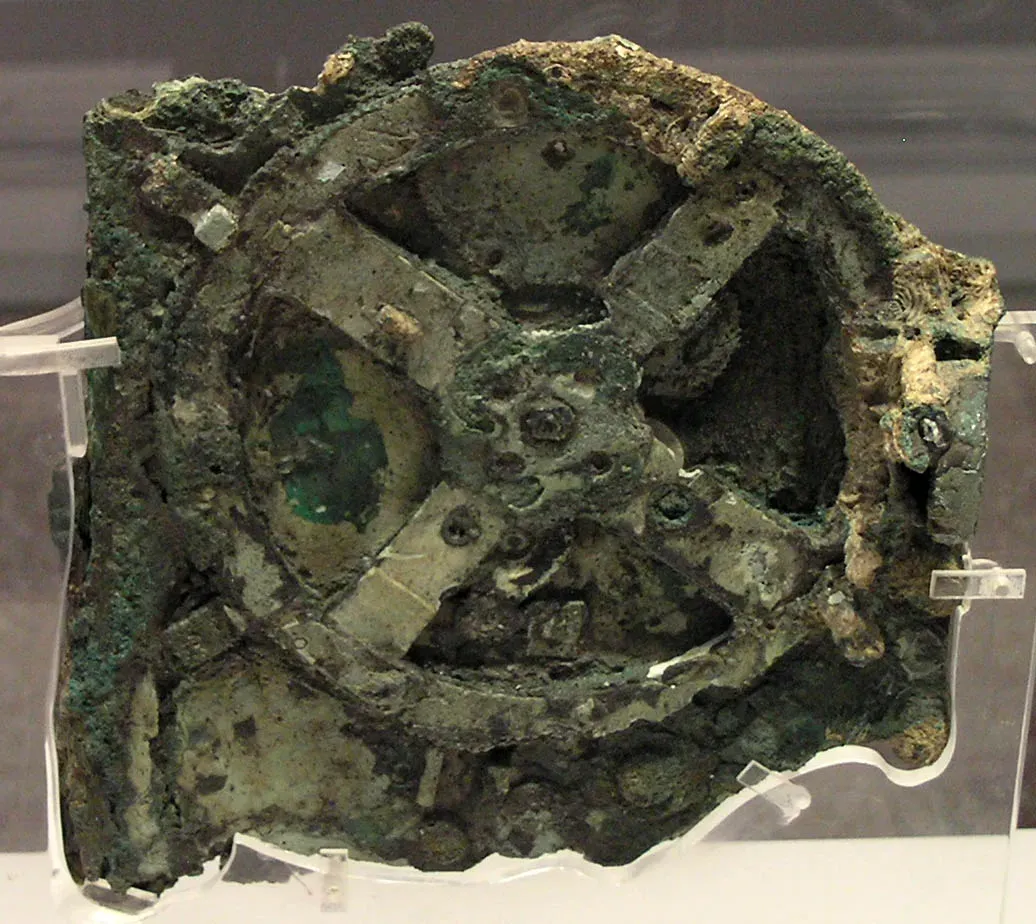
The Antikythera mechanism is an ancient Greek mechanical device used to calculate and display information about astronomical phenomena. The remains of this ancient device, now on display in the National Archaeological Museum in Athens, were recovered in 1901 from the wreck of a trading ship that sank in the first half of the 1st century BCE near the island of Antikythera in the Mediterranean Sea. Its manufacture is currently dated to 100 BCE, give or take 30 years. Two thousand years old, and it was doing things that the rest of the world would not figure out until the 1300s.
The Antikythera mechanism had the first known set of scientific dials or scales, and its importance was recognized when radiographic images showed that the remaining fragments contained 30 gear wheels. No other geared mechanism of such complexity is known from the ancient world or indeed until medieval cathedral clocks were built a millennium later. Think of it like finding a working smartphone inside a Viking longship. It is the oldest known example of an analogue computer, capable of predicting astronomical positions and eclipses decades in advance, and it could also track the four-year cycle of athletic games similar to an olympiad, the cycle of the ancient Olympic Games. A device that tracked the Olympics. Built two thousand years ago. Let that absurdity wash over you.
The 51,200-Year-Old Cave Painting in Indonesia
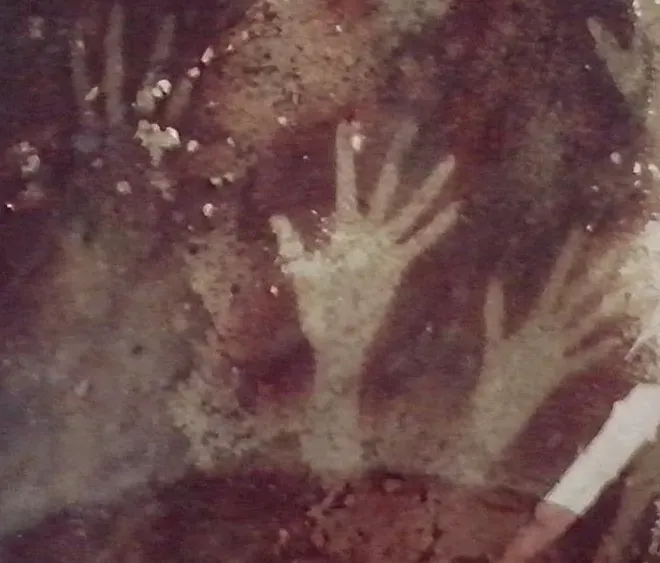
You would think the story of the world’s oldest art would be settled by now. It is not. Scientists announced in 2024 that a painted scene of people hunting pig-like animals found in a cave on the island of Sulawesi is at least 51,200 years old. This beats out the last contender for oldest cave art, a drawing of pigs also found in a cave in Indonesia, by around 5,000 years. Each time researchers think they have found the beginning, something older turns up just around the corner.
A 43,900-year-old cave painting was discovered on Sulawesi and is now believed to be the oldest story on record, with the mural seeming to depict a game drive, in which animals are flushed out of cover and toward armed hunters. The newer discovery pushes that storytelling impulse back even further. What you are looking at, carved into cave walls in Southeast Asia, is the earliest known evidence of narrative art. Not scribbles. Not accidents. A story, deliberately told, by minds far more sophisticated than anyone expected tens of thousands of years ago.
Derinkuyu: The Underground City Hidden Beneath a Chicken Coop
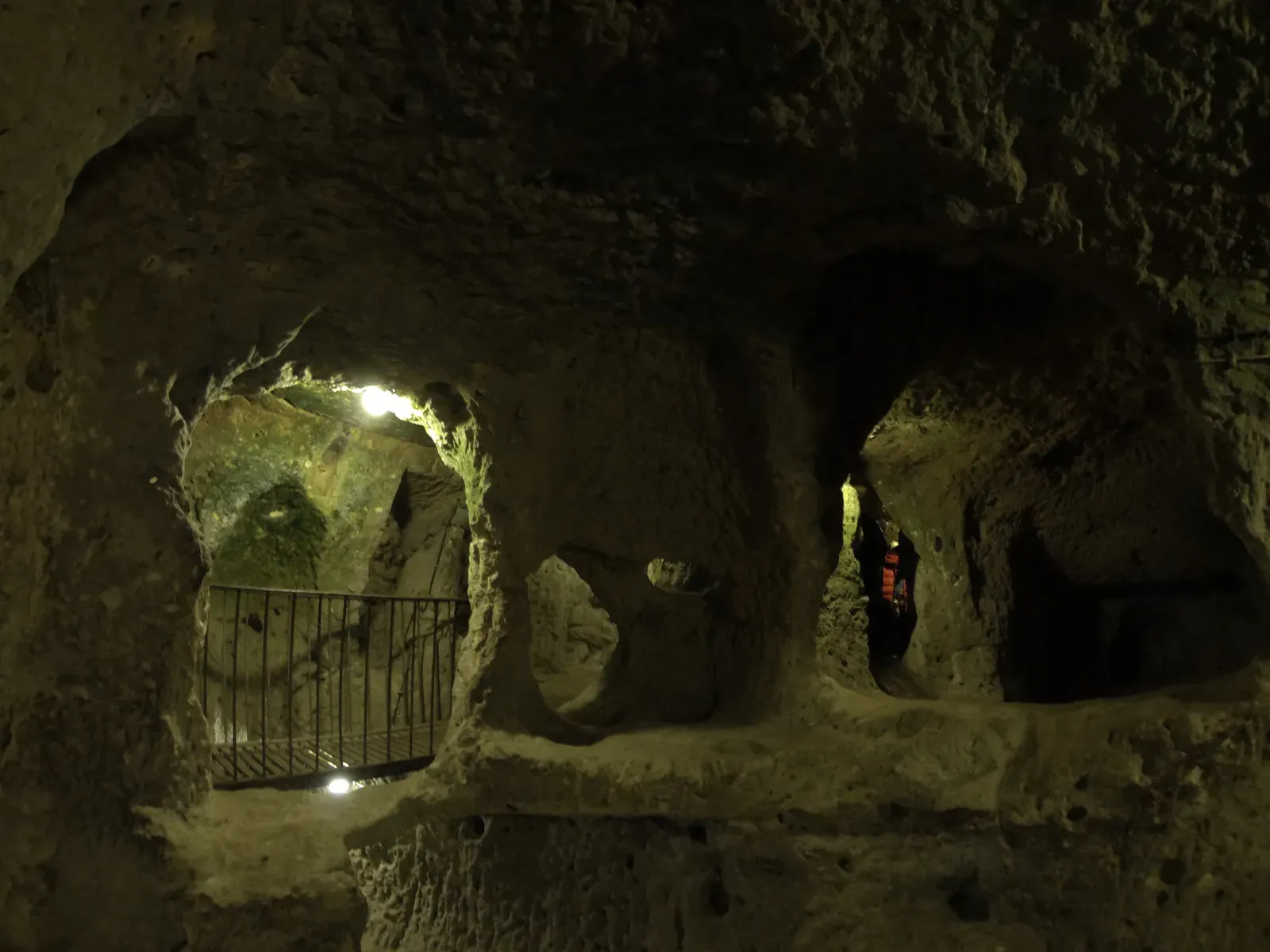
Sometimes history hides in the most mundane places imaginable. The world’s largest underground city, now called Derinkuyu, falls into the category of discoveries that happen purely by chance. In 1963, a man living in the Central Anatolia region of Turkey noticed his chickens escaping through a small opening in his basement wall. When he extended the space to investigate further, he uncovered the first of what would become over 600 entrances scattered across the area, leading to a vast subterranean maze. A man chasing chickens stumbled upon one of the most extraordinary human constructions ever found.
This ancient city, believed to be built by the Hittites around 1200 BCE, features 18 levels of tunnels spanning hundreds of miles, descending as deep as 280 feet, and possibly linking to other underground cities. Due to repeated conflicts involving various groups and an estimated peak population of 20,000, it is believed that Derinkuyu was mainly constructed as a refuge from invading forces. Twenty thousand people, living deep underground, entirely hidden from the surface world. There is something almost science-fictional about it, except it is very, very real.
The Homo sapiens Jawbone That Pushed Our Timeline Back 50,000 Years

I think most people assume the “Out of Africa” timeline for modern humans is a done deal. It is not quite that simple. A jawbone, itself up to 194,000 years old, was found alongside flint flakes that were as old as 250,000 years, meaning that Homo sapiens actually left Africa 50,000 years earlier than previously thought. Half a century of academic consensus, overturned by a jawbone and some stone flakes.
It is hard to say for sure exactly how many times this timeline will be rewritten, but every decade seems to push it back further. Over the last half-century, conventional attitudes about the arrival of humans across the globe have undergone repeated shifts, with estimates of the earliest human activity continually pushed back to more distant times. Discoveries stemming from controversial archaeological sites, if confirmed, could extend present timelines for human arrival in various regions by several tens of thousands of years. We are not just filling in gaps at this point. We are redrawing the entire map of human prehistory.
The Sunghir Burial: Children, Mammoth Ivory, and the Dawn of Inequality
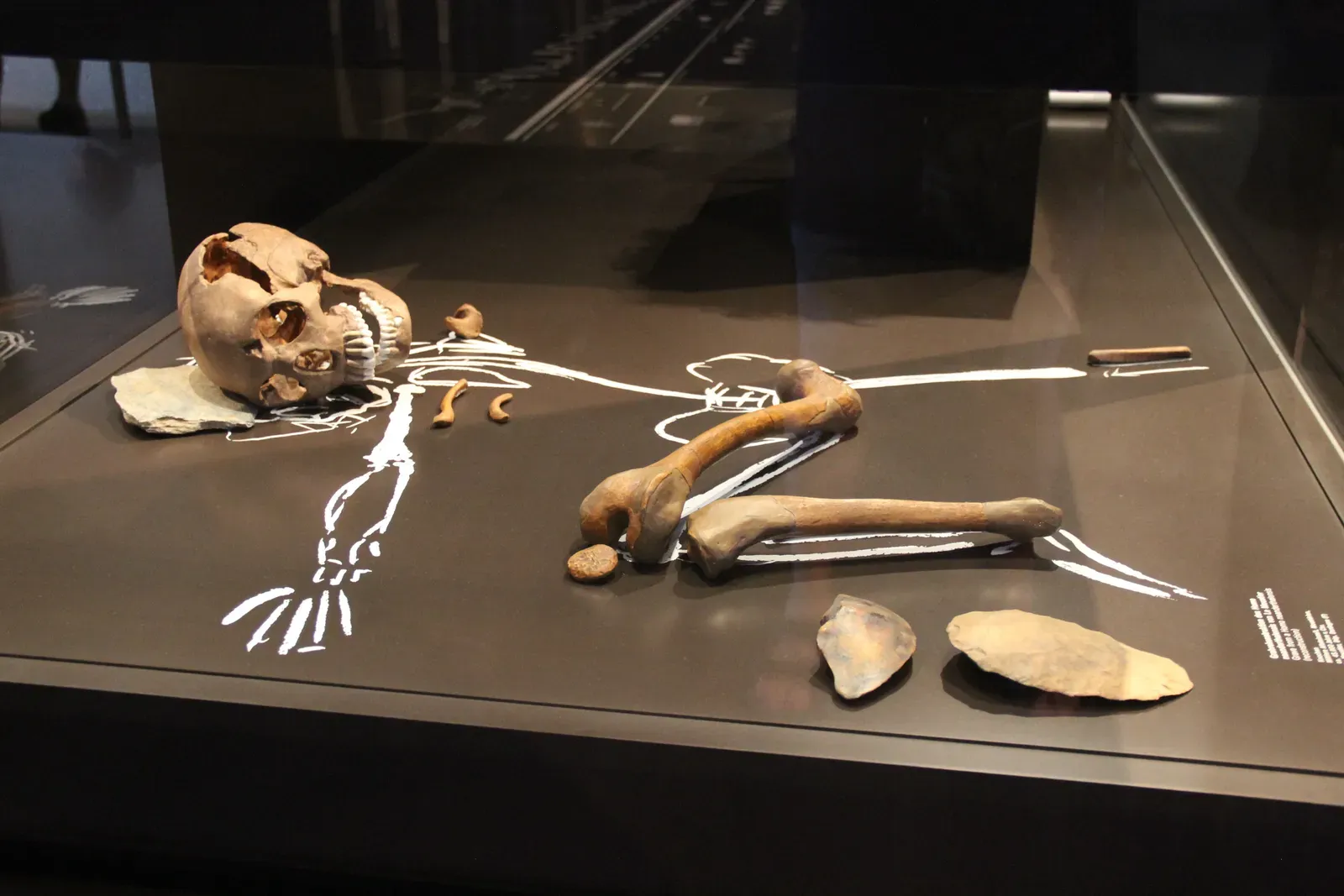
About 34,000 years ago, something remarkable happened east of what is now Moscow. About 34,000 years ago, hunter-gatherers buried several people, including two adolescent boys, at a site called Sunghir. When the graves were excavated, researchers found that the boys, who died at roughly ages 10 and 12, and who both showed signs of disability, were buried together with their heads adjacent. That alone is poignant. Two children, placed together in death. But what came next is the truly mind-bending part.
Included in the boys’ graves were 10,000 mammoth ivory beads, more than 20 armbands, around 300 pierced fox teeth, 16 ivory mammoth spears, carvings, antlers, and human fibulae laid across the chest of each child. Ten thousand individually carved ivory beads. Researchers estimate it would have taken thousands of hours of skilled labor to produce them. These were not average children. They were treated with extraordinary ceremony and wealth, suggesting that social hierarchy and deep symbolic thought existed in our ancestors far earlier than many assumed. It rewrites the notion of when and why status first began to matter to humans.
The Karahantepe Amphitheater: Hunter-Gatherers Built a Concert Hall
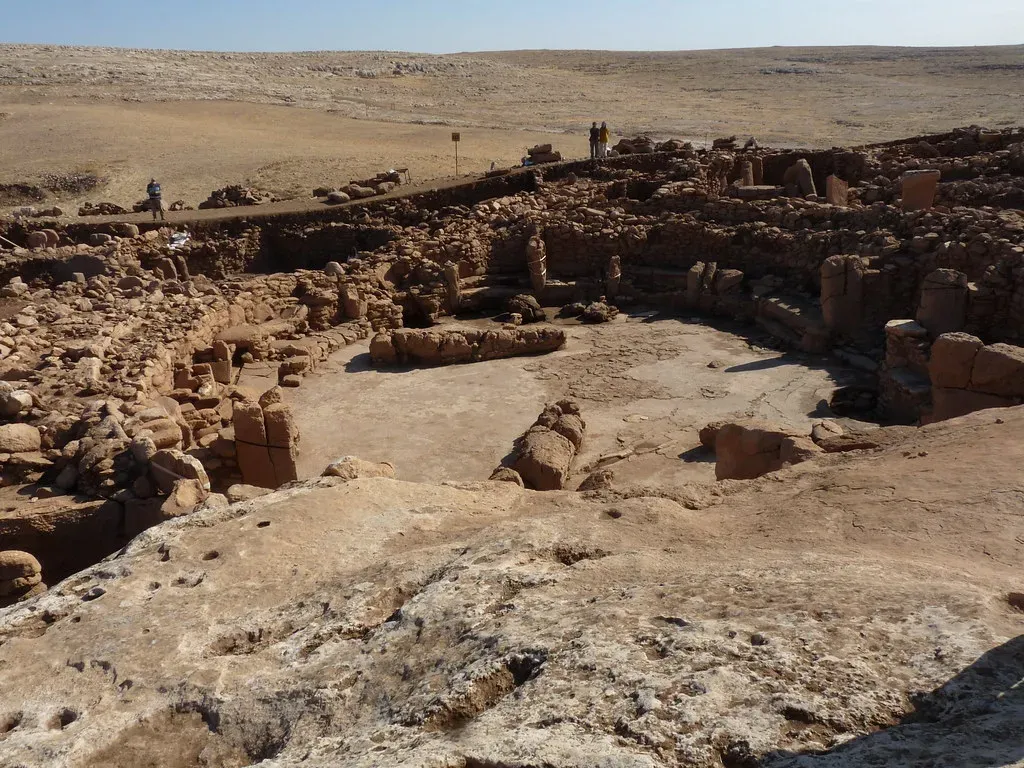
Göbekli Tepe already shattered expectations, but its nearby sister site keeps the surprises coming. At the Neolithic site of Karahantepe in southeastern Turkey, archaeologists uncovered a massive circular structure resembling a modern amphitheater. Dating back roughly 11,000 years, the building features tiered stone seating and carved human and animal figures, demonstrating that monumental communal architecture existed long before agriculture became widespread. The structure suggests that hunter-gatherer societies were capable of organizing large-scale construction projects and maintaining complex social and ritual systems.
The amphitheater’s size indicates it could have accommodated hundreds of participants. This discovery challenges the long-standing belief that large permanent structures only emerged after farming societies developed. Let that register. A gathering space for hundreds of people, built by nomadic hunter-gatherers who, according to old textbooks, were supposed to have been wandering around in small bands with no time for grand architecture. Archaeologists have discovered similar T-shaped pillars and architectural elements at other sites in southeastern Turkey, suggesting a broader cultural and religious network during the Neolithic period. This was not one freak occurrence. It was a civilization of sorts, hiding in plain sight.
The Submerged Stone Wall Off the Coast of France
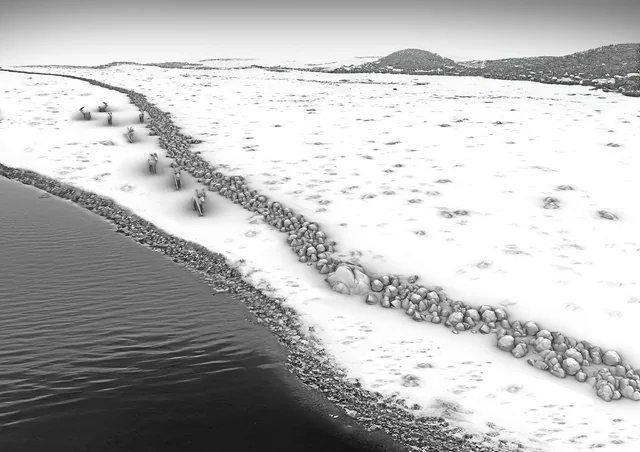
Archaeology is not just about what lies buried underground. Sometimes it lurks beneath the ocean. Marine archaeologists off the coast of Île de Sein in Brittany discovered a massive stone wall submerged beneath the Atlantic Ocean. Estimated to be approximately 7,000 years old, the structure dates to the late Stone Age and was likely built by a coastal society before rising sea levels flooded the region. The wall represents an impressive feat of prehistoric engineering, with stones carefully arranged to form a durable barrier. Researchers believe it may have functioned as a defensive structure or a large tidal trap used for fishing.
The discovery offers a rare glimpse into a submerged landscape that once supported thriving human communities. High-resolution sonar and underwater drones enabled detailed mapping of the site without requiring constant deep-sea dives. The presence of the wall suggests that Neolithic societies could organize large labor forces for ambitious construction projects. It also highlights how shifting climates and rising seas have dramatically reshaped human geography over millennia. Think about it this way. There may be entire chapters of human civilization lying on ocean floors around the world, flooded by thousands of years of rising sea levels. What we know about the ancient world could be a fraction of what actually happened.
Conclusion
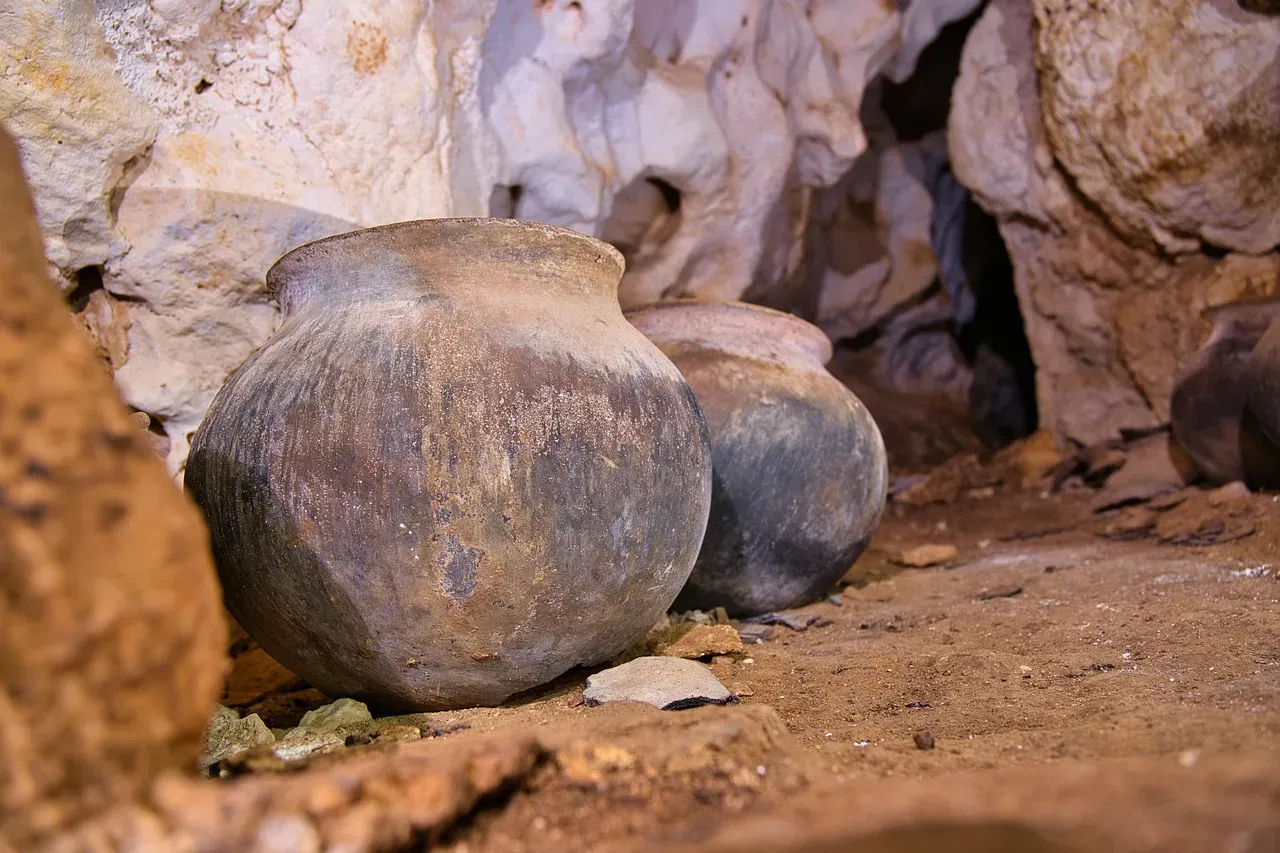
Every one of these discoveries shares something in common. Each one arrived with the quiet, devastating confidence of a fact that refuses to be argued with. A stone wall under the sea. A computer in a shipwreck. A temple built before farming. An underground city found by following chickens.
The real lesson here is not just that ancient people were smarter or more organized than we assumed. It is that human history is a far stranger, longer, and richer story than any single generation of scholars has ever been able to fully capture. These discoveries hint at how much human history still lies hidden, in deep waters, dense jungles, and desert sands, waiting to be found.
The earth beneath your feet is not empty. It is patient. So here is the thought to carry with you: if eight discoveries are enough to rewrite what we know, how many more are out there, waiting to rewrite it again? What do you think would be the most world-changing find still undiscovered? Drop your thoughts in the comments below.