
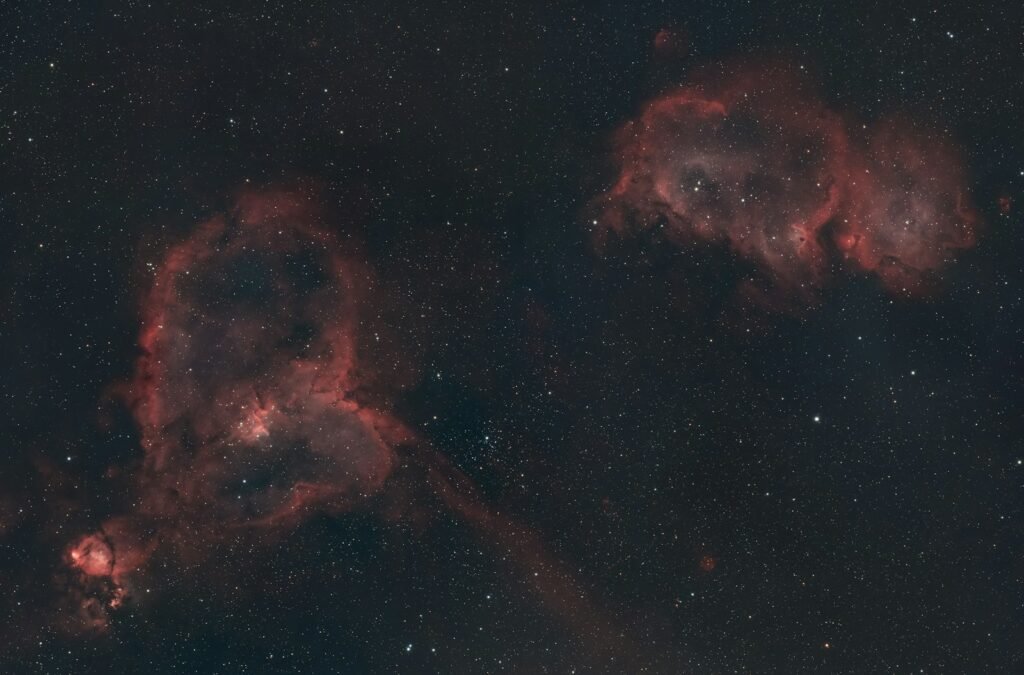

The universe is supposed to run on rules, yet the deeper astronomers look, the stranger those rules seem to become. With every new space telescope or detector we launch, the cosmos offers up another puzzle that bends our expectations, and sometimes our patience. For all our breakthroughs in physics, from black holes to exoplanets, there are still gaping holes in our understanding that feel less like missing pieces and more like whole missing chapters. These aren’t fringe curiosities, either – they cut right through the foundations of how we think reality works. Here are eight of the most astonishing space mysteries that, even in 2025, refuse to fit neatly into the textbooks.
The Dark Matter Mystery: Invisible Mass That Shapes the Cosmos
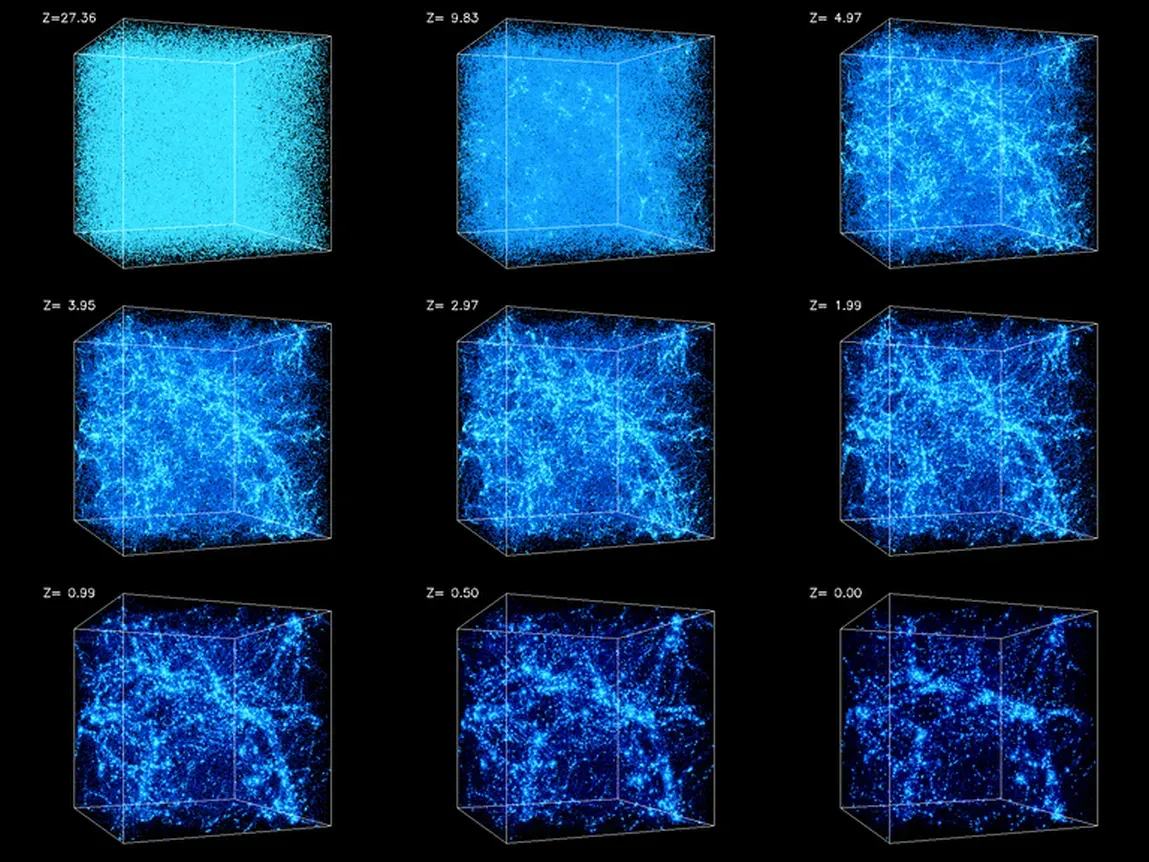
Imagine looking at a spinning carousel and realizing the horses should be flying off into the air – but they’re not, and you can’t see what’s holding them in place. That’s roughly what happened when astronomers studied how galaxies rotate and move in clusters: there simply wasn’t enough visible matter to explain the observed gravity. The solution was to propose a vast, unseen substance dubbed dark matter, which now seems to make up most of the mass in the universe. Decades later, incredibly sensitive underground detectors, particle colliders, and space telescopes have all tried to spot it directly, with no clear success. We see its gravitational fingerprints everywhere, yet the thing doing the pressing leaves no trace we can grab onto.
Different theories compete to explain what dark matter might be, from hypothetical weakly interacting massive particles to ultralight “fuzzy” fields spread across galaxies. Some physicists even argue that maybe gravity itself works differently on cosmic scales, and what we call dark matter is actually a sign our equations are incomplete. The stakes are enormous, because if dark matter is real and we manage to detect it in the lab, it would open an entirely new sector of physics beyond the familiar zoo of known particles. And if it’s not, we might be forced to rewrite one of the most successful theories in science, the current model of gravity, from the ground up. Either way, the universe is telling us something big – and it’s still not speaking in a language we fully understand.
Dark Energy and the Speeding-Up Universe
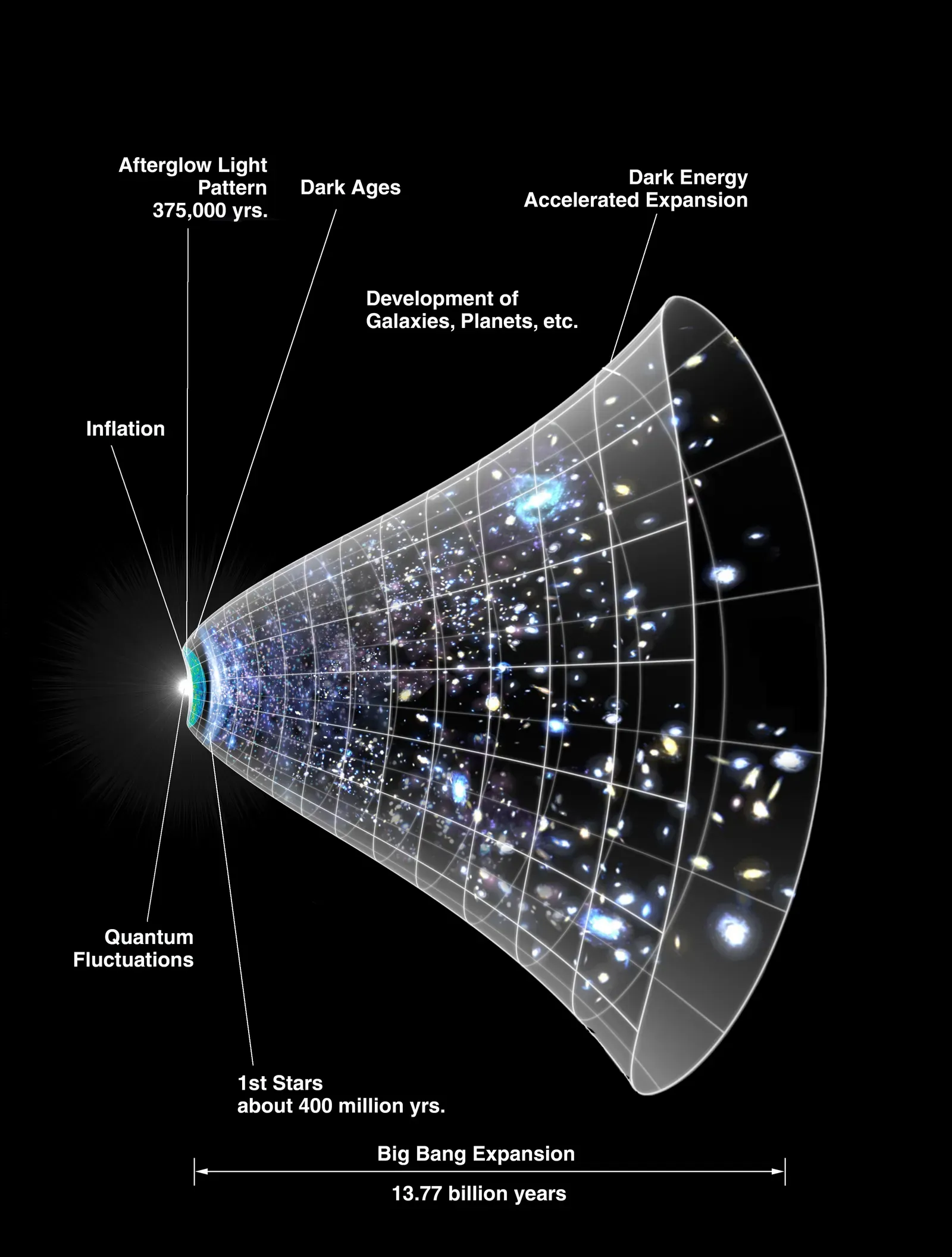
It was already mind-bending enough to learn that the universe began in a hot, dense state and has been expanding ever since. But in the late twentieth century, observations of distant exploding stars revealed something even more unsettling: that expansion is speeding up over time, as if some invisible hand is pushing galaxies apart. To account for this, cosmologists introduced dark energy, a mysterious effect that seems to make up the majority of the cosmos and acts like an anti-gravity on large scales. Unlike dark matter, which clumps and clusters, dark energy appears to be smeared smoothly through space itself, woven into the fabric of the vacuum. We can measure its influence on how galaxies cluster and how cosmic structures grow, but the underlying cause remains elusive.
Some models treat dark energy as a constant property of space, while others imagine a dynamic field that may change over billions of years, possibly even reversing or altering the fate of the universe. The uncomfortable part is that attempts to calculate the energy of empty space from quantum theory overshoot the observed dark energy by a ridiculous margin – so large that it’s almost like the universe is laughing at us. New sky surveys and observatories are now mapping millions of galaxies and gravitational lenses to pin down whether dark energy has always been the same or is subtly evolving. The answer will shape not just how we think the cosmos began, but how it will end: endless expansion, slow freeze, or something more dramatic that we haven’t even named yet.
Fast Radio Bursts: Millisecond Signals from the Deep Unknown
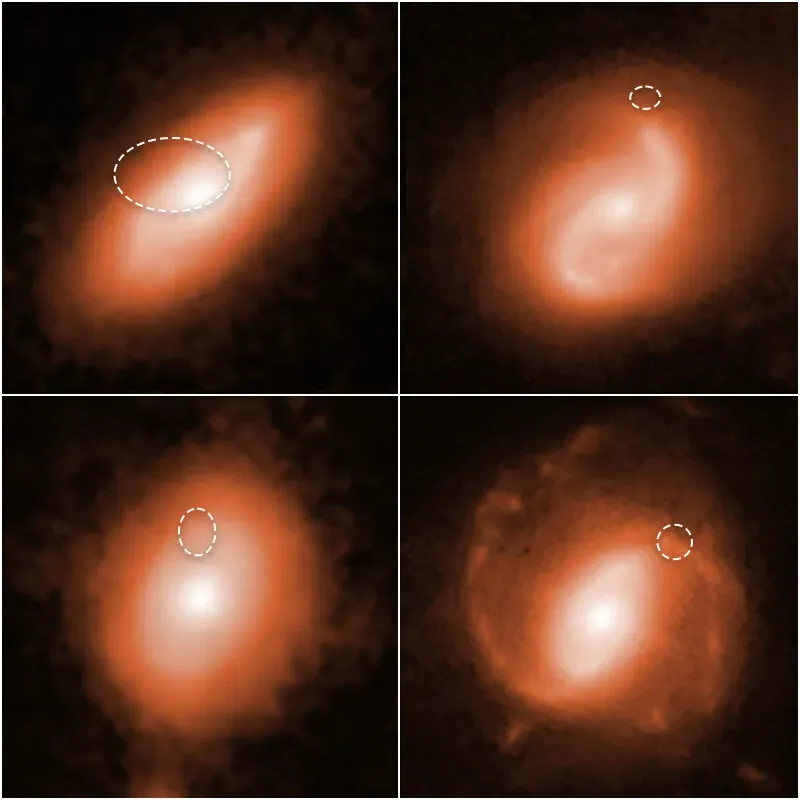
Every so often, a radio telescope’s data stream spikes with a brief, intense flash from somewhere far beyond our galaxy, gone again in less than the blink of an eye. These fast radio bursts, or FRBs, pack as much energy in a few thousandths of a second as the sun emits in days or even weeks. At first, they were so surprising that some astronomers worried they might be glitches, or interference from Earth. But now detectors have cataloged hundreds of them, some repeating, some apparently one-off, scattered all over the sky. We know they come from cosmological distances because the radio waves are smeared and delayed by intergalactic plasma on their way to us, like flashes of light shining through fog.
Leading ideas link FRBs to extreme objects such as magnetars – neutron stars with ferociously strong magnetic fields – or exotic interactions in the wreckage of stellar explosions. Yet the diversity of FRB behavior makes it unlikely that a single explanation fits them all, and in many cases, the host galaxies and environments look surprisingly ordinary. New telescopes capable of pinpointing the exact galaxies and regions where bursts originate are helping to build a partial picture, but “partial” is doing a lot of work here. On top of that, astronomers are beginning to use FRBs as probes of the matter floating between galaxies, turning an unsolved mystery into an unexpected cosmic measuring stick. It’s like receiving random cosmic Morse code and deciding to use the static to map the universe, even as we still have no idea who – or what – is tapping the key.
Oddball Exoplanets That Break All the Rules
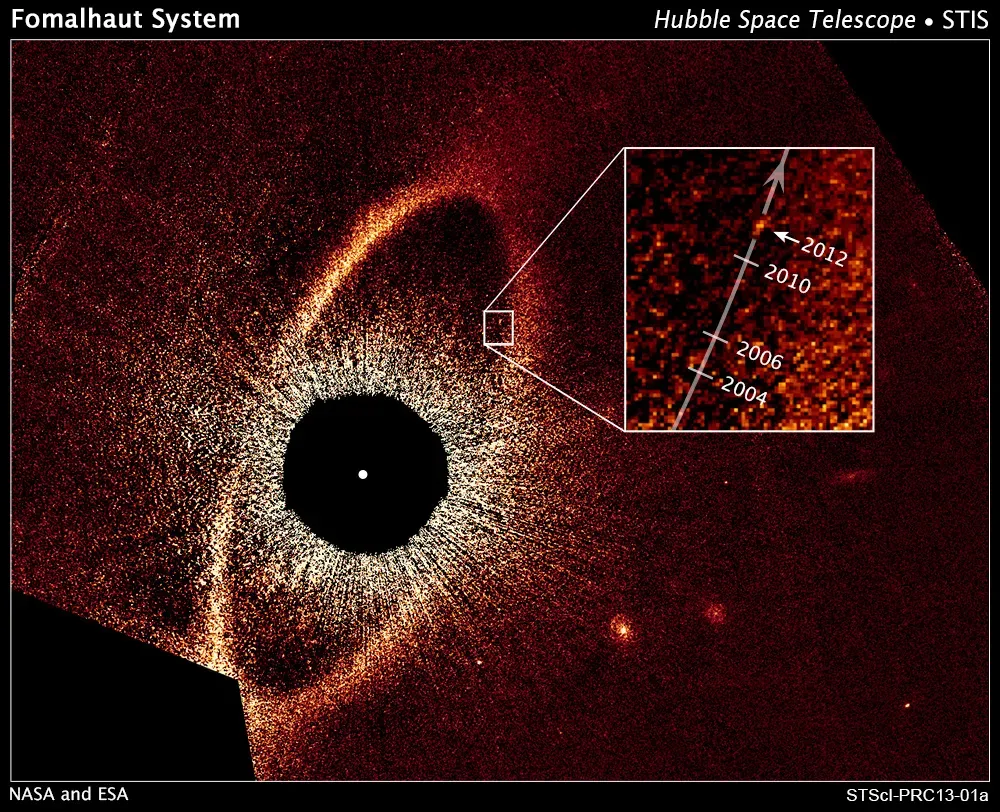
When astronomers first started finding planets around other stars, many expected miniature versions of our own solar system: small rocky worlds near the star, big gas giants farther out, more or less neat and orderly. Instead, they found “hot Jupiters,” gas giants skimming so close to their stars they complete an orbit in just a few Earth days, and “super-Earths,” planets larger than our world but smaller than Neptune, a type we oddly do not have at home. Then came ultra-short-period planets that whip around their stars in mere hours, and “puffy” worlds with densities lower than cotton candy. These systems tell us that planet formation is far messier and more chaotic than classical models ever suggested.
Some planets follow orbits tilted steeply relative to their star’s rotation, hinting at violent past encounters or migration through gravitational pinball with other planets. Others sit at the edge of what physics should allow: lava worlds where the surface may literally be oceans of molten rock, or possible remnants of stripped gas giants left with exposed cores. We have broad ideas for how such systems could arise, involving migration through gas disks, close stellar companions, and tidal interactions, but no single story fits every strange exoplanet discovered. The more skies we survey, the more outliers we find, forcing theorists to continuously tweak and sometimes overturn their models. The comfortable notion that our own solar system is a typical blueprint now looks more like wishful thinking than a safe assumption.
The Great Attractor and Cosmic Flows
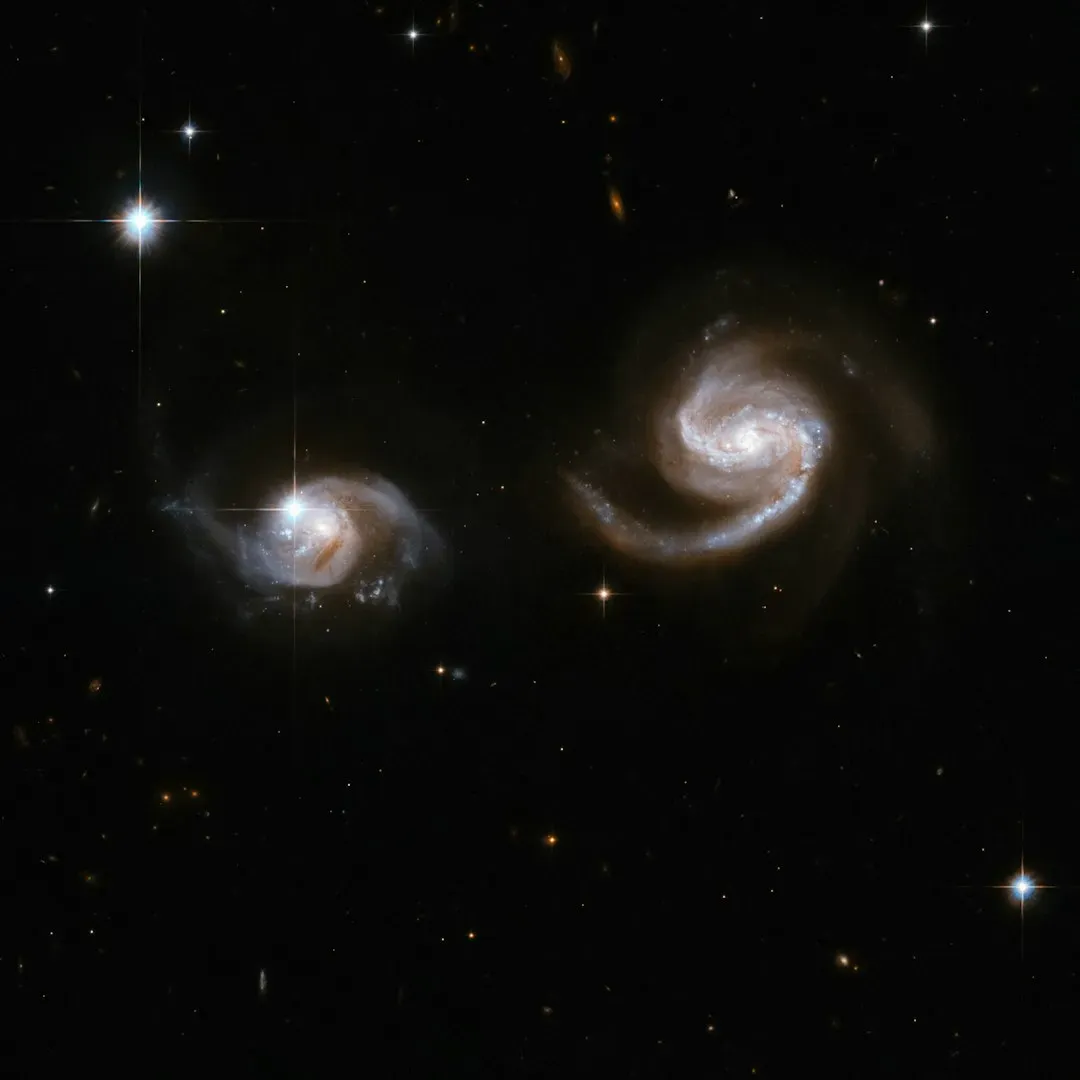
On very large scales, galaxies are not just drifting away from each other with the Hubble expansion; many are also streaming toward dense regions under the pull of gravity. Our own Milky Way, along with neighboring galaxies, is hurtling through space at hundreds of kilometers per second toward a region in the sky dubbed the Great Attractor. The problem is that this gravitational focal point lies partly behind the plane of our own galaxy, where thick dust clouds obscure our view in visible light. For decades, astronomers struggled to map the mass responsible for this motion, using radio and X-ray observations to peer through the clutter. What they found suggested that the Great Attractor is not a single object but part of a larger, tangled web of clusters and superclusters.
It turns out that our galaxy’s motion is likely influenced not just by the Great Attractor but also by an even larger structure sometimes called the Shapley concentration, as well as the overall push and pull of the cosmic web. Yet we still lack a precise inventory of all the matter – both normal and dark – that shapes these enormous flows. To complicate it further, the local universe can be mapped into giant “basins” of gravitational attraction and repulsion, like hills and valleys in a landscape we can only survey indirectly. Every improved map reveals new clumps and voids that were previously blended together. The unsettling takeaway is that our galaxy is surfing a complex gravitational tide, drawn along by hidden masses that we’re only just beginning to chart in detail.
Black Hole Jets and the Physics at the Edge of Reality
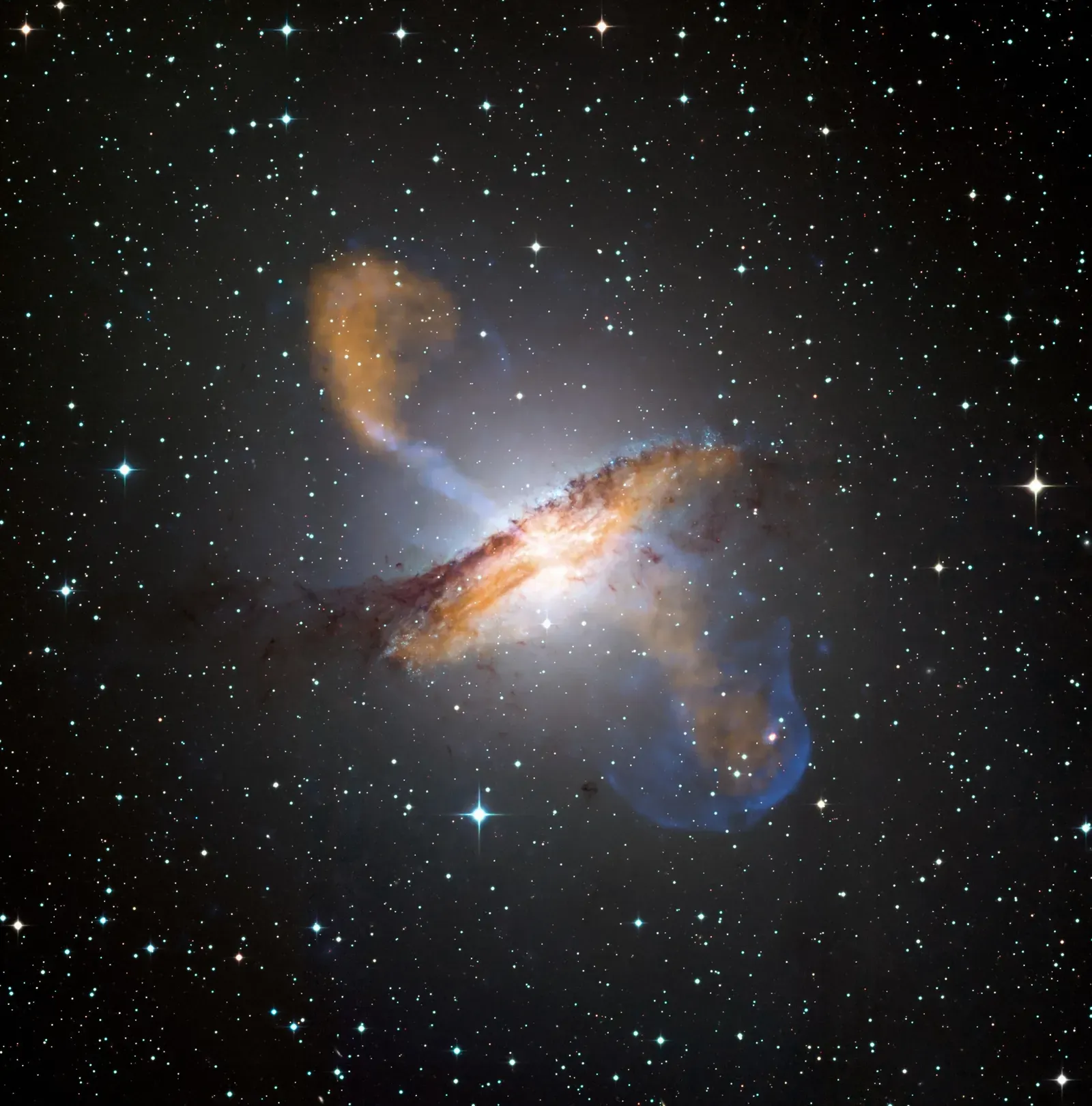
Black holes are supposed to be cosmic sinks, regions from which nothing, not even light, can escape once it crosses the event horizon. Yet some of the brightest objects in the universe are powered by matter swirling into supermassive black holes and then blasting out in thin, relativistic jets that can stretch for hundreds of thousands of light-years. These jets beam radiation across the spectrum, from radio waves to high-energy gamma rays, and they can shape the fate of entire galaxies by heating and stirring surrounding gas. The catch is that we still don’t fully understand how these jets are launched, collimated, and sustained with such efficiency. Magnetic fields twisted by the spinning spacetime near the black hole seem to play a key role, but the details remain stubbornly murky.
Recent observations, including sharp images of the shadows of nearby supermassive black holes and their surrounding structures, have begun to test long-standing theories. However, turning the extreme, curved-spacetime math of general relativity and magnetized plasma into usable predictions is brutally hard; it pushes both our computers and our imaginations. In simulations, subtle changes in the assumed magnetic field or flow of gas can flip a jet from active to quiet, or alter its direction, in ways that are not yet well-matched to what telescopes see. The puzzle is especially pressing because these jets may control how fast galaxies grow and how quickly stars form over billions of years. Figuring out how energy gets extracted from the most extreme objects in the cosmos is more than an academic exercise – it is central to understanding how everything else got built.
The Hubble Tension and a Universe That Won’t Agree With Itself
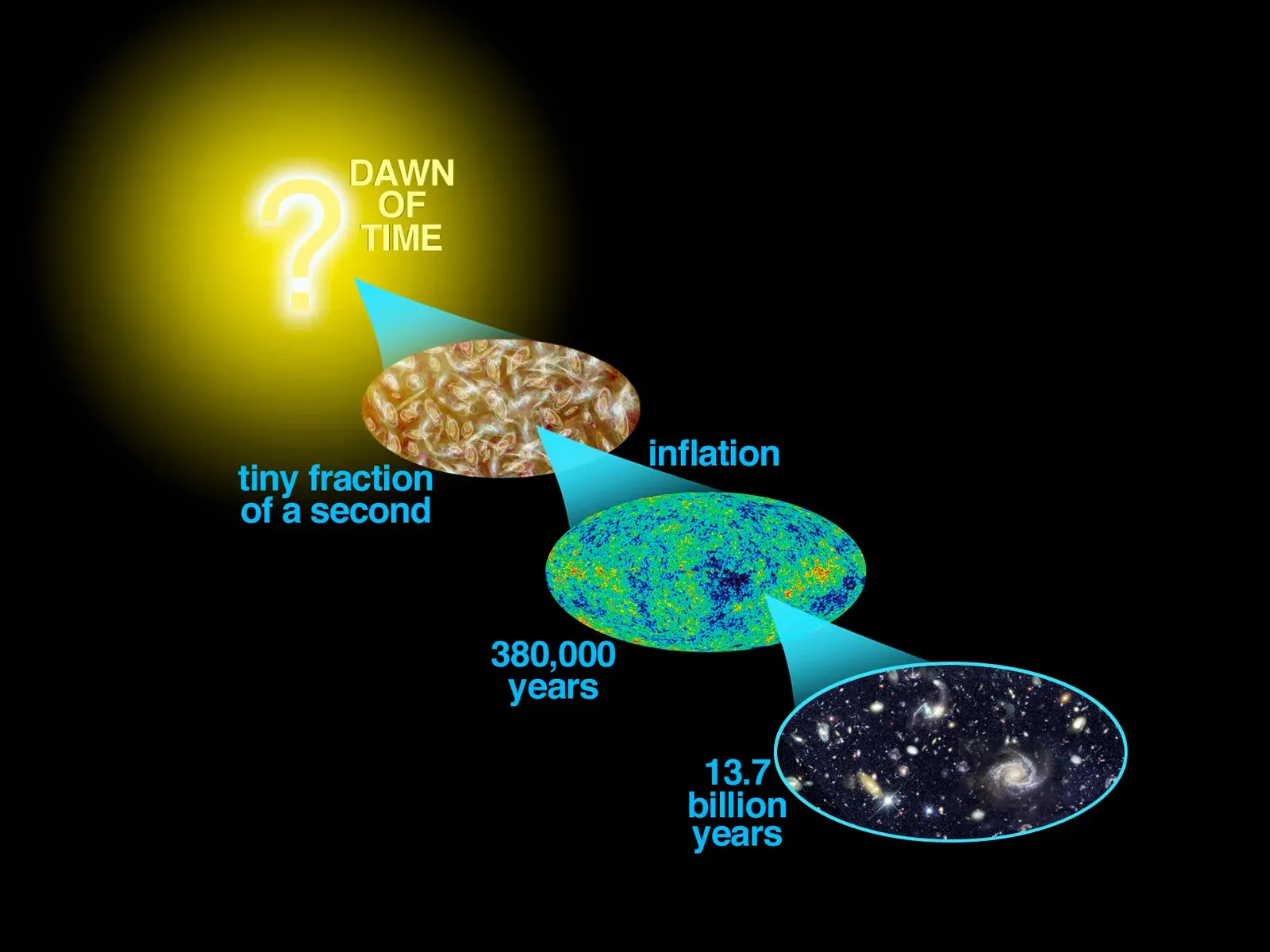
One deceptively simple question has become one of the biggest headaches in cosmology: how fast is the universe expanding right now? When astronomers measure this using nearby stars and supernovae, they consistently get a higher value than when they infer it from the afterglow of the Big Bang and early-universe physics. The disagreement is not a tiny rounding error; it is large enough that, by the usual rules of statistics, chance alone is an increasingly unlikely explanation. This mismatch, known as the Hubble tension, pits beautifully consistent early-universe models against equally careful late-universe observations. If both sides are correct, something is missing from our story of how the cosmos evolved.
Proposed fixes range from subtle changes in how dark energy behaves, to new kinds of particles that briefly influenced the young universe, to more radical departures from standard cosmology. Others argue that we might still be underestimating systematic uncertainties in one or both measurement methods, despite years of painstaking work to nail them down. New observatories are now measuring cosmic distances and relic radiation with fresh techniques, hoping to break the deadlock. If the tension holds as data improve, it may be pointing to the first major crack in our current cosmological model. It is a bit like realizing two different clocks in your house disagree by several minutes and discovering, after replacing the batteries and checking the wiring, that time itself might not be behaving quite how you thought.
Why These Cosmic Mysteries Matter
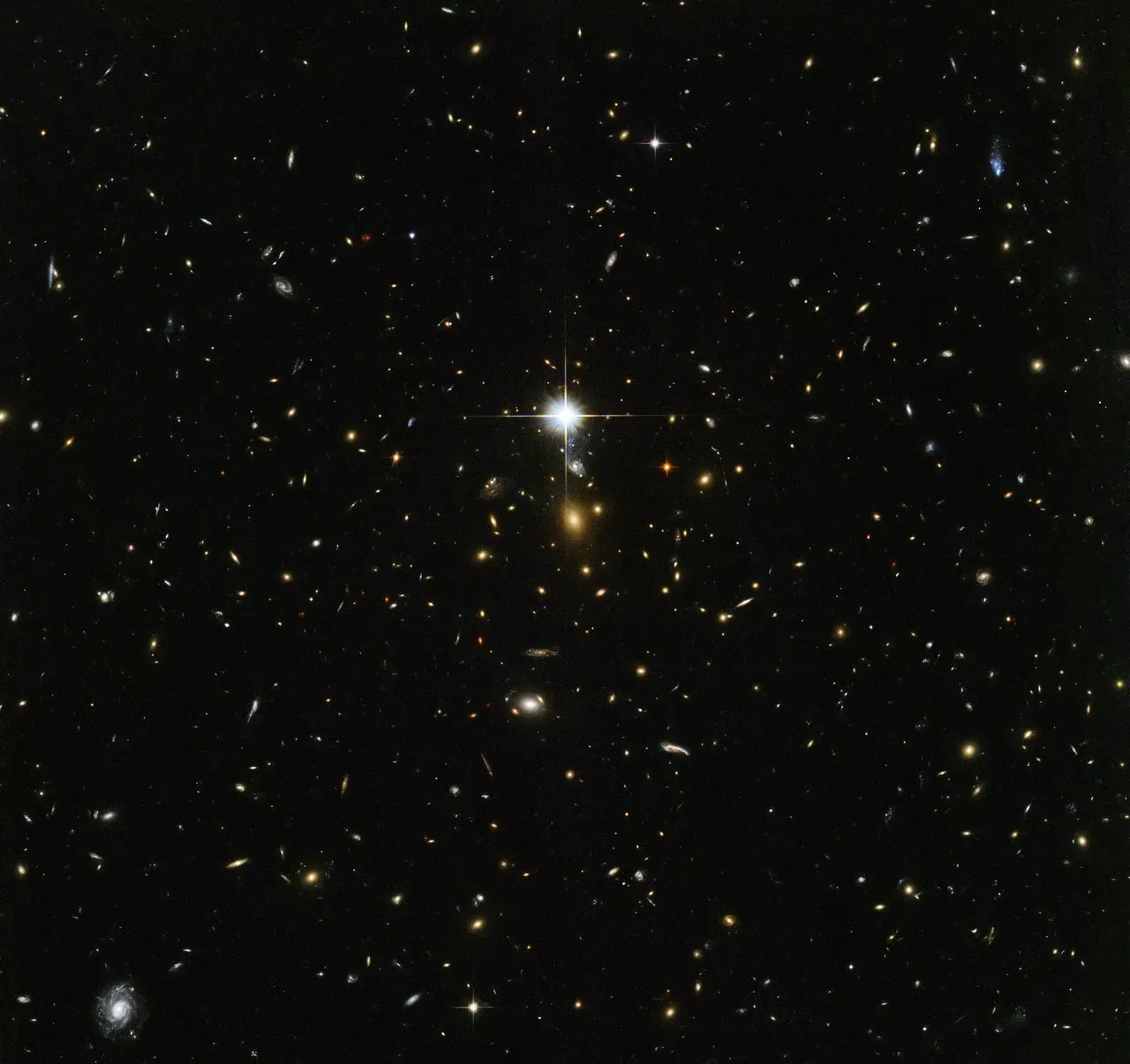
It can be tempting to treat these puzzles as distant trivia – nice-to-know curiosities floating in some unreachable corner of the universe. But each of these phenomena sits right at the fault lines of our best theories, pushing on the place where what we think we know meets what we clearly do not. Dark matter and dark energy, together, dominate the mass-energy budget of the cosmos, so misunderstanding them means misunderstanding almost everything. Fast radio bursts, black hole jets, and oddball exoplanets expose blind spots in our physics of extreme matter, magnetism, and planetary formation. Even the Hubble tension is less about a number and more about whether our story of the universe’s entire history hangs together.
There is also a more practical side, though it may not be obvious at first glance. Technologies born from earlier “abstract” physics – like quantum theory and relativity – eventually gave rise to GPS, MRI scanners, semiconductors, and more. Today’s investment in unraveling cosmic mysteries trains new generations of problem-solvers, pushes the limits of detectors and data analysis, and often spins off tools that find uses here on Earth. On a personal level, grappling with a universe filled with unanswered questions can be oddly grounding; it reminds us we are part of a much larger story still being written. In an era where so much feels uncertain, there is something honest and even hopeful about admitting that the cosmos is stranger than we imagined and pressing on anyway.
Peering Ahead: New Telescopes, New Data, New Surprises
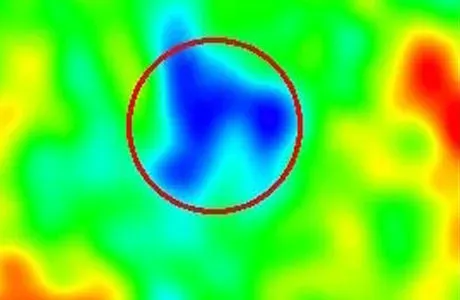
The next decade of space science is set up like a suspense novel with multiple plotlines converging at once. New observatories across the spectrum – radio arrays, optical surveys, X-ray and gamma-ray missions – are coming online or ramping up, each designed to tackle slices of these mysteries. Giant ground-based telescopes with mirrors many meters across will scrutinize exoplanet atmospheres and the environments around black holes with unprecedented detail. Radio arrays spread over continents will localize fast radio bursts down to individual regions within distant galaxies, turning vague flashes into specific astrophysical scenes. Meanwhile, deep sky surveys will map out the distribution of galaxies and dark matter, tightening the constraints on dark energy and cosmic flows.
Alongside the hardware, advances in computing and machine learning are transforming how astronomers sift through the flood of data. Algorithms trained on simulations and past observations are starting to flag anomalies humans might miss, from unusual transients to odd planetary systems. That raises its own challenge: distinguishing genuine new physics from glitches, bias, or artifacts in increasingly complex datasets. International collaborations will be crucial, not just for sharing telescope time and expertise, but for cross-checking results that claim to upend existing models. If history is any guide, some of the most important discoveries will not be the ones we are planning for – but the surprises that wander into view when we point our instruments at the sky and simply watch.
How You Can Stay Curious and Connected to the Cosmos
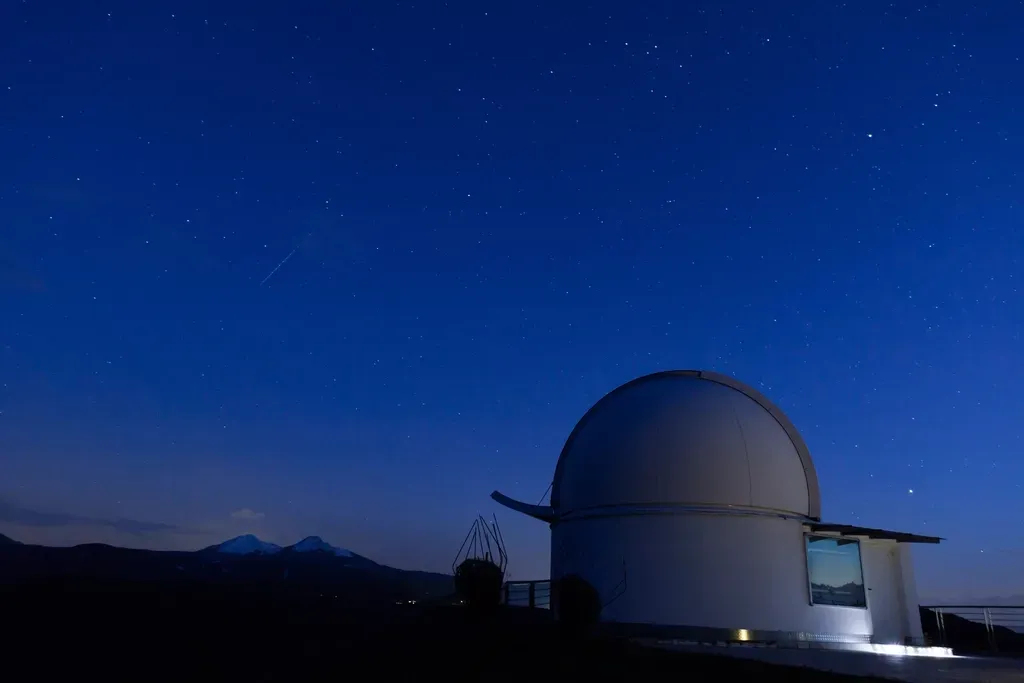
You do not need a PhD or a backyard observatory to be part of this unfolding story. One of the simplest steps is to follow missions and observatories that share their images and results openly; many provide public dashboards, newsletters, and explainers designed for non-specialists. Citizen science platforms invite volunteers to help classify galaxies, spot unusual light curves, or search for new exoplanet candidates in real data. Local astronomy clubs and public observatories often host viewing nights and talks where you can look through a telescope yourself and hear directly from researchers and experienced amateurs. Even just learning the constellations and watching the night sky from your own backyard can shift these mysteries from abstract headlines to something you feel personally connected to.
If you are moved by the idea of pushing back the boundaries of the unknown, you can also support organizations that fund basic research, science education, and dark-sky conservation. Reducing light pollution, for example, not only restores the stars to human eyes but also improves conditions for ground-based observatories and wildlife. Sharing accurate, evidence-based stories about space – on social media, in classrooms, or over dinner with friends – helps build a culture that values exploration for its own sake. The next generation of astronomers and physicists is watching how we talk about science now, and that will shape whether they feel invited into the quest. The universe is not getting any smaller or simpler, but our collective curiosity can absolutely grow to meet it.
Suhail Ahmed is a passionate digital professional and nature enthusiast with over 8 years of experience in content strategy, SEO, web development, and digital operations. Alongside his freelance journey, Suhail actively contributes to nature and wildlife platforms like Discover Wildlife, where he channels his curiosity for the planet into engaging, educational storytelling.
With a strong background in managing digital ecosystems — from ecommerce stores and WordPress websites to social media and automation — Suhail merges technical precision with creative insight. His content reflects a rare balance: SEO-friendly yet deeply human, data-informed yet emotionally resonant.
Driven by a love for discovery and storytelling, Suhail believes in using digital platforms to amplify causes that matter — especially those protecting Earth’s biodiversity and inspiring sustainable living. Whether he’s managing online projects or crafting wildlife content, his goal remains the same: to inform, inspire, and leave a positive digital footprint.


