
The night sky has always been more than a backdrop of distant lights. For many ancient civilizations, were living forces: gods, guides, calendars, and sometimes warnings. Long before telescopes and space probes, people read meaning into the sky with a precision that still surprises modern scientists. Today, archaeologists, astronomers, and anthropologists are teaming up to decode these cosmic traditions and uncover how deeply celestial worship shaped daily life. In the process, they are rewriting what we thought we knew about both science and spirituality in the ancient world.
The Hidden Clues: Reading the Sky in Ancient Mesopotamia
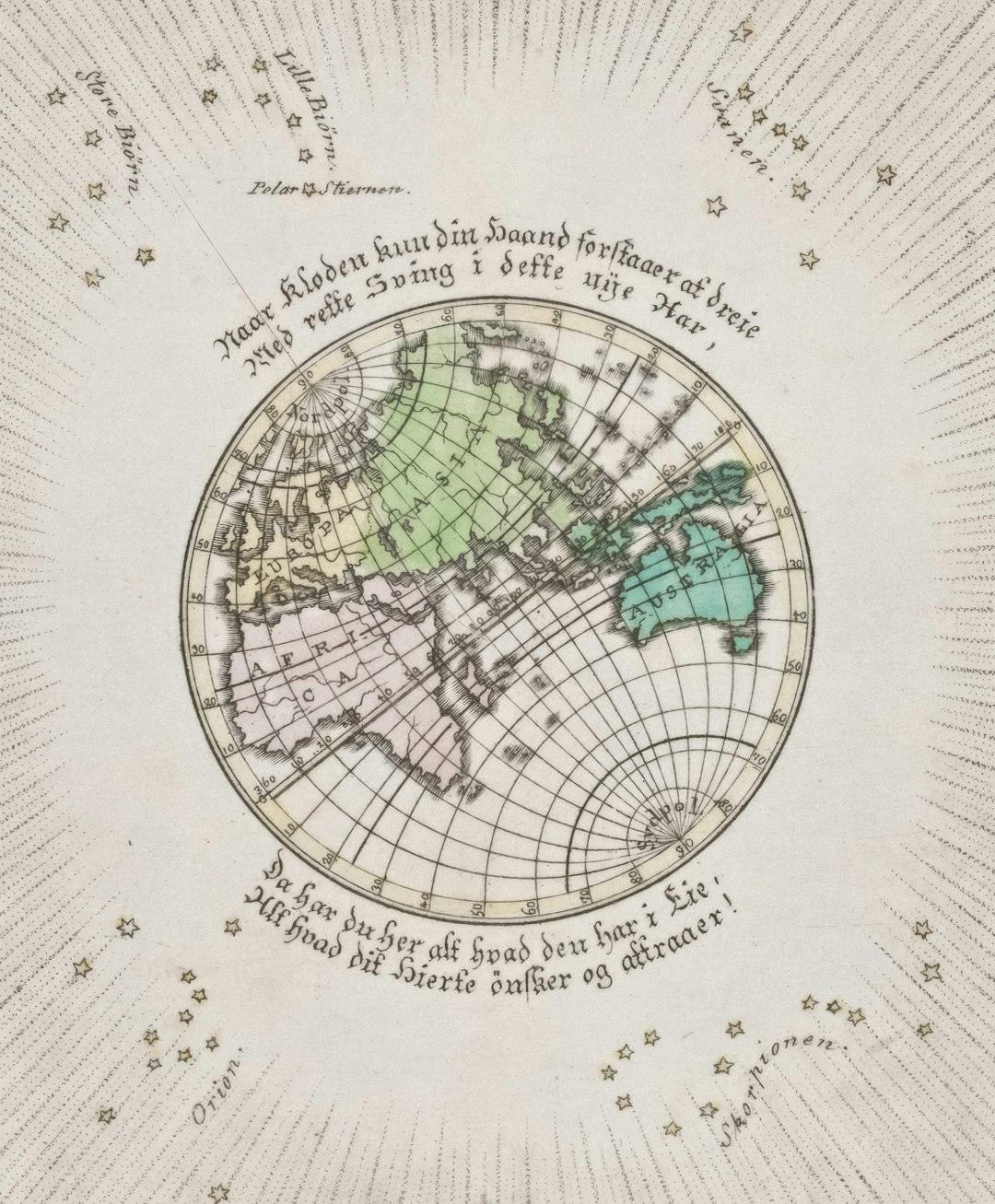
Imagine living in a city where nearly every important decision – from planting fields to crowning kings – depended on what priests saw in the sky the night before. That was daily reality in ancient Mesopotamia, where the Moon god Nanna (later called Sin) and the planet Venus were believed to send messages through eclipses, halos, and changing brightness. Clay tablets unearthed in modern-day Iraq preserve thousands of recorded observations of the Moon and stars, meticulously logged by temple scribes. These records were not idle notes; they were used to predict omens, justify political moves, and calm a population anxious about floods, wars, and famine.
What looks like superstition from a distance turns out, up close, to be a proto-scientific system that blended belief with systematic data collection. Over many generations, Mesopotamian sky-watchers tracked lunar cycles, planetary motions, and even irregular events like comets. Some of the first known mathematical models of the Moon’s motion came from this culture, built to refine omen-reading but inadvertently anchoring the foundations of astronomy. In a way, their desire to hear the gods more clearly pushed them to measure the heavens more carefully than almost anyone before them.
From Sacred Light to Lunar Calendar: Egypt’s Celestial Architecture
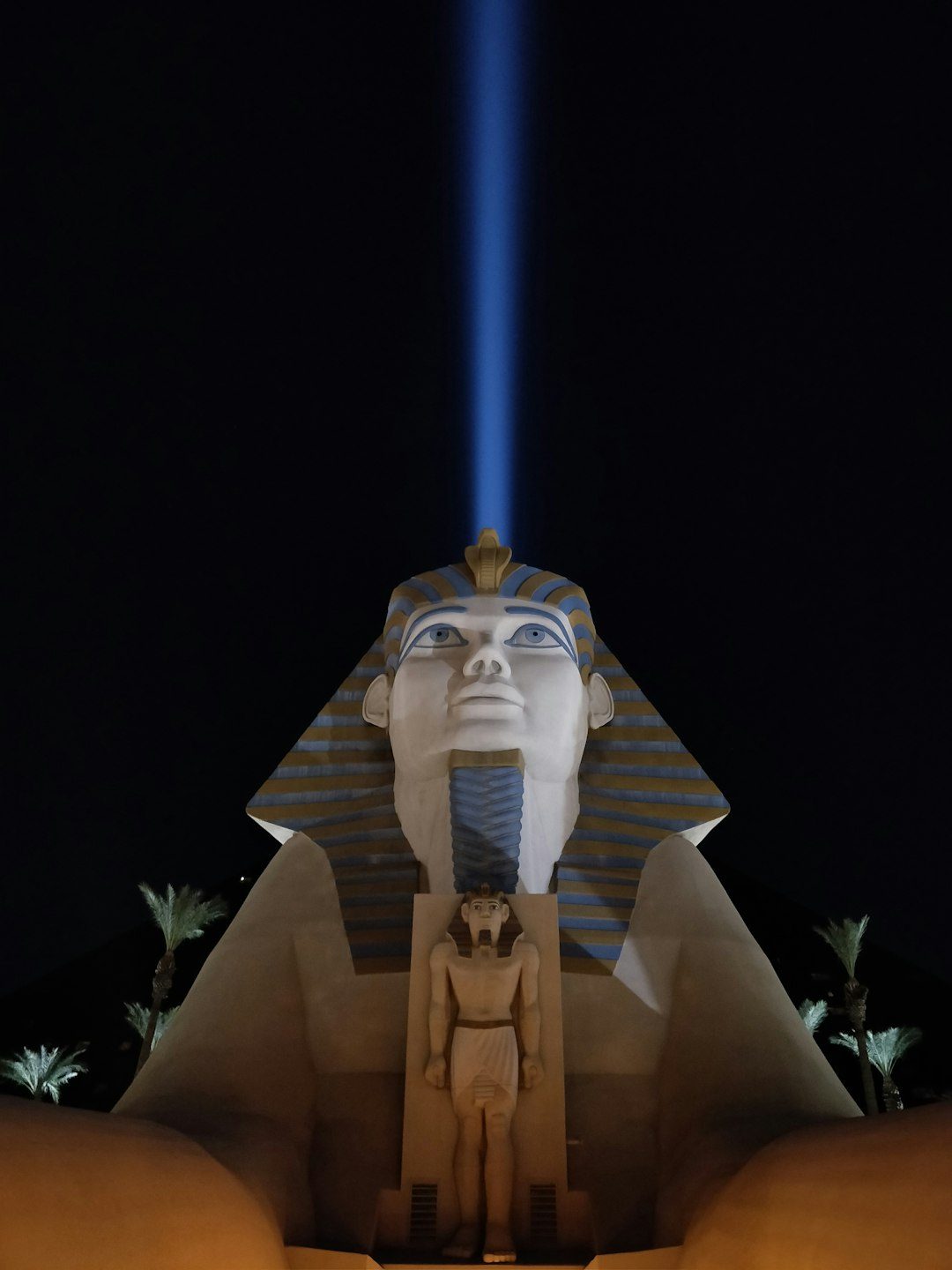
In ancient Egypt, the Moon and stars were not just watched; they were built into stone. The alignment of temples and pyramids has long fascinated researchers, and a growing body of evidence suggests many of these structures were carefully oriented to key stars and to lunar and solar events. Certain temples appear to frame the rising of specific bright stars or the Moon at particular times of the year, creating ritual light shows that must have felt nothing short of miraculous to those gathered inside. One enduring belief was that the goddess associated with the sky sheltered the stars and guided the cycle of night and day, blending cosmology with architecture.
Egyptian priests also used the regular reappearance of specific stars before dawn and the phases of the Moon to track time, marking religious festivals and agricultural seasons. Before the widely used solar calendar took over, these lunar-linked observations informed ceremonies on which the stability of the kingdom was thought to depend. The celestial order symbolized political order; a sky out of balance could signal danger on Earth. By embedding their cosmology into stone and ritual, the Egyptians left a kind of three-dimensional star map that still challenges and inspires modern archaeoastronomers.
Stone Circles and Lunar Alignments: The Megalith Builders of Europe
Across Atlantic Europe, from the British Isles to Iberia, enormous stone circles and passage tombs whisper stories about people who worshipped the lights of the night sky. Sites such as stone circles and long, narrow burial chambers are increasingly understood as observatories as well as ceremonial centers. Some are aligned so that moonlight – or the light of certain stars – enters their corridors only on specific nights, such as major standstills of the Moon or key points in the seasonal calendar. For communities without written records, the rising and setting of the Moon and stars may have been the most reliable cosmic clock they had.
Researchers using laser scanning, 3D modeling, and long-term observation are finding alignments that are too precise to be accidental. Instead of imaging these builders as guessing in the dark, the evidence suggests that they patiently observed the sky for generations, learning how the Moon’s northern and southern extremes shift over an 18.6-year cycle. The effort required to quarry, transport, and position multi-ton stones in response to those patterns shows just how deeply the night sky mattered. The stones became frozen gestures pointing at celestial events that could be predicted only through careful, long-term watching.
Maya Night Science: When Astronomy and Empire Met
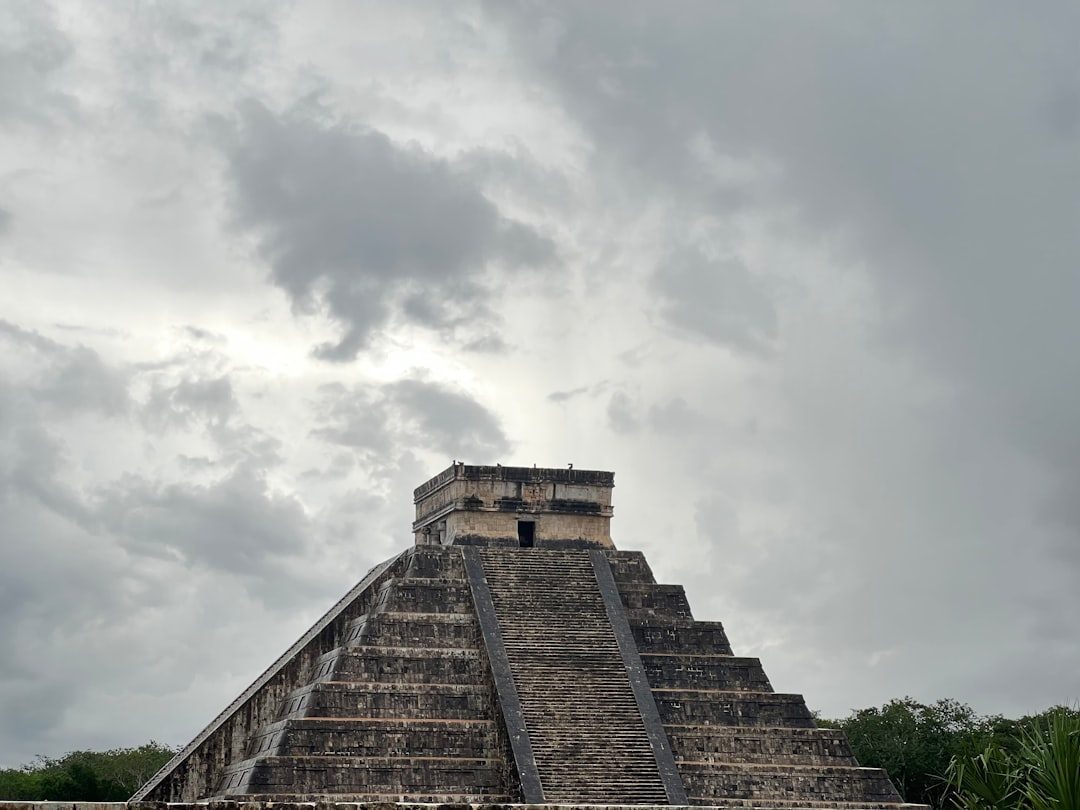
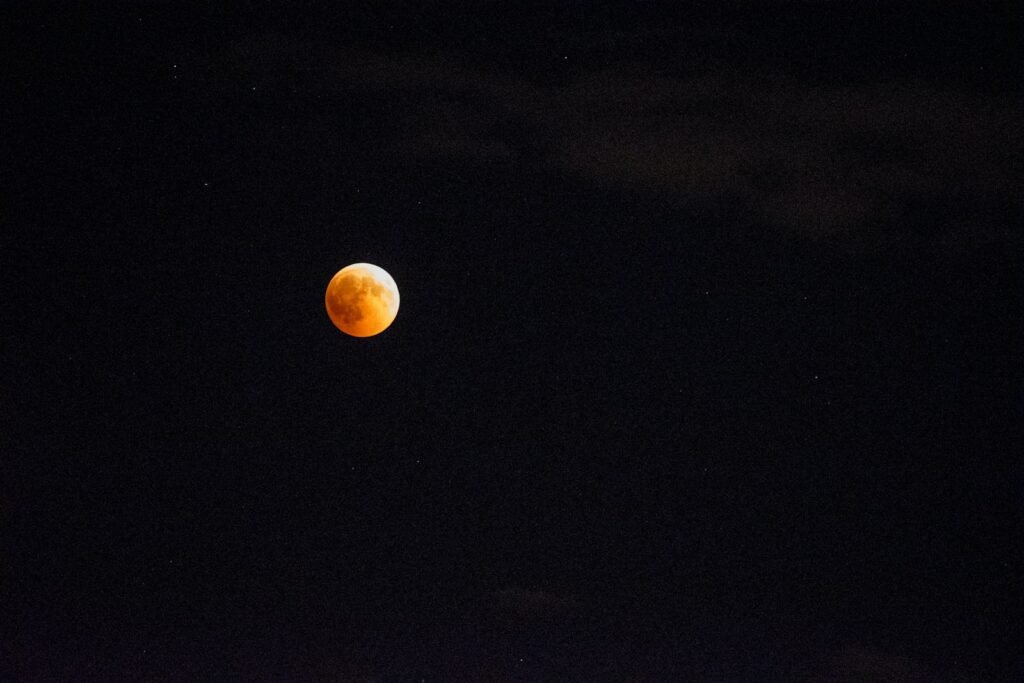
Few ancient civilizations tracked the Moon and stars as obsessively – and as accurately – as the Maya of Mesoamerica. Their cities were filled with observatories, pyramids, and plazas aligned to lunar cycles, solstices, equinoxes, and the rising of bright planets. Lunar eclipses, in particular, were interpreted as powerful omens, and scribes developed intricate tables to predict them far into the future. These calculations were carved into stone monuments and painted in surviving codices, revealing a sophisticated command of cycles that rivals some early modern European work.
For Maya rulers, astronomy was not a hobby; it was political technology. When priests announced that a rare celestial event was coming, and it appeared exactly on time, it validated the ruler’s connection to cosmic order. Festivals timed to the Moon and stars bound communities together and justified the labor needed to build and maintain monumental cities in challenging environments. Modern astrophysicists and epigraphers now collaborate to cross-check ancient Maya eclipse tables with computed eclipse paths, finding that in many cases the predictions were remarkably close to what we know today. In the process, the Maya emerge not just as stargazers but as scientists in their own right.
Desert Skies and Divine Order: The Moon in Ancient Arabia
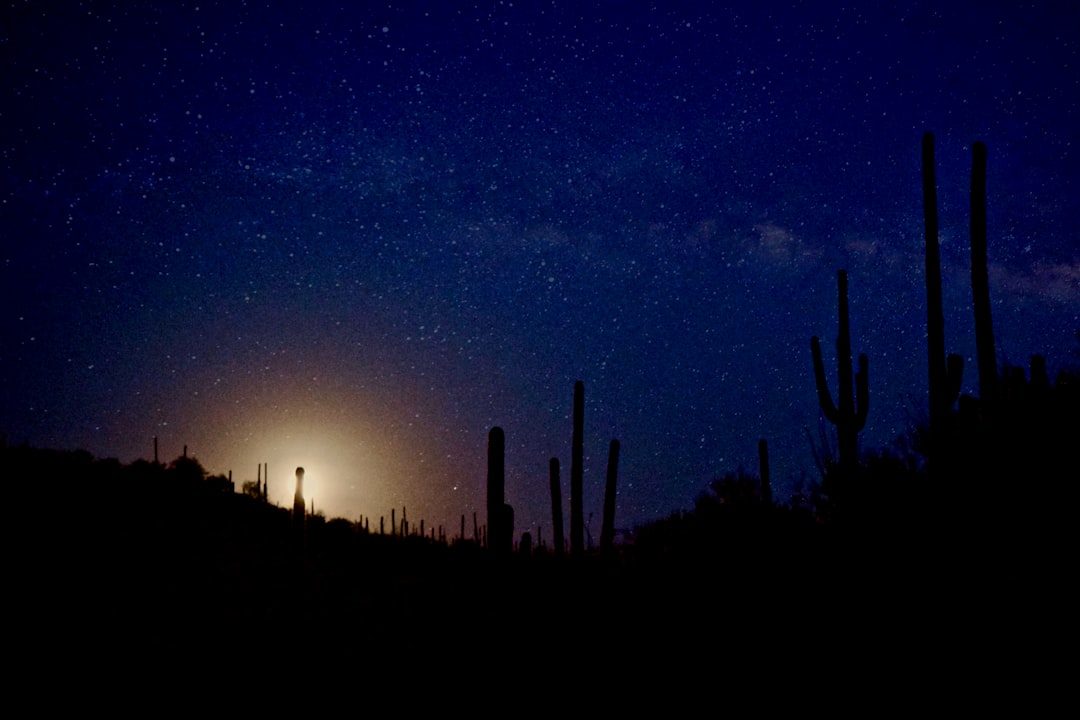
In the deserts of ancient Arabia, the Moon was more than a gentle light in the night; it was a vital companion for navigation, trade, and survival. Under wide, cloudless skies, caravan routes depended on careful knowledge of the night, and the Moon’s changing phases helped travelers pace long journeys between oases. In various pre-Islamic Arabian cultures, lunar deities occupied an important place in local pantheons, and shrines were often oriented in ways that seem tied to significant lunar risings or settings. Inscriptions and rock art hint at rituals performed in sync with the lunar month, linking economic rhythms to celestial cycles.
Modern research in this region combines satellite mapping of ruins, ground surveys, and analysis of early inscriptions to reconstruct how these communities integrated the Moon into their worldview. Rather than seeing an empty wilderness, scholars now describe a dense landscape of sacred sites connected by star and Moon paths. The rhythm of waxing and waning light provided a natural framework for organizing markets, migrations, and seasonal herding patterns. In a harsh environment, reading the sky accurately could mean the difference between prosperity and disaster, which helps explain why the Moon loomed so large in both religion and routine.
Why It Matters: Ancient Sky Worship and Modern Science
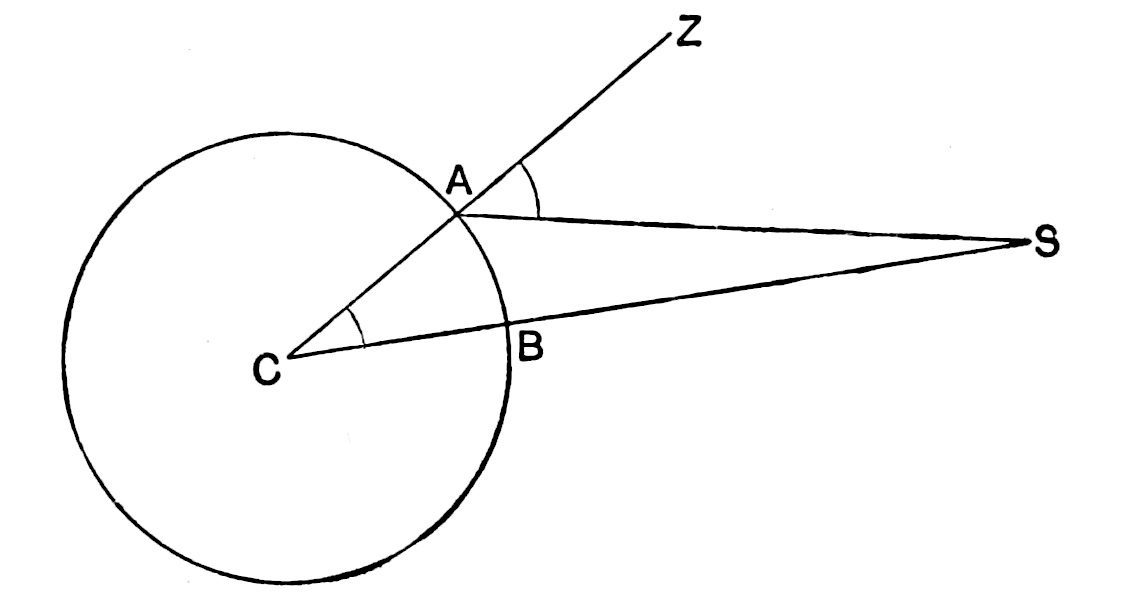
At first glance, it might seem that ancient people simply because they did not know any better. Yet that view misses something important: these traditions pushed our species to observe, measure, and model the universe with increasing care. Many early attempts to explain eclipses, retrograde motion of planets, or the irregular path of the Moon mixed myth with math, but they still nudged human thinking toward the idea that the cosmos followed regular patterns. Those patterns, documented on stone, clay, and bone, became a library of observations that modern science continues to mine.
When archaeologists and astrophysicists revisit ancient sky temples or decode old star lists, they are not just indulging historical curiosity. They are filling in the long, uneven path that led from ritual to rational inquiry. These records can refine our understanding of long-term changes in Earth’s rotation, confirm ancient eclipses, and even test models of how the atmosphere has shifted over millennia. On a cultural level, understanding how deeply people once tied their laws, crops, and stories to the night sky can make modern debates about space exploration, dark-sky policies, and satellite pollution feel less abstract. The sky has always shaped society; we are only now admitting how much.
From Ancient Tools to Modern Science: How We Study Sacred Skies Today
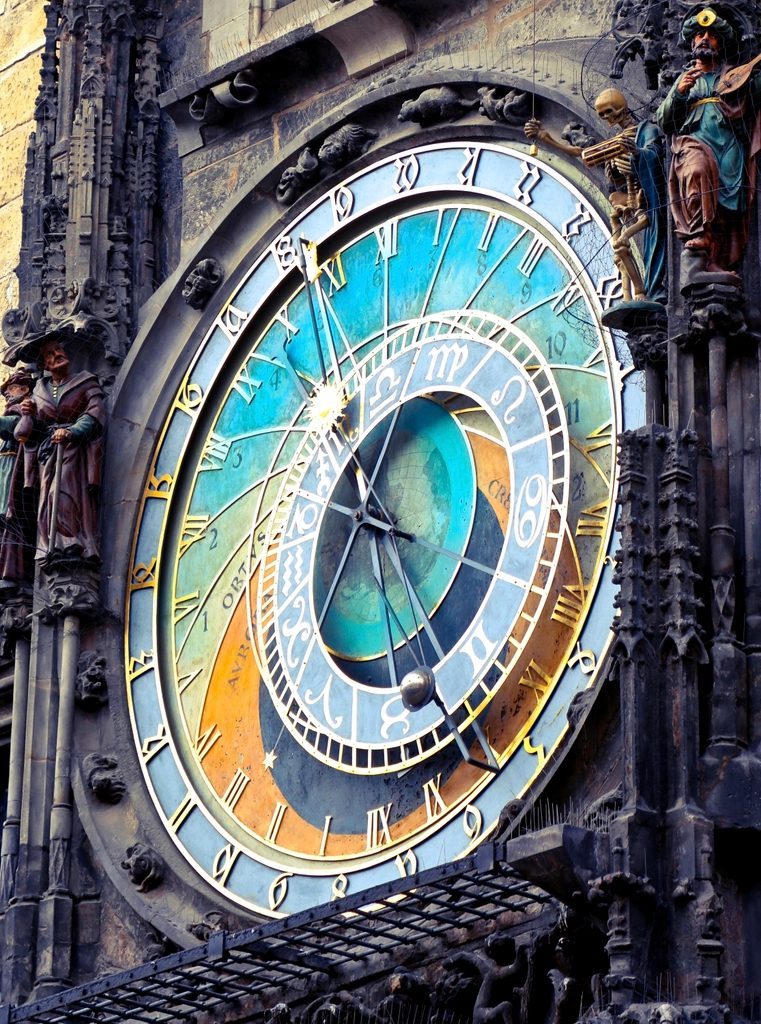
Today’s researchers are using tools that would have looked like magic to the people who first built lunar temples and star-aligned pyramids. High-resolution satellite imagery reveals faint outlines of forgotten ceremonial centers whose orientations match key lunar and stellar events. Computer simulations can reconstruct the night sky from thousands of years ago, allowing scientists to test whether a temple doorway truly aligned with a solstice Moon or bright seasonal star. Light detection and ranging, or lidar, has stripped away jungle cover at some sites, exposing entire urban layouts that mirror constellations or celestial pathways.
Alongside this technology, researchers lean on methods that would feel more familiar to ancient sky-watchers: long nights under the stars, patient note-taking, and arguments about patterns. Teams that include local communities, historians, and astronomers work together to avoid imposing modern assumptions on old sites. For instance, a structure thought to point at one famous star sometimes turns out to line up better with a lesser-known but culturally important celestial feature, such as a seasonal asterism used by past farmers. The combination of advanced modeling and grounded, human context is slowly turning sacred architecture back into a working instrument for understanding how people once read the heavens.
Global Perspectives: Shared Skies, Different Stories
One of the striking patterns in this research is how many distant cultures independently treated the Moon and stars as both sacred and practical. Whether in the rainforests of Mesoamerica, the deserts of Arabia, or the river valleys of Mesopotamia and Egypt, people built calendars, mythologies, and legal systems that watched the same sky but told very different stories about it. Some societies focused on the Moon’s role in fertility and agriculture, while others emphasized its connection to kingship, justice, or the afterlife. Yet across these differences, there is a shared sense that celestial cycles offered a stable framework in an often chaotic world.
For modern readers, this mix of similarity and diversity can be strangely comforting. It reminds us that humans everywhere have struggled to make sense of uncertainty and have often found guidance overhead. At the same time, recognizing that our ancestors combined rigorous observation with rich imagination challenges the idea that science and spirituality are always in conflict. Instead, the history of Moon and star worship shows how curiosity, awe, and careful measurement can coexist. The sky did not belong to one culture or one explanation; it was, and still is, a shared canvas for human meaning.
The Future Landscape: Dark Skies, New Questions
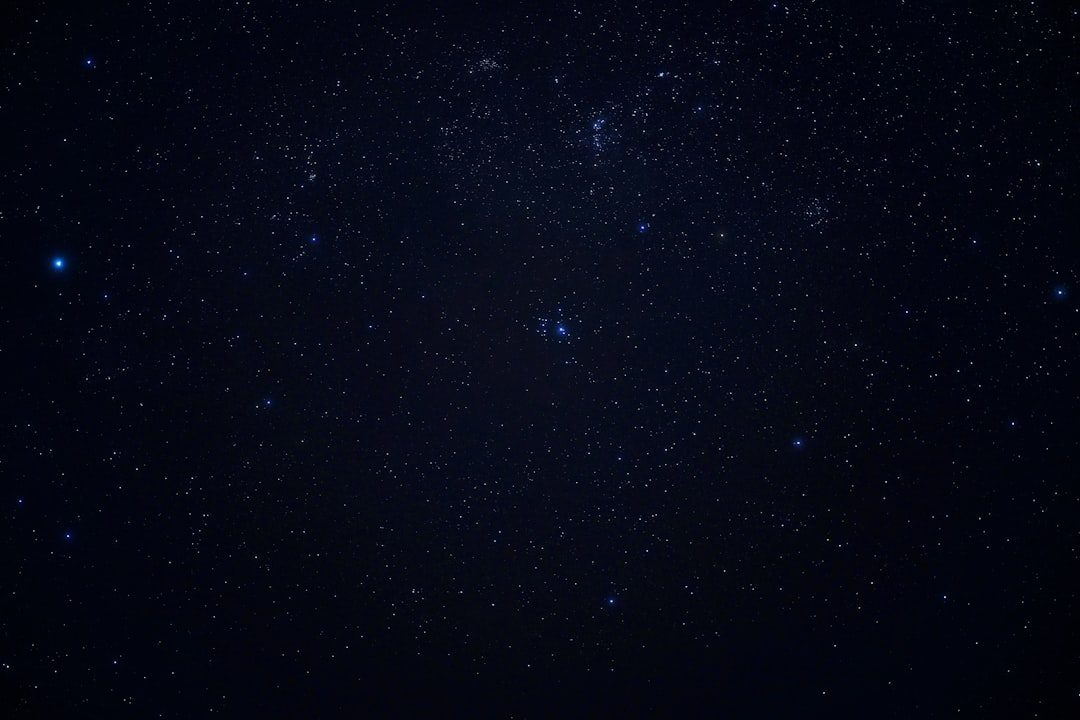
Even as we look back at ancient sky worship, the night itself is changing faster than at almost any point in human history. Artificial lighting, satellite constellations, and urban glow are erasing the stars for a growing portion of the global population. That loss is not only aesthetic; it makes it harder to study how ancient sites functioned as observatories, because the key reference points are literally harder to see. For communities trying to revive traditional stargazing practices linked to agriculture and ceremony, the brightening sky can feel like a cultural as well as scientific threat.
At the same time, new technology is opening paths that ancient sky-watchers could never have imagined. Space telescopes, lunar probes, and detailed sky surveys deepen our knowledge of the objects that once appeared only as mysterious lights. Some researchers are beginning to ask how future lunar bases or off-world habitats might develop their own rituals around the phases of Earth as seen from the Moon. The challenge will be to balance expansion into space with respect for the skies that shaped us, protecting dark-sky reserves and cultural heritage sites that still function as gateways to ancient cosmic knowledge.
How You Can Reconnect: A Modern Call to Watch the Sky
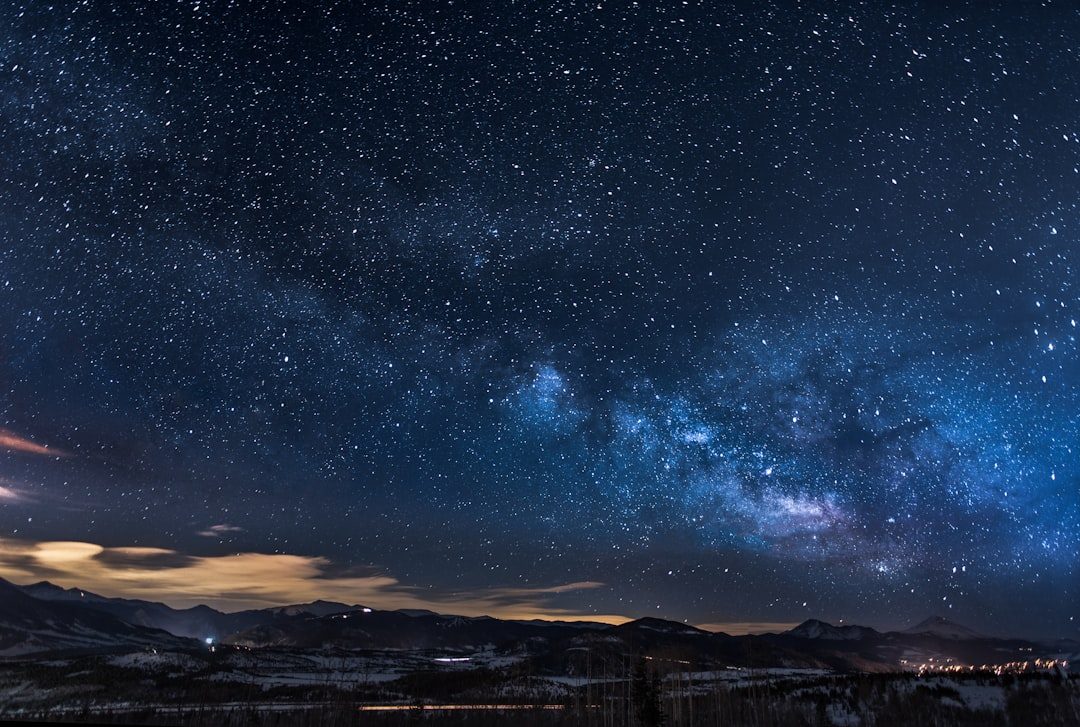
Reconnecting with the Moon and stars does not require a flight to a remote desert or a degree in astrophysics. One simple step is to seek out dark-sky parks or local astronomy club events, where you can experience something closer to what ancient sky-watchers saw each night. Even in cities, tracking the phases of the Moon over a month or learning a handful of bright constellations can shift how you feel about the passing of time. That awareness can make seasonal changes, holidays, and even personal milestones feel anchored to something bigger than a calendar app.
There are also practical ways to support the skies that past civilizations worshipped and studied so carefully. You can advocate for smarter outdoor lighting in your community, reducing glare and energy waste while restoring more of the natural night. Supporting museums, cultural centers, and research projects focused on archaeoastronomy helps preserve fragile sites and the knowledge they carry. Most of all, simply making time to look up – and to wonder what stories those same stars once inspired in ancient minds – keeps a very old human tradition alive.
Suhail Ahmed is a passionate digital professional and nature enthusiast with over 8 years of experience in content strategy, SEO, web development, and digital operations. Alongside his freelance journey, Suhail actively contributes to nature and wildlife platforms like Discover Wildlife, where he channels his curiosity for the planet into engaging, educational storytelling.
With a strong background in managing digital ecosystems — from ecommerce stores and WordPress websites to social media and automation — Suhail merges technical precision with creative insight. His content reflects a rare balance: SEO-friendly yet deeply human, data-informed yet emotionally resonant.
Driven by a love for discovery and storytelling, Suhail believes in using digital platforms to amplify causes that matter — especially those protecting Earth’s biodiversity and inspiring sustainable living. Whether he’s managing online projects or crafting wildlife content, his goal remains the same: to inform, inspire, and leave a positive digital footprint.