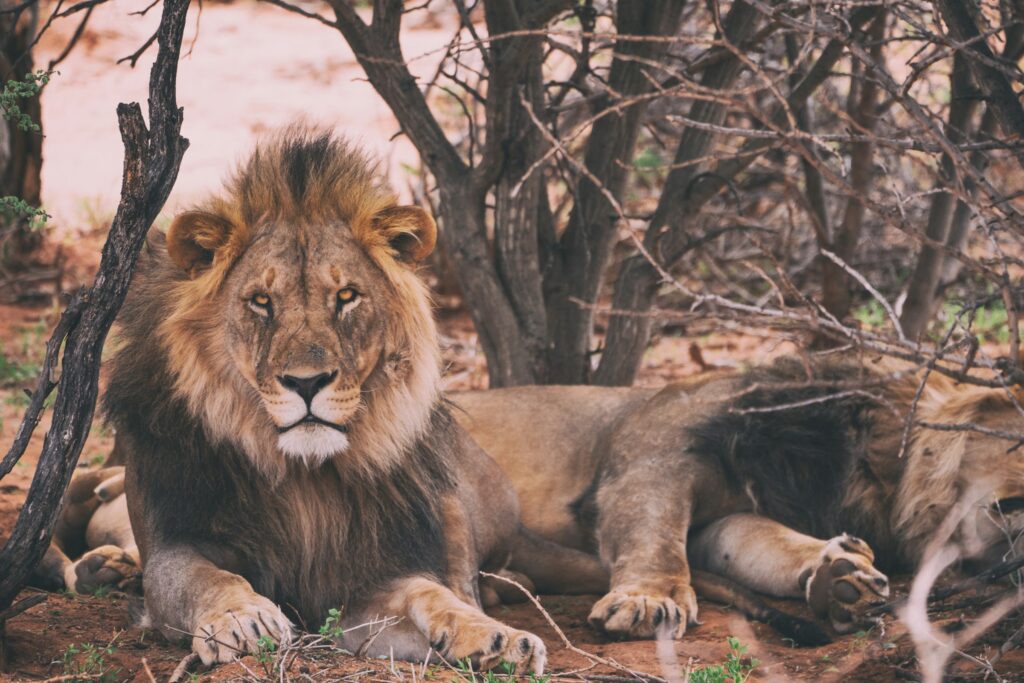
Ask most people to picture an African predator, and they’ll say lions without missing a beat. But here’s the twist: for all their power and swagger, lions are actually quite limited compared with some of the continent’s other hunters. There are animals out there doing things a lion simply cannot do, no matter how big, fast, or brave it is.
From snakes that kill without a sound, to birds that set entire landscapes on fire, to tiny-looking dogs that can run big cats ragged, Africa is full of predators that quietly outclass lions in very specific ways. Once you see how they hunt, the “king of beasts” suddenly looks a lot more like just one specialist in a much wilder cast. Let’s dive into eight predators whose hunting tricks lions can only dream of.
1. African Wild Dogs: Marathon Hunters With Perfect Teamwork
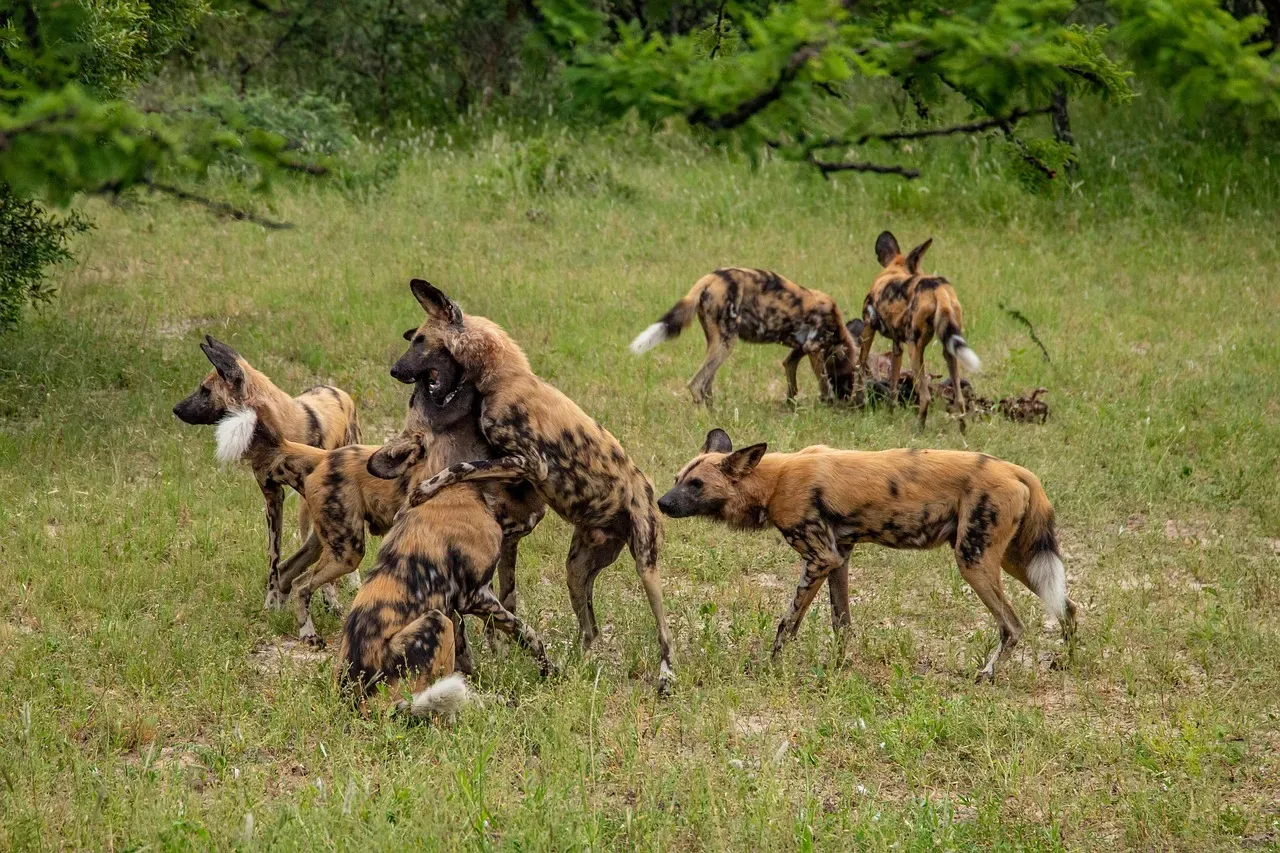
African wild dogs look almost fragile compared with a beefy lion, but when it comes to long-distance hunting, they’re on another level. Instead of relying on a short, explosive ambush like a lion, these dogs are endurance athletes, built to run down prey over several kilometers at a fast, steady pace. Their lean bodies, long legs, and huge lungs let them keep going long after a lion would have overheated or given up the chase.
What really sets them apart is their teamwork. A pack of wild dogs hunts like a well-practiced sports team: some dogs chase, others flank, and they constantly switch roles to keep pressure on the target. They use constant communication, adjusting their positions mid-hunt in a way lion prides rarely manage. Lions are cooperative, yes, but wild dogs are surgical – using stamina, coordination, and almost relentless persistence to bring down antelope that lions might fail to catch in a straight chase.
2. Cheetahs: Precision Sprinters With High-Speed Steering
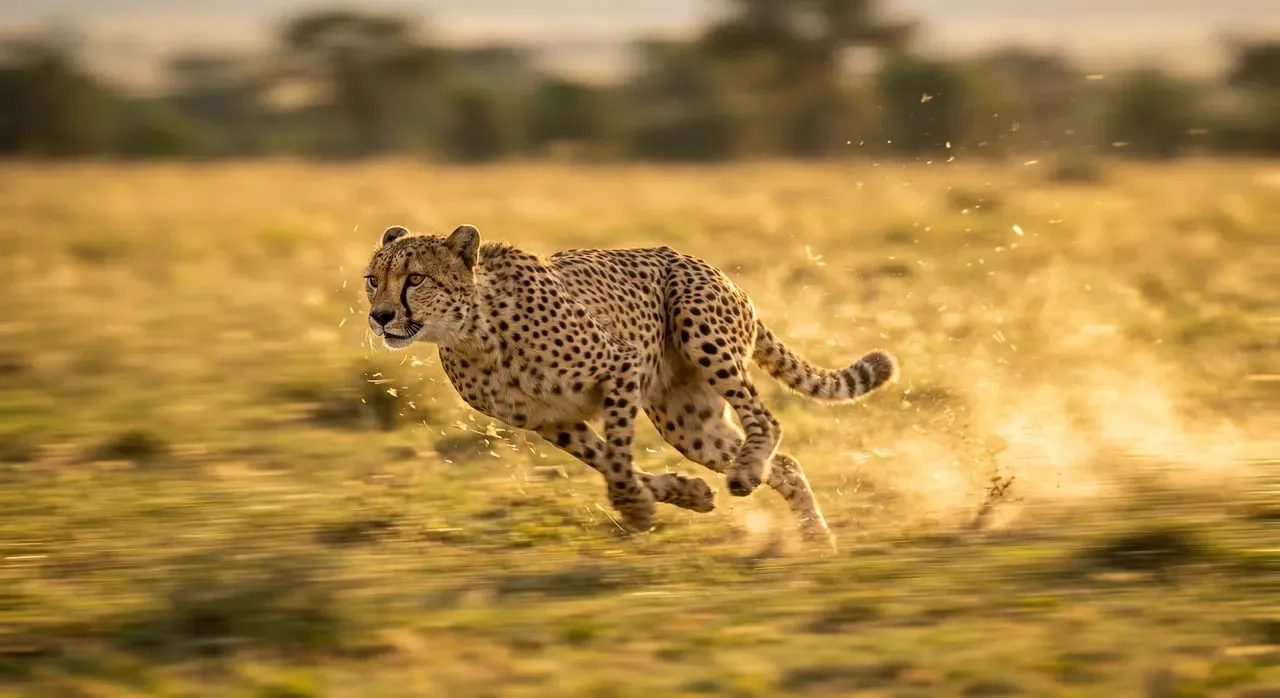
Cheetahs and lions both hunt by stalking and then sprinting, but the way a cheetah moves is something a lion’s body simply cannot copy. Cheetahs are pure speed machines: lightweight frames, long flexible spines, and semi-retractable claws that work like track spikes. They can hit speeds faster than any lion, but the real magic is in how they turn. At full speed, cheetahs can zigzag after a zigzagging antelope, using their tail as a counterweight and their claws as grips to carve tight corners.
Lions, by contrast, are built more like powerlifters than sprinters. They’re strong enough to wrestle down huge prey, but they lose out when the chase turns into a high-speed dance. A lion that tried to corner and twist mid-run like a cheetah would risk injury; its heavy body and less flexible spine are simply not designed for that kind of maneuver. In open ground where agility and sudden directional changes decide life or death, the cheetah’s fine-tuned steering wins in ways a lion can’t match.
3. Leopards: Stealth Specialists and Tree-Assassins
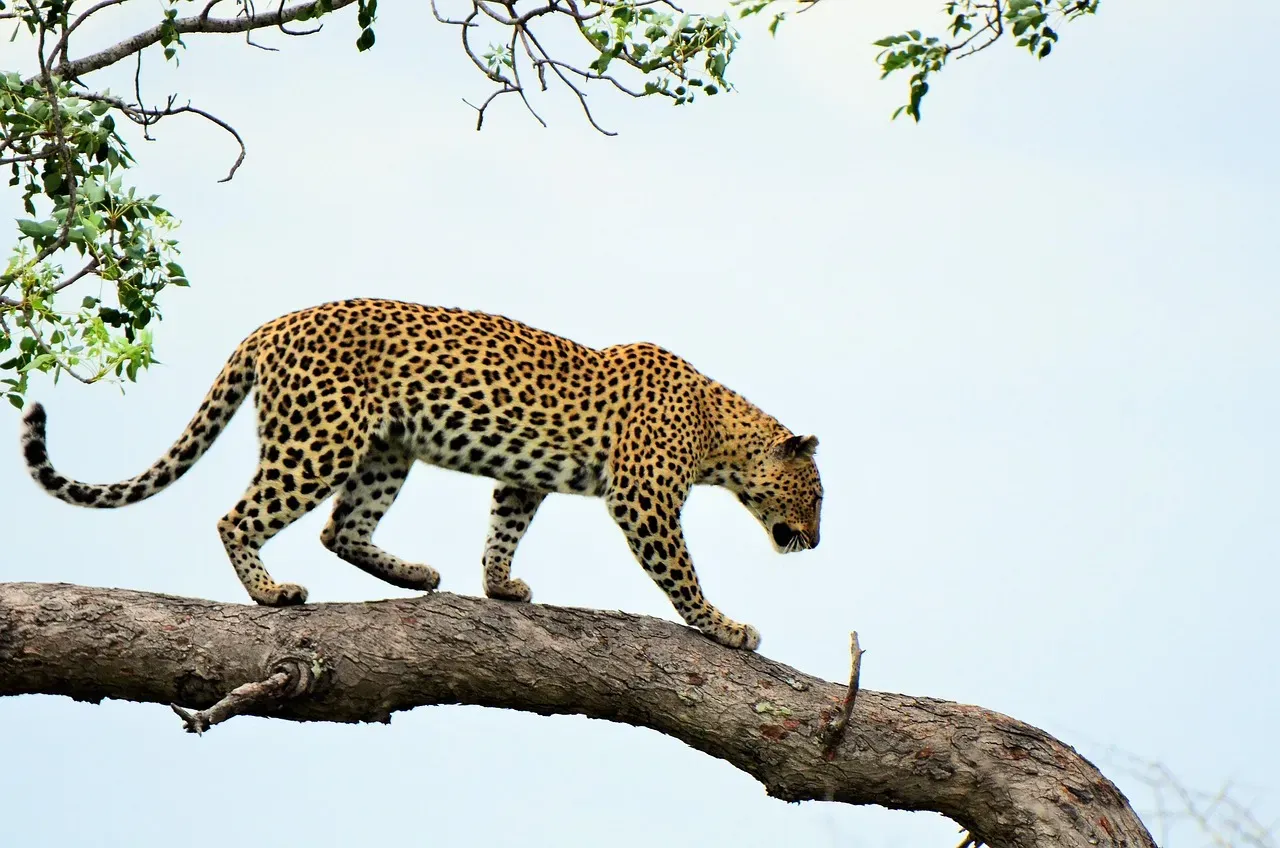
Leopards share roughly the same habitats as lions in many regions, but they’ve mastered a style of hunting that lions cannot easily imitate: vertical stealth. Leopards slip through the landscape almost like ghosts, moving alone, hugging cover, and relying on patience rather than power. They can sneak within a few meters of prey without being seen, then explode into a short, decisive attack before the animal even understands what’s happening.
Where they truly outclass lions is in how they use trees. Leopards can haul kills far heavier than themselves up into the branches to feed in safety, something no lion can do with the same grace or frequency. They sometimes launch ambushes from above or from dense foliage where a bulky lion would be clumsy and noisy. In forested or rocky habitats full of vertical escape routes, the leopard’s climbing and stealthy solo hunting style is a superpower lions simply do not have.
4. Nile Crocodiles: Underwater Ambush From Another World
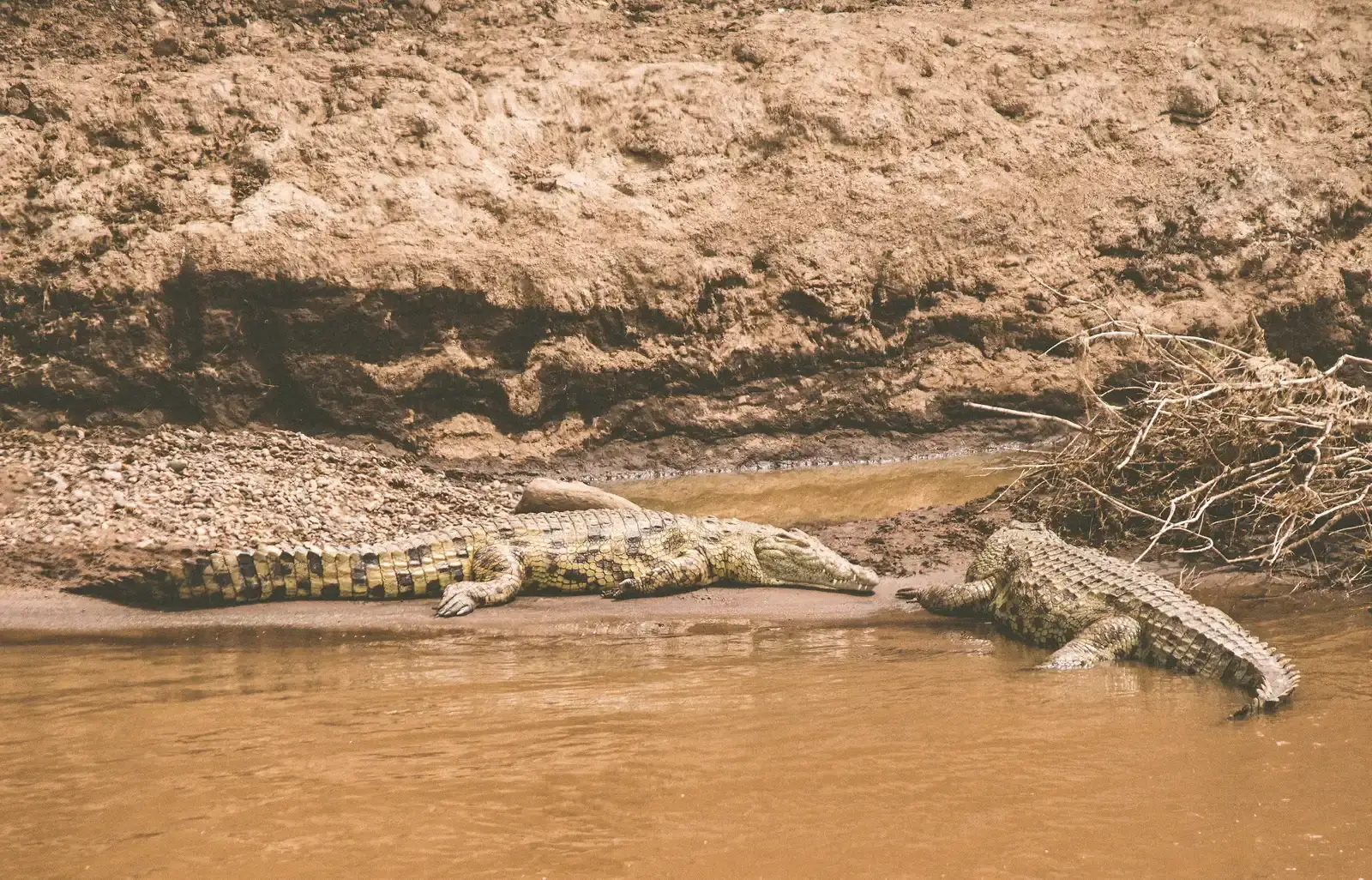
Lions may patrol riverbanks, but once the hunt moves under the surface, they’re out of their depth – literally. Nile crocodiles are masters of the ambush from below. They can stay almost entirely submerged, with just eyes and nostrils above water, waiting in utter stillness for animals to approach the shoreline. When a zebra, buffalo, or even a young hippo lowers its head to drink, the crocodile launches upward with explosive force, jaws first, from an angle no lion can ever use.
They’re not just biting machines; their whole bodies are engineered for water ambush. A crocodile can hold its breath for long periods, sense vibrations through the water, and perform a brutal “death roll” to rip chunks off prey or drag it under. Lions can swim if they must, but they are awkward and exposed while doing it. In rivers and lakes, the crocodile’s combination of stealth, sensory advantages, and underwater attack makes it a predator operating in a dimension that lions just cannot exploit.
5. Spotted Hyenas: Nighttime Tacticians and Bone-Crushers
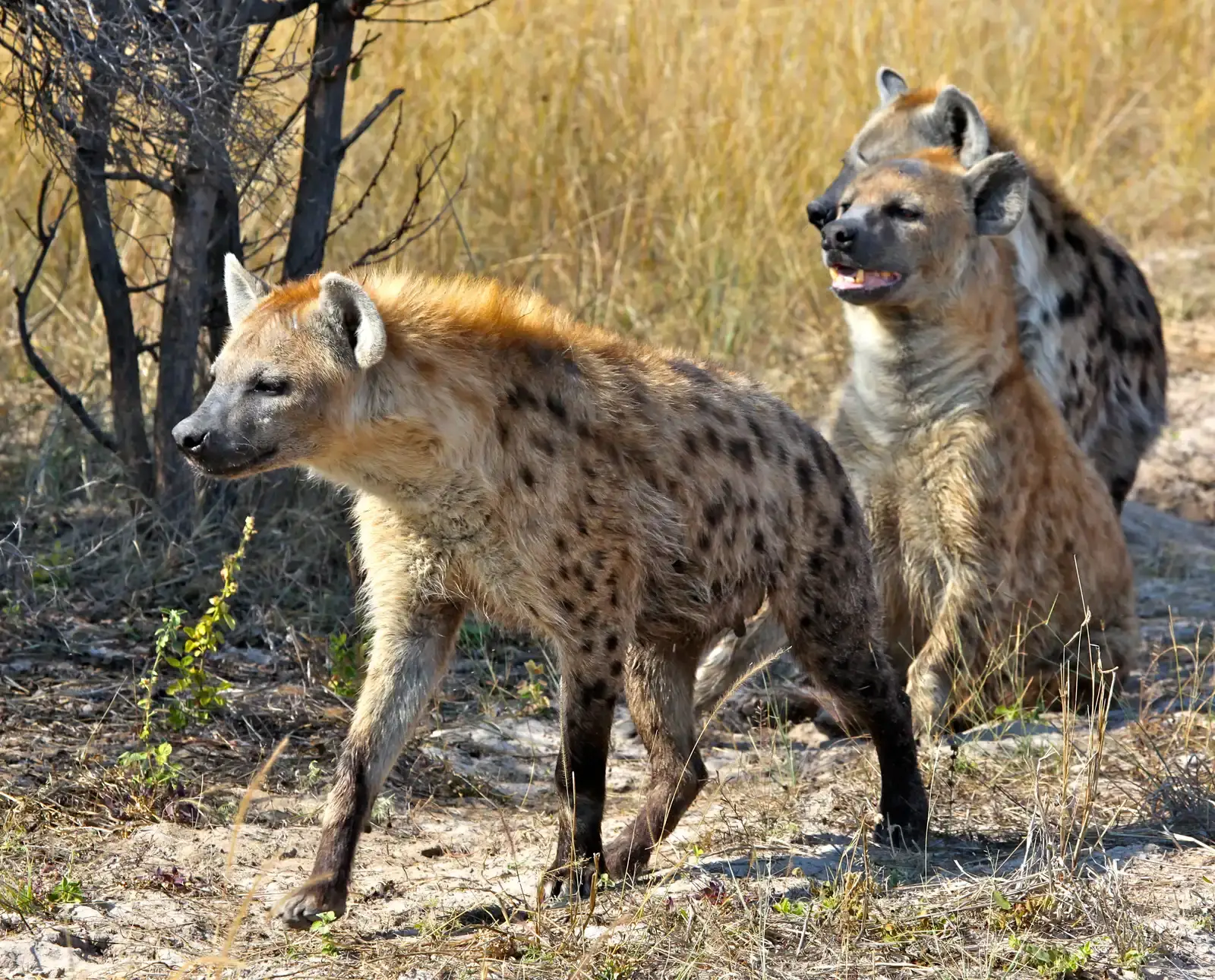
Spotted hyenas get unfairly typecast as scavengers, but their hunting style can be both more flexible and more ruthless than that of lions. They often hunt at night, taking full advantage of sharp senses and a social system led by powerful females. Hyena clans can spread out, test herds, and quickly converge on weaker animals based on calls and cues that travel through the dark. Their ability to rapidly assemble and disassemble hunting groups makes them unpredictable and hard to counter.
Unlike lions, which often rely on a quick take-down followed by a choke, hyenas are endurance fighters. They can harass and wear down large prey over time, nipping at vulnerable spots, testing boundaries, and then overwhelming with numbers. Their jaws are strong enough to crush large bones, so even if the initial hunt turns messy, they can still turn scraps into a high-calorie meal that a lion would struggle to fully use. In the pitch black, with scattered prey and shifting opportunities, hyenas’ flexibility and bone-crushing power give them options lions simply do not possess.
6. African Rock Pythons: Silent Constrictors With an Invisible Approach
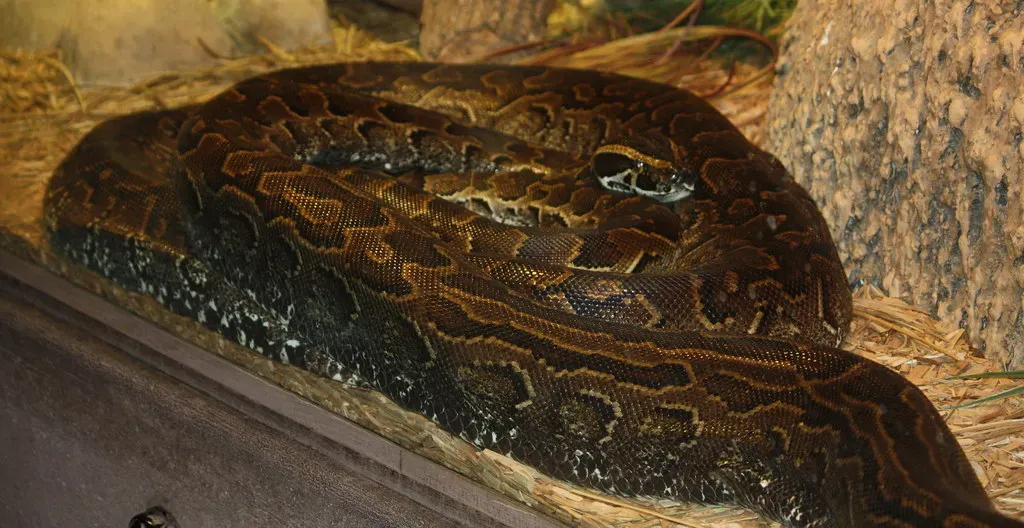
When you picture a hunt, you probably imagine a chase, a pounce, or a sprint. African rock pythons flip that script completely. They are ambush hunters that often do not move much at all, choosing instead to wait in perfect silence until prey wanders just a few centimeters too close. With camouflage that blends into rocks, leaf litter, or burrows, they can remain unseen by animals – and by humans – until their strike happens in a blur.
Once a python strikes, teeth latch on and coils follow in a split second, wrapping around the prey and using raw muscle to cut off blood flow and breathing. There’s no roaring, no drama, just the relentless tightening of a silent trap. Lions cannot replicate this kind of hunting: they lack the body design for constriction, the fine-scale camouflage, and the ability to sit motionless for extreme periods waiting for a single perfect moment. Pythons prove that in Africa, you do not need speed or teeth like a cat’s to be a terrifyingly effective predator.
7. Secretary Birds: Precision Strikers That Hunt With Their Feet
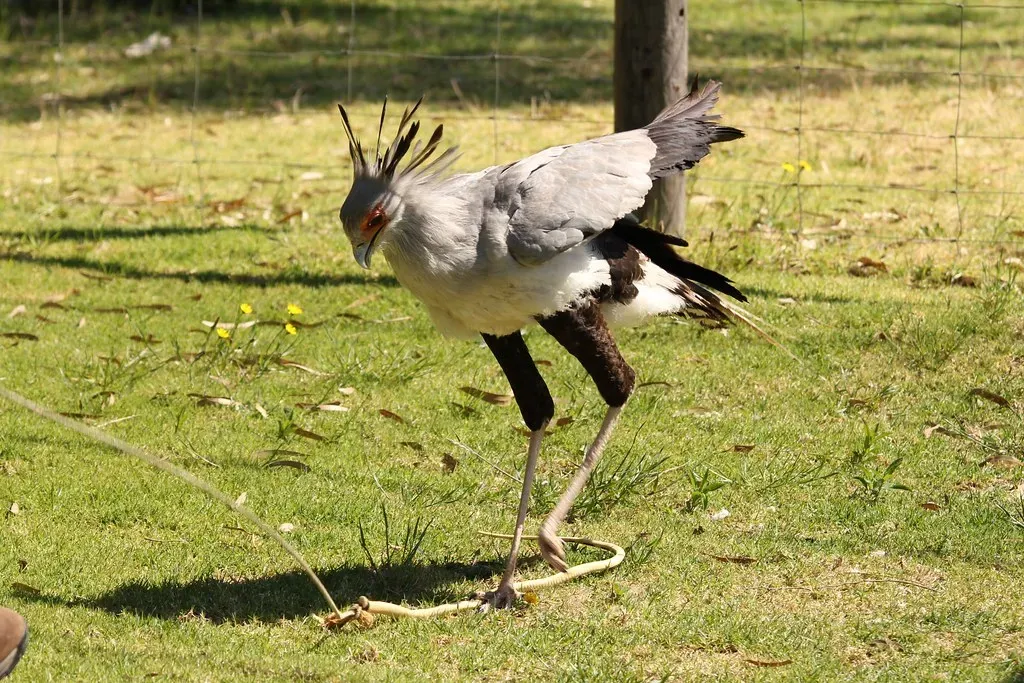
A bird that hunts by stomping sounds almost comical – until you see what a secretary bird can do to a snake. Unlike lions, which almost always use jaws and claws, secretary birds weaponize their long, powerful legs. They stride across open grasslands scanning for movement, then deliver lightning-fast kicks that can crush the spine or skull of small animals with frightening accuracy. Some strikes land with forces similar to a heavy hammer, concentrated on a tiny point.
This style of hunting lets them tackle dangerous prey that lions avoid or approach cautiously, especially venomous snakes. A lion risks a face-level bite if it gets things wrong; a secretary bird keeps the danger at ankle distance and hits from above, backing off and re-striking until the threat is neutralized. They turn the open savanna into a hunting ground where height, eyesight, and precision leg blows decide the outcome – an aerial, long-legged tactic completely outside a lion’s physical toolbox.
In some areas, they also raid nests and catch small mammals or reptiles by sprinting after them in short bursts. Their agility and ability to rapidly change direction on those tall legs adds another twist: they don’t need to be strong enough to wrestle big prey like a lion, because they can specialize in being fast, accurate, and just out of reach of retaliation.
8. Humans: The Uncomfortable Apex Predator Lions Can’t Compete With

It’s a bit unsettling, but if we’re being honest, the most radically different predator in Africa is us. Humans hunt in ways lions could never even conceptualize: we plan over long timeframes, share detailed information, and adapt our tools with each generation. Traditional African hunters have used persistence hunting, tracking animals over many hours in the heat until the prey collapses from exhaustion, something no lion stamina or strategy truly matches. Modern hunters, on the other hand, can kill from long distances using technology that completely removes the idea of a fair chase.
What sets humans apart is not just the tools, but the abstract thinking behind them. We can decide to protect or exterminate species, to set up protected areas or to destroy habitats, and lions are powerless to influence those decisions. In a strange way, humans have become the predator that can change the rules of the entire game – choosing who lives, who dies, and where, often for reasons far removed from immediate survival. It is a kind of hunting power that no lion, no matter how fierce, can ever hope to possess.
Conclusion: The “King” Is Just One Specialist Among Many
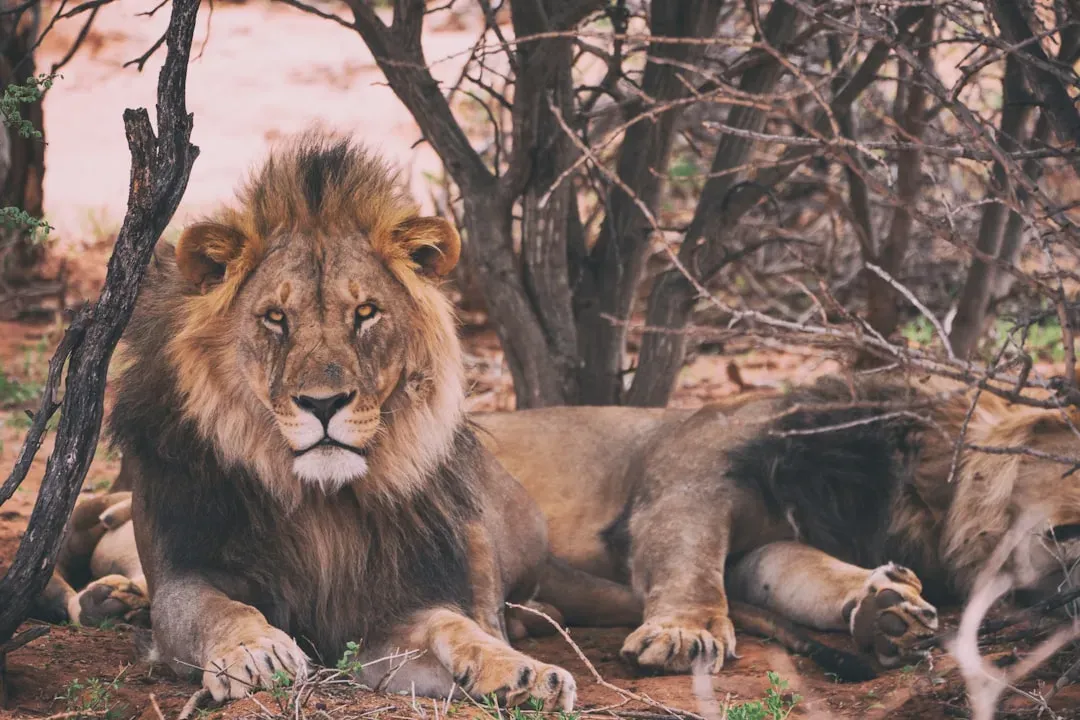
When you zoom out and really look at how African predators hunt, the idea of the lion as an unquestioned king starts to feel outdated. Each species on this list does something lions either cannot do at all or cannot do nearly as well: run forever in perfect formation, twist at top speed like a feathered arrow, vanish into trees, attack from underwater, crush bones, strangle silently, kill with their feet, or change the entire landscape with their minds and tools. Lions are impressive, but they’re just one style of hunter in a continent overflowing with specialized brilliance.
Personally, I find that humbling and a little thrilling. It reminds me that power in nature is not about who roars the loudest, but about who fits their niche most precisely, sometimes in ways that look almost alien to us. Maybe the real lesson is that there is no single crown, only different thrones in different corners of the ecosystem. Next time you see a lion documentary, will you see a king – or just one more player in a much wilder, more complicated game than we were ever taught to imagine?