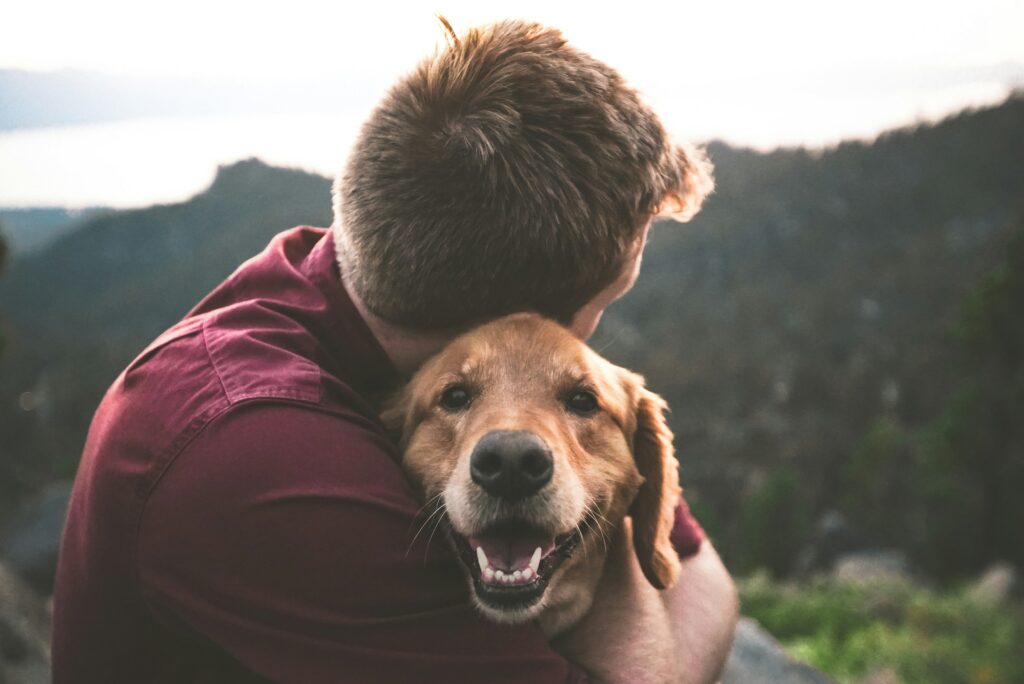

You tell yourself you’re ready. You remind yourself dogs don’t live forever, that gray muzzles come with the territory, that you’re lucky to grow old together at all. Then one day you look over, and your dog struggles getting up from the bed, or skips the last step on the stairs, and it hits you in a way you weren’t ready for at all. Knowing it was coming in theory feels completely different from living it in real time.
As your dog ages, everything shifts quietly at first, then all at once: the routines, the finances, the emotions, even how you move through your house. No one really hands you a realistic manual for this part. You end up cobbling together advice from your vet, late-night internet searches, and your own trial and error. This article walks you through seven pieces of that hidden curriculum, so you can feel a little less blindsided and a lot more prepared to show up for your dog the way you’ll wish you had when you look back.
1. The Slow Changes That Suddenly Feel Like Overnight Losses
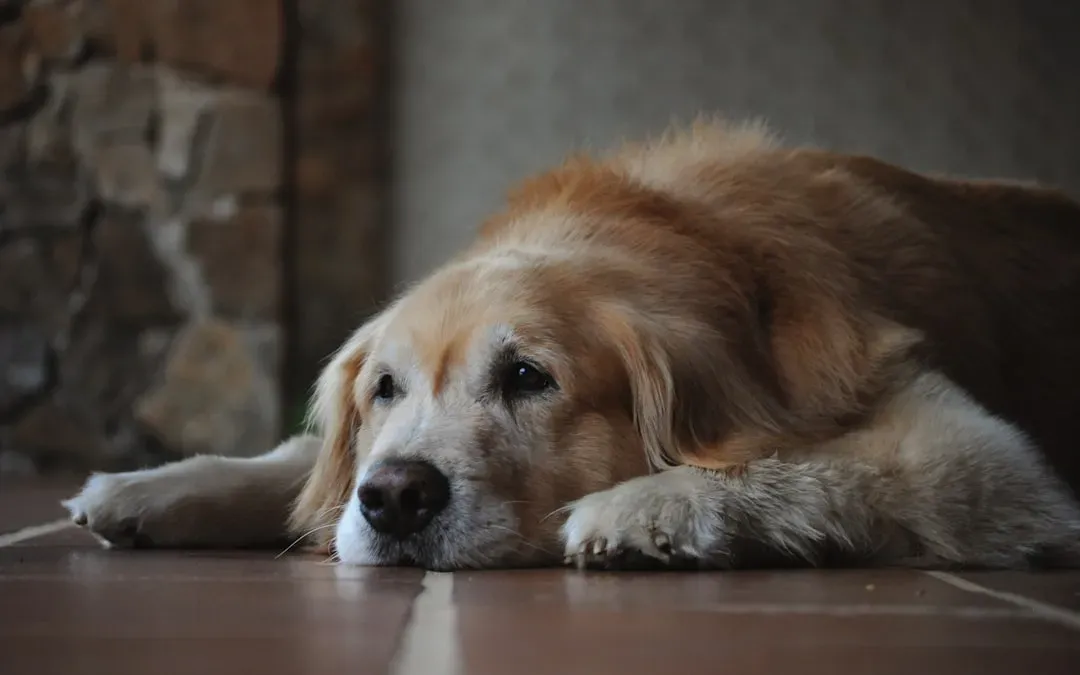
You notice the first white hairs on your dog’s muzzle and shrug it off, just a cute “distinguished” phase. Then you realize they sleep more deeply, lag a bit on walks, or hesitate before jumping into the car, and your brain tells you it’s just a small adjustment. But somewhere along the way, those little things stack up until you wake up one day and realize your dog no longer does the things you always assumed were just “them,” like sprinting to the door or charging after a ball without thinking.
What no one really prepares you for is the emotional whiplash of that slow-but-sudden feeling. The changes arrive in tiny, almost unnoticeable increments, but your awareness of them lands like a shock. One day you’re annoyed they keep dropping the toy in your lap, and a year later you’d give anything for them to nag you like that again. You start grieving small pieces of who they were while you still have them, and that kind of living grief can be very real and very heavy.
2. How Much You’ll Rebuild Your Daily Life Around Their New Limitations
When your dog was young, you probably built your routines around fun stuff: long hikes, trips to the beach, errands together, weekend adventures. As your dog gets older, you slowly rewire your day around their comfort and safety instead. You shorten walks, choose routes without steep hills, skip the dog park at busy times, and time outings around their bathroom schedule and medication windows. Suddenly you’re planning your life not by what you want to do, but by what they can realistically handle.
You may catch yourself turning down social invitations because you do not want to leave them alone that long, or because you are worried they might panic, fall, or have an accident while you are out. This can feel isolating if the people around you just see “it’s only a dog” while you’re living with a dependent family member whose needs are very real. You might feel torn between resentment and fierce protectiveness, and both are normal. You are allowed to love them fiercely and still feel exhausted by the constant calculations.
3. The Financial Reality of Senior Dog Care
You probably expected more vet visits as your dog aged, but the costs can still knock the wind out of you. Senior dogs are more likely to develop chronic issues like arthritis, dental disease, kidney or heart problems, or endocrine conditions, and those often come with ongoing medications, prescription diets, bloodwork, imaging, and sometimes specialist visits. Even very basic comfort measures like joint supplements, ramps, orthopedic beds, or non-slip rugs add up faster than you ever imagined when you first brought home a goofy puppy.
There’s also a quiet emotional stress that comes with every estimate you’re handed at the vet clinic. You might find yourself doing the math in your head while staring at a treatment plan, asking whether a test will change what you can actually do, or whether a pricey procedure will truly improve your dog’s quality of life. That’s a horrible position to be in, and it can stir up guilt and shame you do not deserve. Planning ahead with a savings cushion, pet insurance (ideally started when they’re younger), or even a dedicated “dog fund” can ease some of that pressure, but you’re still human, and it is still hard.
4. The Subtle Behavioral Shifts That Aren’t “Just Getting Grumpy”

One of the most surprising parts of aging you might see is how your dog’s personality seems to change. A dog who used to be fearless may suddenly balk at shiny floors, dark hallways, or getting into the car. They might startle more easily, get more clingy, seem restless at night, or growl when you touch certain areas. It’s easy to write it off as them becoming cranky with age, but often what you’re really seeing is confusion, pain, or anxiety trying to speak through behavior.
When you start viewing those changes as information instead of misbehavior, everything shifts. You might notice, for example, that they refuse the stairs on days their joints are worse, or they pace in circles when their vision seems off or their hearing has faded. Senior dogs can also develop cognitive decline, which can look like getting stuck in corners, staring at walls, forgetting routines, or having trouble settling. You become part detective and part translator, learning to ask, “What hurts?” or “What’s scary right now?” instead of “Why are you acting like this?”
5. The Constant Low-Level Worry You Carry Around
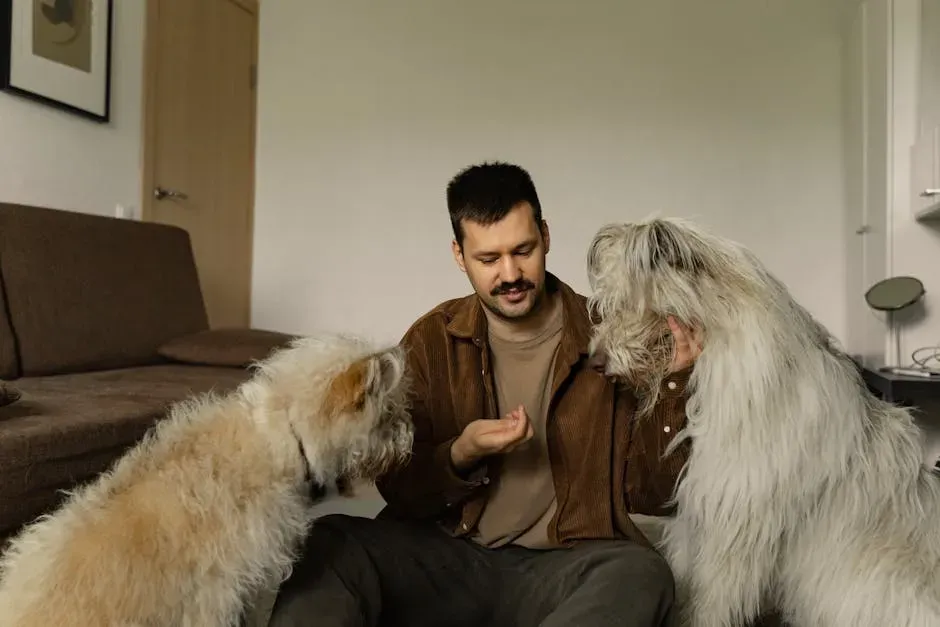
When your dog was younger, you could probably brush off a skipped meal or a lazy day without much thought. With a senior dog, every tiny change can feel like an alarm bell. You might find yourself watching how they get up, counting how many times they drink water, checking if their breathing sounds different, or waking in the night to listen for them moving around. The background hum of worry becomes part of your daily mental soundtrack, and it can be draining in ways you do not recognize at first.
This constant monitoring often comes from love and fear tangled together. You do not want to miss a sign that something is wrong, and you’re terrified of waiting too long to act. At the same time, living on high alert all the time is not sustainable; it wears down your sleep, your patience, your mood. Giving yourself permission to lean on your vet for guidance, keep notes or a simple log of symptoms, and reach out to trusted friends or support groups can help you feel more grounded, instead of feeling like you alone are responsible for catching every possible crisis.
6. The Hard Conversations About Quality of Life and “When Will I Know?”
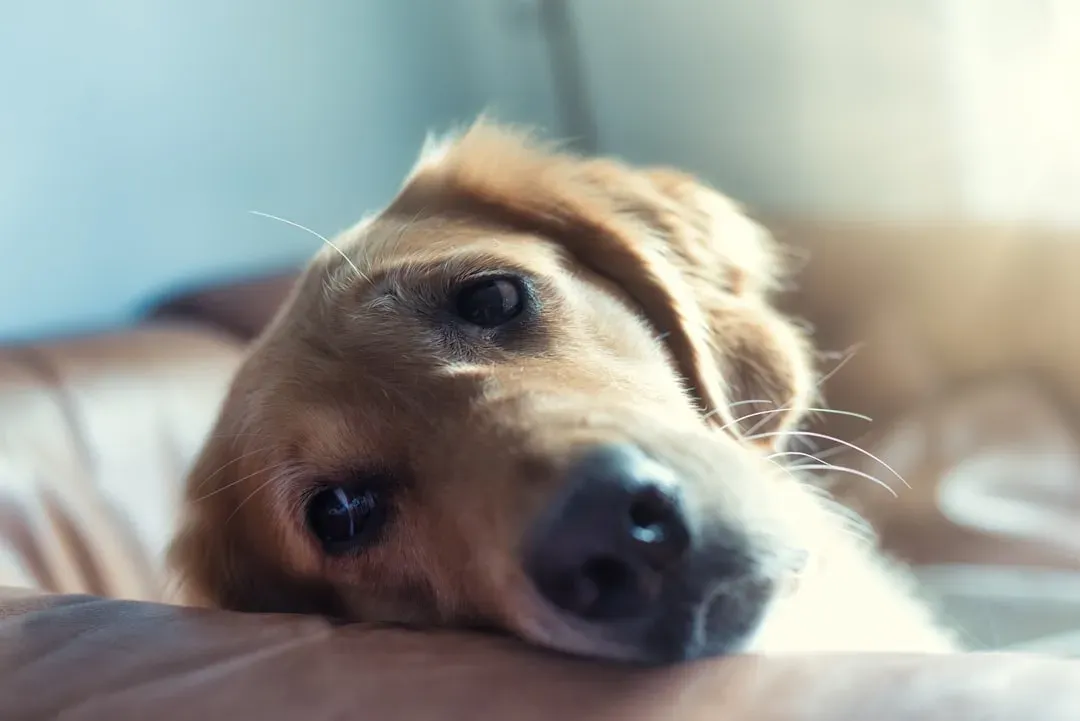
You probably hoped there would be a neat, clear moment when you just “knew” it was time to say goodbye, like flipping a switch from yes to no. In reality, it usually feels more like a messy gray zone. Your dog might have genuinely good days mixed with awful ones, flashes of puppy-like joy followed by obvious pain or disorientation. You may find yourself bargaining with time in your head: one more month, one more holiday, one more chance to see them wag at the door. It can feel like there is no right answer, only different shades of heartbreak.
What can help is shifting the question from “Am I killing them too soon?” to “Am I keeping them here for me rather than for them?” You might work with your vet to use quality-of-life scales that look at more than just one symptom: Are they still interested in food? Can they move without extreme distress? Do they enjoy anything, even in a smaller way? Giving yourself criteria ahead of time, and sharing those with people you trust, can act like a compass when your heart is clouded by fear and love. Ending suffering is not a betrayal; in many cases, it is the last and hardest expression of care.
7. The Depth of Grief You Feel While They’re Still Here – and After
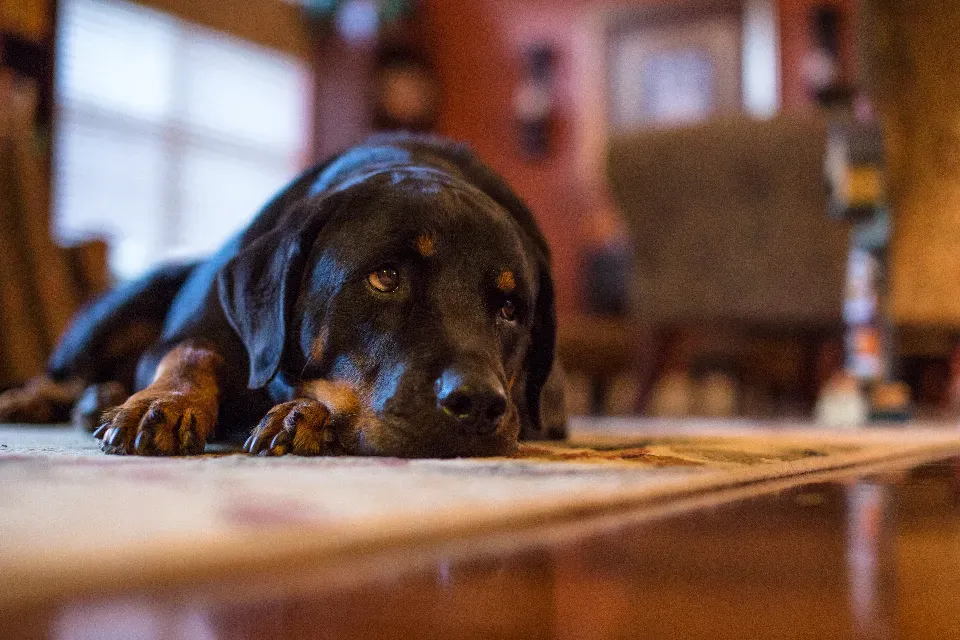
One of the most disorienting parts of having an old dog is how you start grieving them while they’re still alive. You may feel sadness watching them stumble or forget familiar things, or when you realize you are doing something “for the last time” without knowing it. You might sit quietly on the floor next to them, listening to their breathing, and feel waves of dread about the day that sound will stop. This anticipatory grief can make you feel like you’re living two lives at once: one where you’re caring for them day to day, and one where you’re already saying goodbye.
After they are gone, that grief can feel out of proportion to what other people expect, especially if they did not see how much of your life and identity revolved around caring for a senior dog. You may feel relief that their suffering is over tangled up with guilt for feeling that relief, and that mix can be confusing and painful. Allowing yourself to mourn fully, to remember the whole arc of their life instead of just the end, is not indulgent – it’s how you honor the bond you built. You gave them a soft landing; you’re allowed to need time to find your own footing again.
Conclusion: Loving Them Through the Long Goodbye
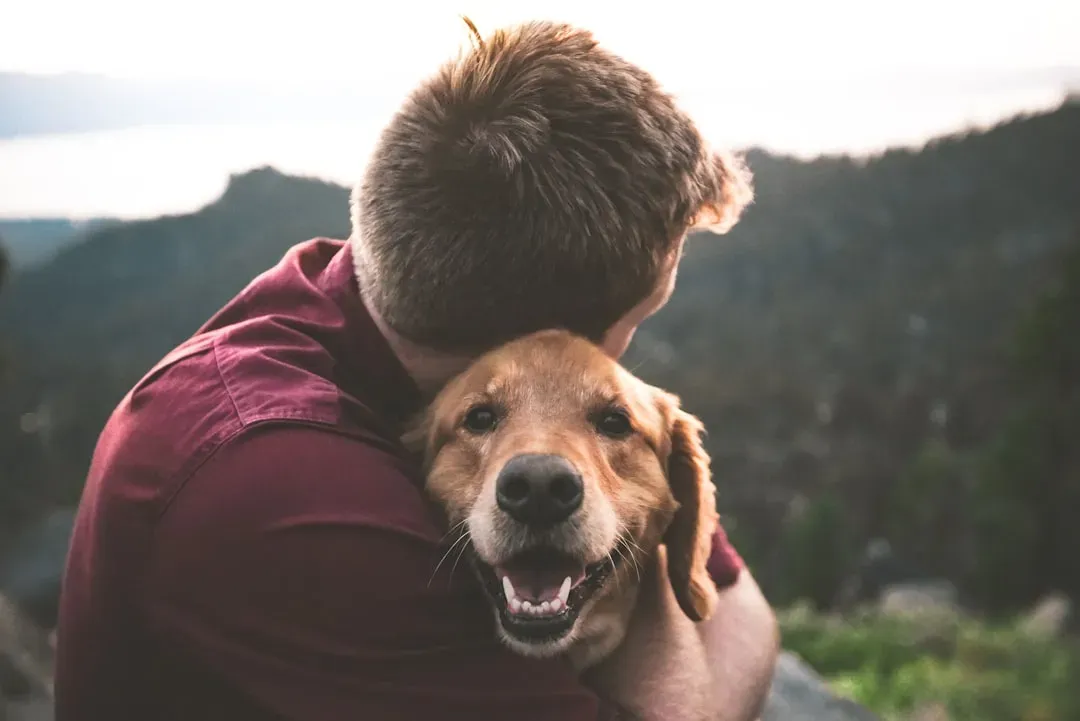
Nothing about this part of life with your dog is simple, even when you thought you had steeled yourself for it. You will make imperfect decisions, second-guess yourself, and carry questions that never get neat answers. But you will also learn to notice small joys you once rushed past: the way they still lean into your hand, the slow tail thump when they recognize your voice, the quiet comfort of sharing a room together even if you’re both just napping.
If you let it, this season can teach you a gentler, deeper version of love – the kind that shows up even when things are messy, inconvenient, scary, and sad. You cannot stop your dog from getting old, and you cannot rewrite the ending, but you can shape the middle of this chapter with intention, softness, and courage. Years from now, when you look back, what you’ll remember most isn’t how perfect you were; it’s that you stayed, you paid attention, and you did your best with the information and resources you had. When that day comes, what do you want to be able to say about how you walked your dog through their final miles?