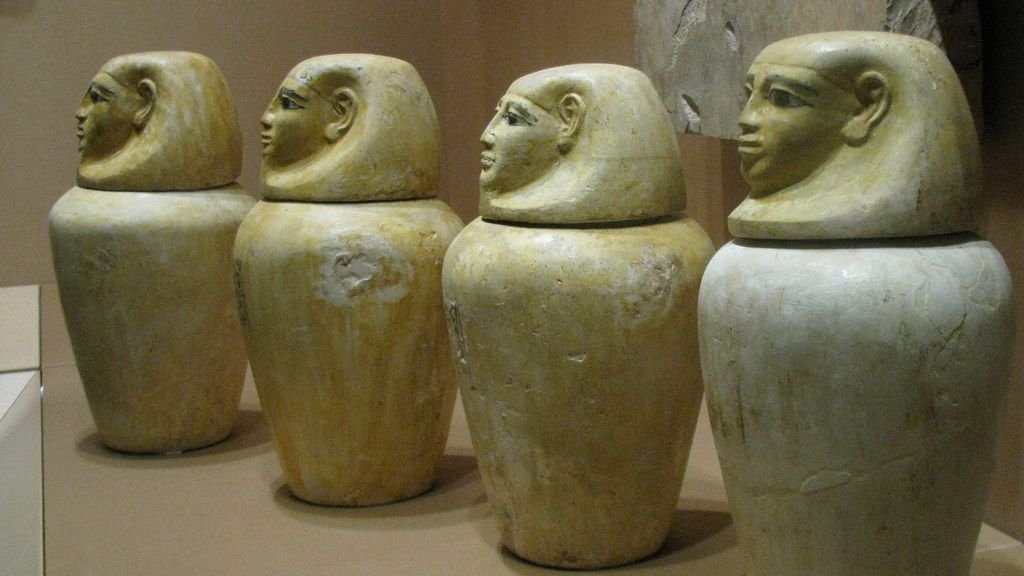

Have you ever wondered what secrets lie buried beneath layers of sand and time? Throughout history, explorers and archaeologists have unearthed objects that defy our understanding of ancient civilizations. These enigmatic relics challenge everything we thought we knew about the technological capabilities and knowledge of our ancestors.
Some of these artifacts seem impossibly advanced for their era. Others possess purposes that remain stubbornly unclear despite decades of research. From mechanical computers crafted two millennia ago to mysterious objects that modern experts can’t definitively identify, these discoveries continue to spark fierce debates within the scientific community. What makes them even more fascinating is that with each new theory, another layer of mystery seems to emerge.
The Antikythera Mechanism: An Ancient Computer Lost at Sea
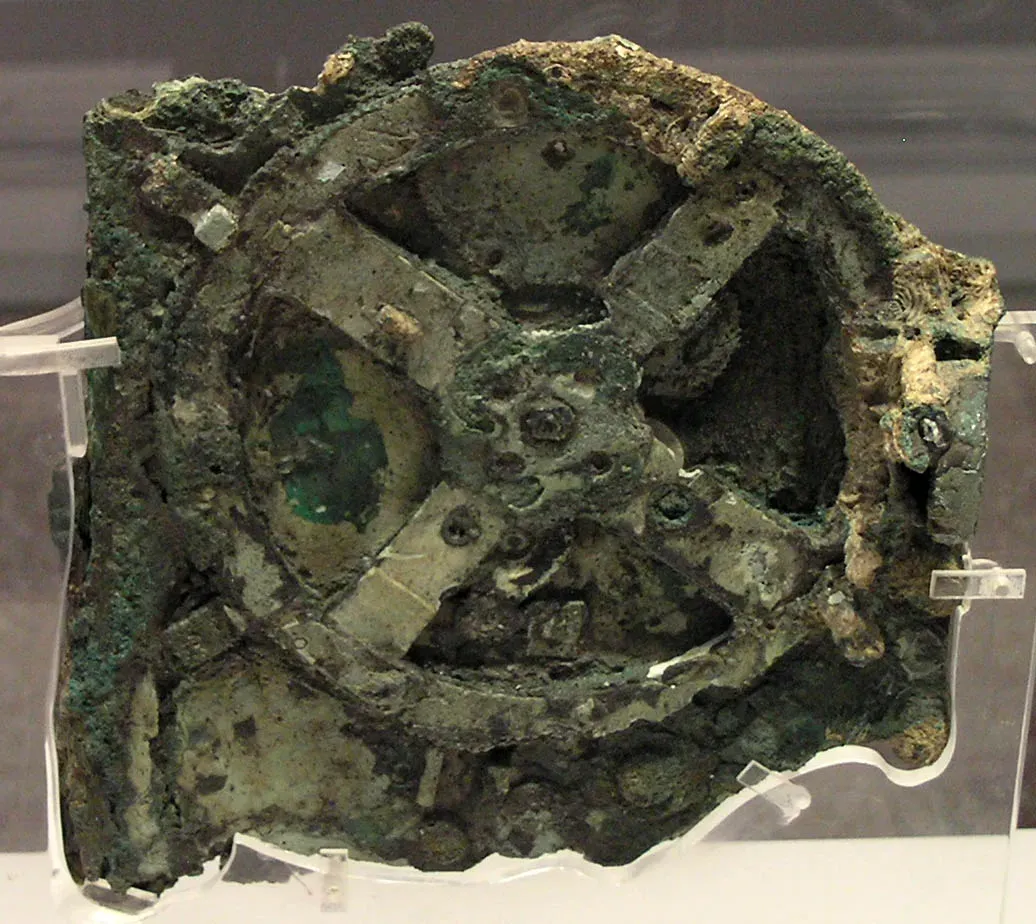
Discovered in a shipwreck off the Greek island of Antikythera in 1901, buried under 45 meters of water, this corroded bronze object would revolutionize our understanding of ancient Greek technology. The mechanism consists of a box with dials on the outside and a very complex assembly of gear wheels mounted within, about as complex as an 18th-century top-notch clock, although it’s 2100 years old. The level of craftsmanship is simply breathtaking when you consider its age.
The oldest known example of an analogue computer, it could be used to predict astronomical positions and eclipses decades in advance. The device could also track the four-year cycle of athletic games similar to the ancient Olympics. The complexity and workmanship did not appear again in Europe until the development of mechanical astronomical clocks in the fourteenth century, which raises a profound question: how did the ancient Greeks build such a sophisticated device with the limited technology available to them?
The Baghdad Battery: Ancient Electricity or Simple Storage?
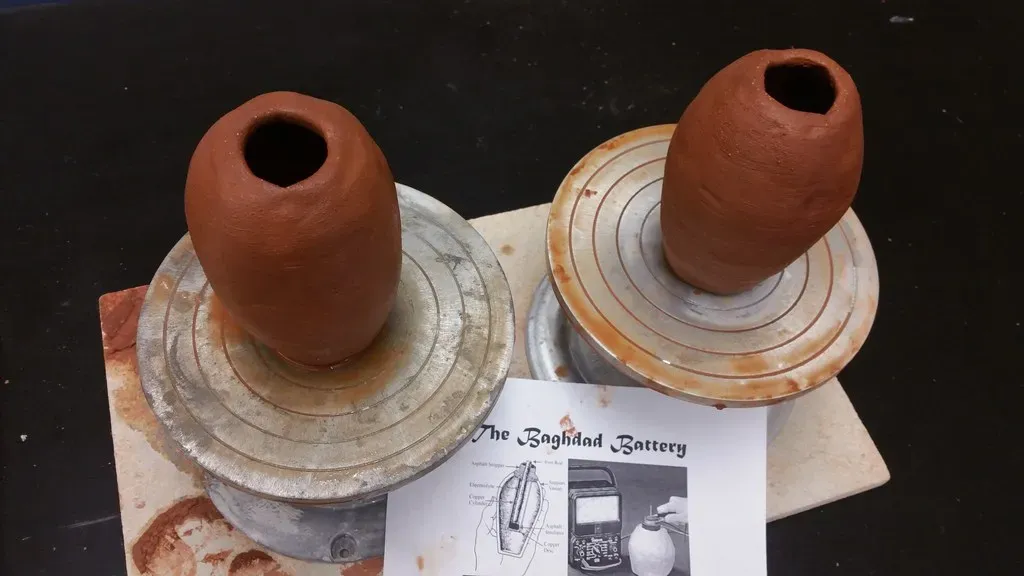
Clay jars with asphalt stoppers and iron rods made some 2,000 years ago have been proven capable of generating more than a volt of electricity, discovered by German archaeologist Wilhelm Konig in 1938 just outside of Baghdad, Iraq. These peculiar vessels have sparked one of archaeology’s most contentious debates. When reconstructed and filled with acidic liquids, the device produces between 0.5 and 1.5 volts – enough to cause a tingle or power a very small device.
Here’s the thing though. Dr. Paul Craddock, a metallurgy expert at the British Museum, stated the batteries have always attracted interest as curios, they are a one-off, and as far as we know, nobody else has found anything like these. Many archaeologists now believe these jars had a more mundane purpose, perhaps storing scrolls or documents. Still, the fact that they can generate electricity continues to fascinate researchers and fuel speculation about ancient knowledge.
The Voynich Manuscript: An Indecipherable Medieval Enigma

The Voynich manuscript is an illustrated codex, hand-written in an unknown script referred to as Voynichese, with the vellum carbon-dated to the early 15th century (1404–1438). This book is genuinely bizarre. The text consists of over 170,000 characters, with spaces dividing the text into about 35,000 groups of varying length, usually referred to as “words”, yet no one has successfully deciphered what any of it means.
The illustrations are equally perplexing. Pages depict strange plants that don’t match any known species, astronomical diagrams, and bizarrely, naked women bathing in green liquid connected by elaborate pipe systems. The Voynich manuscript has been studied by both professional and amateur cryptographers, including American and British codebreakers from both World War I and World War II, with codebreakers Prescott Currier, William Friedman, Elizebeth Friedman, and John Tiltman all unsuccessful. Even modern computers and artificial intelligence have failed to crack its code, leaving us to wonder whether it’s an elaborate hoax, a lost language, or something else entirely.
The Piri Reis Map: Antarctica Before the Ice?
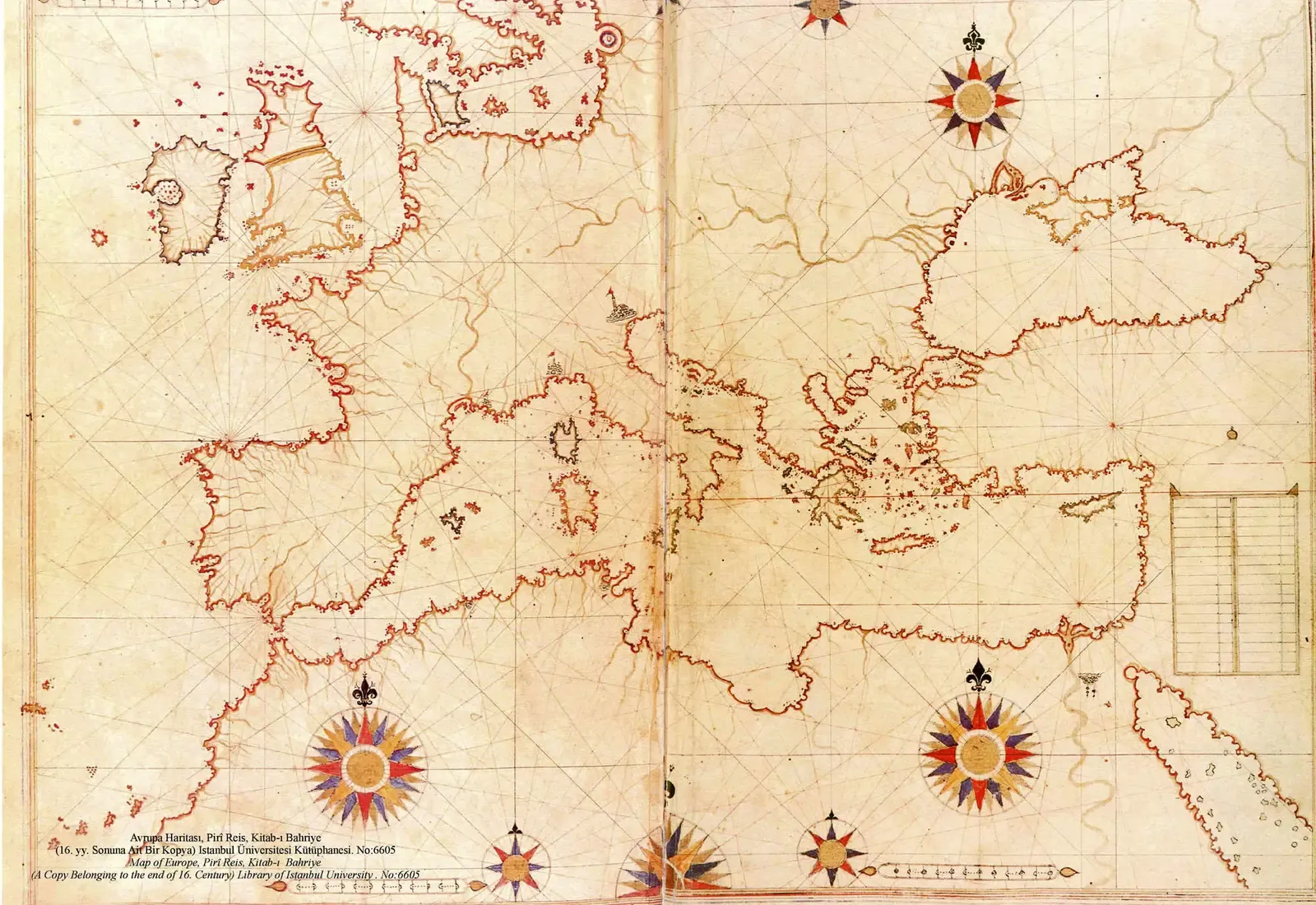
The Piri Reis map is a world map compiled in 1513 by the Ottoman admiral and cartographer Piri Reis, with approximately one third of the map surviving, housed in the Topkapı Palace in Istanbul. What makes this map truly extraordinary is its apparent accuracy. The map depicts the South American coastline and a landmass resembling Antarctica – 200 years before the continent was officially discovered.
Some researchers have gone even further, suggesting that certain features on the map show Antarctica’s coastline without ice, implying knowledge from a time before the continent froze over. It sounds incredible, honestly. Although the 1513 world map has been described by some authors as anomalous in its accuracy, it is no more precise than other 16th-century manuscript maps. Many historians believe the mysterious landmass is simply a distorted representation of South America’s southern tip, created with the imperfect cartographic methods of the Renaissance era.
Roman Dodecahedrons: Mystifying Metal Objects
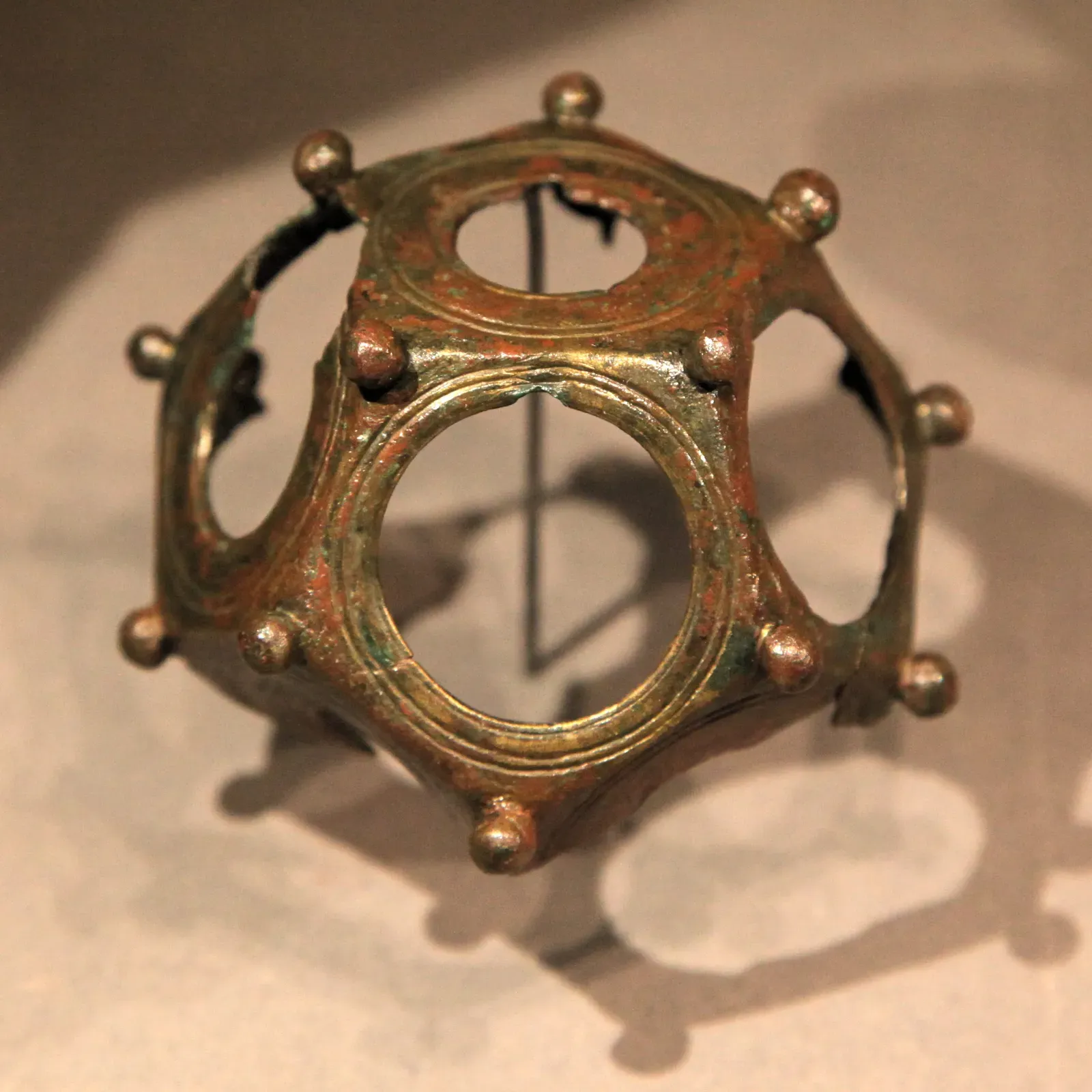
A Roman dodecahedron is a type of small hollow object made of copper alloy cast into a regular dodecahedral shape with twelve flat pentagonal faces, with each face having a circular hole of varying diameter in the middle, and each corner having a protruding knob. Since the first known example was recorded in 1739, over one hundred such objects have been discovered, dating from the 2nd to 4th centuries AD, yet their purpose or meaning has been long debated but remains unknown.
What’s particularly frustrating for researchers is the complete lack of historical documentation. No mention of dodecahedra has been found in contemporary accounts or pictures, which is extraordinarily unusual for objects that were clearly valued enough to be carefully crafted and preserved. More than fifty possible explanations have been published, ranging from astronomical instruments to fortune-telling devices, from military range-finders to devices for testing coin sizes. Some even speculate they were masterpieces created by metalworkers to demonstrate their skill. The truth? We simply don’t know.
The Stone Spheres of Costa Rica: Perfectly Mysterious Orbs
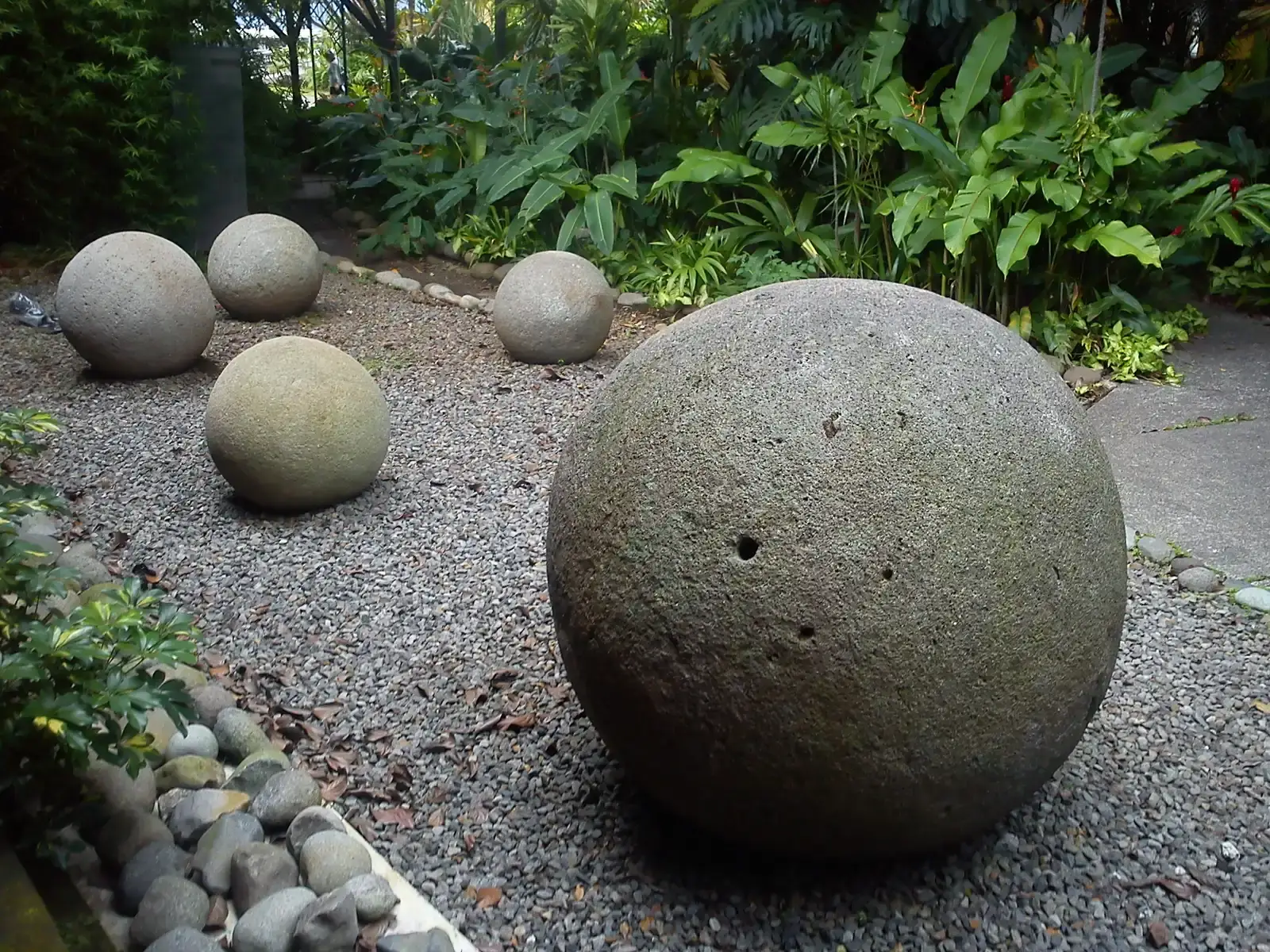
Over 300 hundred massive, perfectly round stone spheres have been found across Costa Rica, commonly attributed to the extinct Diquis culture, ranging from a few inches to over 6.5 ft. in diameter and weighing over 15 tons. Their precision is remarkable. Many are nearly perfect spheres, carved from granodiorite, a hard volcanic rock.
No unfinished stones have ever been found, and the final resting places of the spheres are at least fifty miles away from the source of the stone, which raises fascinating questions about how ancient people transported such massive objects. The mystery surrounding the spheres is more a result of lost information and the destruction of the original sites, as many were damaged or moved when banana plantations were established in the 1930s. Some were even blown apart by treasure hunters looking for gold inside. They found nothing but solid stone, leaving us with more questions than answers about their original purpose and placement.
The Nazca Lines: Desert Art Visible Only from the Sky
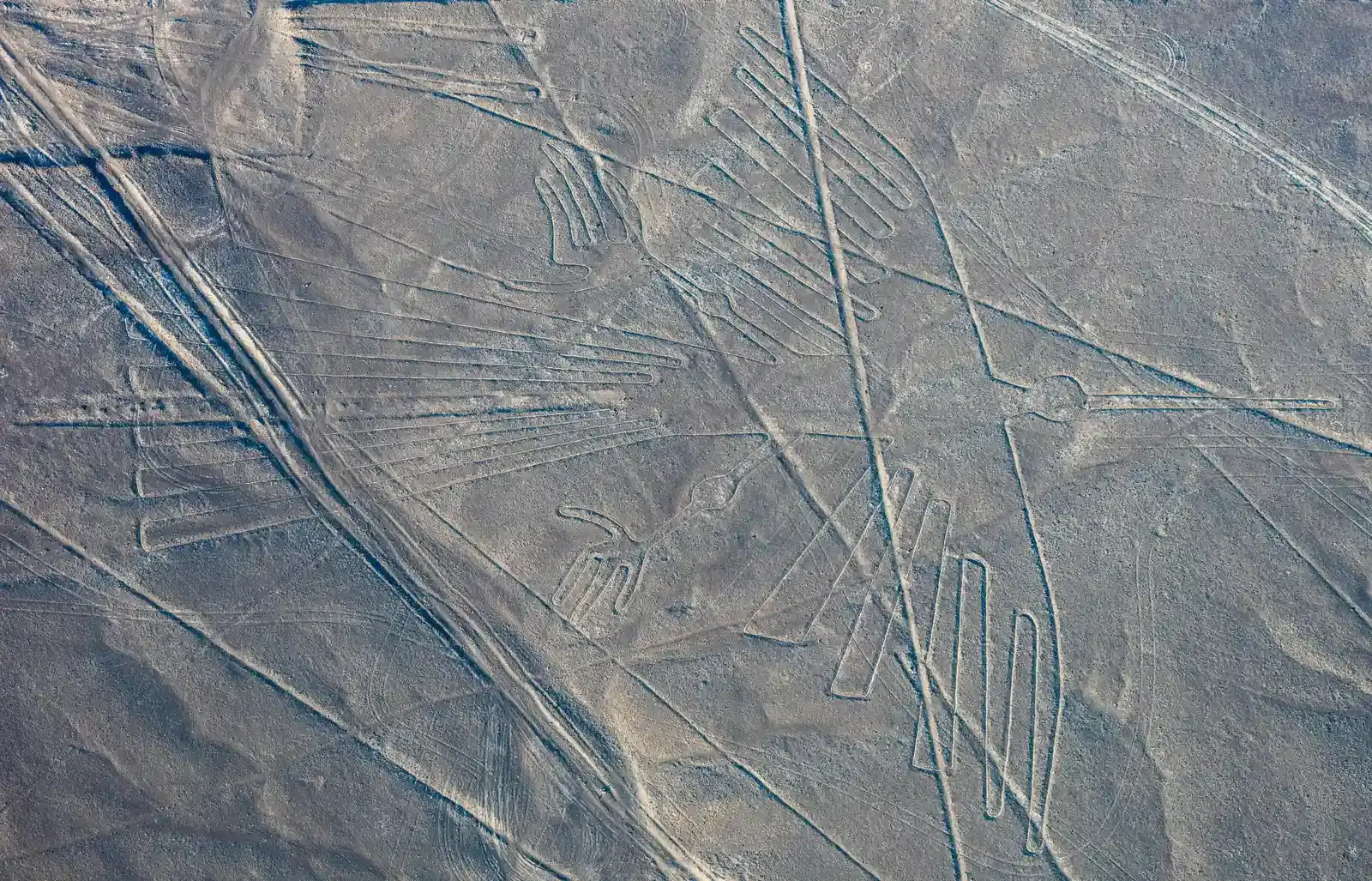
The Nazca Lines are a series of massive ancient geoglyphs etched into the desert floor of the Nazca plateau in southern Peru, covering an area of roughly 19 square miles, believed to have been created by the Nazca people between 500 BC and AD 500, including animals such as birds, spiders, and monkeys, as well as geometric shapes and humanoid figures. The scale is mind-boggling. These designs can only be fully appreciated from the air, yet they were created centuries before human flight.
How did the Nazca people create such precise, massive designs without being able to see them from above? Some theories suggest they had religious significance, serving as offerings to sky gods or ceremonial pathways. Others propose they functioned as astronomical calendars. The most outlandish theories involve ancient astronauts and alien landing strips, though mainstream archaeologists dismiss these ideas. What we know for certain is that these lines represent an extraordinary feat of planning and execution, demonstrating sophisticated mathematical and organizational capabilities that continue to impress modern engineers.
Conclusion
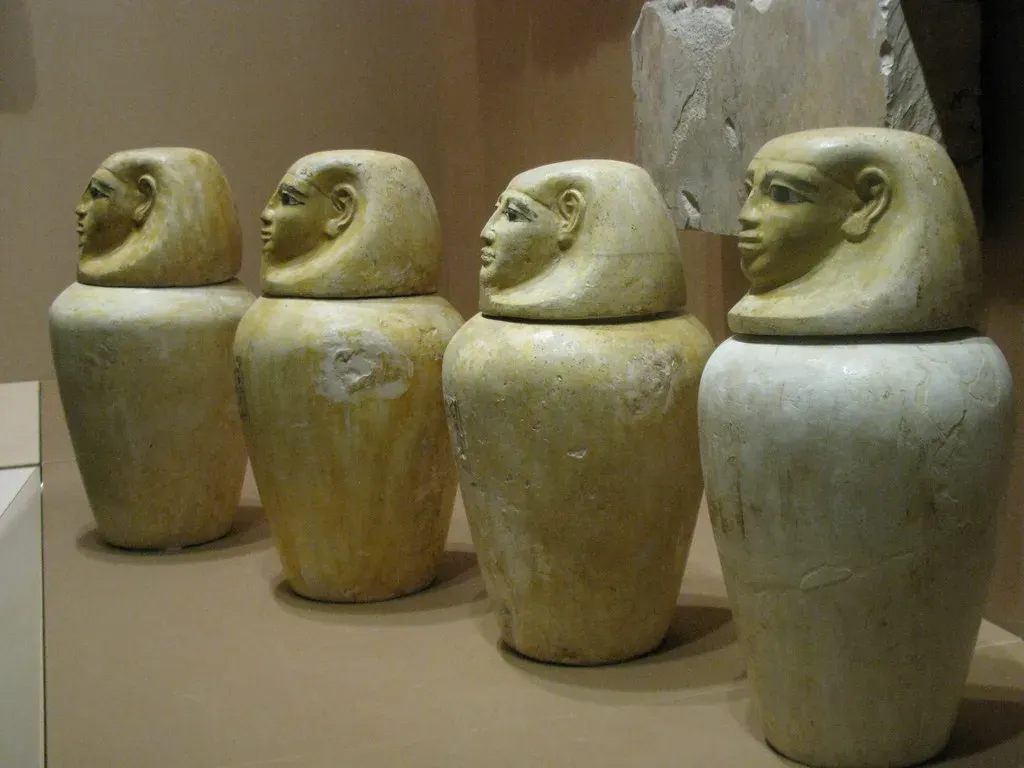
These seven artifacts remind us that ancient civilizations were far more sophisticated than we often give them credit for. From mechanical computers to perfectly spherical stones, from indecipherable manuscripts to mysterious metal objects, each discovery challenges our assumptions about the past. Perhaps what’s most humbling is recognizing how much we still don’t know.
The mysteries endure not because ancient people were less intelligent, but because knowledge can be lost across millennia. War, natural disasters, and the simple passage of time have erased countless records and explanations. Yet these objects survived, silent witnesses to forgotten knowledge and vanished cultures. What do you think these artifacts tell us about our ancestors? Did they possess knowledge that we’re only now rediscovering, or are we simply overthinking their purposes?
Hi, I’m Andrew, and I come from India. Experienced content specialist with a passion for writing. My forte includes health and wellness, Travel, Animals, and Nature. A nature nomad, I am obsessed with mountains and love high-altitude trekking. I have been on several Himalayan treks in India including the Everest Base Camp in Nepal, a profound experience.