
Space used to feel like a distant backdrop: a glittering wallpaper behind the real action of life on Earth. In 2025, that illusion has been completely shattered. A fleet of new missions is peeling back the universe layer by layer, challenging ideas that seemed rock solid barely a decade ago and raising questions nobody even knew to ask. From listening for the faint heat of the Big Bang to sniffing for life’s molecules on distant worlds, these missions are turning the cosmos into an active laboratory rather than a distant stage. What follows is not just a list of spacecraft, but a snapshot of a moment when our entire picture of reality is being quietly, relentlessly rewritten.
James Webb Space Telescope: The Hidden Clues in Cosmic Dawn
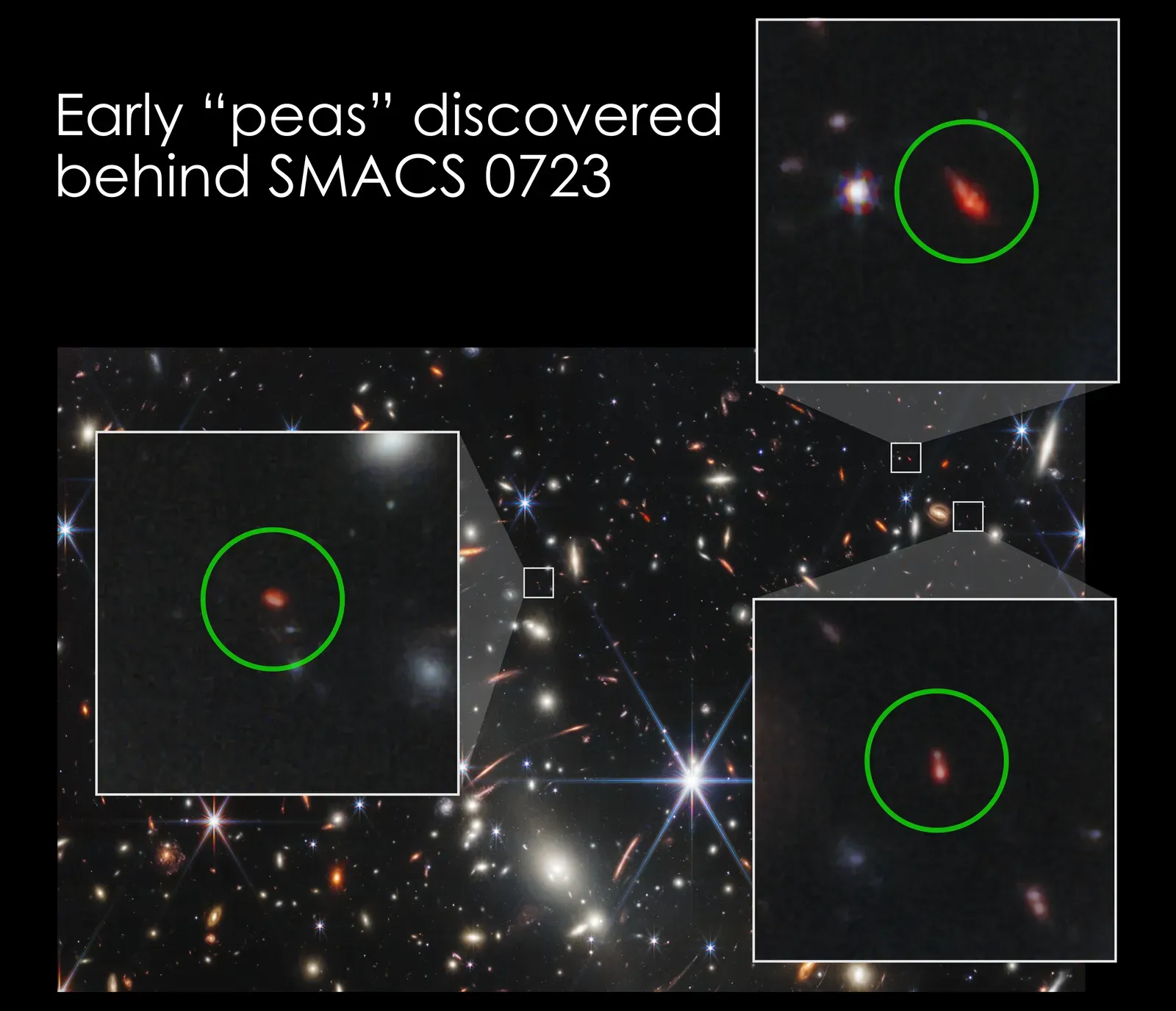
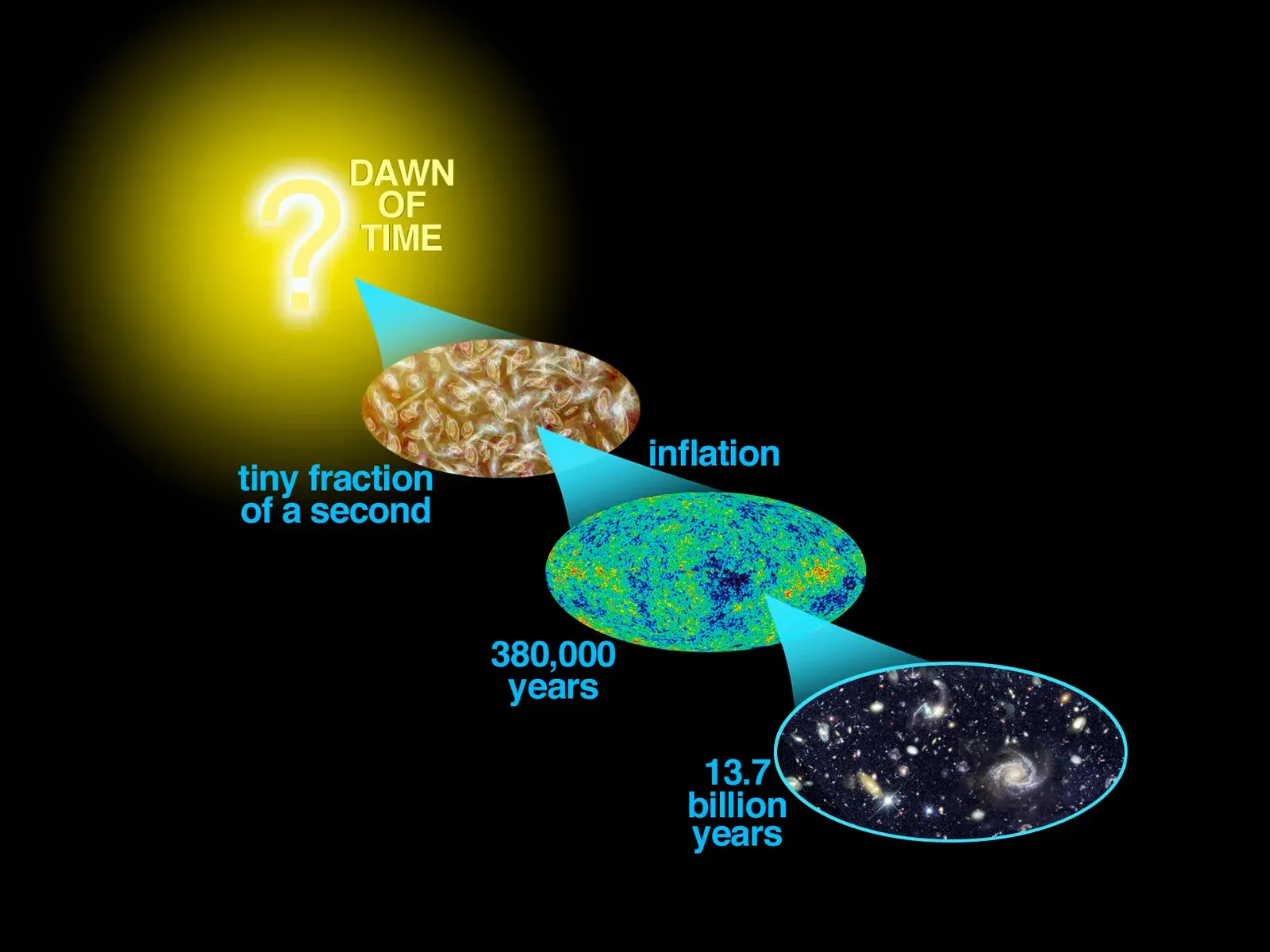
There’s something almost unnerving about the James Webb Space Telescope (JWST): it keeps finding galaxies that look too big, too bright, and too mature for their age. Launched in late 2021 and now fully operational, JWST has been peering back to within a few hundred million years after the Big Bang, where the universe should still be in its awkward infancy. Instead, it has spotted candidates for massive galaxies and even signs of complex structure at times when theory predicted only small, slowly growing systems. For cosmologists, this is like opening a baby photo album and finding a teenager grinning back at you. The message is clear: either our models of how fast galaxies form are incomplete, or something deeper about dark matter, star formation, or early black holes needs a serious rethink.
What makes JWST so disruptive is the forensic detail it adds to this puzzle. Its infrared instruments can pick out signatures of elements like oxygen and carbon, measure the redshift of faint galaxies, and study the dusty nurseries where stars first ignite. It is already finding surprisingly rich chemical environments much earlier than expected, suggesting that the universe began forging heavy elements with astonishing speed. At the same time, high-resolution images are revealing tangled webs of gas and merging protogalaxies, giving theorists a reality check on their simulations. The hidden clues JWST is surfacing do not yet fit into a neat story, and that tension is exactly what makes this mission so scientifically explosive.
Artemis Program: From Flags and Footprints to a Permanent Presence
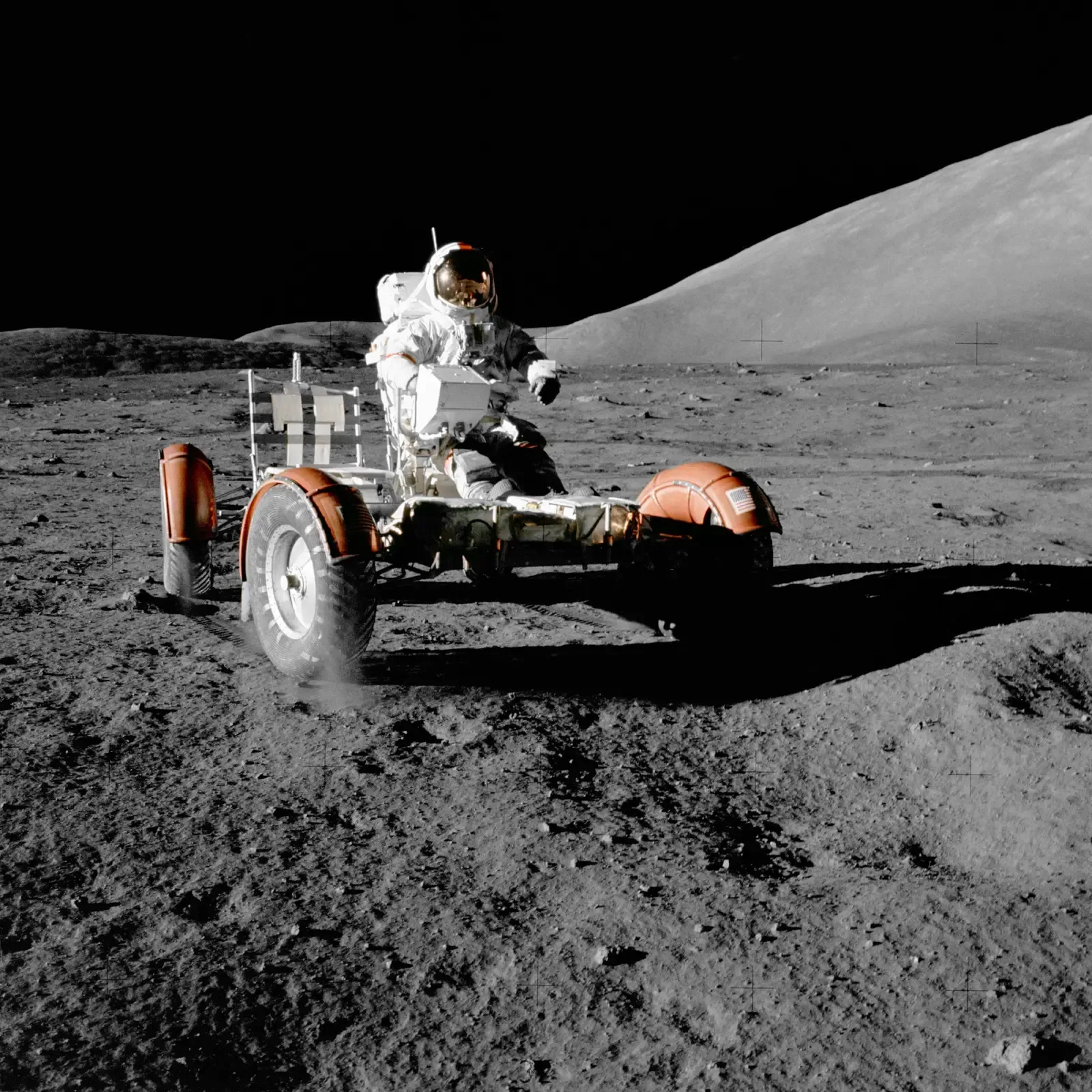
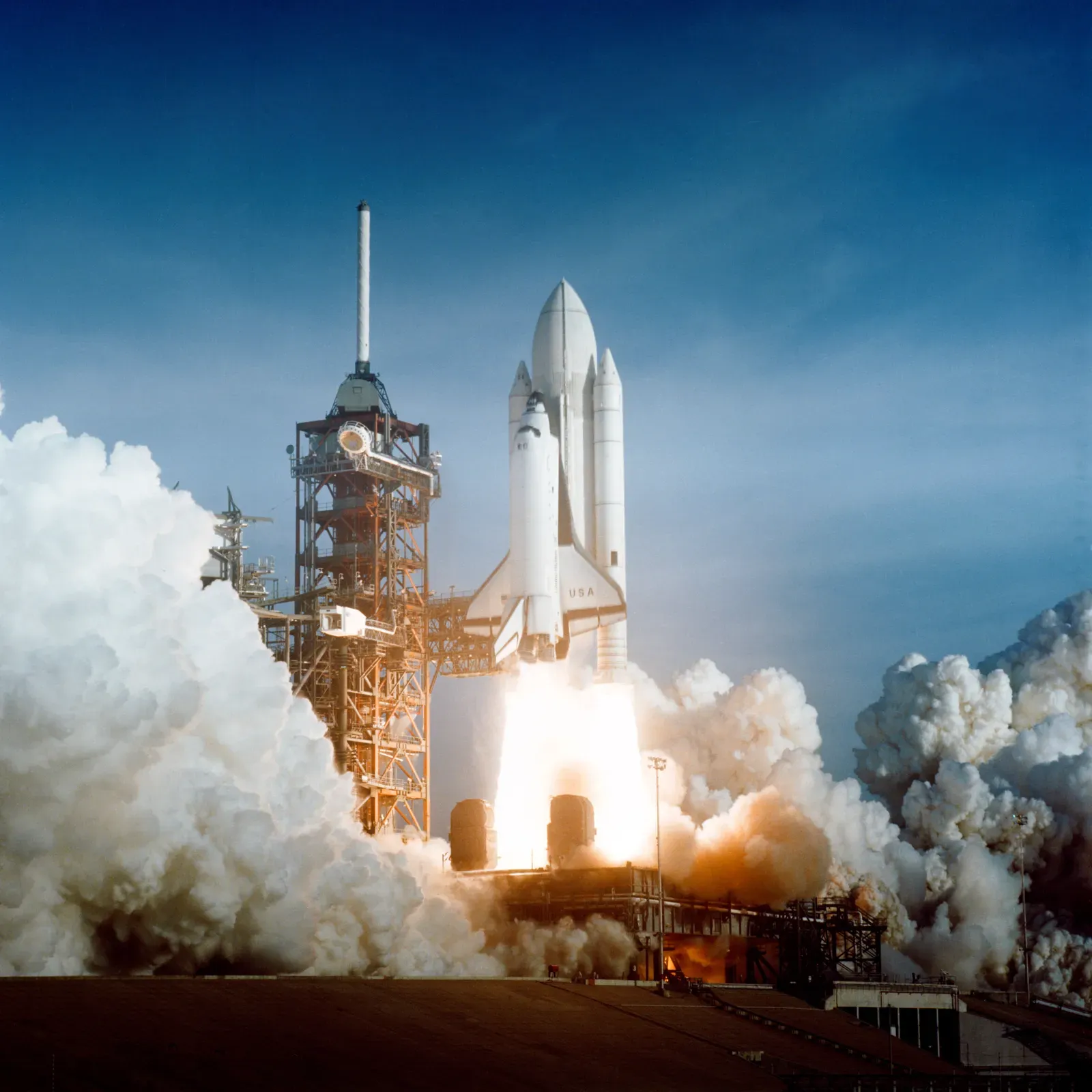
The Artemis program is NASA’s bet that the Moon is no longer just a destination, but a stepping stone. After years of delays and changing plans, the uncrewed Artemis I flight around the Moon proved the new Space Launch System and Orion capsule could survive deep-space conditions, setting the stage for astronauts to loop around the Moon and then land in the coming years. What makes Artemis radically different from Apollo is the intent: where Apollo was a sprint, Artemis is built as a long-term campaign to establish a sustained human foothold at the lunar south pole. This region hosts permanently shadowed craters thought to contain frozen water, a resource that could be turned into drinking water, breathable oxygen, and even rocket fuel. It’s no exaggeration to say that ice could become the Moon’s version of oil, shaping future exploration and even geopolitics.
Behind the headline-grabbing rockets lies a quieter revolution in how we work in space. Commercial landers, international partners, and planned infrastructure like the lunar Gateway station are turning Artemis into a multi-player ecosystem rather than a purely national project. Engineers are testing technologies for in-situ resource utilization, autonomous rovers, and power systems that could survive the brutal two-week lunar night. The shift from brief visits to semi-permanent bases mirrors how early polar exploration on Earth gradually transformed from heroic expeditions into long-term science outposts. If Artemis succeeds, our mental image of the Moon will change from a distant symbol to something more like a close-by frontier town – harsh, risky, but within regular reach.
Europa Clipper: The Ocean World That Refuses to Be Ignored
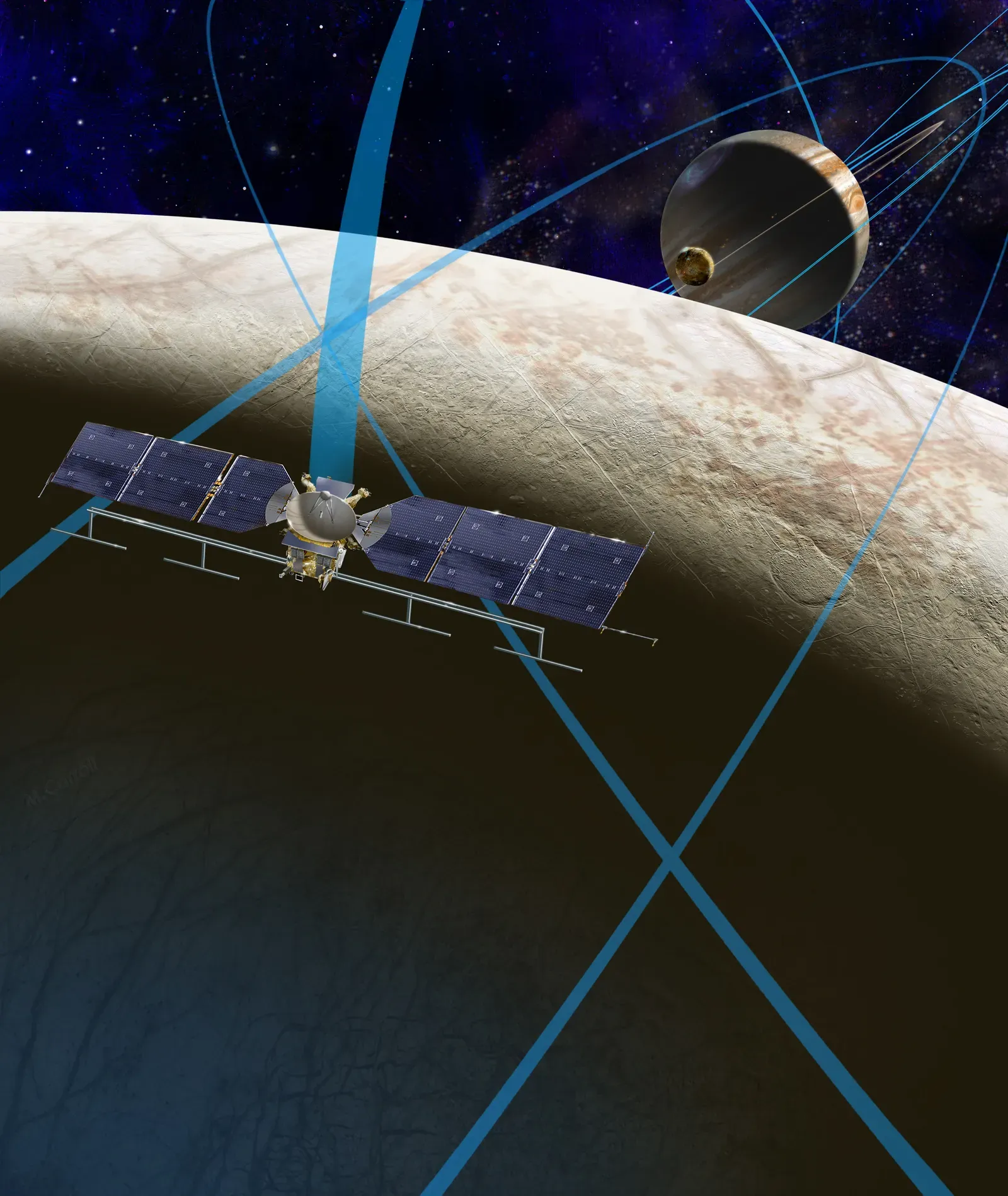
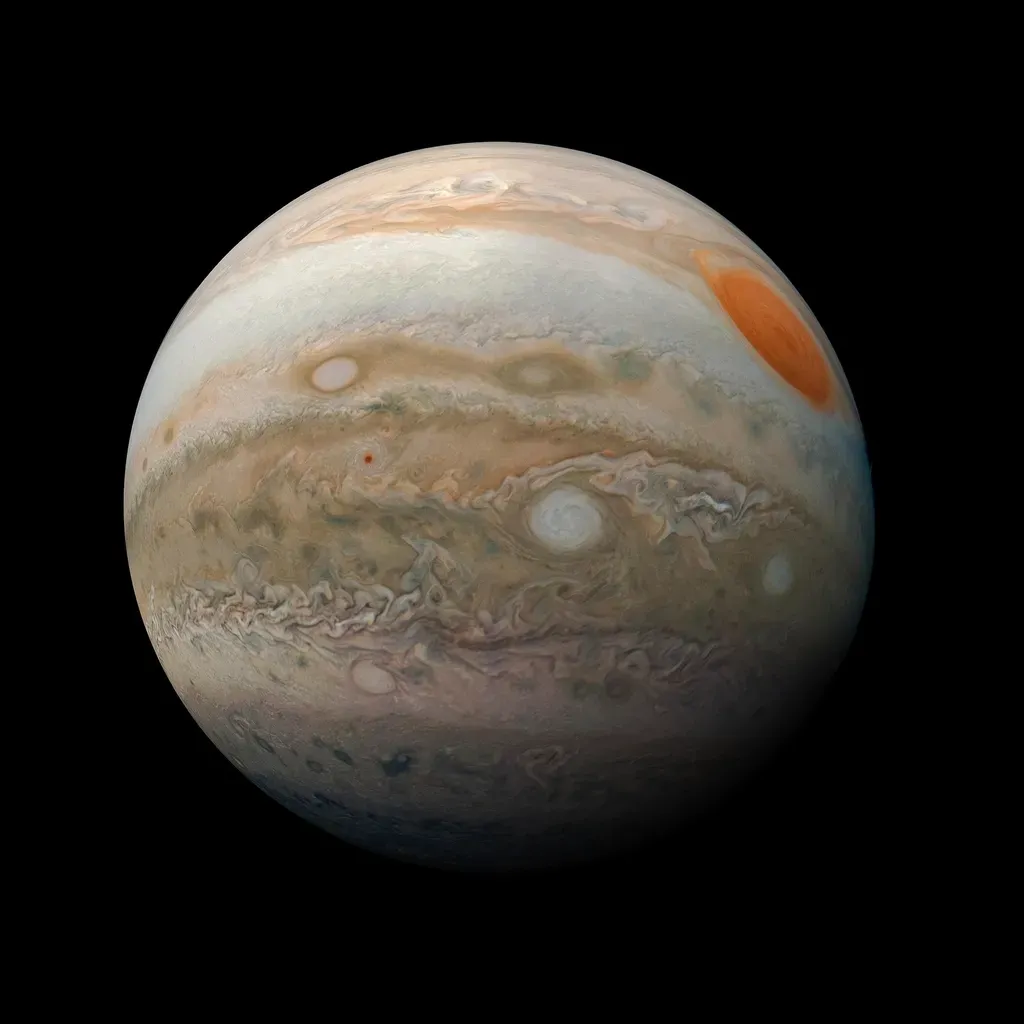
Jupiter’s moon Europa has long been the quiet favorite in the search for extraterrestrial life, and the Europa Clipper mission is finally giving it the obsession-level attention it deserves. Beneath Europa’s cracked, ice-covered surface lies a global ocean that may be tens of miles deep, kept liquid by tidal heating as the moon flexes in Jupiter’s powerful gravity. On Earth, life thrives in dark deep-sea vents, far from sunlight, using chemistry instead of photosynthesis – a blueprint that makes Europa’s hidden ocean feel hauntingly familiar. Europa Clipper, scheduled to arrive in the early 2030s after a launch in the mid-2020s, will perform dozens of close flybys, mapping the ice shell, sampling the thin atmosphere, and sniffing for signs of plumes jetting water into space. Each pass is a chance to probe this alien ocean without having to drill through miles of ice.
What makes this mission so compelling is how sharply it narrows the question from “Is there life in the universe?” to “Is there life in a place that looks startlingly like an Earth ocean, just encased in ice?” Its instruments are tuned to look for key hints of habitability: salt composition, organic molecules, energy sources, and the thickness and dynamics of the ice lid. Discoveries from previous missions, like hints of possible plumes seen by Hubble and reanalyzed Galileo data, raised tantalizing possibilities but lacked the close-up confirmation Europa Clipper can provide. If it finds complex organic chemistry, persistent liquid water, and energy gradients, Europa may move from the realm of “interesting moon” to “prime suspect” in the hunt for life. Even a null result – no strong signs of habitability – would reshape how we rank other icy worlds like Enceladus and Titan in the cosmic queue.
Chinese Chang’e Lunar Missions: A New Era of Sample Returns and Silent Rivalries
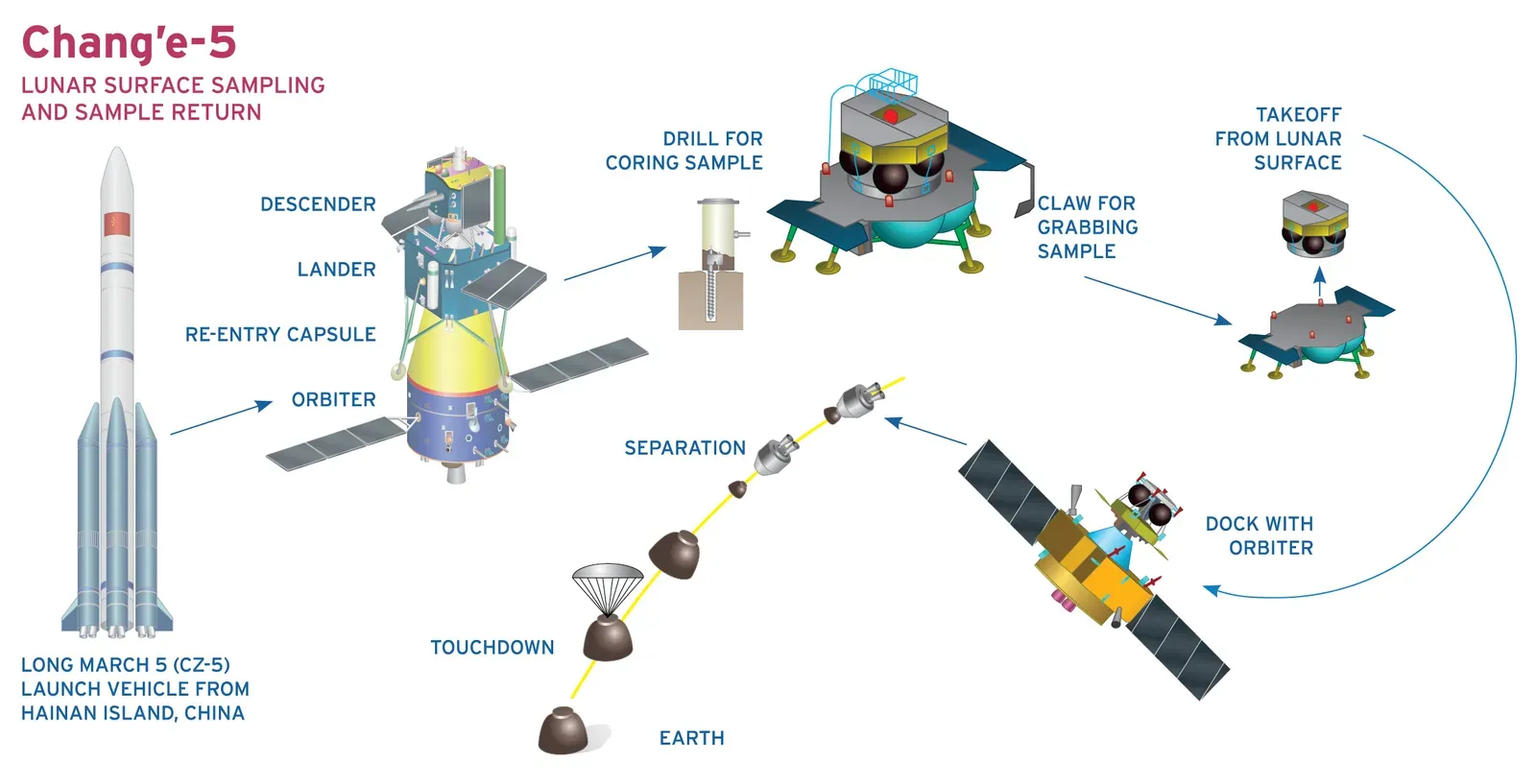
While Artemis captures headlines in the United States, China’s Chang’e lunar program has quietly rewritten what robotic exploration can do. Chang’e 4 made history with the first soft landing on the far side of the Moon, operating in radio silence from Earth and relying on a dedicated relay satellite parked beyond the Moon. Chang’e 5 then raised the stakes by returning fresh lunar samples to Earth, the first new Moon rocks in decades, offering a time capsule of volcanic activity and solar history. Future missions in the Chang’e series are expected to target the lunar south pole, test resource extraction, and lay the groundwork for a potential joint research base with other partners. Each mission is another brick in a deliberate strategy: gain technical capability, scientific prestige, and practical knowledge of how to live and work off-world.
The scientific yield is already significant. New samples allow researchers to refine the Moon’s age timeline, constrain how long volcanism lasted, and study how solar radiation has altered the regolith over billions of years. They also help calibrate crater-counting methods that are used all across the solar system to estimate surface ages. At the same time, Chang’e highlights the emerging reality that space is becoming a multi-polar arena, not a two-player Cold War replay. The quiet rivalry is less about planting flags and more about who sets norms for things like resource rights, sample sharing, and traffic around key regions like the poles. In that sense, each returned rock is both a scientific treasure and a subtle diplomatic signal.
Vera C. Rubin Observatory: Why It Matters for Dark Matter, Dark Energy, and Everything In Between
Not all game-changing space missions leave Earth; some, like the Vera C. Rubin Observatory in Chile, turn the entire night sky into an experiment. Once it begins full survey operations, Rubin will repeatedly image the sky over and over for years, creating a time-lapse movie of the universe. Its primary project, the Legacy Survey of Space and Time, is designed to catalog billions of galaxies, track countless variable stars, and detect fleeting events like supernovae and asteroid flybys. For dark matter and dark energy research, this kind of data set is pure gold. Subtle distortions in galaxy shapes due to gravitational lensing and the way cosmic structures evolve over time will offer some of the sharpest tests yet of how gravity behaves on the largest scales.
Compared with traditional astronomy, which often focused on single objects or narrow patches of sky, Rubin’s approach is closer to population biology: it thrives on overwhelming numbers. This matters for several reasons:
- By tracking how nearly half a billion galaxies cluster and stretch, astronomers can test whether dark energy behaves like a simple constant or something more exotic.
- By mapping countless faint objects in the outer solar system, Rubin may uncover new dwarf planets and refine theories of how our planetary neighborhood formed.
- By catching rare events that happen only once in many millions of stars, it can reveal strange supernova types and maybe entirely new phenomena.
In many ways, Rubin is the statistical counterpoint to telescopes like JWST. Where JWST dives deep into small regions, Rubin skims the surface of nearly everything, again and again, to tease out patterns that only emerge from massive, carefully curated data. Together, they are reshaping cosmology from both ends: the detailed and the panoramic.
Euclid and Nancy Grace Roman: The Future Landscape of Cosmic Cartography
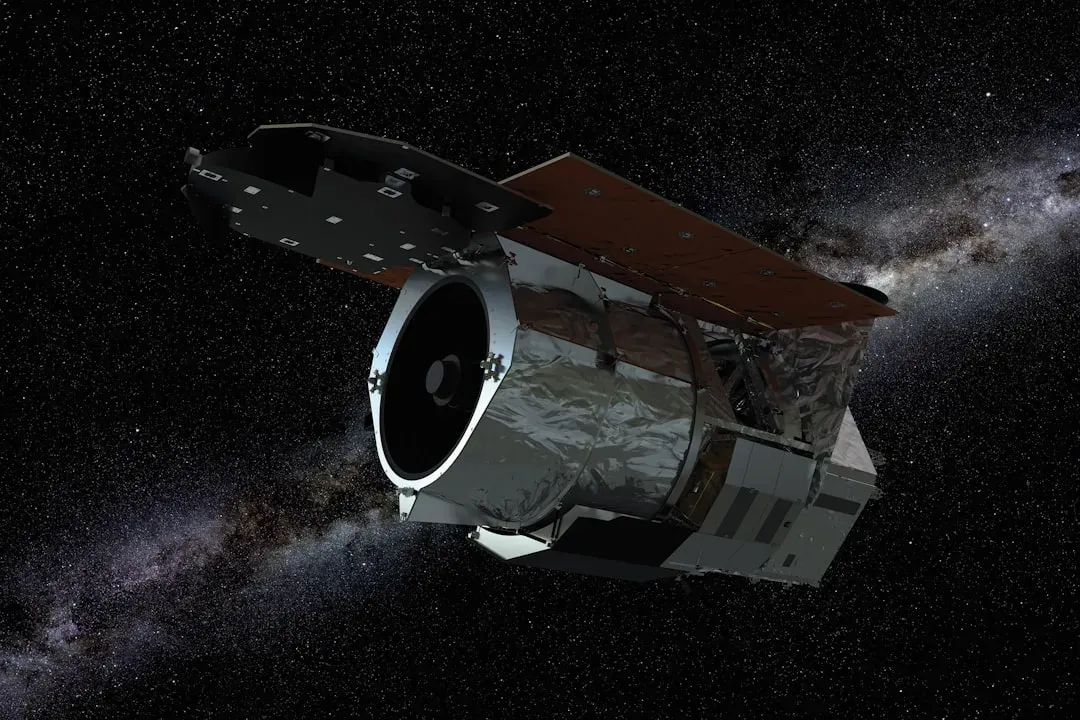
Europe’s Euclid mission and NASA’s upcoming Nancy Grace Roman Space Telescope are like twin cartographers of the invisible. Euclid, already in space, is surveying billions of galaxies to map the geometry of the universe and the distribution of dark matter through cosmic time. Its wide-field optics and precise shape measurements of distant galaxies will reveal how structures have grown under the competing influences of gravity and dark energy. Roman, planned for later in the decade, will add its own high-precision, wide-field infrared vision, pushing deeper and offering complementary measurements of supernovae and gravitational lensing. The combination is designed to corner dark energy: to pin down whether it acts like a simple cosmological constant or hints at new physics.
These missions matter because they move us from broad-brush estimates to precision cosmology. Past surveys established that the universe’s expansion is accelerating, but left large uncertainties in exactly how fast and whether that rate has changed over time. With Euclid and Roman, scientists hope to slash those uncertainties dramatically, turning faint statistical whispers into firm measurements. That, in turn, will test whether Einstein’s theory of gravity holds on cosmic scales or whether we are missing something fundamental. It is similar to switching from a rough hand-drawn map to a GPS-grade survey: same territory, but now you see every curve and contour. If anomalies appear, they may point to new particles, new forces, or entirely new frameworks for understanding space-time.
Commercial Mega-Constellations and Private Missions: The New Players Shaping Our View of Space
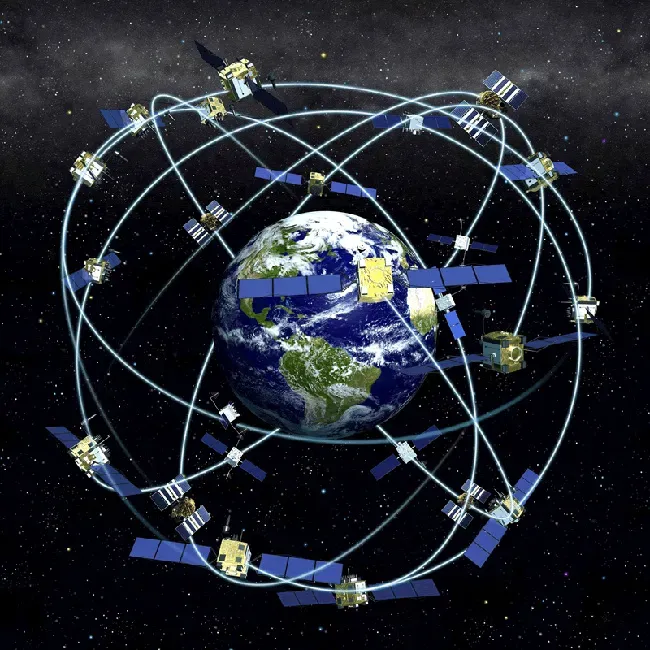
While government agencies chase grand physics questions, commercial space is rapidly remaking the practical side of our relationship with orbit. Thousands of satellites in mega-constellations now blanket low Earth orbit, promising global broadband coverage but also raising fears about space debris and light pollution for astronomers. Private companies are not just launching payloads; they’re building their own lunar landers, planning commercial space stations, and selling rides to orbit for national agencies and researchers. This shift has powered an explosion of small, nimble missions that can target specific scientific questions or test experimental technologies without needing a decade-long flagship budget. The line between “space industry” and “space science” has never been blurrier.
The impact on discovery is complicated but undeniable. On one hand, increased launch capacity and lower costs mean more opportunities to send instruments to orbit, deploy small telescopes, or piggyback on rideshare missions. On the other, streaks from bright satellites can contaminate images from observatories, forcing astronomers to develop complex mitigation strategies. Regulators and scientists are now grappling with questions that barely existed twenty years ago: How crowded is too crowded in orbit? Who is responsible for cleaning up defunct hardware? And how do we balance connectivity on Earth with a clear view of the sky? The answers will shape not only our digital lives, but also the future of space-based astronomy.
The Cosmic Stakes: Why These Missions Matter for All of Us
It’s tempting to see these missions as esoteric science projects, the kind of thing only cosmologists and planetary geologists obsess over. But the stakes are far broader than academic curiosity. When JWST finds unexpectedly mature galaxies, or when Euclid maps the invisible skeleton of dark matter, they are testing the very assumptions that underpin our understanding of time, space, and matter. If those assumptions shift, so does everything from how we simulate climate on Earth to how we interpret signals from distant planets. A better grasp of cosmic history feeds directly into better models of how stars form, how heavy elements are made, and ultimately how habitable environments arise.
There’s also a quieter, psychological impact that is easy to underestimate. Missions like Artemis and Europa Clipper force us to confront the possibility that other habitable niches – or even other life forms – might exist within our own solar system. That changes how we think about life’s uniqueness and fragility here at home. Meanwhile, the growing role of commercial actors and international competitors brings space issues – like debris, resource rights, and planetary protection – into everyday policy debates. In that sense, understanding these missions is not just about appreciating the beauty of the cosmos. It is about recognizing that decisions made in space will increasingly ripple back into economics, ethics, and environmental choices on Earth.
Beyond the Horizon: Challenges, Technologies, and the Next Wave of Discovery
For all their promise, these missions are also stress tests for our technology and our scientific theories. Deep-space telescopes must operate at mind-bending sensitivities, where a tiny misalignment or stray reflection can mimic the signal of an early galaxy. Planetary missions like Europa Clipper and Chang’e landers have to survive intense radiation, extreme temperature swings, and limited power, all while returning pristine data. Adding to that, the data deluge from Rubin, Euclid, and future instruments will be so vast that traditional analysis methods simply cannot keep up. Astronomers are turning to machine learning and advanced statistical tools not as optional add-ons, but as essential parts of the scientific process.
Looking ahead, several emerging themes stand out. New propulsion concepts and more efficient electric thrusters could shrink travel times to the outer planets, opening the door to more frequent missions to icy moons and dwarf planets. Concepts for sample-return missions from places like Mars, comets, and even asteroids rich in organics are moving from whiteboards to hardware. At the same time, the global community faces tough choices about how to regulate lunar mining, share data fairly, and protect potentially habitable worlds from contamination. The future landscape of exploration will not be defined only by what is technically possible, but by what we agree is responsible and wise. That conversation is just getting started, and these missions are its first case studies.
Your Role in the New Age of Space Discovery
It’s easy to think that space exploration is something that happens far away, controlled by distant agencies and opaque committees. In reality, there are simple ways individuals can plug into this unfolding story. Many of the observatories and missions described here run open-data portals and citizen-science projects where volunteers help classify galaxies, spot transient events, or track near-Earth asteroids. Public funding decisions, from national budgets to international collaborations, are heavily influenced by how vocal and informed citizens are about the value of space science. Even basic actions – subscribing to mission updates, sharing accurate information, or supporting science education – help build the cultural momentum that keeps ambitious missions alive.
If you want to take a more concrete step, consider these options:
- Join citizen-science platforms that let you sift through real telescope images and help flag unusual objects.
- Support organizations that advocate for responsible space policy, debris mitigation, and planetary protection.
- Engage with local schools or community groups to share current discoveries and inspire future scientists and engineers.
Our picture of the universe is being updated in real time, and it is not a spectator sport. The next surprising galaxy, strange exoplanet, or puzzling cosmic signal may first be noticed by a volunteer or a student working with open data. In a very real sense, the universe is no longer just out there; it’s also on our screens, in our debates, and in the choices we make about what kind of exploration we are willing to support.
Suhail Ahmed is a passionate digital professional and nature enthusiast with over 8 years of experience in content strategy, SEO, web development, and digital operations. Alongside his freelance journey, Suhail actively contributes to nature and wildlife platforms like Discover Wildlife, where he channels his curiosity for the planet into engaging, educational storytelling.
With a strong background in managing digital ecosystems — from ecommerce stores and WordPress websites to social media and automation — Suhail merges technical precision with creative insight. His content reflects a rare balance: SEO-friendly yet deeply human, data-informed yet emotionally resonant.
Driven by a love for discovery and storytelling, Suhail believes in using digital platforms to amplify causes that matter — especially those protecting Earth’s biodiversity and inspiring sustainable living. Whether he’s managing online projects or crafting wildlife content, his goal remains the same: to inform, inspire, and leave a positive digital footprint.