
You probably reached for at least five inventions this morning before you were fully awake, without once wondering whose messy experiments, bad guesses, or world-changing insights made them possible. Yet behind familiar objects like your coffee mug, your phone screen, or the zipper on your jacket lies a trail of unexpected science that often began in a completely different context. This article dives into seven everyday inventions whose origins are far stranger, more accidental, or more ambitious than their current humble roles suggest. By tracing those beginnings, we can see how physics, chemistry, biology, and engineering quietly shape our routines. And once you know these backstories, it becomes hard to look at the objects around you as “simple” ever again.
Microwave Ovens: From Wartime Radar to Reheating Leftovers
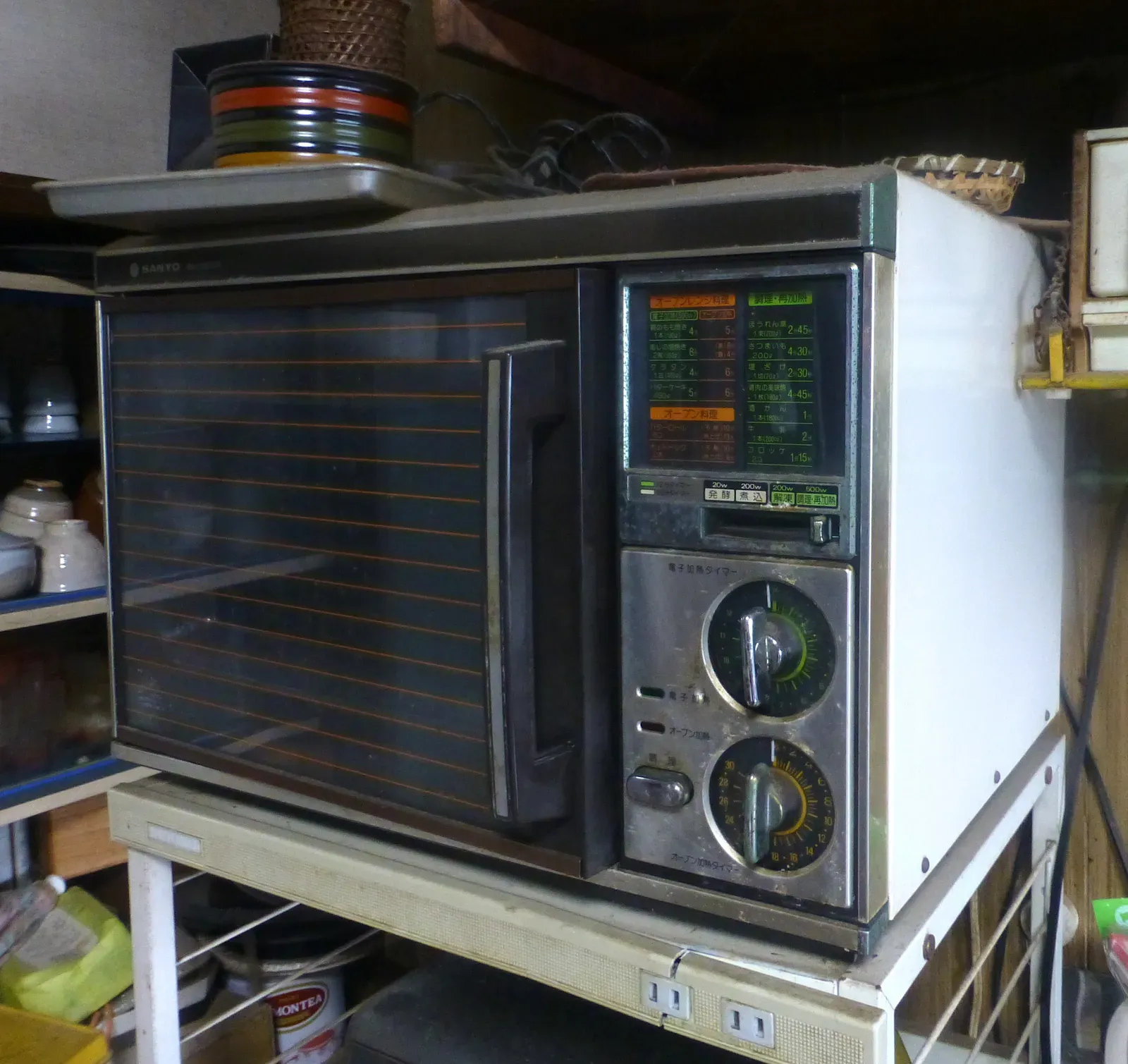
It is hard to imagine a more mundane task than reheating leftover pasta, yet the technology doing the work was born out of radar research in the Second World War. Engineers developing high-powered magnetrons, which generate microwave radiation for military radar, noticed that standing too close to active equipment caused odd warming effects, including melting a chocolate bar in a technician’s pocket. That accidental observation revealed that microwaves at specific frequencies agitate water molecules in food, converting electromagnetic energy directly into heat. The key science here is dielectric heating: water and some other molecules have electric dipoles that flip back and forth in an oscillating field, rubbing against neighboring molecules and generating heat from the inside out.
Turning that lab curiosity into a kitchen appliance took years of engineering, mostly focused on taming powerful industrial waves into something safe for home use. Early units were enormous, heavy, and far too expensive for typical households, more like refrigerators for a restaurant than gadgets for an apartment countertop. Only when magnetron manufacturing scaled up and safety standards improved did microwave ovens shrink and spread into homes. The device now associated with instant popcorn thus began as cutting-edge wartime physics, where nobody was thinking about convenience dinners at all.
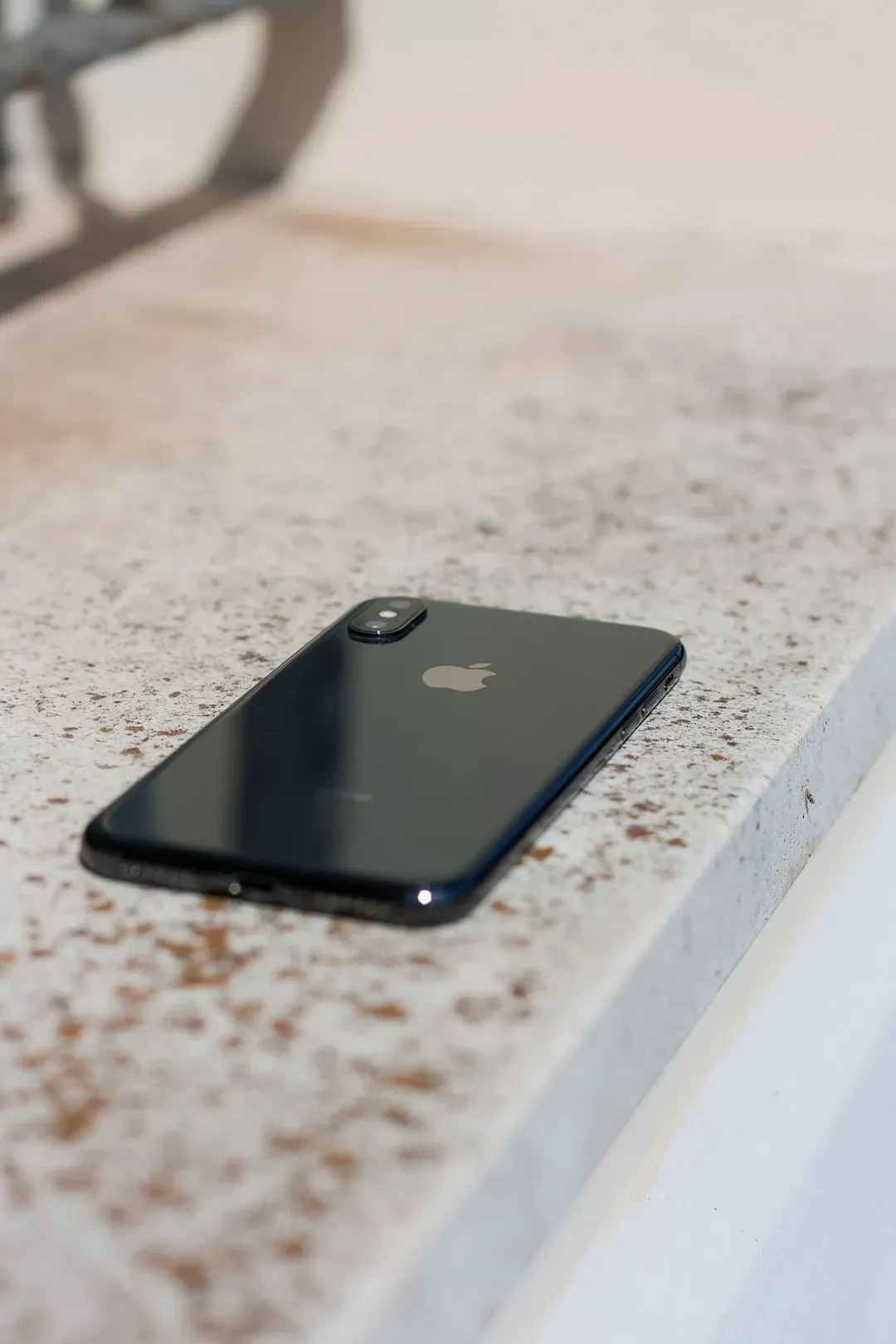
Smartphone Touchscreens: Born in a University Lab, Not a Phone Company
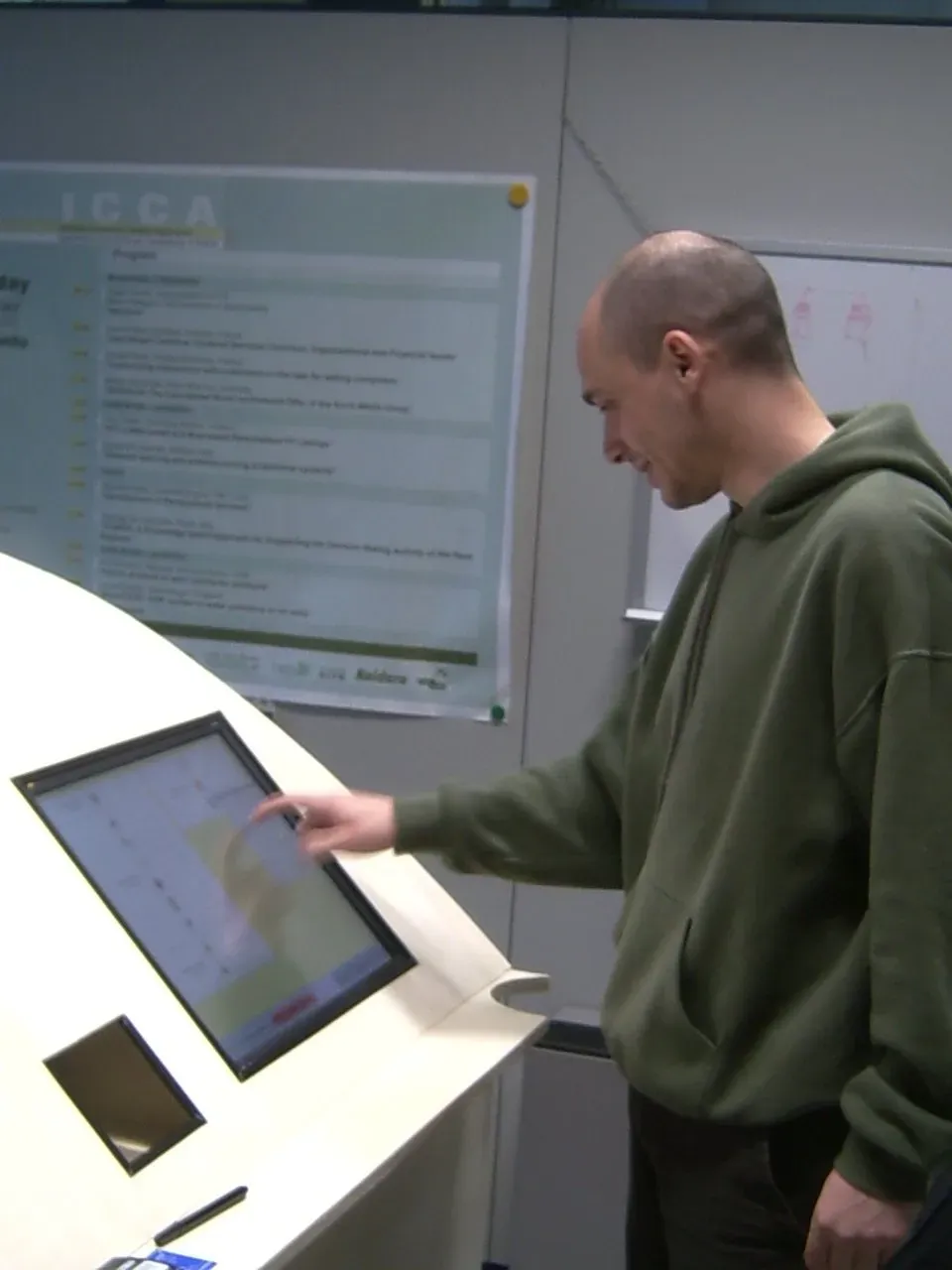
We treat the glass on our phones like a natural part of phones themselves, but the science behind touchscreens predates smartphones by decades and emerged from academic curiosity rather than consumer electronics. Early touch-sensitive displays appeared in the 1960s and 1970s in research labs, where scientists were exploring new ways for humans to interact with computers that still filled room-sized spaces. Resistive touchscreens used two thin, transparent conductive layers that made contact when pressed, changing electrical resistance at that point. Capacitive screens, which dominate today, rely on the fact that the human body can store and alter electric charge, so a fingertip touching a patterned conductive layer changes the local capacitance that controllers can measure.
The invention’s origin story is really about human–computer interaction research, long before anyone imagined billions of people carrying powerful networked computers in their pockets. Later, the combination of capacitive multitouch with robust, scratch-resistant glass such as chemically strengthened aluminosilicate glass turned a lab interface into a durable daily tool. What feels like magic – the way a light tap triggers complex software behavior – is built on predictable electrostatics and signal processing. When smartphone makers finally integrated these ideas, they were drawing on decades of quiet, incremental work in universities and research institutes. The “phone” part was the last piece, not the first.
Velcro: A Dog Walk That Turned into Biomimicry in Action

Few inventions illustrate the power of simply paying attention to nature as clearly as hook-and-loop fasteners, commonly known by the brand name Velcro. The story begins when a Swiss engineer returned from a walk in the mid-twentieth century and noticed how stubbornly burdock burrs clung to his dog’s fur and his own clothes. Curious rather than merely annoyed, he examined the burrs under a microscope and found tiny hooks that latched onto loops in fabric and hair. This observation was a masterclass in biomimicry: borrowing a mechanism that evolution had refined for plant seed dispersal and translating it into a human-made fastening system.
Scientifically, Velcro is simple but brilliant engineering built on mechanical interlocking at a microscopic scale. One side of the strip carries small hooks; the other carries loops or fuzzy fibers. When pressed together, they tangle and hold; when pulled apart at the right angle with enough force, they release without permanent damage. Early versions struggled with durability and manufacturability, requiring advances in synthetic fibers and weaving techniques to make them practical. Today you find the same nature-inspired system on shoes, jackets, medical devices, cable organizers, and even space suits, all thanks to someone who treated an everyday annoyance as a research opportunity.
Ballpoint Pens: Fluid Dynamics on a Page
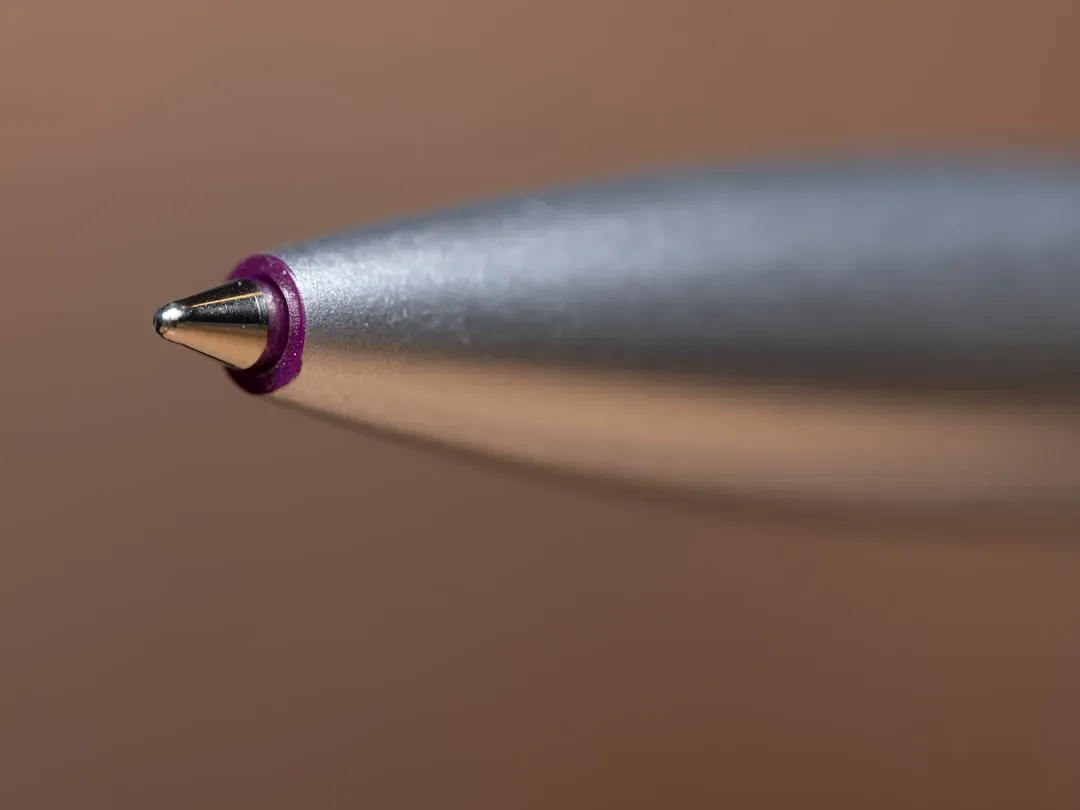
The ballpoint pen seems almost aggressively unremarkable, yet its invention was driven by real frustration with the limitations of fountain pens and serious thinking about fluid mechanics. In the early twentieth century, newspaper printers grappled with fast-drying, viscous inks that would not flow easily through narrow nibs. One inventor realized that a tiny rotating ball, trapped in a socket at the pen tip, could act as both a seal and a pump. As the ball rolled over paper, it would pick up ink from a reservoir and deposit it in a controlled film, much like a miniature rolling pin spreading paint.
Making that concept work depended on careful matching of ink viscosity, surface tension, and ball geometry. If the ink was too thin, it leaked or blotted; too thick, and writing felt scratchy or skipped. The pen tip had to be machined with tiny tolerances so the ball could spin freely but not fall out, which was a nontrivial manufacturing challenge at the time. What we now buy in bulk packs at office stores is essentially a portable lesson in capillarity, shear flow, and tribology – the science of interacting surfaces in motion. The fact that most of us only notice when one fails is almost an insult to the physics hiding inside it.
Adhesive Tape and Post-it Notes: Chemistry That Refused to Stick Properly
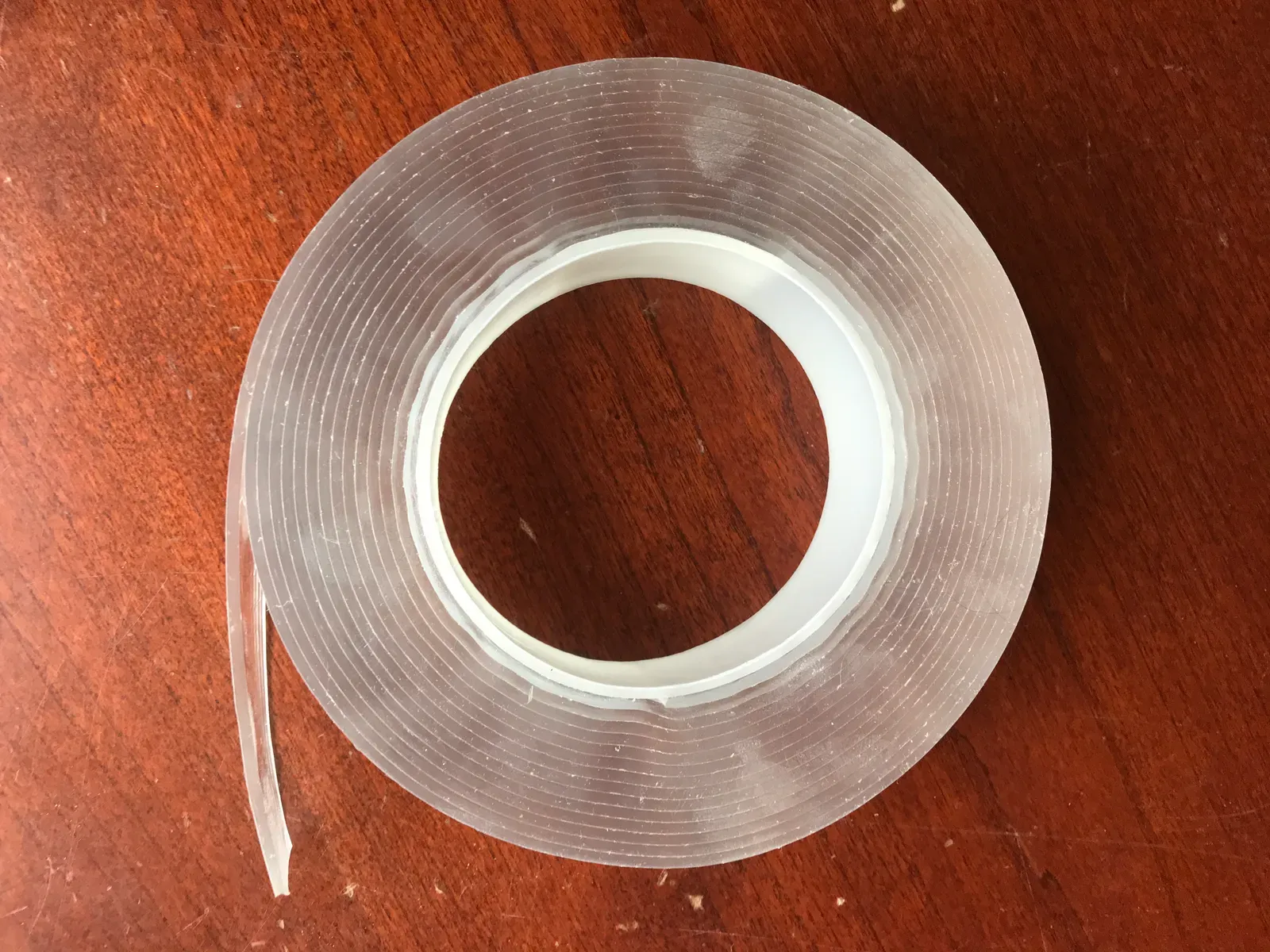
The adhesives on tapes and sticky notes emerged from chemists’ attempts to make glues either stronger or more specialized, only to discover that “weak” or unusual sticking behavior could be valuable. Pressure-sensitive adhesives, the kind on clear tape or masking tape, rely on polymer chains that are soft and tacky at room temperature. When you press them onto a surface, they deform and flow into microscopic nooks and crannies, creating a mix of van der Waals forces and mechanical interlocking without needing heat or solvent evaporation. The science lives at the intersection of polymer chemistry and surface physics, where properties like viscoelasticity determine whether something peels cleanly or tears the material underneath.
The now-famous low-tack adhesive used on removable notes came from a research project that was actually aiming to create a very strong bonding agent. The result was a set of microscopic spheres that adhered gently but did not form solid films, so they could be detached and reused without leaving residues. At first glance, this looked like a failed adhesive: it did not hold things permanently and came off too easily. Only when paired with small pieces of paper in an office context did it reveal its potential as a tool for reminders, annotations, and quick collaboration. It is a neat example of how chemistry does not care about our intentions, and how clever design can turn a “wrong” property into the perfect one.
Eyeglasses: Optics Experiments That Reshaped How We Age
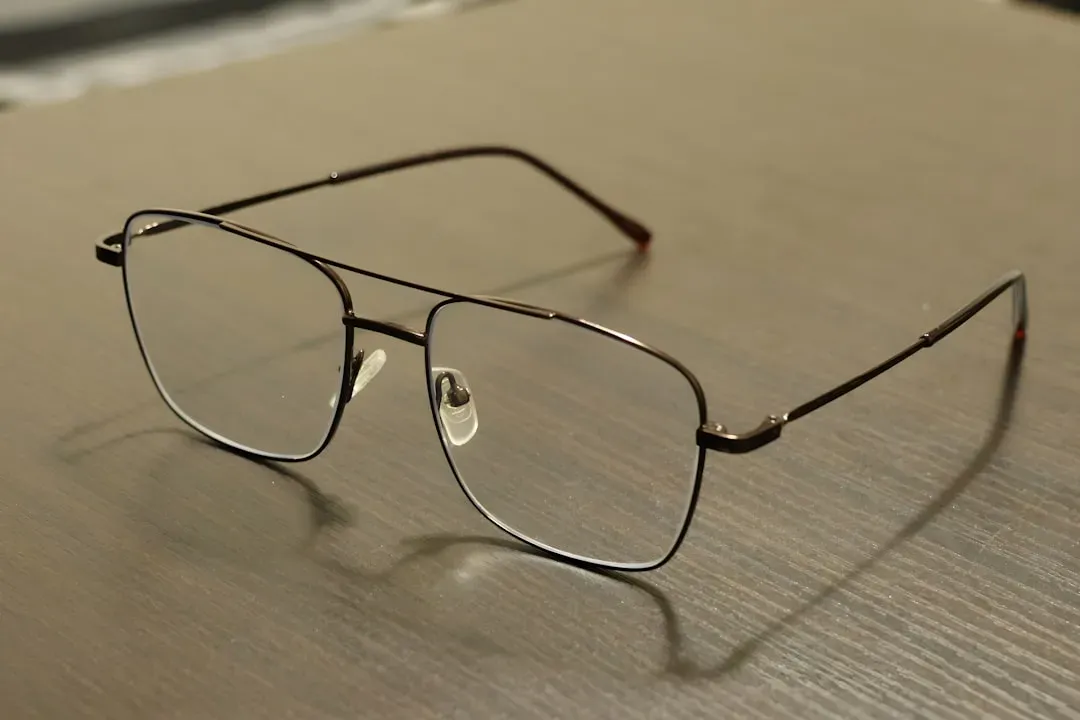
Slip on a pair of glasses and you are using a device born from centuries of curiosity about light rather than any immediate desire to solve reading problems. In medieval Europe and the Islamic Golden Age, scholars playing with glass lenses noticed that convex shapes could magnify images and help with close work. The underlying science is refraction: light bends when it passes between materials with different refractive indices, and shaped lenses can redirect rays to converge or diverge. Early spectacle makers learned, often by trial and error, how to grind glass into forms that compensated for aging eyes or nearsightedness, long before a full wave-based theory of optics existed.
Later, the development of more precise optical theory and manufacturing – combined with better understanding of the eye’s anatomy – turned eyeglasses into devices that could be systematically prescribed. The realization that a lens could shift the focal point onto the retina instead of in front of or behind it changed not only individuals’ quality of life but also the kinds of work people could do as they aged. Modern materials like lightweight plastics and coatings for glare or ultraviolet protection add layers of physics and chemistry to what began as crude experiments with glass. In a very real sense, our collective lifespan of meaningful, detailed visual experience has been stretched by one deceptively simple application of geometric optics.
Refrigerators: Thermodynamics Behind the Hum of the Kitchen
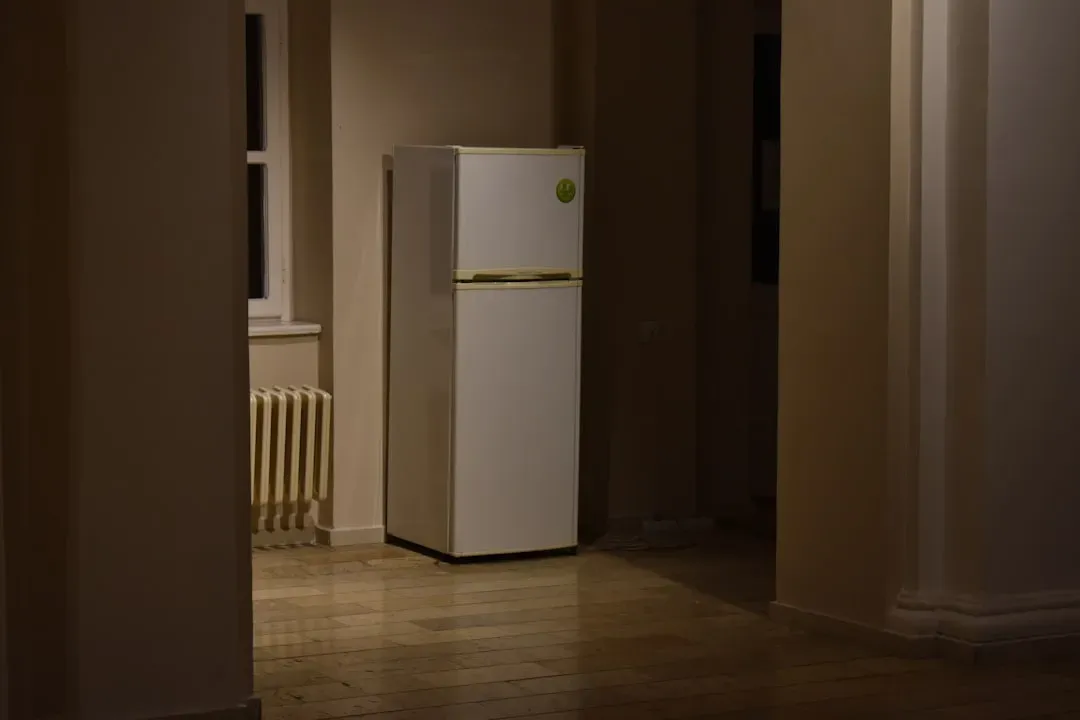
The quiet hum from the fridge in the corner of the kitchen is the sound of thermodynamics in action, harnessed to beat one of humanity’s oldest enemies: food spoilage. The scientific roots of refrigeration lie in nineteenth-century studies of gases, pressure, and temperature, where scientists and engineers worked out that a fluid that evaporates and condenses in a closed cycle can move heat from a cold space to a warmer one. By compressing a refrigerant gas, allowing it to release heat as it condenses, then letting it expand and evaporate inside insulated coils, a refrigerator keeps its interior colder than the surrounding room. This seemingly paradoxical process obeys the laws of thermodynamics perfectly; it just pays for that lower temperature with electrical energy.
Originally, refrigeration technology served industrial ice-making and large-scale food storage, not home kitchens. Early refrigerants included chemicals later found to damage the ozone layer, which forced a redesign of both fluids and systems in the late twentieth century. Newer refrigerants and improved compressors aim to balance safety, efficiency, and environmental impact, a task that continues to evolve under regulatory and climate pressures. Yet the core scientific principle has stayed remarkably stable: a working fluid cycling through phase changes to pump heat in a controlled way. Every time you grab cold milk, you are relying on deep insights into energy, entropy, and the behavior of molecules under changing pressure.
What These Origins Reveal About Science Hiding in Plain Sight
Seen together, these seven inventions tell a story about how science moves from abstract curiosity or specialized needs into the thick of everyday life. Many of them began far from their final form: radar labs, research universities, optical workshops, industrial chemistry projects, and fundamental physics experiments. The pattern that emerges is not of lone geniuses suddenly “having an idea,” but of people who noticed odd behavior – a warming chocolate bar, a stubborn burr, a strange adhesive – and refused to dismiss it. In each case, scientific understanding provided the language and tools to make sense of those anomalies, from molecular dipoles in microwaves to dipole lenses in eyeglasses.
They also reveal how much modern life depends on disciplines we rarely name while using their products. Fluid dynamics shows up in pens, electromagnetism in phones and ovens, polymer science in tapes, and thermodynamics in kitchen appliances. Our earlier understanding of these objects as “simple” has given way to a richer picture: they are condensed stories of experiments, equations, mistakes, redesigns, and long chains of incremental improvement. Recognizing that complexity does not make them intimidating; it makes the world around us feel more alive and intelligently constructed. And once you start seeing these origins, it becomes natural to ask what unseen science is built into the next ordinary object you touch.
Looking Ahead: Everyday Tech as a Gateway to Scientific Thinking
The inventions in this list are already mature, but their origin stories offer a roadmap for how future everyday technologies are likely to emerge. Many will come, as these did, not from a direct attempt to build a particular consumer product, but from probing side effects, refining basic research, or repurposing tools designed for industry, medicine, or defense. As new fields like materials informatics, quantum sensing, and bio-inspired robotics develop, we can expect their first mainstream appearances to be surprisingly mundane: a better coating on cookware, a smarter environmental sensor in a thermostat, or a fabric that changes properties in response to heat or moisture. The connection between cutting-edge labs and kitchen tables is rarely straightforward, but it is remarkably reliable over time.
Importantly, the way we interpret these technologies is also shifting. Where earlier generations might have seen them as opaque “black boxes,” growing emphasis on transparency, repairability, and sustainability is pushing designers to reveal more of the science inside. That could mean refrigerators optimized for lower climate impact, adhesives designed for easy disassembly and recycling, or wearables that translate physiological data into understandable feedback. The scientific principles remain the same, but our cultural framing of them can change how responsibly and creatively we use them. Everyday inventions are likely to become even more powerful, but also more explicit invitations to think scientifically about the systems we live with.
How to Turn Ordinary Objects into Science Lessons
If there is a practical takeaway here, it is that you do not need a lab coat or a research grant to interact meaningfully with science. Start by choosing one object you use every day – a mug, a charging cable, a pair of shoes – and asking a few persistent questions: What forces are at work here? What materials make this possible? Who first noticed that this behavior could be useful? Following that curiosity can lead you down paths that touch multiple disciplines, from crystallography in ceramics to electromagnetism in power adapters. It is the same mindset that turned burrs into fasteners and faulty glue into a global note-taking system.
You can also bring others into the habit: ask children to take apart a broken pen with you, look up cross-sections of appliances, or compare different brands of tape to feel how the adhesives behave under slow and fast peeling. Museums, science centers, and online resources often provide accessible explanations that connect fundamental concepts to the devices on your desk. By treating your home or office as a kind of informal laboratory, you cultivate the same blend of attention, skepticism, and imagination that drove the inventors in these stories. And the next time something behaves in a way you did not expect, instead of shrugging it off, you might just see the seed of the next “everyday” invention.
Suhail Ahmed is a passionate digital professional and nature enthusiast with over 8 years of experience in content strategy, SEO, web development, and digital operations. Alongside his freelance journey, Suhail actively contributes to nature and wildlife platforms like Discover Wildlife, where he channels his curiosity for the planet into engaging, educational storytelling.
With a strong background in managing digital ecosystems — from ecommerce stores and WordPress websites to social media and automation — Suhail merges technical precision with creative insight. His content reflects a rare balance: SEO-friendly yet deeply human, data-informed yet emotionally resonant.
Driven by a love for discovery and storytelling, Suhail believes in using digital platforms to amplify causes that matter — especially those protecting Earth’s biodiversity and inspiring sustainable living. Whether he’s managing online projects or crafting wildlife content, his goal remains the same: to inform, inspire, and leave a positive digital footprint.