
Every now and then, nature throws something at us that makes even the most rational person stop and whisper, “How is that even possible?” We like to think we’ve mapped, measured, and modeled our planet down to the last grain of sand, but some places still shrug off neat explanations. They bend light, twist gravity, glow at night, or rewrite what we thought geology was capable of.
Some of these wonders do have scientific theories behind them, but standing in front of them feels nothing like reading a research paper. It’s more like stepping into a glitch in reality, where your senses and your logic no longer agree. I remember the first time I watched glowing waves roll onto a dark beach; even knowing the mechanism, it felt like the ocean was alive in a way I’d never considered. Let’s dive into six natural wonders that keep making scientists, tourists, and locals alike say, “That just shouldn’t be real.”
The Door to Hell: Turkmenistan’s Eternal Burning Crater
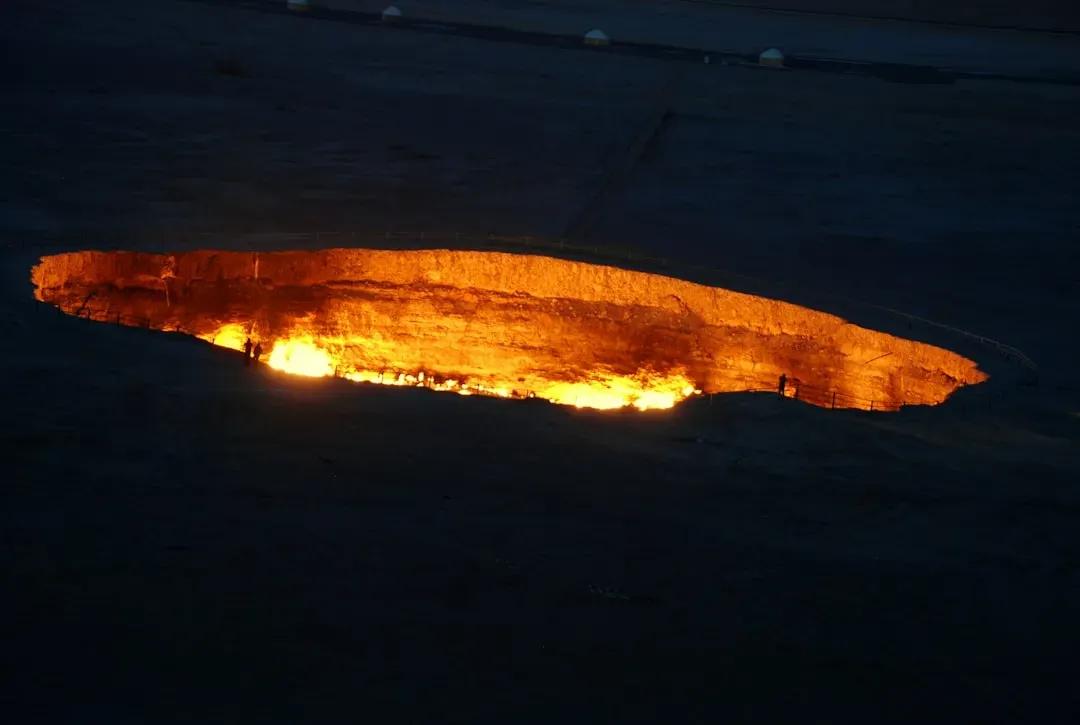
Imagine driving through a remote desert, nothing but flat sand and silence, and then suddenly reaching a giant, fiery pit that has been burning nonstop for decades. That’s the Darvaza gas crater in Turkmenistan, often called the “Door to Hell” because at night it looks like the planet has cracked open and its core is spilling out. The crater is roughly the size of a small football field, and the heat it throws off is intense enough that you can feel it from many meters away.
The origin story is wild: in the early 1970s, Soviet geologists reportedly drilled into a pocket of natural gas, the ground collapsed, and to stop the gas from spreading they set it on fire, expecting it to burn out quickly. Instead, the flames never stopped, as if the desert had a direct pipeline to the underworld. There are still uncertainties about the exact timeline and details, but the basic idea is the same: a human attempt to control nature triggered a phenomenon that has outlived the people who started it. Standing at its edge, watching blue and orange flames lick at collapsing walls, you get this eerie feeling that the Earth is calmly reminding us who’s really in charge.
Bioluminescent Bays and Beaches That Glow in the Dark
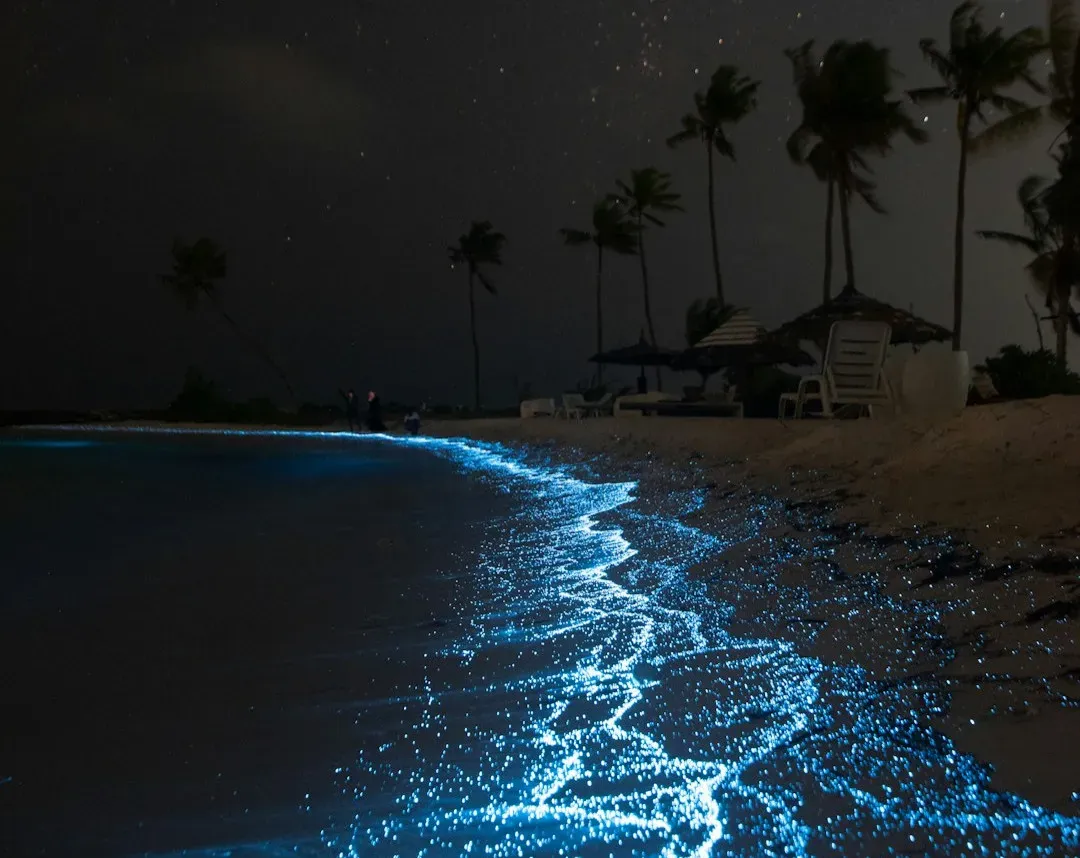
Picture walking along the shore at night, dragging your feet through the water, and every step explodes into bright electric blue light. Bioluminescent bays and beaches around the world, from Puerto Rico to parts of Asia, turn pitch-black coastlines into shimmering, alien-looking scenes. The glow often appears when the water is disturbed, so even a small wave or a paddle stroke looks like someone spilled liquid neon in the sea.
Scientists explain this with tiny organisms like dinoflagellates that produce light when they’re stressed or agitated, essentially using it as a defense mechanism. But knowing that doesn’t really take away the magic; if anything, it makes it more mind-bending that something so microscopic can paint such a huge canvas. Some bays are so consistently bright that they’ve become major attractions, yet the glow can also be surprisingly fragile, fading when pollution or weather patterns shift. Watching the water respond instantly to your every move feels strangely intimate, like the ocean is having a quiet, glowing conversation with you, and for a moment, logic sits in the back seat while wonder takes the wheel.
Socotra Island: Earth’s Most Alien-Looking Landscape
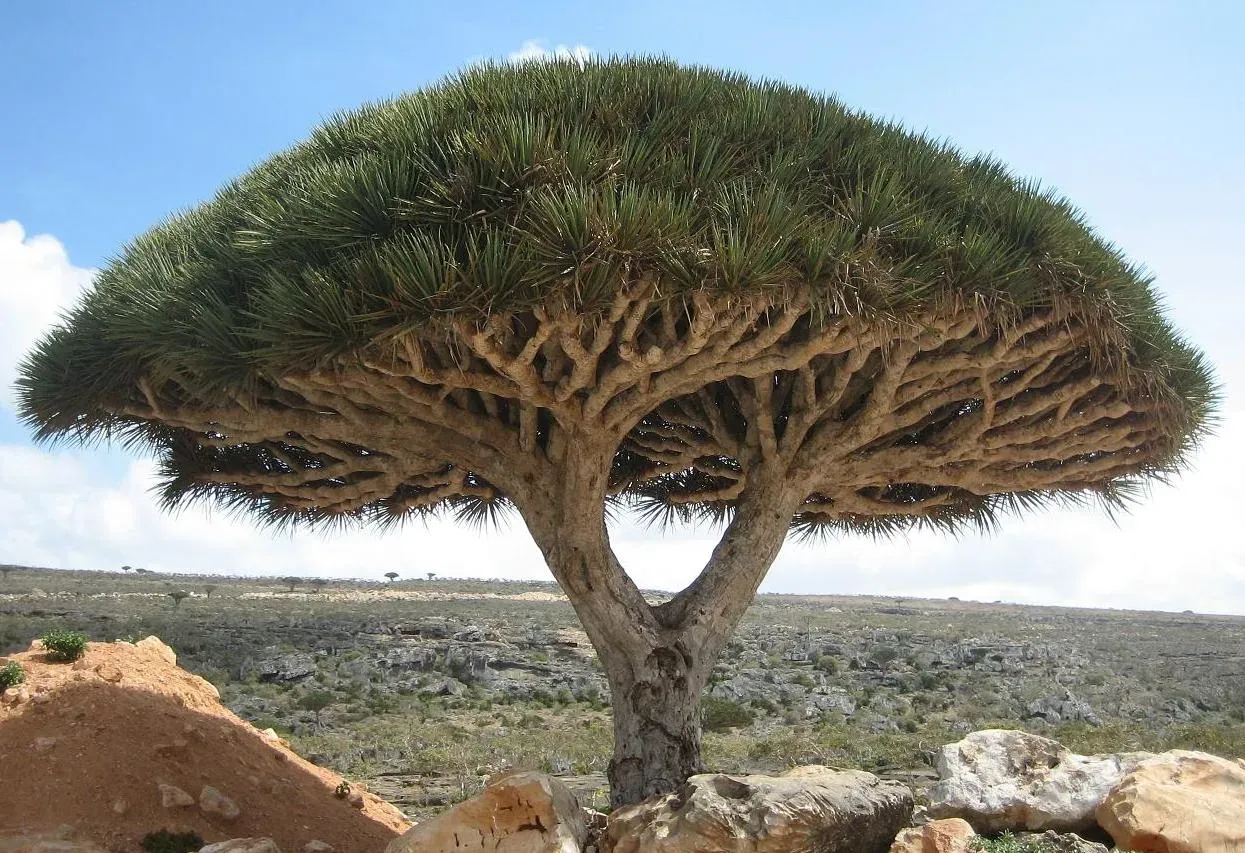
Socotra Island, off the coast of Yemen in the Arabian Sea, looks like someone exported it from a distant planet and dropped it here by mistake. The island is famous for its dragon’s blood trees, which have umbrella-shaped canopies and red sap that oozes like something out of a fantasy novel. Roughly a third of the plant species found there exist nowhere else on Earth, which makes the whole place feel like a living, breathing museum from a different evolutionary timeline.
The island’s isolation over millions of years turned it into a kind of natural laboratory where life could experiment without outside interference. While biologists can trace the evolutionary paths of many species there, the overall effect still feels unreal, like biology got drunk and started designing landscapes just for fun. Walking under those strange trees or past surreal bottle-shaped trunks, you get a sense that Earth has way more creative modes than what most of us see day to day. It challenges the quiet assumption many of us carry: that what we know from our own backyard is what the planet really looks like.
Lake Hillier: The Bubblegum-Pink Lake of Australia
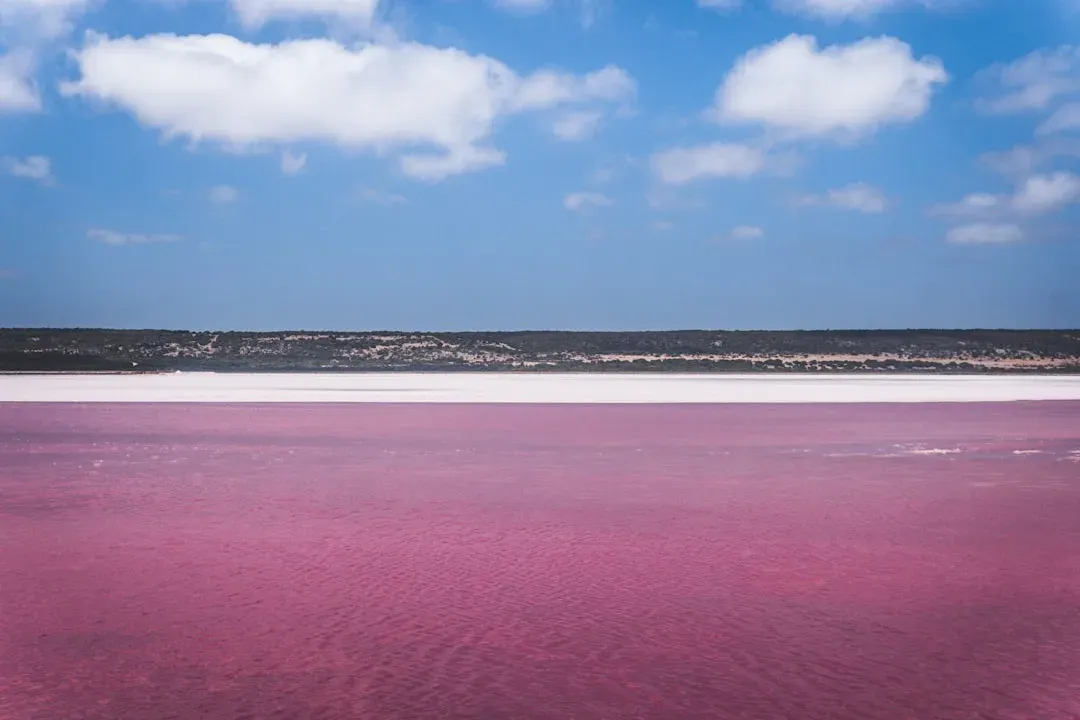
Lake Hillier, on Middle Island off the coast of Western Australia, looks like someone poured strawberry milk into a crater and walked away. From above, the contrast is almost comical: a bright, opaque pink lake fringed by white salt deposits and dark green forest on one side, and deep blue ocean on the other. The color doesn’t fade when you scoop it up either; the water in your hand still looks like a melted candy experiment gone wrong.
Researchers believe the color comes from specific microorganisms and algae that thrive in the lake’s extremely salty conditions, producing pigments that tint the water. There are similar pink lakes around the world, but Lake Hillier’s color is famously stable and surprisingly intense, even when viewed close up. It’s a reminder that color in nature is not just about sunsets and flowers; sometimes entire ecosystems decide to flip the script on what a “normal” lake should look like. If you grew up thinking water is either clear, greenish, or bluish, standing near Hillier feels like nature is gently teasing that assumption.
Danakil Depression: A Hellish Landscape That Shouldn’t Support Life
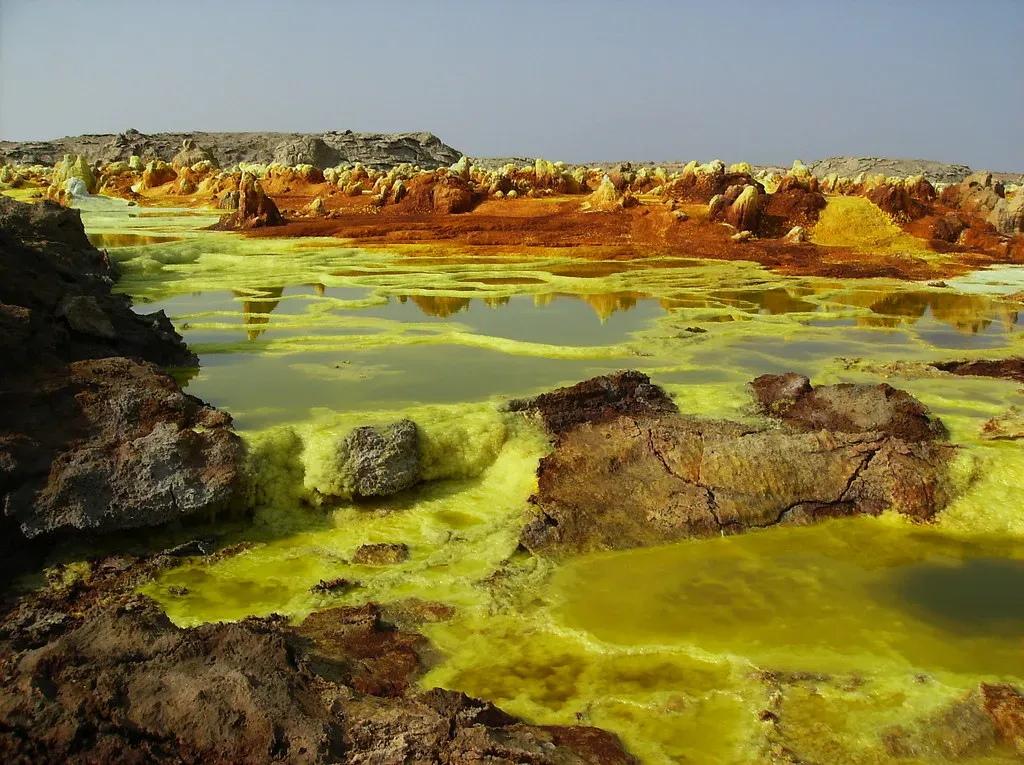
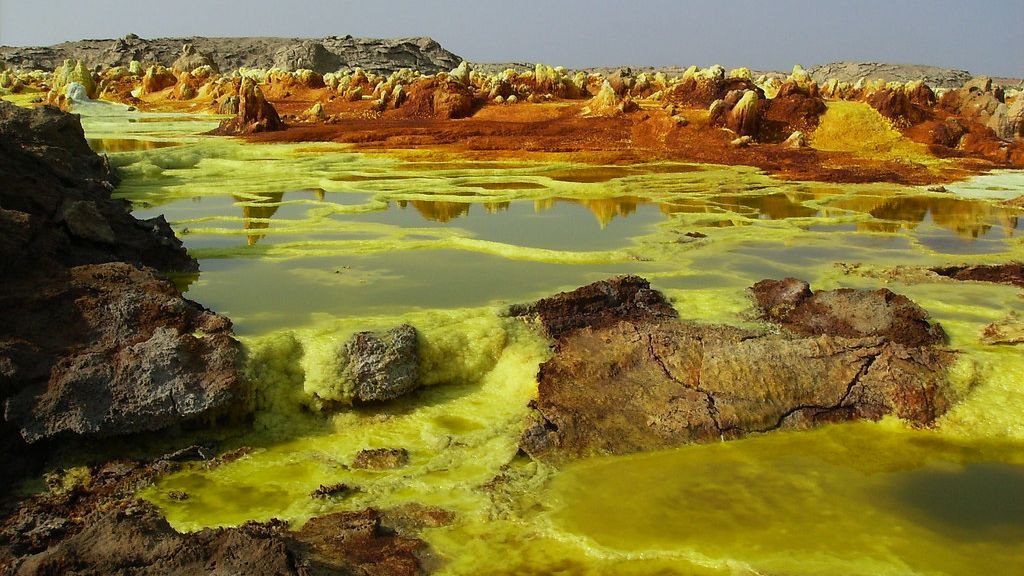
The Danakil Depression, straddling northeastern Ethiopia near the border with Eritrea, looks like a fever dream painted in toxic highlighter. The ground is splashed with intense yellows, greens, and oranges, thanks to bubbling hot springs, acidic pools, and mineral deposits shaped by volcanic activity. It sits far below sea level and is one of the hottest, harshest environments on the planet, where daytime temperatures can stay high enough to make you question the wisdom of simply being there.
What shocks scientists is that in some parts of this seemingly deadly landscape, microscopic life still clings on, pushing the boundaries of where biology can function. Pools with acidity close to industrial-strength cleaners and temperatures that would kill most organisms in seconds still manage to host specialized microbes. That bends our previous definitions of what “habitable” really means and has even fueled speculation about what kind of life might exist on other extreme planets or moons. Walking among toxic-looking pools and steaming vents, you’re hit with the jarring realization that life is much more stubborn and adaptable than our old textbooks suggested.
Fairy Circles of Namibia: Nature’s Polka-Dotted Mystery
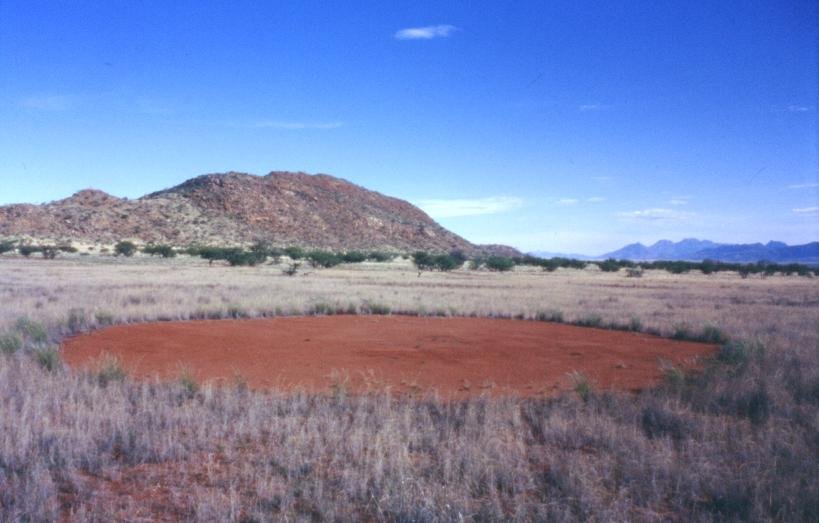
Across parts of the Namib Desert in southern Africa, the landscape is covered with thousands upon thousands of round, bare patches of earth surrounded by short grasses, like someone dotted the desert with a giant invisible paintbrush. These “fairy circles” can stretch across huge areas, each one a few meters wide, arranged in strangely regular patterns that look almost engineered when seen from the air. There’s something deeply unsettling about that kind of order in a place we think of as wild and chaotic.
Scientists have debated their cause for years, with theories ranging from underground gas seeps to self-organizing plant growth patterns to termite activity. Some recent studies suggest termites and vegetation feedbacks might both play a role, but there’s still no single, all-agreed explanation that ties every detail together. Locals have long wrapped them in myths and stories, which honestly feels appropriate when you stand among them and sense that something is going on beneath your feet that you can’t quite name. It’s a quiet kind of mystery, no fire or neon glow, just circles in the sand that politely refuse to fully explain themselves.
When the World Refuses to Be Ordinary
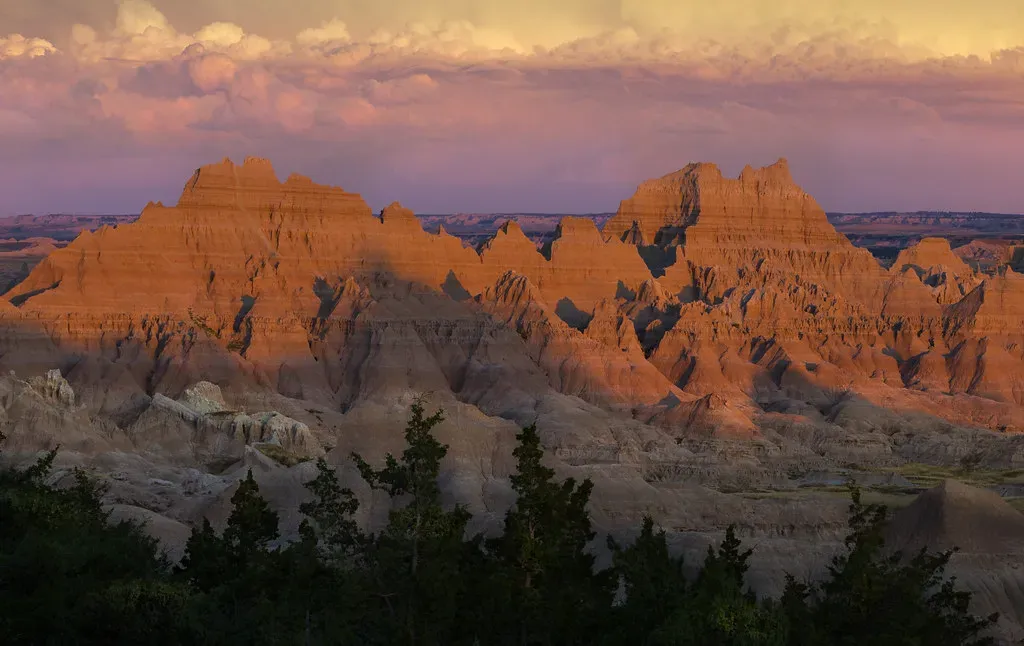
All of these places, from burning craters to pink lakes and polka-dotted deserts, share one thing: they stubbornly resist fitting into our tidy mental boxes. You can read the scientific explanations, nod along, and still feel that jolt of disbelief when you finally see them, like your brain and your eyes are negotiating a truce. That tension between understanding and awe is where these natural wonders really live.
In a world that often feels over-explained and over-photographed, it’s strangely comforting to know there are still corners of the planet that feel almost impossible. They remind us that Earth is not done surprising us, not even close, and that our job isn’t just to measure and categorize, but also to stand there every so often and let our jaws drop. When was the last time something in nature made you forget, even briefly, how sure you were about how everything works?