
Somewhere far beyond the crowded beaches and cruise ship routes, there are islands that feel like they belong on another planet. These places are so remote and so unusual that, when you first see pictures, your brain almost refuses to accept they’re real. They’re home to creatures that exist nowhere else, forests that look upside down, and landscapes that seem pulled from a science-fiction storyboard.
I remember the first time I stumbled on an image of a dragon-like lizard basking on volcanic rock and thought it had to be digitally created. It wasn’t. The more I dug into these remote islands, the more I felt this mix of awe and unease, like opening a door to a secret room in a house you thought you knew. Each of these five islands hides an ecosystem that evolved in isolation, and in that isolation, nature got very, very weird – in the best possible way.
Socotra, Yemen – The Alien Island in the Indian Ocean
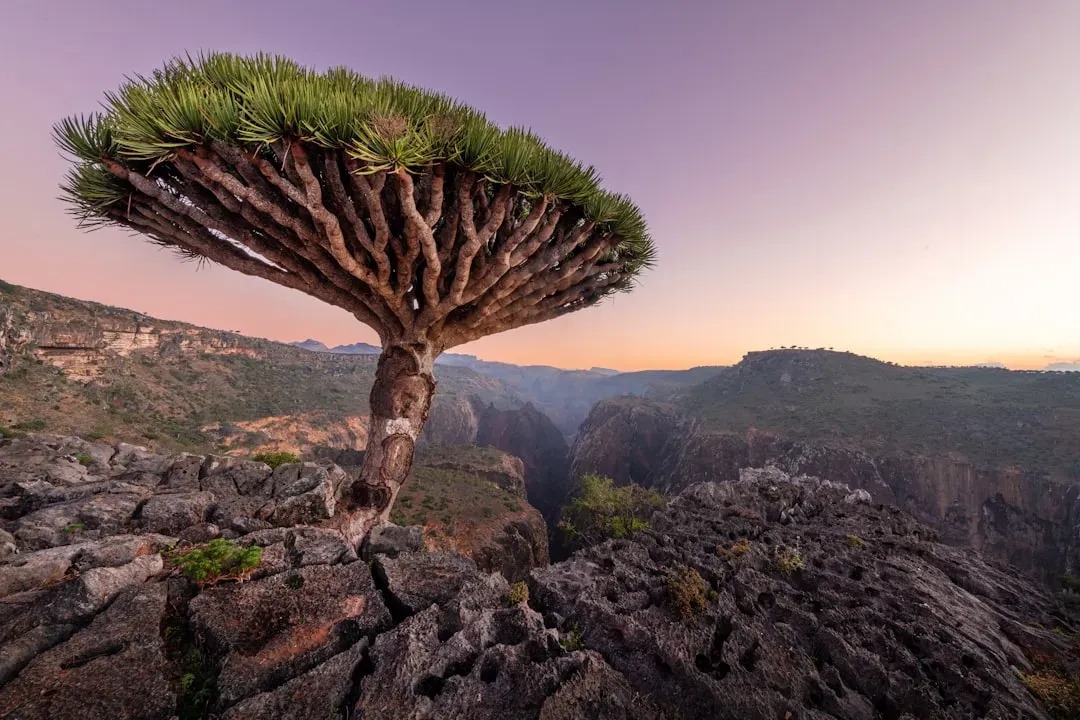
The first time you see a dragon’s blood tree from Socotra, it honestly looks like someone flipped a normal tree upside down. Its dense umbrella-shaped crown and thick trunk stand over rocky plateaus like something from a fantasy game, and its red resin has been used traditionally for medicine and dye for centuries. Roughly about one third of Socotra’s plant species are found nowhere else on Earth, which means walking across the island is a bit like strolling through a living museum of evolution.
Socotra’s remoteness and harsh climate, with intense heat and minimal freshwater, forced its plants and animals to adapt in extreme ways. You’ll find swollen desert roses that look like giant living bottles and geckos and spiders that evolved in isolation for millions of years. The isolation has been a blessing and a curse: it protected the island from mass development but left its unique species very vulnerable to climate shifts and human pressure. Standing on a cliff there, with wind tearing at the trees and no city lights for hundreds of miles, you get a visceral sense of how fragile and rare this place really is.
Galápagos Islands, Ecuador – Evolution’s Real-Life Laboratory
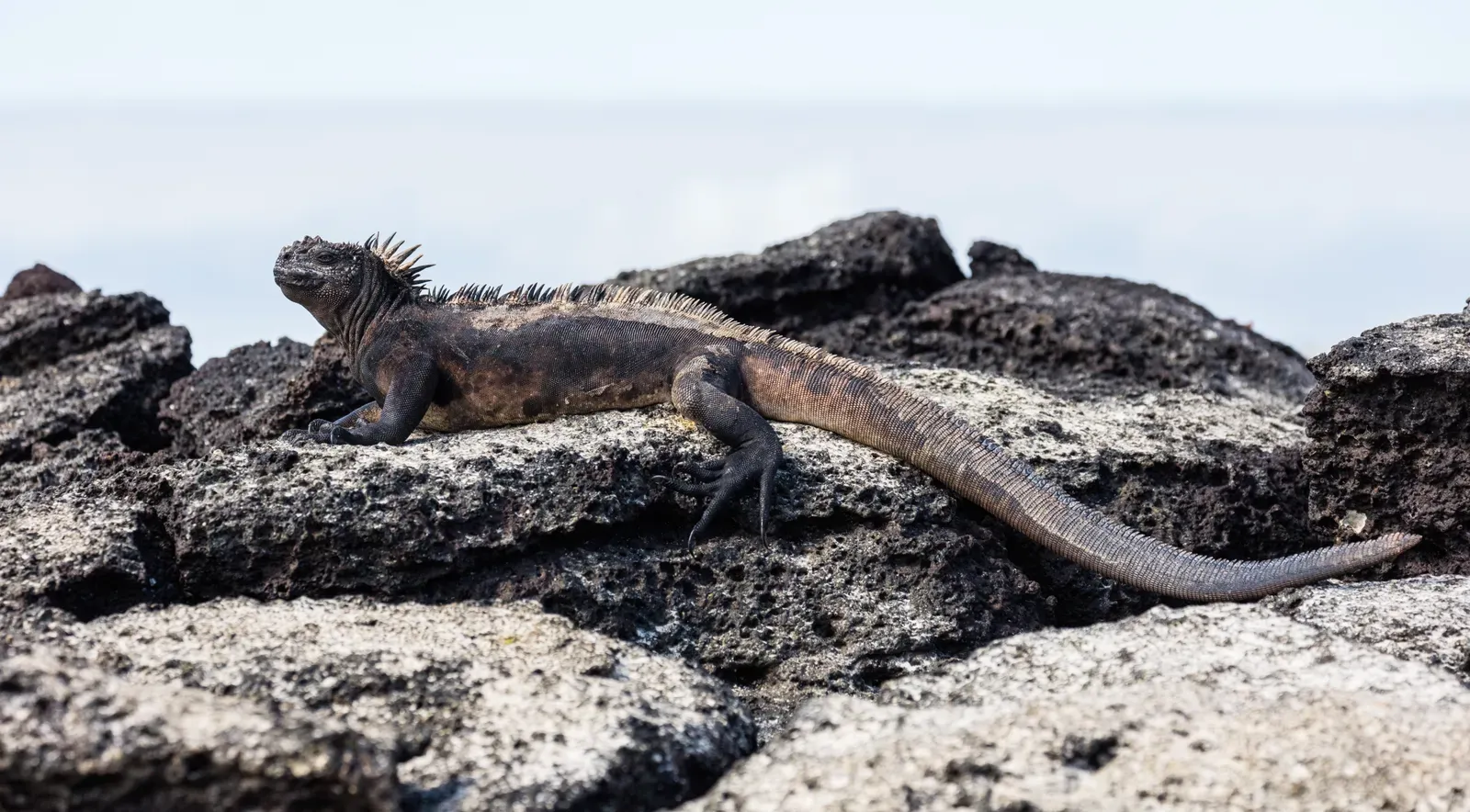
The Galápagos might be famous, but it’s easy to forget just how bizarre its ecosystems still are. On these islands, penguins swim near the equator, marine iguanas graze algae under the waves, and giant tortoises lumber across volcanic landscapes like living boulders. The isolation and different microclimates across the archipelago created pockets of evolution, so animals on one island can look and behave differently from close cousins just a short boat ride away.
Watching footage of finches with distinct beaks, each suited to a different food source, feels like seeing natural selection happen in fast-forward. There’s something strangely emotional about that – these birds aren’t just birds, they’re physical evidence of how flexible and inventive life can be when it’s pushed into a corner. At the same time, rising temperatures, plastic pollution, and growing tourism are quietly tightening that corner. The Galápagos are one of those rare places that make you feel both exhilarated by what nature can do and anxious about how quickly humans can unravel it.
Surtsey, Iceland – An Island Younger Than Your Parents
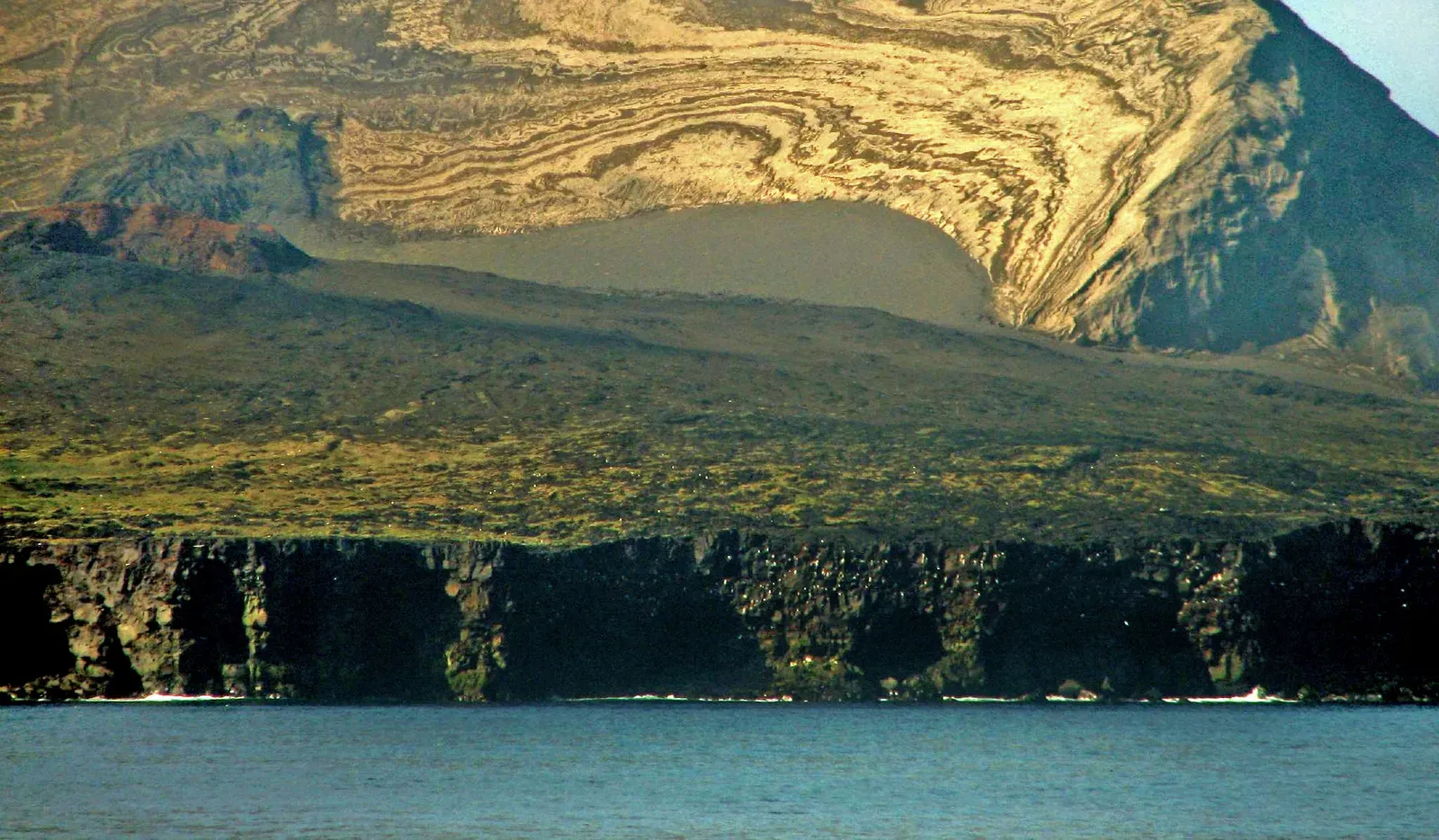
Surtsey didn’t even exist before the 1960s; it was born out of a volcanic eruption beneath the North Atlantic that built an island up from the ocean floor. What makes Surtsey jaw-dropping is that scientists essentially got to watch an ecosystem form from absolute zero. At first it was just black lava rock and ash, a scorched battlefield of stone with no visible life at all. Then, slowly, spores and seeds started arriving by wind, waves, and seabirds, and the first hardy plants took root.
Access to Surtsey is strictly limited to researchers, which is why its development has been documented so carefully and kept relatively undisturbed. Over time, mosses, lichens, and grasses appeared, followed by insects, nesting seabirds, and even a few hardy shrubs. It’s like watching a time-lapse of life rebuilding itself after a reset, except this is happening in real time, just off the Icelandic coast. Thinking about Surtsey is a bit humbling: it’s a reminder that even if everything was wiped clean, nature has a stubborn way of coming back, grain of sand by grain of sand.
Tristan da Cunha, South Atlantic – The World’s Most Remote Inhabited Island
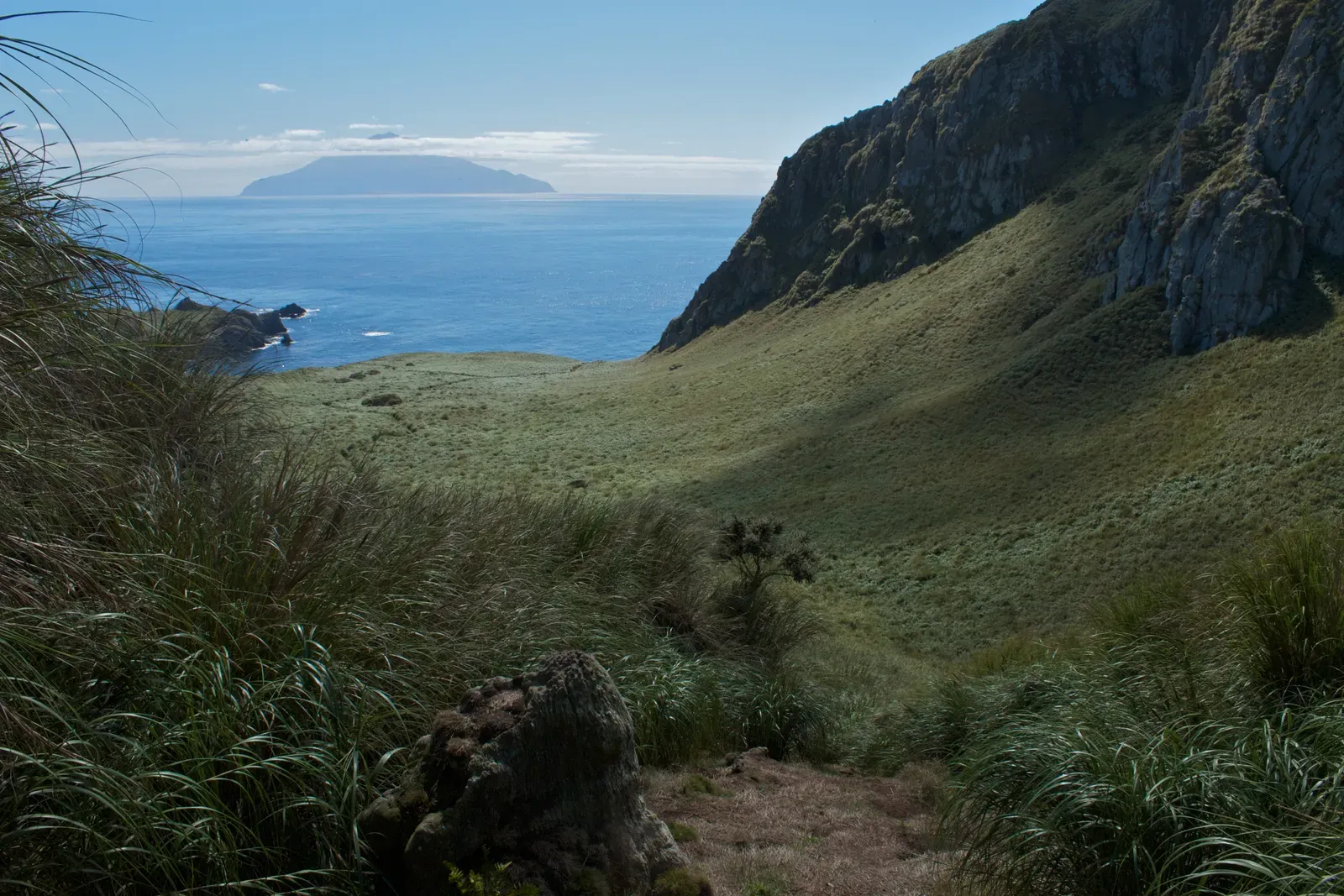
Tristan da Cunha sits in the South Atlantic, roughly midway between Africa and South America, and is often called the most remote inhabited island on Earth. To get there, you have to sail for days; there’s no airport and no quick escape route if the weather turns or something goes wrong. That isolation has shaped not just the small human community, but also the island’s wild residents. The surrounding waters are a critical sanctuary for seabirds and marine life, including rare albatross species and large populations of seals and penguins.
The islanders live in a single settlement, surrounded by dramatic green cliffs and volcanic slopes, and they share their home with some of the planet’s most important breeding grounds for ocean birds. Strict conservation rules help protect the local ecosystem, partly because people there know firsthand how little margin for error they have. When you imagine night on Tristan, with waves pounding the coast and only a handful of house lights in the distance, it feels like the edge of the world. Yet in that isolation, life has carved out intricate, delicate niches that depend entirely on being left mostly alone.
Lord Howe Island, Australia – A Lost World in the Pacific
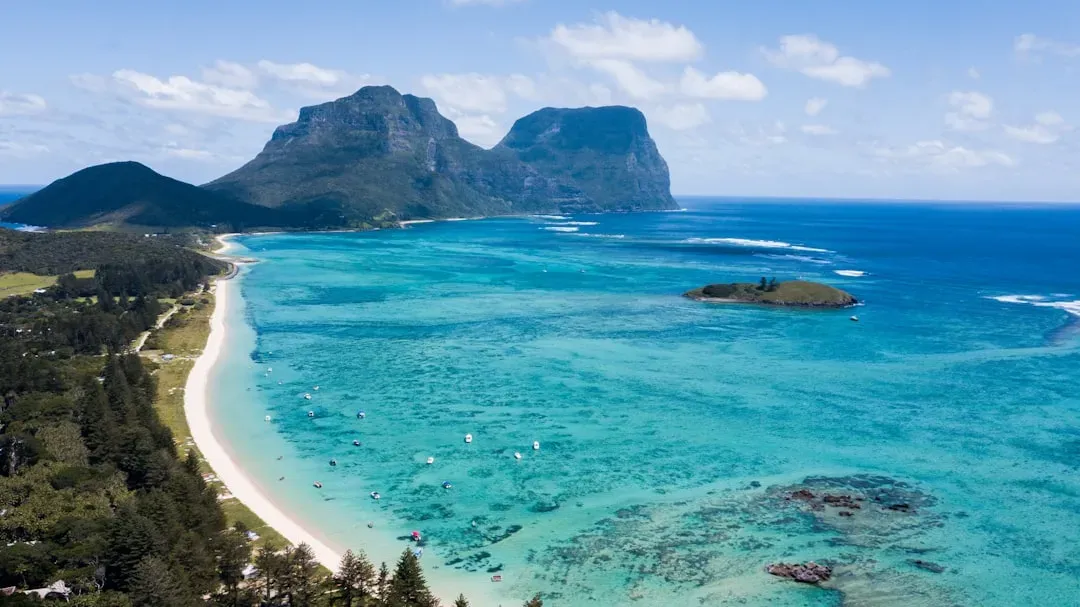
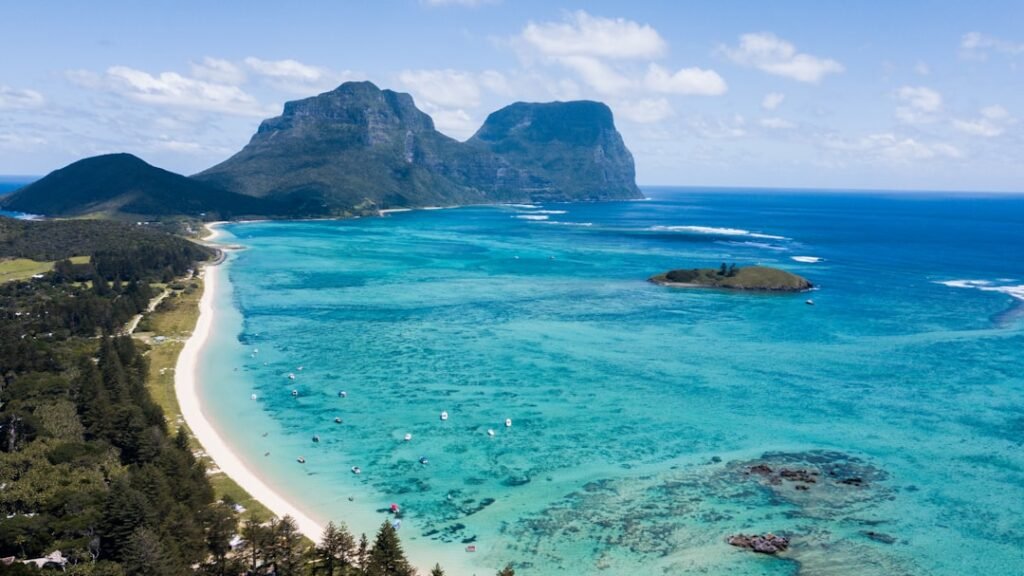
Lord Howe Island looks like a tropical postcard at first glance, with steep green mountains, coral reefs, and turquoise water, but its true magic hides in the details. Because it broke away from the mainland long ago and stayed relatively untouched, many of its plants and animals evolved along their own strange paths. There’s a palm species that naturally grows only on this island, and birds that adapted so specifically to local conditions that they can’t survive anywhere else without help. It feels almost like the island decided to build its own private cast of characters.
One of the most surprising stories from Lord Howe is about a large, flightless insect nicknamed the “tree lobster,” believed extinct for decades until a tiny population was rediscovered on a nearby rocky outcrop. That kind of plot twist sounds like something from a nature documentary scripted for drama, yet it actually happened. The surrounding marine park protects some of the healthiest reef systems in the region, while strict limits on tourism keep visitor numbers low. Walking along the trails there, you get the sense that you’re trespassing in a place that belongs first to the forest, the seabirds, and the reef, and only second to human curiosity.
What These Islands Quietly Tell Us About Our Planet
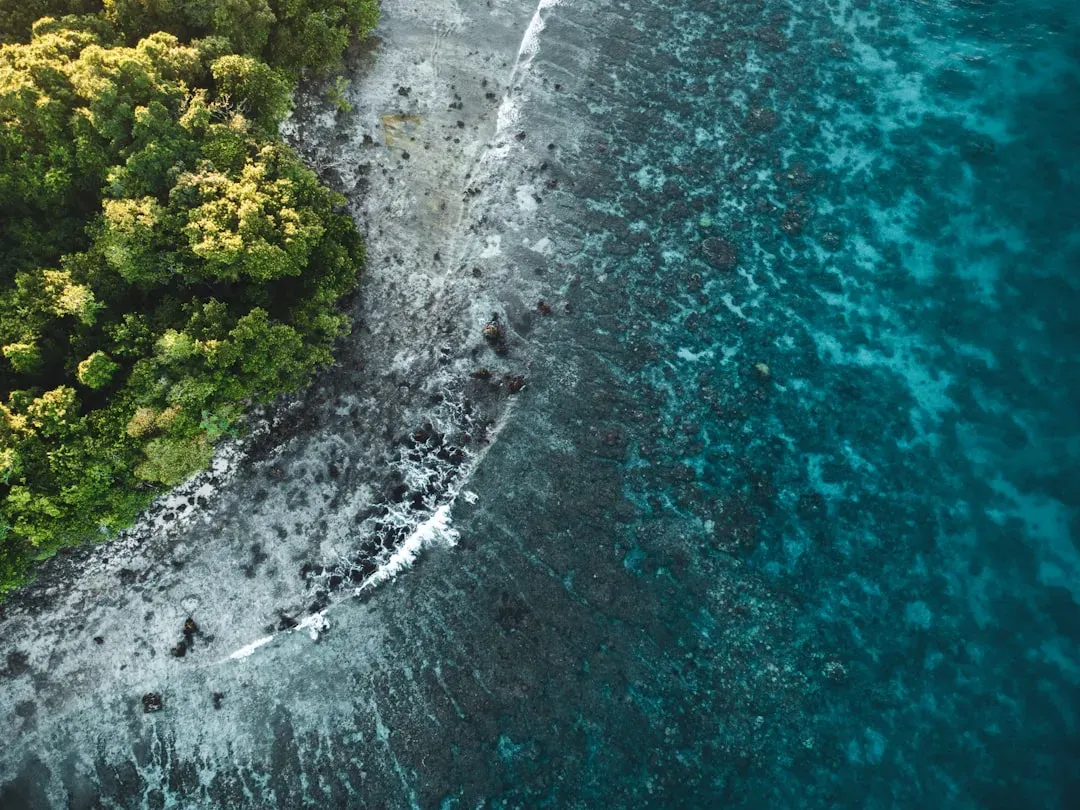
Each of these islands, from volcanic newborns like Surtsey to ancient outposts like Socotra and Tristan da Cunha, shows what happens when life is left alone long enough to write its own rules. Their ecosystems look strange to us partly because we’re so used to landscapes heavily shaped by roads, farms, and cities. On these remote islands, evolution has space to get weird, and that weirdness is exactly what makes them precious. They are living reminders that the planet is far more inventive, and far more fragile, than we usually notice in our daily routines.
What stays with me most is the tension between wonder and responsibility. The more we learn about these places, the easier it becomes to love them – and the harder it is to ignore how quickly climate change, pollution, and careless tourism can undo millions of years of slow, patient evolution. These islands feel like rare books in a library with no backup copies; once damaged, there is no reprint. As you picture dragon’s blood trees, marine iguanas, and tiny island forests clinging to volcanic rock, it’s hard not to ask yourself: which of these worlds will still exist, unchanged, in another fifty years – and which ones would you most want to see with your own eyes while you still can?