
Picture this: you’re sifting through shipwrecks or dusty ruins, unearthing gadgets that look like they belong in a sci-fi movie. These aren’t modern marvels. They’re creations from thousands of years ago that leave experts scratching their heads.
From mechanical brains predicting the stars to flames that laughed at water, ancient minds pushed boundaries we barely grasp today. Ready to time-travel? Let’s uncover these mind-benders.[1][2]
The Antikythera Mechanism: An Ancient Analog Computer
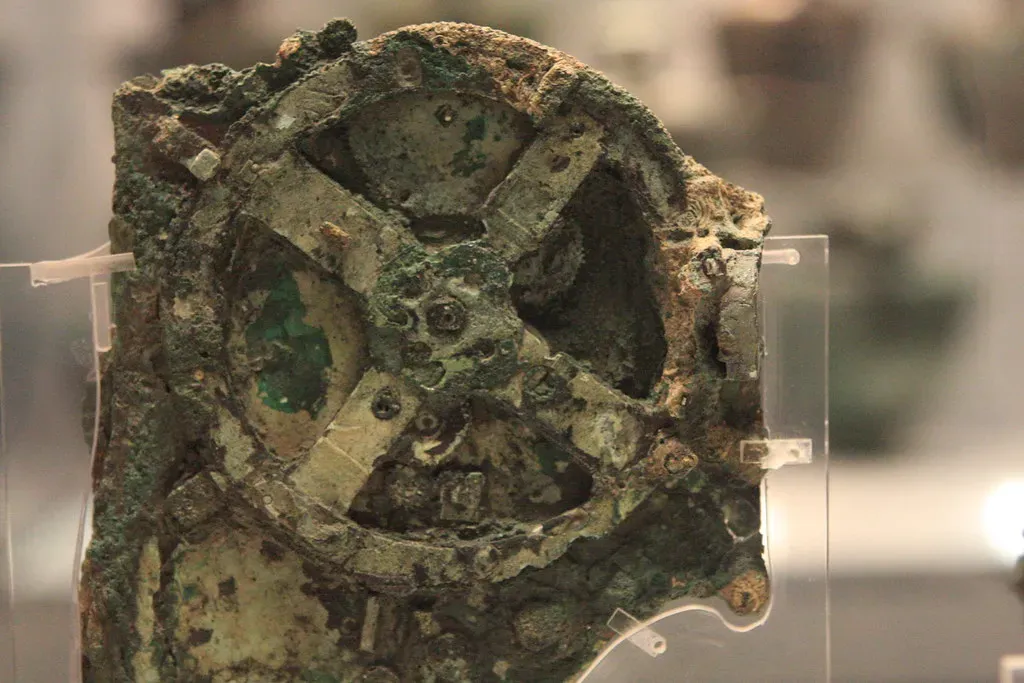
Imagine pulling a bronze-geared box from a 2,000-year-old shipwreck that predicts eclipses and tracks planets like a pocket calculator. Discovered off Greece around 100 BC, the Antikythera mechanism used over 30 gears to model the solar system.[1][2] You crank a handle, and pointers dance across dials showing lunar phases and Olympiad cycles.
Honestly, it feels like peeking at a lost Victorian clockwork universe, but crafted centuries earlier. No other device like it survived, hinting at tech we can’t fully replicate yet. This Greek wonder blended math and astronomy in ways that shamed medieval clocks.[3]
Roman Concrete: Built to Last Millennia

You walk the Pantheon in Rome, marveling at its dome standing strong after 2,000 years of earthquakes and weather. Romans mixed volcanic ash with lime around 25 BC, creating concrete that hardens underwater and self-heals cracks. Unlike today’s mixes that crumble, this stuff gets tougher over time.[1]
Here’s the kicker: seawater triggered reactions forming rare minerals for extra durability. Structures like harbors still defy waves today. You have to wonder why we ditched this recipe for flimsier versions.[4]
The Baghdad Battery: Sparks from Antiquity
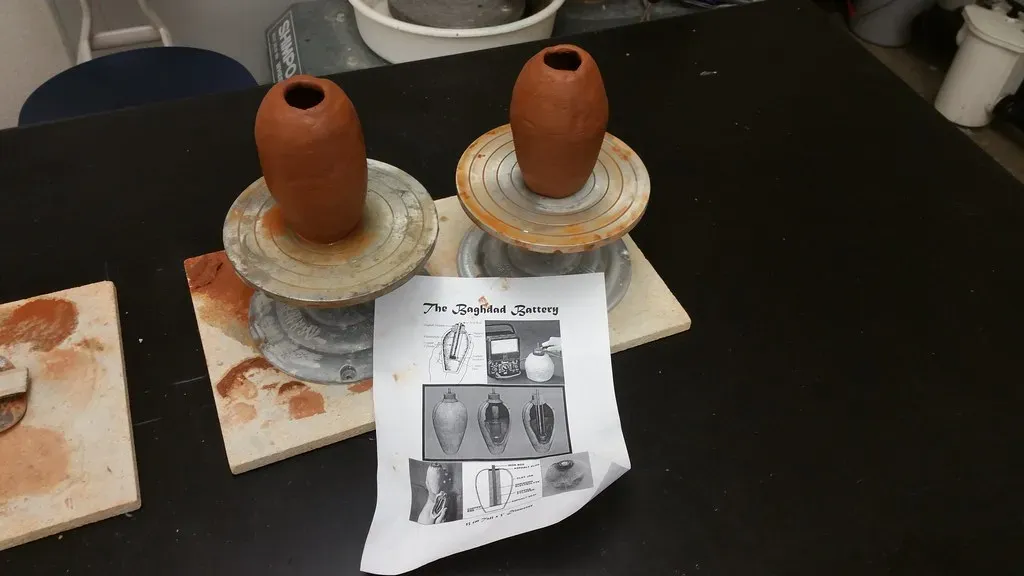
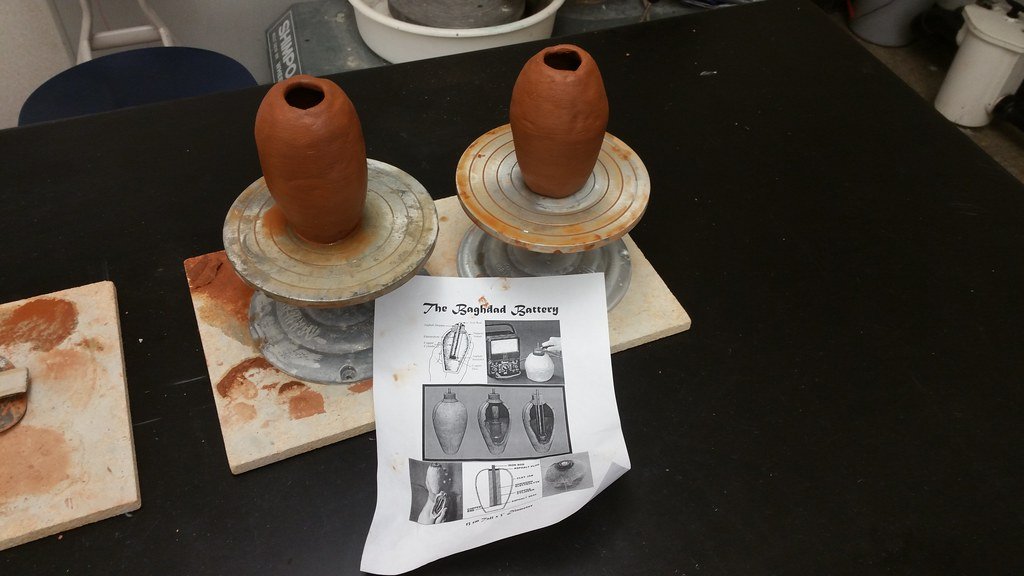
Ever held a clay jar from 250 BC to 224 AD near Baghdad and wondered if it zapped like a AA cell? Fill it with vinegar, and its copper cylinder plus iron rod generates about a volt – early electrochemistry in action. Theories say you might’ve used it for electroplating or pain relief, ditching electric eels.[1][2]
Though debated, replicas prove it works, baffling us on ancient purposes. No electroplated artifacts confirm it, yet the setup screams innovation. Picture healers shocking patients back to health long before Volta’s pile.[3]
Greek Fire: Flames That Defied Water

You’re on a Byzantine ship in 674 AD, facing invaders, and unleash a hose spewing unquenchable fire that burns on waves. This napalm-like brew, possibly petroleum and sulfur, ignited via pumps and grenades, saving Constantinople repeatedly. Enemies flung vinegar in desperation, but it clung like fury.[1][2]
The recipe vanished, a state secret guarded fiercely. It turned naval battles into infernos, centuries before modern incendiaries. You can almost smell the terror it inspired across the seas.
Hero’s Automated Doors: Steam-Powered Wonder
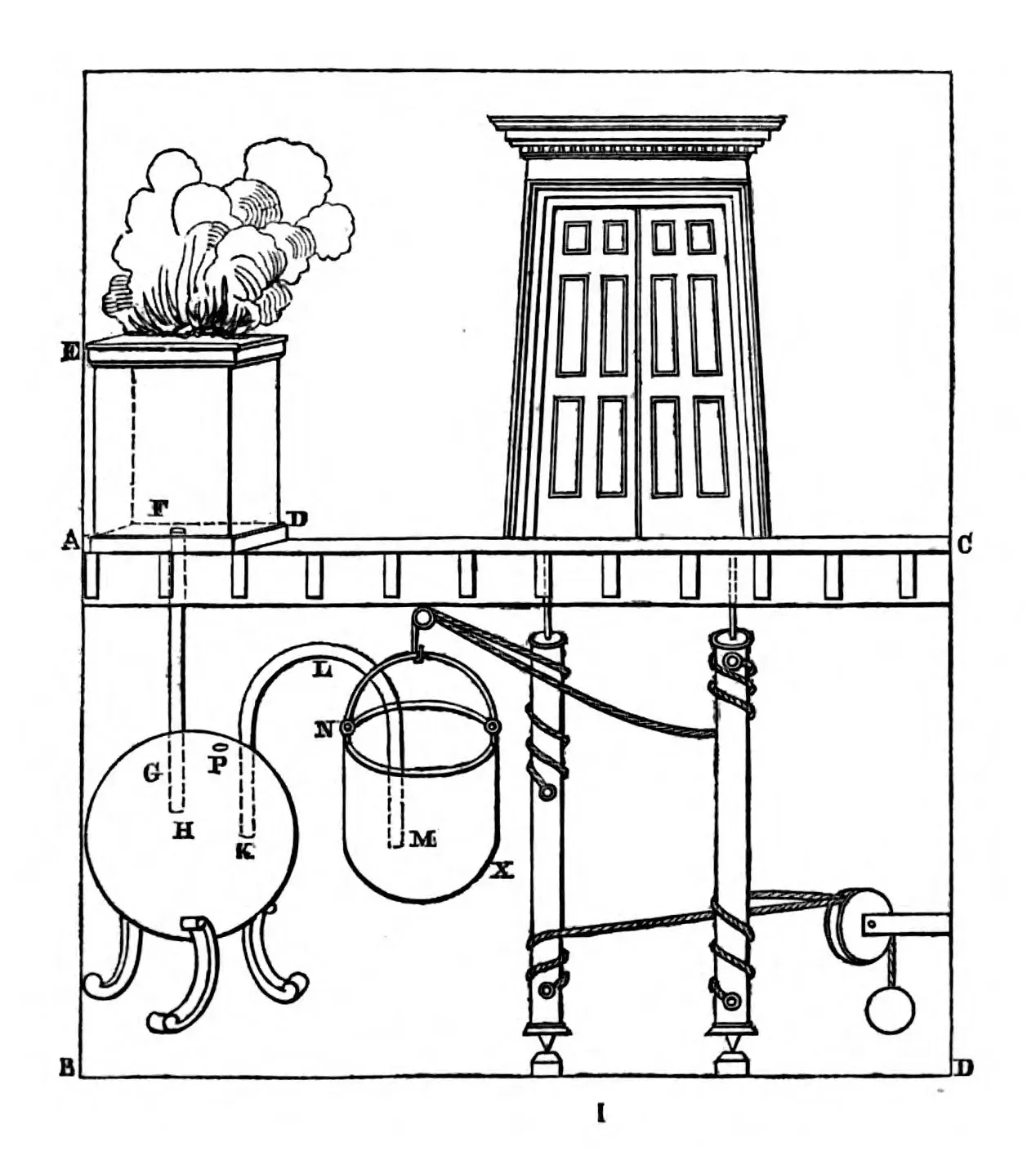
Step into an ancient Greek temple around 1 AD, light a altar fire, and watch massive doors swing open by themselves – pure theater from Hero of Alexandria. Heat boils water in vessels, building pressure to pump fluid and lift weights in a hydraulic setup. It took hours, but the wow factor hit worshippers hard.[2]
Long before 1930s electric doors, this used physics like a Rube Goldberg machine on steroids. Practical? Nah, more for gods’ entrance. Still, you see the blueprint for today’s automation right there in antiquity.[1]
These inventions remind you that brilliance isn’t new – it’s timeless, buried in history’s sands. Ancient folks weren’t primitives; they engineered feats we chase today. What forgotten gem might you unearth next? Share your thoughts below.