Imagine going an entire season without eating a single bite and still being perfectly fine. For humans, that would be a medical emergency, but for a handful of rare animals, it’s just part of the routine. These creatures have turned extreme fasting into a survival superpower, rewriting what we think is possible for life on Earth.
In this article, we’ll explore five remarkable animals that can go months without a meal, and how they manage this without simply wasting away. Some freeze their bodies, some throttle their metabolism to almost nothing, and others carry internal “backpack lunches” made of stored fat and water. By the end, you’ll never look at hunger, or survival, the same way again.
Tardigrades: The Tiny “Immortals” That Shut Down Life Itself
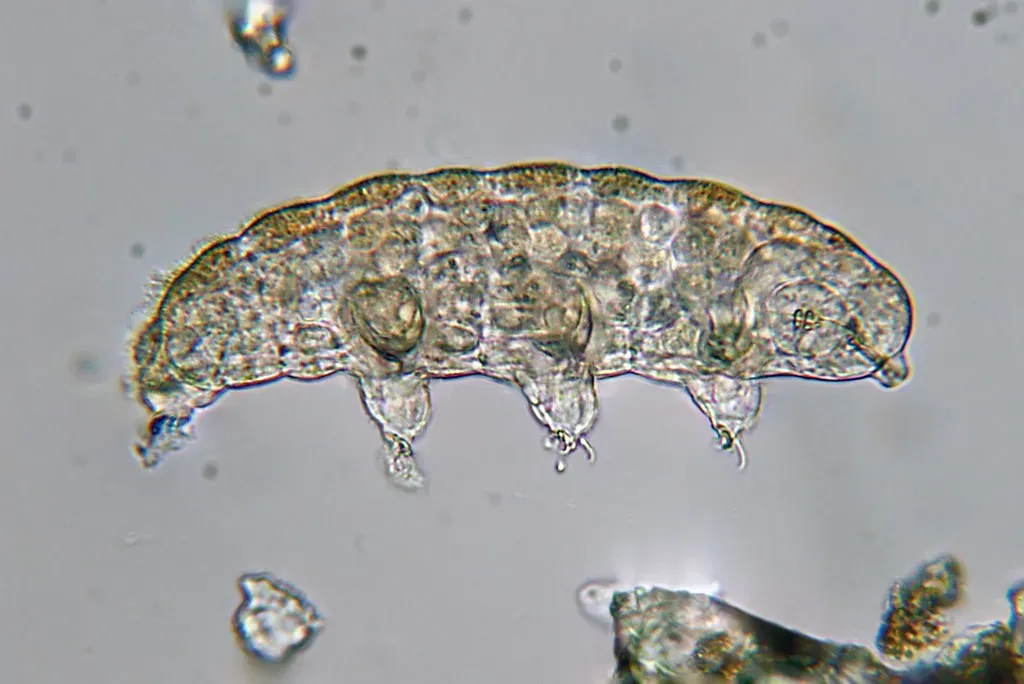
Tardigrades, often called water bears, are microscopic animals that look like something from a sci‑fi movie, yet they might be hiding in the moss on your doorstep. Under normal conditions, they eat algae, bacteria, and tiny plant cells, just like any other simple creature. The shocking part is what happens when things go bad: if water or food disappears, tardigrades can dry out and curl into a tiny, hardened ball called a tun.
In this tun state, their metabolism slows to almost zero, and they can survive for years, even decades, without eating at all. They are not technically “eating nothing but staying active”; instead, they pause their lives so completely that they hardly need energy. Scientists have revived tardigrades after long periods with no food, water, or normal environmental conditions, and they simply pick up where they left off. It’s like hitting a cosmic pause button on hunger, turning one of life’s biggest needs into an optional feature.
Crocodiles: Cold‑Blooded Predators Built for Long Hunger Strikes
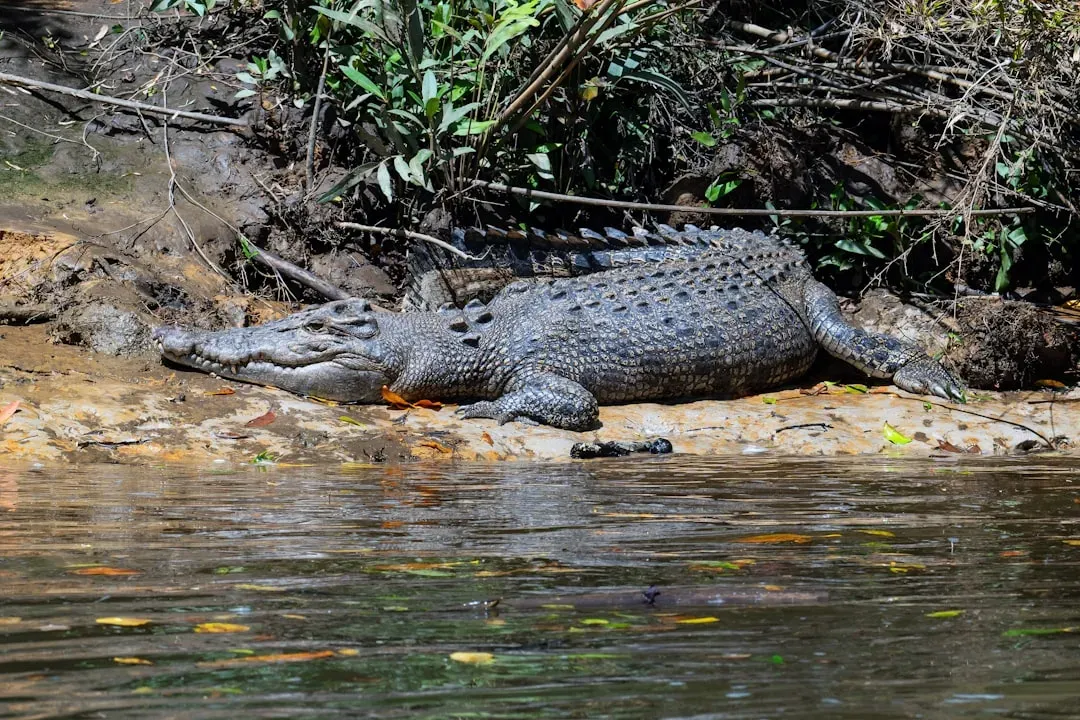
Crocodiles might not be as tiny or cute as tardigrades, but their ability to go without food is just as dramatic in its own way. As cold‑blooded reptiles, crocodiles use far less energy than mammals of similar size, because they do not have to burn calories to keep themselves warm. In the wild, especially in harsh or dry seasons, a crocodile can go many weeks and, in some extreme reports, several months without eating a full meal.
They manage this by slowing down their activity, basking in the sun, and essentially living on low power mode, using stored fat in their tails and bodies as emergency fuel. When food does show up, such as a large fish, antelope, or even a careless bird, they can eat a massive amount in one sitting, then digest it slowly over a long time. Their stomachs are highly acidic and efficient, squeezing every drop of energy from a meal. Watching a motionless crocodile on a riverbank, it’s easy to mistake it for lazy, but in reality, it’s an expert at surviving long stretches when the buffet is closed.
Emperor Penguins: Fasting Parents Surviving Antarctic Winters
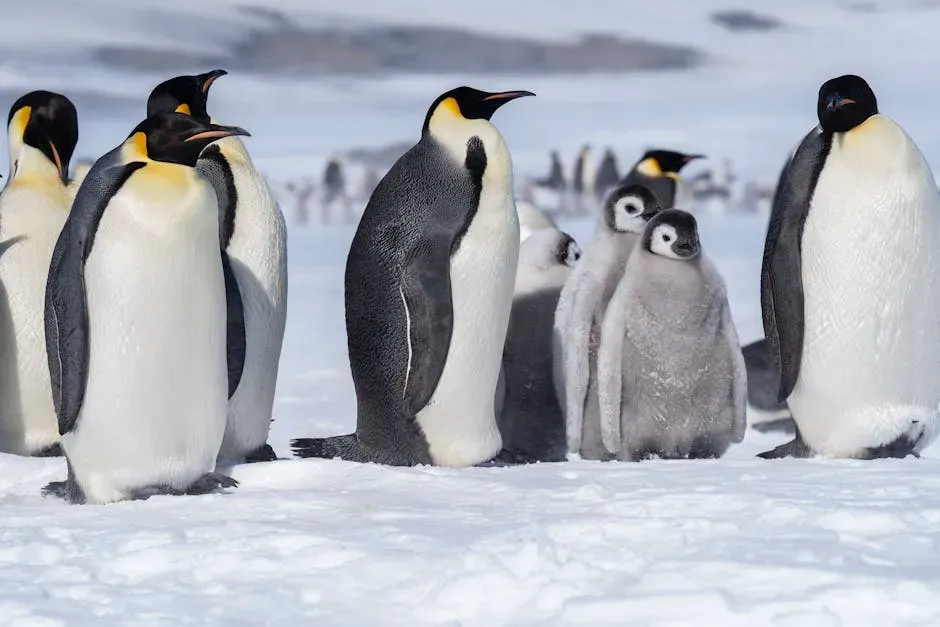
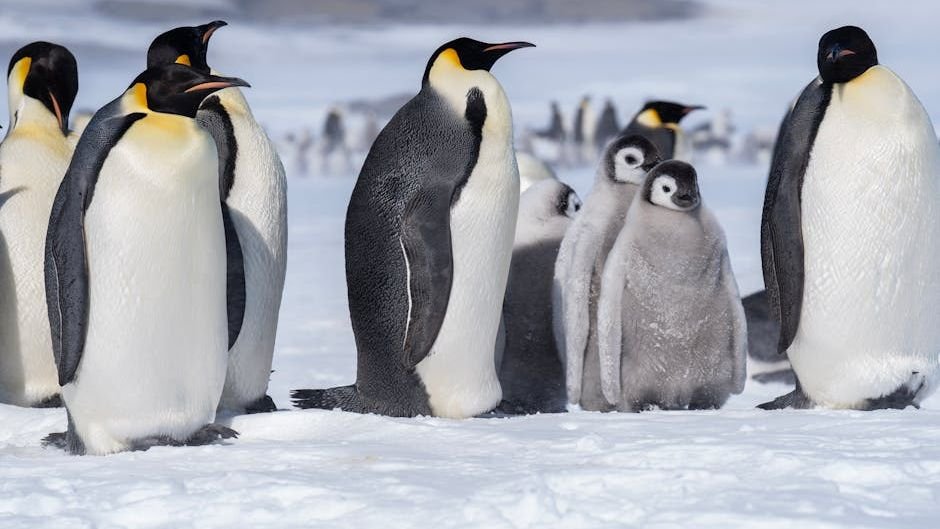
Emperor penguins are famous for their harsh life in Antarctica, but what often gets overlooked is how long they go without eating during breeding season. After the female lays a single egg, she heads back to the ocean to feed, while the male stays behind, balancing the egg on his feet and covering it with a flap of skin to keep it from freezing. During this time, which can last around two to four months, the male does not eat at all.
Instead, he survives on fat reserves built up before the breeding season, standing in freezing winds that can feel unimaginably brutal to us. To save energy, males huddle together in large groups, rotating positions so no one bird is always on the outside. Their hearts beat more slowly, and they move as little as possible so every stored calorie is stretched to the limit. When the female returns and the egg finally hatches, the fact that the father has managed to stay alive and protect it for so long without food feels almost like a quiet miracle written into their biology.
Camel Spiders: Desert Survivors That Can Wait Out the Feast
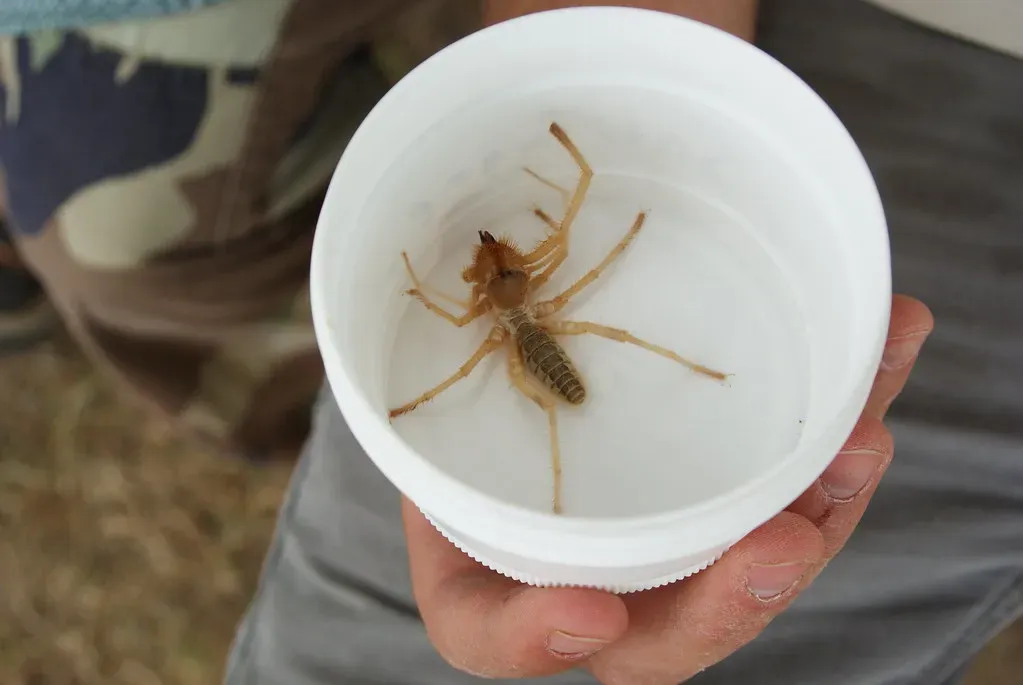
Camel spiders, also known as solifuges, are strange, fast‑moving arachnids that live mostly in hot, dry regions, including deserts. Despite their name, they are not true spiders and they are not actually the size of dinner plates, despite some exaggerated stories. Still, they are fierce predators, hunting insects, small lizards, and other invertebrates when food is available.
In the desert, though, meals can be unpredictable, and that’s where their fasting ability comes in. Camel spiders can endure long periods without eating by slowing their activity and relying on stored energy reserves. Their bodies are adapted to extreme conditions, minimizing water loss and making the most of every calorie they do manage to catch. They might not match the years‑long feats of microscopic creatures, but for an active hunter in a harsh environment, going months with little or no food is still a remarkable survival trick.
Polar Bears: Fasting Through Long Arctic Seasons
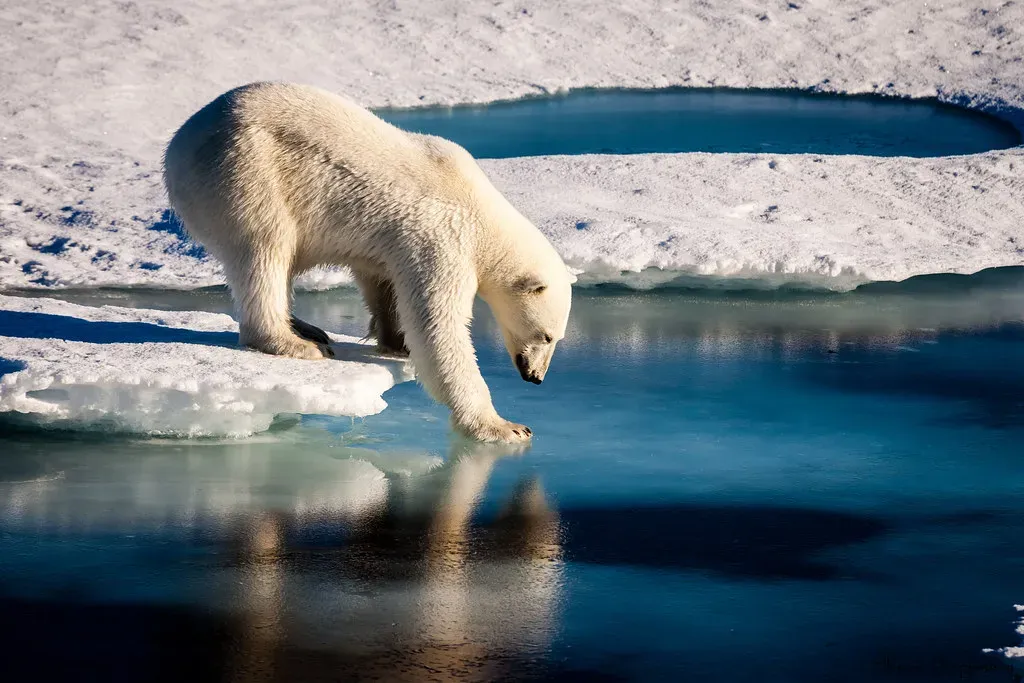
Polar bears live in one of the toughest environments on Earth, where their main prey, seals, depend on sea ice. When that ice melts or retreats, especially in late summer, hunting becomes far more difficult, and polar bears often go for months eating very little or nothing at all. Adult bears prepare for this by building up thick layers of fat during the hunting season, particularly in spring when seals are more plentiful.
Female polar bears take this even further, especially when they are pregnant. They will dig a den in the snow, enter a state of reduced activity, and may fast for several months while giving birth and nursing their cubs. During this time, they live entirely off stored fat, using it not just for their own survival but also to produce rich milk. As sea ice patterns shift in a warming climate, their natural fasting ability is being pushed closer to its limits, turning what was once a powerful survival strategy into a growing challenge.
Conclusion: Hunger as a Hidden Superpower
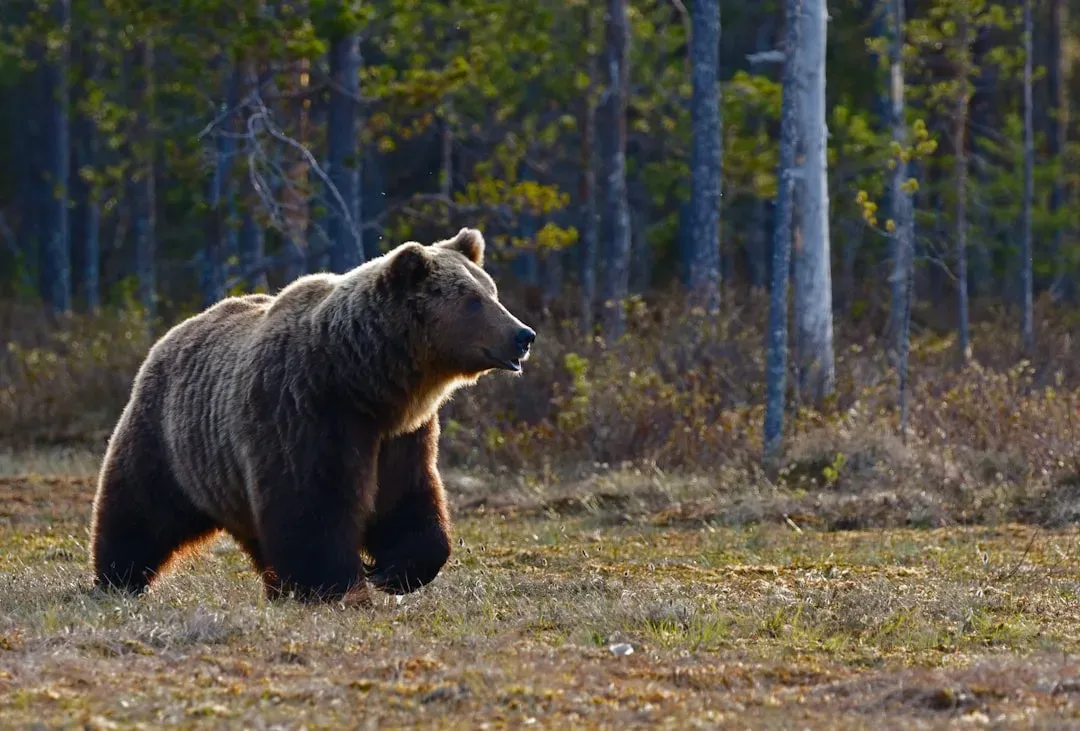
Across these five animals, one pattern stands out: survival is not just about finding food, but about knowing how to endure its absence. From microscopic tardigrades that can nearly stop life itself, to giant polar bears and patient crocodiles that live off huge energy reserves, each species has turned fasting into a kind of biological art. Emperor penguins and camel spiders add their own versions, showing that this talent appears in icy oceans, scorching deserts, and everything in between.
In a way, these animals remind us that nature’s toughest survivors are often the ones that can wait the longest when times are hard. While we scramble for snacks at the first rumble of hunger, they are quietly rewriting the rules of endurance and resilience. Next time you feel impatient before a meal, you might think of a penguin on Antarctic ice, or a crocodile in silent water, calmly trusting the body’s hidden reserves. Which of these extreme fasters surprised you the most?