For the first time in human history, we’re seriously mapping where in our own cosmic backyard life might be hiding – and the shortlist is both thrilling and unnerving. Astronomers and planetary scientists are no longer asking whether alien life is possible, but where the odds are best, and what kind of strange ecosystems might be evolving in darkness, ice, or toxic air. Mars, Europa, Enceladus, Titan, and Venus have all gone from distant dots to worlds with character, chemistry, and tantalizing hints of habitability. Yet each one challenges our assumptions about what life needs and how it might adapt far beyond Earth’s comfort zone. As new missions sharpen our view, the quiet question now hanging over the solar system is unsettlingly simple: are we already living in a crowded neighborhood without knowing it?
The Hidden Clues on Mars: A Once-Blue World Turned Red
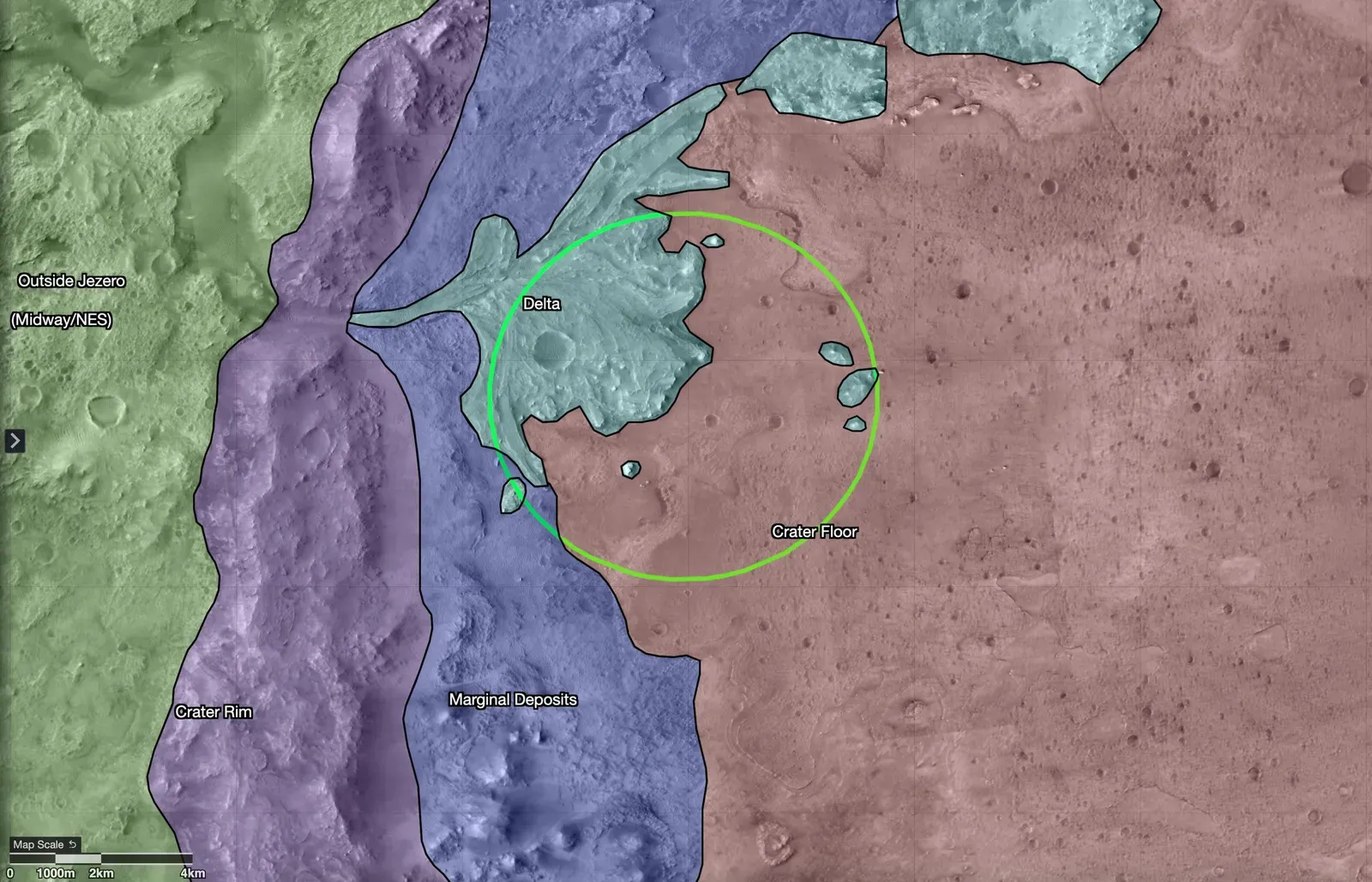
Mars is the obvious suspect, the one we have pointed telescopes, landers, and rovers at for decades, and it still refuses to give us a clear answer. Long ago, probably billions of years in the past, Mars seems to have had flowing rivers, lakes, and maybe even an ocean in its northern hemisphere, carved into its surface like scars from a forgotten era. Today it is dry, cold, and bathed in harsh radiation, yet salts, clay minerals, and ancient deltas preserved in rock whisper that this world was once far more forgiving. NASA’s Perseverance rover is roaming Jezero Crater precisely because it was once a lake basin fed by a river, a place where sediments might have trapped microscopic fossils or organic molecules. When I first saw the satellite images of that ancient river delta, it felt oddly familiar – like flying over the Mississippi’s branching channels, but frozen in time and painted rust red.
The most intriguing Martian clues are frustratingly ambiguous, sitting right on the line between geology and biology. We’ve found organic compounds in Martian rocks, seasonal pulses of methane in the atmosphere, and mineral structures that on Earth can be sculpted by microbes. None of these is a smoking gun on its own; methane, for instance, can be made by volcanic or chemical processes, not just by organisms. But taken together, they sketch a world that may once have been habitable, and that could still shelter hardy microbes deep underground where liquid water might persist. Future sample-return missions will finally bring bits of Jezero’s ancient sediments back to Earth’s labs, where we can examine them with instruments far more sensitive than anything a rover can carry. Until then, Mars remains the ex you keep texting: maybe this time, the message back will change everything.
Europa’s Subsurface Ocean: Life Beneath a Cracked Icy Shell
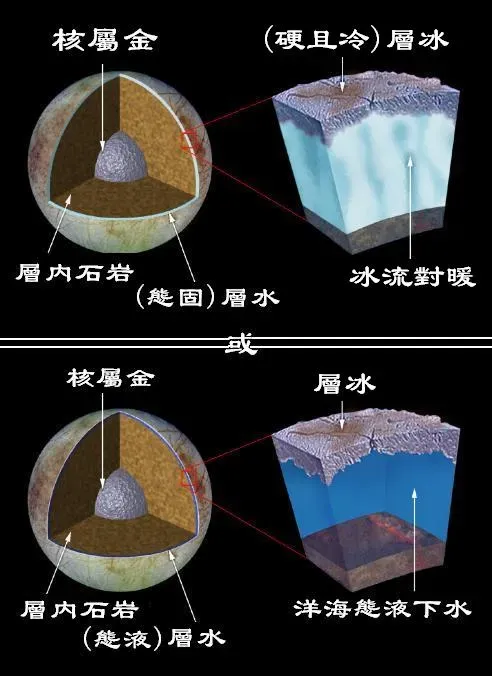
Europa, a moon of Jupiter, looks like a smooth, cracked billiard ball, but beneath that icy shell lies one of the most promising oceans in the solar system. Tidal forces from Jupiter’s gravity flex and heat Europa’s interior, likely keeping a vast global ocean liquid under tens of kilometers of ice. On Earth, similar tidal and geothermal heating powers deep-sea hydrothermal vents, where entire ecosystems of microbes, worms, and crustaceans thrive without sunlight. If Europa has such vents on its seafloor, the same energy and chemistry that feed life in our oceans might be operating there, quietly and independently. That idea – that life could emerge twice in one star system under similar conditions – is what makes Europa so scientifically explosive.
We already see hints that Europa’s interior is restless and rich in chemistry. Its surface is streaked with dark, reddish lines where ice has fractured and refrozen, possibly bringing ocean material closer to the surface. Hubble Space Telescope observations have suggested occasional plumes of water vapor venting into space, like geysers punching through the ice. That is incredible news for mission planners, because it means future spacecraft might be able to “taste” the ocean indirectly by flying through those plumes. NASA’s Europa Clipper mission, scheduled to explore the moon in the coming years, is essentially a detective toolkit in orbit, loaded with instruments to measure salts, organics, and the thickness of the ice shell. If any place in the outer solar system deserves the title of “most likely to surprise us with alien microbes,” Europa is near the top of the list.
Enceladus: A Tiny Moon With an Ocean That Sprays into Space
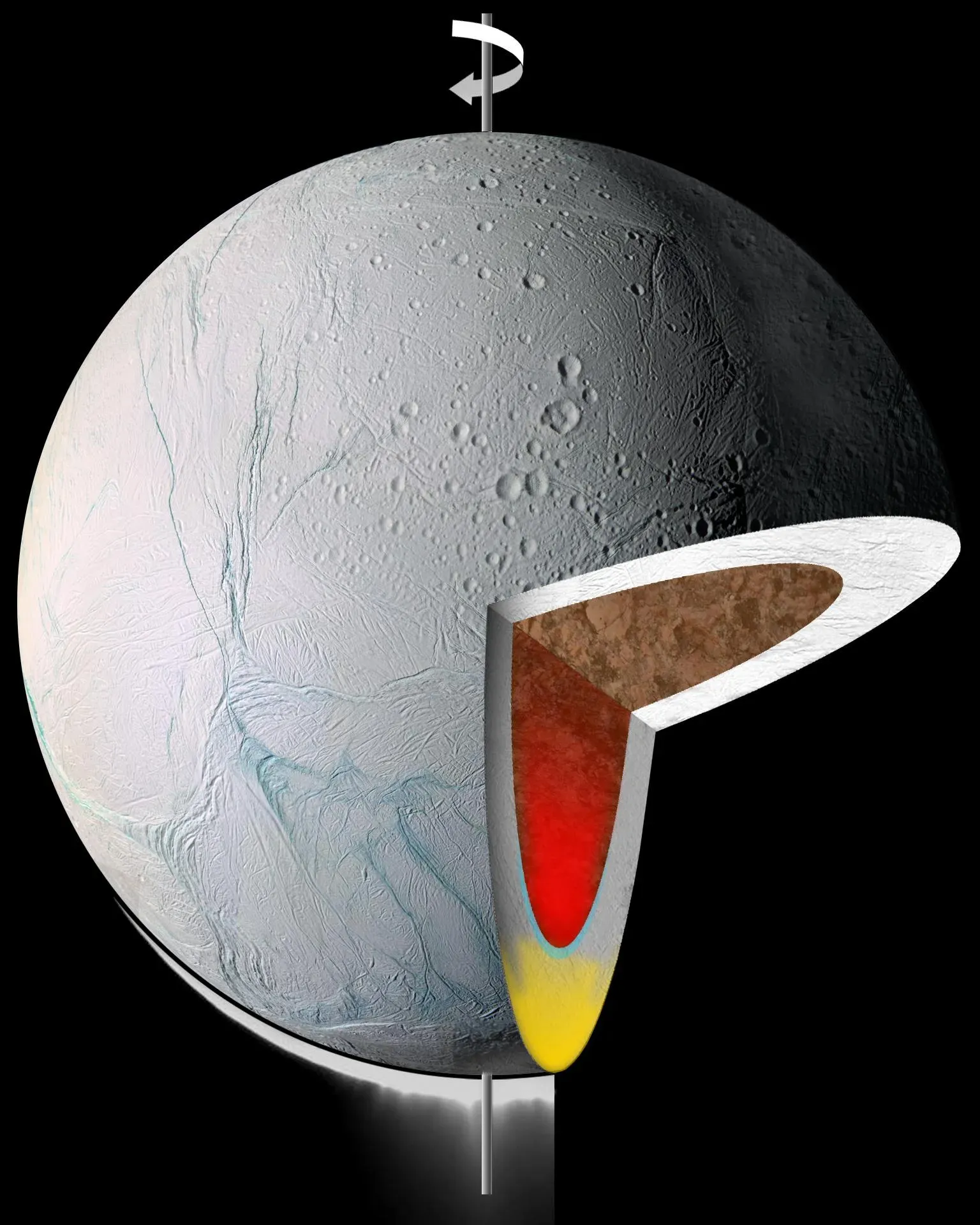
Enceladus, a small moon of Saturn, was once a quiet, icy afterthought in planetary catalogs, until the Cassini spacecraft flew by and rewrote its biography. Cassini revealed towering plumes jetting from cracks near Enceladus’s south pole, shooting ice grains and vapor hundreds of kilometers into space. When the spacecraft actually flew through these plumes, its instruments detected water, salts, simple organic molecules, and even tiny grains consistent with hydrothermal activity on the seafloor. That combination – liquid water, energy from hydrothermal vents, and organic chemistry – is essentially a starter kit for life as we know it. Enceladus went overnight from background character to front-row candidate for habitable real estate.
What makes Enceladus uniquely compelling is its accessibility. Instead of having to drill through a thick ice crust, we have an ocean that conveniently leaks its contents into space, ready for sampling. A future mission could be designed to fly repeatedly through those plumes, using more advanced mass spectrometers to search for complex organic molecules, such as amino acid patterns or lipid-like structures that might hint at biology. Some researchers even dream about capturing fresh plume particles and gently returning them to Earth, where deep analysis could look for subtle signatures of metabolism or cell-like structures. For a moon only a few hundred kilometers across, Enceladus punches far above its weight in astrobiological intrigue. It is like a tiny cracked snowball that just might be exhaling the chemistry of a hidden alien ocean.
Titan’s Alien Chemistry: Methane Lakes and Exotic Possibilities
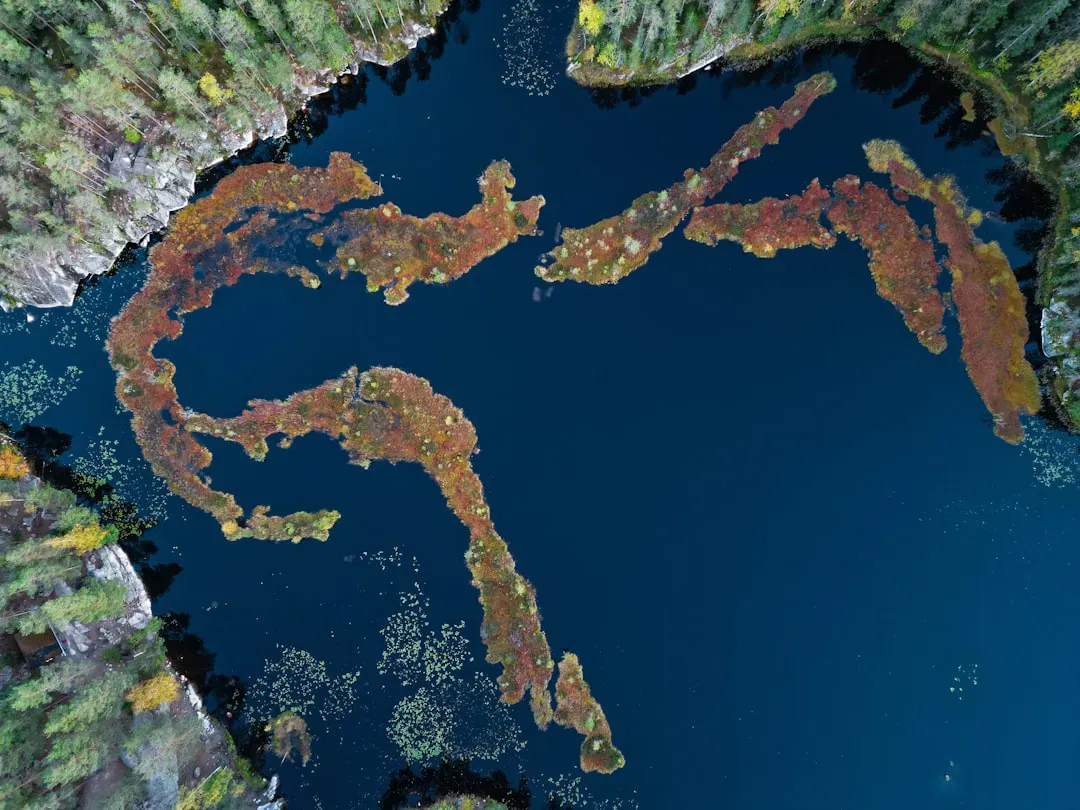
Titan, Saturn’s largest moon, is in many ways the strangest of the five, because it challenges what we even mean by “habitable.” It has thick orange smog, surface temperatures far below water’s freezing point, and lakes and rivers made not of water but of liquid methane and ethane. Despite this, Titan boasts a complex atmosphere rich in organic molecules, including many that form when sunlight and energetic particles break apart nitrogen and methane. On Titan, carbon-based chemistry is running wild in slow motion, building and rebuilding molecules in conditions very different from Earth. Some scientists see Titan as a kind of natural laboratory for prebiotic chemistry, perhaps echoing certain stages of our own planet’s early history – but with methane playing the role that water plays here.
Could life actually exist in Titan’s methane lakes, using liquid hydrocarbons instead of water as a solvent? That idea sounds like pure science fiction, yet serious researchers have published models exploring what such metabolism might look like, imagining cell membranes built from different molecules and chemistry that operates at extremely low temperatures. Meanwhile, deep below Titan’s icy crust, there may also be a hidden water ocean, warmed by internal heat, offering a more familiar route to habitability. NASA’s upcoming Dragonfly mission, a nuclear-powered rotorcraft, will hop across Titan’s dunes and plains later in the next decade, sampling surface material and sniffing the atmosphere. When Dragonfly lifts off from one alien sand dune to drift across another, we will be watching a drone explore a world where lakes of liquid methane glint under a thick, orange sky – and that alone feels like a preview of science nobody has written yet.
Venus’s Cloud Layers: A Hellish World With a Thin Habitable Strip
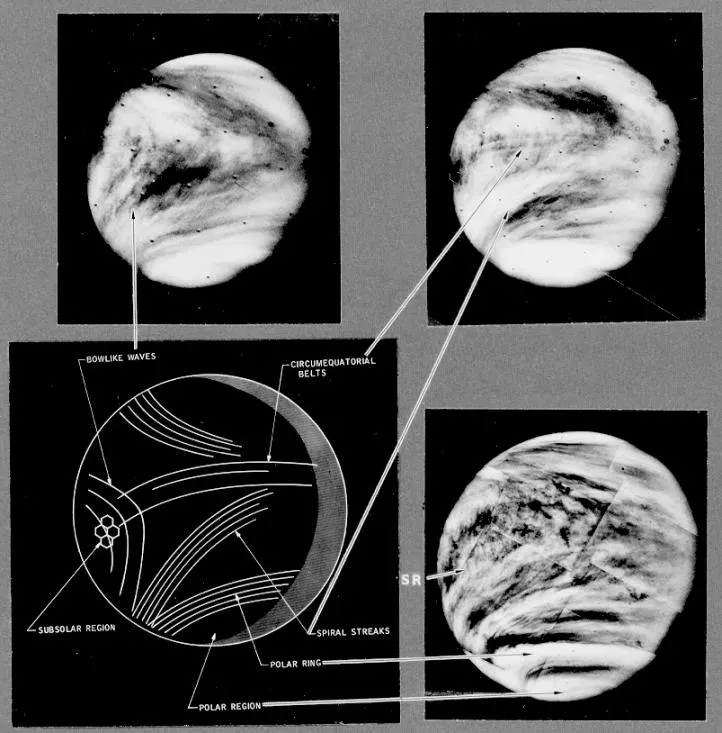
On the surface, Venus is about as hostile as a rocky planet can get: scorching temperatures hot enough to melt lead, crushing pressures, and acid clouds that make your eyes water just thinking about them. For a long time, Venus was written off as a cautionary tale in climate physics, a runaway greenhouse gone to extremes. But high above that inferno, in a narrow band of atmosphere roughly fifty to sixty kilometers up, conditions are surprisingly mild, with temperatures and pressures not wildly different from those at Earth’s surface. Some scientists have suggested that tiny airborne microbes could, in principle, float in those cloud layers, surviving in droplets and drifting with the winds. It is a wild idea, but it’s being taken seriously enough to shape mission proposals.
In recent years, there has been debate over possible chemical anomalies in Venus’s clouds – signals that did not neatly match our expectations for a purely non-biological atmosphere. The details are contentious, and several studies have argued that ordinary chemistry can probably explain the observations without invoking life. Still, the controversy served an important purpose: it pulled Venus back into the astrobiology spotlight after decades of relative neglect. New missions from NASA and other space agencies are now planned to probe the atmosphere, map the surface in detail, and finally get a clearer picture of Venus’s climate history. The most provocative question is whether Venus might once have had oceans and gentle skies, only to spiral into hellish conditions later – a stark reminder that habitable worlds do not stay that way by default.
Why These Worlds Matter: Redefining What “Habitable” Really Means
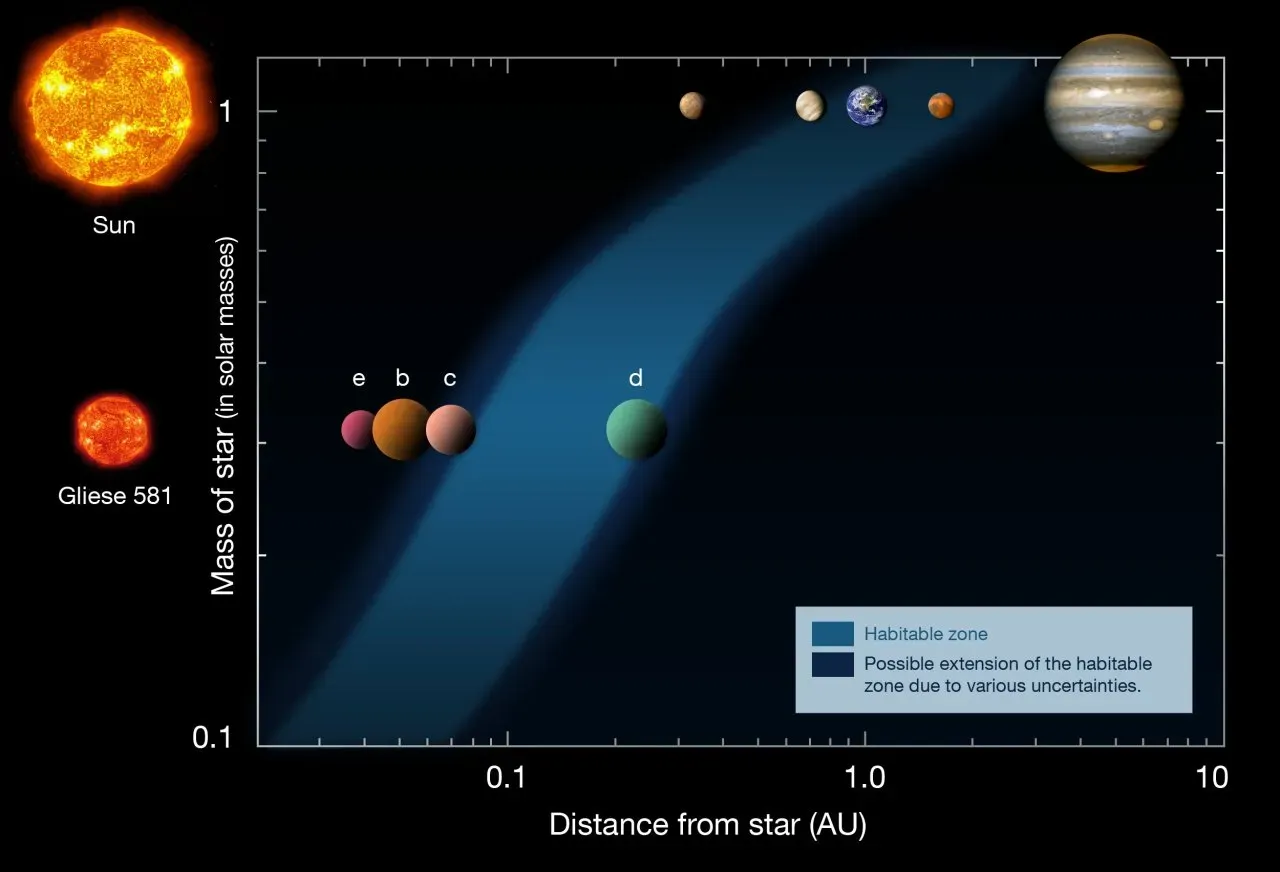
Focusing on these five bodies forces us to admit that our old, Earth-centric idea of habitability is way too narrow. For most of the twentieth century, scientists tended to look for Earth twins – rocky planets at just the right distance from their star for surface oceans. Yet in our own solar system, some of the most promising places for life are icy moons far from the Sun, or toxic planets whose upper atmospheres hide gentle niches. Mars, Europa, Enceladus, Titan, and Venus together show that habitable environments can be underground, under ice, inside methane lakes, or even in floating cloud droplets. In other words, life might care less about sunlight and more about energy, chemistry, and stability over long timescales.
Compared with traditional ideas that framed habitability as a simple “Goldilocks zone” problem, modern astrobiology looks more like a mosaic of overlapping possibilities. Each of these worlds tests a different piece of that mosaic: Mars probes the persistence of life after climate catastrophe, Europa and Enceladus probe deep-ocean ecosystems, Titan probes alien solvents, and Venus probes atmospheric habitats. This matters far beyond our solar system, because it changes how we think about the billions of exoplanets we have started to catalog. If life can adapt to the extremes on these nearby worlds, then the universe’s inventory of habitable real estate might be far larger than we ever guessed. That realization quietly shifts the odds: instead of asking whether life is rare, we may soon be asking how we managed to overlook it for so long.
The Future Landscape of Exploration: Missions, Risks, and Big Bets
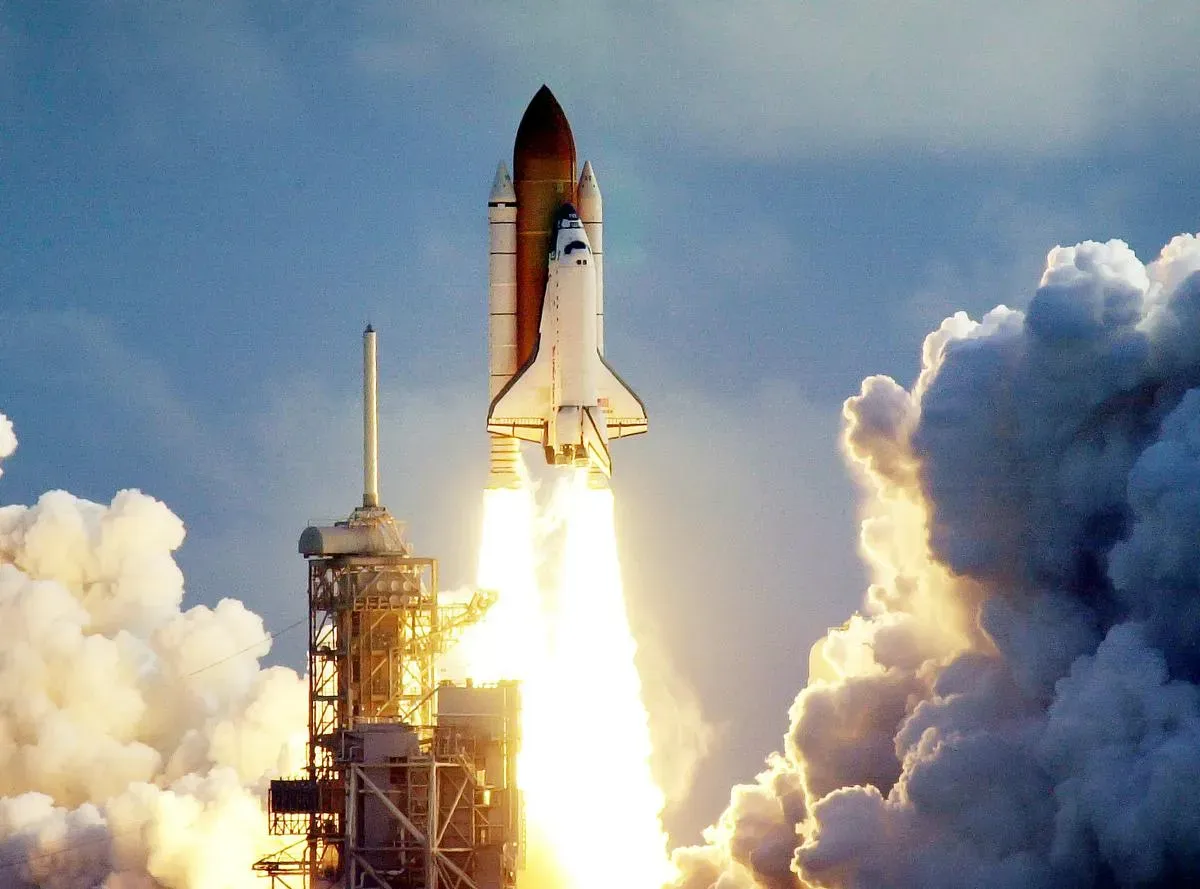
The next few decades of planetary exploration are essentially a carefully orchestrated search party for alien habitability. Mars sample-return plans aim to ferry carefully sealed tubes of Martian rock and dust back to Earth, where synchrotrons and electron microscopes can hunt for tiny chemical or structural hints of past microbes. Europa Clipper will scan the icy moon in exquisite detail, while proposed landers could one day touch down on its surface to analyze fresh material. At Saturn, mission concepts for Enceladus envision flybys or orbiters dedicated to repeatedly sampling its plumes, pushing instruments right to the edge of what they can detect. Titan’s Dragonfly mission will bring a robotic explorer into an environment so alien that even simple navigation, communications, and landing are scientific experiments in themselves.
But the technical and ethical challenges here are not trivial. Engineers must design hardware that can survive intense radiation near Jupiter, choking haze around Titan, or corrosive chemistry around Venus. Planetary protection rules demand we avoid accidentally seeding these worlds with Earth microbes, which would not only be irresponsible but could completely contaminate scientific results. There is also a quiet but growing debate about what we should do if we actually find life, even microbial life, in more than one place. Do we treat those ecosystems as laboratories, parks, or something closer to sacred sites? Each mission, each budget decision, is a bet on which questions we most urgently want answered – and which worlds we are willing to touch to get those answers.
How You Can Plug In: Curiosity, Support, and a Citizen’s Role
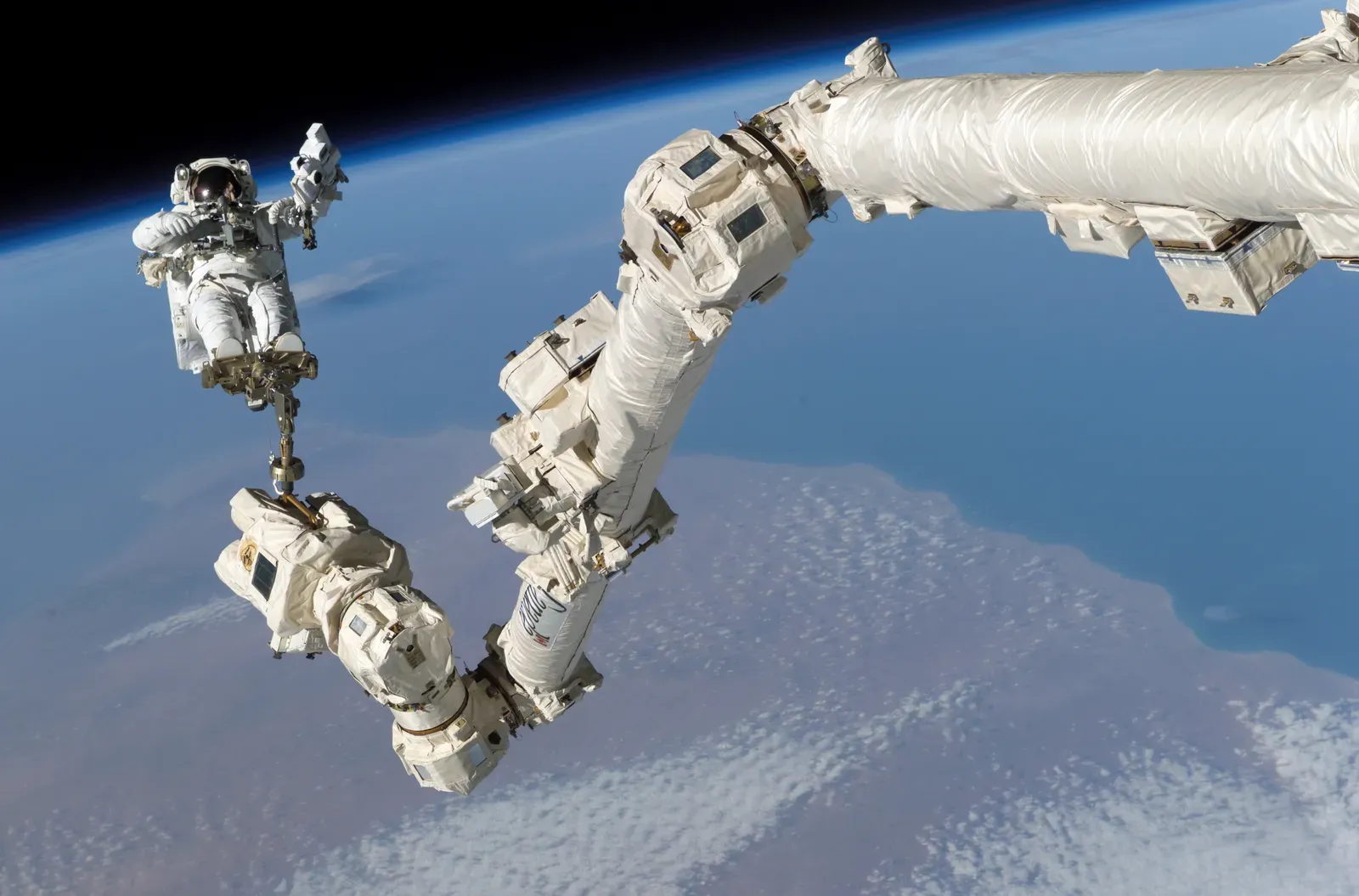
It is easy to think that the search for alien life is something only big agencies and rocket scientists get to shape, but that is only half the story. Public interest and political will help decide which missions fly, which telescopes get built, and how boldly we push out into the solar system. Staying engaged – by following mission updates, reading reporting from multiple outlets, and talking about these discoveries with friends and family – actually matters more than it seems. Many missions to Mars, Europa, or Venus have survived budget scares in part because ordinary people spoke up, wrote their representatives, or simply kept the topic in the news cycle. Curiosity, in that sense, becomes a kind of soft power that keeps exploration moving.
There are also tangible ways to participate more directly. You can join citizen science projects that classify planetary images, help spot interesting surface features, or tag transient phenomena in spacecraft data. You can support science education programs, museums, and planetariums that bring this research to kids who might someday work on the next generation of missions. And you can keep a healthy skepticism alongside your wonder, asking hard questions about how we explore and what responsibilities come with the possibility of finding life elsewhere. In the end, these five worlds are mirrors as much as they are mysteries: they reflect our urge to know whether we are alone, and what kind of species we want to be if the answer turns out to be no.
Suhail Ahmed is a passionate digital professional and nature enthusiast with over 8 years of experience in content strategy, SEO, web development, and digital operations. Alongside his freelance journey, Suhail actively contributes to nature and wildlife platforms like Discover Wildlife, where he channels his curiosity for the planet into engaging, educational storytelling.
With a strong background in managing digital ecosystems — from ecommerce stores and WordPress websites to social media and automation — Suhail merges technical precision with creative insight. His content reflects a rare balance: SEO-friendly yet deeply human, data-informed yet emotionally resonant.
Driven by a love for discovery and storytelling, Suhail believes in using digital platforms to amplify causes that matter — especially those protecting Earth’s biodiversity and inspiring sustainable living. Whether he’s managing online projects or crafting wildlife content, his goal remains the same: to inform, inspire, and leave a positive digital footprint.