
History books rarely mention eclipses, comets, or solar storms in the same breath as revolutions, famines, or turning points in war, yet the sky has quietly influenced human decisions for millennia. While astrology often gets dismissed as superstition, the celestial events behind many astrological interpretations are very real – and sometimes, they have arrived at eerily consequential moments. From naval fleets thrown off course by freak space weather to emperors trembling under blood-red moons, the cosmos has often been the silent extra character in history’s biggest dramas. As astronomers and historians re-examine old chronicles with modern tools, they’re uncovering fascinating links between what happened above and what unfolded below. The question is not whether the stars controlled our fate, but how their physical effects and symbolic power nudged human choices at critical moments.
The Hidden Clues: A Solar Eclipse and the Birth of a Scientific Revolution
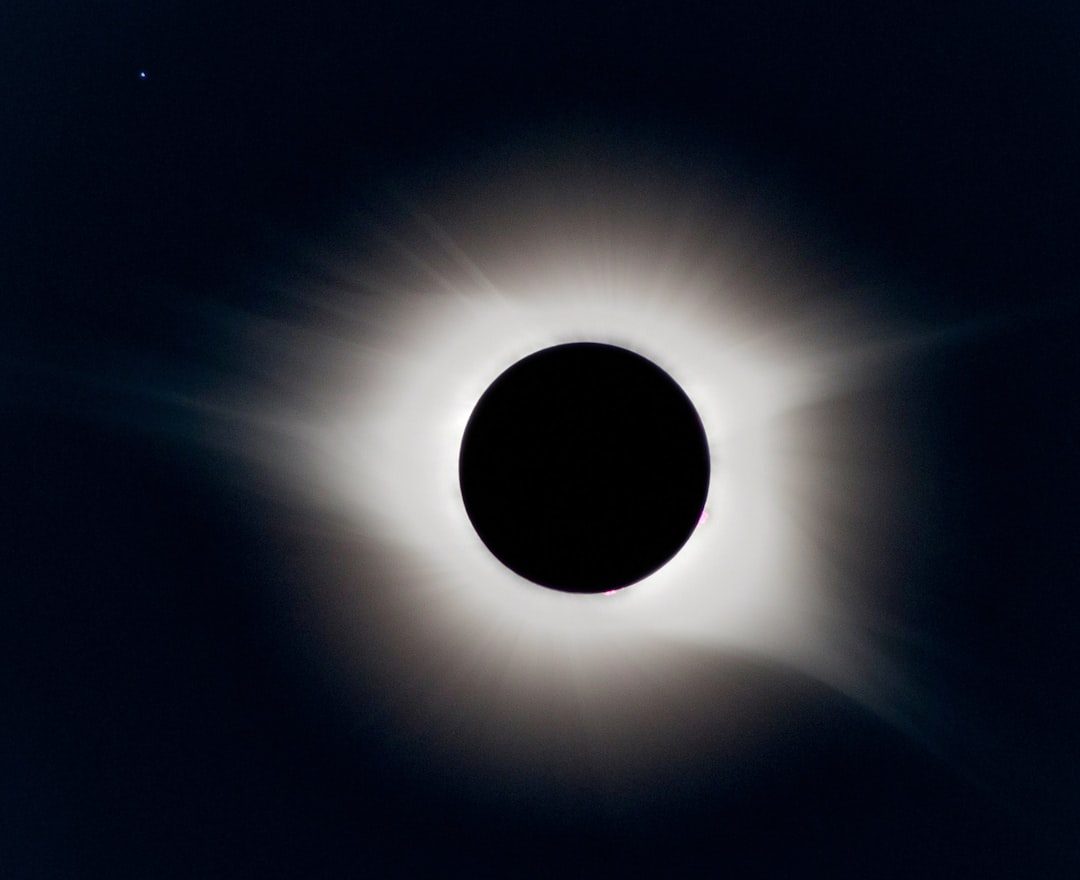
Picture this: it is the early twentieth century, and the idea that space and time could bend is so bizarre that many leading scientists remain deeply skeptical. In May 1919, a total solar eclipse offered a rare cosmic experiment, allowing astronomers to test Albert Einstein’s radical prediction that gravity would bend starlight. Expeditions to Brazil and the island of Príncipe photographed stars near the darkened Sun, and careful measurements later showed the starlight was indeed deflected just as general relativity predicted. Overnight, a theory that had sounded like philosophical speculation gained hard observational backing.
Newspapers around the world seized on the result, turning an obscure eclipse campaign into a global media moment and Einstein into a household name. The eclipse itself did not “cause” the theory, of course, but it shaped how quickly it was accepted, how scientists prioritized research, and how the public came to trust physics that radically reimagined reality. It is a striking example of an astrological-style event – a dramatic, ominous darkening of the Sun – serving as the stage for one of the most important scientific validations in history. That single celestial alignment effectively reoriented the trajectory of twentieth-century physics and technology, from GPS to black hole imaging. Without that eclipse, the story of modern science might have unfolded far more slowly, or in a very different way.
Ominous Skies: Halley’s Comet and the Politics of Fear
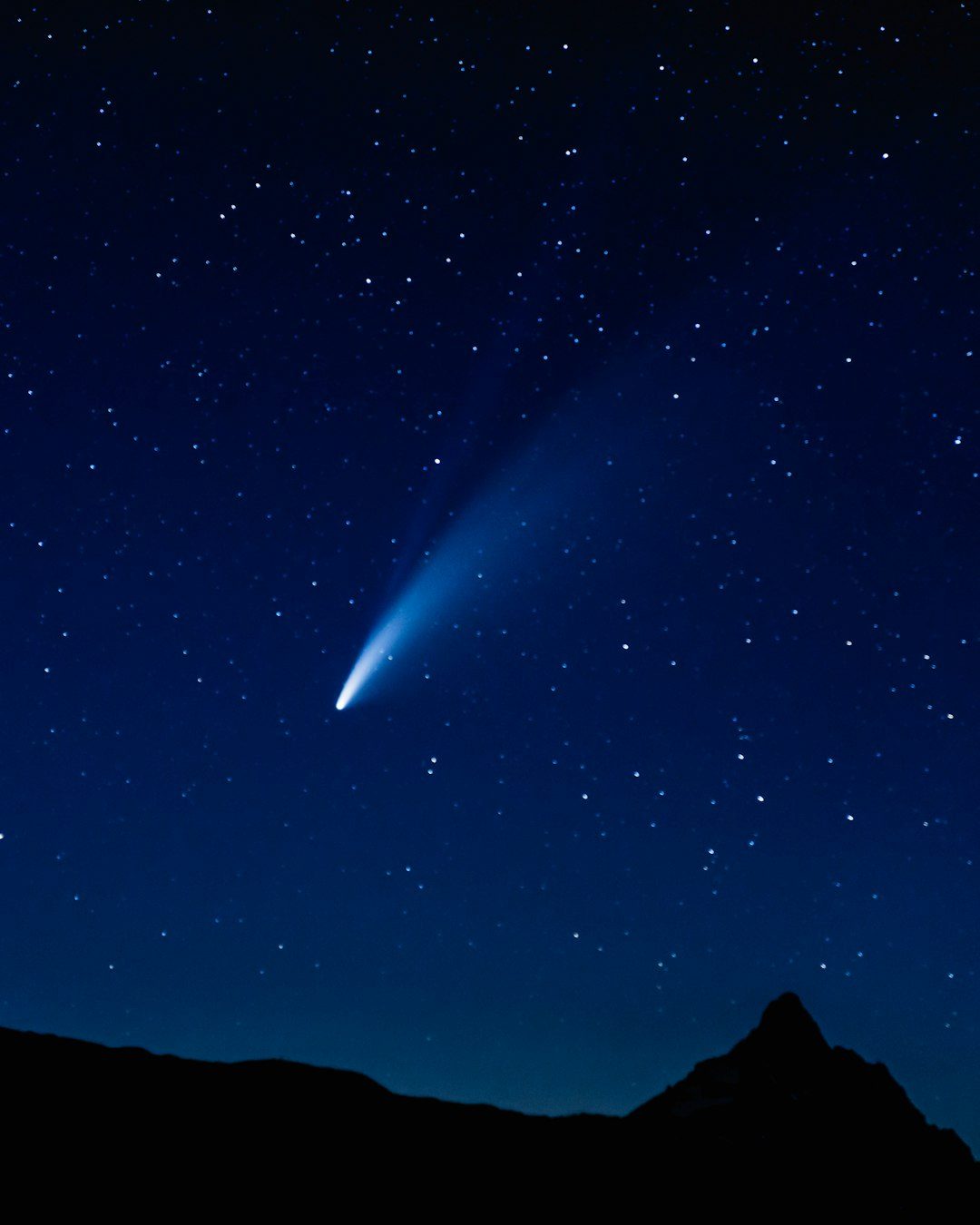
For much of human history, comets were not quaint photo opportunities but terrifying omens tearing across the night sky. Halley’s Comet, which returns roughly every seventy-five to seventy-six years, has been blamed or credited for everything from the death of kings to the collapse of empires. Chroniclers recorded its appearance in the year 1066 over England, later linking it with the Norman invasion and the end of Anglo-Saxon rule; the comet is even stitched into the Bayeux Tapestry above a worried King Harold. To medieval observers steeped in astrological thinking, such a fiery visitor was a sign that the political order itself was under judgment.
In later centuries, rulers and religious leaders learned to weaponize this fear. By casting comets as cosmic warnings, they could frame wars, plagues, and social unrest as either divine punishment or destined change, strengthening their own narrative control. When Halley’s Comet returned in 1910, newspapers reported public anxiety, and opportunists sold so-called “comet pills” claiming to protect people from imagined poisonous gases in its tail. Here, the science – an icy, dusty body in an elliptical orbit – was overshadowed by the psychological and political impact of its dramatic appearance. The comet did not directly rewrite borders or topple governments, but its recurring presence amplified human fears and hopes at delicate historical moments, shaping decisions made in an atmosphere of cosmic dread.
Heavenly Red Flags: Lunar Eclipses and Turning Points in Power
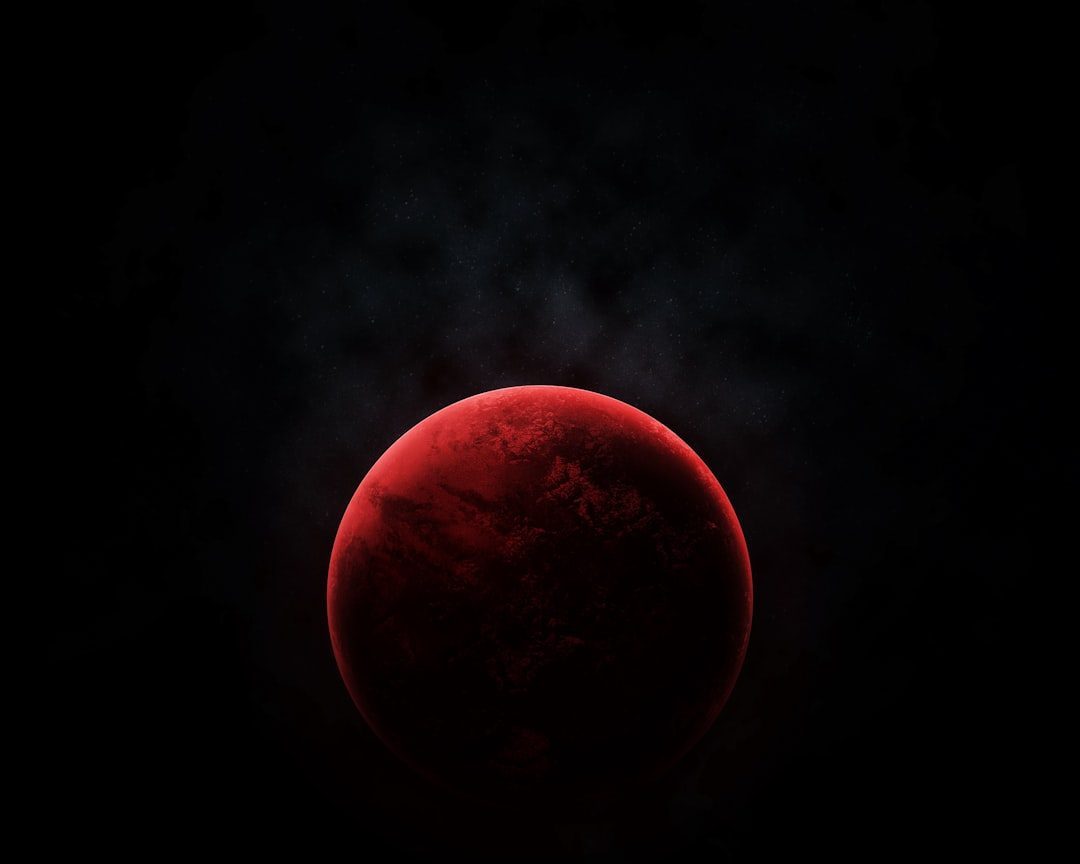
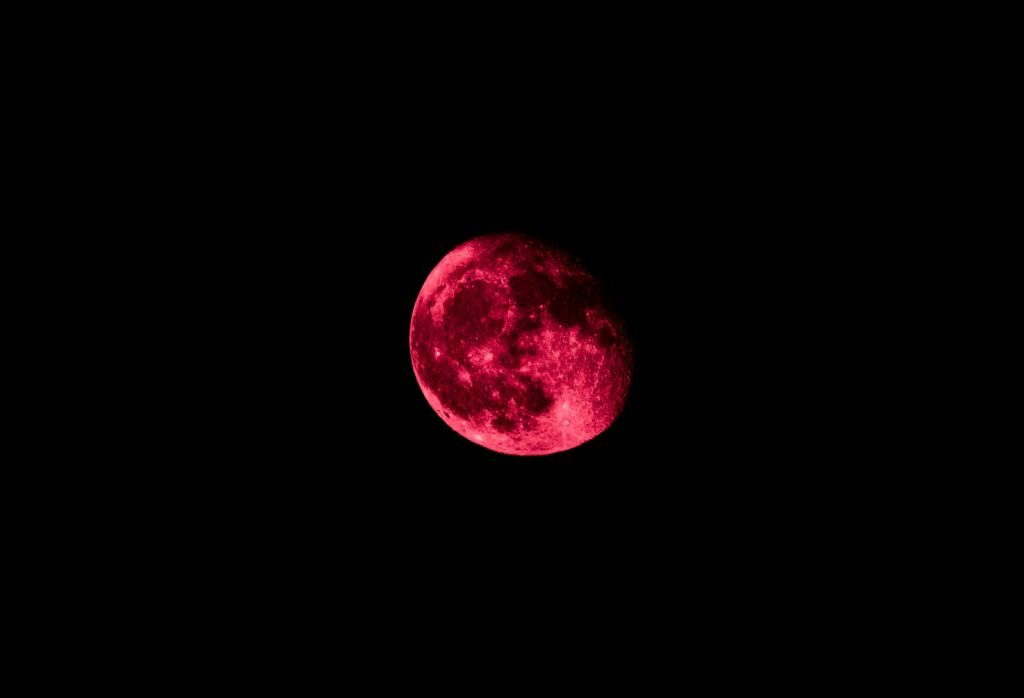
Lunar eclipses, in which the full Moon slips into Earth’s shadow and often turns a deep coppery red, have long been interpreted as warnings to rulers. In many ancient and medieval cultures, kings employed court astrologers whose job was to forecast such events and advise on the risks they supposedly posed. When an eclipse coincided with political turmoil, it usually did not stay in the realm of symbolism; it could trigger real-world actions like ritual substitutions of “mock kings,” postponing critical decisions, or even pre-emptive crackdowns on perceived rivals. The sky became a kind of political calendar, overlaid with invisible red lines that leaders ignored at their peril.
One famous example comes from the early sixteenth century, when Christopher Columbus, stranded in Jamaica and desperate for supplies, used his knowledge of an upcoming lunar eclipse to manipulate the local population. By predicting the Moon would “disappear” as a sign of divine anger, he pressured people into continuing to provide food for his crew. The eclipse did not change the course of global history on its own, but it altered the fate of those particular communities and helped sustain a voyage deeply entangled with colonization. More broadly, the pattern repeats: when powerful people believe the sky is sending messages, they make choices they might not otherwise make – postponing wars, rushing treaties, or purging threats. The red-tinted Moon, filtered through human belief, becomes a quiet lever on the machinery of power.
Invisible Storms: Space Weather That Scrambled Empires
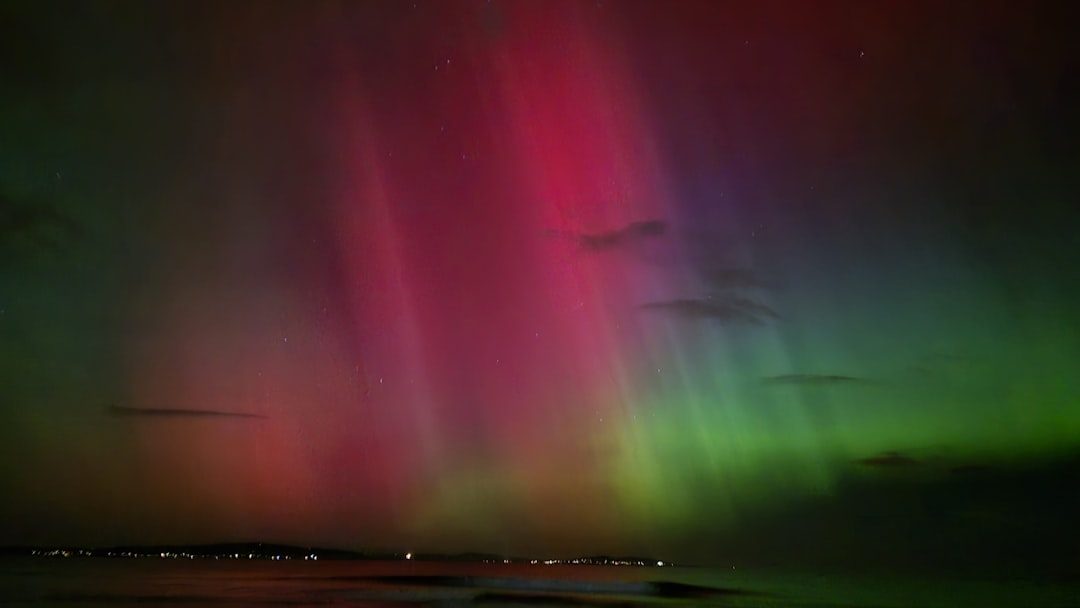
Not all influential celestial phenomena are visible to the naked eye; some are invisible storms of charged particles and magnetic chaos that we now group under the term “space weather.” In 1859, a massive solar storm known as the Carrington Event erupted from the Sun, sending a burst of energetic particles that slammed into Earth’s magnetic field. Telegraph systems, the high-tech communication backbone of the nineteenth century, sparked, failed, and in some cases reportedly transmitted messages even when disconnected from power. Operators received electric shocks, and the polar auroras flared so brightly that people in parts of the Caribbean could read newspapers at night.
At the time, industrial societies were just beginning to knit continents together through fast electronic communication, so this disruption rattled both business and governments. While the storm did not cause a specific war or treaty, it exposed how vulnerable emerging infrastructure was to solar tantrums, shaping later efforts to harden systems and diversify communication lines. Today, historians and space physicists warn that a similar event striking our deeply connected digital world could temporarily cripple satellite networks, power grids, and global logistics. In other words, the same kind of hidden cosmic weather that once made telegraph keys spark could, in a worst-case scenario, jolt the modern financial system and even national security. The empire-shaping potential of space weather has only grown since we first wired the world together.
From Ancient Tools to Modern Science: Tracking the Stars to Time Revolutions and Rebellions
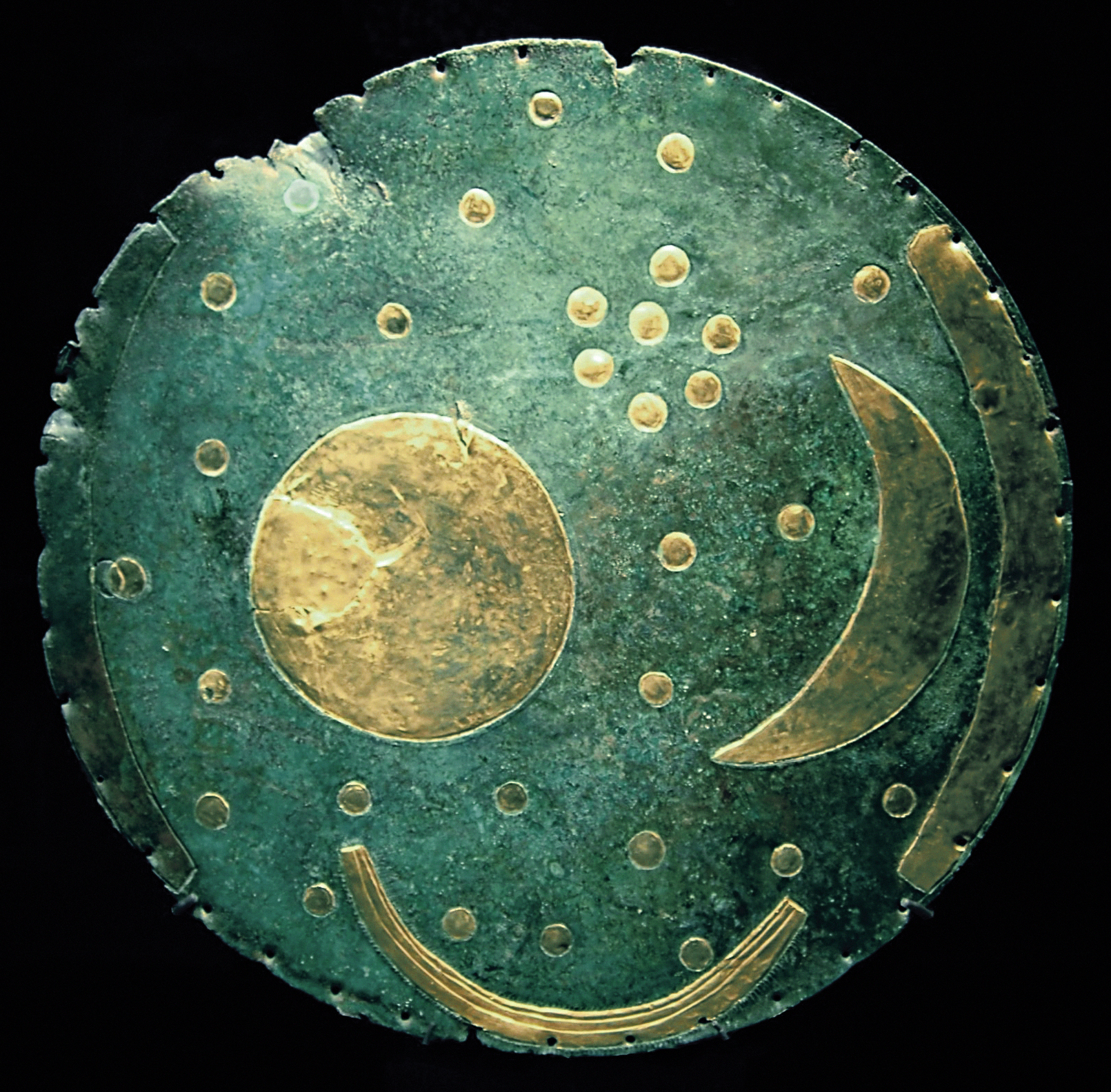
Long before precise clocks or global positioning systems, societies relied on the sky as their master calendar, tracking solstices, equinoxes, and planetary alignments to schedule harvests, festivals, and state rituals. Megalithic sites, ancient observatories, and temple alignments across the world show how carefully people watched the heavens, because mistiming a planting or tax collection could trigger famine or unrest. In some empires, coronations and military campaigns were deliberately timed to coincide with auspicious heavenly configurations, blending practical seasonal timing with astrological symbolism. The result was that celestial cycles could nudge when – and sometimes whether – rebellions or reforms unfolded.
Modern researchers are re-analyzing old star charts and historical accounts using sophisticated astronomical software, matching recorded comets, eclipses, and conjunctions with specific dates. This has revealed, for example, that certain rebellions and regime changes clustered around highly visible sky events, not by accident but because leaders and rebels shared a common sky-based calendar. Compared with the intuitive but imprecise methods of the past, present-day astronomy allows historians to pinpoint those nights and reconstruct what people actually saw overhead. It turns the sky into a cross-check for written narratives, sometimes confirming, sometimes challenging the timing of key events. The same stars that guided ancient priests and generals are now guiding twenty-first-century scholars as they redraw timelines and rethink causality.
Why It Matters: Rethinking Cause, Coincidence, and Cosmic Influence

At first glance, linking astrological phenomena with historical change can sound like slipping back into magical thinking, but that is not what current research is doing. The emerging picture is less about destiny written in the stars and more about how physical events and human beliefs interact at vulnerable moments. Traditional history often treats celestial events as colorful background details, while traditional astrology elevates them to all-powerful forces; the reality sits in the messy middle. A solar storm that knocks out communications, a comet that terrifies citizens, or an eclipse that empowers a cunning navigator – all of these sit at the intersection of physics and psychology.
By weaving astronomy back into historical analysis, scientists and historians can test which connections are plausible and which are pure coincidence. For instance, a correlation between a comet and a political crisis may be weak if the crisis had already been building for decades, but much stronger if leaders clearly changed their behavior in reaction to the sky. This approach also highlights how deeply humans crave patterns; we are quick to see cosmic messages, especially in times of uncertainty. Understanding this tendency can help us interpret modern responses to celestial events, from viral doomsday posts about eclipses to speculative financial bets on satellite outages. In short, looking up helps us see our own decision-making on the ground more clearly.
The Future Landscape: Forecasting Space Weather and Social Reactions
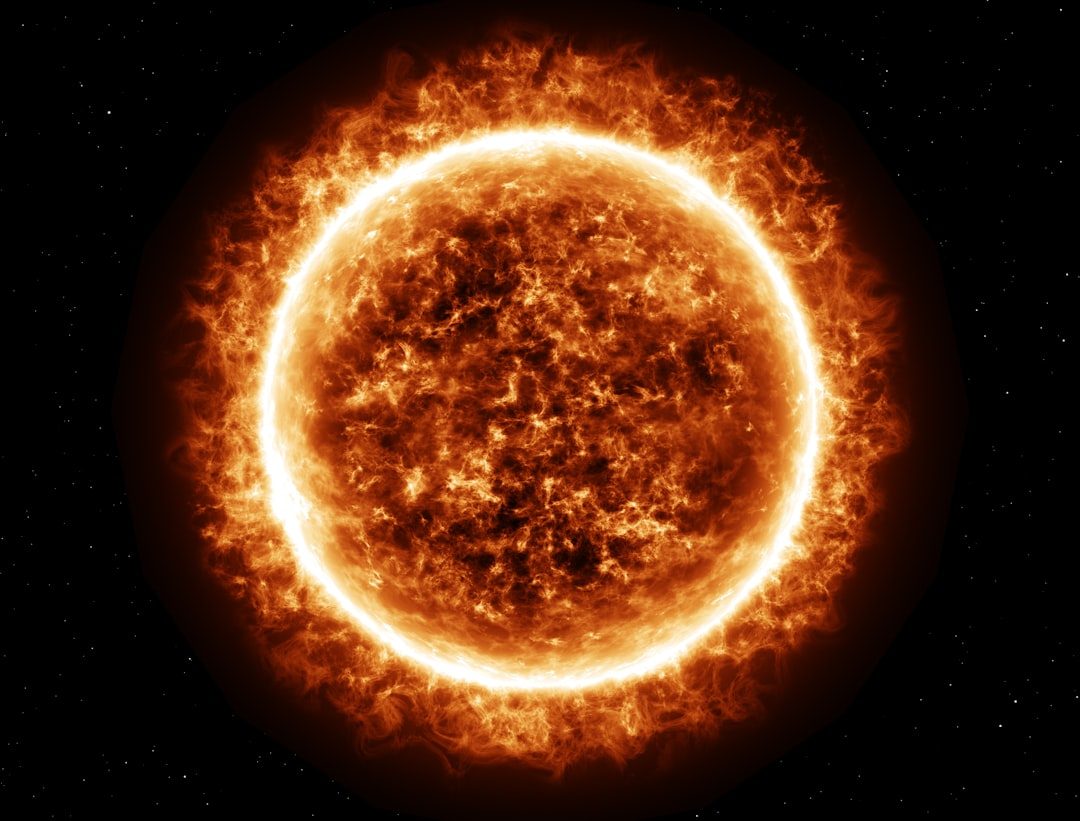
Looking ahead, the stakes of celestial influence are only getting higher as our dependence on space-based and electrical technologies grows. Satellites manage everything from weather forecasting to banking transactions, and they sit directly in the firing line of solar storms and high-energy particles. Scientists are racing to improve space weather forecasting, launching new observatories and developing models that can provide hours to days of warning before a major solar eruption hits Earth. That extra time could allow power companies, aviation authorities, and satellite operators to take protective measures and reduce the risk of cascading failures.
Yet the human side of the equation is just as important as the physics. Future eclipses, bright comets, or spectacular auroras will not only be scientific events; they will also be social media storms, amplified in real time across the globe. Misinformation, conspiracy theories, and apocalyptic interpretations can spread much faster than peer-reviewed explanations, influencing how people respond during crises. Some researchers argue that we need a kind of “cosmic literacy,” teaching people how the Sun, Moon, and planets actually affect Earth so that fear does not fill the gaps. The coming decades will likely see more direct integration of space weather alerts into national security planning, disaster preparedness, and even economic risk models, turning celestial awareness into a strategic necessity rather than a curiosity.
Getting Involved: How Readers Can Engage With the Sky and the Science
Engaging with the link between celestial events and human history does not require a telescope or a degree in astrophysics; it starts with simply paying attention when something unusual appears in the sky. Upcoming eclipses, meteor showers, or bright planetary pairings offer a chance to experience, in a small way, the sense of awe and anxiety that past generations felt. Many observatories, science museums, and astronomy clubs host public viewing events where experts explain what is happening in accessible language. Joining these gatherings can turn a fleeting spectacle into a deeper understanding of both the science and the stories humans have wrapped around it.
There are also concrete steps individuals can take to support the research that helps protect our increasingly space-dependent societies. These include backing public funding for space weather monitoring, following reputable science outlets instead of viral rumor accounts, and participating in citizen science projects that track auroras or meteor activity. On a more personal level, keeping a simple sky journal – marking when you see an eclipse, comet, or unusual halo around the Moon – connects your own timeline with the grander one overhead. The next time the sky darkens at midday or a strange visitor blazes among the stars, it is worth asking not just what it means scientifically, but how it might nudge human choices yet again.
Suhail Ahmed is a passionate digital professional and nature enthusiast with over 8 years of experience in content strategy, SEO, web development, and digital operations. Alongside his freelance journey, Suhail actively contributes to nature and wildlife platforms like Discover Wildlife, where he channels his curiosity for the planet into engaging, educational storytelling.
With a strong background in managing digital ecosystems — from ecommerce stores and WordPress websites to social media and automation — Suhail merges technical precision with creative insight. His content reflects a rare balance: SEO-friendly yet deeply human, data-informed yet emotionally resonant.
Driven by a love for discovery and storytelling, Suhail believes in using digital platforms to amplify causes that matter — especially those protecting Earth’s biodiversity and inspiring sustainable living. Whether he’s managing online projects or crafting wildlife content, his goal remains the same: to inform, inspire, and leave a positive digital footprint.