
You’d think we’d have human history all figured out by now, right? We’ve got textbooks, museums, and countless theories about how civilization began and where we came from. Yet every so often, someone unearths something that makes scholars throw those textbooks right out the window. These aren’t just interesting artifacts or dusty old bones. These are the kinds of discoveries that make anthropologists literally rewrite chapters, rethink timelines, and question assumptions we’ve held for generations.
History has this funny way of hiding its most shocking secrets right under our feet, just waiting for the right person to dig in the right spot. Some of these finds were pure accidents, stumbled upon by soldiers or shepherds who had no idea what they’d found. Others took decades of painstaking work before anyone realized their true significance. What do you think would make archaeologists completely revise their understanding of human evolution? Let’s dive in.
The Temple That Shouldn’t Exist: Göbekli Tepe Flips the Script
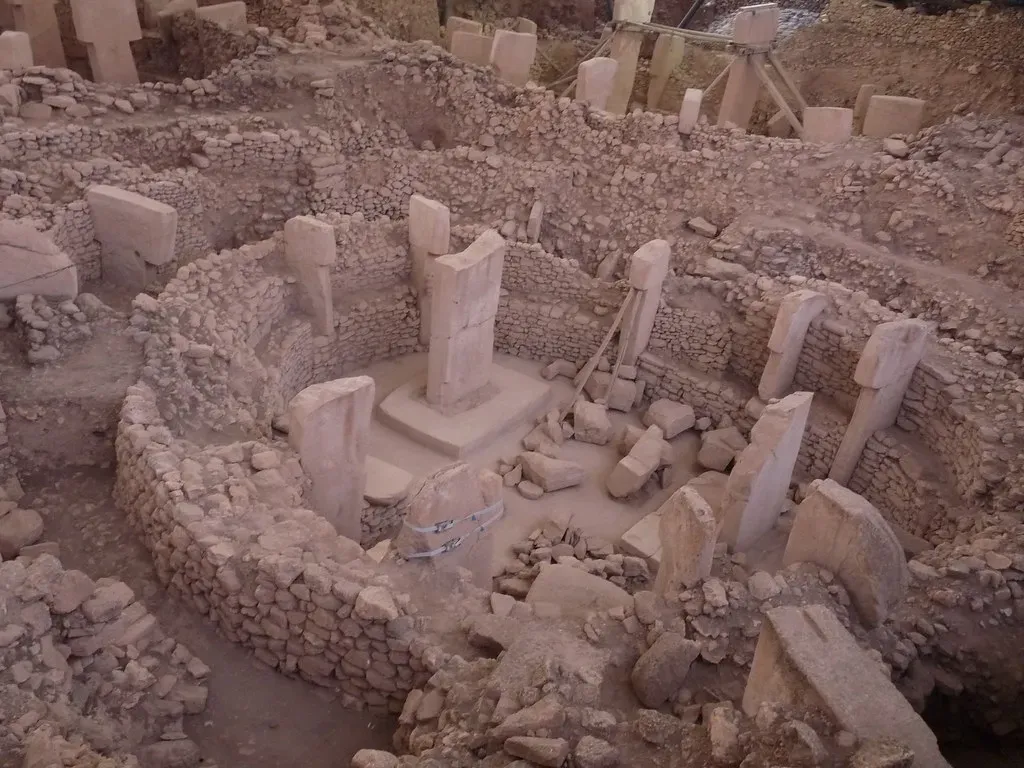
Picture this: you’re an archaeologist in the 1990s, and everything you know about civilization says that humans needed to invent farming first before they could build anything impressive. Then someone shows you massive stone pillars arranged in circles, covered in intricate carvings, dating back more than eleven thousand years. Here’s the kicker – the people who built it were still hunting and gathering.
Göbekli Tepe in southeastern Turkey dates back to roughly 9600 to 8000 BCE, making it one of the world’s oldest known temples, predating Stonehenge by more than six thousand years. The megaliths predate Stonehenge by some six thousand years. Think about what that means for a second. We always thought the story went like this: humans settle down, grow crops, build villages, and then eventually construct temples. The traditional narrative suggested humans invented agriculture, which created food surpluses and permanent settlements, eventually leading to complex societies capable of monumental architecture and organized religion – but Göbekli Tepe upends this narrative completely.
The columns stand up to eighteen feet tall and weigh as much as fifty tons each, decorated with carvings of foxes, snakes, and other wild creatures. Hunter-gatherers were responsible for the site, since no domesticated plants or animals have been recovered. These weren’t simple nomads wandering around looking for their next meal. They were sophisticated enough to quarry massive stones, transport them, carve them with symbolic art, and arrange them according to geometric patterns. Rather than agriculture enabling religion and social complexity, perhaps it was the reverse – religious gatherings and social organization preceded and possibly motivated the shift to farming. Let’s be real, that changes everything we thought we knew about the birth of civilization.
A Finger Bone That Revealed Our Mysterious Cousins: The Denisovans
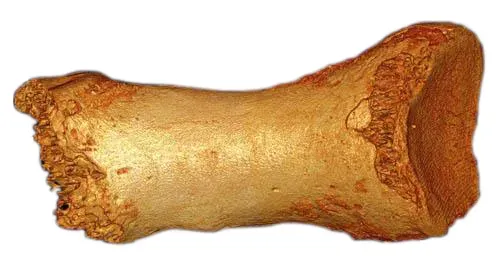
Imagine identifying an entirely new human species from a single pinkie bone smaller than a dime. That’s exactly what happened in a cave in Siberia’s Altai Mountains. More than a decade ago, DNA from a tiny finger bone in a Siberian cave uncovered the Denisovans, a previously unknown group of archaic humans. Analysis of DNA extracted from the fossil electrified the scientific community in 2010, when it revealed a previously unknown human population that had, in the distant past, encountered and interbred with our own species.
The Denisovans weren’t just some obscure extinct species that died off without leaving a trace. The discovery rewrote human prehistory to show how Denisovans shaped the genetic landscape of eastern Eurasia, as they interbred with humans, and today many people have Denisovan DNA. A genetic study revealed that modern-day Melanesians and some Micronesians carry up to five percent Denisovan DNA, which is astonishing when you consider that barely any Denisovan fossils have ever been found.
What really blows my mind is how widespread their influence was. Their DNA survives in contemporary populations, particularly in Oceania, parts of Asia, and even Indigenous American populations, showing that the Denisovans were widely distributed across these areas. In 2014, researchers discovered that ethnic Sherpas likely inherited from Denisovans a gene variant that helps them breathe easily at high altitudes. That’s not just some academic curiosity. That’s a tangible genetic advantage that people living today inherited from a species most of us have never even heard of. A female who died around ninety thousand years ago was half Neanderthal and half Denisovan – the first time scientists have identified an ancient individual whose parents belonged to distinct human groups.
Scrolls in Clay Jars: The Dead Sea Discovery That Changed Everything
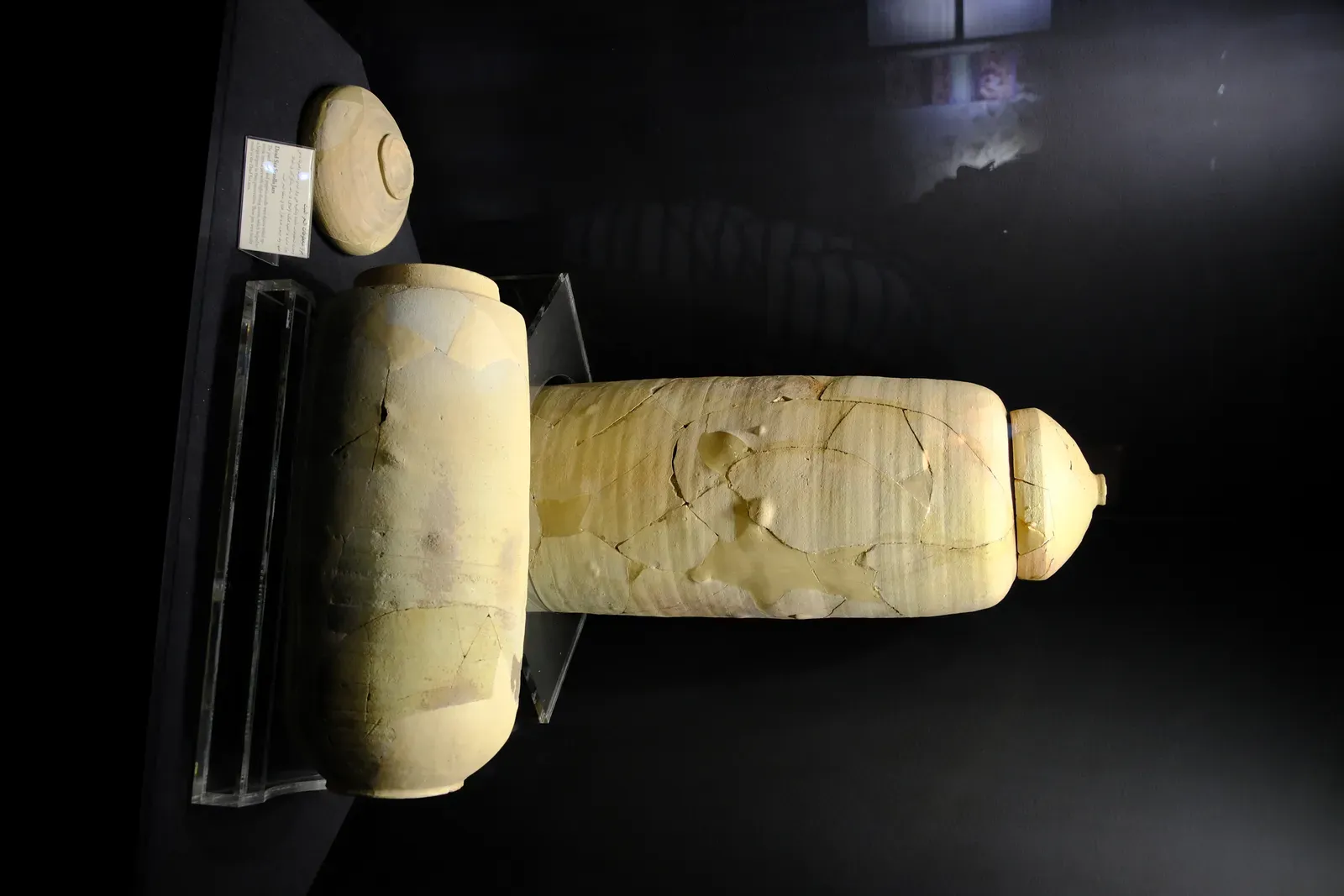
Sometimes the biggest discoveries happen by sheer accident. In 1947, a young shepherd tossing rocks into caves near the Dead Sea made one of the most significant archaeological finds ever. A young Bedouin shepherd made one of the greatest archaeological discoveries ever when he found the Dead Sea Scrolls held in large clay jars, containing Hebrew manuscripts written more than a thousand years earlier than any existing Biblical text. Just think about that for a moment. These weren’t just old documents. They were the oldest known Hebrew biblical texts by more than a millennium.
The Dead Sea Scrolls are a collection of eight hundred manuscripts found in eleven caves, containing some of the earliest known Hebrew biblical documents that date over a seven hundred year period before the birth of Jesus Christ. The scrolls cover the history of over five hundred years, from the third century BC to the second century AD, including the birth of Jesus Christ and the rise of Christianity. For scholars of ancient religion and history, this was like finding a time capsule that suddenly made visible centuries that had been shrouded in mystery.
The scrolls didn’t just confirm what we already knew. They revealed variations in texts, showed us how ancient communities actually practiced their faith, and opened up entirely new questions about the development of religious traditions. It’s hard to say for sure, but the diversity of thought and interpretation visible in these ancient texts challenged many assumptions about religious uniformity in the ancient world. What would you have done if you’d been that shepherd? Would you have realized you’d just stumbled onto history?
The Stone That Unlocked a Civilization: Decoding the Rosetta Stone
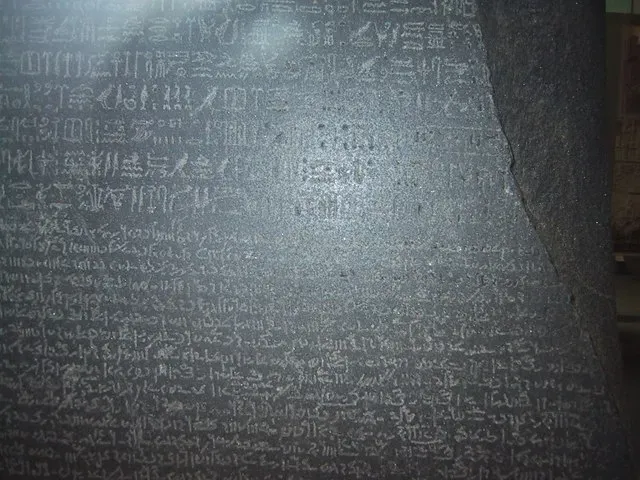
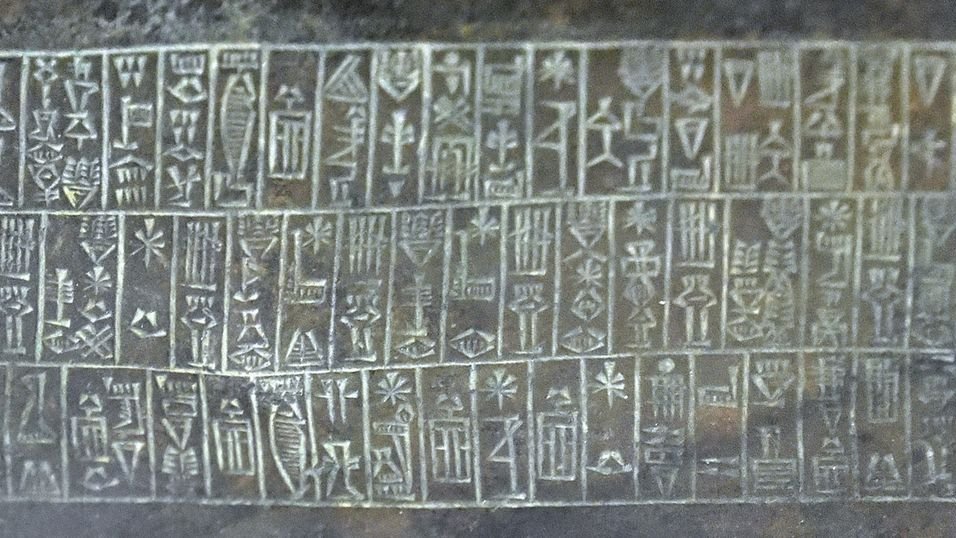
For centuries, Egyptian hieroglyphs were nothing more than pretty pictures carved on ancient monuments. Nobody could read them. Then in 1799, French soldiers rebuilding a fort near the town of Rosetta stumbled upon something extraordinary. The Rosetta Stone contained three inscriptions – one in hieroglyphs, another in Demotic script, and the third in Greek – and the anonymous reporter expressed hope that the stone might one day be the key to deciphering hieroglyphs.
You’d think having the same text in three languages would make translation easy, right? The first people to look at the Rosetta Stone thought it would take two weeks to decipher, but it ended up taking twenty years. The problem was that hieroglyphs weren’t like any alphabet scholars knew. Hieroglyphic script is a hybrid system, with its hundreds of characters alternatively representing sounds, objects or ideas. French scholar Jean-François Champollion realised that hieroglyphs recorded the sound of the Egyptian language, laying the foundations of our knowledge of ancient Egyptian language and culture.
On September 27, 1822, French philologist Jean-François Champollion announced that he had deciphered ancient Egyptian hieroglyphics, ushering in a new craze for Egyptology and helping us understand one of the world’s longest-running civilizations. The language had previously been impossible to decipher, and we can now translate almost any artefact with Ancient Egyptian hieroglyphs thanks to the discovery. Honestly, imagine if we still couldn’t read hieroglyphs today. We’d be missing out on thousands of years of Egyptian history, literature, religious texts, and everyday life records. One stone literally unlocked an entire civilization.
Cave Art That Proved Our Ancestors Could Think: Altamira’s Ancient Artists
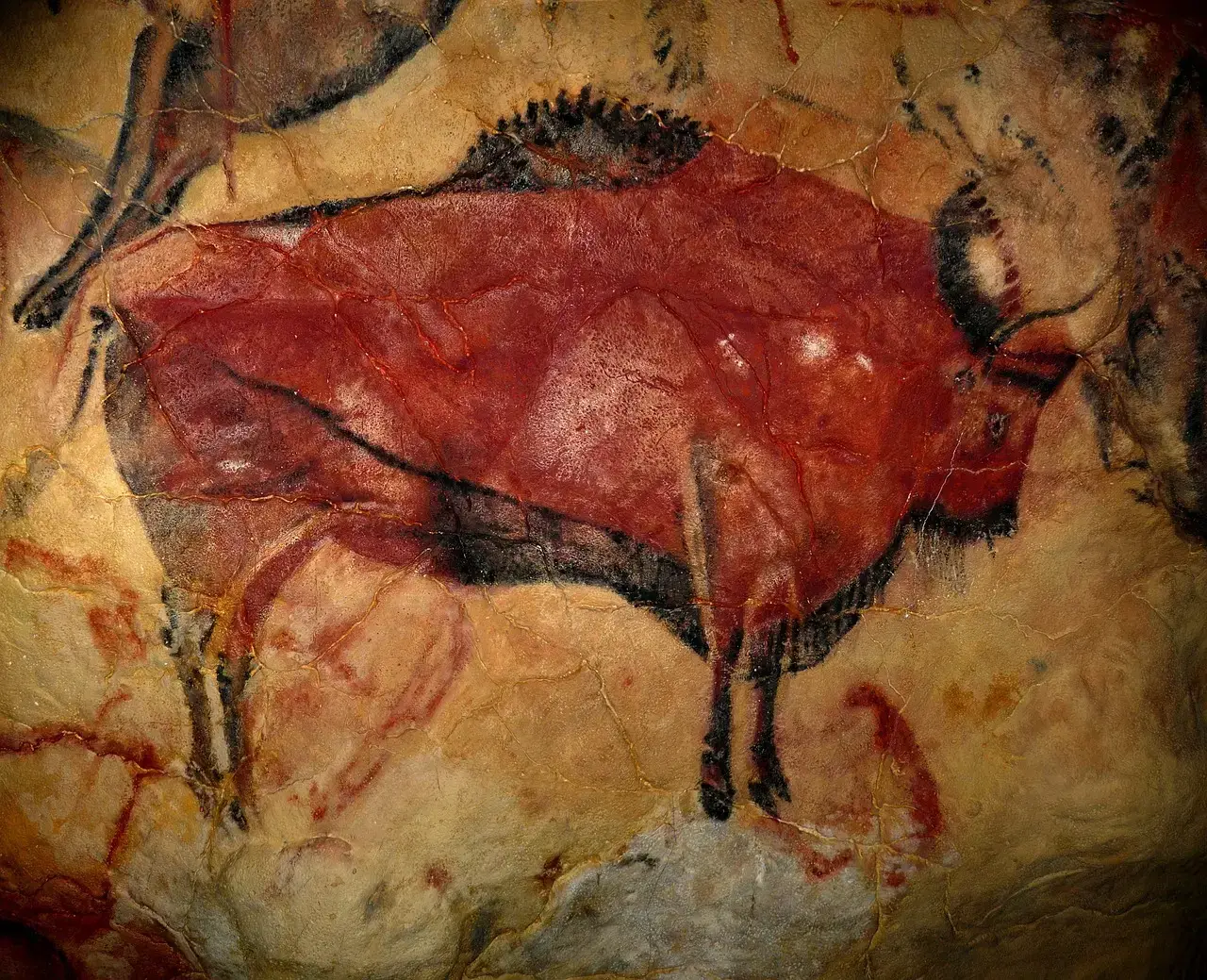
When the Cave of Altamira in northern Spain was discovered in 1880, it sparked a controversy that lasted for decades. The Spanish cave contains prehistoric paintings of mammals and human hands, and when it was discovered it was the first find of its kind, totally changing our understanding of prehistoric humans who were previously believed to lack the intellectual capacity for artistic expression. Scientists refused to believe that ancient humans could create art of such sophistication.
The cave’s validity was debated by scientists for many decades, largely due to the high level of conservation and quality of work present, and when the drawings were finally acknowledged as authentic in 1902, the science world was rocked. The artefacts date back to between fourteen thousand and twenty thousand years ago, giving us a glimpse into the lives of our very distant ancestors. The paintings showed naturalism, symbolism, and sophisticated technique. These weren’t crude stick figures scratched onto walls. They were masterpieces that rivaled modern art in their execution and vision.
What this discovery did was fundamentally change how we view our ancestors. They weren’t just surviving, grunting their way through an Ice Age existence. They had imagination, creativity, and the desire to express something meaningful through art. They saw beauty and felt compelled to capture it for future generations. The artists of Altamira painted by firelight, mixing pigments, choosing their subjects carefully, and working with skill that demanded years of practice. They were human in every sense that matters.
Looking Back at What We’ve Learned
These five discoveries share something profound in common. Each one forced us to abandon comfortable assumptions about our past and embrace a more complex, more fascinating reality. We’ve learned that our ancestors were building monumental temples before they even figured out farming. We’ve discovered that multiple human species didn’t just coexist but also interbred, leaving traces in our modern DNA. We’ve unlocked ancient languages that remained silent for thousands of years. We’ve proven that artistic expression and abstract thinking go back tens of thousands of years.
Here’s the thing, though. We’ve only scratched the surface. Archaeologists estimate that the vast majority of archaeological sites remain undiscovered. Who knows what’s still buried out there, waiting to rewrite the next chapter of human history? Maybe it’s beneath a jungle in Southeast Asia, hidden under desert sands in Africa, or frozen in ice somewhere in Siberia. The story of humanity keeps getting rewritten with each new shovel full of dirt.
What’s truly humbling is realizing how much we still don’t know. Every answer we find seems to generate ten new questions. Did you expect that our understanding of human history could change so dramatically from a finger bone or a carved stone? What other secrets do you think are still waiting to be found?
Hi, I’m Andrew, and I come from India. Experienced content specialist with a passion for writing. My forte includes health and wellness, Travel, Animals, and Nature. A nature nomad, I am obsessed with mountains and love high-altitude trekking. I have been on several Himalayan treks in India including the Everest Base Camp in Nepal, a profound experience.