
You think blue whales and great white sharks are impressive? They are, but they’re latecomers in a story that’s been unfolding for hundreds of millions of years. Long before humans ever walked on land, titanic predators with jaws like bear traps and shells the size of cars ruled oceans that would feel completely alien to you.
As you explore these long-vanished rulers of the ancient seas, you’re really getting a front-row seat to evolution at its wildest. Each of these creatures pushed the limits of what a body could do in water: some bit through bone, some glided like underwater jets, and some turned their entire bodies into living tanks. By the end, you might find today’s oceans suddenly feel a little… tame.
Dunkleosteus: The Armored Jaws of the Devonian
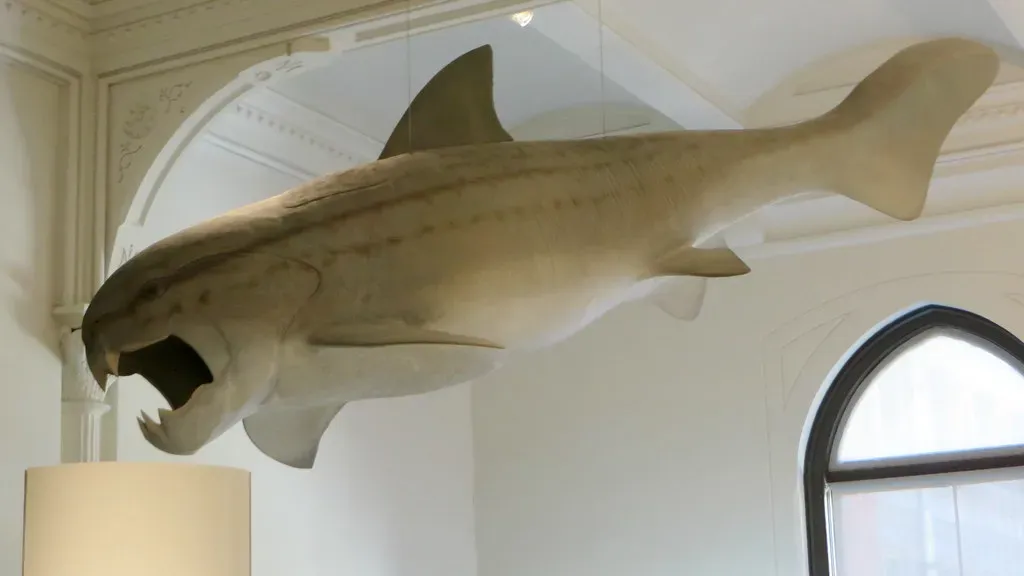
If you ever find yourself imagining the ocean as a safe escape from land predators, Dunkleosteus would brutally shatter that illusion. You’re looking at a fish as long as a bus, wrapped in heavy bony armor, with a head that looked more like a medieval siege weapon than anything you’d call a “fish.” Instead of teeth, it had sharp, bony plates in its jaws that formed self-sharpening blades each time they closed.
What really makes Dunkleosteus terrifying is the bite. Estimates suggest its bite force could rival that of a large crocodile, powerful enough to crunch through armor and bone. You can picture it cruising ancient seas about three hundred seventy million years ago, lunging forward with sudden bursts of speed, slicing prey in half before they even knew it was there. If you were dropped into a Devonian ocean, this is the last face you’d want to see closing in through the murky water.
Mosasaurus: The Real Sea Monster Behind the Myths
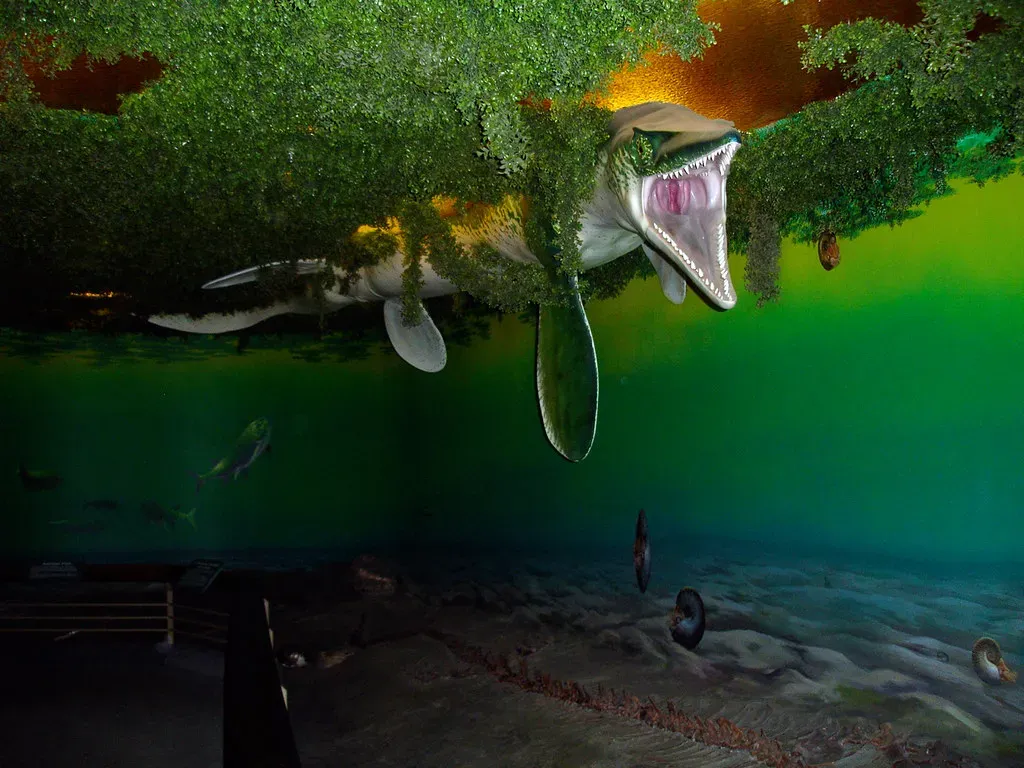
When you think “sea monster,” your brain probably sketches something suspiciously close to a mosasaur without you even realizing it. Mosasaurus itself, one of the largest of its kind, could stretch as long as a small city bus and was built like a muscular, streamlined torpedo. You’re not dealing with a dinosaur here, but a giant marine lizard, related more closely to modern monitor lizards and snakes than to T. rex.
If you could watch a Cretaceous shoreline from a safe cliff, you’d see Mosasaurus dominating the food chain near the surface. It had a powerful tail for propulsion, paddle-like limbs, and jaws full of conical teeth perfect for grabbing slippery prey like fish, turtles, and even other marine reptiles. Inside its mouth, extra rows of teeth helped drag food deeper in, so once you were bitten, escaping was basically off the table. In its own time, Mosasaurus was the kind of apex predator that made the entire ocean feel like enemy territory.
Megalodon: The Megashark That Ruled the Cenozoic Seas
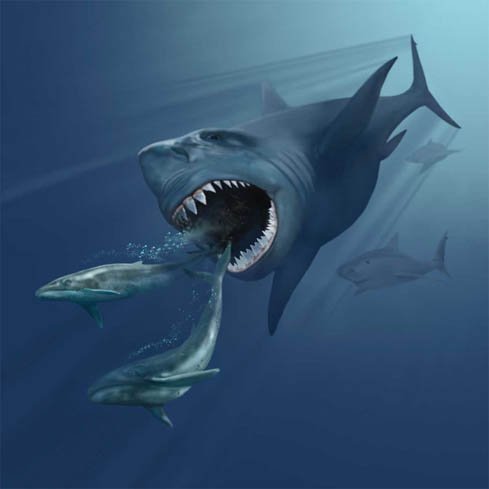
When you picture Megalodon, you probably imagine a great white shark and then hit a mental “enlarge” button until it gets ridiculous. You’re not far off. This prehistoric shark likely reached lengths several times that of today’s largest great whites, with jaws wide enough that you could stand inside them and still have room to spare. Scientists study its massive fossilized teeth, some as big as your hand, to get a sense of its size and power.
In terms of what it did to the ancient oceans, Megalodon essentially turned them into hunting grounds for giant mammals like early whales. You can imagine it tracking a whale across open water, homing in on it with powerful senses and then striking from below with a devastating upward bite. Its teeth were thick and serrated, ideal for slicing through blubber and bone, and its bite was strong enough to crush solid structures in a single chomp. If you were a large marine animal in those seas, Megalodon was the nightmare you never outran.
Liopleurodon: The Short, Terrifying Tank of the Jurassic Seas
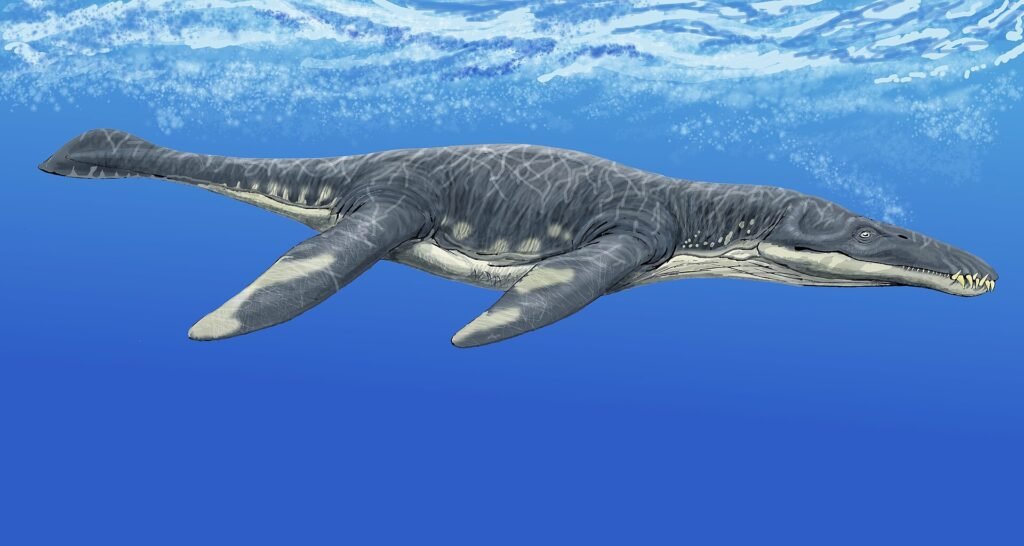
Liopleurodon did not need to be as long as a skyscraper to be terrifying; it just had to be built like a compact missile with a mouth. You’re looking at a pliosaur, a group of marine reptiles with enormous heads, short necks, and powerful flippers. Even using more conservative modern estimates, Liopleurodon was still a massive predator, with a skull that alone could be longer than you are tall.
Picture it gliding beneath the surface, using its four paddle-like flippers to make quick, agile movements, not lumbering ones. This design let it rush forward in short, explosive bursts, ambushing prey like fish, squid, and other marine reptiles in Jurassic seas. Its teeth were long and conical, perfect for grabbing and holding onto struggling victims that had no hope of breaking free. If you moved through its territory, you’d be at the mercy of something that combined the brute force of a crocodile with the underwater maneuverability of a sea lion on overdrive.
Ammonites: Spiral-Shelled Masters of Survival
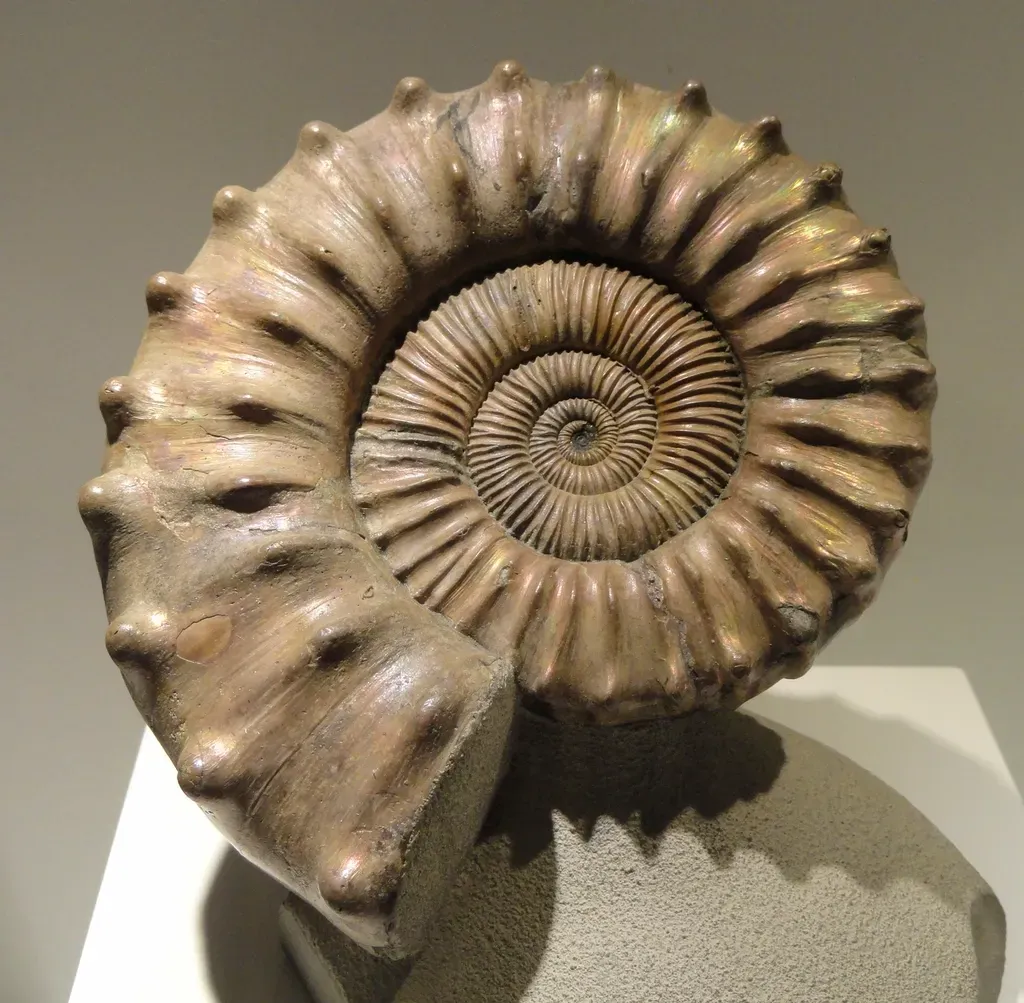
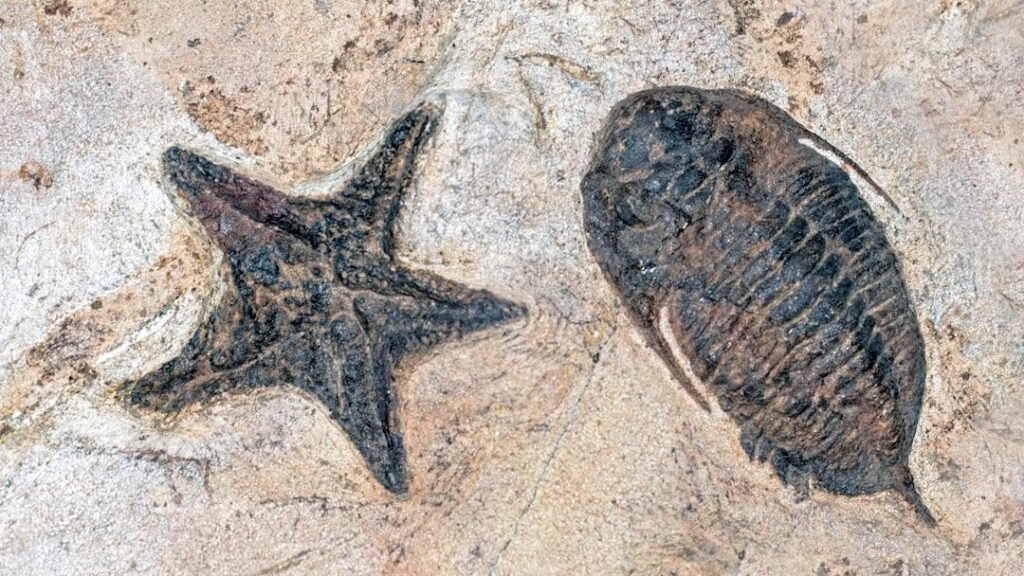
At first glance, ammonites don’t look like rulers of anything; they just seem like pretty spiral fossils you might see in a museum gift shop. But if you transport yourself back to the ancient oceans, you’d find them everywhere, from shallow coastal waters to deeper seas, filling niches the way fish and squid do today. They were cephalopods, related to modern squids and octopuses, living in coiled shells that offered both protection and buoyancy.
You can imagine an ammonite drifting and jetting through the water, adjusting its position by changing the gas and fluid in the internal chambers of its shell. Some species grew to the size of a small car, and their sheer abundance meant they shaped entire food webs: they were eaten by large predators, but they also preyed on smaller creatures like plankton and tiny crustaceans. For tens of millions of years, they were so successful that their fossils are now used to help you date ancient rock layers. They did not rule with teeth and brute force, but with versatility, resilience, and numbers that quietly dominated whole ecosystems.
Conclusion: A Wilder Ocean Than You Imagined
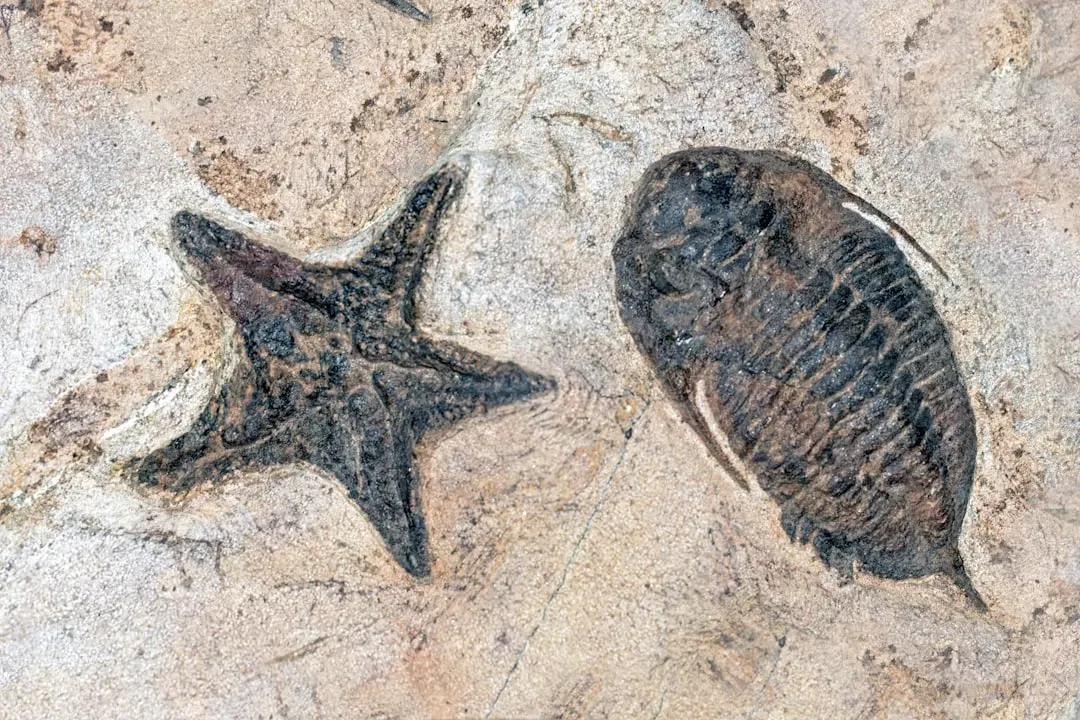
When you zoom out and look at these ancient sea creatures together, you start to realize how temporary today’s oceans really are. You are living in just one chapter of a much bigger story, one where armored fish, giant sharks, sea reptiles, and spiral-shelled cephalopods all took turns at the top. Each of them pushed evolution in a new direction, experimenting with armor, speed, stealth, and raw power in ways that still echo in modern marine life.
The next time you stand on a beach and stare at the waves, you can picture those same waters layered with ghosts of Dunkleosteus, Mosasaurus, Megalodon, Liopleurodon, and endless drifting ammonites. You share this planet with their descendants, from sharks and whales to squids and nautiluses, even if the giants themselves are long gone. In a way, you’re just a late-arriving spectator to a very ancient show. Knowing what once ruled those depths, does the modern ocean feel a little different to you now?