
Most people assume archaeology is a solved science by now – that ground-penetrating radar, DNA testing, and satellite imaging have already answered every ancient riddle worth asking. They haven’t. Scattered across the planet are structures, artifacts, and texts that have humiliated some of the smartest researchers alive, including codebreakers who cracked Nazi ciphers and physicists who’ve mapped the human genome.
Some of these puzzles have sat unsolved for over 2,000 years, and new “solutions” keep getting quietly debunked almost as fast as they go viral. Here’s what the actual experts – not the internet conspiracy crowd – say about the 25 ancient mysteries that still make professionals visibly uncomfortable when you ask them directly.
#25 – Nan Madol: The City No One Can Explain
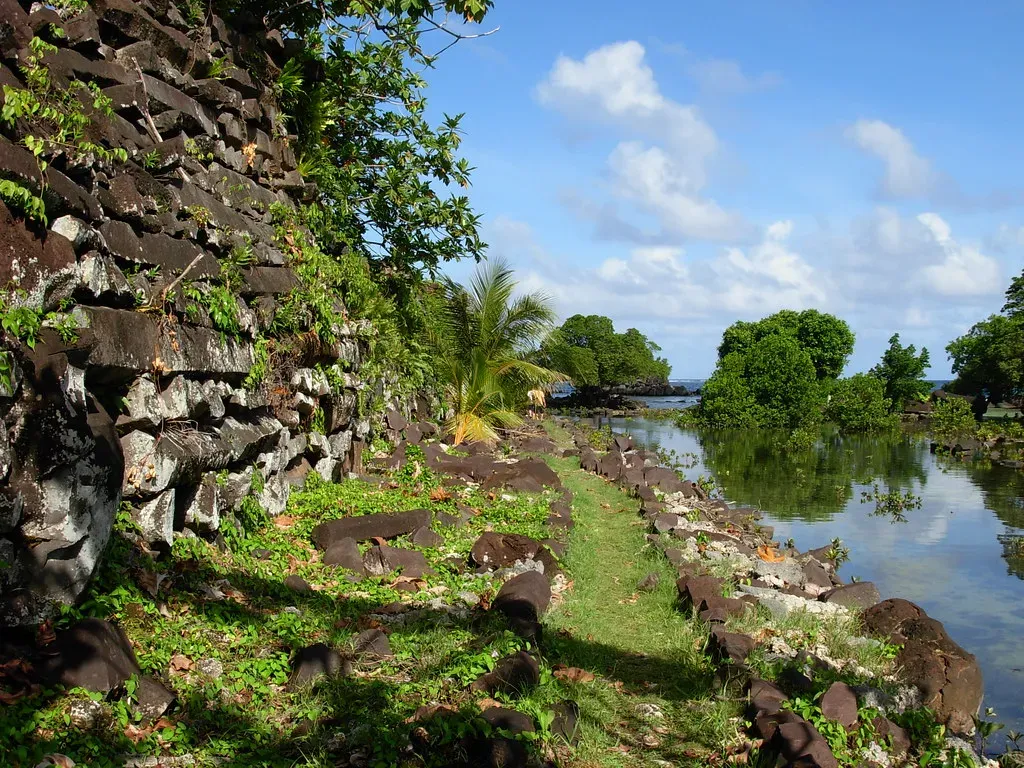
A ruined city sits on a coral reef in the middle of the Pacific, and nobody can explain how it got there.
Nan Madol, off the coast of Pohnpei in Micronesia, is an ancient city built on top of a coral reef so complex that no one can figure out how it was conceived and built starting in the 8th or 9th century CE, consisting of nearly 100 small artificial islands bordered by tidal canals. The scale alone is staggering: the total weight of the black rocks making up the city is estimated at 750,000 metric tons, with basalt “logs” that make up the high walls weighing as much as 50 tons each.
Here’s the part that really breaks the math: the Saudeleur people didn’t have pulleys, levers, or metal to aid in the process. Local legend blames flying magic and giants – and mainstream archaeology, embarrassingly, doesn’t have a much better answer. Wait until you hear what happened to the people who vanished at #24.
#24 – The Lost Colony of Roanoke
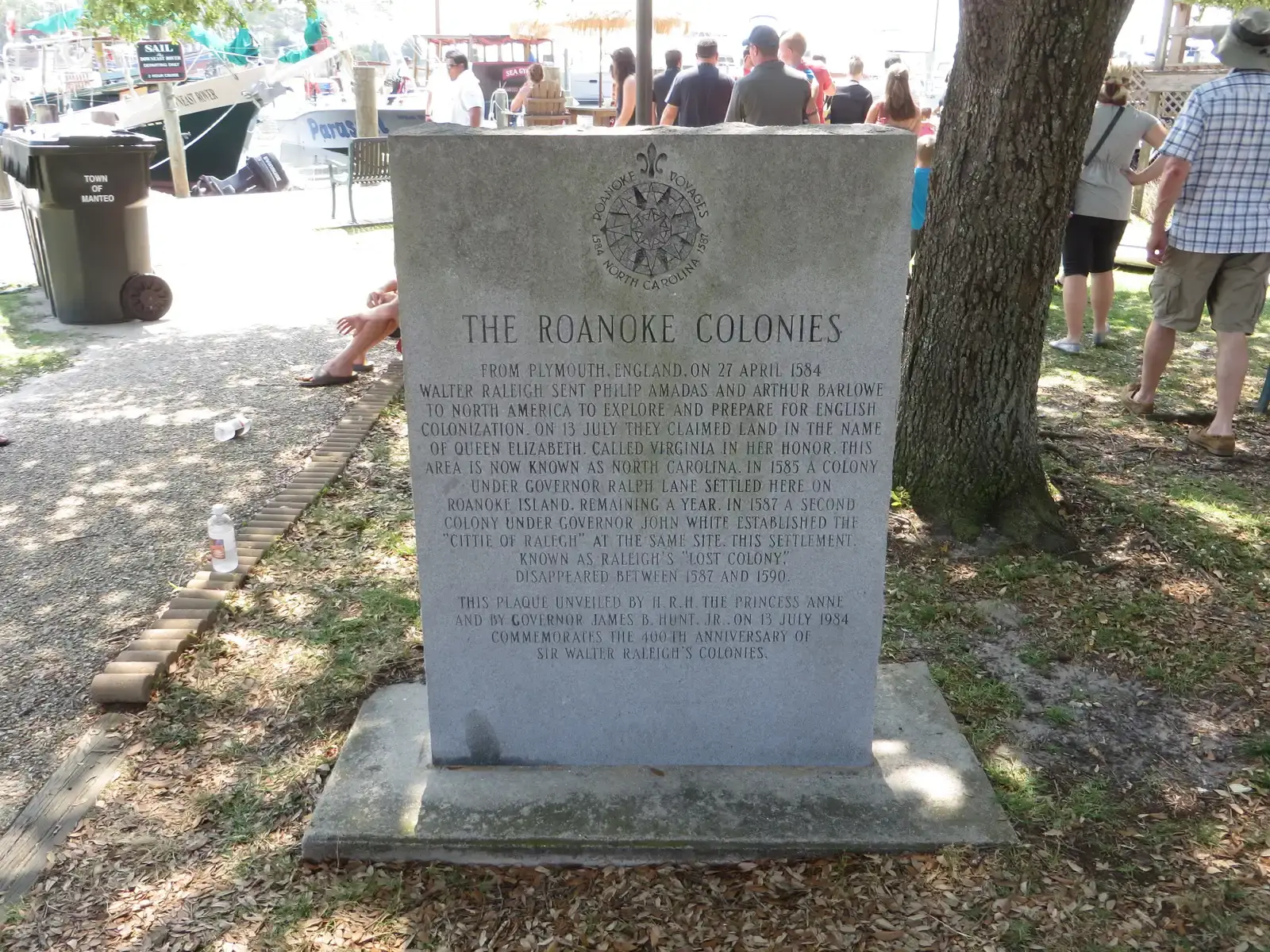
In 1587, more than 100 English settlers vanished from a coastal North Carolina island, leaving behind almost nothing but a single carved word.
When a relief ship finally returned in 1590, the entire colony had disappeared without a trace of struggle, fire, or graves. The only clue was the word “CROATOAN” carved into a post, pointing toward a nearby Native tribe – but no bodies, tools, or definitive settlement were ever recovered among them. Theories range from peaceful assimilation into the Croatoan tribe to disease, starvation, or a Spanish raid.
The most unsettling detail is that a storm allegedly prevented the search party from investigating properly, and by the time anyone returned, the trail had gone cold forever. Modern DNA testing of families claiming Croatoan or Lumbee descent has produced tantalizing but inconclusive results. Some archaeologists now argue the colonists simply split into smaller groups and were absorbed – a less dramatic but far more plausible ending than centuries of pirate and massacre theories. Up next is a case where science actually proved everyone’s assumptions wrong – twice.
#23 – The Tarim Basin Mummies
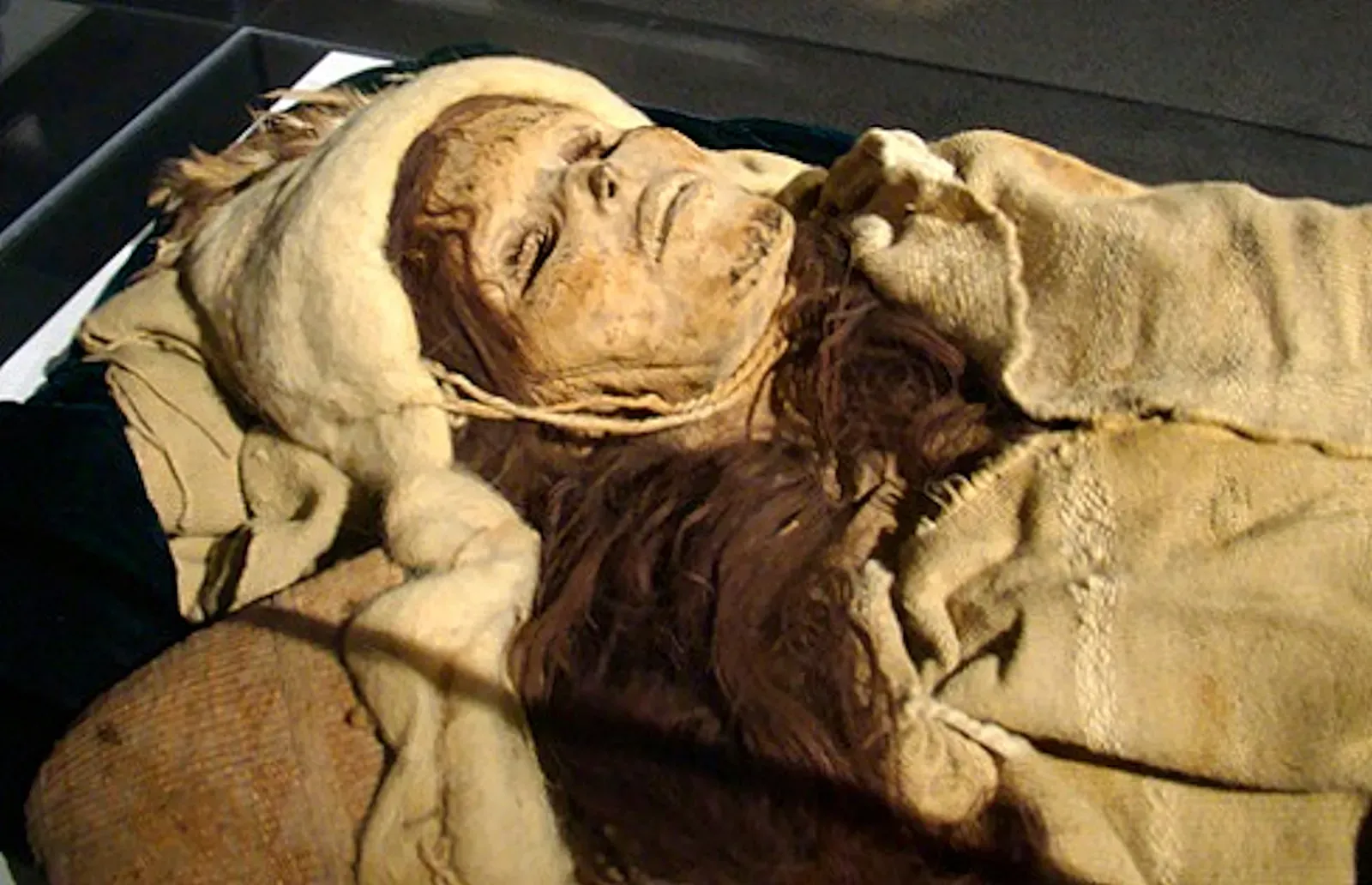
For decades, scientists assumed a group of naturally preserved mummies found in a Chinese desert had to be foreign migrants – until genetics proved almost everyone wrong.
The Tarim Basin mummies, discovered in Xinjiang, China, wore Western-looking woolen clothing and had features that led generations of researchers to assume Indo-European ancestry. A landmark genomic study changed everything: researchers found that the Bronze Age Tarim mummies represent a culturally cosmopolitan but genetically isolated autochthonous population, supporting no hypothesis of substantial migration from steppe or mountain agropastoralists.
Even more shocking, the mummies turned out to be direct descendants of a once-widespread Pleistocene population that had largely disappeared by the end of the Ice Age, known as Ancient North Eurasians, who survive only fractionally in modern genomes. They lived at a Silk Road crossroads yet somehow never mixed genetically with neighboring cultures for thousands of years. How they stayed so genetically isolated while clearly trading with the outside world remains a real head-scratcher. The next mystery isn’t about people at all – it’s about stone spheres so perfect they seem machine-made.
#22 – Costa Rica’s Stone Spheres
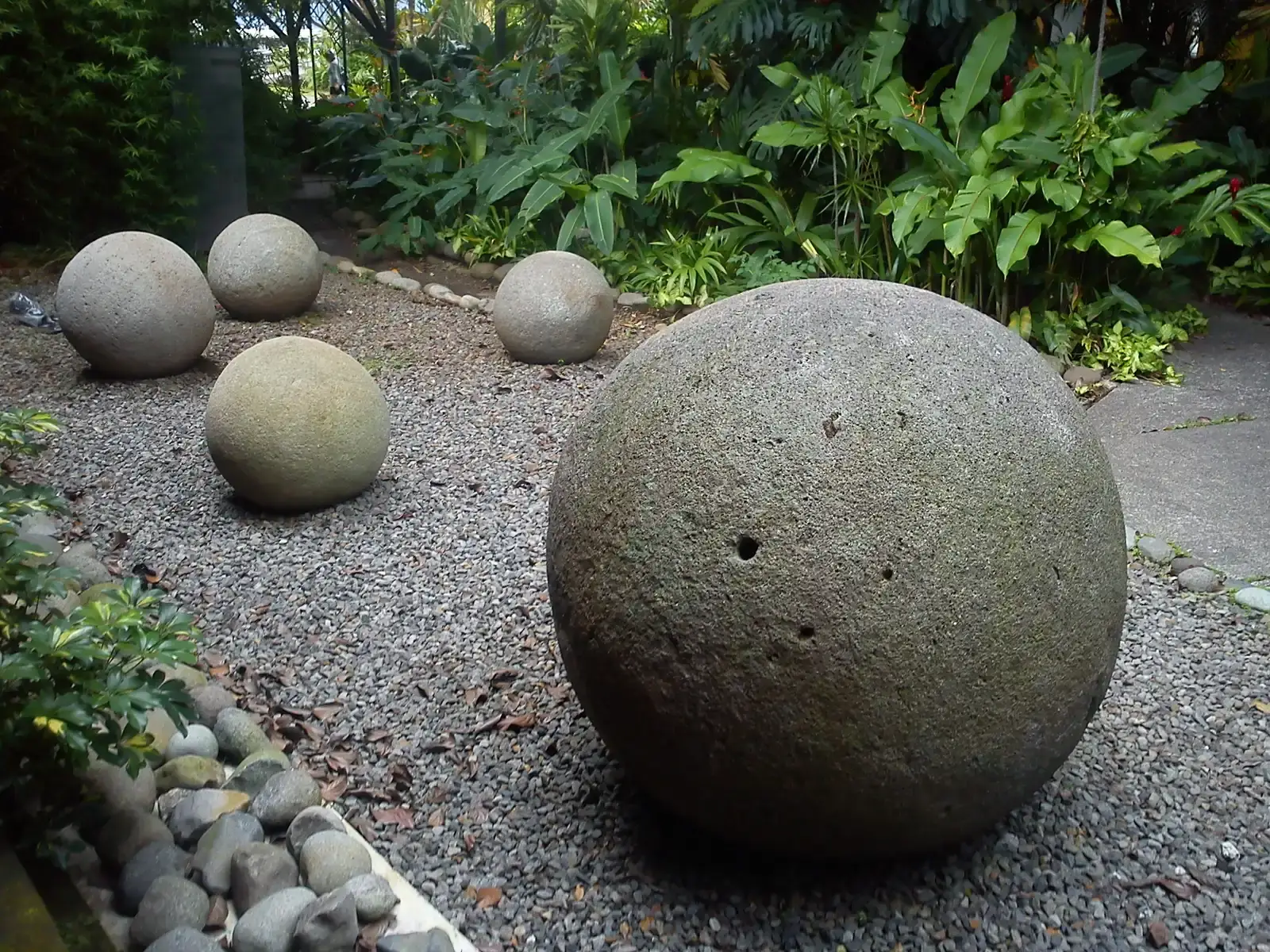
Hundreds of nearly perfect stone spheres, some weighing over 15 tons, are scattered across the jungles and river deltas of Costa Rica – and nobody agrees on why they exist.
Carved primarily from granodiorite by the Diquís culture roughly 500-1500 CE, these spheres achieve a level of roundness that seems almost mathematically impossible for people working without modern tools. Archaeologists believe stone hammers and grinding techniques were used, but the sheer consistency of shape across hundreds of spheres, some found in precise alignments, suggests a level of planning that has never been fully reverse-engineered.
Their purpose is where things get murkier. Some researchers believe they marked social status or pointed to celestial alignments, while others think they simply lined ceremonial pathways. Many of the original spheres were destroyed or moved by 20th-century banana plantation workers before archaeologists could study their original arrangement, permanently erasing whatever pattern once existed. That loss is a big part of why this mystery may never fully close.
Fast Facts
- Material: granodiorite, a coarse-grained igneous rock
- Culture: Diquís, active roughly 500-1500 CE
- Largest known spheres exceed 15 tons
- Countless originals lost to 20th-century plantation clearing
From spheres to something even stranger: two dozen underground caverns nobody admits to building.
#21 – The Longyou Caves of China
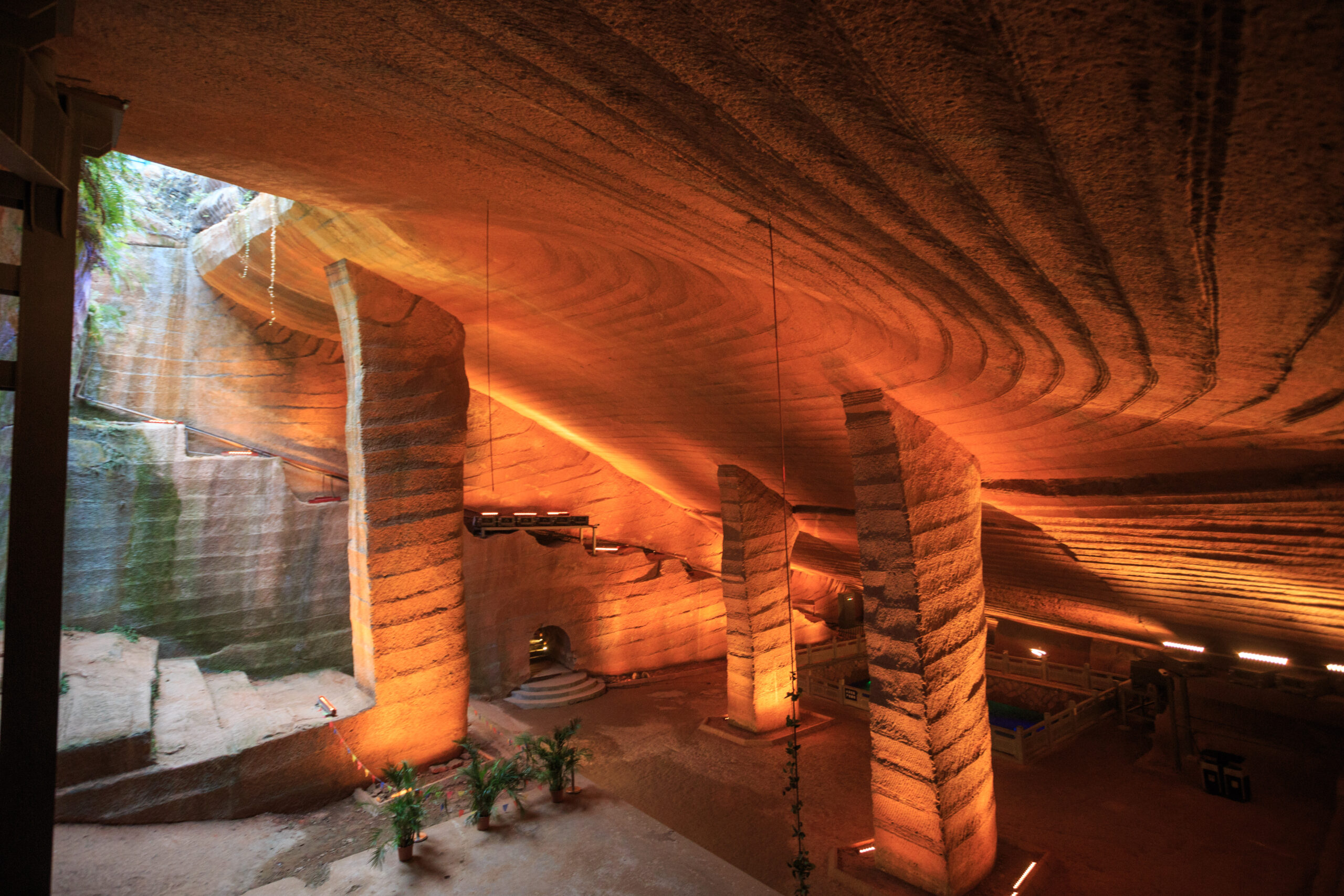
Twenty-four massive man-made caverns sat hidden underwater for who-knows-how-long before a curious farmer accidentally found them in 1992 – and archaeologists still can’t agree on who carved them or why.
The scale is what stuns visitors first: the Longyou Caves date back at least 2,000 years and represent one of the largest underground excavations of ancient times, yet scientists in archaeology, architecture, engineering, and geology have absolutely no idea how they were built, by whom, and why. There are no historical records mentioning their construction at all.
The theories are all over the map, and none of them fully fit. Researchers have speculated the caves were ancient quarries, a mausoleum, underground storage, Taoist dwellings, reservoirs, secluded military encampments, a palace, or a ceremonial site for making offerings to the gods and ancestors, but the scarcity of evidence means no theory can be supported or disproved. Roughly one million cubic meters of rock had to be removed by hand to create them. That’s an enormous labor investment for a project nobody apparently thought was worth writing down. Next up is an artifact that looks suspiciously like it belongs in a physics lab, not a 2,000-year-old ruin.
#20 – The Baghdad Battery
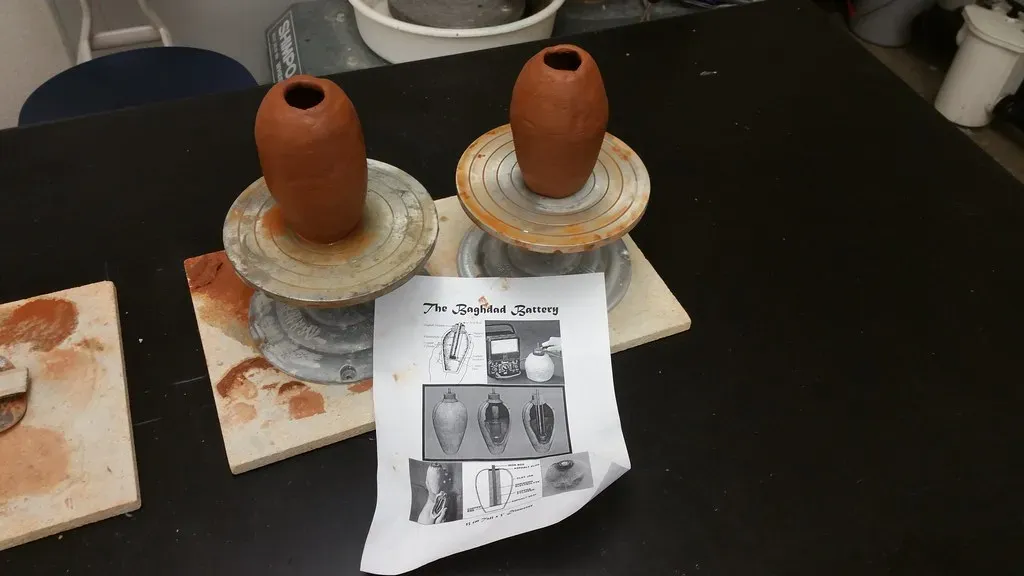
A 2,000-year-old clay jar containing a copper cylinder and an iron rod looks suspiciously like a battery – and researchers still can’t prove what it was actually for.
Discovered in 1938 near Baghdad by archaeologist Wilhelm König, the find consisted of artifacts dating to the Parthian or Sassanian periods, including a ceramic jar about 5 inches tall containing a copper cylinder and an iron rod, sealed with bitumen. König controversially proposed it functioned as a galvanic cell, essentially an ancient battery.
The wildest part is that modern replicas actually produce a small electric current when filled with an acidic liquid like vinegar or wine, which keeps the electroplating theory alive. But there is no definitive evidence the object was ever used to generate electricity, and its actual purpose remains a subject of debate among historians and archaeologists. Other researchers argue it was simply a scroll-storage container that resembles a battery by coincidence. Without written instructions from the people who made it, this one may never fully resolve. The next stop is a ruin so precisely carved that modern masons still can’t explain the tools involved.
#19 – Puma Punku’s Impossible Stonework
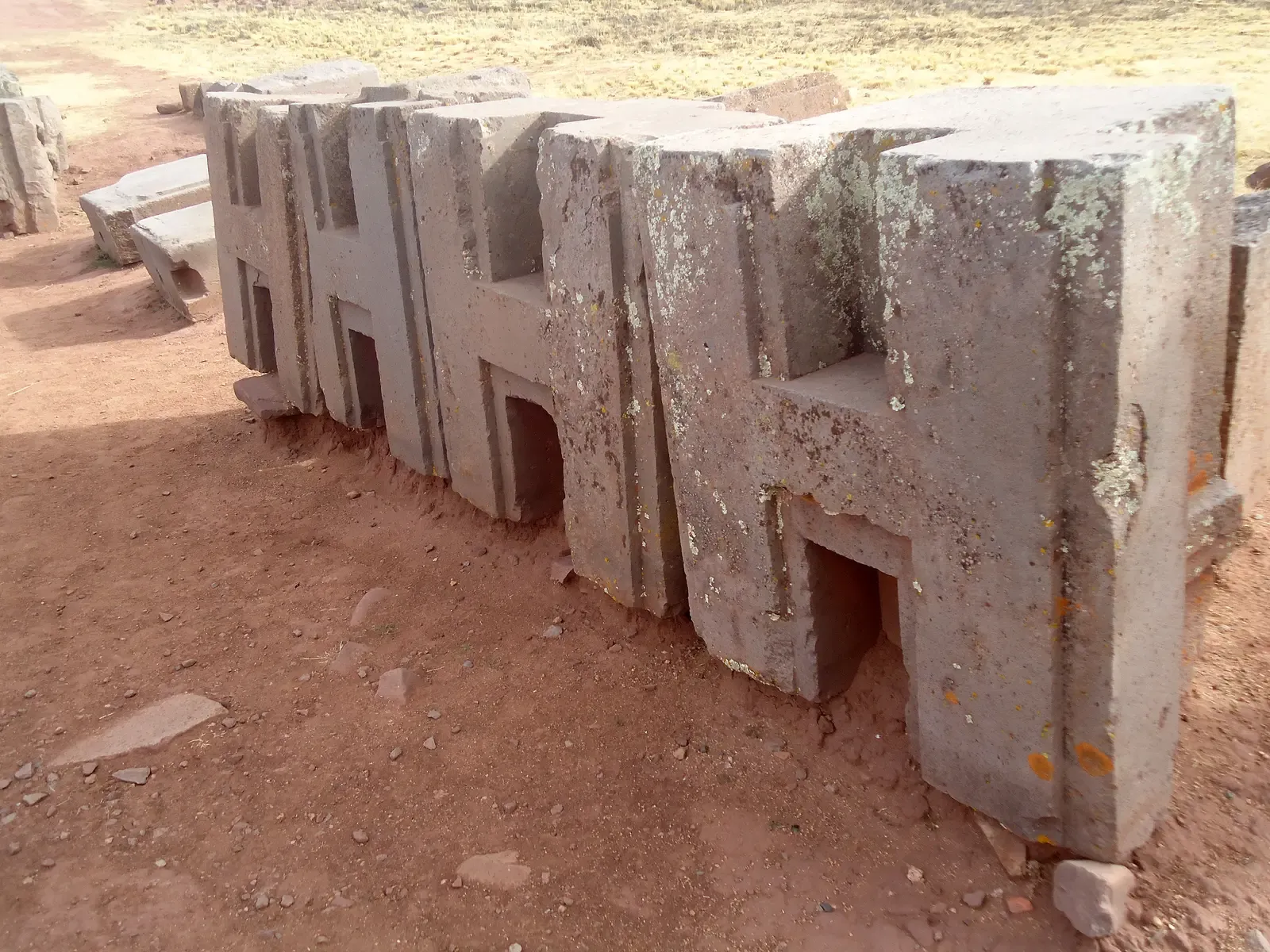
In the Bolivian highlands sits a ruin so precisely cut that modern stonemasons still struggle to explain the tooling involved.
Puma Punku, near Lake Titicaca, is one of the most precisely carved stone structures in the ancient Americas, with construction beginning after AD 536, featuring megalithic blocks so finely finished that thin blades cannot pass between joints, including interlocking H-shaped blocks with drilled holes of remarkable uniformity. Some of these blocks weigh well over 100 tons.
What makes archaeologists uneasy is the apparent standardization – identical H-blocks repeated across the site with almost machine-like consistency. Archaeological evidence suggests stone hammers, grinding stones, and sand were used, but the consistency of the finished blocks has led researchers to question whether standardized or prefabricated methods were employed. No quarry tools matching this precision have ever been recovered nearby. That absence of evidence, rather than any single discovery, is what keeps the debate alive. Just a short flight away is a wall so tightly fit together that a knife blade can’t find its way in.
#18 – Sacsayhuamán’s Stone Puzzle
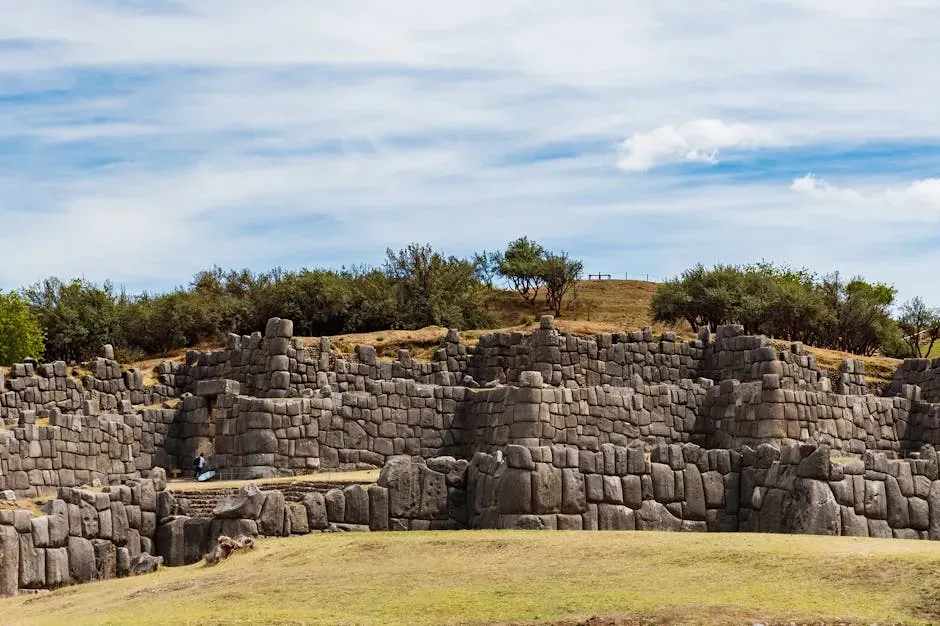
High above Cusco, Peru, sits a fortress wall built from stones so massive and so tightly fitted together that not even a knife blade can slip between them.
The Inca (or possibly pre-Inca) builders of Sacsayhuamán moved blocks weighing dozens of tons, some estimated at over 100 tons, up steep mountain terrain without wheels, iron tools, or draft animals capable of hauling that kind of weight. Each stone is a unique, irregular polygon, yet they interlock with earthquake-resistant precision that modern engineers still study for seismic design lessons.
The most controversial theory suggests the stones were somehow softened before shaping, a claim mainstream archaeology firmly rejects but that refuses to die in popular culture. The more accepted explanation involves an enormous, patient workforce using stone hammers, ramps, and rope – but that doesn’t fully explain the mathematical precision of each irregular joint. Even Spanish colonizers, who tore apart parts of the site to build their own churches, reportedly struggled to move the largest stones. Below ground, the next mystery gets even harder to explain.
#17 – Derinkuyu’s Underground City
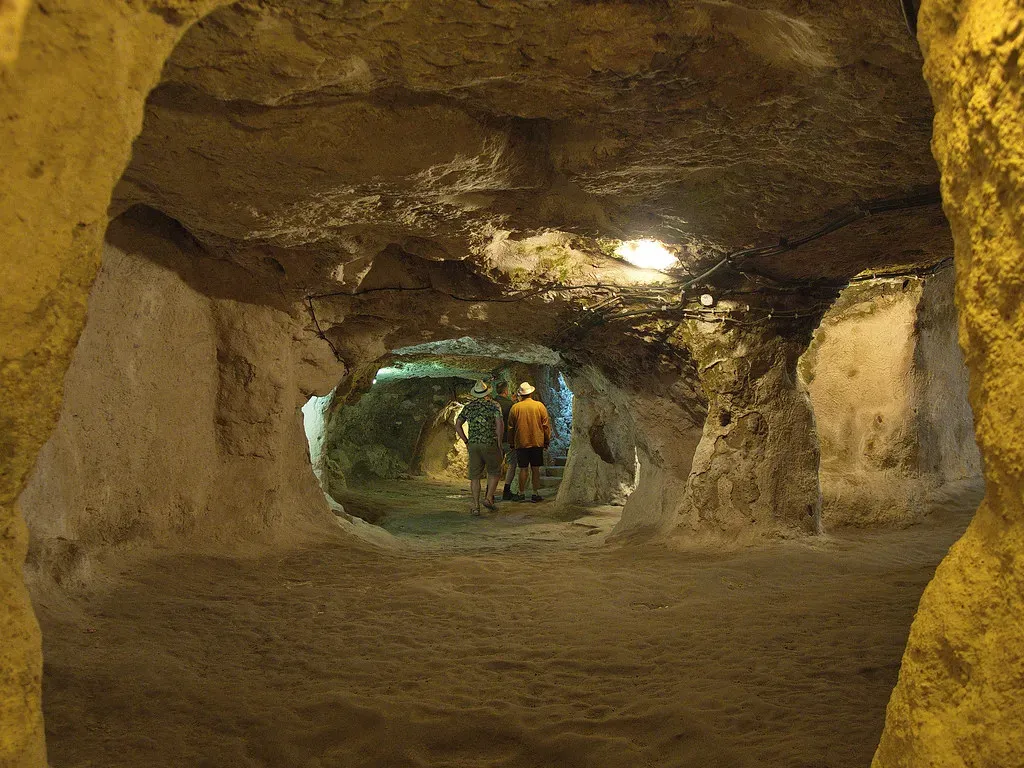
Beneath a quiet Turkish town lies an underground city roughly 18 stories deep, capable of sheltering thousands of people – and nobody knows exactly who built the earliest layers or why.
Derinkuyu, in Cappadocia, features ventilation shafts, wells, stables, chapels, and massive rolling stone doors that could be sealed from the inside to block invaders. It connects to other underground cities via tunnels stretching for miles. While later use is well documented – Christians hiding from Arab raids, and later from Ottoman persecution – the earliest excavation phases predate reliable written records.
The ventilation system alone is the detail that stumps engineers today, since it circulates fresh air through dozens of interconnected levels without any mechanical assistance. Some researchers believe the soft volcanic rock made excavation easier than it looks, but coordinating a multi-level city this complex still required planning knowledge that simply wasn’t supposed to exist yet in the region’s timeline. Who first conceived of an entire hidden civilization underground remains genuinely unknown – and that mystery predates every religion that later used it as a hideout. Next: a set of ancient documents whose real authors are still disputed.
#16 – Who Actually Wrote the Dead Sea Scrolls?
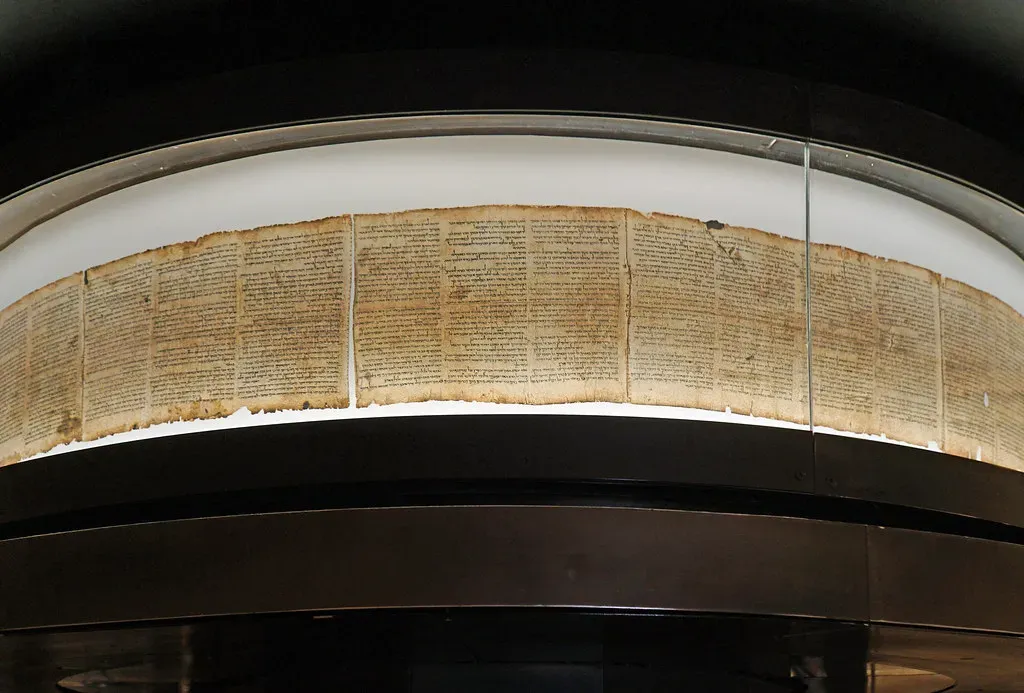
The Dead Sea Scrolls rewrote biblical scholarship overnight, but the identity of the people who actually wrote and hid them is still fiercely disputed among historians.
Found in caves near Qumran starting in 1947, the scrolls include the oldest known copies of Hebrew Bible texts, dated as far back as the third century BCE. The dominant theory credits the Essenes, a Jewish sect described by ancient historians as ascetic and communal, but the physical evidence linking Qumran specifically to Essenes remains circumstantial.
Some scholars now argue the scrolls weren’t written locally at all, but were instead brought to the caves from libraries in Jerusalem for safekeeping during Roman military campaigns, meaning Qumran may have simply been a hiding spot rather than a scriptorium. If true, an entire field of assumptions about the site’s religious community would need to be rethought. Carbon dating and handwriting analysis have narrowed the timeline but never settled the authorship question for good. Coming up is a religious artifact that’s divided scientists for far longer.
#15 – The Shroud of Turin
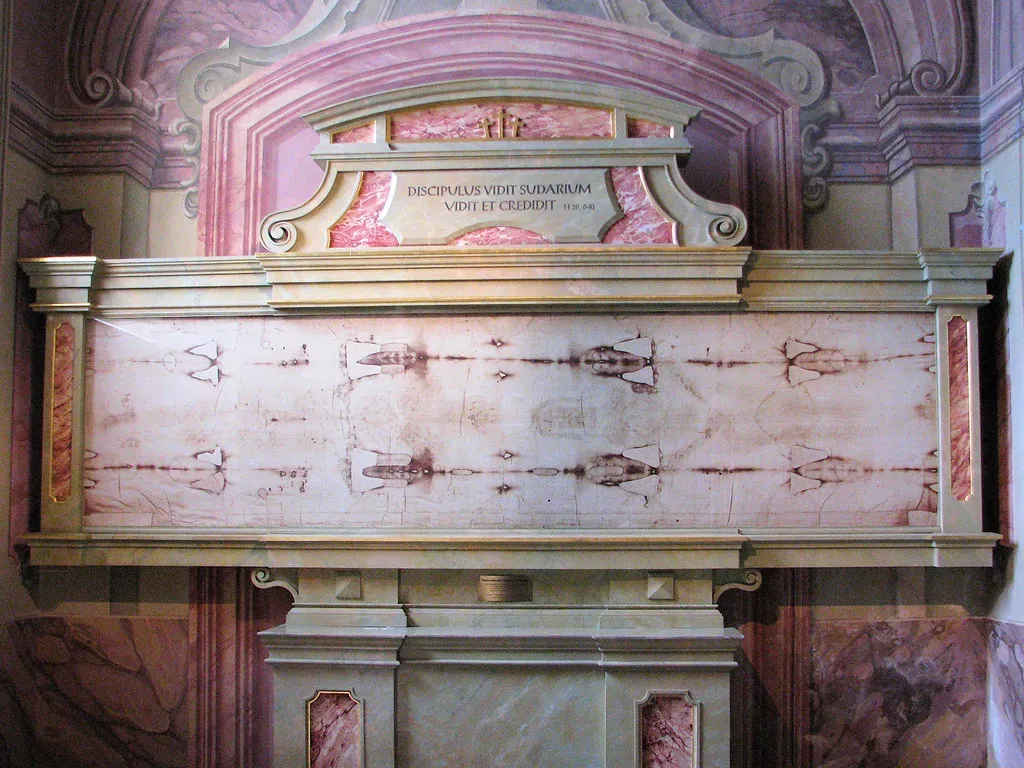
A length of linen bearing the faint image of a crucified man has divided scientists, theologians, and forensic experts for centuries, and the argument shows no sign of ending.
Radiocarbon testing in 1988 dated the cloth to the medieval period, roughly 1260-1390 CE, which many researchers took as proof it couldn’t be a genuine burial shroud from antiquity. But subsequent critics have challenged the sampling method, arguing that the tested corner may have been contaminated or patched during centuries of repair, reopening the debate.
What nobody has fully replicated is how the image itself was created – it isn’t paint, and it doesn’t behave like typical medieval pigment under microscopic and chemical analysis. Some scientists propose a chemical reaction between the linen and a body, others suspect a sophisticated forgery technique lost to time. Until someone recreates an identical image using period-accurate materials, the authenticity question stays wide open on both sides. The next mystery isn’t about one object – it’s about why entire civilizations vanished at once.
#14 – The Bronze Age Collapse
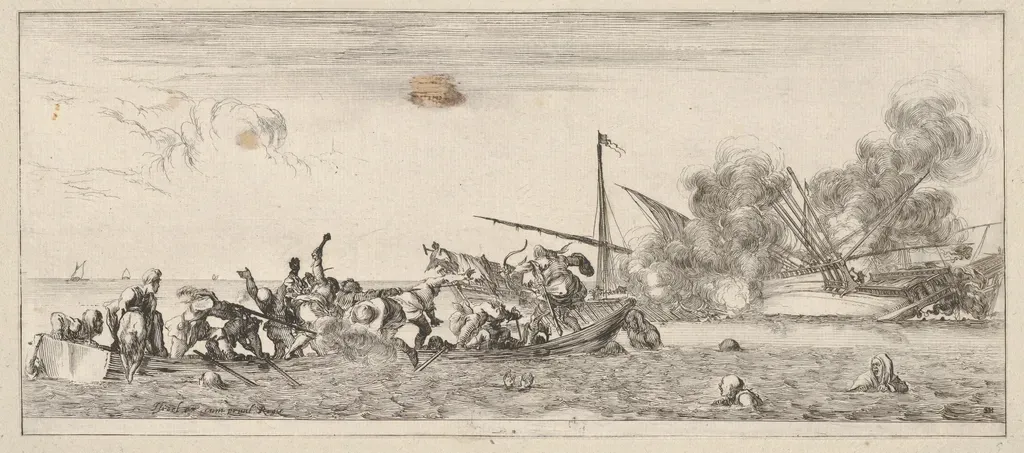
Around 1200 BCE, several of the ancient world’s most powerful civilizations – the Hittites, Mycenaeans, and others across the Eastern Mediterranean – collapsed within roughly a century of each other, and historians still argue about why.
Cities were burned, trade routes vanished, and writing systems disappeared for generations in some regions. Egyptian records mention mysterious raiders called the “Sea Peoples,” but their exact identity and origin remain unresolved after more than a century of scholarly debate.
The leading theory now blends multiple disasters happening simultaneously – drought, earthquakes, famine, and invasion – rather than one single cause, since no single explanation accounts for the speed and scale of the collapse. Some archaeologists argue climate data increasingly supports a prolonged mega-drought as the primary trigger, destabilizing food supplies until entire governments simply couldn’t hold together. Others still insist invasion and internal rebellion played the larger role. Without a unified written record from the societies that collapsed, this remains one of history’s biggest open questions. It also happens to connect directly to the next entry on this list.
#13 – Did the Thera Eruption Inspire Atlantis?
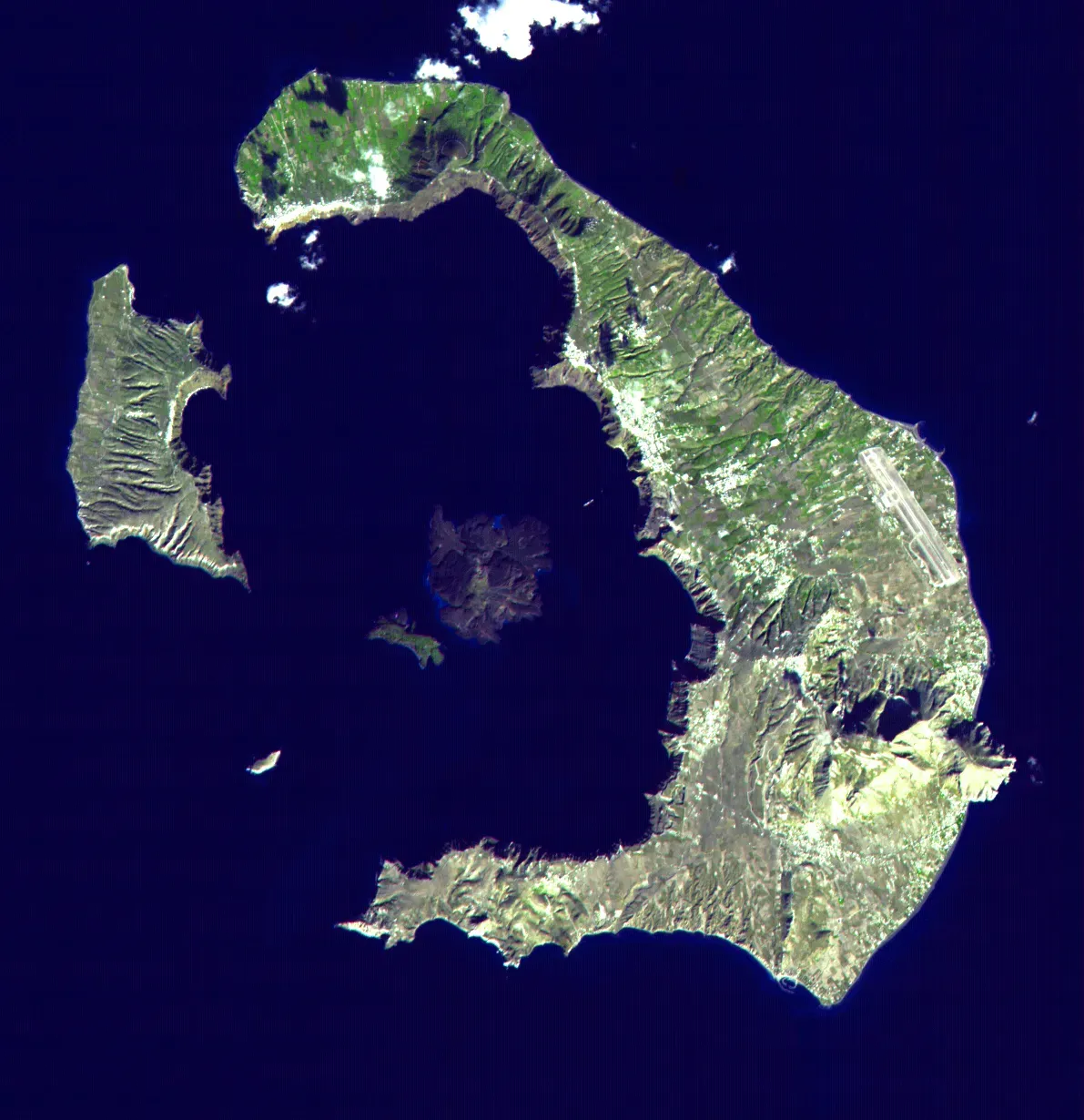
A massive volcanic eruption on the Greek island of Thera (modern Santorini) around 1600 BCE devastated the Minoan civilization, and some historians believe it directly inspired Plato’s Atlantis legend.
The eruption was one of the largest in human history, burying the town of Akrotiri in ash and likely triggering tsunamis that battered Crete, the heart of Minoan power. The Minoan civilization, already weakened, declined significantly in the following decades, though the exact link between the eruption and its eventual downfall is still debated.
Here’s the controversial part many historians won’t say out loud: the Atlantis connection is almost certainly a myth-making coincidence, not history. Plato wrote about Atlantis roughly 1,200 years after the eruption, describing a civilization that sank in a single day – a detail with no archaeological match to Crete’s gradual decline. Still, the drama of Thera’s destruction remains too tempting for many researchers to fully dismiss as coincidence. Next up is a civilization that left behind thousands of messages nobody can read.
#12 – The Undeciphered Indus Script
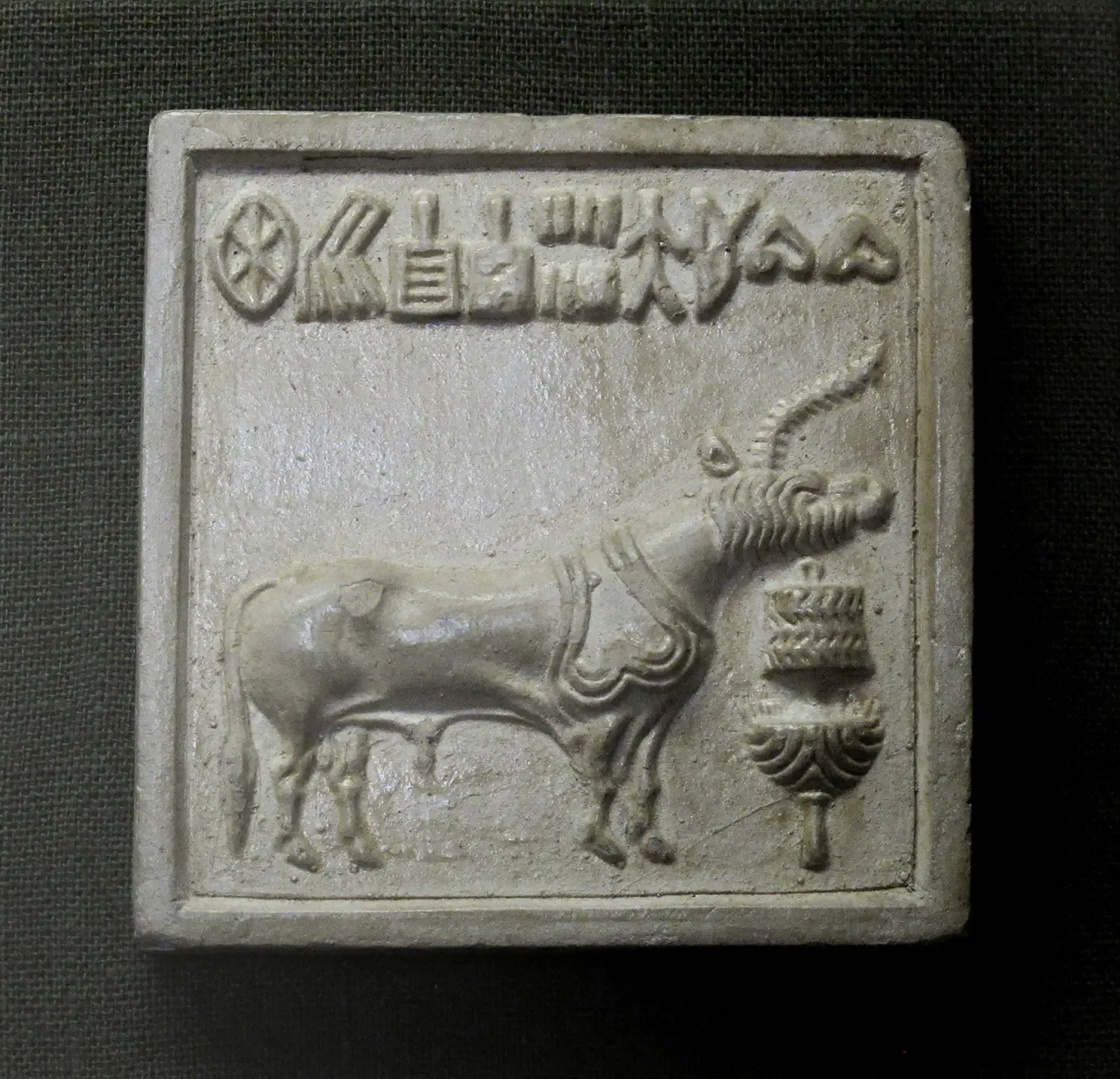
The Indus Valley Civilization built some of the ancient world’s most sophisticated cities, complete with drainage systems and standardized weights, yet we still can’t read a single sentence they wrote.
Thousands of short inscriptions have been found on seals and pottery across sites like Mohenjo-daro and Harappa, but the script has never been definitively linked to any known language family, and no long text has ever surfaced to give scholars enough context for translation. Some researchers even debate whether it qualifies as a full writing system or a symbolic notation instead.
The lack of a bilingual “Rosetta Stone” equivalent is the core problem, and there’s genuinely no guarantee one exists to be found. Without it, computational linguists have tried statistical pattern analysis to guess at grammatical structure, with mixed and contested results. An entire civilization that thrived for centuries remains functionally voiceless to modern historians.
Worth Knowing
- Major sites: Mohenjo-daro and Harappa, both known for advanced urban planning
- Inscriptions found only on seals and pottery – short, never in long-form text
- No confirmed bilingual inscription has ever surfaced to aid translation
- Scholars still debate whether it’s a true script or a symbolic system
A similar silence haunts the next mystery, half a world away on a remote Pacific island.
#11 – Rongorongo, Easter Island’s Lost Script
![#11 - Rongorongo, Easter Island's Lost Script (Chauvet, Stéphen-Charles; on-line translation by Ann Altman (2004) [1935] L'île de Pâques et ses mystères (Easter Island and its Mysteries), Paris: Éditions Tel, CC BY-SA 3.0)](https://nvmwebsites-budwg5g9avh3epea.z03.azurefd.net/dws/3b651a7abc0ee3e6acca8acfedb387ce.webp)
Easter Island’s Rapa Nui people developed their own unique writing system, called Rongorongo, and it remains one of the only scripts in the world that has resisted every attempt at translation.
Carved into wooden tablets, the glyphs feature repeating human, animal, and geometric figures arranged in a distinctive reverse boustrophedon pattern, where readers had to rotate the tablet 180 degrees at the end of every line. Fewer than 30 authentic tablets survive today, largely because European missionaries destroyed many examples in the 19th century, viewing them as pagan artifacts.
The tragic twist is that by the time researchers took the script seriously, most people who could actually read it had already died from disease and slave raids, wiping out the oral tradition needed to decode it. Some linguists argue Rongorongo may be a genuine independent writing system, extraordinarily rare in human history, while others believe it’s a memory aid rather than true language. Without more surviving material or a fluent reader’s account, this debate has nowhere left to go. The next artifact is even lonelier – a message with no known siblings anywhere on Earth.
#10 – The Phaistos Disc
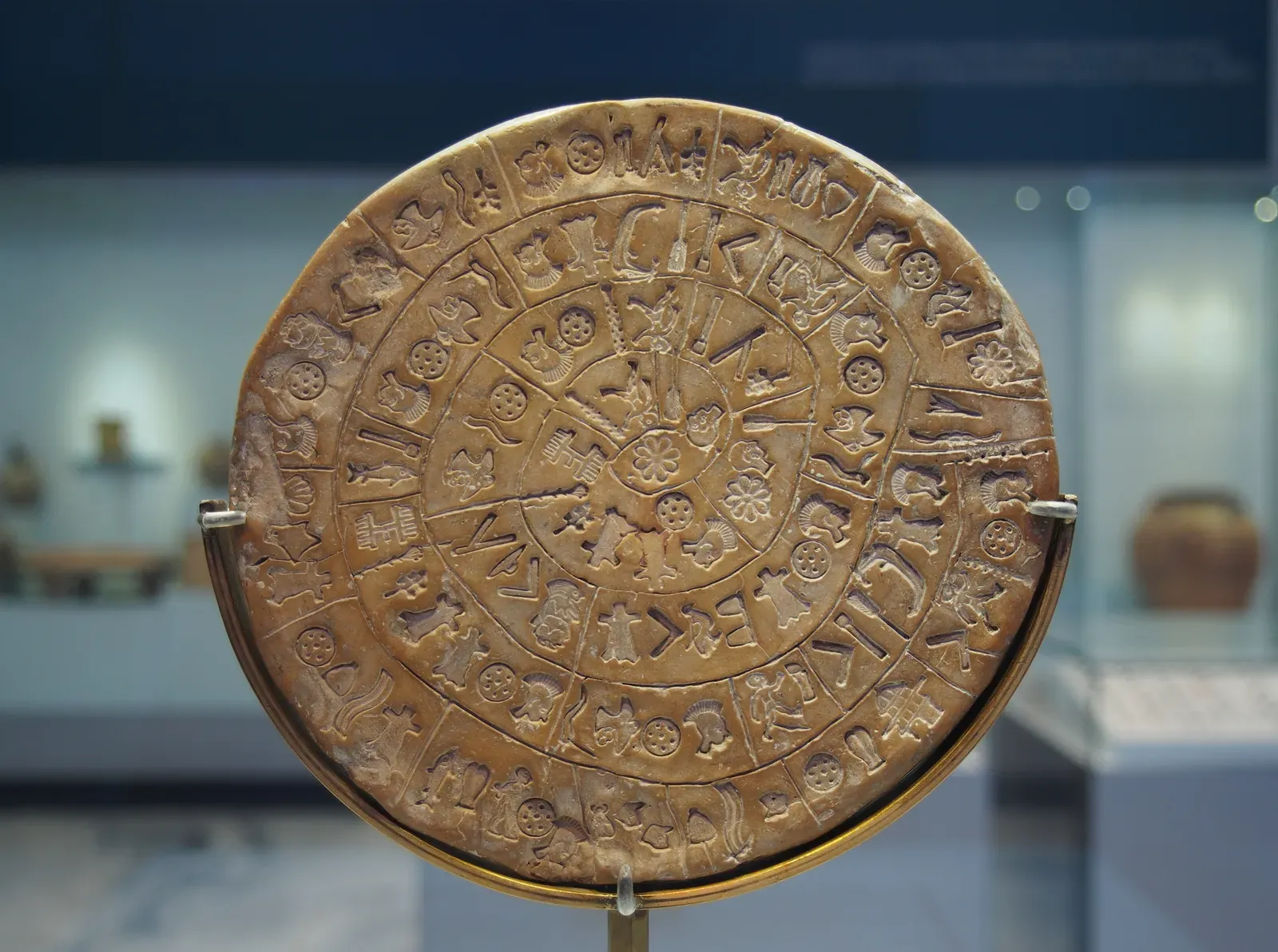
Discovered in a Minoan palace on Crete in 1908, the Phaistos Disc is stamped with 241 symbols arranged in a spiral, using characters that appear on no other artifact ever found.
That last detail is what makes this mystery so uniquely frustrating: linguists usually decode ancient scripts by comparing multiple texts, but the Phaistos Disc is essentially a message with no sibling documents to compare it against. The symbols were stamped using individual seals rather than hand-carved, suggesting a form of early printing technology that seems startlingly advanced for its estimated age.
Dozens of decipherment attempts have been published over the past century, and virtually all of them have been dismissed by mainstream Minoan scholars for lacking testable evidence. Some researchers even question the disc’s authenticity altogether, though no conclusive proof of forgery has ever been presented either. Until a second matching artifact turns up, this single object may stay permanently unreadable. The next mystery involves a map that shouldn’t have been possible to draw.
#9 – The Piri Reis Map’s Impossible Detail
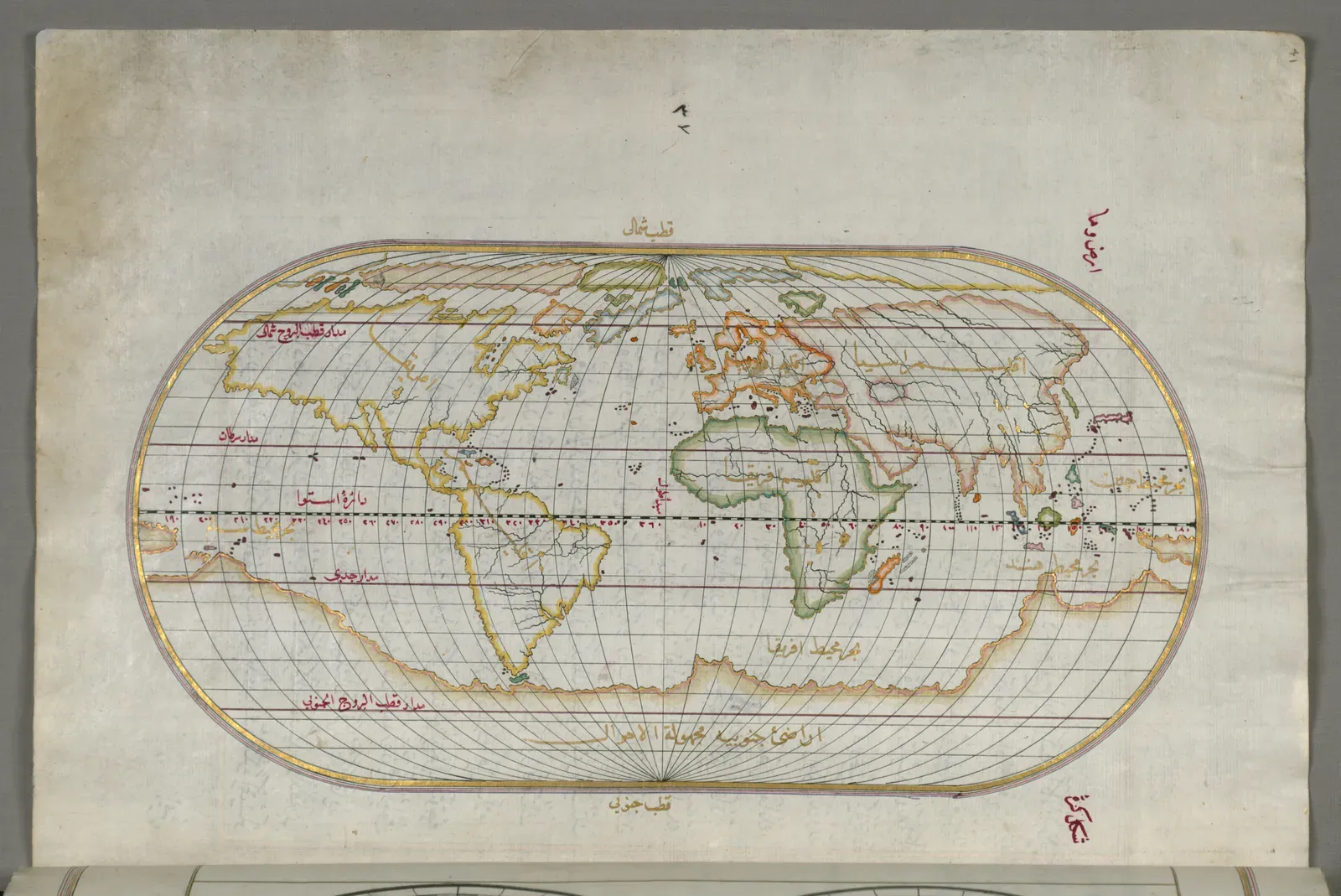
A 1513 map drawn by Ottoman admiral Piri Reis shows coastlines with a level of accuracy that has fueled decades of fringe theories, along with genuine scholarly puzzlement about its source material.
Piri Reis himself noted in the map’s margins that he compiled it from roughly 20 older source maps, some allegedly dating back to Alexander the Great’s era, none of which have ever been recovered. The map’s depiction of the South American coastline is impressively accurate for its time, and a portion of coastline near the bottom has been controversially interpreted by some as Antarctica, centuries before its official discovery.
Mainstream cartographic historians reject the Antarctica theory outright, arguing the disputed section is more plausibly a distorted southern extension of South America. Still, the mystery of the lost source maps themselves is real and unresolved – sophisticated older charts clearly existed and were used, and we have no idea who created them or how they achieved that level of accuracy without ships capable of the voyages implied. That gap in cartographic history remains genuinely unanswered. From maps to monuments: the next debate has turned respected archaeologists into open rivals.
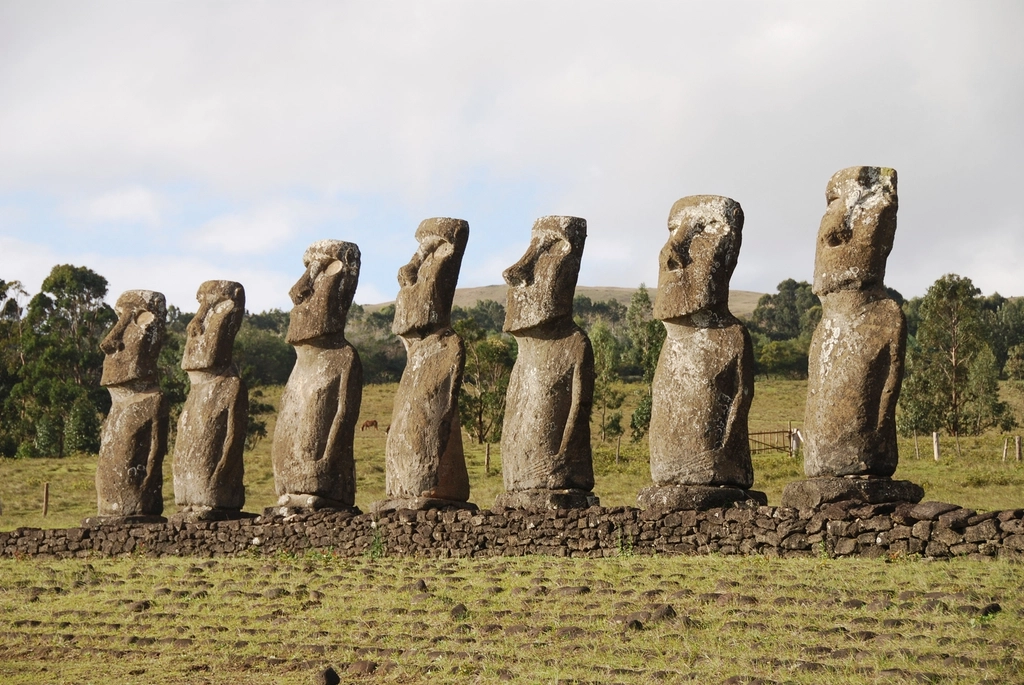
#8 – How the Easter Island Moai Really Moved
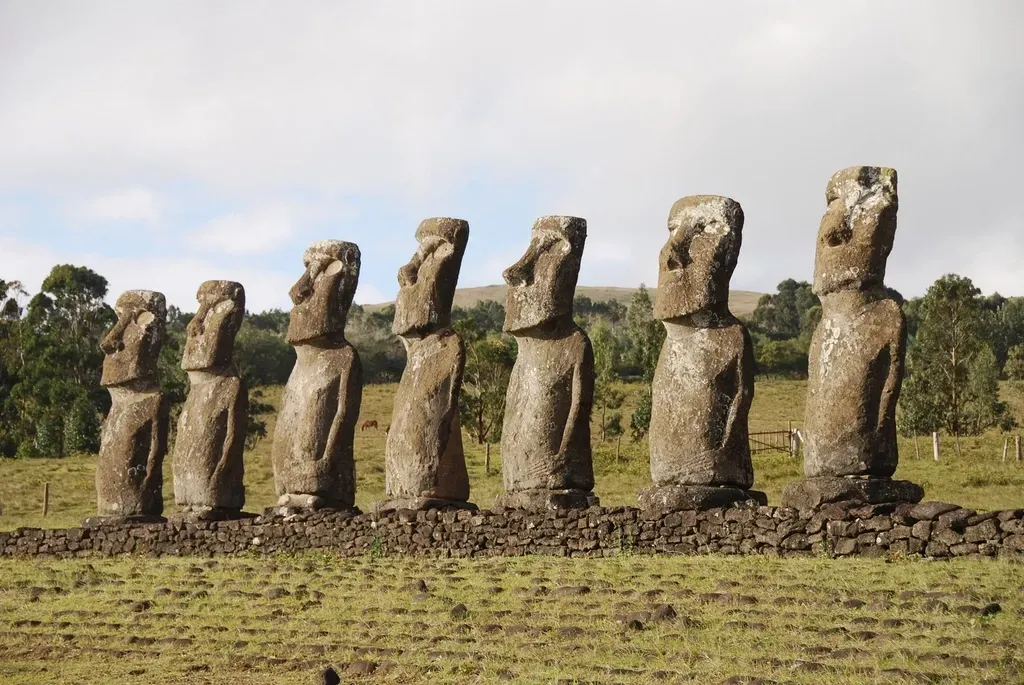
Nearly 900 giant stone heads and torsos, some over 30 feet tall, stand across Easter Island – and the debate over how the Rapa Nui people moved them has split researchers into openly hostile camps.
For decades, the assumption was that statues were dragged horizontally on wooden sledges, which would have required massive deforestation. That theory partly fed the popular narrative that the Rapa Nui destroyed their own island’s ecosystem moving statues, contributing to their civilization’s collapse. More recent experimental archaeology, however, showed that moai can be “walked” upright using ropes and a rocking motion, requiring far fewer trees and workers than previously assumed.
This upright-walking theory is genuinely controversial among archaeologists, and many still favor the ecological collapse narrative over it. If the newer theory is correct, it undermines a popular cautionary tale about civilizational self-destruction that’s been repeated in textbooks for years. The debate isn’t just academic – it changes whether we blame Rapa Nui society for its own downfall or look instead at European disease and slave raids. The next monument has a similarly contested past written right into its erosion patterns.
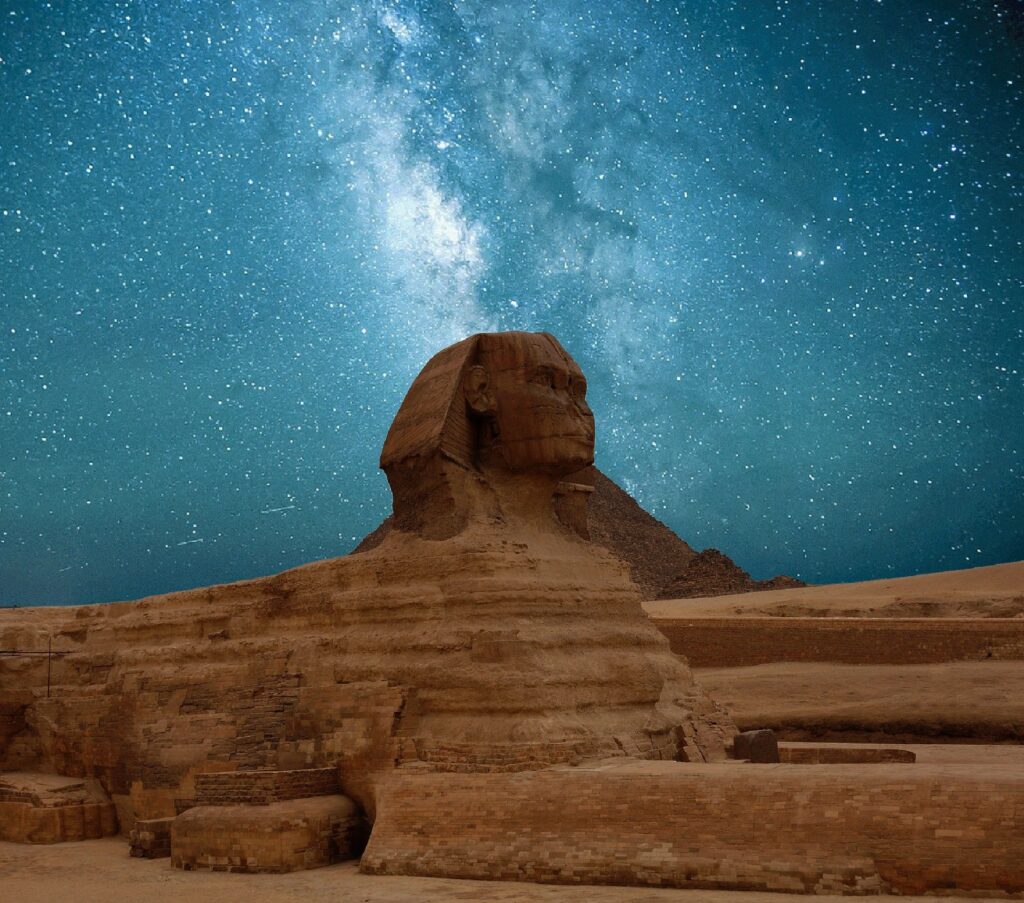
#7 – The Age of the Great Sphinx
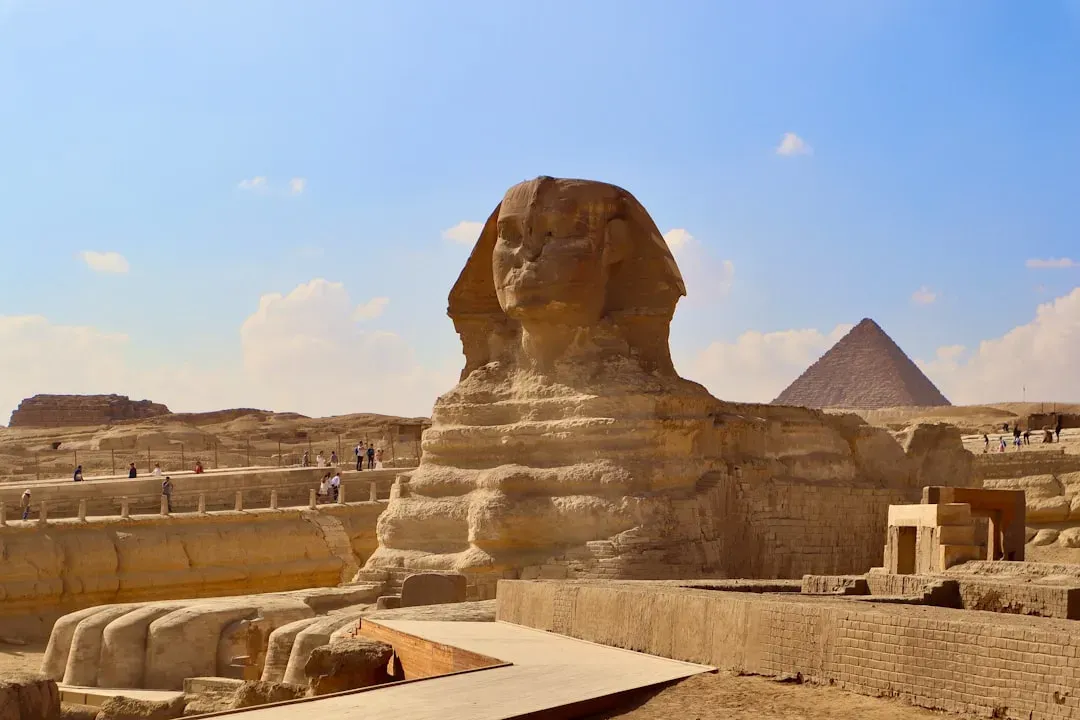
Most textbooks date the Great Sphinx of Giza to the reign of Pharaoh Khafre around 2500 BCE, but a persistent minority of geologists and researchers argue the erosion patterns on its body suggest a far older origin.
The core argument centers on water erosion marks on the Sphinx’s enclosure walls that some geologists claim resemble rainfall damage from a much wetter climate period, one that would predate the accepted Old Kingdom timeline by thousands of years. Mainstream Egyptologists counter that wind erosion and limestone weakness fully explain the wear without requiring any date revision.
This is one of the more genuinely divisive debates in Egyptology, not just fringe speculation – credentialed geologists have published peer-reviewed arguments on both sides. The Sphinx’s head is also proportionally smaller than its body, leading some to argue it was re-carved from an original, different creature entirely. Without new excavation beneath the monument, which Egyptian authorities have historically restricted, this dating dispute has no clear end in sight. The next site didn’t just get dated wrong – it rewrote the entire timeline of civilization.
#6 – Göbekli Tepe Rewrote the Timeline
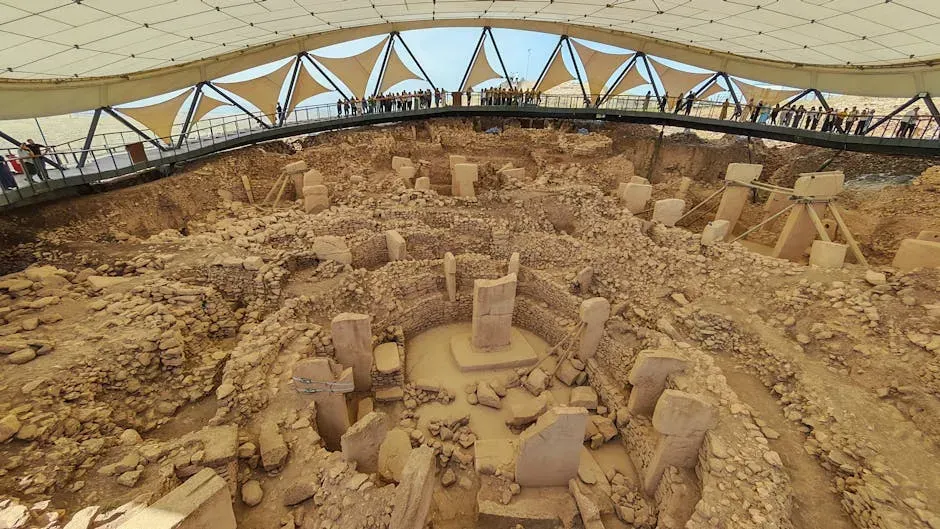
Göbekli Tepe in Turkey is roughly 11,000 years old, predating Stonehenge by about 6,000 years and agriculture itself in the region – and its existence broke a core assumption archaeologists had held for generations.
The site consists of massive carved stone pillars arranged in circles, decorated with detailed animal reliefs, built by hunter-gatherers who supposedly shouldn’t have had the social organization to pull off large-scale construction projects yet. The old theory assumed farming came first, creating surplus food that allowed complex religious or ceremonial sites to follow. Göbekli Tepe suggests the opposite order entirely.
The genuinely unresolved question is why the site was deliberately buried under tons of sediment around 8,000 BCE, seemingly on purpose rather than through natural processes. Was it a ritual decommissioning, a response to some catastrophe, or something else entirely? Archaeologists have excavated only a fraction of the site, and every new dig season pushes the timeline of organized civilization further back than anyone expected.
Why It Stands Out
- Roughly 11,000 years old – predates Stonehenge by about 6,000 years
- Built by hunter-gatherers before agriculture, per the current model
- Deliberately buried under sediment around 8,000 BCE, for reasons still unknown
- Only a fraction of the total site has been excavated so far
Next up is a desert full of art that was never meant to be seen from the ground.
#5 – The Nazca Lines’ True Purpose
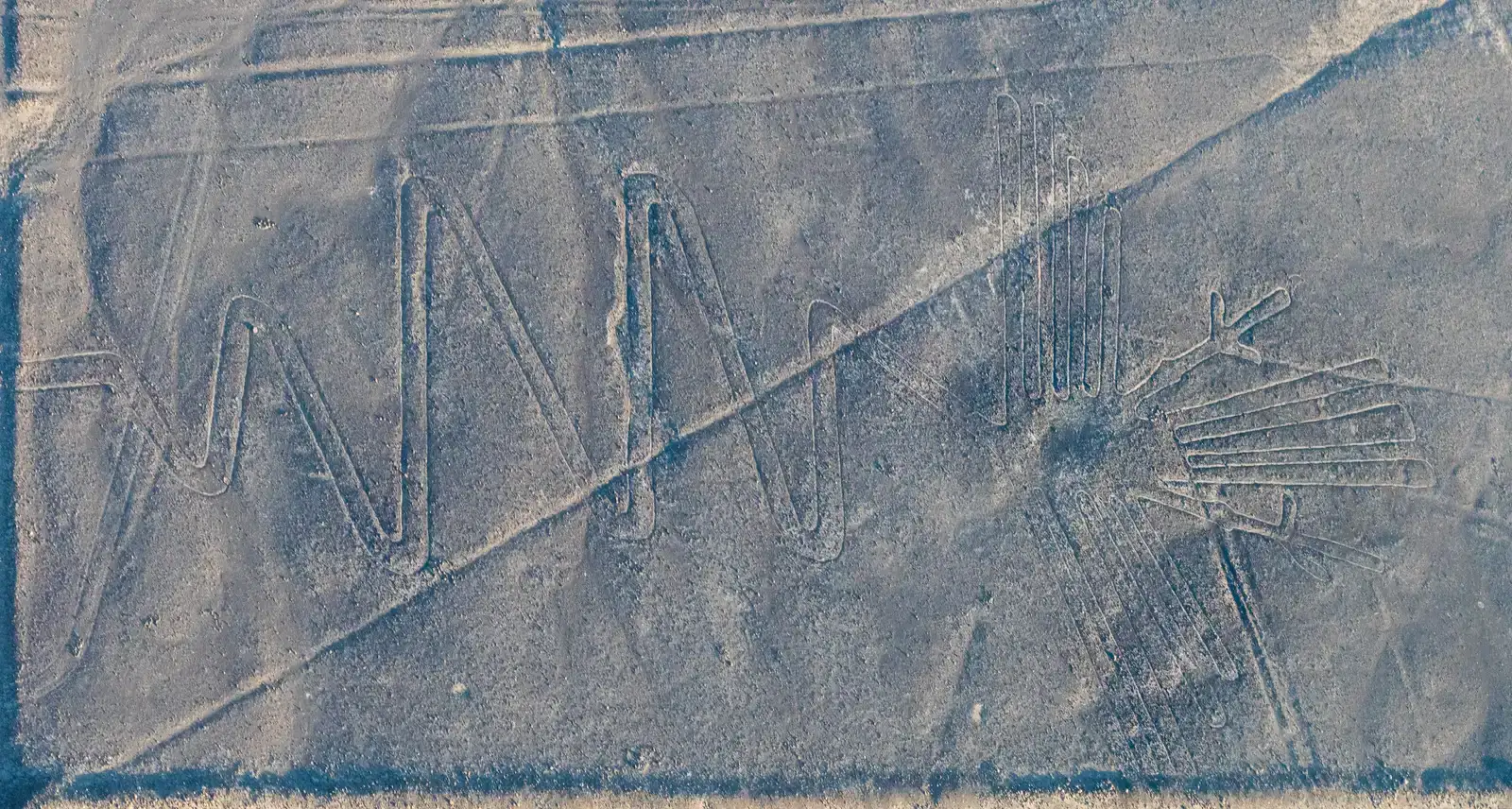
Carved into the Peruvian desert floor are hundreds of massive geoglyphs – animals, geometric shapes, and lines stretching for miles – and despite over a century of study, nobody agrees on why the Nazca people made them.
The lines are best appreciated from the air, which raises the obvious question of why a ground-based civilization without flight technology would design monuments meant to be viewed from above. Leading theories range from astronomical calendars tracking solstices, to ritual pathways used in water or fertility ceremonies, to territorial markers meant for the gods rather than human eyes.
The theory that gets the most pushback from serious archaeologists is the ancient astronaut hypothesis, which remains popular online despite zero credible supporting evidence. More grounded research suggests the lines relate to water sources, since many align with underground aqueducts the Nazca engineered with remarkable sophistication. Still, no single theory explains every geoglyph, and the sheer scale of the project – some lines run for miles without a single break – suggests a coordinated purpose we haven’t fully reconstructed. The next entry is arguably the single greatest engineering shock in archaeological history.
#4 – The Antikythera Mechanism’s Hidden Genius
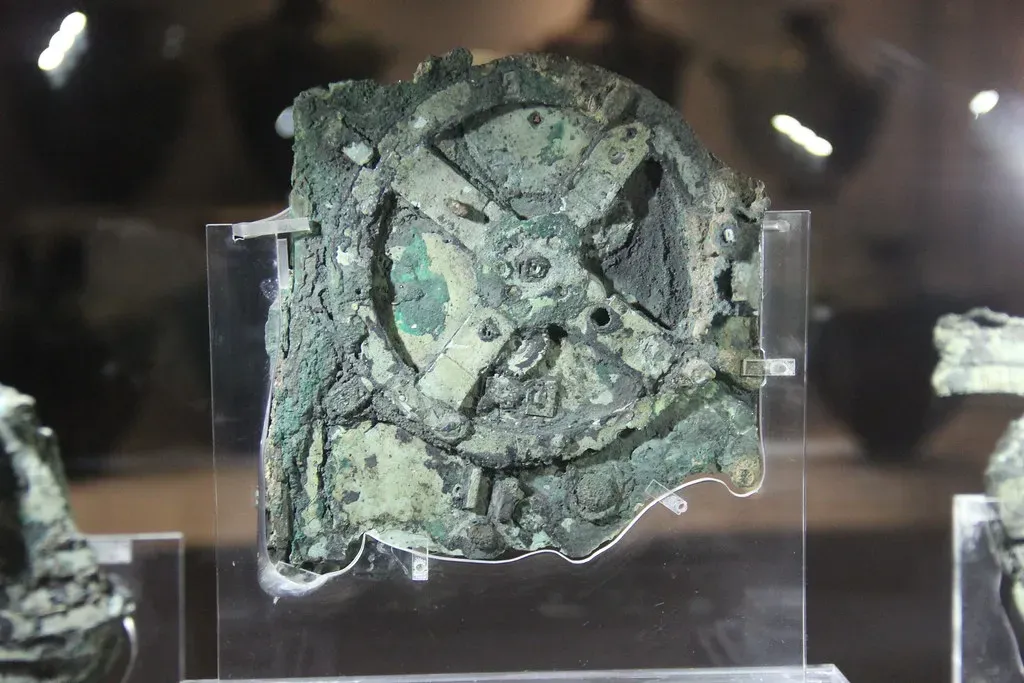
Pulled from a Roman-era shipwreck in 1901, the Antikythera Mechanism is a bronze device so mechanically advanced that nothing else like it appears in the historical record for over 1,000 years afterward.
Modern X-ray and CT scanning revealed over 30 interlocking bronze gears capable of tracking the movements of the sun, moon, and possibly all five planets known in antiquity, along with predicting eclipses and calendar cycles. The mathematical sophistication baked into the gear ratios reflects Babylonian astronomical knowledge combined with Greek engineering, decades ahead of anything else discovered from the ancient world.
The genuine mystery isn’t the mechanism itself anymore – researchers have largely reconstructed its function – it’s the total absence of anything comparable before or after it. Where did this level of precision engineering come from, and why didn’t it spread or get referenced in surviving texts? Some historians believe similar devices existed and simply didn’t survive shipwrecks or looting, meaning one lucky find could represent a much larger lost tradition of ancient engineering. That question of what else might be missing leads straight into the most famous “lost civilization” of all.
#3 – Was Atlantis Ever Real?
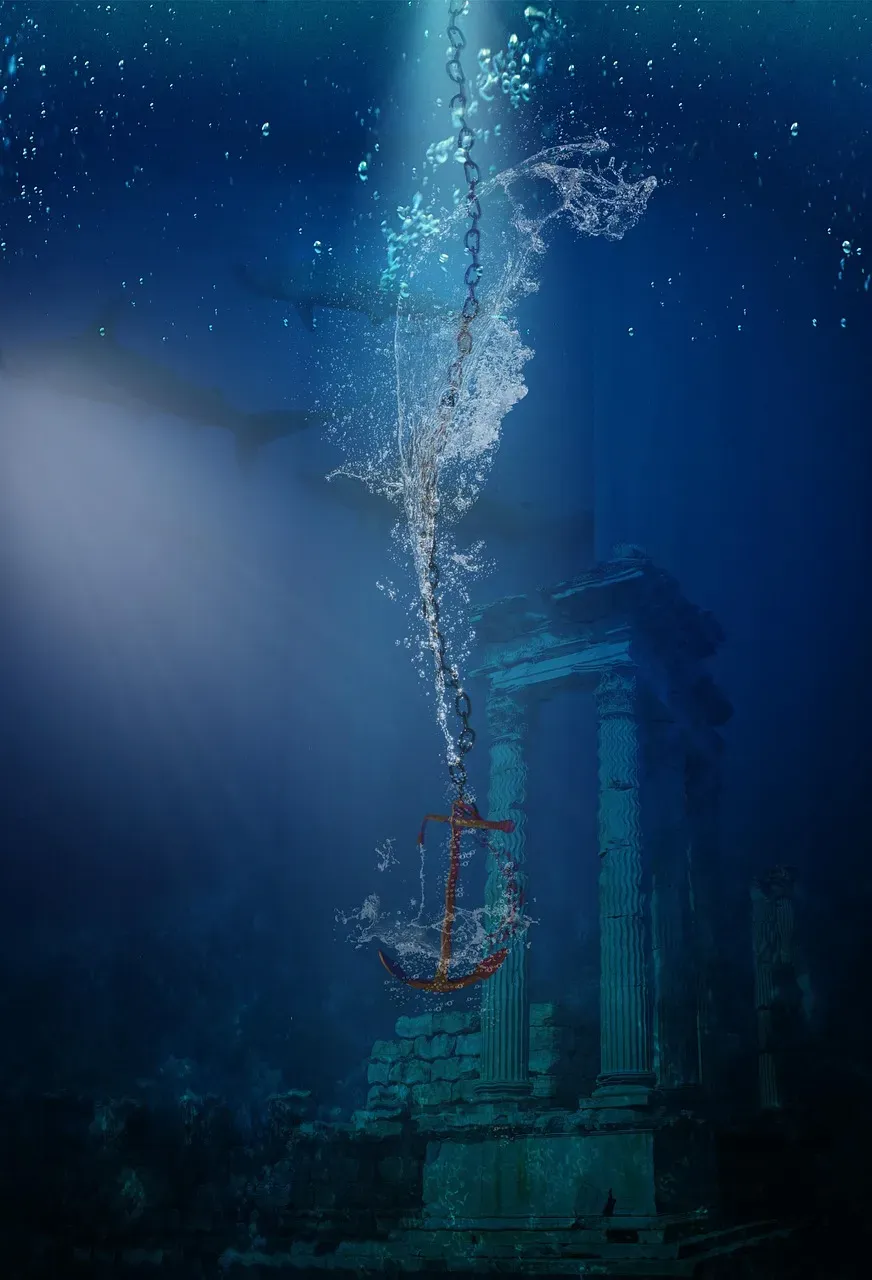
Plato described Atlantis as an advanced island civilization that sank beneath the ocean in a single catastrophic day, and for over 2,000 years, people have argued about whether he was describing history, allegory, or pure fiction.
Most classical scholars believe Atlantis was always intended as a philosophical thought experiment about hubris and societal collapse, not a literal place, since Plato’s own writing style favored allegory to make ethical arguments. Yet the story took on a life of its own, inspiring genuine archaeological searches across the Mediterranean, Atlantic, and even Antarctica.
The controversial opinion many historians now hold is that the endless search for a literal Atlantis has actually distracted serious archaeology from more interesting, verifiable Bronze Age mysteries, like the real Minoan collapse or Bronze Age trade networks. Despite that, sonar surveys and satellite imaging continue to spark fresh “Atlantis found” headlines every few years, none of which have held up under peer review. Whether Plato was reporting garbled oral history or simply writing philosophy remains genuinely unresolved. The next mystery, unlike Atlantis, is undeniably real – we just can’t agree on how it was built.
#2 – Stonehenge’s Unanswered Questions
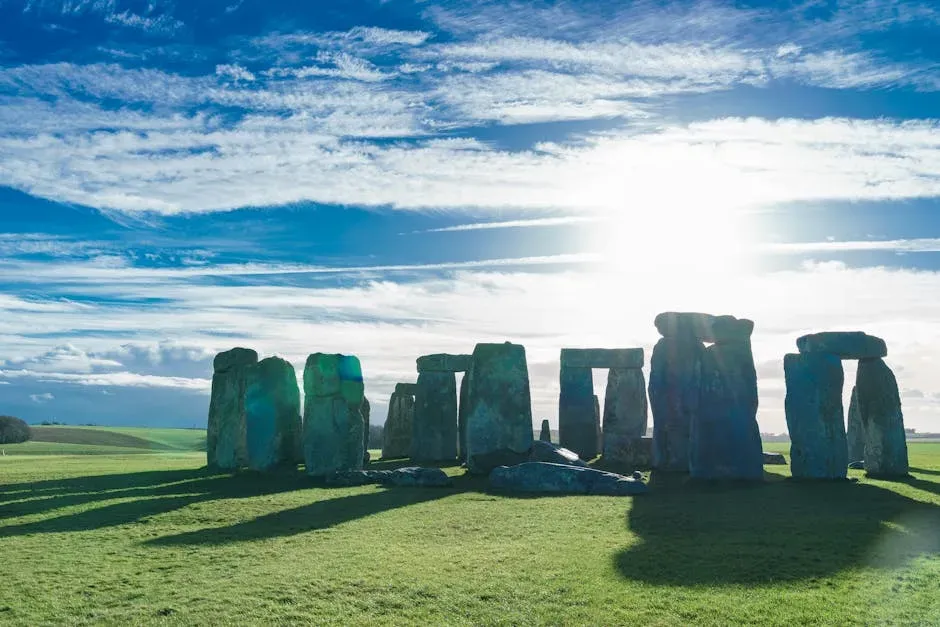
Stonehenge has been studied more intensively than almost any prehistoric monument on Earth, and researchers still can’t fully agree on why it was built or exactly how its largest stones got there.
The bluestones used in the monument have been geologically traced to quarries in Wales, roughly 150 miles away, meaning Neolithic builders somehow transported multi-ton stones across an enormous distance without wheels or draft animals suited for the job. Recent research has even suggested some stones may have originally stood as a complete monument in Wales before being dismantled and rebuilt at Stonehenge’s current location.
That relocation theory, if confirmed, would completely upend the traditional story of Stonehenge as a purely local project. The purpose remains equally contested – solar and lunar alignment evidence supports a calendar or ceremonial function, while burial remains found nearby suggest funerary significance too. Most archaeologists now believe it served multiple overlapping purposes across 1,500 years of construction, rather than one single original intent.
Quick Compare
- Calendar theory: stone alignments track solstices and seasonal cycles
- Funerary theory: cremated human remains found within the site
- Relocation theory: bluestones possibly moved from an earlier Welsh monument
- Consensus view: multiple overlapping purposes across 1,500 years of use
And that brings us to the mystery that has beaten every codebreaker who’s ever taken a swing at it.
#1 – The Voynich Manuscript
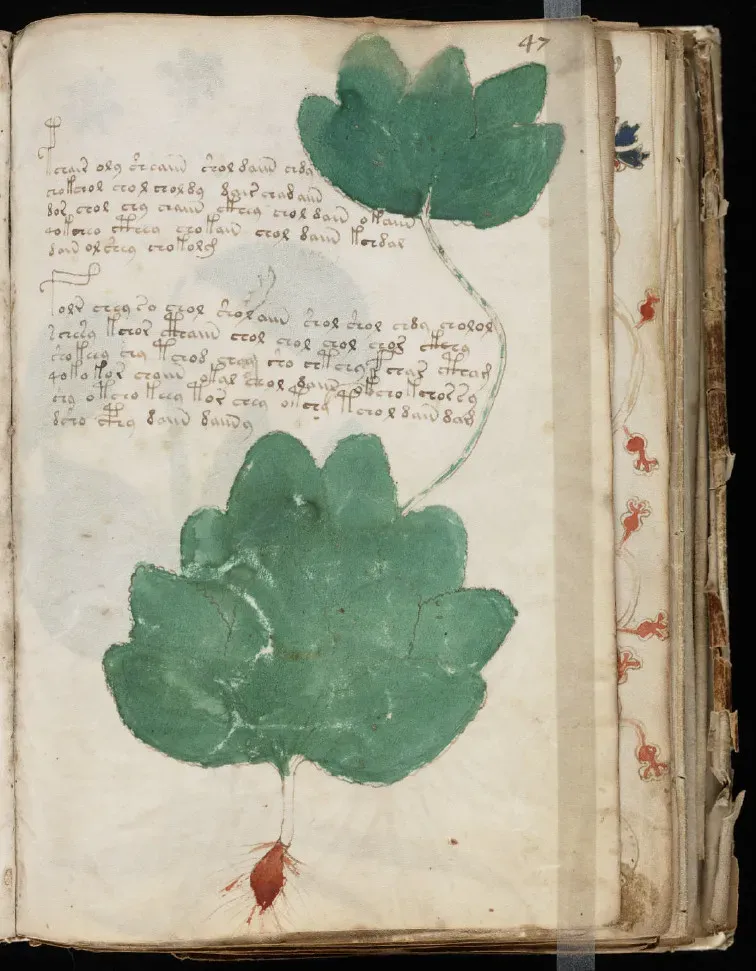
A 500-year-old handwritten book filled with looping, unrecognizable script and illustrations of unidentifiable plants has defeated every codebreaker who’s ever attempted to crack it, including the team that broke Japan’s WWII “Code Purple.”
Cryptologists have been trying to figure it out since 1912, and even William and Elizabeth Friedman, two of the preeminent codebreakers of their era, spent decades studying it and became convinced it was an invented language. Radiocarbon dating places the vellum to the early 15th century, ruling out several popular theories about its origin. One expert has gone so far as to call it “the main unsolved problem in the history of cryptography.”
What’s most damning is how many “solutions” have collapsed under scrutiny. Every claimed Voynich solution has been ignored or debunked by other experts, including one case where a university retracted its own press release after researchers challenged the findings.
If you just heard or read that the manuscript has been solved, then rest assured: The text of the Voynich MS has NOT YET been solved.
René Zandbergen, Voynich manuscript researcher
A century of failed attempts by professionals, amateurs, and machines alike has made this the single most stubborn unsolved code in written history.
The Bottom Line
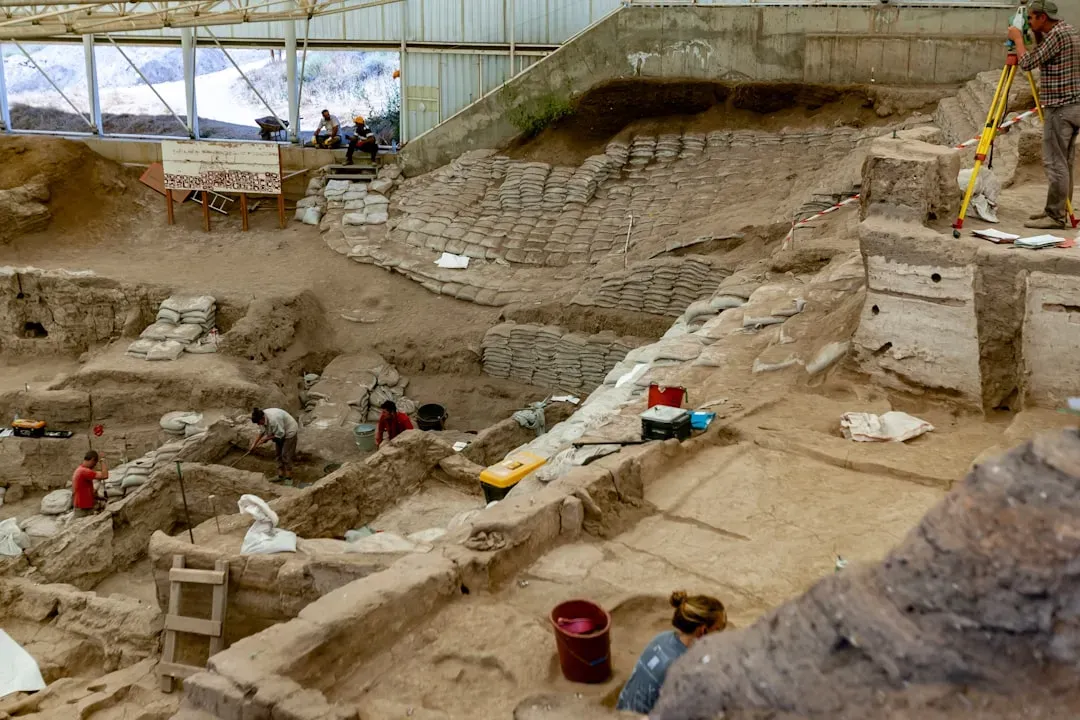
Here’s the uncomfortable truth: modern technology hasn’t solved most of these mysteries – it’s mostly just confirmed how little we actually know. Genetic testing, radiocarbon dating, and CT scanning have narrowed timelines but rarely delivered final answers, and multiple high-profile “breakthroughs” on this list, from Voynich translations to Atlantis discoveries, have been debunked within months of going viral.
If anything, the honest lesson is that ancient people were often more capable, more organized, and more mysterious than modern arrogance likes to admit. Which one of these do you think will finally get solved first – and which one do you think never will? Drop your theory in the comments.