
Every museum has a stock excuse for an empty display case: “under renovation,” “on loan,” “conservation in progress.” Most of the time, that really is what’s happening. But talk to enough former curators, lab techs, and safety officers, and a second explanation starts showing up again and again – one that has nothing to do with dust or scaffolding.
The pattern is almost always the same. Someone from outside the institution asks for independent testing – a scan, a swab, an audit, a provenance check. Weeks later, the exhibit is gone, and it doesn’t come back. We tracked down 22 of these cases, and what happened right before each disappearance says more about institutional trust than any plaque ever could.
#22 – The “Authentic” Dinosaur Skull That Failed the First Lab Scan
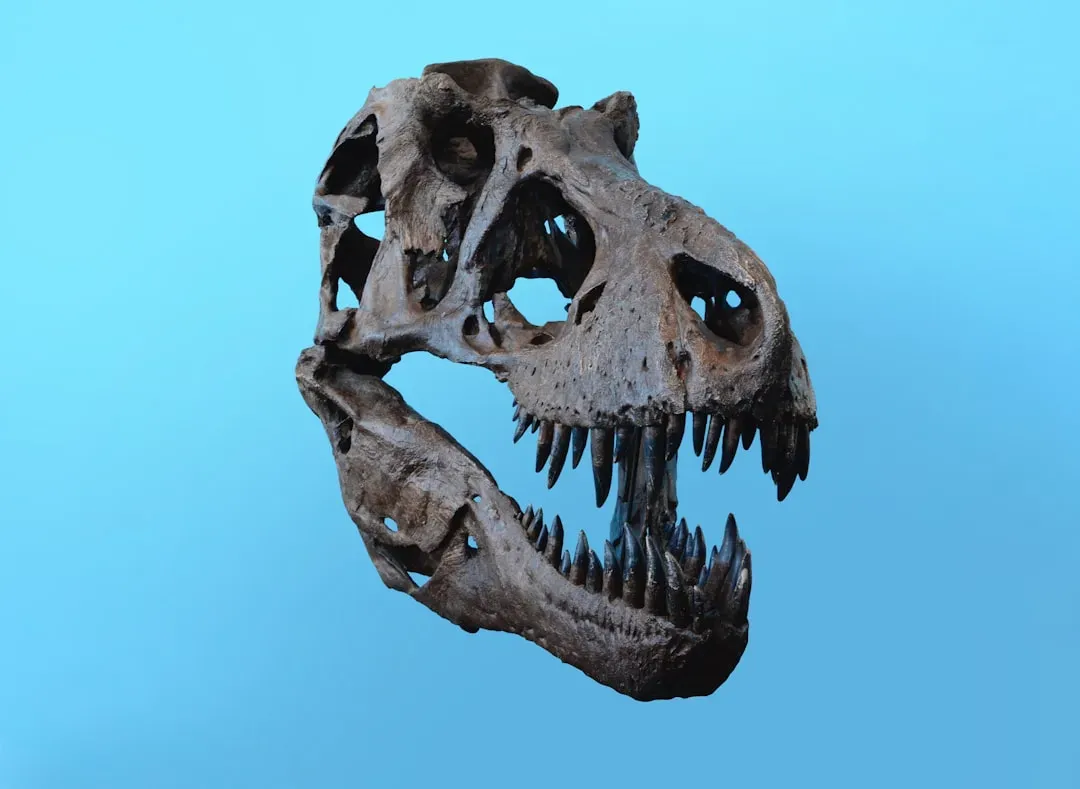
The museum hyped this dinosaur skull as a once-in-a-generation fossil, dramatic lighting included, plus a ticket surcharge to match. The label called it “one of the best-preserved specimens in North America.” Then a visiting paleontologist casually asked whether anyone had run independent CT scans to rule out a composite skull.
Within weeks, the exhibit was “removed for conservation.” It never returned. Staff later leaked that early scans suggested large parts of the skull were modern plaster cast, not ancient bone – an embarrassing detail for an institution that had sold tickets on the promise of uniqueness.
Replicas aren’t inherently dishonest; they’re common and useful in paleontology. The real problem was marketing a partial cast as singularly authentic while fundraising on that claim. Outside testing threatened that story, so instead of revealing mixed results, the museum let the whole thing quietly vanish.
#21 – The “Miracle Mineral” Crystal With Questionable Health Claims
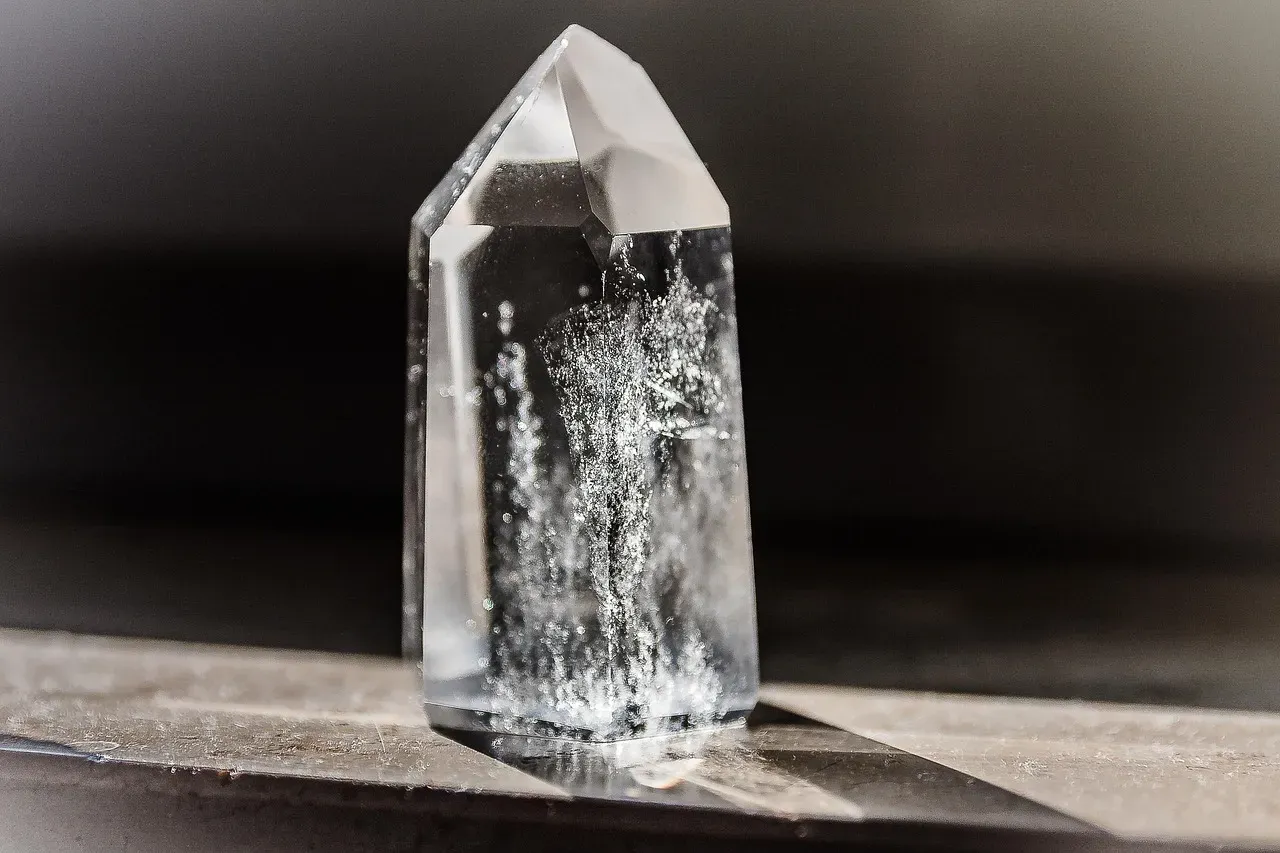
This dazzling crystal tower drew huge crowds thanks to bold signage about “natural energy balancing” and “documented therapeutic effects.” The museum partnered with a wellness sponsor, ran workshops, and sold branded stones in the gift shop. Then a group of medical researchers requested the sponsor’s “clinical data” and asked for independent spectroscopy tests.
Permission stalled almost immediately. Not long after, the exhibit was quietly dismantled. Behind the scenes, curators reportedly discovered that none of the claimed studies were published in peer-reviewed journals, and several “lab reports” traced back to the sponsor’s own marketing team.
The crystal itself wasn’t dangerous – it was just a rock. The risk was reputational: museums are supposed to be evidence-driven, not extensions of supplement advertising. Rather than face headlines about pseudoscience on display, the institution pulled the plug, and staff still argue over whether transparency would have built more trust than silence did.
#20 – The Taxidermy Predator Preserved With Banned Chemicals
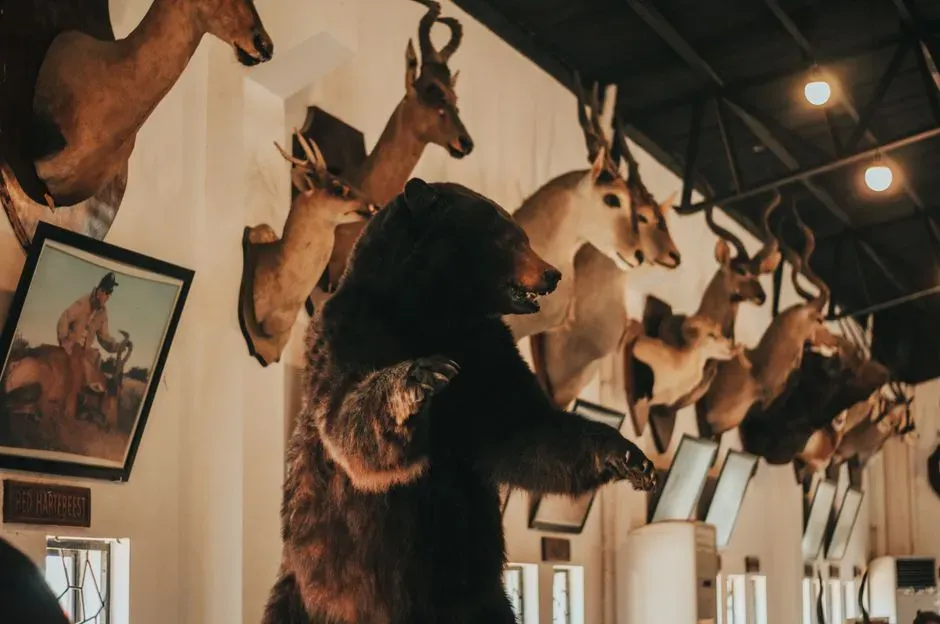
This dramatic predator mount had been a centerpiece for decades – kids loved posing for photos under its jaws. Old-school taxidermy, though, often relied on chemicals that are tightly regulated today. When a new safety officer reviewed legacy paperwork, they flagged it and requested full independent testing for arsenic and mercury.
Soon after, a notice appeared: “temporarily removed for conservation.” The tests reportedly confirmed what many conservators quietly fear – the specimen carried surface residues of toxic preservatives at levels that made direct contact a long-term risk, especially for staff who handled it routinely.
Museums had suspected this was possible for years. Having it confirmed in writing by an external lab made it legally impossible to ignore. Overnight, a fan-favorite photo-op turned into a liability file, and leadership quietly retired it rather than mount a warning label under the glass.
Fast Facts
- Arsenical soap was a standard taxidermy preservative from the 1800s well into the 20th century.
- Modern conservators now use non-destructive tools like XRF scanning to detect heavy metals without damaging historic mounts.
- Occupational safety guidelines set strict exposure limits for arsenic and mercury that many legacy specimens would fail if tested today.
- A growing number of natural history museums have begun quietly re-testing older taxidermy as awareness of “poison taxidermy” spreads.
#19 – The Ancient Manuscript That Didn’t Age Like It Claimed
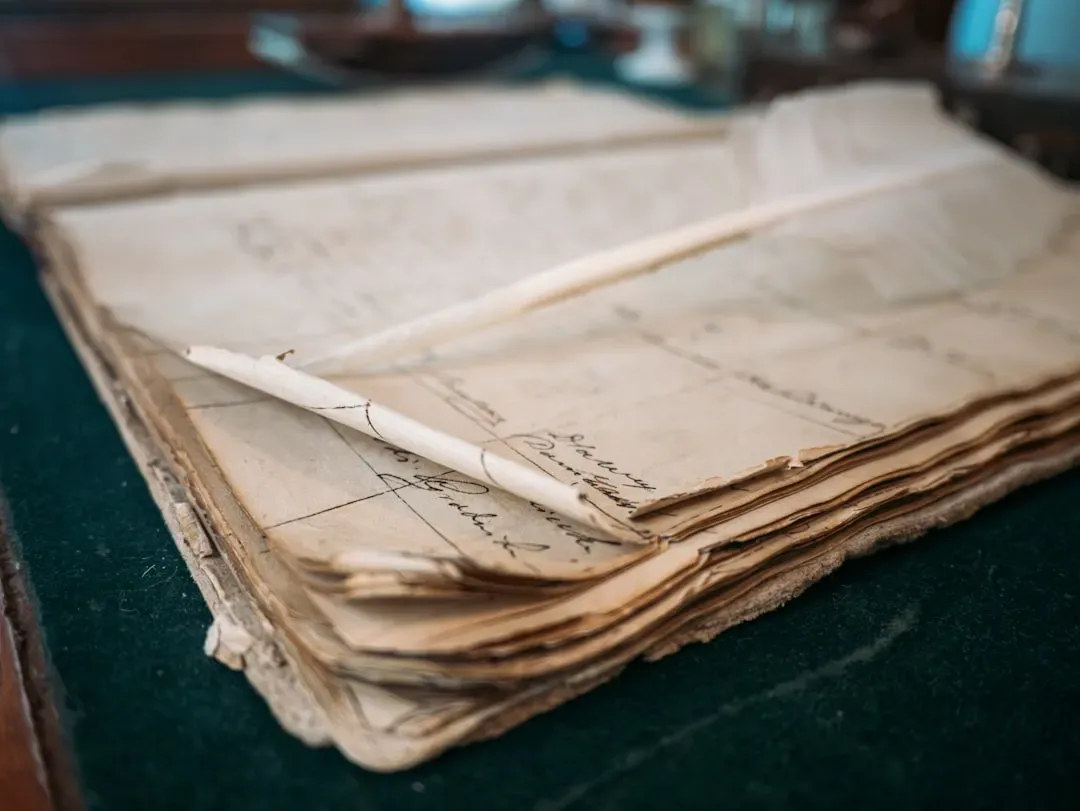
This “13th-century” manuscript was a quiet star of the medieval gallery. Donors funded its restoration, the museum hosted lectures around it, and it even headlined a traveling show. Then a visiting paper conservator asked a simple question: had anyone independently dated the fibers and inks using modern, non-destructive techniques?
The museum agreed – on paper. Within months of scheduling the tests, the manuscript disappeared from public view. Early lab notes suggested the parchment might be centuries newer than advertised, with portions of the text possibly added in the 19th century.
That doesn’t make the object worthless, but it destroys the narrative sold to donors and the public. Instead of relabeling it honestly as a later pastiche, the museum quietly reclassified it for “further study” and kept it off display – a retreat historians say only fuels the conspiracy theories it was meant to avoid.
#18 – The “Untouched” Mummy With Hidden Modern Repairs
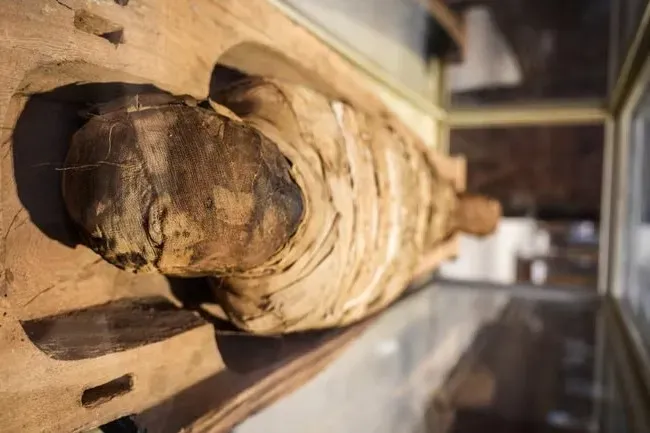
This mummy was marketed as a perfectly preserved burial, “untouched since antiquity.” Guided tours leaned hard on its “original wrappings” and “authentic presentation.” Then an outside imaging team proposed high-resolution CT scans to study internal bone health, and the museum loved the PR potential – until the scans came back.
Digital imaging reportedly showed that significant portions of the outer wrappings, and even some visible limbs, were heavily restored with 19th- and 20th-century materials, including modern textiles and fillers. Conservators had known about some repairs, just not the scale of them.
The mummy was still archaeologically valuable, but the “untouched” claim was no longer defensible. Rather than rebuild the exhibit around restoration ethics – a nuanced, less glamorous angle – the case was removed for “new research” and never came back, leaving other institutions quietly nervous about what their own mummies would reveal under the same scrutiny.
#17 – The Popular Kids’ Science Demo That Failed Emissions Tests

Every science center has that one noisy, high-energy demo kids flock to. Here, it was an interactive station using fog, UV lights, and an assortment of plastics and solvents to demonstrate “atmospheric chemistry.” It looked spectacular in photos, right up until a staffer noticed a strong odor and recurring headaches after long shifts nearby.
That complaint pushed leadership toward independent air-quality and VOC testing during peak use. According to people familiar with the results, measured emissions during heavy visitor interaction briefly exceeded recommended indoor exposure guidelines for certain compounds – an uncomfortable finding for a family-oriented institution.
Technically, the demo was probably less risky than a busy city street. But museums are held to a different standard, and admitting a mistake publicly felt riskier than a quiet swap. The center removed the installation and replaced it months later with a “new and improved” exhibit, without ever explaining what actually changed.
#16 – The “World’s Oldest” Bottle of Wine Under UV Scrutiny
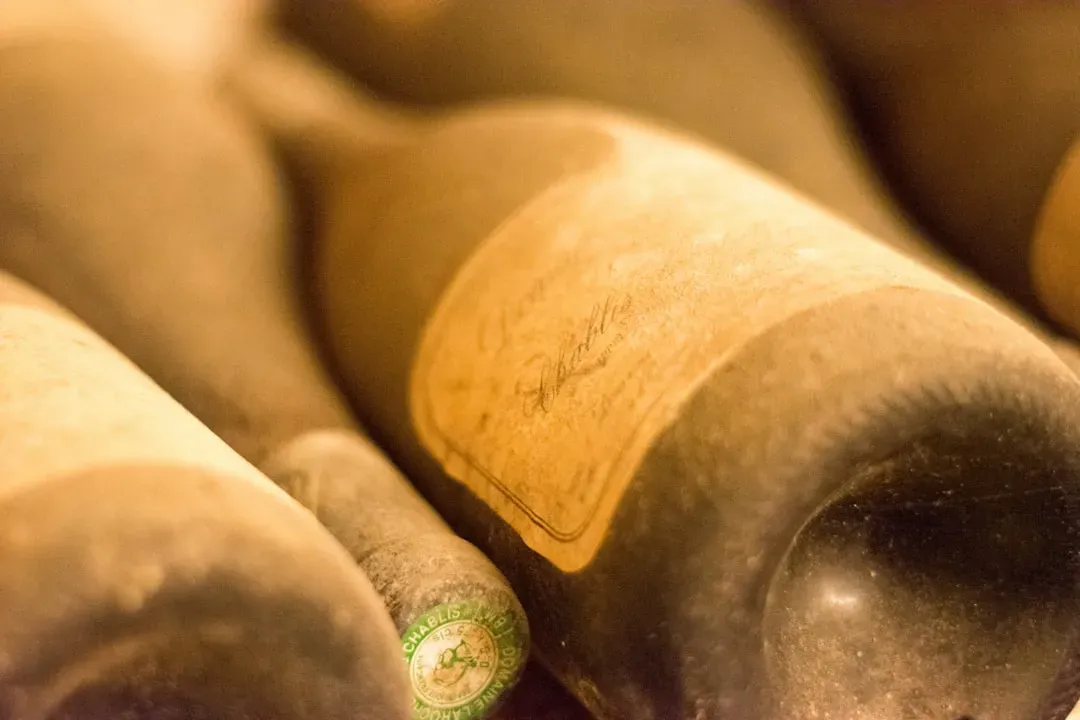
This dark, dusty bottle sat in its own spotlight, labeled one of the “world’s oldest surviving wines.” A partnership with a beverage brand amplified the myth further. Then an independent chemist requested micro-sampling and advanced spectrometry, and the museum initially pushed back – sampling felt too invasive for something this precious.
Eventually, limited, non-destructive tests were approved. Preliminary results reportedly undercut the legend: some molecular profiles in the liquid looked surprisingly modern, hinting at contamination or later top-offs of the bottle.
Even if the container itself was genuinely ancient, the contents weren’t “purely original” as the signage implied – and that distinction matters when your marketing leans on superlatives. Rather than admit the museum had gotten carried away with its own story, the bottle vanished under the banner of “conservation needs.” The real conservation happening was reputational.
#15 – The Space Capsule Mock-Up Sold as the Real Thing
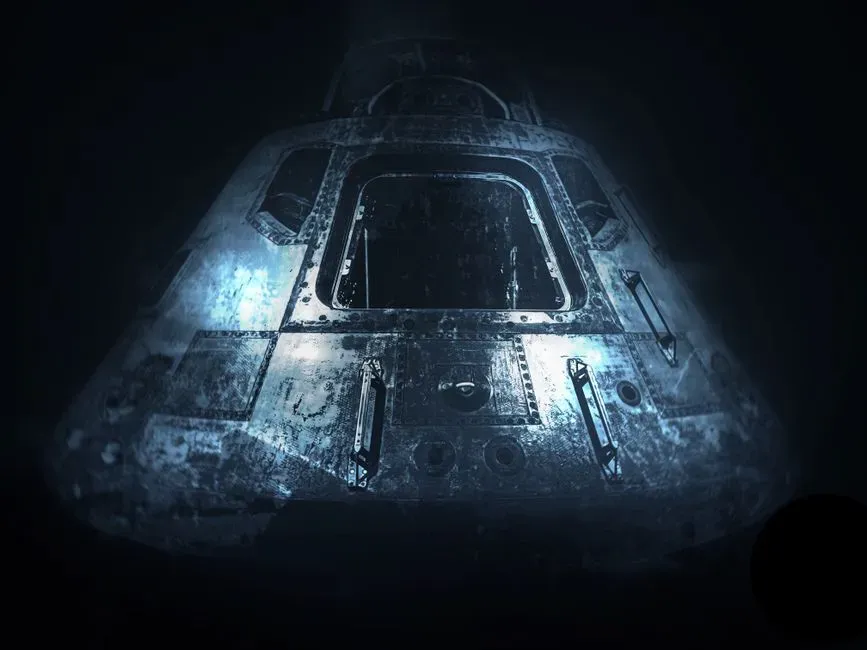
In the space gallery, one capsule drew endless selfies: burn marks, retro switches, the full package. The sign strongly implied it had “returned from orbit,” and the gift shop echoed that wording for years. Then aerospace historians asked for documentation and proposed independent materials analysis to confirm its flight history.
That’s when things got awkward. Internal research reportedly suggested the object was a high-quality training mock-up that never actually launched, with some cosmetic aging added purely for effect. Not legally fraudulent – just ethically fuzzy.
Once outside experts started asking to examine welding seams, heat shield tiles, and serial numbers, the institution realized the flown-vehicle story wasn’t sustainable. Rather than relabel it as a training unit and face years of misled visitors, the capsule was quietly “loaned to another facility.” The myth took priority over the metal.
#14 – The “Interactive” Smart Exhibit That Collected Too Much Data

This sleek digital installation looked harmless enough: tablets, motion sensors, and personalized content “adapting” to each visitor. Hidden in the back end, though, was a far more aggressive data pipeline than anyone advertised. A privacy-focused nonprofit requested an independent security audit, including traffic logging and code review.
The report allegedly showed the system was transmitting far more behavioral data to third-party servers than disclosed, including dwell times, pathing, and quasi-identifiable device fingerprints. Legally it might have skimmed under the radar, but ethically it was a problem – especially with school groups walking through daily.
Rather than overhaul permissions and admit the privacy policy didn’t match reality, the institution declared the tech “end of life” and removed the exhibit entirely. Former staff say that one quietly did more damage to public trust than any mislabeled fossil ever could.
#13 – The “Recovered” Artifact With a Shaky Provenance Trail
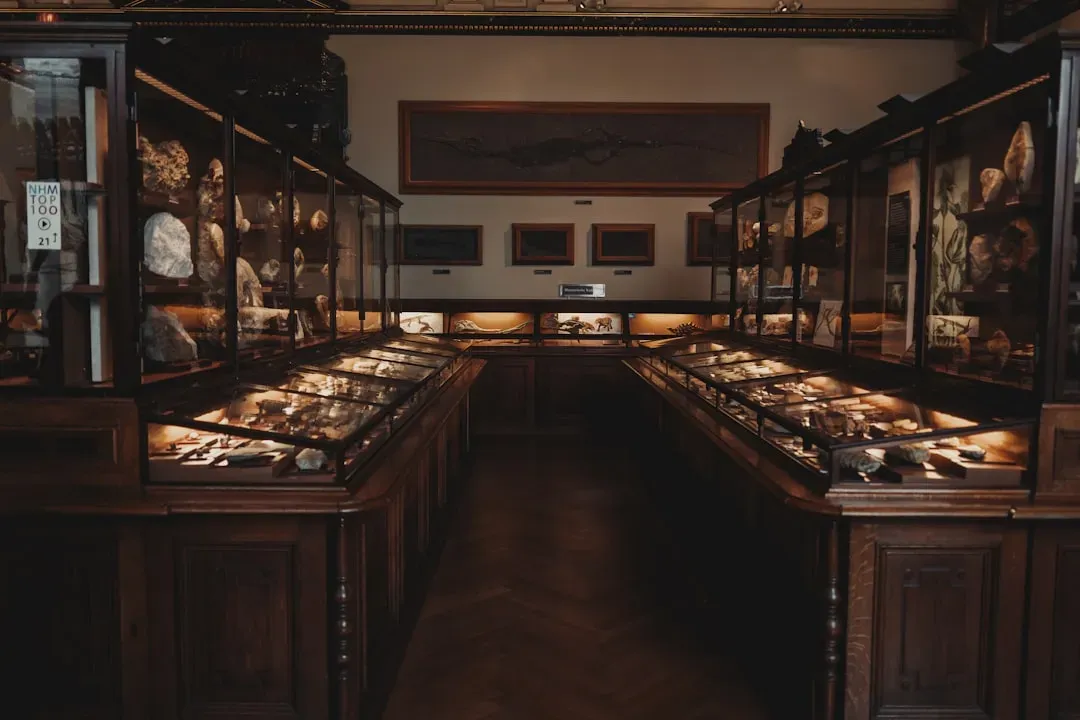
This object was marketed as a triumph of cultural repatriation – bold labels claimed it had been looted a century ago and “finally returned” to its rightful country. Visitors loved the story. Then a coalition of independent archaeologists requested the acquisition files and proposed a full provenance audit with outside legal counsel.
What they found was messy: documentation gaps, conflicting export dates, and at least one dealer with a history of trafficking questionable pieces. Instead of a clean repatriation narrative, there was now a real possibility the artifact belonged to an entirely different community.
For a museum trying to position itself as a leader in ethical collecting, that’s dynamite. The piece was removed for “ongoing dialogue with stakeholders” – a phrase that often just means nobody is sure who actually owns it. The hardest part is admitting that even well-intentioned institutions can oversimplify complicated objects.
#12 – The “Safe” Radiation Exhibit That Wasn’t Perfectly Shielded
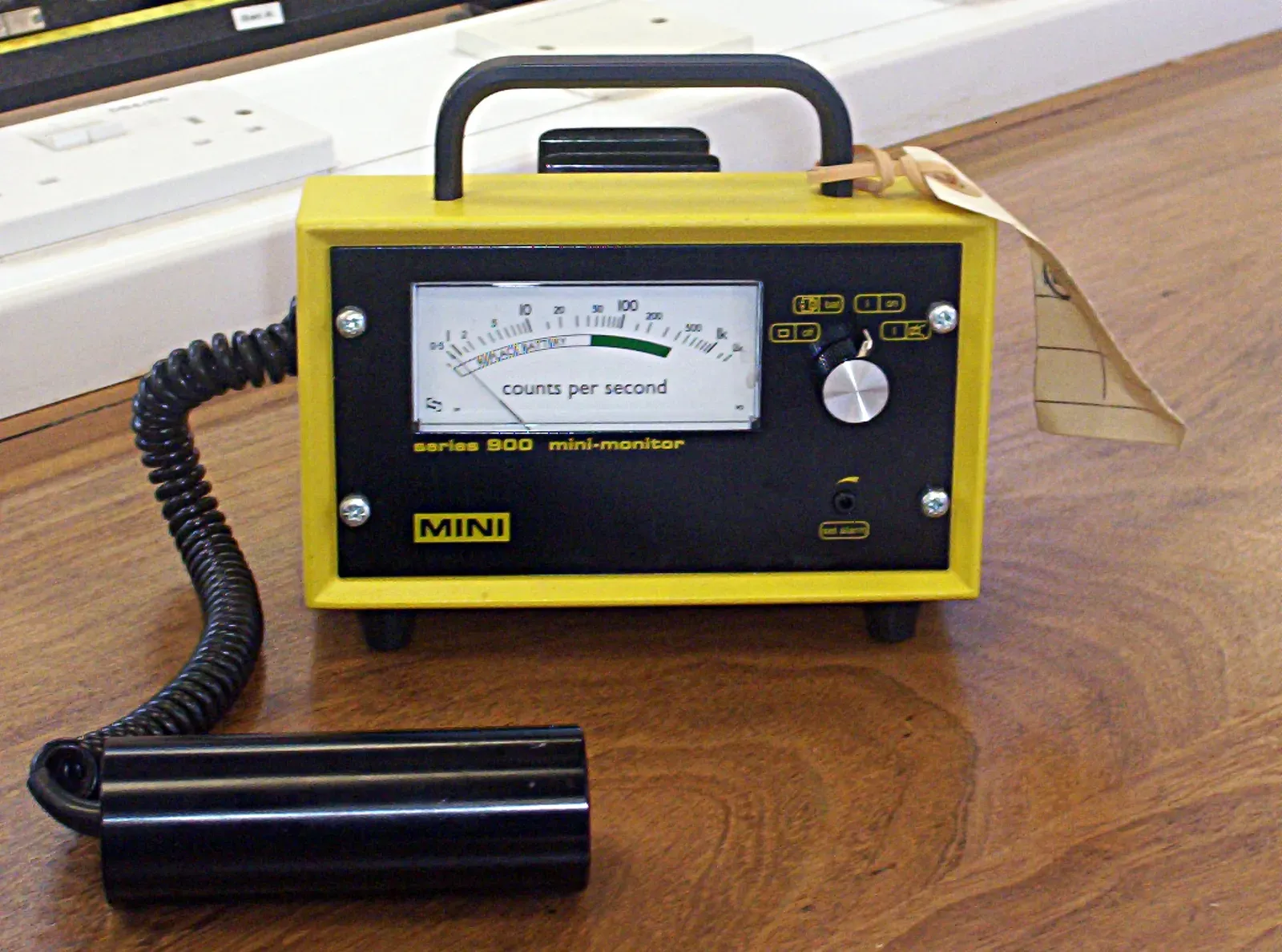
This physics display featured old luminous dials, tiny ore samples, and a Geiger counter visitors could wave around. Staff repeatedly emphasized it was “perfectly safe” and “way below any concern.” Then a health physicist parent asked for independent dosimetry measurements, including long-term staff exposure at close range.
Preliminary readings reportedly showed general visitor exposure was trivial, but one staff work position near the case experienced slightly elevated cumulative dose compared with baseline, especially during busy seasons – still well under occupational limits, but not how the public hears the word “radiation.”
Once independent experts insisted on documenting the findings, the museum couldn’t keep using the phrase “absolutely no additional exposure.” Rather than retrain everyone and rewrite every sign, the physical samples were pulled and replaced with a digital simulation – safer than feared, but retired anyway because the messaging couldn’t survive contact with real data.
#11 – The Social History Diorama With Quietly Erased Atrocities
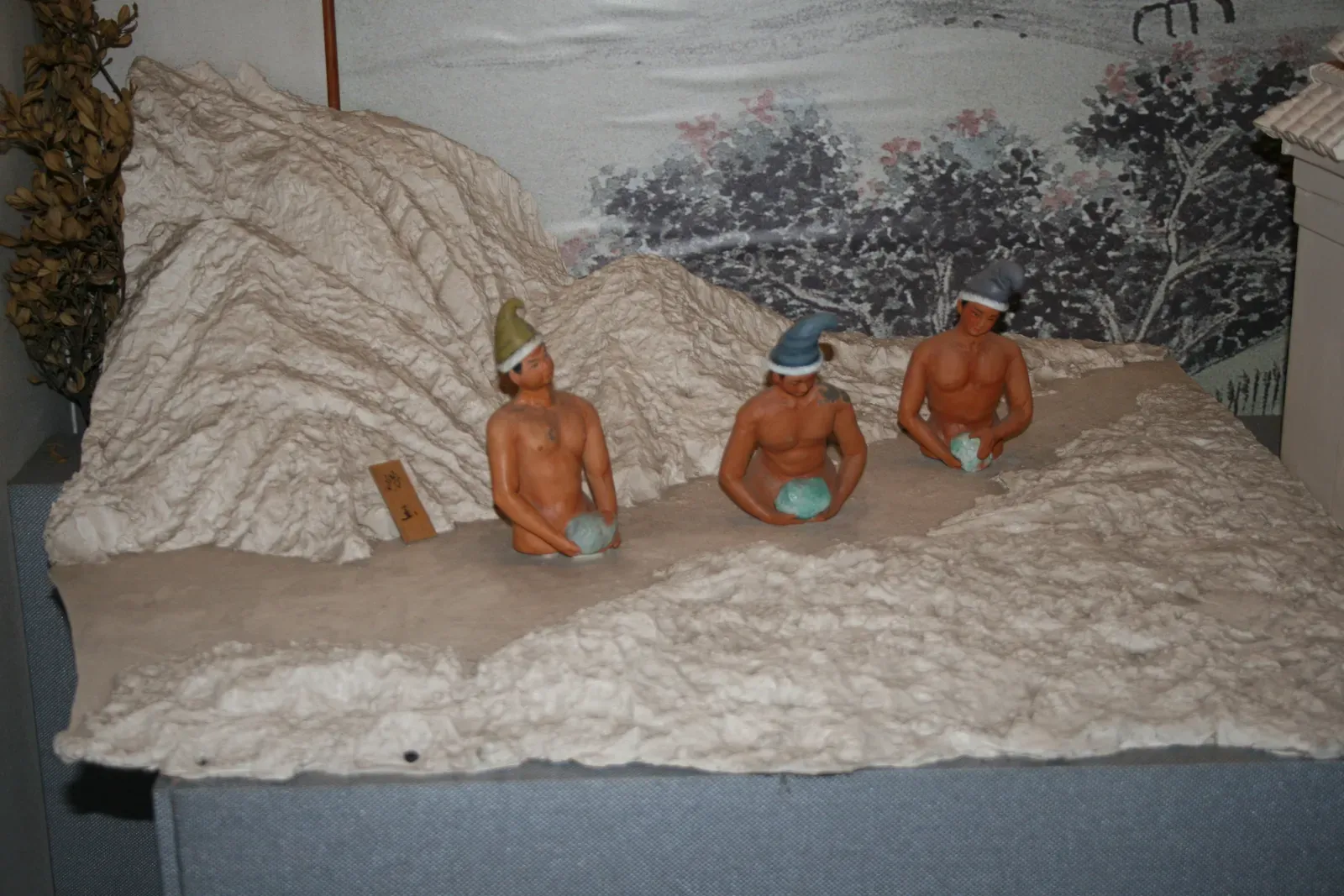
This elaborate diorama showed a “peaceful frontier settlement,” complete with happy families and neat cabins. For decades, it was treated as nostalgic, almost cinematic. Then independent historians from impacted communities asked to review the supporting research and demanded a serious content audit.
Their findings were blunt: the exhibit glorified land seizure while omitting documented violence, displacement, and treaty violations that occurred in that exact region. The museum had long known the fuller history but chose a “positive” narrative for families instead.
Once external scholars formally requested corrections, the institution faced a choice: rebuild the entire scene with honest context, or remove it. They chose removal, with a brief sign about “reinterpreting historical narratives.” Some call that a missed teaching moment; others call it a long-overdue end to a misleading display.
At a Glance
- Authenticity & provenance: disputed fossils, manuscripts, artwork, and repatriated artifacts (#22, #19, #13, #3).
- Health & safety: banned chemicals, radiation, air quality, and surface hygiene (#20, #17, #12, #2).
- Ethics & representation: erased histories and skewed timelines (#11, #4).
- Data & sponsorship influence: privacy overreach and funder-shaped “science” (#14, #5).
#10 – The Celebrity-Endorsed “Innovation” Prototype That Never Worked
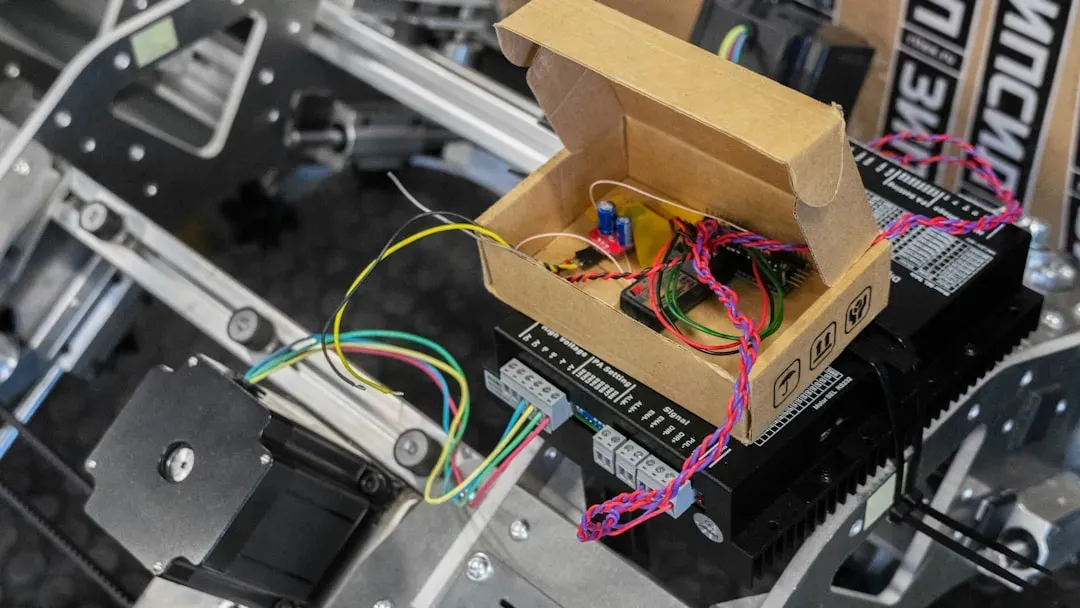
This exhibit showcased a flashy prototype device, heavily branded, with videos of a celebrity inventor promising it would “change the world.” Claims about efficiency, sustainability, and “breakthrough results” were everywhere. When independent engineers requested performance data and offered to run standardized tests, the institution initially welcomed the attention.
As soon as those engineers dug in, they found no third-party validation, no peer-reviewed data, and internal emails suggesting the prototype had never hit its advertised specs outside carefully staged demos.
At that point, the museum had to decide whether it wanted to be a neutral stage for hype or a filter for evidence-based innovation. Quietly, the exhibit disappeared with a vague statement about the “prototype lifecycle” being shorter than expected. The real story was simpler: once real testing loomed, the spin fell apart on its own.
#9 – The “Cursed” Object That Became a Real Safety Problem
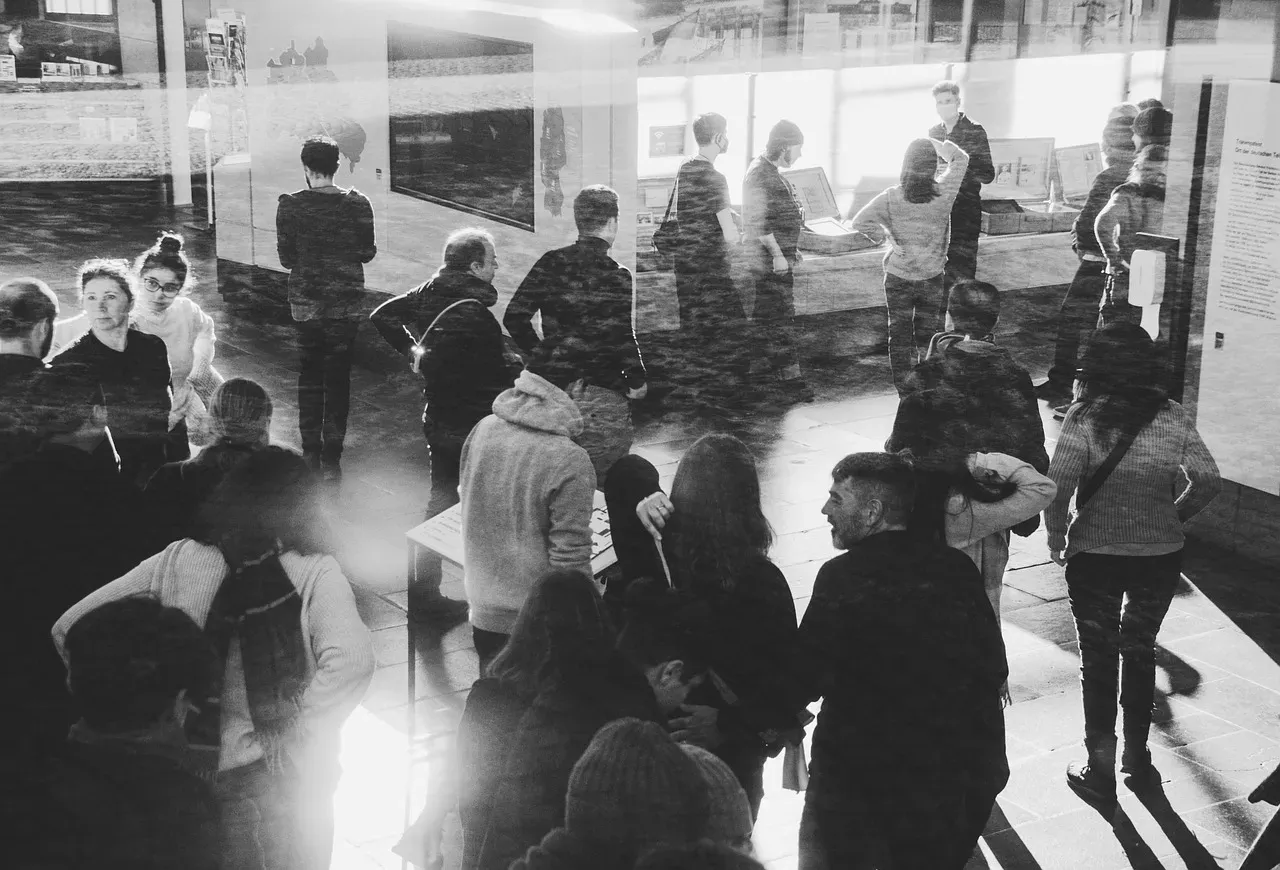
Every museum has at least one spooky item with ghost stories attached. In this case, the legend escalated online – late-night tours, TikTok videos, and hashtags turned it into a mini-phenomenon. Then staff began reporting something less supernatural and more practical: crowd surges, people climbing barriers, guests setting off alarms just to “test the curse.”
Security experts requested a formal risk assessment, including outside crowd-safety input. The findings were clear: the object itself wasn’t dangerous, but visitor behavior around it pushed the gallery’s design well beyond safe operating assumptions.
Independent reviewers recommended a full redesign or removal. Faced with the cost of a redesign and the reputational risk of someone getting hurt during a viral stunt, leadership pulled the display, officially “for conservation and study.” Unofficially, it proved the biggest danger in a gallery can be the algorithm, not the artifact.
#8 – The “Hands-On” Metal Casting Station With a Lead Legacy
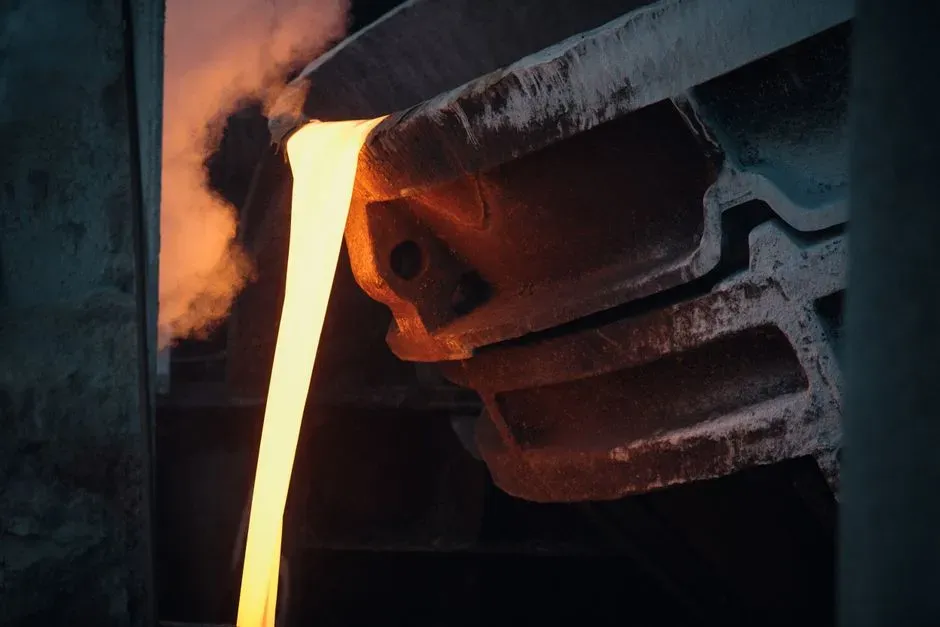
This beloved craft station let visitors pour metal into molds under staff supervision, then take home a small souvenir casting. It felt educational and old-world. When a public health researcher asked whether past lead-based alloys had ever been used, the museum insisted everything met modern safety standards – but agreed to independent material testing just to be sure.
Archived supplies and older cast souvenirs reportedly told a different story: for years, an alloy with non-trivial lead content had been used before quietly switching to safer metals. Current practice was fine, but the fuller history meant reckoning with possible exposure among past visitors and staff.
Once lawyers saw the lab reports, the equation changed. Even with a safe current alloy, the entire experience had become a liability symbol. It was scrapped for digital casting simulations, and many educators argued a frank public explanation would have served visitors better than erasing the past overnight.
#7 – The “Live” Habitat With Stressed Animals and Hidden Mortality

This living exhibit – fish, amphibians, or small mammals – was marketed as a “perfect replica” of a natural ecosystem, and visitors loved watching feeding time. But animal welfare groups questioned enclosure size, enrichment, and stress levels, and requested truly independent veterinary oversight along with longitudinal turnover data instead of curated snapshots.
Once external vets and ethicists dug in, they allegedly found higher-than-expected mortality and chronic stress indicators, even though the exhibit technically met minimum regulatory standards. The optics were brutal for a museum that preached conservation while struggling to keep its own display animals thriving.
Rather than publish a nuanced report and overhaul the habitat in public view, leadership shut it down to “focus on in-situ conservation work.” Some call that the right call. Others call it a convenient way to avoid the harder questions about what education should cost nonhuman participants.
#6 – The “Historical” Weaponry With Modern Add-Ons
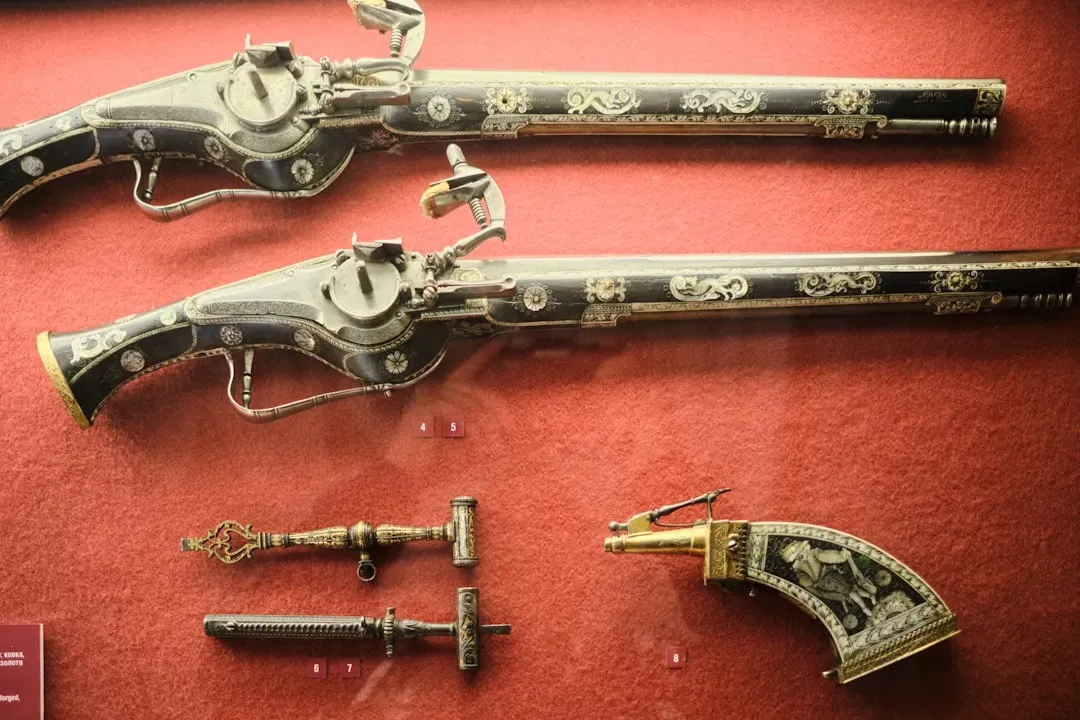
This arms-and-armor gallery was a magnet for history buffs, and one showcase claimed to feature original period weapons “as used in a specific, famous battle.” Reenactors and collectors started spotting details that didn’t add up – finishes too fresh, machining marks that looked industrial rather than hand-wrought. They requested independent metallurgical testing and closer examination of tool marks.
Experts reportedly concluded that several “battle-used” pieces were modern assemblies, some incorporating reproduction parts sold commercially. Replicas aren’t the problem when labeled honestly – presenting them as direct witnesses to a famous conflict is the line that got crossed.
The museum faced a credibility crisis: admit the misclassification and re-educate the public, or quietly retire the most questionable items. They chose the latter, swapping in generic text about “the evolution of arms.” Collectors still debate how many institutions worldwide would survive a truly independent audit of their own hero objects.
#5 – The Sponsored “Climate Experience” With Cherry-Picked Data
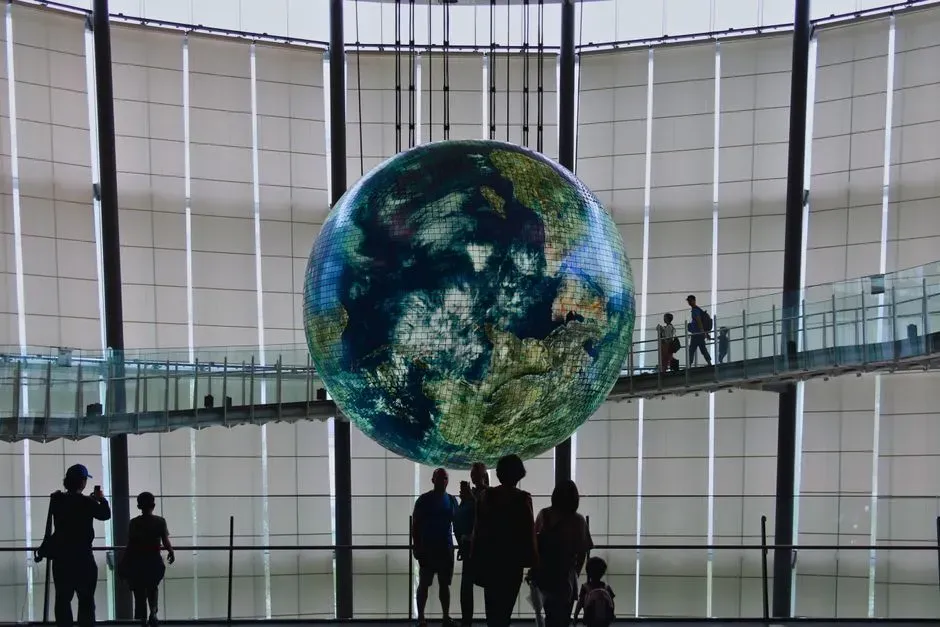
This immersive climate exhibit looked impressive – surround-screen visuals, booming narration, and branded logos from an energy company partner. At first glance, it seemed like a win: funding for a crucial topic. Climate scientists and educators, though, noticed omissions and odd framing, and requested a full independent content review, fact-checking every data source behind every graph.
The review reportedly confirmed their suspicions: certain scenarios were downplayed, timeframes softened, and industry-favorable talking points foregrounded without full context. None of it was outright false – it was a curated half-truth.
Once that judgment came from external experts, the museum faced a hard choice: renegotiate the sponsorship, or admit a “science” exhibit had been skewed by funder influence. Publicly, it went “offline for upgrades” and never returned. Quietly, it became a cautionary tale about letting marketing shape scientific storytelling.
#4 – The “Inclusive” Timeline That Systematically Left People Out
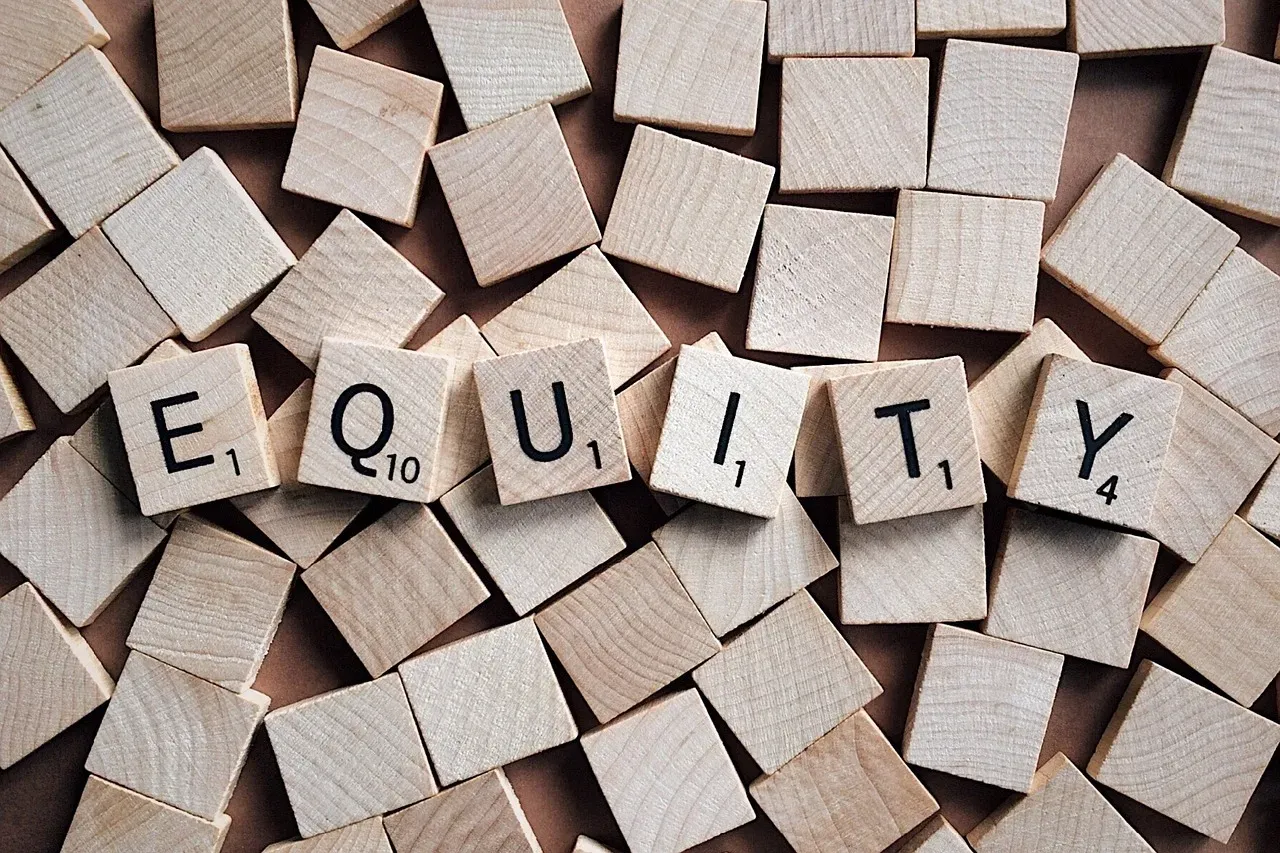
This large wall timeline claimed to present a “comprehensive history of innovation,” and it quickly became a photo backdrop and a talking point for school groups. Advocacy groups soon began pointing out glaring omissions – key contributions by women, Indigenous communities, and scientists of color minimized or absent. They requested an independent equity audit of the content and its sources.
External reviewers who systematically scored the timeline found consistent patterns of exclusion and framing that centered one demographic as the default driver of progress. It wasn’t a few missing names; the whole structure reinforced a biased narrative.
Fixing it properly meant rebuilding the entire story arc, not sprinkling in a handful of extra figures. Instead, the institution quietly removed the wall, promising a future “reimagined experience.” An honest, publicly documented correction would have been a powerful teaching tool about how history gets constructed in the first place.
Worth Knowing
- Major museum associations now publish formal guidance encouraging institutions to audit exhibits for representation gaps.
- Equity audits typically examine sourcing, framing, and whose perspective is treated as the historical “default.”
- A single missing group is rarely the real issue; reviewers usually flag structural patterns across an entire exhibit.
- Rebuilding a flawed timeline honestly, with visible corrections, tends to build more long-term public trust than a quiet swap.
#3 – The “Original” Artwork That a Lab Called a Workshop Copy

This painting held pride of place as an “original masterpiece” by a blue-chip artist. Insurance valuations, donor plaques, and audio tours all leaned on that single name. When an independent foundation offered to fund advanced pigment analysis, dendrochronology, and stylistic review, the museum accepted, hoping for confirmation and better conservation planning.
Instead, the consensus from multiple labs reportedly shifted: the work was almost certainly from the artist’s workshop or circle, not by the master’s hand alone. Still historically interesting, but it slashes both market value and marquee appeal in one stroke.
For a museum that had built entire campaigns around “come see this original,” that’s devastating. Relabeling it honestly would have undercut decades of branding and annoyed major donors. The piece was discreetly moved to storage “pending new research,” and the gap on the wall quietly filled with a rotating series of less controversial works.
#2 – The “Safe for All Ages” Touch Wall That Failed Microbiology Swabs

This popular tactile wall invited visitors – especially kids – to touch a variety of materials: stone, fur, metal, rubber. Staff wiped it down daily, and signs reassured guests it was “sanitized regularly and safe for all ages.” Then, during a broader health review, independent microbiologists suggested running surface swabs at different times of day, including peak traffic.
The results weren’t catastrophic, but they were sobering: bacterial loads during busy hours were significantly higher than internal guidelines had assumed, with a mix of skin and environmental microbes that made the “safe for all ages” language scientifically shaky.
Once that data existed outside the museum’s own control, everything changed. Keeping the exact same design would have required more rigorous cleaning protocols and visible hand-washing stations. Instead, they removed the wall entirely and pivoted to non-contact interactives – a rare case where the exhibit itself wasn’t uniquely dangerous, just oversold.
Why It Stands Out
- High-touch public surfaces can accumulate far more bacteria than casual daily wiping accounts for.
- Public health guidance generally calls for more frequent disinfection of shared surfaces in high-traffic settings.
- Many institutions have shifted toward motion-sensor and projection-based interactives specifically to reduce touch-surface hygiene concerns.
- Non-contact redesigns often keep the educational value of an exhibit while sidestepping the liability of shared physical contact.
#1 – The “Perfectly Harmless” Legacy Exhibit That Nobody Had Ever Truly Tested
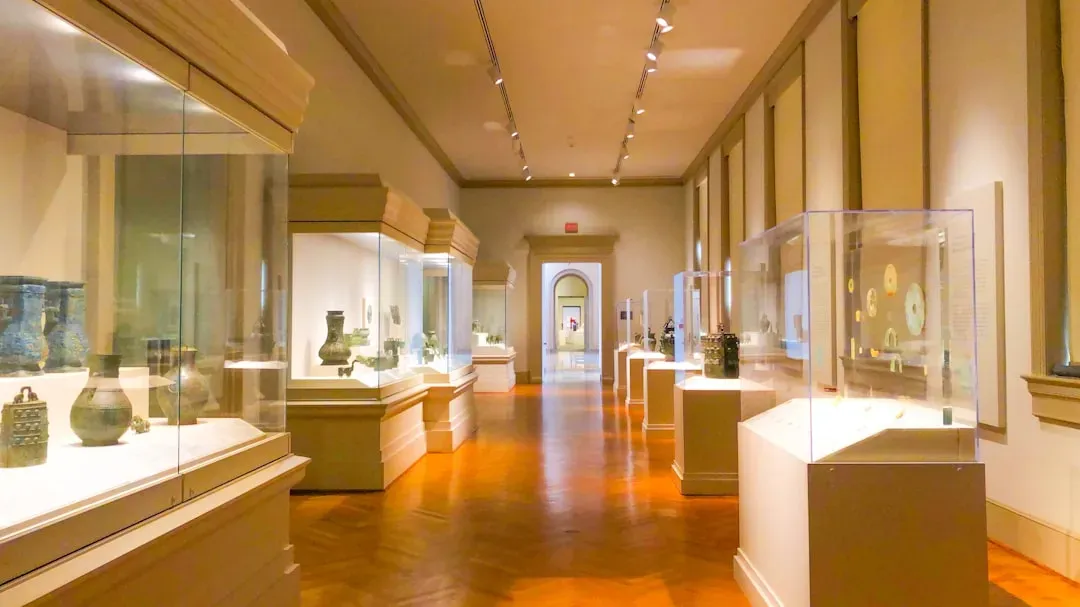
At the top of the list isn’t a specific object, but a pattern: the legacy exhibit that predates modern regulations, modern ethics, and sometimes modern common sense. These are the displays that have “always been there,” inherited from earlier curators and rarely questioned by anyone.
When a new generation of staff finally invites independent testing – on materials, emissions, ethics, provenance, or impact – the answers often don’t match the comforting myths. Case after case, reviewers find that the strongest claims on the label are the least examined in the lab.
Authenticity turns out to be partial. “Safe” turns out to be conditional. “Comprehensive” histories turn out to be curated from a narrow slice of voices. The exhibit disappears, officially “for review,” and sometimes never returns. The uncomfortable truth is that removal after outside testing isn’t always a cover-up – often it’s the first sign an institution is finally taking its own standards seriously. The real question is whether they’ll bring the corrected story back to the public, or just quietly hope we forget it was ever there.
The Bottom Line
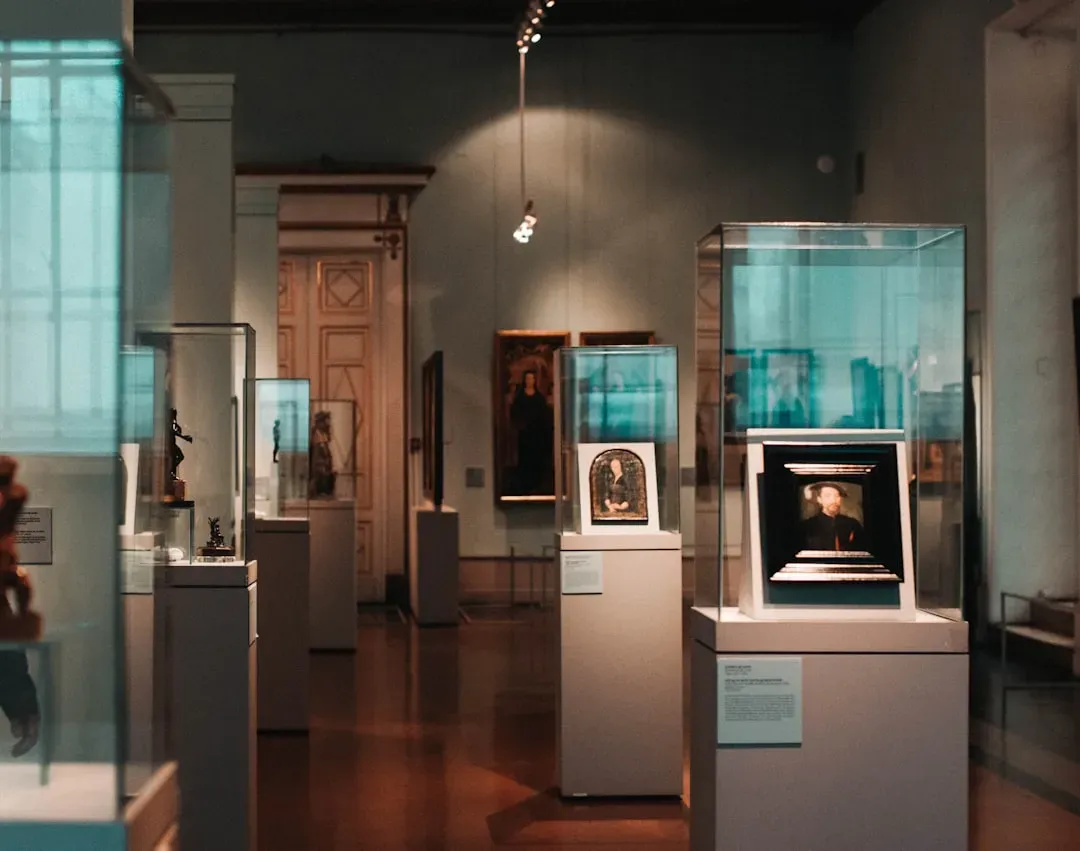
The most striking pattern across all 22 cases isn’t that museums are malicious. It’s that they’re human. Institutions fall in love with their own stories, repeat confident phrases like “authentic,” “perfectly safe,” and “world’s first,” and then flinch when outside testing threatens those slogans.
In almost every example above, independent scrutiny uncovered something inconvenient but not apocalyptic: partial forgeries, overstated safety, skewed narratives, or data with more uncertainty than the marketing ever admitted. The flaws themselves weren’t the worst part.
The worst part was the reflex to remove and stay quiet instead of correcting and explaining. If anything, an exhibit that survives independent testing and comes back with a revised, honest label deserves more trust, not less – a museum willing to say “we were wrong, here’s what we learned” is doing the real work of public education. My honest take: silence after testing is a bigger red flag than the original mistake ever was.
Did we go too far calling some of these removals mistakes, or not far enough? You tell us in the comments.