
Most people assume the ancient world’s biggest secrets have all been solved by carbon dating and clever archaeology. They haven’t. Scattered across six continents sit dozens of structures so massive, so precisely engineered, that the exact methods used to build them remain genuinely unresolved even to specialists who’ve spent entire careers studying them.
We’re not talking about fringe claims – we’re talking about verified stone weights, documented tool marks, and construction timelines that mainstream researchers themselves admit don’t fully add up. Here’s what archaeologists, engineers, and geologists actually say about the 21 megastructures that still keep them up at night.
#21 – The Carnac Stones That Predate Stonehenge by Centuries
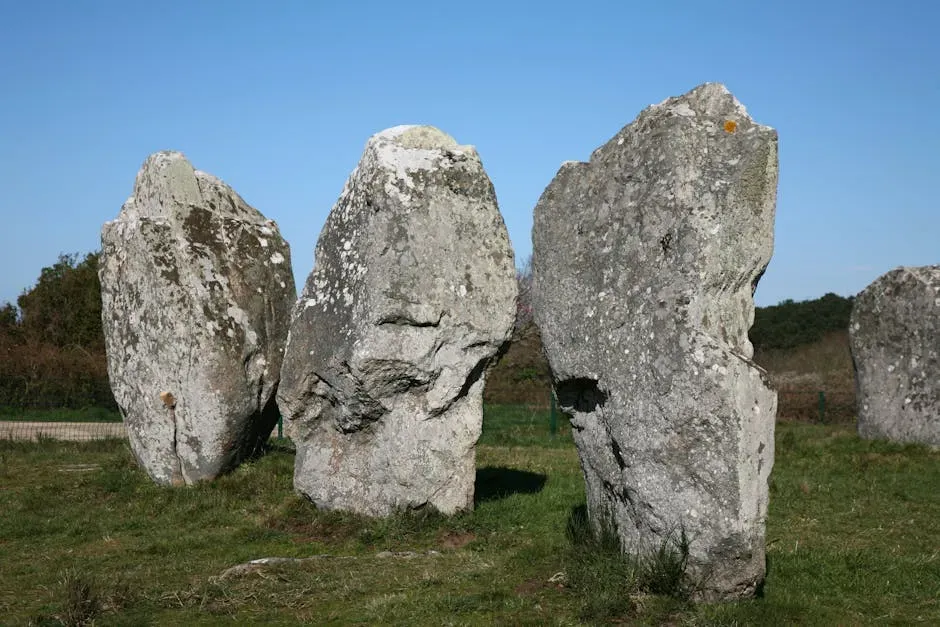
A field in Brittany, France holds more standing stones than most people realize exist in the entire world.
The Carnac Stones consist of over 3,000 individual menhirs arranged in precise rows stretching for kilometers across the French countryside. Nobody has ever found a written record explaining why they’re arranged this way, and the stones predate Stonehenge by several centuries, meaning whoever organized this labor force did it without any known precedent to copy.
What frustrates researchers most isn’t the transport of the stones – many are modest in size – it’s the sheer coordination required to align thousands of them into such deliberate rows across such a massive area. Some rows run for over a kilometer in near-perfect alignment. Local legend claims they’re petrified Roman soldiers, but the truth is Neolithic farmers organized a labor project of staggering scale for reasons that remain a mystery.
But compared to what’s hiding under a quiet Maltese suburb, Carnac’s mystery is just a warm-up.
#20 – Malta’s Underground Temple That’s Older Than the Pyramids
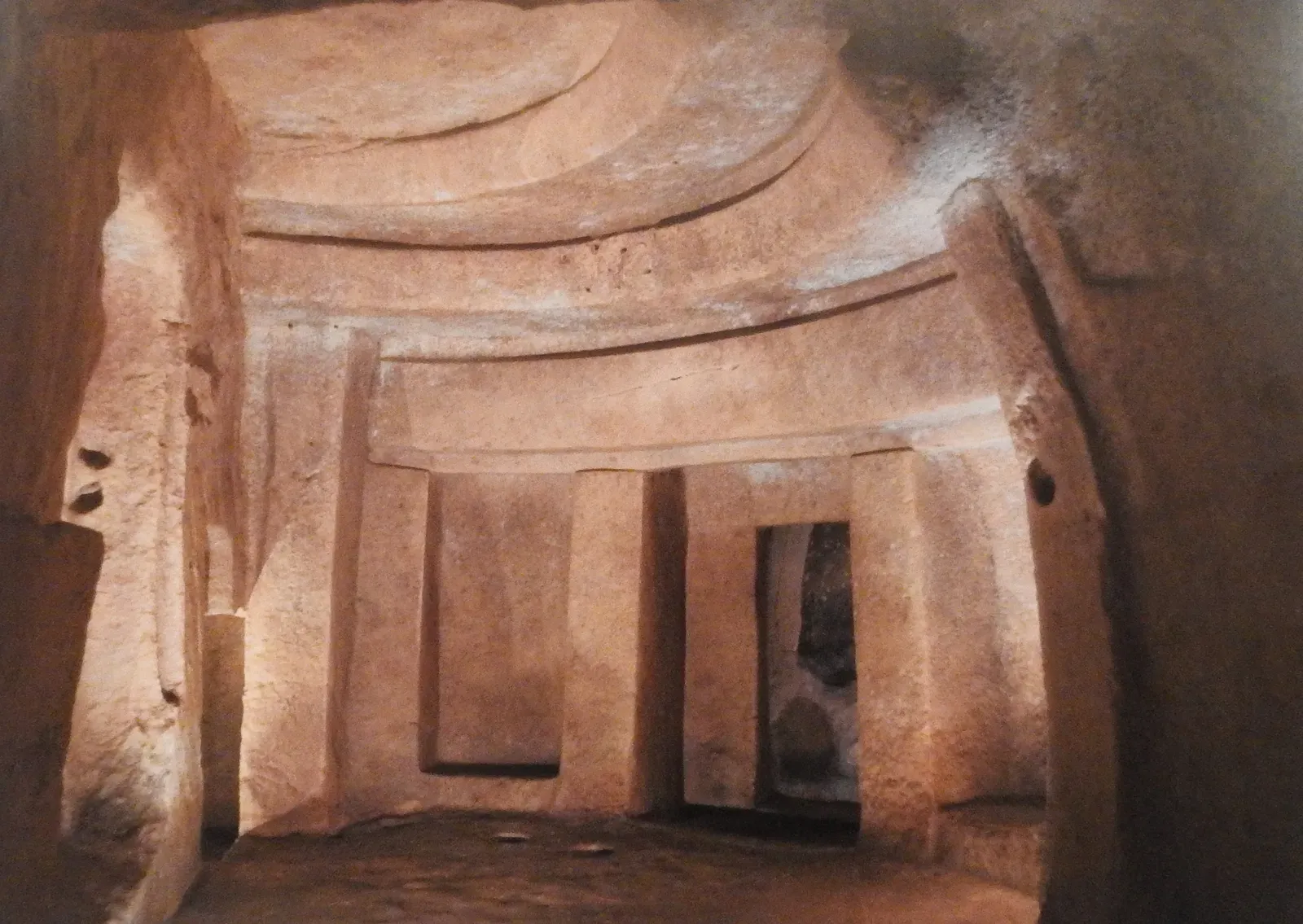
Beneath the streets of a Maltese suburb sits a subterranean temple complex that shouldn’t exist for another thousand years by conventional timelines.
The Hypogeum of Ħal Saflieni is a multi-level underground structure carved directly into solid rock, complete with chambers, corridors, and an “Oracle Room” with acoustic properties so precise that a male voice spoken at a certain pitch resonates throughout the entire complex. Researchers still debate whether this acoustic effect was intentional engineering or accidental discovery, but either way, it required an understanding of sound physics that Neolithic toolmakers supposedly didn’t possess.
Malta’s above-ground temples, like Ġgantija, are considered among the oldest freestanding stone structures on Earth, built centuries before the Great Pyramid. The islanders had no metal tools, no wheel, and no draft animals larger than goats – yet they carved and stacked megaliths weighing several tons into structures that still stand today.
Still, nothing prepares you for what Chinese farmers stumbled onto by accident.
#19 – China’s Underground Caverns With No Historical Record
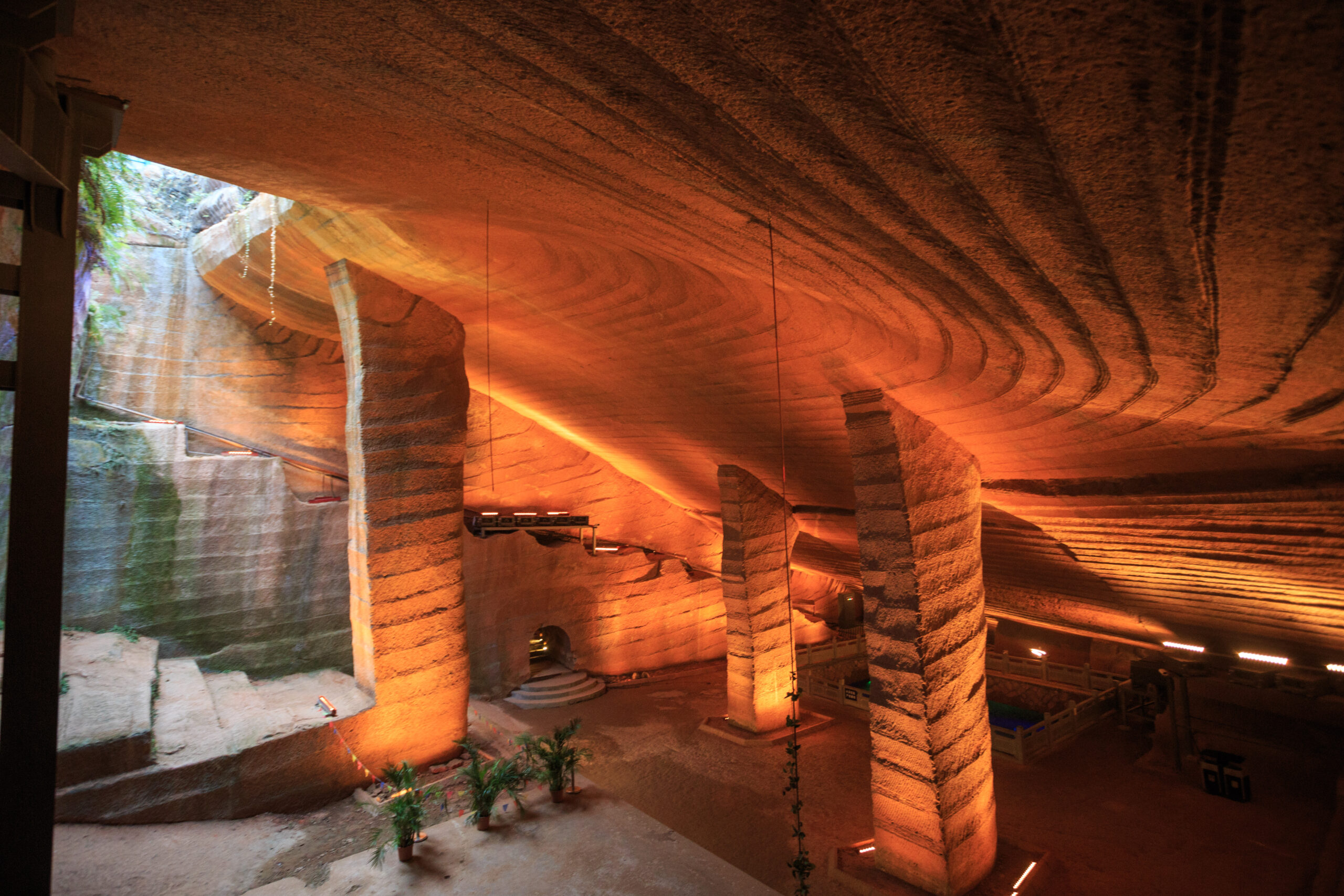
Chinese farmers pumping water out of a pond in 1992 accidentally discovered one of the largest hand-carved structures in human history.
The Longyou Caves are a series of massive artificial caverns near Zhejiang Province, each one carved from solid sandstone with chisel marks so uniform they look machine-made. Scientists still don’t know how the builders achieved such symmetry, precision, and similarity between the different caves, and despite the size and effort involved, no trace of their construction has ever been located in archival sources.
Even stranger: there isn’t a single historic document that refers to them, which is highly unusual considering the sheer scale of the project. Archaeologists estimate the excavation removed nearly a million cubic meters of stone, yet nobody has ever found where that material went. Most archaeologists date the caves to somewhere between the Spring and Autumn Period and the Western Han dynasty, based on chiseling tools that were likely bronze and carving styles matching Han stone artistry.
Worth Knowing
- Discovered by accident in 1992, when farmers drained a village pond
- Chisel marks across every cavern are so uniform they resemble machine tooling
- An estimated one million cubic meters of stone were removed – and where it went is still unknown
- Not a single historical document mentions the caves’ construction, despite the scale of the project
And yet, the strangest debate on this list is still ahead – literally underwater.
#18 – The Underwater Monument That Divides Geologists
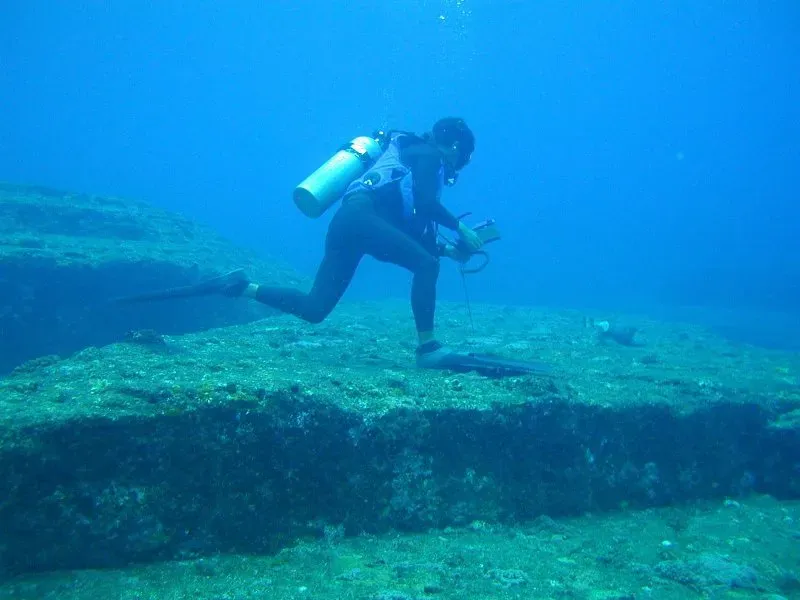
Off the coast of Yonaguni Island in Japan sits a massive underwater rock formation with stair-like terraces, sharp right angles, and flat platforms that look unmistakably man-made.
Divers first spotted the structure in 1986, and ever since, geologists have been split into two camps. One side insists it’s a natural rock formation shaped by erosion and tectonic fracturing – a phenomenon that does occur in this type of sandstone. The other side points to the perfectly straight edges and 90-degree corners as evidence of deliberate carving, arguing natural erosion rarely produces such geometric consistency.
If it is man-made, the implications are staggering: the structure would have been built during the last Ice Age, when sea levels were low enough for it to sit above water, meaning it could be over 10,000 years old – older than any confirmed civilization capable of this kind of stonework. No consensus has been reached, and honestly, that might be the most fascinating part of the whole debate.
None of that beats the king who built his palace in the sky.
#17 – The Rock Fortress Built 200 Meters in the Sky
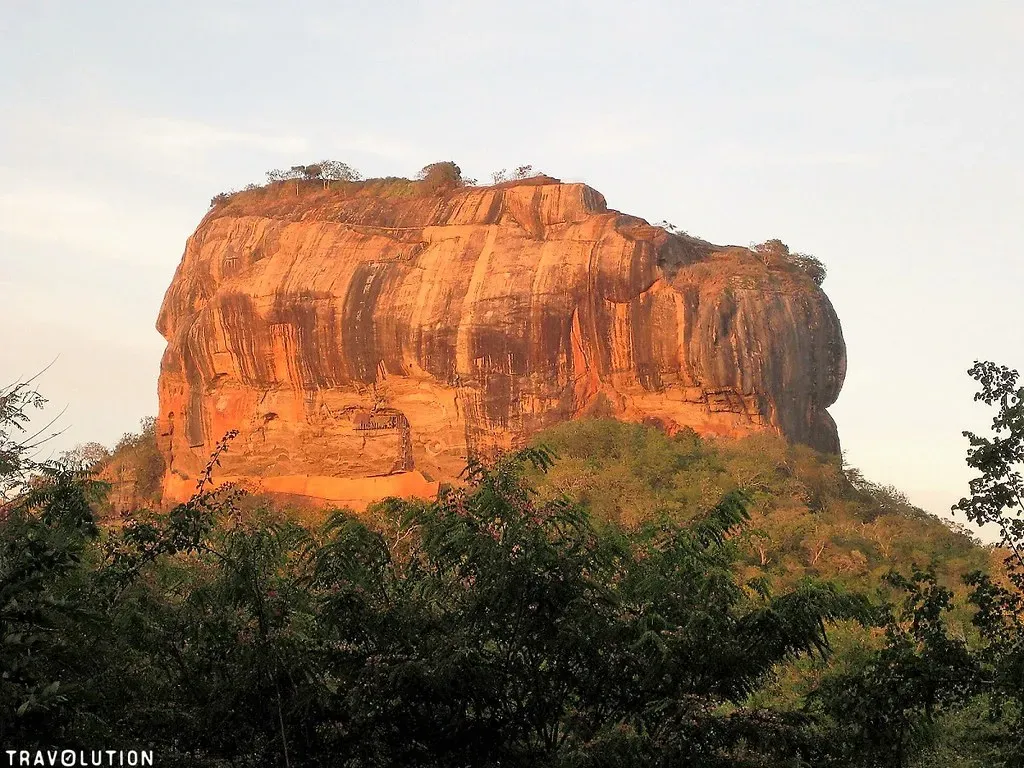
A 5th-century king in Sri Lanka decided the safest place to build his palace wasn’t on a hill – it was on top of a 660-foot granite column jutting straight out of the jungle.
Sigiriya, known as Lion Rock, features a palace complex constructed on the summit of this natural monolith, accessible only through a narrow staircase that once passed through the open mouth of a giant carved lion. The precision required to build multi-story structures on such an unstable, exposed summit remains a genuine engineering puzzle, especially given the water gardens, moats, and fountains constructed at the base that still function during heavy rains today.
The frescoes painted on the rock’s sheer cliff face have survived over 1,500 years of monsoon exposure, a preservation feat modern conservationists struggle to explain fully. Some historians argue the entire complex was less a fortress and more a deliberate flex of royal power meant to intimidate rivals.
But even a fortress in the clouds can’t match a monument assembled without a single nail.
#16 – The Buddhist Monument Built Without a Single Nail
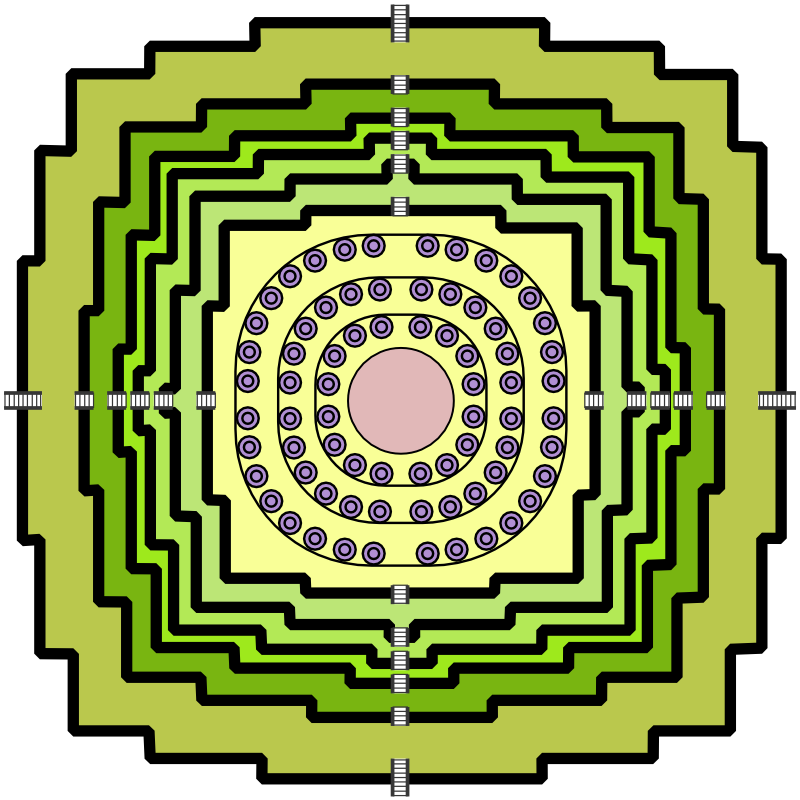
In the jungles of central Java, Indonesia sits the largest Buddhist monument on Earth, assembled from roughly two million blocks of volcanic stone without any mortar or metal fasteners holding it together.
Borobudur was constructed sometime in the 8th or 9th century using an interlocking stone technique similar to a puzzle box – blocks were carved to lock into their neighbors, creating structural stability through geometry alone. The monument was mysteriously abandoned and buried under volcanic ash and jungle growth for nearly a thousand years before being rediscovered by colonial surveyors in the 19th century.
What puzzles engineers most is how workers transported and stacked two million blocks without wheeled vehicles across the swampy terrain of central Java, all while maintaining the mathematical precision needed for the monument’s nine stacked platforms to align into a perfect mandala shape when viewed from above. The site had no historical continuity of use, meaning even its original purpose had to be reconstructed from the carvings alone.
Still, that’s nothing next to a lost city built from stone logs weighing tons apiece.
#15 – The Pacific City Built From 750,000 Tons of Stone Logs
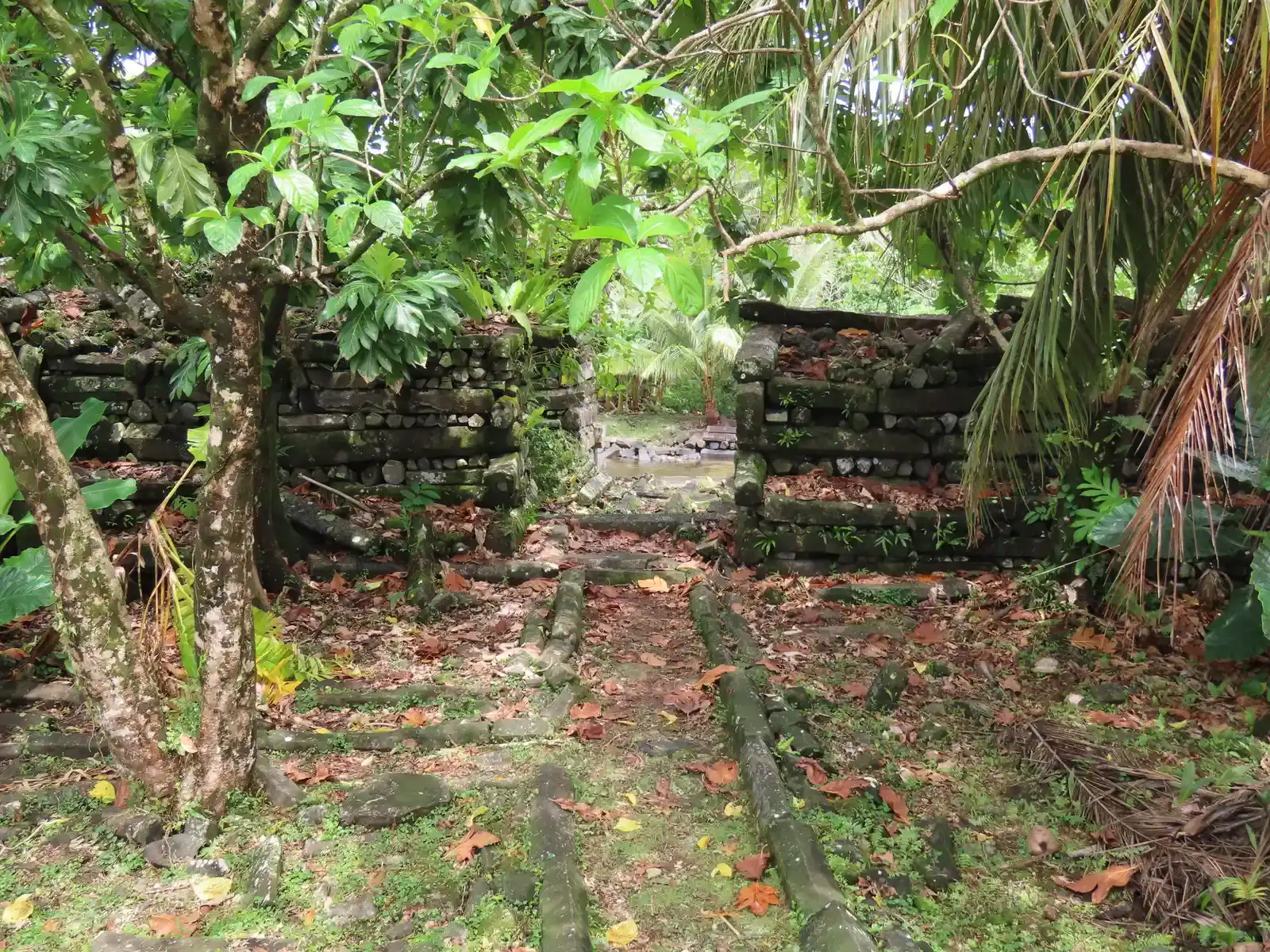
Off the coast of a remote Micronesian island sits a “Venice of the Pacific” built by a society that supposedly had no pulleys, no wheels, and no metal tools whatsoever.
Nan Madol consists of over 90 artificial islets constructed on a coral reef, with massive basalt “logs” stacked in crisscross patterns to form walls, tombs, and palaces. The largest of these logs is 7.6 meters long and estimated to weigh 50 tons, with the total weight of columnar basalt used in construction estimated at 1,850,000 tonnes.
Researchers still find it perplexing how the Pohnpeians managed to assemble megalithic structures with such technical sophistication, given rocks weighing up to 80 or 90 tons and quarry sites reported more than 40 kilometers from the build site. The Saudeleurs didn’t have pulleys, levers, or metal to aid in the process – leaving even the most conservative archaeologists without a confirmed transport method.
Fast Facts
- Built from over 90 artificial islets stacked on a coral reef
- Largest basalt “log” measures 7.6 meters and weighs an estimated 50 tons
- Total columnar basalt used in construction: roughly 1,850,000 tonnes
- Some quarried stones reportedly traveled more than 40 kilometers to the site
- No evidence of pulleys, levers, or metal tools has ever been found there
Yet the real controversy isn’t in the Pacific – it’s in southern Africa.
#14 – The African Kingdom’s Walls That Confused Colonial Explorers
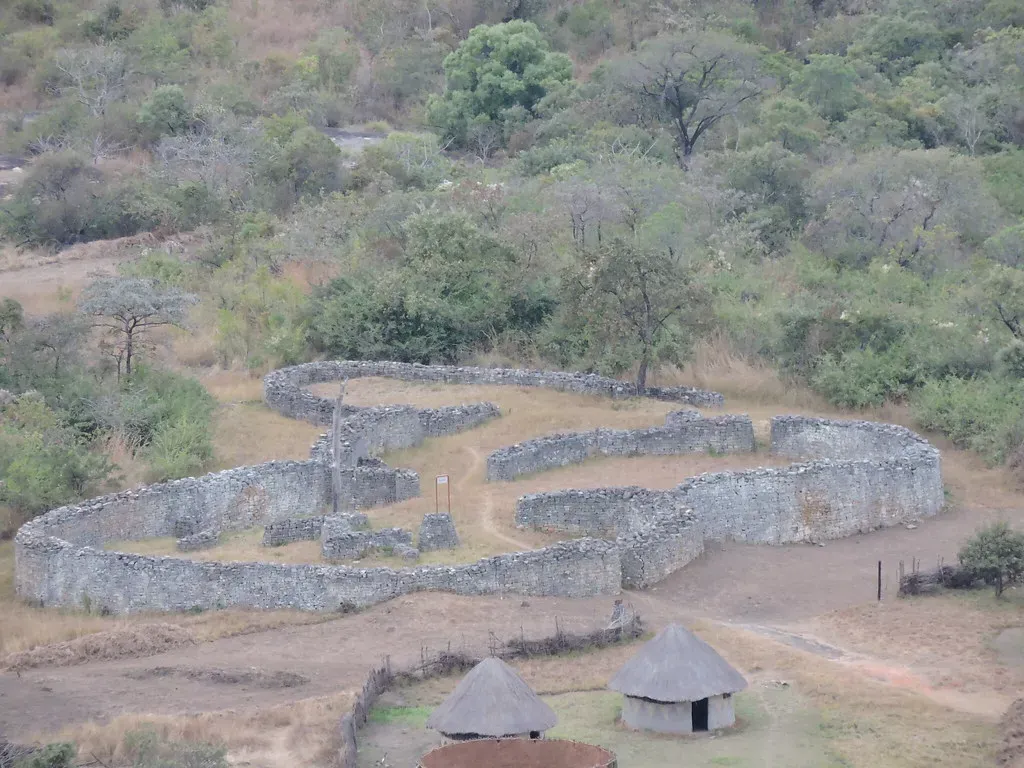
Colonial explorers in southern Africa were so convinced local Africans couldn’t have built the massive stone walls they found that they invented theories crediting Phoenicians, the biblical Queen of Sheba, and even lost European civilizations instead.
Great Zimbabwe, the medieval capital of a powerful African kingdom, features dry-stone walls up to 36 feet high built entirely without mortar, using granite blocks cut and fitted with remarkable precision. Modern archaeology has thoroughly debunked the colonial-era racist theories, confirming the site was built by Shona-speaking ancestors between the 11th and 15th centuries.
What still generates genuine scholarly debate is the exact engineering method used to achieve the walls’ famous curved, tapering design without any written blueprints or surviving construction records. The site once housed up to 18,000 people at its peak, making it one of sub-Saharan Africa’s largest pre-colonial urban centers – and the fact this site was so thoroughly dismissed for so long says more about 19th-century prejudice than about the Shona builders’ actual capabilities.
Even that pales next to a tomb older than the pyramids and Stonehenge combined.
#13 – The Irish Tomb Older Than the Pyramids and Stonehenge Combined
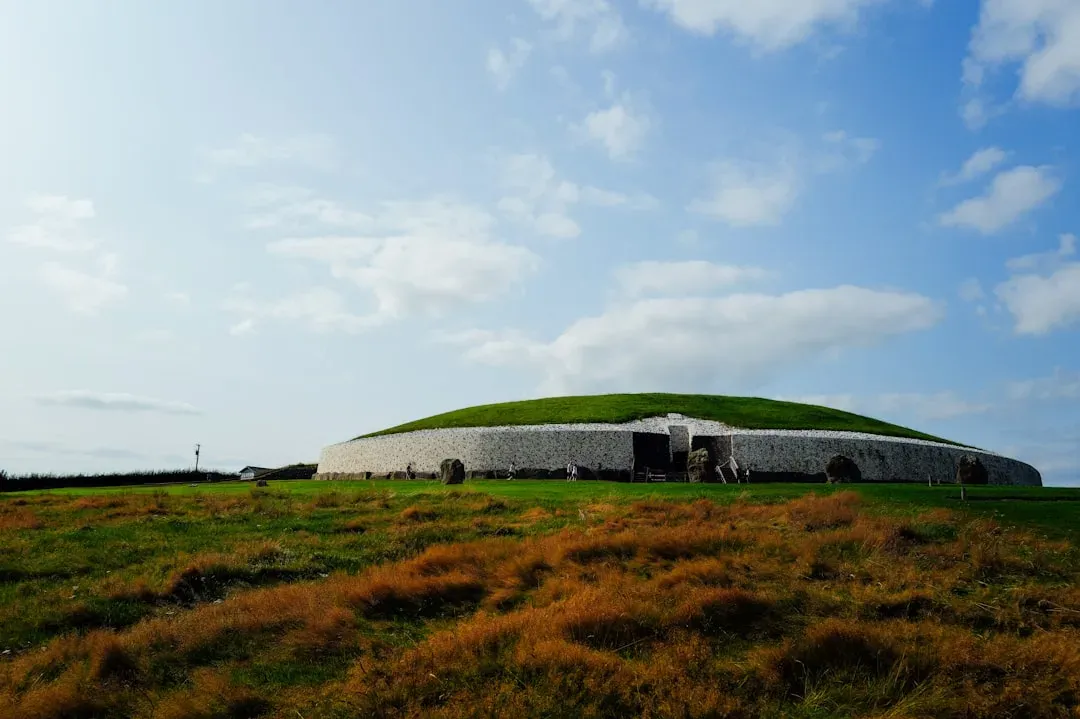
Roughly 5,200 years ago, Neolithic farmers in Ireland built a massive passage tomb so precisely aligned with the winter solstice that sunlight still floods its inner chamber for exactly 17 minutes every December 21st.
Newgrange predates Stonehenge and the Great Pyramid of Giza by several centuries, making it one of the oldest solar-aligned structures on the planet. The roof-box above the entrance was engineered specifically to channel a narrow beam of sunlight down a 62-foot passage, hitting the back chamber only during the winter solstice sunrise – a level of astronomical precision that predates written language in the region entirely.
The mound itself contains an estimated 200,000 tons of material, and the structure has remained essentially watertight for over five millennia due to a corbelled roof design that modern engineers still study for its drainage efficiency. No one has definitively explained how Neolithic farmers, without metal tools, achieved this level of astronomical accuracy using only naked-eye observation over multiple generations.
But nothing on this list matches a temple complex larger than Vatican City.
#12 – The Temple Complex Bigger Than Vatican City
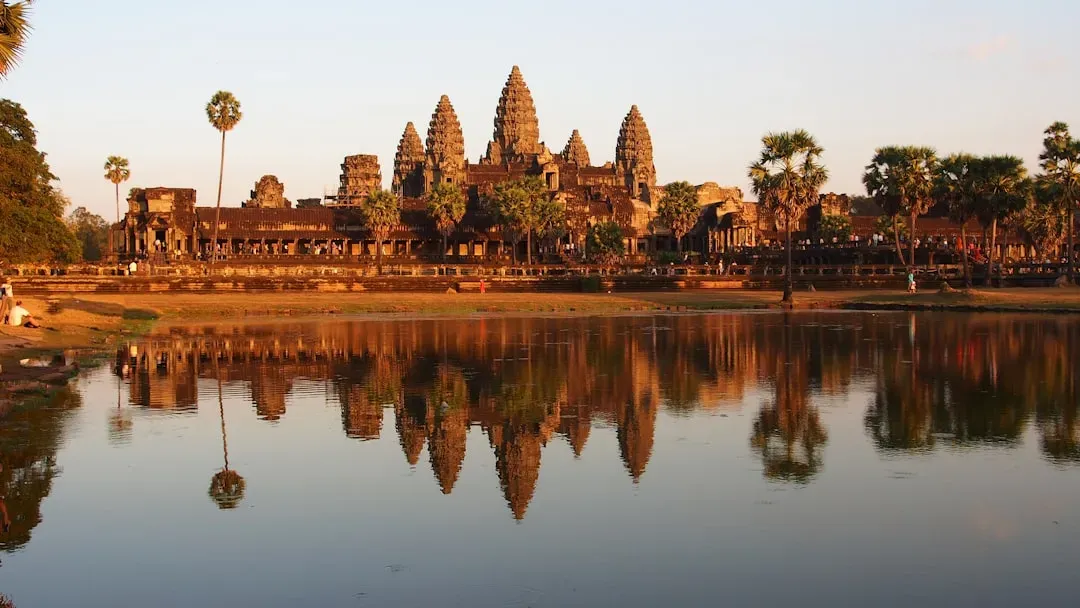
Angkor Wat in Cambodia isn’t just a temple – it’s the largest religious monument on Earth, covering more ground than Vatican City and requiring an engineering feat that modern hydrologists are still trying to fully reverse-engineer.
The temple’s sandstone blocks were quarried from a mountain roughly 25 miles away and transported via a network of canals specifically dug for the purpose, a logistical operation involving thousands of workers over multiple decades. What genuinely stumps researchers is the temple’s surrounding moat and reservoir system, which was so hydrologically sophisticated it may have helped stabilize the entire regional water table for the Khmer Empire’s massive population.
Recent LIDAR surveys revealed that Angkor was surrounded by an urban sprawl far larger than anyone previously suspected, suggesting the “temple” was really the ceremonial center of one of the largest pre-industrial cities in human history. The precision of the temple’s astronomical alignments, particularly with the equinox sunrise, required generations of accumulated observational knowledge passed down without any written scientific method.
Still, no engineering feat compares to a city carved backward into solid rock.
#11 – The Rose City Carved Entirely Out of a Cliff Face
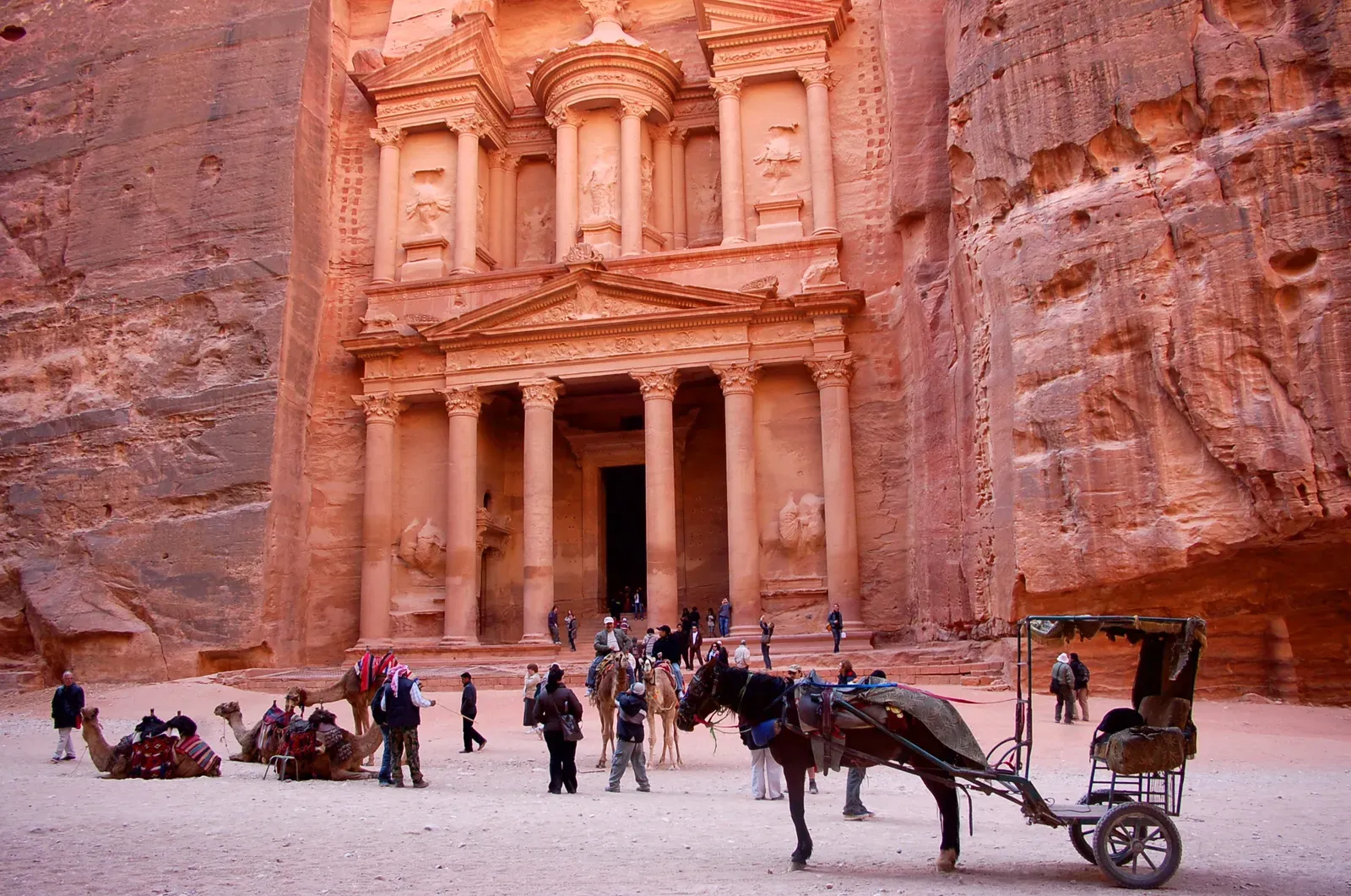
Petra, in modern-day Jordan, isn’t built up from the ground – it’s carved directly downward into solid sandstone cliffs, meaning builders had to get the entire design correct before removing a single block, with zero room for error or revision.
The Treasury, Petra’s most iconic structure, was carved top-down from the cliff face, a method that required Nabataean architects to visualize the finished 130-foot facade in its entirety before excavation even began. One mistake at any point in the carving process could have ruined the entire monument irreversibly, unlike traditional stone construction where errors can be corrected during assembly.
Beyond the famous facades, Petra’s builders engineered an advanced water management system of dams, cisterns, and channels that allowed a desert city to thrive in one of the driest regions on Earth. The Nabataeans left surprisingly few written records explaining their construction techniques, meaning much of what we know comes from tool marks and structural analysis rather than direct historical documentation.
And yet, even that’s not as baffling as a city built on a mountain ridge with no written instructions.
#10 – The Lost City Built on an Impossible Mountain Ridge
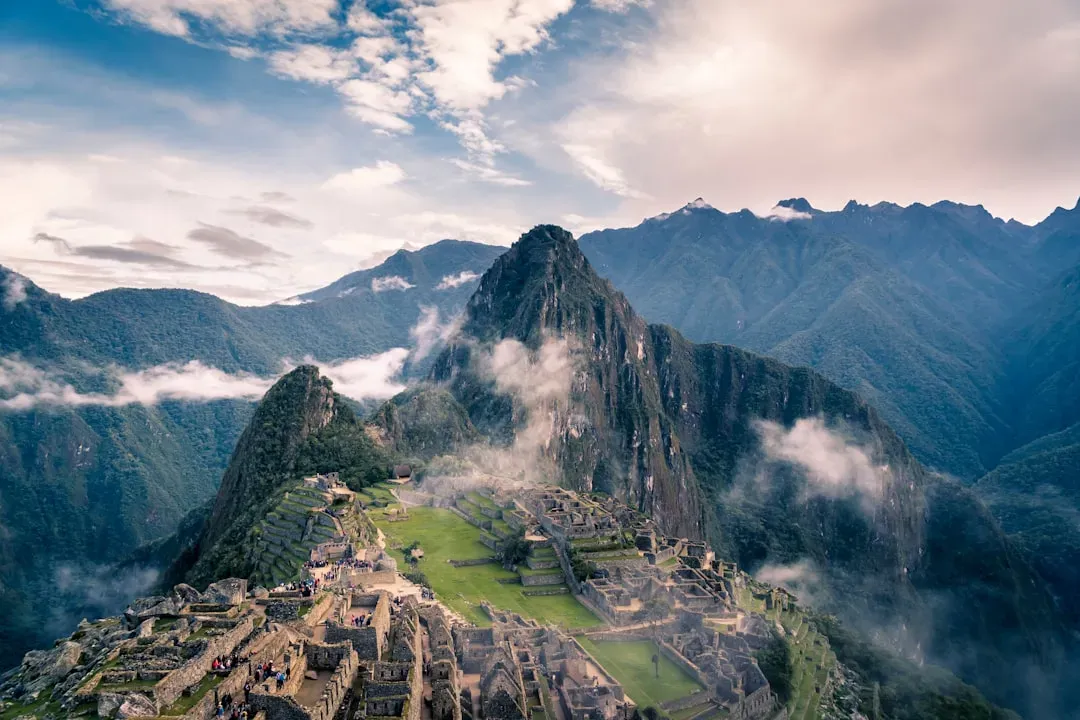
Machu Picchu sits perched on a narrow mountain ridge nearly 8,000 feet above sea level, and the Inca somehow built an entire city there without a single piece of writing to guide future generations on how they did it.
The site’s ashlar masonry features stones cut so precisely that they interlock without mortar, similar to the technique found at Sacsayhuamán, yet Machu Picchu’s builders also solved a problem those other sites didn’t face: earthquake-resistant terracing on a steep, unstable slope. The city includes over 100 separate flights of stairs and a drainage system so effective that the site has never suffered serious water damage in over 500 years, despite the region’s heavy annual rainfall.
Historians generally credit the 15th-century Inca ruler Pachacuti with commissioning the site, but questions remain about exactly how workers transported and positioned multi-ton stones along ridgelines with thousand-foot drops on either side, using no wheels and no draft animals capable of hauling the load. Many experts now argue Machu Picchu’s true purpose as a royal retreat rather than a city has been oversold to tourists for decades.
But none of it beats a pyramid that turns into a snake twice a year.
#9 – The Pyramid That Turns Into a Snake Twice a Year
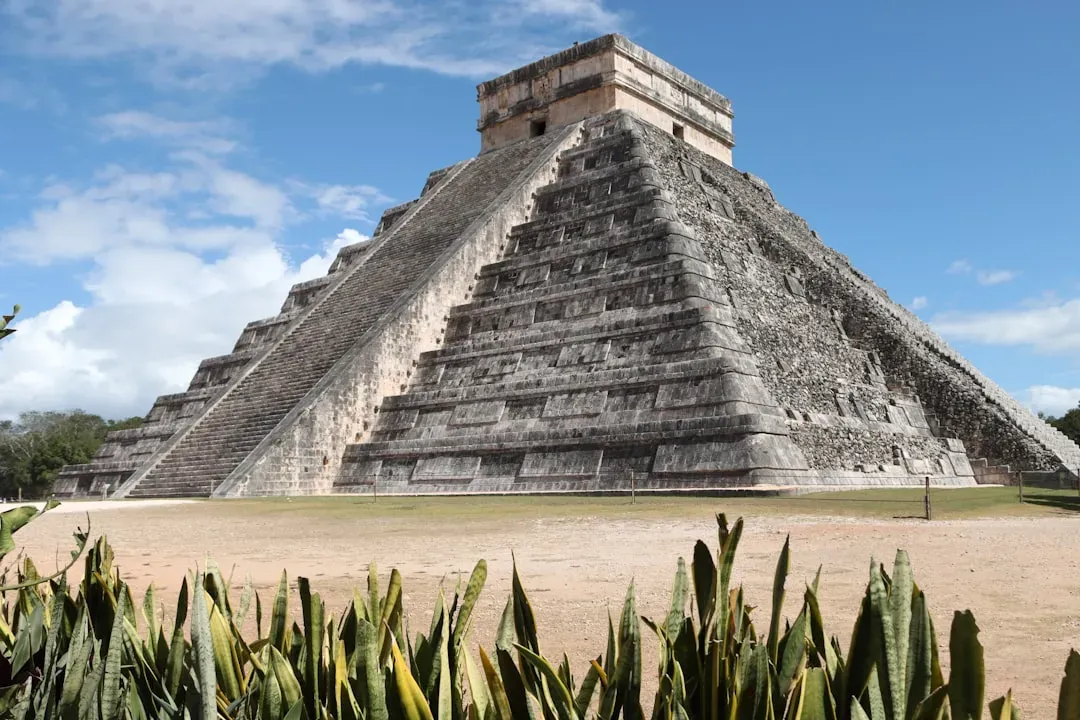
At Chichen Itza in Mexico, the Maya built a pyramid so astronomically precise that twice a year, shadows cast by the setting sun create the illusion of a giant serpent slithering down the staircase.
El Castillo features exactly 365 steps across its four staircases – one for each day of the solar year – and its design incorporates acoustic engineering so advanced that a hand clap at its base produces an echo that mimics the chirp of the sacred quetzal bird. Researchers are still studying exactly how Maya architects achieved this acoustic effect intentionally, given the precision required to shape the pyramid’s steps to reflect sound at that exact frequency.
The pyramid was also built directly on top of an earlier, smaller pyramid, a common Maya practice of construction layering that makes carbon dating and structural analysis significantly more complicated for modern archaeologists. The entire structure aligns with the spring and autumn equinoxes so precisely that thousands of tourists still gather annually just to watch the serpent shadow effect play out exactly as it has for over a thousand years.
Why It Stands Out
- El Castillo’s four staircases add up to exactly 365 steps – one for each day of the solar year
- A hand clap at the pyramid’s base echoes back sounding like a quetzal bird’s chirp
- The pyramid was built directly over an earlier, smaller pyramid, complicating modern dating efforts
- Twice a year, shadows form a serpent that appears to slither down the staircase in sync with the equinox
Still, the real mystery isn’t the pyramid – it’s the city nobody can name.
#8 – The Metropolis Where Nobody Knows Who Actually Lived
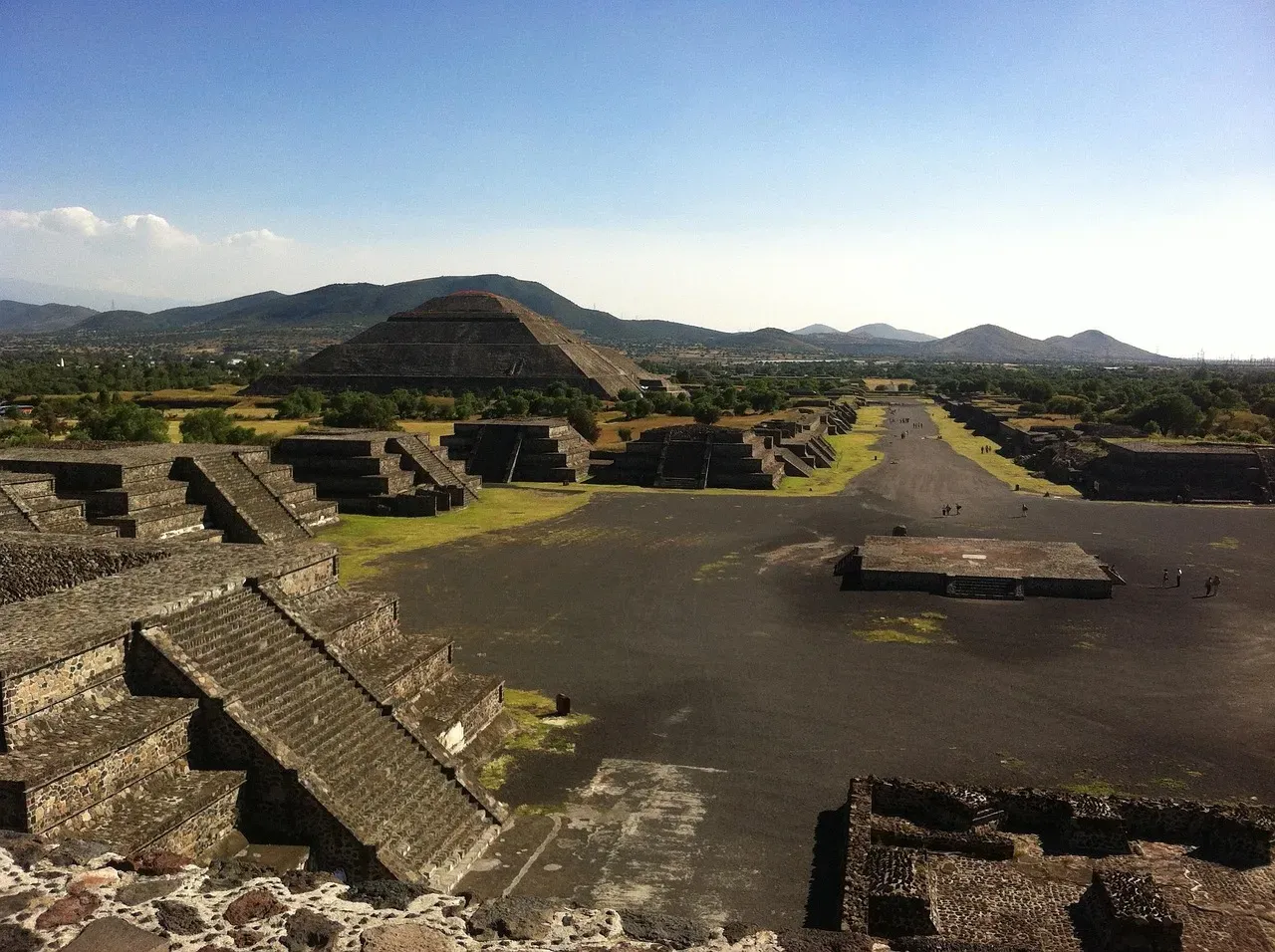
Teotihuacan, one of the largest cities in the ancient Americas, was already an abandoned ruin by the time the Aztecs found it centuries later – and even the Aztecs didn’t know who built it.
The Pyramid of the Sun rises over 200 feet and required an estimated three million tons of material, all moved and stacked without metal tools, wheeled carts, or draft animals. Archaeologists still don’t know the original name of the city or the ethnic identity of its builders, since the name “Teotihuacan” and even the pyramid names were assigned centuries later by the Aztecs themselves.
At its peak, the city may have housed over 100,000 people, making it one of the largest urban centers on the planet at the time, larger than many contemporary cities in Europe. The precise grid layout of the city’s streets suggests centralized urban planning on a scale that predates similarly organized cities elsewhere in the world by centuries, yet no written records survive to explain who commissioned this level of civic engineering.
Yet nothing compares to statues that may have actually walked.
#7 – The Stone Giants That “Walked” Across an Island
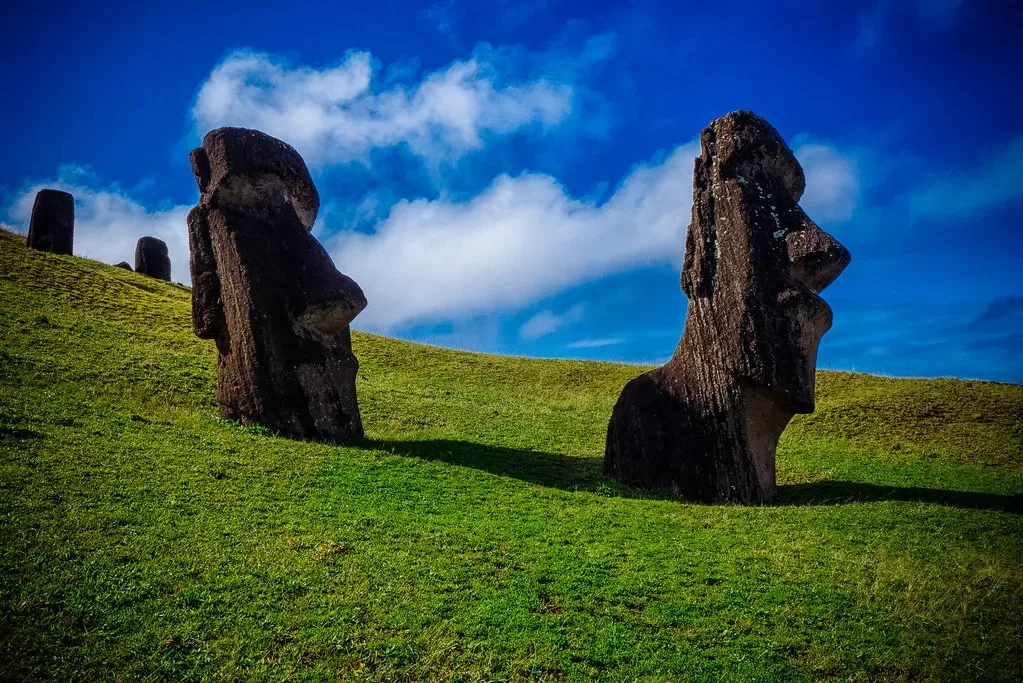
On Easter Island, nearly 900 massive stone statues called moai stare inland across the landscape, and the most surprising theory about how they got there isn’t a myth – it’s backed by actual physics.
The largest moai weigh over 80 tons, and researchers long assumed they were dragged on logs across the island’s terrain. Recent experimental archaeology demonstrated that the statues could actually be “walked” upright using ropes in a rocking motion, matching local oral traditions that always claimed the statues simply walked to their positions themselves.
While this theory has gained mainstream traction, it doesn’t fully resolve every question about the moai’s construction and transport, particularly regarding the largest specimens and the ones left abandoned mid-transport in the island’s quarry. The controversial part many tourists never hear: the same society that built these monuments likely contributed to its own ecological collapse by deforesting the island to support the construction and transport effort, a cautionary tale rarely mentioned in the postcard version of Easter Island’s story.
But even walking statues can’t match a temple that predates farming itself.
#6 – The Temple That Predates Farming Itself
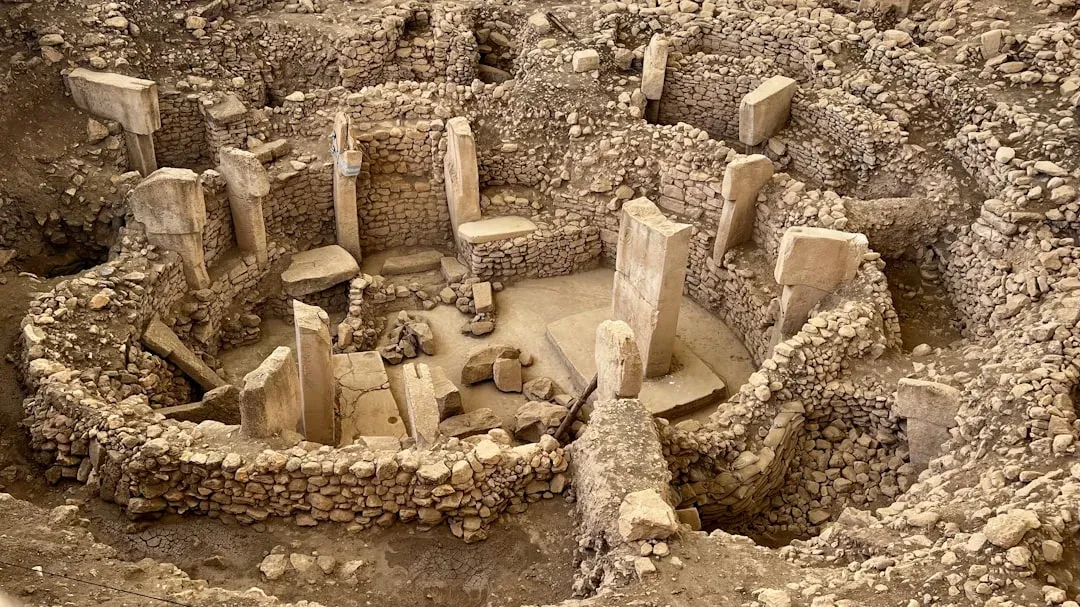
Gobekli Tepe in Turkey rewrote the textbook on human civilization the moment it was properly excavated, because it’s a massive temple complex built roughly 11,600 years ago – before humans had even invented agriculture.
The site features T-shaped limestone pillars, some weighing up to 10 tons, carved with intricate animal reliefs and arranged in circular enclosures that required organized labor on a scale previously believed impossible for hunter-gatherer societies. This single discovery flipped the assumed order of human development, since conventional theory held that farming came first and monumental architecture came later, once settled societies had surplus resources.
Even more puzzling: the site was deliberately buried by its own builders at some point in antiquity, backfilled with rubble for reasons nobody has confidently explained. Some researchers speculate this was a ritual “decommissioning” practice, while others argue it was simply how older structures were phased out to make way for new construction phases at the site. Either way, an army of hunter-gatherers coordinating monumental stonework thousands of years before the wheel existed remains one of archaeology’s most genuinely paradigm-shifting mysteries.
Still, nothing beats stones hauled 150 miles for reasons nobody can explain.
#5 – England’s Stone Circle Moved From 150 Miles Away
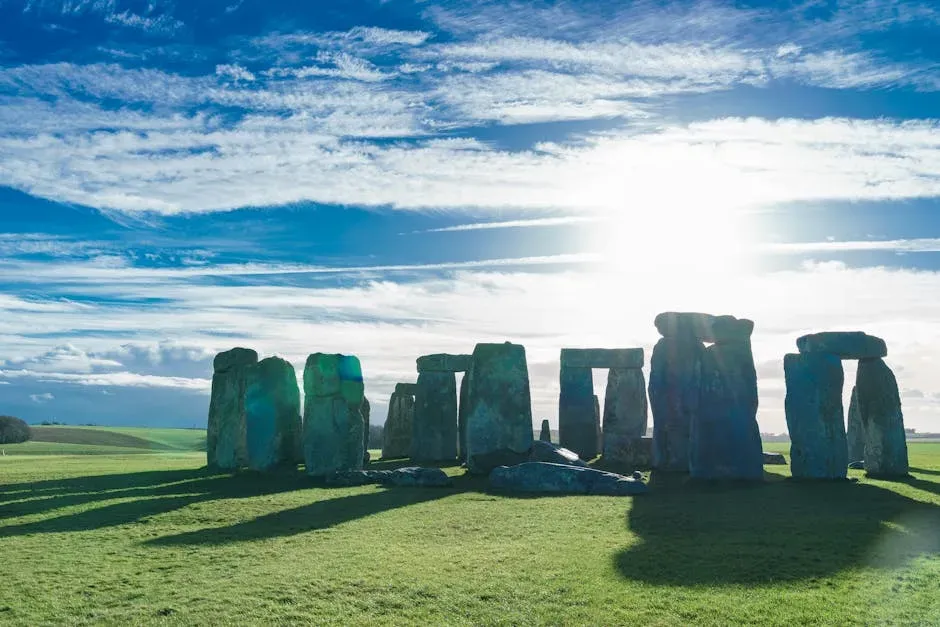
Stonehenge’s massive sarsen stones, some weighing up to 25 tons, were sourced locally, but its smaller bluestones were somehow transported from quarries in Wales, roughly 150 miles away – a transport puzzle that has never been fully solved.
Researchers have proposed sea routes, river routes, and overland sledging using timber rollers, but no single theory has been definitively confirmed by physical evidence at every stage of the proposed route. What makes this especially strange is that suitable stone existed much closer to the Stonehenge site, meaning the builders deliberately chose to haul these specific bluestones across a massive distance for reasons that remain purely speculative.
The monument’s precise alignment with the summer and winter solstices required generations of astronomical observation, and the fact that construction happened in distinct phases over more than 1,500 years suggests the site’s purpose evolved considerably over time. Recent research even suggests the Altar Stone at the center may have come from as far away as Scotland, adding yet another layer to a transport mystery that keeps getting more complicated rather than less.
And yet, that’s nothing compared to walls that laugh at earthquakes.
#4 – The Fortress Walls That Laugh at Earthquakes
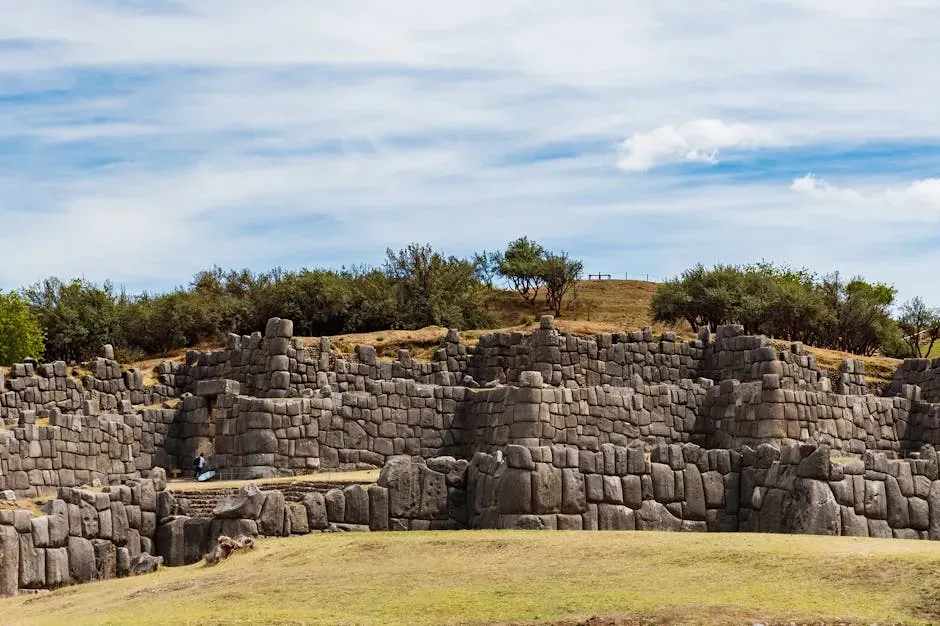
Above Cusco, Peru, sits a wall built from stones weighing up to 200 tons, cut and fitted together with such precision that not even a piece of paper can slide between them – and it has survived earthquakes that flattened Spanish colonial buildings nearby.
The stones used in the construction of the terraces at Sacsayhuamán, which weigh up to 200 tonnes, are among the largest used in any building in prehispanic America, fitted with a precision so tight that a single piece of paper will not fit between many of the stones. The Inca had no wheeled vehicles and no draft animals strong enough to haul boulders this heavy, leaving the exact transport method a genuine open question even among mainstream historians.
The Andes sit on a seismically active zone, but because the stones can shift slightly and resettle, the walls have stayed standing through hundreds of years of tremors. Mainstream archaeology is confident that the Inca built Sacsayhuamán, with the debates centering on the specific construction methods and whether earlier cultures contributed significantly to the site. The interlocking, irregular polygonal shapes weren’t just decorative – they were functional seismic engineering centuries before “earthquake-resistant design” became a modern architectural term.
At a Glance
- Some stones weigh up to 200 tons – among the heaviest ever used in the Americas
- Blocks fit so tightly that a single sheet of paper won’t slide between them
- The Inca had no wheeled vehicles or large draft animals to haul the stones
- Slight shifting during tremors has helped the walls outlast nearby colonial-era buildings
But even earthquake-proof walls can’t top puzzle-piece stones cut with impossible precision.
#3 – The Puzzle-Piece Stones That Shouldn’t Fit Together This Well
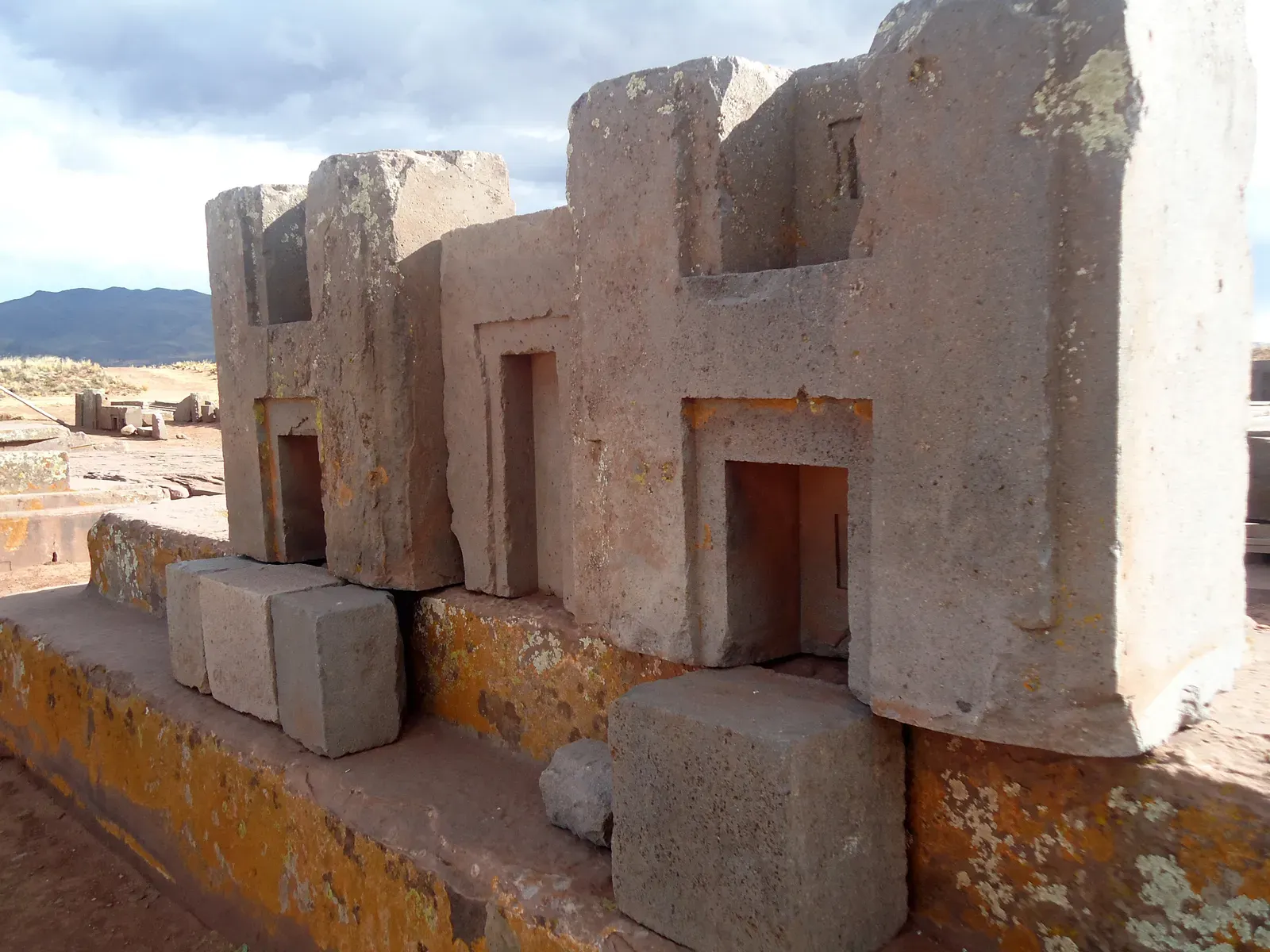
High in the Bolivian Andes, at an elevation where trees don’t even grow, sits a ruin so precisely cut that researchers have spent over a century arguing about how it was physically possible.
Much of Puma Punku’s masonry is characterized by accurately cut rectilinear blocks of such uniformity that they could be interchanged for one another while maintaining a level surface, cut so precisely as to suggest the possibility of prefabrication and mass production. The largest blocks weigh up to 131 tons and were quarried from sites up to 10 kilometers away, in an environment with no trees for rollers and no evidence of wheels or metal tools capable of the job.
Experimental archaeology has demonstrated that the precision stonework at Puma Punku can be replicated using stone tools that were available to the Tiwanaku, which settles the “was it humanly possible” question for most academics. But the precision of Puma Punku’s stonework has always seemed to exceed what these capabilities should have allowed to casual observers, which is exactly why the site keeps generating fresh theories more than 1,400 years after it was built.
Still, none of it compares to an 800-ton block that defies every known Roman method.
#2 – The 800-Ton Blocks That Defy Every Known Roman Method
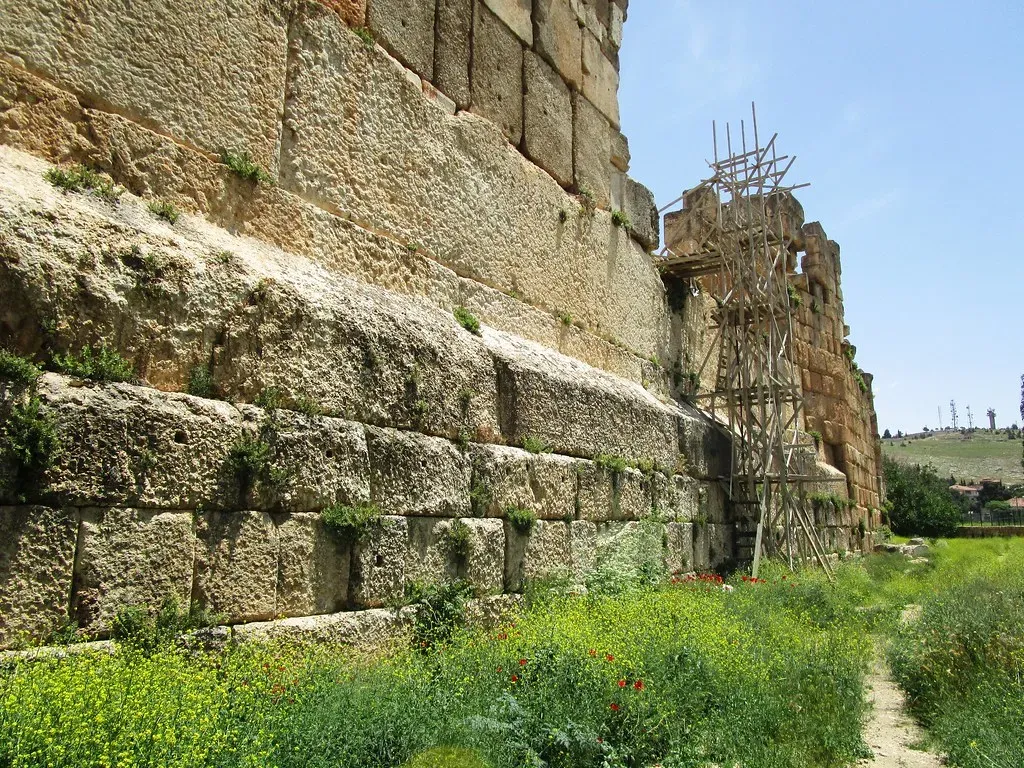
In Lebanon’s Bekaa Valley sits the single heaviest block of cut stone ever incorporated into a standing building anywhere on Earth – and nobody has a fully satisfying explanation for how it got there.
The Baalbek Trilithon stones are each 19 metres long, 4.2 metres high, and 3.6 metres thick, weighing around 750-800 tonnes. Even more staggering, a nearby unfinished monolith in the same quarry weighs an estimated 1,000 tonnes, a figure confirmed by a geodetic survey team from Linz, Austria. The blocks fit together with such precision that a knife blade cannot be inserted between them.
Skeptics point out that humans have moved heavier objects before – the granite base for the equestrian statue of Peter the Great, weighing 1,250,000 kilograms, was moved to St. Petersburg in the 18th century using nothing but manpower, one and a half times the weight of the Trilithon blocks. Yet many researchers argue this comparison misses the point entirely: there is no known Roman technology, no combination of levers, rollers, or manpower on record, that fully accounts for the quarrying, transportation, and precise placement of stones of this magnitude at this specific site. It’s a genuinely contentious debate, and honestly, both sides make points that are hard to fully dismiss.
But every mystery on this list leads back to the one wonder still standing today.
#1 – The Last Ancient Wonder Still Standing, Still Unexplained
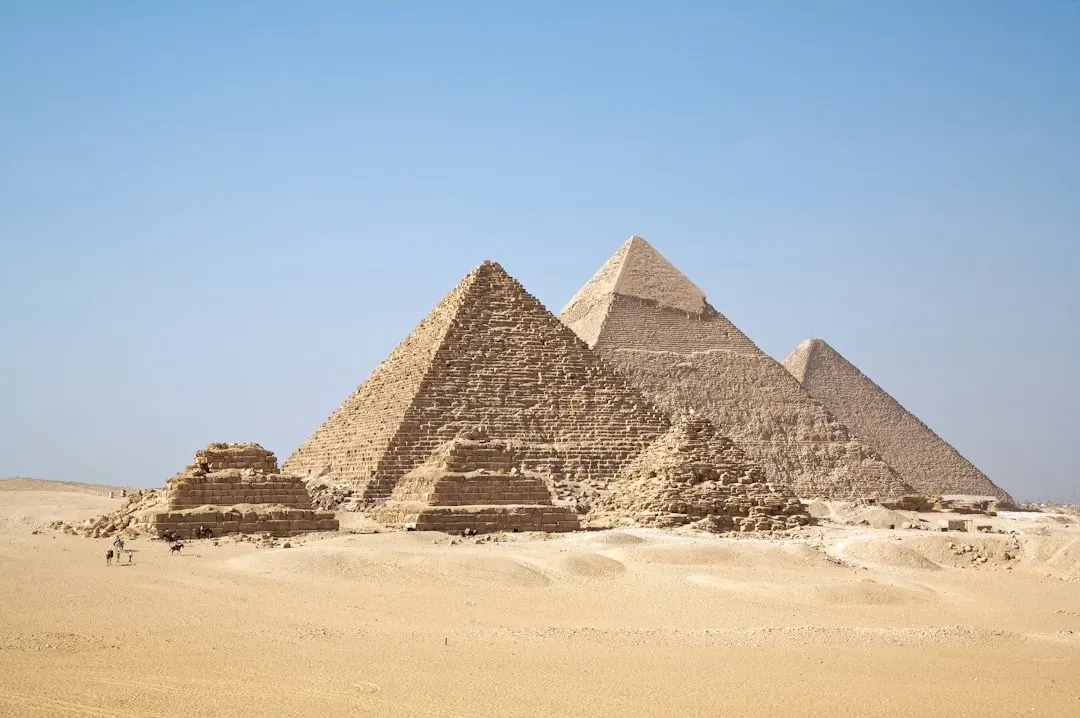
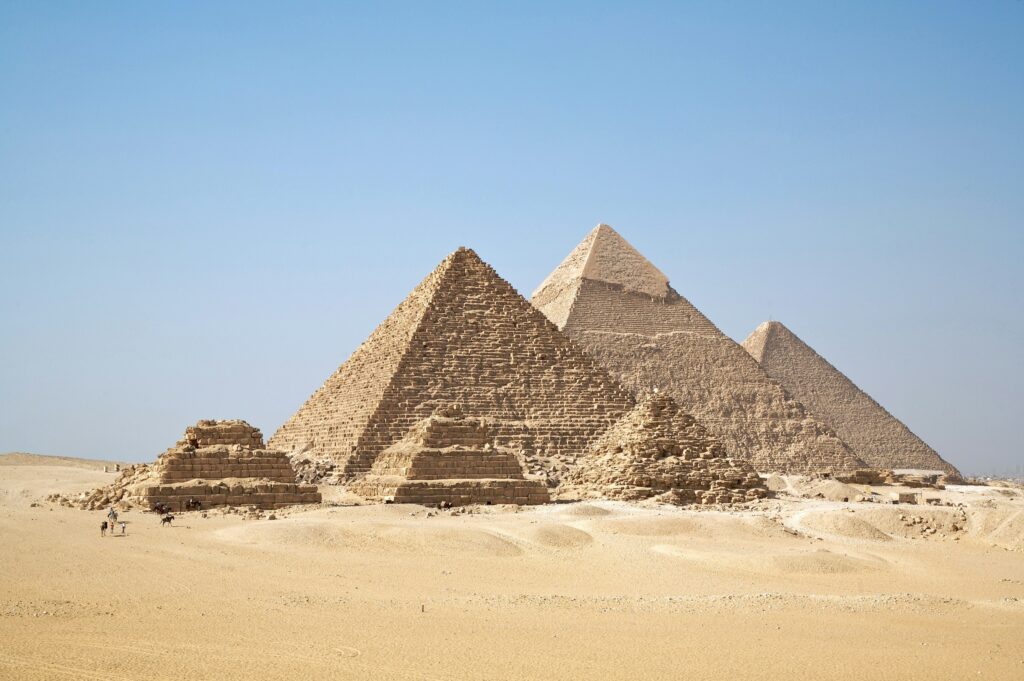
The Great Pyramid of Giza is the only surviving structure from the original Seven Wonders of the Ancient World, and despite being the most studied building on the planet, engineers still can’t agree on the exact method used to lift its largest blocks into place.
Built from roughly 2.3 million blocks averaging 2.5 tons each, with some interior granite blocks weighing far more, the pyramid was assembled with such geometric precision that its base is level to within a fraction of an inch across its entire 13-acre footprint. The pyramid’s sides are aligned to true north with an accuracy that modern surveyors using satellite technology struggle to improve upon, a level of astronomical and geodetic precision that remains genuinely remarkable for a structure built over 4,500 years ago.
Countless ramp theories – external, internal, spiral – have been proposed to explain how workers hauled multi-ton blocks up the pyramid’s rising structure, and while modern Egyptologists have ruled out alien intervention entirely, no single ramp theory has been universally accepted as the definitive answer. What’s rarely discussed honestly: we’ve found workers’ villages, tool marks, and even ancient logbooks referencing the labor force, yet the exact mechanical choreography of raising two million-plus blocks into a perfect pyramid within a single generation’s lifetime remains, even now, an engineering feat we can describe but not fully replicate.
Quick Compare
| Site | Heaviest Stone |
|---|---|
| Great Pyramid of Giza | ~2.5 tons average; interior granite blocks far heavier |
| Baalbek Trilithon | ~750-800 tons |
| Sacsayhuamán | Up to 200 tons |
| Puma Punku | Up to 131 tons |
| Nan Madol | Up to 80-90 tons |
The Bottom Line
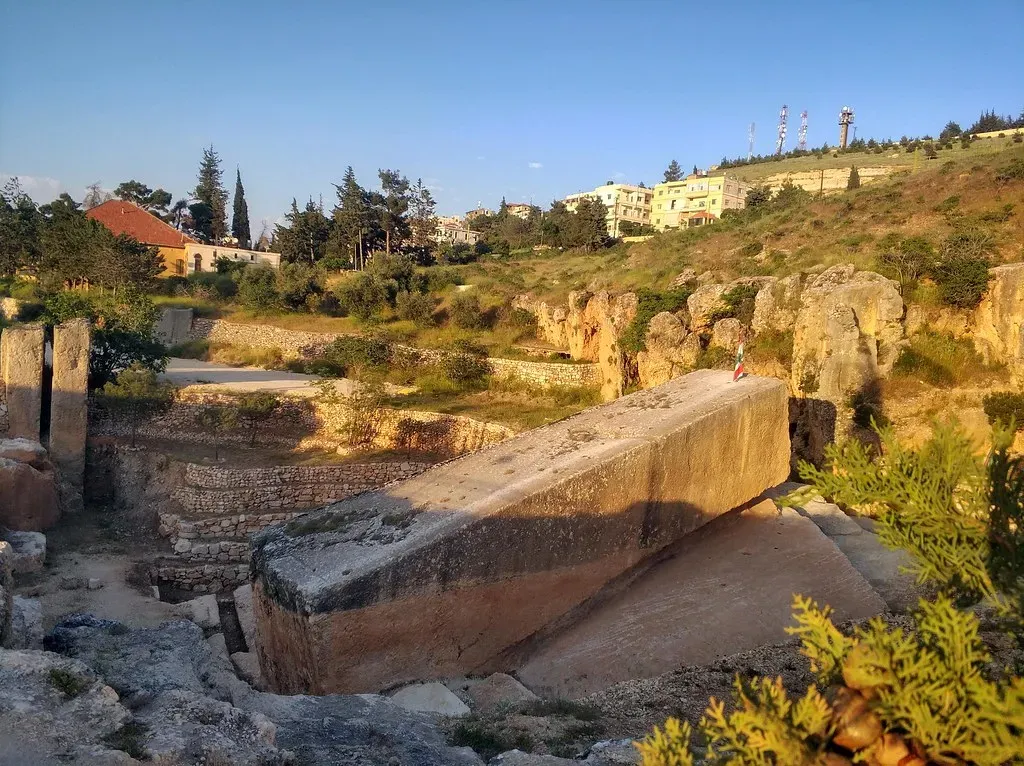
Here’s the uncomfortable truth: most of these sites aren’t “unexplainable” because ancient people were incapable – they’re unexplained because we lost the specific know-how, tools, and oral traditions that made the impossible look routine.
From Baalbek’s 800-ton blocks to Puma Punku’s interlocking puzzle stones, the evidence keeps pointing to skilled, coordinated human labor rather than mysterious outside help. That doesn’t make these places any less staggering. If anything, it makes them more impressive – proof that ancient engineers solved problems we still can’t fully reverse-engineer with modern equipment.
Which one of these sites do you think deserves way more attention than it gets? Drop your pick in the comments.