
Most people still picture space as a quiet, frozen backdrop – twinkling dots that never really change. That picture is wrong, and not in some minor, academic way.
In just the last ten years, astronomers have quietly rewritten entire chapters of what we thought we knew. Black holes don’t behave the way your textbook said. “Empty space” isn’t empty. Even our own galaxy’s shape and motion turned out to be wrong in ways nobody expected. These aren’t sci-fi theories – they’re hard-won discoveries pulled from faint signals, absurdly precise clocks, and telescopes bolted to the bellies of planes. Here are 21 facts about space that scientists have only actually confirmed in the last decade.
#21 – We Finally “Heard” Space-Time Ripples From Colliding Black Holes
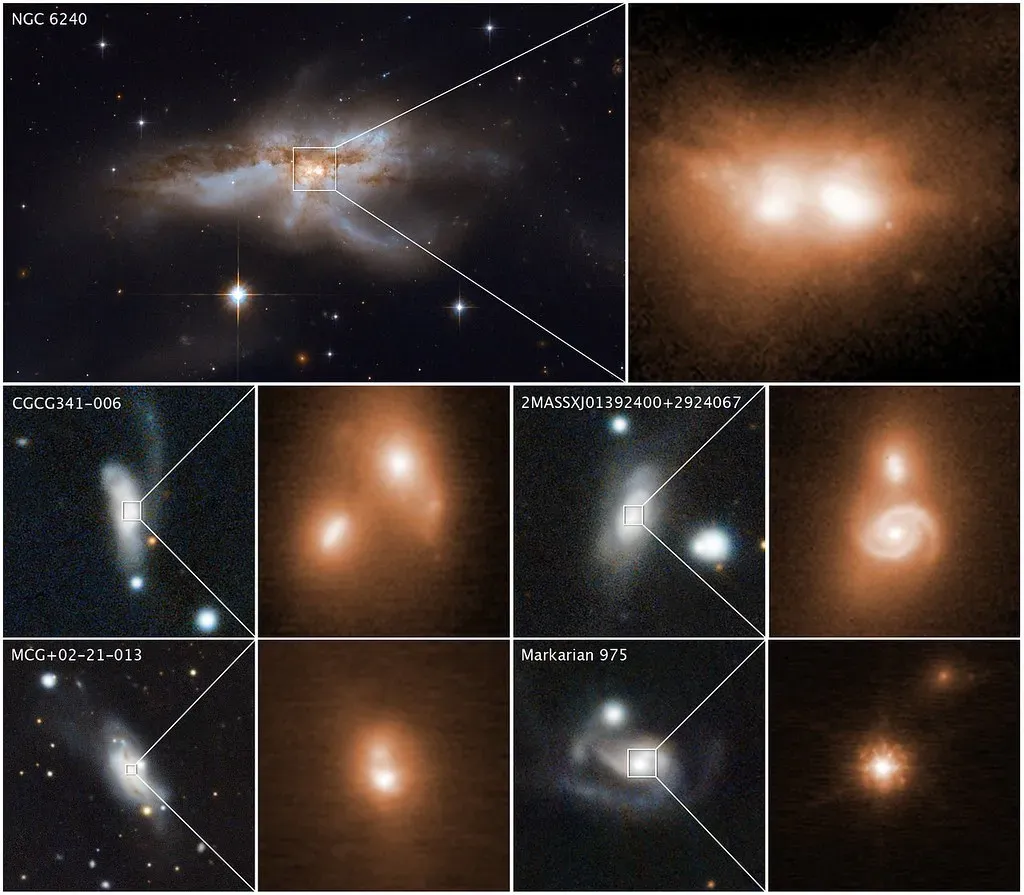
Astronomers spent a century treating Einstein’s gravitational waves as a beautiful math prediction with no real proof behind it. Then in 2015, LIGO directly detected them rolling off two distant black holes as they smashed together – a result that’s since been confirmed again and again. We now routinely “listen” to black hole mergers happening billions of light-years away.
The wild part is how subtle these signals actually are. The detectors measure changes smaller than the width of a proton, stretched across kilometers-long arms. Yet those tiny wiggles reveal the masses, spins, and even the distances of the colliding black holes. This cracked open an entirely new branch of astronomy – one where gravity, not light, is the messenger.
#20 – There’s a Giant Black Hole Lurking in Almost Every Big Galaxy
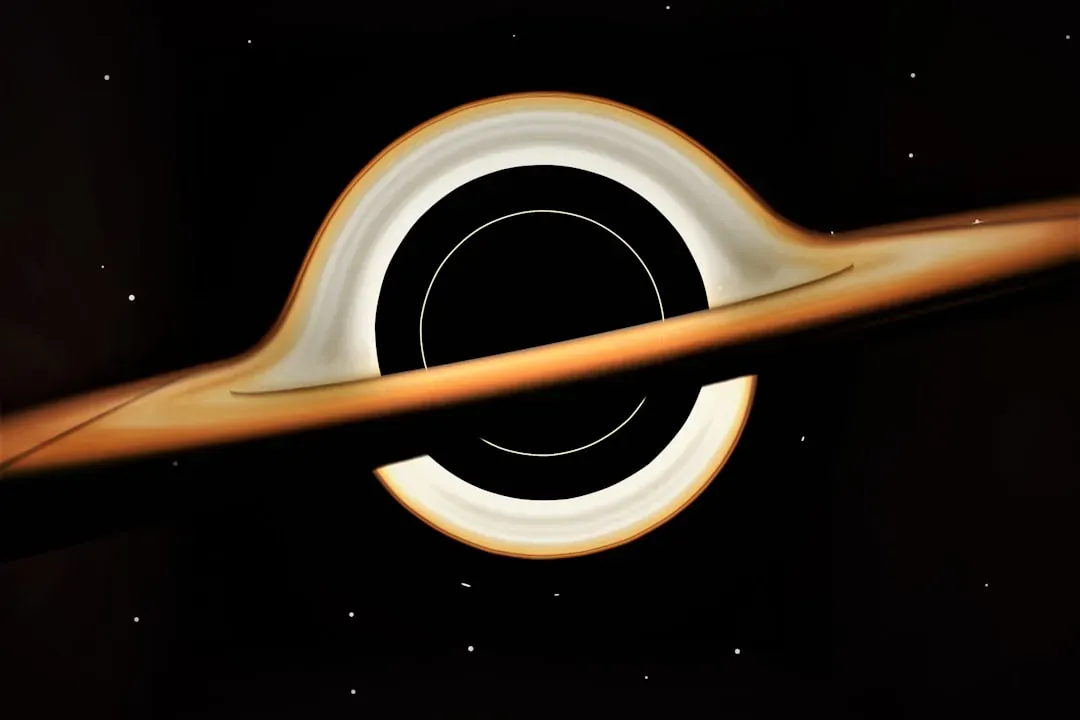
For decades, astronomers suspected massive galaxies hid monsters at their cores, but suspicion isn’t proof. With sharp new instruments like the Event Horizon Telescope and advanced spectroscopy, they’ve finally confirmed that supermassive black holes are basically standard equipment in large galaxies. The Milky Way’s own black hole, Sagittarius A*, had its shadow imaged for the first time in 2022.
What changed in the last decade is the statistical certainty. We now see a tight relationship: the bigger a galaxy’s central bulge, the heavier its black hole. That implies co-evolution – galaxies and their black holes grow up together, shaping each other’s fate. Some astronomers now argue the black hole might matter more to a galaxy’s life story than its total star count ever did.
Fast Facts
- The Event Horizon Telescope released the first-ever black hole image, M87*, in April 2019.
- Sagittarius A*, the Milky Way’s own black hole, followed with its own image in 2022.
- Supermassive black holes range from millions to tens of billions of times the Sun’s mass.
- A tighter black-hole-to-bulge mass ratio is now treated as strong evidence of galaxy co-evolution.
#19 – The Milky Way Is Actively Cannibalizing Smaller Galaxies
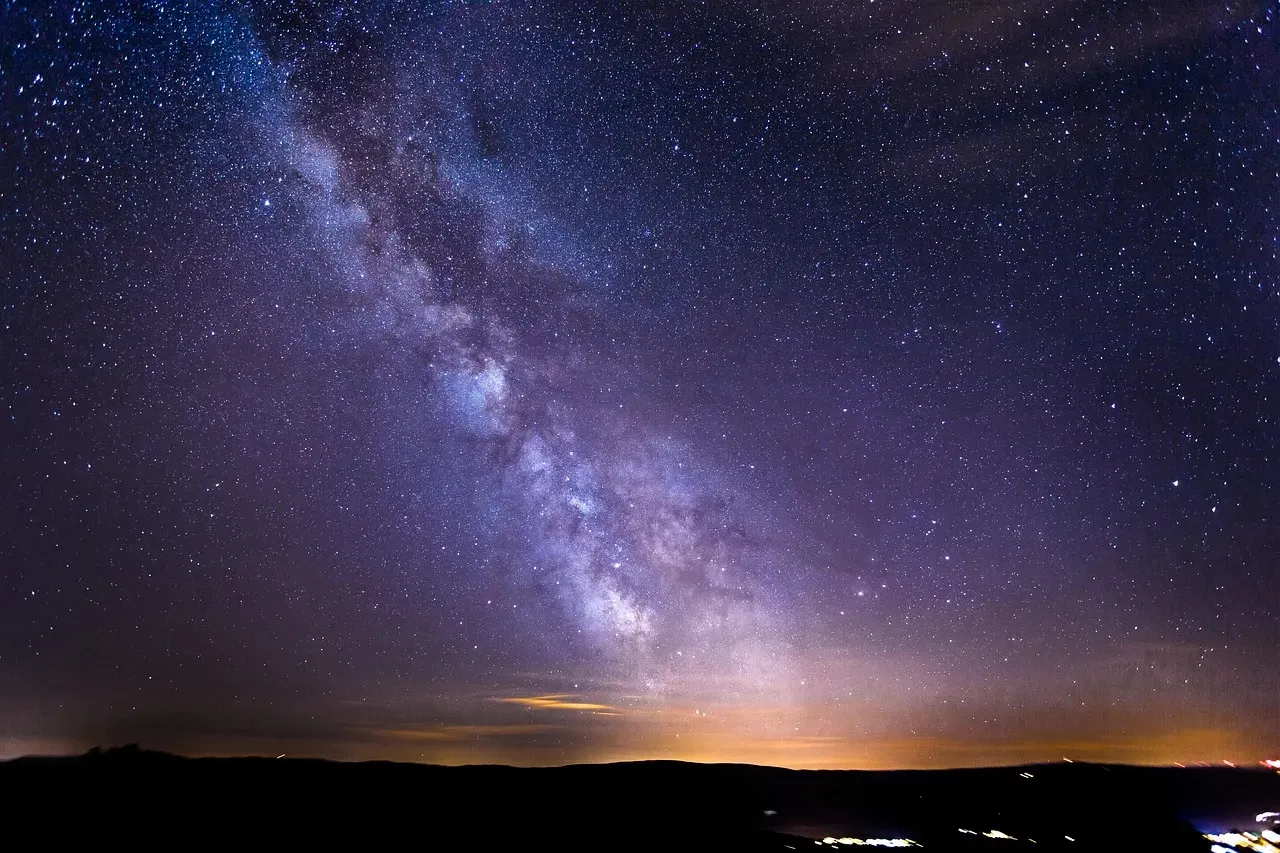
People imagine the Milky Way as a serene spiral, quietly spinning in place. In reality, astronomers have confirmed in the last decade that our galaxy is still devouring its smaller neighbors, leaving behind ghostly “stellar streams” trailing across the sky like torn ribbons.
The Gaia mission mapped these star streams in extraordinary detail, proving multiple mergers, past and present. The most dramatic example is the Sagittarius Dwarf Galaxy, currently being shredded and wrapped around the Milky Way as we speak. This isn’t a footnote – it’s central to how galaxies grow. Most of a galaxy’s mass doesn’t come from forming new stars; it comes from repeatedly eating its neighbors.
#18 – Our Galaxy’s Shape and Motion Are Not What Textbooks Showed
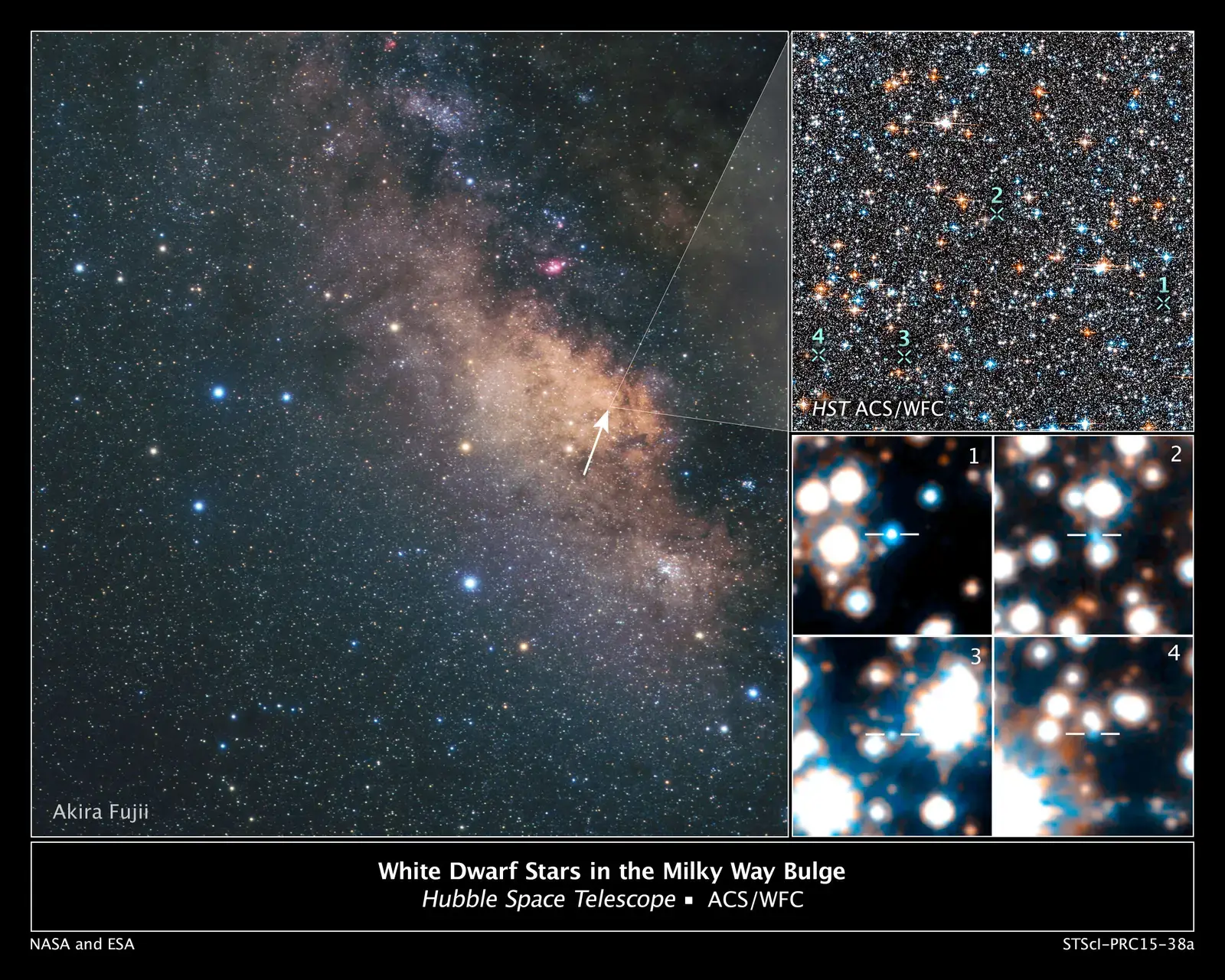
For years, diagrams sold us on a neat, flat spiral. Precision measurements from Gaia have now confirmed that the Milky Way’s disk is actually warped, wobbly, and rippling with vertical waves – closer to a vinyl record left in the sun than a perfect CD.
Stars near the Sun are bobbing up and down through the galactic plane in organized patterns, and even our own orbit has been revised: the Sun moves a bit faster than we thought and sits slightly off-center. These distortions likely trace back to past collisions with dwarf galaxies or clumps of dark matter. Our galaxy isn’t a clean logo for a sci-fi poster. It’s a flexing, living structure still settling from ancient impacts.
#17 – Fast Radio Bursts Went From Mystery Blips to Mapped Objects
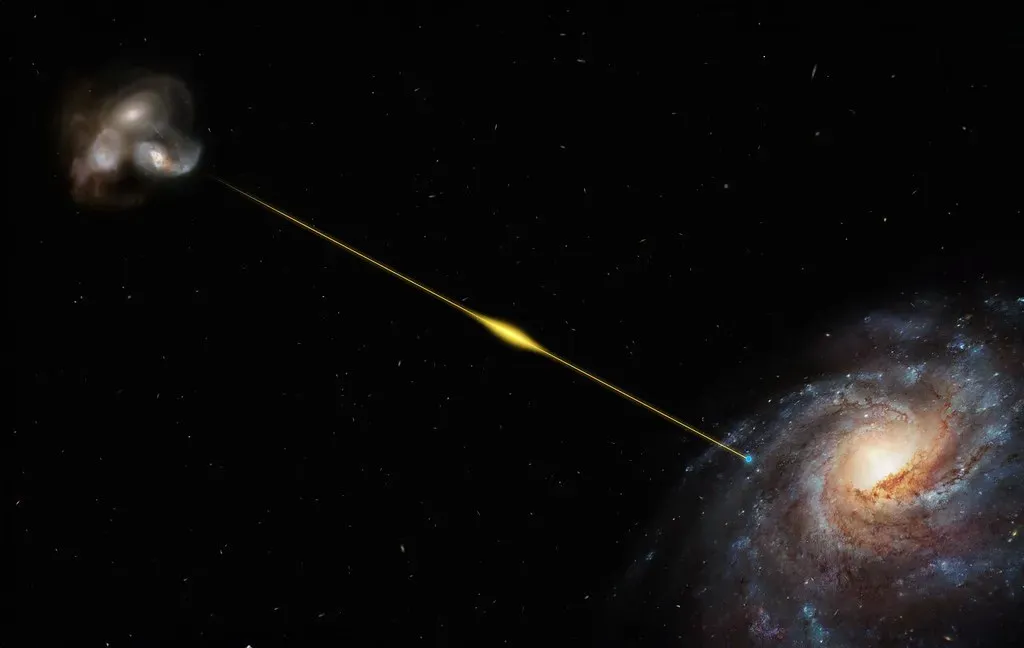
Around 2007, astronomers first spotted bizarre, millisecond-long flashes of radio waves called Fast Radio Bursts, or FRBs. For years, they were an open mystery, fueling every theory from equipment glitches to alien signals. In just the last decade, multiple FRBs have been precisely traced back to their host galaxies, confirming they’re real, extragalactic events.
Some FRBs even repeat, letting researchers watch the same source over and over and pin it to specific regions – often near magnetars, ultra-magnetized neutron stars. The energy involved is staggering: in a fraction of a second, one FRB can release as much energy as the Sun does in days.
Extraordinary claims require extraordinary evidence.
Carl Sagan
#16 – We Have Direct Evidence of Black Holes Launching Relativistic Jets
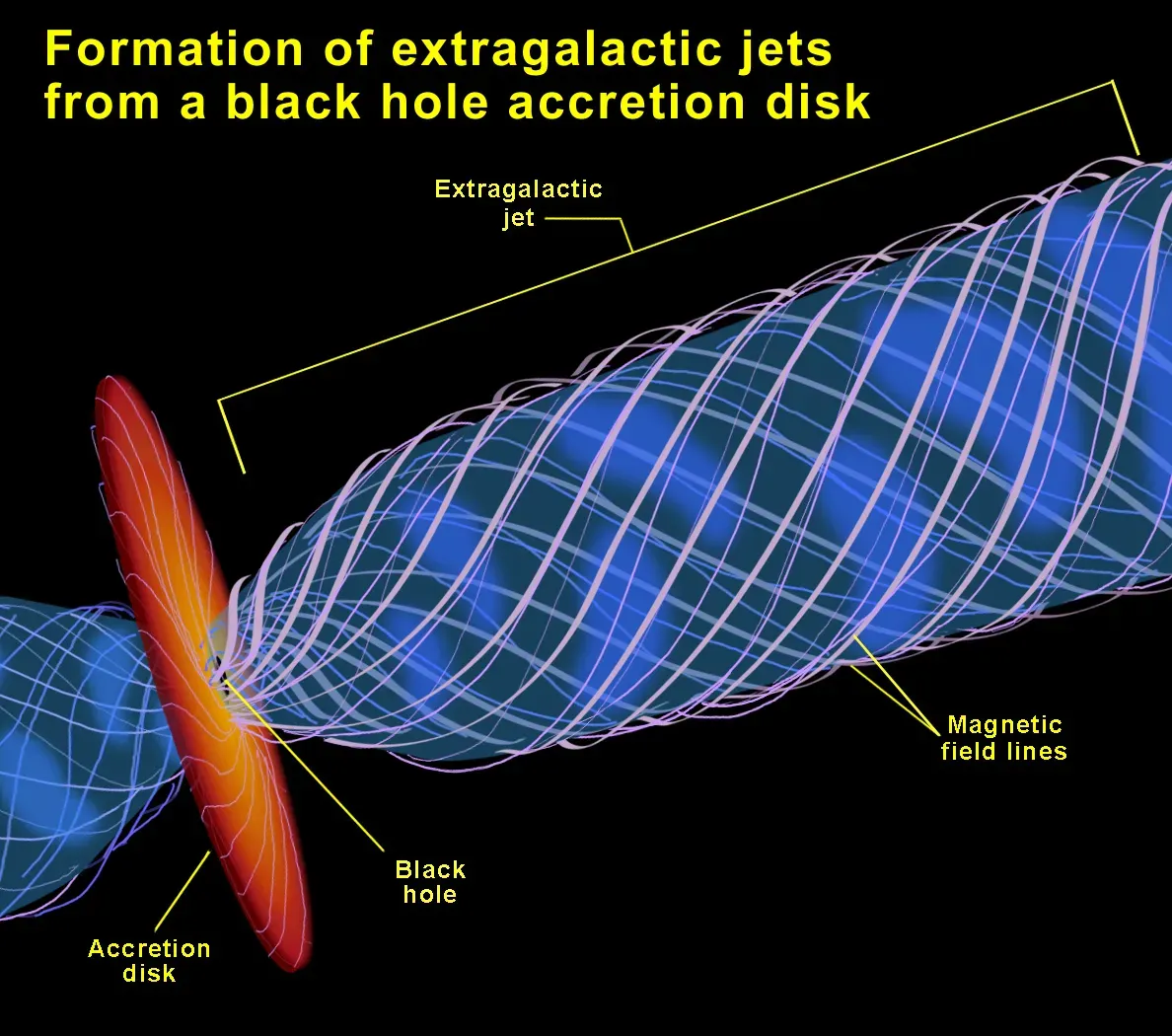
We used to infer that black holes launched jets by seeing bright radio lobes far off in galaxies, but the connection was always indirect. Over the last decade, high-resolution observations spanning X-ray, radio, and gamma-ray wavelengths have directly tied narrow, powerful jets to material swirling just outside the event horizon itself. In some systems, we’ve even watched jets flicker in sync with changes deep in the accretion disk.
These jets fire particles out at near-light speed, punching through interstellar gas and sometimes throttling star formation across entire galaxies – cosmic flamethrowers sculpting their own surroundings. Not everyone agrees on how dominant jets are in galaxy evolution, but no one seriously doubts anymore that they’re a central player, not a side effect.
#15 – Space Isn’t Empty: Interstellar Space Is Filled With Complex Chemistry
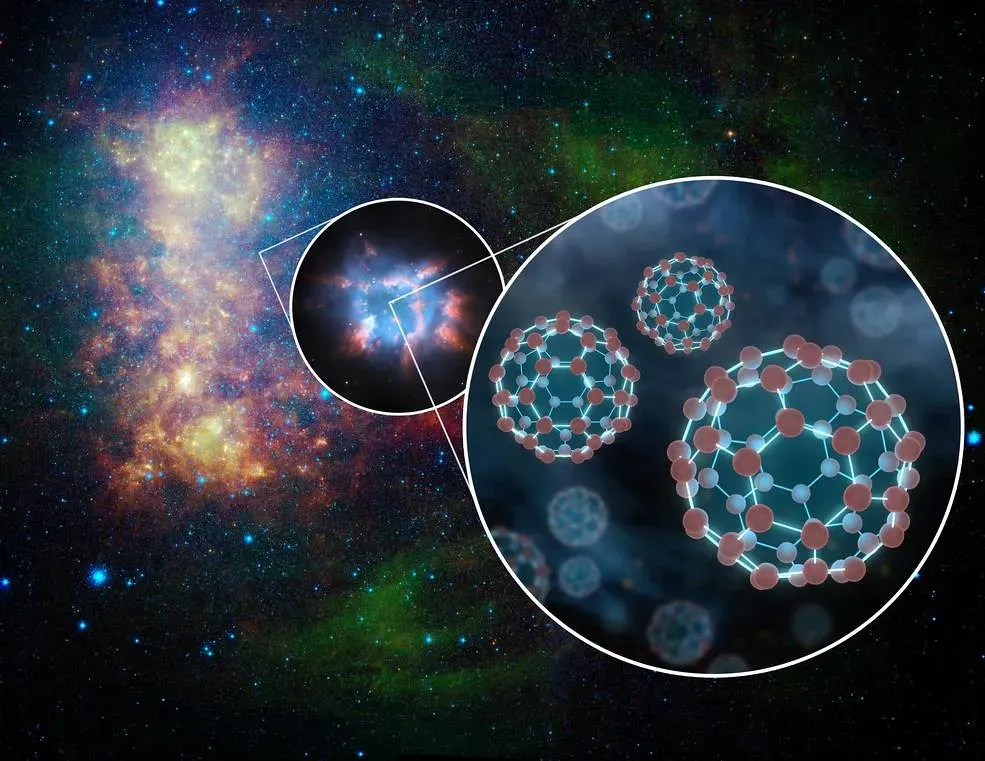
Most people picture the gaps between stars as a total void. In the last decade, more sensitive instruments have detected increasingly complex organic molecules drifting through interstellar clouds, including precursors to amino acids and sugars. Nobody’s found life. But the chemical groundwork for it is scattered across the galaxy.
These molecules form on cold dust grains in the dark, then get blasted into space by starlight and shock waves. When new solar systems form, this chemistry can hitch a ride into comets and young planets. The question has quietly shifted from “could the building blocks of life exist out there?” to “how often do they survive the trip to a planet’s surface intact?”
#14 – Rogue Planets Really Do Drift Through Space Without a Star
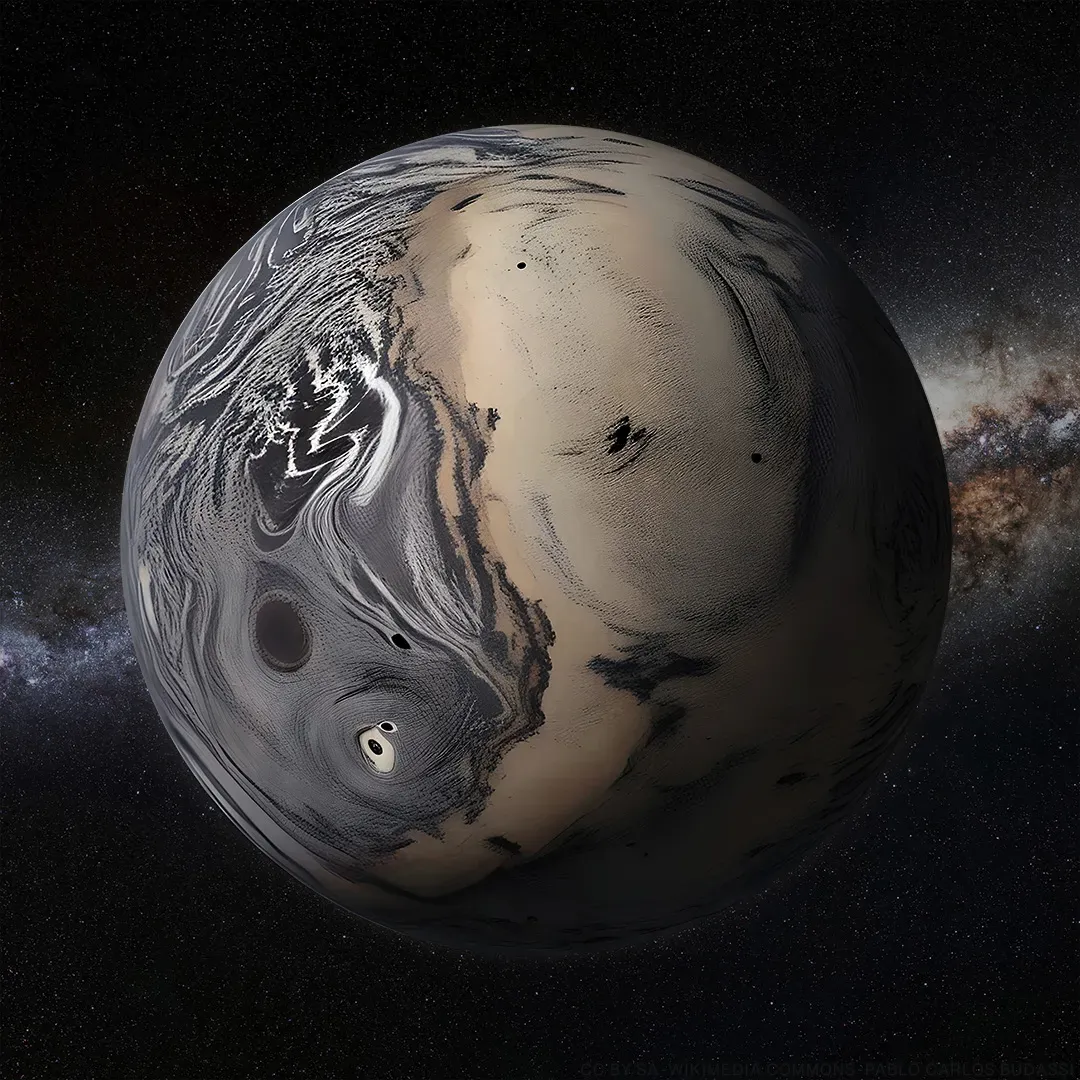
The idea of planets floating freely with no star to call home used to sound like pure science fiction. Over the last decade, surveys using microlensing and infrared observations have confirmed real populations of “rogue planets” – worlds untethered to any star. Some estimates suggest there may be as many of these lonely wanderers as there are stars in the galaxy.
These objects likely formed in normal planetary systems and got violently kicked out during early chaos. They can hold onto internal heat for billions of years, especially with a thick insulating atmosphere. That raises a strange possibility: subsurface oceans, or even ecosystems, lit not by starlight but by heat leaking up from the planet’s own core.
#13 – Exoplanet Atmospheres Now Show Clear Signs of Weather and Clouds
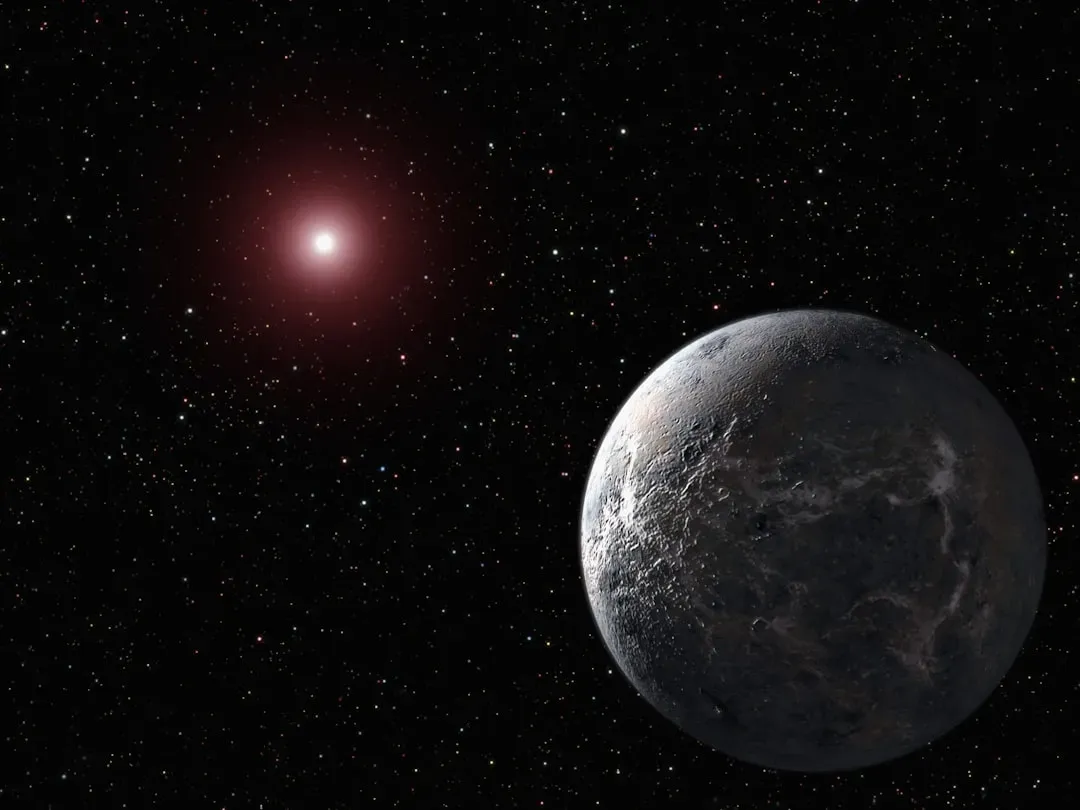
Until recently, “characterizing an exoplanet” mostly meant measuring its size and orbit and calling it a day. In the last decade, Hubble and now JWST have confirmed specific molecules, clouds, and even hints of weather patterns in atmospheres light-years away. For some hot Jupiters, we’ve mapped the actual temperature difference between their day and night sides.
We’ve detected water vapor, carbon dioxide, sodium, and hazes that reshape a planet’s spectrum. On the hottest worlds, models point to something almost absurd: clouds of vaporized rock, raining liquid metal. “Weather reports” on alien worlds are no longer artist’s impressions – they’re built on repeated, hard data.
#12 – We Finally Caught a Neutron Star Merger in Multiple “Channels” at Once
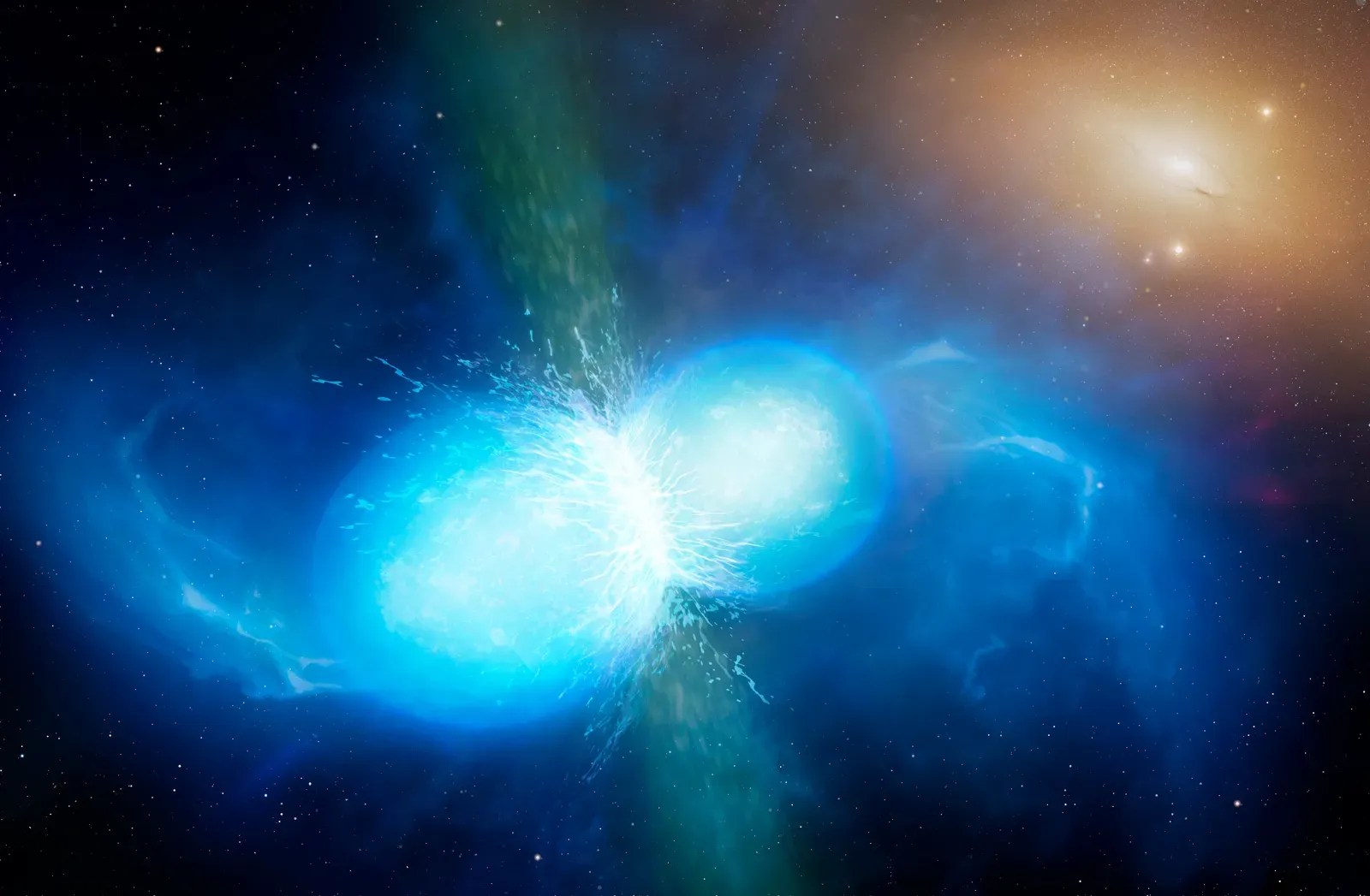
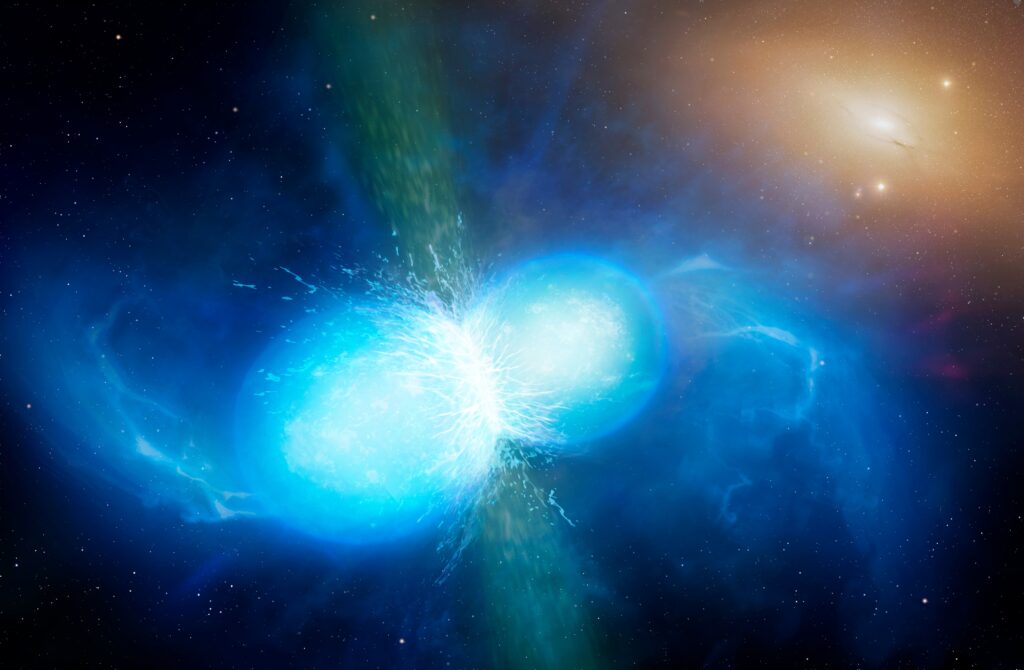
In 2017, astronomers hit the jackpot: gravitational waves from two colliding neutron stars, plus a burst of gamma rays, plus an afterglow across X-ray, optical, and radio wavelengths. It was the first time we ever watched the same cosmic event through both gravity and light at once, and it confirmed something huge – these mergers are major factories for heavy elements like gold and platinum.
The afterglow’s spectrum showed the telltale signature of freshly forged “r-process” elements, solving a decades-old mystery about where the universe’s precious metals actually come from. This single event launched the era of “multi-messenger astronomy,” where no single type of signal is trusted alone anymore.
At a Glance
- The merger, known as GW170817, was detected on August 17, 2017, roughly 130 million light-years away.
- It was the first cosmic event ever caught in gravitational waves, gamma rays, X-rays, optical, and radio light together.
- The glowing afterglow, a “kilonova,” carried the chemical fingerprints of newly forged gold and platinum.
- It remains the only neutron star merger ever confirmed through gravitational waves.
#11 – The Universe’s Expansion Rate Is More Conflicted Than We Thought
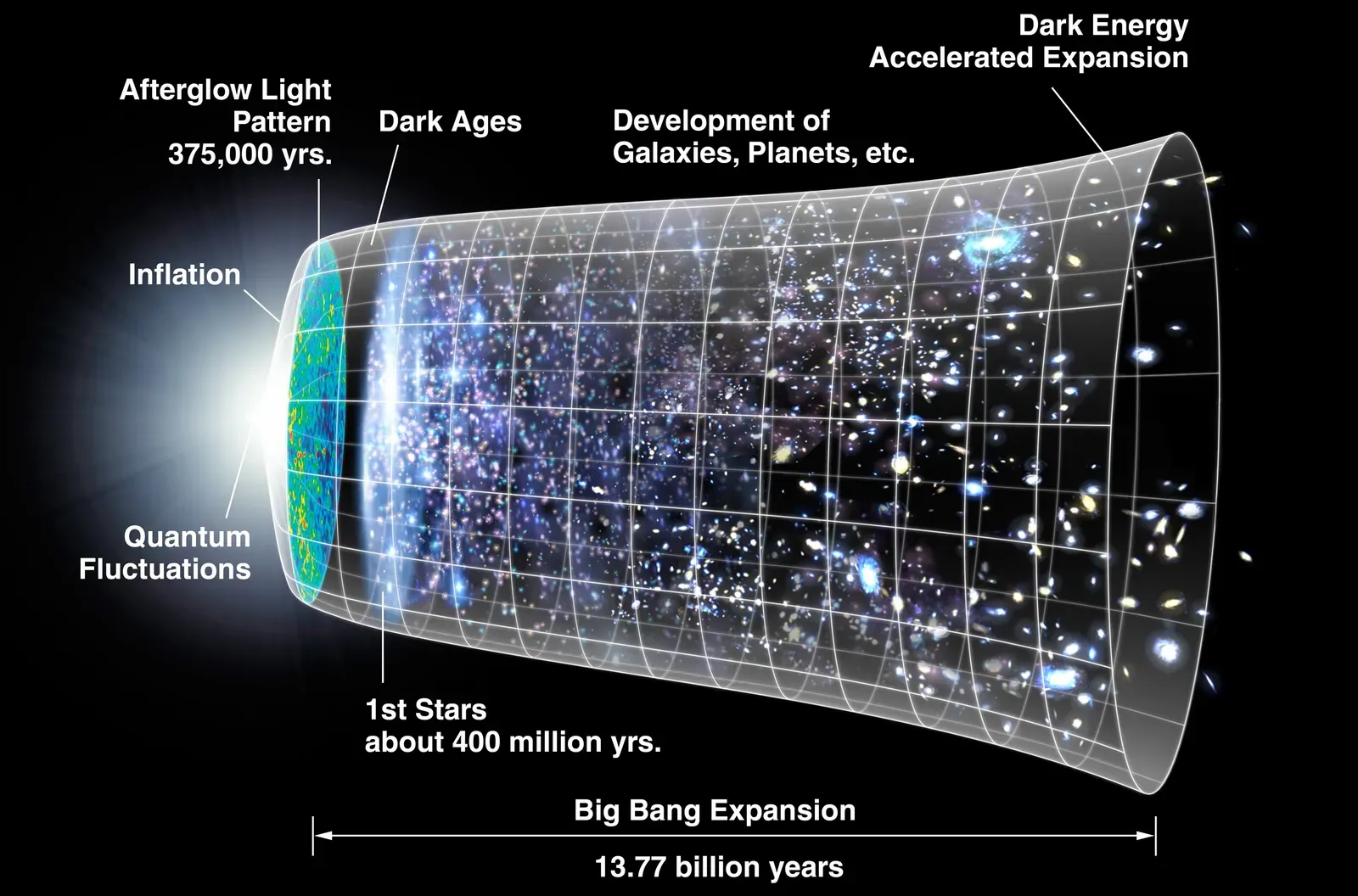
For most of modern cosmology, the Hubble constant – the rate the universe is expanding – carried huge error bars that let everyone assume it would eventually settle down. In the last decade, both local measurements (using supernovae and pulsing stars) and early-universe measurements (from the cosmic microwave background) got dramatically more precise. The twist: they don’t agree, and the gap is now too big to explain away as noise.
This “Hubble tension” is a confirmed observational fact, not a rounding error. Either something is off in one of our measurement methods, or we’re missing a piece of physics in the standard model of the cosmos itself. The internet loves to hype this as “everything we know is wrong,” but the real story is more interesting: our instruments are finally sharp enough to expose the cracks.
#10 – Supermassive Black Holes Can Get Kicked Out of Their Own Galaxies
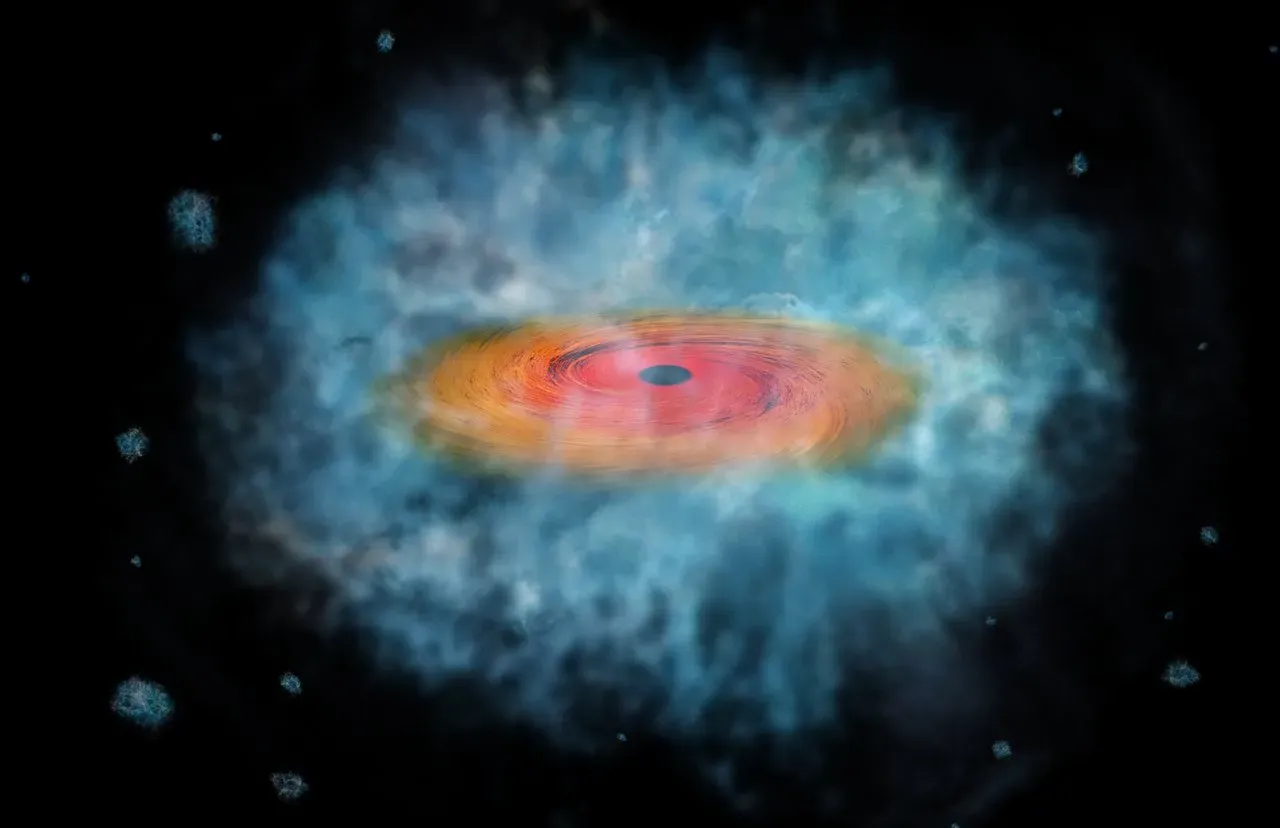
It sounds like a cosmic joke – how do you “kick out” something millions of times the mass of the Sun? Yet in the last decade, astronomers have found credible evidence that some supermassive black holes get violently recoiled from their galaxy’s center after lopsided mergers, launched at thousands of kilometers per second.
Researchers have spotted active black holes visibly offset from their galaxy’s core, dragging disturbed gas behind them like a tail. The physics traces back to gravitational waves: when two unequal black holes merge, the radiation they emit can be asymmetric, giving the surviving black hole a massive kick. Some galaxies out there may already be wandering around effectively “de-cored,” while their exiled black holes drift alone through intergalactic space.
#9 – Jupiter’s Moons Are Even More Ocean-Rich Than We Hoped
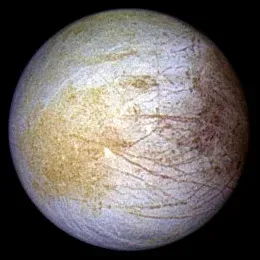
We’ve suspected for a while that moons like Europa hide subsurface oceans. In the last decade, Hubble detections of water plumes plus new gravity and magnetic-field analyses have strengthened the case dramatically: Europa, Ganymede, and Callisto all now look like serious ocean-world candidates, not just hopeful guesses.
These hidden oceans might collectively hold more water than every ocean on Earth combined. Tidal flexing from Jupiter keeps them warm, and seafloor chemistry could supply the same ingredients that fuel hydrothermal-vent ecosystems here at home. That’s exactly why missions like Europa Clipper matter so much – they’re not fishing blind, they’re following up on evidence that’s already strong.
Worth Knowing
- Ganymede is the largest moon in the solar system and the only one known to generate its own magnetic field.
- NASA’s Europa Clipper launched in October 2024 and is expected to reach Jupiter in April 2030.
- Once there, it’s planned to make 49 close flybys of Europa to study its ice shell and ocean.
- Combined, Europa, Ganymede, and Callisto may hold more liquid water than all of Earth’s oceans.
#8 – The Sun’s Corona Really Is Heated by Magnetic “Nano-Flares”
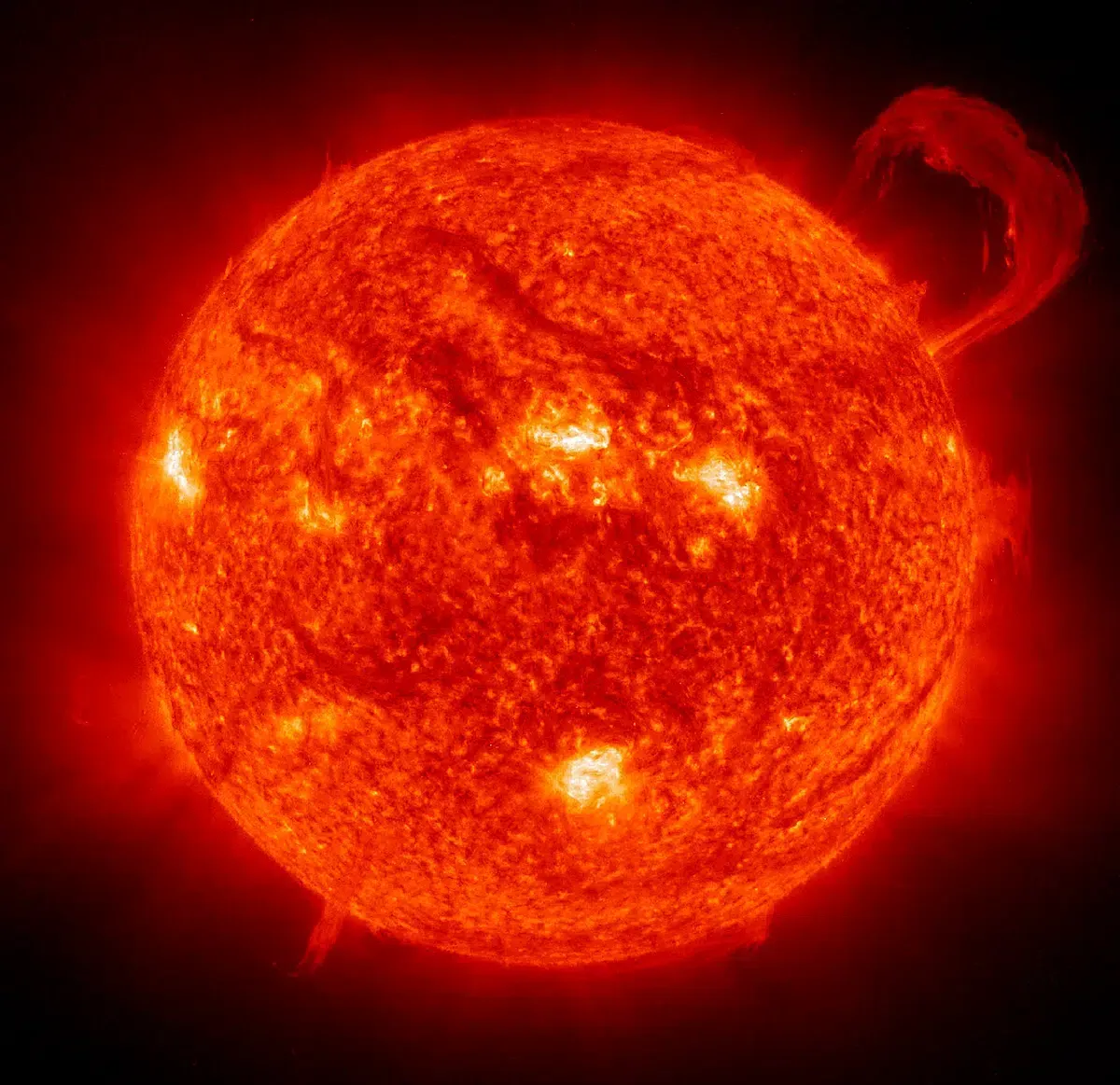
For decades, one of solar physics’ dumbest-sounding problems was completely real: why is the Sun’s outer atmosphere millions of degrees hotter than its visible surface? In the last decade, high-resolution data from missions like IRIS and the Solar Dynamics Observatory has locked in a leading answer – countless tiny magnetic reconnection events, “nano-flares,” constantly dumping energy into the corona.
These flickers are individually too small to catch in older data, but collectively they add up to a furnace. We now see braided magnetic fields and flickering structures that line up almost perfectly with the nano-flare models. It’s not fully solved down to the last decimal, but the “mystery of the hot corona” isn’t the wide-open question it used to be – and ironically, the more we understand our own star, the stranger that calm yellow disk starts to look.
#7 – Planet-Forming Disks Show Rings, Gaps, and Planets Under Construction
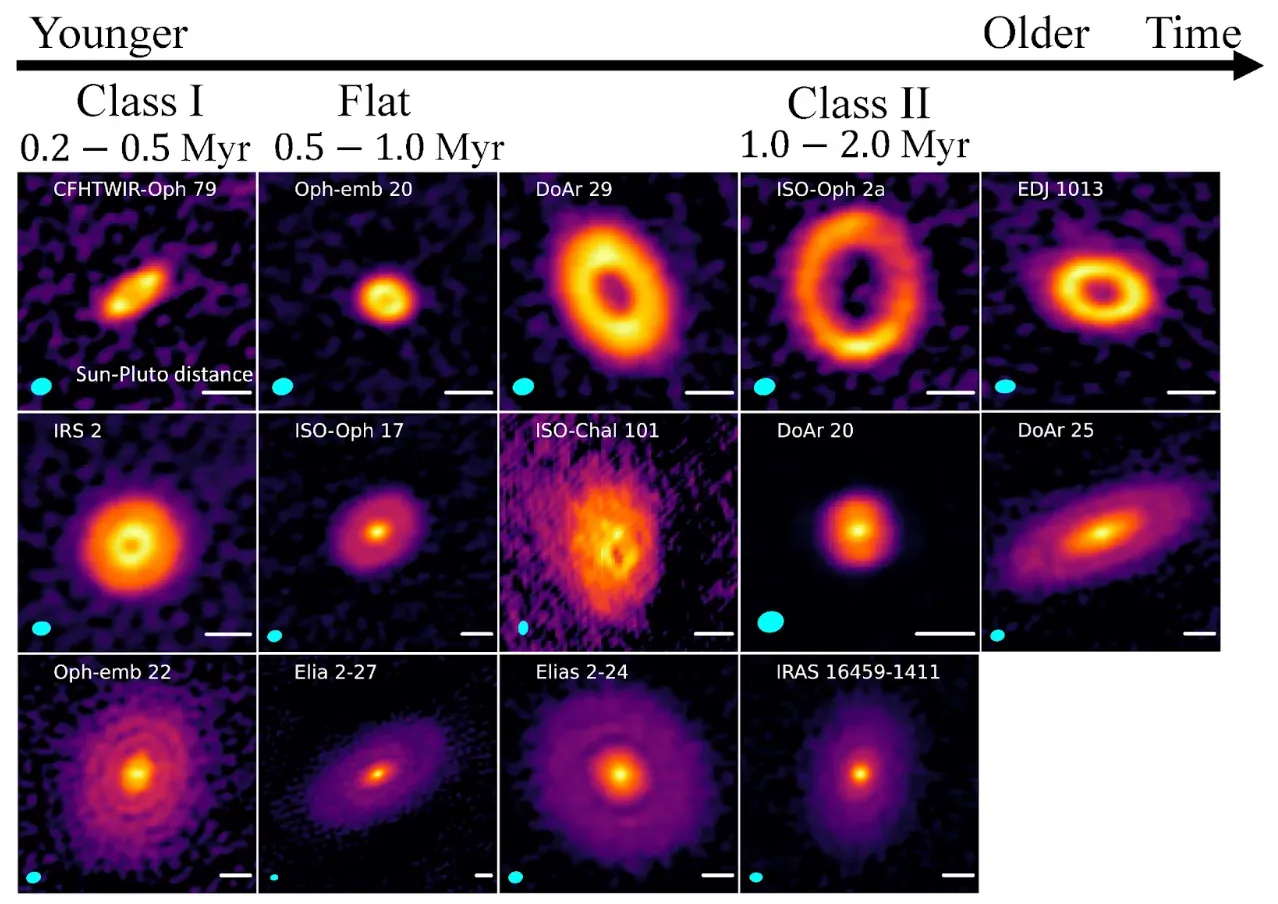
A decade ago, artist’s impressions of planet formation were mostly educated guesswork. Then the ALMA radio observatory started imaging young stars directly, and everything changed. We now have real pictures of planet-forming disks laced with rings, gaps, and spirals – strong evidence of baby planets carving paths through the dust and gas.
Some disks resemble vinyl records with missing tracks; others show lopsided clumps where material is piling up. These structures show up around very young stars, meaning planet formation starts almost immediately after a star is born. It also upended old timelines – planets might form and migrate far faster than models used to assume. Anyone still claiming “we don’t really know how planets form” hasn’t looked at the pictures from the last ten years.
#6 – Mars’ Atmosphere Is Actively Losing Gas to Space Right Now
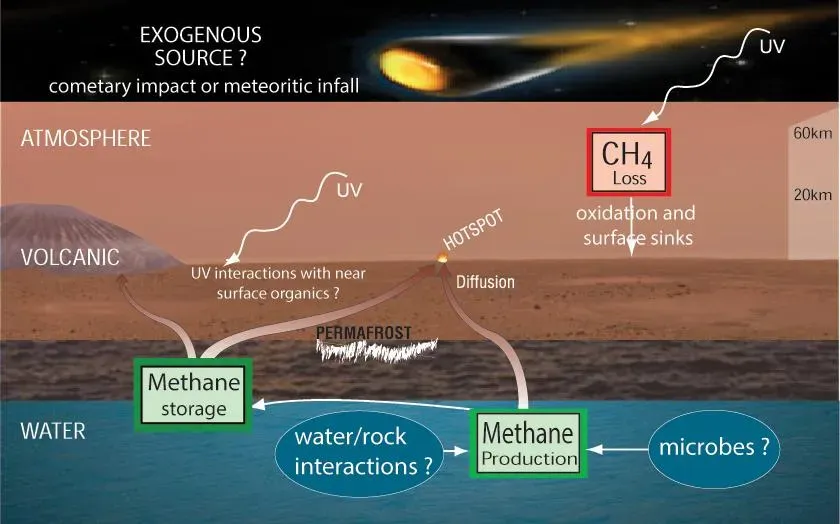
We always knew Mars had a thin atmosphere. The open question was whether it started that way or lost a thicker one over time. In the last decade, the MAVEN mission directly measured Mars actively bleeding atmosphere into space, driven by solar wind and radiation – we’re watching the erosion happen, atom by atom, in real time.
This confirms Mars once had a denser atmosphere and likely more stable surface water, both slowly stripped away as its magnetic field weakened over billions of years. It’s a sobering “before and after” story for Earth itself: without a strong magnetic shield and enough planetary mass, even a promising world can quietly wither. Some planetary scientists now argue Mars, not Venus, is the solar system’s clearest cautionary tale.
#5 – We’ve Confirmed Thousands of Exoplanets, Including Truly Earth-Size Worlds
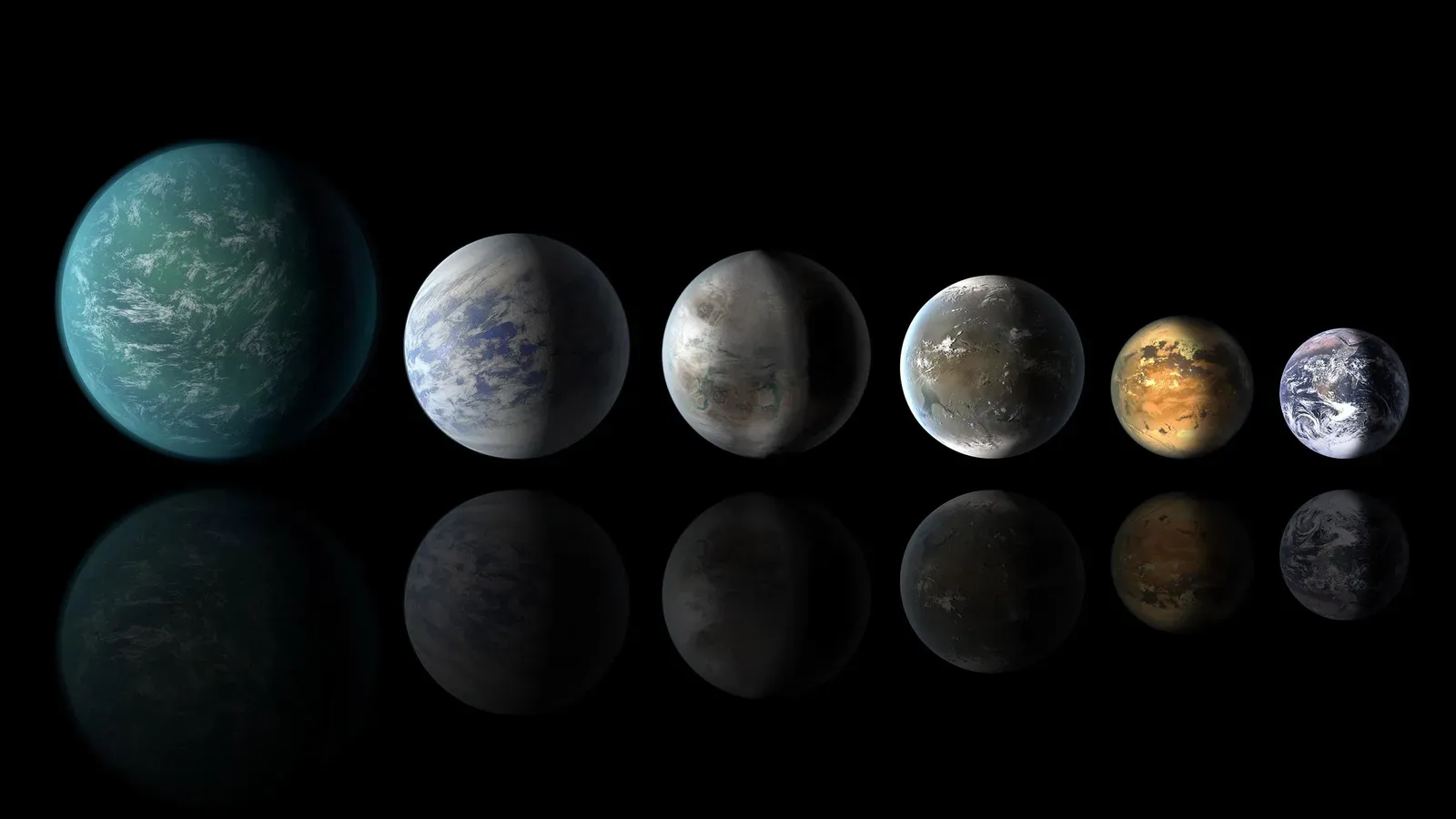
The first exoplanet around a Sun-like star was only confirmed in 1995. Fast forward to today, and we have thousands of confirmed exoplanets, many of them Earth-sized and sitting in their star’s habitable zone. Kepler and TESS turned “are there other planets out there?” from a philosophical question into a solved one: yes, and they’re everywhere.
What’s genuinely new in the last decade is the strength of the statistics. We can now say with real confidence that small, rocky planets are common, not rare, and that tightly packed multi-planet systems are routine. TRAPPIST-1’s seven Earth-sized worlds have only been characterized in real detail recently. We still don’t know if any of them are inhabited, but the old assumption that our solar system is “normal” is basically dead.
Quick Compare
- Kepler (2009-2018): stared at one patch of sky and confirmed thousands of exoplanets before retiring.
- TESS (2018-present): scans nearly the entire sky, favoring nearby, bright stars for follow-up study.
- TRAPPIST-1: seven roughly Earth-sized planets, several sitting in the habitable zone.
- Total confirmed exoplanets today: more than 6,000 and still climbing weekly.
#4 – Dark Matter May Be Less “Clumpy” Than Simple Models Predicted
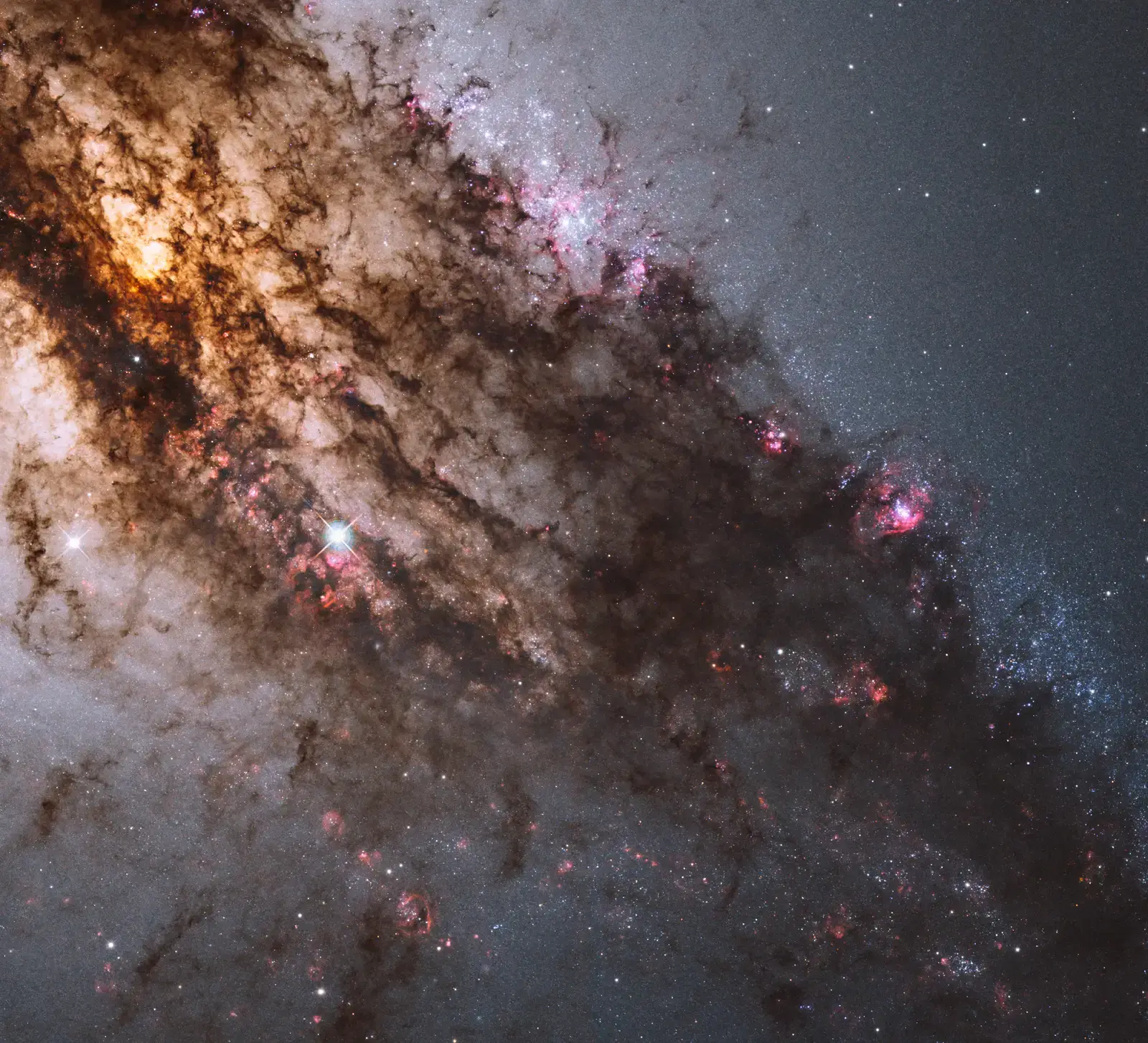
Dark matter is famously mysterious, but structural mapping of galaxies and clusters over the past decade has delivered a quiet, uncomfortable result: on certain small scales, dark matter doesn’t clump quite as tightly as the simplest cold dark matter models predicted. Gravitational lensing surveys and satellite galaxy counts sharpened this picture considerably.
This doesn’t “disprove” dark matter, no matter what sensational headlines claim. It hints that either ordinary matter – gas, stars, feedback – is smoothing things out more than expected, or the dark matter particle behaves in more complex ways than we assumed. The fact that scientists can now argue over the *details* of dark matter’s distribution, instead of just its existence, is itself a decade-scale leap. Many cosmologists privately treat it as a looming shake-up, even while acting publicly unbothered.
#3 – Black Holes Can Grow Shockingly Fast in the Early Universe
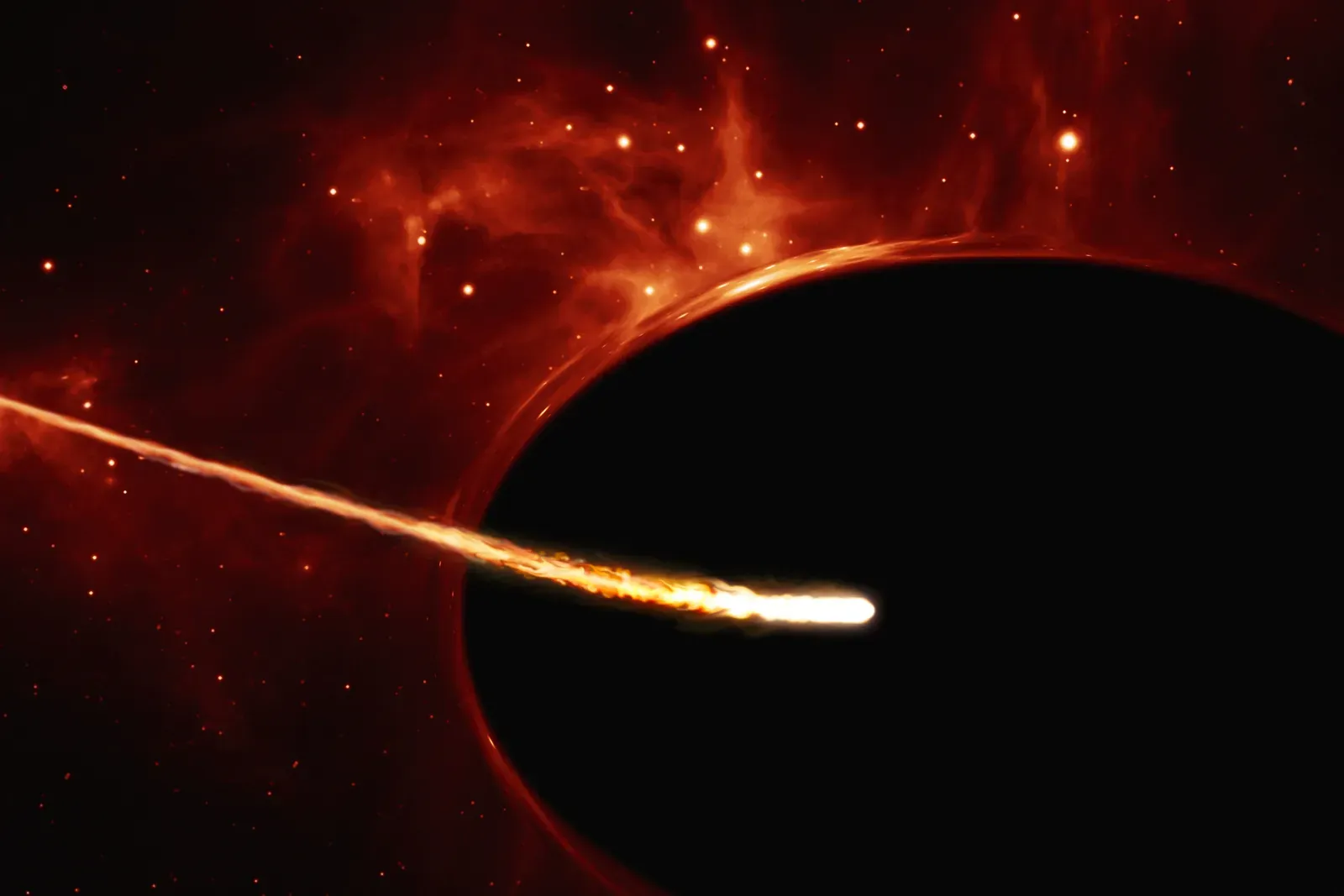
One of the biggest shocks from deep-field surveys in the last decade is the discovery of supermassive black holes already billions of solar masses just a few hundred million years after the Big Bang. According to older growth models, they simply shouldn’t have had time to bulk up that much.
This forced astronomers to take more exotic “seed” scenarios seriously – maybe some black holes formed from the direct collapse of massive gas clouds, skipping the small-star stage entirely. Or maybe accretion rates briefly blew past what we thought was the physical limit. Either way, these early monsters shattered the comfortable idea that black hole growth is always slow and steady, and their existence means young galaxies were shaped by giants almost from the very beginning.
#2 – We Captured the First Direct Images of Black Hole Shadows
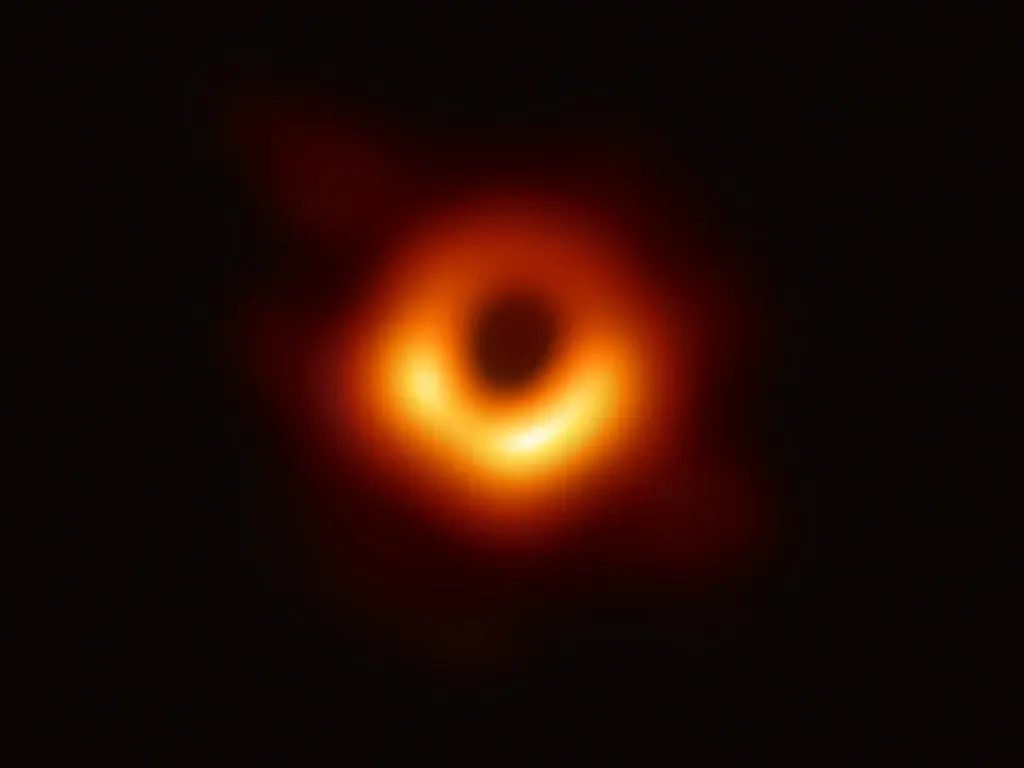
For decades, a “picture of a black hole” belonged firmly in science-art territory. That changed in 2019, when the Event Horizon Telescope collaboration released the first real image of a black hole’s shadow, followed later by Sagittarius A* in our own galaxy. These aren’t illustrations – they’re reconstructed images built from real radio data, showing a bright ring of bent light wrapped around a dark central void.
What makes this a true last-decade milestone isn’t just the picture, it’s what it confirms: the size and shape of the shadow line up eerily well with predictions from general relativity, under the most extreme gravity we can possibly test. Some theorists were quietly hoping for a mismatch, something that might hint at new physics. Instead, the universe doubled down on Einstein.
Why It Stands Out
- The EHT links radio dishes across multiple continents into one Earth-sized virtual telescope.
- M87*’s shadow (2019) and Sagittarius A*’s shadow (2022) both matched Einstein’s predictions closely.
- Reconstructing each image required processing enormous volumes of raw radio data.
- No mismatch means general relativity has now passed its most extreme test yet.
#1 – Multi-Messenger Astronomy Is Rewriting What “Seeing” the Universe Means
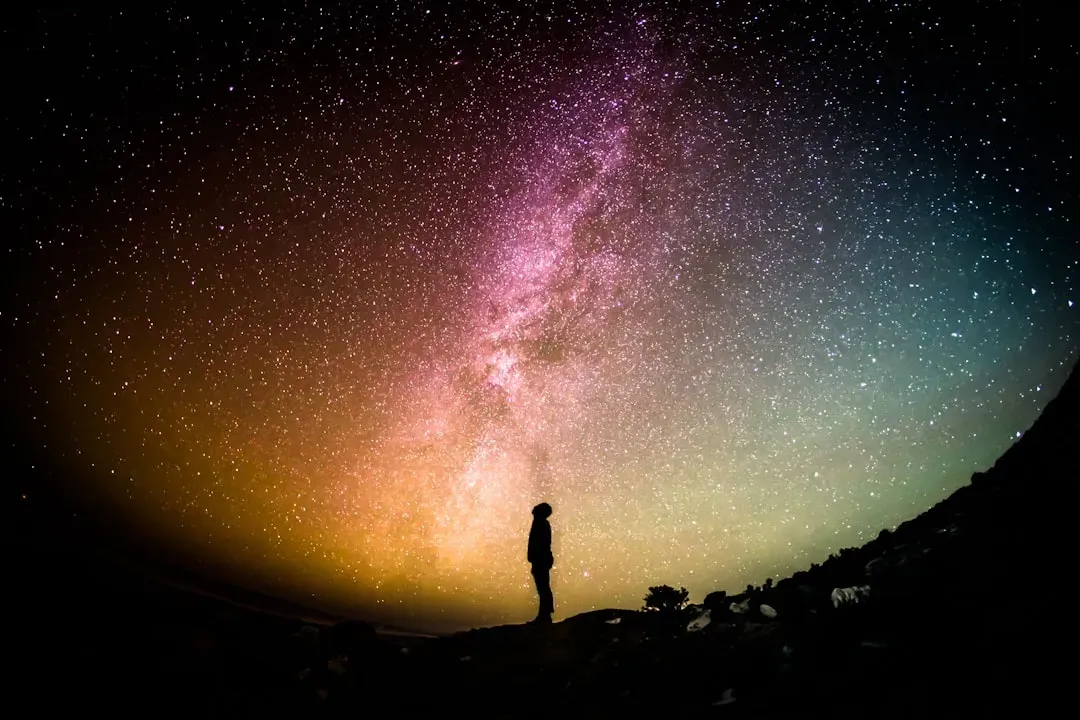
The single biggest shift of the last decade isn’t one object – it’s a whole new method. With confirmed detections of gravitational waves, high-energy neutrinos, and traditional light from the very same cosmic events, astronomers have officially entered the era of “multi-messenger astronomy.” We no longer rely on light alone; we combine gravity, particles, and photons into one composite picture of extreme physics.
This approach has already pinned down the origin of some cosmic rays, clarified how neutron star mergers actually work, and even helped confirm how fast gravity itself travels. Maybe the most underappreciated part is philosophical: “seeing” the universe is no longer a single sense. It’s closer to tasting, hearing, and touching it all at once. In the next decade, any theory that can’t survive being tested across multiple messengers is going to quietly die, whether the public ever notices or not.
The Bottom Line
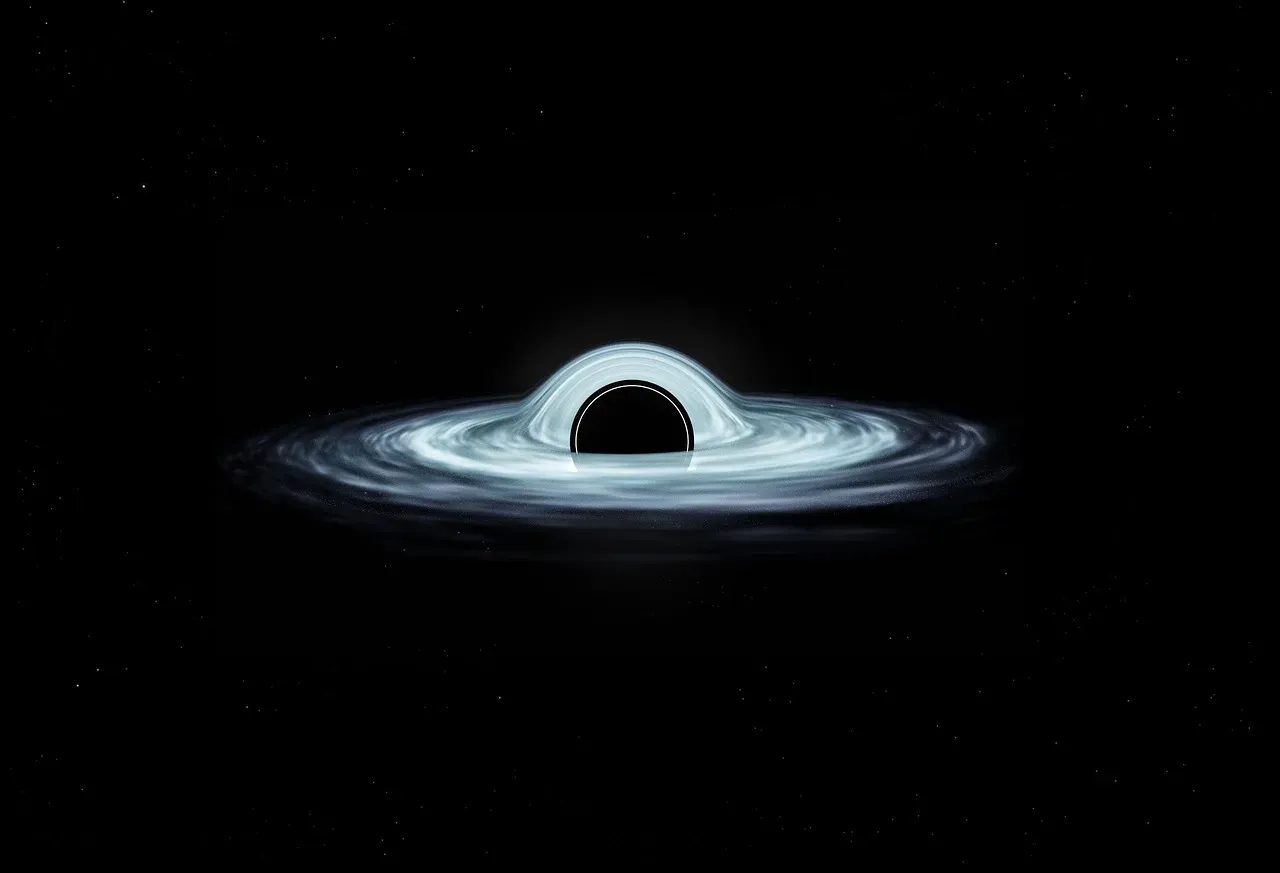
The last decade didn’t just add trivia to astronomy – it changed the rules of the game. Black holes went from abstract math to photographed objects. Planets went from “maybe rare” to “basically unavoidable.” Space itself stopped looking empty and started looking chemically rich, violently dynamic, and far more interconnected than the textbooks ever admitted.
At the same time, some of astronomy’s bedrock ideas – dark matter’s behavior, the universe’s own expansion rate – suddenly look less settled than they did ten years ago. If there’s a pattern here, it’s this: every time our instruments get sharper, the universe turns out messier, faster, and more interesting than the clean story we grew up with. Some people find that unsettling. I find it’s the best possible sign that we haven’t run out of surprises. Which of these 21 facts do you think will age the worst by the next decade?