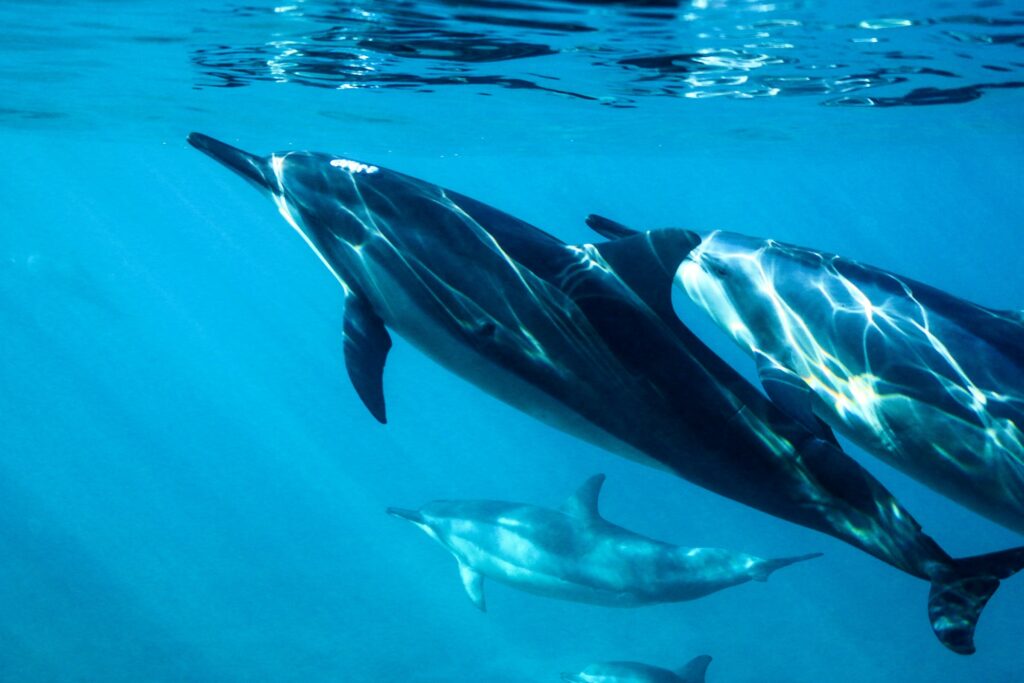

For decades, scientists drew a hard line: humans have culture, animals have instinct. Case closed, no debate needed. Then marine behaviourists started actually watching dolphins for years at a time instead of days, and that line started to crack in embarrassing ways.
What they found wasn’t cute anecdotes about clever fish tricks. It was mothers teaching daughters specific tool techniques, whole pods developing local “accents,” and traditions that spread between groups the same way slang spreads between friend circles. Here are 14 documented dolphin behaviours that researchers now genuinely argue meet the scientific bar for culture – and a few of them get uncomfortably close to home.
#14 – Signature Whistles: The Dolphin Version of Naming Yourself
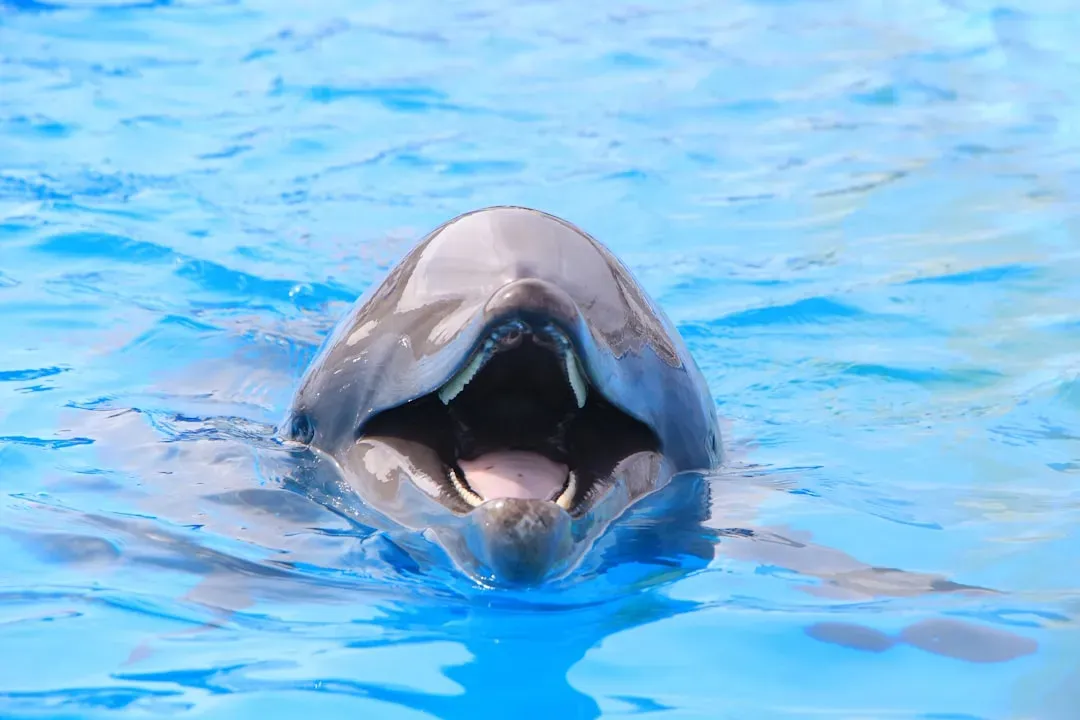
Dolphins don’t just whistle at random. Each one develops a signature whistle – a distinct acoustic pattern that functions almost exactly like a name. Calves build their own within the first year, but here’s the twist: they do it by listening to the whistles around them and tweaking the pattern, not by pure instinct. Mothers even go quiet with their own whistle while a calf is developing one, almost like giving the kid room to pick their own name.
What really surprises people is how socially flexible this gets. Dolphins can imitate another individual’s whistle to call them specifically, even when that dolphin is out of sight entirely. Some populations show subtle regional differences in whistle structure, basically the acoustic equivalent of a local dialect. A learned, personalized naming system shared across a community isn’t hardwired biology – it’s the most basic layer of a vocal culture.
#13 – Sponging: The Tool-Wielding Daughters of Shark Bay
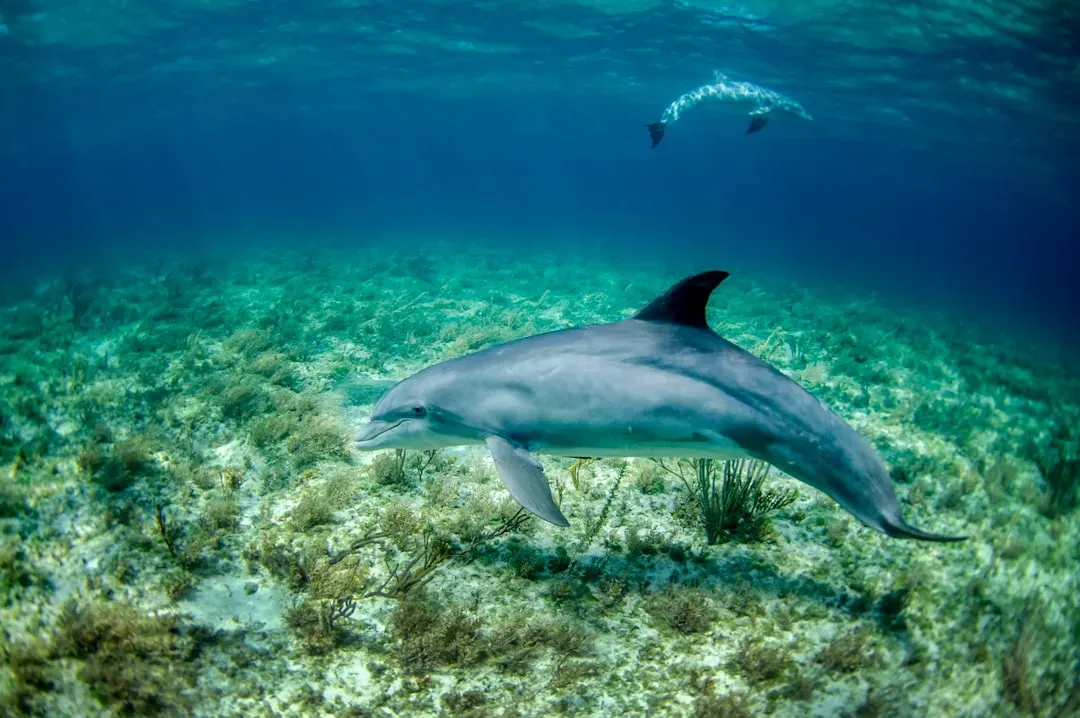
Off the coast of Western Australia, there’s a clan of bottlenose dolphins that swims around with sea sponges jammed onto their snouts. It looks bizarre until you understand the purpose: the sponge protects the sensitive rostrum while they root around sharp, rocky seafloor for fish hiding in the rubble. Not every dolphin in the area does this. Only a distinct subset does, and researchers now treat that subset as its own cultural subgroup.
The real giveaway is how the skill spreads. Sponging passes almost entirely from mothers to daughters, not evenly across the population the way a genetic trait would. Young dolphins trail their mothers for years, slowly copying the exact way to select, shape, and use the sponge. Genetic studies confirm the “spongers” aren’t uniquely related in a way that would explain the behaviour through DNA alone – it maps onto who learned from whom, not who’s related to whom.
Fast Facts
- Location: Shark Bay, Western Australia
- Species: Indo-Pacific bottlenose dolphins
- Transmission: mother-to-daughter, not genetic inheritance
- Tool use: sponges are selected, shaped, and reused rather than grabbed at random
#12 – Strand-Feeding and Mud-Rings: Regional “Recipes” for Dinner
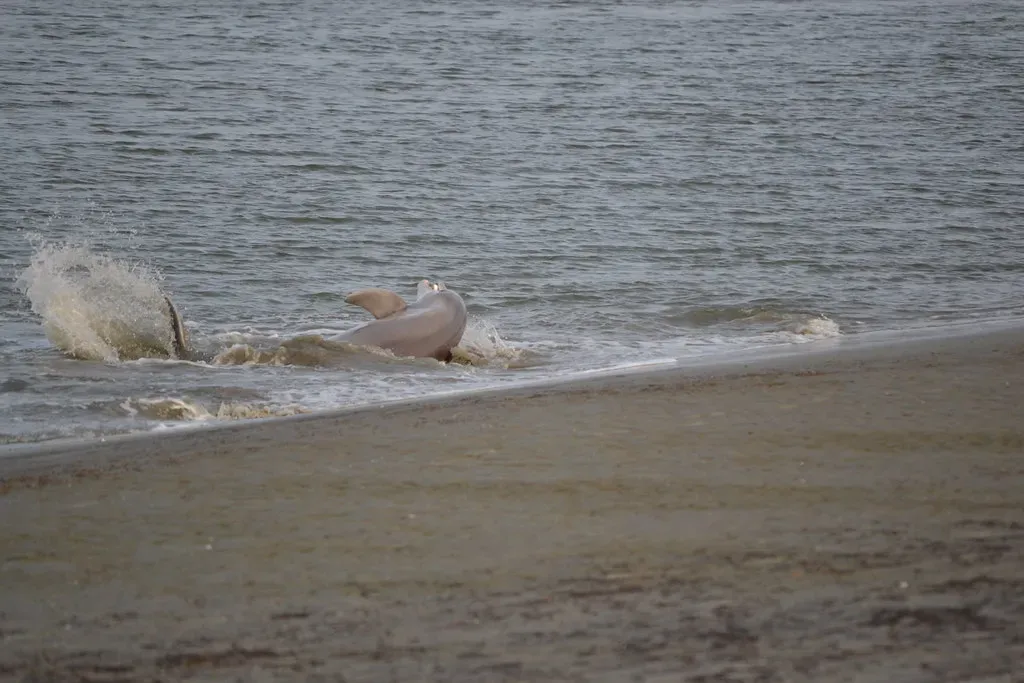
Dolphins aren’t just skilled hunters, they’re regional innovators, and different pods have invented completely different ways to catch the exact same fish. Off South Carolina and in parts of Brazil, some dolphins practice “strand feeding”: they surge toward shore in formation, wash fish onto mud banks, then launch their entire bodies out of the water to grab the stranded catch. It’s a stunning, slightly chaotic-looking maneuver, and only specific groups that learned it socially actually do it.
Elsewhere in Brazil, wild dolphins cooperate directly with human fishers, herding fish toward nets and signaling when to cast. Young dolphins learn the timing from older, experienced individuals, not from instinct. Meanwhile in Florida, dolphins whip up circular walls of mud to trap fish inside, a technique that appears restricted to certain family lines. Same species, wildly different “recipes” for lunch depending entirely on where you grew up – that’s exactly the kind of regional diversity primatologists call culture.
#11 – Bubble Rings: A Trend That Spreads Like Gossip
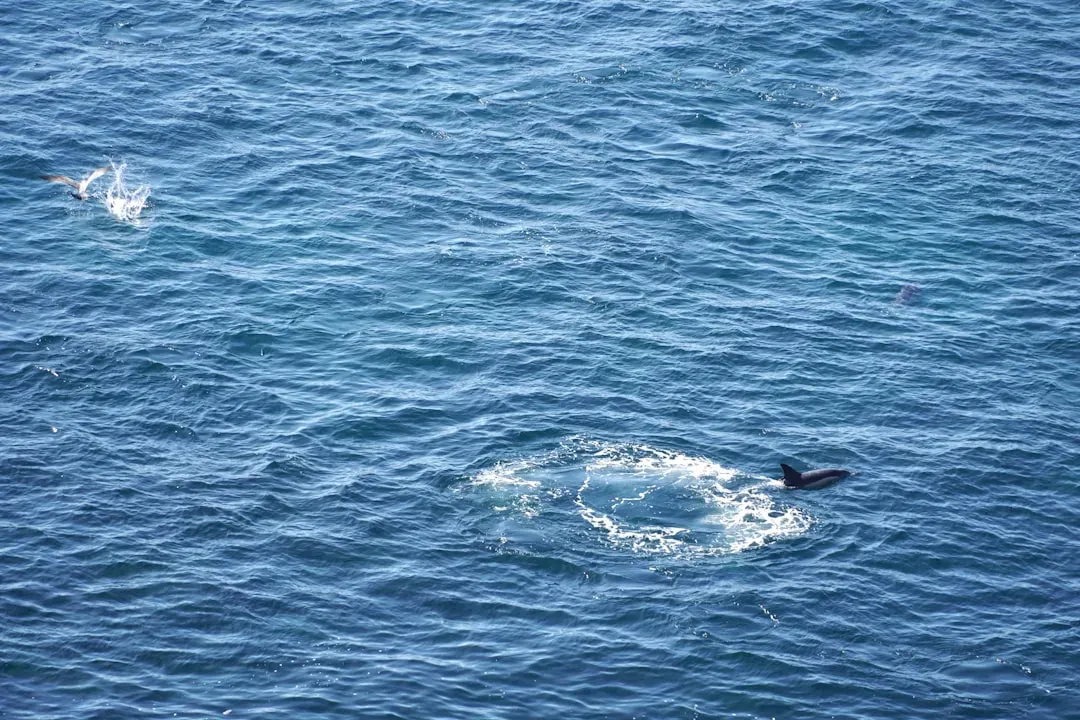
If culture includes fashion and games among humans, dolphins are getting uncomfortably close to qualifying. In several populations, dolphins blow perfect rings of air underwater, then poke, spin, and pass them around like toys. The behaviour shows up suddenly in a group, spreads through peers, and sometimes fades out again entirely – almost exactly like a trend catching fire and dying down.
Calves don’t do this spontaneously. They watch older individuals first, then start copying. Behaviourists now describe this as social diffusion of play – essentially a dolphin version of a trend spreading online. There’s zero survival necessity for sophisticated bubble manipulation. It’s purely social, purely for novelty, and it spreads by imitation. When a non-essential behaviour appears, catches on, and gains social value inside a group, you’re not looking at instinct anymore.
#10 – Local Dialects: Ocean Accents That Give Away Where You’re From
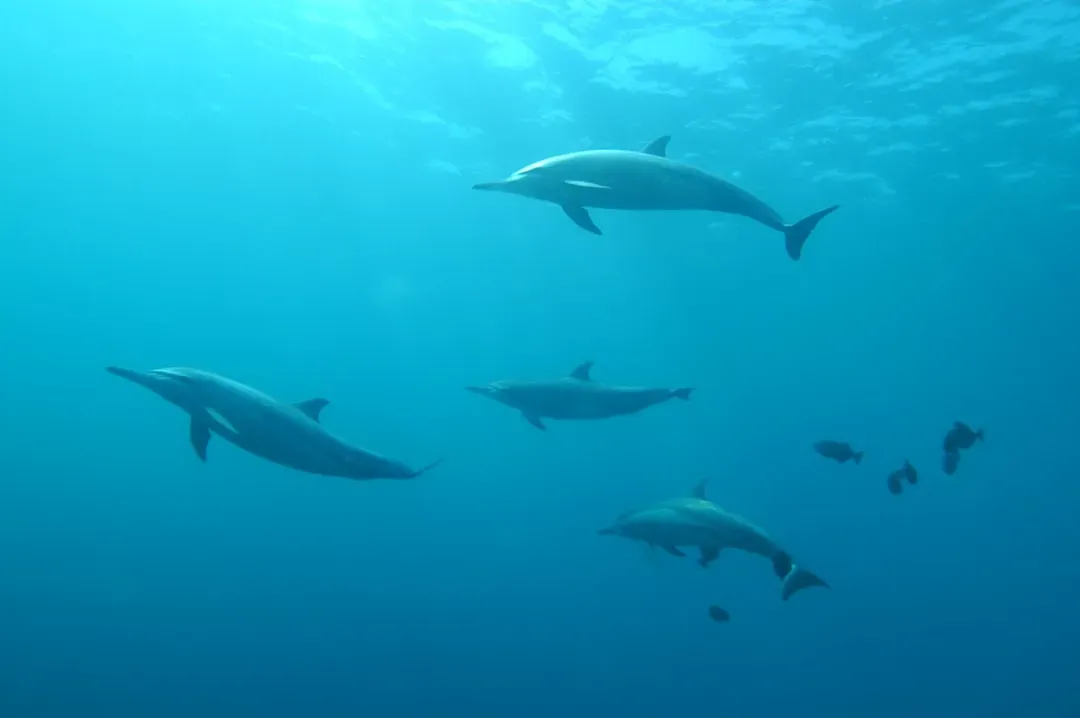
Most people assume dolphin clicks and whistles all sound roughly the same. Long-term acoustic studies say otherwise. Different pods and regions show systematic differences in call structure – tempo, pitch contours, certain stereotyped call types that show up far more in one area than another. These aren’t random fluctuations. They’re stable patterns that behave like dialects, similar to songbird dialects or orca pod “languages.”
What’s most telling is that these differences persist across generations in the same area, even when there’s some gene flow between groups. That points to vocal learning maintaining a local “sound,” not genetics doing the work alone. Calves grow up listening, matching, and fine-tuning their calls to match the community standard around them. A young dolphin in one bay genuinely sounds “from there” in a way an outsider doesn’t – one of the cleanest parallels to human regional accents that exists in the animal kingdom.
Quick Compare
- Songbirds: regional song patterns picked up from nearby adult males
- Orcas: pod-specific call dialects tied to family lines
- Dolphins: whistle and click patterns that shift bay by bay
- Humans: accents shaped by whoever we grew up listening to
#9 – Male Alliances: A Political Playbook Passed Down for Decades
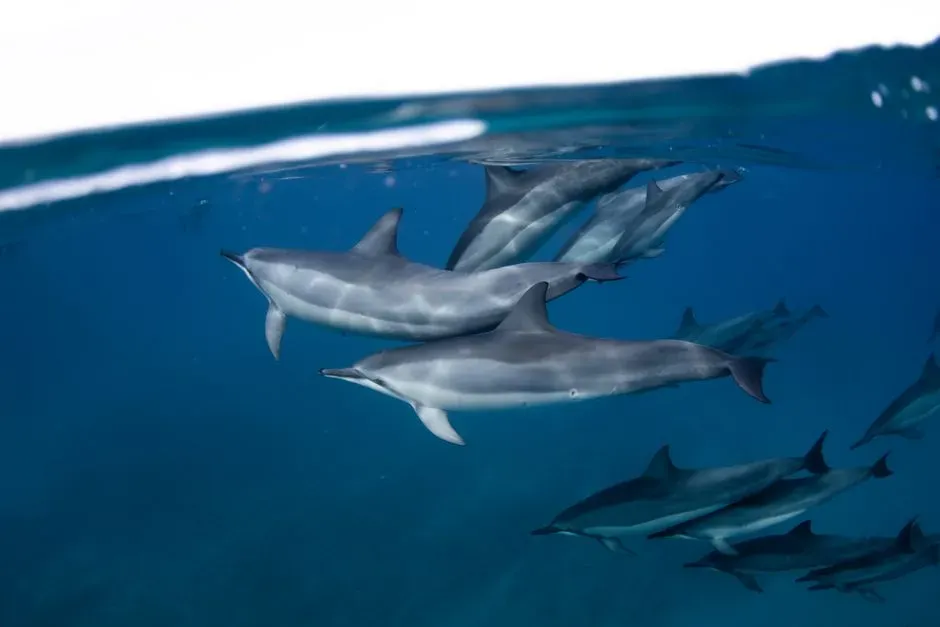
In places like Shark Bay, male dolphins form complex, multi-level alliances that can last for decades. These aren’t loose friendships. They’re structured coalitions where pairs or trios cooperate, sometimes teaming up with other alliances to compete for access to females. The maneuvering is so intricate that primate researchers now study dolphin alliances as a parallel case study in “political” intelligence.
What makes this cultural rather than purely social is that the alliances follow shared, learned rules that differ from population to population. Young males shadow older alliance members, learning who to trust, how to coordinate herding, and when to back someone up or bail. Who typically allies with whom, and what behaviour gets tolerated, stays stable enough within a community to function like a local social code. That’s a learned playbook, not hardwired mating behaviour.
#8 – Auntie Duty: The Babysitting Rules That Change From Pod to Pod
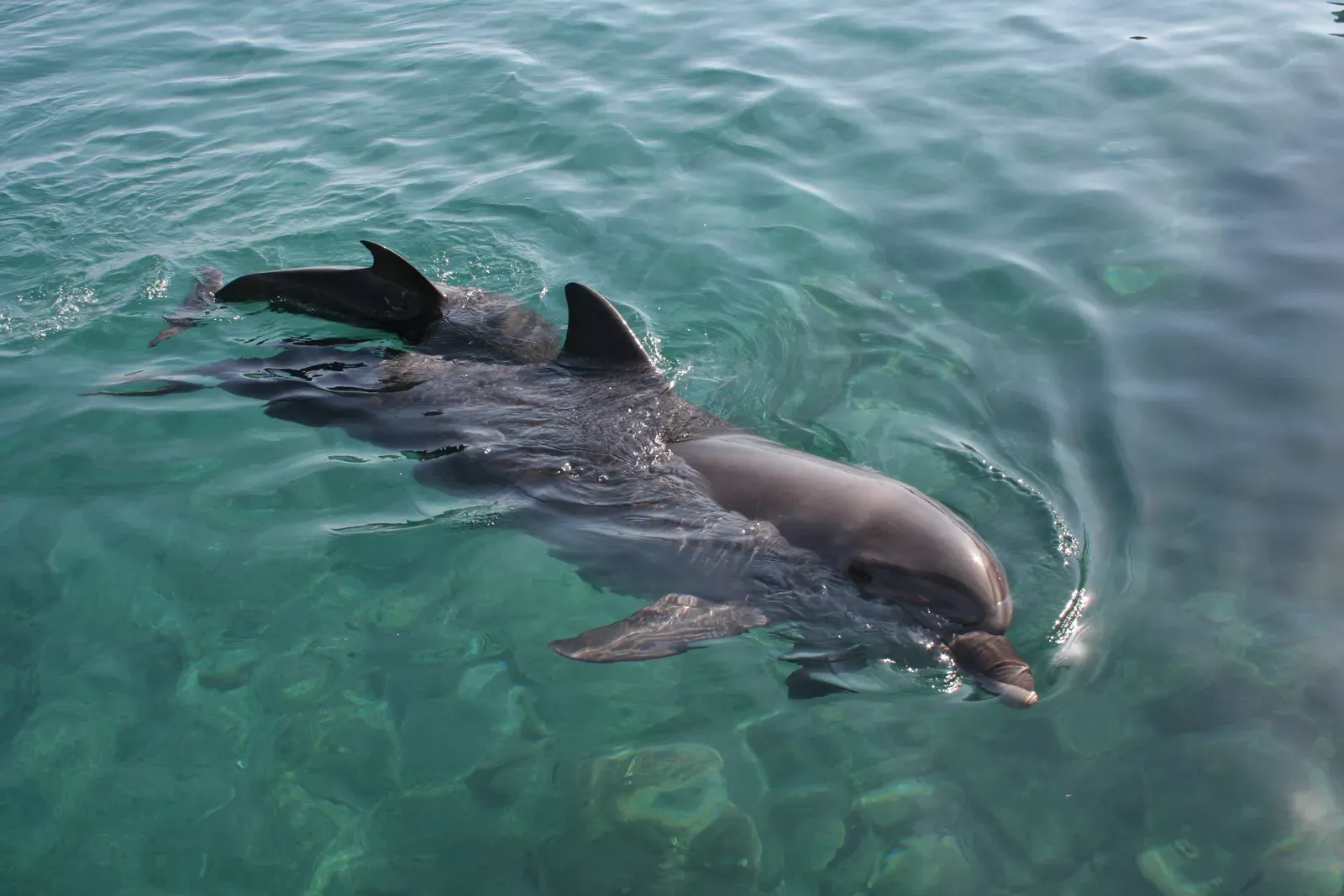
Dolphin calves don’t rely on their mothers exclusively. In many populations, juveniles and other females act as “aunties,” escorting and protecting calves that aren’t biologically theirs. This alloparental care varies dramatically between groups – some communities show extensive babysitting and escorting, others barely any at all – and that gap suggests local norms about who’s expected to help raise the next generation.
Even stranger, there are documented cases of dolphins adopting or escorting calves from other species entirely, including pilot whales and occasionally orphaned or deformed dolphin calves. These are rare events, but when they happen, they’re supported by the same social machinery that governs everyday calf care. Behaviourists are careful not to over-romanticize it, but flexible caregiving norms – who’s allowed near a calf, how close, for how long – point toward culturally learned expectations rather than pure maternal instinct.
#7 – Proto-Toys: Seaweed Games With Local House Rules
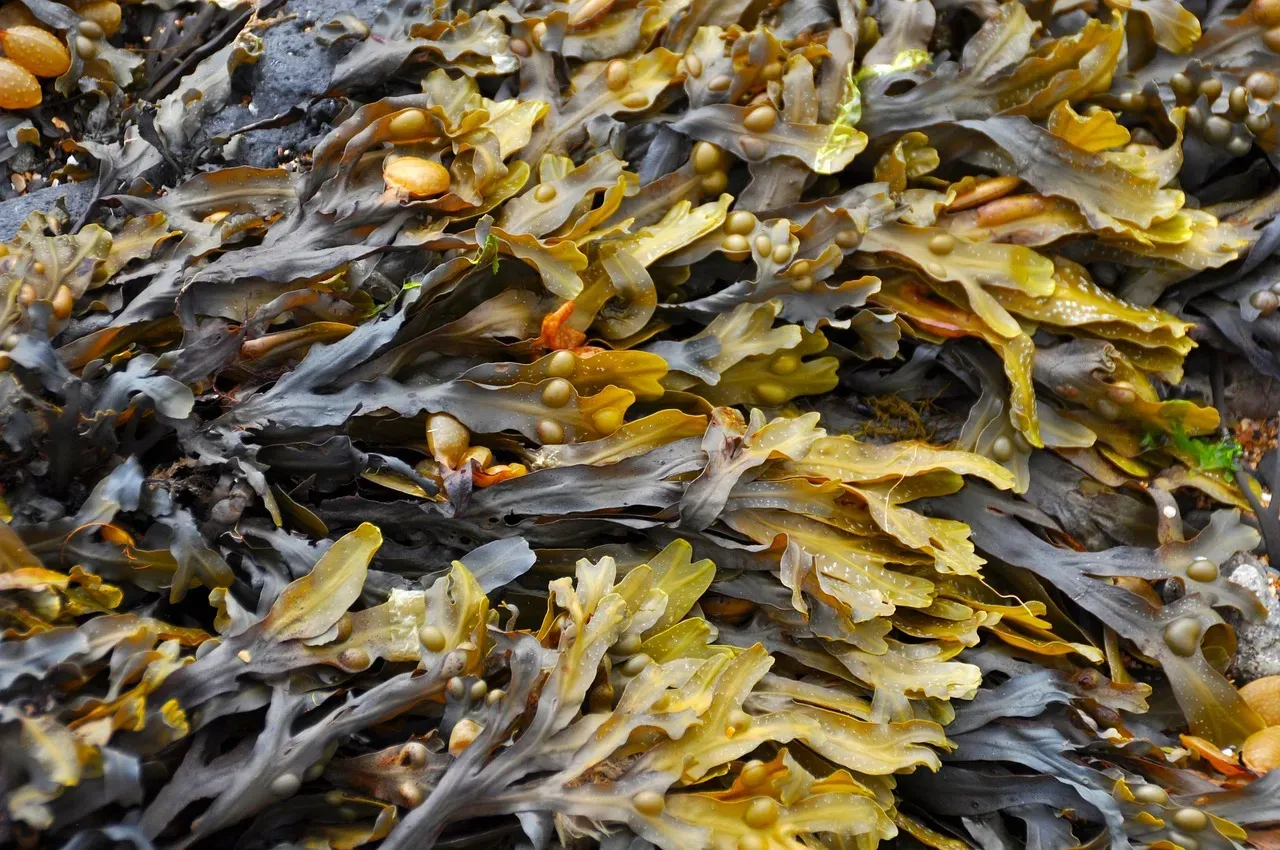
We usually reserve the word “toy” for children, but some dolphin communities are edging into that territory. Certain pods repeatedly play with seaweed, shells, or floating debris, inventing games like balancing objects on their rostrum or tossing them between individuals. The same objects get used in strikingly consistent ways within one group, even when neighboring groups have access to identical materials and never bother.
What’s striking is how young dolphins learn the local “rules” of these games. In one area, seaweed might be a solo balancing challenge; in another, it’s a group pass-the-object activity. These preferences aren’t genetically locked in – they’re shaped entirely by observation and repetition. When a specific style of object play becomes a recognizable pattern within a social unit and gets picked up by juveniles over time, researchers argue we’re edging into material culture, however modest it looks next to a human toy chest.
#6 – Injury Rehab: The Pod That Slows Down for One of Its Own
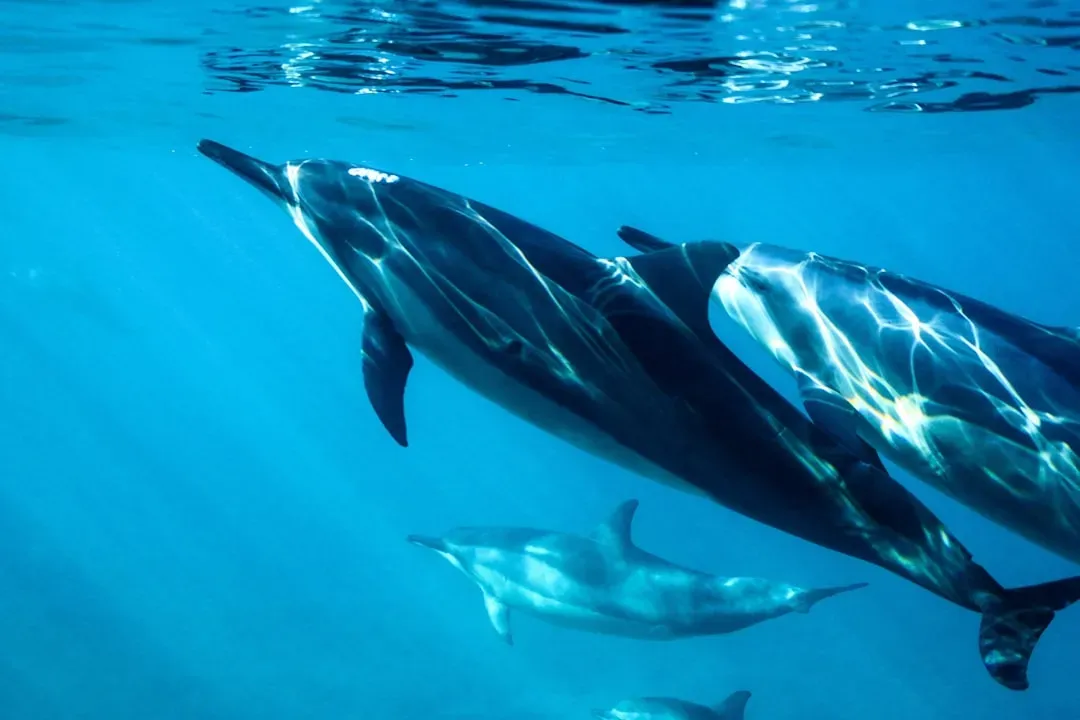
While humans industrialize healthcare, some dolphin pods are quietly running a rudimentary version of rehabilitation culture. In certain populations, injured individuals – dolphins with fishing gear scars or missing fins – get shadowed by close associates that adjust speed, position, and even foraging tactics to accommodate them. Not every group behaves this way; some are noticeably more tolerant and supportive of impaired members than others.
Observers have documented behaviours that look a lot like learned helping norms: flanking a weak individual to keep it buoyant, slowing the whole pod’s travel pace, or altering hunting tactics so the injured animal can still take part. These adjustments require cognitive flexibility and a shared expectation that it’s worth the effort to keep that individual included. When a community responds to impairment in patterned, socially transmitted ways over and over, behaviourists start talking about cultural norms around disability, not just reflexive empathy.
Worth Knowing
- Companions sometimes slow overall travel speed to match an injured dolphin’s pace
- Flanking behavior can help keep a weaker animal buoyant near the surface
- Hunting tactics may shift so an impaired member can still take part
- Support levels vary noticeably from one pod to the next
#5 – Cross-Pod Idea Theft: How a Hunting Trick Goes Viral

Culture isn’t only about local traditions staying put – it’s also about how ideas travel between groups. At several study sites, researchers have watched a specific foraging technique appear in a new pod shortly after contact with another group that already used it. One or two individuals spend time with the “innovator” group, then return home and gradually introduce the behaviour there, like bringing back a recipe from a trip abroad.
This kind of horizontal cultural transmission – sideways between groups instead of only down family lines – is exactly what makes human cultures dynamic and adaptive. Not every imported behaviour sticks, which is the interesting part: some techniques spread widely, others quietly fizzle out. That selectivity suggests social factors, like the status of the innovator or how well the trick pays off, determine which ideas become lasting traditions.
#4 – Courtship Displays: Regional Standards of “Impressive”
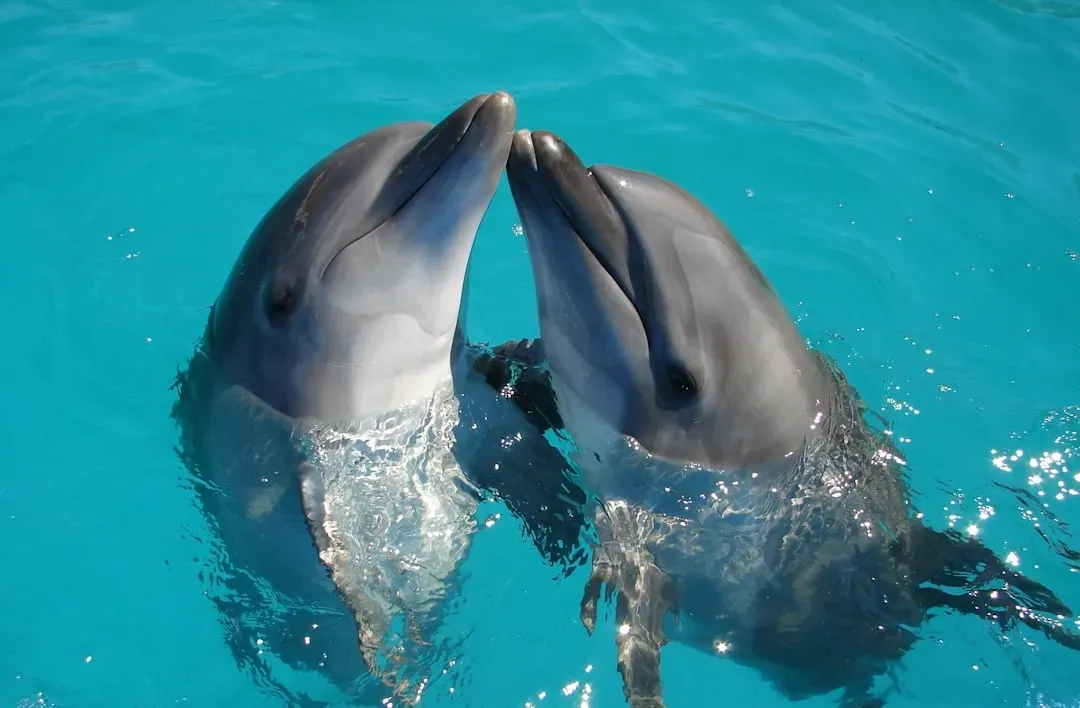
Dolphin mating isn’t the chaotic free-for-all people assume. In some populations, males perform highly stereotyped courtship displays: synchronized swimming, coordinated leaping, or presenting specific objects like seaweed or sponges to females. What varies dramatically is exactly how these displays look from one region to the next, which points to a layer of learned tradition rather than one universal species-wide script.
Young males appear to practice and refine their displays by watching successful adults, similar to birds perfecting a song over repeated attempts. Some alliances even develop almost signature repertoires recognizable over time. When a nonessential flourish, like a particular leap-and-spin combo, becomes a recognized pattern transmitted in one community and not another, the evidence tips toward cultural ritual. Different dolphin societies, it turns out, have different ideas of what counts as impressive.
#3 – Grief Rituals: Carrying the Dead for Days
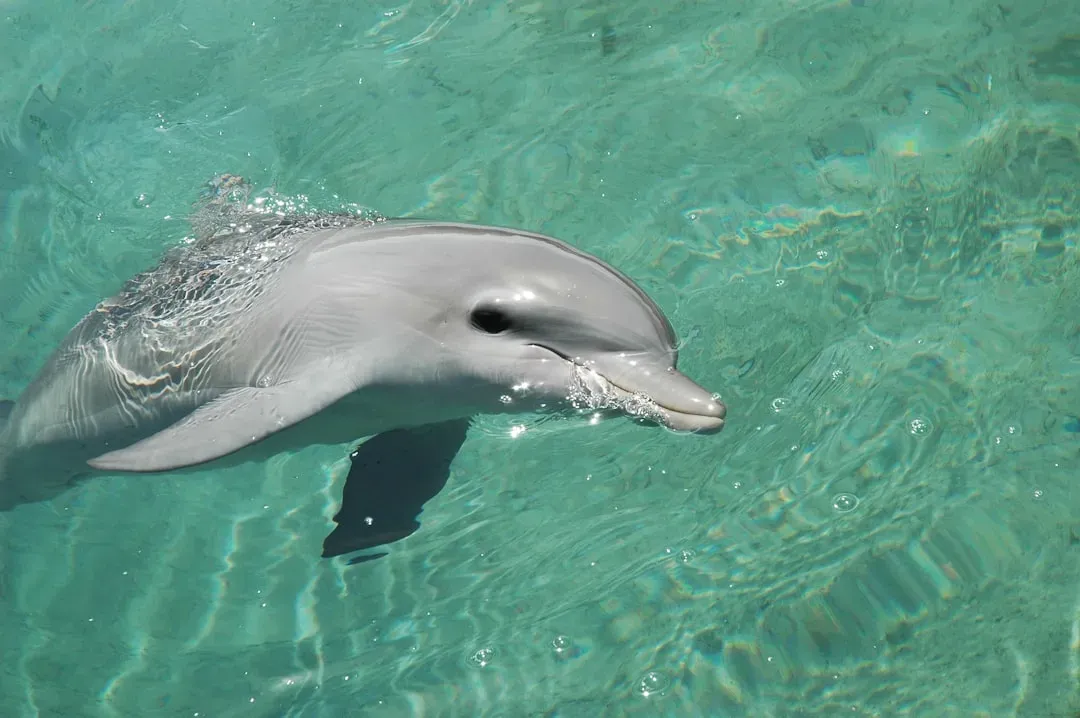
This is where things get uncomfortable for anyone who wants a hard wall between human and animal emotion. Around the world, observers have documented dolphins – mostly mothers – carrying dead calves for days, sometimes weeks, nudging and lifting the body to the surface long after there’s any chance of revival. Other pod members often stay close during this period, visibly adjusting their own behaviour around the grieving individual.
Grief is the price we pay for love.
Queen Elizabeth II
Biology certainly plays a role in these episodes, but the patterns around them look ritualized at times. Some groups repeatedly gather, slow their travel, or touch the body in strikingly similar ways across separate, unrelated incidents. Not every population shows the same intensity of response, suggesting local norms about what’s “appropriate” when a death occurs. Researchers are careful not to project human funerals onto dolphins, but the repeatable, socially modulated nature of the behaviour has earned it a real place in the conversation about animal death culture.
#2 – Friendship Hotspots: Towns Where Dolphins Choose Us Back

It’s one thing to have culture within your own species. It’s another to have specific places on the planet where dolphins reliably seek out contact with humans, and pass that habit down socially to the next generation. Certain communities are known for long-term, repeated friendly approaches to boats, specific harbours, or even particular people – patterns that go well beyond passing curiosity.
Some solitary, resident dolphins become genuine local celebrities, and their behaviour shapes how nearby wild dolphins treat human presence overall. In other places, dolphins develop stable associations with other marine species entirely, swimming alongside whales or riding their bow waves season after season. A neighbouring population of the exact same species might avoid boats altogether, while another treats them as an expected part of the environment. That kind of divergence is hard to explain without invoking culturally learned expectations about other species.
#1 – Elder Matriarchs: Living Libraries That Keep the Pod Alive
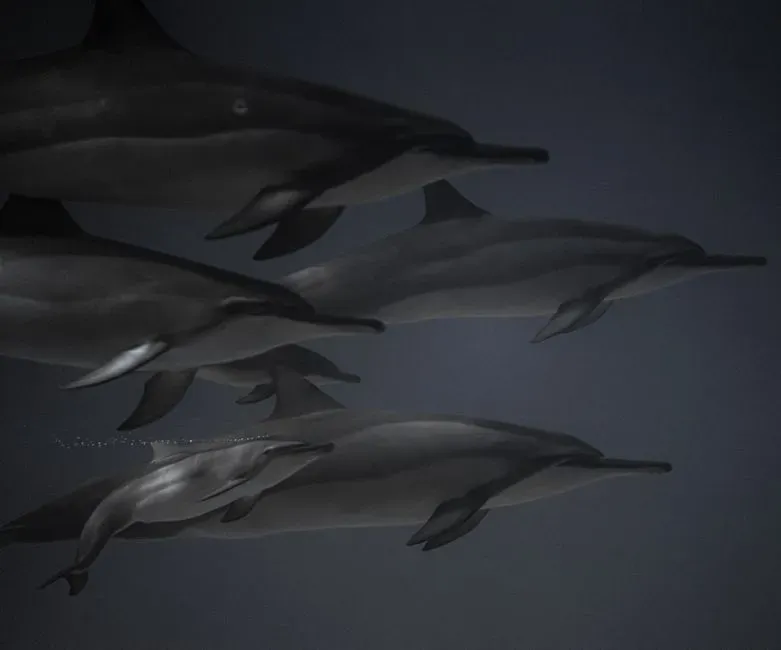
If one behaviour screams culture in a distinctly human sense, it’s this: older dolphins, especially experienced females, function as moving archives of foraging sites, safe travel routes, and social history. Pods with long-lived matriarchs tend to have more stable movement patterns and may weather environmental changes better than those without them, which implies survival-critical information is stored in memory, not DNA.
Young dolphins learn where and when to travel by shadowing these elders, copying not just the routes but the timing – which bays to visit in which season, how to handle recurring environmental risks. When knowledge about the world gets transmitted socially across multiple generations and becomes essential to a group’s survival, biologists are running out of reasons not to call it culture. You can argue about the label all day, but the pattern itself – inherited know-how shaping daily life – is unmistakably familiar. Uncomfortably familiar, even.
At a Glance
- Matriarchs often carry decades of memory about foraging grounds
- Pods with experienced elders tend to show more stable movement patterns
- Younger dolphins learn seasonal routes by following, not by instinct alone
- Losing a matriarch can disrupt a pod’s collective “knowledge base”
The Bottom Line
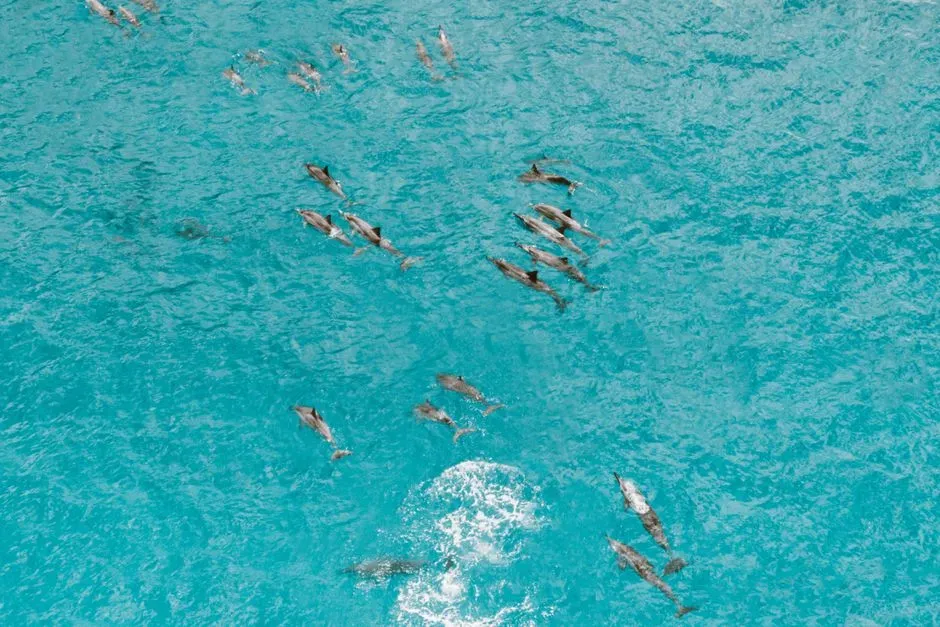
The more closely researchers watch dolphins, the blurrier the old “humans versus animals” line gets. This isn’t a list of cute tricks or one-off anecdotes. It’s stable, socially transmitted tradition showing up in hunting, play, communication, caregiving, and even how a species handles death.
Behaviourists are right to be careful with a word as loaded as “culture.” But at this point, insisting these patterns are pure instinct starts to look more like denial than skepticism. Culture was never a switch humans flipped on alone – it looks a lot more like a spectrum, and dolphins are sitting closer to us on it than most people are comfortable admitting.
The real question isn’t whether dolphins have culture anymore. It’s how much of what we’ve called uniquely human turns out to be just our own species’ version of something plenty of social animals have been doing all along.