Most people believe the future is decades away, but the reality is that 2026 is the year the “sci-fi” world actually arrives. While we’ve been distracted by minor tech updates and social media trends, massive industrial and biological leaps have been quietly reaching a tipping point. We aren’t just talking about faster phones or slightly better batteries; we are looking at a fundamental shift in how human beings survive, work, and interact with the physical world. The gap between the “haves” and “have-nots” is about to be defined by who understands these shifts first. Here’s what the data actually says.
#20 — The End of the “charging” Era

Wireless power is finally moving out of the lab and into our living rooms. By 2026, the mess of tangled cables behind your desk will officially become a relic of the past as long-range over-the-air charging becomes the new standard for small electronics.
Unlike the “charging pads” we use today, this technology uses high-frequency radio waves or infrared beams to beam power directly to your devices from several meters away. Tests have already shown that a single hub can keep a smartphone, a keyboard, and a smartwatch fully charged without a single wire touching them.
Critics argue that the efficiency loss is too high to justify the convenience, but most consumers will gladly trade a few cents on their power bill for never seeing a “Low Battery” warning again. This is more than a luxury; it’s a total reimagining of how we design our workspaces and homes. But that’s nothing compared to what we found about #19…
#19 — Personalized Cancer Vaccines
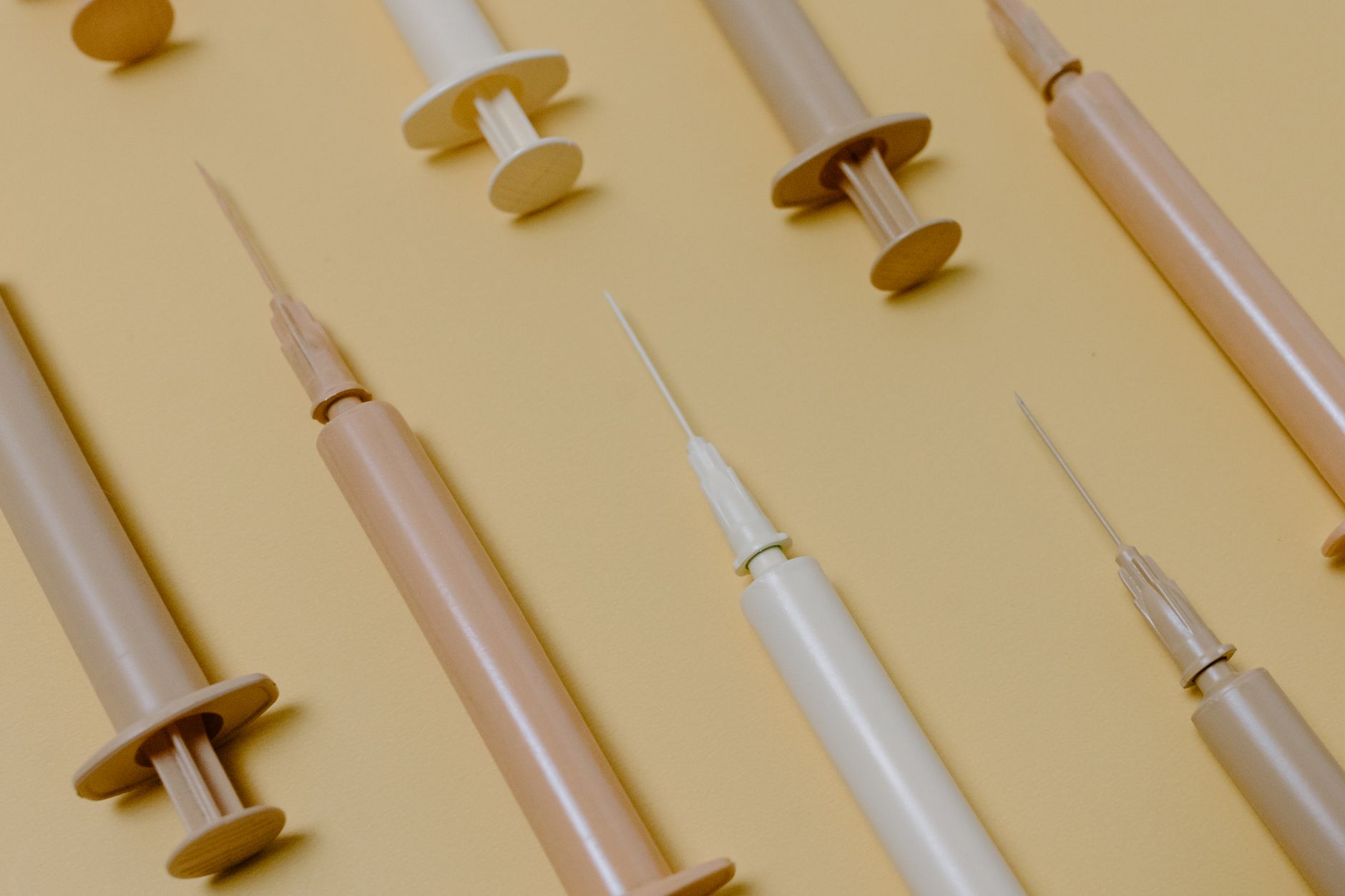
The medical world is shifting from “treating” disease to “training” the body to eliminate it. By 2026, mRNA technology—the same tech that revolutionized the COVID response—is being deployed to create custom-tailored cancer vaccines for individual patients.
Doctors can now biopsy a tumor, identify its unique genetic mutations, and manufacture a vaccine that teaches the patient’s immune system to recognize and kill those specific cells. Clinical trials are already showing staggering success rates in preventing the recurrence of melanoma and pancreatic cancer.
While the cost remains high, insurance companies are beginning to realize that a one-time vaccine is significantly cheaper than years of traditional chemotherapy and hospital stays. It turns out the cure wasn’t a single pill, but a line of code written for your specific DNA. Wait until you see how #18 is changing the way we eat…
#18 — Lab-Grown “Heritage” Meats

Cultivated meat is finally hitting price parity with traditional ranching, but the real breakthrough isn’t just “sustainable burgers.” In 2026, the industry is focusing on “designer meats” that are physically impossible to produce via traditional farming.
Imagine a steak with the marbling of A5 Wagyu but the heart-healthy fats of wild-caught salmon. Researchers have successfully synthesized meat that contains zero saturated fats and is enriched with Omega-3s, fundamentally changing the nutrition profile of a “cheat meal.”
Ethical concerns are still rampant, and many traditionalists claim they will never eat “test-tube steak,” but the environmental data is undeniable. As water costs skyrocket, large-scale cattle ranching is becoming a luxury service for the elite. However, the real shock is happening in our brains with #17…
#17 — The Commercial Brain-Computer Interface

It’s no longer just for medical patients; brain-computer interfaces (BCIs) are hitting the consumer market. By 2026, high-end “headbands” or discreet ear-worn devices allow users to control their smart home devices or scroll through digital content using nothing but neural intent.
These devices don’t “read your thoughts” in a literal sense, but they detect the specific electrical signals associated with movement or focus. A skilled user can now “type” at 60 words per minute without moving a single finger.
Privacy experts are sounding the alarm, fearing that big tech companies will soon have access to our literal subconscious reactions to advertisements. Is the convenience of a hands-free world worth the loss of mental privacy? Most people say no, but the sales figures suggest otherwise. This mental shift is nothing compared to the physical shift in #16…
#16 — Solid-State Batteries for the Masses
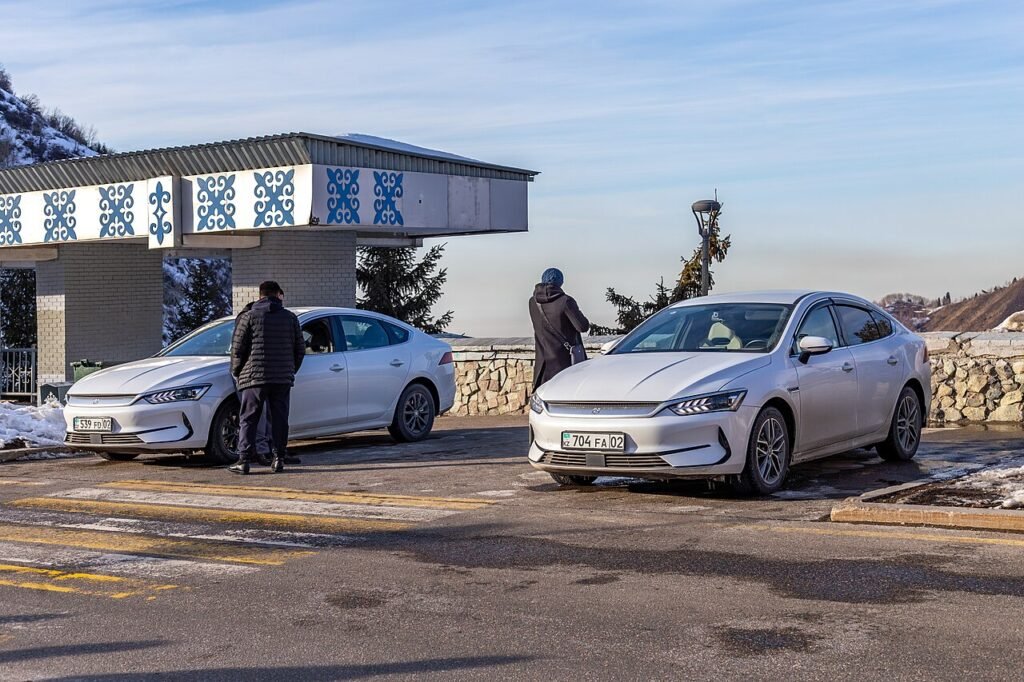
Nikolai Bulykin, CC BY-SA 4.0, via Wikimedia Commons
Electric vehicles (EVs) have always been held back by the limitations of liquid lithium-ion batteries—namely, they are heavy, slow to charge, and flammable. In 2026, the first mass-production cars featuring solid-state batteries are finally hitting the highway.
These batteries use a solid electrolyte, which allows for double the energy density and charging times of under 10 minutes. This effectively eliminates “range anxiety,” as a standard EV can now travel over 700 miles on a single “fill-up.”
The shift is so rapid that traditional gas stations are frantically installing high-voltage solid-state hubs to stay relevant. If you bought a liquid lithium EV in 2023, you might find your resale value plummeting as this tech becomes the new gold standard. But transportation is also changing in the air with #15…
#15 — The “Uber of the Skies” is Real
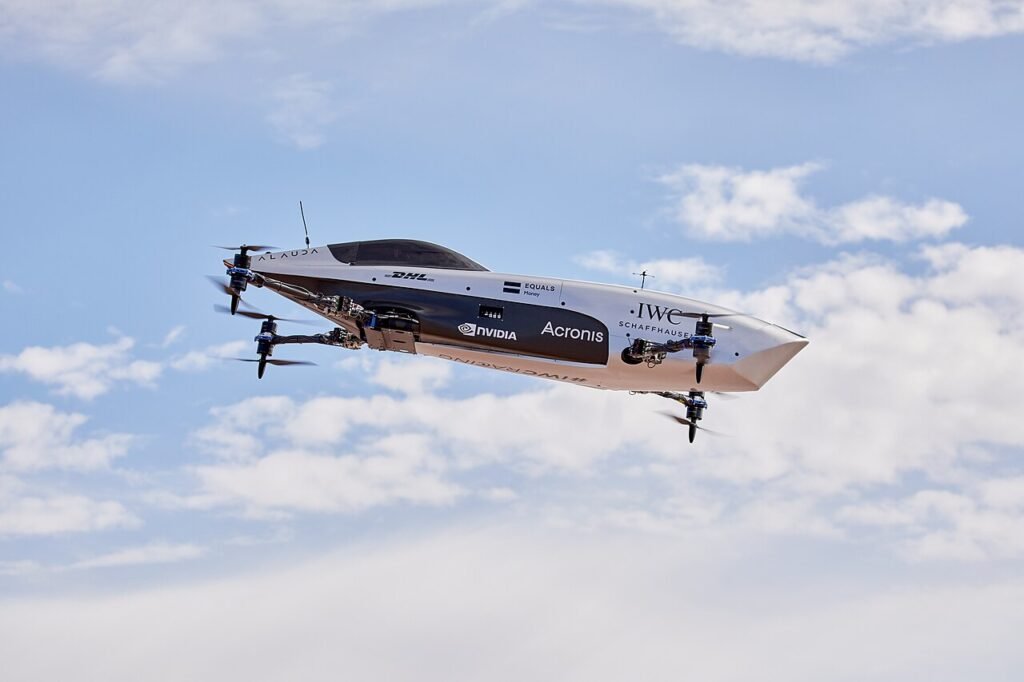
OzarkForever123, CC BY-SA 4.0, via Wikimedia Commons
Electric Vertical Take-off and Landing (eVTOL) aircraft have officially cleared the final regulatory hurdles. In major metros like New York, Dubai, and Seoul, 2026 marks the first year of scheduled air-taxi services.
These aren’t helicopters; they are multi-rotor electric aircraft that are significantly quieter and safer. A commute that once took 90 minutes in gridlock traffic can now be completed in 8 minutes for the price of a premium ride-share.
The biggest challenge isn’t the technology, but the “Not In My Backyard” (NIMBY) movement. People hate the idea of “drones” buzzing over their suburban houses, even if they are virtually silent. However, for the wealthy commuter, the sky is finally open. The sky isn’t the only thing we’re conquering, look at what’s happening at #14…
#14 — Hyper-Realistic AR Glasses
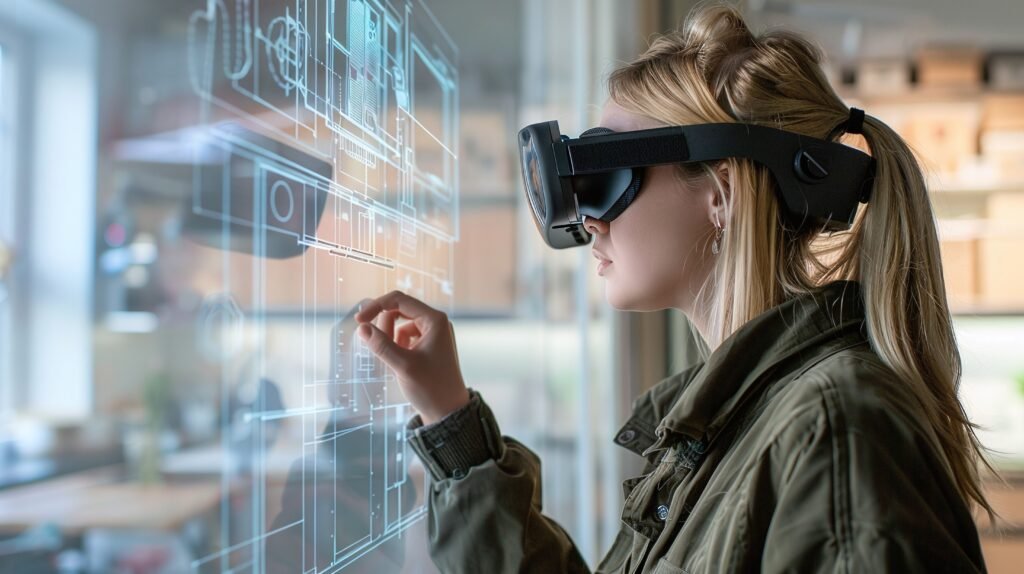
Smart glasses have finally ditched the “clunky tech” look and now resemble stylish Ray-Bans. By 2026, Augmented Reality (AR) has replaced the smartphone for millions of “early adopters” who no longer want to look down at a screen.
The breakthrough is in the “waveguide” displays that overlay digital information directly onto the physical world with perfect depth perception. You can now follow GPS directions that appear as a glowing line on the actual sidewalk in front of you.
The social friction is immense—how do you know if someone is recording you? The “glasshole” stigma of a decade ago is returning, but as the utility of having an AI assistant floating in your peripheral vision grows, the social norms are shifting fast. This digital layer is also transforming the home via #13…
#13 — 3D-Printed Neighborhoods

The housing crisis met its match in 2026 with the full-scale deployment of giant robotic 3D-concrete printers. We are no longer printing “proof of concept” sheds; we are printing entire multi-story apartment complexes in a fraction of the time.
A structural shell of a home can now be “printed” in under 48 hours with almost zero waste. These homes are significantly more resilient to hurricanes and fires than traditional stick-built houses.
While construction unions are fighting the automation tooth and nail, the sheer cost savings (up to 30% cheaper than traditional builds) are making it the only viable option for affordable housing. The “printed” world is just getting started, especially when you look at #12…
#12 — Real-Time Universal Translation “Hearables”

The language barrier is officially dead. In 2026, the newest generation of earbuds features on-device AI that can translate 40+ languages in real-time with less than a 500-millisecond delay.
This isn’t the choppy computer voice of the past; the AI mimics the tone, pitch, and cadence of the person speaking. You can hold a fluid, deep conversation with a shopkeeper in Tokyo or a taxi driver in Paris as if you both spoke the same tongue.
Language teachers are seeing a massive drop in enrollment, and the “cultural nuance” of learning a language is being replaced by a digital shortcut. Some argue it’s the end of cultural depth; others say it’s the beginning of true global peace. But peace is hard to find with the climate shifts in #11…
#11 — Carbon Capture “Farms”

We aren’t just lowering emissions anymore; we’re literally vacuuming the atmosphere. By 2026, massive Direct Air Capture (DAC) plants are becoming a standard part of industrial landscapes, funded by carbon credit markets.
These facilities use giant fans and chemical sorbents to pull CO2 directly out of the sky and pump it deep underground, where it turns into stone. A single facility can now do the work of 40 million trees in a fraction of the space.
The “green” debate is shifting: is it better to stop polluting, or is it better to just clean up the mess? While the technology is expensive, it’s currently the only way to reach net-zero goals. This tech is impressive, but #10 is changing the very nature of human age…
#10 — Senolytic “Anti-Aging” Pills

“Aging” is increasingly being classified as a treatable condition rather than an inevitability. In 2026, the first generation of senolytic drugs—which selectively clear out “zombie cells” that cause inflammation—is entering the market.
These aren’t vitamins; they are targeted therapies that help the body regenerate like it’s 10 or 20 years younger. In animal trials, these drugs extended lifespan by 30% and significantly improved mobility and cognitive function.
The “immortality” industry is booming, but critics point out that these drugs might only be accessible to the billionaire class, creating a world where the rich literally live longer than the poor. However, the most important biological shift might be #9…
#9 — CRISPR in the Womb

The debate over “designer babies” has officially arrived. By 2026, gene-editing technology like CRISPR is being used to fix genetic defects in embryos before they are even born, preventing lifelong conditions like cystic fibrosis or sickle cell anemia.
While currently restricted to eliminating severe diseases, the “slippery slope” is wide open. Fertility clinics are already seeing a demand for “enhancements” like increased muscle density or higher IQ markers.
Ethicists are terrified, but for parents carrying a terminal genetic trait, this technology is nothing short of a miracle. Science is fixing our bodies, while #8 is fixing our energy needs…
#8 — Small Modular Reactors (SMRs)
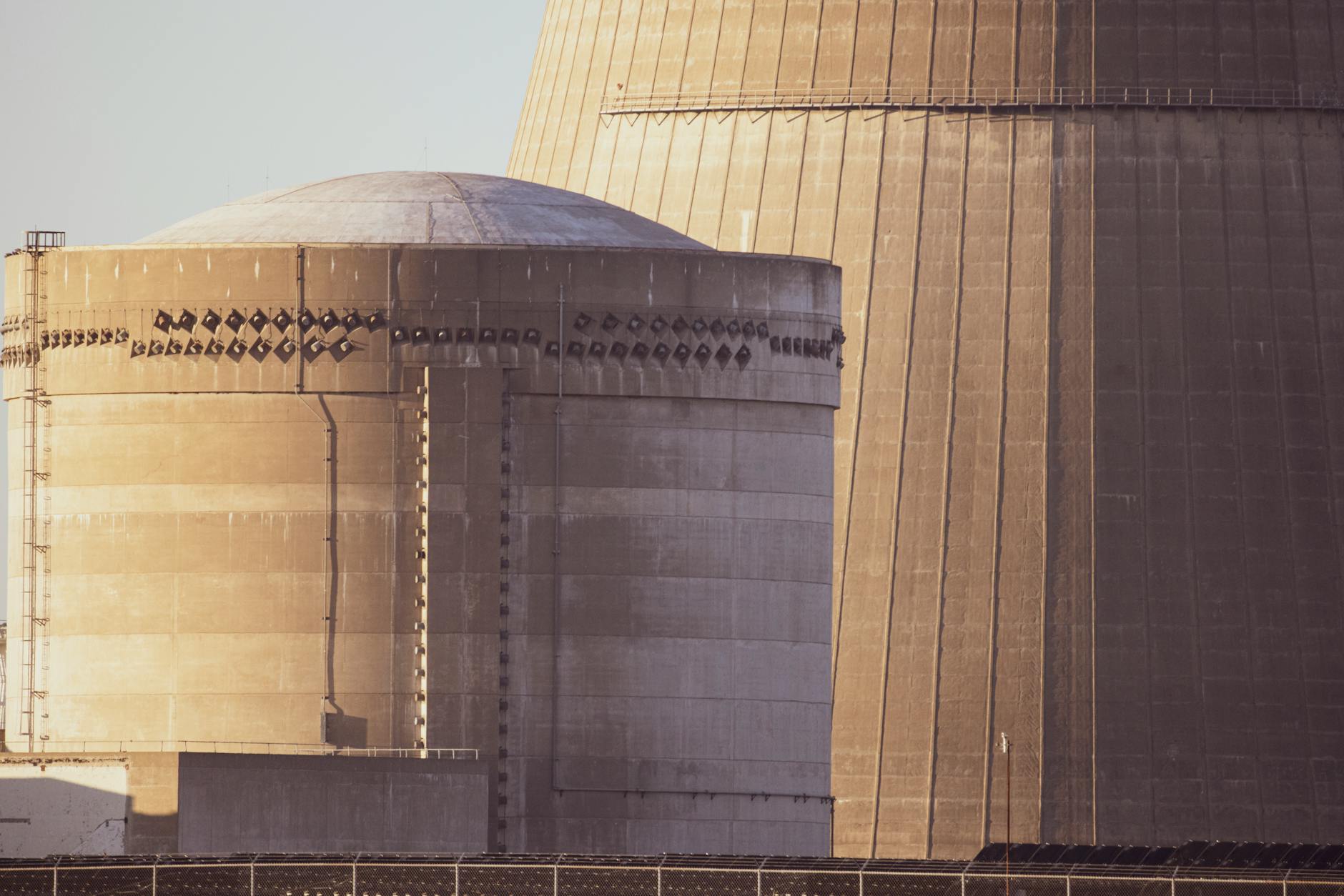
The “Nuclear Renaissance” is here, but it’s not what you think. Forget the massive, terrifying cooling towers of the 1970s. 2026 is the year of Small Modular Reactors (SMRs) that are built in factories and shipped to their sites.
These reactors are about the size of a shipping container and are virtually impossible to melt down due to passive safety systems. An SMR can power a small city for 20 years without needing to be refueled.
Public perception is still the biggest hurdle, but as the world faces an energy shortage, “safe nuclear” is becoming the only logical option for a carbon-free future. But even this energy can’t compare to the power of #7…
#7 — Generative AI in Physical Robotics

The “brain” of ChatGPT has been put into the body of an industrial robot. In 2026, robots no longer need to be programmed for every specific task; you can simply tell them what to do in plain English.
Because they understand natural language and physical context, these robots can “figure out” how to fold laundry, organize a warehouse, or even perform basic construction work without a line of code. Labor productivity in manufacturing has seen its biggest jump in 50 years because of this.
The “blue-collar” job market is in a full-blown crisis as “Humanoid-as-a-Service” companies begin to rent out robotic labor for $10 an hour. This automation is hitting every sector, but wait until you see what #6 is doing to our eyes…
#6 — Smart Contact Lenses

Forget glasses; the future is literally on your eyeball. By 2026, the first FDA-approved smart contact lenses are available, offering a “micro-display” that is completely invisible to anyone else.
The lens uses the blink of an eye to trigger commands and can highlight objects in the dark or zoom in on distant text. It’s the ultimate “stealth” technology for students, public speakers, and surgeons.
While the surgical risks of wearing electronics on the cornea are still being debated, the tactical advantage is too high to ignore. If you think that’s invasive, check out the data behind #5…
#5 — The Decentralized “New Internet”

The era of “Big Tech” owning your data is ending. In 2026, a new, decentralized internet protocol has gained enough traction to challenge the status quo.
Instead of your data being stored on a server owned by Facebook or Google, it lives in an encrypted “vault” that you own. You “lease” your data back to apps, and they pay you in micro-credits for the right to show you an ad.
The shift is causing a massive crash in the traditional ad-tech market, as users finally realize their attention is a valuable commodity. But if people aren’t looking at screens, they are looking at #4…
#4 — Space Tourism for the “Upper Middle Class”
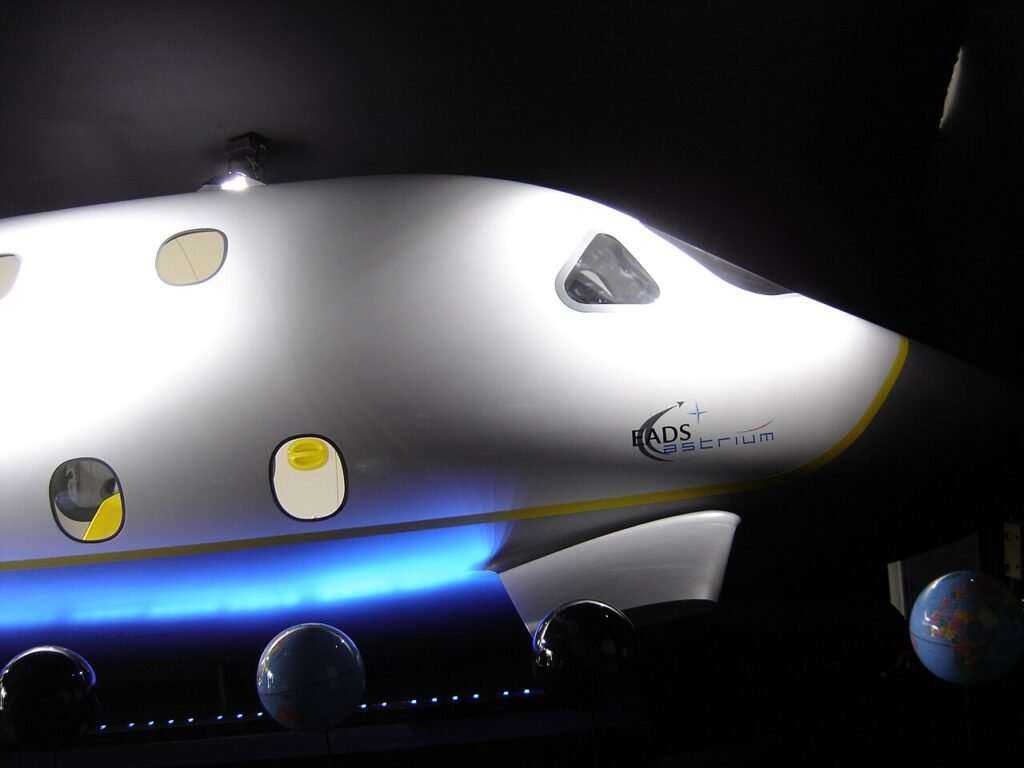
Space is no longer just for the Bezos and Musks of the world. By 2026, the cost of a suborbital flight has dropped from $450,000 to roughly the price of a luxury SUV ($80,000).
Space stations are no longer just for labs; they are becoming “luxury hotels” with 16 sunrises a day. More humans will go to space in 2026 than in the entire history of the 20th century combined.
Environmentalists hate the fuel burn, but the “Overview Effect”—the shift in perspective people get from seeing Earth from above—is being touted as a potential catalyst for global environmentalism. This perspective shift is nothing compared to the medical shift in #3…
#3 — Lab-Grown Organ Transplants
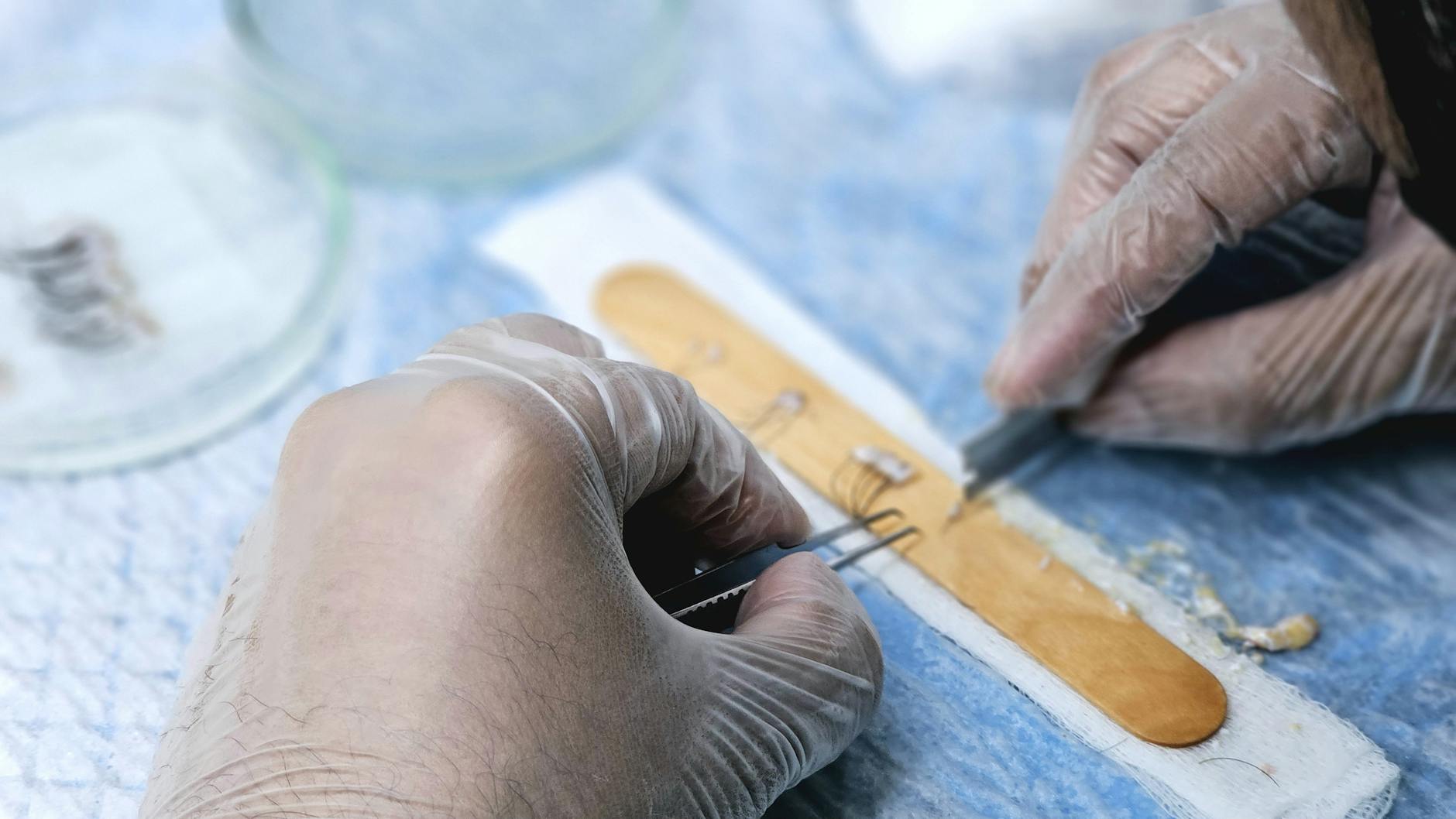
The organ donor list is becoming a thing of the past. In 2026, bio-printers use a patient’s own stem cells to “print” a replacement liver or kidney, meaning there is zero chance of organ rejection.
There are no more “waiting for a tragedy” scenarios to get a life-saving transplant. Researchers have successfully completed the first functional “printed” heart transplant in a human patient.
The ethical debate over “spare parts” is raging, as some fear the wealthy will simply replace organs every decade to live indefinitely. But biology is only half the story; #2 is about the very fabric of reality…
#2 — Personal Quantum Computing

Quantum computers used to require massive cryogenic cooling systems, but 2026 has seen the arrival of the first “room temperature” quantum processors for specialized commercial use.
These machines can solve problems in seconds that would take today’s most powerful supercomputers 10,000 years to crack. This has effectively broken all current forms of digital encryption, forcing a global “security reset.”
If you haven’t updated your passwords to “quantum-resistant” protocols, your financial data is currently a sitting duck. It’s a terrifying leap forward, yet it pales in comparison to the #1 breakthrough of our era…
#1 — General Artificial Intelligence (AGI) “First Light”

The “Holy Grail” of computer science has been achieved. In 2026, researchers have documented the first instance of Artificial General Intelligence—a machine that can learn, reason, and apply logic across any domain as well as or better than a human.
This isn’t a chatbot; it’s a digital entity that can learn a new language in an hour, write its own software to solve complex engineering problems, and exhibit what some call “synthetic intuition.” It is the last invention humans will ever need to make, as the AGI can now do the inventing for us.
The implications are total and absolute. It could mean the end of scarcity, the cure for every disease, or a total societal collapse if not managed correctly. We are standing on the precipice of a “Post-Human” era.
The Bottom Line
The world of 2026 isn’t just a slightly more modern version of today; it is a fundamental rewrite of the human experience. From curing cancer with personalized “codes” to the arrival of AGI that can out-think its creators, we are entering an era where the only limit is our speed of adaptation. Most people are still waiting for the future to arrive, but as we’ve seen, it’s already here—it’s just not evenly distributed yet. The question is, are you ready to live in a world where the “impossible” is just another Tuesday? Did we miss a breakthrough that you’re seeing in your industry? Drop it in the comments below and let’s discuss.
Jan loves Wildlife and Animals and is one of the founders of Animals Around The Globe. He holds an MSc in Finance & Economics and is a passionate PADI Open Water Diver. His favorite animals are Mountain Gorillas, Tigers, and Great White Sharks. He lived in South Africa, Germany, the USA, Ireland, Italy, China, and Australia. Before AATG, Jan worked for Google, Axel Springer, BMW and others.