Textbooks love to make ancient history sound tidy: crude tools, simple pottery, maybe a pyramid built by brute force and rope. That story is comforting. It’s also incomplete.
Scattered across museum vaults, shipwrecks, and dig sites are objects so precise, so advanced, or so linguistically alien that researchers armed with X-ray scanners, spectrometers, and radiocarbon labs still can’t agree on what they were for. Some hint at lost engineering knowledge. Others suggest entire vocabularies humanity has never cracked. Stick around, because the deeper you go on this list, the stranger the explanations get.
#18 – The Antikythera Mechanism’s Impossible Precision
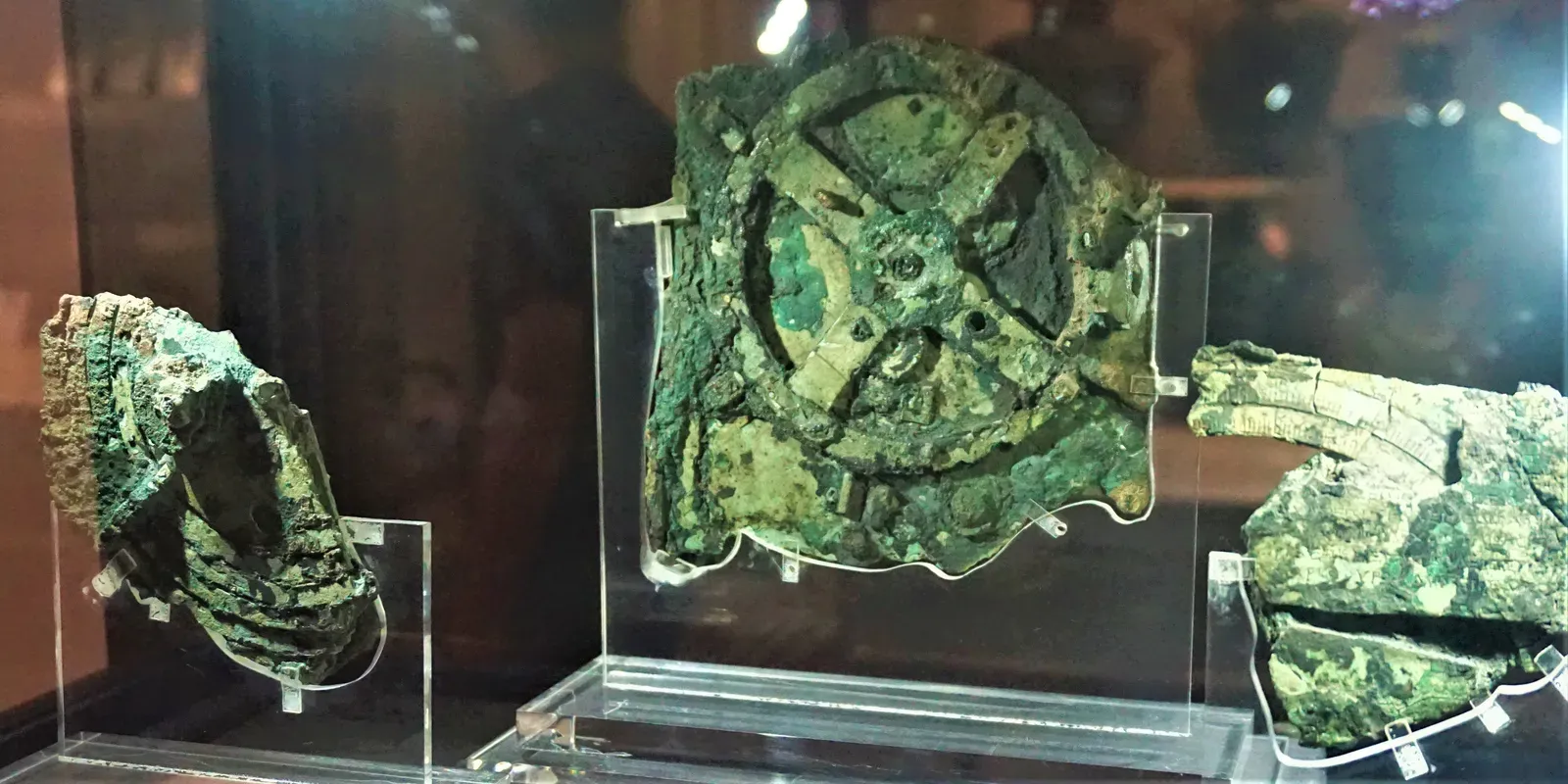
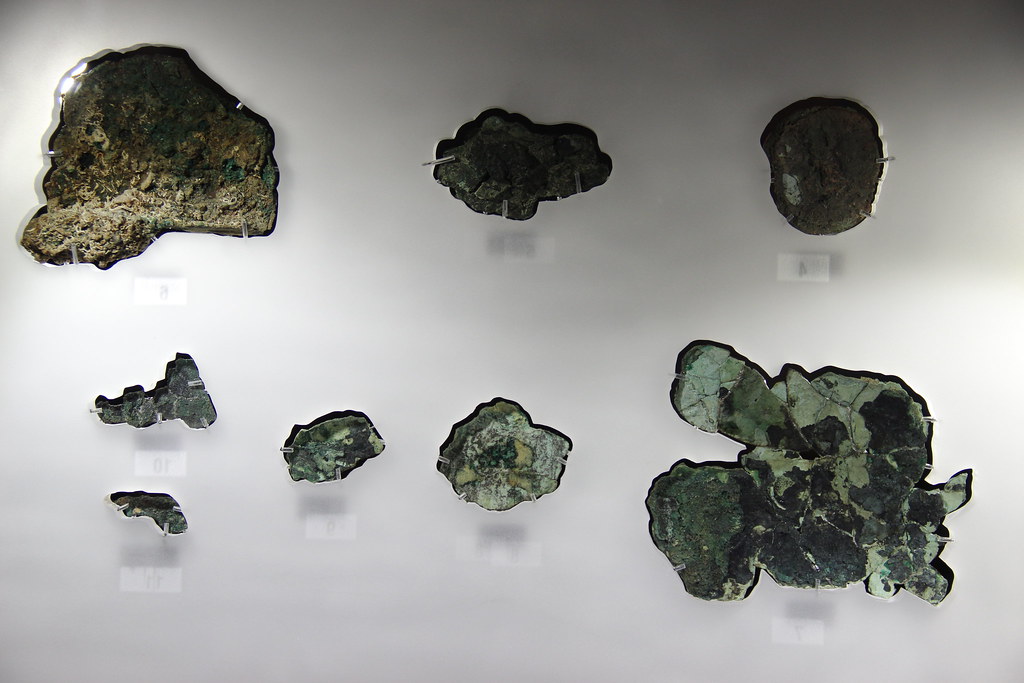
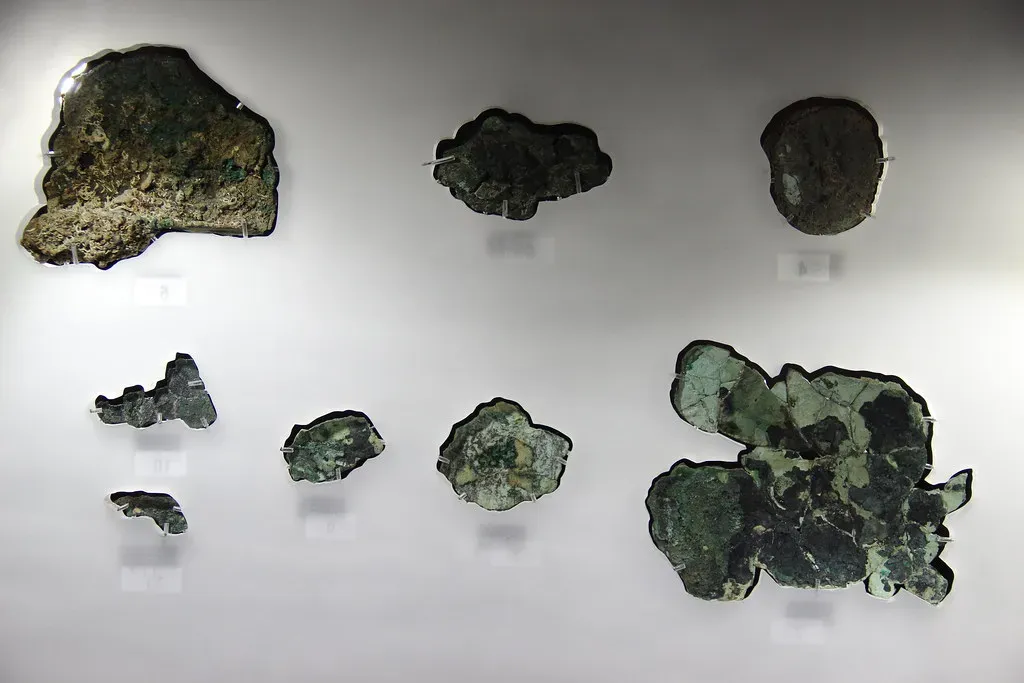
Divers pulled a corroded bronze lump from a Roman-era shipwreck in 1901, and for decades nobody realized what they were holding. Inside were dozens of hand-cut gears engineered to predict eclipses, track planetary motion, and mark the timing of Olympic games. It’s a mechanical computer, built roughly 2,000 years before anyone thought that was possible.
Modern X-ray imaging has revealed inscriptions and gear trains so intricate that nothing else from antiquity comes close, and nothing would again for another 1,400 years. Researchers still argue over how one workshop achieved that level of accuracy without lathes or measuring tools we’d recognize today.
Any sufficiently advanced technology is indistinguishable from magic.
Arthur C. Clarke
#17 – Voynich Manuscript’s Unbreakable Code
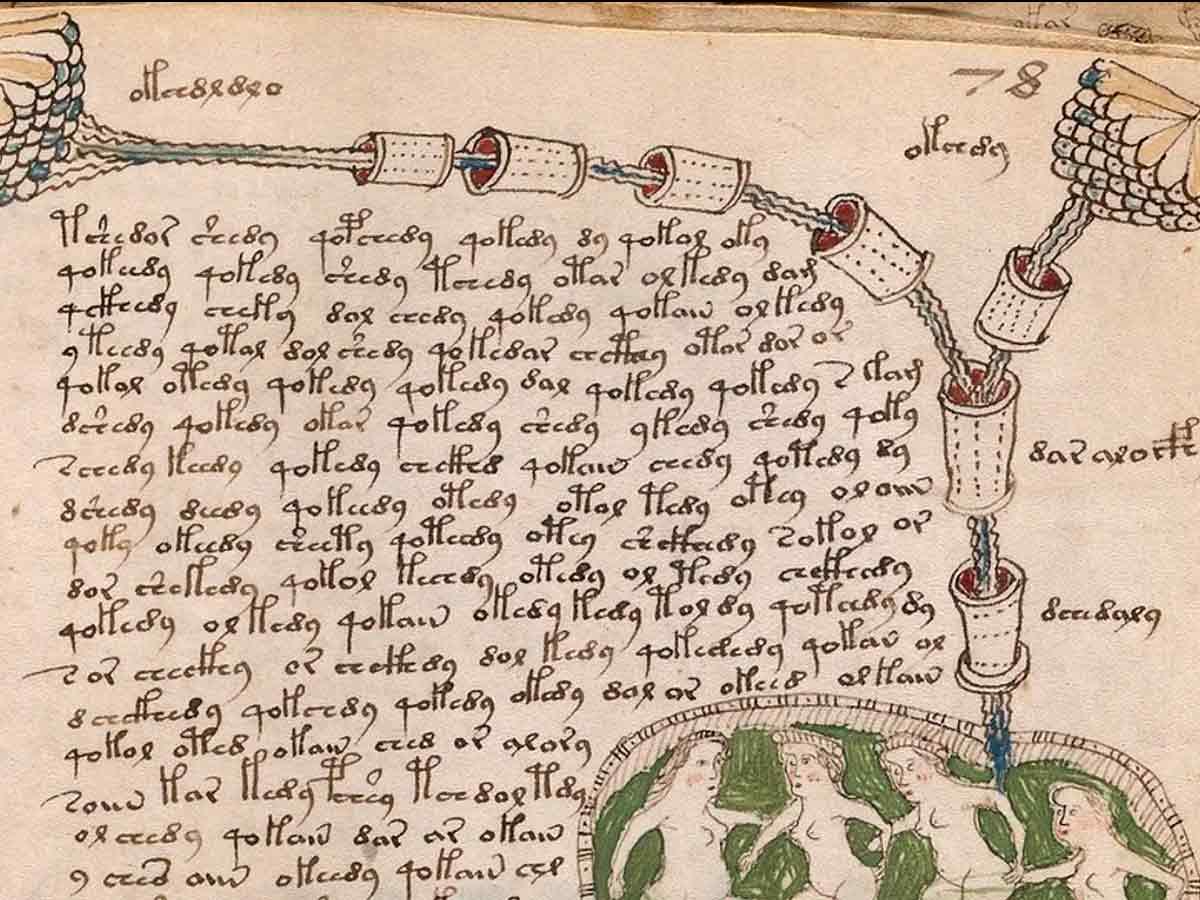
Picture a 600-year-old book filled with plants that don’t exist, star charts nobody recognizes, and page after page of flowing script that resembles no known language on Earth. Codebreakers, linguists, and even wartime cryptanalysts who cracked Nazi ciphers have thrown themselves at it and walked away empty-handed.
Carbon dating confirms the vellum is genuinely from the early 1400s, ruling out a modern hoax on old parchment. The strange part is that the text behaves like a real language statistically, with consistent word lengths and letter patterns, just not one that matches anything humans have ever spoken or written.
#16 – Roman Dodecahedrons’ Mysterious Function
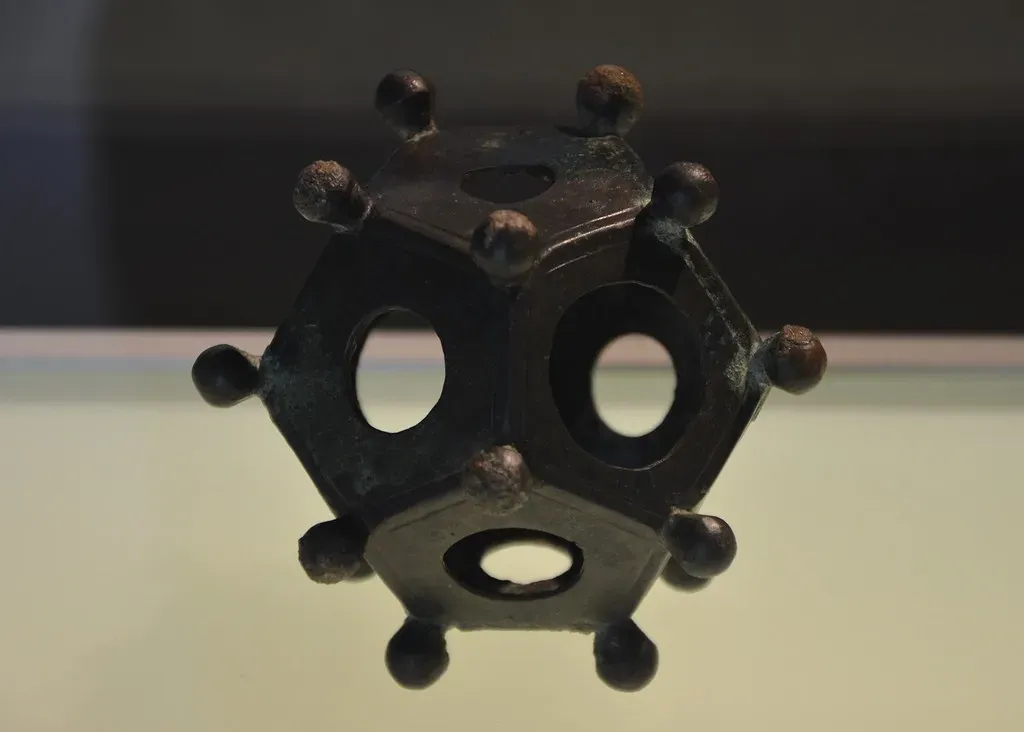
Imagine finding the same strange gadget buried across an entire empire, in different countries, made by different hands, yet nobody bothered to write down what it did. That’s the situation with these hollow bronze objects, twelve pentagon faces, oddly sized holes, knobbed corners, and zero mentions in any surviving Roman text.
The casting alone required serious metallurgical skill for the era, which rules out idle decoration. Guesses range from candlestick holders to knitting tools to surveying instruments, but none of the theories explain every example found so far. Whatever job these objects did, the Romans apparently considered it too obvious to bother writing down.
At a Glance
- More than 130 have been discovered throughout the Roman Empire’s northwest provinces, yet none have turned up in Italy.
- The dodecahedra vary in size from 4-11 cm (1.6-4.3 inches), so no two examples are quite alike.
- Most can be dated to the 2nd and 3rd century AD, right in the middle of the Roman Empire’s peak.
- There are no historical records or depictions of them in ancient art, so their purpose was never written down.
#15 – Baghdad Battery’s Electrochemical Secret
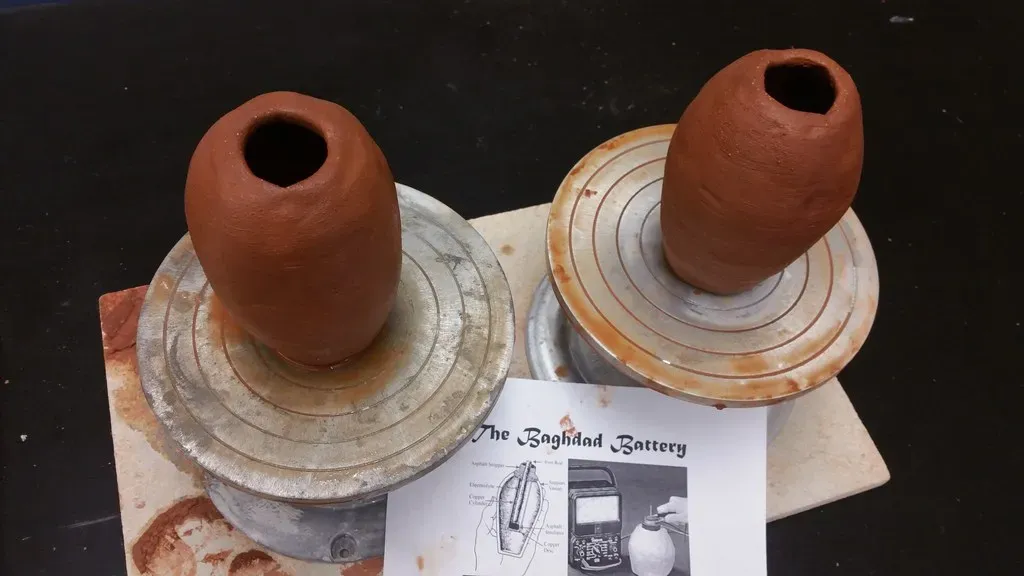
A clay jar, a copper cylinder, an iron rod. Fill it with vinegar or wine, and it produces a small electric current, roughly 2,200 years before Alessandro Volta gets credit for inventing the battery. Archaeologists in Mesopotamia weren’t looking for electricity when they dug these up, and no ancient text describes anything resembling it.
Working replicas confirm the design isn’t a fluke; it genuinely generates current. The debate now isn’t whether it works, it’s why anyone would have wanted electricity in 200 BCE. Jewelry electroplating and ritual use are the leading guesses, and neither one fully satisfies the skeptics.
#14 – Phaistos Disk’s Unique Stamp Script
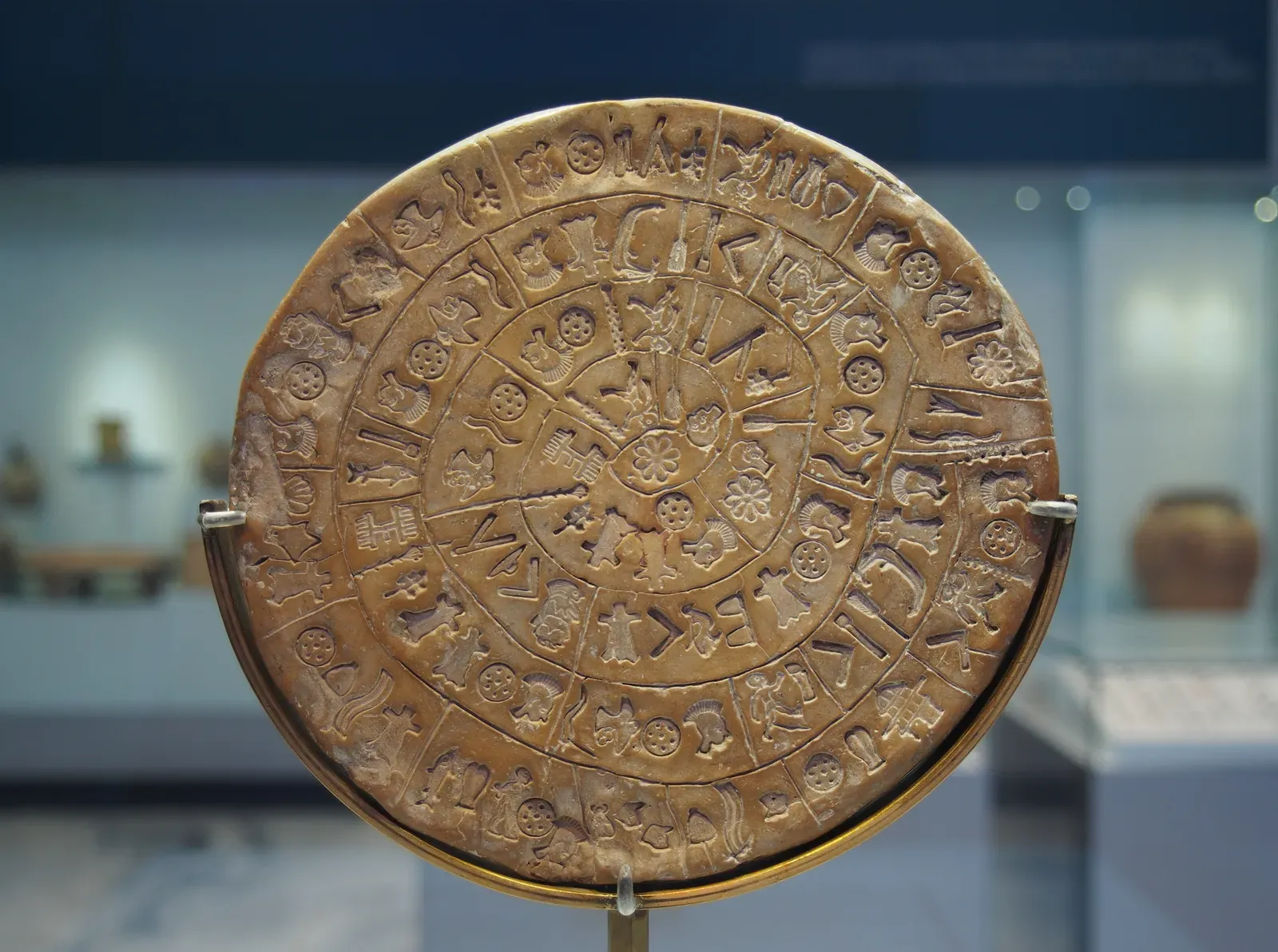
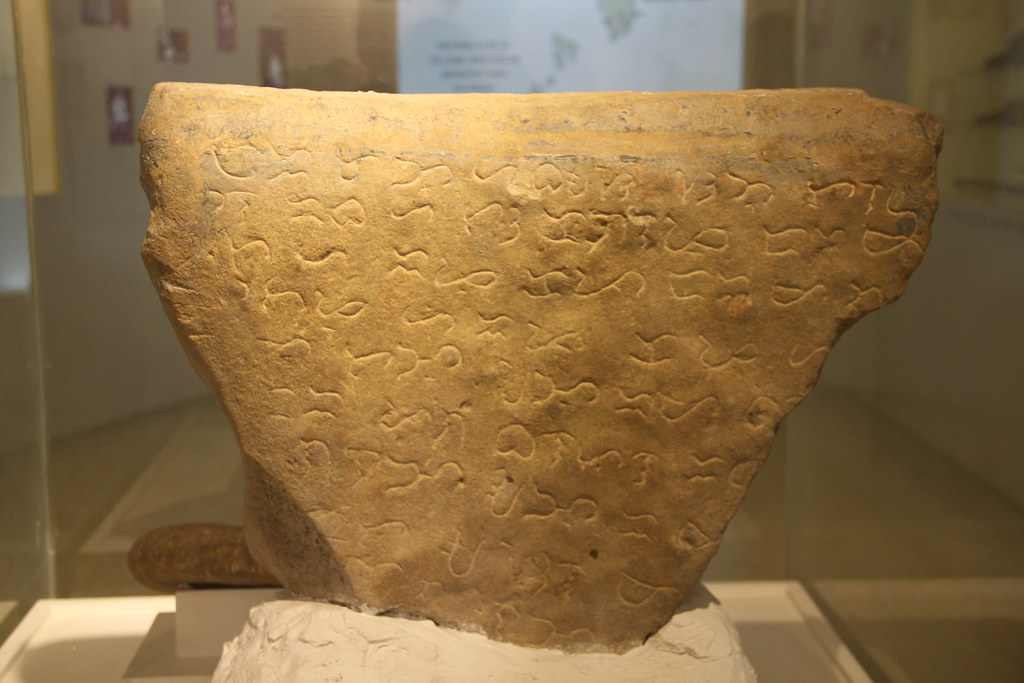
Somebody in Bronze Age Crete pressed 241 tiny symbols into wet clay in a tight spiral, then fired the disk and never explained a single character. The symbols don’t match Linear A, Linear B, or any other Minoan writing system discovered before or since.
Linguists have picked out likely word breaks using spacing patterns, which is progress of a sort. But a century of study hasn’t produced a translation, and the stamping technique itself, using individual seals rather than hand-carving, has no known precedent either. It’s a message sealed in clay from a language that may have died with its author.
#13 – Saqqara Bird’s Aerodynamic Design
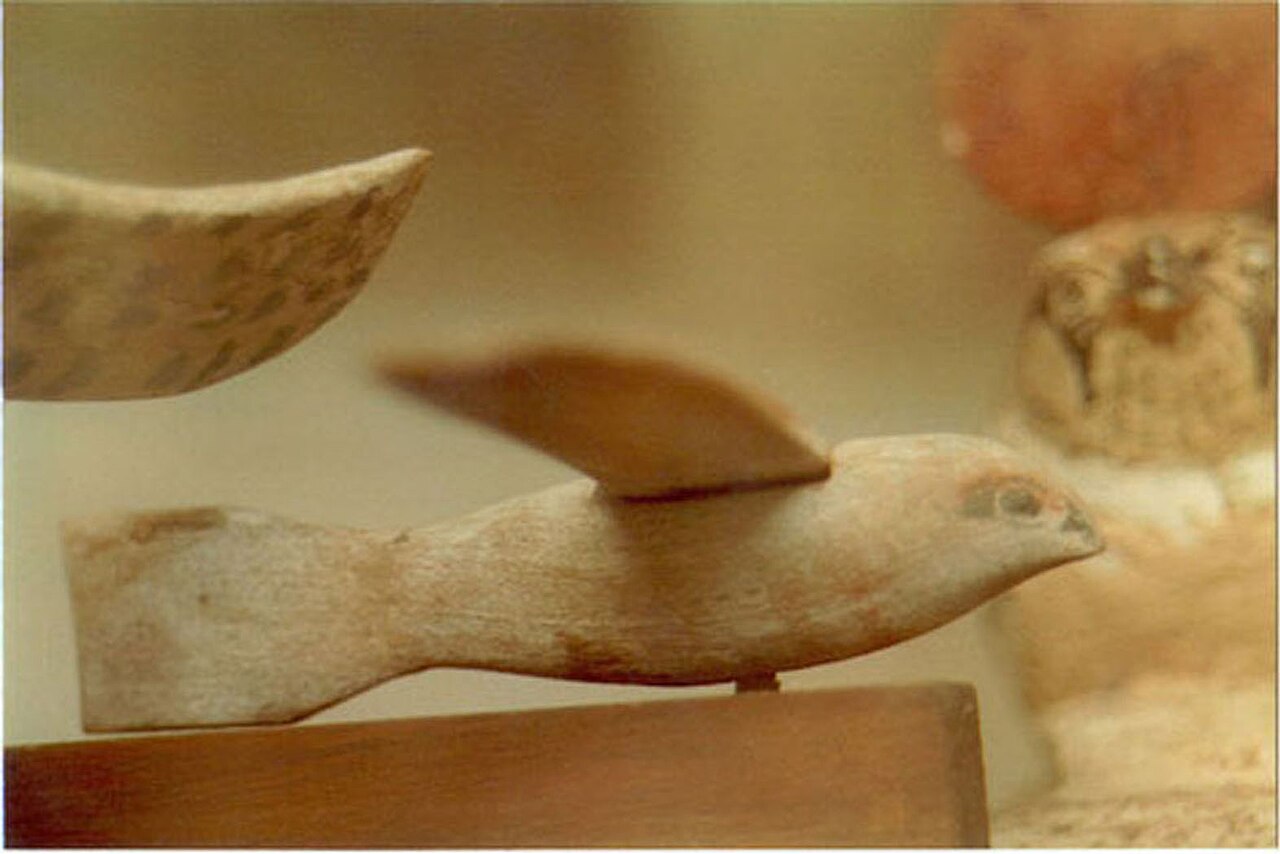
A small wooden bird pulled from an Egyptian tomb looks, at first glance, like a child’s toy. Look closer and the proportions start to feel deliberate: wings, a vertical tail fin, and a wing camber shaped almost exactly like a modern glider’s.
Wind tunnel-style tests show it can achieve stable glided flight, which is odd for a civilization with zero written record of aviation. Egyptologists are split between calling it a weather vane, a ceremonial toy, or evidence that someone understood aerodynamic principles that wouldn’t be formalized until the Wright brothers’ era.
#12 – Piri Reis Map’s Impossible Accuracy
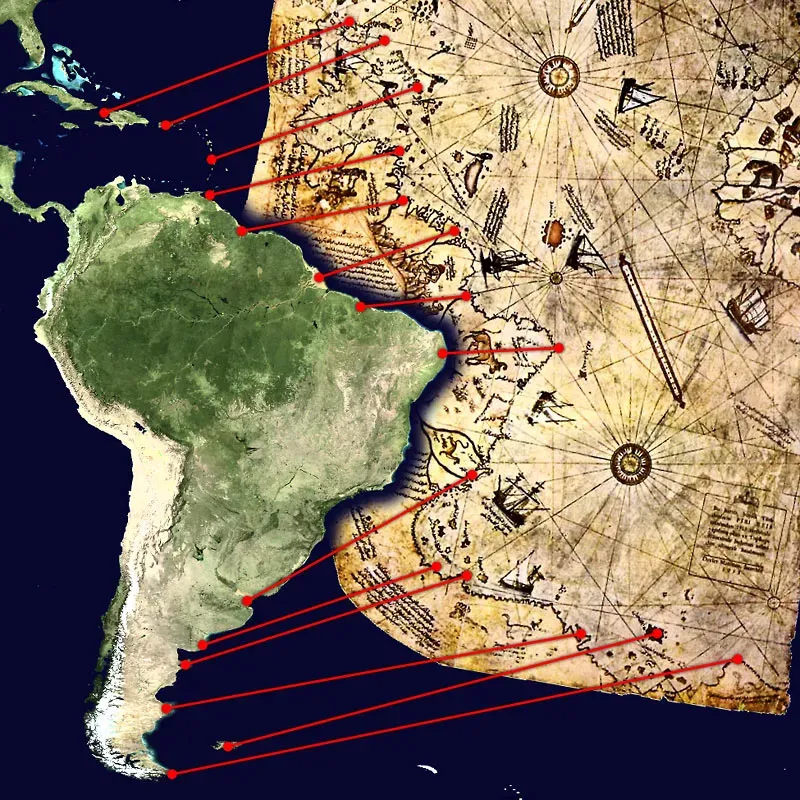
A 1513 Ottoman naval map shouldn’t show the coastline of Antarctica. Antarctica wasn’t officially discovered until 1820, and it’s been buried under ice for millennia. Yet the Piri Reis map appears to trace a subglacial coastline that closely resembles data collected by modern seismic surveys.
The map’s own notes claim it was compiled from older sources, some allegedly dating back to the era of Alexander the Great. Historians debate whether that’s a coincidence of geography or evidence of a much older mapping tradition that simply didn’t survive. Either way, nobody has fully explained how a 16th-century admiral got the coastline right.
#11 – Neolithic Stone Spheres of Costa Rica
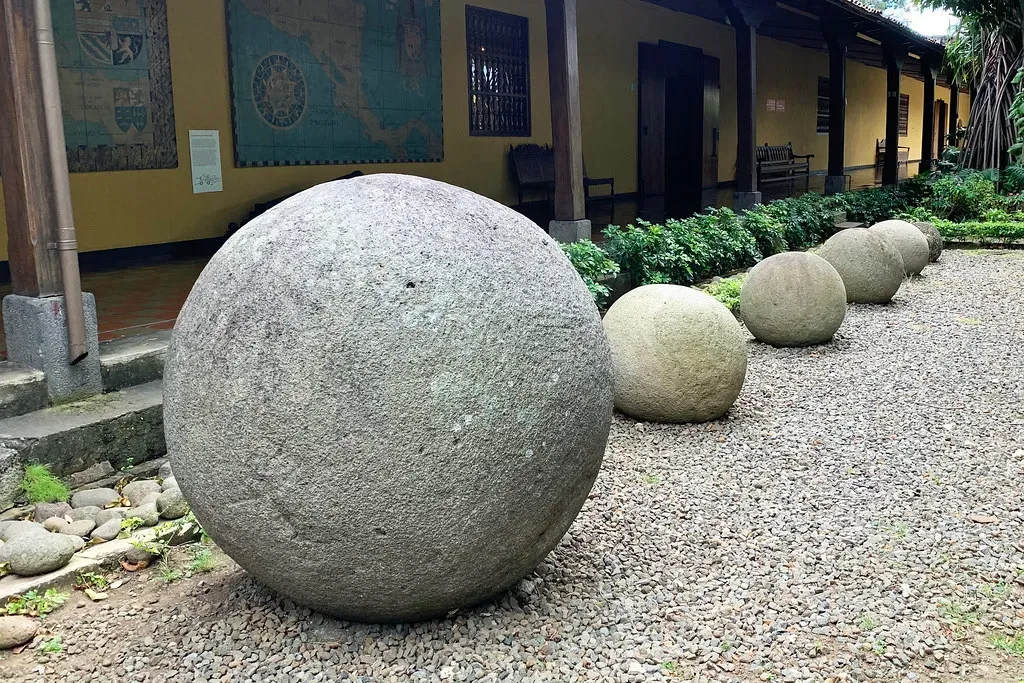
Hundreds of granite balls, some the size of a small car and weighing 16 tons, sit scattered across Costa Rican jungle clearings, carved into spheres so precise that modern engineers double-check the measurements out of disbelief. The stone is harder than any chisel available to the people who supposedly shaped it.
They were carved and positioned sometime between 500 BCE and 1500 CE, arranged in patterns that suggest astronomical alignment or status display, though no written record explains either theory. Looters have moved many of them from their original spots over the last century, which means we may never fully reconstruct what the original arrangement was even trying to say.
#10 – Chinese Magic Mirrors’ Optical Illusion
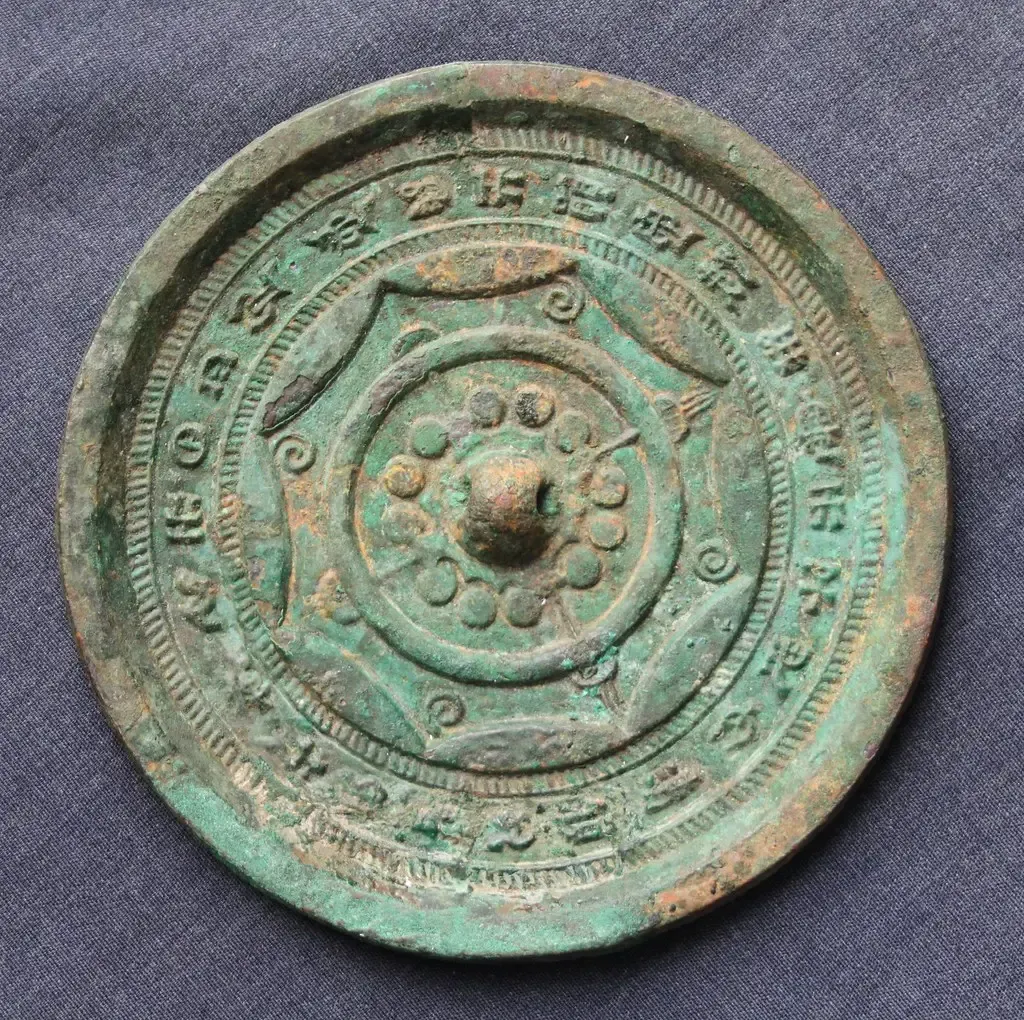
Hold one of these bronze mirrors up to sunlight and something impossible happens: an image appears projected on the wall behind it, even though the mirror’s back looks like plain flat bronze with no visible design. Ancient Chinese artisans somehow encoded a hidden picture into a surface with no magnifying tools to check their work.
The trick lies in microscopic curvature variations invisible to the naked eye, distortions so subtle that modern researchers only reverse-engineered the technique with electron microscopes. The method was lost for centuries before anyone figured out how ancient craftsmen managed precision most people assumed required modern optics.
#9 – Göbekli Tepe’s Monumental Pillars
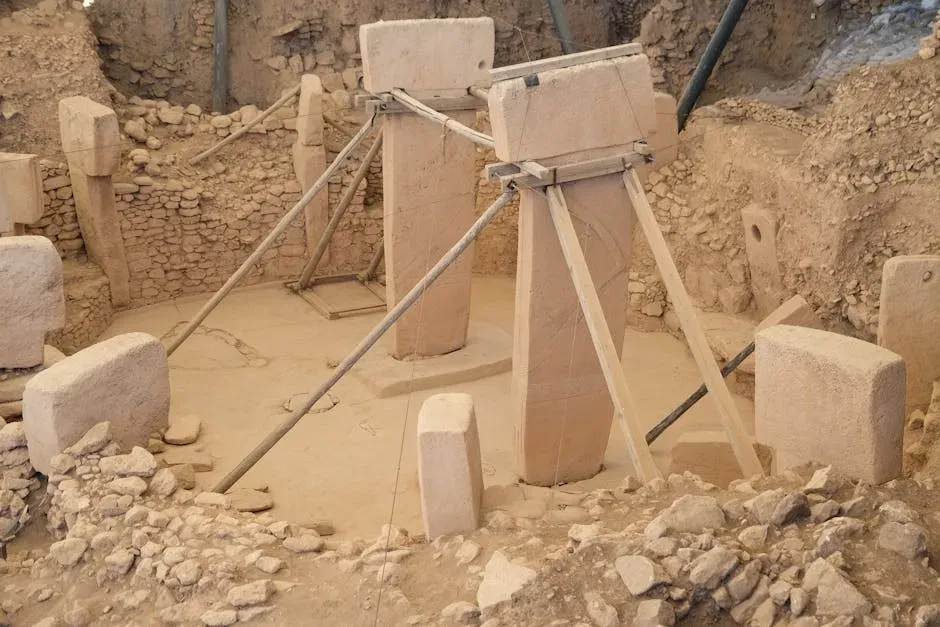
Long before anyone planted a crop or domesticated a herd, someone organized a massive labor force to quarry, carve, and raise T-shaped limestone pillars weighing tons apiece. Göbekli Tepe predates agriculture, predates pottery, predates the wheel, and it still shouldn’t exist according to the old model of human development.
The oldest layers date to roughly 9600 BCE, meaning hunter-gatherers built a monumental temple complex thousands of years before we thought humans were capable of that kind of coordination. Then, strangest of all, someone deliberately buried the whole site under tons of packed earth. Why they buried a monument they’d worked so hard to build remains the site’s deepest unanswered question.
Fast Facts
- The monumental T-shaped pillars were carved and erected by hunter-gatherers around 9600 BCE, making Göbekli Tepe roughly 7,000 years older than Stonehenge.
- Enclosure D is the most complete, with two central pillars standing about 5.5 metres tall, and some weigh as much as 10 tons.
- German archaeologist Klaus Schmidt began excavating the site in 1995, upending assumptions almost immediately.
- The settlement was inhabited from around 9500 BCE to at least 8000 BCE before its builders quietly buried it.
#8 – Easter Island Moai’s Hidden Purpose
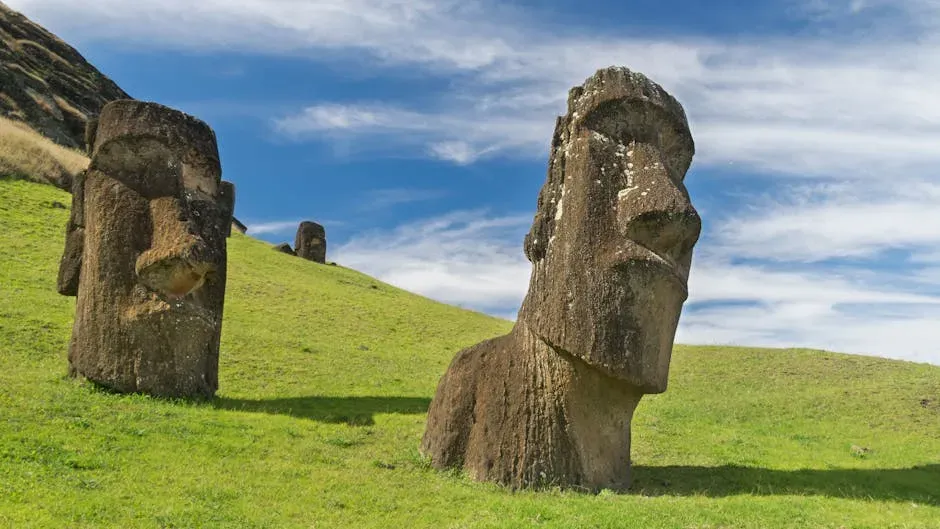
Nearly a thousand stone giants stand watch over Rapa Nui, and most tourists never realize the visible heads are just the tip of buried, full-length bodies. Moving multi-ton statues across the island without wheels or draft animals should have been logistically impossible, yet the islanders clearly managed it.
Recent experiments show the statues could have been “walked” upright using ropes in a rocking motion, which solves the transport puzzle but not the cultural one. Many moai face inland rather than out to sea, contradicting decades of assumptions about their purpose, and their full religious and social role is still being pieced together.
#7 – Stonehenge’s Acoustic and Astronomical Secrets
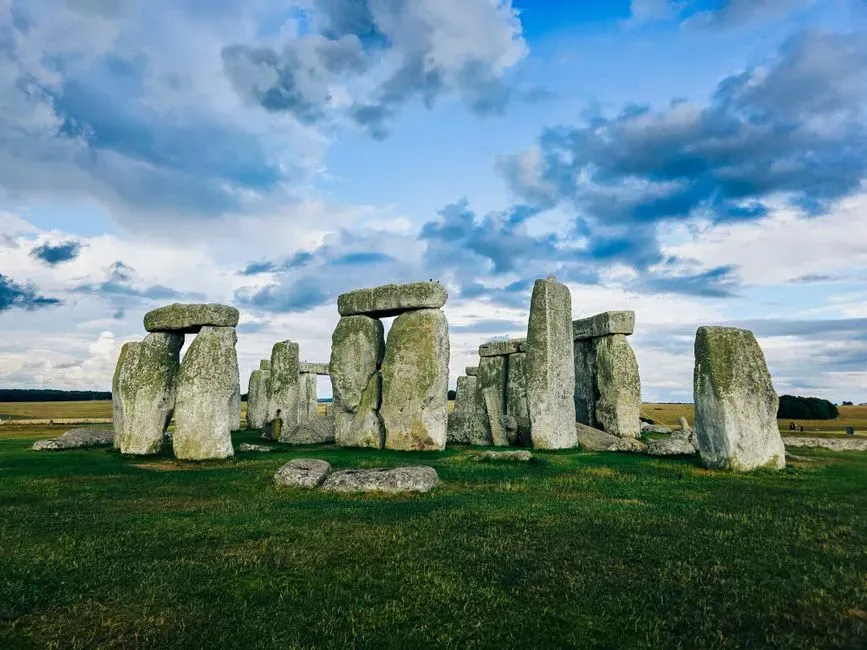
Everyone knows Stonehenge lines up with the solstices, but that’s the easy part. What keeps archaeologists up at night is the sequence of construction, the origin of the bluestones hauled from 150 miles away, and evidence that the stone circle may have had acoustic properties that amplified or focused sound.
Nearby settlements point to large feasting gatherings and possible healing rituals, adding a social dimension archaeologists didn’t expect. Some researchers now argue the site functioned less like a monument and more like a calendar, a gathering hall, and a sound chamber rolled into one, but no single theory accounts for every stone, bone, and posthole found there.
Quick Compare
- Bluestones: Smaller stones hauled roughly 150 miles from Wales’ Preseli Hills.
- Sarsens: The massive outer-ring stones, sourced much closer to the site itself.
- Timeline: Construction unfolded across several distinct phases spanning more than a thousand years, not a single building push.
#6 – The London Hammer’s Anachronistic Age
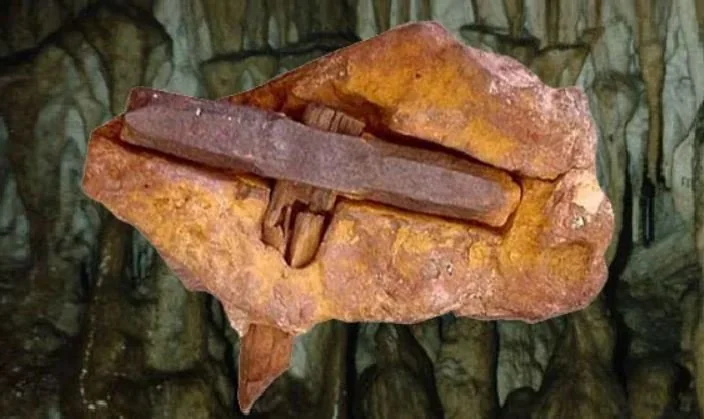
A Texas creek bed in the 1930s produced an iron hammer head fused into rock that geologists date to roughly 400 million years old, long before anything resembling humans walked the planet. Skeptics point out that mineral concretions can form around modern objects surprisingly fast under the right conditions, which would neatly explain it away.
The trouble is that the wood handle and iron composition don’t perfectly match either the fast-concretion theory or a straightforward hoax. Geologists keep revisiting the sample, and the debate over how a 20th-century tool ended up wrapped in ancient stone hasn’t fully closed.
#5 – Derinkuyu’s Vast Underground Network
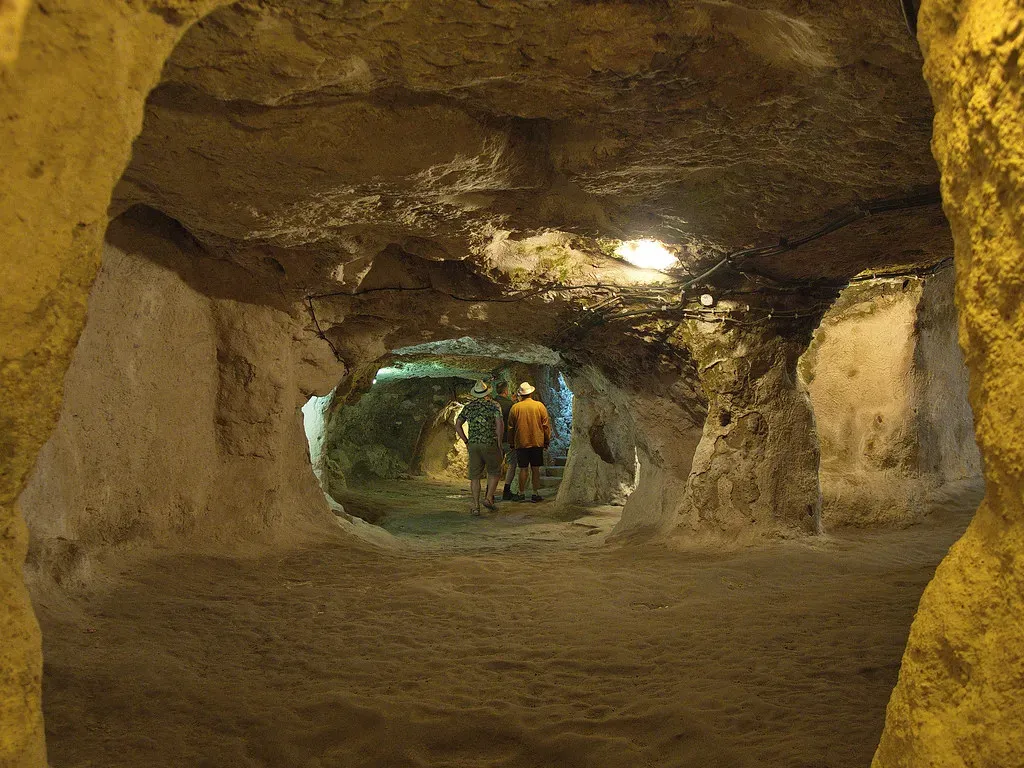
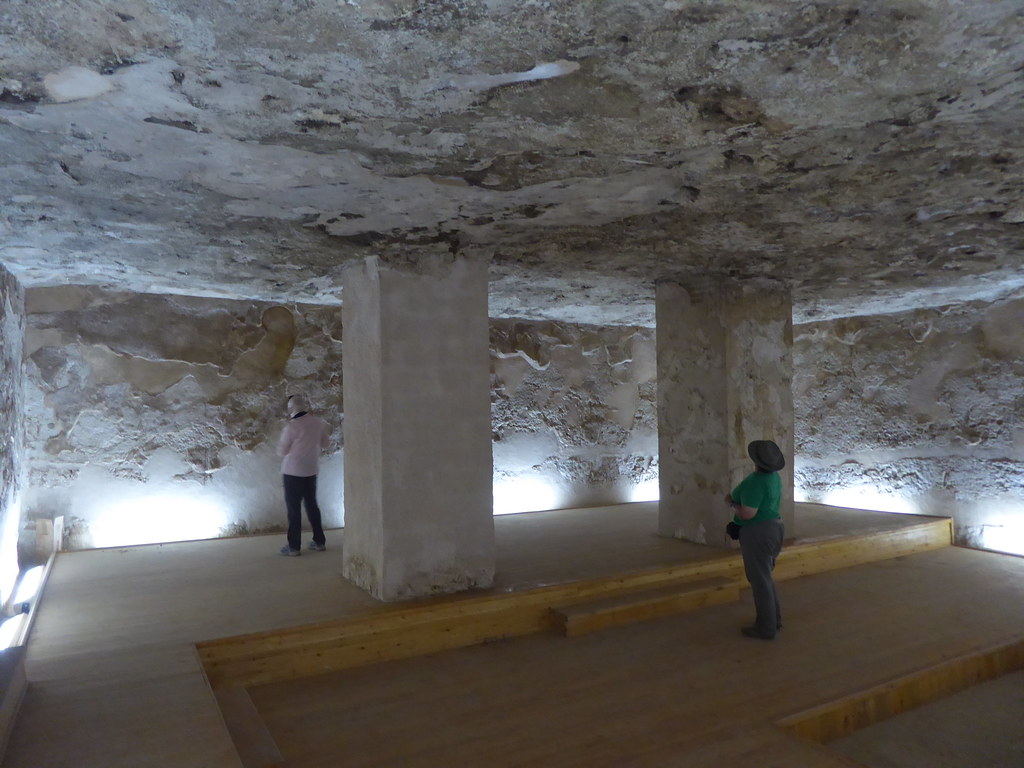
Somewhere beneath central Turkey, an entire civilization dug down instead of up, carving a multi-level city that once sheltered as many as 20,000 people, complete with ventilation shafts, wells, stables, and massive rolling stone doors for defense. Whoever built it wasn’t hiding for a weekend; they engineered a permanent underground refuge.
Dating suggests activity as early as the 8th century BCE, but no inscriptions explain who ordered its construction or what they were hiding from. Nearby valleys hide similar complexes, hinting at a whole underground network rather than a single isolated project, which only deepens the mystery of why an entire region decided life was safer below ground.
#4 – The Coso Artifact’s Modern Appearance
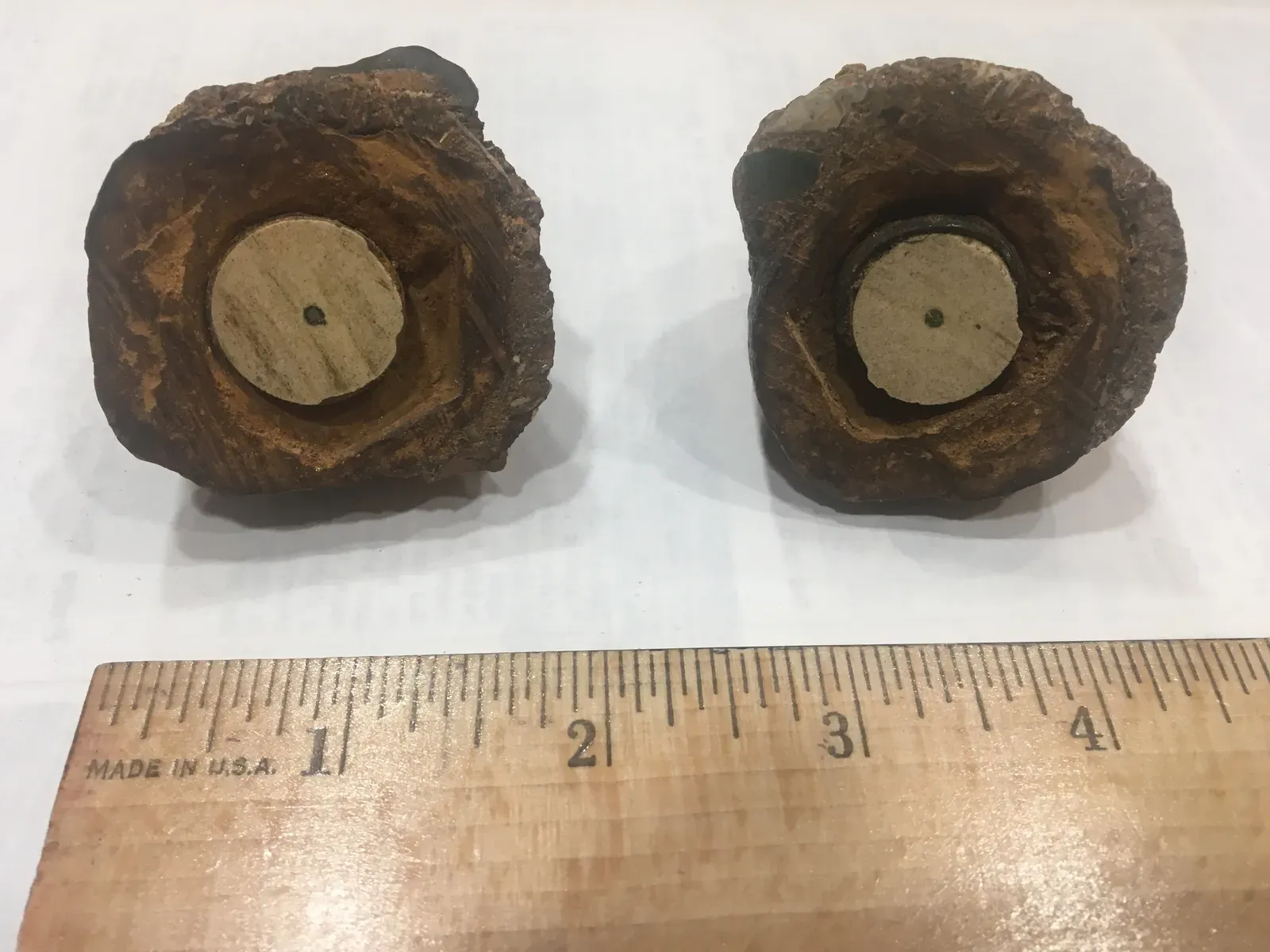
In 1961, rockhounds cracked open what they thought was an ordinary geode in California and found something that looked disturbingly like a spark plug, encased in stone estimated at 500,000 years old. If genuine, it predates spark plugs by roughly half a million years, which is the kind of claim that gets a find labeled instantly controversial.
Skeptics argue modern debris can end up embedded in geological formations through entirely mundane processes, and contamination remains the leading explanation. Independent examinations have chipped away at the mystery without fully resolving it, which keeps the Coso artifact firmly in “out-of-place object” territory decades later.
#3 – The Shroud of Turin’s Image Formation
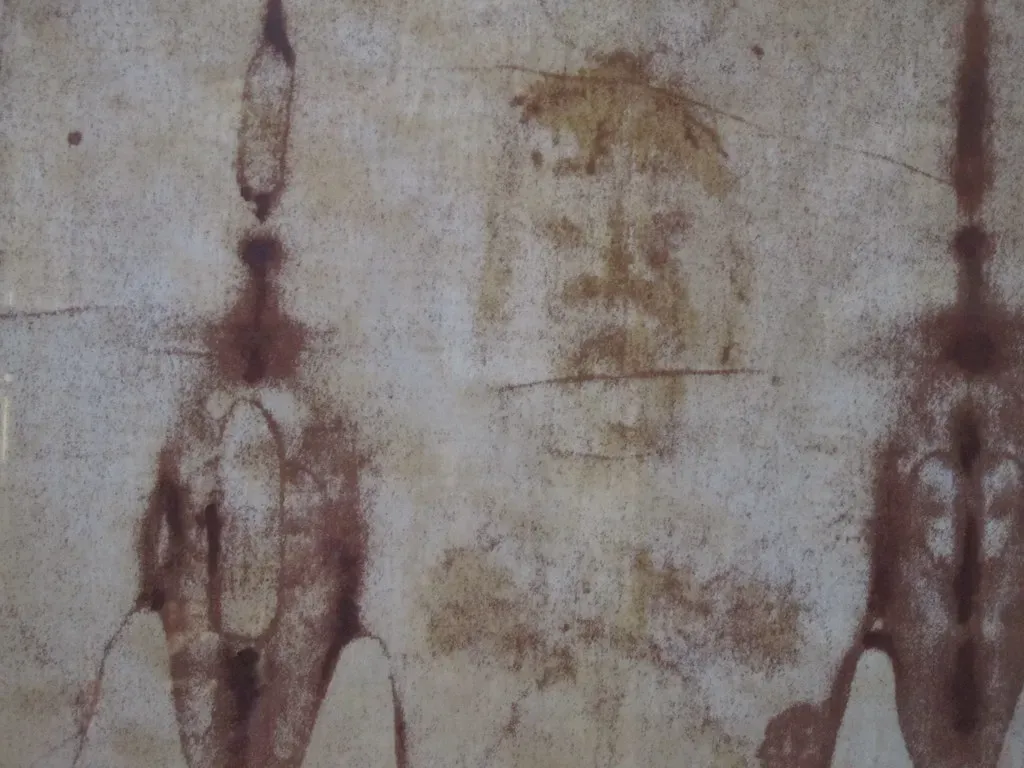
A faint, ghostly image of a crucified man is burned into a strip of linen cloth so precisely that the image only exists on the very surface fibers, with no pigment, dye, or scorch pattern underneath to explain how it got there. Forensic teams, chemists, and photographers have spent decades trying to recreate the effect using medieval-era techniques and technology, without success.
Radiocarbon dating from the 1980s pointed to a medieval origin, but pollen traces and weave analysis from other researchers complicate that tidy conclusion. The cloth remains one of the most heavily tested objects in the world, and it’s still one of the least understood.
#2 – The Baalbek Megaliths’ Quarrying Feat
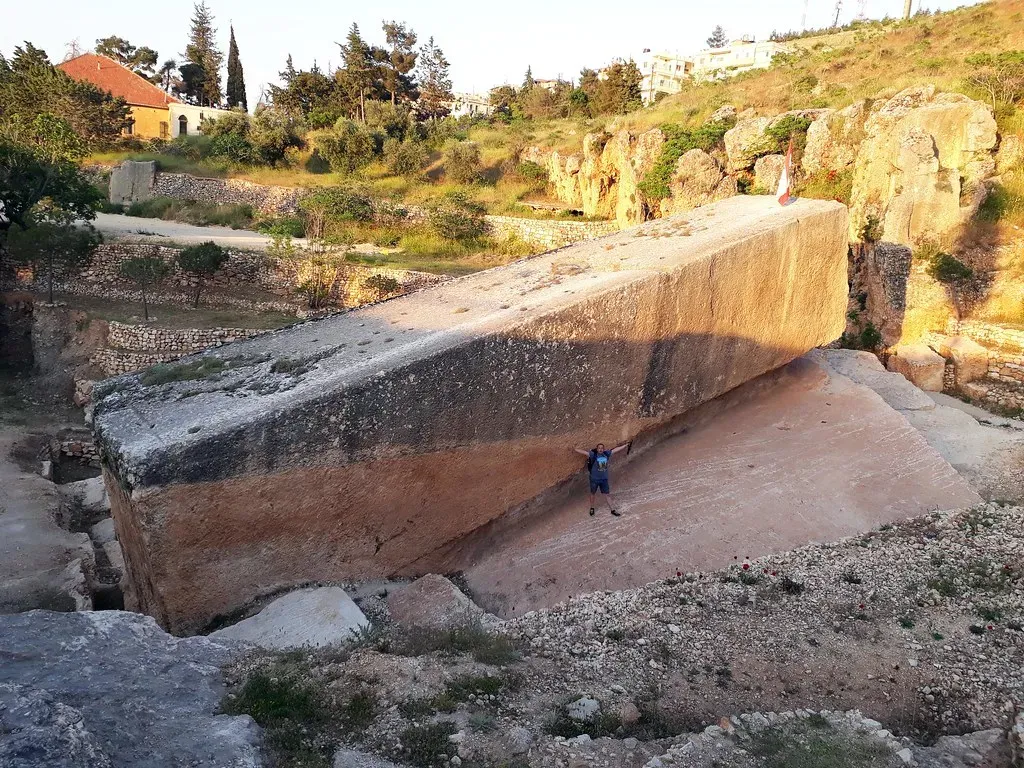
Buried in the foundation of Lebanon’s Temple of Jupiter sit three limestone blocks weighing over 800 tons each, quarried nearby and somehow hauled into position. Nothing in the known Roman engineering toolkit, no crane, no ramp system, no documented lifting method, adequately explains how workers moved stones that heavy that far.
The precision of the fit between blocks only deepens the puzzle, since the seams leave almost no gap despite the immense weight involved. Engineers today can model how it theoretically could have been done, but nobody has definitively proven how it actually was.
Why It Stands Out
- Each of the Trilithon’s three blocks is estimated at 750-800 tonnes (830-880 short tons), stretching about 19 meters long.
- The Stone of the Pregnant Woman weighs about 1,000 tonnes (1,102 tons), and it never left the quarry.
- Historical reconstructions and ancient accounts tell us that the maximum lifting capacity of the largest Roman cranes was somewhere between 50 and 60 tons.
- That leaves a gap of well over 700 tons between documented Roman lifting power and what actually sits in the temple’s foundation.
#1 – The Dropa Stones’ Controversial Disks
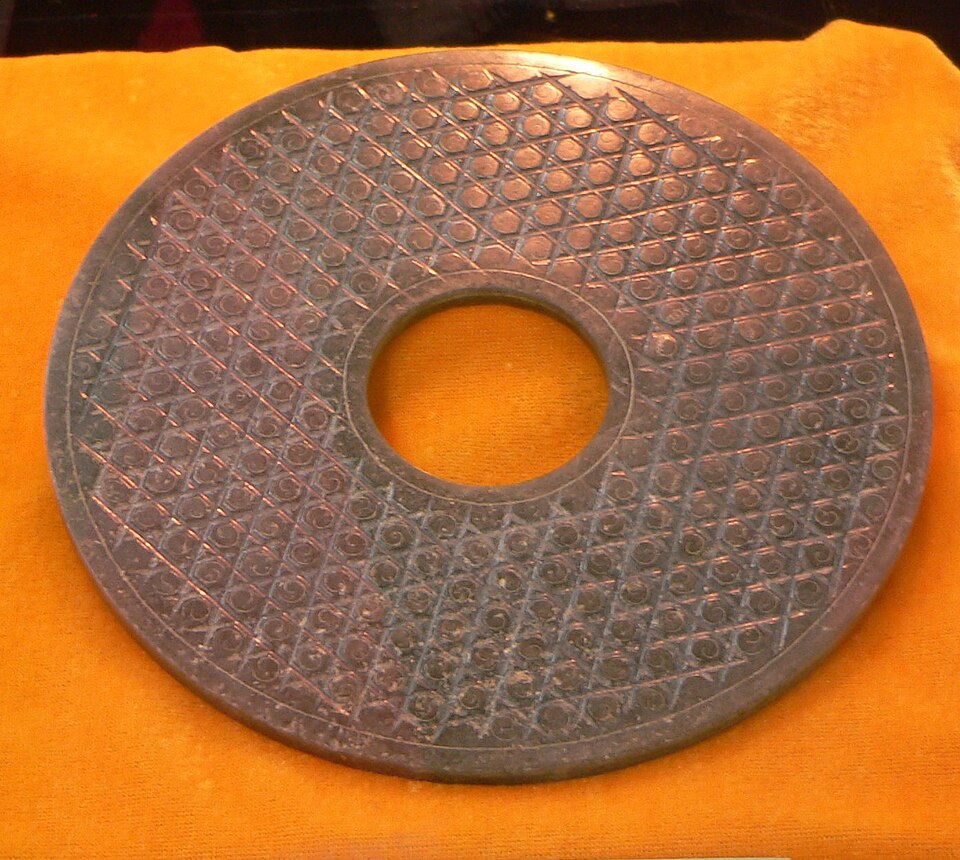
The story goes that in 1938, explorers found hundreds of grooved stone disks in a Chinese cave, each etched with tiny hieroglyph-like markings spiraling out from a hole in the center. Claims about the disks describing crashed spacecraft or a lost non-human civilization have circulated for decades, refusing to fade no matter how many historians shrug them off.
The core problem is verification: the disks’ current whereabouts, exact composition, and translated inscriptions have never been confirmed by mainstream researchers under controlled conditions. Most scholars treat the entire story as unverified folklore rather than archaeology. Genuine or not, the Dropa Stones say something interesting about how badly people want ancient mysteries to have dramatic answers.
The Bottom Line
Strip away the internet speculation and the alien theories, and what’s left is still remarkable: ancient people solved problems in mechanics, optics, construction, and communication using methods we haven’t fully reverse-engineered. The Antikythera Mechanism, the Baalbek megaliths, and Göbekli Tepe don’t need embellishment to be disruptive; they already rewrite what we assumed early humans were capable of.
Some of these mysteries will probably fall to better instruments and sharper archaeology within our lifetimes. Others, like the Voynich Manuscript’s dead language or the Dropa Stones’ murky provenance, may simply outlast every generation of researchers who takes a swing at them. That gap between what we’ve built and what we still can’t explain is exactly why these objects are worth remembering.