
Most tombs are opened expecting gold. What archaeologists actually find is often stranger – a ghost of a ship pressed into sand, a corpse with blood still in its veins after 2,000 years, or a philosopher’s face staring out from a mirror meant for a disgraced emperor.
History books love clean stories, but excavation reports are messier, and far more interesting. Some “royal” burials turn out to be commoners. Some “empty” tombs turn out to hold multiple people. Here’s what archaeologists actually found when they pulled back the lids – starting with the graves that terrified an entire region.
#15 – The Graves With Iron Rods Driven Through the Ribs
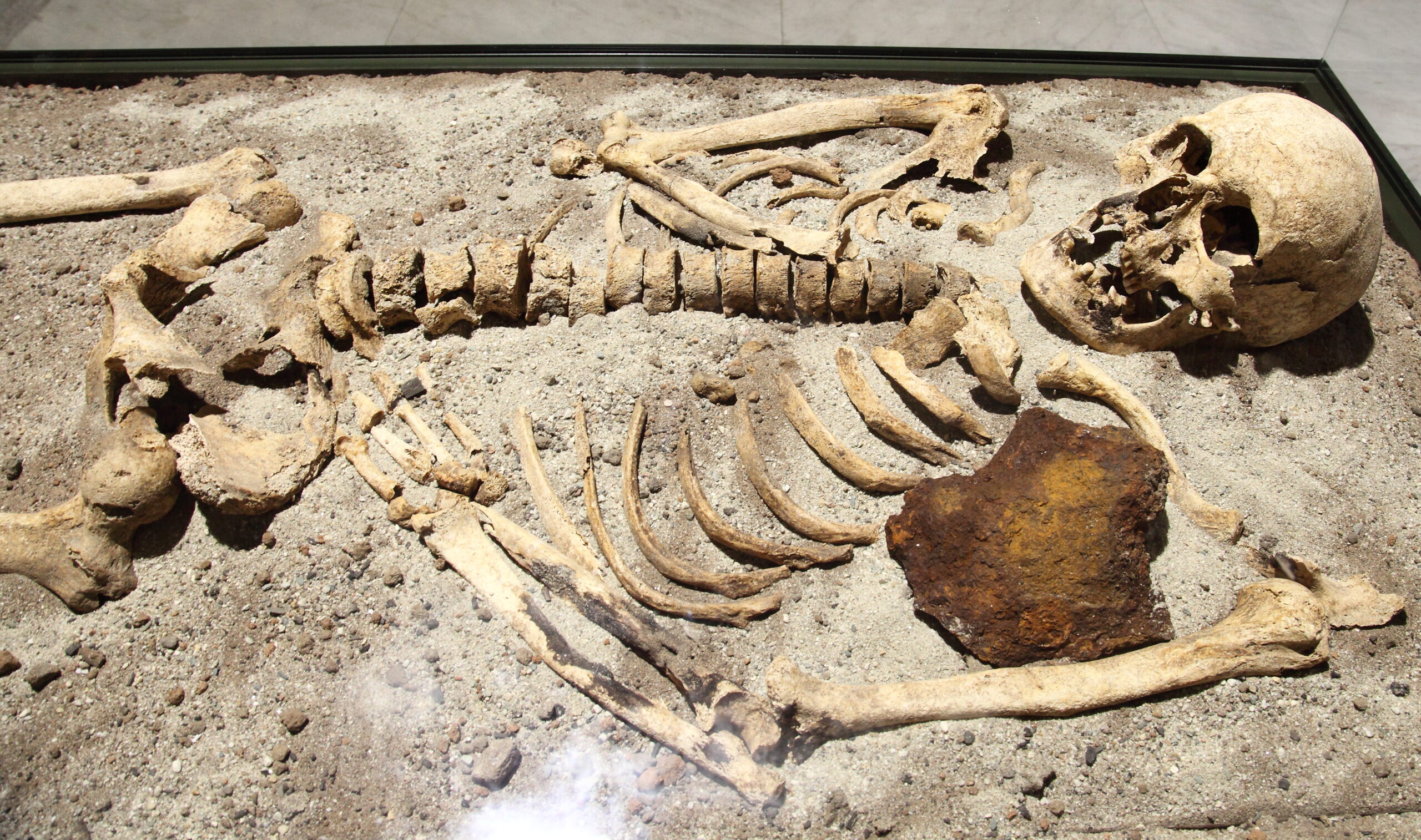
Most people assume vampire folklore is just Hollywood invention, but Eastern European archaeologists keep digging up burials that prove otherwise. Medieval cemeteries across Bulgaria and Serbia have produced skeletons pinned into the ground with iron stakes through the chest.
The mistake most visitors make is assuming these are random murder victims. They’re not. They’re deliberate post-mortem rituals, performed by communities who genuinely believed certain corpses might rise again. The practice targeted people considered dangerous in life – outsiders, suspected criminals, or those who died suddenly and violently.
Archaeologists have documented dozens of these “anti-vampire” burials scattered across Bulgarian sites, often dated to the medieval period. The rods weren’t symbolic decoration; they were placed directly through the torso to physically prevent the body from sitting up. Superstition, it turns out, left a very literal footprint in the dirt. Up next, Egypt’s sand hides something even stranger: a catacomb built for millions of animals.
#14 – A Catacomb Built Entirely for Mummified Animals
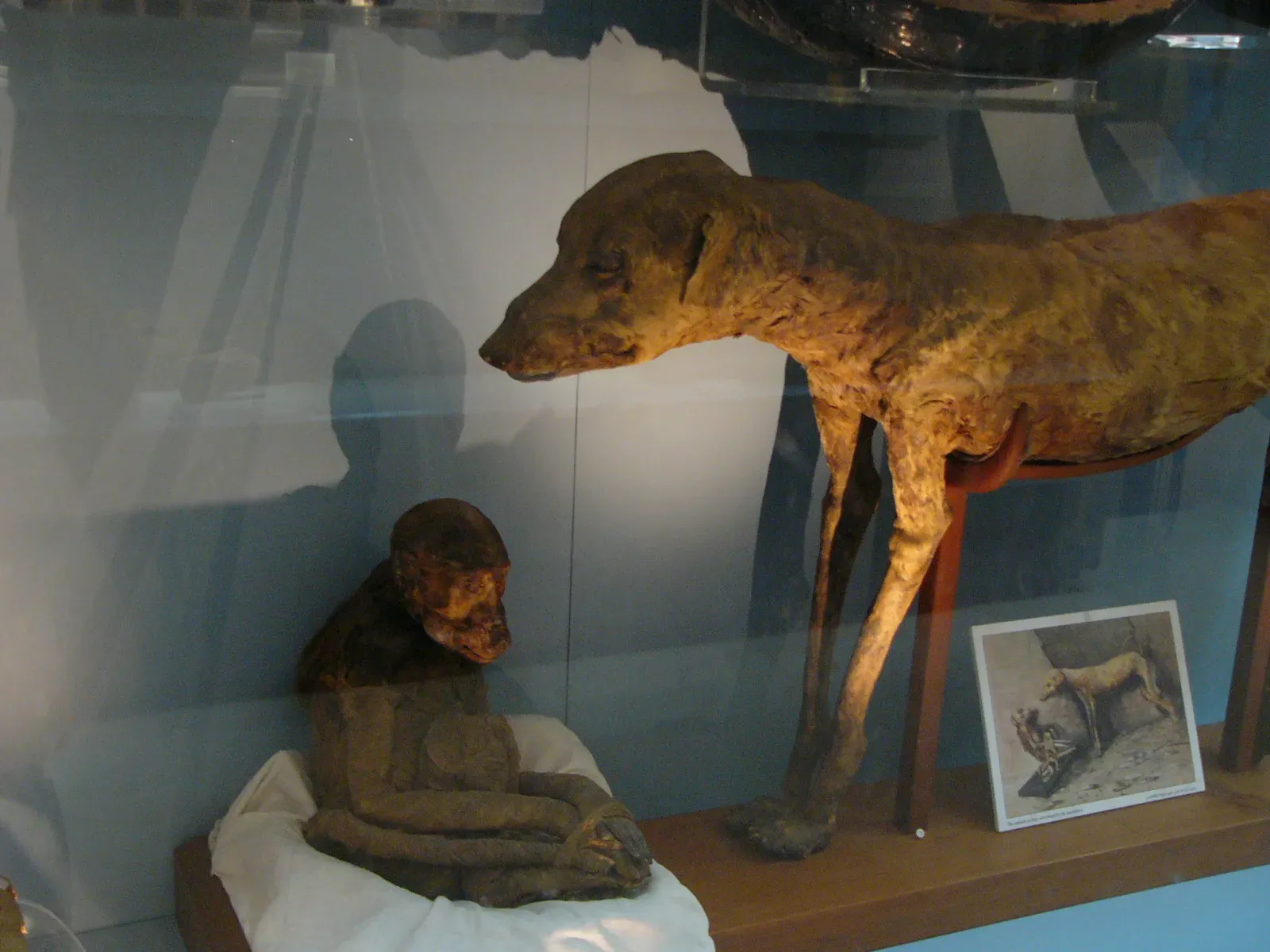
Beneath Saqqara, Egypt, sits one of the strangest tombs on Earth – one built not for a pharaoh, but for millions of animals. Deep catacombs stretch for miles, packed floor to ceiling with mummified dogs, birds, and, most unexpectedly, lion cubs.
Experts didn’t expect lions at all. Cats were common offerings to the goddess Bastet, but lions were rare and symbolically loaded, tied to solar deities and royal power. Finding actual mummified cubs suggested a far more organized breeding-and-sacrifice industry than historians previously assumed.
The sheer scale is what stuns researchers most: some estimates put the animal mummy count in the millions, produced as votive offerings by pilgrims across centuries. This wasn’t a side operation – it was an entire religious economy built around raising animals specifically to kill and preserve them for the gods. Secretly, animal mummification may have been ancient Egypt’s biggest commercial industry. Cross the Atlantic, though, and the real shock is a royal grave that outshines anything looters ever got their hands on.
Fast Facts
- Location: the animal catacombs beneath Saqqara, Egypt
- Species mummified: dogs, cats, birds, and rare lion cubs
- Estimated scale: animal mummies numbering in the millions
- Purpose: votive offerings tied to gods like Bastet and Anubis
#13 – A Peruvian Warrior-Priest Buried With More Gold Than the Aztecs Ever Recorded
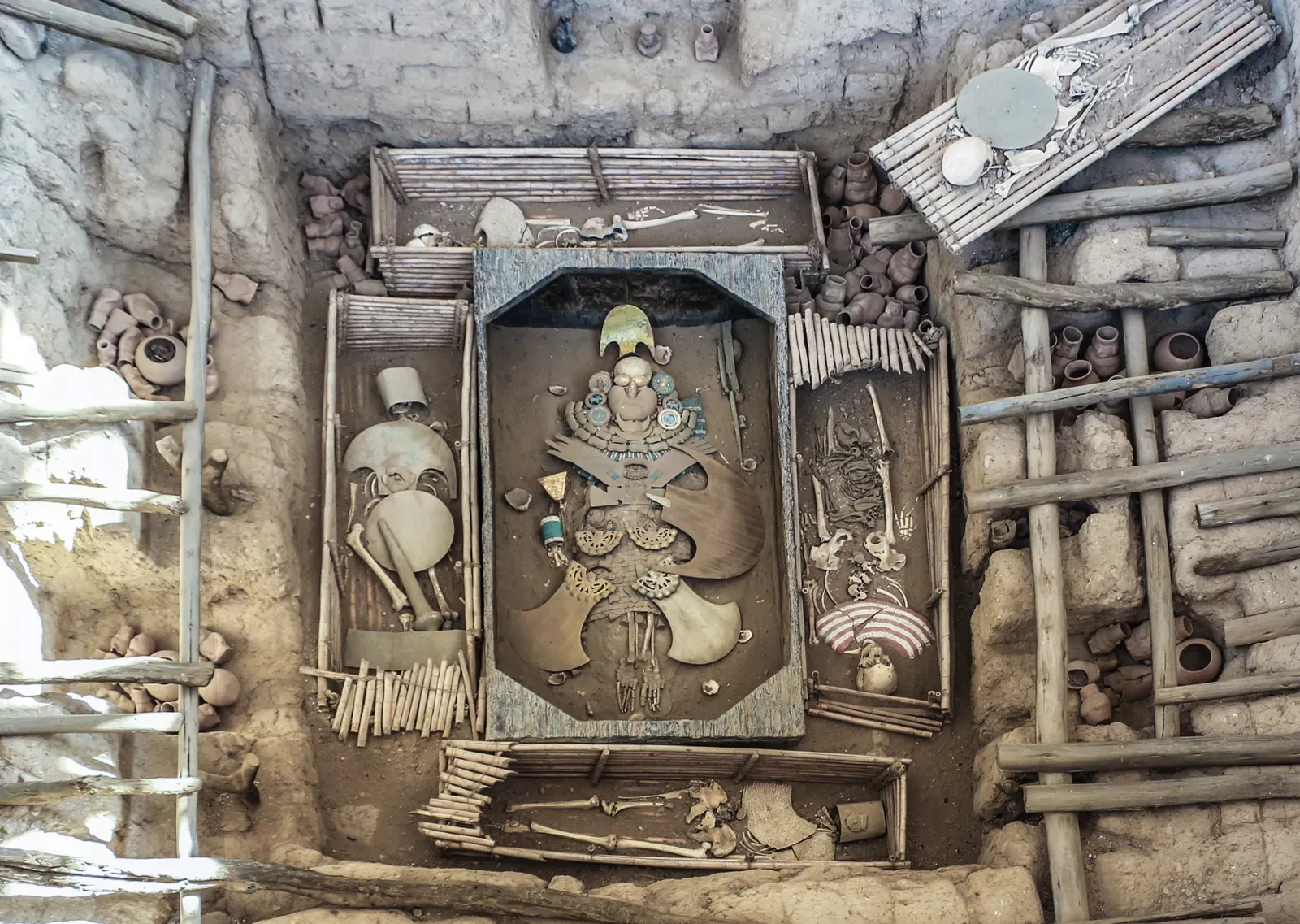
In 1987, archaeologists in northern Peru raced against looters to reach a burial chamber before tomb raiders could strip it bare. What they found was the Lord of Sipán – a Moche ruler buried around 1,700 years ago in one of the richest unlooted tombs ever discovered in the Americas.
Most people don’t realize the Moche predate the Inca by over a thousand years, yet their goldwork rivals anything found in Egypt. The lord was buried with gold and silver ornaments, ceremonial weapons, and layers of textiles, surrounded by sacrificed attendants and animals meant to serve him in the afterlife.
What made this discovery historic wasn’t just the gold – it was that the tomb was completely intact, giving archaeologists a rare, undisturbed snapshot of Moche royal ritual. Every object sat exactly where priests had placed it seventeen centuries earlier. Finally, archaeologists had proof that South America’s ancient elite lived just as lavishly as any pharaoh. An ocean away, in a Greek olive grove, an even bigger shock was waiting underground.
#12 – The “Empty” Field That Held the Richest Warrior Grave Found in a Century
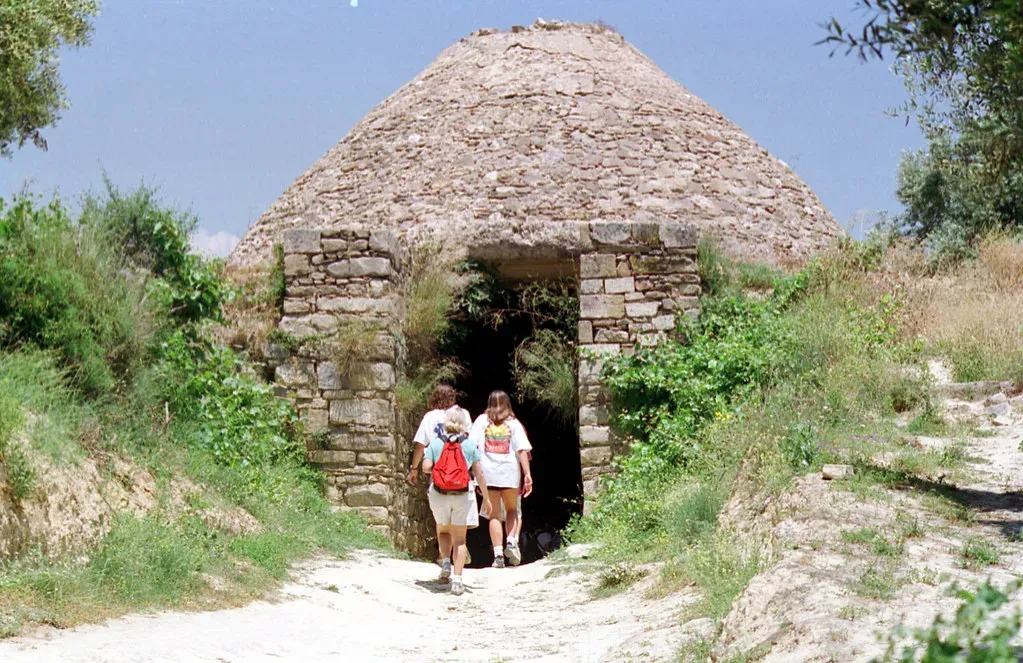
In 2015, archaeologists digging in an olive grove near Pylos, Greece expected nothing remarkable. A University of Cincinnati team was renewing excavations near Tholos Tomb IV, in ground that had already been picked over decades earlier.
That assumption was completely wrong. On the very first day back, the team broke into a large stone-built warrior’s tomb from around 1500 BCE, completely intact. They eventually recovered over 3,500 artifacts, including a historically significant Minoan sealstone called the Pylos Combat Agate and four signet rings carved with scenes from Minoan mythology.
The tiniest object turned out to matter most. The 3.4 cm seal is noted for its exceptionally fine and elaborate engraving, and considered “the single best work of glyptic art ever recovered from the Aegean Bronze Age.” An untouched 3,500-year-old grave, hiding in plain sight. Meanwhile in England, a ship’s entire crew disappeared – literally dissolved into the soil.
#11 – The Royal Ship Burial Where the Body Simply Disappeared
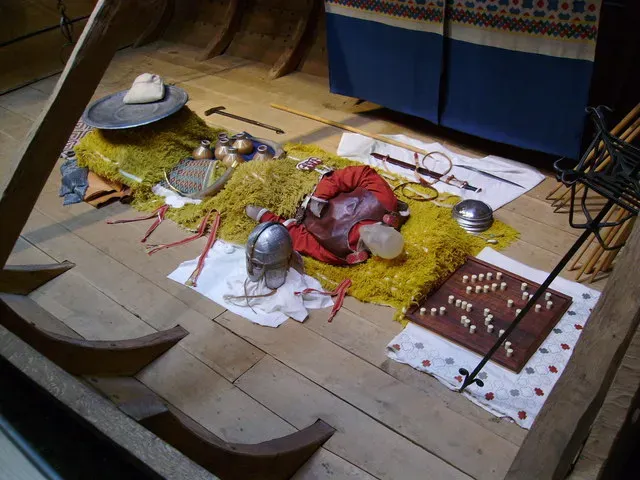
In 1939, excavators in Suffolk, England uncovered a 90-foot ship buried beneath an earthen mound. It was one of the richest graves ever found in northern Europe – except for one glaring problem: there was no body inside it.
The soil itself had eaten the evidence. Unlike many archaeological finds where the physical wood survives, the acidic soil at Sutton Hoo had completely dissolved the ship’s timber. What remained was a “ghost ship” – a perfect impression in the sand where the rotted wood had left its mark, held together by the original iron rivets still in their proper places. The same acidic ground had also dissolved any human remains.
For decades, researchers debated whether this was even a real burial or an empty memorial. The mystery was only solved through soil chemistry: between 1965 and 1971, archaeologists returned to Sutton Hoo and analyzed the sand below the burial chamber, which showed high phosphate levels, establishing that a body had decomposed there. A king’s grave, and the king had literally dissolved into the ground. Greece had its own vanishing act waiting, sealed inside a golden box.
#10 – The Golden Chest That Sparked a Forty-Year Identity Crisis
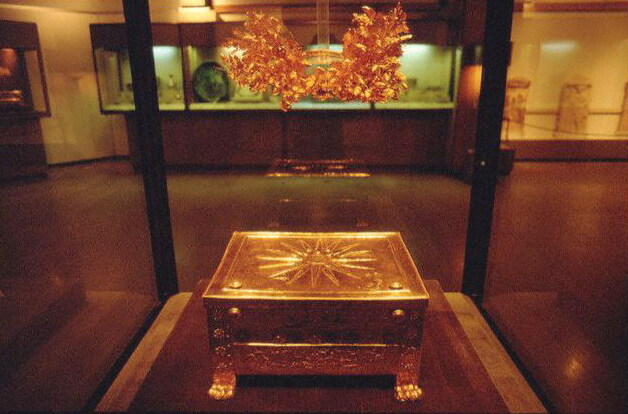
In 1977, Greek archaeologist Manolis Andronikos broke into an unlooted royal tomb at Vergina and found something no one expected: an intact golden box holding cremated human remains, still sealed after over 2,300 years.
The controversy has never fully settled. During excavation of the Great Tumulus at Vergina, Andronikos uncovered a sealed chamber that had never been looted, finding a wealth of objects that had remained undisturbed since the fourth century BCE, including cremated remains placed inside a decorated gold chest. Many scholars immediately assumed this was Philip II, father of Alexander the Great.
Decades of forensic re-analysis have muddied that certainty. The nearly complete skeletal remains of a man 35 to 55 at time of death had been placed within a golden chest bearing an embossed starburst, while the remains of a woman, placed in a similar chest, were found in the tomb’s second chamber; both individuals had been cremated. Even now, researchers still argue over which tomb actually belongs to Philip. China’s answer to that mystery came wrapped around a philosopher’s face.
#9 – The Broken “Screen” That Turned Out to Be the World’s Oldest Portrait of Confucius
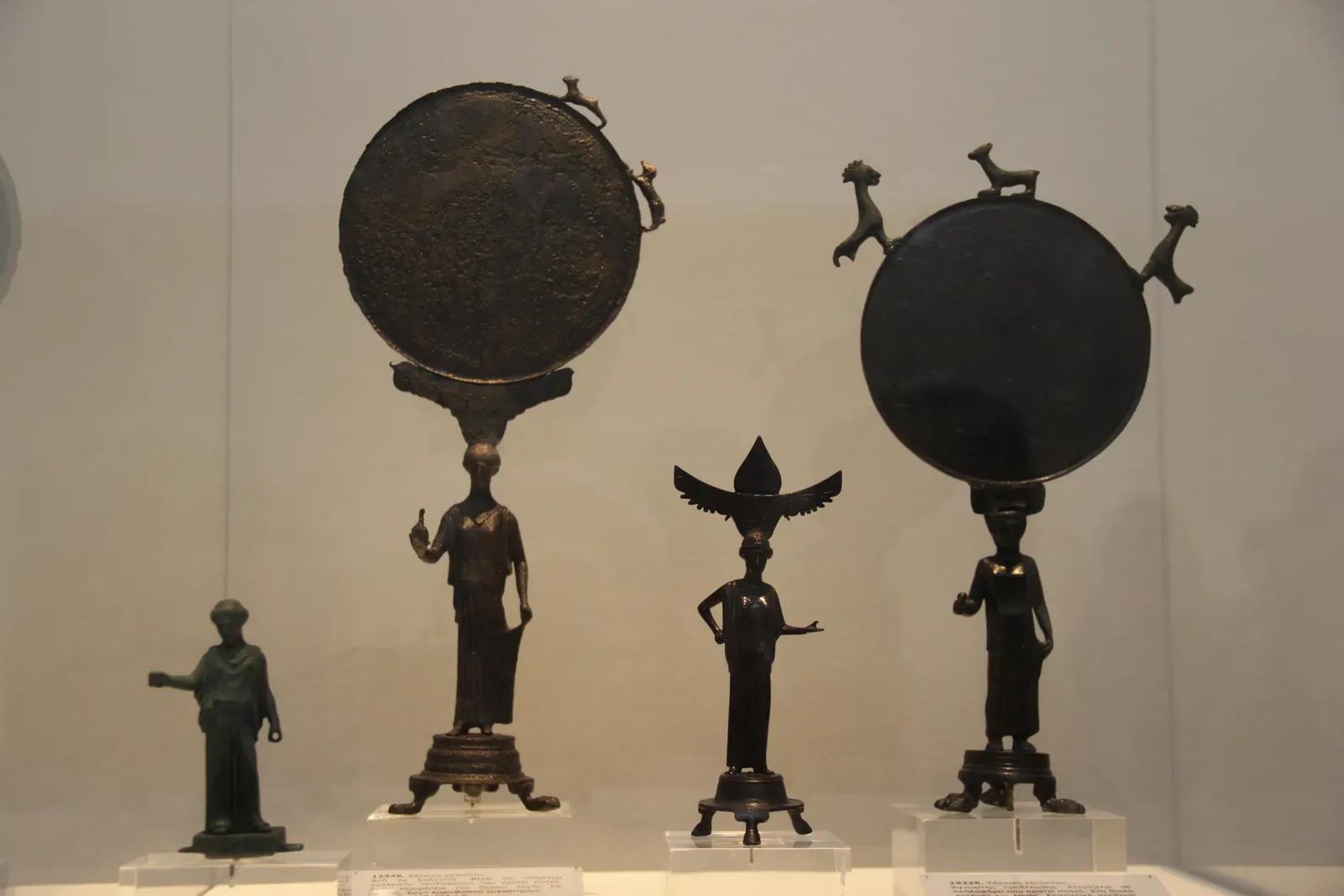
In 2011, Chinese archaeologists began excavating a massive Han Dynasty tomb complex, unaware they’d eventually uncover the oldest known image of Confucius ever recorded. The tomb belonged to Liu He, a man who ruled as emperor for just 27 days before being deposed.
Nobody expected the philosopher to show up on a mirror. During the excavation, a relic with the earliest portrait of Confucius ever discovered attracted enormous attention, initially believed to be a lacquer screen before being re-identified as a dressing mirror. Standing almost one meter tall, the mirror is encased in a hand-painted wooden cover depicting the philosopher dressed as a commoner, alongside images of two students and 2,000 Chinese characters telling stories of Confucius and his pupils.
The tomb also produced the long lost Qi version of the Analects, a text scholars believed was gone forever. A disgraced 27-day emperor, buried with the most important Confucian text in existence. Not far away, another Chinese tomb held something biology says shouldn’t exist.
#8 – The 2,000-Year-Old Corpse That Still Had Soft Skin
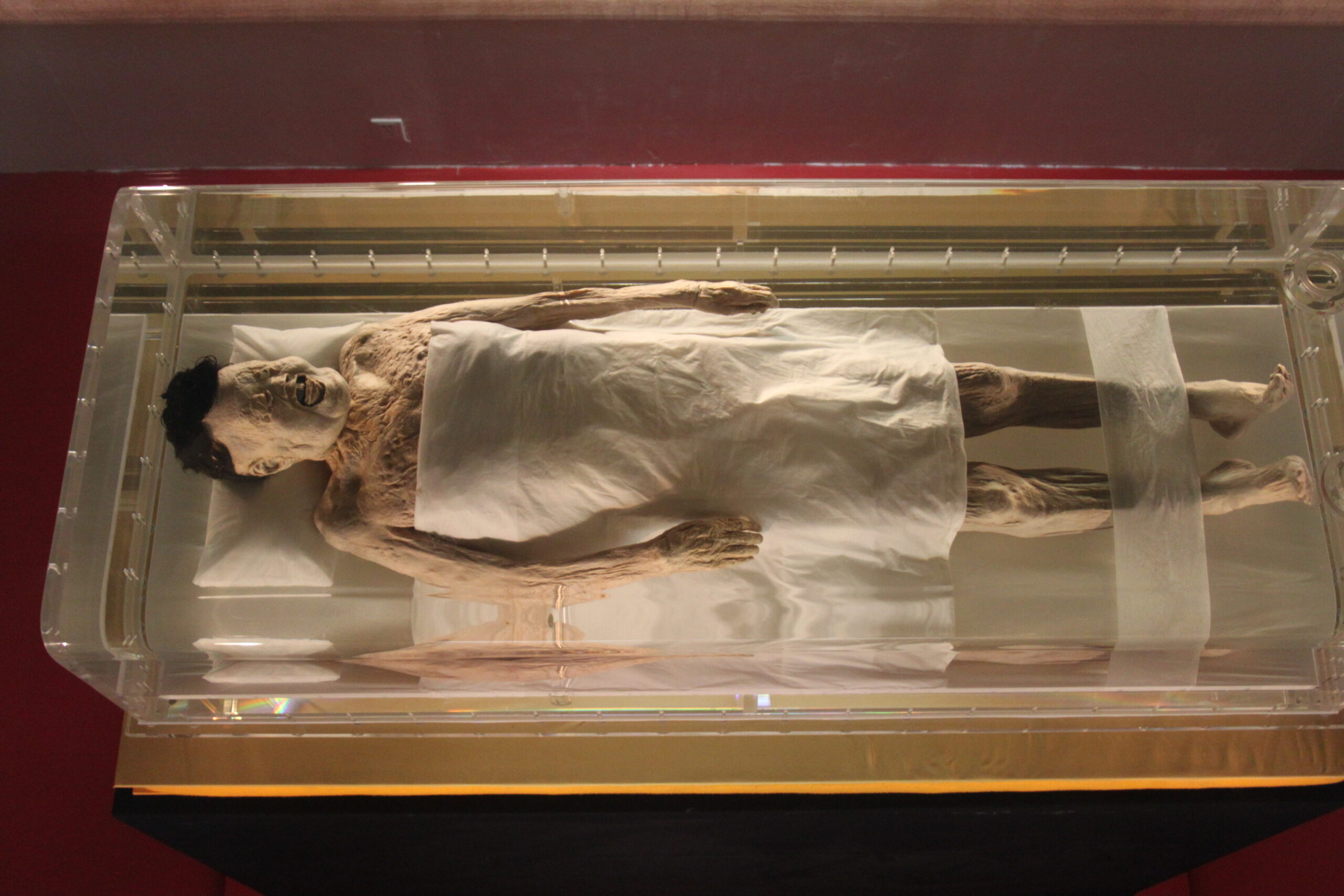
In 1971, workers digging an air raid shelter near Changsha, China accidentally broke into a tomb holding a noblewoman named Xin Zhui. What they found defied basic biology: a corpse over two millennia old with skin that still bent under a finger’s touch.
This wasn’t supposed to be possible. In spite of being buried for over 2,000 years, when Xin Zhui was found her skin stayed moist and elastic, her joints still flexible, blood still remained in her veins and she was completely intact. Researchers had never classified a body like it before, coining an entirely new term for the phenomenon.
The preservation came down to an airtight seal. Her tomb was so well sealed that no substance could enter or exit, and a lack of oxygen meant decay-causing bacteria died quickly, while even destructive ground water could not penetrate the tomb’s barriers – creating an environment that was cool, highly humid and almost sterile. Two thousand years, and her body looked like it had been buried last week. England’s most famous missing king was hiding somewhere far less glamorous.
Quick Compare
- Xin Zhui (China): sealed in an airtight, oxygen-poor tomb with no embalming – yet skin, joints, and blood survived intact
- Egyptian mummies: deliberately embalmed – organs removed, body dried and wrapped in linen
- Bog bodies (Northern Europe): preserved by acidic, low-oxygen peat – skin darkens and tissue shrinks, but the softness Xin Zhui had is lost
#7 – The Missing King Found Under a Parking Lot
![#7 - The Missing King Found Under a Parking Lot (‘The king in the car park’: new light on the death and burial of Richard III in the Grey Friars church, Leicester, in 1485, taken from [1], CC BY 4.0)](https://nvmwebsites-budwg5g9avh3epea.z03.azurefd.net/dws/c44785634cf78ae9c3712a95a9c8bed5.webp)
For over 500 years, historians assumed King Richard III’s body was lost forever, possibly dumped in a river after his defeat at Bosworth Field in 1485. Then in 2012, archaeologists dug beneath a Leicester council parking lot and found him almost immediately.
The location was almost insulting. England’s last Plantagenet king, one of the most debated monarchs in the country’s history, had been resting under asphalt used for staff parking for decades. DNA testing and skeletal analysis of scoliosis and battle wounds confirmed the identity beyond reasonable doubt.
The find rewrote assumptions historians had repeated for centuries – that Richard’s remains were destroyed or scattered. Instead, he’d been buried respectfully in a hastily dug grave at the friary where he died, exactly where records suggested but no one had bothered to check. Sometimes the biggest mysteries aren’t hidden in exotic locations – they’re under a parking lot. China’s biggest accidental discovery came from farmers just trying to dig a well.
#6 – The Well Diggers Who Found an Entire Underground Army
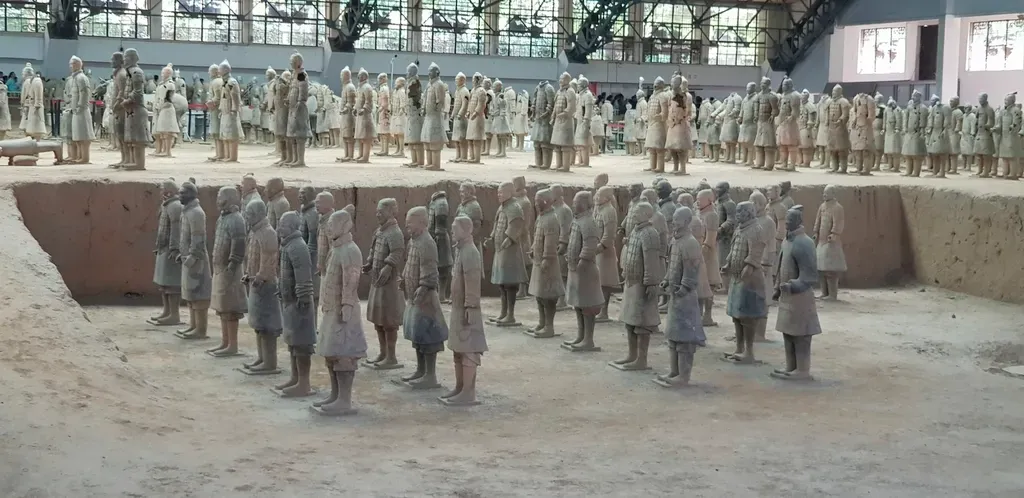
In 1974, farmers digging a well in Shaanxi Province, China hit something hard beneath the soil. It wasn’t rock. It was the head of a life-sized clay soldier, part of an army that had been standing guard underground for over 2,200 years.
Nobody was searching for this. The farmers had no idea they’d stumbled onto one of the largest archaeological finds of the 20th century – thousands of individually detailed terracotta soldiers, horses, and chariots built to protect China’s first emperor in the afterlife. Each face is different, suggesting individual sculptors modeled real soldiers rather than mass-producing identical figures.
What genuinely surprised researchers were the real bronze weapons buried alongside the clay figures – swords and crossbow triggers that had stayed sharp and rust-resistant for over two millennia thanks to advanced metallurgical coating techniques far ahead of their time. An accidental well became the gateway to an entire underground kingdom. Nothing compares to what was buried a few miles away, inside a teenage pharaoh’s tomb.
#5 – The Pharaoh’s Dagger Made From a Fallen Star
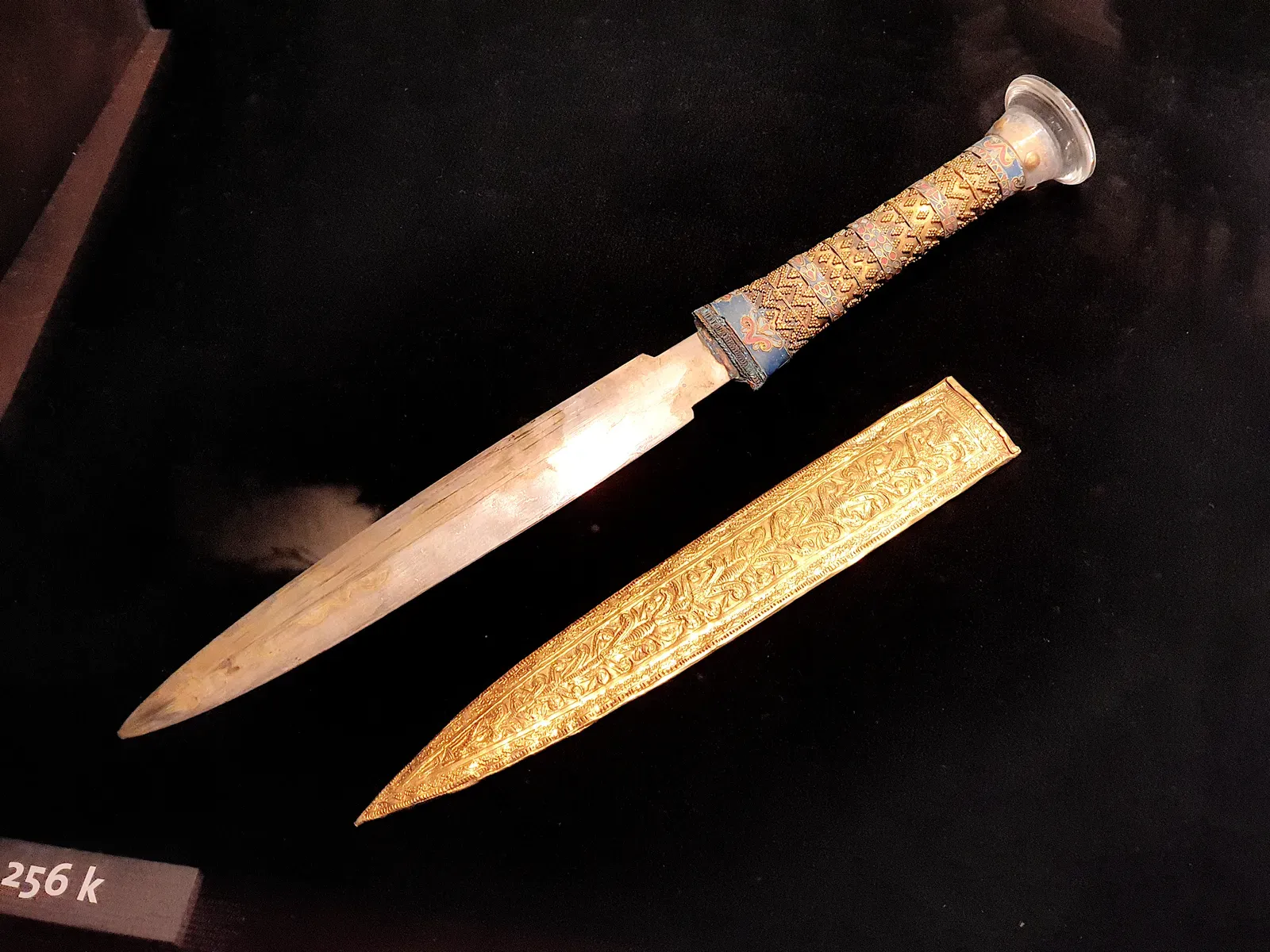
When Howard Carter opened Tutankhamun’s tomb in 1922, most of the world fixated on the gold mask. But decades later, scientists studying one specific object realized it was even stranger than the treasure surrounding it: a dagger forged from metal that never touched Earth’s crust.
Most people assume ancient Egyptians couldn’t work iron this precisely. Researchers eventually confirmed the blade’s composition matched meteoric iron almost exactly, meaning craftsmen shaped a weapon from a meteorite that fell from space, likely centuries before Tutankhamun was even born. Iron smelting wasn’t common in Egypt yet, making the object a technological outlier.
Yes, wonderful things.
Howard Carter
The tomb itself was already unusual for surviving mostly intact into the modern era, unlike nearly every other pharaoh’s burial. But the dagger proved ancient Egyptians valued celestial metal as something almost sacred, reserved only for royalty. A blade literally born from a dying star. But the tomb down the hall held something far darker: a mummy that seemed to be screaming a 3,000-year-old confession.
#4 – The Screaming Mummy That Confessed to a 3,000-Year-Old Assassination Plot
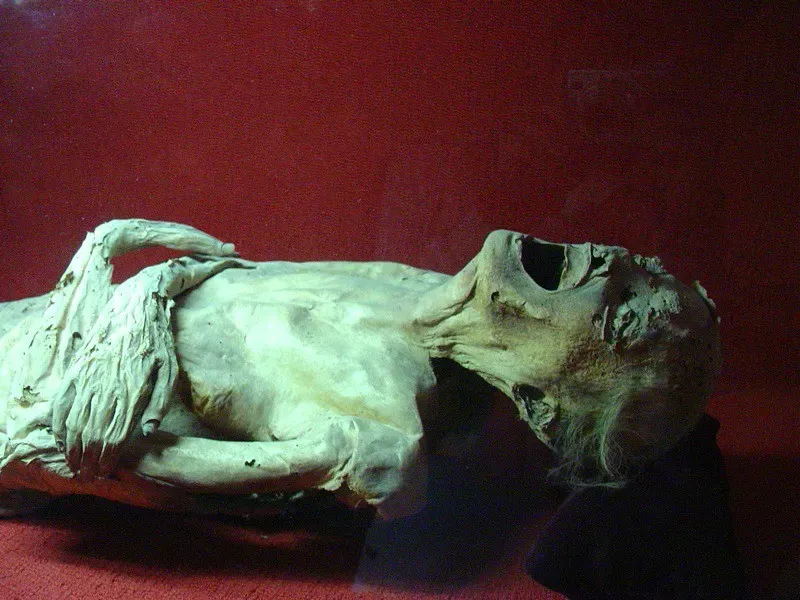
Egyptian archaeologists had long known about a mummy nicknamed the “Screaming Woman” and another labeled simply “Unknown Man E,” found with an unusually contorted, open-mouthed expression. For decades, no one could explain why his face looked frozen mid-scream.
The body itself was the crime scene. Researchers eventually connected the mummy to a documented conspiracy against Pharaoh Ramesses III – a harem plot involving poison and possibly strangulation. Unlike royal mummies wrapped in fine linen, this body had been hastily covered in sheepskin, a material considered ritually impure in ancient Egyptian burial practice.
That detail turned out to be deliberate punishment. Being denied proper mummification and buried in an “unclean” material was likely a symbolic condemnation, ensuring the conspirator’s soul suffered in the afterlife too. Turns out, ancient Egyptians used burial itself as a form of eternal punishment. Greece’s largest tomb raises a very different question – nobody can even agree who’s buried there.
#3 – Greece’s Largest Tomb, and Nobody Agrees Who’s Inside
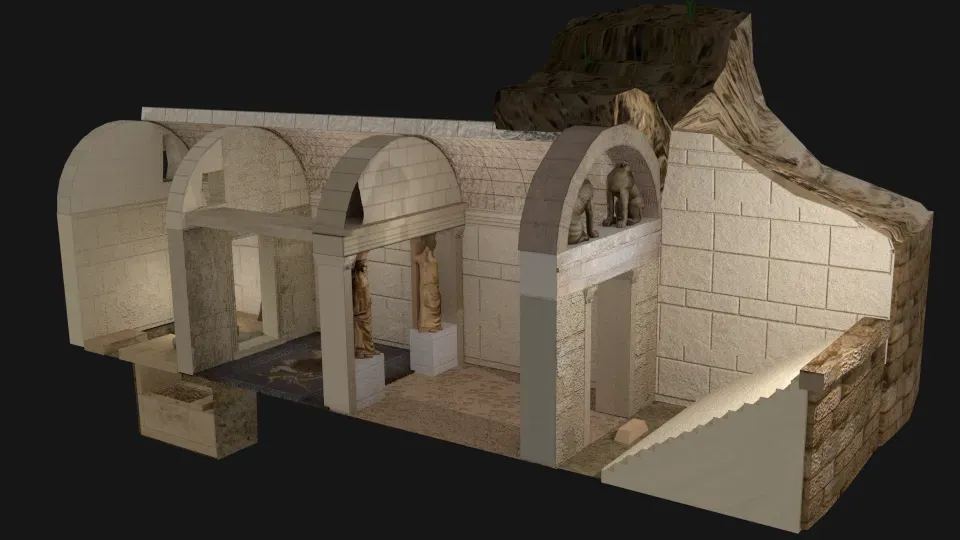
In 2014, archaeologists began excavating the Kasta Tomb near Amphipolis, Greece, and quickly realized they were dealing with something enormous. The Kasta Tomb, also known as the Amphipolis Tomb, is the largest ancient tumulus ever discovered in Greece, and by comparison dwarfs that of Philip II of Macedon in Vergina.
Everyone assumed it belonged to someone famous. Speculation ran wild that this was Alexander the Great’s tomb, or a close relative’s. Massive marble sphinxes guarded the entrance, and the chamber eventually revealed multiple sets of human remains rather than a single occupant, complicating identification even further.
Forensic reviews have continued arguing over who exactly was buried there, with some research explicitly demonstrating that Philip II was undeniably buried at Aegae but was not reburied at Amphipolis, ruling him out as the owner of the remains found at the Kasta Hill monument. A tomb bigger than any known Macedonian royal burial, and still no confirmed name attached to it. Turkey’s answer to the mystery was almost comforting: an actual funeral feast, untouched for millennia.
At a Glance
- Inner tomb first discovered in 2012, fully entered in August 2014
- Marble perimeter wall stretches 497 meters around the mound, built from Thasian marble
- Entrance flanked by two carved marble sphinxes
- Remains of five different people found inside, complicating identification
#2 – The 2,700-Year-Old Feast Still Sitting in the Bowls
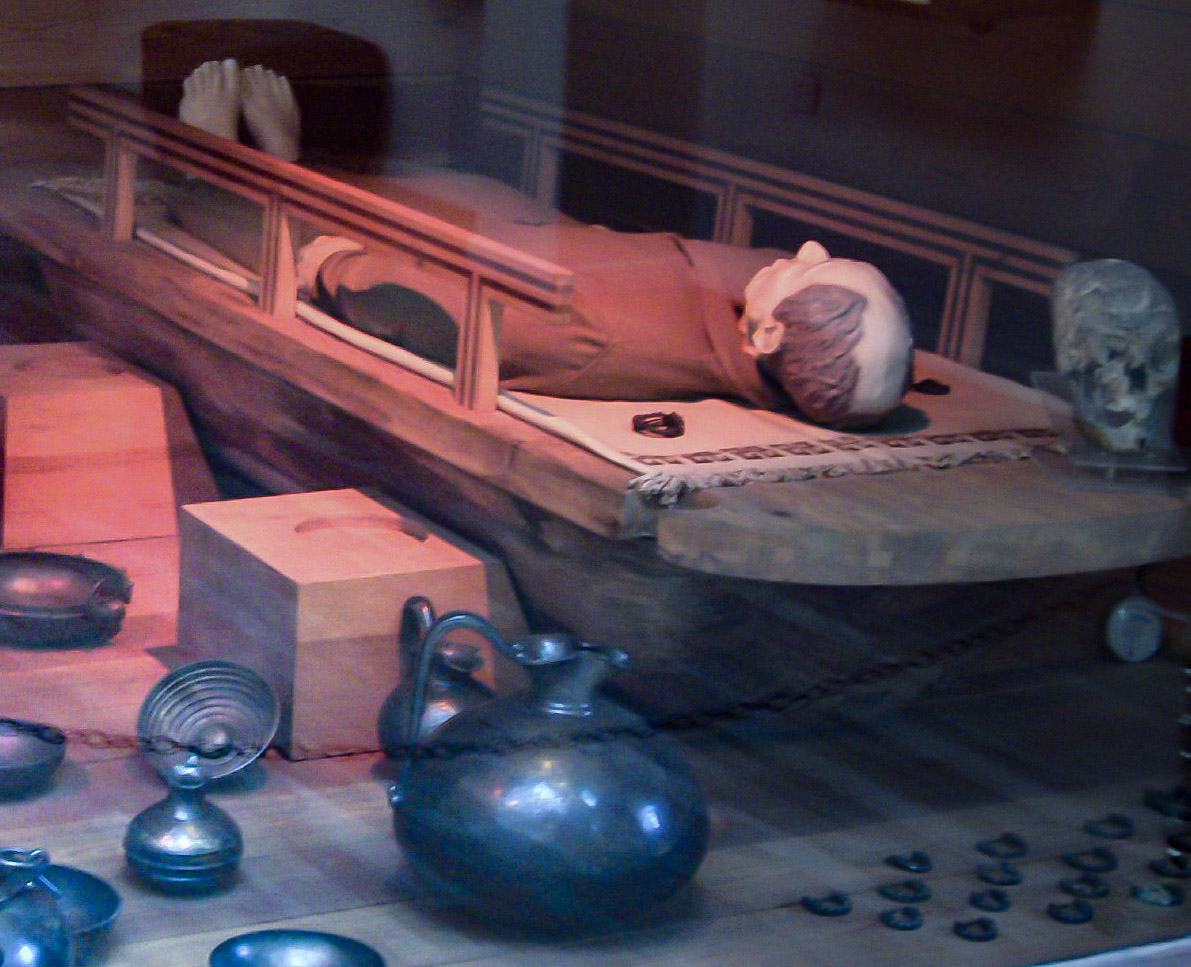
Beneath a massive burial mound in Gordion, Turkey, archaeologists opened a wooden tomb chamber in 1957 believing it belonged to the legendary King Midas. Inside, they found something bizarre: leftover food and drink residue from what appeared to be an actual funeral feast, untouched for nearly three millennia.
Nobody expected ancient barbecue sauce to survive that long. Chemical analysis of residue on bronze vessels revealed traces of a fermented beverage blending wine, mead, and barley beer, alongside evidence of a spiced meat stew, essentially the world’s oldest documented “recipe” reconstructed directly from tomb chemistry. Textile fragments and wooden furniture had also survived remarkably intact due to the tomb’s waterlogged, oxygen-poor environment.
Modern researchers and brewers have since attempted to recreate the drink based on these residues, turning a Bronze Age funeral into a modern beverage trend. A king’s actual send-off party, preserved down to the chemical signature. And then there’s the tomb nobody has dared to open at all.
#1 – The Emperor’s Tomb Nobody Has Opened in Over 2,200 Years
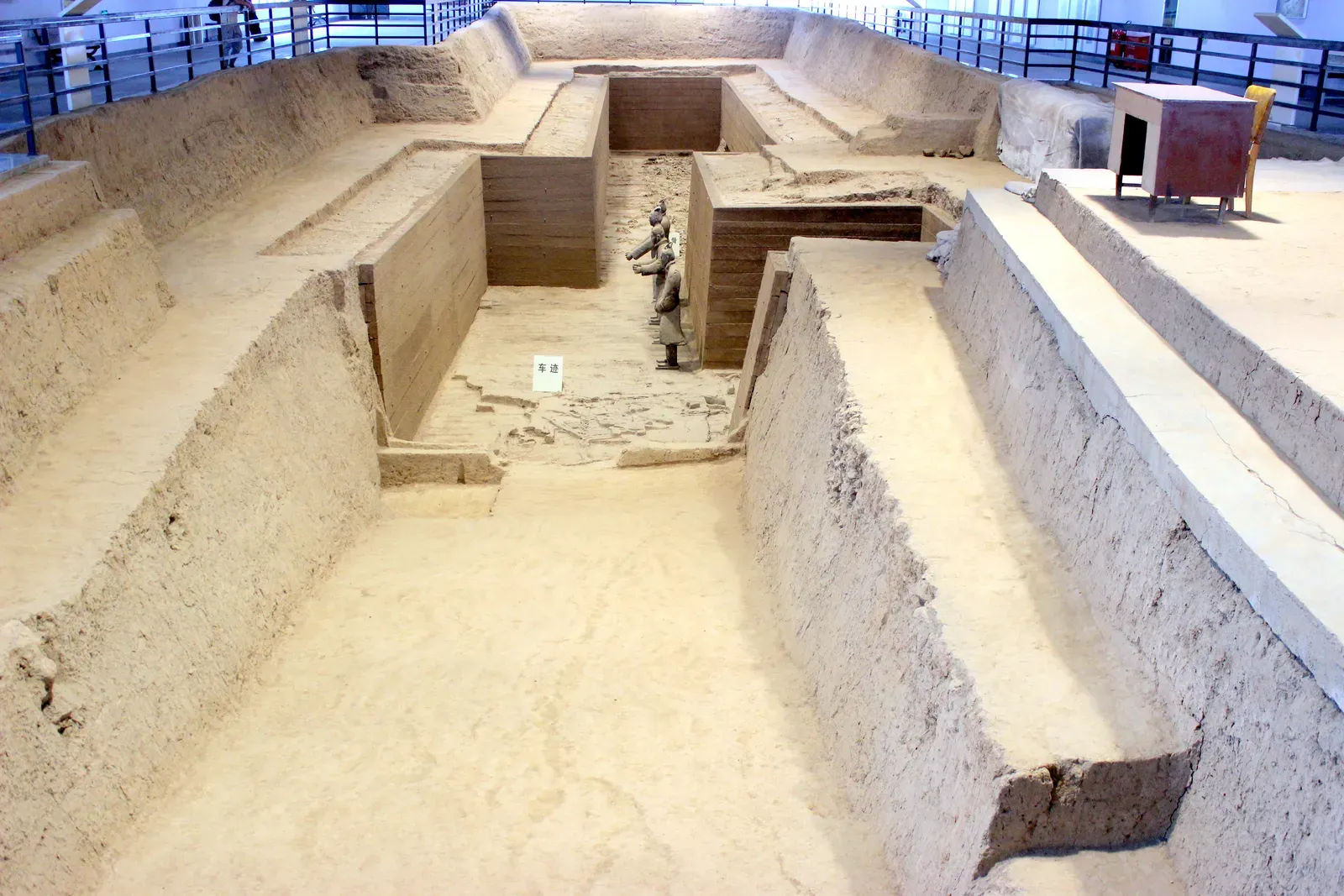
Beneath a massive earthen mound near Xi’an, China, lies the actual burial chamber of Qin Shi Huang, China’s first emperor – and unlike the terracotta army guarding its perimeter, archaeologists have never opened it. Ancient historical records claimed the tomb contained rivers of mercury simulating real rivers across a miniature map of China.
Most people assume this was exaggeration. Modern soil testing seems to confirm otherwise: scientists have detected abnormally high mercury concentrations in the soil surrounding the tomb mound, matching the ancient description almost exactly. That single detail is why archaeologists have deliberately chosen not to excavate, despite having modern technology capable of doing so.
The risk isn’t just about mercury poisoning – it’s about preservation. Chinese archaeologists watched the Terracotta Army’s painted colors flake away within minutes of air exposure, and they refuse to repeat that mistake on China’s most important tomb. Somewhere under that hill sits an emperor, sealed inside his own mercury solar system, waiting for technology humanity hasn’t invented yet.
Why It Stands Out
- Ancient records describe rivers of mercury mapping China’s real rivers inside the tomb
- Modern soil tests around the mound show abnormally high mercury concentrations
- The Terracotta Army’s paint flaked away within minutes once exposed to air
- Archaeologists are deliberately waiting for better preservation technology before opening it
The Bottom Line
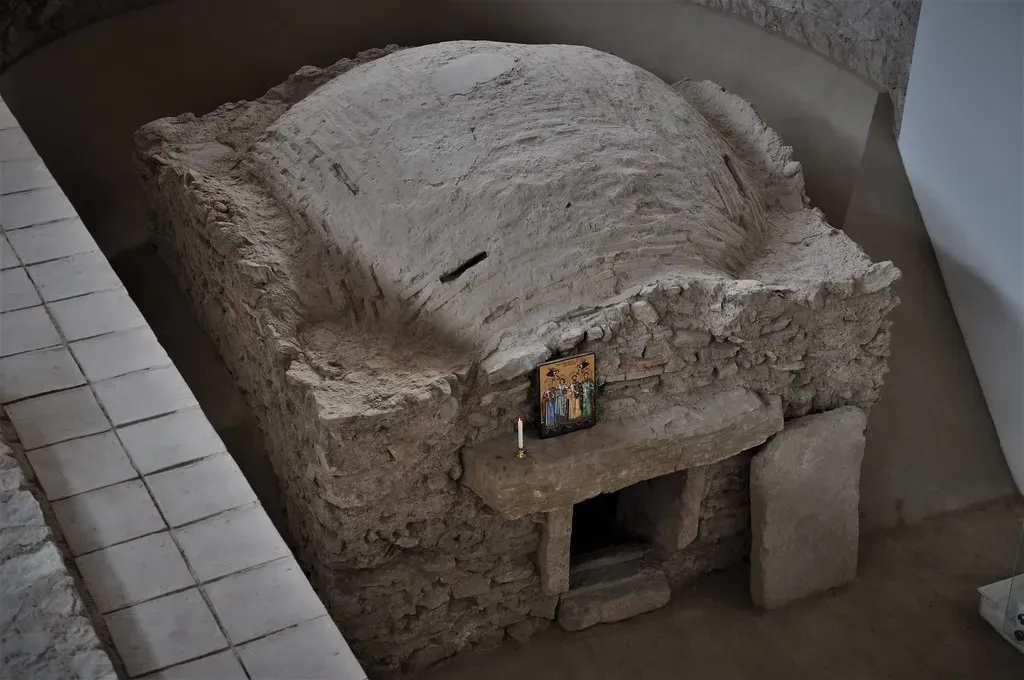
These fifteen tombs prove something history books rarely admit: the “expected” discovery is almost never the real one. A missing king turned up under a parking lot. A murder confession was stitched into sheepskin. A 2,000-year-old woman still had blood in her veins. Even the objects meant to be understood – a golden box, a lacquer screen, a stone-cold philosopher’s portrait – kept fooling the experts who found them.
If there’s one honest lesson buried in all this soil, it’s that archaeology rewards patience over assumption, and the ground still keeps better secrets than we give it credit for. Which one of these surprised you the most – or is there a tomb discovery we completely missed? Drop it below.