
If you think marine biology has the deep sea all figured out, the ocean is more than happy to prove you wrong. Every year, research vessels drag up things from the seafloor that leave even veteran scientists staring at the screens going, in very polite scientific language, what on earth is that. Some finds quietly slot into known groups with a bit more study. Others sit stubbornly outside every neat box and classification system we have.
This article is about those stubborn mysteries. These are not fantasy creatures or viral hoaxes, but categories of real, puzzling finds where the data is thin, the photos are blurry, and the experts themselves use phrases like “unusual,” “enigmatic,” or “potentially unknown.” In some cases, they might eventually turn out to be damaged versions of known animals, or even non‑biological artifacts. Right now, though, they sit in a kind of scientific limbo: recovered from the ocean floor, clearly something, yet without a solid, agreed‑upon place in marine biology as we currently practice it. That gap between what we know and what is actually out there is where the story gets truly interesting.
1. The Gelatinous “Blob” Masses That Refuse To Be Pinned Down
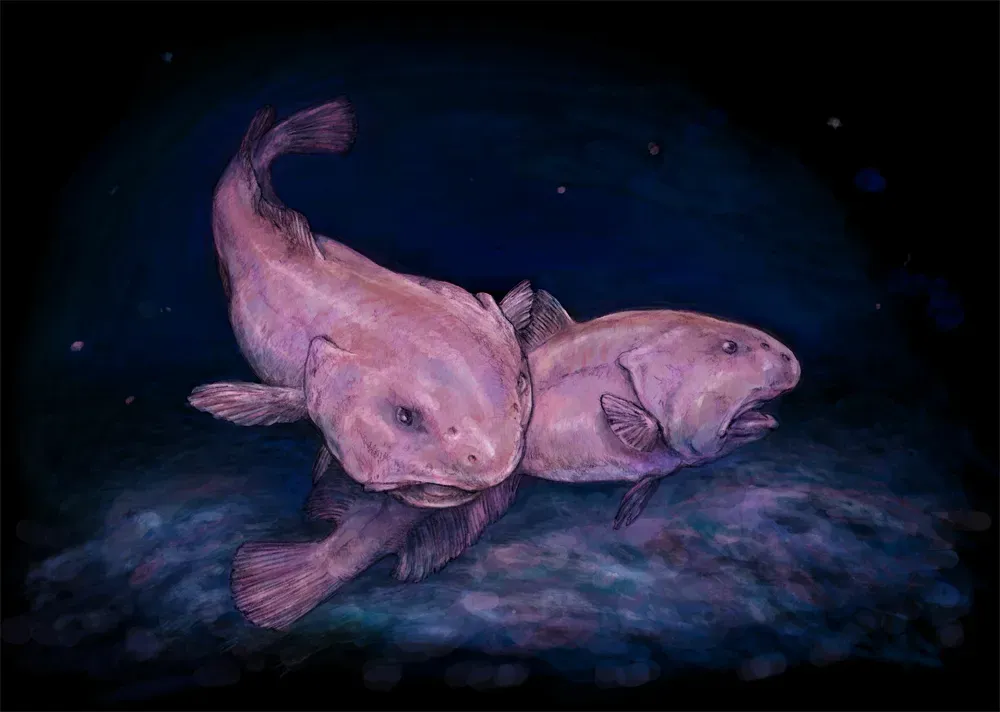
Imagine lowering a remotely operated vehicle three thousand meters into the dark and finding a large, quivering, translucent mass sitting alone on the sediment like a misplaced jelly from another planet. These gelatinous blobs have shown up in various expeditions, sometimes loosely attached to rocks, sometimes sprawled across mud, almost always looking like they belong in a science fiction concept sketch rather than a field log. They often have no clear organs, no obvious mouth, and no immediately recognizable body plan that matches standard jellyfish, sea cucumbers, or colonial tunicates.
Some samples have been collected and usually fall apart almost instantly when disturbed, making detailed study painfully difficult. Under the microscope, they can show cellular structures that hint at known groups, but not cleanly enough for taxonomists to throw them confidently into a phylum or order. They might be life stages of existing species, decomposed remnants, or something truly new. Right now, they sit as question marks in lab freezers and photo archives, a reminder that the deep sea is full of soft‑bodied secrets that our current classification tools – largely built around more robust, easily preserved organisms – struggle to handle.
2. Unidentifiable Egg Sacs And Mysterious Encysted Structures
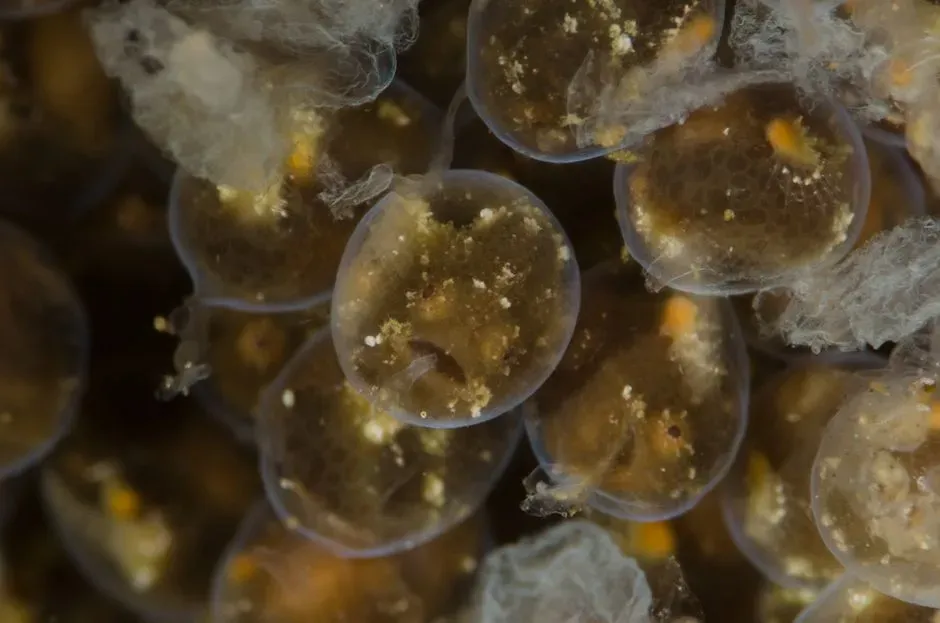
Every so often, trawl nets bring up strange, leathery or gelatinous pouches filled with fluid or tiny spherical structures that clearly look like eggs or cysts, yet match no known species’ reproductive packaging. These odd egg sacs might be attached to rocks, manganese nodules, or even pieces of old equipment, like someone hung a biological ornament on the deep seafloor and forgot to label it. They can range from ping‑pong‑ball sized pods to sprawling sheets of gelatin studded with uniform beads.
Because many deep‑sea animals have never been observed reproducing in the wild, connecting an anonymous egg mass to a specific adult species is almost like trying to match a random key to a lock in an unknown building. Genetic testing sometimes helps, but often the material is too degraded, contaminated, or yields results that conflict with visual expectations. The result is a small but growing catalog of anonymous egg structures – clearly biological, clearly important to some life cycle, and yet unmoored from any official category in our reproductive or developmental guides.
3. The “Spaghetti” Mat Organisms That Might Not Be Individual Animals At All
In certain deep basins and around seeps, cameras have captured and occasionally sampled bizarre mats of thin, spaghetti‑like strands coiled across the seafloor. Up close, these strands can look like worms, fungal filaments, or even tangled roots, except there are no plants down there and no easy analogues. Sometimes they appear to be moving collectively, almost like a single sheet of behavior rather than many separate worms doing their own thing.
When pieces are recovered, they tend to disintegrate or reveal themselves as a confusing mix of slime, filament, and sediment. Are they colonies of bacteria enmeshed in secreted polymers, highly modified tube worms, or something else entirely that does not fit the clean categories of “single organism” versus “community”? At the moment, they are more of a functional description than a classified group. Everyone calls them mats, but whether they deserve a new category in marine biology or simply expose how limited our existing ones are is still completely up for debate.
4. Transparent Ribbon Forms Without Clear Anatomy
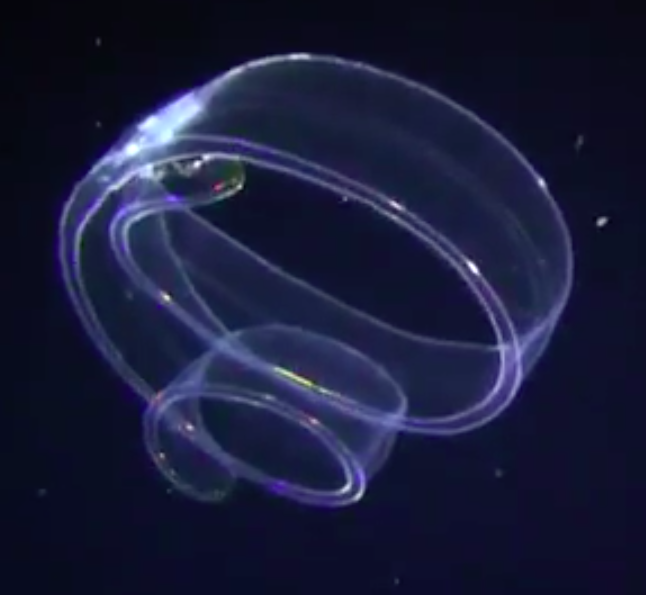
Deep‑sea surveys have occasionally hauled up long, ribbon‑like transparent sheets that seem almost too delicate to be alive. Unlike well‑documented comb jellies or salps, these ribbons can lack clear segmentation, ciliary rows, or obvious siphon systems. Under the harsh lights of the lab, they can look like strips of melted plastic or ghostly scarves annotated with faint internal lines that never quite resolve into organs as we understand them.
These ribbons may represent torn parts of larger colonial animals, unknown larval stages, or even failed attempts at capturing an entire organism that passed through the net in shreds. But in some cases, the structure appears coherent: edges are consistent, textures repeat, and there seems to be some kind of integrated patterning. Without live observation and intact specimens, taxonomists are uncomfortable assigning them to existing groups, so they remain in a kind of bureaucratic limbo – filed in collections as “unidentified gelatinous organism” with photos that look like optical illusions rather than formal descriptions.
5. Encrusted “Living Rocks” Whose Core Identity Is Unclear
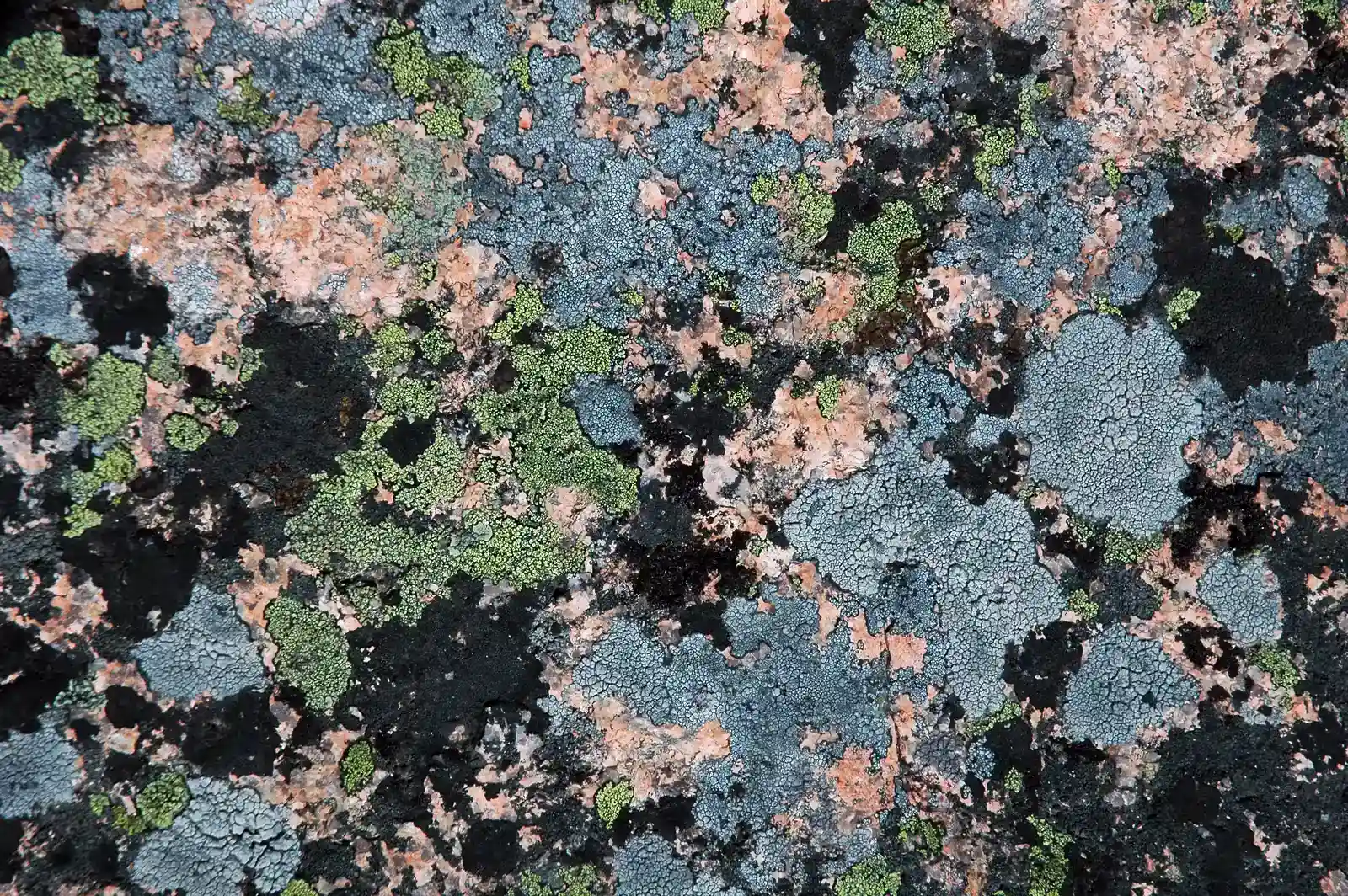
We have known for a long time that rocks can host rich communities of encrusting life, from sponges and corals to worms and bryozoans. But some finds from the seafloor push this blending so far that researchers are not sure where the rock ends and the organism begins. These “living rocks” can look like lumpy stones studded with pores, vents, and soft tissue patches that move or react very slightly when prodded. Slice into them, and you might find a composite of mineral, organic matrix, and soft channels that do not match any known solitary animal body plan.
There is growing suspicion that some of these might be extremely integrated symbiotic systems, where microbes, invertebrates, and minerals co‑construct a single, stable entity over decades or centuries. In that case, asking “what species is this rock” might be the wrong question entirely. Because existing marine classification focuses on individual organisms rather than distributed partnerships fused into one structure, these living rocks lie outside clean categories – too merged to treat as simple habitat, too organized to dismiss as random buildup.
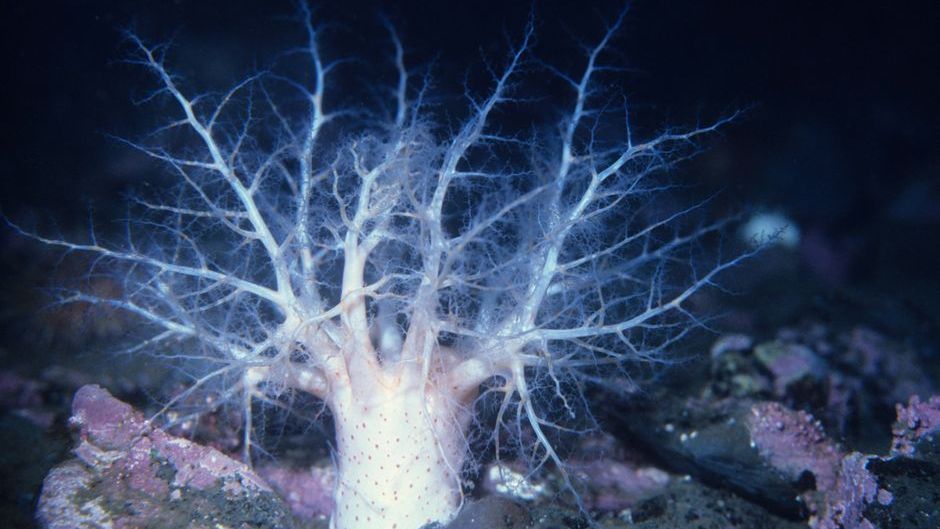
6. Deep-Sea “Flowers” With No Confirmed Relatives
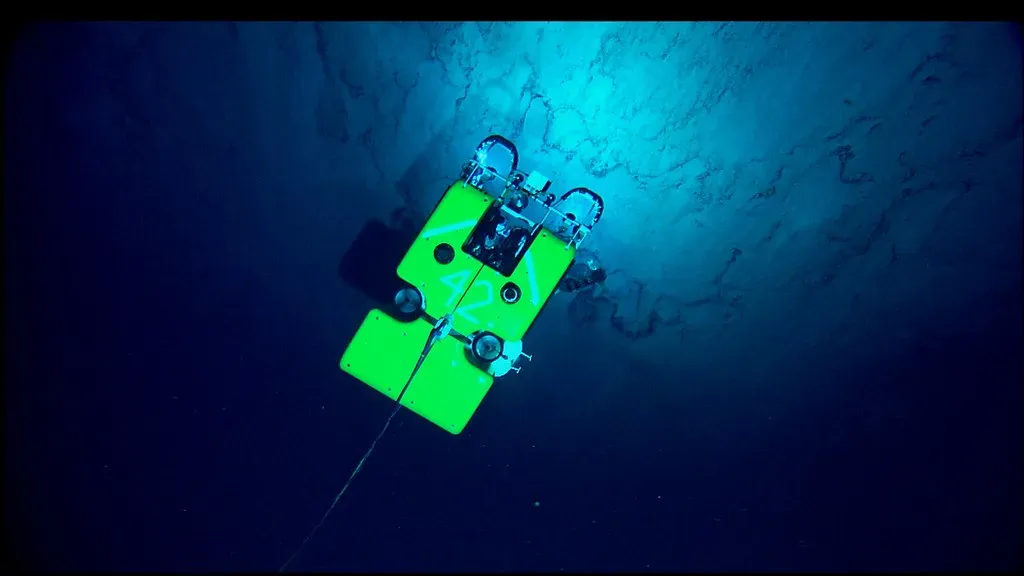
ROV footage has on multiple occasions shown delicate, flower‑like forms fixed to the ocean floor: central stalks topped with radial “petals” or tentacles, creating the kind of silhouette you would expect on a coral reef, not in the abyss. But when crews manage to collect them, they do not always match the anatomy of corals, anemones, or known colonial hydroids. Some have inexplicable joint‑like nodes on the stalks, others have petal structures that are more plate‑like than tentacular, raising questions about how they feed or even what they are.
Because everything in the deep sea is under enormous pressure and adapted to low light, many familiar groups can end up looking strange; however, a few of these “flowers” remain stubbornly off‑type even after careful dissection. With just a handful of specimens and fragmentary DNA, researchers hesitate to declare new phyla or orders. For now, these seafloor flowers sit as quiet outliers – marked in reports, flagged as priorities for follow‑up dives, but hovering on the edge between “weird member of a known group” and “something that deserves a rewiring of our taxonomic tree.”
7. Filamentous Colonies That Blur The Line Between Animal And Microbial Mat
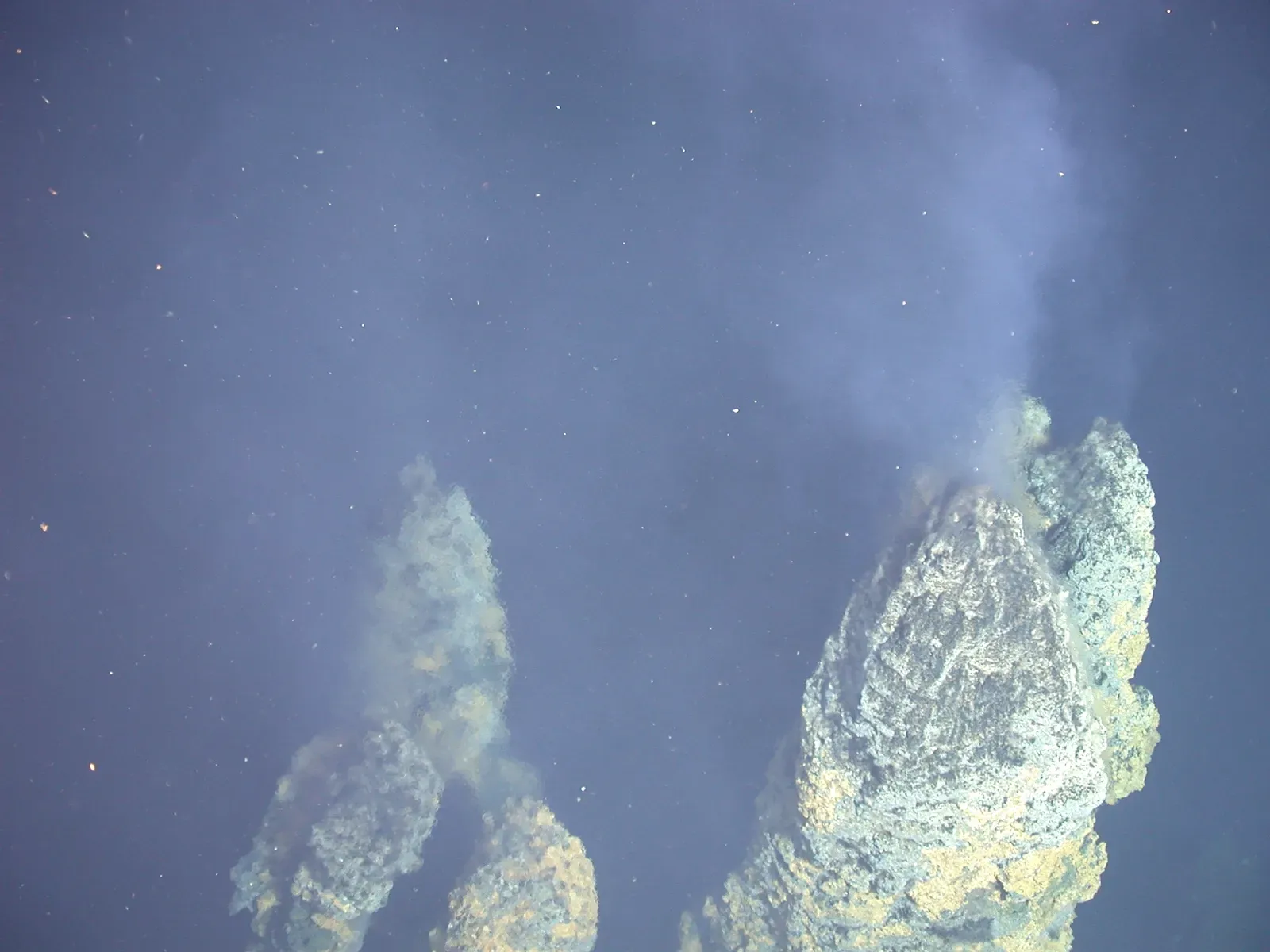
In some cold seep and hydrothermal vent regions, teams have recorded tangled curtains of hair‑thin filaments anchored to metal‑rich crusts or methane‑oozing sediments. To the naked eye, they resemble algae or hair, but at those depths and conditions, algae are not likely candidates. Microscopic and genetic analyses often reveal dense microbial communities along these strands, and yet the scaffolding itself sometimes appears more complex than a simple bacterial byproduct, hinting at a larger host structure or colonial framework.
The big question is whether these filaments should be classified as animals, protists, bacterial constructs, or some emergent combination that does not fit current definitions. When something behaves like habitat, nutrient pipeline, and organism all at once, the old boxes start creaking. Marine biology, which historically separated microbes from “macrofauna,” is slowly catching up, but many of these filamentous colonies remain in the gray zone. Until we can rear them in controlled conditions or observe full life cycles, they are basically mysterious scaffolds tying together chemistry and biology on the ocean floor.
8. Unresolved “Sponges” With Skeletons That Break The Rules
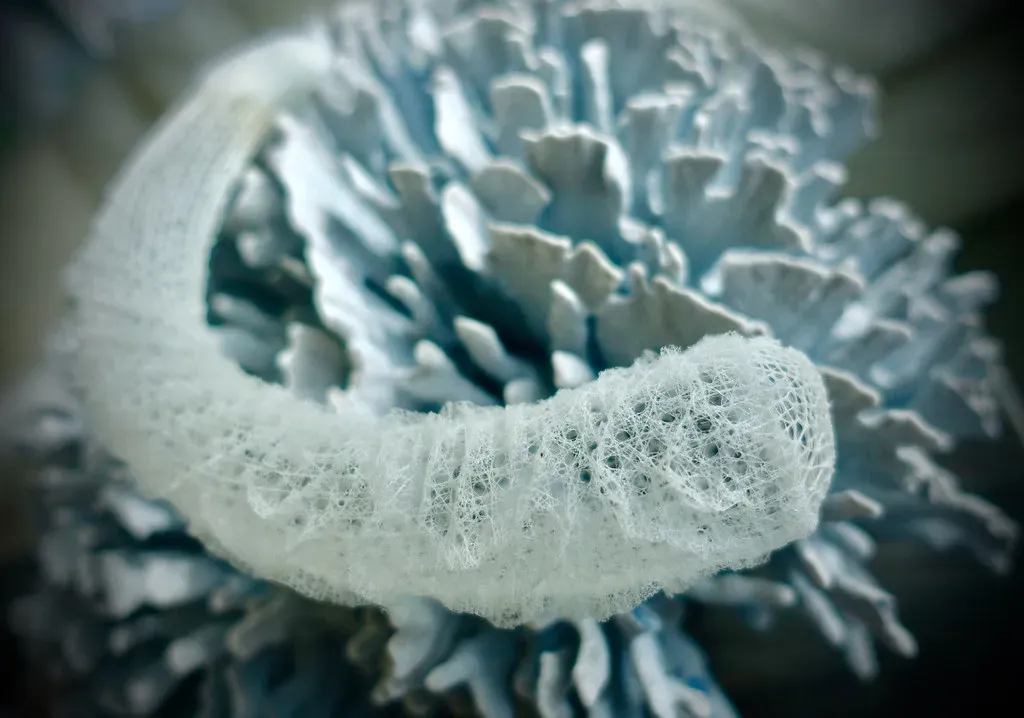
Sponges are supposed to be the simple ones: filter feeders with fairly well‑mapped skeleton types made of silica or calcium carbonate. But every so often, expeditions dredge up sponge‑like creatures from great depth whose internal frameworks do not fit the known patterns. Their spicules – those microscopic support rods – can be arranged in eccentric geometries, or be made of unusual composite materials that bend or flex in unexpected ways, challenging assumptions about how sponge skeletons are built.
In isolation, any odd skeleton could be dismissed as a developmental glitch, but when multiple specimens display the same deviations, taxonomists start getting nervous. Are these misbehaving members of established sponge groups, or the first hints of a line that diverged in the deep long ago and evolved structures we have barely described? Until there is enough material for rigorous comparative work, these odd sponges live in a kind of scientific waiting room – acknowledged as biological, labeled provisionally, but not officially slotted anywhere in the polished charts of marine invertebrate diversity.
9. Xenophyophore-Like Giants That Do Not Fit Even That Loose Category
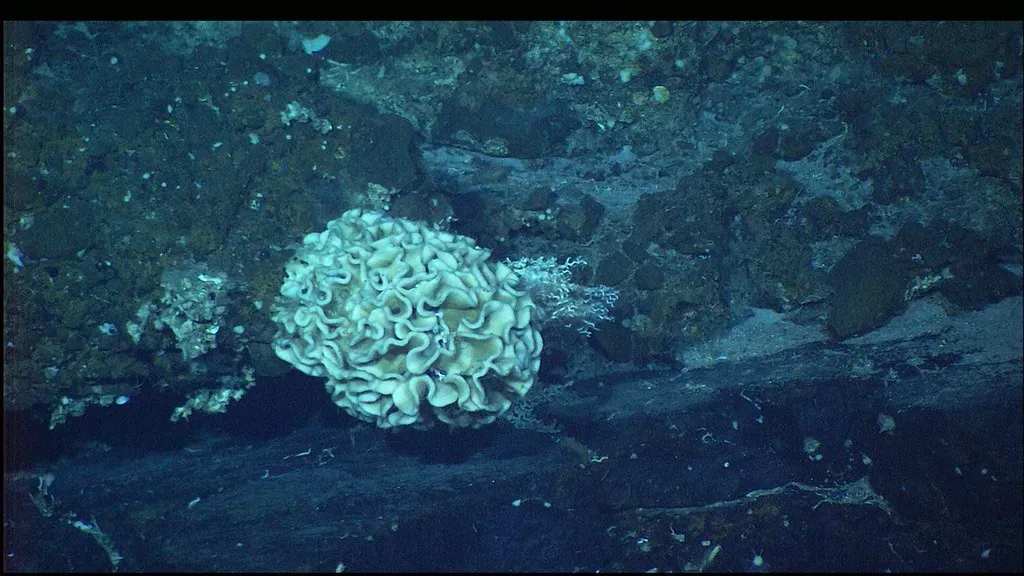
Xenophyophores – those giant, single‑celled, many‑chambered protists – are already the stuff of ocean legend. Yet in several deep‑sea regions, explorers have encountered huge, fragile, lattice‑like structures that resemble oversized xenophyophores but differ in key details like chamber shape, wall thickness, or overall architecture. When fragments arrive topside, their cellular identity can be maddeningly hard to confirm, especially when the structures break into powder under the slightest mechanical stress.
Some researchers suspect these forms might be related to xenophyophores but represent an undocumented diversity within that group, while others argue they may be something distinct that just happens to converge on a similar architectural strategy. Right now, the data is too sparse to pick a side. So these “xenophyophore‑like” giants occupy a floating category of their own in research cruise reports: clearly part of the living seafloor landscape, potentially crucial habitat, but sitting outside our existing classification comfort zone like strange, slow‑growing cathedrals with no official name.
10. Soft-Bodied Burrowers Known Only From Fragmented Remains
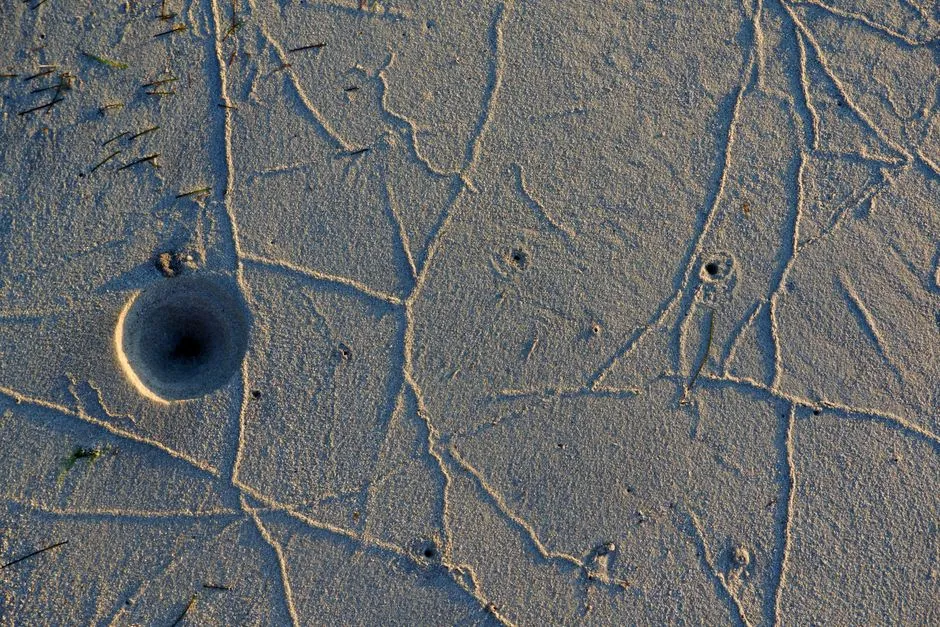
The deep seafloor is riddled with burrows and tunnels, but the animals that make them rarely show themselves on camera. Now and then, cores or dredges bring up ragged pieces of soft‑bodied creatures that seem purpose‑built for life within sediment: elongated, almost featureless, with just enough structure to hint at musculature or a feeding organ. The challenge is that these fragments often lack the head, tail, or distinctive appendages that would allow a confident placement in worms, holothurians, or any other known burrowing group.
In paleontology, a single tooth or shell can be enough to pin down a lineage. For these deep‑sea burrowers, there are no such hard parts, just delicate tissue that begins to decay as soon as it reaches the surface. Without stable morphology or complete genomes, they exist in our catalogs as “unidentified infaunal organisms,” a bland label for what might be entire clades hiding beneath the mud. For now, they are more ghost than data: acknowledged by their traces and scraps, but still refusing to step into the spotlight of formal classification.
11. Matched Symbiotic Pairs That Behave Like One Organism
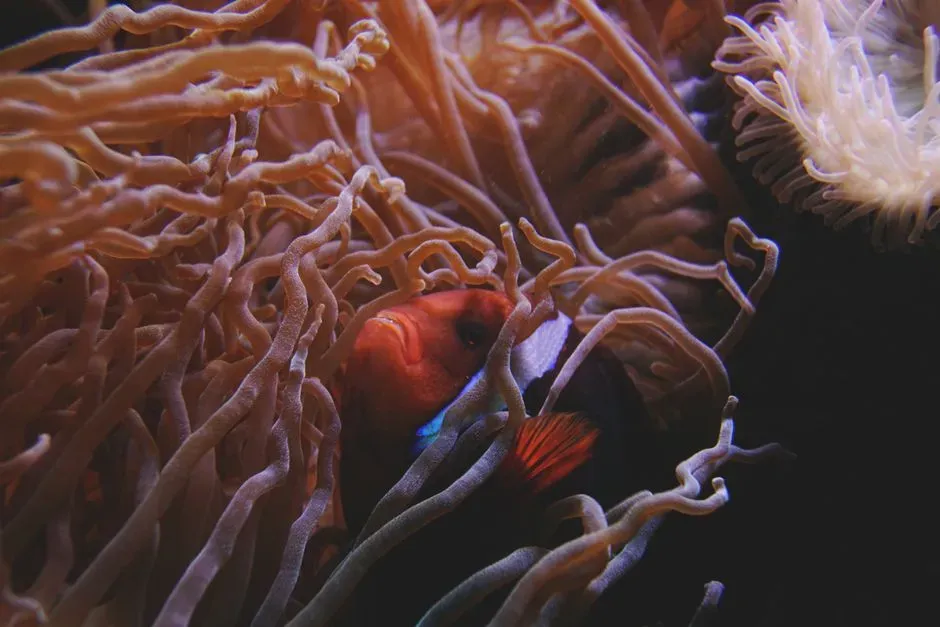
Some of the strangest finds are not single organisms at all, but pairs or triplets locked into such tight partnership that it becomes hard to say where one ends and the other begins. Think of a small crustacean permanently tucked into the folds of a gelatinous host, both sharing the same protective shell of mucus and perhaps even exchanging nutrients. From the outside, the unit behaves as one creature: it moves as a single entity, responds to disturbance in a coordinated way, and occupies a niche that neither partner could handle alone.
Classic marine biology tends to list each partner separately and then add a note about symbiosis, but at some point that approach starts to feel like forcing a new phenomenon into an old spreadsheet. If evolution can weld genomes, behaviors, and morphologies into functional partnerships that act like new individuals, then our system of classification, built on discrete organisms, begins to look outdated. At present, many of these deep‑sea symbiotic pairs are documented as curiosities, but there is no widely accepted framework for treating them as primary units of classification, leaving them at the margins of our formal systems.
12. Bioluminescent Seafloor “Patches” With No Clear Source Animal
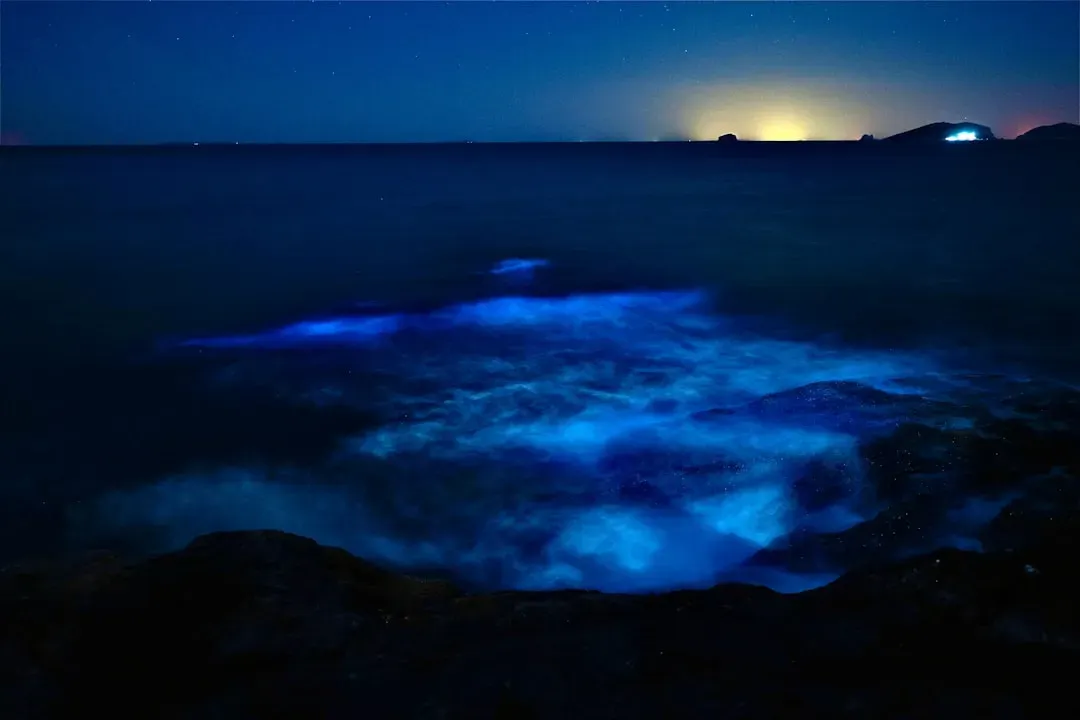
It is one thing to see a glowing fish; it is another to see an entire patch of seafloor shimmering as if someone switched on a submerged city. Divers and ROVs have occasionally recorded fields of faintly glowing sediment or low mounds that pulse with light, without any obvious individual animal responsible. When samples are taken, they often recover a stew of organisms and microbes, including known bioluminescent species, but no single candidate that fully explains the organized patterns of light observed in situ.
This raises a provocative possibility: maybe what is glowing is not an organism in the traditional sense, but a multi‑species consortium wired together by shared chemistry and collective signaling. Our classification systems are not built to handle “bioluminescent community units” that light up as a whole rather than through identifiable individuals. Until we can tease apart who does what inside these patches, the phenomenon sits awkwardly in our records – clearly biological in origin, clearly more than random sparkle, yet not classifiable as a distinct species or group under any current marine taxonomy.
13. Highly Regular Mineral-Biological Hybrids Around Vents
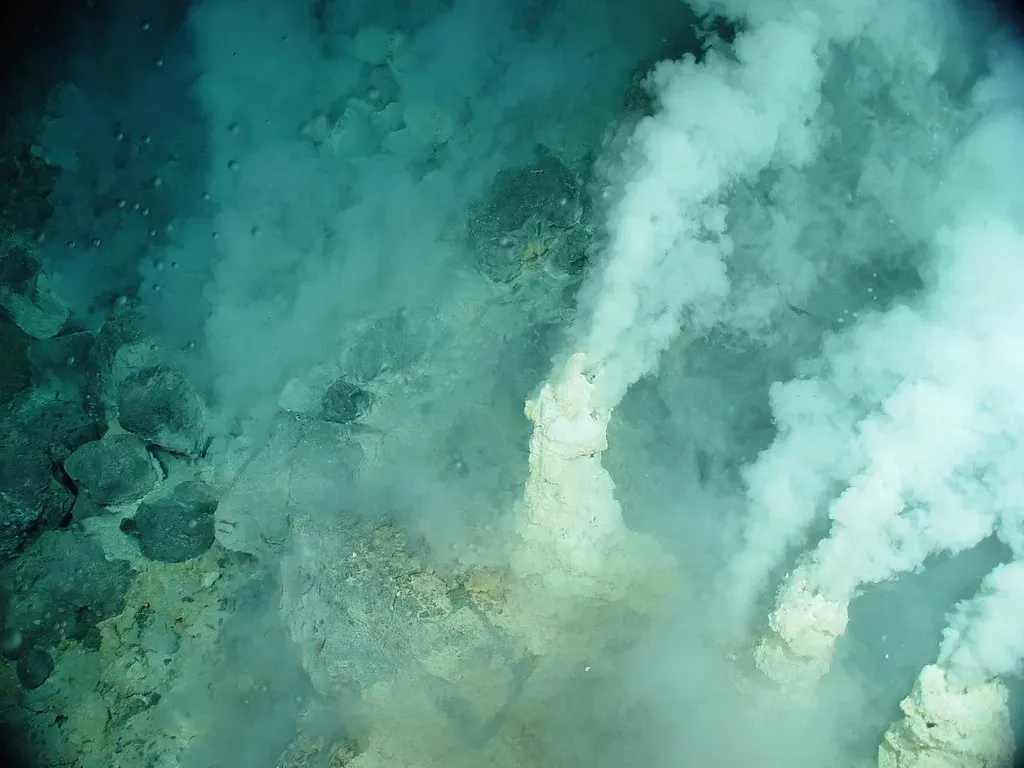
Hydrothermal vents are famous for their extravagant chimneys and weird creatures, but some structures recovered from vent fields blur the boundary between geology and biology in unsettling ways. Picture a small, branching object with the geometric precision of a crystal but a surface covered in fine organic textures and openings that appear to regulate fluid flow. When sliced and analyzed, the inner core may be mostly mineral, while the outer layers reveal dense biological films and something resembling tissue.
Are these just rocks heavily colonized by microbes and small invertebrates, or did a living system actively sculpt the mineral from the inside out? If the latter is even partially true, our current categories that neatly separate “organism” from “substrate” start to wobble. For now, these hybrids are usually described functionally – as vent structures, mineral‑biological complexes, or chimneys with unusual levels of biological integration – rather than given distinct names in the tree of life. They expose a blind spot in marine biology: we are excellent at classifying bodies, less good at classifying processes that turn rock itself into an extension of those bodies.
14. Unplaced Larval Forms That Look Nothing Like Their Adults
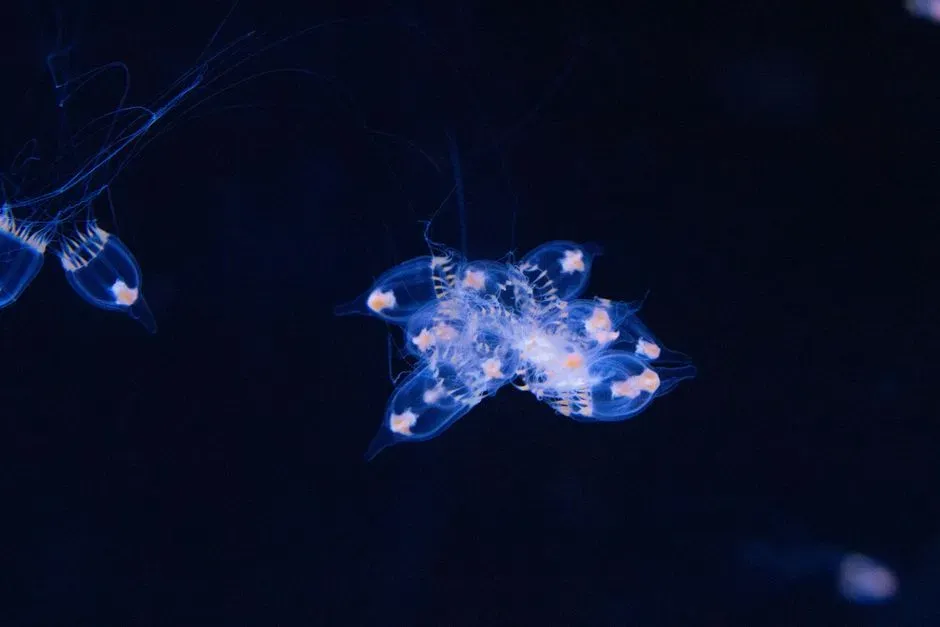
Marine biologists have long known that many ocean animals have larvae that look radically different from their adults. But in deep‑sea collections, there is an entire menagerie of tiny, delicate larval forms that currently lack any confirmed adult counterparts. Some look like miniature spaceships with spines and sails, others like transparent disks with internal spinning cogs of cilia, none matching the textbook examples used to teach marine development in shallower waters.
Without a genetic bridge linking them to known adults, these larvae remain free‑floating mysteries in our classification systems. They are cataloged based on shape and behavior but not plugged into any life cycle diagram, like puzzle pieces that clearly belong to some larger picture we have not seen yet. It is entirely possible that many of the strangest deep‑sea adults we have found are actually the missing partners to these larvae, and we just have not connected the dots. Until we do, these larval forms stand as independent entries: discovered, documented, and yet fundamentally unplaced under current marine biology frameworks.
15. Apparent “Organisms” That Might Be Self-Assembling Structures
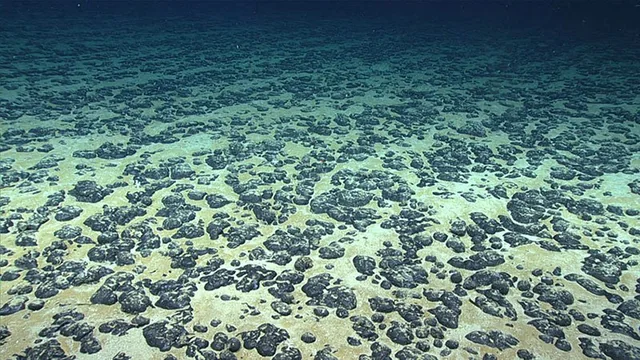
One of the most unsettling categories of ocean‑floor discoveries involves things that look like organisms but might, on closer inspection, be something stranger: self‑assembling biological structures that do not fit our definition of life. These could be repeating, coral‑like lattices built by chemical gradients and microbial activity, or branching patterns that grow over time without a central genome calling the shots. When lifted from the seafloor, they behave like brittle skeletons or collapsed foams, resisting simple classification as plant, animal, fungus, or protist.
This possibility forces an uncomfortable question: what if some of what we have been calling “unclassified organisms” are actually emergent, life‑derived architectures rather than discrete living beings? If so, existing taxonomic trees, which assume individual lineages and inheritance, are the wrong tools entirely. Right now, such finds are labeled cautiously, often described more like phenomena than species. In my view, they hint that the deep ocean is not just hiding unknown animals; it is also hiding new categories of organization that sit somewhere between life, environment, and pattern – a place our current systems simply are not built to map.
Conclusion: The Ocean’s Most Important Message Is That Our System Might Be Too Small
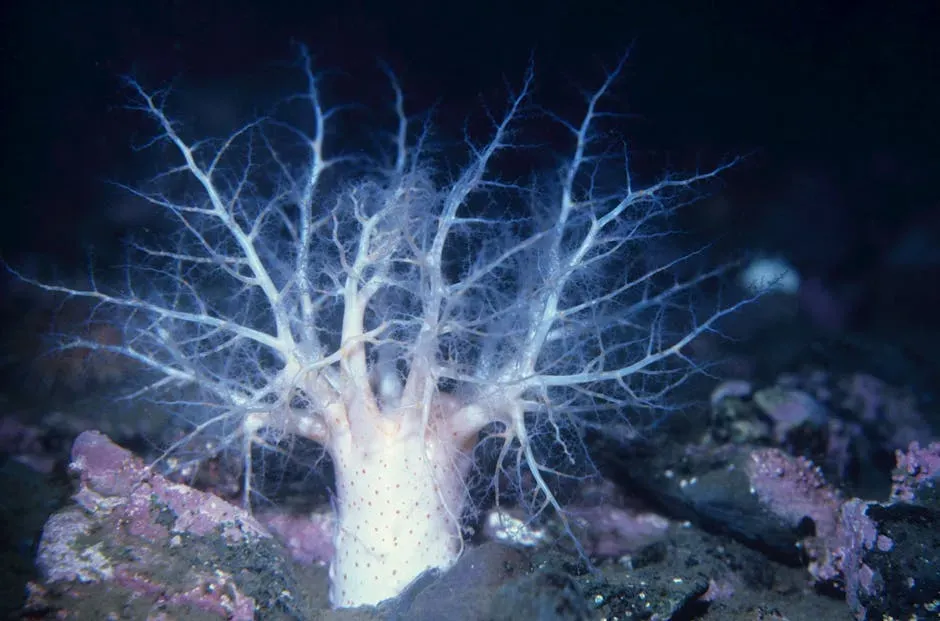
When you zoom out from these fifteen examples, a pattern appears that is more important than any single mystery blob or ghostly ribbon. Over and over, the things we drag up from the ocean floor are not just hard to name; they actively challenge the assumptions built into the naming system itself. We built marine biology around individual bodies with clear boundaries, stable skeletons, and neat relationships. The deep sea keeps answering back with soft collectives, hybrids, partnerships, and architectures that make those neat lines feel increasingly artificial.
Personally, I think that is the most exciting and uncomfortable truth the ocean holds up to us: it is not just that we have more species to discover, it is that parts of reality simply do not fit into our favorite boxes. Some of what we have found on the seafloor may eventually slot into familiar groups once we gather enough data, but some of it will likely force us to redraw the map of what counts as an organism in the first place. The question is not whether the ocean will keep surprising us; it is whether we are willing to let our systems of classification grow as wild and flexible as the world they are trying to describe. Would you have guessed the biggest unknown down there might be our own way of thinking?