If you think history is just a neatly packed timeline of kings, wars, and inventions, you’re in for a shock. The past is far messier, stranger, and frankly funnier than most school textbooks ever let on. Hidden between the famous dates and big names are small, bizarre stories that show how deeply human people have always been: proud, confused, brilliant, petty, and occasionally completely unhinged.
When I first started really digging into history, I expected big battles and big speeches; instead, I kept stumbling on tiny details that felt more like plot twists from a dark comedy. A drunken bird that changed a kingdom’s fate, a war fought over a dog, a secret Roman “fast food” scene – things like that stick with you. Let’s walk through some of those lesser‑known facts and see how they quietly rewired the world in ways you’d never guess.
1. The “Year Without a Summer” Turned Europe Cold and Dark
![1. The “Year Without a Summer” Turned Europe Cold and Dark (The base map was taken from NASA picture Image:Indonesia_BMNG.png and the isopach maps were traced from Oppenheimer (2003).[1], CC BY-SA 3.0)](https://nvmwebsites-budwg5g9avh3epea.z03.azurefd.net/dws/47596409383ce85bf3a82c660680ecba.webp)
In 1816, huge parts of Europe and North America shivered through what became known as the “Year Without a Summer,” when freakishly cold temperatures ruined harvests, brought snow in June, and painted the sky a strange, hazy color. This wasn’t some random twist of weather; it was fallout from a massive volcanic eruption the year before at Mount Tambora in present‑day Indonesia, which threw so much ash into the atmosphere that it dimmed the sun. Crops failed, food prices skyrocketed, and desperate people rioted over bread, all because of an explosion on the other side of the world.
The social shockwaves were just as weird as the weather. Some historians connect this gloomy period to a spike in migration, social unrest, and even the birth of new cultural movements, as people tried to make sense of a world that suddenly felt unstable and hostile. One rainy vacation by Lake Geneva during that strange summer pushed a small group of writers indoors, where they told ghost stories by candlelight – and out of that came Mary Shelley’s idea for Frankenstein. It’s a wild reminder that a single eruption can send both economies and imaginations spiraling in ways no one could have predicted.
2. Cleopatra Lived Closer to the Moon Landing Than to the Pyramids
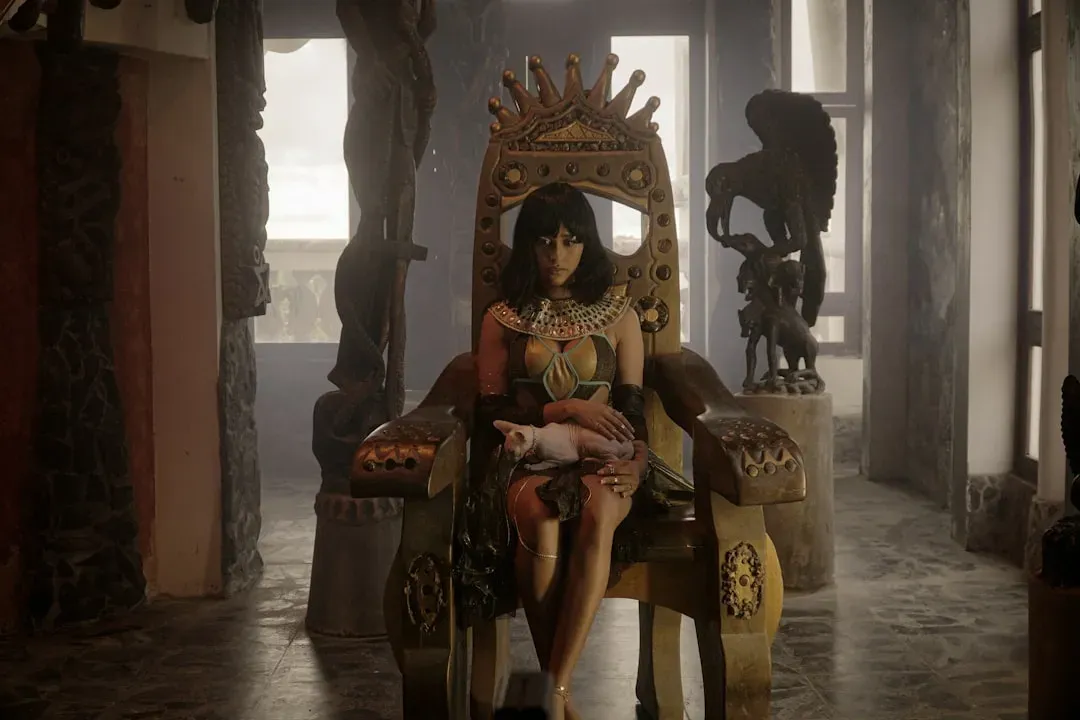
When people picture Cleopatra, they usually imagine her standing in front of freshly built pyramids, as if all of ancient Egypt happened in one big blur. In reality, Cleopatra ruled in the first century BCE, while the Great Pyramid at Giza was finished more than two thousand years earlier. That means Cleopatra was historically closer in time to astronauts walking on the Moon than to the workers hauling stone blocks in the blazing desert to build those iconic tombs. The mental reset that takes is almost uncomfortable.
This timeline twist shows how our brains flatten “old” into one big lump. We talk about “the ancients” as if they all shared one moment, but their world stretched across so many lifetimes that older civilizations were already ancient ruins to them. Cleopatra lived in a cosmopolitan, Greek‑influenced city, dealing with Roman politics, naval battles, and international diplomacy, not supervising pyramid construction. Once you grasp that, ancient history stops feeling like a single era and starts looking more like a long, crowded city street filled with countless generations who also thought the people before them were impossibly old.
3. There Was a Real War Sparked by a Stolen Dog
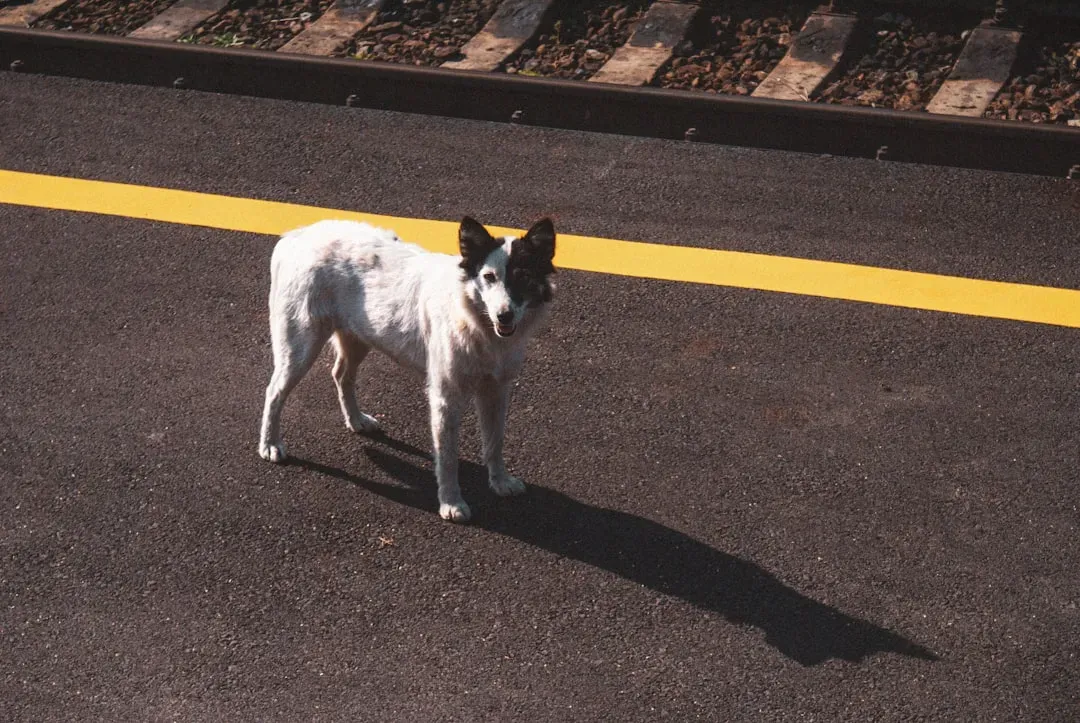
Diplomats had to scramble to keep this localized fight from widening into something much bigger, especially in a region already scarred by recent wars. Eventually, the League of Nations stepped in, ordered a ceasefire, and had Greece pay compensation. It’s a case that historians sometimes use to show how fragile peace can be when nerves are raw and borders are contested. The fact that the trigger was a dog just makes it sting more; it underlines how, in the wrong climate, almost anything can light the fuse.
4. The Great Emu War Pitted Australia Against Birds – and the Birds Won
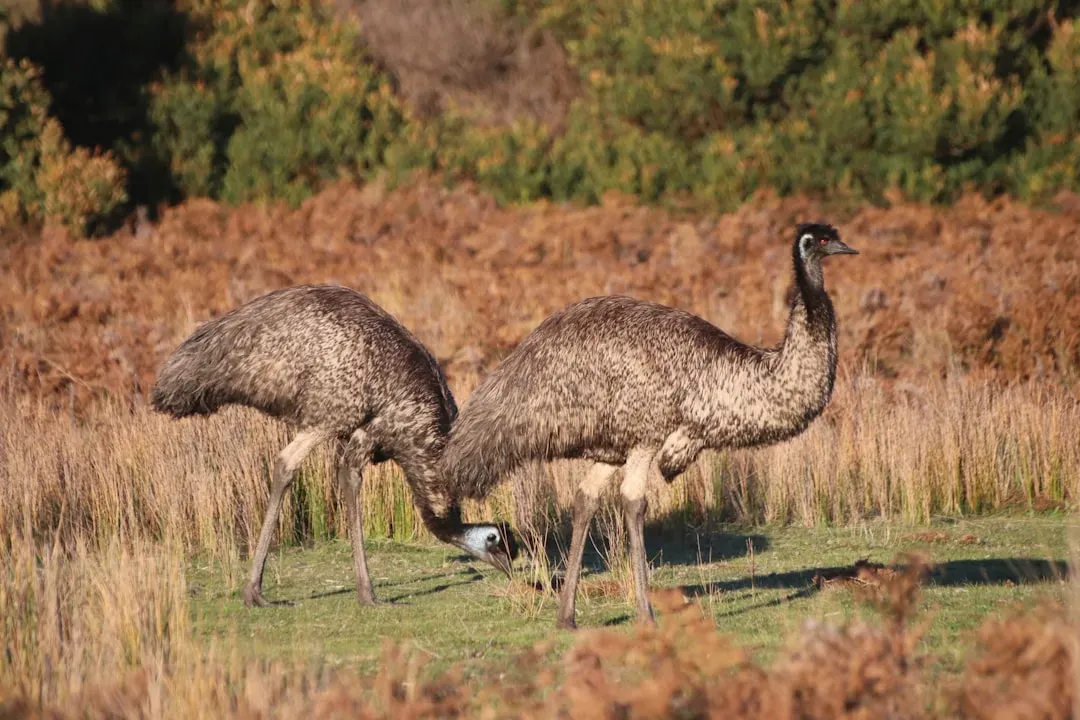
In 1932, Australia sent soldiers armed with machine guns into the countryside to tackle a surprising “enemy”: large, fast, crop‑destroying emus. Farmers were furious that these birds were trampling their fields and eating grain, so the government agreed to try a military solution. What followed, nicknamed the Great Emu War, was a series of clumsy campaigns where soldiers tried – and largely failed – to kill enough emus to make a difference.
The emus proved too fast, too scattered, and too good at disappearing into the scrub. Ammunition was wasted, the birds kept coming back, and the whole affair slowly turned into a bit of national embarrassment. In the end, better fencing and other agricultural measures were more effective than machine guns. The episode is both darkly funny and instructive: it shows how throwing brute force at a problem without understanding the ecology, behavior, or root cause is often doomed. Nature, as it turns out, is not easily bullied.
5. In Medieval Times, Animals Were Put on Trial Like People
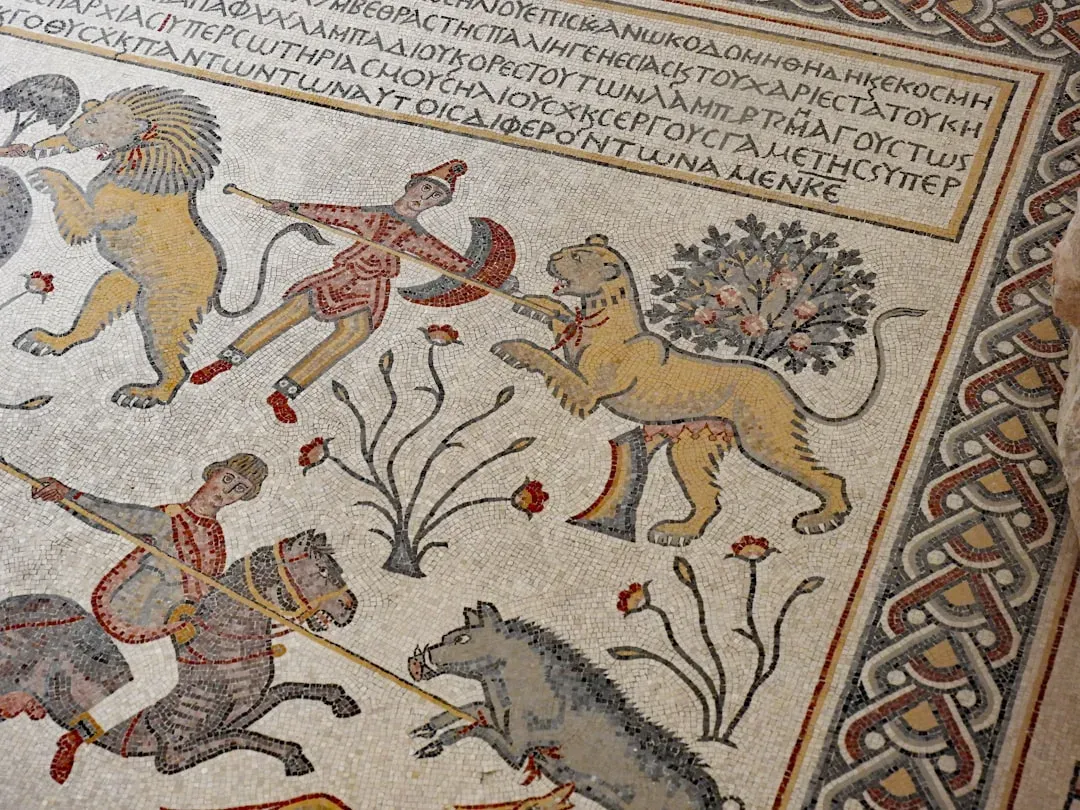
Medieval Europe had such a firm belief in law and moral order that it sometimes dragged animals into court as if they were misbehaving citizens. Pigs that killed children, rats that ruined grain, and even insects chewing crops could be given legal representation, tried in front of judges, and sentenced. Court records survive describing lawyers arguing that animals could not be blamed because they were following their nature, or that it was really their human owners who were at fault.
To us, this all sounds absurd, like a surreal sketch. But for people at the time, these trials were a way to make sense of tragedy and chaos. If a child died in a horrific accident or an infestation wiped out a harvest, confronting the “culprit” in a courtroom offered a ritual of control and closure. You can see echoes of this impulse today when people search for someone or something to blame after disasters, even when the cause is far more complicated. Medieval animal trials are an extreme, but not completely alien, version of that human need for order.
6. A False “Battle” in 1938 Sparked Mass Panic Over a Martian Invasion

In the late 1930s, radio was the beating heart of home entertainment, and people trusted what it told them in a way that’s hard to imagine now. So when a dramatized adaptation of a science‑fiction story aired in 1938, presented in the style of breaking news bulletins, some listeners believed that Martians really had landed and were attacking. The scale of the panic is still debated – some claims are exaggerated – but there’s no question that many people were deeply alarmed, jamming phone lines and contacting authorities.
What fascinates me most about this story isn’t the prank itself, but what it exposed: how fragile our sense of reality can be when a trusted, authoritative voice tells us something horrible is happening. In a world where information now floods our phones constantly, this old radio scare feels uncomfortably relevant. It’s a quiet warning that technology can outpace people’s ability to question and verify, and that the line between drama and fact can blur faster than we think when fear takes over.
7. Napoleon Was Once Attacked by an Army of Rabbits

Napoleon Bonaparte is usually associated with sweeping campaigns and brutal battles, not fur. Yet one of the strangest stories from his life involves a rabbit hunt that went hilariously wrong. After a successful treaty, a celebratory hunt was arranged, and hundreds or even thousands of rabbits were reportedly brought in for the occasion. Instead of fleeing in fear when released, the animals bolted straight toward Napoleon and his party, swarming their legs and forcing them to retreat.
Most historians see this as a farcical anecdote rather than a grand turning point, but it feels telling in a symbolic way. Here’s a man who terrified Europe, suddenly undone not by enemy generals but by panicked rabbits that associated people with food. It shows how carefully staged displays of power – like grand hunts – can unravel into slapstick chaos in seconds. History has a quiet sense of humor, and sometimes it chooses unlikely moments to remind even the most powerful that they’re not really in control.
8. Viking “Horned Helmets” Are Mostly a Modern Costume Myth
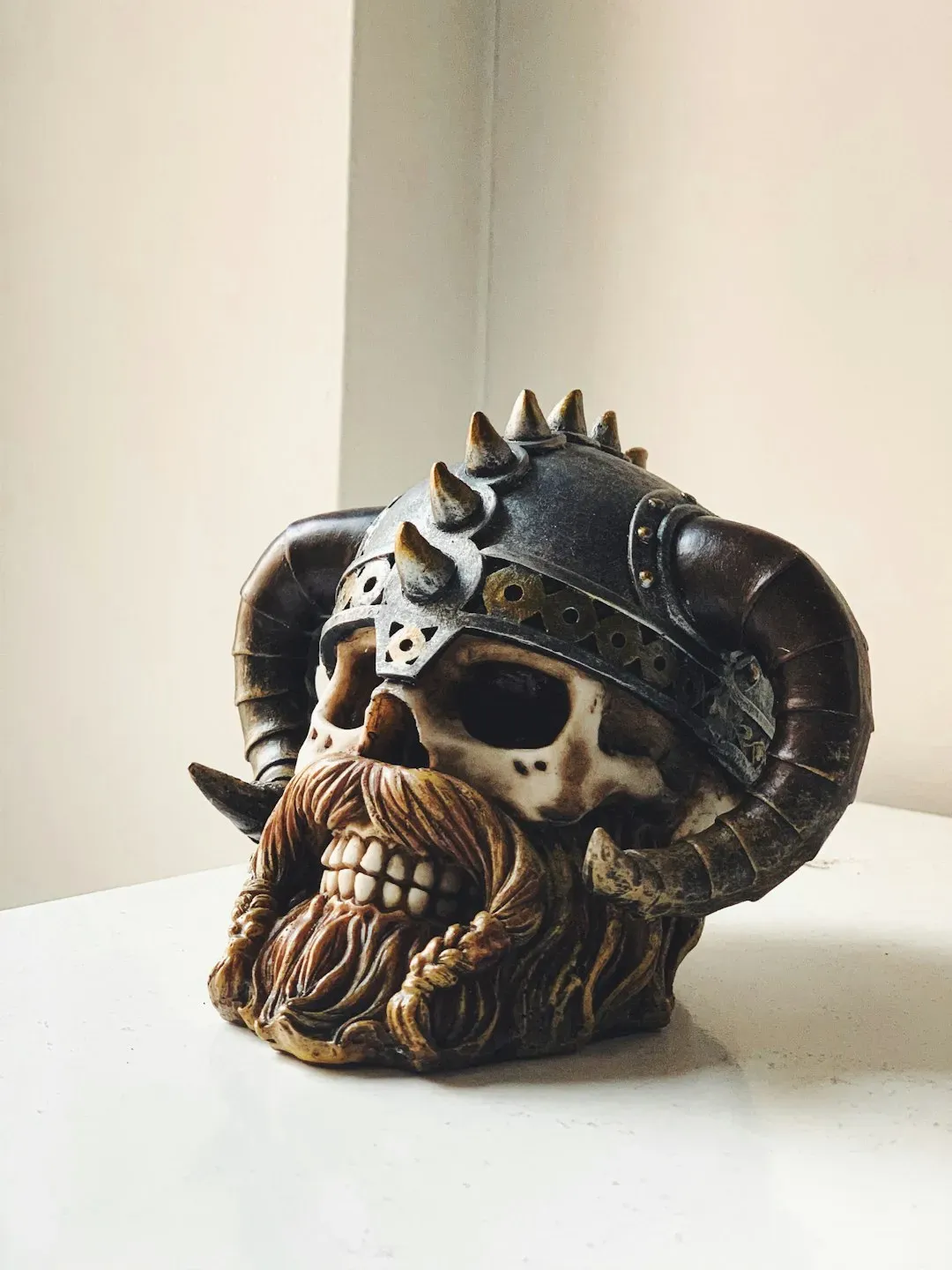
If you close your eyes and picture a Viking, you probably see a horned helmet, wild beard, and fur cloak. That horned helmet, though, is basically historical fan fiction. Archaeology has turned up Viking helmets, but they’re practical, smooth, and horn‑free; the iconic curved horns really surfaced in the nineteenth century in opera costumes and romanticized art. Costumers wanted something dramatic and instantly recognizable, and those horns delivered, even if they weren’t accurate.
Once that image caught on, it stuck hard. Schoolbooks, cartoons, sports mascots, and festival outfits repeated it until it became “truth” in people’s minds. This is a powerful example of how pop culture can overwrite evidence and shape what we think we know about the past. It’s a little unsettling to realize that many of our mental snapshots of history owe more to stage designers and illustrators than to actual artifacts dug from the ground.
9. There Were Fast Food Counters in Ancient Rome

Walk through certain ruined Roman cities, like Pompeii, and you’ll find long stone counters with built‑in containers that once held hot food and drinks. These were thermopolia – basically the ancient equivalent of street food stands or fast food joints. Not everyone in the city had a kitchen at home, especially among poorer residents, so grabbing a quick bite at these places was a normal part of daily life. People would crowd around, chat, and eat on the go in ways that feel eerily familiar.
Excavations have found traces of things like stews, bread, and cheap wine, along with colorful wall paintings that advertised what was on offer. When you picture Roman life this way – someone hurrying to work with a quick snack from a counter instead of sitting in a grand banquet hall – it pulls the ancient world closer. It undercuts the idea that past societies were all ceremony and formality. Most people then, like most people now, just wanted something warm and filling that they didn’t have to cook themselves.
10. A single Typo Helped Trigger a Bloody Rum Rebellion

In early nineteenth‑century Australia, the so‑called Rum Rebellion saw colonial soldiers arrest the sitting governor in a dramatic clash over power and trade. One of the underlying tensions involved the control of liquor, which had become a kind of informal currency in the young colony. But buried in the paperwork around that period is a smaller, weirder wrinkle: a mistake in a legal document that listed “spirituous liquors” where it arguably should not have, fueling misunderstanding and outrage about what was allowed.
That tiny error did not single‑handedly cause the rebellion, but it added confusion in an already tense situation. To me, the story feels like a historical version of hitting “send” on an email with the wrong attachment, except your mistake helps derail a government. It’s a sharp reminder that official language matters, that a single misplaced word can ripple outward once people start using it as ammunition in bigger fights. We tend to focus on grand ideals in political upheavals, but sometimes badly drafted sentences are lurking in the background, quietly fanning the flames.
11. The Longest “Official” War Ended Without a Single Casualty
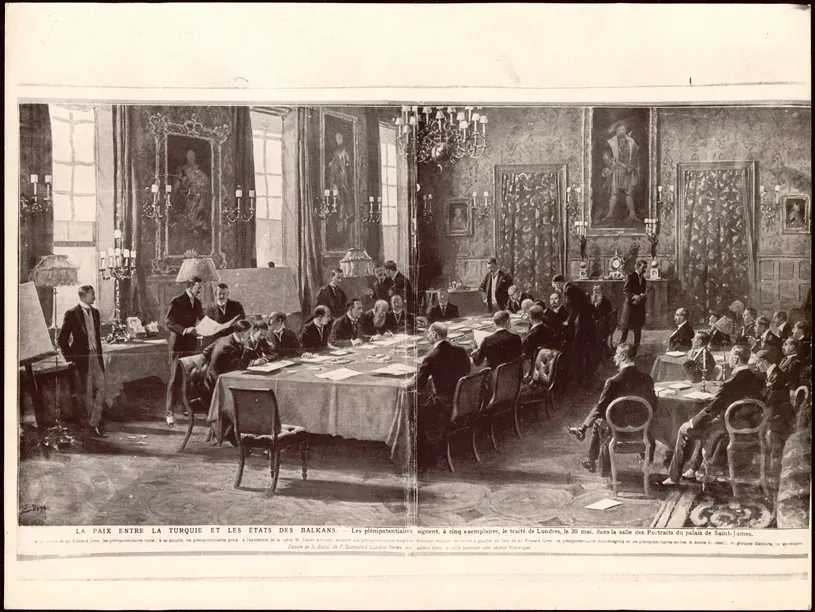
Not all wars are bloody epics; some are more like neglected paperwork. There’s a famous claim that the Isles of Scilly and the Netherlands were technically at war for more than three hundred years after a seventeenth‑century conflict, simply because nobody ever signed a peace treaty. According to the story, this peculiar “war” had no battles, no troops, and no casualties, only a legal status that everyone forgot about until the twentieth century, when it was finally resolved with a symbolic peace ceremony.
Historians still argue over how formal that centuries‑long “war” really was, but the legend itself reveals something about how we think of conflict. We imagine wars as intense and visible, yet here is a case where the label outlived any real fighting by centuries. It raises a slightly uncomfortable point: if a war can exist more on paper than on the battlefield, how many of our current international tensions are really sustained by old documents and habits rather than live hostility? Sometimes it is easier to sign a dramatic declaration than to tidy up the fine print afterward.
12. Ketchup Started Life as a Fermented Fish Sauce

The bright red, tomato‑based ketchup on your fries has a surprisingly pungent family history. The word traces back to sauces in parts of Asia that were often made from fermented fish or other salty bases, more like a cousin of modern fish sauce or soy sauce than anything tomato‑heavy. European traders encountered these intensely savory condiments, acquired a taste for them, and tried to recreate their own versions back home, tweaking ingredients based on what was locally available.
Tomatoes only took over much later, especially in the nineteenth century, as recipes evolved and sugar and vinegar joined the mix. Over time, the original fishy roots faded from memory, leaving behind a sweet, tangy staple that feels totally familiar today. I find it oddly comforting that what seems like a stable, almost boring product actually hides centuries of experimentation and cultural borrowing. Every time you squeeze that bottle, you’re using the distant, heavily modified descendant of a very different sauce.
13. A Bird Once Exposed a Major Military Secret

During the First World War, the use of carrier pigeons for communication was widespread and surprisingly effective. These birds could slip through where wires were cut and signals were jammed, carrying tiny messages attached to their legs. In one notorious incident, however, a pigeon carrying crucial information about enemy positions was shot down and recovered, revealing plans that should have stayed hidden. That single unlucky bird’s fall changed the outcome of a planned operation.
The story underlines how fragile and physical communication used to be, especially in war. Today, we worry about hacked servers and intercepted data streams; a century ago, the same stakes sometimes rode on the wings of a single frightened animal dodging bullets and bad weather. It also shows how randomness – one shot fired at the right moment – can redirect entire human plans. For all our strategy and planning, we still live at the mercy of tiny events that no one can script in advance.
14. A Typo in a Space Ad Helped Shape the Modern Internet Age

In the early days of the commercial internet, a now‑famous classified ad offered access to “unlimited” information and tools for exploring space and science, but contained a small, amusing typo in its technical description. That ad, and others like it, targeted hobbyists and curious tinkerers who would go on to form some of the internet’s earliest communities. The mistake did not stop them; if anything, it gave the whole thing a slightly homemade, experimental feel that matched the spirit of the time.
What sticks with me is how much of our digital world grew out of informal, imperfect beginnings like that – mailing lists, message boards, and groups launched with clumsy wording and hand‑coded pages. We tend to retell internet history as a march of sleek companies and big innovations, but the reality was scrappier. Misprints, half‑finished projects, and awkward ads were part of the soil in which today’s online giants rooted themselves. For better or worse, the modern web owes a lot to people who were just trying things and not worrying too much about flawless presentation.
15. The First “Computer Bug” Was Literally an Insect
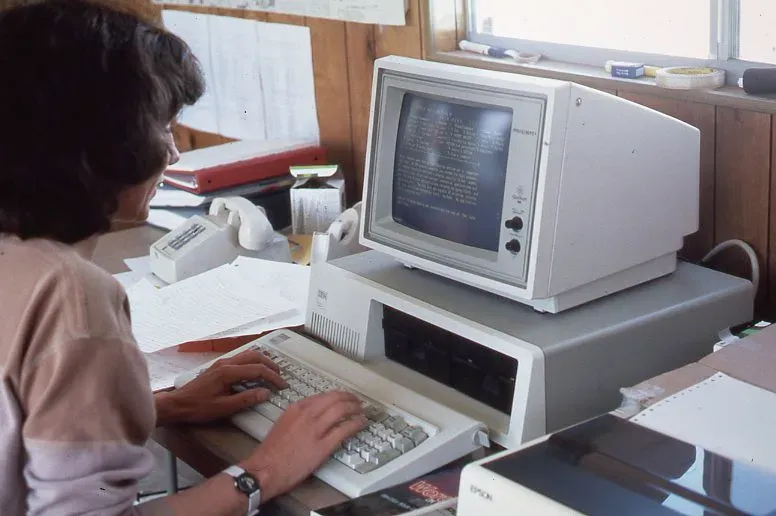
When you complain about bugs in software today, you’re echoing a piece of history that started in a very literal way. In 1947, early computer engineers working on a room‑sized machine discovered that a malfunction in their system was caused by a moth stuck in a relay. They taped the unlucky insect into the logbook and noted that they had “debugged” the machine, turning a day‑to‑day annoyance into a bit of engineering folklore. The term “bug” had existed before in technical slang, but this incident cemented it in computing culture.
There’s something poetic about that: a creature drawn to the machine’s light ends up transforming the language we use for digital glitches decades later. It also highlights how personal and hands‑on early computing really was. Engineers were physically inside their machines, tracing wires, handling components, and sometimes literally plucking nature out of the circuitry. Compared to today’s sleek laptops and cloud servers, that world feels almost steampunk, yet its stories still shape how we talk about technology every day.
Conclusion: The Past Is Much Stranger Than the Textbooks Admit
Looking at these stories side by side, I’m struck by how much of history is made up of accidents, misunderstandings, and tiny details that never make it into neat timelines. A year without a summer born from a distant volcano, rabbits overrunning an emperor’s party, secret messages resting on the wings of a pigeon or stuck to the leg of a moth – none of this fits the tidy narratives we usually hear. We like to imagine that big ideas and big leaders steer the world smoothly, but the reality is far more chaotic and oddly personal.
My honest opinion is that treating history as a solemn parade of great men and great events does us a disservice; it flattens the weirdness, the humor, and the fragile humanity that actually drove change. The more of these offbeat stories you learn, the harder it is to see the past as “them” instead of an earlier version of “us,” muddling through with half‑finished plans and imperfect tools. Maybe the real lesson is that we should be more humble about our own age; future generations will probably laugh at our blind spots the way we laugh at horned Viking helmets and animal trials. When you look at your everyday life now, which tiny, ridiculous detail do you think might end up as tomorrow’s favorite “random history fact”?