
Most people believe history is a finished book – a fixed timeline you memorized in school and never had to question again. That belief hasn’t aged well. In the last two decades alone, archaeologists, geneticists, and AI researchers have quietly demolished textbook assumptions about when civilization began, who our ancestors really were, and what ancient people actually knew how to build.
Some of these findings sat in museum drawers, storage crates, or frozen ice for over a century before anyone realized what they meant. Others are still splitting the scientific community in half, right now, in real time. Here’s what the evidence – and the researchers still arguing over it – actually says.
#1 – The Temple That Broke the Agriculture Timeline
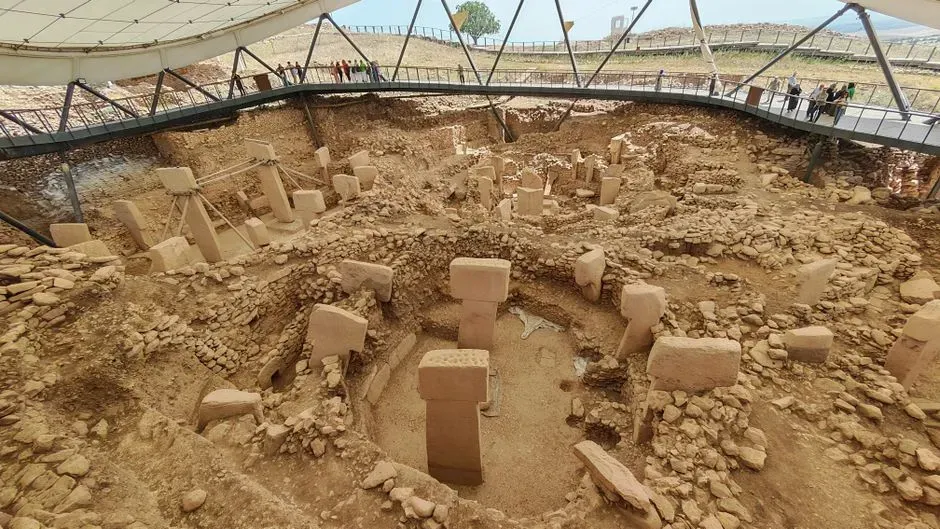
Everything archaeologists thought they knew about the birth of civilization rested on one simple rule: farming came first, temples came later. Göbekli Tepe, a massive stone complex in southeastern Turkey, shattered that rule entirely.
Dating back to roughly 9600–8000 BCE, this site is considered one of the world’s oldest known temples, predating Stonehenge by over 6,000 years and the advent of agriculture by several millennia. The people who raised its towering carved pillars weren’t farmers – they were hunter-gatherers with no permanent homes, no domesticated animals, and no crops. Some researchers now argue religion didn’t follow farming at all. It may have caused it, as communities settled near the site simply to feed the workers building it.
Fast Facts
- Location: Şanlıurfa region, southeastern Turkey
- Age: roughly 9600–8000 BCE, making it over 11,000 years old
- Predates Stonehenge by more than 6,000 years
- Built entirely with stone tools, before metal or the wheel existed
#2 – A Human Species We Only Know From a Pinky Bone
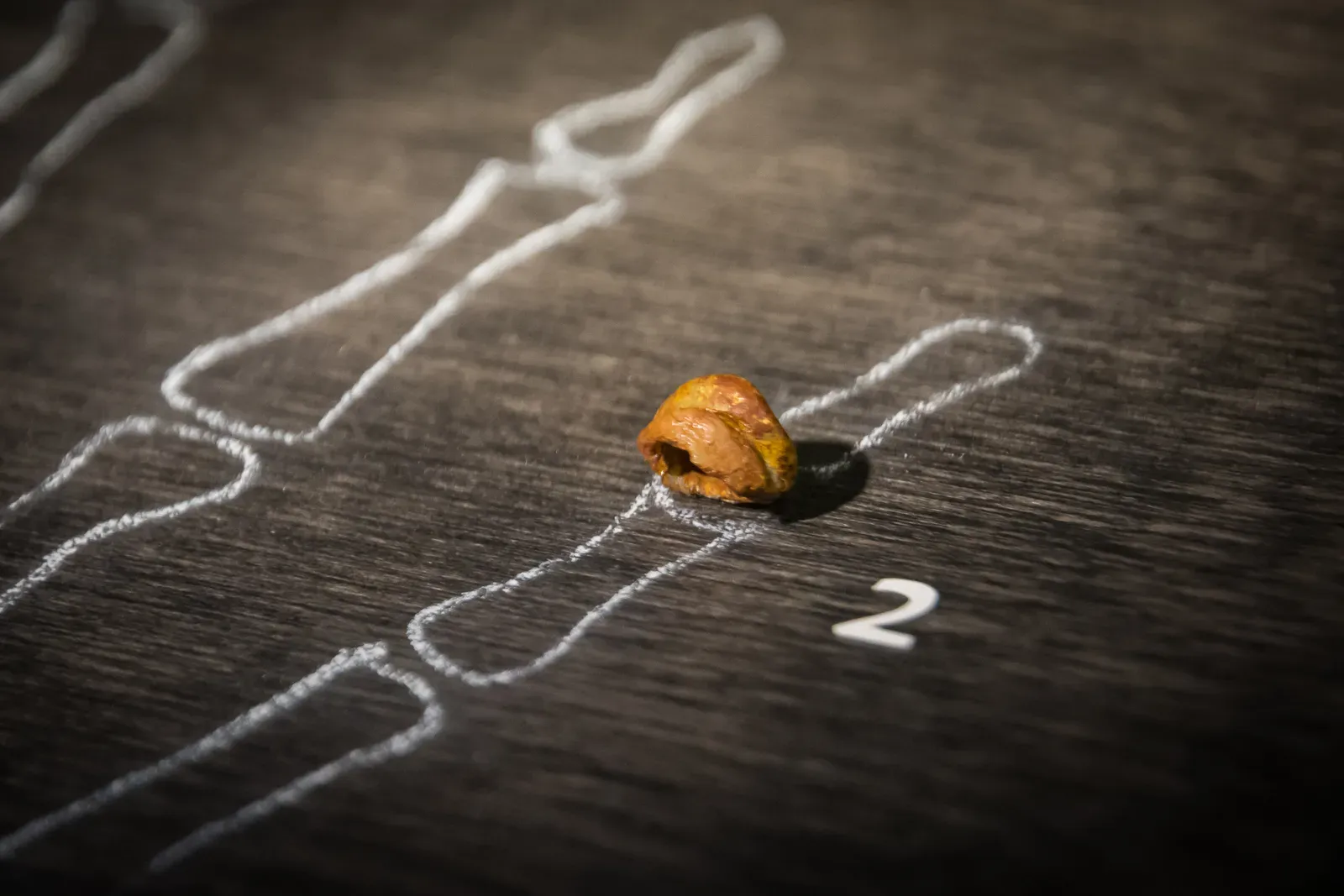
In 2008, Russian scientists pulled a fingertip fragment out of a Siberian cave and had no idea they’d just found an entirely new branch of humanity. The bone came from Denisova Cave in the Russian Altai Mountains, and it forced anthropologists to completely revise their model of human evolution outside Africa.
Scientists named them Denisovans, and the DNA work that followed revealed something stranger: this ancient hominin’s finger bone actually looked more like modern human bones than Neanderthal ones. The fragment belonged to a roughly 13-year-old female. Since then, researchers have confirmed Denisovans interbred with both Neanderthals and modern humans, and their DNA still shows up in Tibetan and Melanesian populations today – quietly explaining traits like high-altitude adaptation. Most textbooks still teach a simple two-species human story. It’s already outdated.
#3 – The Cave Bones That Split the Scientific Community
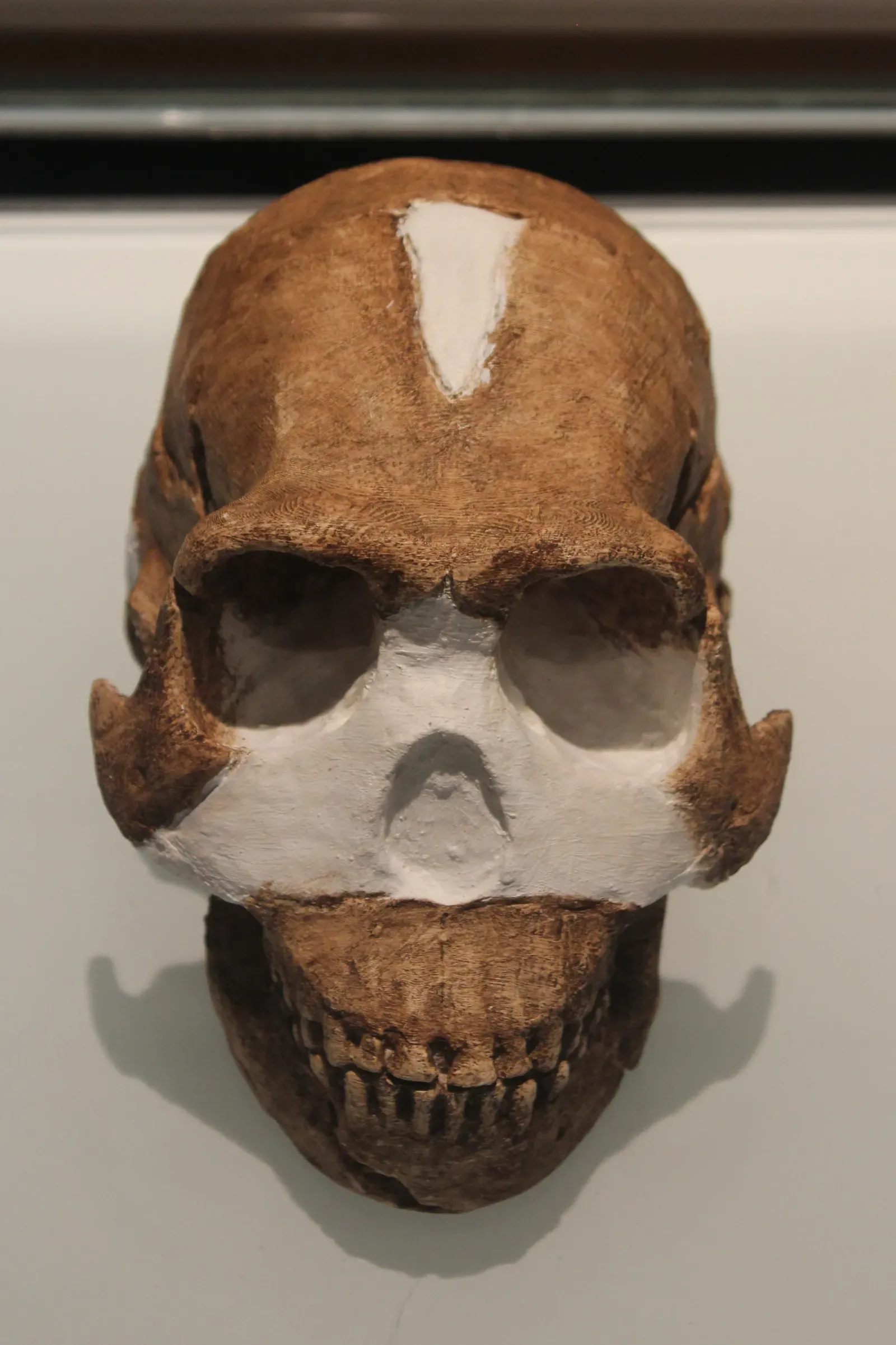
A small-brained hominin with a brain a third the size of ours may have buried its dead – and paleoanthropologists are still tearing each other apart over it. The claim comes from Homo naledi, an early human ancestor whose remains were discovered deep within South Africa’s Rising Star cave system.
If the burial claim holds up, it rewrites when symbolic, ritual behavior first appeared in the human family tree – an ability once assumed to belong only to us and Neanderthals. But the peer review process turned into a public brawl. Reviewers were unanimous that the evidence, as presented, was inadequate. Critics say the sediment data doesn’t hold up; the original team insists it does. A later study even suggested the burial chamber may be an all-female site, adding yet another twist to a discovery that refuses to settle down.
#4 – AI Just Read a 2,000-Year-Old Scroll No Human Ever Could
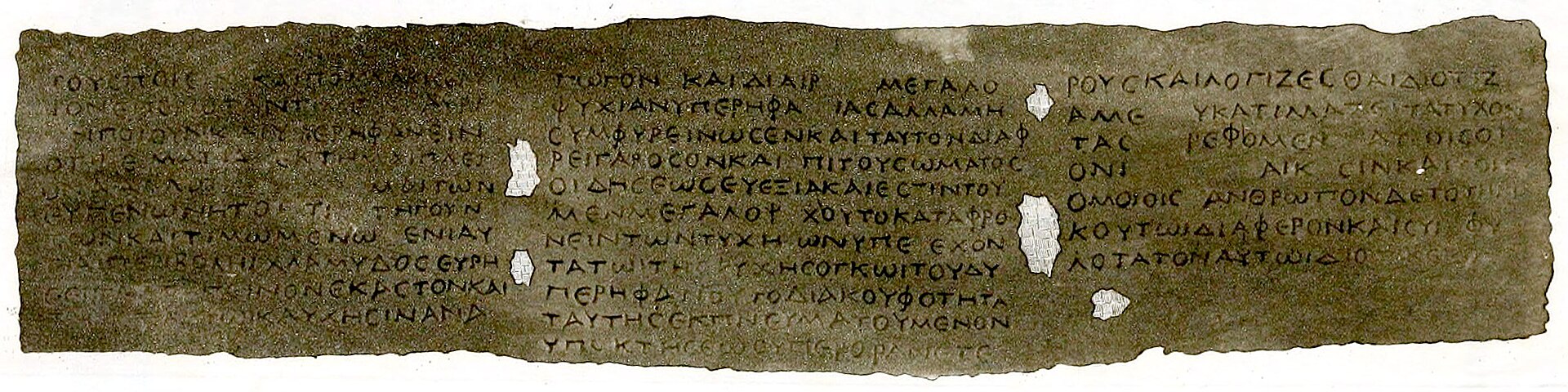
For 275 years, scholars owned a library from ancient Rome they could never actually read. The scrolls came from Herculaneum, buried under volcanic debris when Mount Vesuvius erupted in 79 AD, preserved in a villa believed to have once belonged to Julius Caesar’s father-in-law. It’s the only large-scale library known to survive from classical antiquity – but every scroll had been carbonized into fragile black lumps. Opening one meant destroying it.
Then came the Vesuvius Challenge, a competition using AI to virtually unroll scrolls without ever physically touching them. In 2026, PHerc. 1667 became the first Herculaneum scroll read end to end without being opened. The text turned out to be previously unknown philosophy on pleasure, likely written by Philodemus. Hundreds of scrolls remain sealed, and every single one could contain lost ancient literature nobody alive has ever laid eyes on.
At a Glance
- Challenge launched in March 2023, backed by over $1 million in prize money
- Winning team recovered over 2,000 characters using AI-assisted scanning
- Buried in 79 AD, the scrolls weren’t rediscovered until the 18th century
- 2026 breakthrough revealed roughly 1.5 meters of continuous text from a single scroll
#5 – The Jungle Hid a Civilization Bigger Than Ancient Greece
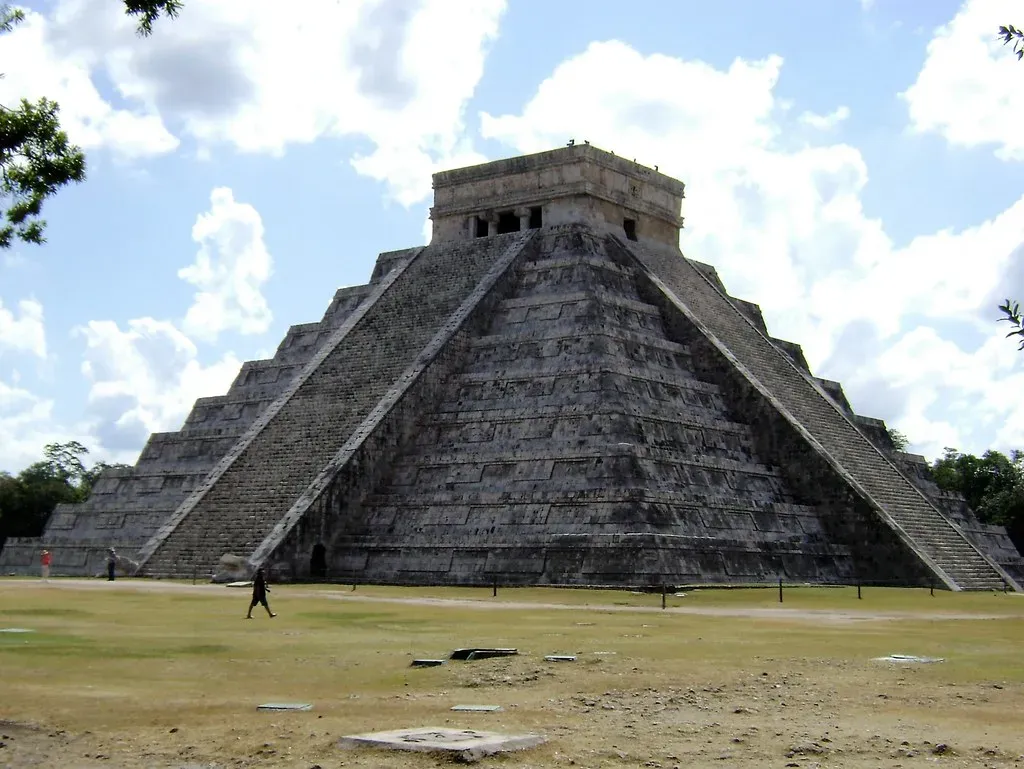
Everyone assumed the Maya lived in small, scattered city-states separated by dense, empty jungle. Laser scanning proved that assumption catastrophically wrong. The Pacunam Lidar Initiative scanned an 810-square-mile stretch of northern Guatemala and revealed the outlines of more than 61,000 ancient structures – pyramids, palaces, roads, canals, and irrigation systems connecting cities archaeologists had assumed were isolated for centuries.
The population estimate got obliterated too. Researcher Estrada-Belli noted it’s no longer unreasonable to think there were 10 to 15 million people living there, compared to earlier estimates closer to five million. Tikal alone turned out to be four times bigger than ground surveys ever suggested. This wasn’t a scattering of villages hiding in the trees. It was a sprawling, interconnected empire that had been sitting in plain sight the entire time.
#6 – A “Junk” Bronze Lump That Was Actually an Ancient Computer
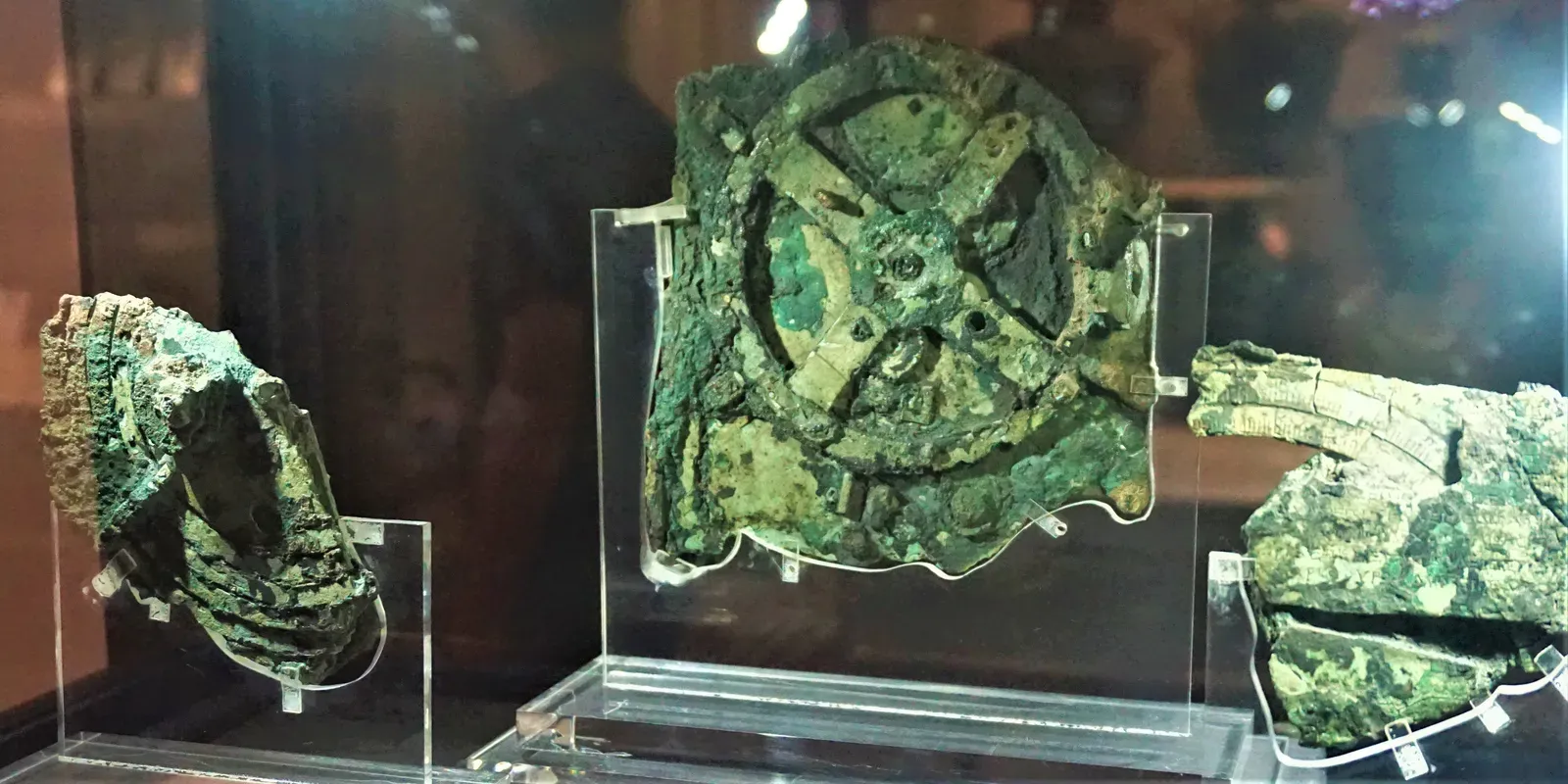
Sponge divers pulled a corroded lump of bronze from a Greek shipwreck in 1901, and for decades nobody realized what they’d actually recovered. The object, now called the Antikythera mechanism, sat in a museum drawer looking like scrap metal until researchers finally X-rayed its internal gears.
What they found stunned the scientific world: a hand-cranked mechanical device capable of predicting eclipses, tracking planetary positions, and calculating the timing of the ancient Olympic Games – over 2,000 years before anything remotely comparable was built again. Nothing this precise was thought possible until Renaissance clockmaking, roughly 1,400 years later. Many researchers now openly argue the word “ancient” undersells what this culture was capable of engineering, which quietly implies our timeline of technological progress is far messier than the tidy story we were taught.
#7 – The Rock That Unlocked an Entire Lost Language
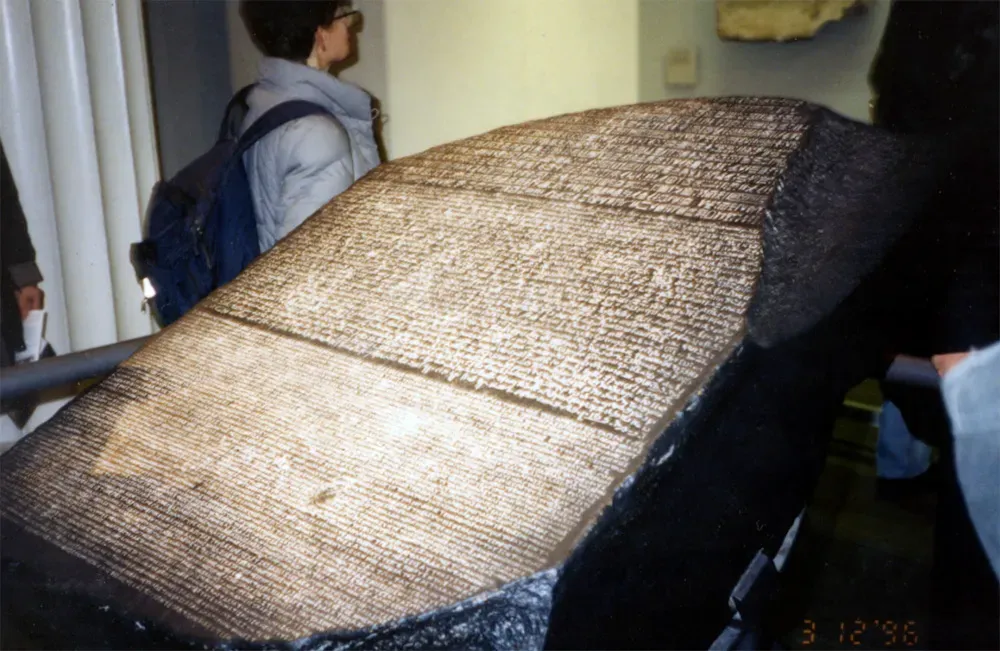
For centuries, Egyptian hieroglyphs were considered permanently unreadable – a beautiful, decorative language nobody could actually translate. Then French soldiers rebuilding a fort near Rosetta in 1799 uncovered a slab of black granite carved with three parallel scripts: hieroglyphic, Demotic, and Ancient Greek.
Because scholars could already read Greek, they finally had a key. Jean-François Champollion spent over a decade comparing the scripts before cracking the code in 1822, reportedly rushing into his brother’s office and collapsing from exhaustion the moment he understood what he’d found.
Je tiens l’affaire! (“I’ve got it!”)
Jean-François Champollion
That single stone unlocked thousands of years of previously silent Egyptian history overnight. Before the Rosetta Stone, Egyptology was mostly guesswork pieced together from Greek and Roman secondhand accounts. After it, historians could read pharaohs’ own words directly.
#8 – Shepherd Boys Stumbled Into the Biggest Bible Discovery in History
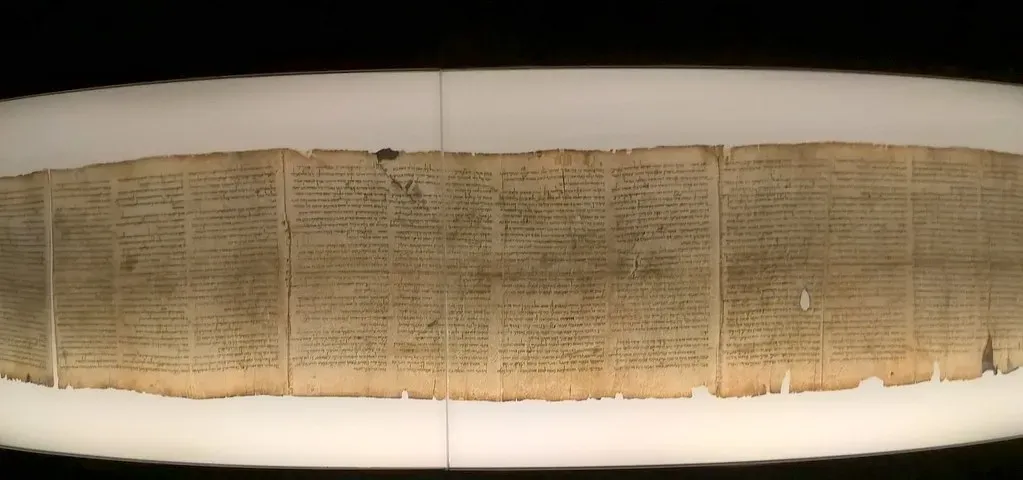
In 1947, a teenage shepherd searching for a lost goat threw a rock into a cave near the Dead Sea and heard something shatter. Inside were ancient clay jars holding scrolls over 2,000 years old – the Dead Sea Scrolls, including the oldest known copies of Hebrew biblical texts, predating previously known manuscripts by roughly a thousand years.
Scholars suddenly had physical proof of how much biblical texts had – and hadn’t – changed over a millennium of copying. The scrolls also revealed entire lost communities, like the Essenes, whose beliefs had been almost completely erased from history. Some fragments weren’t even fully published until decades later, delayed by scholarly infighting over access – a quiet reminder that even “finished” discoveries can sit unexamined for generations before anyone grasps their full weight.
Worth Knowing
- Manuscripts turned up across 11 caves near Qumran between 1947 and 1956
- Roughly 900 to 950 individual manuscripts have been identified in total
- Cave 4 alone produced fragments from about 500 different texts
- The collection includes copies of nearly every book of the Hebrew Bible except Esther
#9 – A Frozen Body in the Alps Rewrote Bronze Age Life
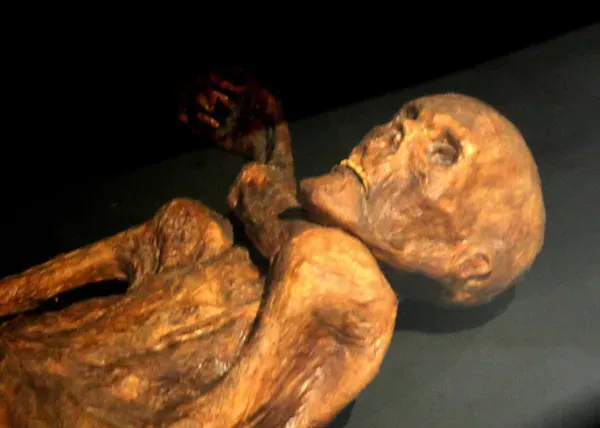
In 1991, hikers in the Ötztal Alps found what they assumed was a modern accident victim frozen in the ice. It was a 5,300-year-old mummy. Ötzi the Iceman came with an astonishing amount of preserved evidence: his last meal, his clothing, his tools, even pollen still trapped in his lungs.
Researchers determined he was murdered – shot in the back with an arrow, then possibly finished off with a blow to the head – making him one of the oldest confirmed homicide victims ever discovered. His gear alone rewrote assumptions about Copper Age technology: a copper axe, a sophisticated quiver, and clothing stitched from multiple animal hides layered for warmth. Ötzi proved Bronze Age Europeans weren’t the primitive figures often depicted. They had complex tool kits, trade networks, and, evidently, violent conflicts of their own.
#10 – Farmers Digging a Well Found an Army of 8,000 Soldiers
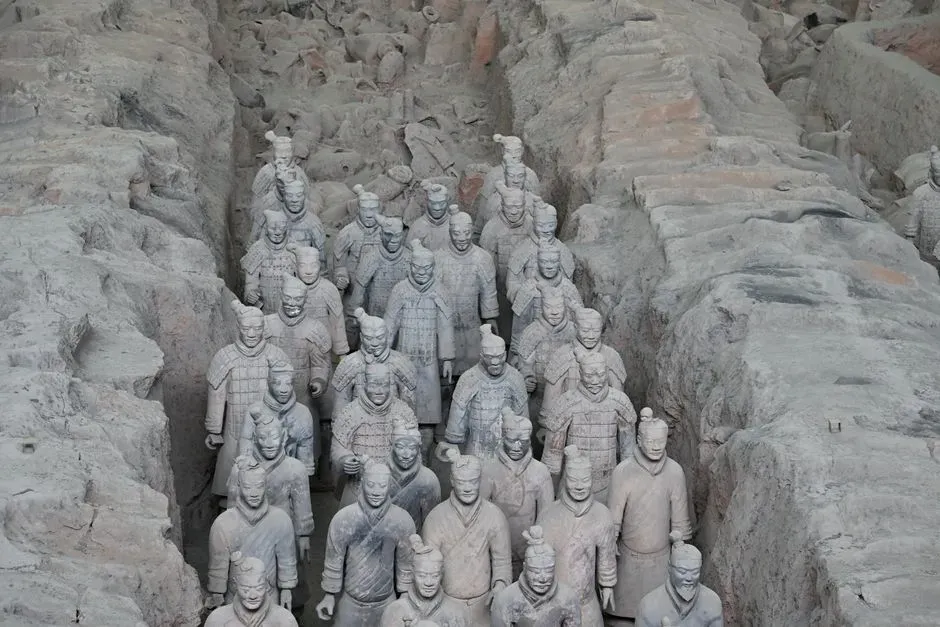
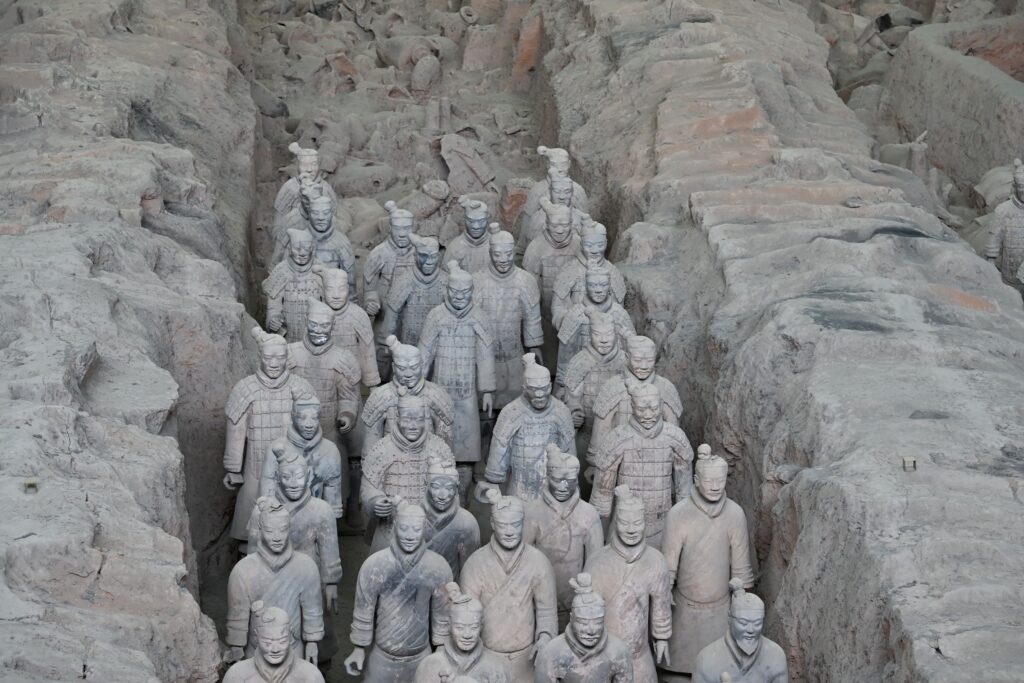
In 1974, Chinese farmers drilling for water in Shaanxi province hit something hard. It wasn’t rock – it was the head of a life-sized clay soldier. That accidental discovery led to the excavation of the Terracotta Army: thousands of individually sculpted warriors, horses, and chariots buried to guard China’s first emperor, Qin Shi Huang, in the afterlife.
No two soldiers’ faces are identical, suggesting sculptors modeled real individuals rather than mass-producing generic figures. Historians estimate hundreds of thousands of laborers worked on the tomb complex. Even now, the main burial mound remains unopened, partly out of concern that ancient mercury reportedly used to simulate rivers inside could still pose a hazard – an entire empire’s worth of craftsmanship left undisturbed for over two thousand years.
#11 – Vikings Reached North America Five Centuries Before Columbus
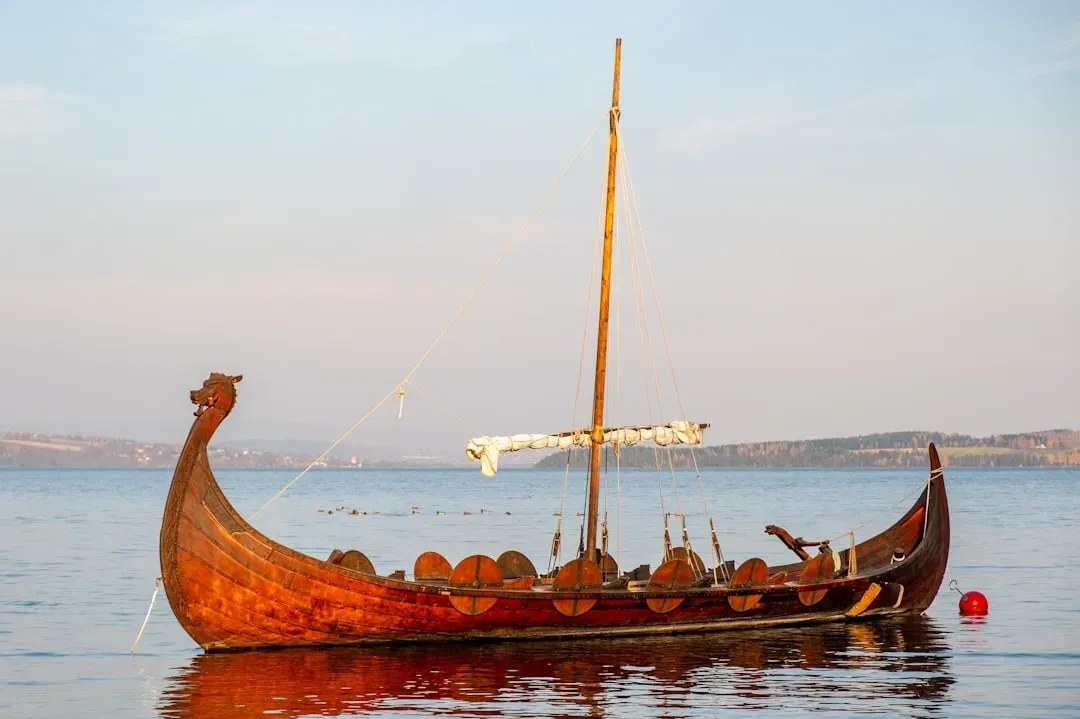
For generations, “1492” was the unquestioned start date for European contact with the Americas. A grassy Newfoundland site proved that timeline wrong by roughly 500 years. L’Anse aux Meadows, excavated starting in the 1960s, revealed a genuine Norse settlement – sod-walled buildings, iron rivets, and a smithing forge consistent with Viking construction.
Radiocarbon and tree-ring dating later pinned the settlement to around the year 1021 CE. That’s the earliest confirmed date of any transatlantic crossing in human history. This wasn’t saga exaggeration – it was hard proof that Norse explorers briefly established a foothold in North America, then abandoned it. Many historians argue school curricula still teach Columbus as “first contact,” a correction that hasn’t fully caught up in public memory even half a century later.
Quick Compare
- Columbus lands in the Caribbean: 1492
- Norse settlement at L’Anse aux Meadows: around 1021 CE
- Gap between the two: roughly 470 years
- Only the Viking site has been physically excavated and scientifically dated
#12 – A Lost Landmass Beneath the North Sea
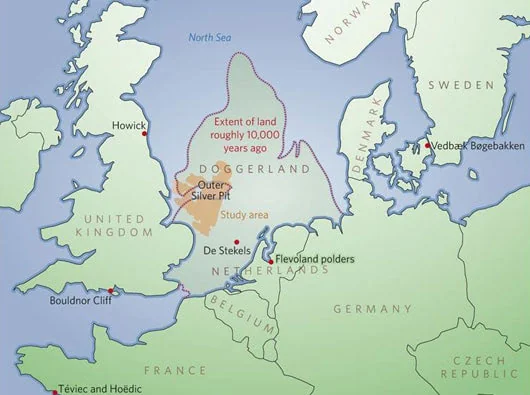
Fishing trawlers in the North Sea kept dragging up mammoth bones and ancient tools in their nets, and for decades nobody connected the pattern. That debris was the buried remains of Doggerland, a once-inhabited landmass connecting Britain to mainland Europe until rising sea levels swallowed it roughly 8,000 years ago.
Sonar mapping and seabed core samples later revealed rivers, forests, and settlements now sitting under dozens of meters of water. An entire inhabited region simply vanished, taking its communities and history down with it. Doggerland forced archaeologists to rethink how mobile Mesolithic populations really were – these weren’t isolated island dwellers, they were part of a connected, walkable European landmass. It also raises an uncomfortable modern question about how much of our own coastline might disappear the same way.
#13 – Giant Desert Drawings Only Visible From the Sky
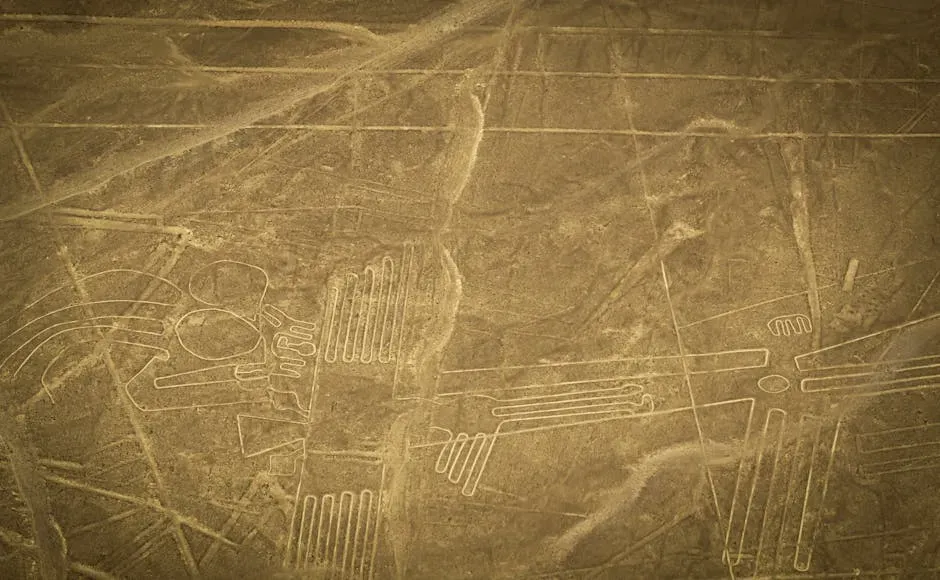
Carved into the arid plateau of southern Peru are lines and figures so massive they’re nearly invisible from the ground – hummingbirds, monkeys, and geometric shapes stretching hundreds of feet across. The Nazca Lines, created between roughly 500 BCE and 500 CE, posed an obvious mystery: how do you design something you can never fully see yourself, with no way to view it from above?
Researchers now believe the Nazca people used simple grid and scaling techniques, staking out small proportional models before enlarging them across the desert floor. Theories about their purpose remain contested – ceremonial pathways, astronomical calendars, or offerings to water deities in an otherwise bone-dry region. What’s not contested is the sheer audacity of the project: a society without aircraft engineered land art meant to be seen by something other than themselves.
#14 – A Ship Buried in an English Field Held a King’s Treasure
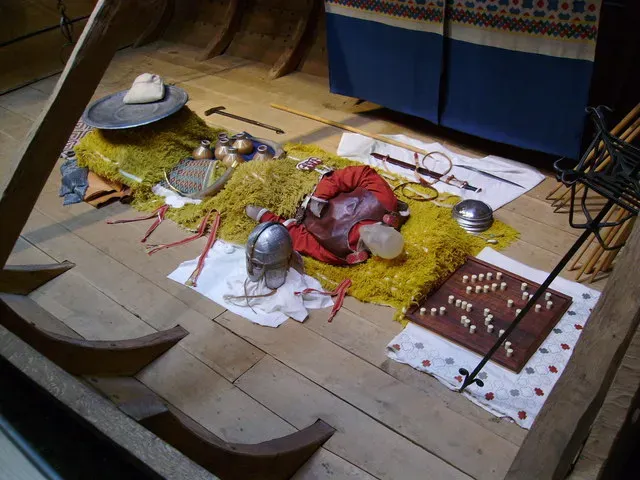
In 1939, a landowner asked a local excavator to investigate mysterious mounds on her property in Suffolk, England. What he found was a 90-foot ship, buried whole, packed with royal treasure. Sutton Hoo turned out to be an Anglo-Saxon ship burial dating to the early 600s, likely built for an East Anglian king.
Inside were gold and garnet jewelry, a ceremonial helmet, silver bowls from the Byzantine Empire, and coins that helped precisely date the burial – evidence of trade and craftsmanship far more sophisticated than the “Dark Ages” label ever implied. The discovery single-handedly upgraded historians’ view of early medieval England, from a culturally impoverished backwater to a society with real wealth, international trade, and genuine artistic skill.
#15 – The Skeleton That Proved We Walked Before We Thought
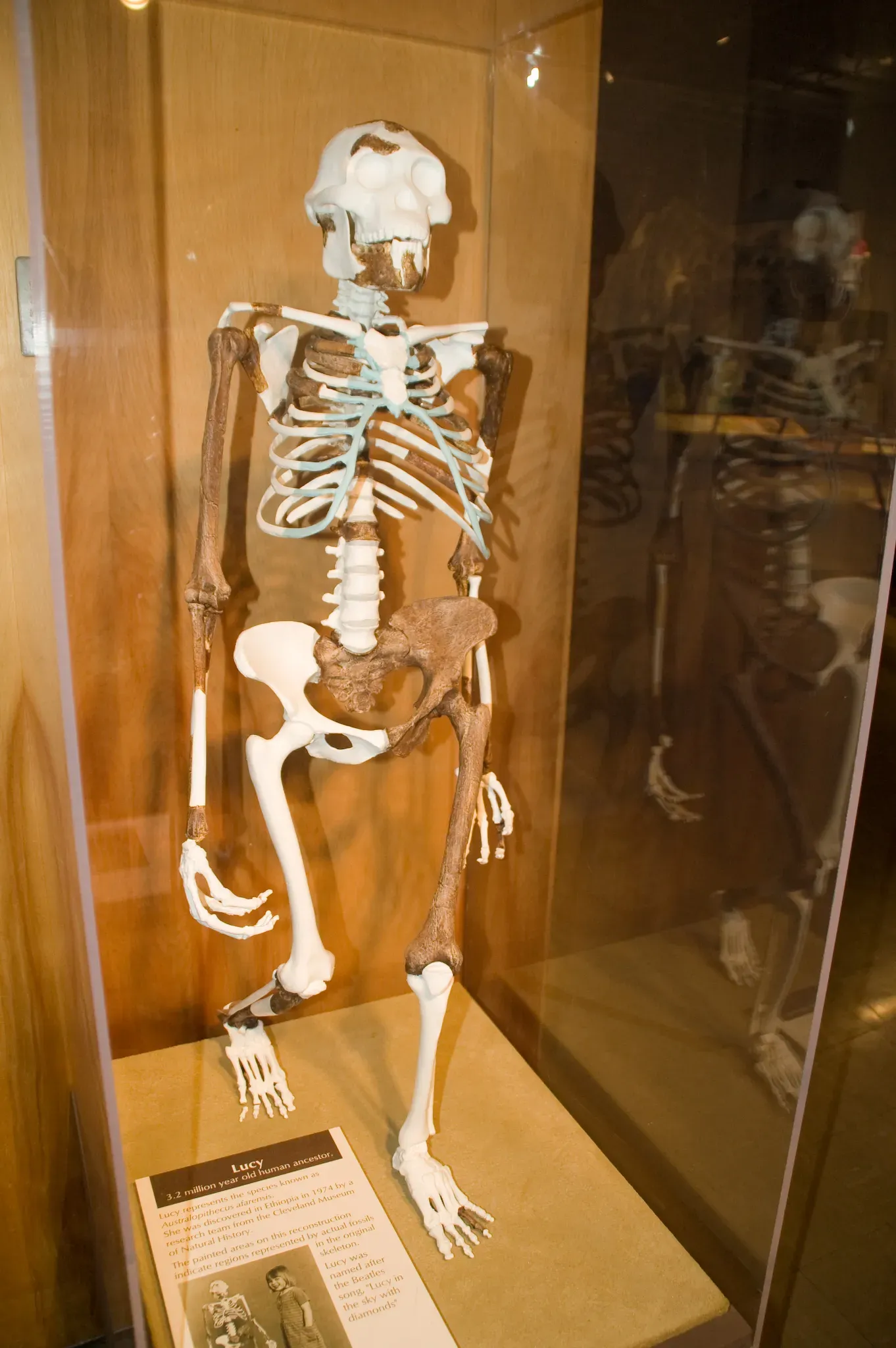
In 1974, paleoanthropologists in Ethiopia found roughly 40% of a skeleton belonging to a species that lived over 3 million years ago. They nicknamed her Lucy, and she quietly rewrote the entire timeline of human evolution.
Lucy belonged to Australopithecus afarensis, and her pelvis and knee joint proved something scientists hadn’t confirmed before: she walked upright on two legs, millions of years before human brain size ever started expanding. That single detail flipped a core assumption of evolution – that big brains came first and walking came later. It was the reverse. Bipedalism freed hands for tool use, changed diet, and eventually reshaped brain development over millions of subsequent years. Decades later, Lucy is still reshaping textbooks.
Why It Stands Out
- Discovered in 1974 in the Afar region of Ethiopia
- Roughly 40% of her skeleton survived – unusually complete for a fossil this old
- Estimated age: about 3.2 million years
- Proved bipedalism predates brain expansion, reversing a long-held assumption
The Bottom Line
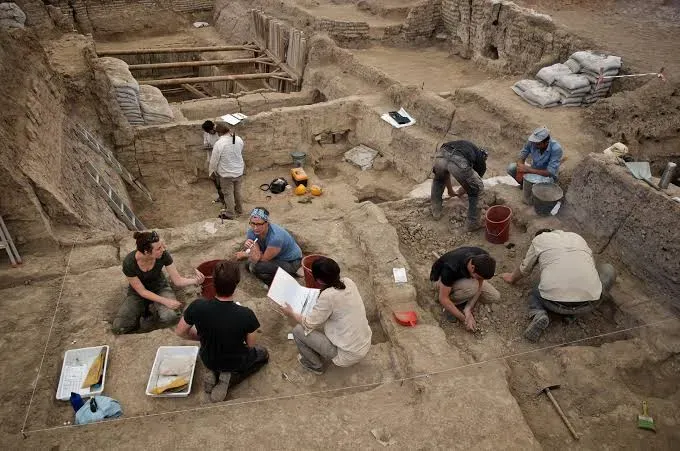
These 15 discoveries share one uncomfortable thread: history isn’t a finished record, it’s a constantly revised draft. A temple older than farming. A human species known only from a fingertip. An AI reading scrolls no one could open for 2,000 years. A jungle hiding millions of forgotten people. Each one proves experts were confidently wrong until new evidence forced a correction.
Some of these, like the Homo naledi burial claims, are still being fought over in real time – and honestly, that’s the most interesting part. The past isn’t settled. It’s just waiting for the next shovel, scan, or algorithm to prove us wrong again. Which of these surprised you the most? Drop it in the comments.