
You keep being told the human story already makes sense: neat layers of time, tidy stages of technology, everything in its proper box. But then you stumble across an artifact that seems to laugh at the textbook timeline, especially when it comes from a sealed, well-dated context where it simply should not be. That uneasy feeling you get in your stomach when something does not fit the story you have been sold? That is exactly where this journey begins. Before you dive in, you need a quick reality check. Most so‑called “out‑of‑place artifacts” fall apart under close inspection: poor documentation, disturbed layers, misidentifications, or outright hoaxes. Still, a small cluster of finds from sealed or tightly controlled sites remains irritatingly hard to wave away. They do not prove lost super‑civilizations or aliens, but they do force you to admit that the past is messier, stranger, and a lot less settled than you have probably been taught.
The Antikythera Mechanism: A Bronze Computer Hiding in a Shipwreck
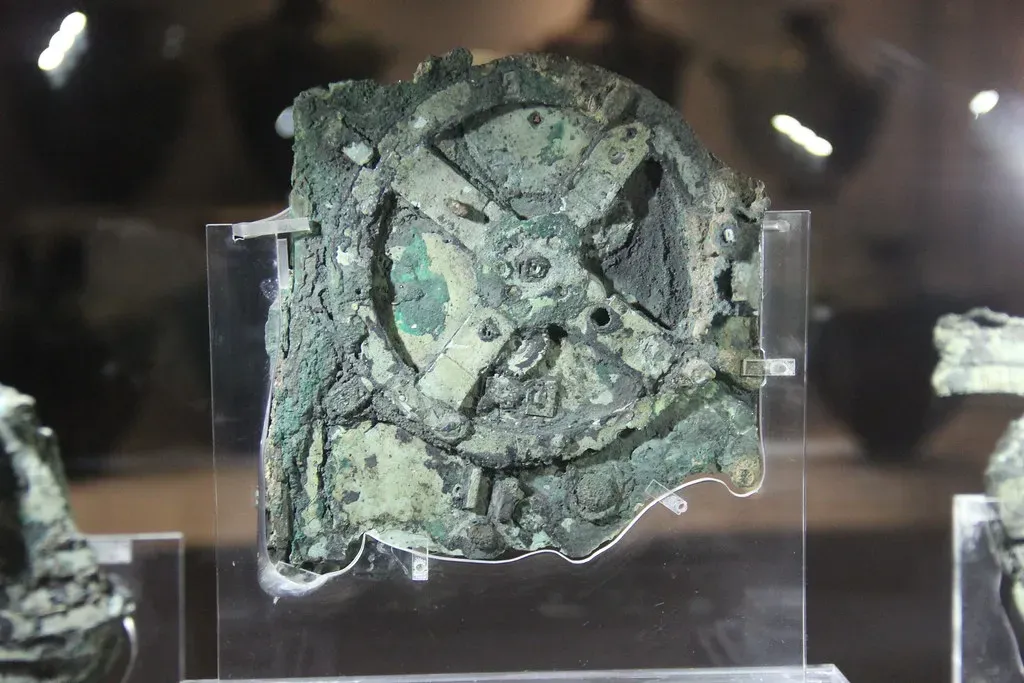
You are told in school that complex mechanical computing arrived in Europe around the late Middle Ages, with clockwork and geared astrolabes. Then you meet the Antikythera mechanism, dragged from a Roman‑era shipwreck off a Greek island and dated to roughly the first century BCE. You are not looking at a simple sundial; you are staring at a dense cluster of precision‑cut bronze gears that model the motions of the Sun, Moon, and possibly the planets, all sealed in marine concretions for nearly two thousand years before a diver noticed the wreck.
When you realize this device uses differential gearing and carefully calculated tooth counts, your mental timeline creaks. You have to ask yourself: how many such mechanisms were built, and why did the tradition vanish so completely that later medieval engineers had to reinvent comparable complexity from scratch? You can fit it into the current academic story by saying Hellenistic engineers were simply more advanced than you give them credit for, but you cannot honestly pretend it sits comfortably in the “ancient people were simple” narrative you grew up with.
The Baghdad “Batteries”: Sealed Jars That Hint at Lost Electrochemistry
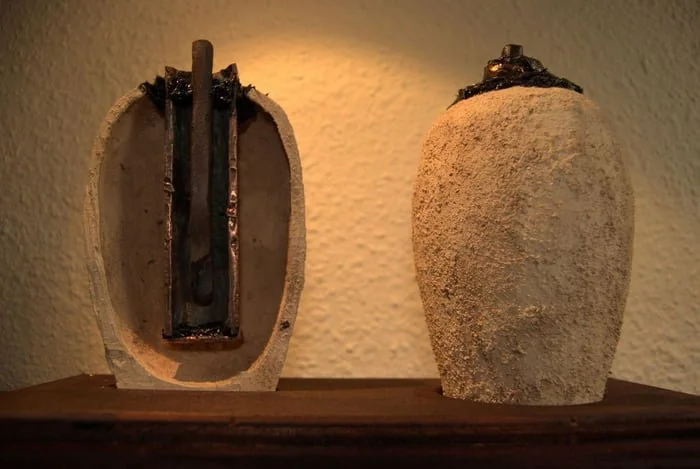
When you picture the ancient Near East, you probably think of clay tablets and chariots, not electrochemistry. That is why small sealed ceramic jars from the vicinity of modern‑day Baghdad keep nagging at you. Each jar consists of a clay vessel, a copper cylinder, and an iron rod, with traces of bitumen that once sealed the components. If you fill a replica with an acidic liquid, you get a small but measurable electric current, much like a primitive battery.
Now, the mainstream explanation tells you these jars could just as easily be ritual containers or storage vessels, and that their “battery” interpretation is speculative. But you are staring at sealed artifacts that, in practice, behave exactly like simple galvanic cells, at least centuries before modern electrochemistry emerges. Even if you stay cautious, you are forced to expand your mental model: ancient craftspeople may have explored electrical effects in ways your schooling never mentioned, even if they never built anything like a light bulb or a power grid.
The Uunartoq Disc: A Possible Compass Frozen in Greenland Turf
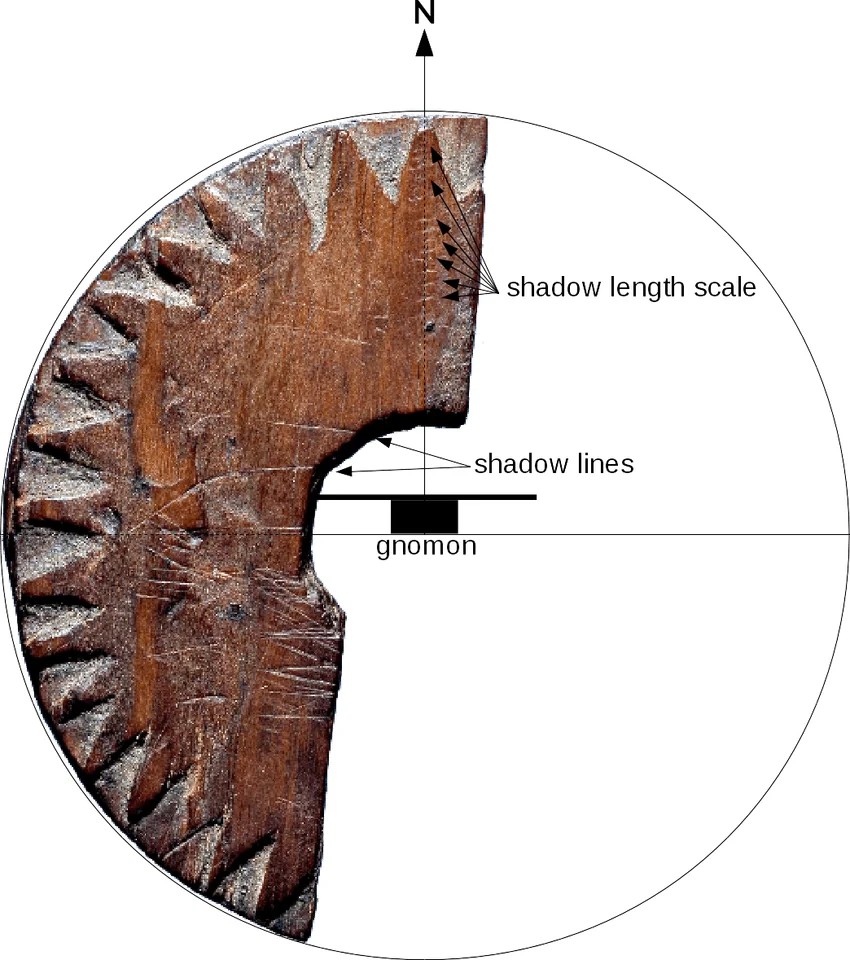
In Greenland, you encounter a small, roughly circular wooden disc, broken but clearly carved with radiating lines and a central pin hole. It was recovered from a Norse site and found in a sealed layer associated with medieval occupation. When experimental archaeologists reconstruct the missing parts and place a gnomon or needle in the center, the markings line up in a way that could help sailors find direction using the Sun’s shadow at high latitudes.
Your textbooks tend to suggest that magnetic compasses were a Chinese innovation that only later filtered into the West. Yet here you have evidence that Norse sailors may have used a kind of solar compass, tailored to the Arctic. The disc does not scream “impossible technology,” but it quietly undermines the idea that medieval seafarers were half‑blind wanderers. When you hold this worn piece of wood – lifted from a sealed occupation layer – you start to see how much navigational expertise has simply been edited out of your mental timeline.
The Phaistos Disc: A Printed Text from a Sealed Minoan Room
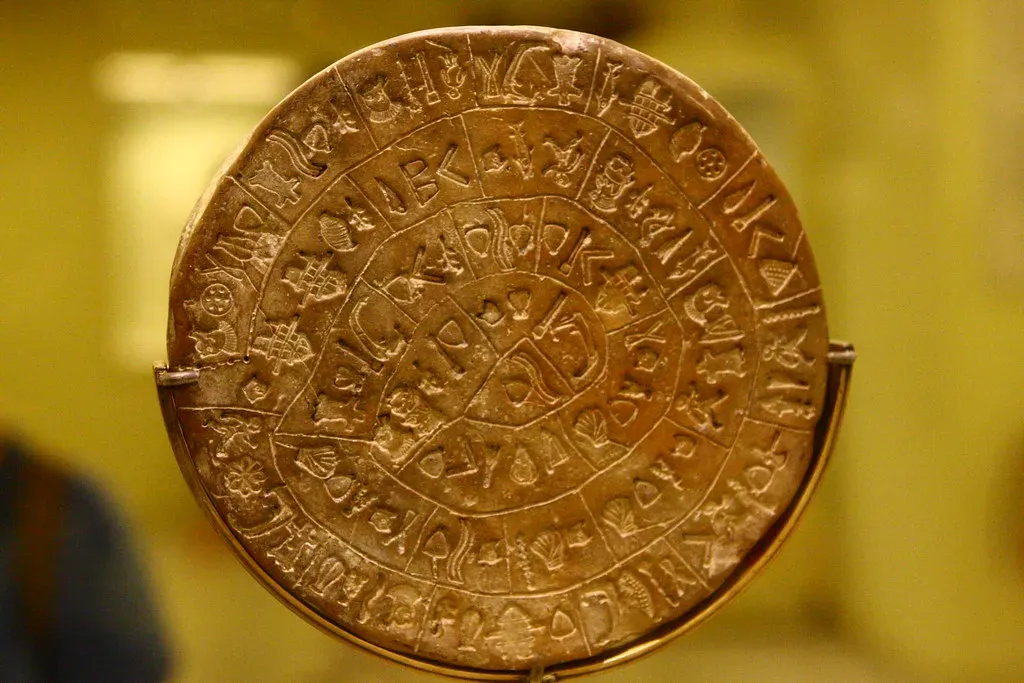
You walk into a Minoan palace on Crete in your mind’s eye and picture frescoes, storage jars, and maybe a few clay tablets. Instead, archaeologists open a sealed room and pull out a palm‑sized clay disc stamped on both sides with spiraling symbols. Each tiny sign appears to have been impressed with reusable stamps before the disc was fired, an approach that looks suspiciously like a primitive form of movable‑type printing, more than three thousand years before Gutenberg.
Everything about this disc makes your sense of order itchy. The chamber where it was found appears to have been closed off in antiquity, and no other artifact with this exact writing system has turned up in any secure context. You are left with an enigma: either this is a one‑off ritual object, or you are glimpsing the last survivor of a printing experiment that never became mainstream. Either way, the combination of sealed context and advanced conceptual design forces you to admit that innovation is not always a straight, visible line in the archaeological record.
The Ural “Nano‑Objects”: Metallic Spirals in Deep Alluvial Deposits
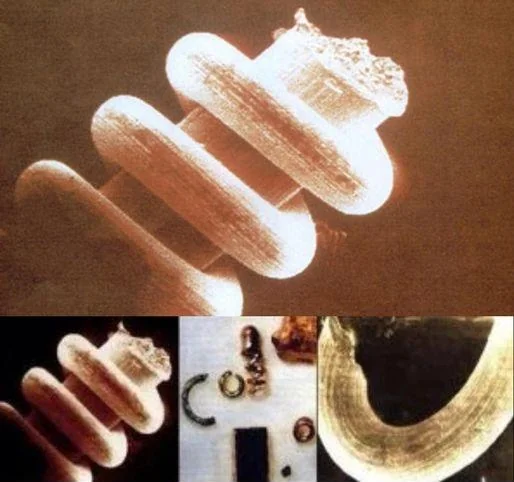
Along riverbanks in the Ural Mountains, Russian prospectors sifting alluvial sediments for gold report tiny, coiled metallic objects – microscopic spirals and rods made of copper and related alloys. The deposits where these items are found are sometimes described as being older than any known human structures. Under the microscope, some of the shapes look eerily like components you might expect inside a piece of modern machinery, not scattered through ancient gravel.
Here is where you have to be brutally honest with yourself about evidence. The contexts are geological rather than classic, layered excavation pits, and the risk of modern contamination is high. But even if you assume that, at minimum, someone dropped modern industrial debris into older sediments, you are still left wrestling with your intuition: it is jarring to see what look like machine‑made geometries in places you would have assumed were untouched. Whether you ultimately chalk them up to natural crystallization, misidentification, or contamination, you feel the tension between the neat academic timeline and the messy, real‑world record.
The Mystery Stone of New Hampshire: Intricate Carvings in a Sealed Lake Context
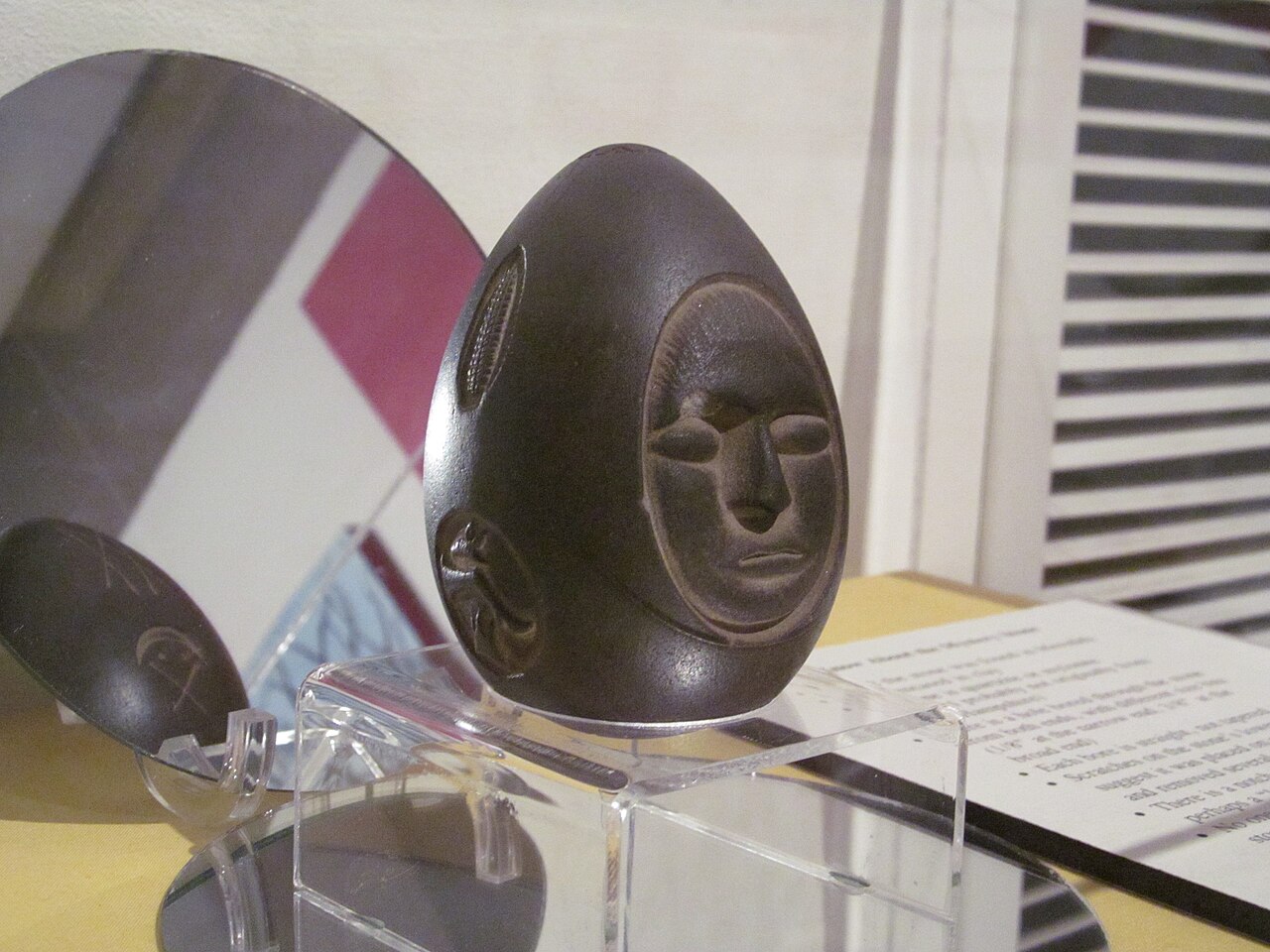
When workers dredged a lake in New Hampshire in the nineteenth century, they brought up a small, egg‑shaped stone carved with intricate symbols: ears of corn, faces, geometric motifs, and what look like celestial images. The find reportedly came from below a layer of silt, sealed away from casual surface disturbance. You are staring at an object that looks part Native, part Old World, and part something else entirely, all wrapped in a context that does not easily let you shrug it off as a recent tourist trinket.
Professional archaeologists have suggested everything from a nineteenth‑century Masonic novelty to a local craftsman’s experiment, while some fringe authors wave it around as proof of trans‑Atlantic contact thousands of years ago. Caught between these extremes, you are left with a humbler, but more interesting conclusion: sometimes an artifact refuses to align neatly with either the standard cultural catalog or the sensationalist narrative. In that awkward space, you start to see how fragile your confidence in a fully mapped past really is.
The Roman Dodecahedra: Precision Bronze Polyhedra Without a Clear Function
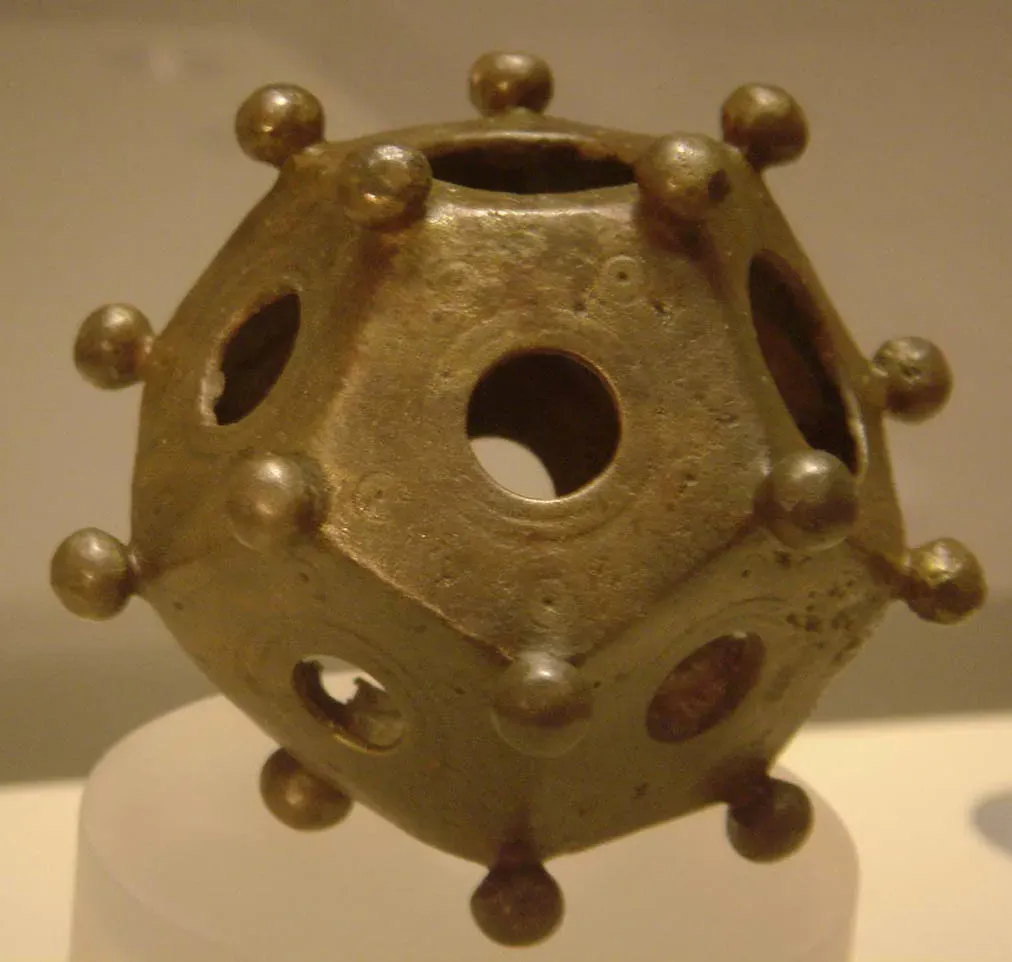
You find yourself in a Roman military site in northern Europe, watching as a small, corroded object emerges from the soil. Cleaned up, it looks like a hollow bronze dodecahedron – twelve flat faces, each with a circular hole, with knobs at every vertex. These objects appear across several sealed Roman contexts: forts, hoards, and civilian settlements, usually dated between the second and third centuries CE. They are crafted with care, yet no ancient author bothers to explain what they are for.
Textbooks usually glide past them as “ritual objects” or measuring tools, but nobody has proven either theory convincingly. When you handle one, you cannot help but feel it belongs to a technological language you do not quite speak. Because they come from secure archaeological contexts, you cannot brush them off as forgery or modern junk. You are forced to admit that even in a well‑documented civilization like Rome, entire categories of specialized knowledge can disappear so completely that you are left guessing from a handful of sealed, silent artifacts.
The Shigir Idol: An Eleven‑Thousand‑Year‑Old Wooden Enigma from a Bog
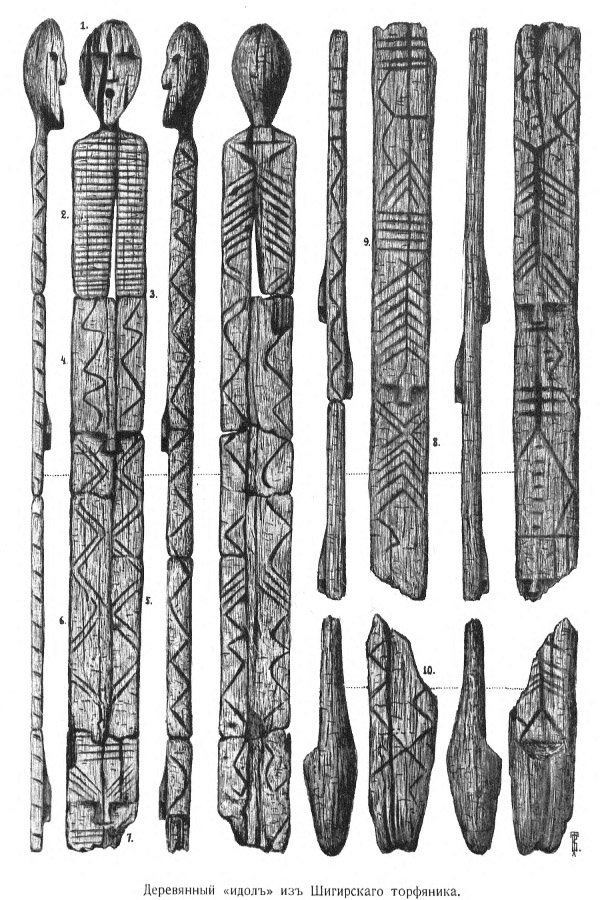
Wood rarely survives long in the archaeological record, so you are not expecting much when workers in a Russian peat bog haul up a carved log. Laboratory dating pushes it back to roughly eleven thousand years ago, older than many of the world’s first known stone temples. The waterlogged, oxygen‑poor conditions of the bog effectively sealed the idol away, preserving a towering wooden figure covered in abstract geometric patterns and stylized faces.
Here is the twist for your timeline: you are used to being told that complex symbolic art and monumental sculpture belong to settled farming societies, not to early post‑Ice Age hunter‑gatherers. Yet this idol, protected by its unique context, shows that very ancient groups were investing huge effort in purely symbolic, perhaps religious, creations. You are forced to let go of the idea that “advanced” ideas only arrive with cities and agriculture. In this sealed wooden giant, the deep past suddenly looks more thoughtful, more organized, and more alien than you were taught.
The Nebra Sky Disc: Bronze Age Astronomy Buried and Forgotten
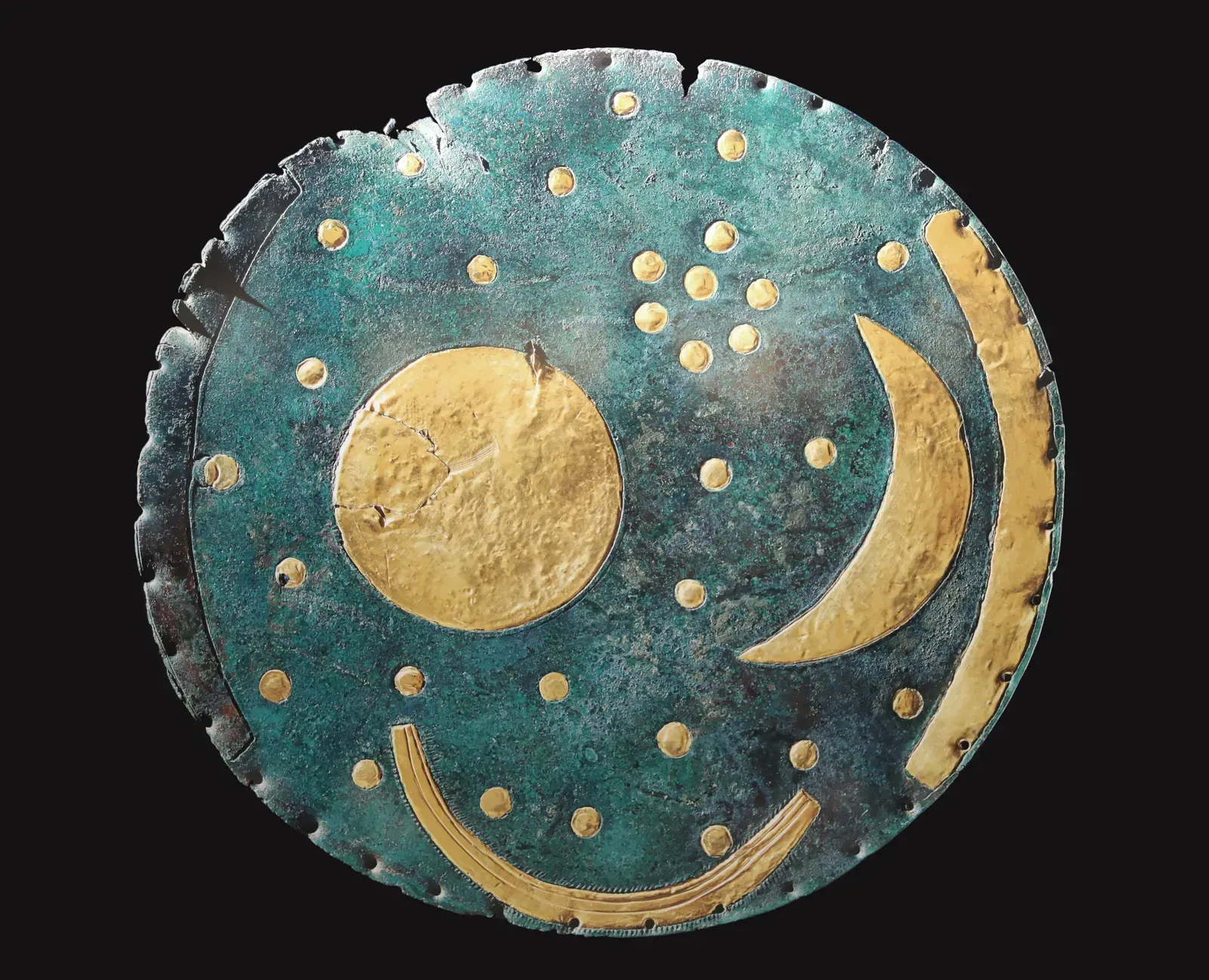
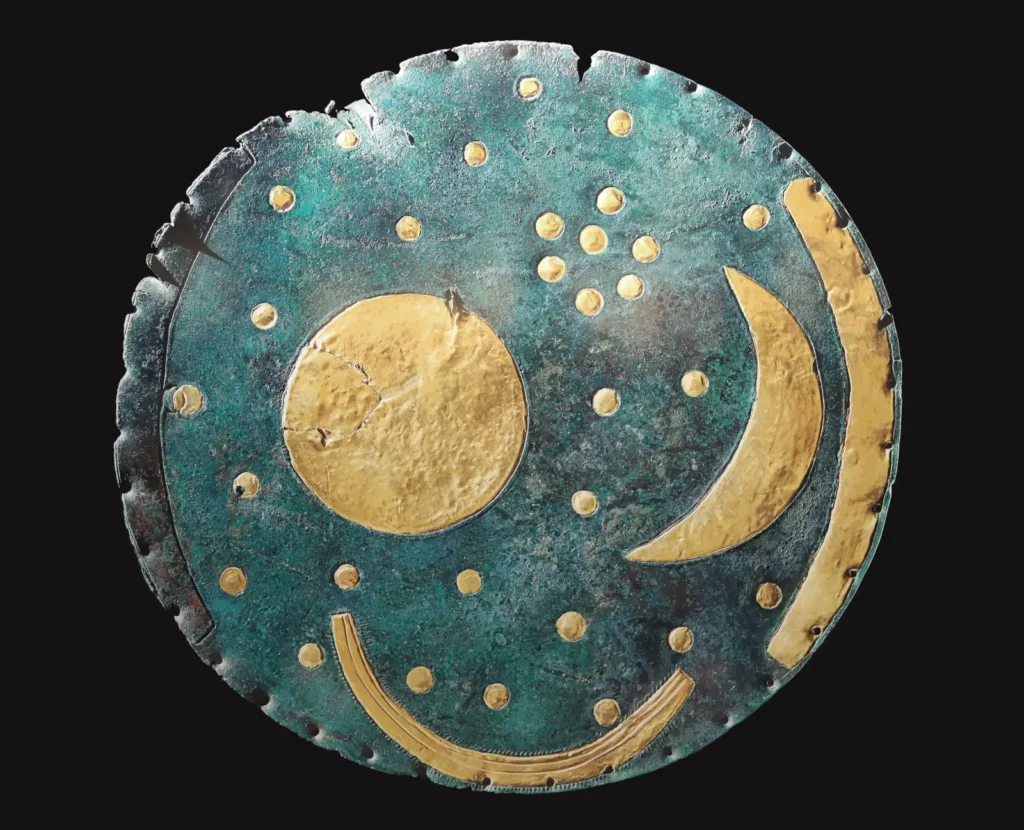
On a hillside in Germany, looters stumble on a hoard: bronze weapons and a round metal disc with inlaid gold shapes. Eventually, archaeologists recover enough context to date the assemblage to the early Bronze Age, several centuries before most European cultures are supposed to have had precise astronomical knowledge. The disc shows a crescent, a full circle, and scattered “stars,” including a cluster that appears to match the Pleiades. The soil chemistry and hoard structure suggest the objects lay sealed together for more than three thousand years.
In school, you probably heard that scientific sky mapping was largely a Near Eastern and later Greek achievement. But this disc, with its careful inlays and evidence of later modifications, hints that people in central Europe were doing surprisingly sophisticated sky watching. You can still keep your broad framework – no need to rewrite all of prehistory – but you have to widen it. Suddenly, Bronze Age Europe is not just an afterthought to the Near East; it is a place where the heavens were charted, encoded, and then ritually buried for reasons you can only guess at.
The Saqqara Bird: A Wooden Glider in an Egyptian Tomb
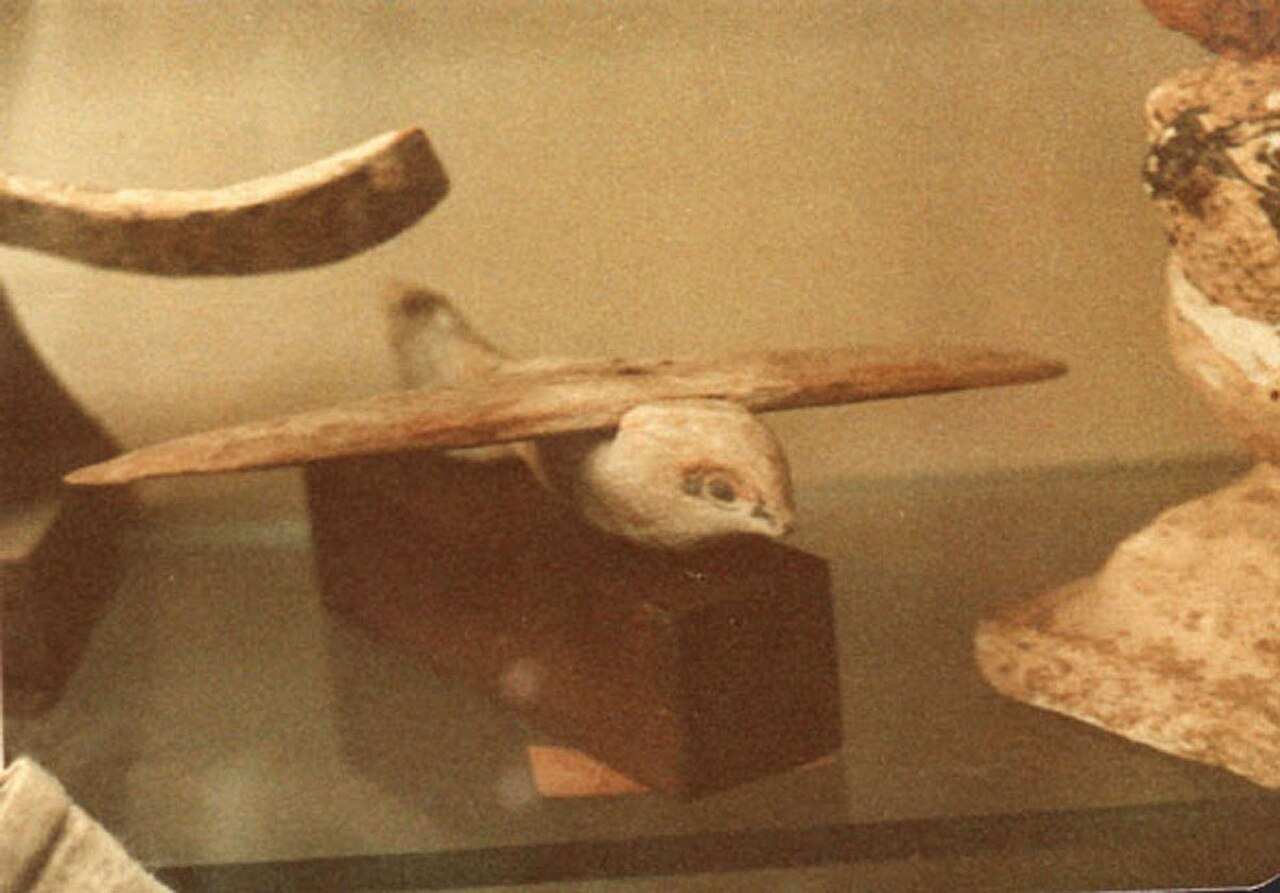
When you picture ancient Egyptian tomb goods, you think of jewelry, shabti figurines, and canopic jars. So when a small, stylized wooden bird emerges from a sealed tomb deposit at Saqqara, your curiosity wakes up. The piece is aerodynamically shaped, with wings and a body that look more like a simple glider than a decorative amulet. It was found among legitimate, securely dated funerary objects from the Ptolemaic era, not tossed in later by modern hands.
Enthusiasts will tell you this proves the Egyptians built airplanes, which you do not need to accept. But as you hold a replica and feel how naturally it wants to glide, you realize that ancient artisans were experimenting with forms that touch on aerodynamic principles, even if only for play or ritual symbolism. Your textbook’s flat list – pyramids, mummies, hieroglyphs – feels too thin. Quietly, this little sealed wooden object nudges you toward a richer view of what curiosity and tinkering might have looked like along the Nile.
The Vinča Symbols: Early Script‑Like Marks in Neolithic Europe
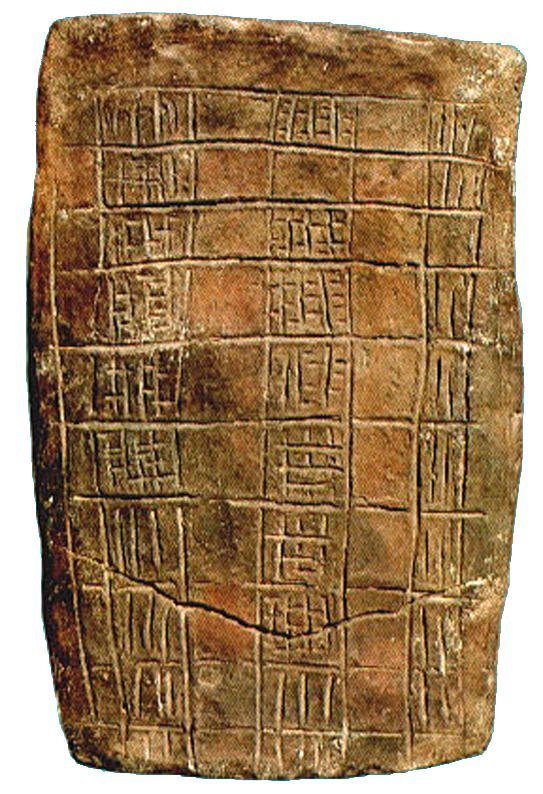
On Neolithic sites around the Danube, archaeologists excavate fired clay tablets and figurines from sealed house floors and refuse pits dating back to the sixth and fifth millennia BCE. Scratched into these objects are repeated sets of abstract signs: crosses, chevrons, ladder shapes, and complex combinations. The stratigraphy – those careful soil layers that archaeologists obsess over – shows you that these artifacts belong firmly to a time long before the earliest Mesopotamian cuneiform tablets.
You are not allowed, by current academic standards, to call this a full writing system yet. There is no agreed‑upon grammar or confirmed ability to represent spoken language in detail. But as you trace these marks from one sealed context to another across different digs, you see patterns that behave a lot like proto‑script. That forces you to ease up on the old idea that writing was “invented once” in Mesopotamia and spread everywhere like software. Europe, in this view, starts to look less like a passive recipient and more like a parallel laboratory of symbolic innovation.
The Göbekli Tepe Pillars: Monumental Temples Buried on Purpose
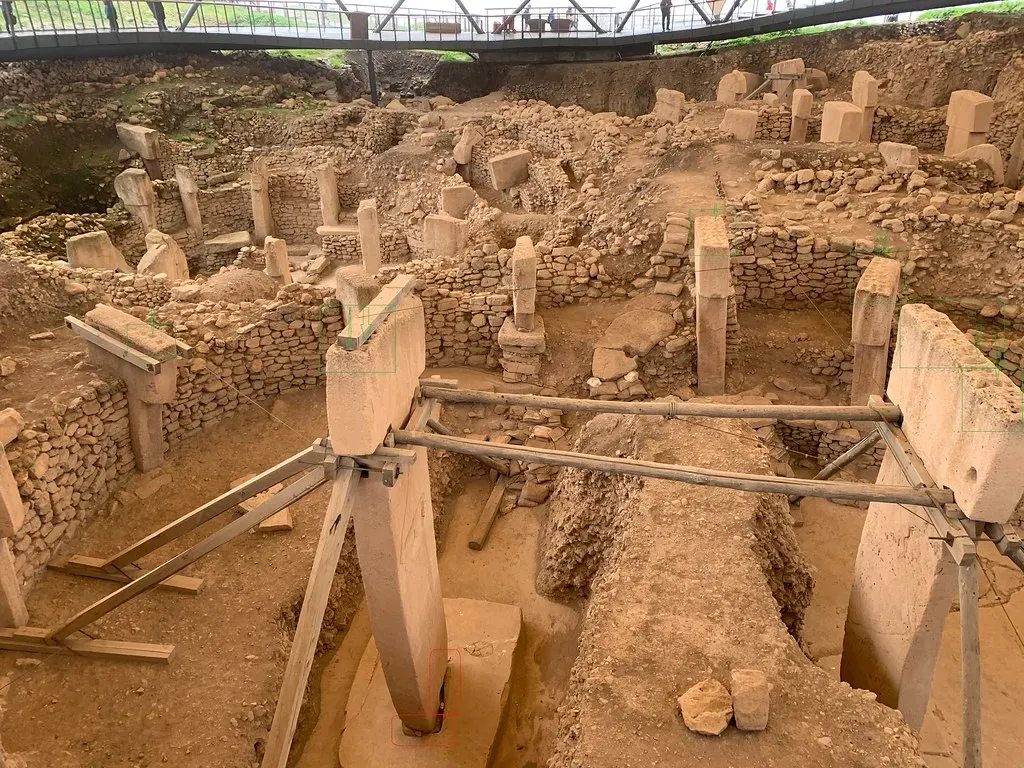
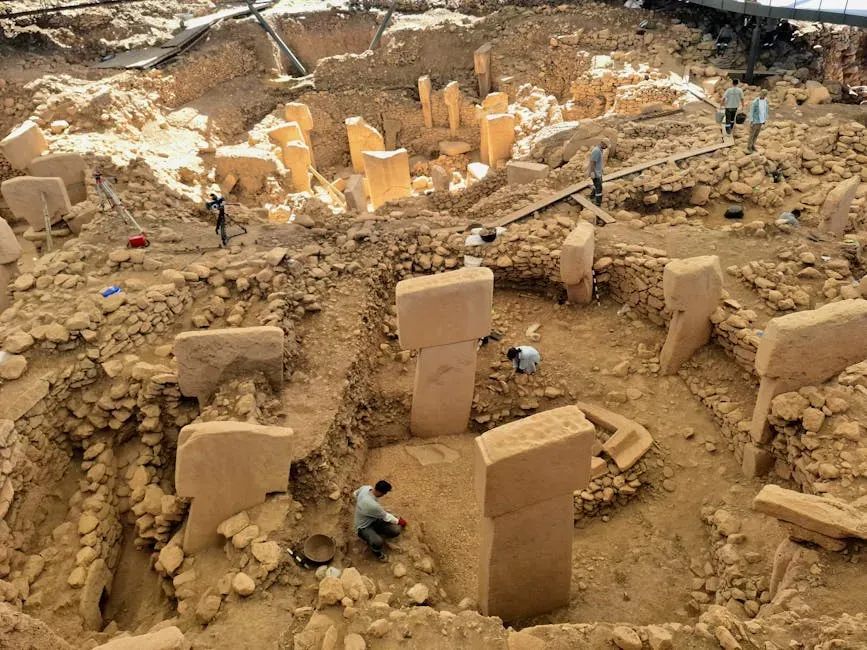
High on a hill in southeastern Turkey, you walk through circles of massive stone pillars, some carved with animals and abstract symbols. Radiocarbon dating of the surrounding fill dirt pulls you back more than eleven thousand years, to a time when you were taught that humans were still stumbling toward agriculture. The shock comes when you learn that the builders later deliberately backfilled these stone enclosures, effectively sealing their own complex architecture under layers of soil where it would sleep until modern excavation.
Because these enclosures were intentionally buried, many of the pillars and carvings remained in astonishing condition, letting you see a level of planning and communal effort that textbooks used to reserve for much later city‑builders. Your neat timeline – first farming, then temples – starts to invert. Here, it looks uncomfortably like shared ritual centers may have come first, coaxing groups to settle nearby and eventually farm. In other words, those sealed layers at Göbekli Tepe invite you to flip one of the core assumptions you were taught about how civilization emerges.
The Sanxingdui Masks: Bronze Age China That Feels Almost Alien
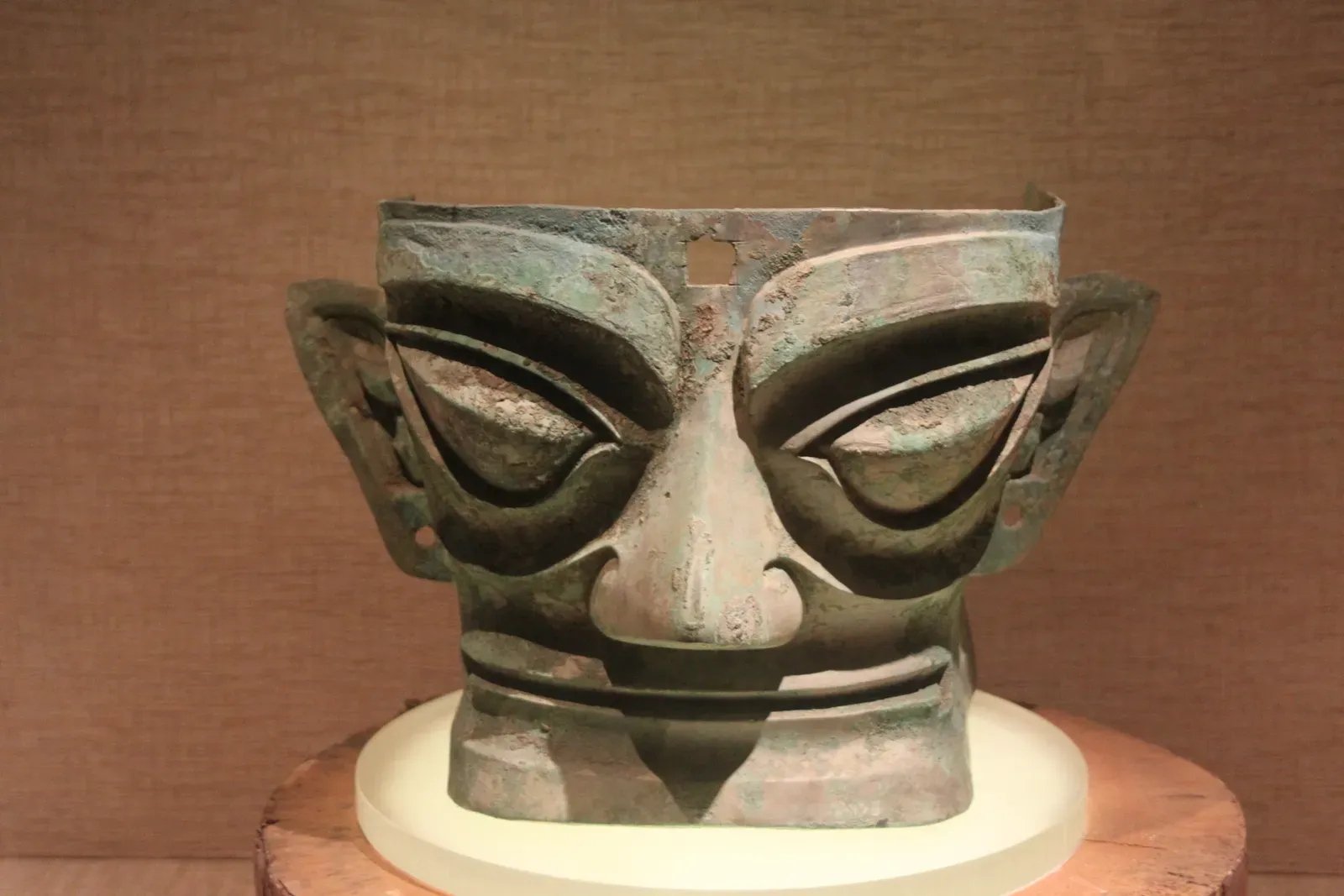
In Sichuan, China, workers accidentally cut into a pit and expose a dense deposit of smashed jade, elephant tusks, and enormous bronze masks with protruding eyes and strange, almost surreal features. When archaeologists move in, they uncover multiple pits filled with deliberately broken artifacts, apparently sealed and backfilled as part of some ceremony around the second millennium BCE. The style is unlike the familiar Shang bronzes you see in museum books; it is as if you have opened a door on a lost branch of Chinese civilization.
These pits are textbook examples of controlled context: single‑event deposits, filled and closed in antiquity. You can argue that this is simply regional variation within early Chinese culture, but that undersells how jarring these finds feel if you were raised on a single, linear account of Chinese history. Suddenly, instead of one steady line of development along the Yellow River, you have multiple centers of innovation, some of which burned bright and then were literally sealed underground. Your timeline stops feeling like a straight staircase and starts feeling more like a tangled web.
The Royal Game of Ur and Its Rules: Board‑Game Math from a Tomb
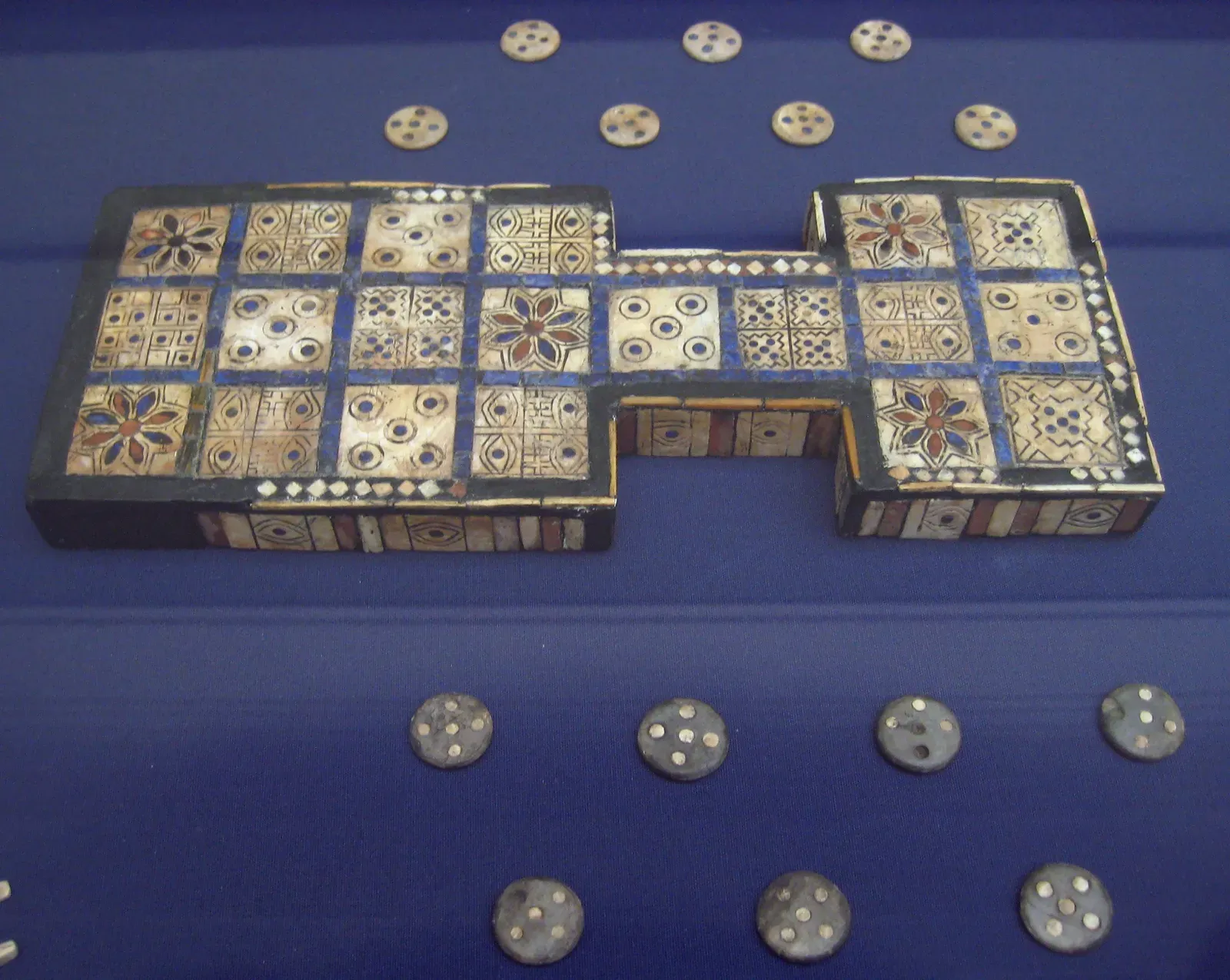
In the Royal Cemetery of Ur, archaeologists uncover elaborately inlaid game boards from sealed elite burials dating to the third millennium BCE. For decades, the boards themselves are intriguing but mute. Then, much later, a cuneiform tablet from a later period turns up that seems to preserve instructions for playing a variant of the same game. Taken together, the sealed tomb contexts and the written rules let you reconstruct not just a pastime, but an entire probabilistic system embedded in ancient leisure.
Here is why that matters for your sense of history: the game encodes ideas about chance, movement, and risk that are not far removed from the basic logic of modern board games and even simple probability. You have been taught that sophisticated mathematical thinking was the domain of scribes and astronomers, but this pairing of sealed objects and a later explanatory text shows that such thinking also filtered into everyday life. The gap between “ancient” and “modern” narrows in your mind, and the past starts to feel less like a primitive prelude and more like a different flavor of human cleverness.
The Copper Scroll: A Hidden Map to Treasure Within a Sealed Cave Library
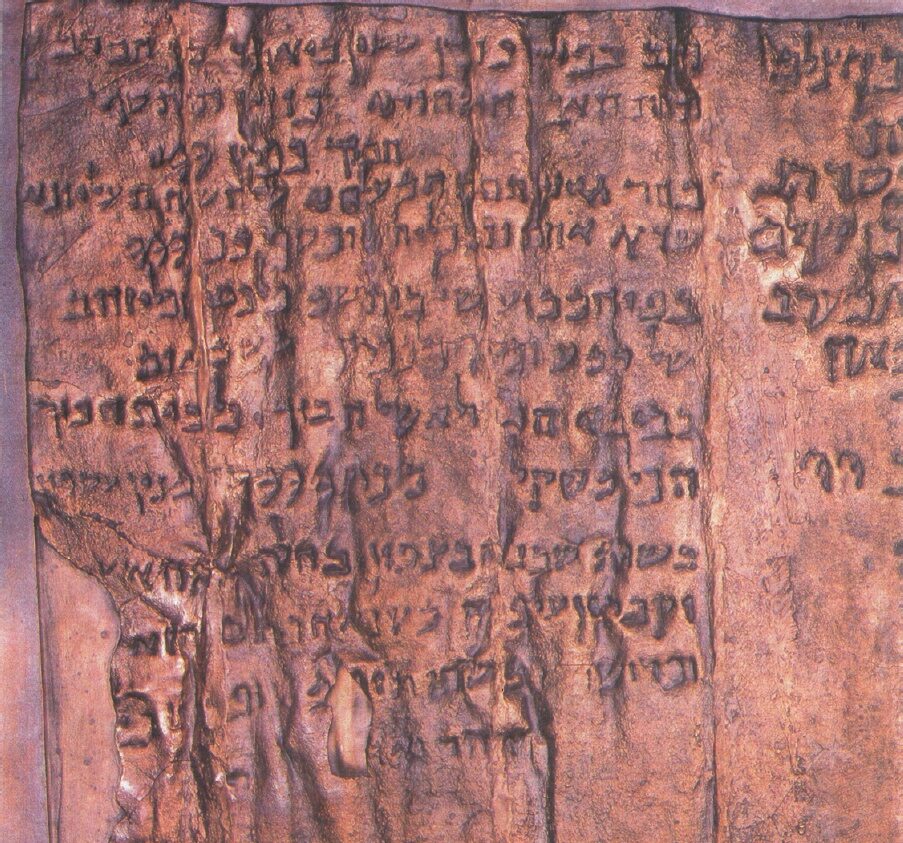
When you hear about the Dead Sea Scrolls, you probably picture fragile parchment and papyrus. But one of the most baffling items from that sealed cave complex is a text hammered onto sheets of copper. This copper scroll lists locations and amounts of hidden treasure in a style that feels more like a coded inventory than a religious tract. The cave’s undisturbed condition, with jars and scrolls sealed away for nearly two millennia, gives you rare confidence that you are seeing a snapshot of a very particular community at a very specific moment.
What unsettles your timeline here is not fancy technology, but the sheer bureaucratic sophistication hiding in that cave. You are looking at people who carefully archived not only sacred writings but also what amounts to a secret financial ledger, confident enough in their system to etch it in metal and stash it in a sealed repository. It forces you to rethink the neat separation between “spiritual” and “administrative” in ancient societies. The more you sit with it, the more you realize that the line between an archive and a hidden data vault is thinner than your textbooks ever hinted.
Conclusion: What These Sealed Anomalies Really Tell You About the Past
If you came looking for proof of time travelers or lost super‑civilizations, you probably feel a little frustrated right now. The honest truth is that once you strip away hoaxes and sloppy claims, you are left not with smoking guns, but with nagging puzzles: a gear‑driven computer centuries ahead of its peers, an enigmatic printed disc in a sealed room, sky maps buried as offerings, and monumental temples deliberately entombed under their own makers’ backfill. None of these artifacts “disprove” the academic timeline outright, but each one pushes you to stop treating that timeline as a finished product.
What you really gain, if you let yourself, is a new kind of humility. Instead of seeing archaeology as a courtroom where every anomaly must be crushed into conformity or exalted as revolution, you start to see it as a detective story with missing chapters, sealed evidence bags, and clues that sometimes contradict your favorite theories. You do not have to throw out mainstream scholarship to admit that your history books barely scratch the surface. The deeper question for you is this: the next time an artifact emerges from a sealed layer that does not fit what you were taught, will you rush to defend the story – or be brave enough to rewrite it?