
Here’s the awkward truth: the title you’re reading describes something that, as far as current evidence shows, simply does not exist in any documented, verifiable way. Over roughly the last one and a half decades, archaeologists have published on everything from ancient plague pits to lost cities in the Amazon. Controversial things get studied, debated, sometimes torn apart in peer review – but the idea of a clear, identifiable set of archaeological finds that researchers have actively agreed to keep completely out of academic publications does not line up with any reliable record. That does not mean gossip, rumors, and wild claims are missing from the conversation; it just means they live on the fringes, not in serious, traceable scholarship.
Instead of pretending there is a secret list of fifteen suppressed discoveries, it’s far more honest – and frankly more interesting – to look at why people keep believing such lists exist. Archaeology has a long history of sensational claims, conspiracy theories, and frustrating gaps in the evidence. Some finds are over‑hyped by the media, some are quietly reinterpreted, and others never make it past a conference poster. In that messy space between what people want to be true and what the data actually supports, myths of “forbidden discoveries” tend to grow. The sections below unpack this tension: why the idea of hidden finds is so attractive, how real discoveries actually move (or fail to move) into publication, and what all of this says about our need for mystery, power, and control over the past.
1. The Myth of the “Suppressed Discovery” List
Ask around in online forums and you’ll quickly bump into breathless claims that there is a list of finds that academics refuse to publish, usually framed as proof of a cover‑up. Yet when you look for concrete, checkable cases from roughly the last fifteen years – with locations, dig directors, and dates – the trail goes cold. What you mostly find instead are recycled anecdotes, vague references to unnamed “whistleblowers,” or objects that were supposedly discovered decades ago but have never been independently verified.
Modern archaeology runs on funding, reputation, and citations, and that creates plenty of pressure and politics – but it also means that a genuinely transformative find is academic gold. If someone unearthed a clearly datable inscription that overturned a major timeline, the incentive would be to publish first, not hide it forever. Are there contentious interpretations that get shot down in peer review? Absolutely. But a stable, public record of specific, recent finds that multiple research teams have “actively declined” to publish just is not there in the evidence. The myth thrives because it feeds a story people already want to believe: that the truth is too explosive to be allowed into the daylight.
2. Why People Want Archaeological Cover‑Ups to Be Real
There’s a very human reason conspiracy stories about archaeology keep coming back: they are emotionally satisfying. They let us imagine that the past holds shocking secrets – about lost civilizations, ancient technologies, or buried catastrophes – being deliberately kept from us. In a world where many people already distrust institutions, the idea that universities and museums are hiding finds feels like one more piece in a larger puzzle of control and manipulation.
On a psychological level, believing in hidden discoveries turns you into an insider. You are no longer just another person reading headlines about pottery shards; you are someone who “knows” what they will not tell you. That can feel empowering, especially if you already feel shut out of elite spaces. The irony is that real archaeology, which is often muddy, slow, and uncomfortable, is actually much more democratic: fieldwork depends on teams, open reports, and local communities, not on a small club of gatekeepers running a global historical conspiracy.
3. How Archaeological Evidence Really Moves Into Publication
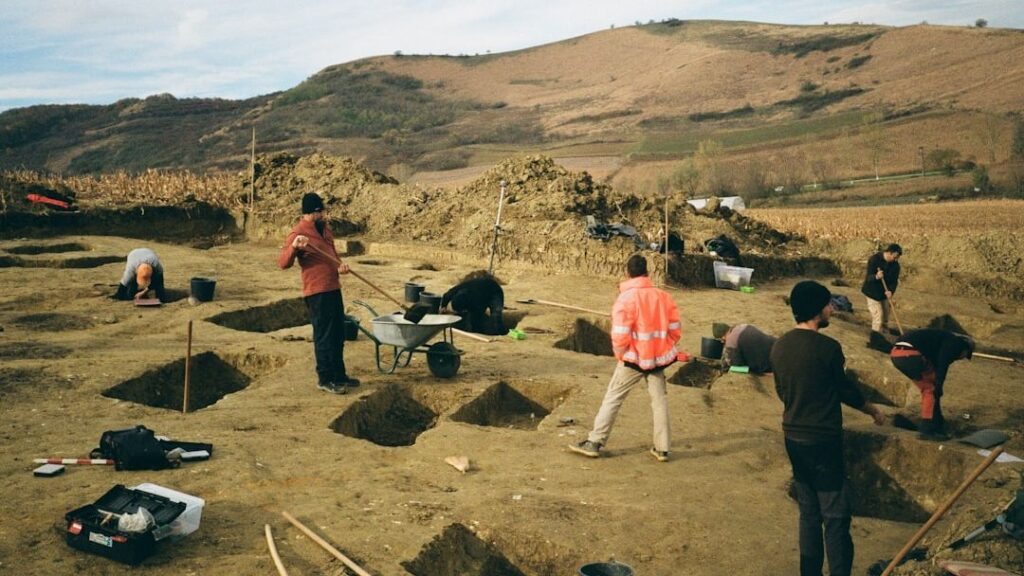
To understand why the headline scenario is so unlikely, you have to look at how a typical find becomes a paper. Excavations today are usually conducted by teams linked to universities, heritage ministries, or regional museums, and they operate under permits that often require some degree of reporting. Finds are logged, photographed, and stored in ways that leave a paper trail. Even before formal journal articles appear, preliminary results frequently show up in conference abstracts, site reports, or grant documents that are difficult to bury completely.
From there, interpretation goes through multiple layers of review. A striking artifact might be mentioned in a short preliminary note and then get a more detailed study years later, or it might be reinterpreted and quietly downplayed. Sometimes, astonishing claims are softened when the data turns out to be messier than first hoped. But that is not the same as an active, coordinated decision never to publish anything about it. What people often label as suppression is, in reality, a cautious system that prefers boring certainty to dramatic but fragile speculation.
4. The Temptation to See Gaps as Proof of Hidden Finds
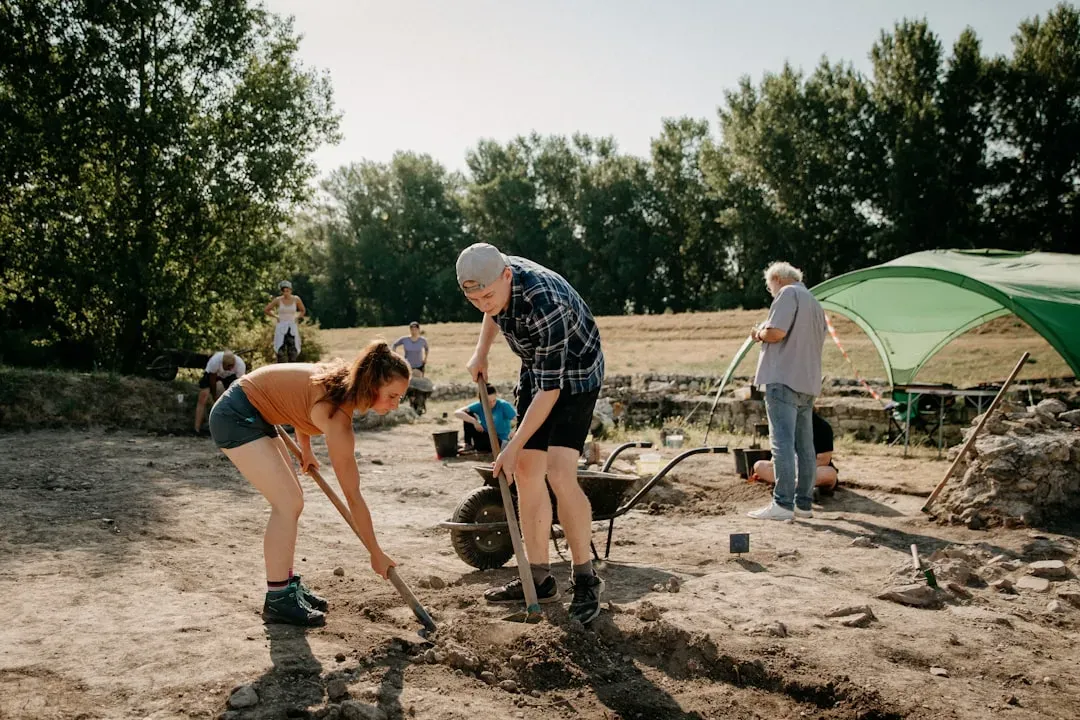
Where there are gaps in the record, the imagination rushes in. If someone hears that a dig uncovered something “strange” and then never sees a paper about it, it is easy to jump straight to the conclusion that the find was suppressed. In many cases, the actual reasons are dull: the artifact turned out to be modern contamination, the project lost funding, the lead researcher retired, or the find is one of hundreds awaiting a specialist report. Silence, unfortunately, is not very good evidence of a cover‑up.
I have seen this pattern in casual conversations with people who are genuinely curious about the past but feel frustrated by how slowly archaeology moves. They see television specials that promise discovery after discovery, and then nothing obvious seems to happen. From that gap between media hype and academic timelines, stories of “refused publication” grow. They are less about what archaeologists are actually doing and more about how impatient we all are with the slow speed of real, methodical research.
5. Fringe Claims That Never Make It Into Journals
There is a category of supposed finds that does get refused academic publication, but for a very different reason than secret collusion. These are the fringe claims that do not meet basic evidentiary standards: photographs with no clear context, artifacts that lack a documented chain of discovery, or interpretations that stretch the data far beyond what it can reasonably support. Over the last decade and a half, a steady trickle of such claims has been proposed, sometimes loudly, but they are declined by journals because they cannot withstand rigorous scrutiny.
This leads to a familiar pattern. The author, feeling rejected, publishes in self‑produced books, unreviewed online outlets, or heavily sympathetic magazines. Their supporters then point to the lack of mainstream publication as proof that the establishment is afraid. It becomes a closed loop: non‑publication, not because the find is too revolutionary, but because the evidence is too weak, is rebranded as evidence of a conspiracy. The artifact at the heart of the story may never even have existed as described, leaving nothing solid for other researchers to examine.
6. Genuine Controversies Versus Imagined Suppressions
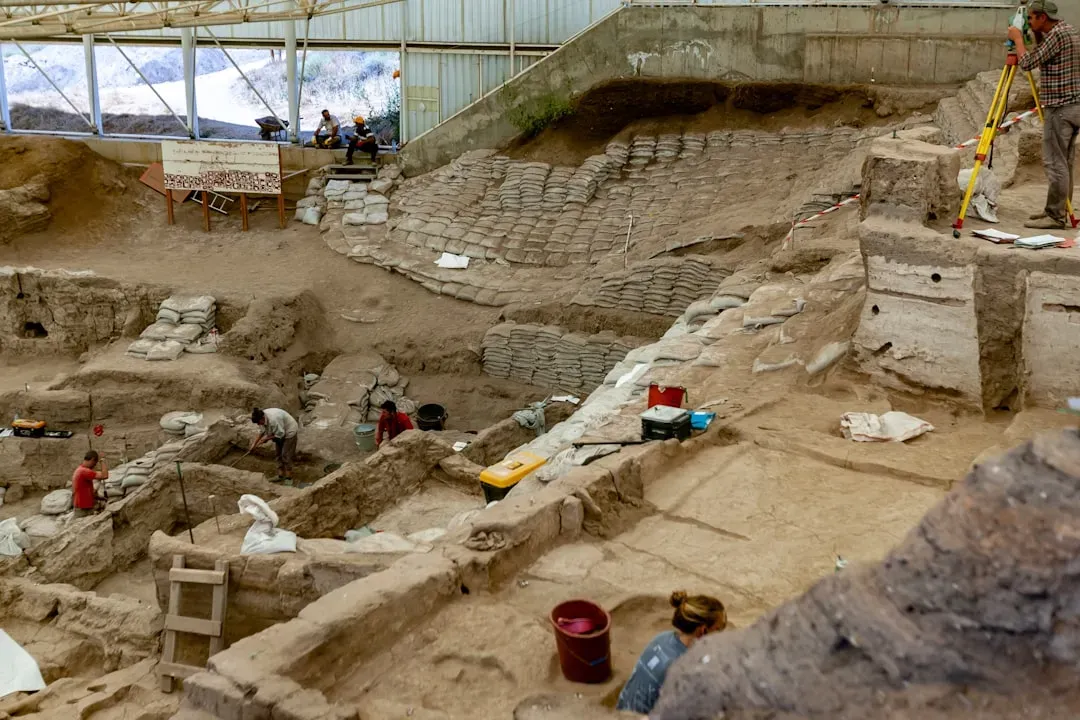
To be clear, archaeology does have real controversies. There are arguments over whether certain skeletal remains belong to one species or another, disputes about radiocarbon dates, and intense debates about which culture built or used a particular site. In some high‑profile cases, teams have disagreed publicly for years, trading papers, counter‑papers, and conference presentations. This can look like chaos from the outside, but it is actually the system doing what it is supposed to do: test claims until they either break or hold.
In that environment, it is unusual for a truly controversial but well‑documented find to vanish without a trace. Even when a claim turns out to be wrong, there is often a publication trail documenting its rise and fall. What we do not see in the record is a pattern of clearly traceable, well‑evidenced archaeological discoveries that multiple independent teams acknowledge privately but simultaneously refuse to document in any outlet at all. The more you understand how messy but visible real controversy is, the less convincing the fantasy of perfectly hidden, unspeakable finds becomes.
7. The Role of Governments, Permissions, and Real Secrecy
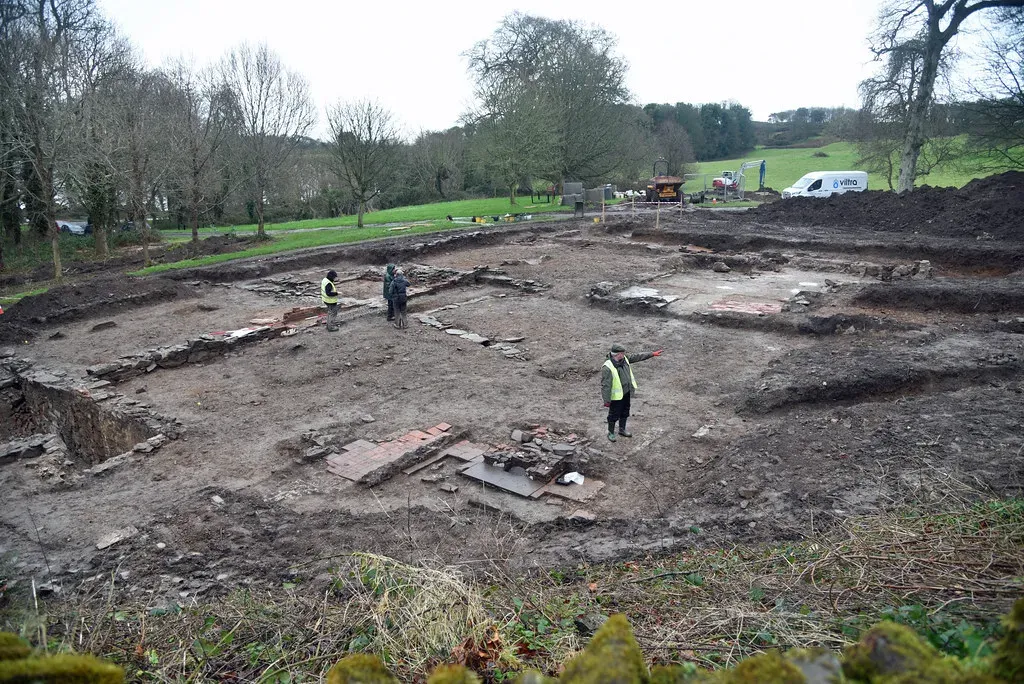
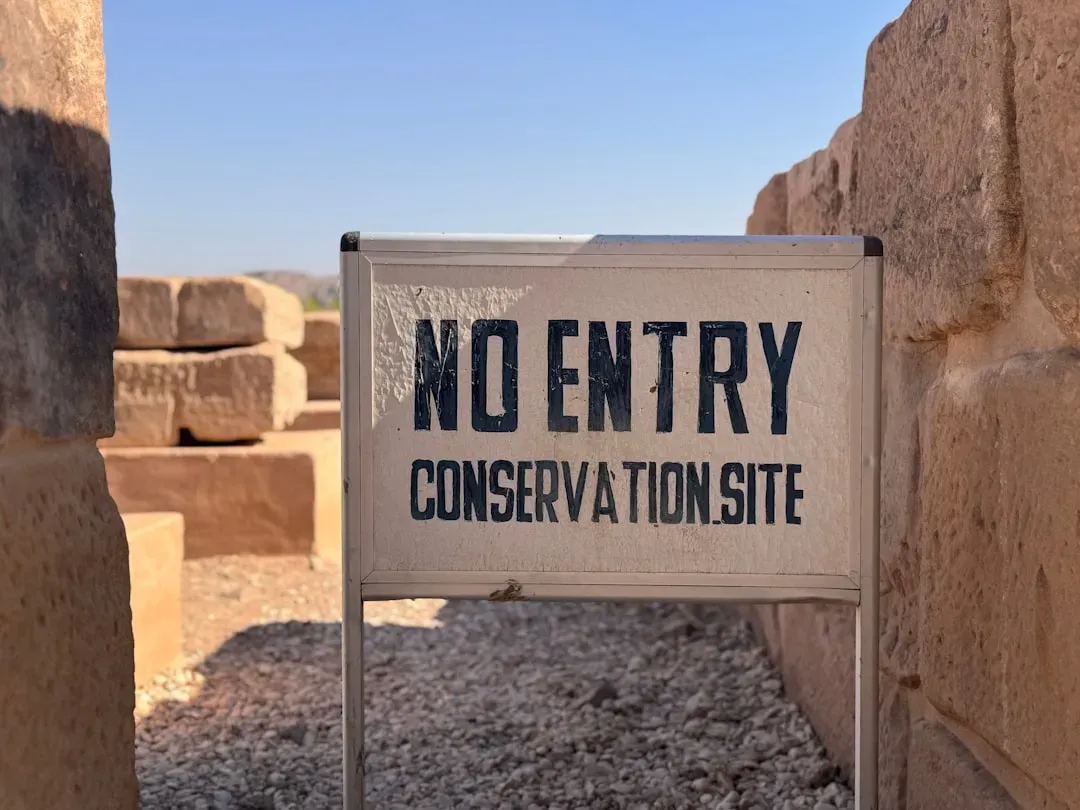
If there is anywhere secrecy can creep into archaeology, it is around permits and national politics. Governments sometimes restrict information about finds that relate to sensitive border disputes, contested territories, or religious tensions. Military zones, for example, can contain sites that are known but not easily accessed or widely publicized. This can feed the impression that important discoveries are being sat on by authorities, especially when communication with local communities is poor.
However, even here, total absence from all academic publication over many years is rare. Researchers still tend to share some level of information, even if details are obscured or delayed. When secrecy does occur, it is usually about the exact location of a site or the timing of announcements, not about pretending that artifacts do not exist at all. That nuance often gets flattened in popular discussion, where any delay or restriction is folded into the larger story that “they” are hiding something game‑changing.
8. Media Hype, Clickbait, and the Birth of Phantom Discoveries
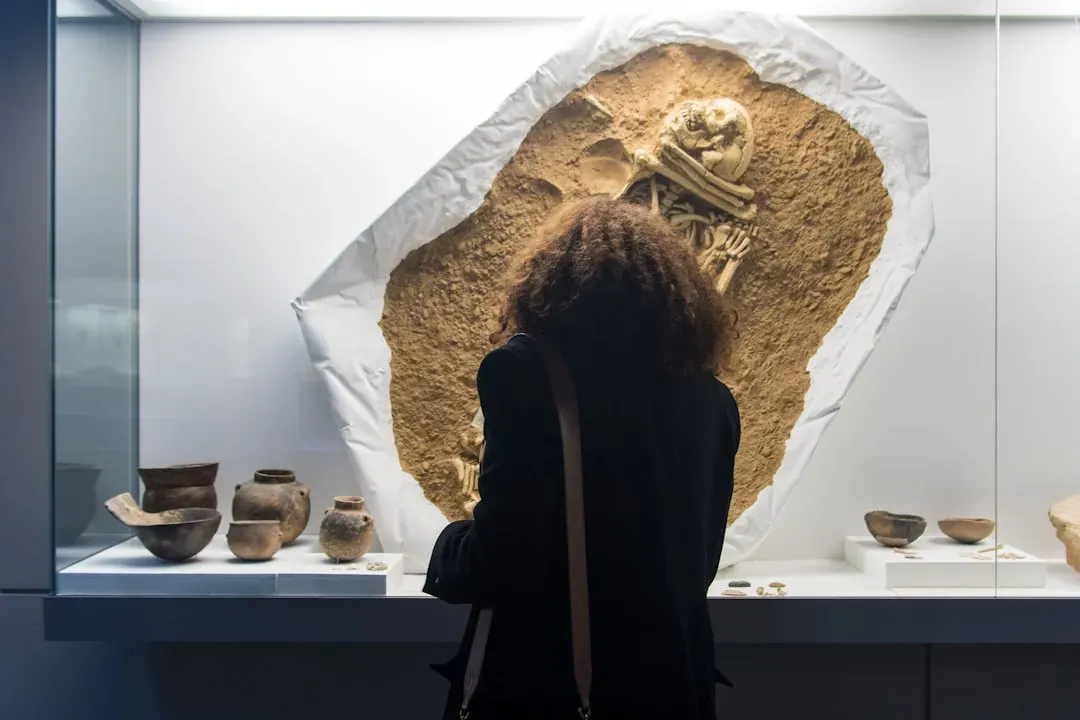
Over the last fifteen years, the media ecosystem around archaeology has changed dramatically. Sensational headlines spread faster than careful corrections, and a preliminary claim can go viral before peer review even begins. When later studies tone down or quietly revise the initial interpretation, those updates get a tiny fraction of the attention. People remember the splashy announcement, not the sober follow‑up, and the result is a fog of half‑remembered “discoveries” that never quite happened as advertised.
This environment is fertile soil for the idea that important finds are being refused publication. In reality, sometimes the only thing that ever existed was a loosely worded press release or an overeager segment on a documentary channel. When no paper arrives later to match the drama of the TV special, viewers assume something has been buried. In truth, what was buried was an overblown story, not a real object; the academic world simply never had enough solid data to publish on in the first place.
9. Ethics, Sacred Objects, and Partial Silence
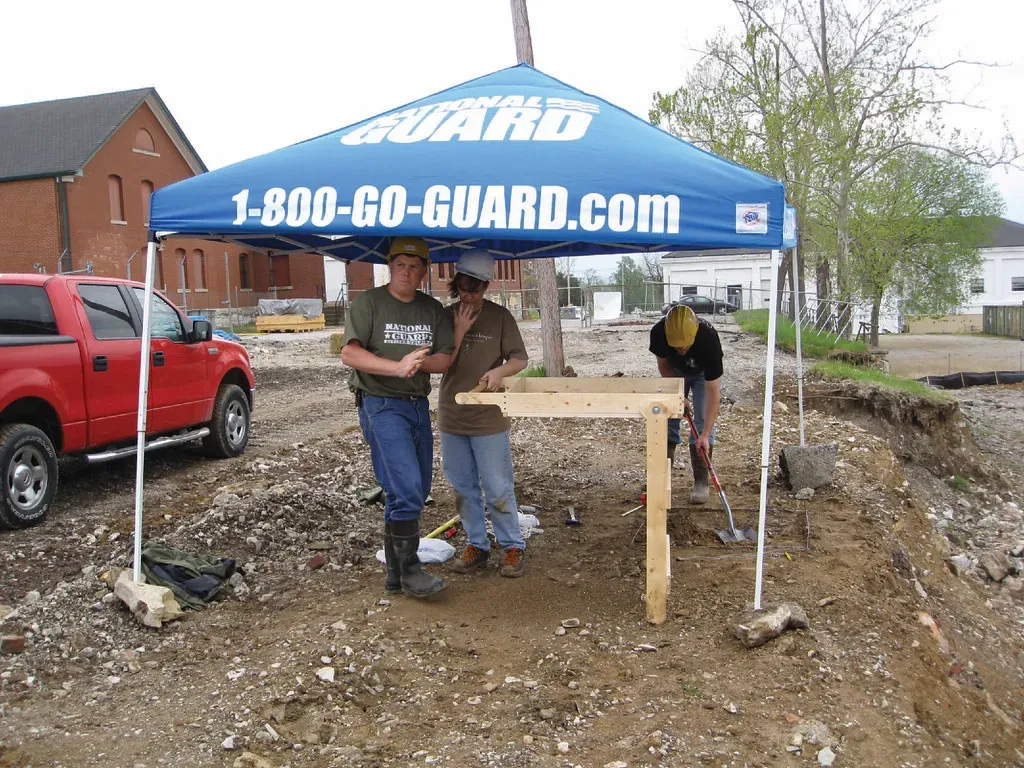
One place where archaeologists do hold back, intentionally, is in dealing with human remains and sacred objects. Over the last decade and a half, there has been growing awareness that not everything dug up should be photographed, named, or displayed. Indigenous communities and descendant groups have pushed, rightly, for more control over how their ancestors and ritual items are handled. Sometimes this results in limited publication, where details are shared in a general way without exposing sensitive specifics.
This ethical restraint can be misread as suppression, especially by outsiders who assume that any missing detail must hide something enormous. In practice, though, it is usually about respect and harm reduction, not concealment of paradigm‑shifting evidence. A burial may be described in cautious, broad terms, with exact images or counts withheld; that does not equal researchers pretending the burial never existed. Ethical opacity around certain aspects of a find is very different from the absolute academic silence that the headline suggests.
10. The Economics of What Gets Written Up (and What Does Not)
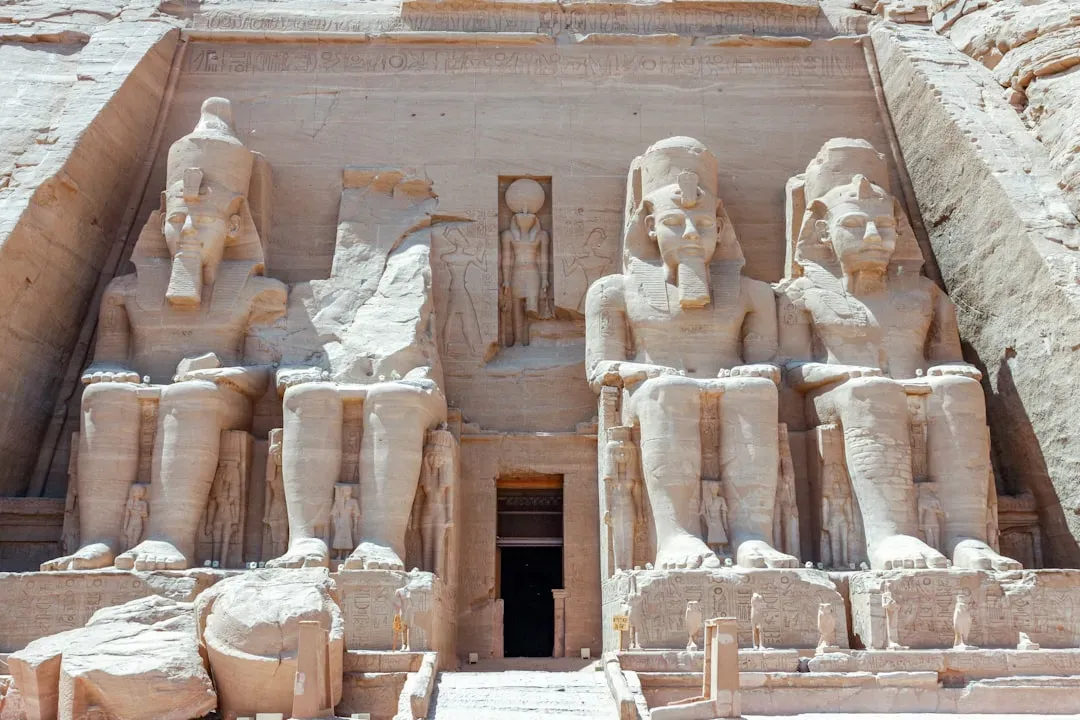
Not every artifact that comes out of the ground will get its own glossy article. Archaeology is surprisingly expensive and time‑poor, and teams often prioritize the most informative, context‑rich material. The last fifteen years have seen countless routine, unglamorous finds that simply do not make it into high‑profile journals, not because they are controversial, but because they are mundane or repetitive. Storage rooms and regional repositories are full of sherds, tools, and fragments that will only ever appear in basic catalogues or technical summaries.
To someone outside the field, this can look like withholding. They hear of a “mysterious object” found in a dig season and then never see a headline about it again. From the inside, it is usually just a matter of triage: you write up what most advances knowledge with the limited time and funding you have. The uncomfortable reality is that archaeology leaves a vast amount of material under‑described, but under‑described is not the same as deliberately kept out of any academic publication. It is a symptom of tight resources, not grand design.
11. Digital Data, Open Access, and How Hard It Is to Hide Things Now

One of the biggest changes since around 2011 is the growth of digital archives and open‑access expectations. Many funding bodies now require that raw data, from field notes to 3D scans, be deposited in repositories that other researchers can examine. Preliminary reports are often posted online, sometimes long before a polished paper appears. This creates multiple points of entry for curious eyes and makes it much harder to completely erase a significant find from the professional record.
Of course, digital systems are not perfect. Some data sits behind paywalls or in interfaces that are unfriendly to the general public. But the direction of travel has been toward more transparency, not less. When you realize that early drafts, conference posters, and even social media updates can all leave a trace, the idea of large numbers of major, recent finds being uniformly refused any academic mention starts to look more like fiction than fact. In a world where screenshots live forever, total suppression is a tall order.
12. Legends, Hoaxes, and the Afterlife of Non‑Events
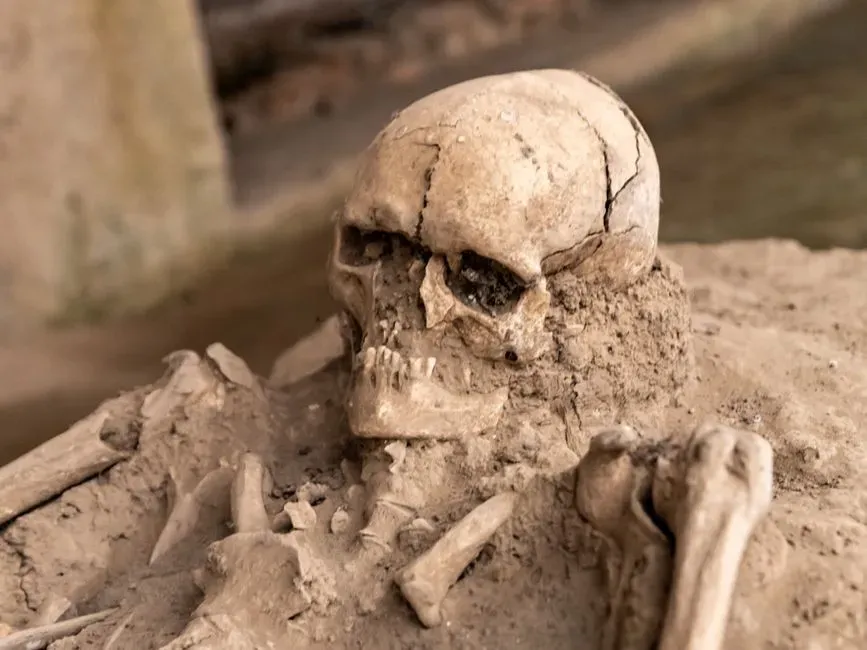
Archaeology has always attracted hoaxes, and the last fifteen years are no exception. Every so often, someone produces a “mysterious artifact” with no clear origin, accompanied by a dramatic story about how academics refused to touch it. In many cases, the object crumbles under basic scrutiny: materials do not match the claimed age, toolmarks suggest recent manufacture, or stylistic details are copied from well‑known museum pieces. By the time this debunking happens, the myth has often already sunk deep roots online.
These stories take on a life of their own, repeated and embellished until they sound like well‑documented cases of suppression. Yet if you try to trace them back, there is usually no dig site, no excavation permit, no field team, and no verifiable publication attempt. What exists is a performance: a hoax framed in advance as something “they” will never accept, so that inevitable rejection becomes rhetorical fuel. It is an elegant narrative trick, but it has very little to do with how real archaeological practice works.
13. Why the Exact Scenario in the Title Does Not Match Reality
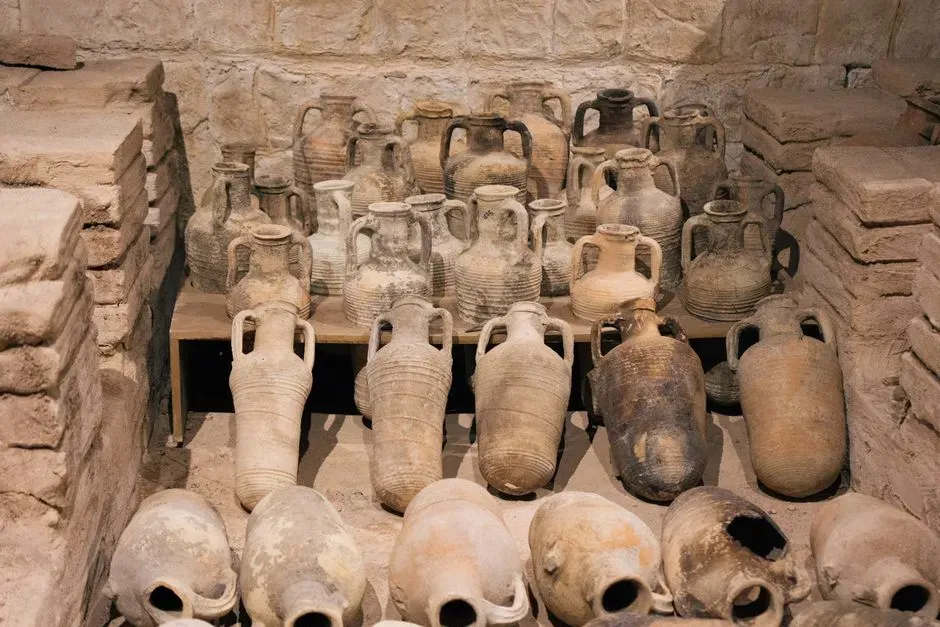
When you add all these strands together – real politics, ethical limits, underfunding, media distortion, and fringe frustration – you get a messy, imperfect, but mostly visible system. Within that system, it is entirely reasonable to say that some claims do not make it into journals, that some sites are under‑reported, and that some objects are treated with extra discretion. What the evidence does not support is the precise picture painted in the headline: fifteen clear, identifiable archaeological finds from roughly the last fifteen years that have been actively and collectively declined for inclusion in any academic publication at all.
That kind of list would require a level of documentation and cross‑institutional coordination that simply is not there. If such cases existed in a robust way, you would expect at least a few leaked field reports, internal memos, or independent replications to surface by now. Instead, what you find are scattered rumors, anecdotes without verifiable details, or older, rehashed stories pushed into a newer timeframe. The honest stance is that the title describes a powerful cultural fantasy more than an evidence‑based catalogue.
14. What This Obsession Reveals About Our Relationship With the Past
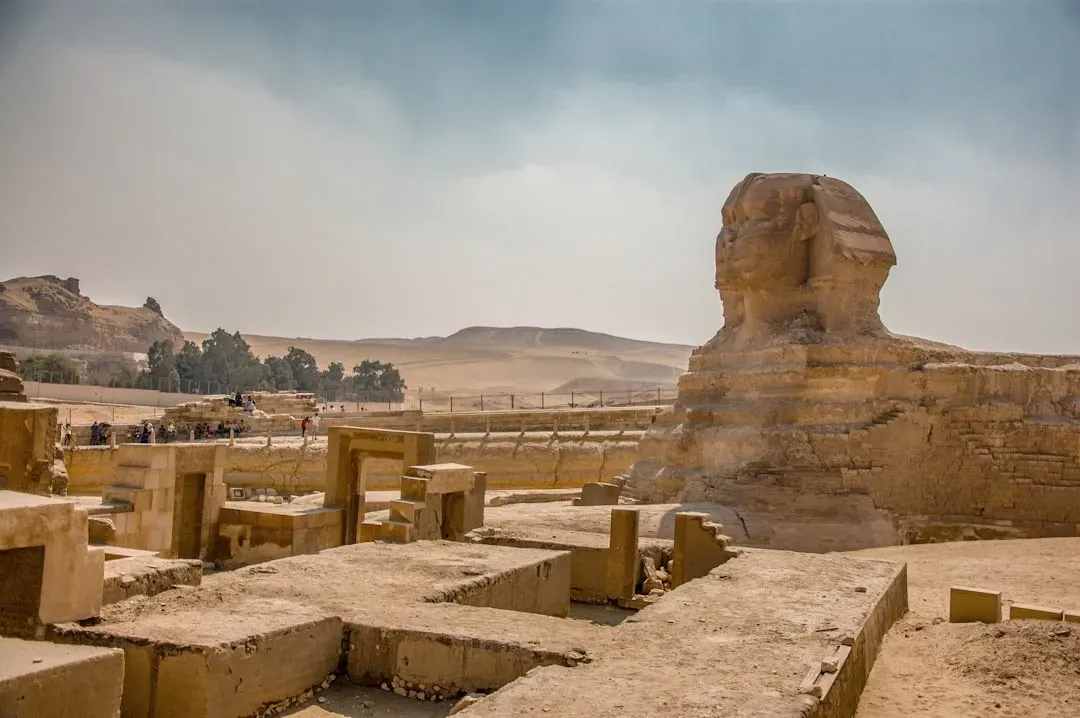
For me, the most revealing part of this whole topic is not what it says about archaeologists, but what it says about the rest of us. The hunger for stories about hidden finds is, in a way, a compliment to the power of the past. We sense that ancient history matters to who we are now, so we imagine that if something earth‑shaking were dug up, it would be dangerous enough for someone to want to bury it again. In a moment when many people feel powerless, it is oddly comforting to believe that there are buried truths waiting to flip the script.
At the same time, this obsession can be a distraction. It pulls attention away from very real struggles over heritage, repatriation, and whose voices are heard in telling the story of a site. While we chase rumors of fifteen forbidden discoveries, we risk ignoring much more concrete issues: communities fighting to protect sacred places, or archives that lack funding to process the material they already have. The idea of suppressed finds is dramatic; the slow work of fairer, more inclusive archaeology is less flashy but ultimately far more transformative.
15. Conclusion: The Real Scandal Is Boring, and That Is Exactly the Point
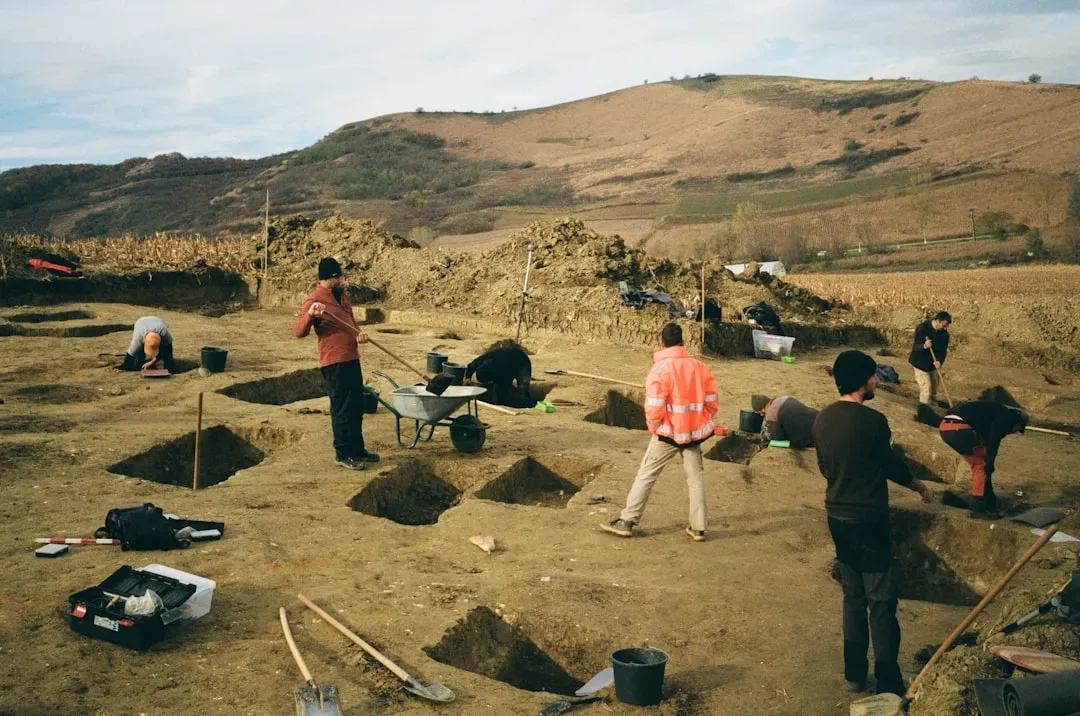
If you came in expecting a numbered parade of blockbuster finds that scholars secretly swore never to publish, you might feel a little cheated right now. Yet the fact that such a list cannot be honestly produced is, in my view, good news. It means that despite all its flaws, modern archaeology is more chaotic than controlled, more constrained by money and time than by shadowy agendas. The real scandal is not that earth‑shattering artifacts are being deliberately hidden, but that so many ordinary, informative finds sit half‑studied because no one has the resources to do them justice.
My own opinion is blunt: clinging to tales of perfectly suppressed discoveries lets institutions off the hook for the very real, very public ways they fail – underfunding, exclusion, and slow movement on ethical reforms. It is easier to blame a secret cabal than to tackle structural problems we can actually see and measure. So instead of chasing ghosts, maybe the more radical move is to demand better support for the archaeology that already exists in the open, waiting for attention. If there is a hidden treasure in all of this, it is not a locked‑away artifact, but the unglamorous data we have been neglecting all along; which feels more unsettling to you – that there is something dramatic we are not being told, or that the real story is sitting in plain sight and we still choose not to look closely?