
Yellowstone looks like a postcard come to life: neon hot springs, roaming bison, waterfalls wrapped in mist. But beneath that Instagram-perfect surface is a place that is, in many ways, trying to kill you. The park is sitting on a restless supervolcano, laced with acidic pools, sudden geyser explosions, and wildlife that doesn’t care how many followers you have. It is not a theme park. It is one of the most dangerous wild landscapes in North America, politely wrapped in boardwalks and gift shops.
I remember the first time I realized this. I was standing near a boiling hot spring, watching bubbles churn just a few feet away, with only a thin wooden rail between me and disaster. A ranger casually mentioned that if I fell in, I would not be rescued alive. It sounded dramatic, but the more I learned about Yellowstone’s history, geology, and wildlife, the more it sank in: the park hides a long list of disturbing realities that never make it onto the brochures.
The Ground Can Literally Melt You
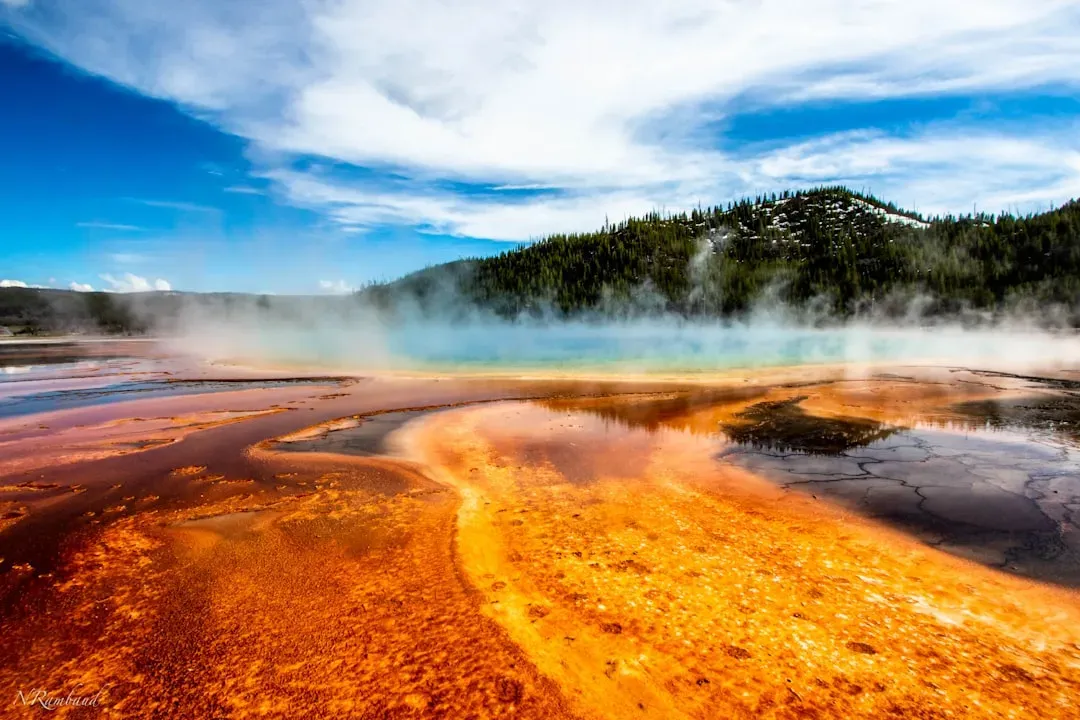
One of the most unsettling truths about Yellowstone is that the ground you walk on is not always solid in the way you think. Much of the park sits on a thin crust over scalding, acidic water and mud, and in many thermal areas that crust can be as fragile as a layer of ice over a lake. It may look dry, dusty, and harmless, but take one wrong step off the boardwalk and you can punch straight through into water hot enough to dissolve flesh in seconds. Rangers know this, which is why the warning signs are everywhere, but they rarely spell out just how horrifyingly fast a mistake can turn fatal.
People tend to imagine they would have time to scramble out or be pulled to safety, but the reality is far bleaker. In several documented accidents, victims who fell into hot springs died in seconds to minutes, and in some cases, there was almost nothing left to recover. The combination of extreme heat and high acidity turns the water into a natural chemical shredder for organic tissue. It’s not just “you could get burned” danger; it’s “you might simply vanish” danger, and that’s a level of risk most casual visitors never emotionally register as they pose inches from the edge for a photo.
Yellowstone Is Sitting On A Supervolcano
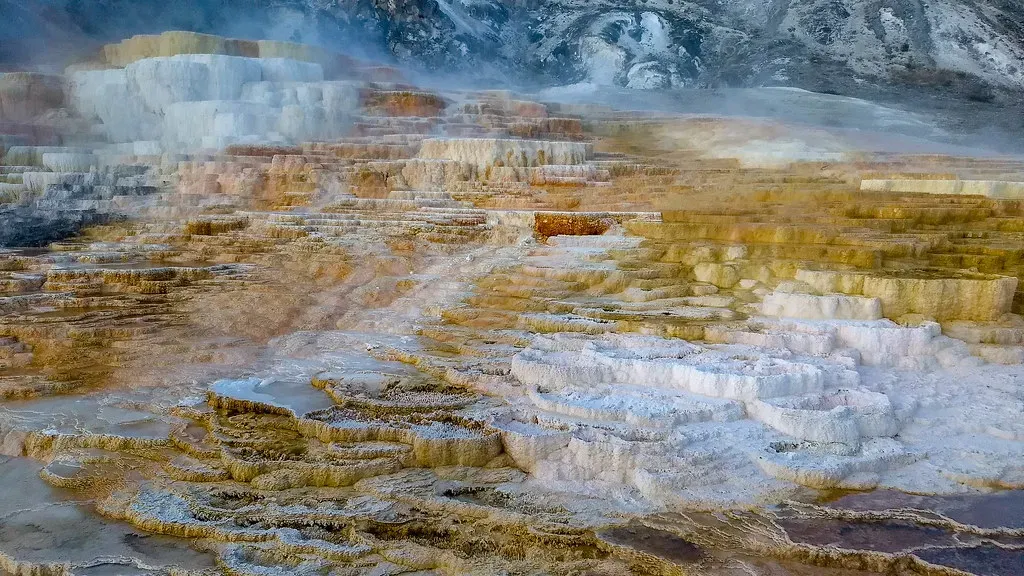
Everyone has heard Yellowstone called a supervolcano, but most people treat that like background trivia, not an ongoing reality. The entire park is basically the scar of three massive eruptions over the last couple of million years, with the last one big enough to blanket huge parts of North America in ash. Today, the ground still rises and falls, sometimes by several centimeters over a few years, as magma and fluids shift underground. That slow breathing of the earth is a reminder that the system is not dead; it’s just quiet on human timescales.
Scientists watch Yellowstone closely with GPS stations, seismometers, and gas sensors, precisely because it is capable of eruptions large enough to seriously affect climate and global agriculture. The good news is that the odds of a truly catastrophic super-eruption in any given human lifetime appear to be low based on current understanding. The disturbing part is that “low” is not “impossible,” and a smaller but still serious eruption, or a series of violent hydrothermal explosions, is entirely plausible. When you are standing there eating a sandwich by Old Faithful, you are essentially hanging out on the thin crust of one of the most powerful geologic engines on the planet.
Geysers And Hot Springs Can Explode Without Warning
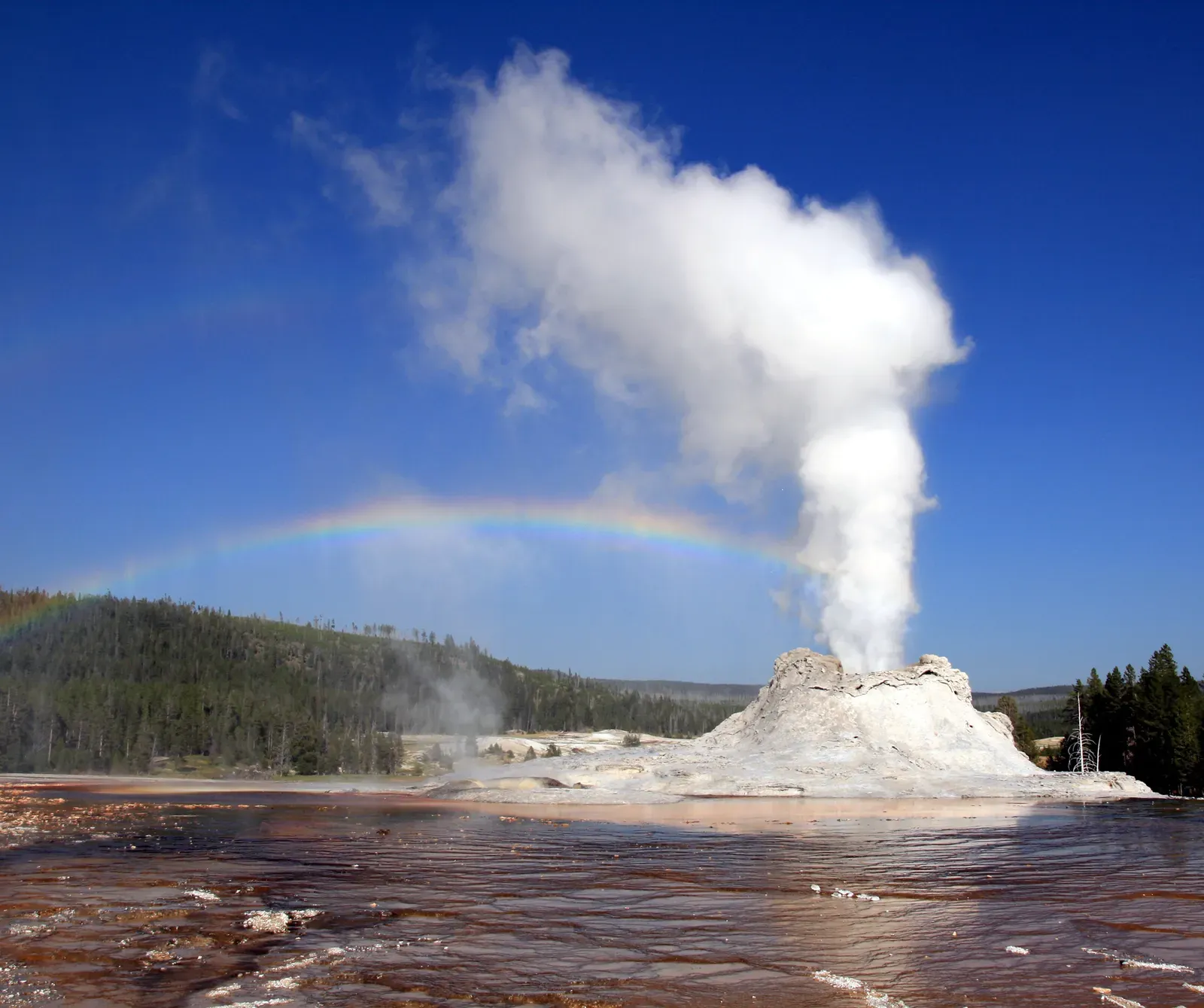
Old Faithful is carefully framed as predictable and friendly, like a well-trained family dog of the geothermal world. That image is misleading. Geysers and thermal features operate under chaotic underground plumbing systems made of cracks, vents, and chambers that can shift quickly. Pressure can build beneath rock or mineral crusts until, without much surface warning, the system blows apart in a violent steam and rock explosion. These hydrothermal explosions can fling boulders, boiling water, and mud over surprisingly large distances.
While the park posts predicted eruption times for some geysers, those predictions are based on recent behavior, not long-term guarantees. Thermal features can suddenly go dormant, become more active, or change eruption styles entirely. There have been episodes in the past where new explosive vents opened near roads or boardwalks, and trees were snapped or stripped by sudden blasts. The image of a calm, scheduled geyser show hides the reality that Yellowstone’s hydrothermal heart is unstable, and every time you walk through a basin you are threading your way through a field of pressurized, temperamental plumbing.
Wildlife Injuries Are Way More Common Than Bear Attacks
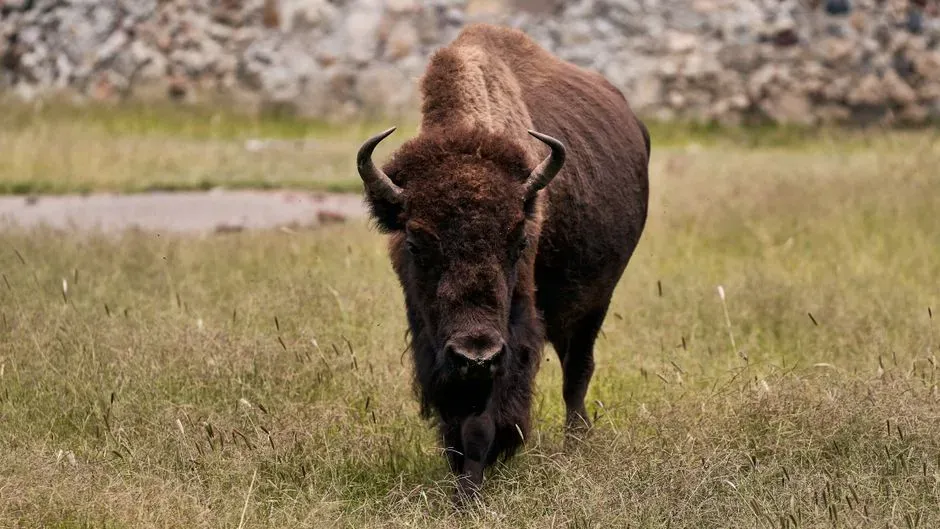
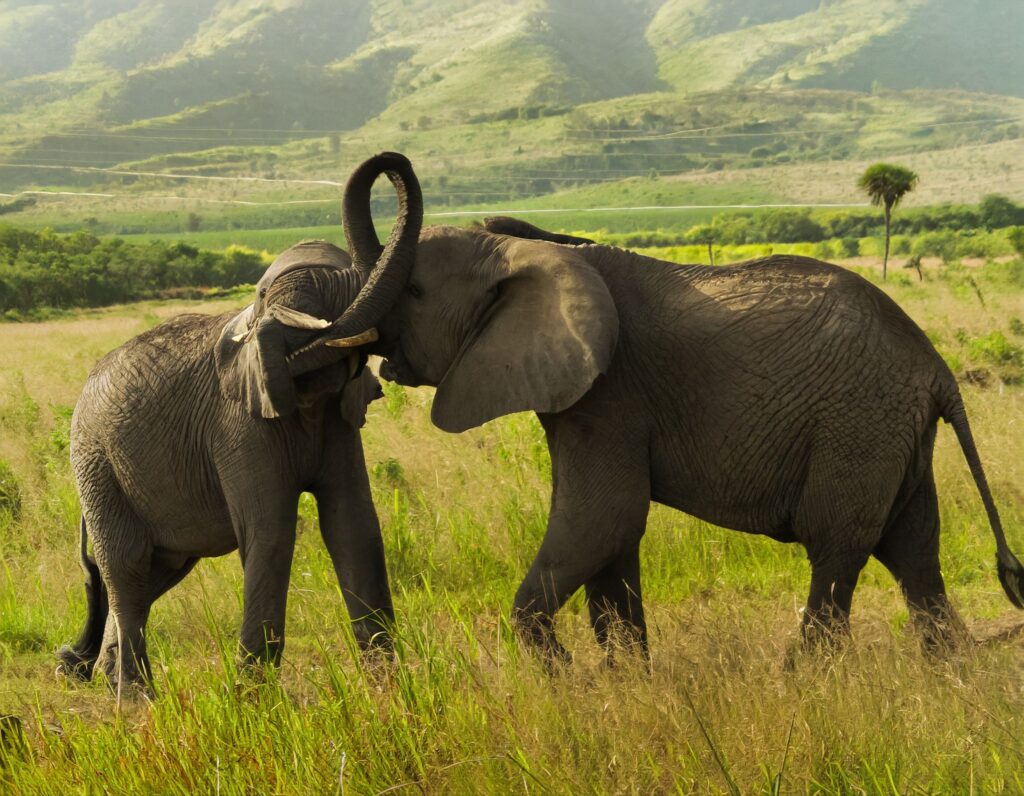
When people worry about Yellowstone, they tend to fixate on grizzlies, imagining cinematic encounters with roaring bears on cliff edges. Bears are absolutely dangerous and rightly feared, but what rangers quietly see far more often are injuries from animals people consider “safe.” Bison, elk, and even deer injure visitors every year, often because someone wanted a closer photo or misread calm posture as tolerance. A bison can go from still to charging in the time it takes you to adjust your phone camera, and they are massive, fast, and capable of tossing a person high into the air.
The statistics are sobering when you compare the risk. In many years, incidents involving bison send more people to the hospital than bear encounters. Elk, especially during calving or rutting seasons, can become aggressively territorial, launching surprise charges in parking lots, campgrounds, and picnic areas. The disturbing part is that many of these injuries are totally preventable, but modern habits of treating wildlife like props or background scenery override common sense. The park looks like a giant open zoo, but nothing in it is tame, and the animals are not obligated to warn you before they use their full power.
The Water Is Much Colder And More Dangerous Than It Looks
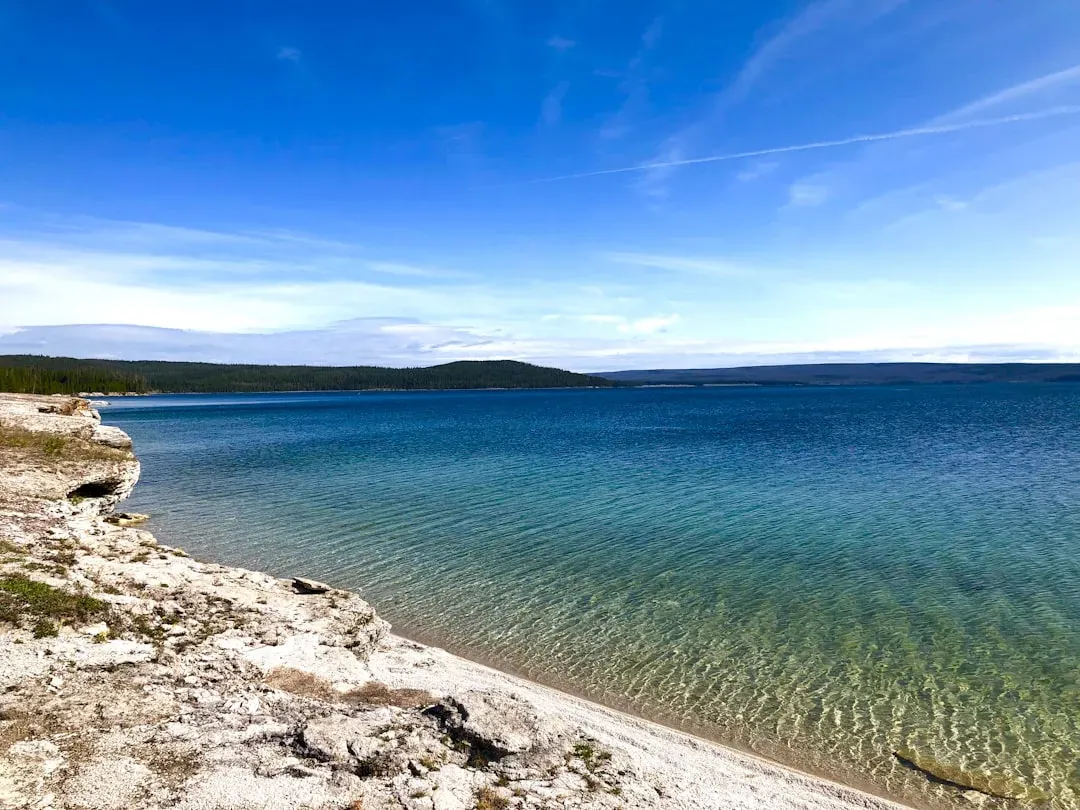
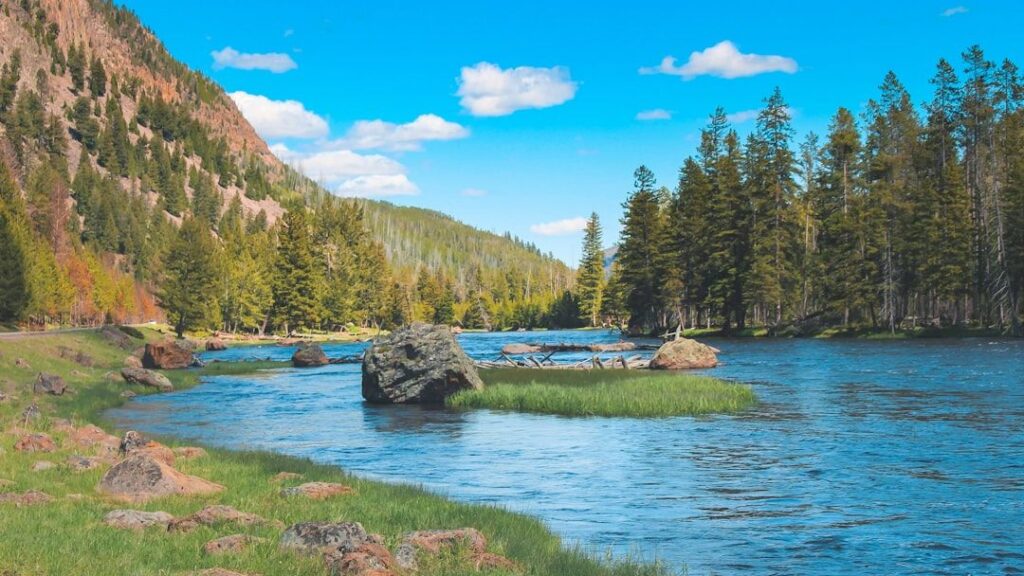
Yellowstone’s rivers and lakes can look inviting on a hot summer day: clear, sparkling, edged with pebbles and pines. But the water in many places is brutally cold, fed by snowmelt and high-elevation streams. Falling in is not just about getting wet; hypothermia can set in very quickly, draining your strength, coordination, and ability to think clearly. Even strong swimmers can be overwhelmed by cold shock, fast currents, or sudden drop-offs just a few feet from shore.
Yellowstone Lake in particular has a scary reputation among search and rescue teams. Its depths are frigid even in midsummer, and the wind can whip up waves and whitecaps faster than most boaters realize. Capsized kayaks, tipped canoes, and people misjudging the water have led to drownings where victims had very little time to react. The presence of stunning thermal features around the lake can give the false impression that the water itself must be warmer than it is, but it remains, in most areas, a giant, ice-cold, unforgiving reservoir that does not offer second chances.
The Park Has A Hidden History Of Grisly Fatalities
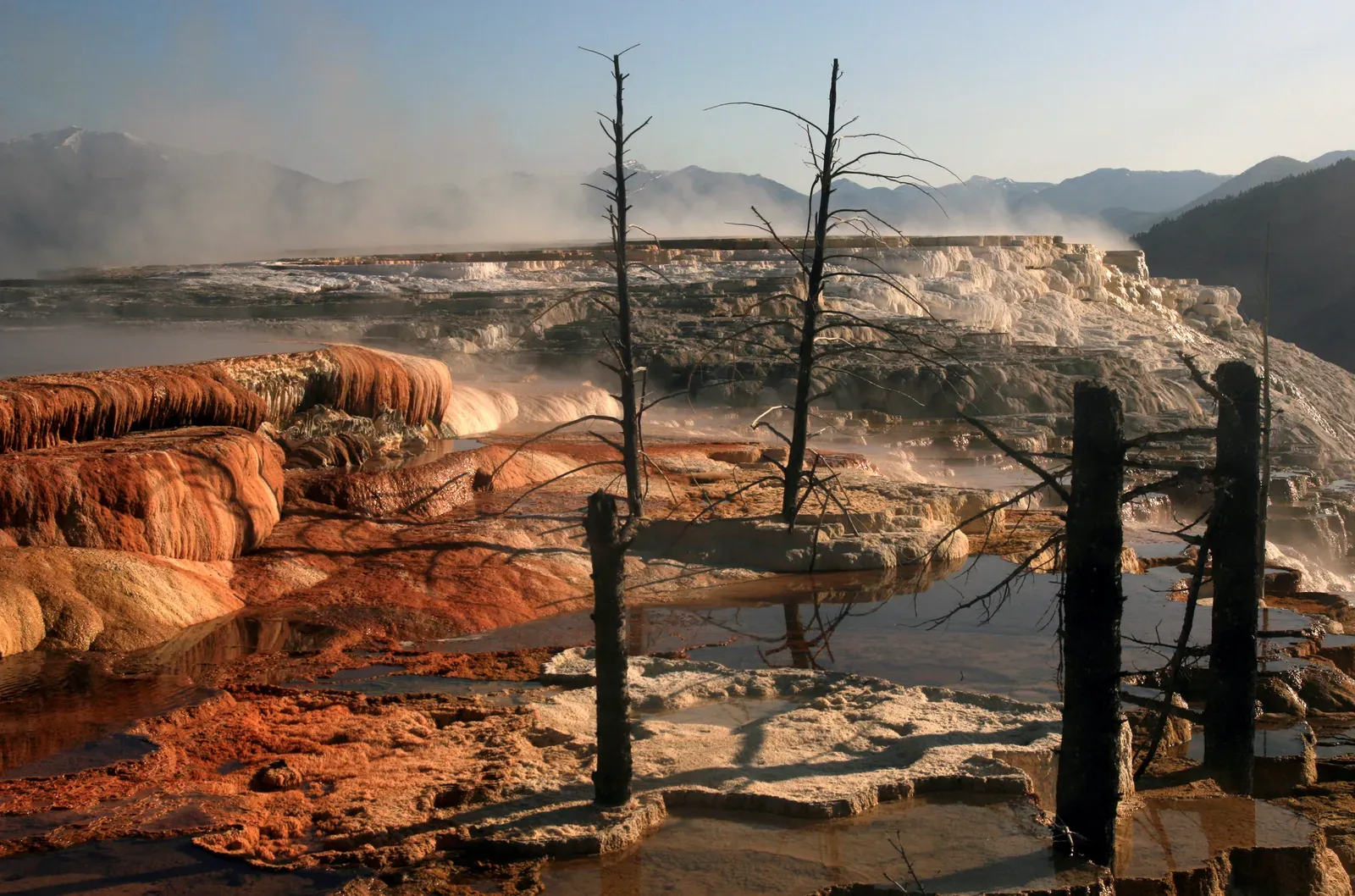
What most visitors never see are the detailed incident reports that park staff and law enforcement read. Over the decades, Yellowstone has accumulated a long and unsettling catalog of deaths: falls from cliffs, scaldings in hot springs, drownings, wildlife attacks, carbon monoxide poisonings, and suicides. The stories range from tragic accidents to people who deliberately stepped off boardwalks after ignoring warnings, and the grim outcomes often haunt rescuers and rangers far more than any ghost story ever could.
These cases are not highlighted on visitor center posters because they would terrify families and potentially overwhelm the experience with fear. Yet the emotional weight of this history shapes how rangers talk, or do not talk, to the public. When a ranger’s advice sounds blunt or overly strict, it is usually because they know exactly how bad it can get when a simple moment of overconfidence goes wrong. The disturbing fact is that, beneath the brochures and friendly interpretive signs, Yellowstone is littered – sometimes literally – with the consequences of underestimating nature.
Thermal Pools Can Emit Toxic Gases You Never See
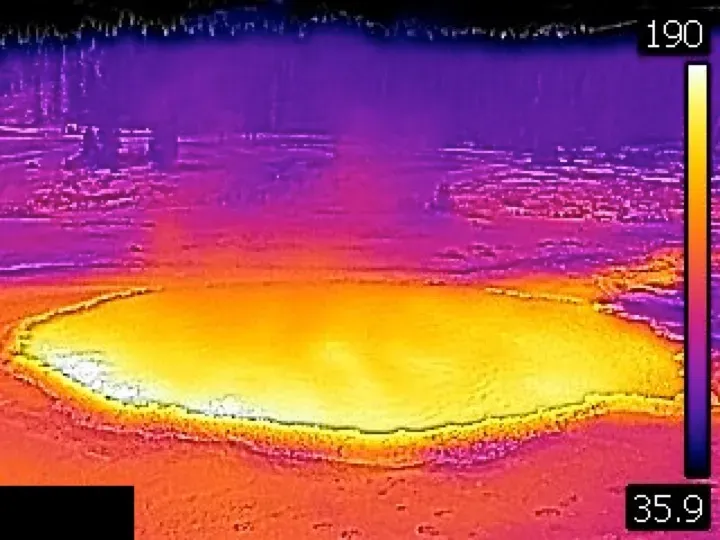
Most people notice the rotten-egg smell around some thermal features and joke about it, assuming it is just harmless stink. In reality, Yellowstone’s hot springs and vents can emit a cocktail of gases, including hydrogen sulfide and carbon dioxide, that can become dangerous at high concentrations or in low, poorly ventilated areas. Hydrogen sulfide in particular can be fatally toxic if you breathe enough of it; in high doses it can knock you unconscious so fast you do not even have time to move away.
There have been incidents in geothermal areas around the world where hikers or workers collapsed from inhaling heavy, invisible pockets of these gases. In Yellowstone, open, breezy environments usually disperse them quickly, which is why mass fatalities are rare. But the risk is not zero, and staff are well aware that certain conditions, like still air on cold mornings, can let gas accumulate close to the ground. It is unsettling to realize that the colorful pool you are admiring might also be quietly exhaling a gas that is perfectly capable of killing you if you linger in the wrong spot at the wrong time.
Dead Animals Sometimes Dissolve In The Hot Springs
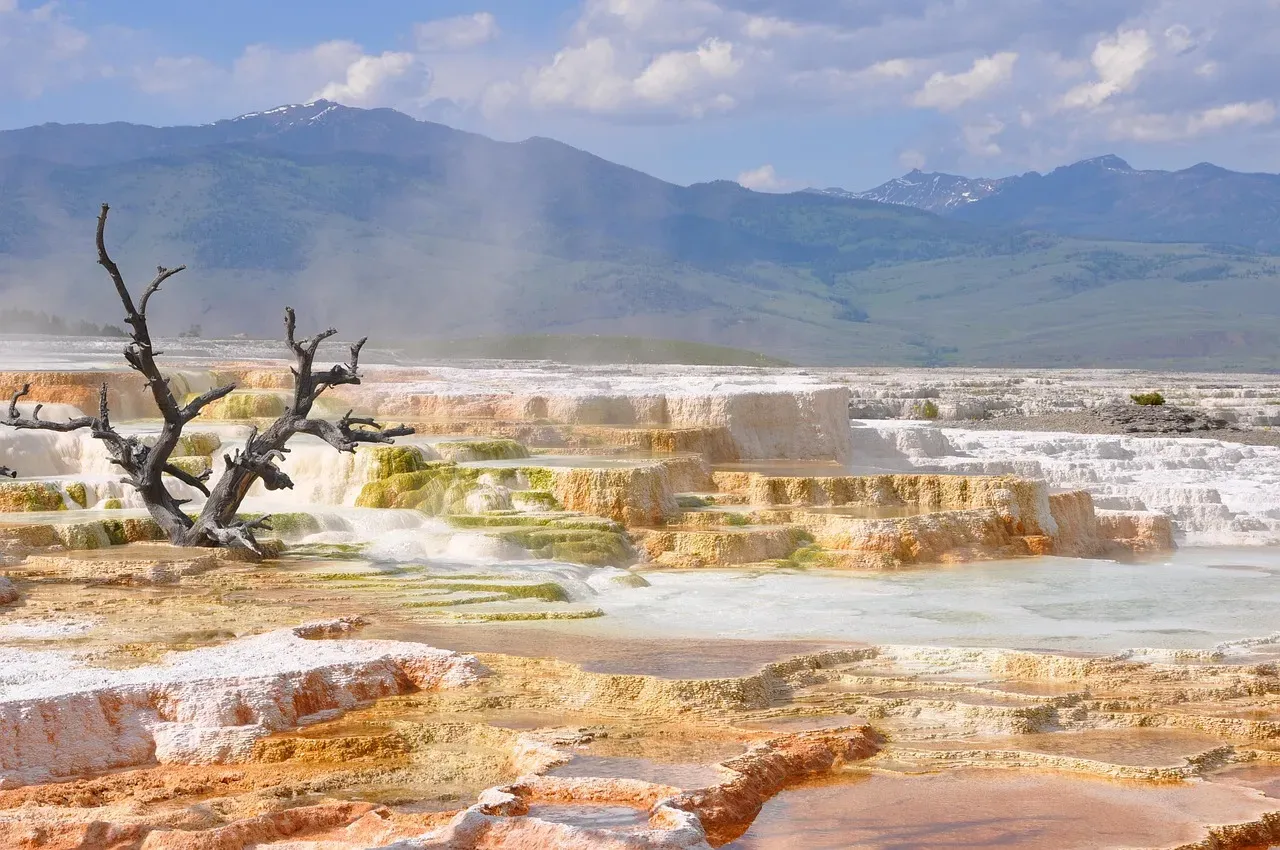
Yellowstone is not just dangerous for humans; it is lethal for wildlife too. Animals sometimes wander into thermal areas, fall through thin crusts, or stumble into hot pools and streams. In many of those cases, their bodies are never recovered intact. The same superheated, mineral-rich, often acidic water that can destroy human tissue will do the same to animal remains, turning bodies into fragments and then into nothing. It is a harsh, almost sci‑fi fate that feels more like something from a horror movie than a family vacation spot.
Occasionally, visitors or rangers spot bones or partial carcasses near thermal features, silent evidence of recent tragedies they will never fully reconstruct. The ecosystem recycles everything fast, from microbes digesting tissue in hot water to scavengers cleaning up whatever washes out onto cooler ground. It is a reminder that Yellowstone does not play favorites: bison, elk, bears, and people are all made of the same vulnerable materials when exposed to the park’s extremes. The postcard beauty hides an efficient, ruthless process constantly erasing mistakes and missteps from view.
Microbes Here Thrive In Conditions That Would Kill You
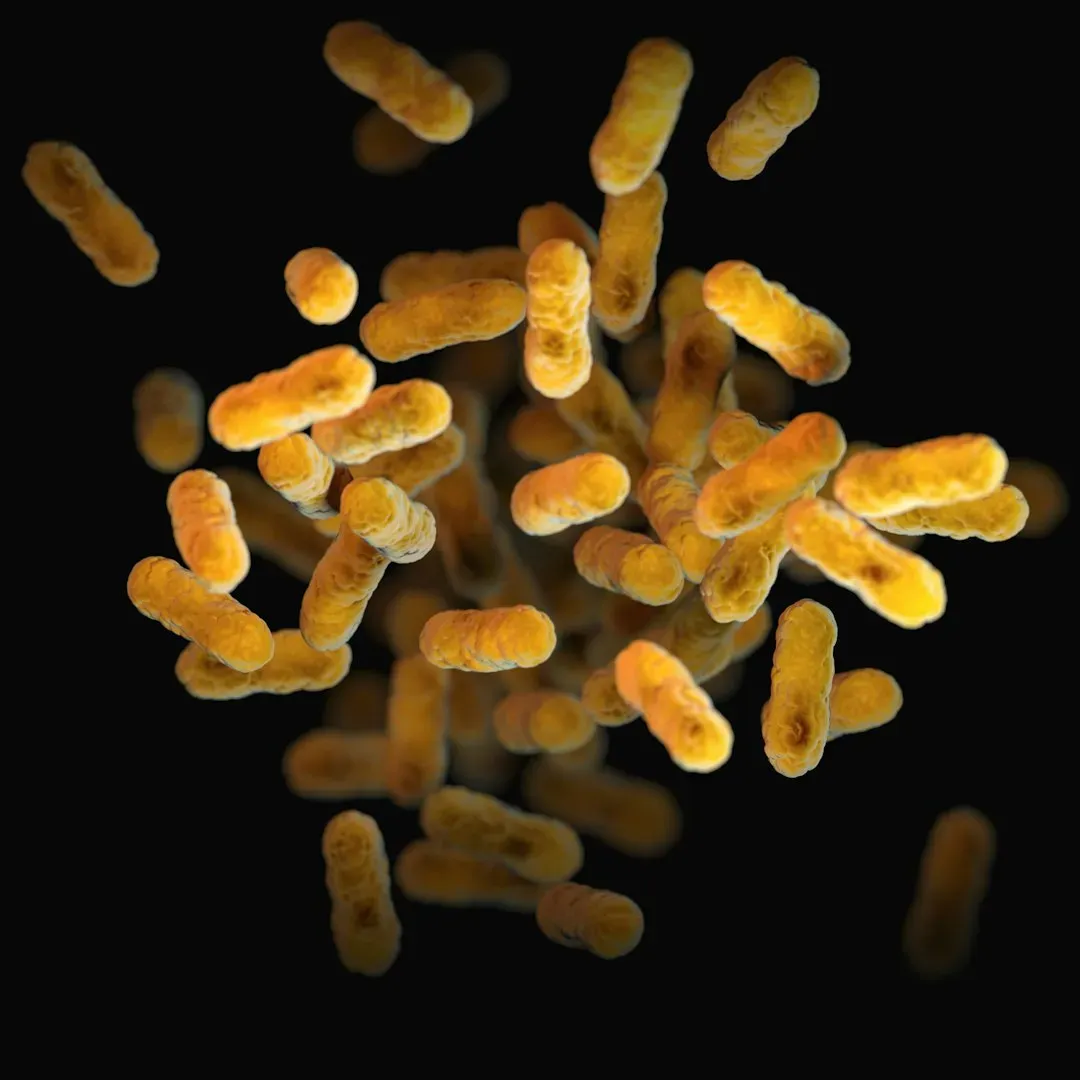
The glowing blues, oranges, and greens in Yellowstone’s hot springs are not just pretty colors; they come from microscopic life-forms that actually prefer boiling, acidic environments that would destroy human skin and internal organs. Some of these thermophilic microbes are so specialized that they can only live within narrow bands of temperature and chemistry, forming delicate rings of color around hot pools. You are basically looking at creatures that treat what we call “inhospitable” as home, thriving where we would die in seconds.
Scientists study these microbes because they may resemble early life on Earth or even hypothetical life on other planets with extreme environments. That is inspiring on one level and deeply unnerving on another. It highlights just how fragile our own comfort zone is compared to life’s broader possibilities. Yellowstone is a living lab underscoring that we are not the default template for survival; we are one narrow experiment, temporarily succeeding in a very small slice of environmental conditions, surrounded by organisms who would find our body temperature and blood chemistry hopelessly lethal.
The Park Can Turn On You In A Single Storm Or Cold Snap
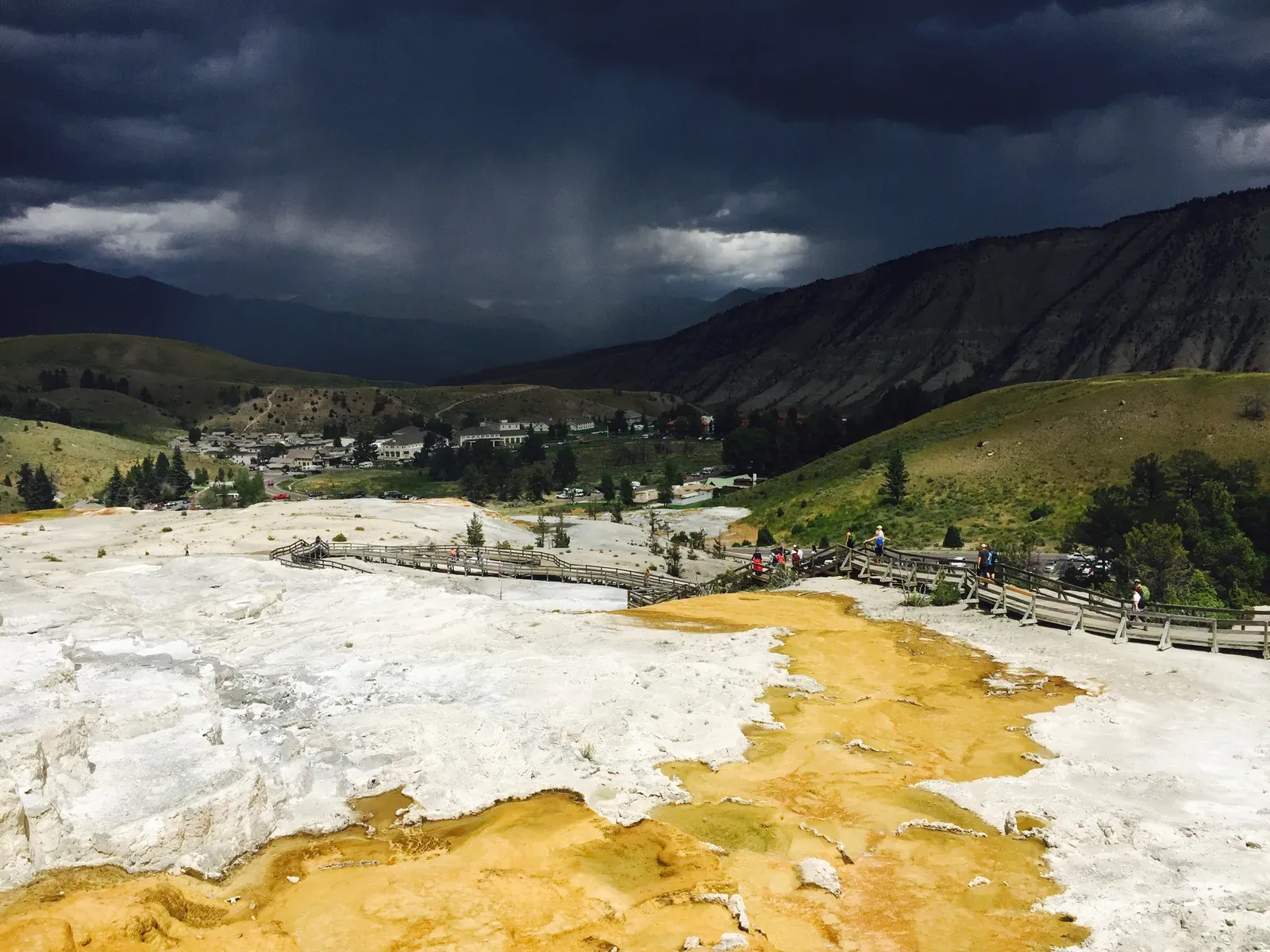
Summer visitors often underestimate how extreme Yellowstone’s weather can be, especially at higher elevations. You can go from T‑shirt sunshine to sleet, hail, or even snow in what feels like minutes, particularly during afternoon storms. Temperatures can swing dramatically between day and night, and thunderstorms bring lightning that has struck trees, open fields, and occasionally people. A pleasant day hike can suddenly become a fight against cold, wet clothes, slippery trails, and rapidly fading light.
Plenty of search and rescue callouts begin with someone saying they only planned a short walk and did not expect conditions to change so fast. When you layer in altitude, dehydration, and fatigue, even a modest storm can become life-threatening if you are unprepared. The disturbing part is not that Yellowstone has rough weather – that is expected in the mountains – but how violently and quickly that weather can change, trapping people who thought they were playing it safe near popular, well-visited areas. The park does not need a major eruption to become dangerous; a single badly-timed storm will do.
You Are A Long Way From Real Medical Help
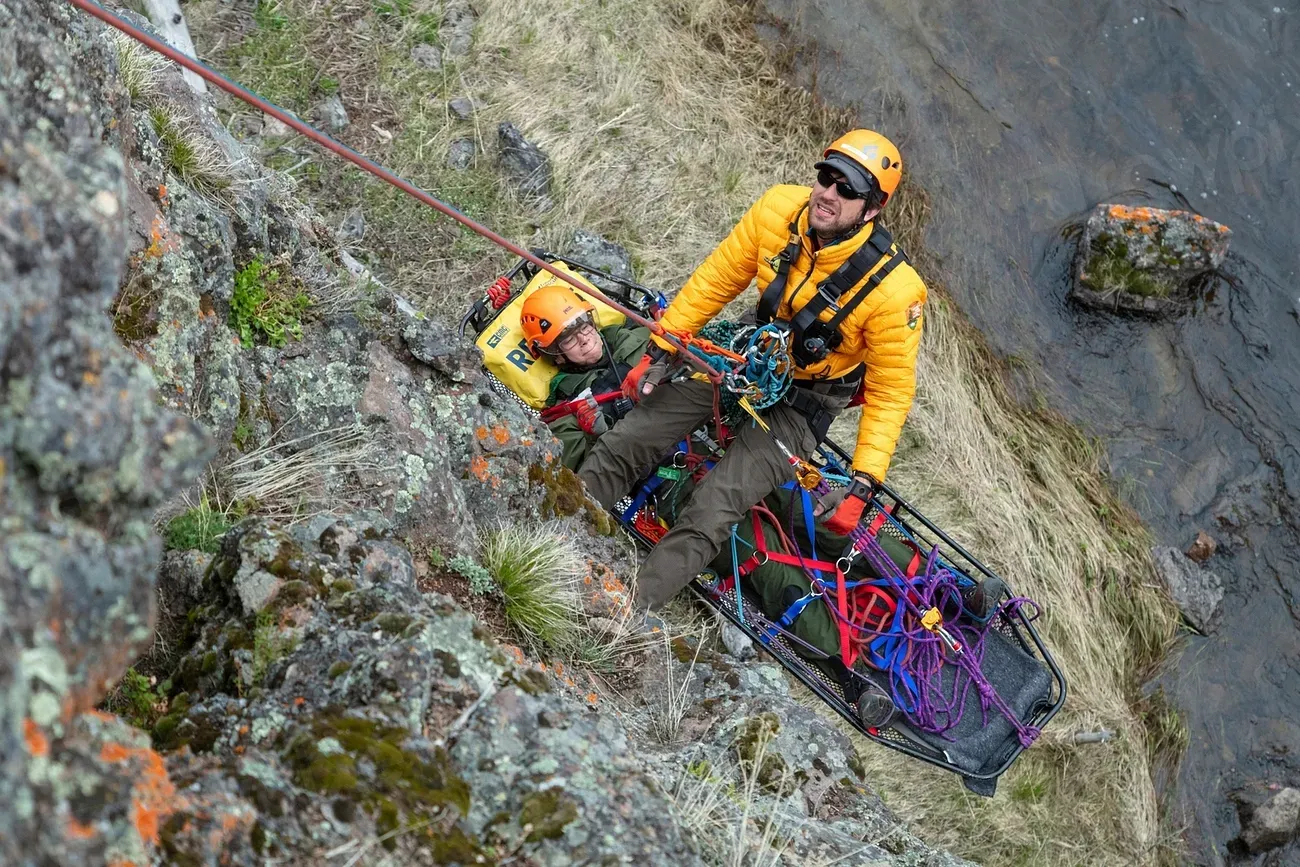
Yellowstone has medical clinics and highly trained rangers, and they do a remarkable job considering the size of the park. But if something truly serious happens – a heart attack on a remote trail, a major trauma from a fall, a deep burn from thermal water – you are still hours away from a fully equipped hospital and specialized care. Helicopters help when conditions allow, but weather, darkness, and terrain can delay or prevent flights. That lag between injury and treatment can turn survivable accidents into fatal ones.
This isn’t a criticism of the park; it is a reality of wilderness. Many visitors arrive with an unconscious assumption that help will appear quickly, the way it might in a city or suburb. The truth is that you are often your own first responder, and the second and third responders may be tired rangers hiking uphill with heavy packs. That distance from modern medical infrastructure is part of what makes Yellowstone feel wild, but it is also one of the most disturbing facts: if you or someone you love gets badly hurt, the clock starts ticking, and the system cannot always beat the deadline.
Missing People And Unsolved Incidents Linger In The Background
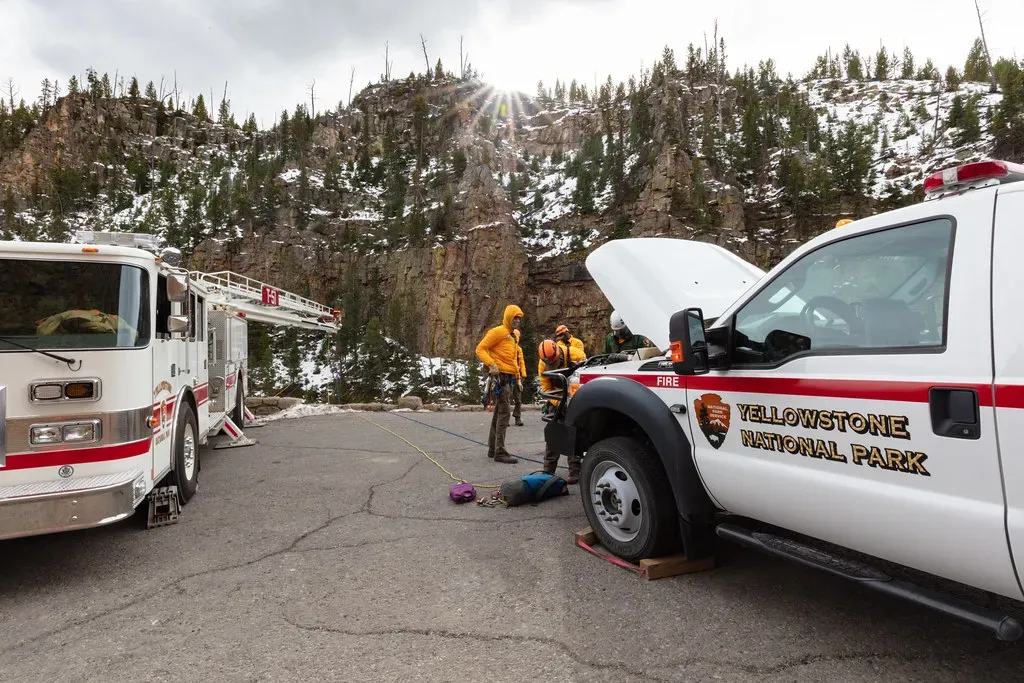
Like any huge, remote wilderness, Yellowstone has its share of missing persons and unresolved incidents. Some involve hikers who vanished in rugged terrain, never conclusively found. Others are people believed to have drowned, whose bodies were never recovered due to deep water, cold temperatures, and fast currents. Over time, these unresolved stories accumulate, becoming a quiet, uneasy background hum for those who work in the park year after year.
These cases rarely make big headlines, and many visitors never hear about them. But ask rangers who have been around long enough, and they will often recall specific names, faces, or search operations that ended without closure. There is something particularly haunting about a place that can simply absorb a person and keep its secrets. Yellowstone is not just scenic; it is vast, complex, and full of places where, if you disappear, the landscape may choose never to give you back.
The Roads You Drive Can Be Shockingly Fragile
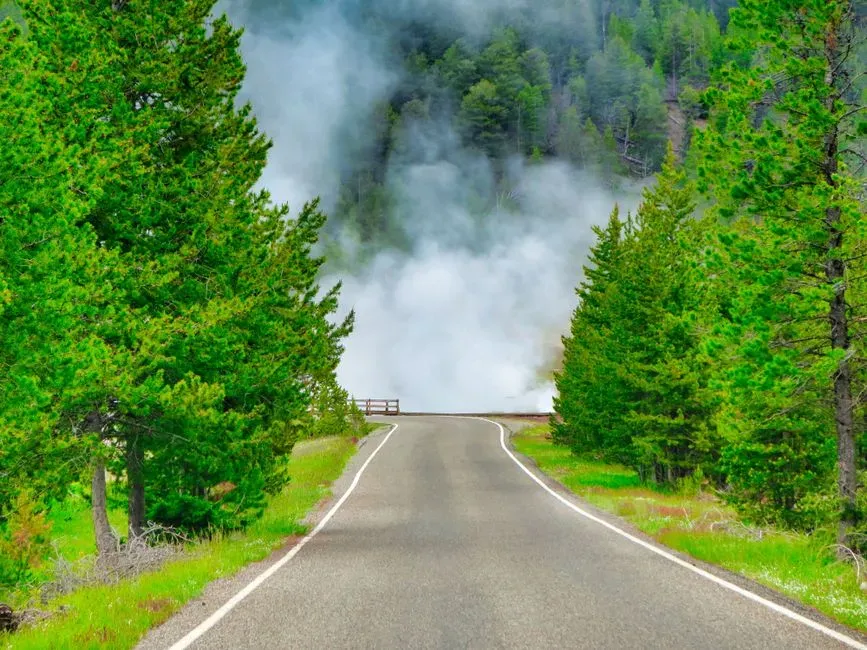
It feels reassuring to stay in your car, as if pavement equals safety and control. Yet Yellowstone’s roads thread through a geologically unstable landscape, crossing areas prone to landslides, rockfall, and even slow-moving ground driven by underlying hydrothermal or geological activity. In some seasons, long cracks, sinking lanes, or buckled asphalt suddenly appear as the ground shifts beneath. Heavy rain, snowmelt, or heat waves can quietly undermine slopes until, one day, a portion of road collapses or washes out.
There have been dramatic episodes where sections of road near thermal areas warped or failed because heat and underground water flows changed. From the driver’s seat, it all feels solid, but in reality that narrow strip of asphalt is always in negotiation with the forces below and around it. If something catastrophic happens – like a landslide or undercut roadway – you may have little time to react. The disturbing truth is that, in Yellowstone, your car is not a fortress; it is just another fragile object perched on an active, restless surface.
Even Rangers Live With A Constant Level Of Risk
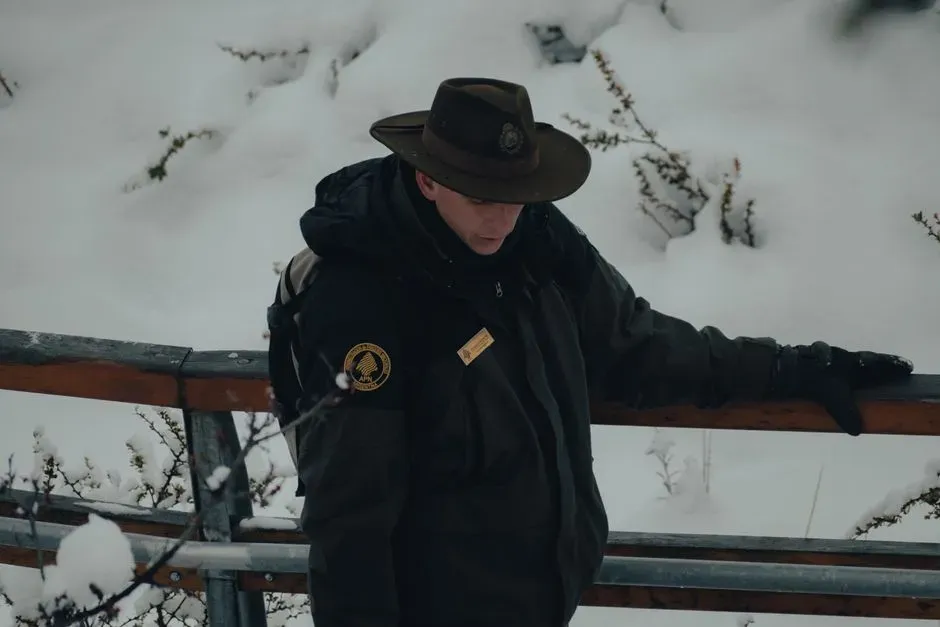
Visitors tend to see rangers as invincible, part of the landscape, completely at home in every condition. What they do not see is that rangers regularly put themselves in harm’s way: approaching unpredictable wildlife to move tourists back, entering dangerous terrain for search and rescue, working near cliffs and rapids, and patrolling remote areas in all kinds of weather. Even routine tasks can involve risk, from clearing fallen trees near power lines to managing traffic around steam vents and unstable ground.
Many rangers quietly collect near misses that they remember for the rest of their lives: a lightning strike too close for comfort, a rockfall that barely missed, a bison that fake‑charged a little too convincingly. The public image of the smiling interpreter giving a talk at Old Faithful hides a more complex, more vulnerable reality. When rangers sound tense, strict, or insistent, it often comes from that lived experience of dancing on the edge of Yellowstone’s dangers. They know, better than anyone, how quickly an ordinary day in the park can pivot into a nightmare.
Conclusion: Yellowstone Is More Beautiful – And More Ruthless – Than The Brochures Admit
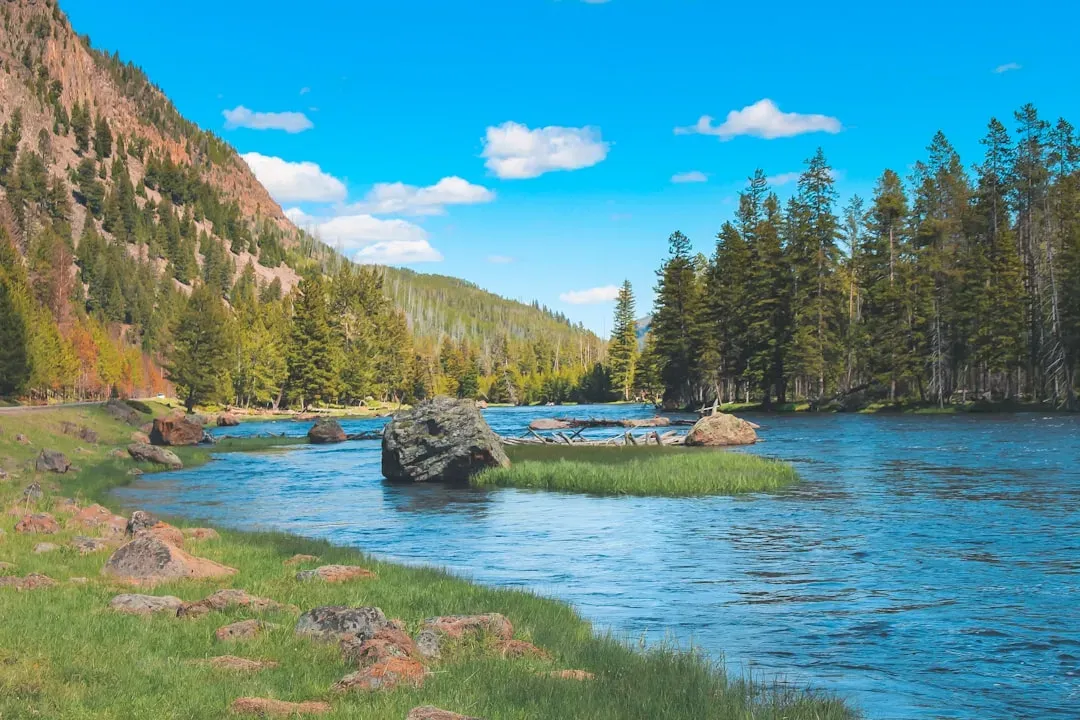
Yellowstone is not just a pretty backdrop for road trips and selfies; it is a giant, simmering reminder that the Earth is still wild and indifferent. The same forces that create its beauty – boiling springs, explosive geysers, prowling wildlife, brutal storms, and deep cold – are the ones that make it truly dangerous. Park messaging tends to round off the sharp edges, both to keep visits enjoyable and to avoid paralyzing people with fear. But glossing over the darker side can lull us into exactly the kind of casual arrogance the park is so good at punishing.
Personally, I find Yellowstone more magical, not less, when I factor in these disturbing truths. It feels less like a roadside attraction and more like a living, breathing planet flexing under your feet, demanding respect instead of passive admiration. If anything, the real mistake is treating it like a giant outdoor museum instead of a wild system that does not care whether you go home with a good story or not. Maybe the rangers do not tell every tourist all of this because most people are not ready to hear it – but you are. The next time you stand by a steaming pool or watch a bison cross the road, will you see a park, or will you see the thin line between comfort and chaos you are standing on?