Walk through any natural history museum and the story feels finished. Glass cases, tidy placards, Latin names carved in stone like the animal kingdom got fully sorted out sometime in the 1800s. That illusion falls apart the second you step past the public floor.
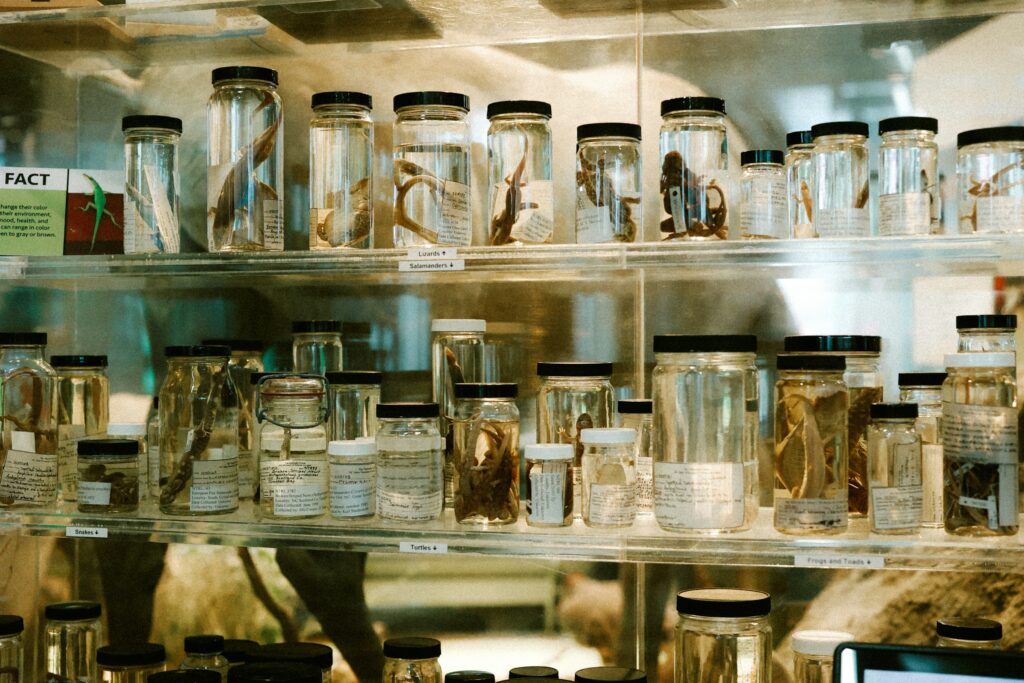
Behind the scenes, in drawers, jars, and freezers most visitors never see, sit thousands of real, physical specimens that don’t match anything in the books. Not extinct legends, not cryptid rumors – actual preserved animals collected decades ago that science looked at, scratched its head, and quietly filed away as “unnamed.” Here are 14 of them, and the reasons some have waited half a century for a name that may never come.
#14 – The Drawer Full Of “Species A, B, C” Beetles
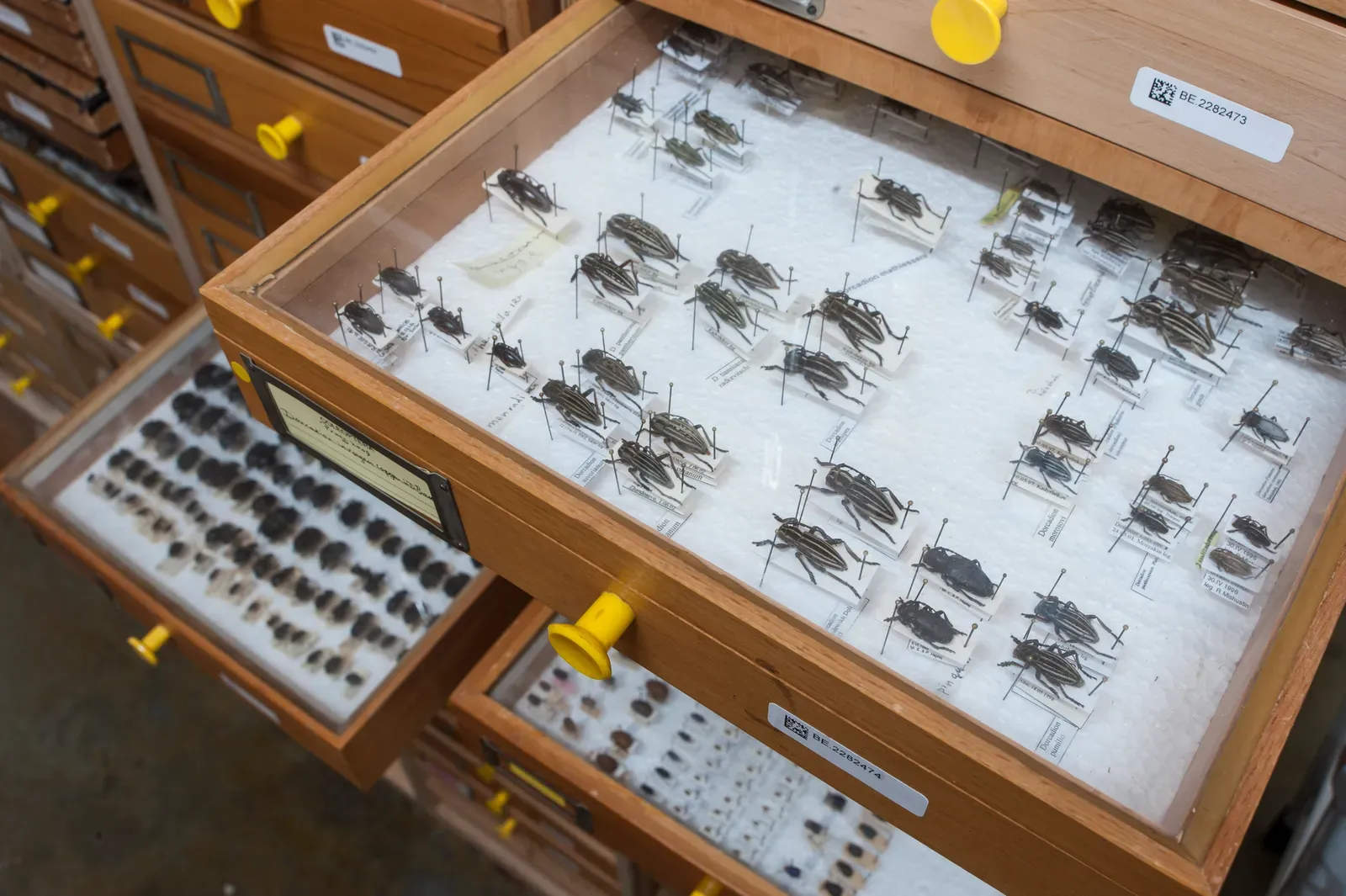
Ask any insect curator off the record and they’ll admit it: drawers labeled “sp. A,” “sp. B,” and “sp. C” are everywhere. It’s shorthand for “definitely new, but nobody’s finished the paperwork.” A researcher retires, a grant dries up, a newer project steals the funding – and the beetles just freeze in limbo, sometimes for generations.
For ground beetles, longhorns, leaf beetles, and weevils, the backlog is staggering. Some entomologists estimate that in major institutions, more undescribed beetle species sit quietly in cabinets than appear in the published catalogues of entire countries. Wrong genitalia shape, odd proportions, strange coloring – they’ve been examined just enough to know they’re different, and not nearly enough to get a name. Next up, the mystery gets a lot wetter.
Fast Facts
- Beetles (order Coleoptera) already include roughly 400,000 described species – about 25% of every known animal species on Earth.
- Some estimates put the true total anywhere from 900,000 to over 2 million beetle species, described and undescribed combined.
- That gap means even after centuries of formal taxonomy, most beetles alive today may still be scientifically nameless.
#13 – The Jellyfish That Exist Only In Jars
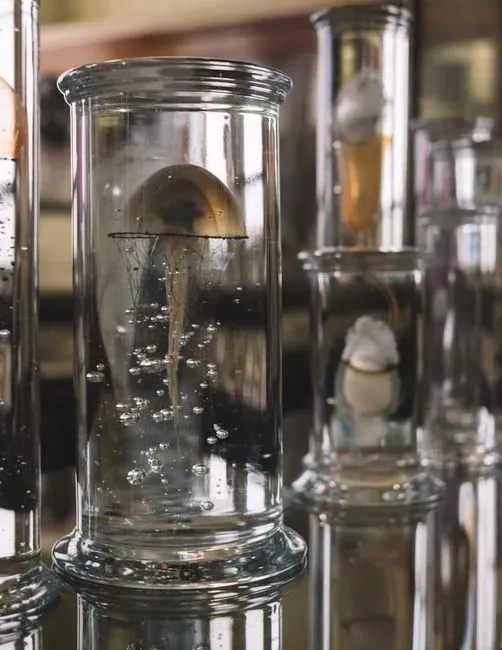
People picture jellyfish discoveries happening on glamorous research cruises. In reality, several “new” jellyfish species exist only as one or two jars pulled from a museum basement. A collector in the 1970s scooped one up, scrawled a vague label like “off Chile, 200–400 m,” and moved on with their life. Decades later, a specialist opens that jar and realizes nothing on Earth matches it.
Part of the problem is that jellyfish are shapeshifters – their form changes with age and water conditions, so proper identification usually needs live observation, not just a shrunken bell in formalin. And formalin is brutal on DNA, which means genetics often can’t rescue the case either. So these animals sit in databases under the vague, almost apologetic label “undescribed hydromedusa,” real but nameless. Fish beat jellyfish for pure creep factor, though.
#12 – The Deep-Sea Fish Known Only From a Single Net Tow
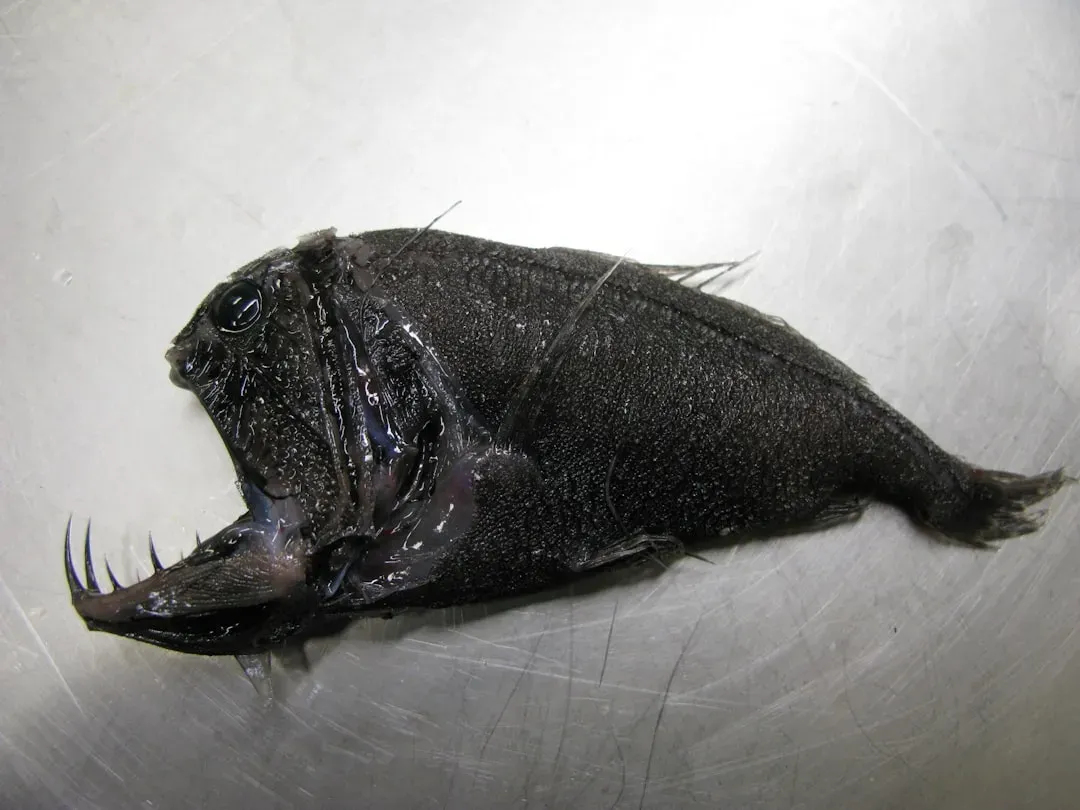
In fish collections, there are jars curators almost whisper about: one bizarre specimen, unmistakably unique, hauled up from a single deep-sea trawl decades ago with a label as vague as “South Pacific, 1500 m, 1968.” When modern ichthyologists check it against every published key, nothing lines up. Jaw shape, fin ray counts, light organ patterns – everything screams new species, sometimes even new genus.
Yet naming it is genuinely risky. Base a species on one damaged, decades-old fish and you might just be describing a freak individual, not a real lineage – and there’s often no way to go back and re-sample that exact stretch of ocean. But deep-sea diversity is so poorly explored that plenty of legitimate species really are known from a single animal. For now, these fish stay logged as “cf. sp. nov.” – acknowledged, unnamed, waiting. Compared to what’s hiding in DNA databases next, this is almost tame.
#11 – The “Barcode-Only” Moths Without Faces
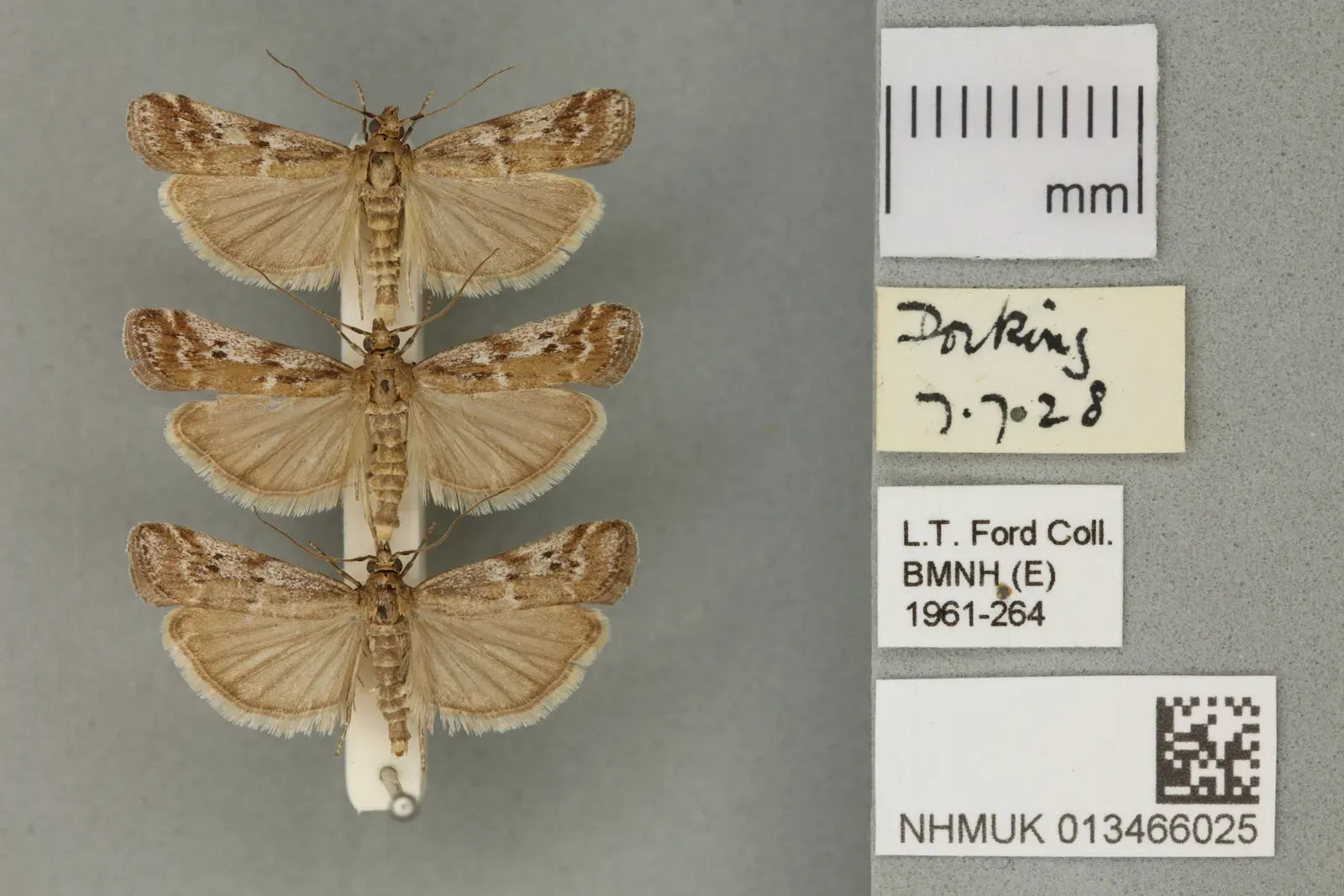
DNA barcoding created a strange new kind of museum ghost over the past twenty years. Researchers clip a leg off a preserved moth, sequence it, and upload it to genetic databases like BOLD. Over and over, they find clusters of barcodes that are clearly distinct from any named species – sometimes diverging by 3 to 8 percent in their DNA, far beyond normal variation within a species.
The strange part is that many of these genetic “ghosts” have physical bodies sitting in drawers right now, logged simply as “Lepidoptera sp. 23.” Their genetic identity is unambiguous, but no one has written the formal description that would give them a name. Some scientists argue it’s reckless to name species from DNA alone; others argue ignoring these lineages during an extinction crisis is far worse. Tadpoles take the mystery to a whole new level.
#10 – The Frog Tadpoles That Don’t Match Any Adult
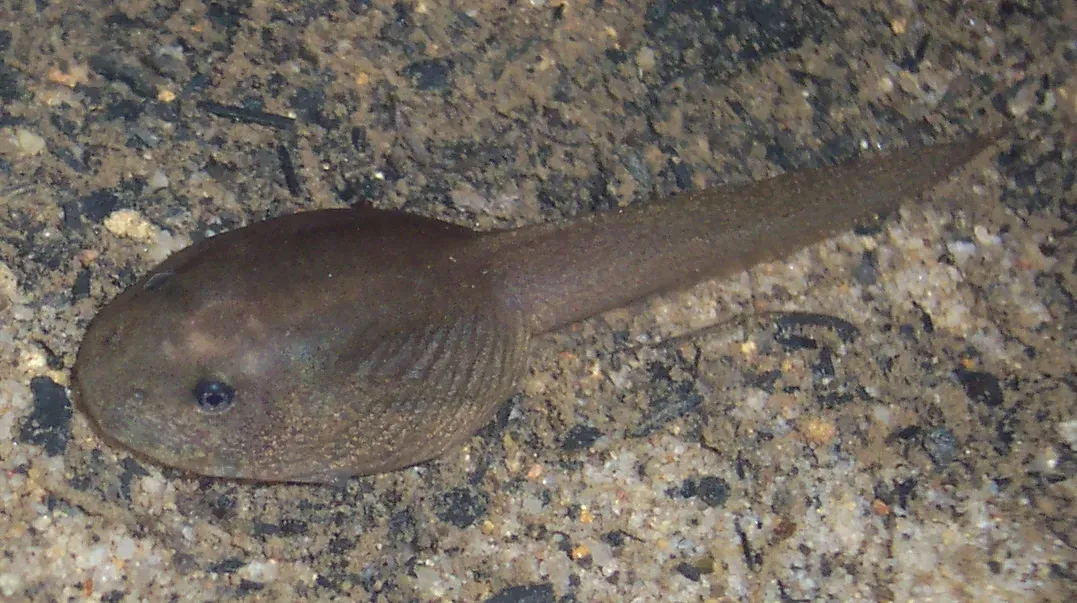
Herpetology collections now hold hundreds of preserved tadpoles gathered from tropical biodiversity surveys. Under a microscope, some of these larvae have mouthparts, color patterns, and tail shapes so distinctive that specialists are confident: nothing like this exists among known adult frogs in the region. They’re bottled, labeled, entered into databases – and then stuck.
The catch is that most taxonomists won’t name a frog species from a tadpole alone; they want a matching adult. But adult surveys often miss canopy-breeding or cryptic species that only reveal themselves by call, or in nests no human has ever climbed to reach. Molecular matching could theoretically link larva to adult, but preservation methods frequently wreck the DNA needed to do it. So these tadpoles sit as “unassigned larval morphotypes” – a technical phrase for frogs no one has met as adults. But nothing prepares you for what’s hiding in a single forgotten spring.
At a Glance
- Amphibians are considered the most threatened vertebrate class on the IUCN Red List, with close to 41% of species at risk of extinction.
- Frogs and toads specifically show roughly 39% of species threatened, much of it tied to loss of breeding habitat.
- Every unmatched tadpole in a museum jar may represent a species already sliding toward disappearance before it ever gets a name.
#9 – The Cave Crustaceans From “One Lost Spring”
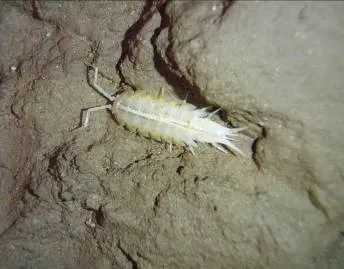
Groundwater biologists know that some of the strangest animals alive live in exactly one well, one cave pool, or one spring that nobody visits anymore. In museum jars, you’ll find eyeless amphipods, isopods, and shrimp-like syncarids labeled “Spring near [town], 1954” that match no described species. Elongated limbs, missing eyes, odd spine patterns – classic signs of ancient, isolated cave lineages.
Here’s the gut punch: the original spring might not even exist anymore. Urbanization, drainage, or plain neglect may have destroyed the exact micro-habitat these animals depended on. The morphology screams “new genus,” but the locality is too vague to ever relocate it in the wild. Some researchers genuinely worry these creatures went extinct before they ever got a name – an entire evolutionary lineage vanishing with its aquifer, unnoticed. Bats bring their own kind of taxonomic headache.
#8 – The “Misfit” Bats With Unmatched Skulls
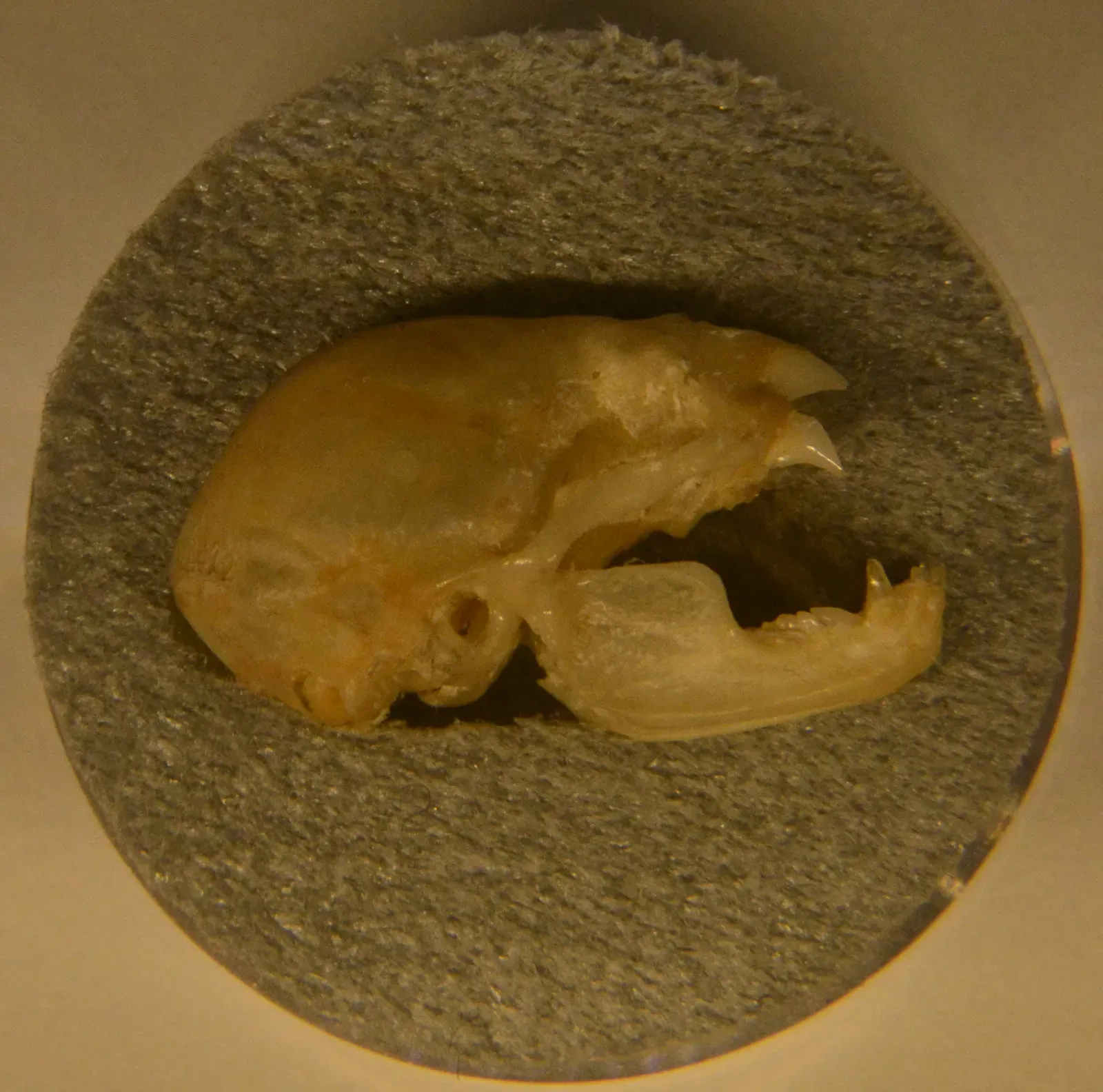
Mammal collections are stuffed with bats – thousands of skins and skulls. Tucked among them are quiet misfits: skulls with tooth arrangements or ear structures that don’t match any described species in the region, filed decades ago under a “closest guess” that nobody ever revisited. Run them through modern identification keys and researchers realize these are either wildly unusual individuals, or entirely unnamed species.
Bats are notoriously hard to classify – subtle skull measurements and dental patterns do a lot of the heavy lifting. In parts of the Neotropics and Southeast Asia, modern genetics have already split what was once called “one species” into five or six cryptic ones. Every split like that sends researchers back to old drawers, where even more outliers turn up. The uncomfortable question nobody can answer: are these bats still flying somewhere, or were they wiped out before science ever caught up to them? Coral hides an even bigger secret.
#7 – The Coral “Morphs” That Are Actually Different Species
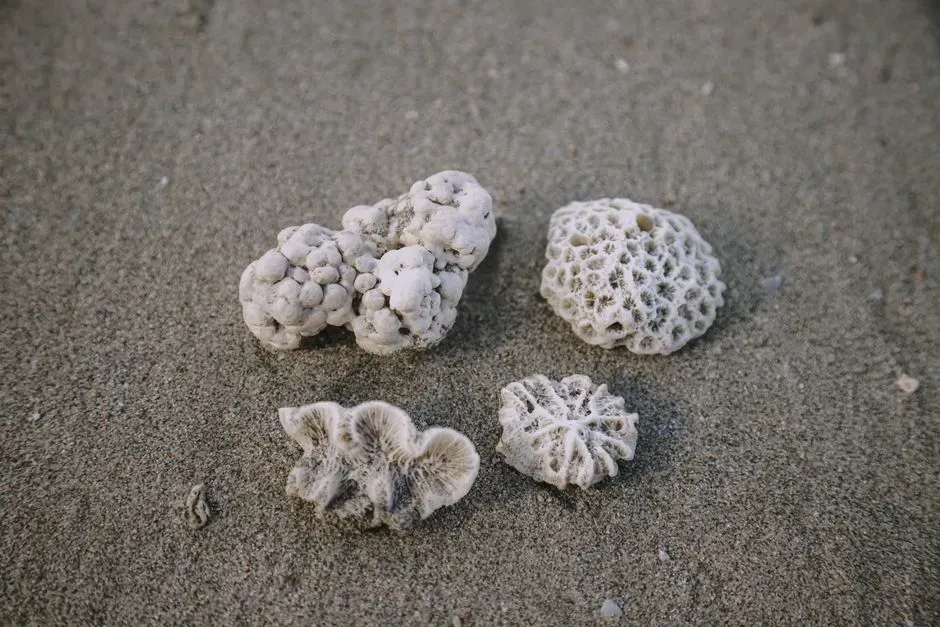
For decades, museums stored strange coral skeletons as simple “morphs” of well-known species – slightly odd branching, unusual spacing, a weird color in life. Labels called them variants: “Acropora cf. millepora (unusual form).” Modern genetics blew that assumption apart, revealing that many of these “forms” are as distinct as separate species, and some don’t match any named coral at all.
The climate angle makes this genuinely painful. Many of these specimens were pulled from reefs in the 1960s through the 1980s that have since bleached repeatedly or collapsed outright. The living coral that once matched those skeletons may already be gone, or swamped by hardier competitors. In some cases, a museum drawer is now the only physical proof a particular coral lineage ever existed – and taxonomists are racing to describe what they can before the paperwork outlives the reef. Lizards make the stakes personal.
Worth Knowing
- Reef-building corals rank among the more threatened groups ever comprehensively assessed on the IUCN Red List, with roughly a third of species at risk.
- Repeated mass bleaching events since the 1980s have already reshaped or wiped out entire reef systems worldwide.
- A coral skeleton collected decades ago may now be the only physical record of a lineage that no longer survives in the wild.
#6 – The Island Lizards That Vanished Before They Got a Name
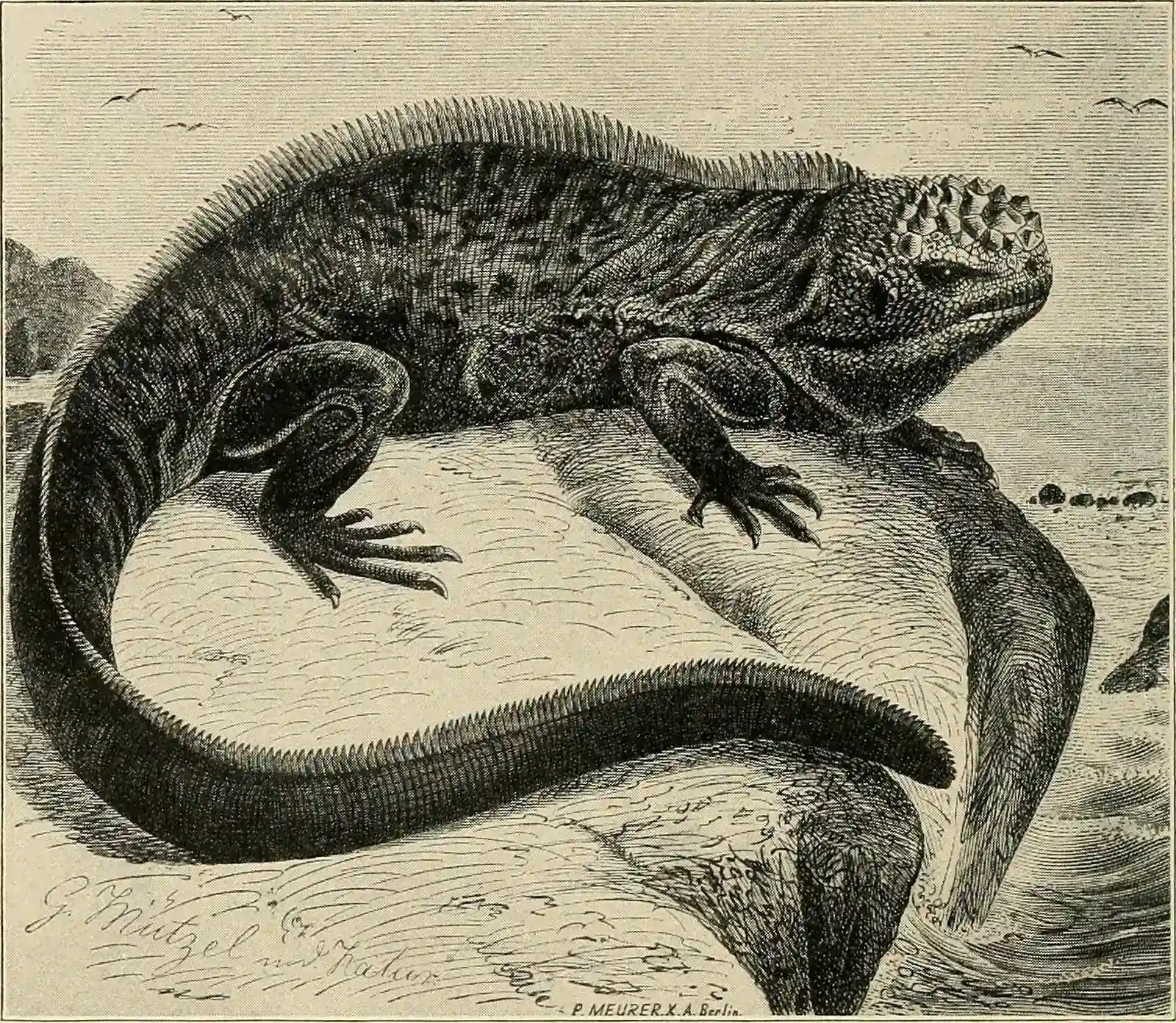
Museum herpetology shelves sometimes feel like a crime scene: island lizards collected once, decades ago, from places now paved over or overrun by invasive predators. A label might read “small Anolis, St. Croix, 1912” or “gecko, coastal Taiwan, 1930s,” with field notes on scale counts, toe pads, and dewlap color that don’t match any existing description.
The uncomfortable suspicion is that some of these lizards are already extinct. Cats, rats, mongooses, and habitat loss have devastated island reptiles, often before anyone properly documented them. Naming an extinct species from century-old specimens is possible, but some taxonomists hesitate, worried about over-splitting based on limited samples. Others argue that staying silent erases a unique evolutionary story permanently – so for now, these lizards exist only as accession numbers and cautious notes reading “probable undescribed taxon.” Wasps show just how deep this backlog really goes.
#5 – The Parasitic Wasps Known Only From Slide Mounts
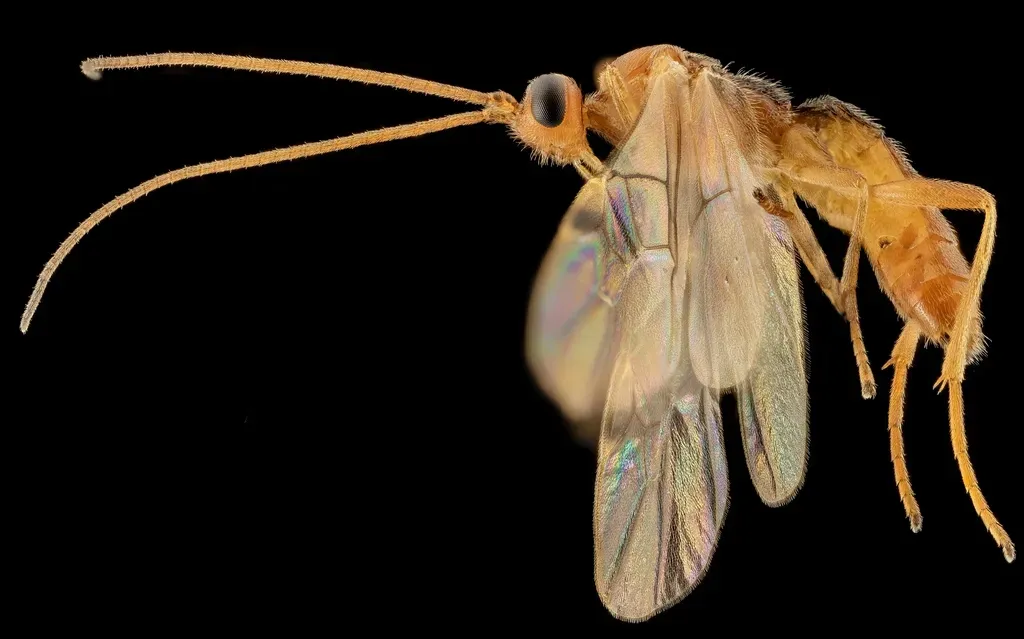
If you want to feel how unfinished Earth’s species inventory really is, talk to someone who studies parasitoid wasps. Museums hold trays of minute wasps, some smaller than a grain of sand, mounted on microscope slides from crop fields, forests, and old moth-rearing experiments. Nobody ever finished identifying most of them, and modern keys don’t even cover half their forms.
In some genera, every new revision uncovers the same shocking pattern: most specimens in the historical collection turn out to be undescribed species, not just variants of familiar ones. Tiny, reliable differences – antennae segments, wing veins, ovipositor shape – reveal dozens of unnamed lineages hiding in a single drawer. But this work is slow, unglamorous, and rarely funded, so wasps that quietly regulate pest populations and shape entire food webs remain labeled “Gen. sp. indet.” – biologically vital, taxonomically invisible. Fish return, and this time it’s not about what they are, but what they’re turning into.
#4 – The “Hybrid” Fish That Might Be Entirely New Species
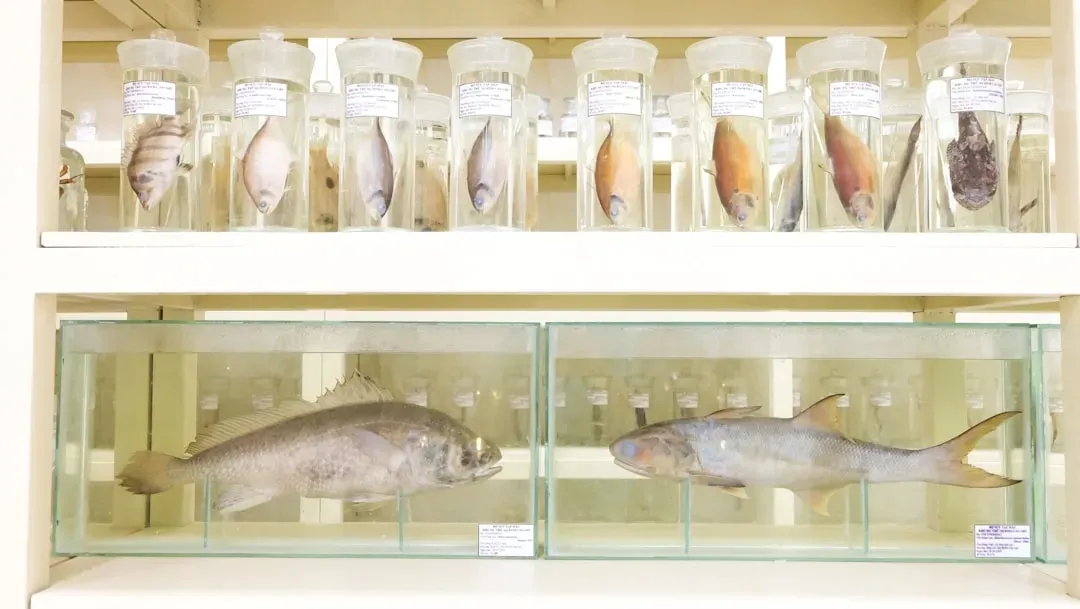
Freshwater fish collections hold a genuinely controversial category: specimens that look intermediate between two known species and get casually dismissed as “probable hybrids.” Sometimes that’s true. But detailed genetic work has repeatedly shown that what looks like a messy hybrid swarm can actually be a stable, independent lineage – a young species that just hasn’t fully shaken off its ancestors’ traits yet.
Museums hold jars of these in-between fish from river systems now dammed, polluted, or otherwise transformed. Re-examine them and ichthyologists sometimes find consistent differences in scale counts or coloration that repeat across many individuals and locations – a strong sign of a real species, not random crossbreeding. Because their origin story is messy, though, many remain officially unnamed under vague labels like “putative hybrid complex.” Some scientists argue our obsession with clean species boundaries is actively blinding us to biodiversity sitting right in front of us. Microbes take this underground, literally.
#3 – The Lost Microbes Frozen in Ampoules
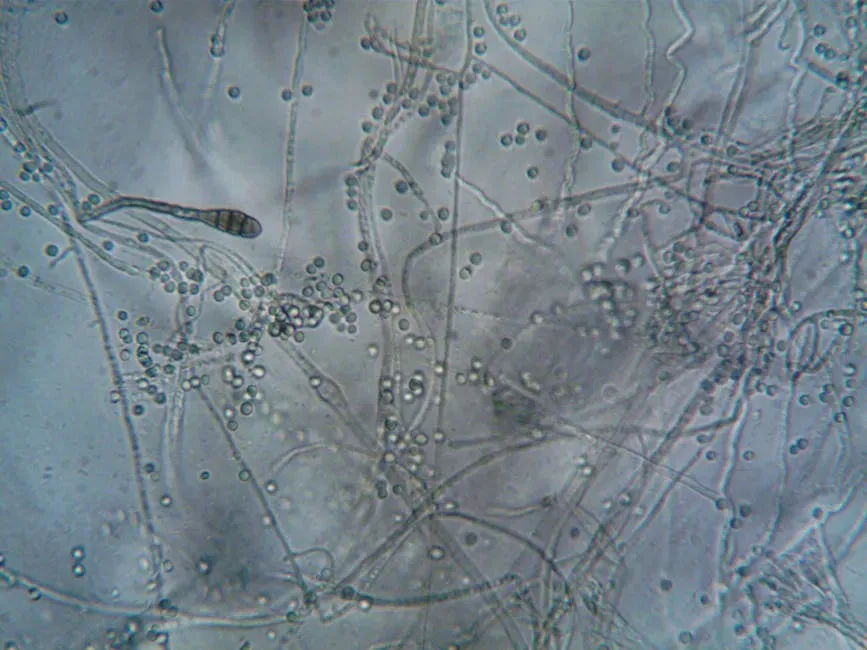
“Museum specimen” doesn’t usually conjure images of freezers packed with tiny glass ampoules, but that’s exactly what many natural history and culture collections hold. Bacteria, archaea, and micro-fungi from soils, hot springs, and animal guts were isolated decades ago, frozen or freeze-dried, then forgotten when the funding for the original project disappeared.
Modern sequencing has revealed that some of these strains fall outside any known species – sometimes outside any known genus entirely. Microbial taxonomy is chaotic at the best of times, and many lineages exist only as environmental DNA sequences that have never even been cultured. These frozen strains might hold enzymes useful for biotechnology or clues about ancient metabolism, but they sit at minus 80 degrees Celsius under labels like “strain HSM-27” – technically catalogued, permanently nameless. Human parasites turn the mystery uncomfortably close to home next.
Quick Compare
- Standard lab culturing: environmental microbiologists estimate that fewer than 2% of bacterial species can be grown using conventional techniques.
- Genomic surveys: broader DNA-based estimates suggest uncultured lineages can make up around 80% of microbial cells across most environments on Earth.
- The gap between those two numbers is exactly why so many frozen museum strains stay catalogued but scientifically nameless.
#2 – The “Odd” Human Parasites in Old Pathology Jars
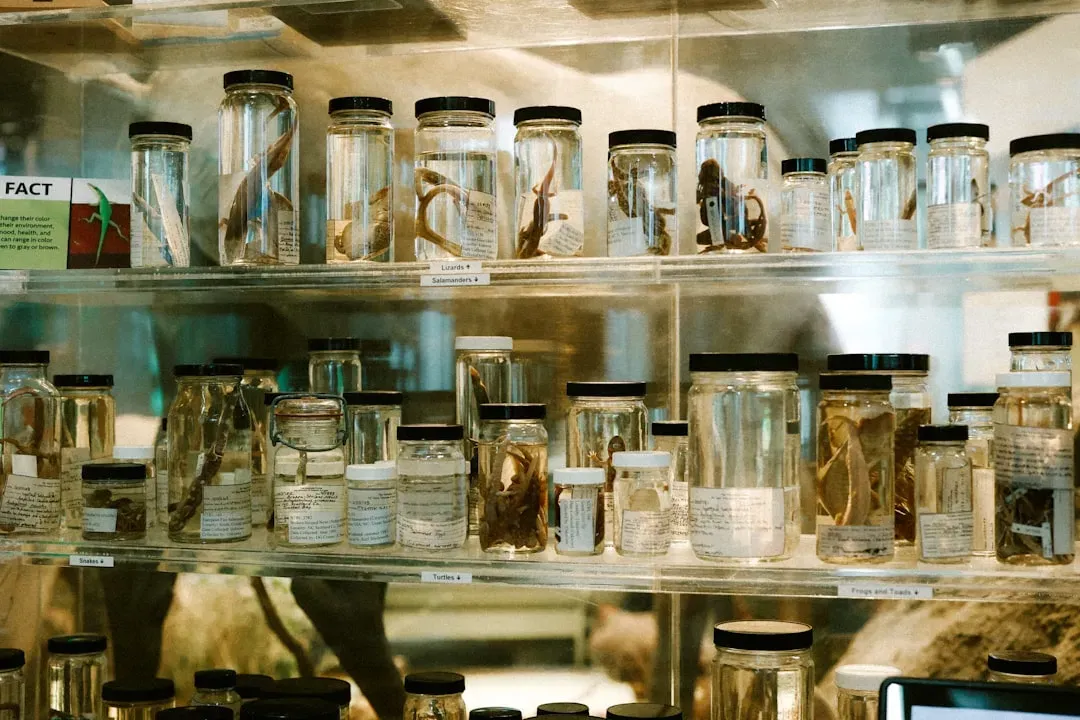
Medical museums and pathology collections hold a very different kind of unnamed creature: unusual parasites pulled from human patients that never matched any textbook description. Odd flukes from bile ducts, strange nematodes from the intestine, protozoans on old histology slides with trait combinations nobody had documented before. Clinicians preserved them, jotted down the case history, and moved on to the next patient.
When parasitologists revisit these jars, the implications can be unsettling. The specimen might be a known species turning up somewhere unexpected – or it might represent an animal parasite that occasionally jumps into humans, a host switch nobody has fully traced. Ethical limits on human tissue and the lack of wildlife comparison samples make formal naming genuinely difficult. Until someone maps their life cycle in the wild, these parasites stay lurking, unnamed, in medical history. And the final entry is the most haunting one of all.
#1 – The Historical Specimens of Entirely Lost Ecosystems
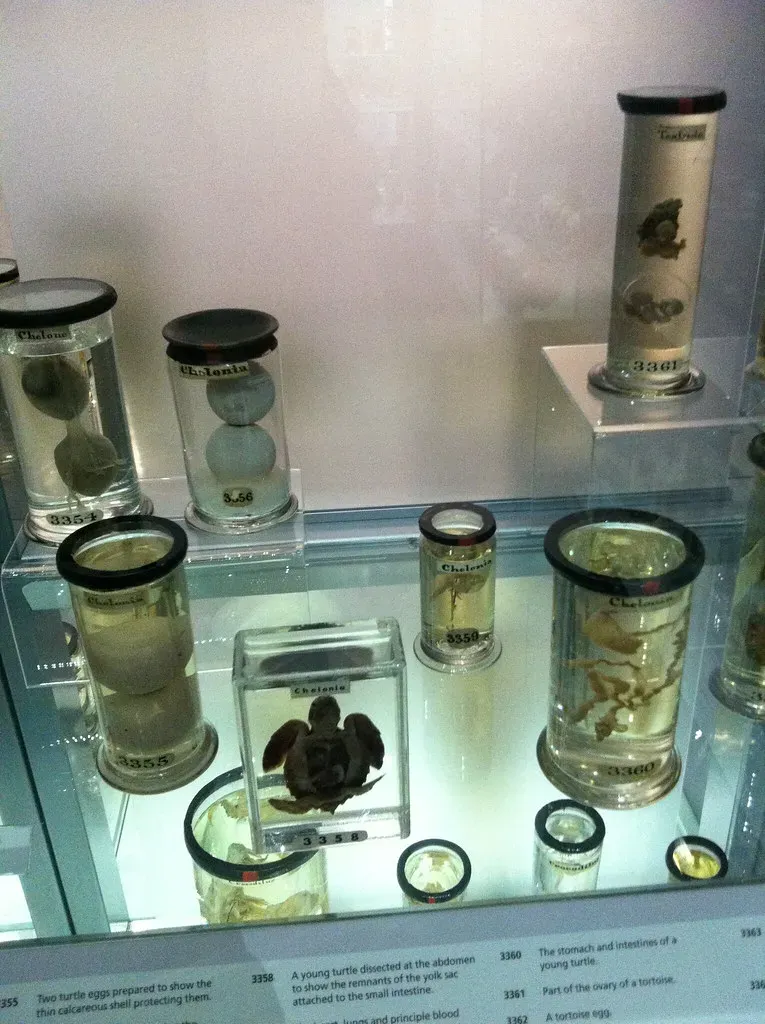
The most haunting unnamed creatures don’t come from some obscure taxonomic backwater – they come from ecosystems that simply no longer exist. Floodplain forests before major dams, prairies before industrial agriculture, coastal wetlands now buried under cities. Museum drawers hold insects, snails, small fish, even mosses from these vanished habitats that match no modern population and no published description.
During a routine revision, a researcher might realize that a series of specimens labeled “swamp near [city], 1890” is morphologically distinct – different shell sculpture, different wing venation, structures seen nowhere else. Modern surveys can’t find anything similar because the habitat itself is gone. Taxonomists face a brutal choice here: describe a species that’s almost certainly extinct, known only from a handful of jars, or leave it unnamed and risk erasing its evolutionary story completely. Either way, drawers around the world quietly hold real creatures from lost worlds that science never got around to baptizing.
The Bottom Line
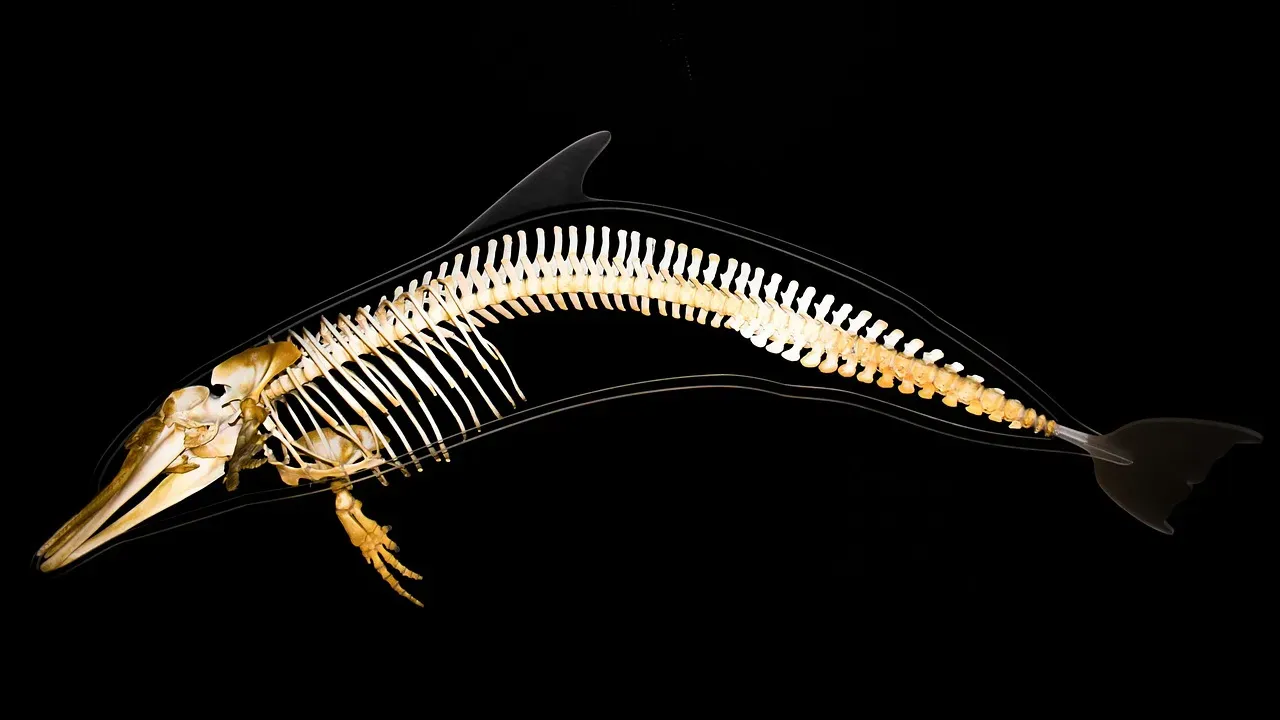
Museums already hold a shadow biosphere of unnamed creatures – beetles coded “sp. A,” coral skeletons from reefs that climate change likely erased, tadpoles waiting for adults they may never be matched to. These aren’t blurry photos or cryptid legends. They’re preserved, measurable, sometimes fully sequenced animals stuck in limbo because naming a species properly demands time, money, and a kind of certainty the real world rarely offers.
Personally, I think science is playing it too safe. In an era of mass extinction and rapid habitat loss, refusing to name something is a bigger mistake than accepting a little taxonomic messiness. Names are how species enter law, conservation policy, and human memory. Staying anonymous is how they disappear twice – once in nature, and once on paper.
So here’s the real question worth sitting with: should we keep demanding tidy, perfect classifications, or start naming the ghosts in our drawers before they’re forgotten for good? And what other unnamed creature do you think deserves a spot on this list?