Most people assume ancient sky lore is just campfire myth dressed up as coincidence. Line up a temple door with a sunrise once, and sure, that’s luck. Line up hundreds of them across five continents, and something else is going on entirely.
That’s exactly what archaeologists, astronomers, and a growing army of data nerds have been quietly proving for decades. The alignments are real, repeatable, and stubbornly consistent – so consistent that many researchers now treat this sky knowledge as a baseline requirement for understanding ancient sites at all. The catch? Nobody in antiquity left behind a manual. The blueprint is carved in stone, not written in a book, and if you don’t know where and when to look, you miss almost the entire story. Here’s what the evidence actually shows.
#14 – The Solstice Axis Almost Everyone Missed
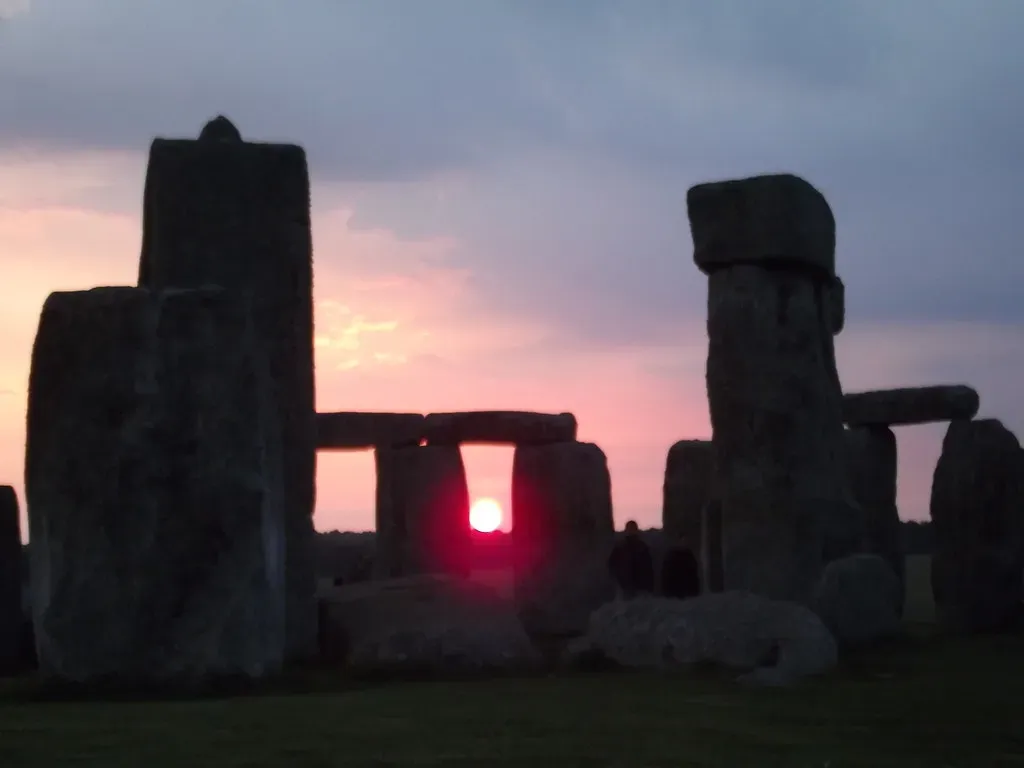
For years, tour guides sold solstice alignments as a rare novelty, a special “mystery” feature reserved for a handful of famous sites. The data tells a very different story. Solstice axes show up so often across ancient construction that researchers now treat them as the default setting, not the exception.
From Europe to the Americas, the long axes of temples, avenues, and causeways repeatedly point toward sunrise or sunset on the summer or winter solstice. That pattern suggests planners started with the sky and then drew the city around it, not the other way around. Software that reconstructs ancient skies has made this painfully obvious: what once looked like random orientation is frequently locked onto the sun’s most extreme points of the year. Nobody wrote it down because everyone already knew it. The solstice was their ruler, and it still is ours – we just forgot how to read it.
#13 – Equinox Windows That Turn Stone into a Clock
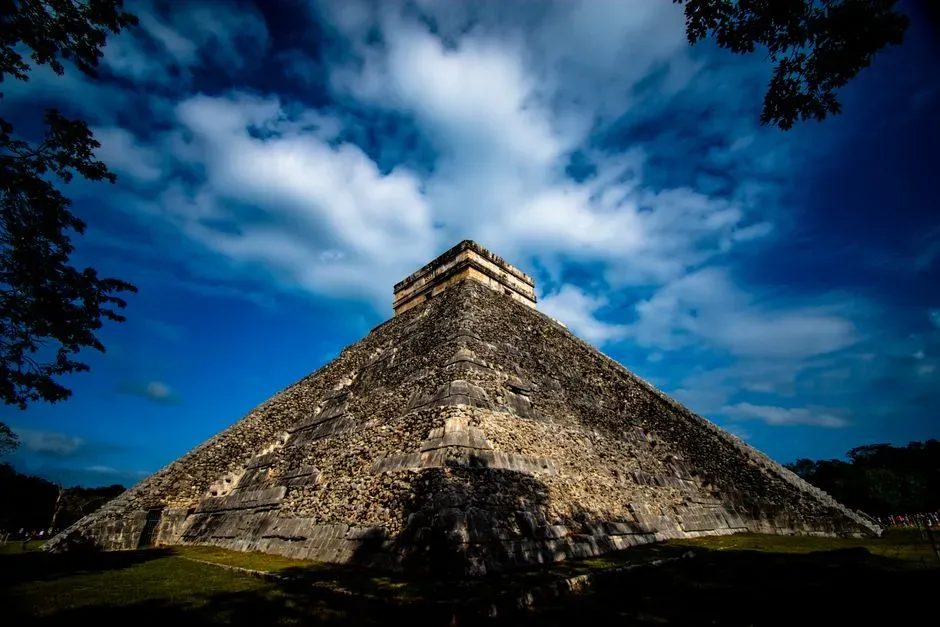
Everyone knows about Chichen Itza’s famous “snake of light” sliding down the pyramid steps every equinox. Most people assume it’s a one-off tourist trick built for spectacle. It isn’t. Carefully engineered equinox light shows turn up at far more sites than any guidebook admits, often tucked into cramped niches or side chambers that glow for only a few minutes, twice a year.
When the sun hits at exactly the right angle, a blank-looking wall can suddenly reveal a bar of light, a painted symbol, or a face carved in low relief. None of this happened by accident. Builders had to calculate the sun’s exact position centuries into the future, then cut windows and shafts accurate to within a few degrees. Today, researchers flag any oddly placed slit or narrow opening as a likely solar marker until proven otherwise – and the fact that ancient texts barely mention any of it suggests this was everyday practical skill, not secret magic.
#12 – The Hidden Lunar Standstill Grids
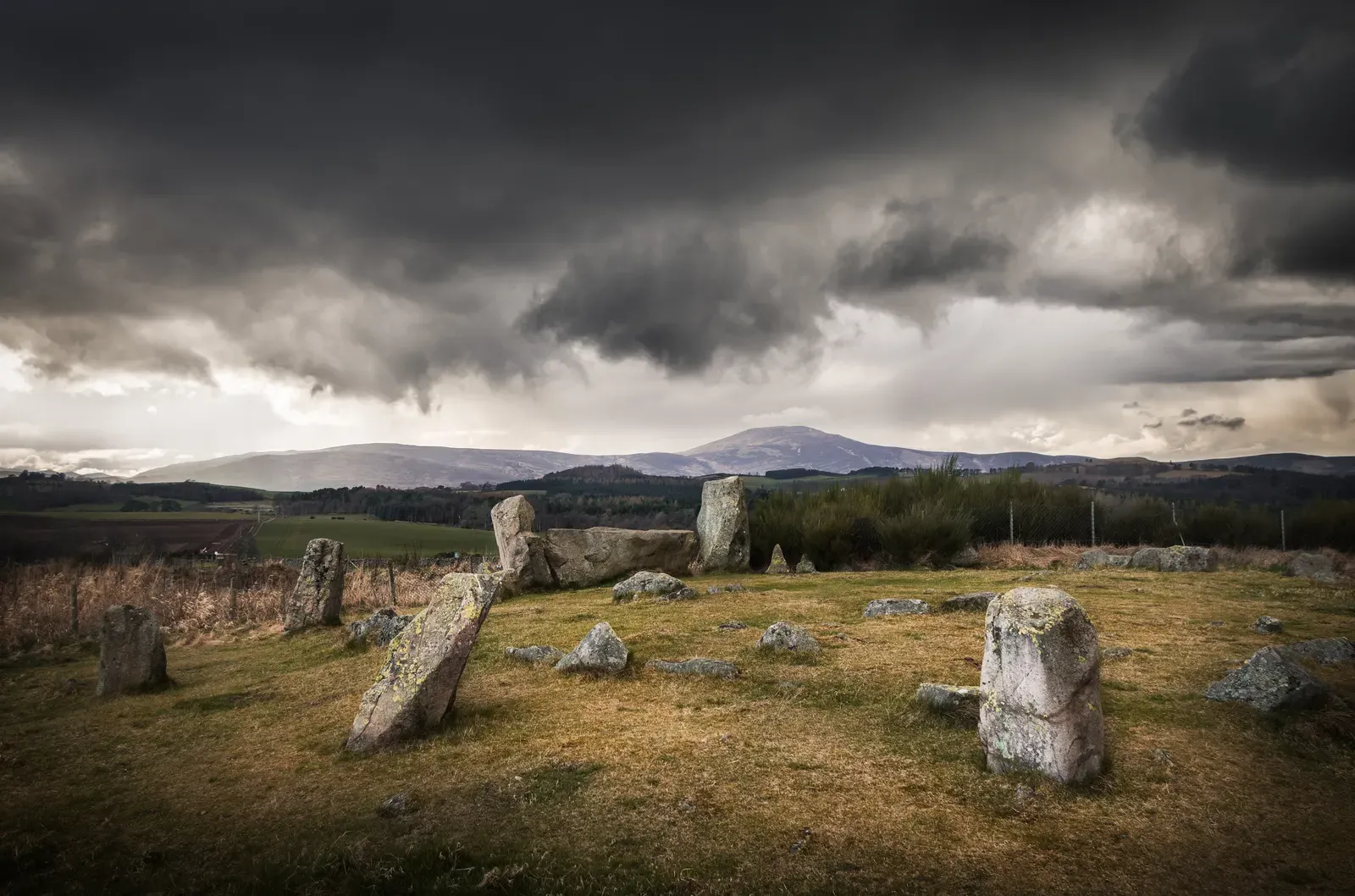
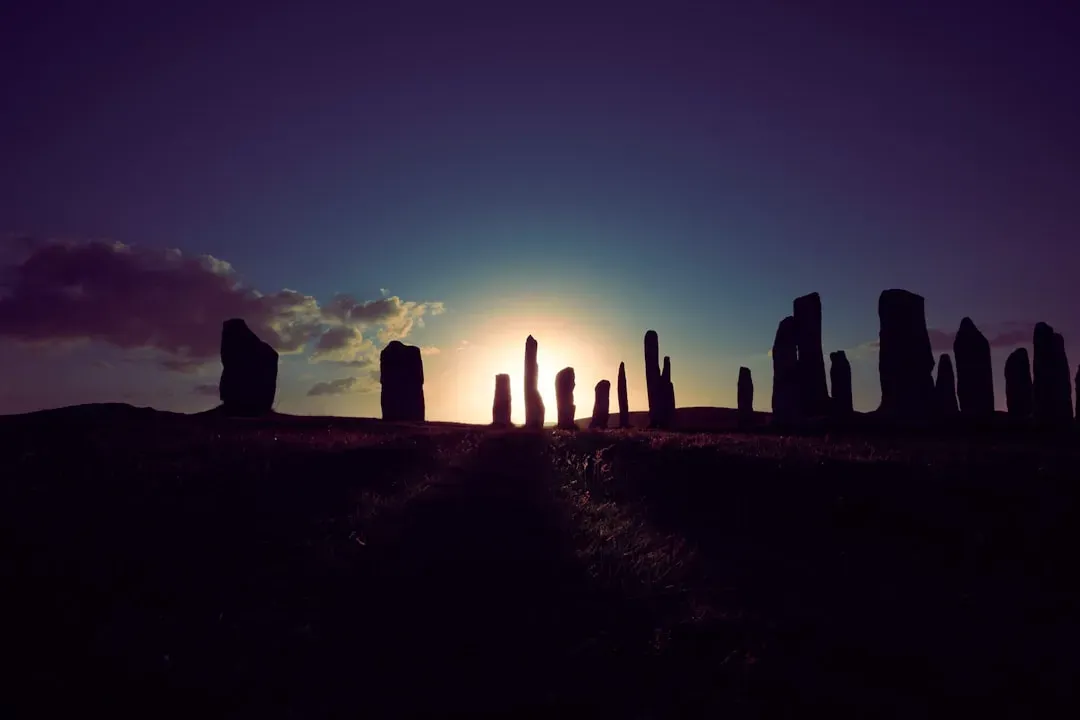
Ask most people about “lunar standstills” and you’ll get a blank stare. Yet plenty of stone circles and earthworks quietly encode them anyway. Every 18.6 years, the moon swings to extreme rising and setting points on the horizon – farther north and south than the sun ever reaches. A surprising number of alignments that seemed to “miss” the solstice actually land almost perfectly on these rare lunar extremes.
Researchers used to write these off as mistakes. Now they look deliberate. Lines drawn across multiple stones or cairns often trace both the major and minor standstill positions, forming what amounts to a lunar fence stretched across the horizon. Unless you track the full 18.6-year cycle, the moon just looks chaotic and unpredictable. That’s exactly why modern archaeoastronomy no longer treats the moon as optional – if a site model skips lunar standstills, it’s considered incomplete. And still, no ancient handbook explains any of this in plain language.
Fast Facts
- The moon’s rising and setting points shift through a slow 18.6-year cycle, swinging between “major” and “minor” standstill extremes.
- At major standstill, the moon can rise and set farther north or south along the horizon than the sun ever does.
- Scotland’s Callanish Stones and the Station Stones at Stonehenge are frequently cited as lunar standstill markers.
- 20th-century surveyor Alexander Thom was among the first to systematically map these lunar alignments across British megalithic sites.
#11 – Alignments to Stars That No Longer Rise Where They Used To
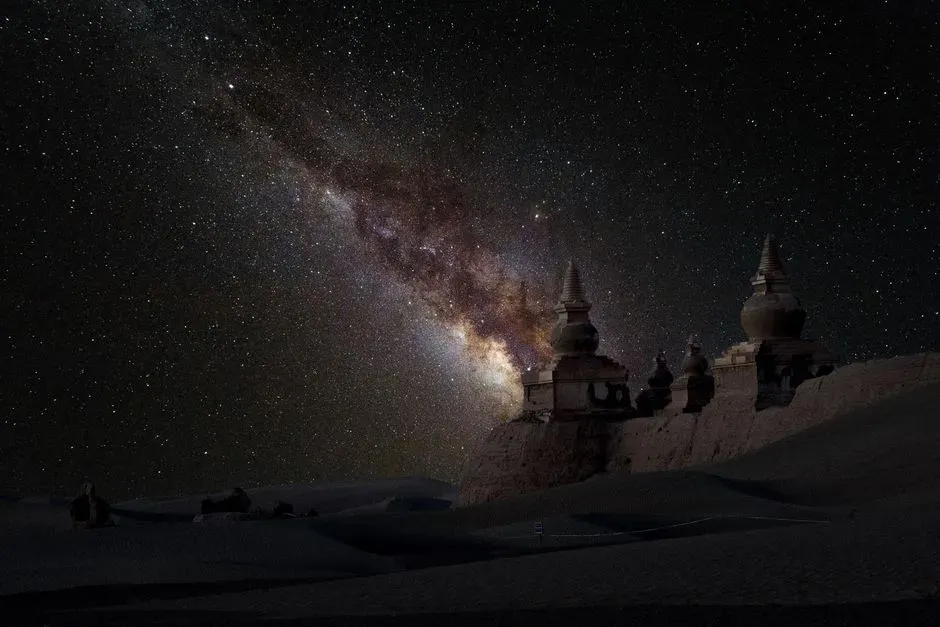
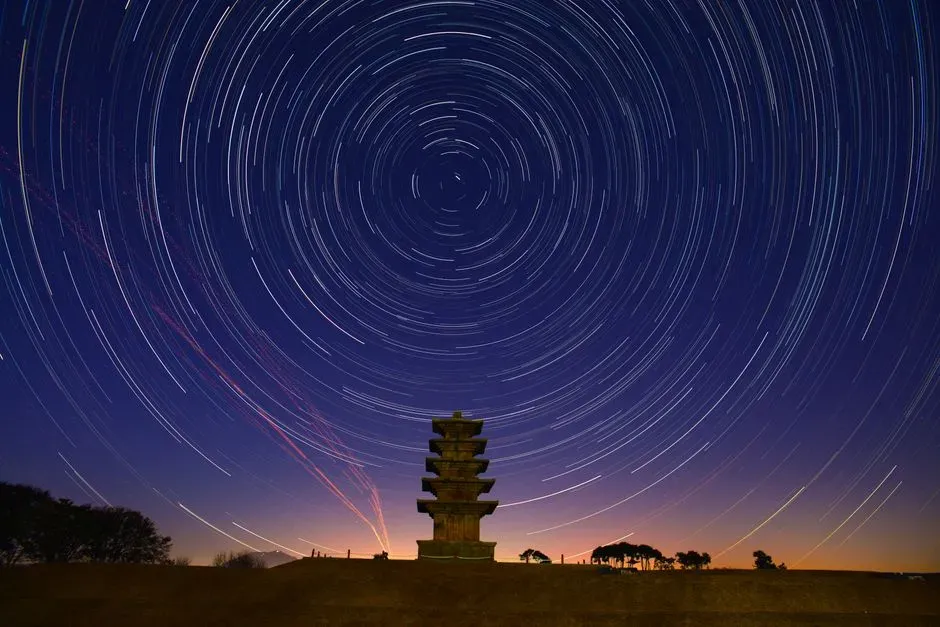
We’re taught in school that stars are fixed points. They’re not. Earth’s axis wobbles slowly over thousands of years – a process called precession – which drags star rising points along the horizon over centuries. That means many ancient alignments that look “off” today were laser-accurate to a bright star thousands of years ago.
Only once software could roll the sky backward in time did this become obvious. Temples, tomb shafts, and long sightlines frequently match the ancient risings of stars like Sirius, Vega, or specific stars in Orion and the Pleiades. Builders never carved “this points to Sirius in 2200 BCE” anywhere – the geometry gives them away on its own. Now, when researchers survey an old site, modeling the sky at the exact construction date is routine, because constellations weren’t just myth backdrops. They were reference points, locked permanently into stone.
#10 – City Grids Quietly Snapped to Celestial North
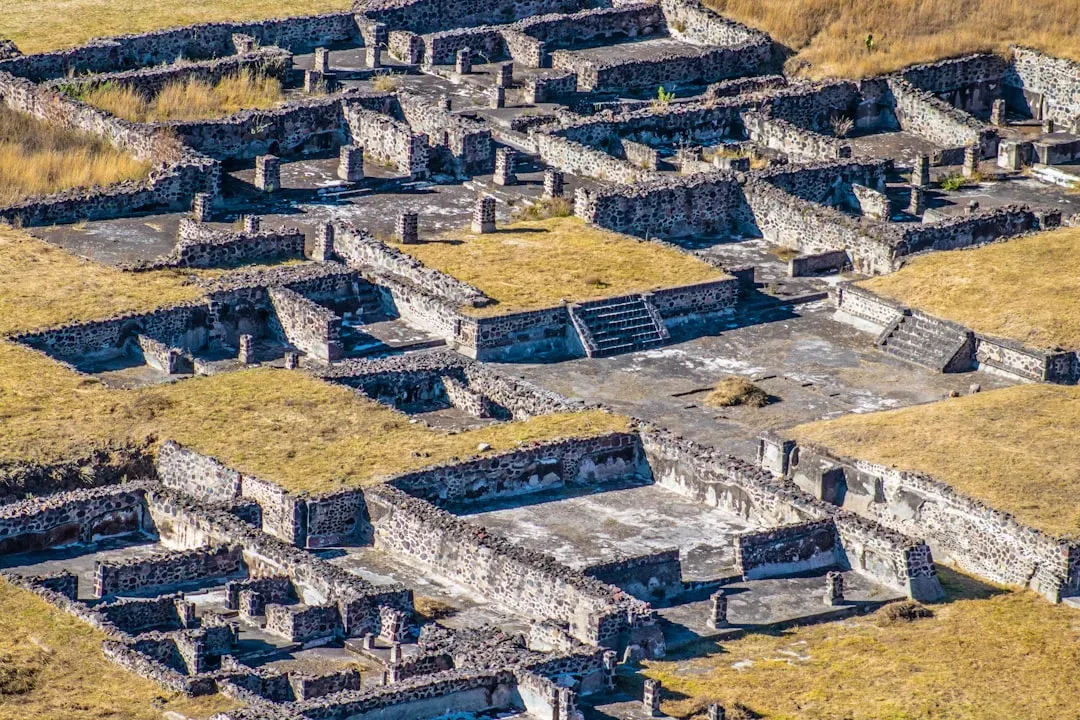
Most people assume ancient cities followed rivers, trade routes, or whatever the landscape allowed – and often they did. But increasingly, surveys show that urban grids frequently compromise with the land just enough to stay obedient to the sky, especially true north. Streets twist a few degrees off the coastline to align instead with the cardinal directions or a key star.
In Egypt, Mesoamerica, and parts of Asia, entire ceremonial centers have axes that deviate only a few degrees from true north, achieved without a single magnetic compass. Builders likely used circumpolar stars or shadow-tracking gnomons to locate the sky’s pivot point, then spun the whole city plan around it. This wasn’t aesthetic preference – it was ideology. Aligning a capital to the cosmic “up and down” told everyone the regime slotted neatly into the order of the universe. For the elites who understood it, this was too basic to bother explaining.
#9 – Processional Roads That Follow the Milky Way, Not the Map
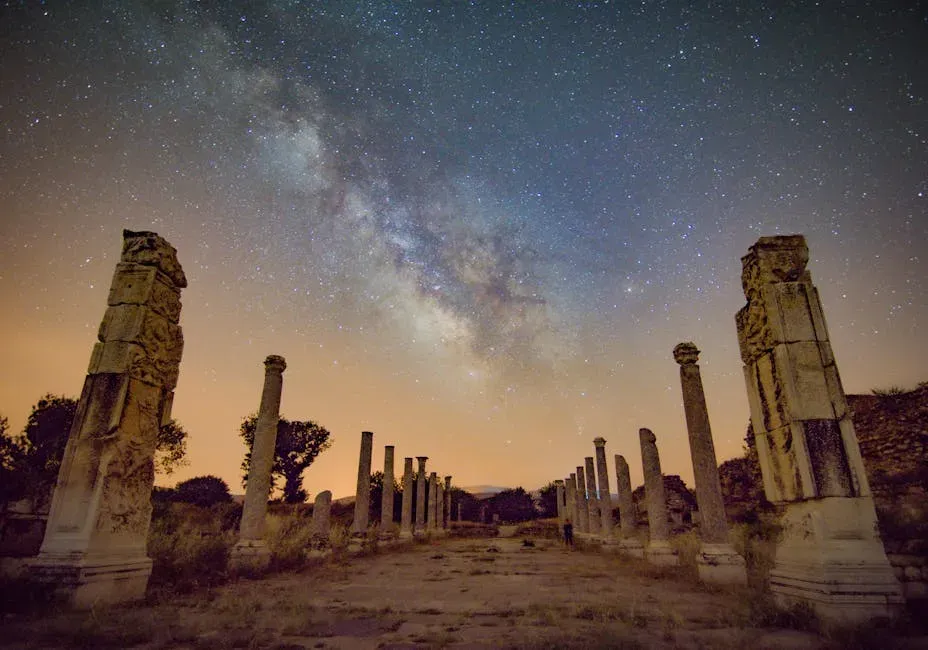
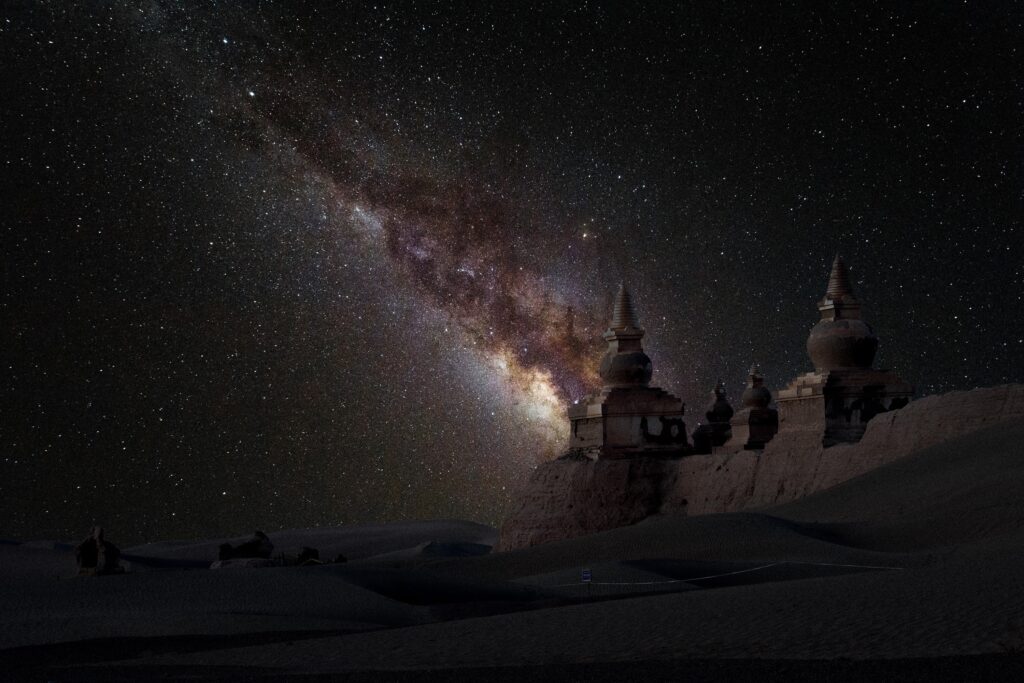
On the ground, some ancient roads look like they wander for no good reason. Seen from above, especially through satellite imagery, a pattern snaps into focus. Certain processional routes trace the same sweeping curve as the Milky Way, or follow the seasonal path of a key constellation moving overhead.
Walking these roads on the right night meant literally moving in sync with a band of stars. This mapping only reveals itself when you track the road and the sky together over time – a casual daytime visit tells you nothing. In some complexes, a procession starting at dusk would watch a chosen constellation rise over the starting gate, arc overhead during the walk, and set exactly as pilgrims reached the final shrine. Researchers now suspect many “inefficient” ancient roads were never inefficient at all – they were calibrated to celestial theater, not shortest-distance logic.
#8 – Twin Temples That Track Opposite Horizons
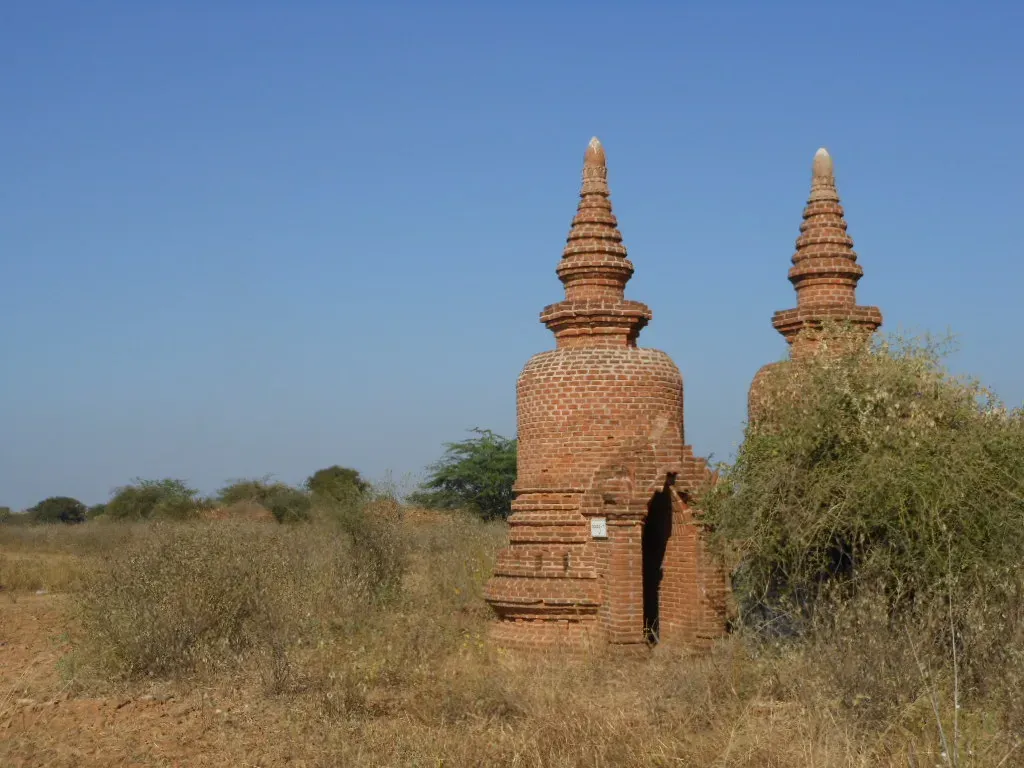
A single building can mark one sunrise or one sunset. But cultures that built paired temples or shrines often used them as a horizon-to-horizon measuring tool, tracking a celestial body across the entire sky. One temple door catches the rising sun on a specific feast day, while its twin – lined up across a courtyard – captures the corresponding sunset months later.
When archaeologists trace these paired axes, a pattern appears: the twin structures anchor an interval, counting the days between two significant celestial events. That’s a full calendar system disguised as architecture. Priests never needed a written table – they watched where the light fell in Temple A, then waited for the matching event at Temple B. Researchers have only recently started modeling these pairs systematically, and the quiet new rule of thumb is simple: whenever you spot twins, check for a mirrored celestial event.
#7 – “Random” Courtyards That Are Actually Horizon Observatories
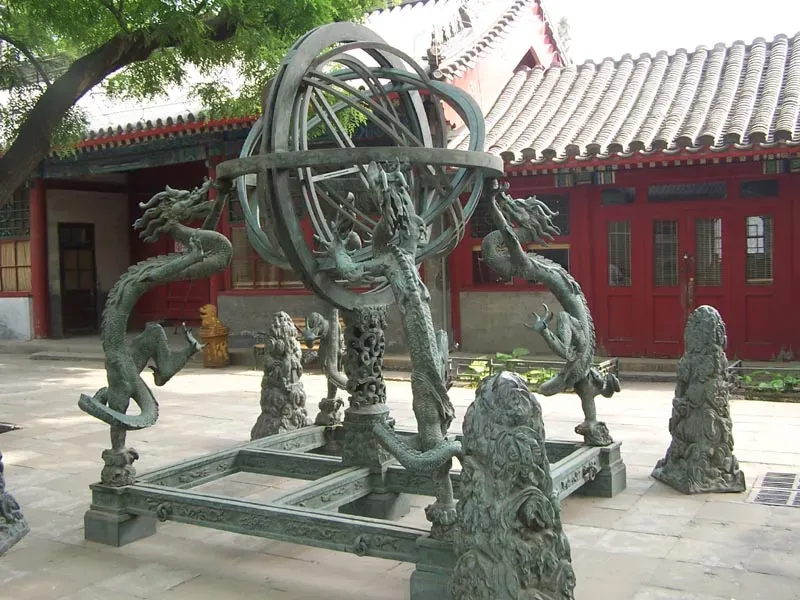
Some inner courtyards in ancient complexes look almost pointless – too big, oddly empty, with no obvious daily use. Viewed through a sky-centric lens, many of them transform completely. Their walls and corner angles frame precise strips of horizon, turning empty space into a working instrument.
The courtyard was never built for people to gather in. It was built for watching where the sky touches the earth. Archaeoastronomers now stand in these spaces and model exactly which sunrise, sunset, or star setting lands in the notches formed by parapets, towers, or gateposts. Often only two or three days a year produce the perfect alignment – a sunrise grazing a corner, a star vanishing behind one specific crenellation. That’s calibration, not coincidence, even though the inscriptions never brag about it. For working priests, this was simply how you read the clock.
#6 – Alignments to Invisible Events: Conjunctions and Eclipses
Alignments to obvious things – bright stars, solstices, full moons – are easy to accept. Harder to swallow, but increasingly difficult to ignore, are alignments tuned to rare, fleeting events like planetary conjunctions or predictable eclipse seasons. These aren’t nightly spectacles. You have to track long cycles across years or decades just to know when and where they’ll happen.
Some temple axes only make astronomical sense if you’re targeting a once-in-decades pairing of planets near the horizon on a sacred date, or an eclipse path that regularly sweeps through a particular region. Not every claimed match holds up under scrutiny, and researchers stay cautious here because the risk of cherry-picking data is real. Still, the working assumption has shifted hard: the absence of a written theory does not mean the absence of understanding. Some priestly classes clearly tracked medium- and long-term sky cycles far better than their surviving texts ever let on.
Quick Compare
- Visible alignments – solstices, equinoxes, full moons – repeat every year and are easy to verify on the spot.
- Invisible alignments – planetary conjunctions, eclipse seasons – can take years or decades to line up again.
- Visible alignments need only a fixed sightline; invisible ones require tracking long cycles across generations.
- Scholarly caution runs higher for invisible alignments, since rare events are easier to mistake for coincidence.
#5 – The “Skewed” Temples That Map Agricultural Seasons, Not Pure Dates
It’s tempting to assume everything points neatly at the solstice or equinox. In reality, a lot of major buildings are deliberately “off” by a few days or weeks – just enough to match a critical agricultural or ritual moment instead of the textbook solar turn. To modern eyes, that looks sloppy. To people whose survival depended on crops, it was brutally practical.
A temple might capture sunrise not on the equinox itself, but on the morning that reliably signals the start of planting rains in that region’s microclimate. Another might align to sunset on the exact date herds traditionally moved to higher pastures. The sky is the trigger; the ground reality is the actual target. Scholars increasingly treat these near-misses as the most revealing alignments of all, because they tie astronomy directly to survival. This is knowledge nobody writes as poetry – you encode it where the whole community can see it, every single year.
#4 – Sacred Mountains Chosen for Their Celestial Backdrop
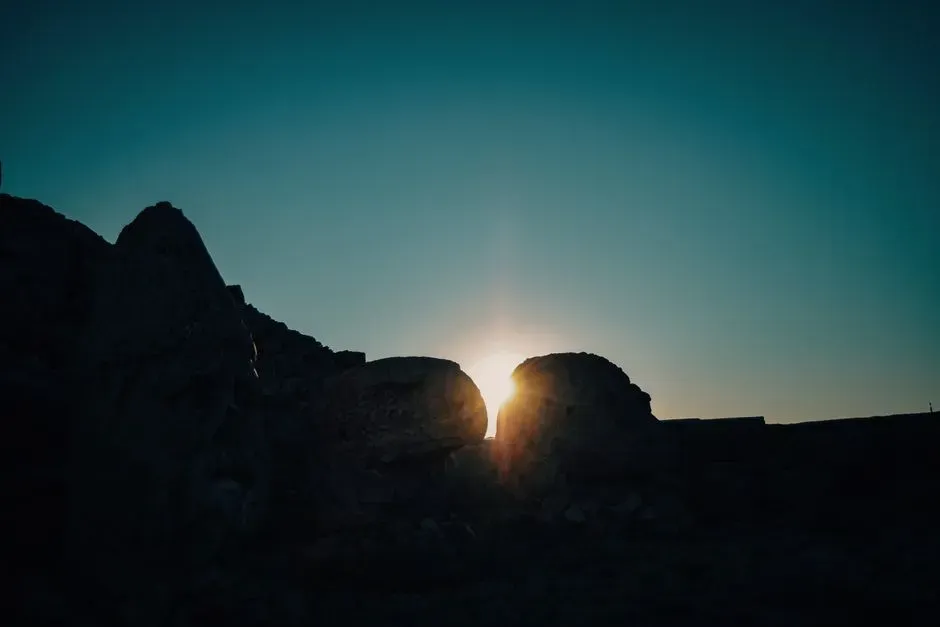
Many ancient sites sit beside a dramatic peak, and guidebooks usually explain that as simple aesthetics or local myth. But when researchers overlay sky models onto these silhouettes, certain mountains turn out to be precision-placed markers – the sun or moon rises or sets exactly over the summit on key calendar dates. The mountain wasn’t chosen just for its beauty. It was chosen for its behavior.
In some locations, different points along a single ridge correspond to different calendar days, turning the entire horizon into a giant notched dial. Stand at one specific ceremonial stone, and the sun walks along that jagged skyline season after season, year after year. This kind of horizon calendar requires no writing at all – just consistent sightlines and knowledge passed down between generations. Archaeologists now routinely check whether a “random” nearby peak is accidentally or intentionally sitting inside these sky paths. It’s rarely accidental.
#3 – Burial Lines That Point the Dead into the Sky
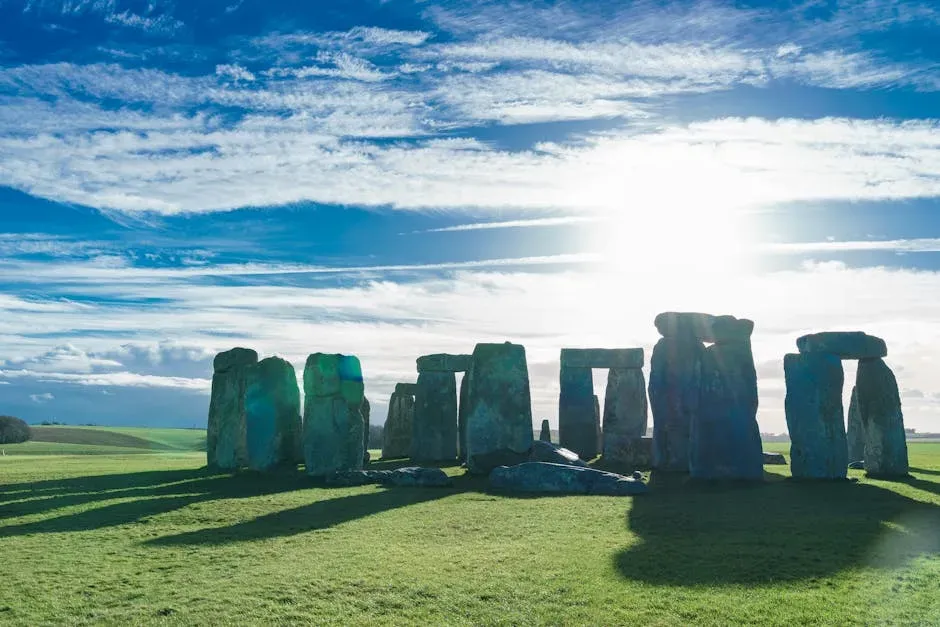
Grave orientation used to get chalked up to habit or vague local custom. A closer, more technical look tells a different story. Cemeteries and elite tombs often line up bodies, sarcophagi, or entrances along specific celestial paths – toward a solstice sunrise, a prominent star, or the arc of the Milky Way. The dead weren’t just buried. They were aimed.
In some cultures, a consistent preference for one quadrant of the horizon lines up with myths about the soul traveling toward a star cluster or riding a path of light. You’d never catch this pattern from a casual glance at a single ground plan – it only emerges once you map hundreds of graves statistically, and once you do, the pattern is almost aggressive in how consistent it is. Modern researchers now describe large necropoleis as sky diagrams unfolding in slow motion, laid out grave by grave across generations. The written doctrine barely exists. The orientation itself is the instruction manual.
At a Glance
- Newgrange in Ireland, a Neolithic passage tomb, is aligned so winter solstice sunrise floods its inner chamber with light.
- Some Egyptian tomb shafts point toward specific circumpolar stars long associated with eternal life.
- Certain North American mound complexes show orientations tied to lunar standstill positions rather than solar events.
- Large statistical studies across entire cemeteries, not single graves, are what reveal these directional patterns most clearly.
#2 – Calendars Hidden in Shadow Length, Not Just Direction

Most people notice where the sun rises. Far fewer notice how high it climbs. At many ancient sites, the critical variable isn’t direction at all – it’s altitude, tracked through the length of shadows cast by pillars, stair edges, or gnomons. A specific step becoming fully lit, or a column’s shadow tip touching a marked stone, defines one exact day in the yearly cycle.
This vertical dimension of archaeoastronomy stayed underappreciated until researchers started systematically modeling solar altitude through the year. Suddenly, “decorative” notches, holes, and pavement marks looked like calibration points instead. Once a year, the shadow lands exactly there, and that’s your festival day, your tax deadline, or your planting signal. It’s an elegant trick – a 3D clock built from nothing but sun, stone, and memory. Written calendars can be lost or burned. This one resets itself every clear day, forever.
#1 – Entire Cosmologies Embedded in Site Networks, Not Single Buildings
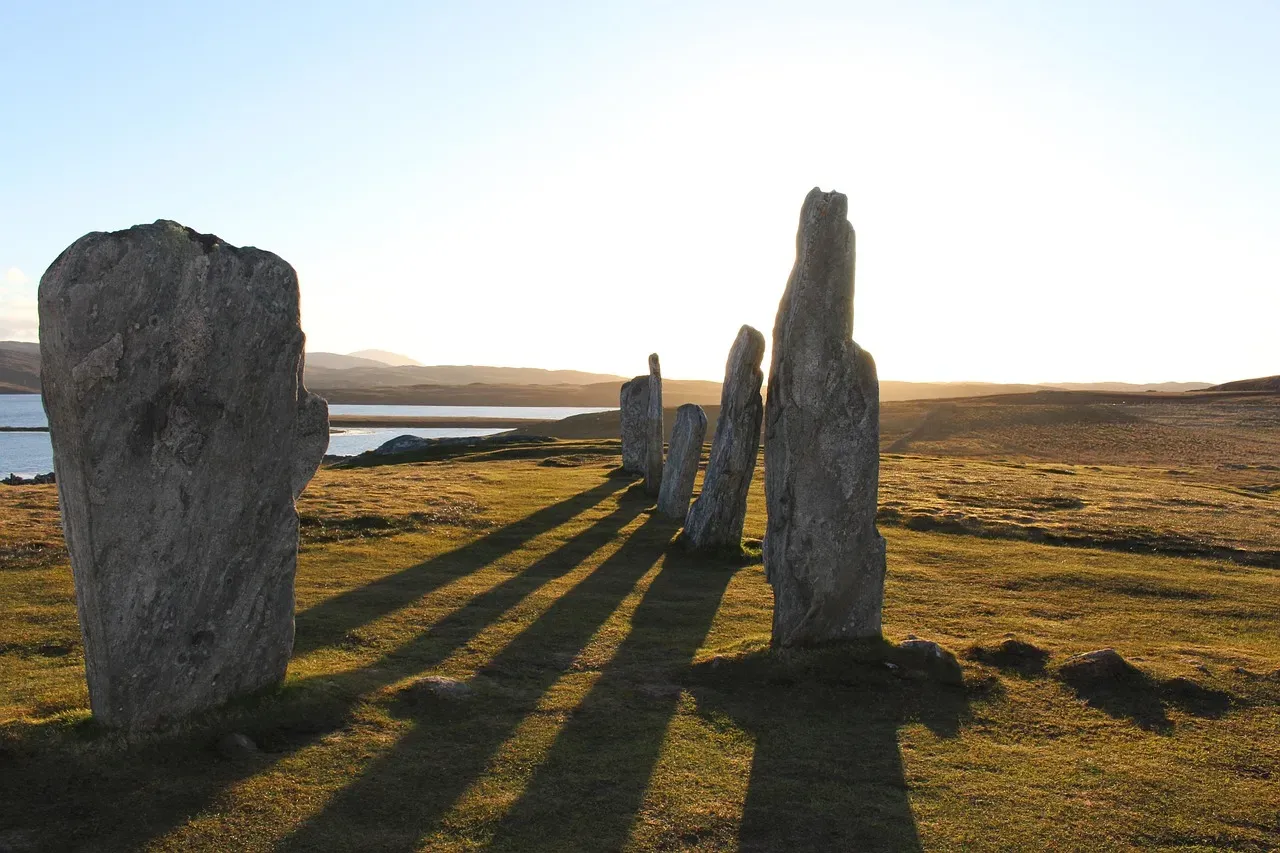
The biggest shift in this whole field – and the one most casual readers still don’t know about – is this: researchers now see astronomical design not just in individual monuments, but in entire regional networks of sites. Connect multiple temples, mounds, or standing stones across dozens of kilometers, and their combined orientations can map seasonal paths, star fields, or even slow cycles like precession stretched across centuries.
A single temple might target one solstice. A whole chain of sites strung along a valley might mark a sequence of risings, each one catching a different star or seasonal moment in turn. You only see this pattern with broad surveys, precise GPS, and sky-reconstruction software – tools ancient builders obviously never had, yet somehow anticipated with staggering accuracy anyway. This is what “required knowledge nobody recorded” really means: the operating system lived in shared practice, oral teaching, and landscape-scale construction, not in a neat written treatise. Once you see it, the old idea of ancient people as sky-illiterate simply collapses.
Why It Stands Out
- It shifts the unit of study from a single monument to an entire regional network of sites.
- It depends on tools ancient builders never had – GPS survey data and sky-reconstruction software – to even become visible.
- It suggests coordinated, long-term planning across generations, not one-off construction projects.
- It directly challenges older assumptions that pre-modern societies lacked systematic scientific knowledge.
The Bottom Line
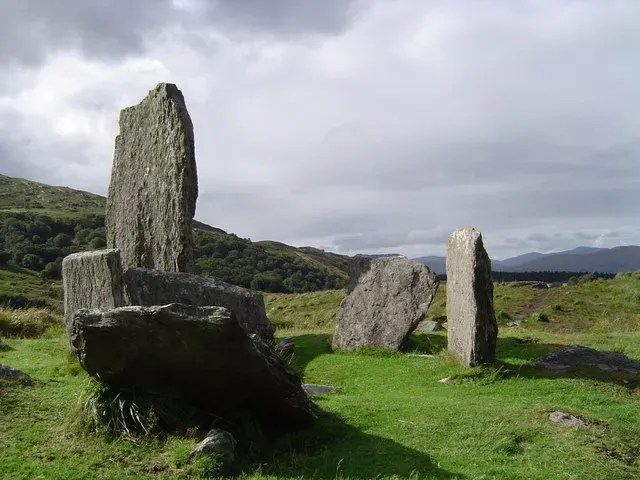
Stack all fourteen of these together and the picture gets blunt fast: ancient builders weren’t dabbling in cute star myths for decoration. They used the sky as a design grid, a calendar, and a political script, and they did it so routinely that nobody thought it needed explaining in writing.
Solstice axes, lunar standstills, horizon peaks, city grids, even cemetery layouts quietly obey patterns that modern researchers now treat as baseline knowledge, not exotic theory. The real mistake today is assuming that because we can’t find a manual, there was never a curriculum.
Is every claimed alignment real? No – and any good researcher will admit that some cases are shakier than others. But the consensus has flipped hard, from “it’s probably coincidence” to “check the sky before you dare call anything random.” Personally, I think we’re still underestimating just how much of the ancient world only makes sense once you tilt your head back and actually look up. Did we miss an alignment you’re convinced is intentional? Make your case in the comments – I’m genuinely curious what else is hiding in plain sight.