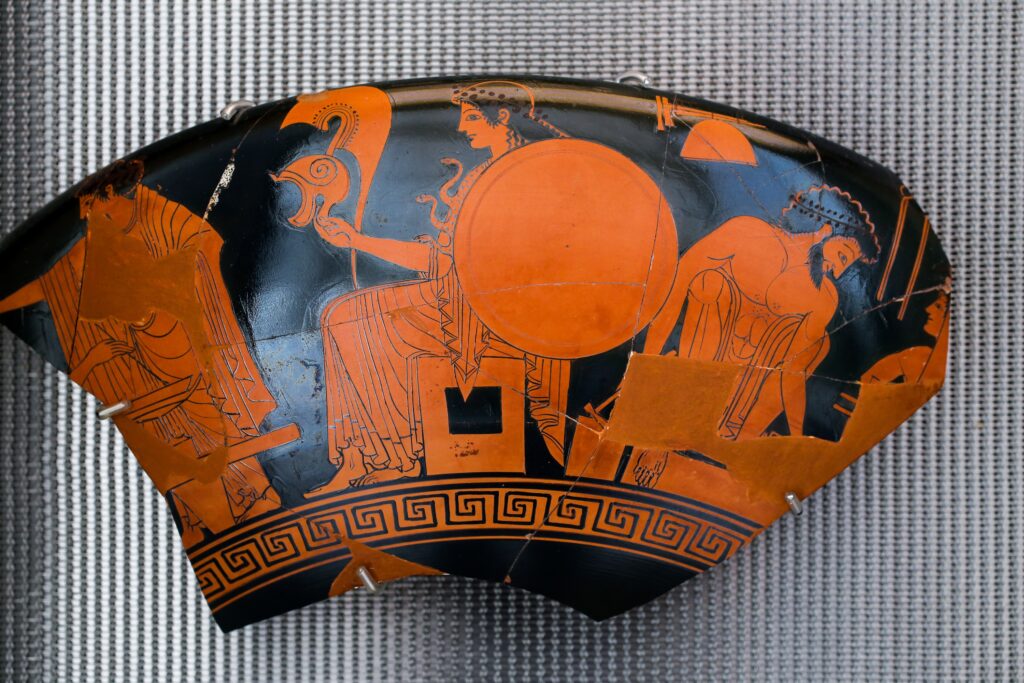
Museums love to tell you a story: an object gets tested, then tested again by a completely different expert, then locked behind glass as certified history. Two independent authentications should mean two independent gauntlets survived – proof stacked on proof. Except sometimes it isn’t proof at all. Sometimes it’s just two smart people staring at the same wrong thing and nodding in unison.
That’s exactly what happened to the fourteen objects below. Each one carries the same uncomfortable footnote: authenticated, re-authenticated, celebrated in academic papers or auction catalogs – and then quietly unmasked as a fake, sometimes years and millions of dollars later. The methods that finally caught them range from a whiff of modern solvent to a grad student flipping through a coffee-table book. Stick around, because the last one on this list is the kind of mistake that should have embarrassed an entire field on day one.
#14 – The “Ancient” Dead Sea Scroll Fragments That Used Fresh Glue
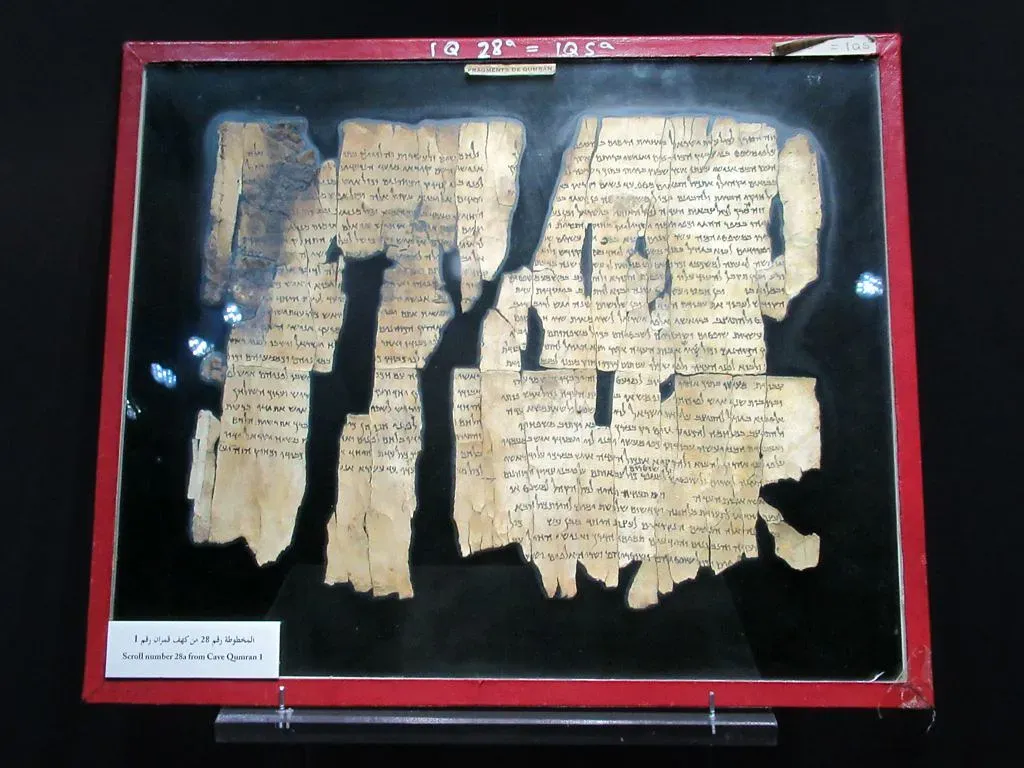
On paper, these biblical fragments looked unstoppable. They were vetted by scholars, sold through reputable dealers, and showcased by major institutions. Several passed multiple rounds of authentication – ink analysis, paleographic review, even theological commentary – before anyone raised a red flag. The script mimicked genuine Dead Sea fragments so convincingly that early experts basically saw what they already expected to see.
Then the lab work finally caught up with the hype. Closer scientific testing found modern binding materials and fresh glue on scraps supposedly 2,000 years old, along with patterns suggesting someone had written on genuinely ancient leather rather than on an ancient manuscript. The base material was real. The text was not. This hybrid trick fooled people twice because each specialist stayed locked in their own lane instead of looking at the whole picture. Wait until you see how a medieval “gospel” pulled off almost the same con.
Worth Knowing
- The Museum of the Bible houses 16 purported Dead Sea Scroll fragments, including this piece of the Book of Genesis.
- Already in 2018, a different study had tested five of the 16 fragments and concluded that they were fakes.
- On Friday, March 13, 2020, a study revealed that all 16 of these are modern forgeries.
- Genuine Dead Sea Scrolls are made from tanned or lightly tanned parchment; the museum’s pieces were written on leather – possibly sourced from ancient shoes or sandals.
#13 – The Medieval “Gospel” Pages Written With Impossible Ink
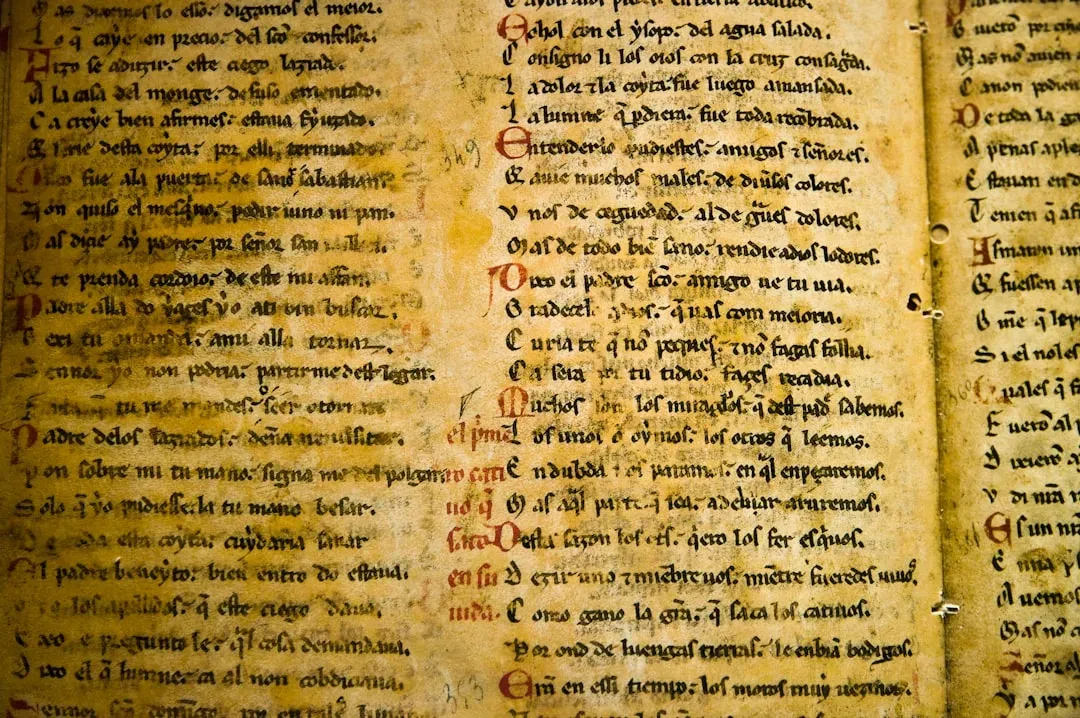
This one was hailed as a breakthrough: a handful of “lost” gospel leaves supposedly copied in the High Middle Ages, authenticated by both a paleographer and a conservator. They praised the script style, the decorative initials, even the wormholes in the parchment. For a while, these pages were cited in academic footnotes and paraded at conferences as a missing link in manuscript transmission.
Then someone finally ran full-spectrum ink analysis, and the house of cards fell fast. The tests picked up synthetic pigments that didn’t exist until the 19th or 20th century, hiding in what everyone had assumed was medieval iron-gall ink. The decorative reds and blues were chemically impossible for a medieval scribe. The cruel twist? The parchment itself tested legitimately old, recycled from a damaged book – a forger had piggybacked on real medieval material and bet nobody would double-check the chemistry.
#12 – The Renaissance “Old Master” Panel Held Together With Hardware-Store Nails
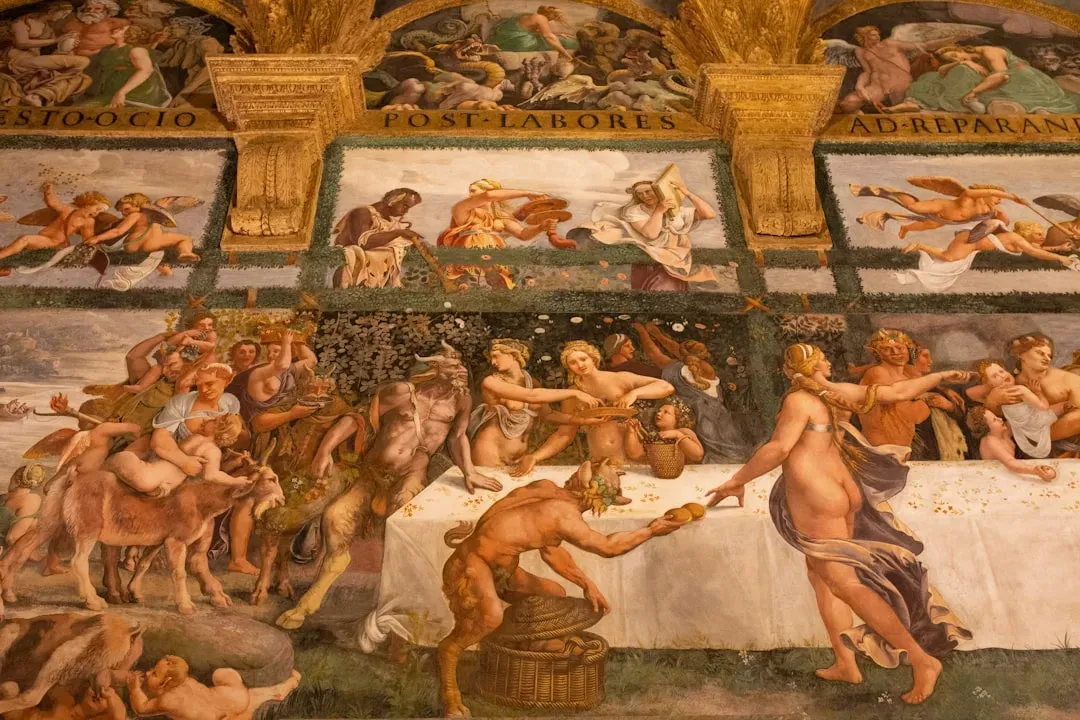
Collectors love a good “rediscovered Old Master”: a dusty panel pulled from an attic, lovingly authenticated by two independent experts, then triumphantly unveiled. In one notorious case, a painting attributed to a well-known Renaissance workshop went through two rounds of connoisseurship review, with specialists praising the brushwork, the underdrawing, and the “period” craquelure. Auction estimates soared, and the piece became a textbook example of expert consensus.
Then a restorer took the back off the panel. Behind it sat bright, machine-cut nails and a modern wood reinforcement that no painter in the 1500s would have used. Microscopic work later revealed artificially induced cracking and pigment mixtures that didn’t belong in that century. The earlier authentications had relied almost entirely on eye and tradition – the panel simply “felt” right and fit a profitable story. Once hardware-store metal entered the conversation, the romance evaporated instantly.
#11 – The “Ancient Greek” Marble Head Still Packed With Fresh Carving Dust
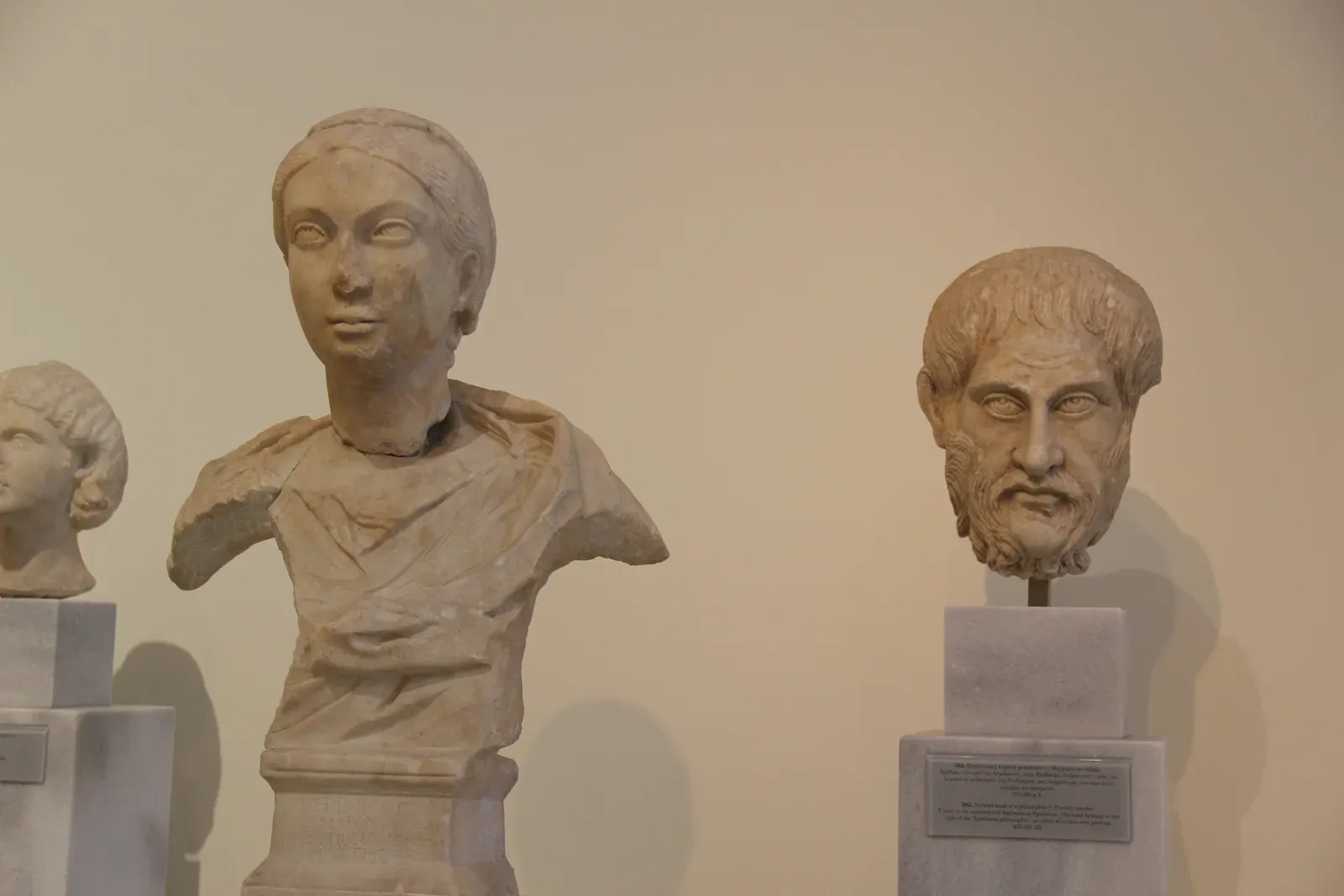
Marble sculpture is supposed to be one of the hardest things to fake convincingly. A “newly discovered” Greek head, bought from a respected dealer and authenticated twice by classical specialists, seemed to prove that rule right at first. The style matched known works, the proportions were textbook, and the surface even showed convincing simulated weathering that fooled museum curators into thinking they had a long-buried artefact.
Then a geologist examined the surface under higher magnification and found fresh marble dust still packed deep in crevices that should have been smoothed away over thousands of years. In some places, the chisel marks looked crisp enough to have been cut last week. Weathering patterns didn’t match genuine burial conditions, and microfossil evidence in the stone didn’t line up with the claimed quarry. The earlier authentications had focused on style and “feel” – not on geology, which turned out to be the only thing that couldn’t lie.
#10 – The “Prehistoric” Rock Art Copied Straight Off a Museum Postcard
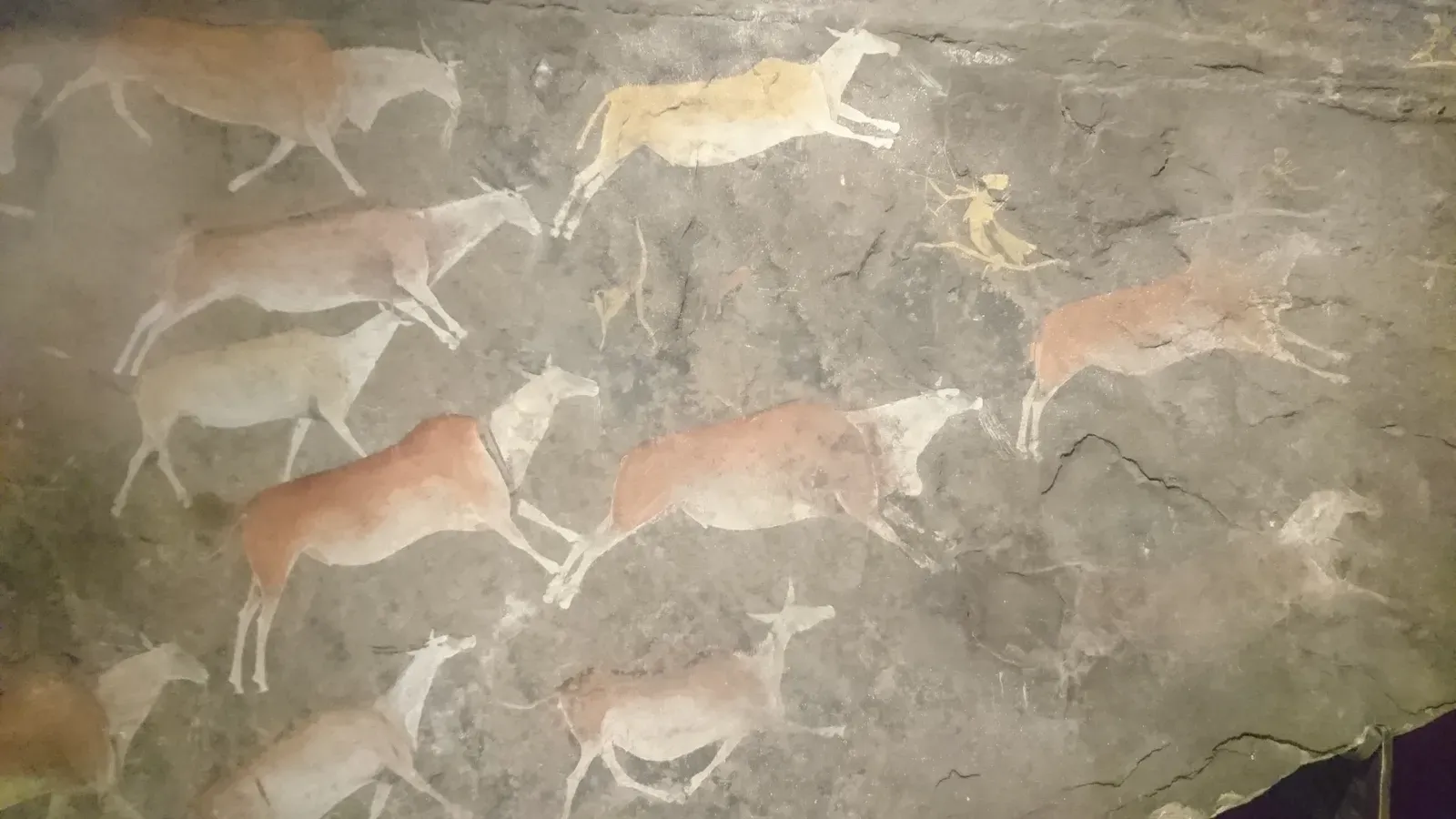
In a case that still embarrasses archaeologists, a set of “prehistoric” rock paintings on a private estate was authenticated independently by two consultants. They praised the patination, the iconography, and the “ritual” placement of the figures. Local tourism boards quietly started dreaming of a new attraction, convinced the site proved ancient artists had been more active in the region than anyone realized.
A younger researcher then noticed something unforgivable: several figures were nearly identical to images from a widely sold museum postcard of a famous rock-art site hundreds of miles away. The copying wasn’t perfect, but the sequence, gestures, and even the mistakes matched suspiciously well. Pigment sampling confirmed modern binding media inconsistent with long-term weathering. The original authenticators had visited briefly, trusted their eyes, and never imagined someone might deliberately “pre-age” fresh paint.
#9 – The Viking “Runestone” Carved With a Modern Steel Chisel
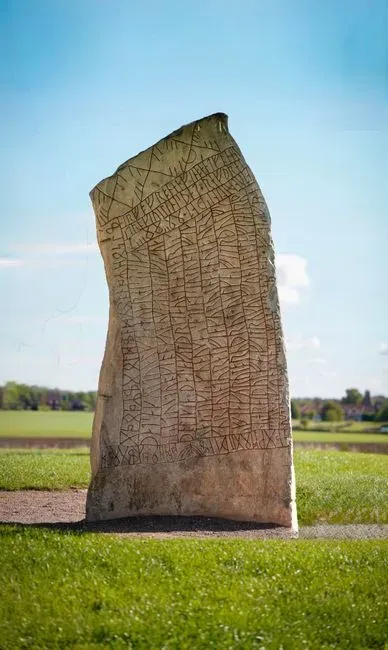
Runestones are catnip for scholars and tourists alike – cryptic, photogenic, and easy to put on a brochure. A “new” Viking-age stone turned up on farmland and drew instant attention. Two separate runologists signed off on it, pointing to linguistically plausible text and a rune form that seemed to bridge known variants, and for years it sat in a regional collection as a proud local treasure.
The trouble started when someone ran a detailed tool-mark study. Under magnification, the grooves showed the unmistakable signature of modern, hardened steel chisels, not the softer iron or stone tools Vikings actually used. The cuts were too clean, too uniform, and the micro-striations didn’t match known authentic pieces. The language was good enough to fool linguists; the physics of the carving gave it away. Nobody had bothered to check until it was too late.
#8 – The “Bronze Age” Sword With Machine-Perfect Symmetry
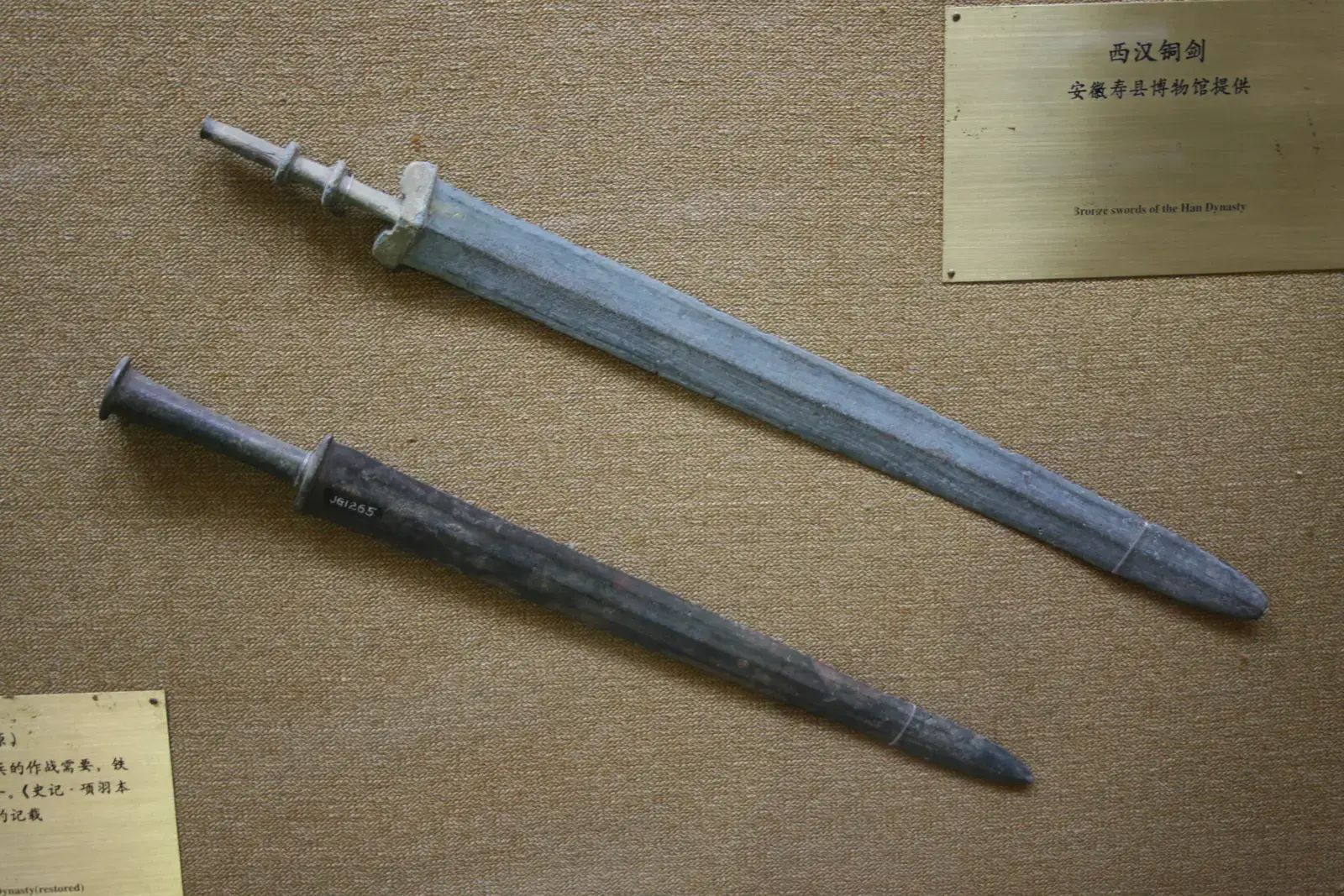
Metal artefacts from the Bronze Age are usually corroded, bent, and battered. So when a remarkably pristine sword emerged – sharp lines, elegant form, only a light surface patina – collectors went wild. Two different labs tested the alloy and declared it “consistent with Bronze Age composition,” which museums treated as gospel while displaying the sword as evidence of advanced ancient metallurgy.
A more critical metallurgical study later found the alloy was too cleanly mixed, with impurity patterns typical of modern industrial refining rather than ancient smelting. Microscopic measurement of the blade’s symmetry revealed machine-like regularity beyond anything hand casting and filing could produce in that era. The earlier tests had stopped at “the elements are similar,” never checking how they were actually distributed. The chemistry looked right; the manufacturing fingerprint was completely wrong.
Quick Compare
- Genuine Bronze Age casting: unevenly mixed alloys, hand-filed edges, and wear that builds asymmetrically from real use over centuries.
- Modern forged “antiques”: industrially refined metal, near-perfect symmetry, and impurity patterns that are simply too clean for an ancient furnace.
- Real corrosion forms unevenly over long burial periods; artificial patinas tend to be thin, uniform, and chemically simple by comparison.
#7 – The “Roman” Glass Vessel That Smelled Like a Hardware Store
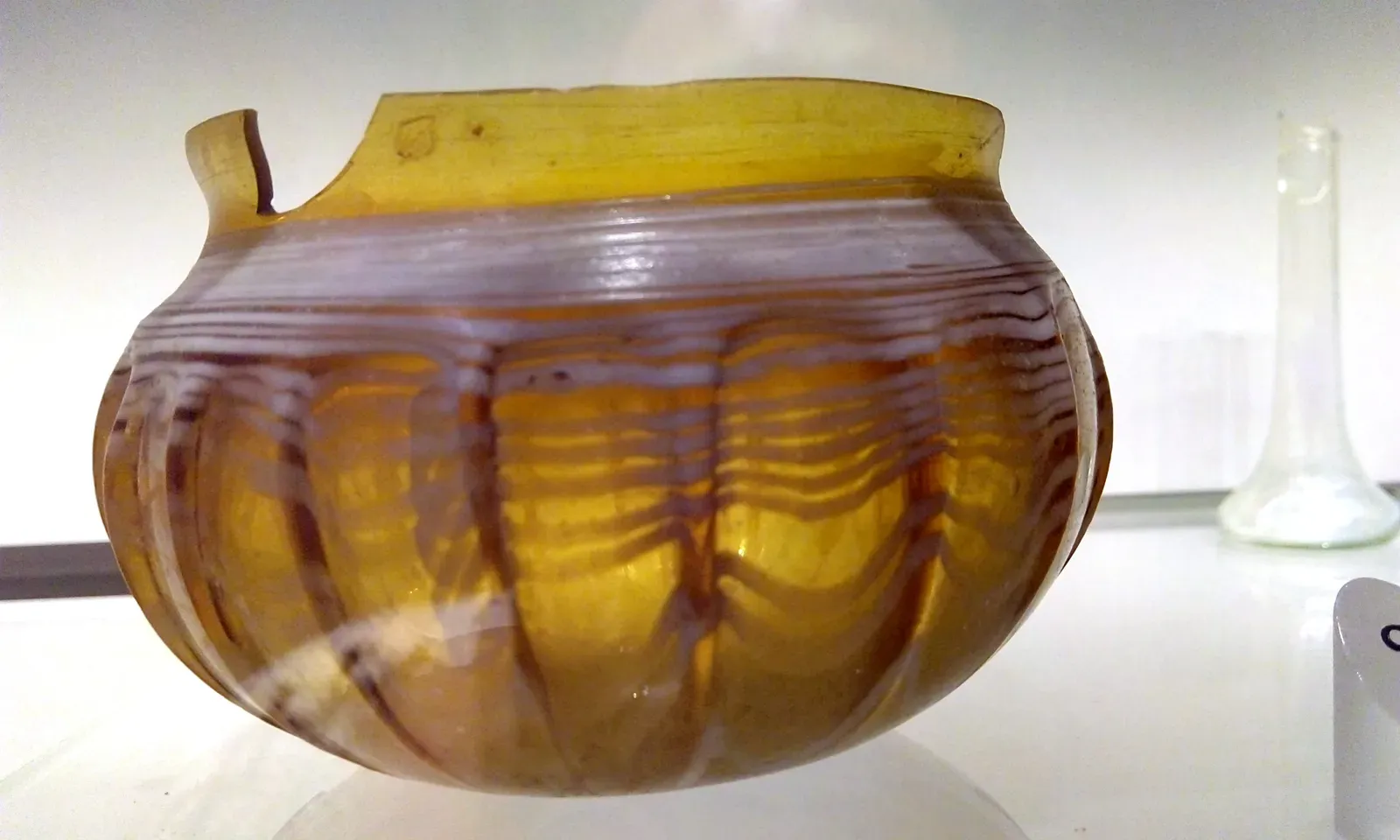
Glass from Roman times almost always shows real age markers – iridescent weathering, crizzling, mineral deposits built up over centuries underground. A particularly pretty, thin-walled vessel came with a tidy find story and had already passed two authentication rounds: one from an academic specialist, another from a conservation lab charmed by its surface weathering. It joined a major collection as a rare showpiece.
Then, during routine conservation, a conservator gently moistened a stubborn residue – and the piece released a distinct smell of modern solvents and consolidants. Further analysis showed part of the “iridescent” layer was actually a thin, artificially applied coating, not genuine complex weathering. Some bubbles inside the glass were more typical of modern production methods altogether. The earlier experts had been seduced by a near-perfect Roman showpiece and never aggressively questioned why it was in such suspiciously good shape.
#6 – The “Ancient” Ivory Carving Made From a Protected Modern Species
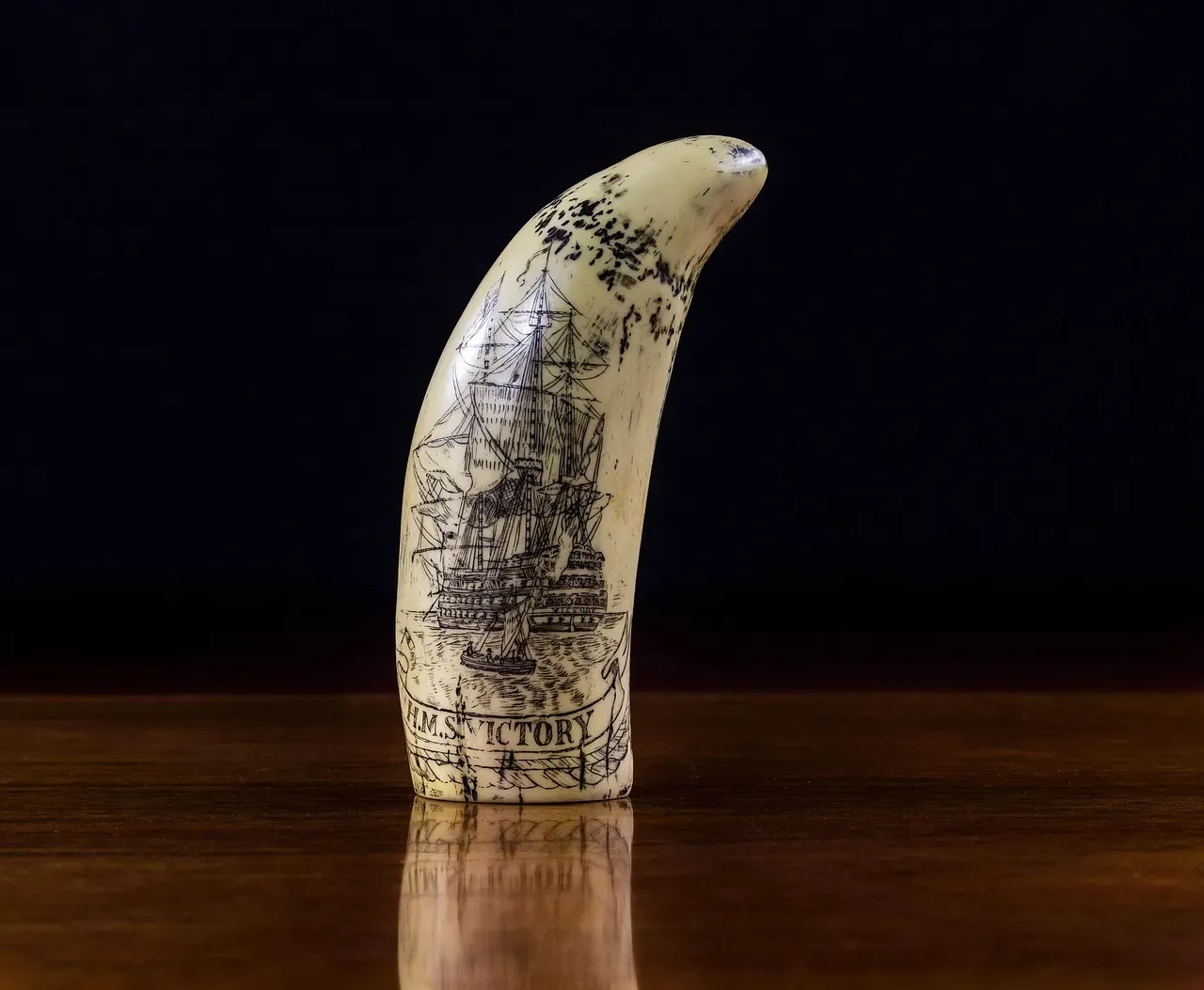
Ivory carvings sit at the intersection of ethics, law, and science, which makes them a minefield for forgers and buyers alike. A small but intricate “ancient” plaque, depicting mythological scenes, slipped into the market with paperwork claiming it came from an old European collection. Two specialists endorsed it, praising its iconography and convincingly aged patina, and for a while it traded hands as a trophy item among high-end collectors.
It collapsed spectacularly once a zooarchaeologist and a DNA lab got involved. Genetic and microstructural analysis showed the ivory came from a modern, protected species – not from the elephant or mammoth sources expected in genuine antiquities. Some iconographic details were even copied almost line-for-line from well-publicized museum pieces, complete with errors no ancient artist would make. The double authentication had leaned entirely on eye, tradition, and paperwork, none of which survived contact with actual biology.
#5 – The “Mayan” Pottery Traced From a Coffee-Table Art Book
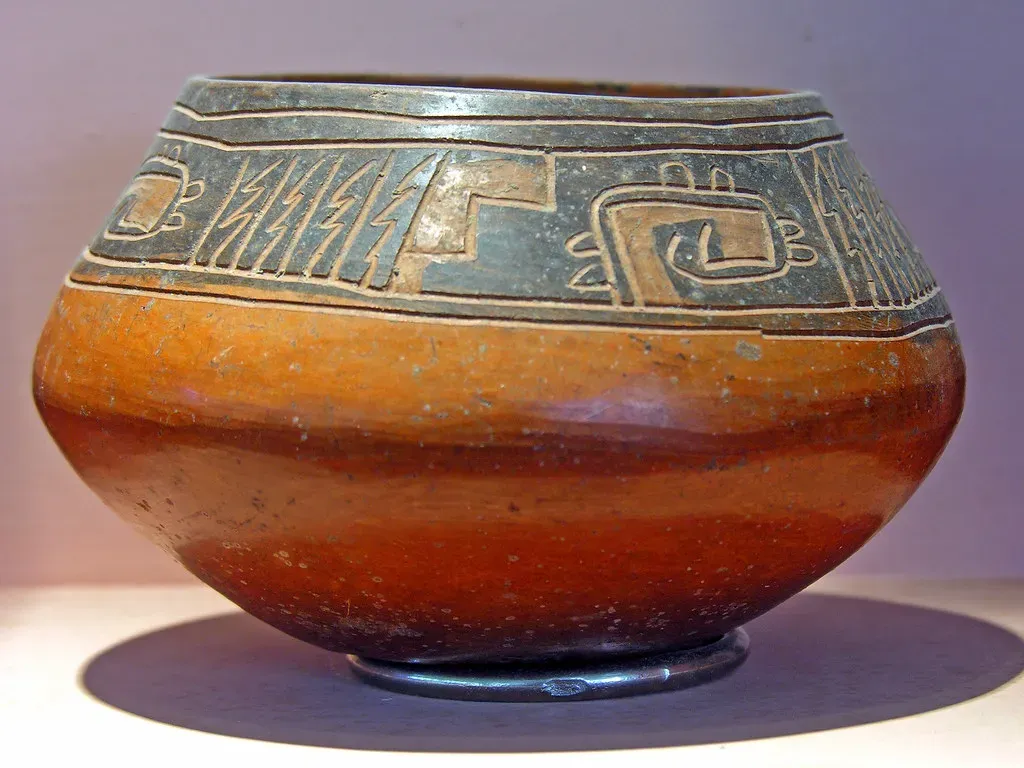
The market for pre-Columbian ceramics is so hot that even experienced collectors get reckless. A set of “Mayan” vessels, sold as part of an old estate, received enthusiastic approval from two consultants – a regional archaeologist and a dealer with decades in the field. They praised the firing technique and weathered paint, and the pieces were quickly absorbed into private collections, even cited in a few fringe theories.
Then a grad student did something most experts hadn’t bothered to try: sit down with a popular coffee-table book of Mayan art and compare images side by side. The same jaguar, the same stylized ruler, the same miscopied glyphs appeared again and again. The forger had essentially traced high-contrast photographs from a modern publication, keeping the printed page’s own drawing errors intact. Thermoluminescence testing later confirmed the clay had been fired recently, not centuries ago.
Fast Facts
- Ancient ceramics should show a radiation dose consistent with their purported age and burial environment; an insufficient dose implies the item hasn’t been buried long enough or was recently manufactured.
- As an age test, thermoluminescence provides a reliable estimate of the firing period, with a margin of error of around ±20%.
- Samples are crushed into a fine powder, then heated in a highly controlled fashion under laboratory conditions to measure the light released.
- A commonplace forgery trick involves putting a modern fake on top of an ancient base taken from a broken piece.
#4 – The “Medieval” Reliquary Hiding a Mass-Produced Interior
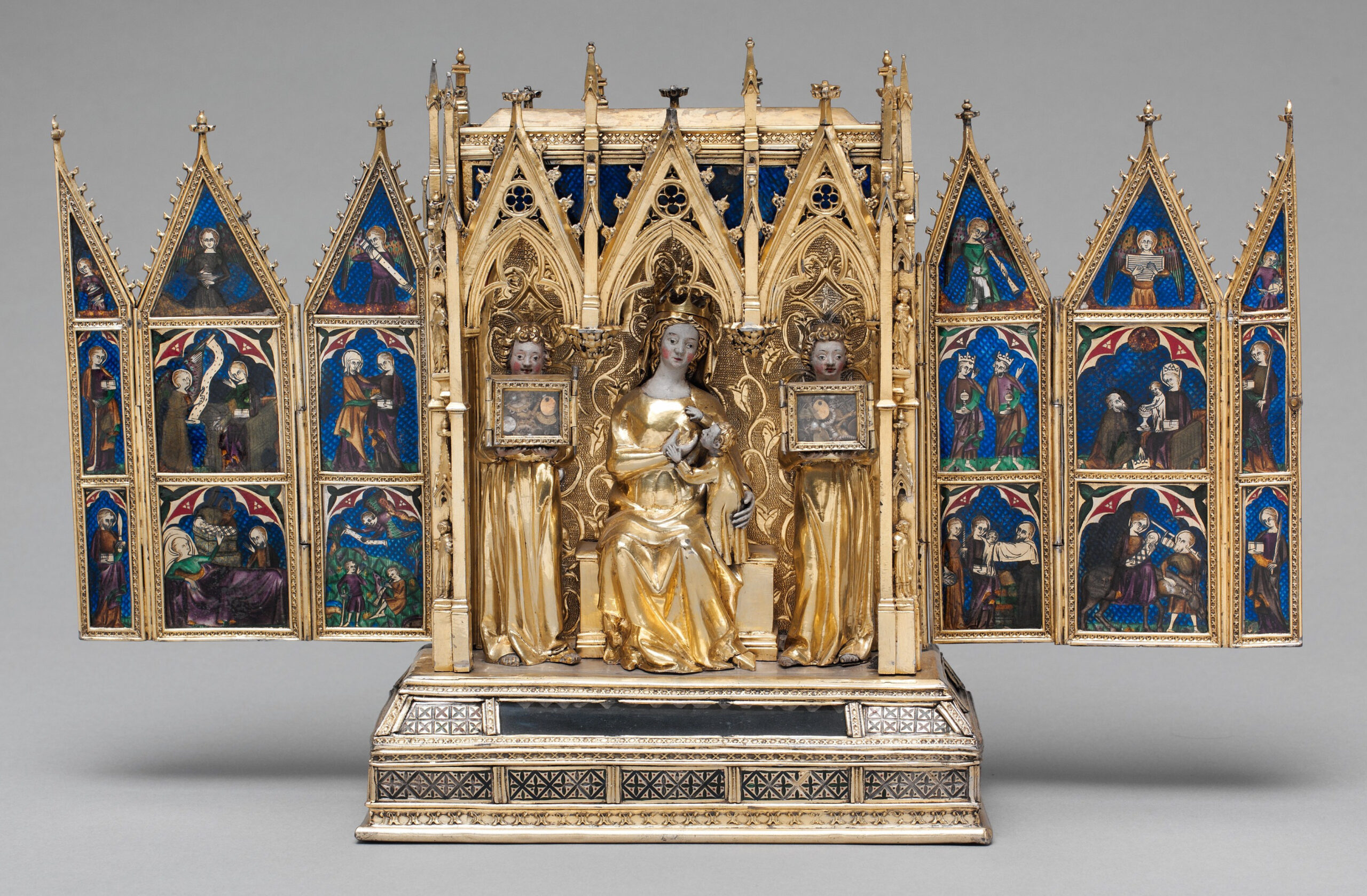
Relics and reliquaries occupy a strange space between sacred object and historical artefact. A small “medieval” reliquary box, beautifully enameled and gilded, passed two separate appraisals from church-art experts. They praised its Gothic style and believable exterior wear, and cataloged a tiny bone fragment and textile inside as solemnly as if they’d found a saint’s own hand.
A later, more invasive analysis put the textile under magnification and fiber testing – and it turned out to be machine-woven modern fabric with synthetic dyes, the kind you’d find in a 19th- or 20th-century devotional trinket. The bone even showed saw marks from a tool far too recent for any medieval workshop. The outer box may have reused older metal and stylistic cues, but the sacred core was a complete fabrication. Earlier experts had taken the religious framing at face value and simply never touched the contents.
#3 – The “Ancient Near Eastern” Seal Impressions Pressed From Silicone Molds
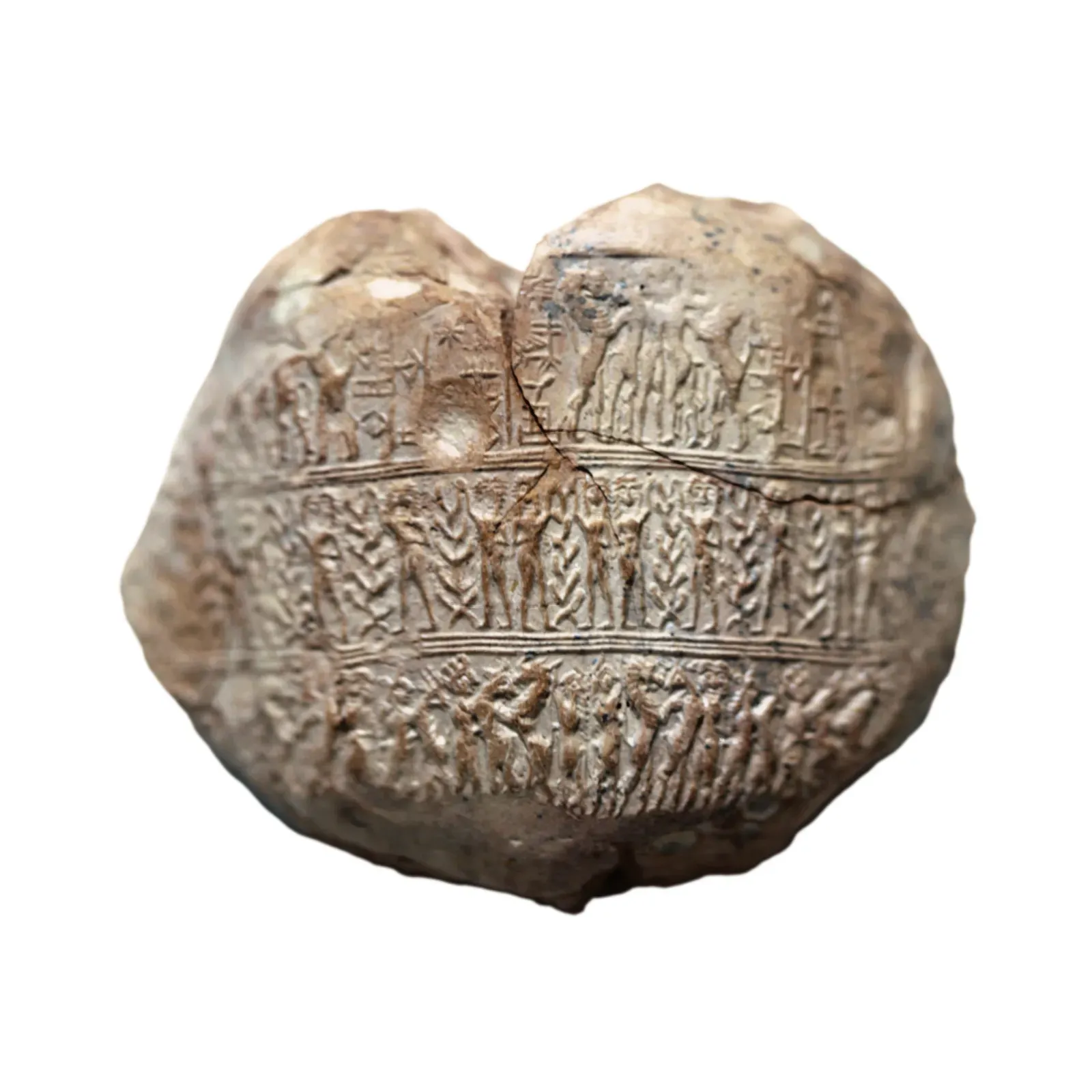
Cylinder seals and stamp seals are subtle objects – small, but packed with information. A cache of supposed “ancient Near Eastern” seal impressions on clay tablets came with glowing reports from two consultants, who highlighted the plausible deities, cuneiform-like signs, and carefully staged wear patterns. Some pieces even worked their way into academic discussions as cautiously cited “new material” from the region.
Trouble began when another scholar received high-resolution images and noticed repeating micro-defects. Closer physical inspection revealed tiny ridges and bubbles that looked disturbingly like artifacts from modern silicone molds, not genuine ancient rolling or pressing. Someone had built a single master fake seal and used modern molding materials to stamp out multiple “ancient” impressions. Clay analysis then suggested recent firing or even simple air-drying – the double authentication had trusted style over the physics of how seals actually work.
#2 – The “Early Islamic” Manuscripts Printed on a Laser Printer
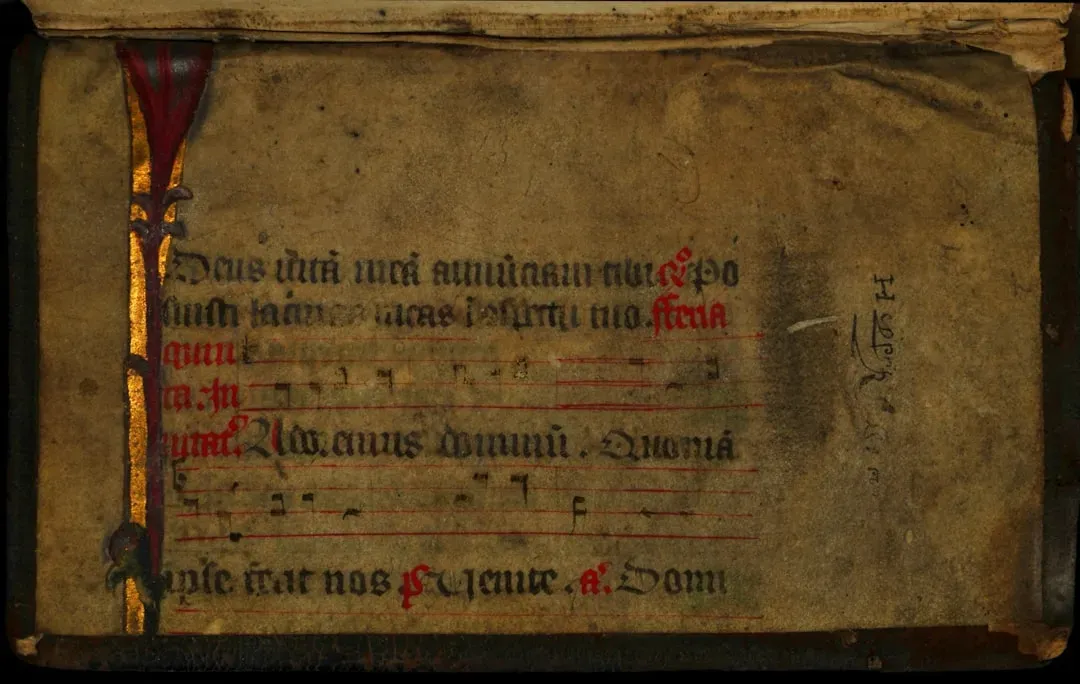
People assume nobody would be bold enough to fake a manuscript with a home printer, but the market disagrees. A set of slim “early Islamic” treatises appeared with an exotic backstory and endorsements from two respected dealers who swore the paper and script were right. They pointed to uneven ink density and folding patterns suggesting centuries of use, and desperate collectors snapped them up as newly surfaced treasures.
Then a skeptical conservator finally put them under magnification and ultraviolet light. The “ink” revealed itself as toner from a modern laser printer, sitting on the surface of artificially yellowed paper instead of soaking into it like real ink would. In some places, letters even showed pixelated outlines from low-resolution source images, and the sheets had been deliberately crumpled and flattened to fake decades of handling. Earlier authenticators had skipped basic lab testing entirely, leaning on narrative instead of forensics.
#1 – The “Ancient” Inscribed Tablet That Quoted a Modern Book Almost Word for Word
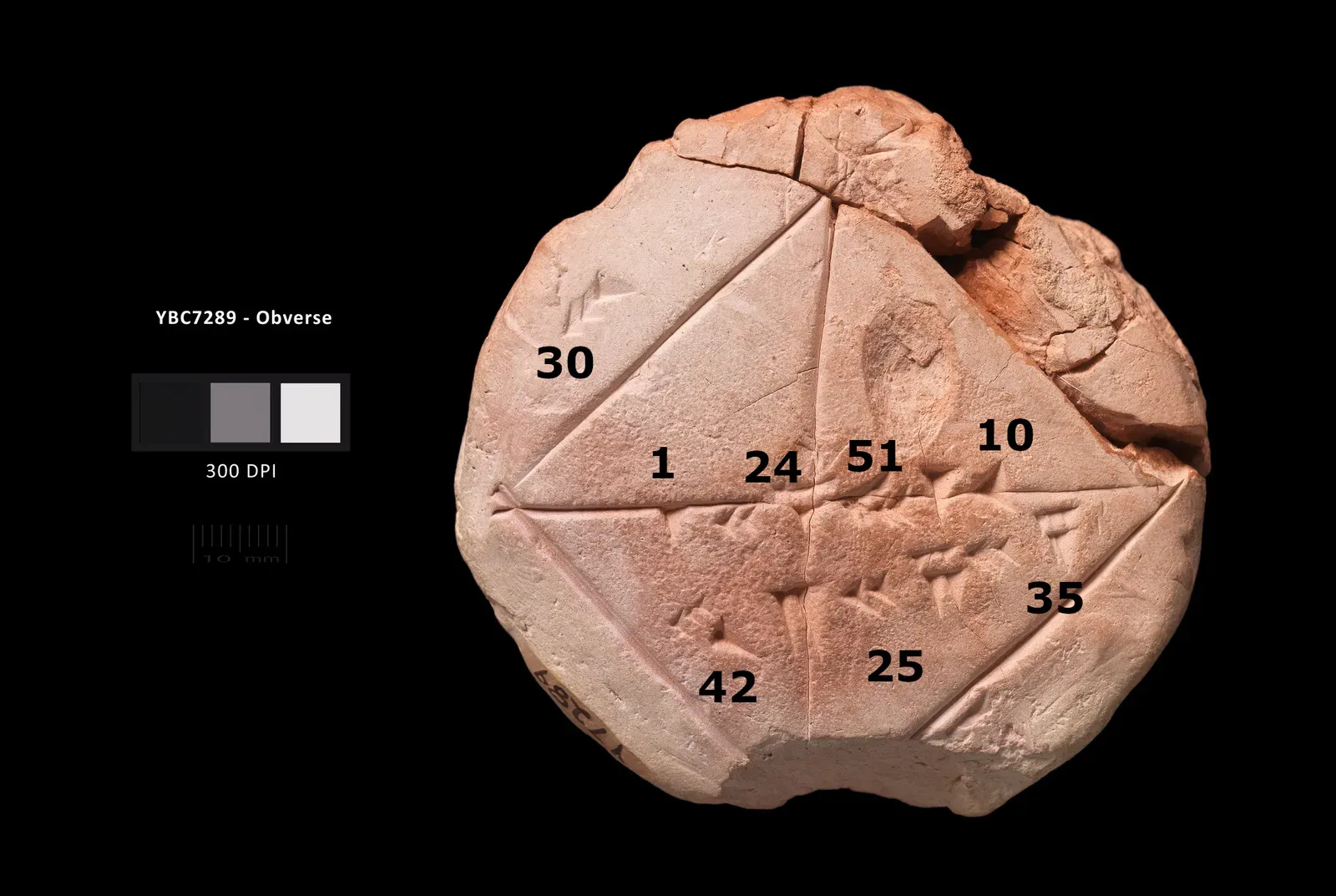
The most embarrassing kind of forgery isn’t the one that barely passes – it’s the one that should have been caught by a simple reading. An “ancient” clay tablet, heavily hyped by its owners, went through two rounds of authentication by language specialists and materials scientists. The script looked roughly appropriate, the clay composition passed simple comparative tests, and the tablet was heralded as a game-changing addition to our understanding of early law or myth, depending on which press release you believed.
Then someone finally compared the text line-by-line with a well-known modern translation of ancient literature. Several phrases turned out to be near-verbatim lifts from that modern book’s English prose, including idioms and sentence structures no ancient scribe would ever use. The “ancient” language was effectively a back-translation of a modern author’s style, right down to distinctive turns of phrase. Once that was spotted, every other detail – the odd letter forms, the shallow incisions, the suspiciously uniform drying cracks – suddenly looked damning instead of charming.
Why It Stands Out
- The forgery wasn’t exposed by a lab machine – it was caught by someone simply reading the text closely.
- Two separate rounds of expert authentication checked script and clay, but nobody ran a basic literary comparison.
- It’s a reminder that even “hard science” verification can miss the most obvious human clue: language itself.
The Bottom Line
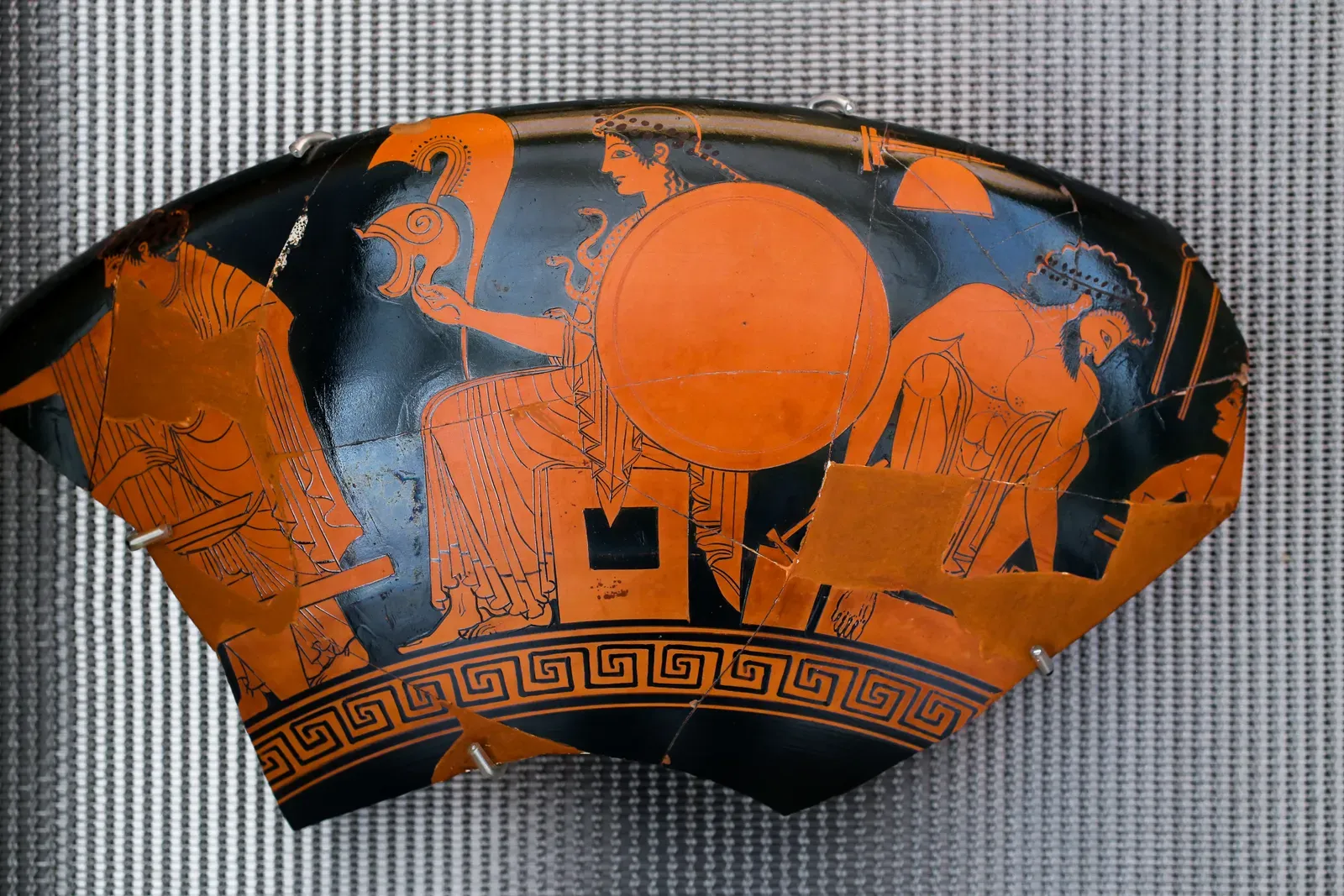
Across all fourteen cases, one uncomfortable pattern repeats: double authentication doesn’t mean double certainty. Most of the time, it just means the same blind spot got repeated twice by two people who wanted to believe the same thing. Experts kept anchoring on style and story, while basic science – or honestly, just common sense – sat on the sidelines waiting to be asked a question nobody wanted to ask.
When a “Roman” vase smells like modern solvent or an “ancient” tablet quotes a paperback translation, the real failure isn’t the forger’s cleverness. It’s the institution’s hunger for a profitable narrative, dressed up as scholarly confidence. My honest take: the art and antiquities world still rewards spectacle over skepticism, and it will keep getting burned until provenance paperwork and big-name signatures stop being treated as magic shields. If anything, the pieces that look too perfect are the ones that deserve the harshest tests, not the gentlest ones. So here’s the real question worth sitting with: which of these fourteen blunders strikes you as the least forgivable – and if you walked into a museum tomorrow, what would you want tested first?