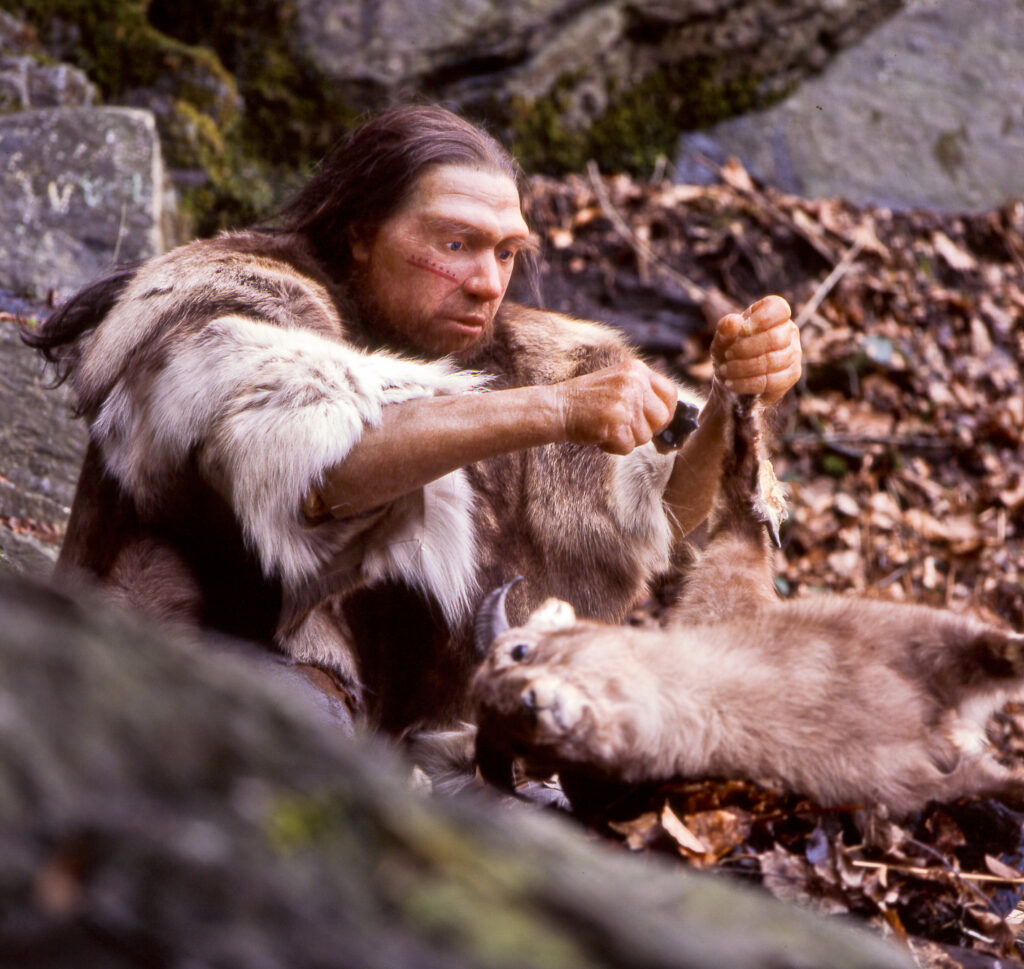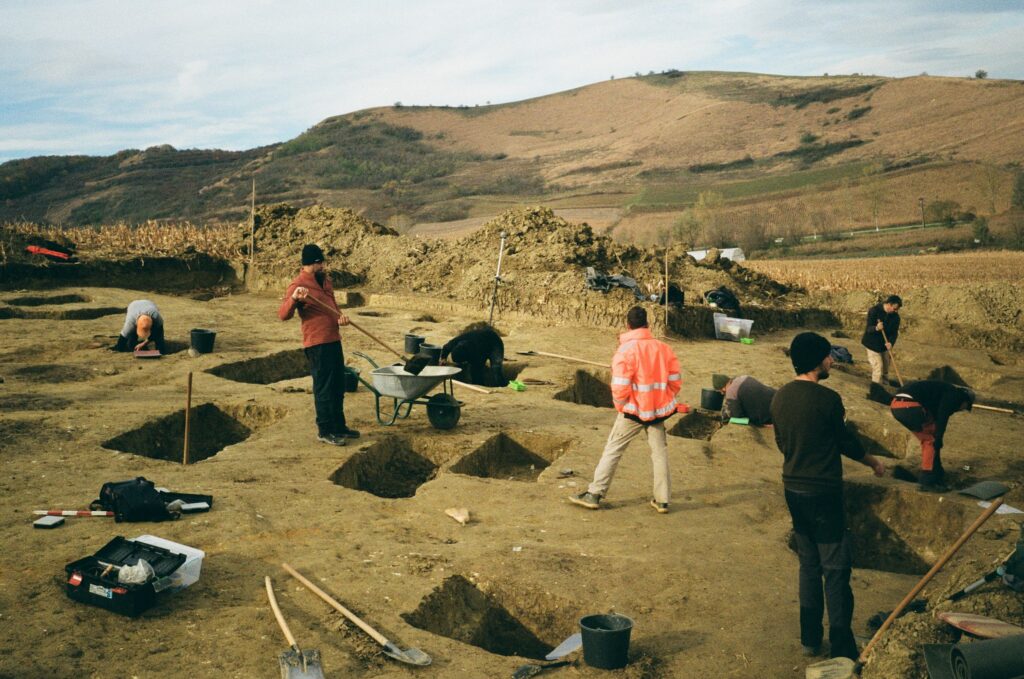
Most people assume our ancestors were simply “hunting and gathering” their way through history, eating whatever they could find and calling it a day. But that casual assumption hides something far stranger: the foods early humans ate didn’t just fill their stomachs. They rewired their DNA, and that rewiring is still sitting inside you right now, quietly running in the background of your daily life.
Every time you crave salt, feel flushed after a glass of wine, or double over after a milkshake, you’re replaying a decision your ancestors made tens of thousands of years ago. Geneticists and evolutionary biologists have actually traced these cravings and reactions back to specific prehistoric meals. Here are the thirteen ancient foods still shaping your body today, and the strange biological receipts they left behind.
#1 – Fermented Fruit Turned Us Into Natural Drinkers
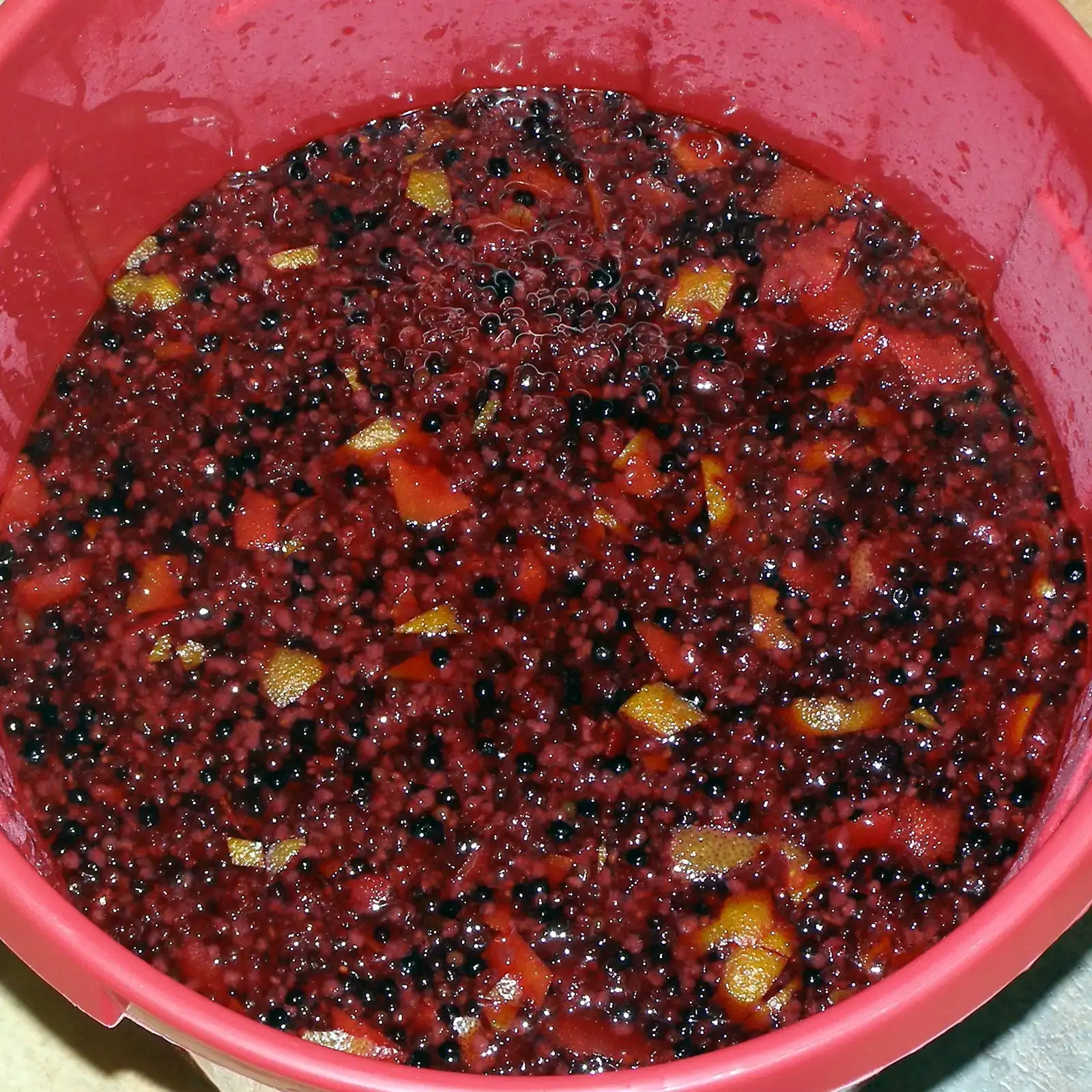
Long before humans invented beer or wine, our primate ancestors were already getting a little tipsy off the forest floor. Scientists traced a single genetic mutation in the ADH4 gene back roughly 10 million years, right around the time hominids started spending more time on the ground instead of up in the trees.
That timing isn’t a coincidence. Fruit hanging safely on a branch doesn’t sit around fermenting, but fruit that’s fallen to a warm forest floor is a different story. Yeast gets into the sugars, fermentation kicks in, and suddenly dinner comes with a tiny dose of natural alcohol. Most primates today still carry a version of ADH4 that’s clumsy at breaking down ethanol, but the human lineage picked up a single amino acid change that dramatically boosted its efficiency.
That ancient upgrade made our ground-dwelling ancestors roughly 40 times better at metabolizing alcohol than earlier tree-dwelling primates. It’s the reason you can enjoy a glass of wine tonight without your body treating it like poison. It’s also, uncomfortably, part of why alcohol misuse became such an easy trap once we started brewing the stuff on purpose instead of stumbling across it on the forest floor.
#2 – Starchy Roots Rewrote Our Saliva
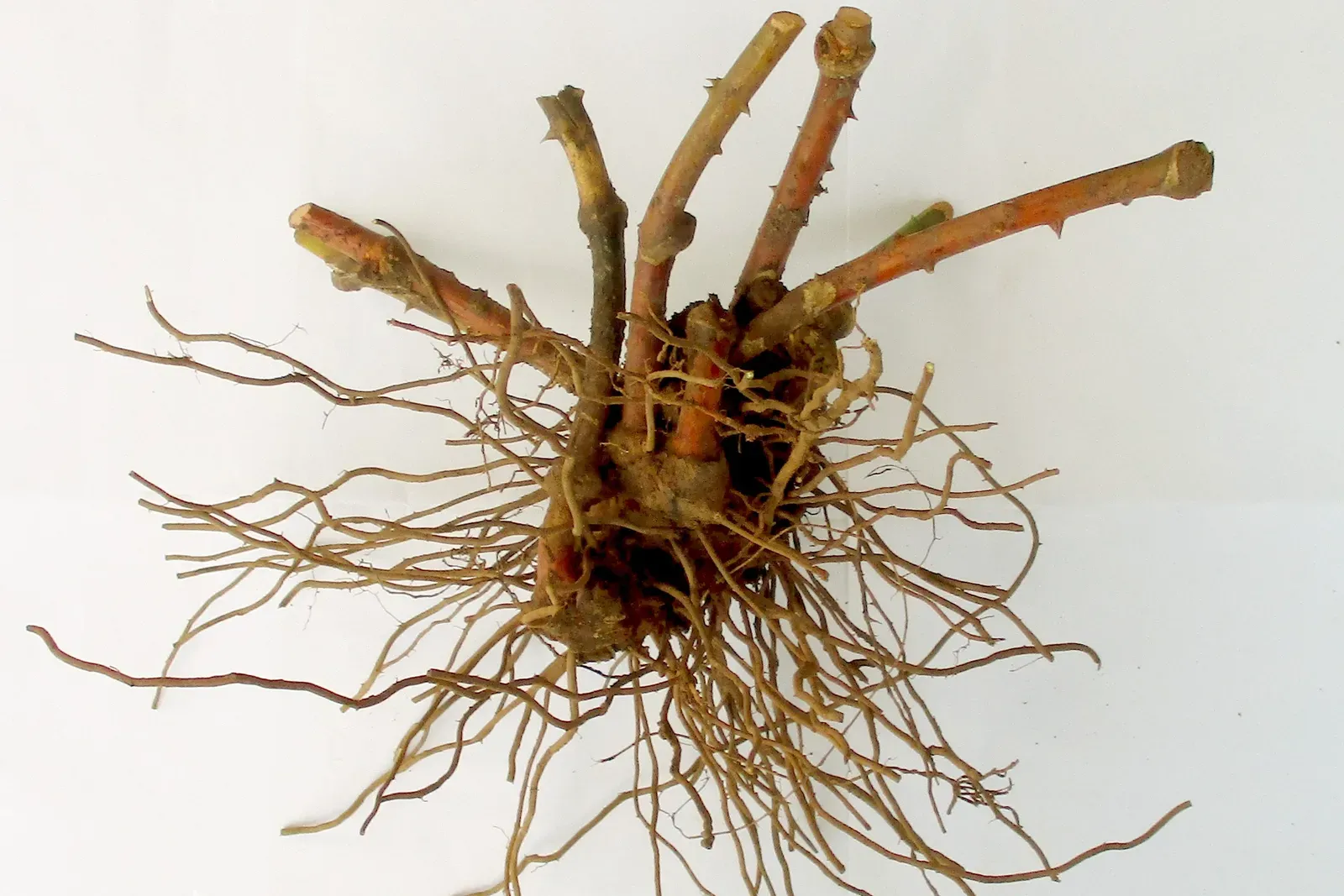
Long before bread, rice, or potatoes became dinner staples, early humans were digging up wild tubers and roots by hand. That habit left a permanent fingerprint on your spit. The gene responsible, AMY1, controls how much amylase – the enzyme that starts breaking down starch – shows up in your saliva before food even reaches your stomach.
Researchers compared populations with historically starch-heavy diets, like early farmers, against groups that traditionally ate low-starch, high-protein diets, like Arctic hunters and rainforest foragers. The gap in gene copies between these groups wasn’t subtle at all – it was a clear genetic signature of what people had been eating for generations.
The number of AMY1 copies a person carries can range from just two all the way up to twenty-four. More copies mean faster starch breakdown right in your mouth, which is part of why some people digest bread and pasta comfortably while others feel sluggish and bloated after the same plate. It traces directly back to what their ancestors were pulling out of the dirt thousands of years ago.
Quick Compare
- Starch-heavy ancestry: early farming populations built around wheat, rice, cassava, and other root staples
- Low-starch ancestry: Arctic hunters and Central African rainforest foragers who leaned on meat, fish, and fat instead
- The takeaway: the starchier a population’s history, the more AMY1 copies its descendants tend to carry today
#3 – Milk Split Humanity Into Two Camps

Here’s an uncomfortable truth: for most of human history, drinking milk past infancy would have made you sick. Mammals are biologically built to stop producing lactase, the enzyme that digests milk sugar, once they’re weaned. Once the job of lactase is done, the body typically shuts the factory down for good.
Then, in a few scattered populations that started herding animals, something unusual happened. Some people inherited mutations that let them keep producing lactase well into adulthood. Geneticists believe several different versions of this mutation arose independently in different regions within the last ten thousand years – not one single lucky event, but the same solution discovered again and again by different populations facing the same problem.
Roughly two-thirds of adults worldwide are still lactose intolerant today. So if a glass of milk upsets your stomach, you’re not broken – you’re running the default human setting. It’s actually the people who can drink milk comfortably who are carrying the genetic exception, not the rule.
#4 – Bitter Poisons Built Our Sense of Taste

Your ability to detect a bitter taste isn’t a random quirk. It’s a survival system built directly from early humans dodging poisonous plants. Toxins in the natural world overwhelmingly taste bitter, and that pattern shaped an entire family of genes called TAS2Rs into a kind of built-in early warning alarm.
This wasn’t a minor tweak. The importance of detecting deadly plants placed heavy selective pressure on these genes over time, leaving clear signatures in how they evolved across different human populations. The people who could taste danger and spit it out survived to pass that sensitivity along.
Vegetables like broccoli, kale, and Brussels sprouts trigger the exact same ancient alarm bells that once warned humans away from deadly plants. That’s a big reason so many people instinctively recoil from healthy greens, even though nothing dangerous is actually on the plate. Many nutritionists now argue this outdated wiring, not laziness, is the real reason vegetable intake stays stubbornly low across the modern world.
#5 – Fatty Marrow Fueled Bigger Brains
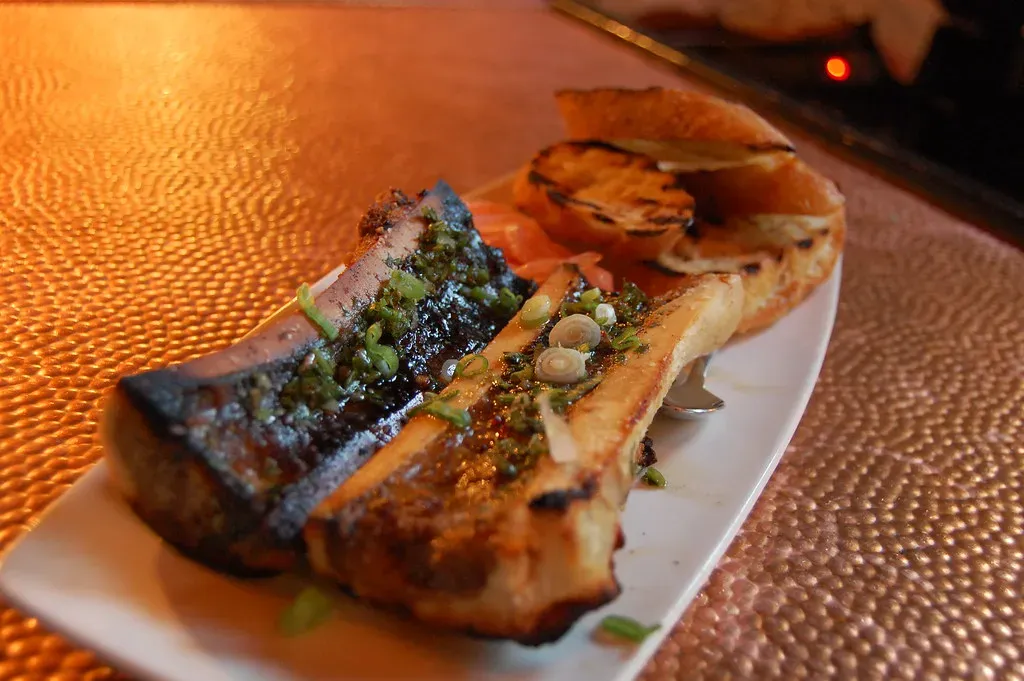
Long before steak dinners, early humans were cracking open animal bones to get at the rich, fatty marrow hidden inside, and this wasn’t a minor snack. Marrow and organ fats delivered a dense concentration of calories and specific fatty acids that lean muscle meat simply couldn’t match.
What makes this significant is timing. Brain tissue is extraordinarily fat-hungry, and the shift toward eating fattier animal tissue lines up closely with periods of rapid brain growth in the fossil record. Early humans weren’t just eating for fullness; they were unknowingly feeding an organ that demanded far more energy per pound than any other tissue in the body.
The human brain still burns through a strikingly disproportionate share of your daily calories relative to its size, and that appetite for concentrated fat hasn’t gone anywhere. It’s part of why fat-rich foods still trigger such a strong reward response in the modern brain. That pull isn’t a personal weakness – it’s an ancient signal telling your body “this is exactly the fuel we evolved to want.”
#6 – Salt Scarcity Made Us Craving Machines

For most of human history, salt wasn’t sitting in a shaker on the table – it was a rare, hard-won mineral. Early diets, especially those built around wild plants and fruit, were naturally low in sodium, which forced the body to become extremely efficient at holding onto whatever salt it managed to find.
This created a physiological system built almost entirely around conservation, not moderation. Kidneys evolved to aggressively retain sodium, and taste systems evolved to make salty flavors intensely rewarding, because in a low-salt world, craving salt was a genuine survival advantage rather than a bad habit worth breaking.
That ancient salt-conserving system is still fully active, even though salt is now one of the most abundant substances on the planet. Modern diets are saturated with sodium in processed foods, but our bodies are still running the “salt is scarce, hoard it” program from thousands of generations ago. It’s a mismatch, not a malfunction – the body is doing exactly what it was built to do in an environment that no longer exists.
Fast Facts
- Dietary guidelines recommend adults limit sodium intake to less than 2,300 mg per day, about a teaspoon of table salt
- Americans consume on average more than 3,400 milligrams of sodium each day
- More than 70% of the sodium Americans eat comes from packaged, prepared and restaurant foods, not the saltshaker
#7 – Wild Honey and Ripe Fruit Shaped Our Sweet Tooth
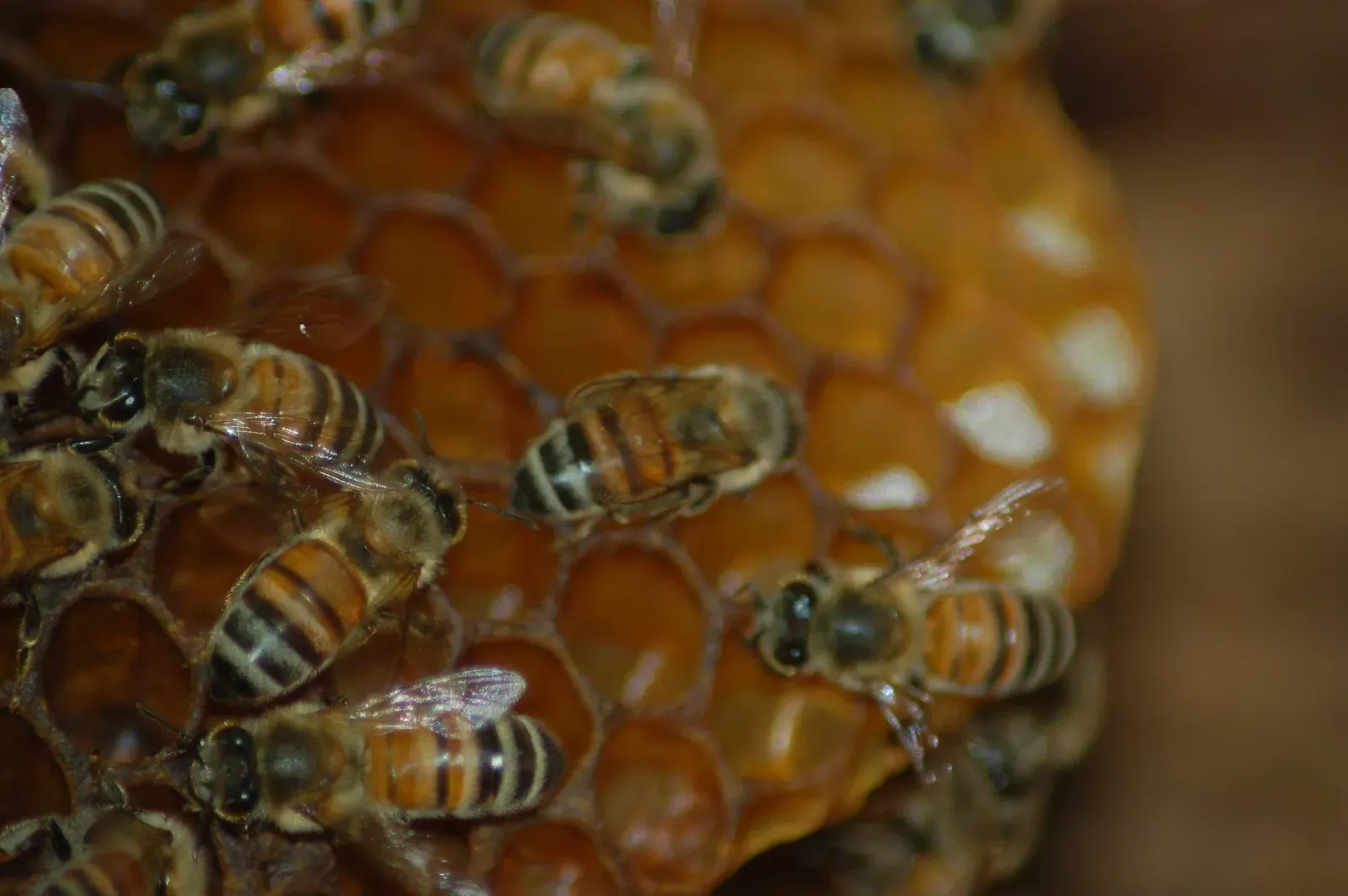
Sugar in the ancestral world wasn’t hiding in candy bars – it was seasonal, rare, and almost always attached to something nutritious, like ripe fruit or the occasional prized find of wild honey. Because sugar signaled a fast, safe source of energy, the body evolved a powerful reward response tied specifically to sweetness.
There’s a deeper metabolic trick buried in this story too. Fructose, the sugar concentrated in fruit, doesn’t just get burned for energy – it nudges the body toward fat storage and raises uric acid as a side effect of how the liver processes it. In a feast-or-famine world, this wasn’t a flaw; it was an efficient way to bank calories fast whenever sugar-rich food actually showed up.
That same fructose-processing pathway still runs in your liver today, completely unaware that sugar is no longer rare. The result is a body still primed to store fat aggressively every time it detects sugar, even though sugar is now available in unlimited, concentrated form year-round. Many researchers now argue this mismatch, not personal willpower, is a real driver behind rising rates of metabolic disease – a genuinely controversial claim that still divides nutrition scientists.
#8 – Fibrous Wild Plants Built Our Gut Bacteria

Early human diets were loaded with tough, fibrous roots, wild greens, and unprocessed plant matter that modern diets barely resemble. This wasn’t easy eating – it demanded serious chewing and even tougher digestion – but it came with a hidden benefit that shaped human biology from the inside out.
That fiber didn’t just pass through; it fed an enormous population of gut bacteria that in turn produced compounds the human body depends on, including short-chain fatty acids that support gut lining health and immune regulation. Over generations, human digestion essentially became a partnership with these microbes rather than a solo act.
Modern low-fiber diets have measurably shrunk the diversity of bacteria living in the human gut compared to populations still eating traditional, fiber-heavy diets. That loss of microbial diversity is now linked to a range of modern digestive and immune issues, suggesting some current health problems may be less about new toxins and more about starving a gut ecosystem that evolved expecting a very different menu.
#9 – Insects Were a Bigger Deal Than You Think
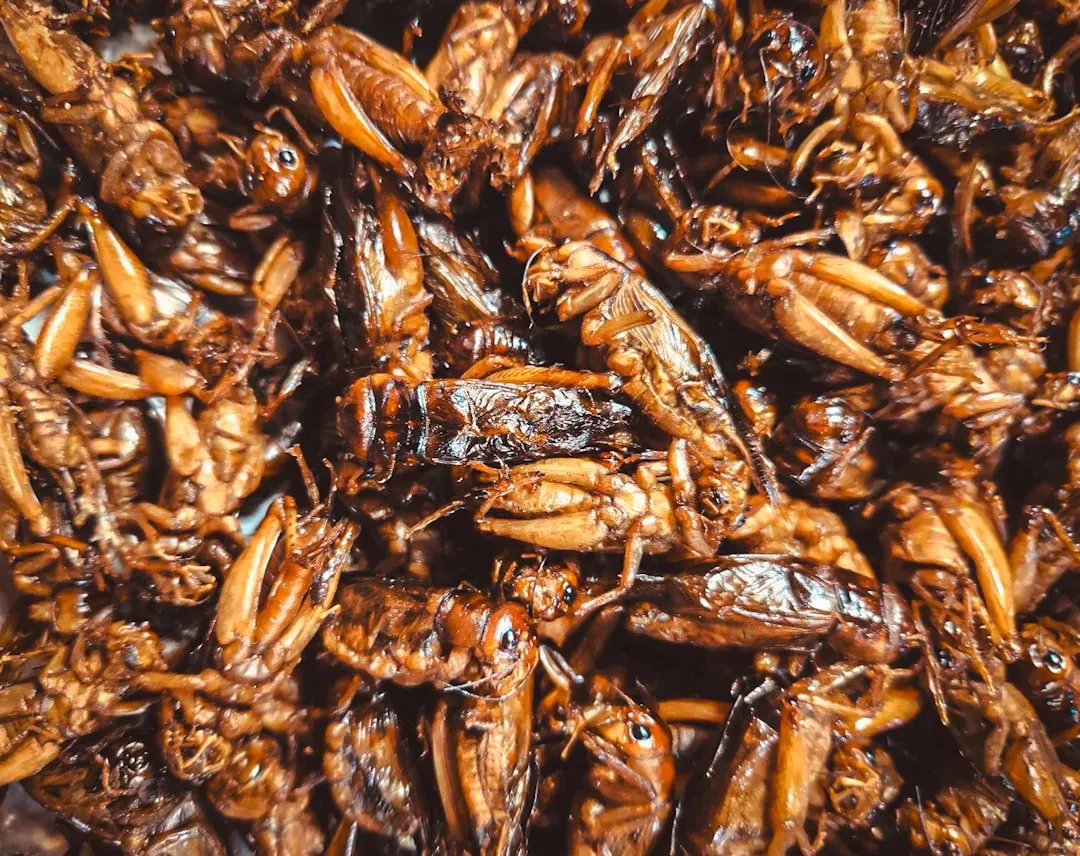
It’s easy to picture early humans as exclusively big-game hunters, but insects were almost certainly a consistent, reliable food source across huge stretches of prehistory – far more dependable than an unpredictable mammoth hunt. Termites, grubs, and larvae offered a steady supply of protein and fat without the risk of chasing down something enormous and dangerous.
Digesting insects required breaking down chitin, the tough material that makes up their exoskeletons, and the human body still carries genes for chitinase enzymes specifically suited to that job. The persistence of these genes in our genome is itself a clue that insect-eating wasn’t an occasional act of desperation but a real, recurring part of the ancestral menu.
Humans still carry functional chitinase genes today, a genetic leftover from a food source most people in modern Western societies now consider unappetizing. That’s part of why some nutrition researchers now controversially argue that insect protein, still a completely normal food source in many cultures today, deserves far more attention than the instinctive “gross-out” reaction usually allows.
Why It Stands Out
- Insects form part of the traditional diets of at least 2 billion people around the world right now
- More than 1,900 species have reportedly been used as food
- Cricket flour runs around 60 to 70 percent protein by dry weight, a level that rivals beef
#10 – Fish and Shellfish Powered a Genetic Leap
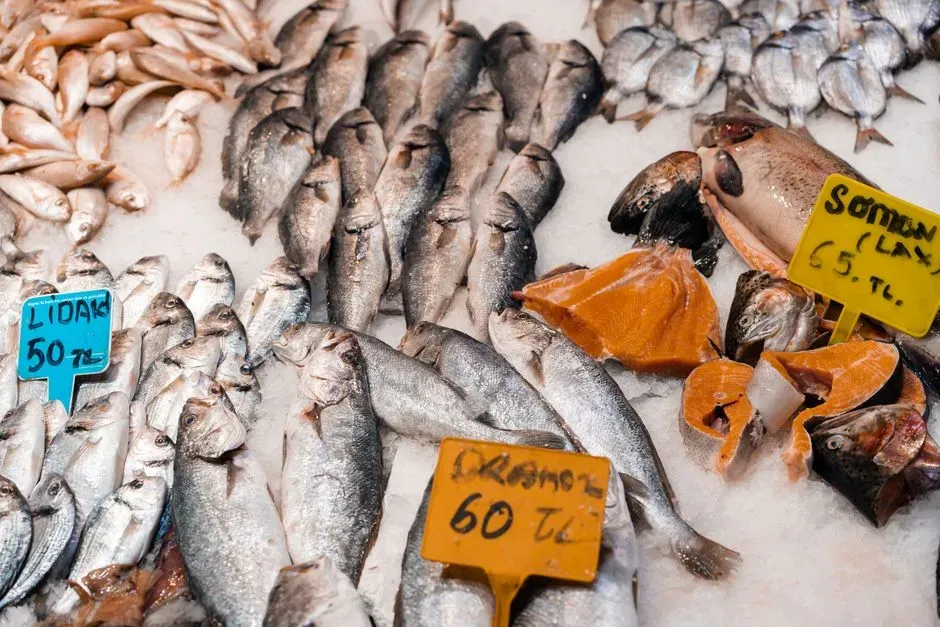
At some point in human evolutionary history, groups living along coastlines and rivers began relying heavily on fish and shellfish, and that shift appears to have mattered enormously for brain development. Seafood is uniquely rich in specific omega-3 fatty acids that are structurally important building blocks for brain tissue.
This wasn’t a minor dietary side note. Some researchers argue that access to these aquatic fats may have given certain early human populations a real biological edge, supporting the demands of an increasingly complex brain in a way that land-based diets alone struggled to match.
Genes involved in processing these fatty acids, known as FADS genes, show clear signs of evolutionary selection tied directly to diet. Populations with different ancestral access to seafood versus land-based fats today carry noticeably different versions of these genes, which affects how efficiently their bodies convert plant-based fats into the same brain-supporting compounds – a difference that still shows up in modern nutrition research and dietary guidelines.
#11 – Feast-and-Famine Cycles Built a Thrifty Body
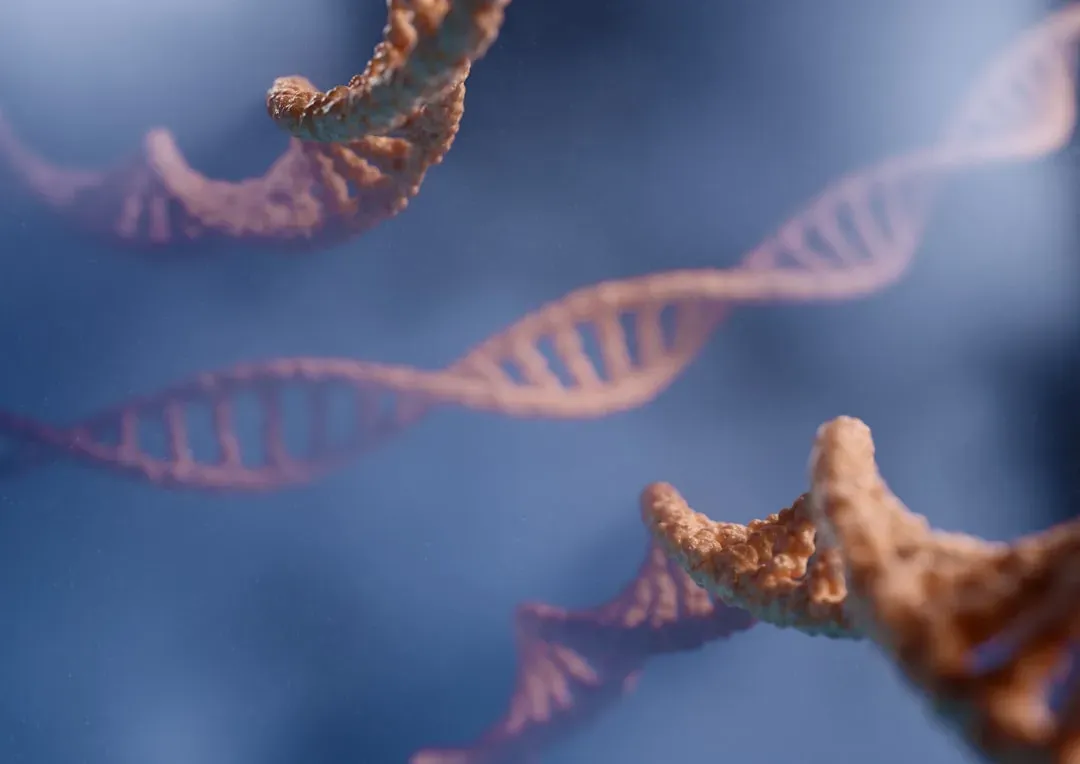
For most of human history, food supply wasn’t steady – it swung wildly between abundance and scarcity depending on the season, the hunt, or the harvest. Bodies that could store fat efficiently during a feast had a genuine survival edge when the inevitable famine arrived weeks or months later.
This pattern gave rise to what scientists commonly call the “thrifty gene” concept: the idea that certain populations evolved metabolisms exceptionally good at storing calories as fat whenever food was plentiful, precisely because starvation was a real and recurring threat, not a hypothetical one.
That same efficient fat-storage system is still fully active in modern bodies, even though scarcity has vanished for much of the world. The result is a body still bracing for a famine that never comes, storing calories aggressively in an environment of constant abundance. It’s a genuinely debated idea in science, but many researchers argue this ancient thriftiness, not modern laziness, plays a real role in today’s rising obesity rates.
#12 – Cooking Meat Shrank Our Guts and Grew Our Brains
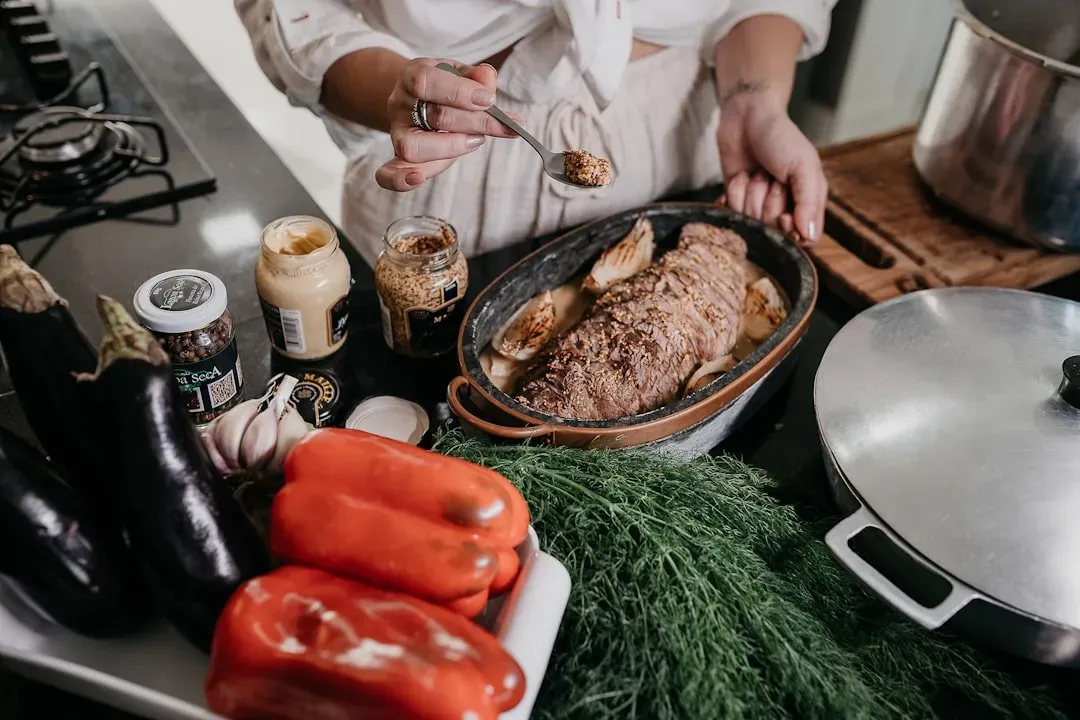
Before fire, early hominids ate meat and plants raw, which meant enormous amounts of energy went toward simply digesting tough, hard-to-break-down food. Once cooking entered the picture, everything changed – cooked food is dramatically easier to digest, releasing far more usable calories from the same amount of food.
This single shift appears to have freed up enough metabolic energy that the human digestive tract could shrink while the brain, an organ that demands enormous fuel, could expand. It’s one of the more elegant trade-offs in human evolutionary history: less gut, more brain, made possible by nothing more complicated than heat.
The human gut today is proportionally much smaller than would be expected for a primate of our size and diet, a direct legacy of this ancient dietary shift. That’s also part of why modern raw-food diets, however trendy, actually force the body to work far harder for the same nutrition – a body built for cooked food struggles more than people realize when it’s suddenly asked to process everything raw again.
#13 – Vitamin C-Rich Plants Became a Biological Requirement
Here’s the strangest twist on this entire list: humans didn’t just adapt to eating certain foods, we actually lost the ability to survive without them. Most mammals can manufacture their own vitamin C internally. Humans can’t. Somewhere far back in primate evolutionary history, the gene responsible for that ability, called GULO, was disabled by mutation.
This wasn’t a problem at the time, because early diets were saturated with wild fruits, leafy greens, and other vitamin C-rich plants. There was never any real evolutionary pressure to fix the broken gene, because the diet was already doing the job. The body simply outsourced the task instead of doing it internally, and that gamble worked perfectly as long as those plants stayed on the menu.
Humans are one of only a small handful of mammals on Earth that cannot produce their own vitamin C. That ancient gamble is exactly why scurvy became such a notorious killer once humans started eating diets low in fresh produce, like on long sea voyages with no greens in sight. It’s a permanent reminder that some of our biggest biological vulnerabilities aren’t flaws at all – they’re simply old dietary bets that early humans never had a reason to reconsider.
Worth Knowing
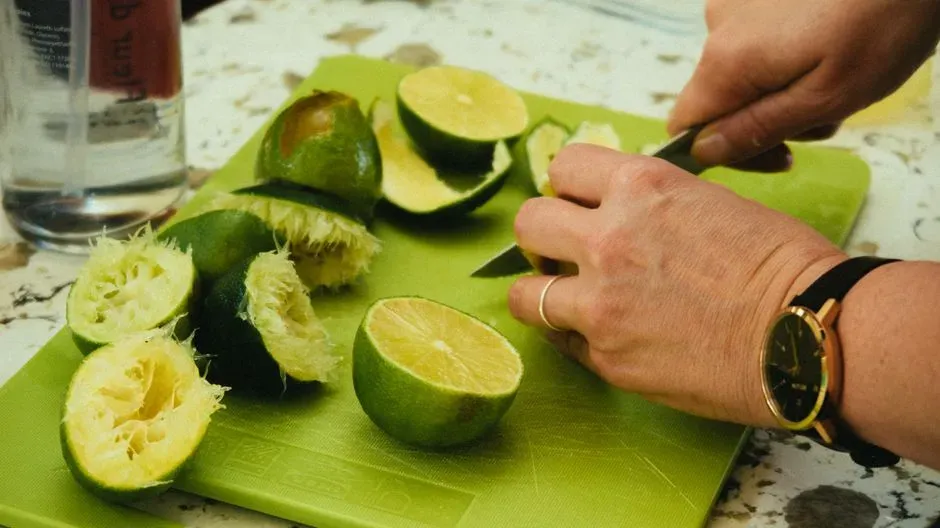
- Naval surgeon James Lind ran one of the first clinical trials in 1747, showing that citrus fruit cured scurvy
- The British Royal Navy didn’t officially mandate lime juice rations until 1795, decades after that discovery
- The delay is where British sailors picked up the nickname “limeys,” a term still used generations later
The Bottom Line

The foods early humans ate weren’t just meals – they were evolutionary pressure tests, and the results are still written into your DNA. From salt cravings to lactose intolerance to a gut that can’t manufacture its own vitamin C, your body is still running software optimized for a world of scarcity, seasonal fruit, and fire-cooked meat.
Nothing in biology makes sense except in the light of evolution.
Theodosius Dobzhansky
Some of these ancient adaptations, like lactase persistence or high-copy amylase genes, clearly helped certain populations thrive. Others, like our fructose-storing liver or our salt-hoarding kidneys, now work against us in a world of constant abundance. My honest take: most modern “diet failures” aren’t failures of willpower at all. They’re ancient survival strategies misfiring in an environment evolution never had a chance to prepare us for.
Which of these ancient food adaptations do you think affects you the most? Drop your answer in the comments.