Most gardeners judge their soil the same way they judge a used car – by looking at the paint job. If the surface looks dry, cracked, or a little pale, they assume the whole system underneath is failing.
But soil scientists say the opposite is often true: some of the healthiest, most biologically active ground on the planet looks rough on top while running a five-star ecosystem just a few inches down. Meanwhile, soil that looks “perfect” – dark, raked smooth, weed-free – can be biologically dead underneath. Here’s what soil ecologists actually look for when they want the real story, not the cosmetic one.
#1 – Earthworms Are Still Clocking In
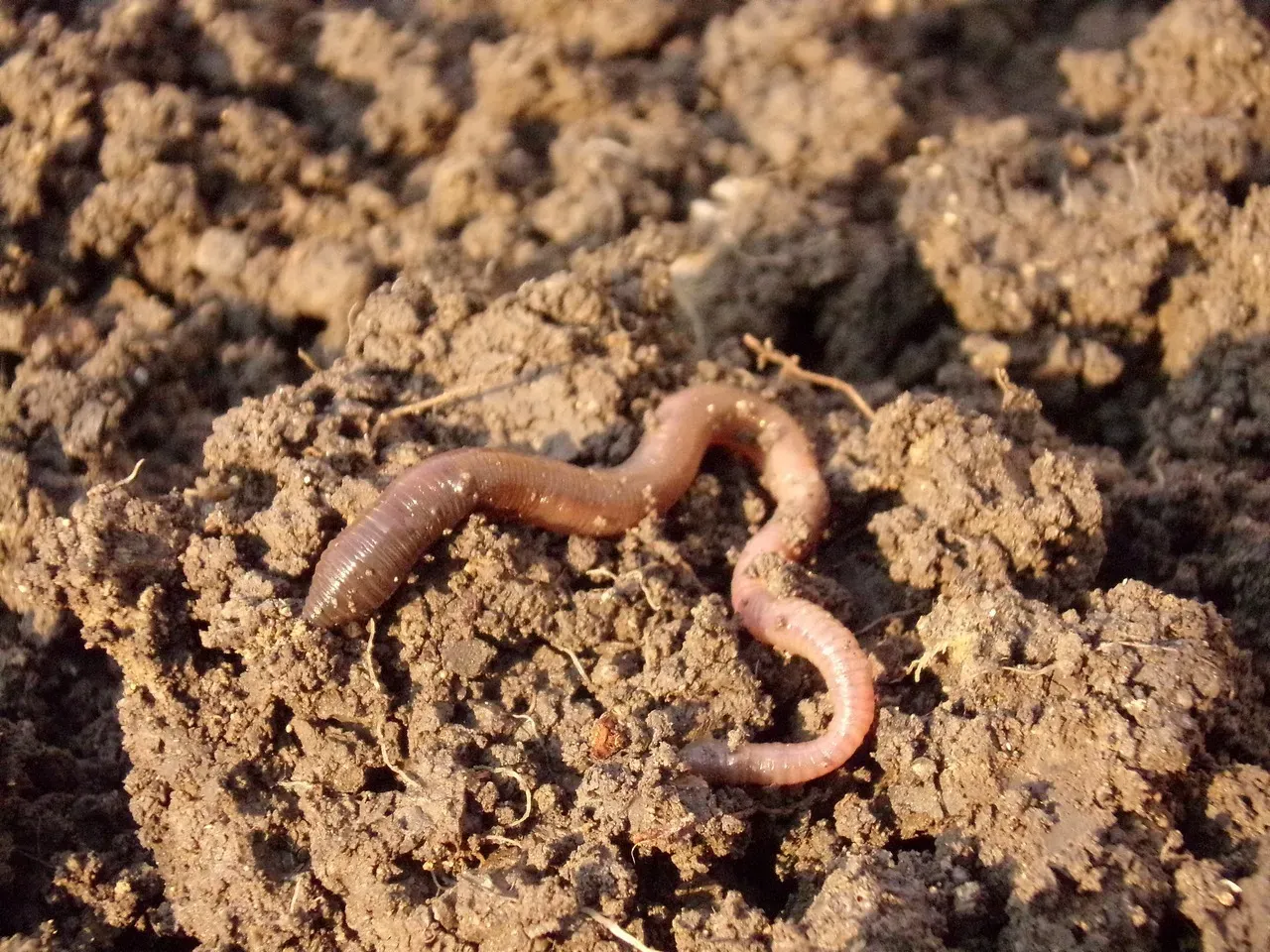
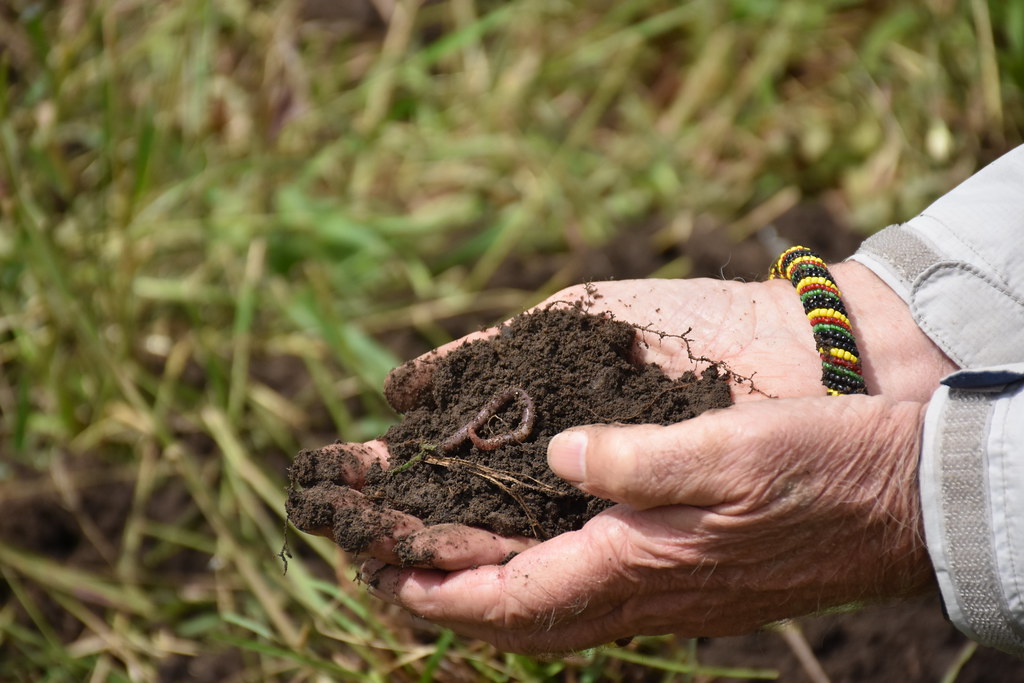
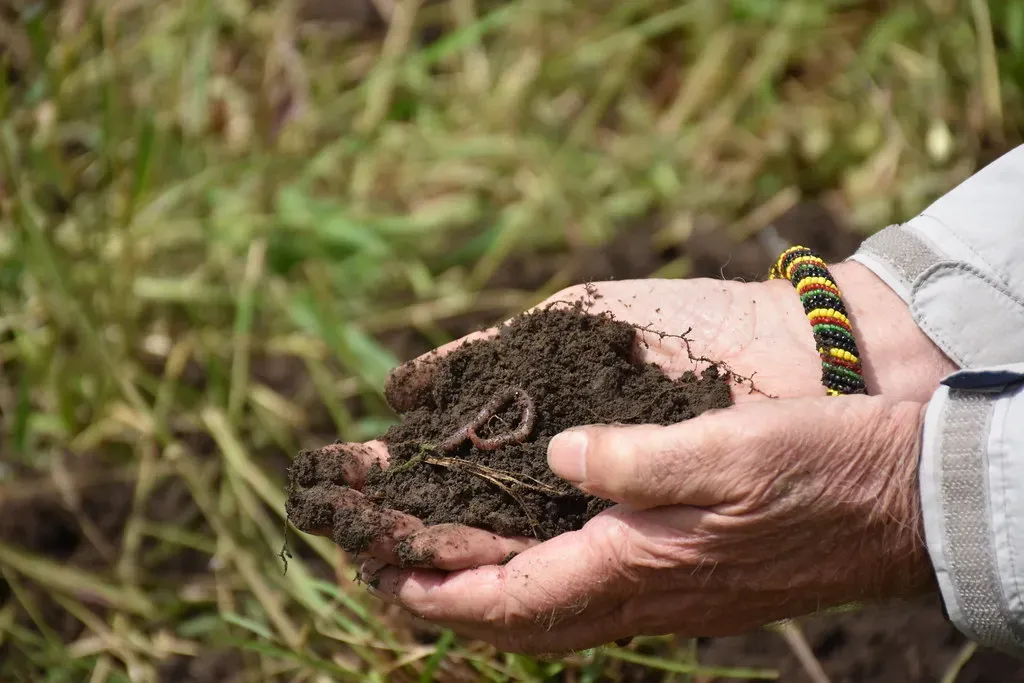
If you dig a shovel’s worth of dirt and worms come wriggling out, your soil is doing better than the surface suggests.
Earthworms are essentially a walking soil health certificate. They can’t survive in compacted, chemically imbalanced, or oxygen-starved ground, so their presence alone rules out several worst-case scenarios. A single healthy earthworm population can process tons of soil per acre every year, turning it into nutrient-dense castings as they go.
What most people miss is that worm castings aren’t just “worm poop” in the gross sense – they’re a slow-release fertilizer packed with nitrogen, phosphorus, and potassium in forms plants can absorb almost immediately. The tunnels worms leave behind matter just as much as what comes out of them. Those channels let air and water travel deep into the ground instead of stopping at the surface.
Here’s the part that surprises people: worms don’t need pretty topsoil to thrive. They’ll work through soil that looks gray, dry, or unimpressive on top, as long as there’s organic matter and moisture somewhere in the profile. So if your yard looks average but worms are abundant, the ground is quietly outperforming its appearance – and that’s just the surface-level clue.
#2 – Mushrooms Popping Up Overnight
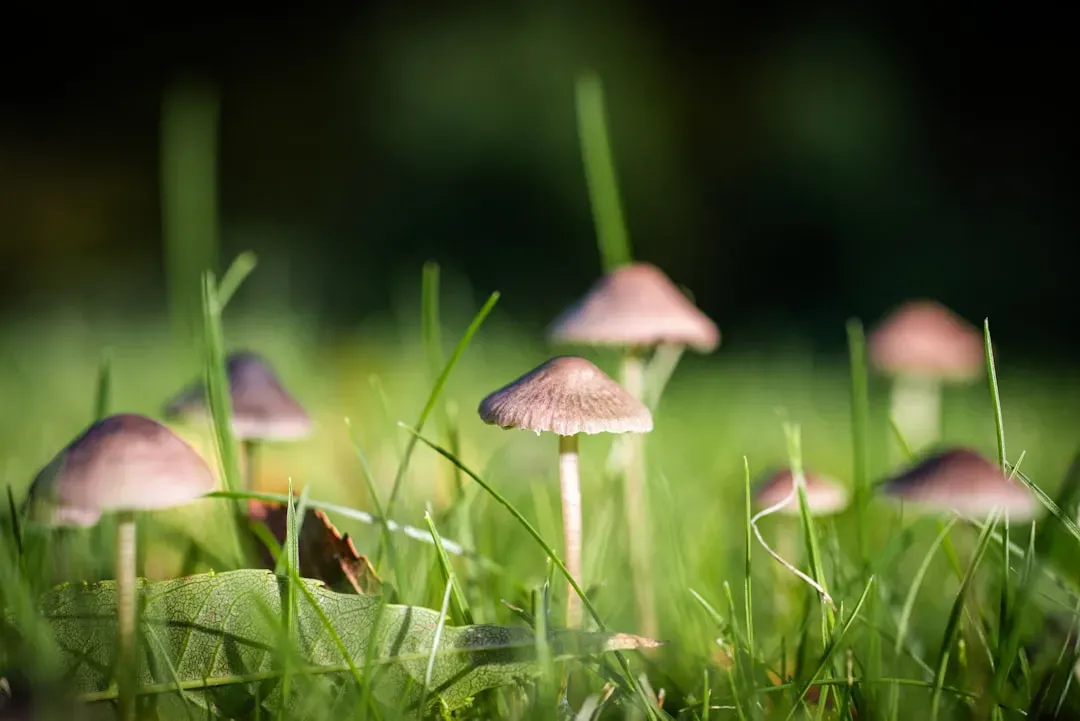
A sudden mushroom bloom looks like a problem to most homeowners. It’s actually one of the best signs you can get.
Mushrooms are the fruiting bodies of fungal networks that have been living underground for weeks or months before you ever see them. Their sudden appearance after rain means there’s an established mycelial network already doing the heavy lifting of breaking down organic matter and trading nutrients with plant roots.
Most people don’t realize mushrooms only show up when fungi have enough stored energy and stable habitat to reproduce. Stressed, disturbed, or chemically treated soil rarely produces mushrooms consistently because the underlying fungal web gets wiped out. If they’re showing up in your lawn or garden bed, that’s a sign the fungal infrastructure below has survived mowing, foot traffic, and weather swings.
Worth Knowing
- Mycorrhizal fungi can extend a plant’s effective root reach many times beyond what the roots alone could cover.
- Fungal threads (hyphae) trade water and minerals to plants in exchange for sugars the plant produces through photosynthesis.
- Fungicide use, even the “lawn safe” kind, can knock back the same fungal networks that mushrooms signal are working.
- A lack of mushrooms doesn’t always mean bad soil, but their steady presence over multiple seasons is a strong positive marker.
Mycorrhizal fungi specifically form partnerships with plant roots, extending their reach for water and minerals far beyond what roots could access alone. So while your neighbor might be reaching for fungicide at the first sign of a mushroom, many soil experts now argue that’s one of the most damaging lawn-care mistakes homeowners make. The next sign is even easier to miss – because it happens under your nose, literally.
#3 – Water Disappears Fast After Rain
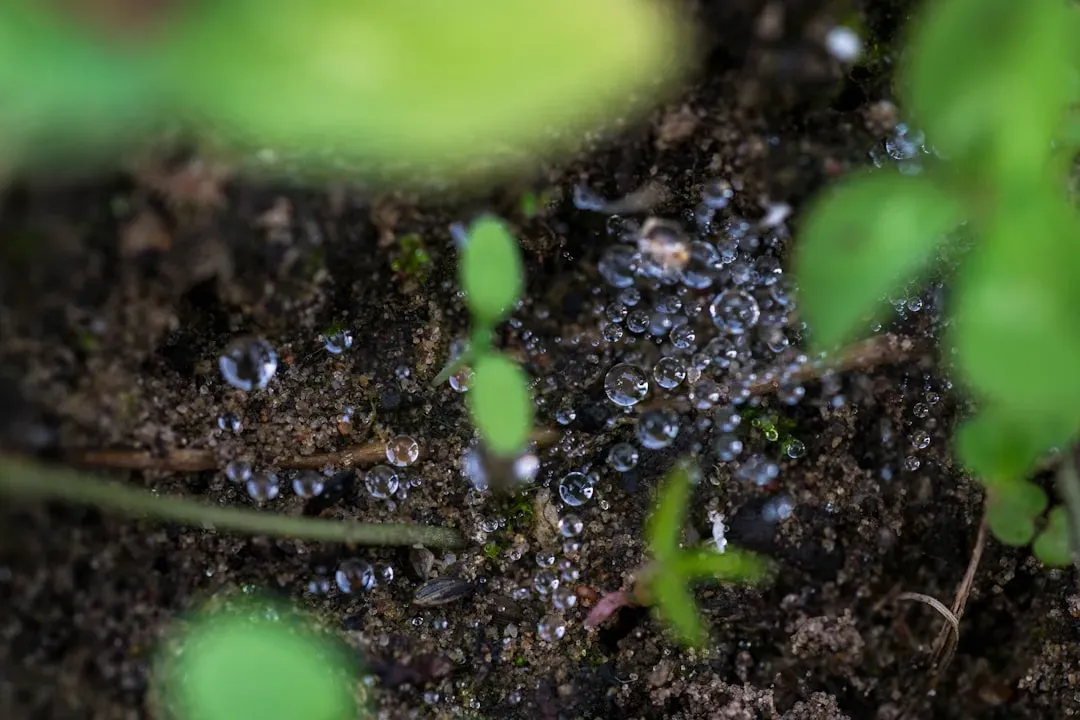
If a hard rain soaks in within minutes instead of pooling on the surface, your soil structure is in better shape than it looks.
Water infiltration rate is one of the most reliable, low-tech soil tests available, and it costs nothing to check. Healthy soil is full of tiny pockets and channels – created by roots, worms, and fungal threads – that let water move downward instead of running off or sitting stagnant.
Soil that absorbs water quickly is almost always soil with strong aggregate structure, meaning individual particles have bonded into small clumps with air space between them. That structure doesn’t happen by accident. It’s built by biological activity over months or years, not by tilling or raking.
Fast Facts
- A simple test: push a small ring into the soil, pour in water, and time how long it takes to fully disappear.
- Well-aggregated soil typically pulls water downward in minutes rather than sitting on the surface.
- Compacted or crusted soil can take dramatically longer to absorb the same amount of water.
- Mulched, undisturbed ground generally infiltrates faster than bare or heavily tilled soil.
Compacted or biologically dead soil does the opposite – water beads up, pools, or runs off the surface even during a light rain, because there’s nowhere for it to go. A lawn that looks patchy or dull but drains fast after a storm is quietly outperforming a lush, green lawn that puddles for hours. That drainage difference also explains why some “ugly” gardens survive droughts that kill neighboring yards.
#4 – It Smells Like Rain, Even When It’s Dry
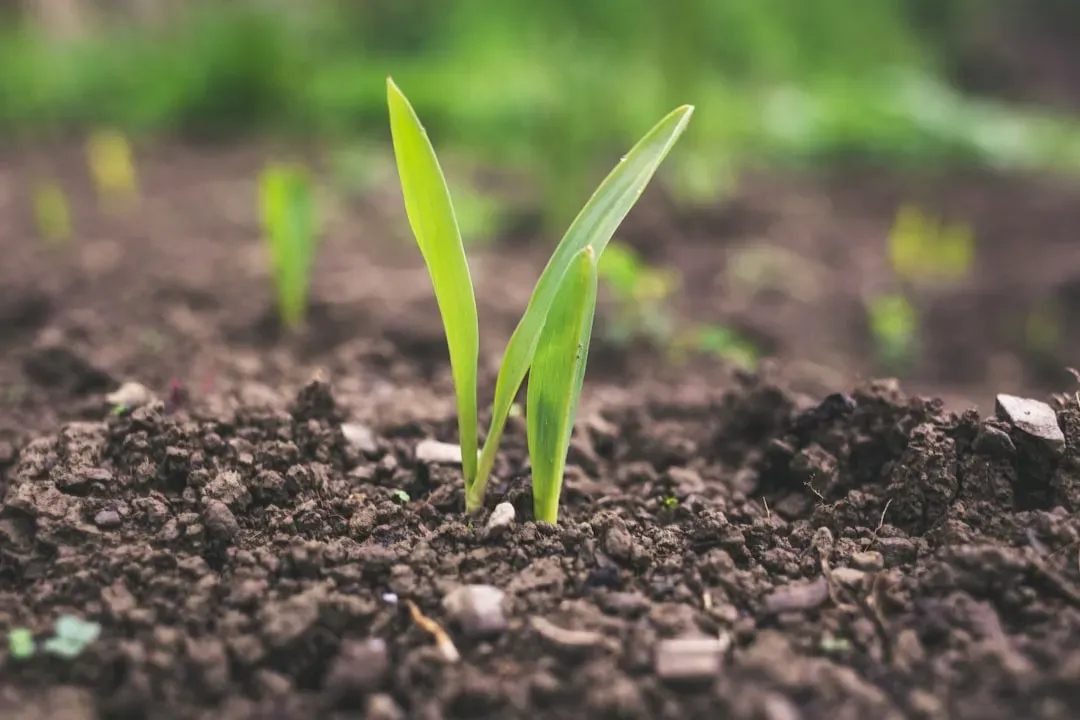
That distinctive “earthy” smell after rain has an actual name – geosmin – and its presence is a biological green light.
Geosmin is a compound produced by actinomycetes, a group of soil bacteria responsible for breaking down dead plant and animal material. Humans are extraordinarily sensitive to this smell; some researchers say we can detect it at concentrations as low as parts per trillion, which is part of why it feels so distinct and memorable.
The stronger and more consistently your soil smells earthy – even when it’s just slightly damp, not just after a storm – the more active its bacterial decomposition network likely is. Soil that smells sour, like sulfur, or like nothing at all often signals anaerobic conditions, compaction, or a microbial community that’s struggling.
Most people write this off as trivial, but professional composters and organic farmers actually use smell as a diagnostic tool constantly. If your garden bed smells like a walk in the woods after rain, that’s not a coincidence. That’s a functioning decomposition system working exactly as intended – and it sets up the next sign, which flips a common gardening instinct on its head.
#5 – The Weeds Have Changed Their Story
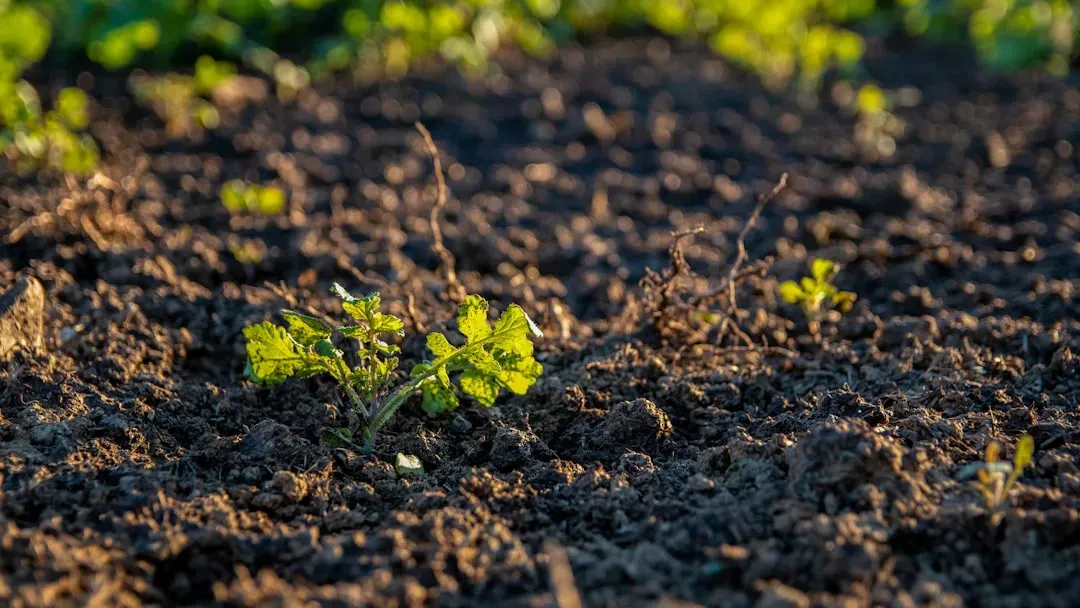
Weeds are usually treated as the enemy, but the type of weed growing can actually reveal massive improvement in your soil.
Certain weeds – like plantain, knotweed, and chicory – are known as “compaction indicators” because their root systems are specifically adapted to punch through hard, low-oxygen ground that most plants can’t tolerate. If those species dominated your yard a year or two ago and softer, broader-leafed plants are now showing up instead, that’s not a coincidence.
Many soil scientists argue that weed succession is one of the most underused diagnostic tools available to home gardeners, because it reflects real conditions rather than a snapshot test. As compaction eases and organic matter builds, the plant community naturally shifts toward species that prefer looser, more fertile ground.
Here’s where a slightly controversial opinion comes in: some experts now argue that yanking every “compaction weed” the moment it appears is actually counterproductive, since those same plants are often breaking up the hardpan and pulling nutrients upward for free. Watching what grows back on its own can tell you more than any soil test kit.
#6 – It Crumbles Like Chocolate Cake, Not Clay
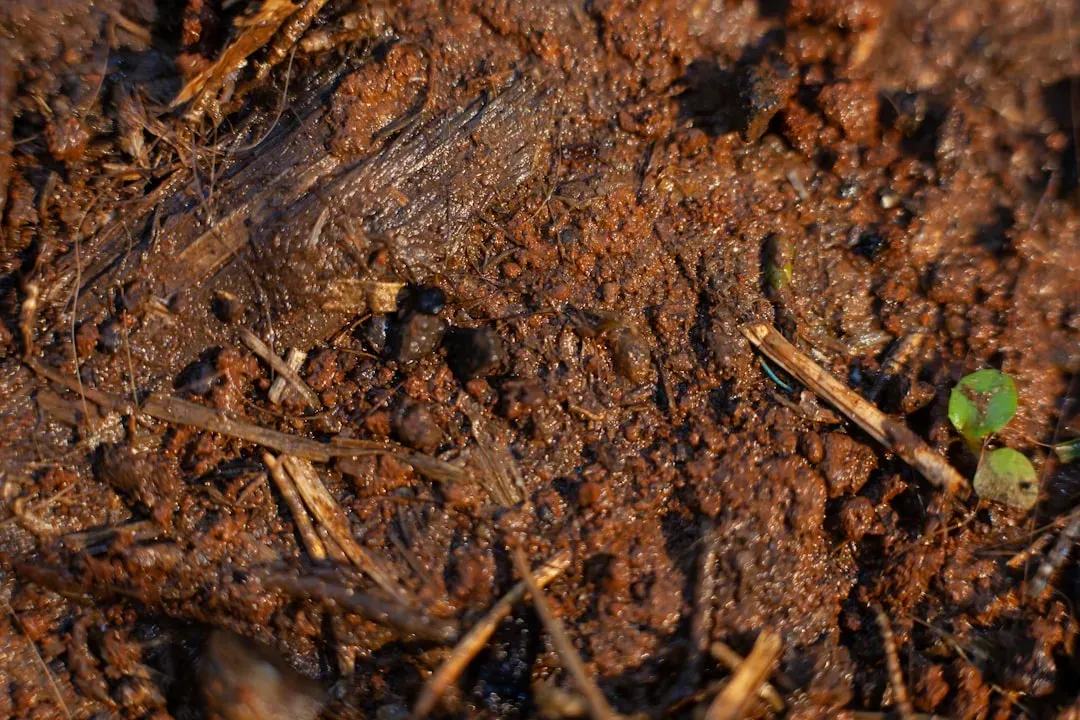
Grab a handful of moist soil and squeeze – what happens next tells you almost everything.
Soil scientists call this the “ribbon test,” and it’s one of the fastest ways to judge structure without lab equipment. Healthy soil holds its shape briefly when squeezed but then crumbles apart easily into loose, irregular clumps – often compared to the texture of moist chocolate cake or coffee grounds.
That crumbly texture is called aggregation, and it’s a direct product of biological glue – specifically a sticky compound called glomalin, produced by mycorrhizal fungi, which binds soil particles into stable clumps. Soil lacking that biological activity behaves very differently: it either stays in a solid, sticky ribbon (heavy clay, poor structure) or falls apart into fine, dusty powder (depleted, low-organic-matter soil).
Quick Compare
- Crumbles into loose clumps: well-aggregated, biologically active, good drainage and air flow.
- Holds a long, sticky ribbon: heavy clay-dominant, poor aeration, slow drainage.
- Falls apart into fine dust: depleted, low in organic matter, weak structure.
The visual trick here is that crumbly soil often looks less “neat” than smooth, packed dirt, which is exactly why people misjudge it. A rough, clumpy garden bed is frequently in far better condition than a smooth, compacted one that looks tidy from a distance – and the next sign proves the same is true underground, at the root level.
#7 – Roots Go Deep, White, and Branching
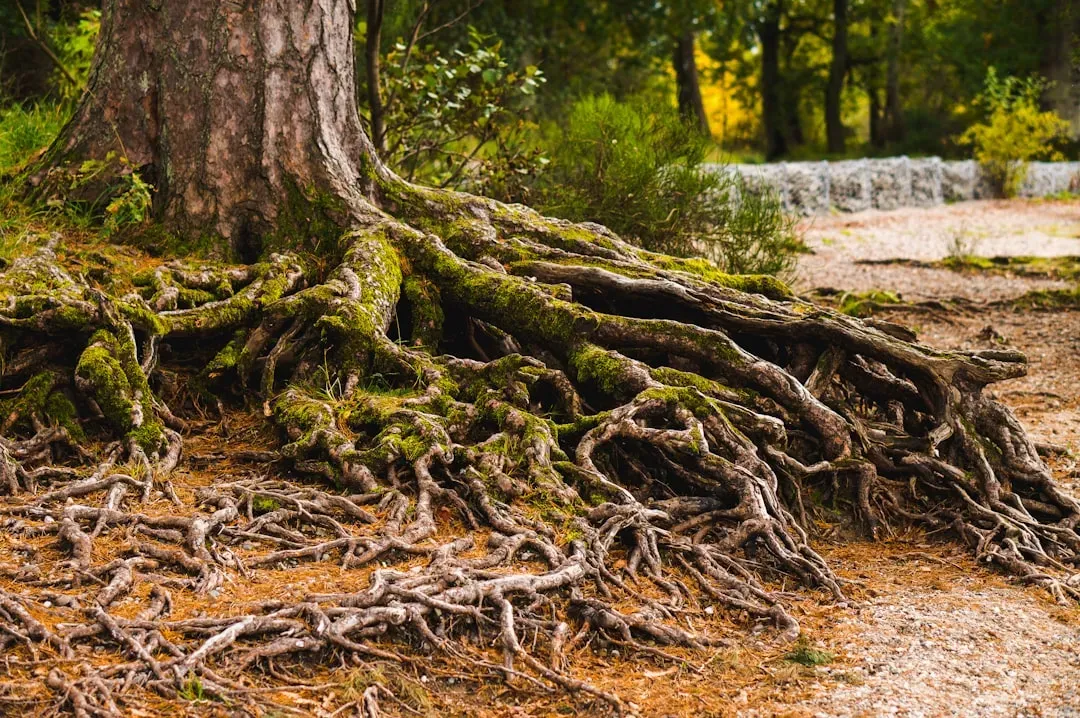
Pull up a struggling-looking plant and check its roots before writing off the soil as bad – the roots almost always tell the real story.
Healthy root systems in good soil are typically white or cream-colored, with abundant fine branching and root hairs extending outward like tiny threads. Those root hairs are responsible for the vast majority of water and nutrient absorption, far more than the thicker main roots people usually picture.
By contrast, roots in poor or compacted soil tend to be dark, stubby, and circling – unable to penetrate downward, so they wrap sideways looking for the path of least resistance. If your plants’ roots are pushing deep and spreading wide even though the top growth looks average this season, the soil beneath is doing more work than the leaves are showing.
This matters because above-ground appearance and below-ground health frequently disagree, especially during stress periods like heat waves or transplant shock. A plant can look wilted and unimpressive on top while its root system is thriving and expanding exactly as it should in genuinely fertile ground.
#8 – Bugs Are Everywhere When You Dig
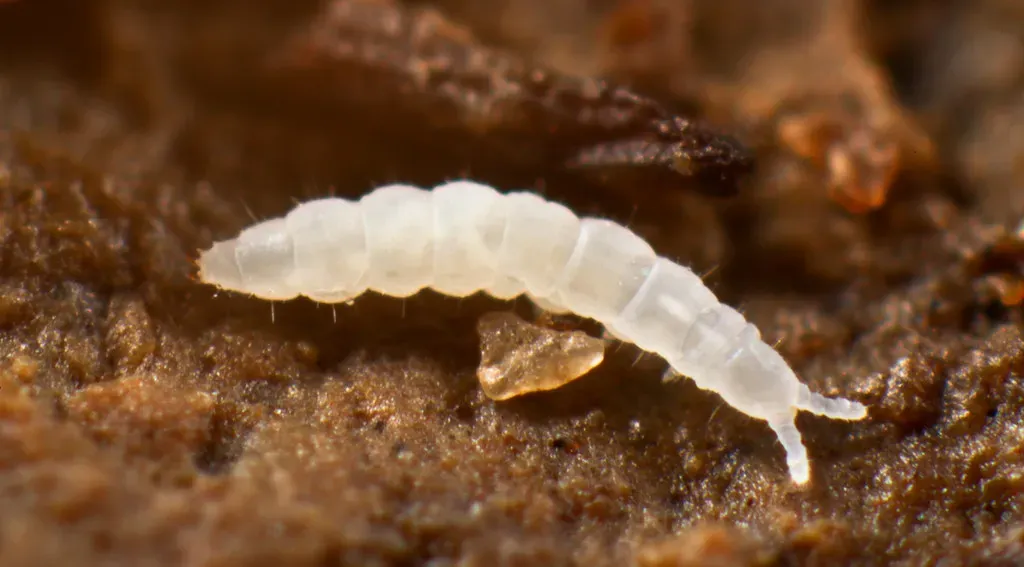
Turning over soil and finding pillbugs, springtails, centipedes, and beetle larvae isn’t a pest problem – it’s a biodiversity report card.
Soil arthropods occupy a critical middle layer of the decomposition food web, shredding leaf litter and dead organic matter into smaller pieces that bacteria and fungi can then break down further. Springtails alone can number in the tens of thousands per square meter in genuinely healthy soil, even though most people never notice them because they’re smaller than a grain of rice.
A diverse arthropod population also indicates the soil isn’t being hit with broad-spectrum pesticides or excessive tilling, both of which crash insect numbers fast. Soil with almost no visible bug activity when disturbed – no pillbugs, no beetles, no visible movement – is a bigger red flag than most gardeners realize, regardless of how the surface looks.
Here’s the friction point: many homeowners treat any visible insect in garden soil as something to eliminate, spraying at the first sighting. But soil ecologists increasingly argue that this reflexive pest-control habit does more long-term damage to soil health than almost anything else in a typical lawn-care routine.
#9 – Mulch and Leaves Vanish Fast
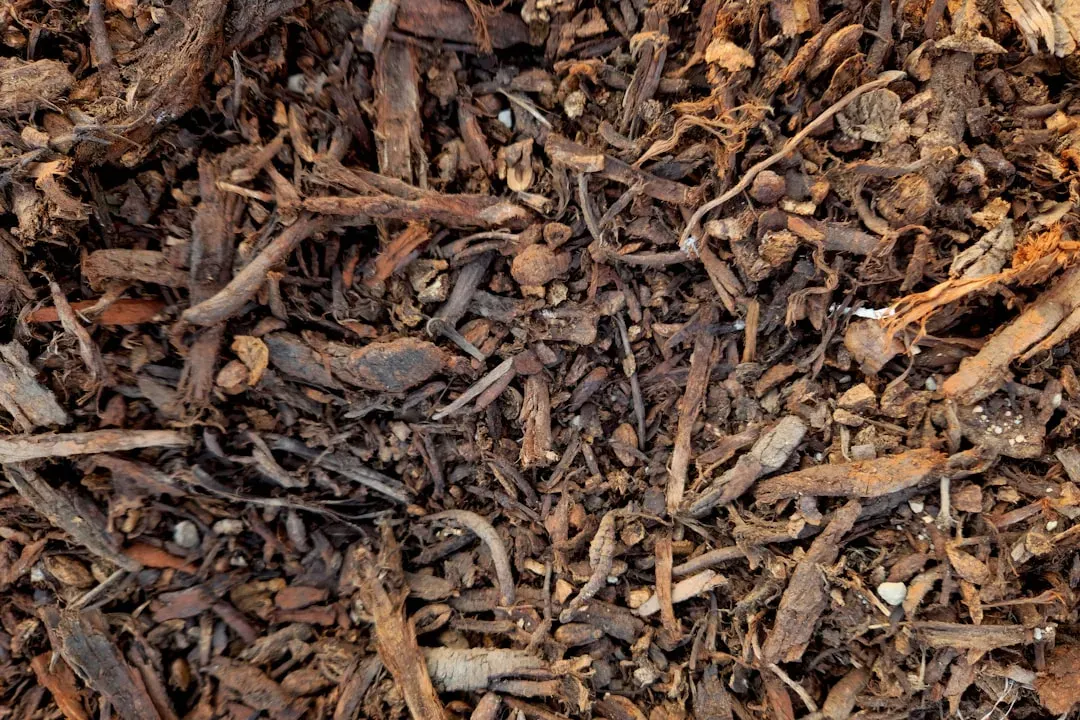
If last fall’s leaf litter or this spring’s mulch layer is disappearing faster than expected, that’s decomposition working exactly as it should.
Decomposition rate is a direct proxy for microbial and fungal activity, since bacteria, fungi, and detritivores are what physically break organic material down into usable nutrients. In highly active soil, a layer of shredded leaves or straw mulch can visibly thin within just a few weeks, especially during warm, moist conditions.
Worth Knowing
- Shredded leaves and chopped straw break down noticeably faster than whole leaves or thick wood mulch.
- Moisture and warmth both speed up microbial activity, which is why decomposition often stalls in cold or bone-dry stretches.
- Material with a balanced mix of carbon and nitrogen – like leaves mixed with grass clippings – tends to break down faster than carbon-heavy mulch alone.
- Woody mulch is meant to last longer on purpose, so slow breakdown there isn’t a red flag the way it is with leaf litter.
Slow decomposition, on the other hand, usually points to one of a few issues: insufficient moisture, low microbial diversity, or organic matter that’s the wrong carbon-to-nitrogen ratio for fast breakdown. Soil that takes many months to visibly process the same material is signaling a sluggish biological system, even if the surface still looks tidy and covered.
This sign rewards patience rather than instant judgment – you have to track it over weeks, not glance at it once. But once you start noticing how fast your specific soil “eats” organic matter, it becomes one of the most reliable ongoing health indicators available without any testing kit at all.
#10 – Rain Doesn’t Leave a Crust Behind
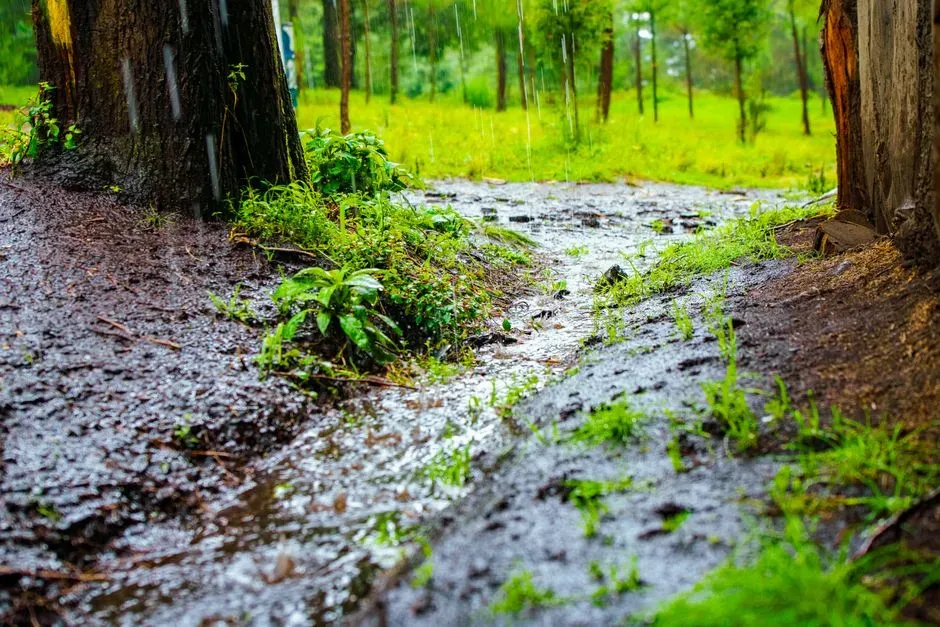
Check your soil surface the morning after a heavy rain – if it’s still loose and open rather than hard and glazed over, that’s a strong sign of underlying strength.
Surface crusting happens when raindrops hit bare, poorly aggregated soil hard enough to break particles apart, which then settle and seal into a thin, hardened layer as they dry. That crust can reduce water infiltration by a significant margin on subsequent rains, creating a frustrating cycle of runoff and further surface damage.
Soil with strong aggregate stability – built by fungal glomalin, root exudates, and organic matter – resists this kind of crusting because the particles are bound together, deeper than the impact zone. This is one of those signs that specifically shows up only under stress-testing conditions like a downpour, so calm weather won’t reveal it either way.
If your soil handles a hard rain without sealing over, it’s passed a test that a lot of “nice-looking” managed lawns and gardens actually fail. That single detail says more about long-term soil resilience than weeks of dry-weather appearance ever could.
#11 – Plants Bounce Back Fast After Stress
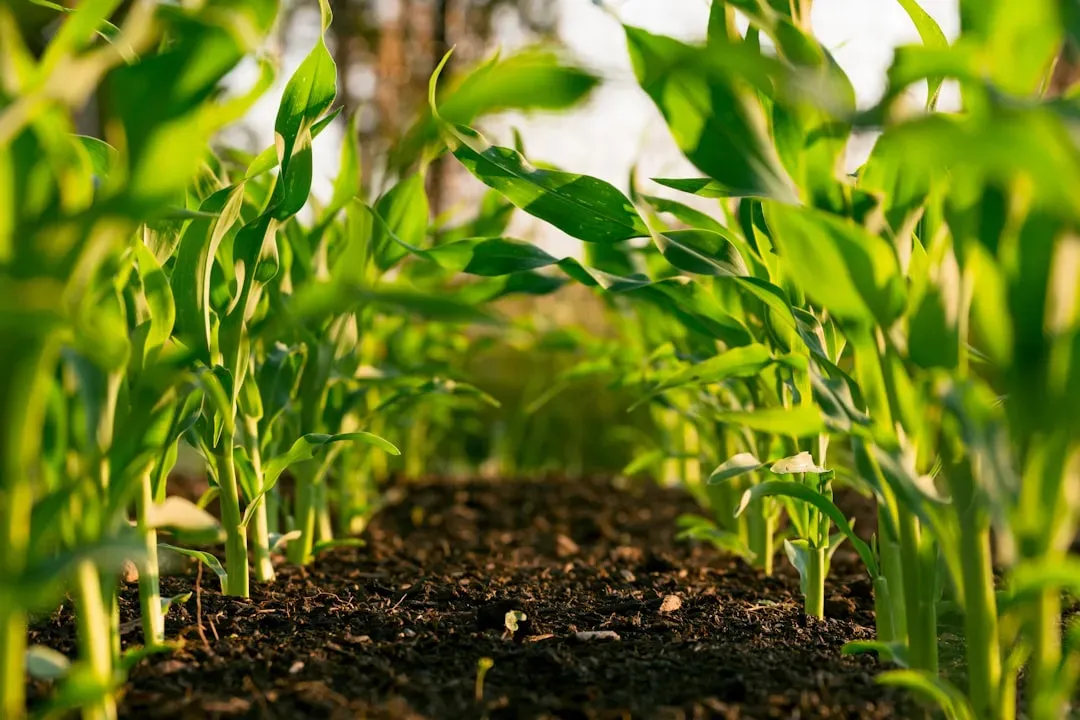
Watch how quickly your plants recover after a heat wave, drought, or transplant shock – recovery speed says more than the wilted moment ever will.
Plants growing in biologically rich soil have access to a broader nutrient reserve, better water-holding capacity from organic matter, and beneficial fungal partnerships that help them access resources during shortages. Soil organic matter can hold several times its weight in water, acting like a buffer that keeps plants hydrated longer between rain events or watering sessions.
That means two identical plants can wilt at the same rate during a drought, but the one in richer soil often perks back up within a day of watering, while the one in depleted soil takes much longer or doesn’t fully recover at all. This recovery gap is one of the clearest real-world signs of soil quality, because it happens under actual field conditions rather than a lab test.
It’s also why judging soil purely by a single hot afternoon is misleading – the real information is in the comeback, not the collapse. Gardeners who track recovery speed across a season get a far more accurate read on soil health than anyone judging by a single snapshot.
#12 – It Holds Together Without Turning to Brick
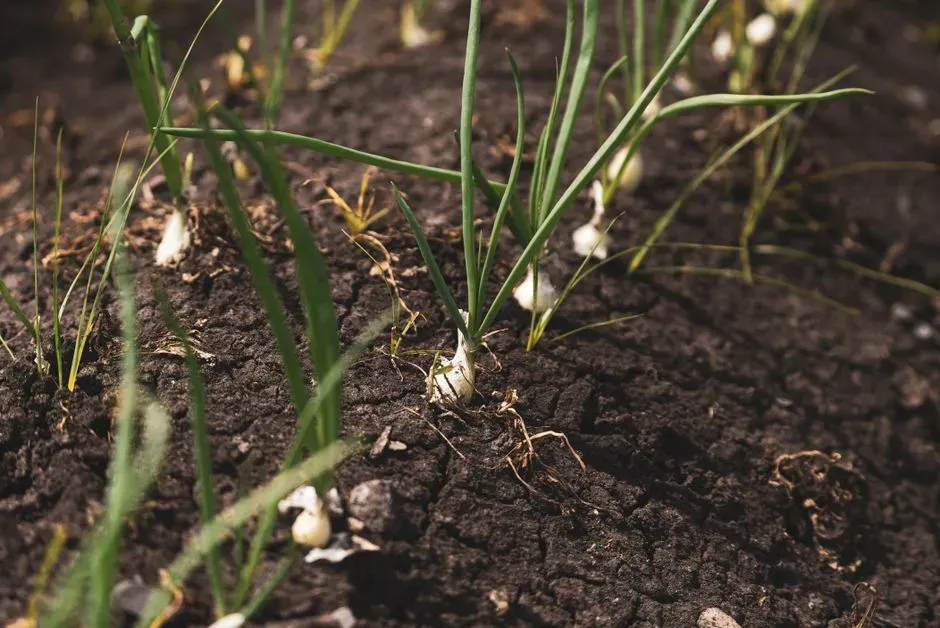
There’s a fine line between soil that’s cohesive in a healthy way and soil that’s compacted in a damaging way, and most people can’t tell the difference by eye.
Good soil structure means particles clump together loosely enough to crumble under light pressure but stay together enough to resist erosion and hold moisture near root zones. This balance is often the single hardest soil trait to judge visually, because both healthy aggregation and unhealthy compaction can look similarly dense from a distance.
The real test is pressure: press a garden trowel or your fingers into the ground. Soil that resists slightly, then gives way in loose chunks, is behaving correctly. Soil that resists like solid rock, or that turns to fine powder under the same pressure, is signaling a structural problem in either direction – too compacted or too depleted of organic binding material.
This is exactly why appearance alone consistently fools people: soil can look dense and “solid” in a good way or a bad way, and only physical interaction reveals which one you’re dealing with. Skipping this simple check is one of the most common mistakes new gardeners make – and it leads straight into the last sign, the one almost nobody thinks to look for.
#13 – Pests and Disease Stay Surprisingly Rare
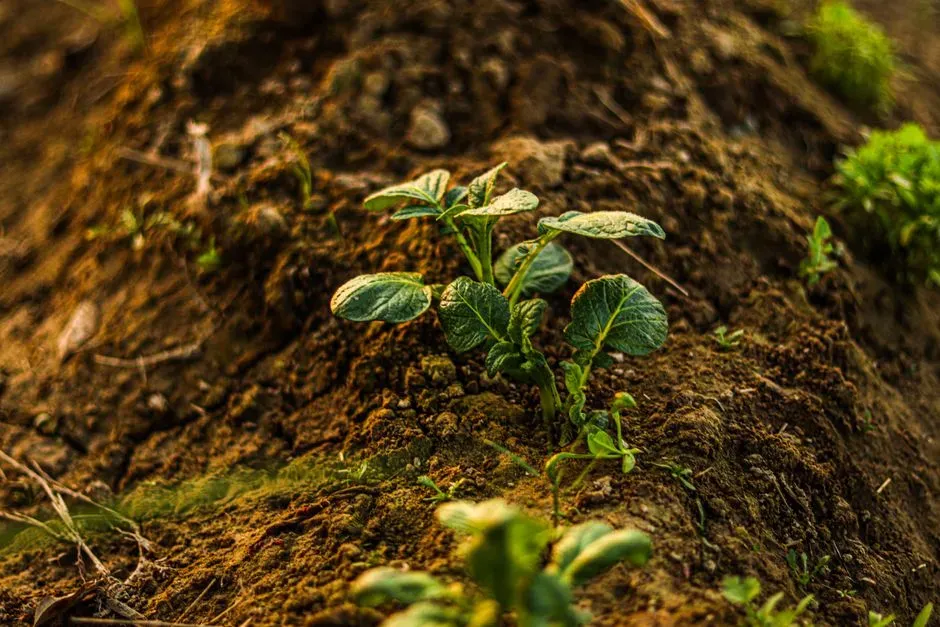
This is the sign most people overlook completely, because it’s defined by absence rather than something visible to point at.
Soil rich in beneficial microbes and fungi creates what researchers call “disease suppressive” conditions, where harmful pathogens struggle to establish themselves because beneficial organisms are already occupying the space and resources. Certain soil bacteria and fungi actively produce compounds that suppress plant pathogens, functioning almost like a natural immune system built into the ground itself.
Plants growing in this kind of soil often show noticeably fewer fungal disease outbreaks, less severe pest damage, and faster recovery from the pest pressure they do experience, compared to identical plants in biologically thin soil. This happens even when visible surface conditions – dryness, weed presence, color – look identical between two plots.
At a Glance
- Disease-suppressive soils have been documented in agricultural research across multiple crop systems.
- Beneficial microbes protect plants partly by simply outcompeting pathogens for space and food.
- Soil regularly amended with compost tends to show lower disease pressure than soil managed with synthetic inputs alone.
- Broad-spectrum fungicides can wipe out the same beneficial organisms that would otherwise be doing this protective work for free.
The controversial part: many gardeners spend heavily on pesticides and fungicides every season without ever addressing the underlying soil biology that would reduce the need for those products in the first place. A growing number of soil scientists now argue that this cycle is one of the most expensive and avoidable habits in home gardening, treating symptoms while ignoring the actual cause underneath.
The Bottom Line
Soil health is rarely something you can judge by standing over it and staring. The real evidence is underground, in the smell, in the bugs, in the roots, and in how fast water disappears after a storm.
A patchy, imperfect-looking yard with earthworms, fungal threads, and fast drainage is almost always healthier than a smooth, green lawn hiding compacted, biologically empty dirt underneath. If there’s one opinion worth defending here, it’s this: chasing a “clean,” weed-free, perfectly raked appearance is often actively working against the biology that makes soil productive in the first place.
Which of these signs surprised you the most? Drop it in the comments – we want to know what your soil has been trying to tell you.