Most people picture “abandoned places” as crumbling Victorian mansions or century-old factories rotting into dust. That image is wrong, and it’s costing you the creepiest stories on the planet. Some of the eeriest ghost sites on Earth aren’t old at all – they’re modern buildings, some barely a few years old, walked away from while the paint was still wet and the concrete hadn’t even cured.
A mafia-style murder plot. A hurricane that outlasted the theme park it drowned. A cursed dragon statue blamed for a resort’s collapse. Financial crashes, natural disasters, superstition, and politics all have a way of freezing brand-new construction in time – and the 13 places below prove it happens more often, and more strangely, than anyone expects.
#1 – Sathorn Unique Tower, Bangkok, Thailand
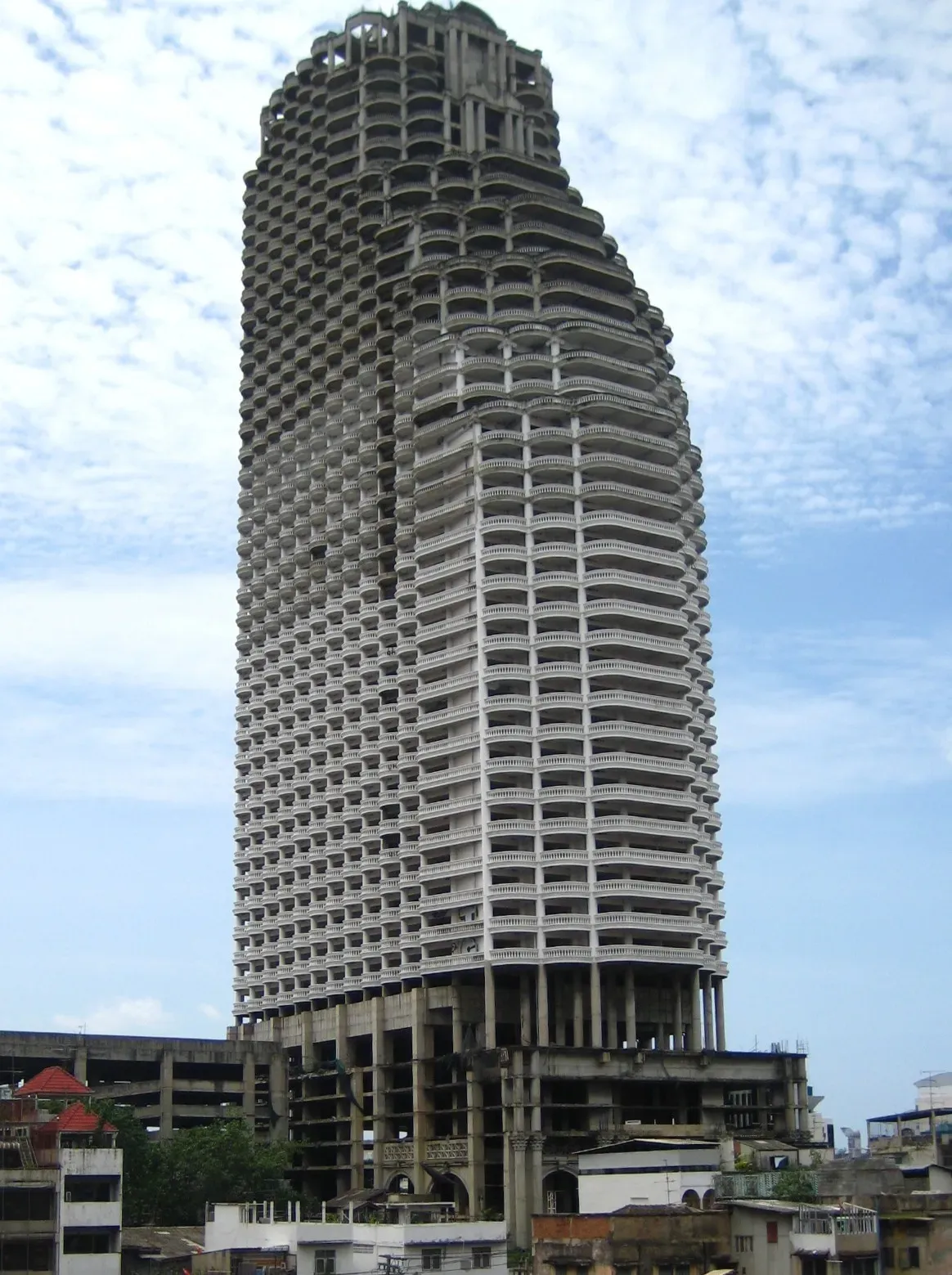
Standing 49 stories over the Chao Phraya River, this was supposed to be Bangkok’s most exclusive address. Instead, it’s known simply as the Ghost Tower.
Construction began in 1990 with grand plans for 600 luxury condominium units. Then came a scandal: the developer was arrested for allegedly plotting to murder a Supreme Court president, which scared off investors years before the building was even finished. Construction halted for good during the 1997 Asian financial crisis, when the tower was already about 80 percent complete.
Most of Bangkok’s other stalled towers have since been finished as the economy recovered. Sathorn Unique never got that second chance, and it remains the most infamous of the city’s dozen-plus unfinished skyscrapers. Walk inside today and it’s frozen mid-build – bathtubs installed on lower floors, bare rebar skeletons above, and stairwells that just stop.
The building was nearly complete, fully wired, and plumbed – and never housed a single resident.
Fast Facts
- Height: 49 stories overlooking the Chao Phraya River
- Construction started: 1990
- Planned units: 600 luxury condominiums
- Progress when halted: roughly 80% complete
- Nickname: The Ghost Tower
#2 – San Zhi Pod City, Taiwan
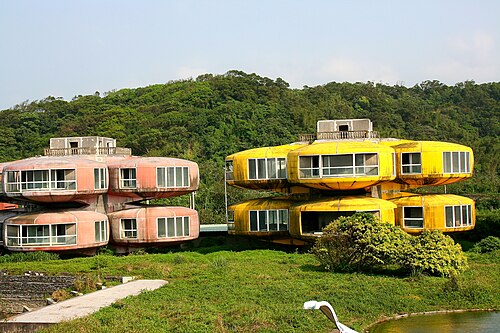
Picture a resort of candy-colored, flying-saucer-shaped houses on the Taiwan coast, built for U.S. military officers on leave. Now picture every single one abandoned before a guest ever checked in.
The UFO houses went up starting in 1978, meant as a vacation resort near Danshui and marketed to American servicemen stationed across East Asia. The project collapsed in 1980 after investment losses and a string of fatal accidents during construction. Locals blamed a cursed dragon statue that had been demolished to widen the access road.
A second developer tried to revive the site in 1989. It didn’t even last a year – disputes over the redesign, plus the discovery that the pods weren’t built to survive Taiwan’s earthquakes, killed the project again by year’s end. The pods sat exactly as they were left for nearly three decades, drawing dark tourists and ghost hunters from around the world.
Authorities finally demolished the entire site between 2008 and 2010, erasing one of the strangest never-lived-in resorts ever built.
#3 – Varosha, Cyprus
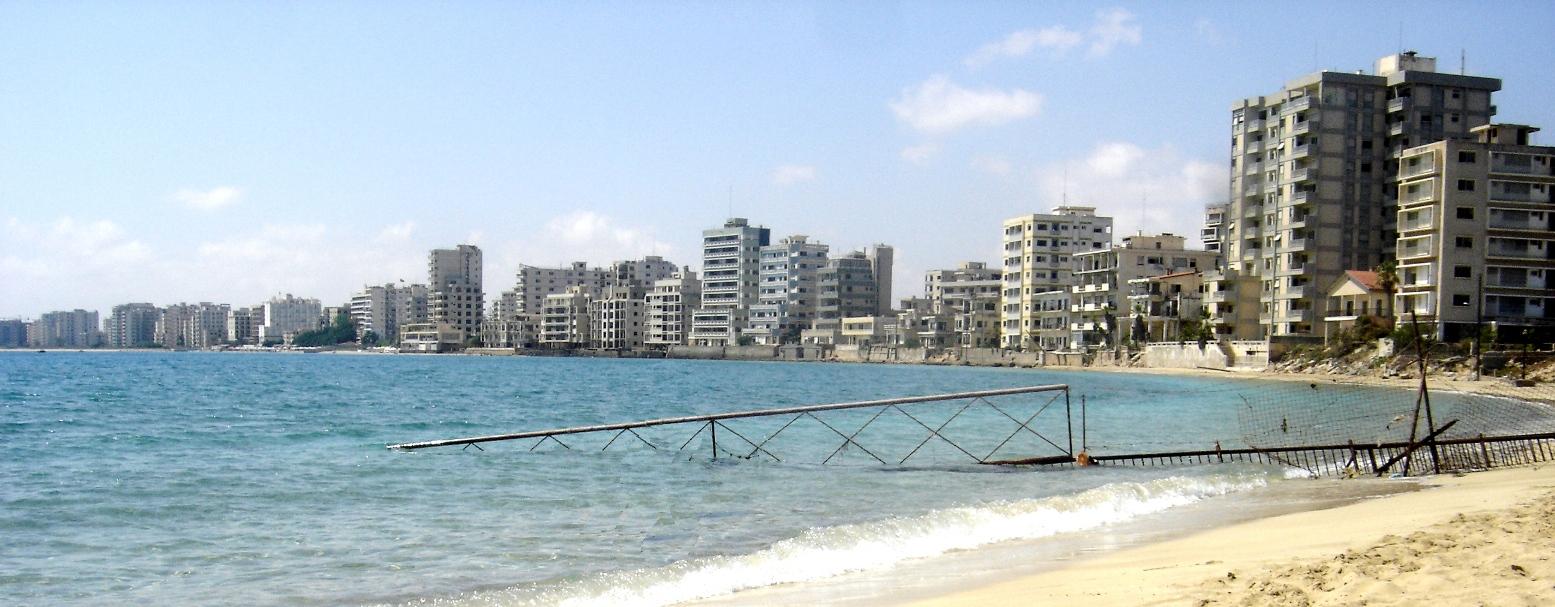
Imagine a beach resort so glamorous that celebrities flocked to it – then imagine every hotel emptied overnight and left exactly as it was, mid-checkout, for half a century.
Varosha was once the busiest resort strip in the Mediterranean. After the Turkish military operation in 1974, authorities sealed off the entire town. Hotels, shops, and streets sat untouched for almost fifty years. These weren’t crumbling old ruins – they were 1960s and ’70s luxury hotels, some barely finished, among the most modern buildings on the coast at the time they were locked away.
The twist most people miss: it’s no longer fully sealed. Since 2020, parts of the area have slowly reopened to controlled public access. Critics call the move a political stunt; others call it long overdue.
Tourists can now bike past hotel lobbies that have sat empty since disco was mainstream.
#4 – Six Flags New Orleans (Jazzland), USA
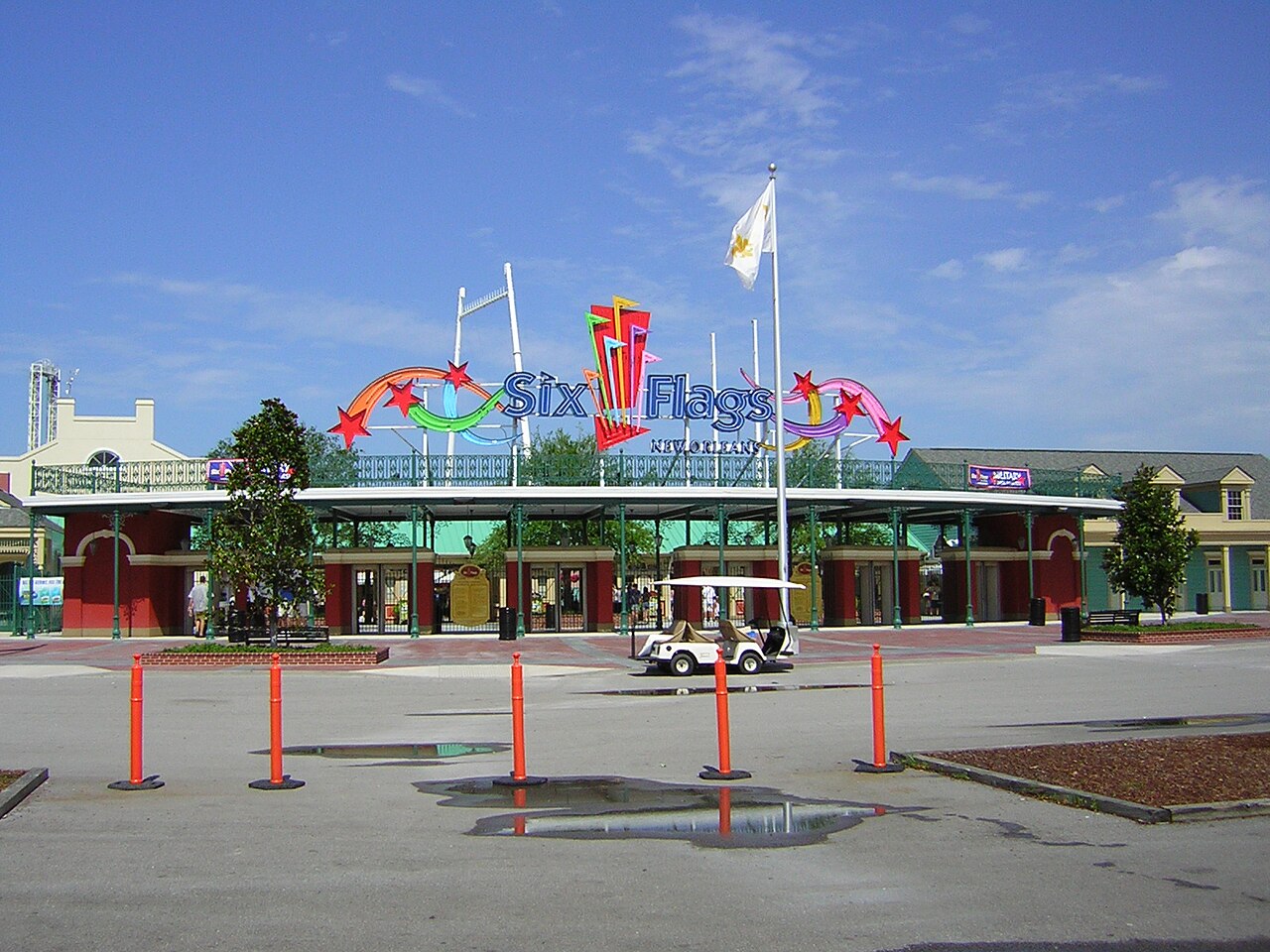
This one wasn’t abandoned because of financial collapse or superstition – it was abandoned because of a hurricane, and the buildings were barely old enough to need a paint touch-up.
Opened as Jazzland in May 2000 and rebranded Six Flags New Orleans before closing in 2005, this $130 million park has now been abandoned for longer than it was ever operational. Hurricane Katrina flooded the site and never really let go. Alligators, cottonmouth snakes, snapping turtles, and wild boar eventually took over the lake at the center of the park.
For nearly two decades the rusting coasters became a magnet for filmmakers and urban explorers chasing the perfect post-apocalyptic backdrop. The story finally got an ending: the last remains of the park were demolished in 2026, clearing the way for Bayou Phoenix, a proposed $500 million development with a new water park and sports complex.
A five-year-old amusement park sat rotting for two full decades before anyone tore it down.
#5 – Pripyat, Ukraine
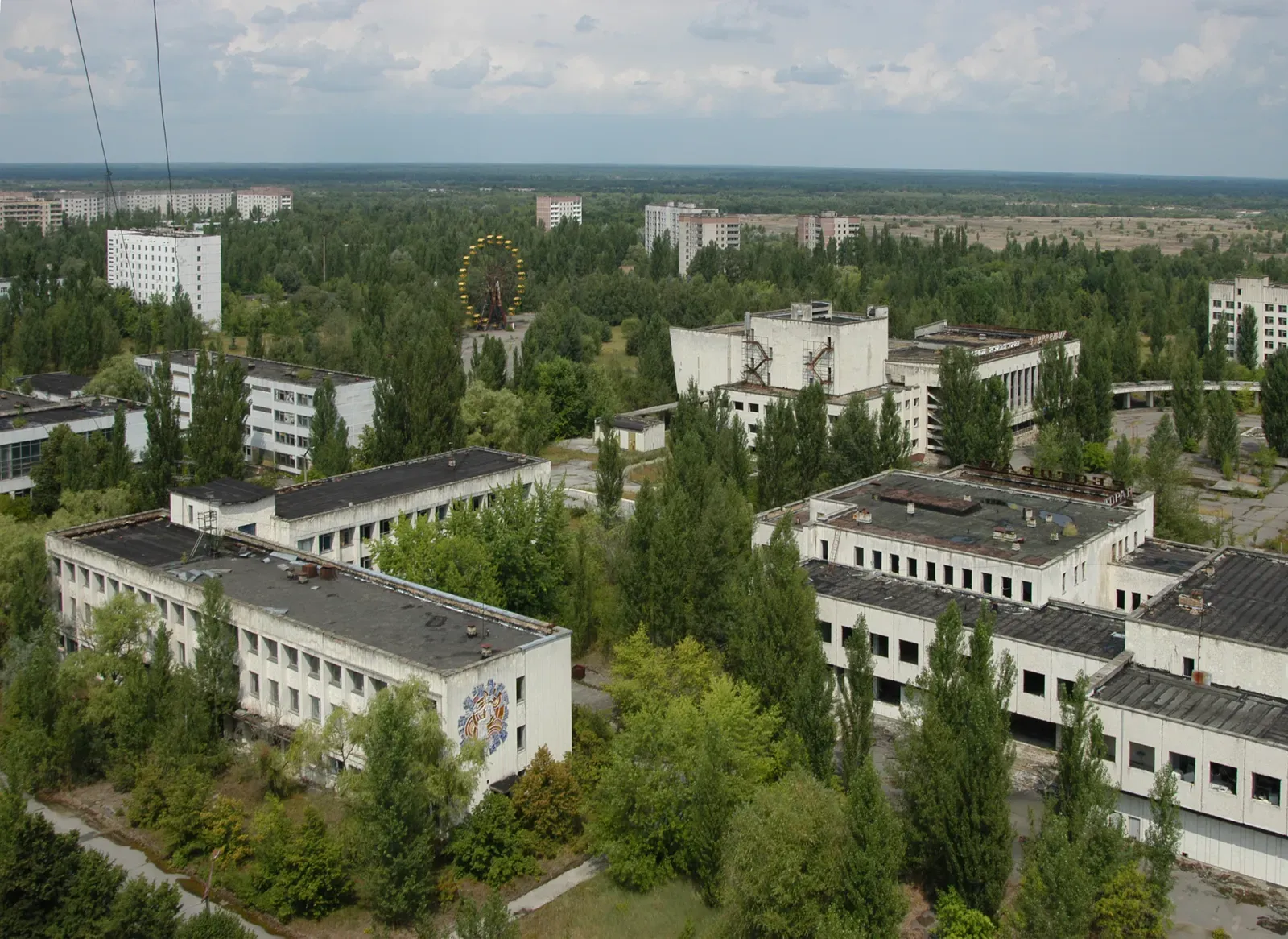
This is the one everyone thinks they know, but most people get the timeline wrong. Pripyat wasn’t a decaying Soviet relic when disaster struck – it was one of the newest, most modern cities in the entire USSR.
Built in the 1970s specifically to house workers at the neighboring nuclear plant, Pripyat had brand-new apartment blocks, a freshly built amusement park with a Ferris wheel that never opened to the public, schools, and a hospital. It was a showcase socialist city, designed with wider boulevards and better amenities than most older Soviet towns. When the reactor exploded in April 1986, the city was barely a decade old.
Nearly 50,000 residents were evacuated within 36 hours and told they’d be back in three days. They never returned.
Furniture, schoolbooks, and toys were left exactly where families put them down, because nobody believed the evacuation would be permanent. The amusement park, scheduled to open just days after the disaster, still stands with its rusting bumper cars – a ride that was, technically, never officially used.
At a Glance
- Built: 1970s as a model Soviet city for nuclear plant workers
- Population evacuated: nearly 50,000 residents
- Evacuation window: within 36 hours of the disaster
- Amusement park status: scheduled to open days after the explosion, never used
#6 – Fordlandia, Brazil
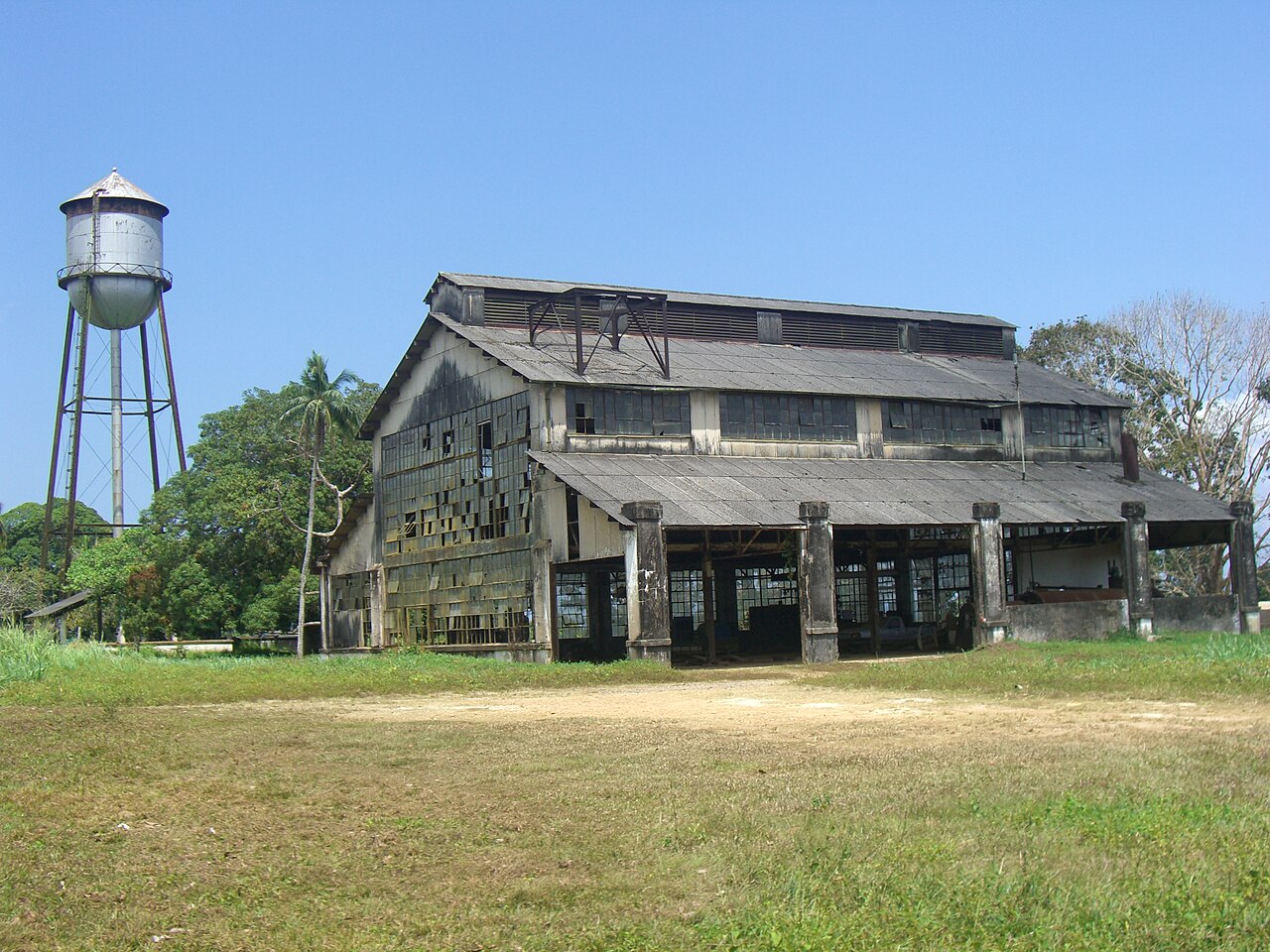
Henry Ford wanted to grow his own rubber deep in the Amazon rainforest, so he built an entire American-style town to do it – complete with white picket fences, a hospital, and a golf course, thousands of miles from Detroit.
Construction began in the late 1920s, and within just a few years the town had modern housing, a power plant, paved streets, and its own hospital – astonishing infrastructure in the middle of the rainforest. Ford insisted on American customs: workers were served hamburgers instead of local staples and required to attend poetry readings, which caused friction almost immediately. The rubber trees themselves, planted too close together in unfamiliar soil, were quickly devastated by South American leaf blight and the insects that thrive in dense plantations.
Within roughly a decade, the entire experiment collapsed. Ford reportedly never once visited the town that bore his name.
A brand-new American suburb, complete with fire hydrants and a movie theater, sat empty in the middle of the jungle almost as fast as it was built. Today the buildings still stand, swallowed by vines – a monument to industrial ambition moving faster than common sense.
#7 – Wonderland Amusement Park, Beijing, China
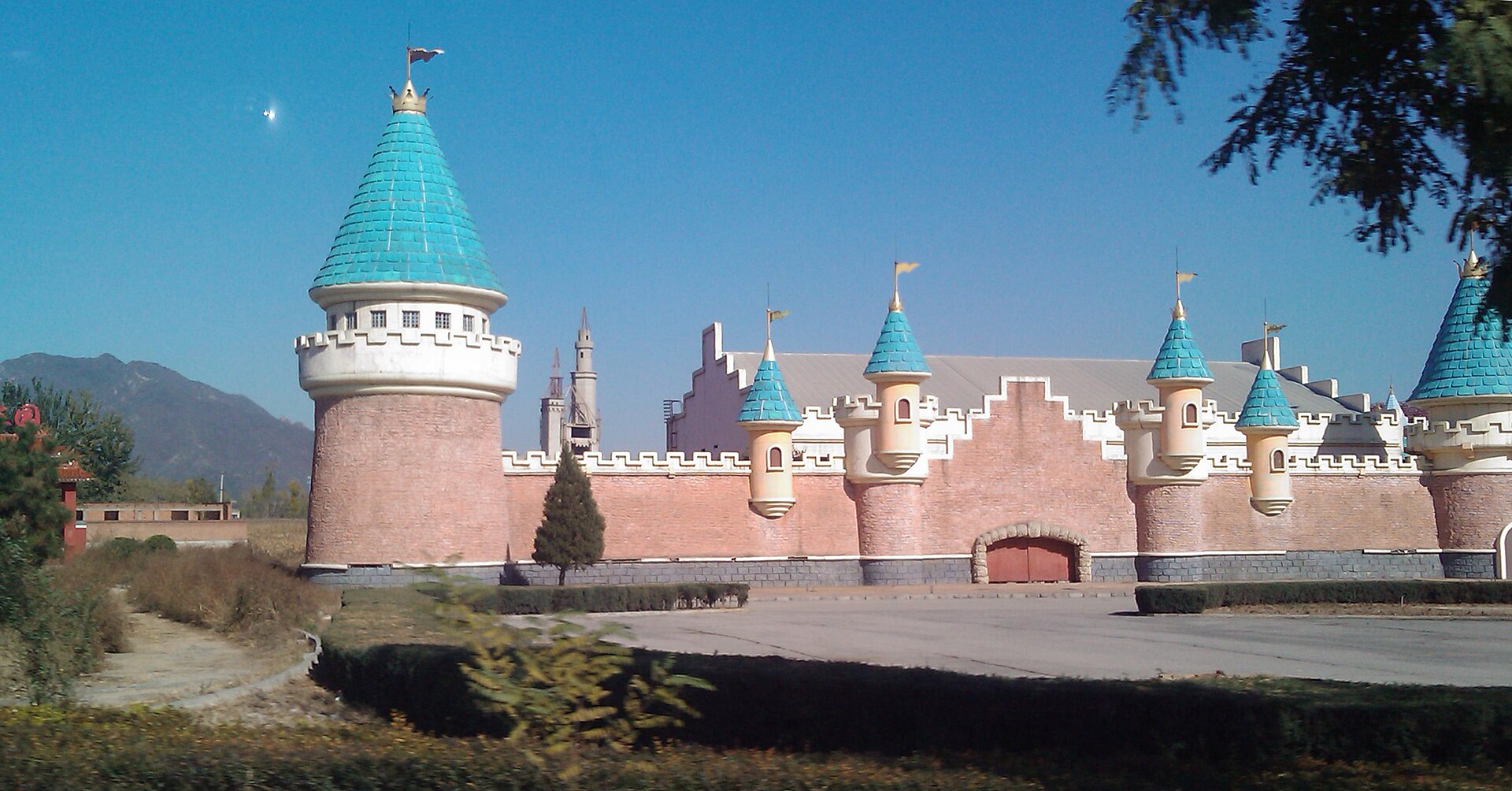
Billed as the largest amusement park in Asia when it broke ground in the early 1990s, Wonderland was supposed to be China’s answer to Disneyland, with fairy-tale castles rising out of farmland outside Beijing.
Construction stalled almost immediately amid funding disputes and clashes with local farmers over land rights. The half-built castles and skeletal structures sat frozen for over two decades, becoming one of the most photographed abandoned sites in China – a surreal, half-finished fantasy kingdom with crops planted right up to its walls.
Farmers reportedly kept growing corn between the abandoned castle turrets for years, turning a failed theme park into an accidental piece of land art. Urban explorers who visited before demolition described walking through unfinished throne rooms with no roofs and grand staircases leading to nowhere.
The site eventually changed hands and was cleared for redevelopment, but for a generation it stood as a cautionary tale about breaking ground before securing full funding and buy-in from everyone involved.
#8 – Al Madam Ghost Town, UAE
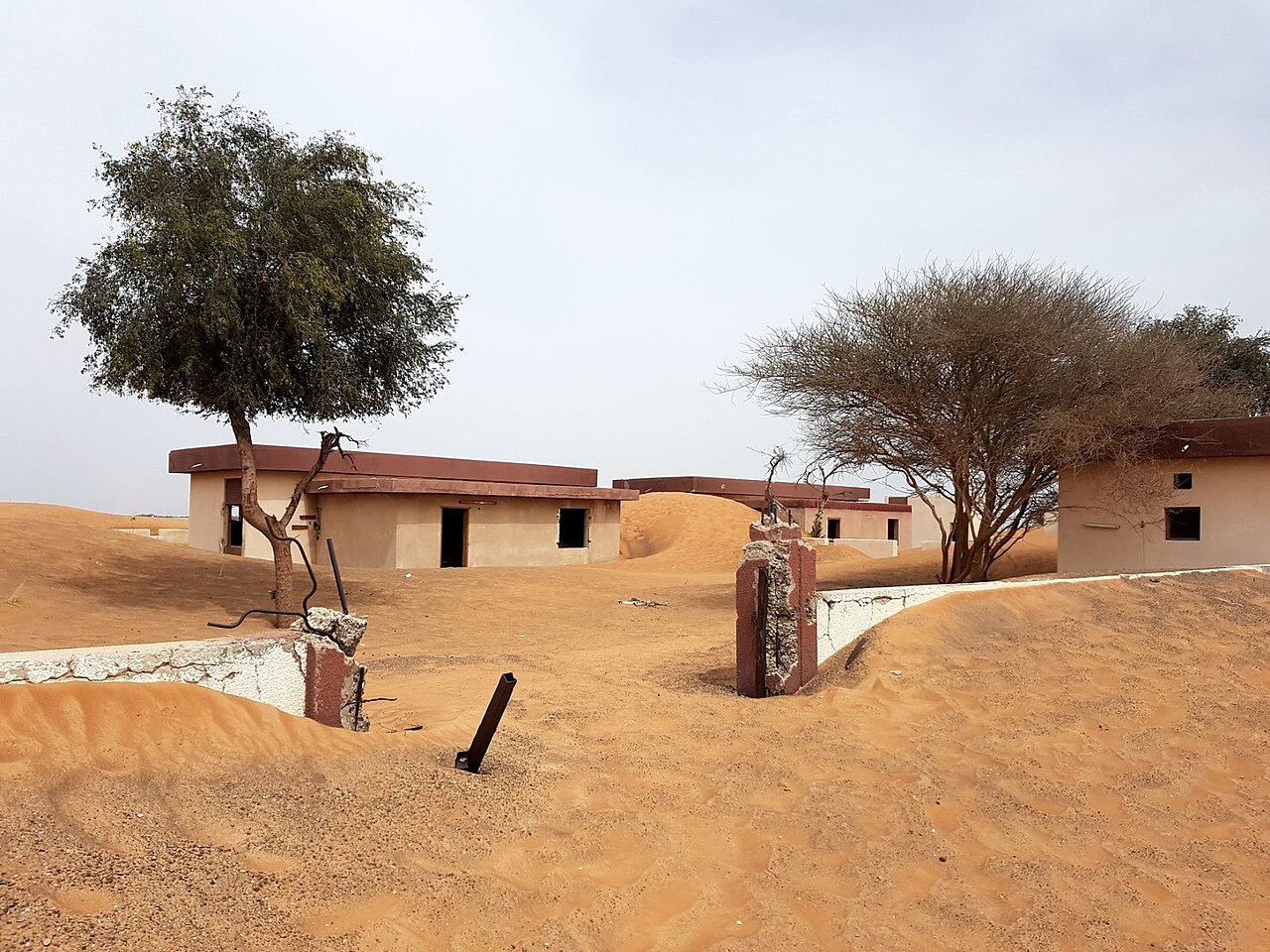
Not every abandoned town is a headline-grabbing disaster story. Some are quieter – and this one might be the strangest, because nobody fully agrees on why it emptied out.
Built in the desert between Dubai and Sharjah, likely in the 1970s or ’80s, this small settlement of concrete houses was meant to relocate a local Bedouin community into modern, permanent housing. Within a decade or two, residents had moved on, reportedly due to territorial disputes between two groups combined with increasingly harsh desert conditions.
What makes it eerie today isn’t decay – it’s preservation. Because the region gets so little moisture, the concrete hasn’t crumbled the way it would elsewhere. It just sits, half-buried, looking newer than its age suggests.
The desert sand has crept halfway up the walls of some houses, creating an almost sculptural effect where dunes seem to swallow entire rooms while the roofs stay intact. Photographers now travel specifically to capture the sand-drowned doorways before more of the town disappears beneath the dunes entirely.
#9 – Kangbashi (Ordos New Town), China
2016.jpg)
This is the ghost city that put the phrase “ghost city” into the global vocabulary. Built to house roughly a million people, it became instead a symbol of unchecked development – sprawling apartment blocks, a museum, a library, and civic plazas, nearly all of it empty.
Local coal wealth fueled an ambitious plan to build an entirely new district a few miles from the old city center, with architecture dramatic enough for a national capital. Investors bought up apartments as financial assets rather than homes, driving prices up even as occupancy stayed near zero for years.
Photographers who visited in the early 2010s described driving down eight-lane boulevards without seeing another car, past skyscrapers with darkened windows at night.
A city built for hundreds of thousands stood almost entirely vacant for the better part of a decade. Slowly, as government offices relocated there and prices adjusted, some residents did move in – but the “ghost city” label stuck long after the description stopped being fully accurate. It remains the textbook case study for construction outpacing demand.
Quick Compare
- Planned capacity: enough housing and infrastructure for roughly a million residents
- Early occupancy: near zero for years after completion
- Today: government offices and new residents have slowly filled in, though the “ghost city” label still lingers
#10 – Consonno, Italy
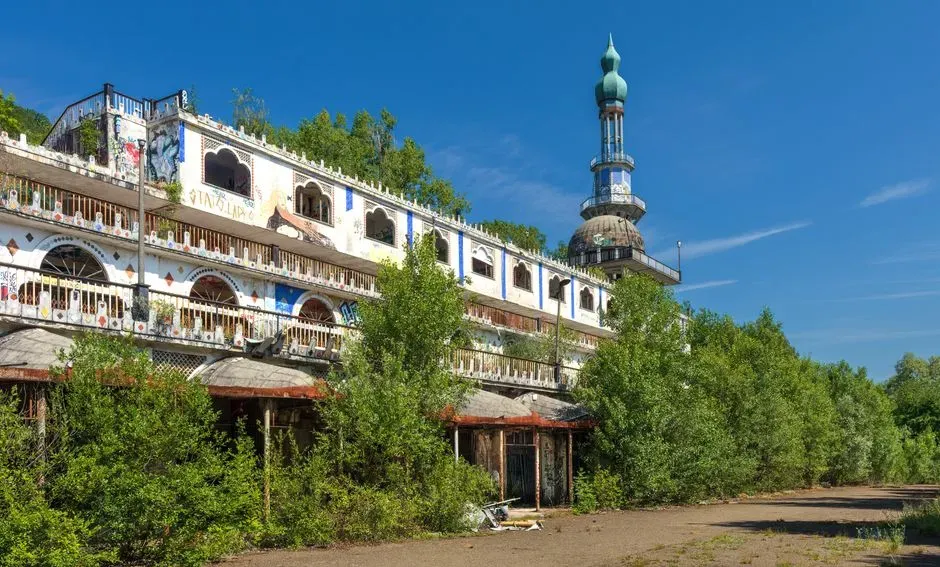
Northern Italy has its own miniature Las Vegas, and it lasted less than two decades before nature wiped it off the map. An eccentric businessman bought an entire medieval hamlet in the early 1960s, bulldozed most of it, and rebuilt it as a garish pleasure resort – complete with a minaret, a nightclub, a mock castle, and a shopping arcade designed to lure wealthy Milanese tourists for weekend getaways.
For a few years it actually worked. Visitors flocked in for the novelty of a fantasy town in the hills, with neon signs and Vegas-style entertainment nobody expected to find in rural Lombardy. Then a landslide in the mid-1970s cut off the only access road, and the resort’s fortunes collapsed almost overnight.
A resort designed to look eternally glamorous became an overgrown ruin within about fifteen years of being built. The minaret and shells of buildings still stand today, wrapped in graffiti and ivy – an architectural fever dream abandoned before it ever became a genuine institution.
#11 – Nara Dreamland, Japan
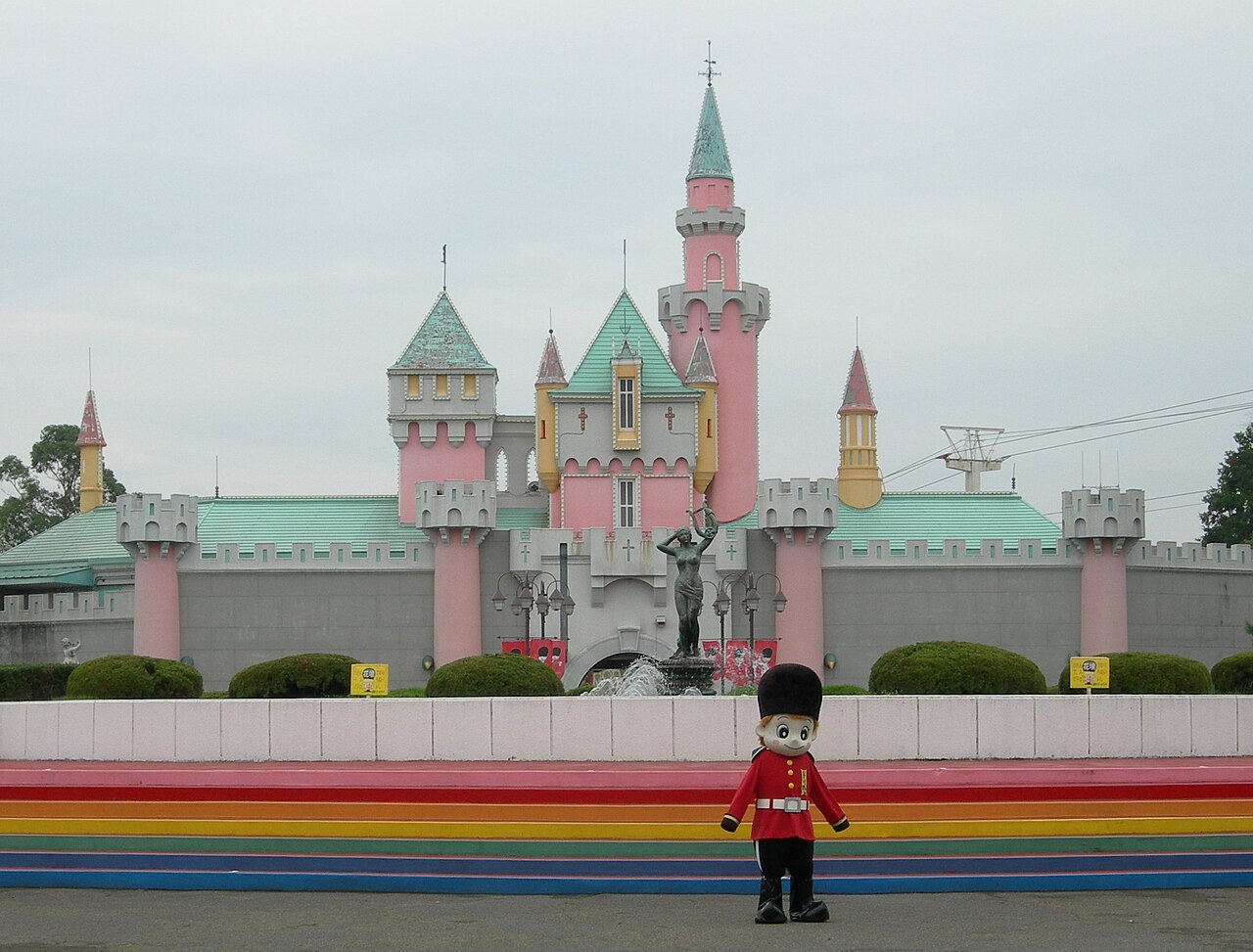
Modeled almost brick-for-brick on Disneyland – right down to a castle and a Main Street replica – this Japanese theme park opened in the early 1960s and thrived for decades before losing a battle it was always going to lose: the real Tokyo Disneyland opened nearby and crushed its ticket sales.
By the mid-2000s, attendance had dropped so far that the park simply closed its gates rather than keep fighting for a shrinking audience. What made Nara Dreamland unusual wasn’t the closure itself – it’s that almost nothing was removed. Coasters, the castle, gift shops, and ride vehicles were left standing exactly as they were on the final operating day.
A full-scale castle and a functioning wooden roller coaster sat completely intact and untouched for roughly a decade after closing, drawing urban explorers from around the world who documented rides frozen mid-track and gift shop shelves still stocked with souvenirs. Demolition crews eventually tore the site down in the mid-2010s, but for years it stood as one of the most photographed abandoned theme parks on Earth.
#12 – Spreepark, Berlin, Germany
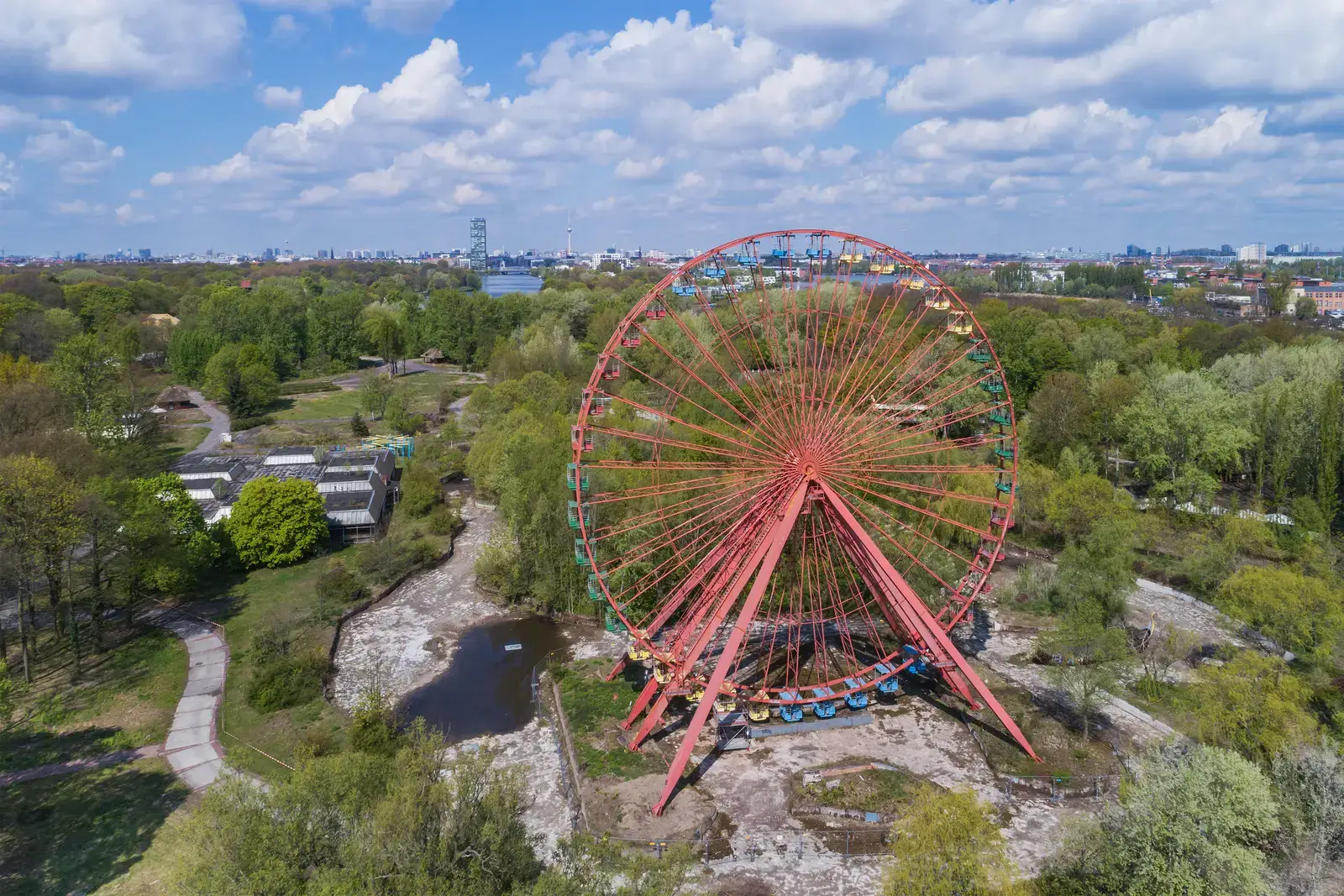
East Berlin’s only major amusement park opened in the late 1960s under Communist rule, complete with a Ferris wheel and dinosaur-themed rides that became beloved local landmarks. After reunification, a private family took over the park, expanded it aggressively, and for a few years it thrived as a novelty attraction in the newly unified city.
Then the debt caught up with them. The park’s owner was later convicted of drug smuggling after allegedly trying to fund the struggling park through a cocaine deal – one of the strangest footnotes in amusement park history. The park closed abruptly in the early 2000s and was left to rot inside a public forest, just minutes from central Berlin.
A Ferris wheel and a fleet of fiberglass dinosaurs sat rusting inside a public city park for nearly two decades, visible to joggers and cyclists passing by on forest trails. The site became one of Europe’s most iconic abandoned locations, featured in music videos and heavily patrolled after repeated arson incidents. Redevelopment into a public art and culture park is now underway, but for most of its post-closure life, Spreepark sat as an open secret in plain sight of an entire city.
#13 – Bokor Hill Station, Cambodia
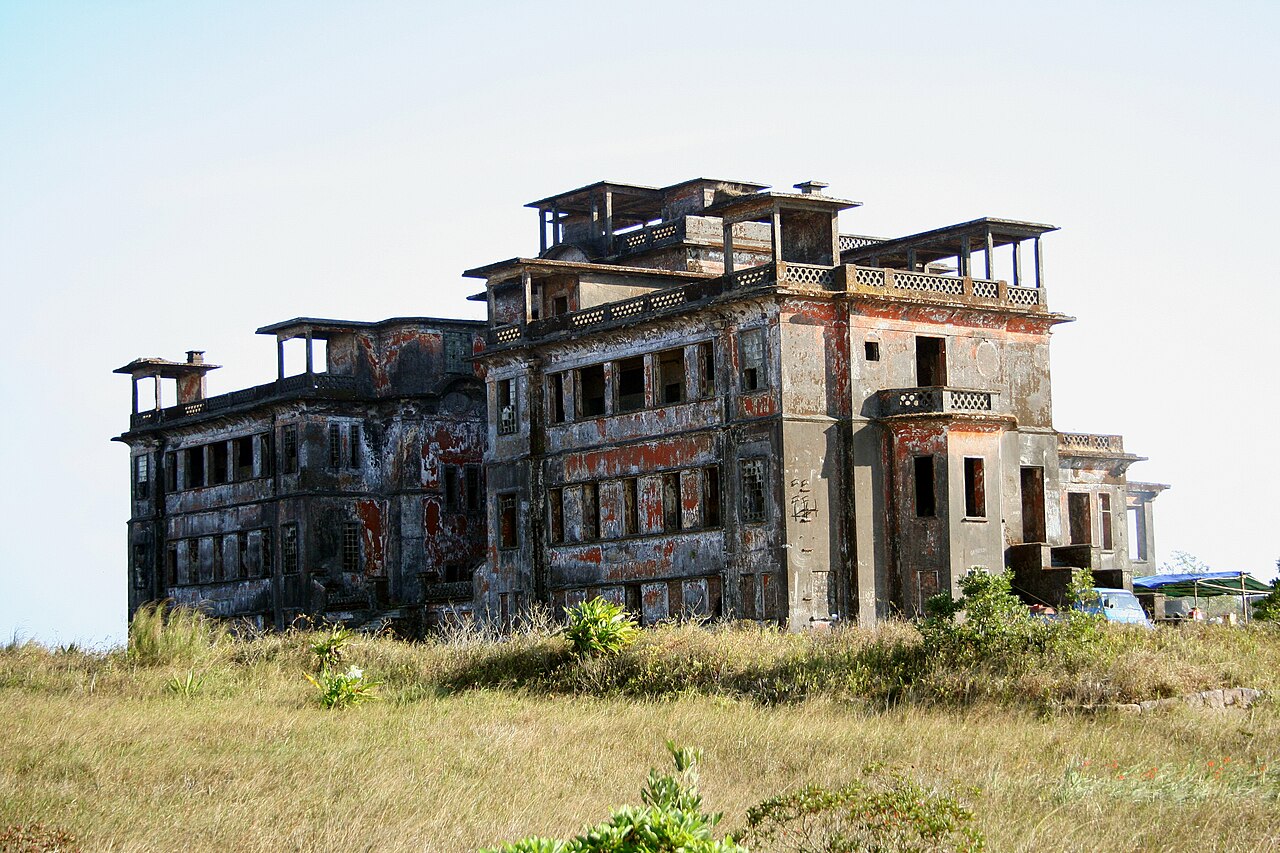
Perched on a misty mountain plateau, this hill station was built by French colonists in the 1920s as a luxury retreat, complete with a grand casino, a church, and a hotel meant to let colonial officials escape the tropical heat below. Construction reportedly came at a brutal human cost, with hundreds of laborers said to have died building the road up the mountain.
The resort operated only briefly before political upheaval intervened. Decades of conflict, including the Khmer Rouge era, turned the region into a dangerous conflict zone, and the buildings were left to the mountain fog and jungle for generations. Bullet holes reportedly still mark some of the walls from fighting that once raged around the structures.
A casino built for colonial elites sat wrapped in mist and silence for the better part of a century, becoming one of Southeast Asia’s most atmospheric ruins. In recent years, redevelopment has brought new hotels and a cable car to the plateau, but the original hollowed-out casino still stands nearby – preserved, some say deliberately, as a ghostly centerpiece next to the shiny new development surrounding it.
Why It Stands Out
- Built in the 1920s by French colonists as a mountaintop escape from the heat
- Featured a casino, a church, and a hotel for colonial elites
- Sat largely untouched through decades of conflict, including the Khmer Rouge era
- Now shares the plateau with new hotels and a cable car, alongside the original ruins
The Bottom Line
The pattern here isn’t subtle. Money runs out, disasters strike, superstition takes hold, or politics freezes everything overnight – and buildings barely old enough to need maintenance get left to rot instead. Sathorn Tower was 80% finished. Fordlandia collapsed within a decade. Six Flags New Orleans sat abandoned longer than it ever operated.
These aren’t ancient ruins. They’re monuments to how fast ambition can outrun reality. If there’s one lesson developers keep refusing to learn, it’s that a building isn’t a legacy until people actually live, work, or play in it long enough for it to matter.
Which of these surprised you most? Did we miss a newly abandoned site that deserves a spot on this list? Drop it in the comments.