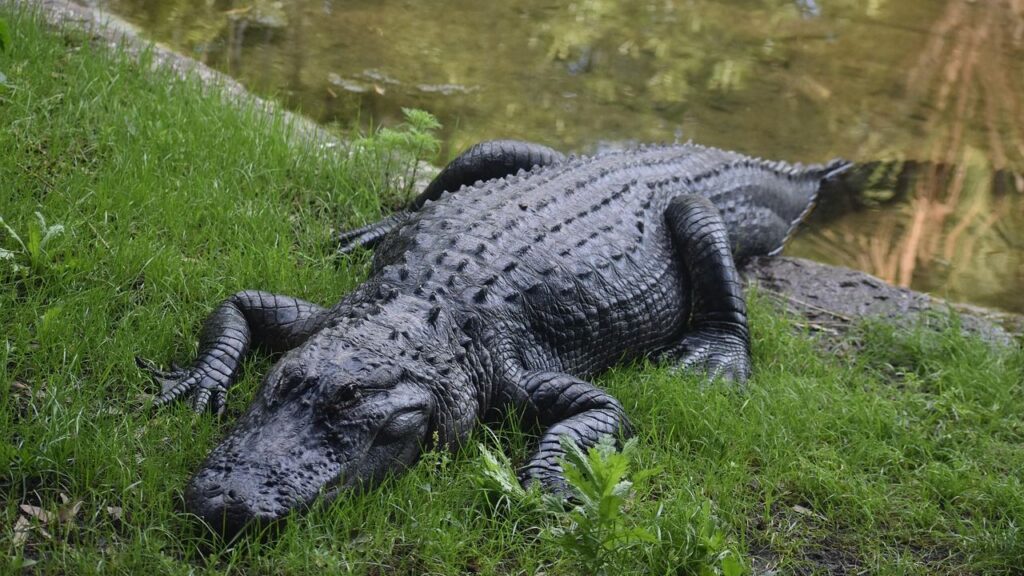

You probably think of alligators as lurking, prehistoric predators gliding through dark green water, not as walking junk drawers full of human trash. Yet when wildlife officers and researchers in Florida examine gators from swamps, canals, and retention ponds, they sometimes find a shocking reminder of how much stuff you leave behind in the environment. Bits of your daily life can end up inside a reptile that has been around since the age of dinosaurs.
Because alligators are opportunistic eaters and often strike at movement or shiny shapes, they can easily grab objects that never should have been in the water in the first place. Some of these items wash in during storms, others are tossed in carelessly, and a few are swallowed accidentally while a gator is going after real prey. As you go through this list, you may recognize some of your own habits – and you might never look at your car keys or fishing gear the same way again.
1. Fishing Lures and Hooks
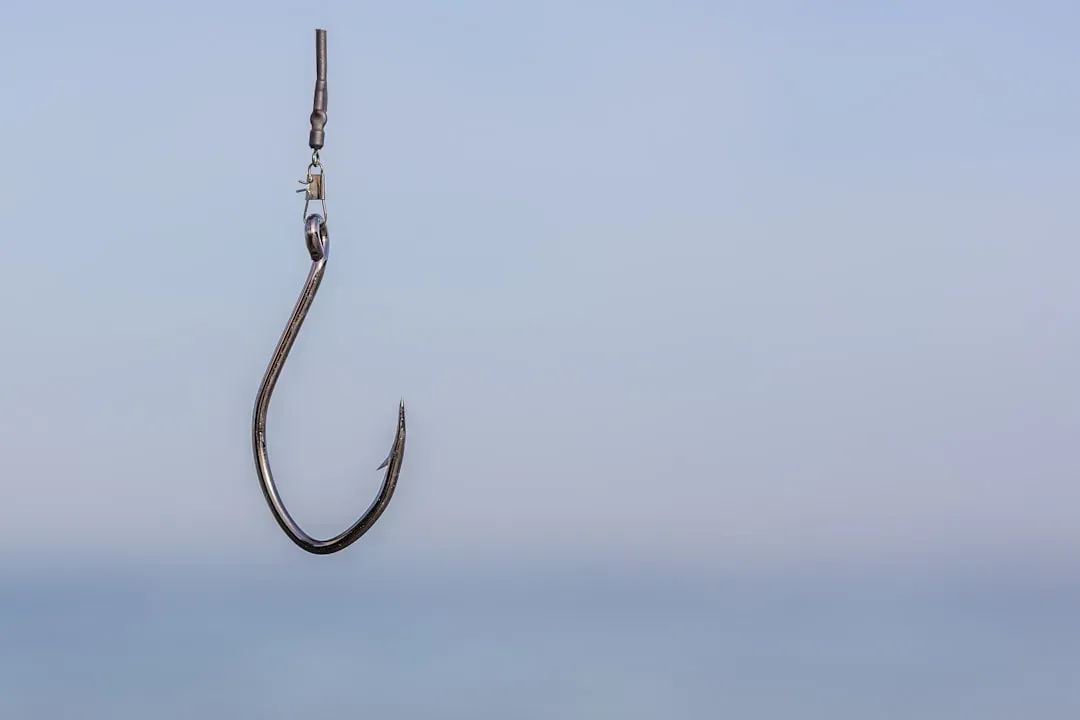
If you spend time on the water in Florida, you know how easy it is to snap a line or lose a lure in the weeds, and an alligator does not understand the difference between a struggling fish and a flashing piece of metal. When you cast near reeds or along the edge of a swamp, a gator can lunge at the splash or shine and end up swallowing the entire lure, hooks and all. You may think that small tackle just sinks and disappears, but for an animal that snaps at almost anything that looks like prey, it can become an accidental meal.
Inside an alligator, hooks and lures can lodge in the stomach or even work their way into surrounding tissue, causing infections or long‑term internal damage. You might assume that a tough reptile can handle anything, yet sharp metal can cause the same kind of pain and injury it would in you. Next time you are fishing in gator country, you are not just protecting the environment when you retrieve lost tackle – you are potentially saving an alligator from a slow, unnecessary injury.
2. Plastic Bottles and Caps
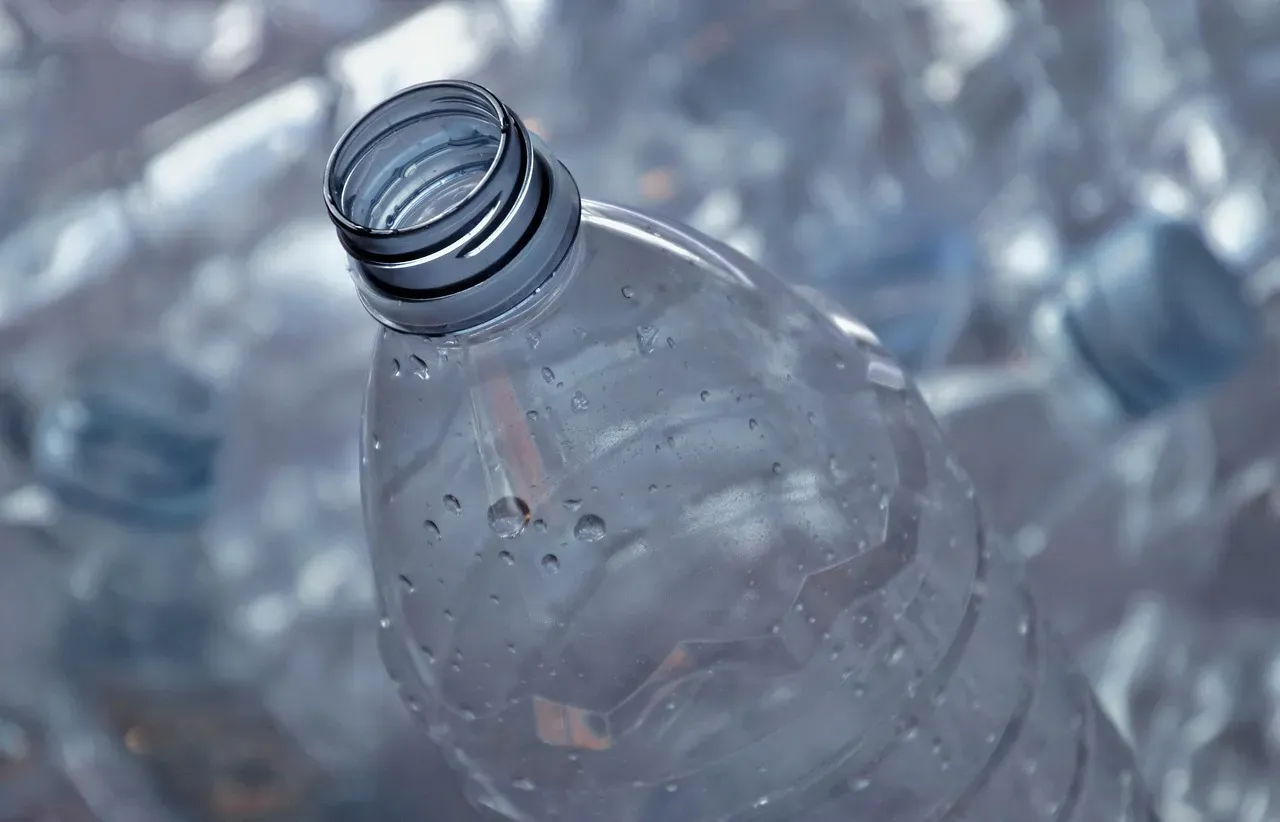
You have probably seen floating plastic bottles in canals or ditches after a heavy rain, and those containers often end up exactly where alligators like to patrol. A bobbing bottle can look and sound like a small animal splashing on the surface, especially in low light, and a curious gator may grab it out of instinct. Even if it does not intend to swallow the whole thing, pieces can break off and get gulped down in the struggle.
Once inside the digestive system, plastic does not break down the way natural food does, so it can sit in the stomach, reduce space for real nutrition, and potentially block passages. Caps and smaller fragments are even easier for a gator to ingest without you realizing what happened. When you hang onto your bottles, crush them, and pack them out instead of tossing them, you are directly reducing the chance that a hungry alligator turns your drink container into a dangerous snack.
3. Aluminum Cans
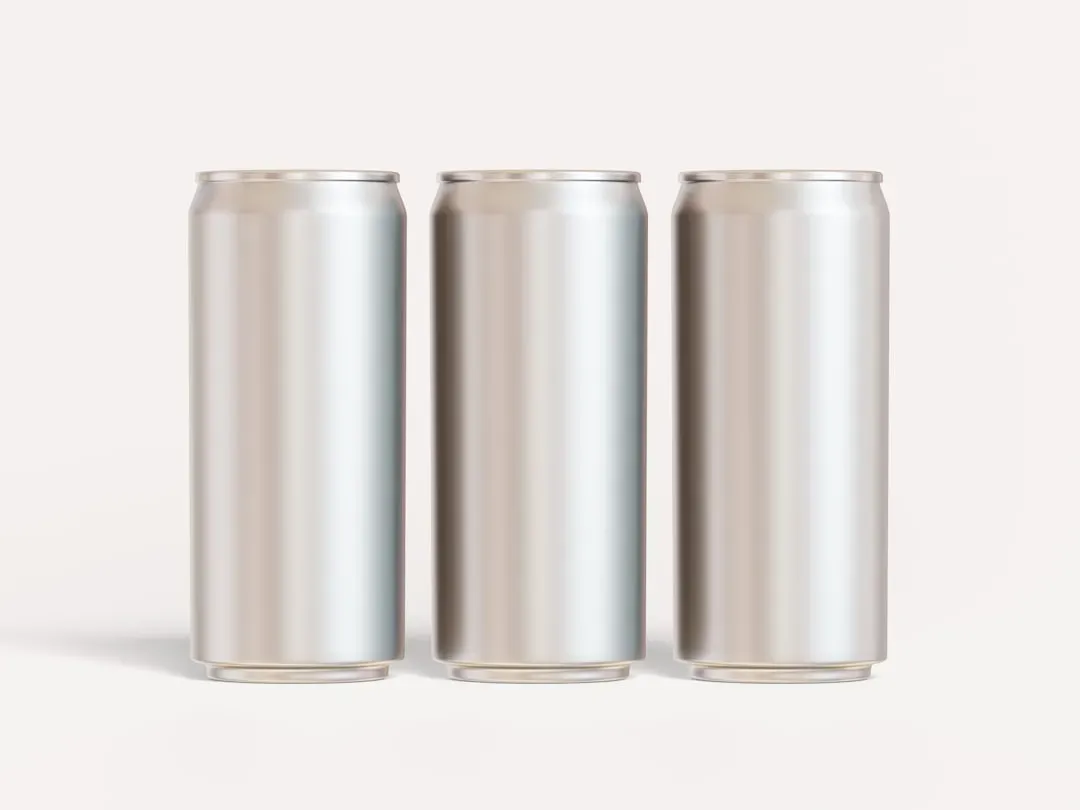
An empty soda or beer can may feel harmless when you crush it in your hand, but once it lands in a swamp or along a riverbank, it becomes one more piece of shiny debris that can catch a gator’s eye. Light reflecting off the metal can mimic the glint of fish scales or the flash of a moving frog, and a quick bite is all it takes for a can to end up down the hatch. You might imagine that the hardness of metal would deter an animal, but alligators are used to crunching turtle shells and bones, so a thin can is not much of an obstacle.
Inside the stomach, metal can scrape, cut, and linger for years, creating irritation or contributing to blockages alongside other trash. While an adult gator’s powerful digestive system can handle some rough material, it is not designed to process aluminum. Each time you choose to carry a can back to a recycling bin instead of dropping it near the water, you are helping keep that metal out of an ecosystem where animals mistake nearly anything for food.
4. Fishing Line and Rope Fragments
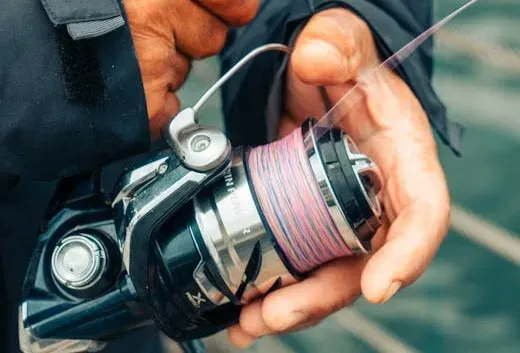
It is easy to underestimate how dangerous a stray loop of fishing line or a short length of nylon rope can be when it ends up in the water. You might tie something off, cut a piece, or accidentally snap a line and assume it will just sink and vanish. For an alligator, though, floating or submerged line can tangle around the jaws or limbs during a strike, and loose coils can be swallowed along with a fish or other prey item.
Once inside the digestive tract, line and rope do not dissolve; instead, they can act like a tightening noose or a saw that cuts from the inside as the animal moves. Even outside the body, line can wrap around the snout or neck of a gator, slowly digging into skin and muscle over time. When you properly dispose of line in dedicated recycling bins and cut rope into tiny pieces before trashing it, you dramatically lower the chance that a powerful reptile ends up hobbled by something as simple as your gear.
5. Bottle Caps, Pull Tabs, and Small Metal Bits
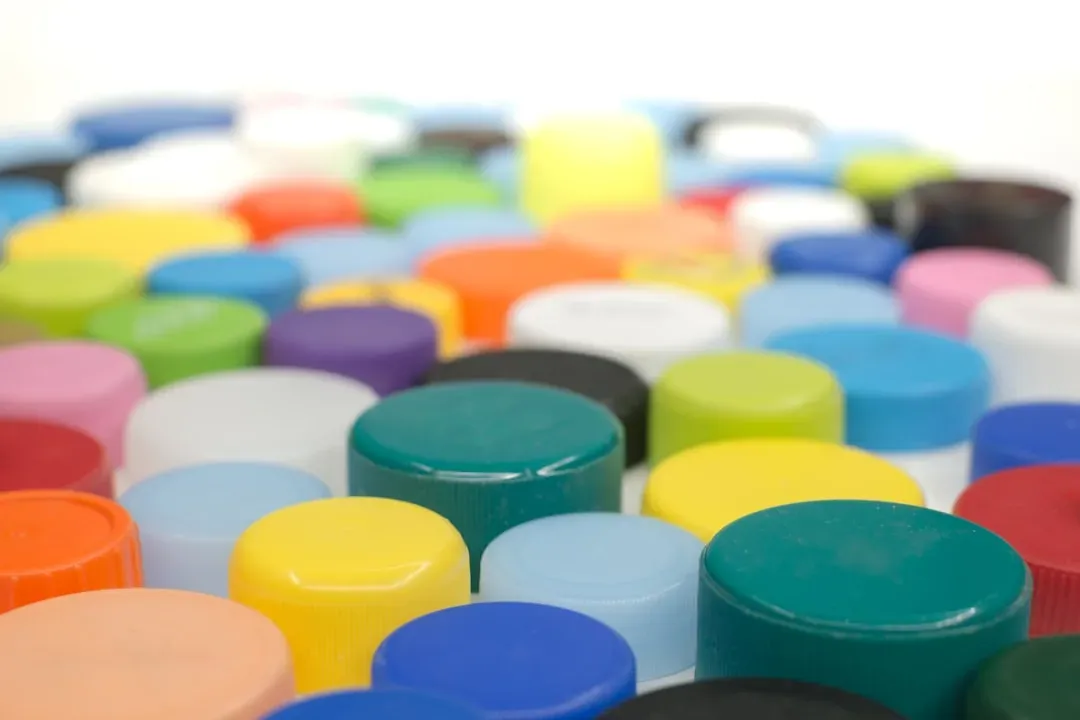
Small metal objects might be the easiest for you to ignore, because they seem too insignificant to matter. A dropped bottle cap, an old pull tab from a can, or a bit of broken hardware can slip through your fingers and disappear into the sand or grass near the water’s edge. To an alligator scanning for food, though, these tiny items can look like insects, small crabs, or other bite‑sized treats moving at the surface.
When swallowed, these bits of metal build up like gravel in the stomach, but unlike small stones that gators sometimes ingest naturally to help with digestion, manufactured metal can carry paint, sharp edges, and chemical residues. Over time, that mix can irritate tissue or combine with other debris into a heavy, awkward mass. Choosing to pocket small trash instead of flicking it into the weeds is one of the simplest ways you can protect animals you may never even see.
6. Keys and Keychains
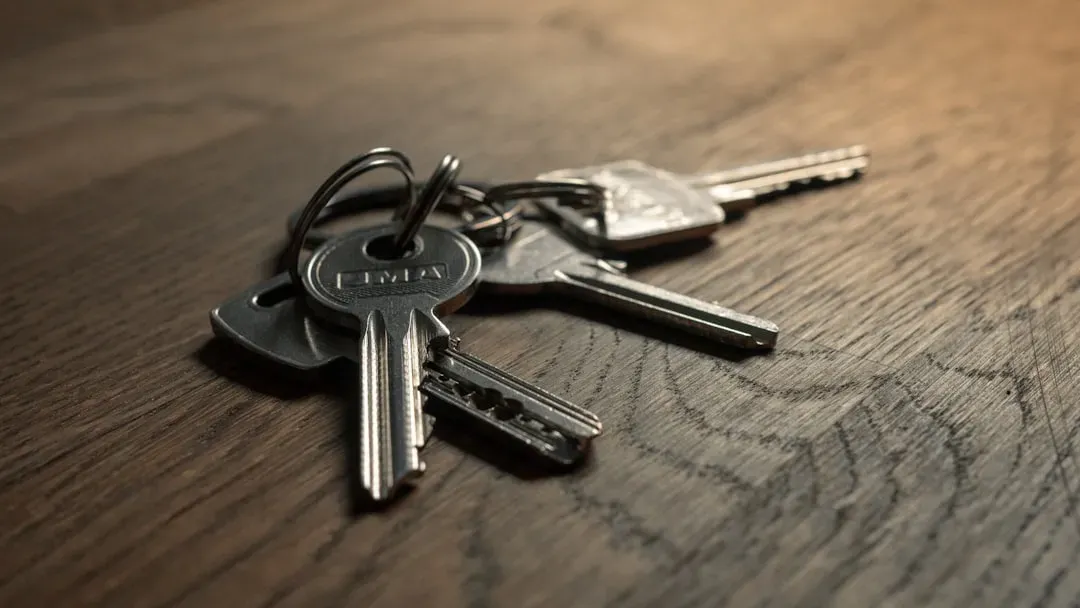
You might not picture your car keys in the belly of an alligator, but think about how easy it is for keys to fall out of a pocket when you lean over a dock, launch a kayak, or sit on the edge of a canal. Once they are in the water, keys on a shiny ring or dangling from a colorful keychain can catch the attention of a curious gator. A quick snap at what looks like a small fish or crab is all it takes for your lost keys to become part of a reptile’s internal baggage.
Heavy metal objects like keys will not digest or pass quickly, so they can stay inside an alligator for a long time, adding to the load of indigestible material it carries. While one set may not be fatal, repeated incidents over years can make the animal’s stomach a storage unit for human clutter. Keeping keys secured on a lanyard or stored in a bag when you are near gator habitat helps you avoid a frustrating day and spares wildlife from swallowing something that never should have been there.
7. Cell Phones and Electronic Gadgets
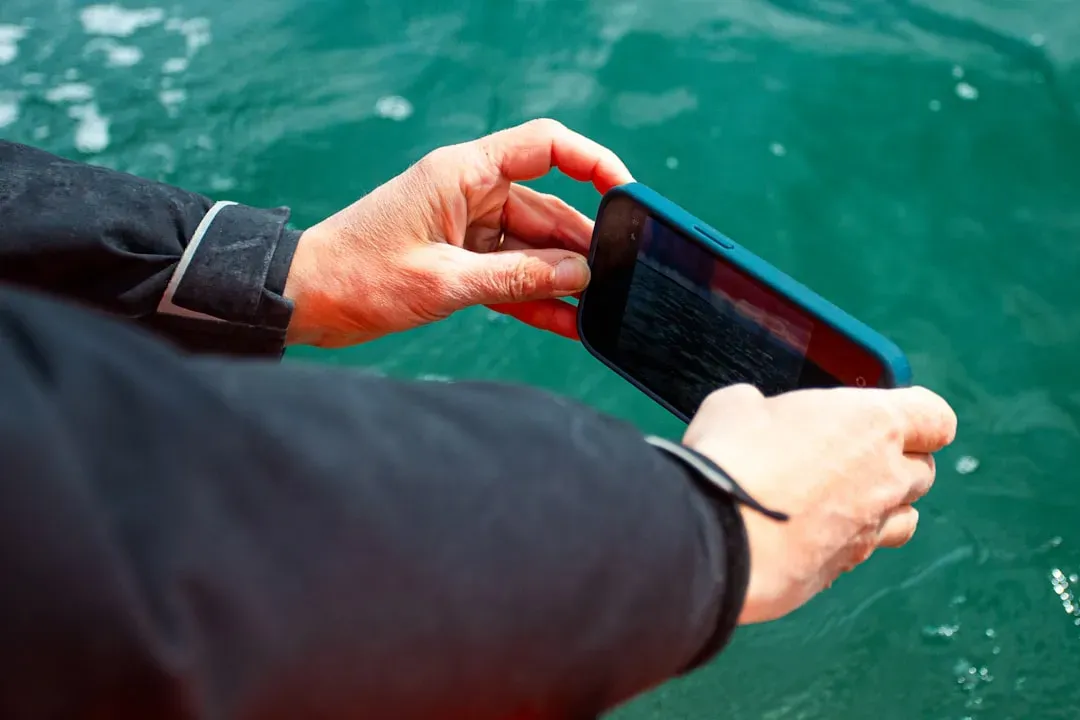
Dropping a phone into the water is already a nightmare for you, but in Florida’s swamps, that sinking device can also become a problem for wildlife. A phone glinting in shallow water or sliding along the bottom can grab the interest of an alligator investigating movement or reflections. In a fast lunge, an electronic gadget can be bitten, crushed, and partially swallowed before the animal realizes it is not edible.
Inside that device are batteries, metals, glass, and plastics, none of which belong in a living stomach. The chemicals in batteries and circuits can leach out over time, potentially irritating or damaging internal tissues. Using waterproof pouches, wrist straps, and secure pockets when you are boating, fishing, or hiking near gator territory protects your expensive gear and reduces the chance that a prehistoric predator ends up with your phone as an unintended side dish.
8. Golf Balls
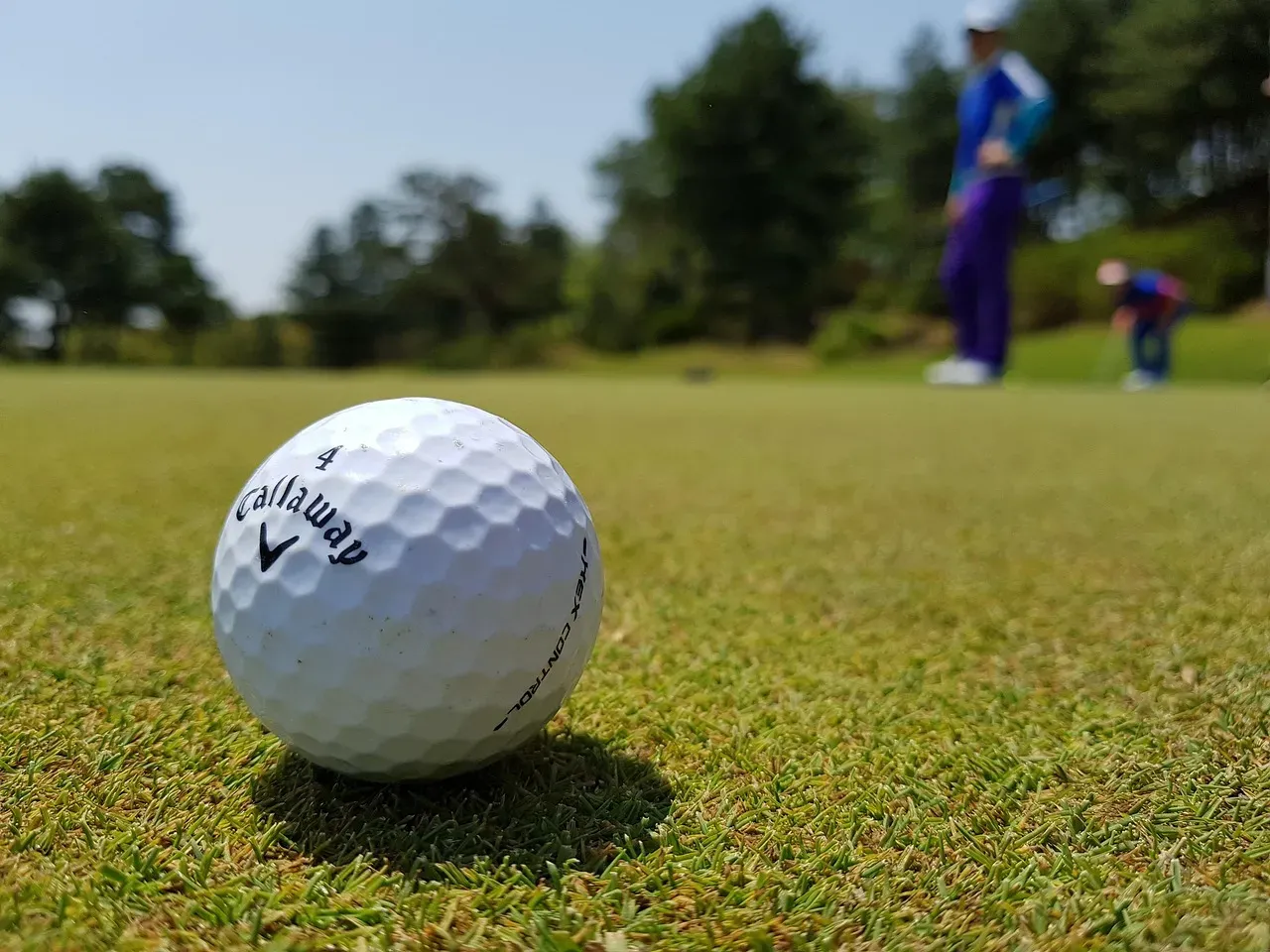
Florida’s blend of golf courses and wetlands creates a strange overlap between fairways and swamps, and golf balls often roll or fly right into gator habitat. A white ball bobbing in the water can look like an egg or a small animal to an alligator, especially from below, where contrast and motion matter more than detail. When a gator snaps at the splash, the ball can end up lodged in its mouth or swallowed whole.
Golf balls are tough, layered objects that are not made to break down inside a digestive system. They can sit in the stomach for years, adding bulk and potentially interfering with normal digestion as more debris accumulates. If you play on courses that border ponds or marshy areas, choosing to leave lost balls that land deep in gator territory instead of repeatedly retrieving them can keep you safer and reduce the chaos you cause along the shoreline.
9. Dog Toys and Pet Accessories
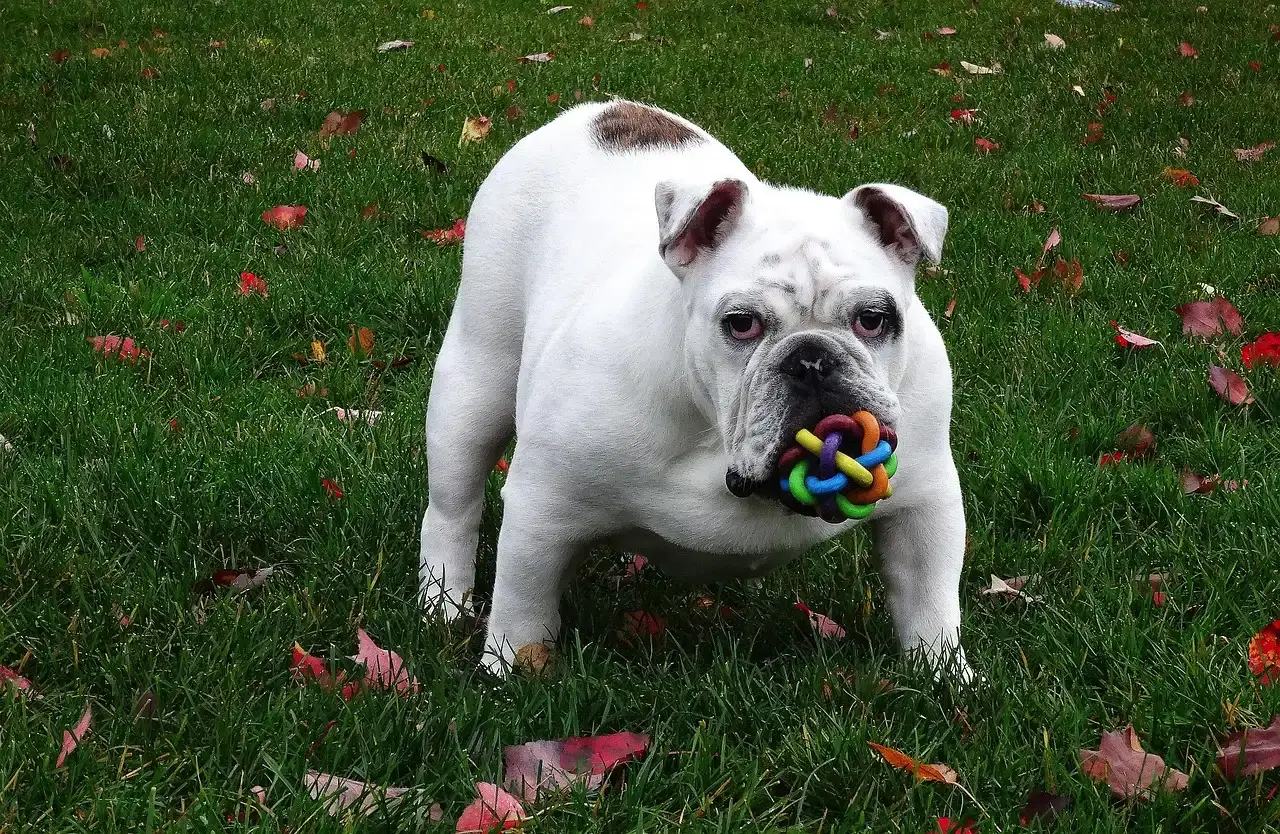
Bringing your dog near the water for a game of fetch feels innocent, but in Florida, that river, lake, or canal may also be home to alligators watching from just below the surface. When you throw a bright tennis ball or floating toy, a nearby gator can mistake the splashing and movement for an easy meal. If your dog drops or loses the toy, it may continue to bob around, attracting attention long after you have gone home.
When an alligator snaps up a dog toy, it can ingest rubber, foam, fabric, and sometimes squeakers or plastic pieces. These materials can clog the digestive tract or tangle with other debris already inside the gator. Keeping pets on leashes near natural water, avoiding fetch in known gator areas, and choosing not to leave stray toys floating behind you are small steps that help keep both your animals and wild ones safer.
10. Clothing, Shoes, and Fabric Scraps
You might not think that a stray flip‑flop or a lost T‑shirt could end up inside an alligator, but fabric and footwear often wash into ditches and swamps during heavy rains. A loose shoe kicking around in the shallows or a piece of cloth swirling at the surface can look like a struggling animal to a predator tuned to detect any sign of weakness or motion. When a gator strikes, it may tear, chew, and swallow chunks of material in the process.
Fabric and foam do not digest easily, so they can bunch up or form wads inside the stomach, sometimes mixing with other objects like hooks, caps, and plastic. That kind of mass can reduce the room available for real food and make the animal feel full even when it is not getting proper nutrition. Holding onto old clothes and shoes until you can dispose of them or donate them, instead of letting them blow away near waterways, keeps them out of the path of a hungry reptile that does not know any better.
11. Food Wrappers and Snack Packaging
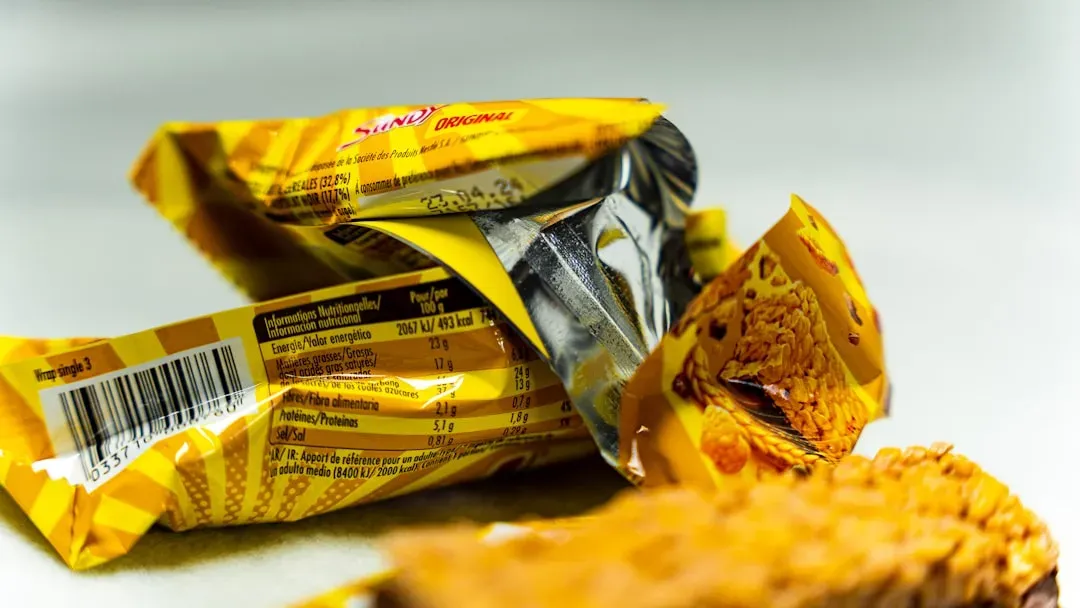
When you finish a snack by the water – a sandwich, chips, candy – it can be tempting to tuck the wrapper under a rock or assume it will not matter if a bit of plastic or foil blows away. From an alligator’s point of view, those crinkly, greasy wrappers smell like food and move like prey, especially if crumbs or sauces are still clinging to them. A gator that has learned to associate human activity with easy meals may be even more likely to snap them up without hesitation.
Once inside, thin plastics can fold and cling to the lining of the stomach or intestines, making it harder for real food to move through. Foil and laminated materials can add to the cocktail of indigestible objects already building up in the animal’s system. When you pack out every bit of your trash, even the smallest snack wrapper, you are cutting off a powerful lure that encourages alligators to connect people with food instead of keeping a healthy, natural distance.
12. Coins and Small Change

Tossing a coin into the water can feel like a harmless wish or a quick way to get rid of spare change, but those flashes of metal do not just sink and vanish. In shallow or clear water, sunlight can make a coin shine like a tiny, moving creature, especially as it tumbles in the current. An alligator that is investigating sounds and glints at the surface can vacuum up coins without much effort.
Like other metal fragments, coins will not digest or pass quickly, so they accumulate quietly inside the stomach. Over time, they add weight and can contribute to a mix of foreign objects rattling around in the gator’s gut. Choosing to keep your change in your pocket instead of throwing it into lakes, canals, or ponds is a small habit shift that prevents wildlife from turning your loose coins into a lifetime burden.
13. Rocks, Gravel, and Human‑Moved Debris
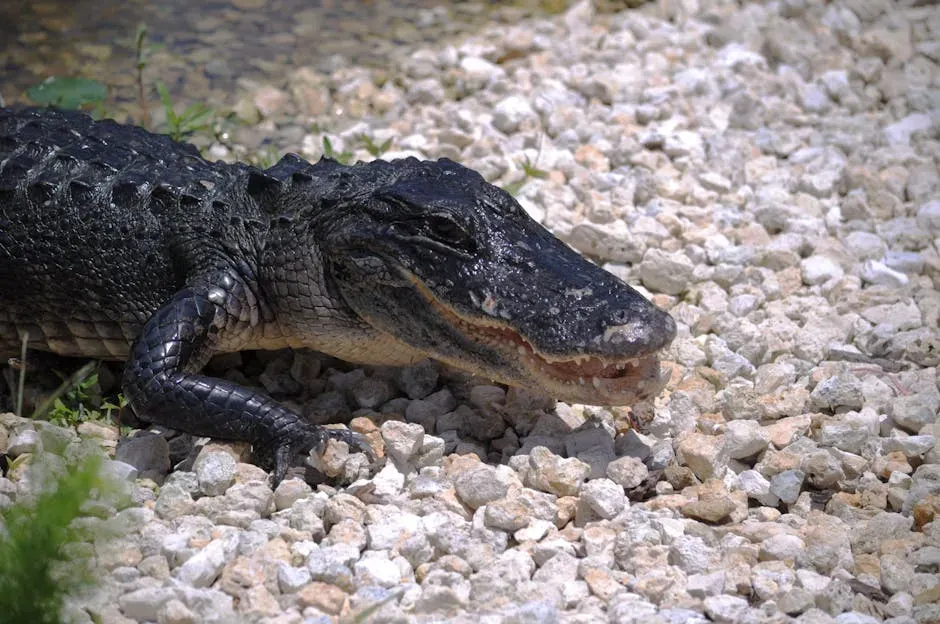
Alligators do sometimes swallow small stones naturally, and those gastroliths can help them grind food or adjust buoyancy, so not every rock inside a gator is a problem. However, when you move stones, gravel, concrete bits, and construction debris into waterways – whether through landscaping, dumping, or runoff – you change what an alligator is likely to ingest. Jagged pieces of broken concrete or brick mixed with natural stones can cause far more internal wear and tear than smooth pebbles.
If you regularly work near canals, drainage ditches, or retention ponds, being mindful of where your debris ends up matters more than you might think. Keeping human‑made rubble out of places where gators feed reduces the chance that they confuse dangerous fragments with the rounded stones they instinctively swallow. It is one more reminder that even subtle changes you make to the shoreline can echo inside the bodies of the animals that live there.
Conclusion: What Your Trash Tells an Alligator
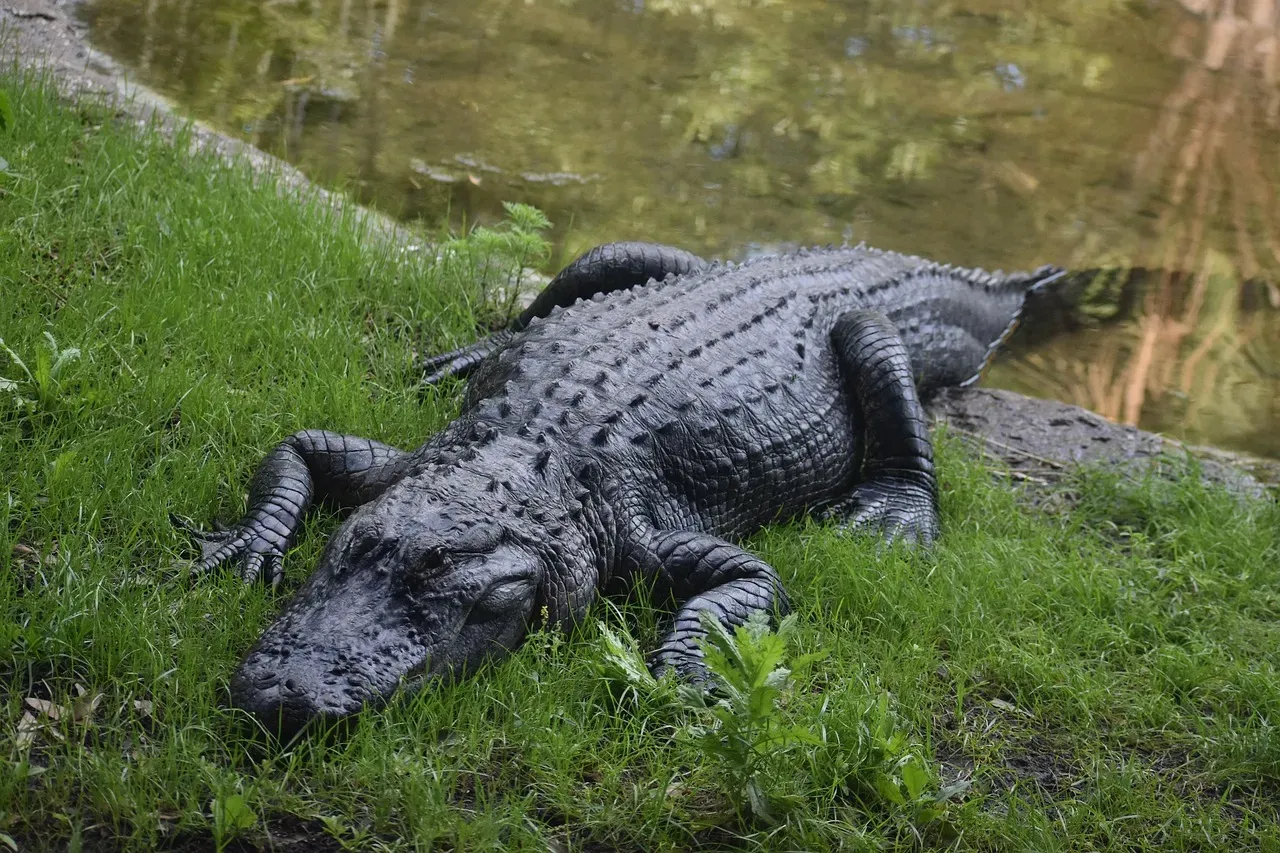
When you picture a Florida alligator gliding through the swamp, you probably imagine fish, birds, and turtles inside its stomach, not keys, golf balls, or tangled fishing line. Yet every everyday object on this list has turned up in real gators because your habits – and the habits of millions of people like you – spill into the wild in ways you do not always see. An alligator is not a sorting machine; it is a predator reacting to movement, shine, and smell, and that means your lost or discarded items easily become unintended prey.
If you spend time near water, you have more influence than you realize over what ends up inside these ancient reptiles. Securing your gear, packing out your trash, thinking twice before throwing anything into a canal or pond, and treating gator habitat with respect all add up over time. The next time you stand at the edge of a murky Florida swamp, you might wonder: if a biologist opened the stomach of a nearby alligator, how much of your world would they find inside it – and how much of that could you have kept out in the first place?